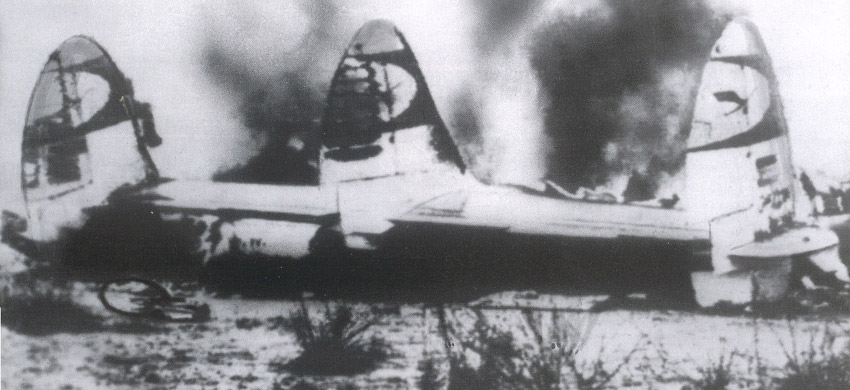
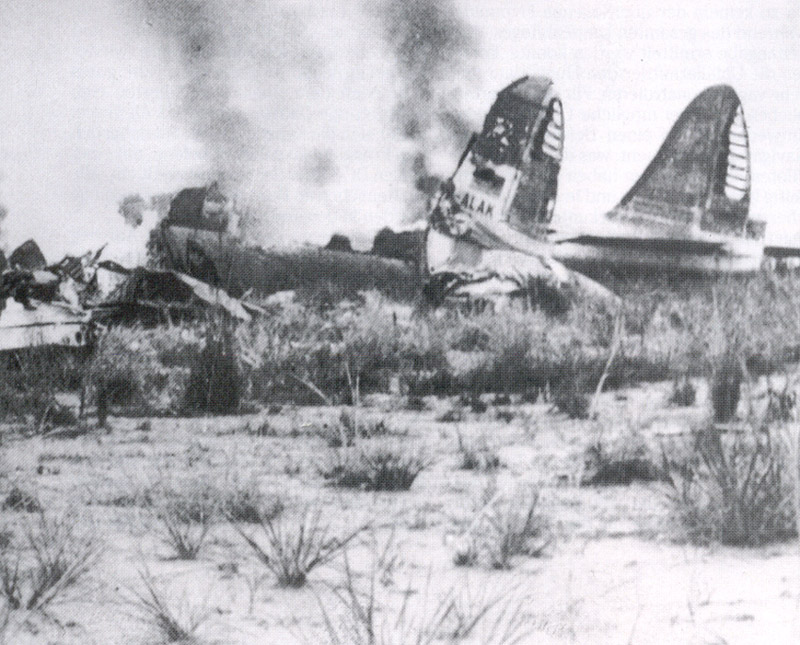
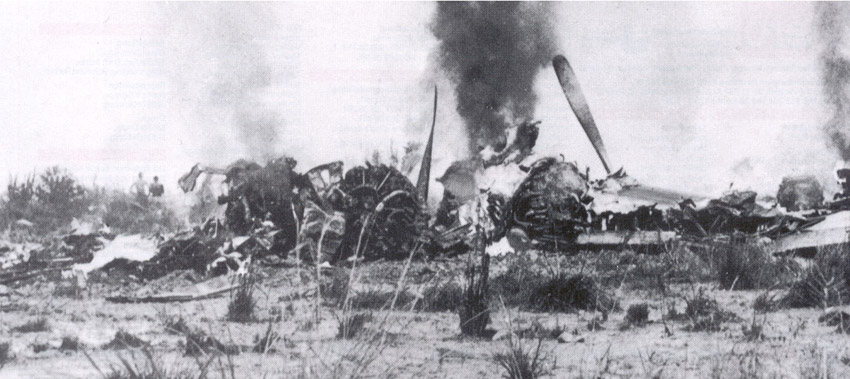
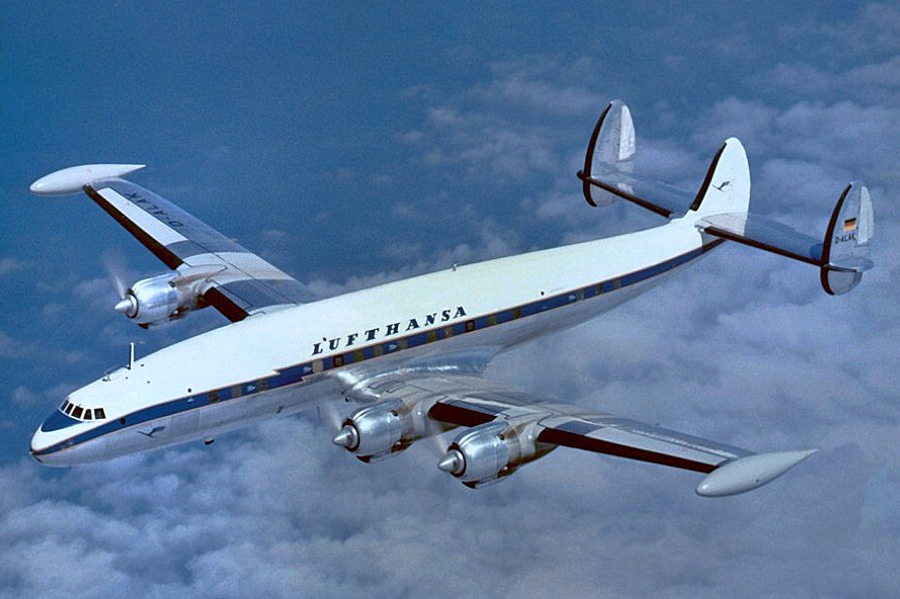
Crash of a Lockheed L-1049G Super Constellation in Rio de Janeiro: 36 killed

Date & Time: Jan 11, 1959 at 1117 LT
Operator:

Registration:
D-ALAK
Survivors:
Yes
Schedule:
Hamburg – Frankfurt – Paris – Lisbon – Dakar – Recife – Rio de Janeiro – Buenos Aires
MSN:
4602
YOM:
1955
Flight number:
LH502
Country:
Crew on board:
10
Crew fatalities:
Pax on board:
29
Pax fatalities:
Other fatalities:
Total fatalities:
36
Circumstances:
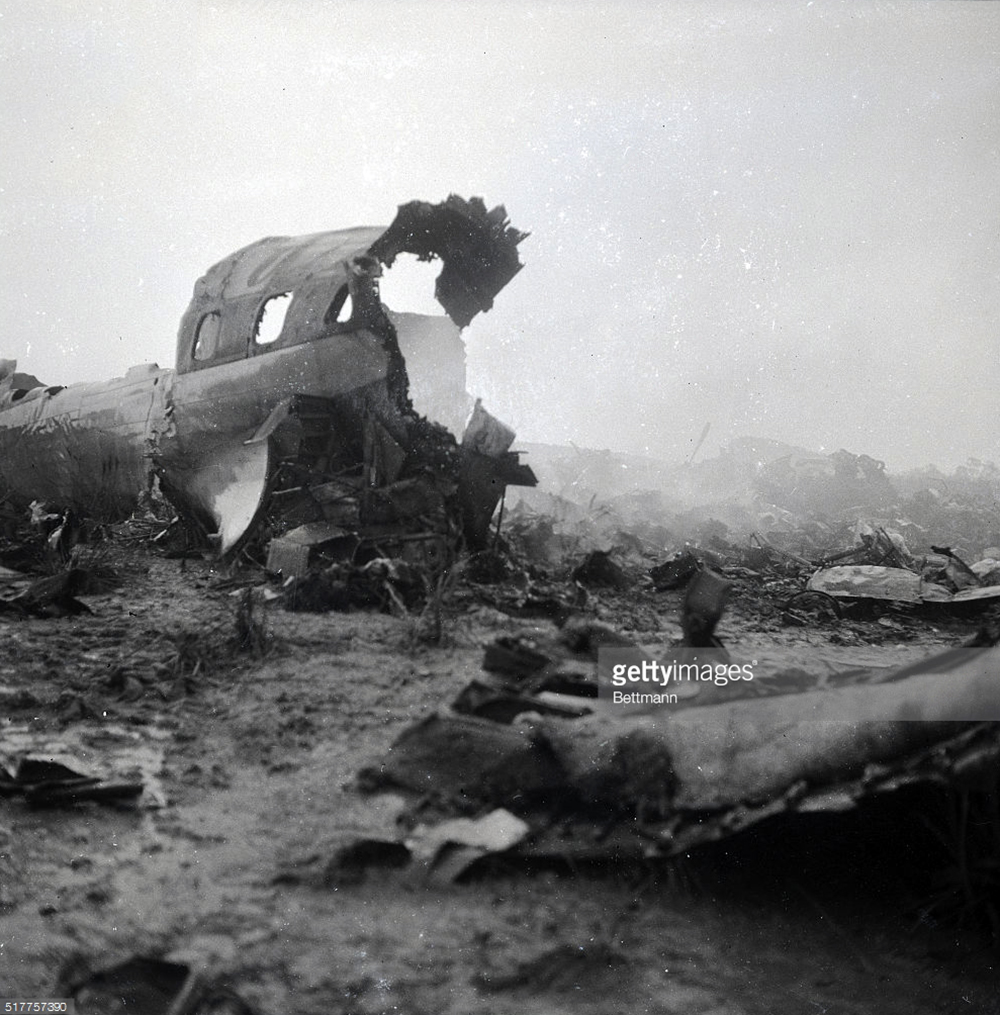
The Super Constellation operated on flight LH502 from Hamburg, Germany to Buenos Aires, Argentina. The crew were cleared to descend from 4,200 m to 3,000 m when 20 min out from Rio de Janeiro. They were to maintain 3,000 m to the KX NDB in preparation for an approach and landing at runway 14. Over KX they were cleared to descend to 900 m. Galeão Approach was contacted and normal position reports were made. The plane descended over Guanabara Bay under rainy conditions and struck the water with the nose wheel. The crew then presumably tried to continue the approach, but the Constellation crashed near Flecheiras Beach, short of the Galeão runway. The airplane was destroyed by fire and seven crew members and all 29 passengers were killed. Only three crew members survived. Crew duty and flight time exceeded the Brazilian limits but did not exceed the German limitations.
Probable cause:
In spite of an exhaustive investigation it was not possible to determine the actual cause. However, the probable cause was considered to be pilot error in descending below the minimum altitude on final approach. Aircrew fatigue was considered to be a contributing factor.
Crash of a Douglas DC-3A-197B on Mt Holston: 10 killed

Date & Time: Jan 8, 1959 at 2032 LT
Type of aircraft:
Operator:
Registration:
N18941
Survivors:
No
Site:
Schedule:
Nashville – Knoxville – Bristol
MSN:
2007
YOM:
1938
Flight number:
SE308
Crew on board:
3
Crew fatalities:
Pax on board:
7
Pax fatalities:
Other fatalities:
Total fatalities:
10
Captain / Total flying hours:
7214
Captain / Total hours on type:
2674.00
Copilot / Total flying hours:
2367
Copilot / Total hours on type:
432
Aircraft flight hours:
5675
Circumstances:
During a night approach to Bristol-Tr-Cities Airport, the airplane was too low and struck the slope of Mt Holston located 15 miles from runway 27 threshold. The airplane was destroyed by impact forces and a post crash fire and all ten occupants were killed. The evidence indicates Flight 308 departed Nashville, Tennessee, with an inoperative radio compass. Although the flight was cleared by way of low frequency airway Green 5, it does not appear that the facilities defining this airway were used. Upon arriving in the Tri-Cities area the aircraft was east of its intended track and erroneously identified the reporting point from which an ILS approach procedure was to be initiated. During the instrument approach, which was conducted in snow showers, the flight missed the outer marker. The approach was continued under instrument conditions without utilizing the VOR facility which would have been of assistance in confirming the flight's position. Without having clearly established his position, the pilot flew 15 miles beyond the outer marker and descended to an altitude too low to clear high terrain in this area.
Probable cause:
The Board determines the probable cause of this accident was the failure of the pilot to identify Gray intersection properly and his decision to continue an ILS approach contrary to company and regulatory procedures.
Final Report:

Crash of a Curtiss C-46A-45-CU Commando in Rio de Janeiro

Date & Time: Jan 6, 1959
Type of aircraft:
Operator:
Registration:
PP-LDH
Flight Type:
Survivors:
Yes
Schedule:
Rio de Janeiro - Rio de Janeiro
MSN:
30350
YOM:
1944
Country:
Crew on board:
5
Crew fatalities:
Pax on board:
0
Pax fatalities:
Other fatalities:
Total fatalities:
0
Circumstances:
Due to foggy conditions, the Santos Dumont Airport was closed to trafic and the crew diverted to Galeão Airport where the passengers disembarked. When the weather conditions improved, the crew was able to complete a short ferry flight back from Galeão to Santos Dumont. After touchdown on runway 02, the airplane was unable to stop within the remaining distance, overran and plunged into the Guanabara Bay. All five crew members were injured and the aircraft was lost.
Probable cause:
Wrong approach configuration on part of the crew who landed too far down the runway.

Crash of an Avro 685 York in Brindisi

Date & Time: Jan 5, 1959
Type of aircraft:
Operator:
Registration:
OD-ACE
Flight Type:
Survivors:
Yes
Schedule:
Beirut – Brindisi – London
MSN:
SET50
YOM:
1946
Location:
Country:
Region:
Crew on board:
3
Crew fatalities:
Pax on board:
0
Pax fatalities:
Other fatalities:
Total fatalities:
0
Circumstances:
After touchdown at Brindisi Airport, the four engine airplane went out of control, veered off runway and came to rest. All three crew members were injured and the aircraft was written off.

Crash of a Curtiss C-46A-25-CU Commando in Moyobamba

Date & Time: Jan 4, 1959
Type of aircraft:
Operator:
Registration:
OB-QAL-487
Flight Type:
Survivors:
Yes
MSN:
26656
YOM:
1943
Country:
Crew on board:
2
Crew fatalities:
Pax on board:
0
Pax fatalities:
Other fatalities:
Total fatalities:
0
Circumstances:
After touchdown, the airplane encountered difficulties to stop within the remaining distance, overran, lost its undercarriage and came to rest against a radio mast. Both pilots were injured and the aircraft was damaged beyond repair.

Crash of an Ilyushin II-14M near Khatanga: 16 killed

Date & Time: Dec 30, 1958 at 2153 LT
Type of aircraft:
Operator:
Registration:
CCCP-04196
Survivors:
Yes
Site:
Schedule:
Pevek – Mys Kosistyy – Khatanga – Moscow
MSN:
14700 13 16
YOM:
1957
Flight number:
SU003
Country:
Region:
Crew on board:
5
Crew fatalities:
Pax on board:
12
Pax fatalities:
Other fatalities:
Total fatalities:
16
Circumstances:
On the leg from Mys Kosistyy to Khatanga of a flight from Pevek to Moscow during the polar night, the aircraft deviated from the prescribed flight path to the left by 38 km. The crew descended prematurely and the twin engine aircraft hit the slope of a hill (340 metres high) located about 65 km from the Khatanga Airport. It came to rest upside down after some 400 metres and caught fire. The rescue teams arrived on the scene a day later, on December 31. A passenger was seriously injured while all 16 other occupants were killed.
Probable cause:
The accident was the consequence of navigation errors on part of the flying crew, which caused the aircraft to deviate from the prescribed flight plan by 38 km to the left. The captain started the descent prematurely, causing the aircraft to struck a hill while flying in limited visibility (8 km) due to the night, clouds and snow falls. The decision of the operations to change the navigator at the last minute may have been a contributing factor due to a possible inoperability between the captain and the navigator. Finally, shortcomings were reported in the polar operations and flight organisation.

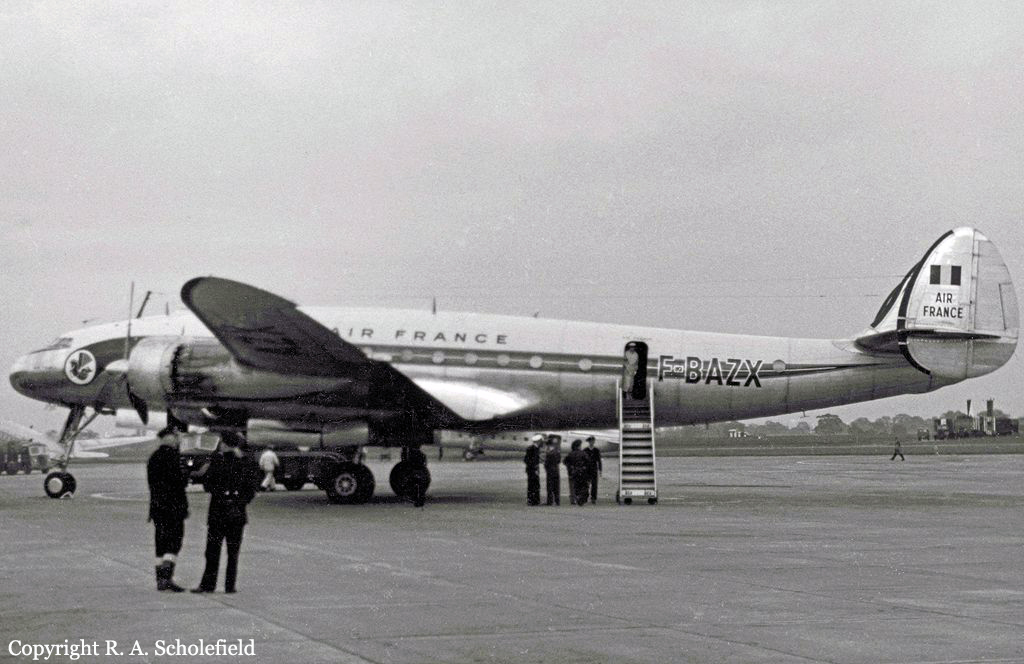
Crash of a Lockheed L-749A Constellation in Vienna

Date & Time: Dec 24, 1958 at 2159 LT
Operator:
Registration:
F-BAZX
Survivors:
Yes
Schedule:
Paris – Munich – Vienna
MSN:
2527
YOM:
1947
Country:
Region:
Crew on board:
6
Crew fatalities:
Pax on board:
28
Pax fatalities:
Other fatalities:
Total fatalities:
0
Circumstances:
Following an uneventful flight from Munich, the crew started an ILS approach to Vienna-Schwechat runway 30. On final, the captain made a visual circuit when ground contact was apparently lost, causing the airplane to lose height. On short final, the Constellation crash landed in a field 2,2 km short of runway 30 threshold and came to rest. All 34 occupants were rescued and the aircraft was damaged beyond repair.
Probable cause:
It is possible to establish that there was no question of a technical malfunction, and that the flight crew lost sight of the ground in the base leg turn, at which time the aircraft adopted an abnormal attitude for this manoeuvre which led to the crash. Presumably the accident could have been avoided through immediate discontinuation of the approach procedure (immediate changeover to climb - heading for radio beacon OEW) following loss of visibility.

Crash of an Ilyushin II-14 in Tashkent: 21 killed

Date & Time: Dec 23, 1958 at 0310 LT
Type of aircraft:
Operator:
Registration:
CCCP-61663
Survivors:
No
Schedule:
Mineralnye Vody – Ashgabat – Tashkent
MSN:
6 34 20 07
YOM:
1956
Flight number:
SU466
Country:
Region:
Crew on board:
6
Crew fatalities:
Pax on board:
15
Pax fatalities:
Other fatalities:
Total fatalities:
21
Aircraft flight hours:
3295
Circumstances:
On approach to Tashkent-Yuzhny Airport, the crew encountered poor weather conditions. The visibility was reduced due to the combination of snow falls and night. On final, the captain decided to make a go around and attempted a second approach instead of diverting to a suitable airport. During the second approach, as he was unable to locate the runway, the crew again decided to make a go around when, at a height of 100-150 meters, the airplane stalled, banked right and crashed in a snowy field. All 21 occupants were killed.
Probable cause:
The accident was the consequence of wrong decision on part of the crew who decided to continue the approach below weather minima conditions. The crew failed to divert to a suitable terrain and while performing a second go around manoeuvre, the airplane stalled due to an insufficient speed.

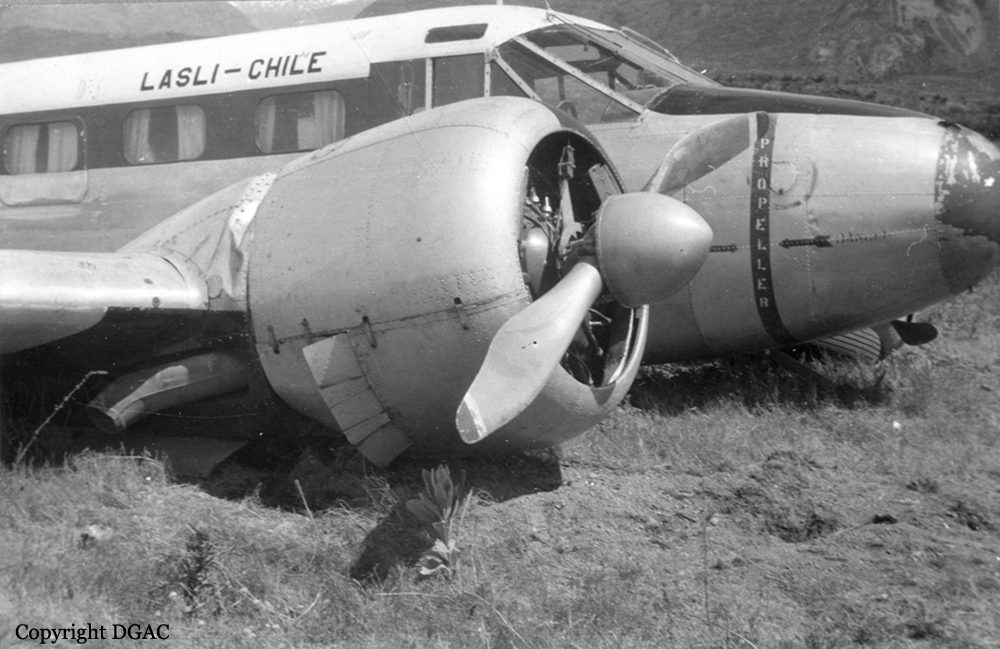
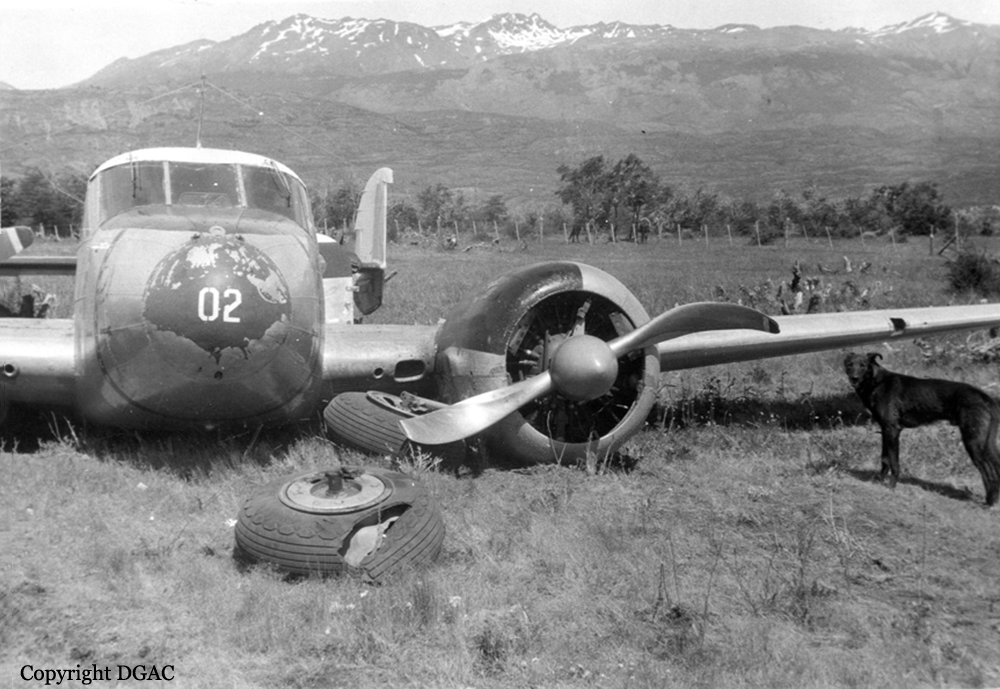
Crash of a Beechcraft C18S in Cochrane

Date & Time: Dec 22, 1958 at 1454 LT
Type of aircraft:
Operator:
Registration:
CC-CSA-489
Survivors:
Yes
Schedule:
Puerto Aysén - Cochrane
MSN:
6948
YOM:
1944
Country:
Crew on board:
1
Crew fatalities:
Pax on board:
2
Pax fatalities:
Other fatalities:
Total fatalities:
0
Circumstances:
Upon landing at Cochrane Airport, the right tire burst. Both main landing gear collapsed and the airplane skidded on its belly and came to rest. All three occupants escaped uninjured while the aircraft was not repaired.
Probable cause:
The right tire burst upon landing.

Crash of an Ilyushin II-14 in Ulyanovsk: 4 killed

Date & Time: Dec 15, 1958 at 2005 LT
Type of aircraft:
Operator:
Registration:
CCCP-41843
Flight Type:
Survivors:
Yes
Schedule:
Ulyanovsk - Ulyanovsk
MSN:
1460 005 12
YOM:
30
Country:
Region:
Crew on board:
7
Crew fatalities:
Pax on board:
0
Pax fatalities:
Other fatalities:
Total fatalities:
4
Aircraft flight hours:
2057
Circumstances:
The crew (six pilots and one instructor) was completing a local night training mission at Ulyanovsk-Baratayevka Airport. While approaching the airfield in icing conditions, the airplane stalled and crashed in flames 400 meters from the airfield. Four occupants were killed while three others were injured. The airplane was partially destroyed by fire.
Probable cause:
The accident was the consequence of poor piloting techniques on part of the pilot-in-command and the instructor while performing a transition flight from instruments to visual mode in icing conditions. 10 to 15 millimeters of ice were found on the wings after the accident, which contributed to the stall at low height. The following factors were considered as contributing:
- Lack of a clear order in the direction and control of the flight,
- Lack of a training methodology,
- Atmosphere of complacency on part of the instructor, which reduced his self-discipline,
- Insufficient knowledge of the aerodynamic qualities of the aircraft in icing conditions and appropriate action to take in such conditions,
- Insufficient distance between the airplane and the ground to expect recovery.