Country
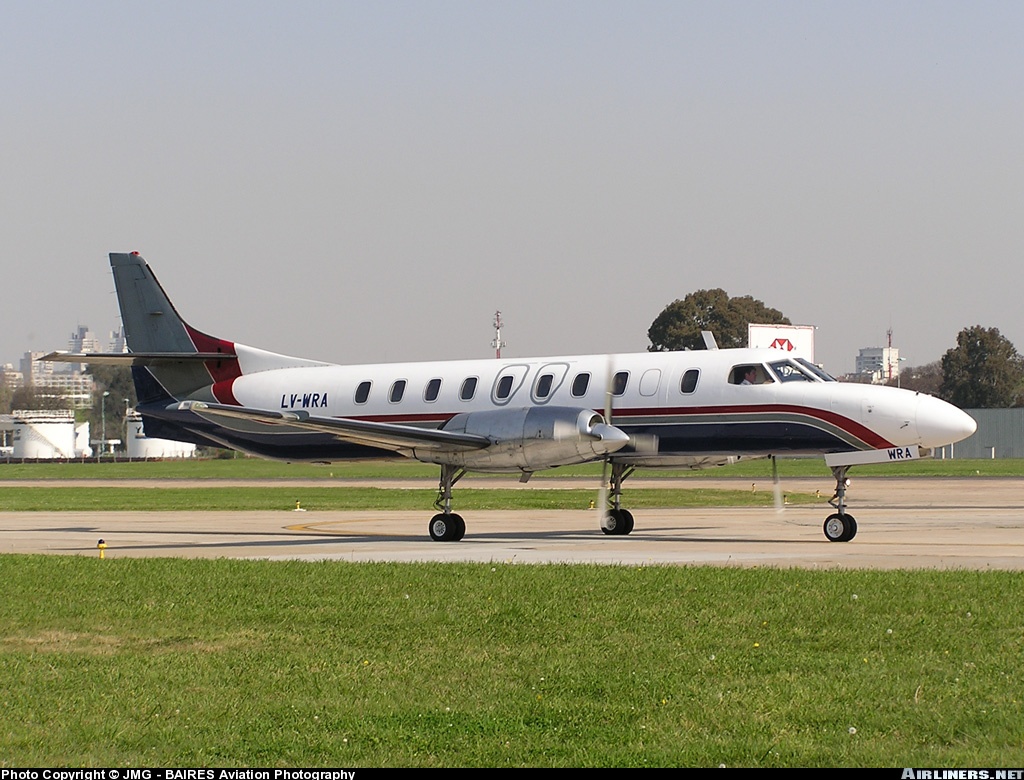
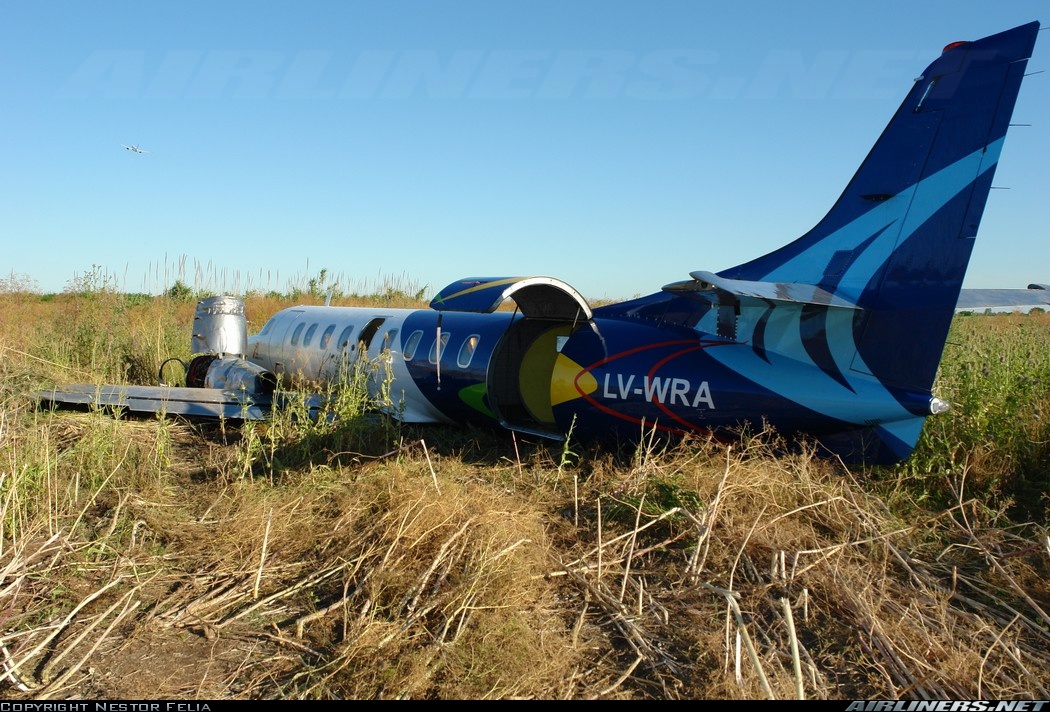
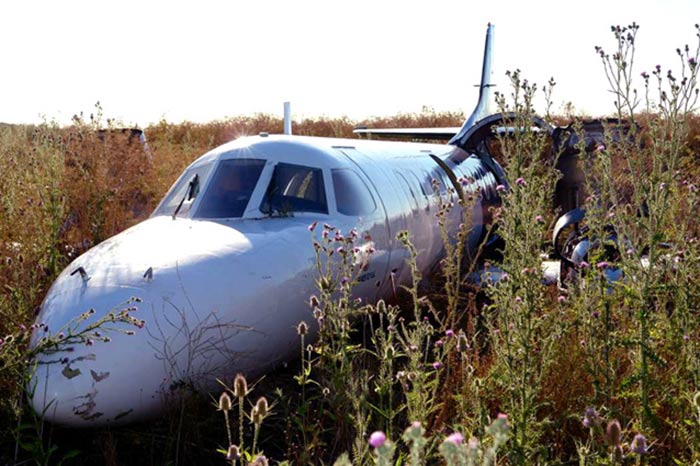
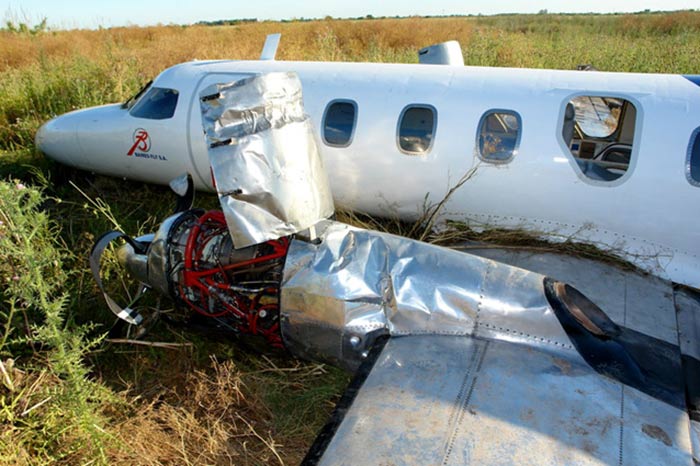
Crash of a Swearingen SA227AC Metro III in Buenos Aires
Date & Time:
Dec 15, 2006 at 1820 LT
Operator:

Registration:
LV-WRA
Survivors:
Yes
Schedule:
Buenos Aires - Buenos Aires
MSN:
AC-429
YOM:
1981
Crew on board:
2
Crew fatalities:
Pax on board:
0
Pax fatalities:
Other fatalities:
Total fatalities:
0
Captain / Total hours on type:
1556.00
Copilot / Total hours on type:
1232
Aircraft flight hours:
34587
Circumstances:
The crew was performing a positioning flight from Buenos Aires-Ezeiza-Ministro Pistarini Airport to Buenos Aires-Aeroparque-Jorge Newbury Airport. Before departure, the captain switched off the Stall Alarm System for unknown reasons. Shortly after takeoff from runway 17, the climb gradient was small and landing gear were retracted at a very low altitude. The left wing stalled and struck the runway surface. Out of control, the aircraft impacted ground, slid for few dozen metres, overran the runway and came to rest in a field. Both pilots were uninjured while the aircraft was damaged beyond repair.
Probable cause:
Loss of control shortly after rotation due to the premature retraction of the landing gear and a takeoff completed with a low climb gradient in the second segment.
Final Report:
Crash of a Swearingen SA227AC Metro III in Grain Valley
Date & Time:
Aug 17, 2006 at 1551 LT
Operator:

Registration:
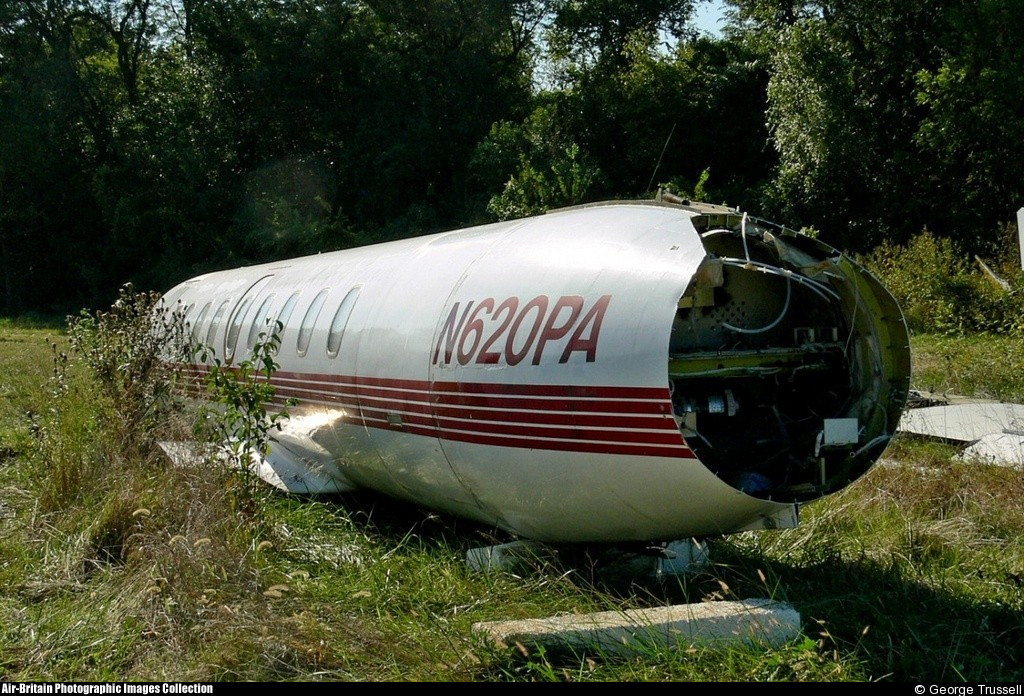
N620PA
Survivors:
Yes
Schedule:
Tuscaloosa - Grain Valley
MSN:
AC-533
YOM:
1982
Flight number:
PKW321
Crew on board:
2
Crew fatalities:
Pax on board:
0
Pax fatalities:
Other fatalities:
Total fatalities:
0
Captain / Total hours on type:
188.00
Copilot / Total hours on type:
165
Aircraft flight hours:
22504
Circumstances:
The airplane impacted a fence and terrain on short final during a visual approach to runway 27. The airplane was operated as a cargo airplane with two flight crewmembers by a commercial operator certificated under 14 CFR Part 135. The flightcrew worked approximately 18.75 hours within a 24-hour period leading up to the accident performing flights listed by the operator as either 14 CFR Part 91 or 14 CFR Part 135, all of which were in the conduct of company business. Of this total, 5.9 hours involved flying conducted under 14 CFR Part 135. The flight to the accident airport was for the purposes of picking up repair parts for another company airplane that received minor damage in which the flight crew was previously piloting in the 24- hour period. They were then going to fly back to the operator's home base on the same day, which would have had an estimated flying time of 2:45 hours. The captain said he was tired and that he and the first officer had not slept at any of the stops made during the period. The captain said that the company likes for the airplanes to return to their home base. The captain said that the company prefers an option for pilots to stay overnight if tired and he has stayed overnight on previous trips but only due to maintenance related reasons. The Aeronautical Information Manual states that acute fatigue affects timing and perceptional field performance.
Probable cause:
The pilot not maintaining clearance from the fence. Contributing factors were the pilot's fatigue and the fence.
Final Report:

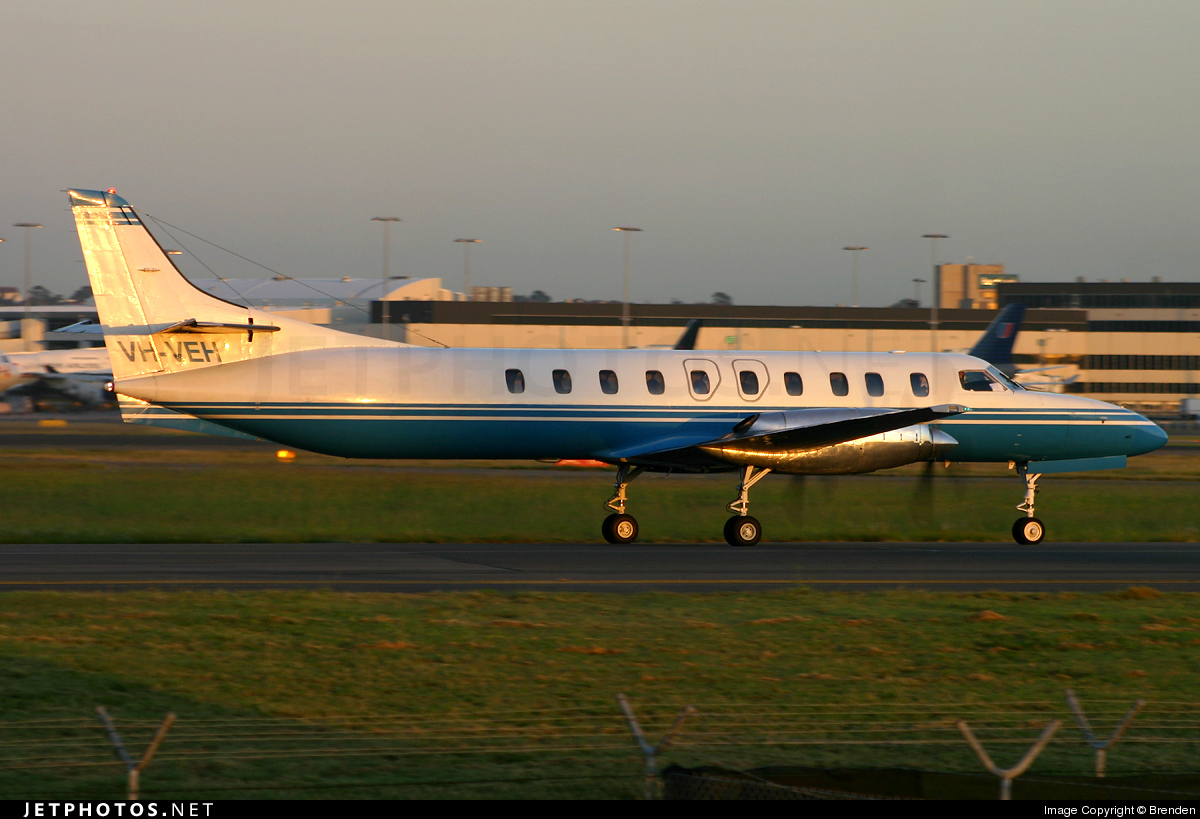
Crash of a Swearingen SA227AC Metro III in Canberra
Date & Time:
Jul 1, 2006
Operator:

Registration:
VH-VEH
Survivors:
Yes
MSN:
AC-663B
YOM:
1986
Crew on board:
0
Crew fatalities:
Pax on board:
0
Pax fatalities:
Other fatalities:
Total fatalities:
0
Circumstances:
By night, the twin engine aircraft landed hard at Canberra Airport. There were no injuries but the aircraft was damaged beyond repair.
Probable cause:
ATSB did not conduct any investigations on this event.
Crash of a Swearingen SA227AC Metro III in Rotterdam
Date & Time:
Sep 19, 2005 at 0730 LT
Operator:

Registration:
PH-DYM
Survivors:
Yes
Schedule:
Rotterdam – Birmingham
MSN:
AC-523
YOM:
1982
Crew on board:
2
Crew fatalities:
Pax on board:
17
Pax fatalities:
Other fatalities:
Total fatalities:
0
Circumstances:
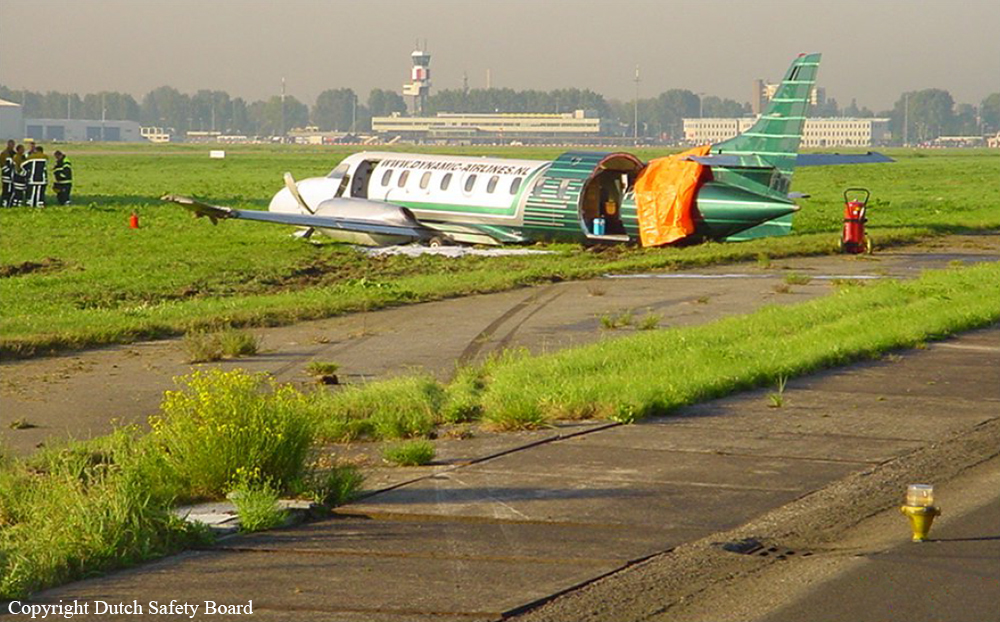
On 19 September 2005, the type F-Swearingen SA227-AC aircraft with registration PH-DYM was scheduled to make a charter flight from Rotterdam Airport to Birmingham Airport. Seventeen passengers and two cockpit crew members were on board. The planned departure time was 07.30 hours. The aircraft taxied to the beginning of runway 24 and lined up for take-off. During line-up, the speed levers for the engines were moved from taxi position to flight position. The nose wheel steering fault indicator lit up and the first officer, who was steering the aircraft, responded by saying that he had no nose wheel steering. The captain informed the first officer that he had forgotten to press the switch on the throttles, which activates the nose wheel steering system. The first officer then confirmed that he had nose wheel steering. With the engines in the low RPM range (taxi position, up to 70% of maximum RPM), the pilot can steer the aircraft using the rudder pedals while taxing. When the engines are operated in the high RPM selection (flight position, between 70% and 100% of the maximum RPM), the switch on the throttles, which activates the nose wheel steering system, must be pressed in during the first part of the take-off roll in order to be able to operate the nose wheel with the rudder pedal. At a speed around 50 knots, the switch which activates the nose wheel steering system is released. The aerodynamic forces of on the rudder are then sufficient to take over the steering from the nose wheel. Once take-off clearance was given by air traffic control, the first officer engaged power and started the take-off roll. He stated that once the nose wheel operating switch had been released, the aircraft almost immediately began moving towards the left hand side of the runway. He tried to use the brakes and the directional rudder, to return the aircraft to the centre of the runway. The aircraft had a speed of between 50 and 60 knots at that point. The crew rejected the take-off but could not prevent the aircraft ending up alongside the runway, on the left hand side. The captain stated that various forces influence the directional control of an aircraft during the take-off, such as wind, propeller wash, increasing air speed, etc. These forces necessitate steering corrections during the take-off. Only when the nose wheel steering system was disengaged the captain realized something was wrong. The grass area alongside the runway is lower than the runway and the ground was soft. The left landing gear sank in the soft ground first and, as a result, the aircraft decelerated heavily and the left landing gear broke off almost immediately. The tip of the left wing struck the ground. This caused a ground loop effect and turned the aircraft further left. As a consequence the right landing gear and the nose gear also broke off. Once the aircraft had come to a standstill, the captain switched off all onboard systems and cut off the fuel supply to the engines. Simultaneously, the first officer was given the task of evacuating the passengers. The passengers were calm and left the aircraft without problems via the left hand door at the front of the aircraft. A moment later, the airport fire service arrived at the location of the accident. One of the passengers was taken to hospital for a check-up; he was able to leave hospital the same morning. There was severe damage despite the relatively slow speed at which the aircraft left the runway.
Probable cause:
This accident was caused by an hydraulic leakage in the nose wheel steering system. The tyre tracks on the runway implied that the steering problem had occurred from the beginning of the take-off. The crew intervened as soon as after the nose wheel switch had been released and the nose wheel steering fault came on but were unable to prevent the aircraft leaving the runway.
Final Report:

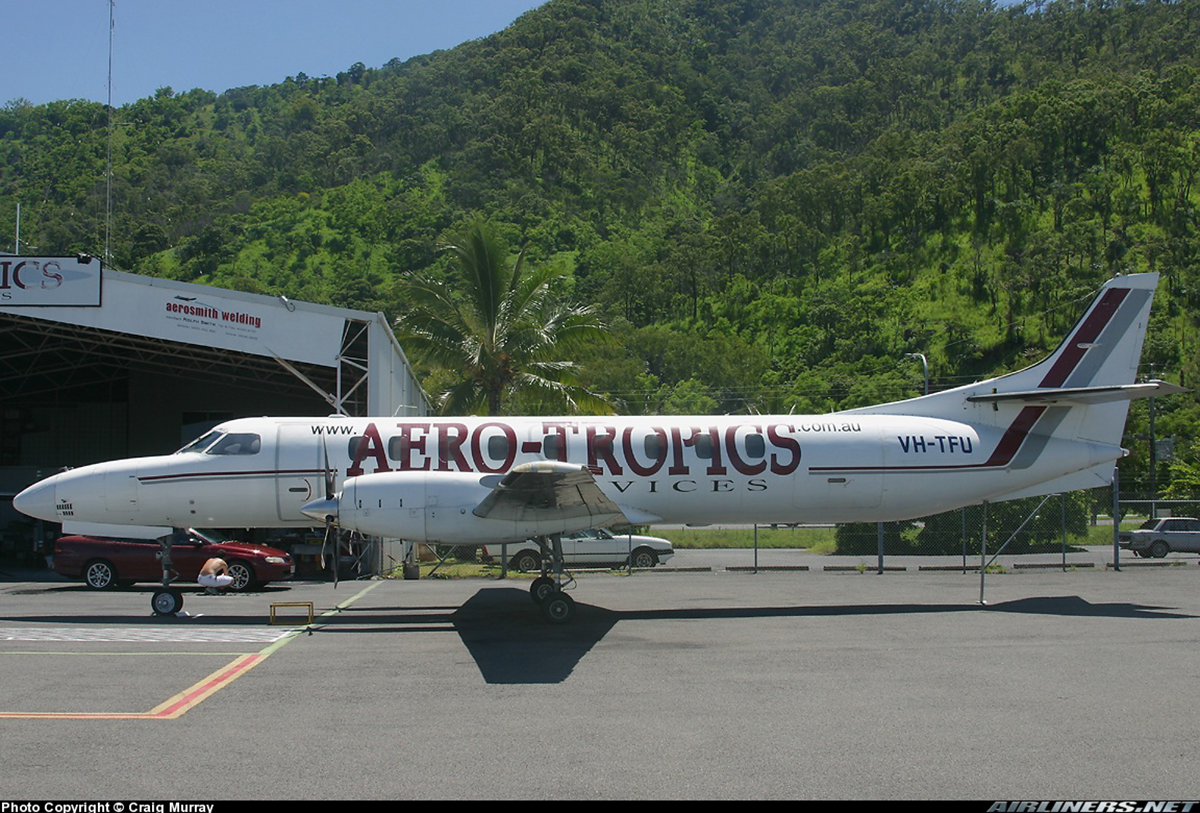
Crash of a Swearingen SA227DC Metro 23 in Lockhart River: 15 killed
Date & Time:
May 7, 2005 at 1144 LT
Operator:

Registration:
VH-TFU
Survivors:
No
Schedule:
Bamaga – Lockhart River – Cairns
MSN:
DC-818B
YOM:
1992
Flight number:
HC675
Crew on board:
2
Crew fatalities:
Pax on board:
13
Pax fatalities:
Other fatalities:
Total fatalities:
15
Captain / Total hours on type:
3248.00
Copilot / Total hours on type:
150
Aircraft flight hours:
26877
Aircraft flight cycles:
28529
Circumstances:
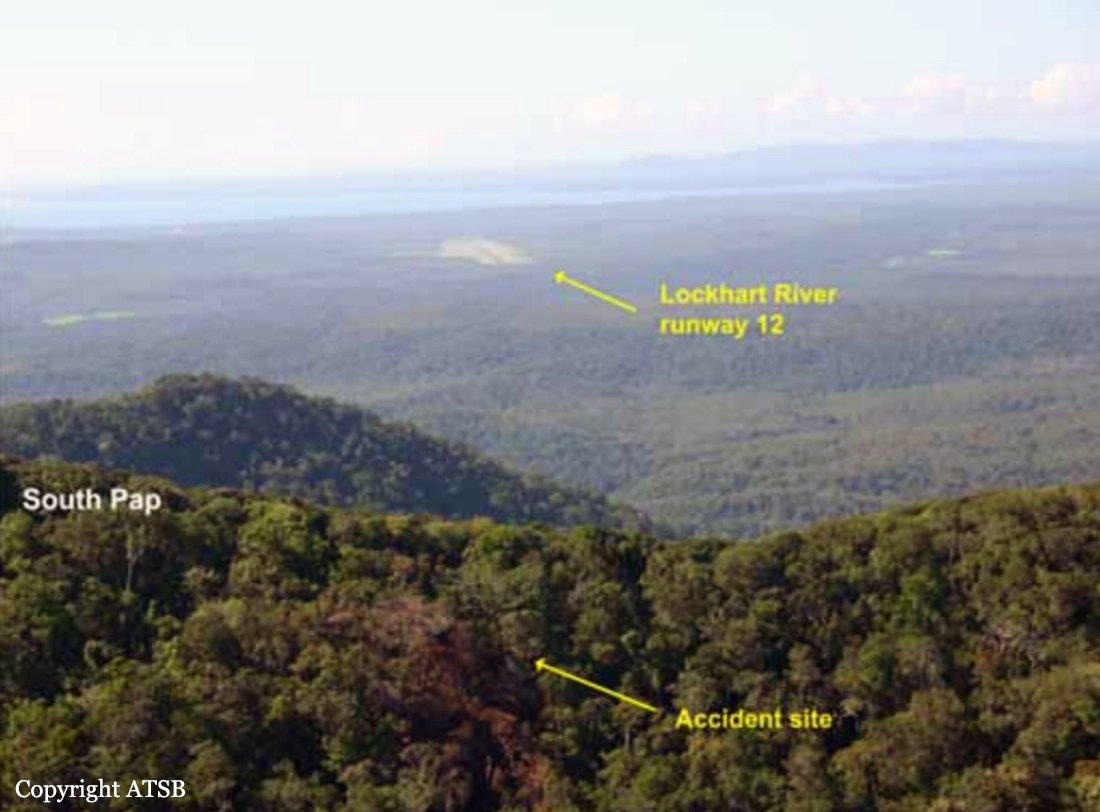
On 7 May 2005, a Fairchild Aircraft Inc. SA227DC Metro 23 aircraft, registered VH-TFU, with two pilots and 13 passengers, was being operated by Transair on an instrument flight rules (IFR) regular public transport (RPT) service from Bamaga to Cairns, with an intermediate stop at Lockhart River, Queensland. At 1143:39 Eastern Standard Time, the aircraft impacted terrain in the Iron Range National Park on the north-western slope of South Pap, a heavily timbered ridge, approximately 11 km north-west of the Lockhart River aerodrome. At the time of the accident, the crew was conducting an area navigation global navigation satellite system (RNAV (GNSS)) non-precision approach to runway 12. The aircraft was destroyed by the impact forces and an intense, fuel-fed, post-impact fire. There were no survivors. The accident was almost certainly the result of controlled flight into terrain; that is, an airworthy aircraft under the control of the flight crew was flown unintentionally into terrain, probably with no prior awareness by the crew of the aircraft’s proximity to terrain. Weather conditions in the Lockhart River area were poor and necessitated the conduct of an instrument approach procedure for an intended landing at the aerodrome. The cloud base was probably between 500 ft and 1,000 ft above mean sea level and the terrain to the west of the aerodrome, beneath the runway 12 RNAV (GNSS) approach, was probably obscured by cloud. The flight data recorder (FDR) data showed that, during the entire descent and approach, the aircraft engine and flight control system parameters were normal and that the crew were accurately navigating the aircraft along the instrument approach track. The FDR data and wreckage examination showed that the aircraft was configured for the approach, with the landing gear down and flaps extended to the half position. There were no radio broadcasts made by the crew on the air traffic services frequencies or the Lockhart River common traffic advisory frequency indicating that there was a problem with the aircraft or crew.
Probable cause:
Contributing factors relating to occurrence events and individual actions:
- The crew commenced the Lockhart River Runway 12 RNAV (GNSS) approach, even though the crew were aware that the copilot did not have the appropriate endorsement and had limited experience to conduct this type of instrument approach.
- The descent speeds, approach speeds and rate of descent were greater than those specified for the aircraft in the Transair Operations Manual. The speeds and rate of descent also exceeded those appropriate for establishing a stabilised approach.
- During the approach, the aircraft descended below the segment minimum safe altitude for the aircraft's position on the approach.
- The aircraft's high rate of descent, and the descent below the segment minimum safe altitude, were not detected and/or corrected by the crew before the aircraft collided with terrain.
- The accident was almost certainly the result of controlled flight into terrain.
Contributing factors relating to local conditions:
- The crew probably experienced a very high workload during the approach.
- The crew probably lost situational awareness about the aircraft's position along the approach.
- The pilot in command had a previous history of conducting RNAV (GNSS) approaches with crew without appropriate endorsements, and operating the aircraft at speeds higher than those specified in the Transair Operations Manual.
- The Lockhart River Runway 12 RNAV (GNSS) approach probably created higher pilot workload and reduced position situational awareness for the crew compared with most other instrument approaches. This was due to the lack of distance referencing to the missed approach point throughout the approach, and the longer than optimum final approach segment with three altitude limiting steps.
- The copilot had no formal training and limited experience to act effectively as a crew member during a Lockhart River Runway 12 RNAV (GNSS) approach.
Contributing factors relating to Transair processes:
- Transair's flight crew training program had significant limitations, such as superficial or incomplete ground-based instruction during endorsement training, no formal training for new pilots in the operational use of GPS, no structured training on minimising the risk of controlled flight into terrain, and no structured training in crew resource management and operating effectively in a multi-crew environment. (Safety Issue)
- Transair's processes for supervising the standard of flight operations at the Cairns base had significant limitations, such as not using an independent approved check pilot to review operations, reliance on passive measures to detect problems, and no defined processes for selecting and monitoring the performance of the base manager. (Safety Issue)
- Transair's standard operating procedures for conducting instrument approaches had significant limitations, such as not providing clear guidance on approach speeds, not providing guidance for when to select aircraft configuration changes during an approach, no clear criteria for a stabilised approach, and no standardised phraseology for challenging safety-critical decisions and actions by other crew members. (Safety Issue)
- Transair had not installed a terrain awareness and warning system, such as an enhanced ground proximity warning system, in VH-TFU.
- Transair's organisational structure, and the limited responsibilities given to non-management personnel, resulted in high work demands on the chief pilot. It also resulted in a lack of independent evaluation of training and checking, and created disincentives and restricted opportunities within Transair to report safety concerns with management decision making. (Safety Issue)
- Transair did not have a structured process for proactively managing safety related risks associated with its flight operations. (Safety Issue)
- Transair's chief pilot did not demonstrate a high level of commitment to safety. (Safety Issue)
Contributing factors relating to the Civil Aviation Safety Authority processes:
- CASA did not provide sufficient guidance to its inspectors to enable them to effectively and consistently evaluate several key aspects of operator management systems. These aspects included evaluating organisational structure and staff resources, evaluating the suitability of key personnel, evaluating organisational change, and evaluating risk management processes. (Safety Issue)
- CASA did not require operators to conduct structured and/or comprehensive risk assessments, or conduct such assessments itself, when evaluating applications for the initial issue or subsequent variation of an Air Operator's Certificate. (Safety Issue)
Other factors relating to local conditions:
- There was a significant potential for crew resource management problems within the crew in high workload situations, given that there was a high trans-cockpit authority gradient and neither pilot had previously demonstrated a high level of crew resource management skills.
- The pilots' endorsements, clearance to line operations, and route checks did not meet all the relevant regulatory and operations manual requirements to conduct RPT flights on the Metro aircraft.
- Some cockpit displays and annunciators relevant to conducting an instrument approach were in a sub-optimal position in VH-TFU for useability or attracting the attention of both pilots.
Other factors relating to instruments approaches:
- Based on the available evidence, the Lockhart River Runway 12 RNAV (GNSS) approach design resulted in mode 2A ground proximity warning system alerts and warnings when flown on the recommended profile or at the segment minimum safe altitudes. (Safety Issue)
- The Australian convention for waypoint names in RNAV (GNSS) approaches did not maximise the ability to discriminate between waypoint names on the aircraft global positioning system display and/or on the approach chart. (Safety Issue)
- There were several design aspects of the Jeppesen RNAV (GNSS) approach charts that could lead to pilot confusion or reduction in situational awareness. These included limited reference regarding the 'distance to run' to the missed approach point, mismatches in the vertical alignment of the plan-view and profile-view on charts such as that for the Lockhart River runway 12 approach, use of the same font size and type for waypoint names and 'NM' [nautical miles], and not depicting the offset in degrees between the final approach track and the runway centreline. (Safety Issue)
- Jeppesen instrument approach charts depicted coloured contours on the plan-view of approach charts based on the maximum height of terrain relative to the airfield only, rather than also considering terrain that increases the final approach or missed approach procedure gradient to be steeper than the optimum. Jeppesen instrument approach charts did not depict the terrain profile on the profile-view although the segment minimum safe altitudes were depicted. (Safety Issue)
- Airservices Australia's instrument approach charts did not depict the terrain contours on the plan-view. They also did not depict the terrain profile on the profile-view, although the segment minimum safe altitudes were depicted. (Safety Issue)
Other factors relating to Transair processes:
- Transair's flight crew proficiency checking program had significant limitations, such as the frequency of proficiency checks and the lack of appropriate approvals of many of the pilots conducting proficiency checks. (Safety Issue)
- The Transair Operations Manual was distributed to company pilots in a difficult to use electronic format, resulting in pilots minimising use of the manual. (Safety Issue) Other factors relating to regulatory requirements and guidance
- Although CASA released a discussion paper in 2000, and further development had occurred since then, there was no regulatory requirement for initial or recurrent crew resource management training for RPT operators. (Safety Issue)
- There was no regulatory requirement for flight crew undergoing a type rating on a multi-crew aircraft to be trained in procedures for crew incapacitation and crew coordination, including allocation of pilot tasks, crew cooperation and use of checklists. This was required by ICAO Annex 1 to which Australia had notified a difference. (Safety Issue)
- The regulatory requirements concerning crew qualifications during the conduct of instrument approaches in a multi-crew RPT operation was potentially ambiguous as to whether all crew members were required to be qualified to conduct the type of approach being carried out. (Safety Issue)
- CASA's guidance material provided to operators about the structure and content of an operations manual was not as comprehensive as that provided by ICAO in areas such as multi-crew procedures and stabilised approach criteria. (Safety Issue)
- Although CASA released a discussion paper in 2000, and further development and publicity had occurred since then, there was no regulatory requirement for RPT operators to have a safety management system. (Safety Issue)
- There was no regulatory requirement for instrument approach charts to include coloured contours to depict terrain. This was required by a standard in ICAO Annex 4 in certain situations. Australia had not notified a difference to the standard. (Safety Issue)
- There was no regulatory requirement for multi-crew RPT aircraft to be fitted with a serviceable autopilot. (Safety Issue)
Other factors relating to Civil Aviation Safety Authority processes:
- CASA's oversight of Transair, in relation to the approval of Air Operator's Certificate variations and the conduct of surveillance, was sometimes inconsistent with CASA's policies, procedures and guidelines.
- CASA did not have a systematic process for determining the relative risk levels of airline operators. (Safety Issue)
- CASA's process for evaluating an operations manual did not consider the useability of the manual, particularly manuals in electronic format. (Safety Issue)
- CASA's process for accepting an instrument approach did not involve a systematic risk assessment of pilot workload and other potential hazards, including activation of a ground proximity warning system. (Safety Issue) Other key findings An 'other key finding' is defined as any finding, other than that associated with safety factors, considered important to include in an investigation report. Such findings may resolve ambiguity or controversy, describe possible scenarios or safety factors when firm safety factor findings were not able to be made, or note events or conditions which 'saved the day' or played an important role in reducing the risk associated with an occurrence.
- It was very likely that both crew members were using RNAV (GNSS) approach charts produced by Jeppesen.
- The cockpit voice recorder did not function as intended due to an internal fault that had developed sometime before the accident flight and that was not discovered or diagnosed by flight crew or maintenance personnel.
- There was no evidence to indicate that the GPWS did not function as designed.
- There would have been insufficient time for the crew to effectively respond to the GPWS alert and warnings that were probably annunciated during the final 5 seconds prior to impact with terrain.
- The crew commenced the Lockhart River Runway 12 RNAV (GNSS) approach, even though the crew were aware that the copilot did not have the appropriate endorsement and had limited experience to conduct this type of instrument approach.
- The descent speeds, approach speeds and rate of descent were greater than those specified for the aircraft in the Transair Operations Manual. The speeds and rate of descent also exceeded those appropriate for establishing a stabilised approach.
- During the approach, the aircraft descended below the segment minimum safe altitude for the aircraft's position on the approach.
- The aircraft's high rate of descent, and the descent below the segment minimum safe altitude, were not detected and/or corrected by the crew before the aircraft collided with terrain.
- The accident was almost certainly the result of controlled flight into terrain.
Contributing factors relating to local conditions:
- The crew probably experienced a very high workload during the approach.
- The crew probably lost situational awareness about the aircraft's position along the approach.
- The pilot in command had a previous history of conducting RNAV (GNSS) approaches with crew without appropriate endorsements, and operating the aircraft at speeds higher than those specified in the Transair Operations Manual.
- The Lockhart River Runway 12 RNAV (GNSS) approach probably created higher pilot workload and reduced position situational awareness for the crew compared with most other instrument approaches. This was due to the lack of distance referencing to the missed approach point throughout the approach, and the longer than optimum final approach segment with three altitude limiting steps.
- The copilot had no formal training and limited experience to act effectively as a crew member during a Lockhart River Runway 12 RNAV (GNSS) approach.
Contributing factors relating to Transair processes:
- Transair's flight crew training program had significant limitations, such as superficial or incomplete ground-based instruction during endorsement training, no formal training for new pilots in the operational use of GPS, no structured training on minimising the risk of controlled flight into terrain, and no structured training in crew resource management and operating effectively in a multi-crew environment. (Safety Issue)
- Transair's processes for supervising the standard of flight operations at the Cairns base had significant limitations, such as not using an independent approved check pilot to review operations, reliance on passive measures to detect problems, and no defined processes for selecting and monitoring the performance of the base manager. (Safety Issue)
- Transair's standard operating procedures for conducting instrument approaches had significant limitations, such as not providing clear guidance on approach speeds, not providing guidance for when to select aircraft configuration changes during an approach, no clear criteria for a stabilised approach, and no standardised phraseology for challenging safety-critical decisions and actions by other crew members. (Safety Issue)
- Transair had not installed a terrain awareness and warning system, such as an enhanced ground proximity warning system, in VH-TFU.
- Transair's organisational structure, and the limited responsibilities given to non-management personnel, resulted in high work demands on the chief pilot. It also resulted in a lack of independent evaluation of training and checking, and created disincentives and restricted opportunities within Transair to report safety concerns with management decision making. (Safety Issue)
- Transair did not have a structured process for proactively managing safety related risks associated with its flight operations. (Safety Issue)
- Transair's chief pilot did not demonstrate a high level of commitment to safety. (Safety Issue)
Contributing factors relating to the Civil Aviation Safety Authority processes:
- CASA did not provide sufficient guidance to its inspectors to enable them to effectively and consistently evaluate several key aspects of operator management systems. These aspects included evaluating organisational structure and staff resources, evaluating the suitability of key personnel, evaluating organisational change, and evaluating risk management processes. (Safety Issue)
- CASA did not require operators to conduct structured and/or comprehensive risk assessments, or conduct such assessments itself, when evaluating applications for the initial issue or subsequent variation of an Air Operator's Certificate. (Safety Issue)
Other factors relating to local conditions:
- There was a significant potential for crew resource management problems within the crew in high workload situations, given that there was a high trans-cockpit authority gradient and neither pilot had previously demonstrated a high level of crew resource management skills.
- The pilots' endorsements, clearance to line operations, and route checks did not meet all the relevant regulatory and operations manual requirements to conduct RPT flights on the Metro aircraft.
- Some cockpit displays and annunciators relevant to conducting an instrument approach were in a sub-optimal position in VH-TFU for useability or attracting the attention of both pilots.
Other factors relating to instruments approaches:
- Based on the available evidence, the Lockhart River Runway 12 RNAV (GNSS) approach design resulted in mode 2A ground proximity warning system alerts and warnings when flown on the recommended profile or at the segment minimum safe altitudes. (Safety Issue)
- The Australian convention for waypoint names in RNAV (GNSS) approaches did not maximise the ability to discriminate between waypoint names on the aircraft global positioning system display and/or on the approach chart. (Safety Issue)
- There were several design aspects of the Jeppesen RNAV (GNSS) approach charts that could lead to pilot confusion or reduction in situational awareness. These included limited reference regarding the 'distance to run' to the missed approach point, mismatches in the vertical alignment of the plan-view and profile-view on charts such as that for the Lockhart River runway 12 approach, use of the same font size and type for waypoint names and 'NM' [nautical miles], and not depicting the offset in degrees between the final approach track and the runway centreline. (Safety Issue)
- Jeppesen instrument approach charts depicted coloured contours on the plan-view of approach charts based on the maximum height of terrain relative to the airfield only, rather than also considering terrain that increases the final approach or missed approach procedure gradient to be steeper than the optimum. Jeppesen instrument approach charts did not depict the terrain profile on the profile-view although the segment minimum safe altitudes were depicted. (Safety Issue)
- Airservices Australia's instrument approach charts did not depict the terrain contours on the plan-view. They also did not depict the terrain profile on the profile-view, although the segment minimum safe altitudes were depicted. (Safety Issue)
Other factors relating to Transair processes:
- Transair's flight crew proficiency checking program had significant limitations, such as the frequency of proficiency checks and the lack of appropriate approvals of many of the pilots conducting proficiency checks. (Safety Issue)
- The Transair Operations Manual was distributed to company pilots in a difficult to use electronic format, resulting in pilots minimising use of the manual. (Safety Issue) Other factors relating to regulatory requirements and guidance
- Although CASA released a discussion paper in 2000, and further development had occurred since then, there was no regulatory requirement for initial or recurrent crew resource management training for RPT operators. (Safety Issue)
- There was no regulatory requirement for flight crew undergoing a type rating on a multi-crew aircraft to be trained in procedures for crew incapacitation and crew coordination, including allocation of pilot tasks, crew cooperation and use of checklists. This was required by ICAO Annex 1 to which Australia had notified a difference. (Safety Issue)
- The regulatory requirements concerning crew qualifications during the conduct of instrument approaches in a multi-crew RPT operation was potentially ambiguous as to whether all crew members were required to be qualified to conduct the type of approach being carried out. (Safety Issue)
- CASA's guidance material provided to operators about the structure and content of an operations manual was not as comprehensive as that provided by ICAO in areas such as multi-crew procedures and stabilised approach criteria. (Safety Issue)
- Although CASA released a discussion paper in 2000, and further development and publicity had occurred since then, there was no regulatory requirement for RPT operators to have a safety management system. (Safety Issue)
- There was no regulatory requirement for instrument approach charts to include coloured contours to depict terrain. This was required by a standard in ICAO Annex 4 in certain situations. Australia had not notified a difference to the standard. (Safety Issue)
- There was no regulatory requirement for multi-crew RPT aircraft to be fitted with a serviceable autopilot. (Safety Issue)
Other factors relating to Civil Aviation Safety Authority processes:
- CASA's oversight of Transair, in relation to the approval of Air Operator's Certificate variations and the conduct of surveillance, was sometimes inconsistent with CASA's policies, procedures and guidelines.
- CASA did not have a systematic process for determining the relative risk levels of airline operators. (Safety Issue)
- CASA's process for evaluating an operations manual did not consider the useability of the manual, particularly manuals in electronic format. (Safety Issue)
- CASA's process for accepting an instrument approach did not involve a systematic risk assessment of pilot workload and other potential hazards, including activation of a ground proximity warning system. (Safety Issue) Other key findings An 'other key finding' is defined as any finding, other than that associated with safety factors, considered important to include in an investigation report. Such findings may resolve ambiguity or controversy, describe possible scenarios or safety factors when firm safety factor findings were not able to be made, or note events or conditions which 'saved the day' or played an important role in reducing the risk associated with an occurrence.
- It was very likely that both crew members were using RNAV (GNSS) approach charts produced by Jeppesen.
- The cockpit voice recorder did not function as intended due to an internal fault that had developed sometime before the accident flight and that was not discovered or diagnosed by flight crew or maintenance personnel.
- There was no evidence to indicate that the GPWS did not function as designed.
- There would have been insufficient time for the crew to effectively respond to the GPWS alert and warnings that were probably annunciated during the final 5 seconds prior to impact with terrain.
Final Report:
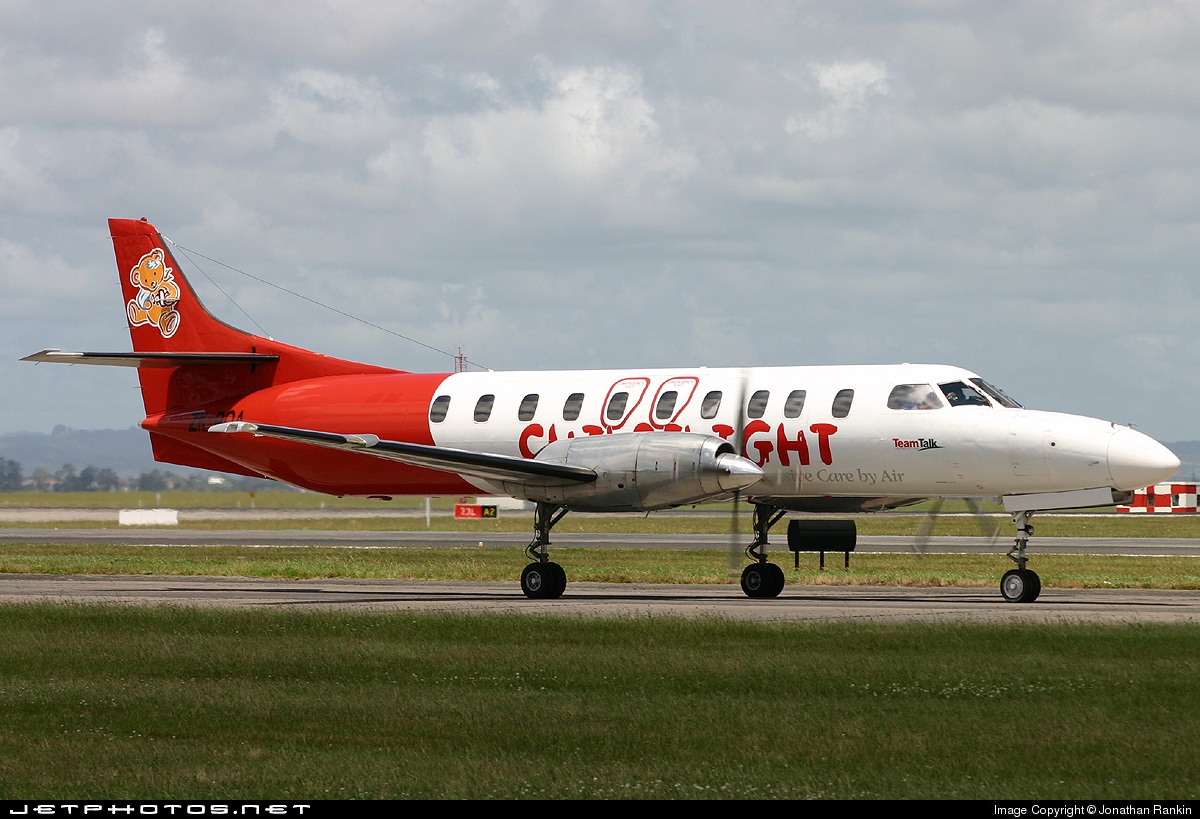
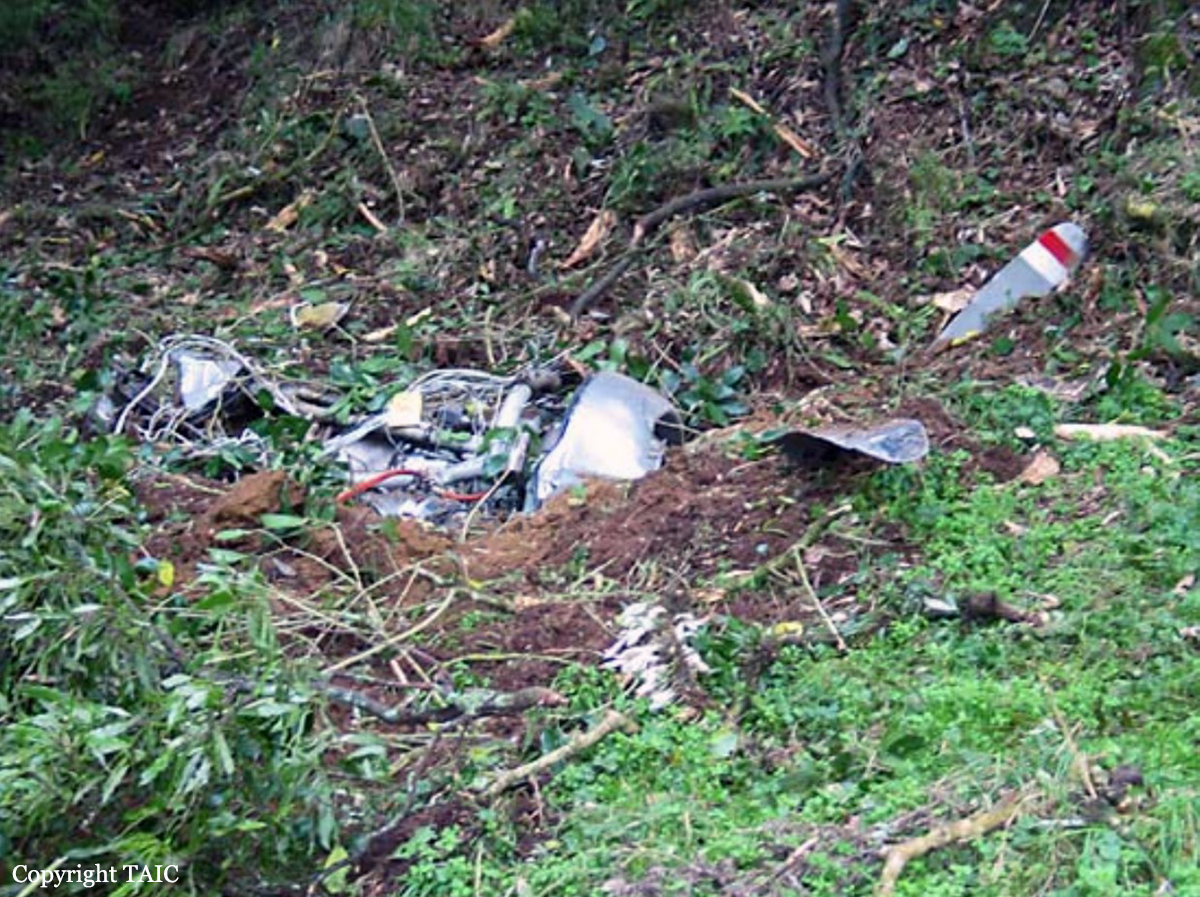
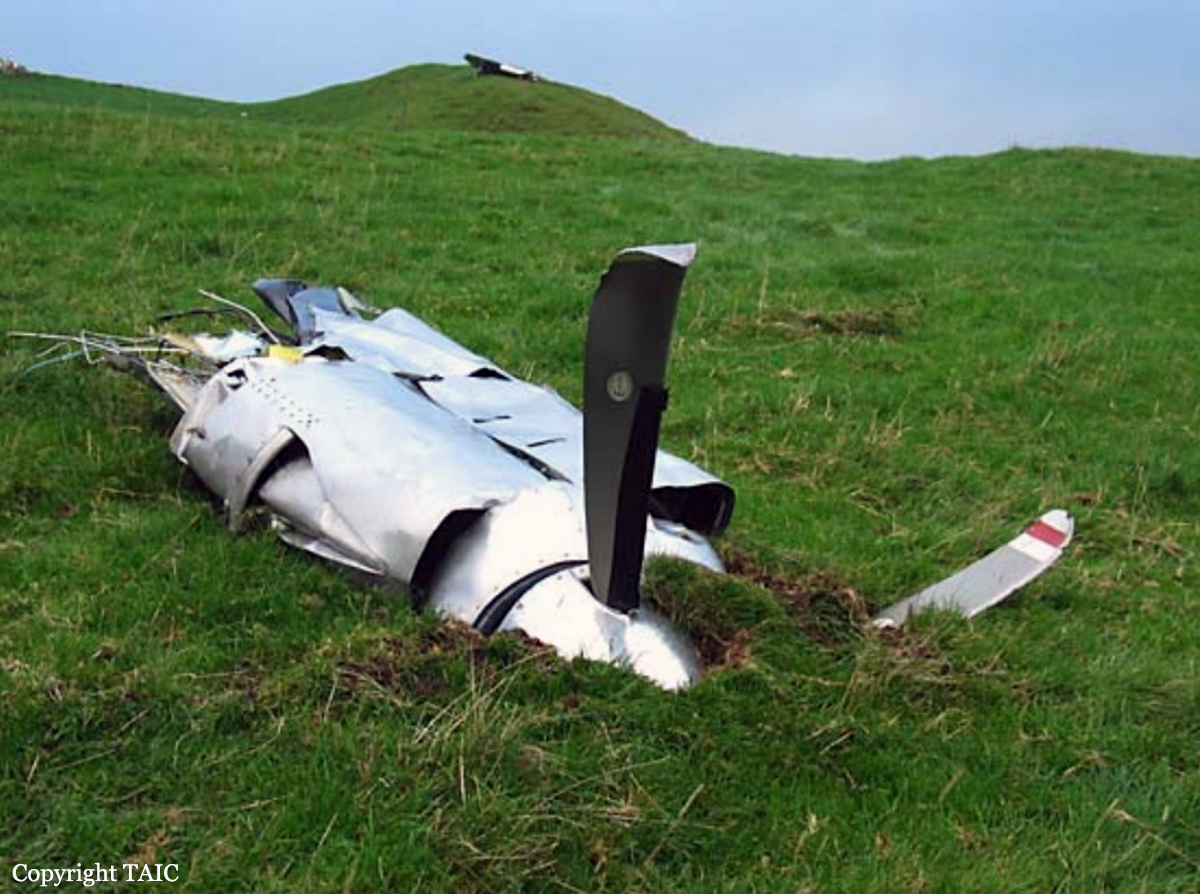
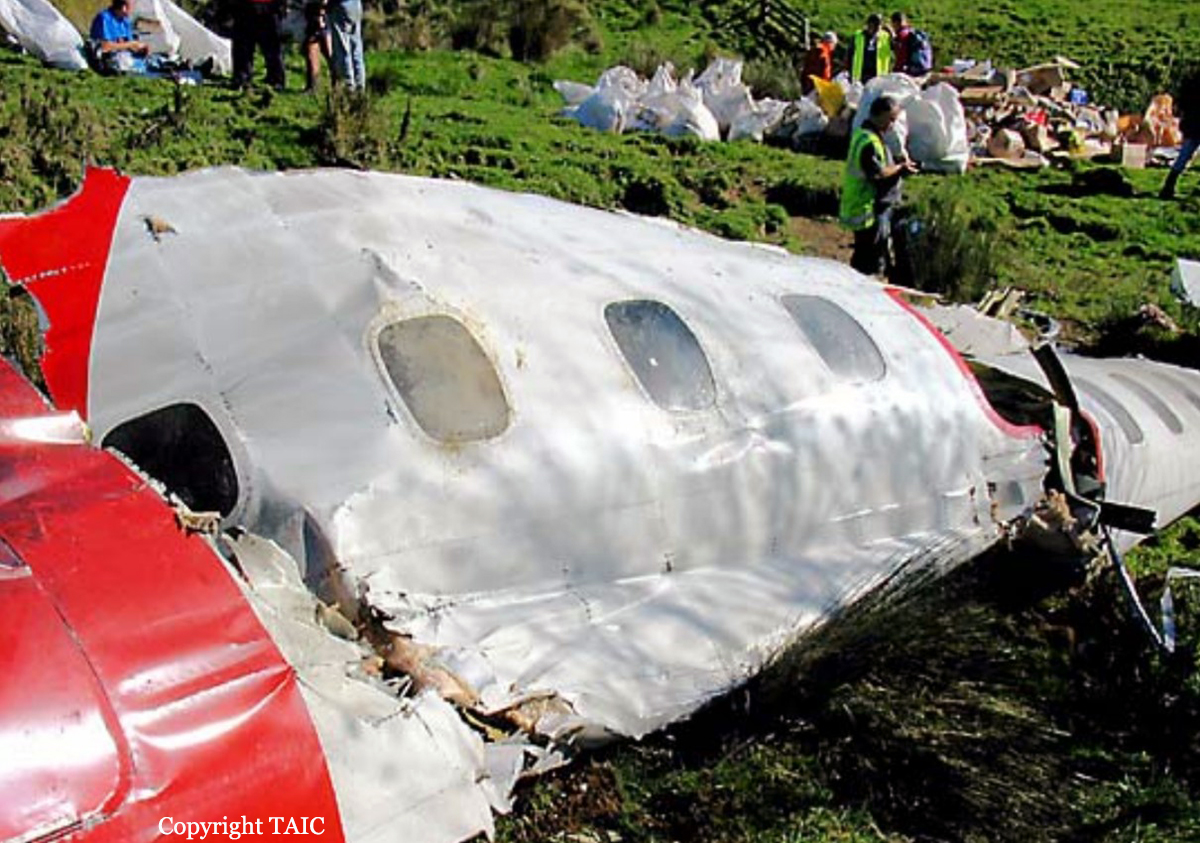
Crash of a Swearingen SA227AC Metro III near Stratford: 2 killed
Date & Time:
May 3, 2005 at 2214 LT
Operator:

Registration:
ZK-POA
Survivors:
No
Schedule:
Auckland – Blenheim
MSN:
AC-551B
YOM:
1983
Flight number:
AWO023
Crew on board:
2
Crew fatalities:
Pax on board:
0
Pax fatalities:
Other fatalities:
Total fatalities:
2
Captain / Total hours on type:
2750.00
Copilot / Total hours on type:
70
Aircraft flight hours:
29010
Aircraft flight cycles:
29443
Circumstances:
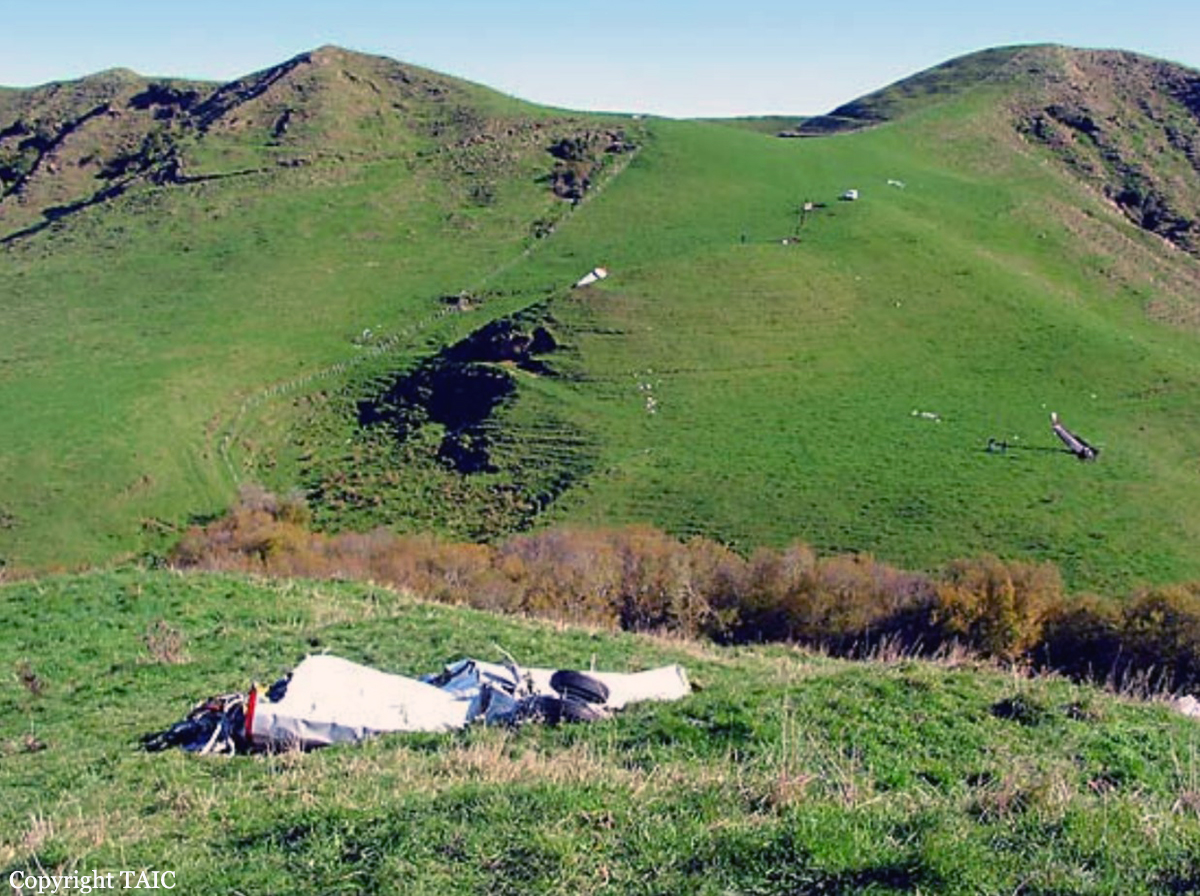
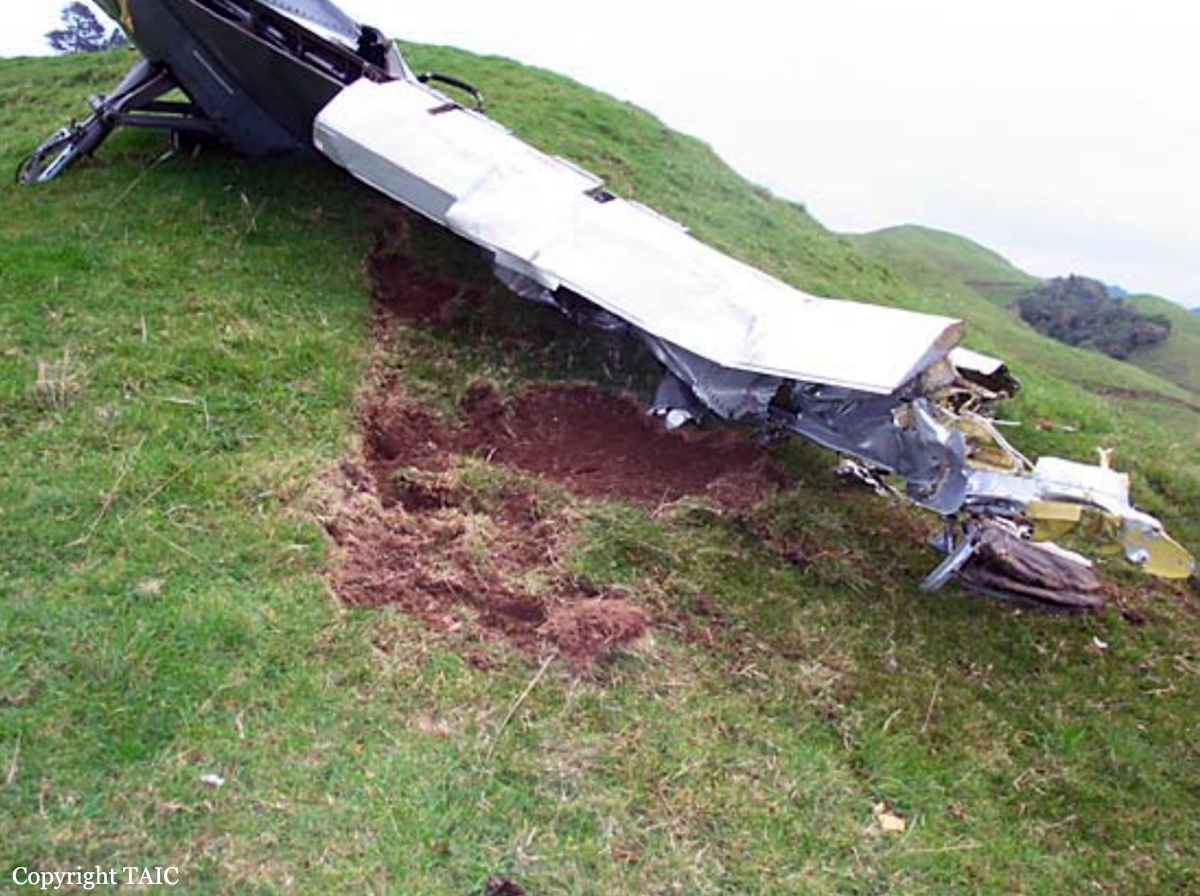
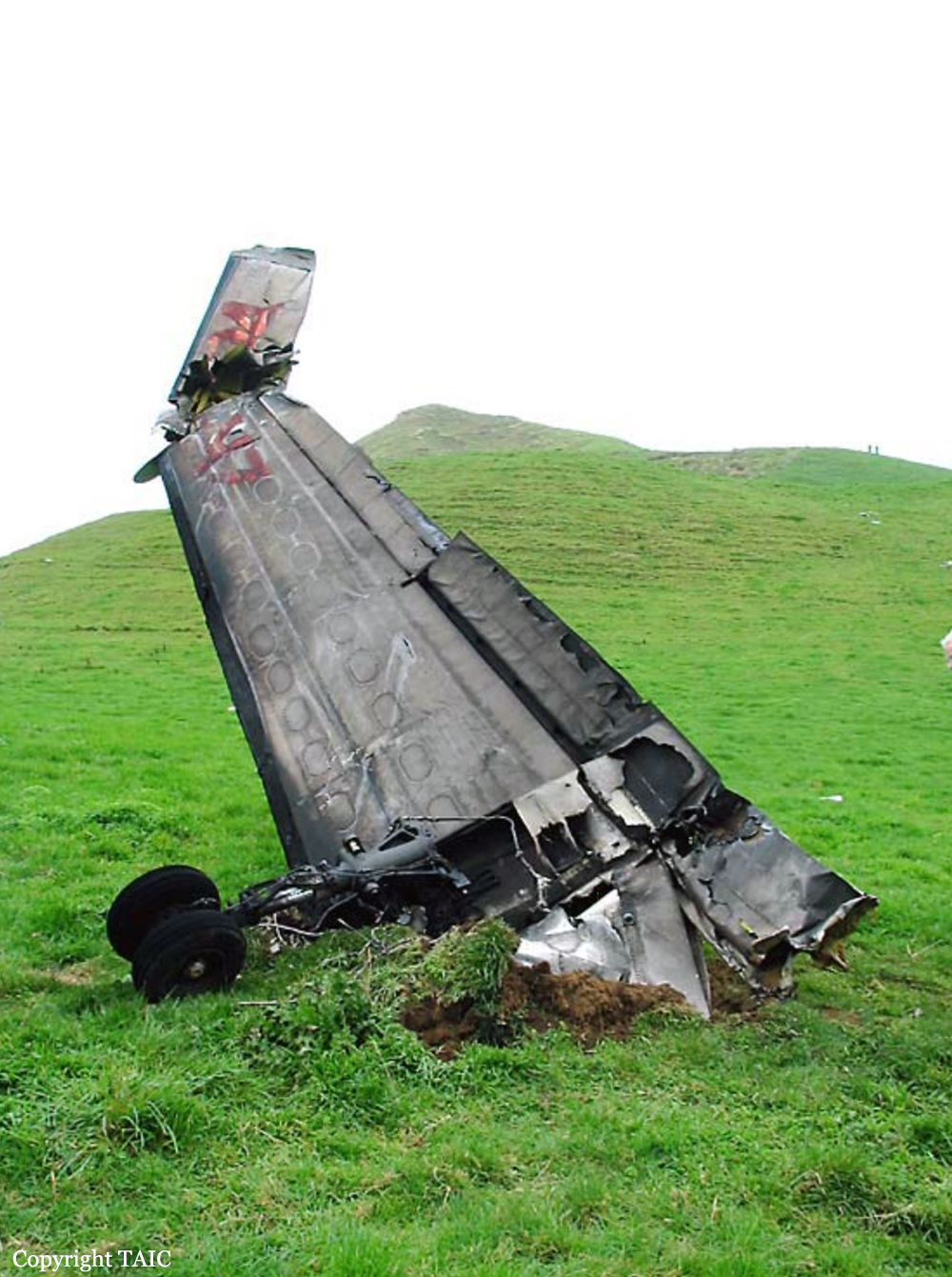
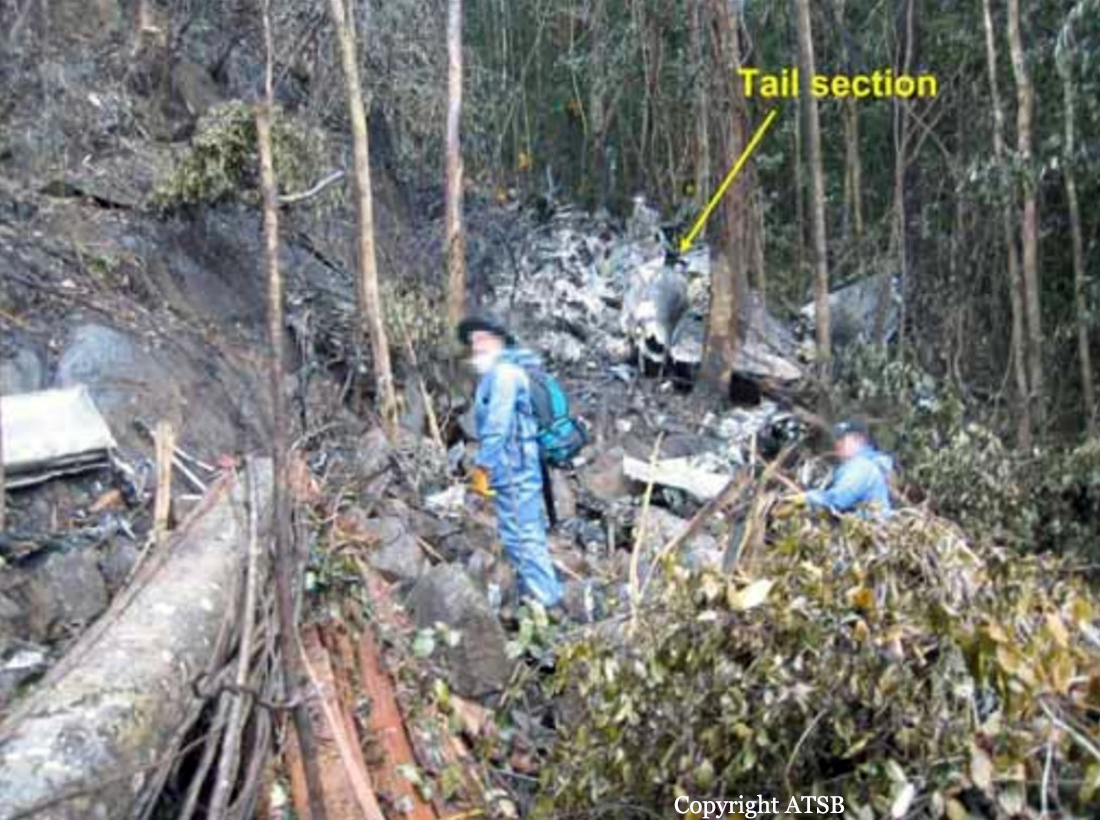
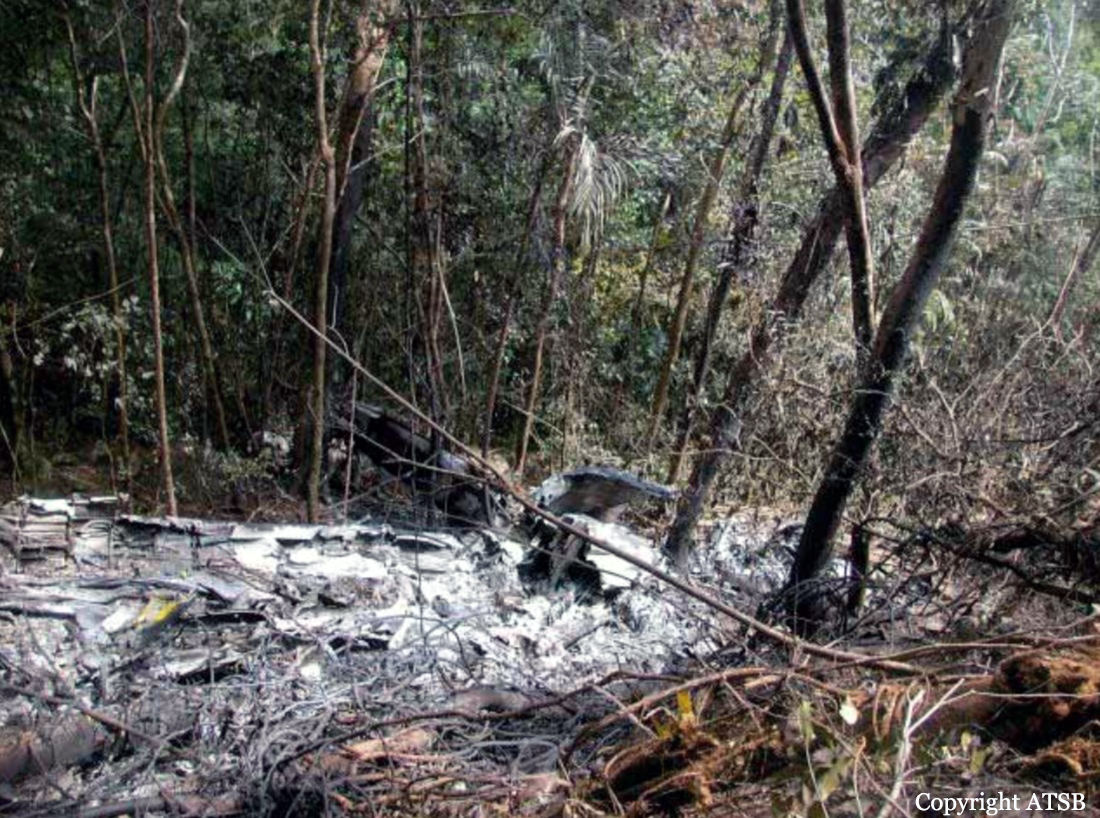
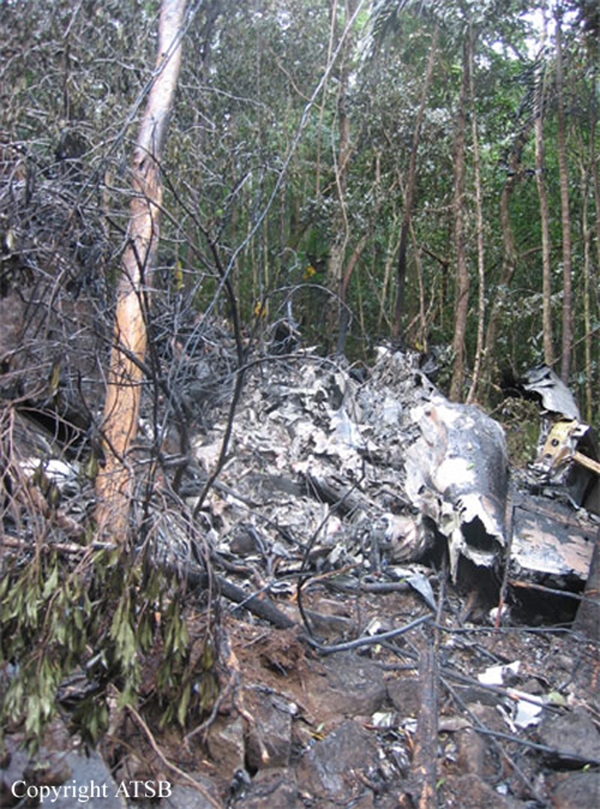
The crew requested engine start at 2128 and Post 23 taxied for runway 23R at about 2132. The flight data recorder (FDR) showed that during the taxi a left turn through about 320° was made in 17 seconds. Post 23 departed at about 2136 with the first officer (FO) the pilot flying (PF). The planned cruise level was flight level (FL) 180 but the cockpit voice recorder (CVR) showed that in order to get above turbulence encountered at that level the crew requested, and were cleared by air traffic control (ATC), to cruise at FL220. The autopilot was engaged for the climb and cruise. There were 2 CVR references to the crew’s use of the de-icing system to remove trace or light icing from the wings. CVR comments also indicated that stars were visible, and that the aircraft’s weather radar was serviceable. At 2159 ATC cleared Post 23 to track from near New Plymouth very high frequency (VHF) omni-directional radio range (VOR) direct to Tory VOR at the northeast end of the Marlborough Sounds, and at 2206 ATC transferred Post 23 to Christchurch Control. The CVR recorded normal crew interaction and aircraft operation, except that climb power remained set for about 15 minutes after reaching cruise level in order to make up some of the delay caused by the late departure. At about 2212:28, after power was reduced to a cruise setting and the cruise checks had been completed, the captain said, “We’ll just open the crossflow again…sit on left ball and trim it accordingly”. The only aircraft component referred to as “crossflow”, and operable by a flight deck switch or control, was the fuel crossflow valve between the left and right wing tanks. The captain repeated the instruction 5 times in a period of 19 seconds, by telling the FO to, “Step on the left pedal, and just trim it to take the pressure off” and “Get the ball out to the right as far as you can …and just trim it”. The FO sought confirmation of the procedure and said, “I was being a bit cautious” to which the captain replied, “Don’t be cautious mate, it’ll do it good”. Nine seconds later the FO asked, “How’s that?”. The Captain replied, “That’s good – should come right – hopefully it’s coming right.” There was no other comment at any time from either pilot about the success or otherwise of the fuel transfer. During this time, the repeated aural alert of automatic horizontal stabiliser movement sounded for a period of 27 seconds, as the stabiliser re-trimmed the aircraft as it slowed from the higher speed reached during cruise at climb power. Forty-seven seconds after opening the crossflow, the captain said, “Doesn’t like that one mate… you’d better grab it.” Within one second there was the aural alert “Bank angle”, followed by a chime tone, probably the selected altitude deviation warning. Both pilots exclaimed surprise. After a further 23 seconds the captain asked the FO to confirm that the autopilot was off, but it was unclear from the CVR whether the captain had taken control of the aircraft at that point. The FO confirmed that the autopilot was off just before the recording ended at 2213:41. The bank angle alert was heard a total of 7 times on the CVR before the end of the recording. During the last 25 seconds of radar data recorded by ATC, Post 23 lost 2000 ft altitude and the track turned left through more than 180°. Radar data from Post 23 ceased at 2213:45 when the aircraft was descending through FL199 about 1700 metres (m) southeast of the accident area. Commencing at 2213:58, the ATC controller called Post 23 three times, without response. He then initiated the uncertainty phase of search and rescue for the flight. The operator had a flight-following system that displayed the same ATC radar data from Airways Corporation of New Zealand (ACNZ). The operator’s dispatcher noticed that the data for Post 23 had ceased and, after discussing this with ACNZ, he advised the operator’s management. There were many witnesses to the accident who reported noticing a very loud and unusual noise. Some, familiar with the sound of aircraft cruising overhead on the New Plymouth – Wellington air route, thought the noise was an aircraft engine but described it as “high-revving” or “roaring”. Witnesses A were located about 3 kilometres (km) south of the southernmost part of the track of Post 23 as recorded by ATC radar, and about 6 km south of the accident site. They described going outside to identify the cause of an intense noise. As they looked northeast and upwards about 45°, they saw an orange-yellow light descending through broken cloud layers at high speed. A “big burst” and 3 or 4 separate fireballs were observed “just above the horizon” about 5 km away. No explosion was heard. The biggest fireball lasted the longest time and was above the others. The night was dark and it had been drizzling. Witness B, almost 7 km to the northeast of the accident site, observed light and dark cloud patterns moving towards the northwest. She thought the moon caused the light variation; however moonrise was almost 3 hours later. This witness also first observed a fireball below the cloud at an elevation of about 6°. She described it as “a big bright circle” followed by 2 smaller fireballs that fell slowly. No explosion was heard. Witness C, who was less than 1000 m from the aircraft’s diving flight path, described seeing the nose section falling after an explosion “like a real big ball of fire”. The wings were then seen falling after a smaller fireball that was followed by a third small fireball. The witness said it was a still night, with no rain at that time, and the fireballs were observed below the lowest cloud. The fireballs illuminated falling wreckage and cargo. Witness D, also less than 1000 m from the accident site, described parts of the aircraft falling, illuminated by the fireball. Witnesses generally agreed that the first and biggest fireball was round and orange, and then shrank away. Descriptions of the smaller fireballs varied, but were usually of a more persistent, streaming flame that fell very steeply or straight down. A large number of emergency service members and onlookers converged on the accident area. Those who got within about 1000 m of the scene reported a strong smell of fuel. The first item of wreckage was located at about 2315. The main wreckage field was on hilly farmland 7 km northeast of Stratford at an elevation of approximately 700 ft.
Probable cause:
Findings are listed in order of development and not in order of priority.
- The flight crew was appropriately licensed and rated for the aircraft, and qualified for the flight.
- The captain was experienced on the type and the operation, and approved as a line training captain, while the FO was recently trained and not very experienced on the type.
- The aircraft had a valid Certificate of Airworthiness and records indicated that it had been maintained in accordance with its airworthiness requirements. There were no relevant deferred
maintenance items prior to dispatch of the accident flight.
- Although the aircraft had been refuelled in one tank only, it probably took off with the fuel balanced within limits.
- Some fuel imbalance led the captain to decide to carry out further fuel balancing while the aircraft was in cruising flight.
- The captain’s instructions to the FO while carrying out fuel balancing resulted in the aircraft being flown at a large sideslip angle by the use of the rudder trim control while the autopilot was engaged.
- The FO’s reluctance to challenge the captain’s instruction may have been due to his inexperience and underdeveloped CRM skills.
- The autopilot probably disengaged automatically because a servo reached its torque limit, allowing the aircraft to roll and dive abruptly as a result of the applied rudder trim.
- The crew was unable to recover control from the ensuing spiral dive before airspeed and g limits were grossly exceeded, resulting in the structural failure and in-flight break-up of the aircraft.
- The in-flight fire which occurred was a result of the break-up, and not a precursor to it.
- The applied rudder trim probably contributed to the crew’s inability to recover control of the aircraft.
- The crew’s other control inputs to recover from the spiral dive were not optimal, and contributed to the structural failure of the aircraft.
- The flying conditions of a dark night with cloud cover below probably hindered the crew’s early perception of the developing upset.
- The AFM limitation on use of the autopilot above 20 000 ft should have led to the crew disconnecting it when climbing the aircraft above that altitude.
- The crew’s non-observance of this autopilot limitation probably did not affect its performance, or its automatic disengagement.
- If the aircraft had been manually flown during the fuel-balancing manoeuvre, the upset would probably have not occurred.
- The operator should detail the in-flight fuel balancing procedure as a written SOP for its Metro aircraft operation.
- The AFM for the SA 226/227 family of aircraft should include a limitation and warning that the autopilot must be disconnected while in-flight fuel balancing is done, and should include a procedure for in-flight fuel balancing.
- The flight crew was appropriately licensed and rated for the aircraft, and qualified for the flight.
- The captain was experienced on the type and the operation, and approved as a line training captain, while the FO was recently trained and not very experienced on the type.
- The aircraft had a valid Certificate of Airworthiness and records indicated that it had been maintained in accordance with its airworthiness requirements. There were no relevant deferred
maintenance items prior to dispatch of the accident flight.
- Although the aircraft had been refuelled in one tank only, it probably took off with the fuel balanced within limits.
- Some fuel imbalance led the captain to decide to carry out further fuel balancing while the aircraft was in cruising flight.
- The captain’s instructions to the FO while carrying out fuel balancing resulted in the aircraft being flown at a large sideslip angle by the use of the rudder trim control while the autopilot was engaged.
- The FO’s reluctance to challenge the captain’s instruction may have been due to his inexperience and underdeveloped CRM skills.
- The autopilot probably disengaged automatically because a servo reached its torque limit, allowing the aircraft to roll and dive abruptly as a result of the applied rudder trim.
- The crew was unable to recover control from the ensuing spiral dive before airspeed and g limits were grossly exceeded, resulting in the structural failure and in-flight break-up of the aircraft.
- The in-flight fire which occurred was a result of the break-up, and not a precursor to it.
- The applied rudder trim probably contributed to the crew’s inability to recover control of the aircraft.
- The crew’s other control inputs to recover from the spiral dive were not optimal, and contributed to the structural failure of the aircraft.
- The flying conditions of a dark night with cloud cover below probably hindered the crew’s early perception of the developing upset.
- The AFM limitation on use of the autopilot above 20 000 ft should have led to the crew disconnecting it when climbing the aircraft above that altitude.
- The crew’s non-observance of this autopilot limitation probably did not affect its performance, or its automatic disengagement.
- If the aircraft had been manually flown during the fuel-balancing manoeuvre, the upset would probably have not occurred.
- The operator should detail the in-flight fuel balancing procedure as a written SOP for its Metro aircraft operation.
- The AFM for the SA 226/227 family of aircraft should include a limitation and warning that the autopilot must be disconnected while in-flight fuel balancing is done, and should include a procedure for in-flight fuel balancing.
Final Report: