code

MO

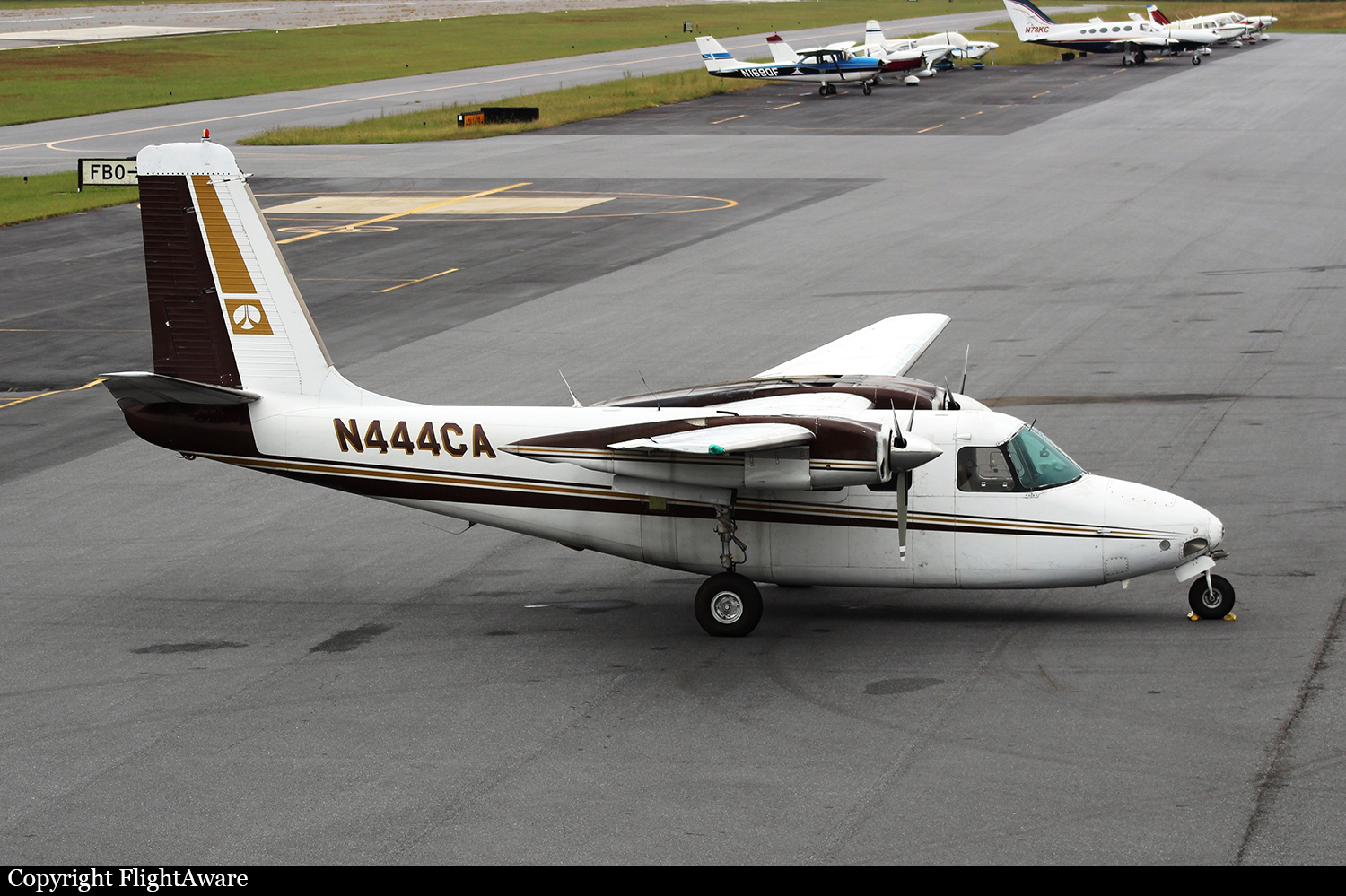
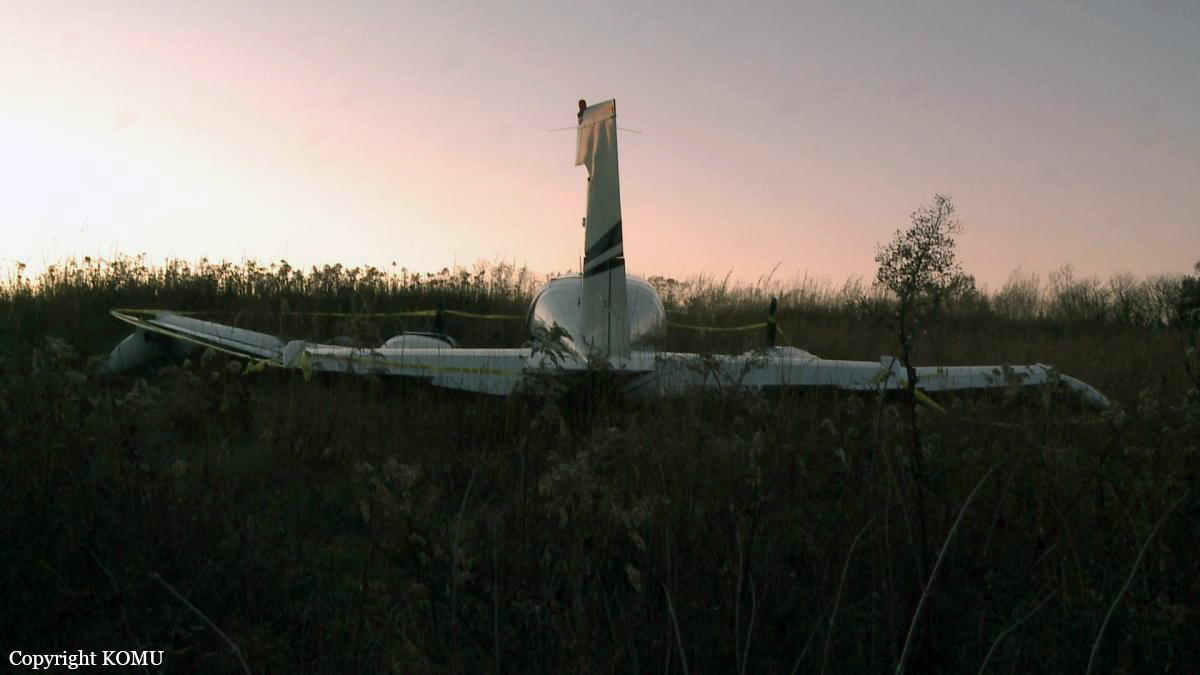
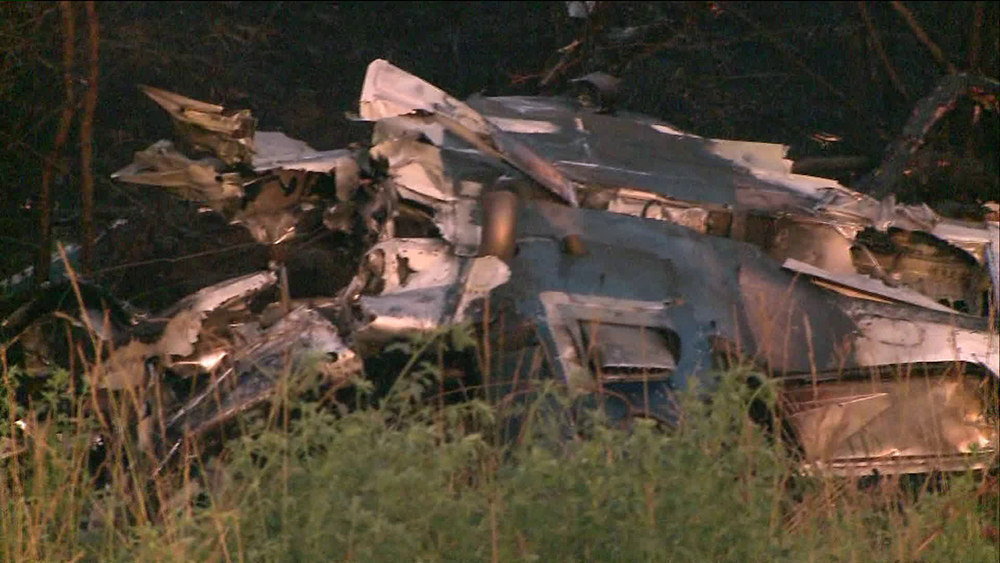
Crash of a Rockwell Aero Commander 500B in Chesterfield: 1 killed

Date & Time: Mar 17, 2026 at 0024 LT
Operator:
Registration:
N444CA
Flight Type:
Survivors:
No
Schedule:
Chesterfield - Olathe
MSN:
500-1458-162
YOM:
1964
Crew on board:
1
Crew fatalities:
Pax on board:
0
Pax fatalities:
Other fatalities:
Total fatalities:
1
Circumstances:
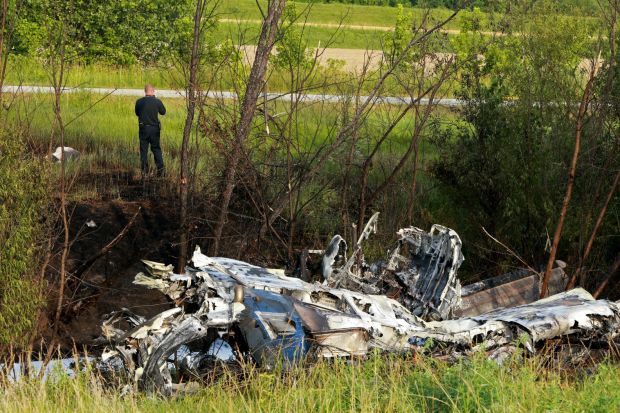
Following a night takeoff from Chesterfield-Spirit of St Louis Airport Runway 26L, the twin engine airplane entered a right turn and climbed to the altitude of 900 feet when the pilot initiated a circuit to return to the same runway. On approach, the airplane went out of control and crashed in an open field, bursting into flames. The pilot, sole on board, was killed.

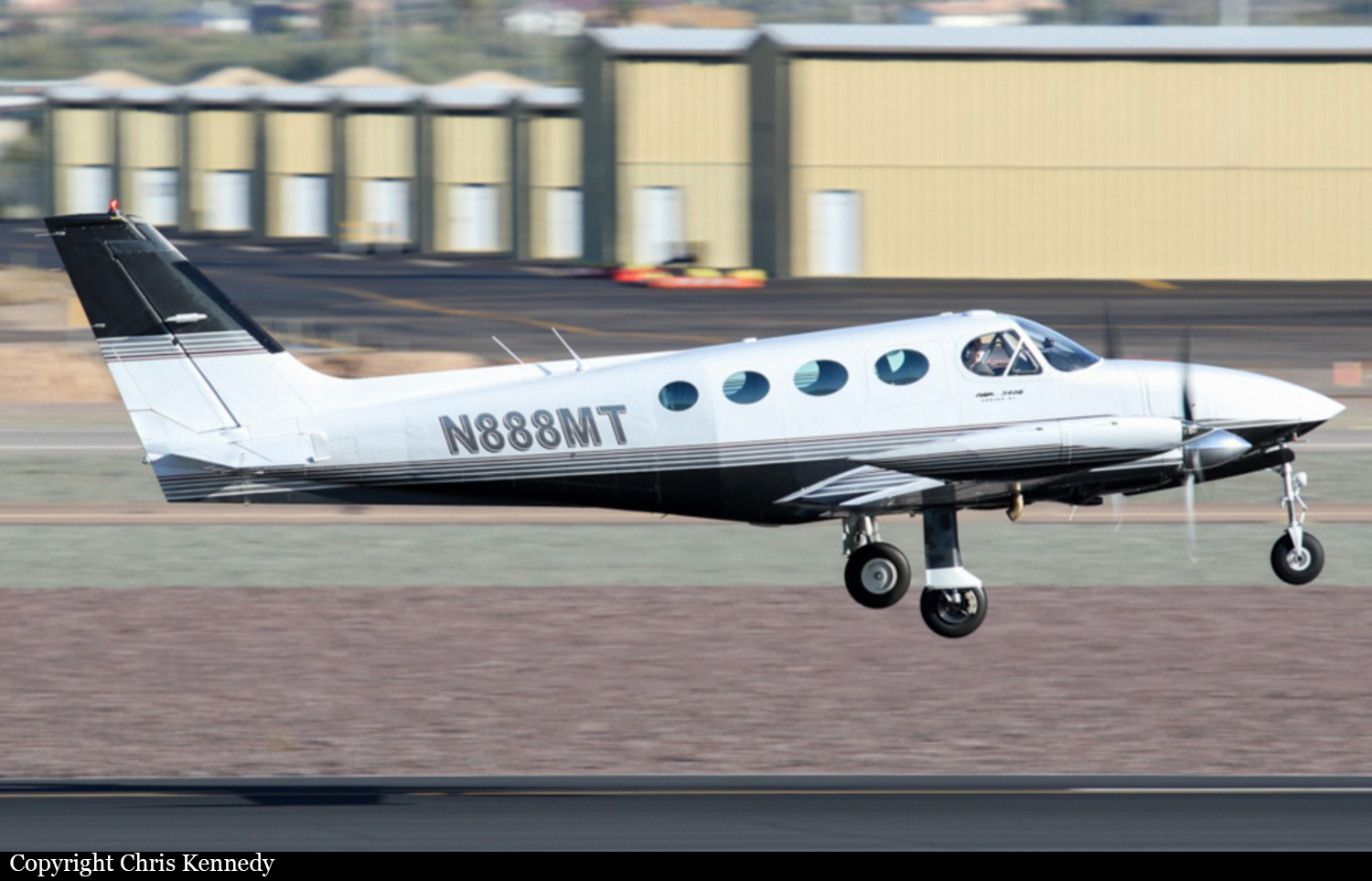
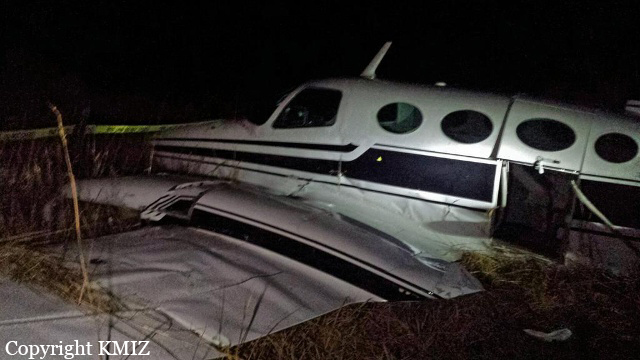
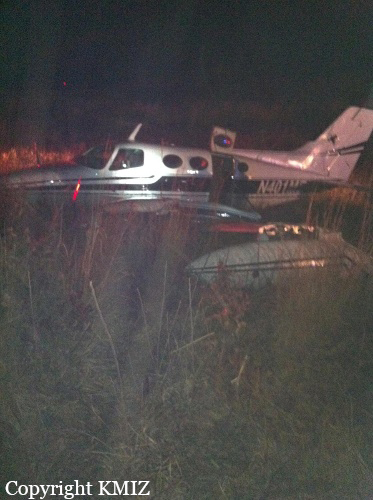
Crash of a Cessna 340A in Mosby: 2 killed

Date & Time: Aug 27, 2025 at 1157 LT
Type of aircraft:
Registration:
N888MT
Flight Type:
Survivors:
No
Schedule:
Washington - Mosby
MSN:
340A-0763
YOM:
1979
Crew on board:
1
Crew fatalities:
Pax on board:
1
Pax fatalities:
Other fatalities:
Total fatalities:
2
Circumstances:
The twin engine airplane departed Washington Regional Airport located 70 km west of Saint Louis, Missouri, at 1058LT, on a one-hour flight to Mosby. Following a left hand circuit, the pilot initiated the approach to runway 18 at Mosby-Midwest National Air Center Airport when the airplane crashed in an open field located about 1,5 km north of the airfield, bursting into flames. The airplane was totally destroyed by a post crash fire and both occupants were killed.

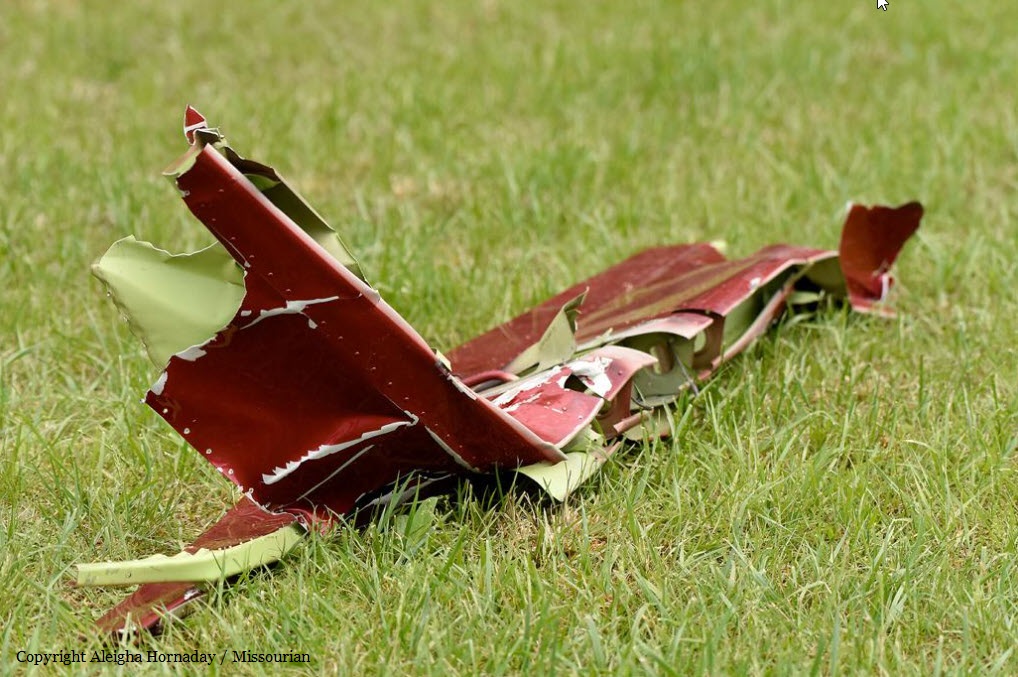
Crash of a Piper PA-46-350P Malibu Mirage near Hartsburg: 1 killed

Date & Time: Apr 16, 2024 at 1205 LT
Registration:
N451MA
Flight Phase:
Flight Type:
Survivors:
No
Schedule:
Madison - Siloam Springs
MSN:
46-36541
YOM:
2012
Crew on board:
1
Crew fatalities:
Pax on board:
0
Pax fatalities:
Other fatalities:
Total fatalities:
1
Captain / Total flying hours:
1458
Captain / Total hours on type:
78.00
Aircraft flight hours:
1370
Circumstances:
The airplane was on an instrument flight rules flight and air traffic control (ATC) provided the pilot with vector guidance to avoid an active military operations area (MOA). The controller informed the pilot that he would only be able to deviate to the left of his course due to the active MOA. At that time, the airplane was in an area of developing convective weather activity and likely in instrument meteorological conditions. The pilot reported to ATC that he encountered freezing rain. ATC communications revealed that the pilot requested to deviate to the left of his course due to weather, including mention of encountering freezing rain, which ATC approved. Flight track data showed the airplane entered a descending left turn. A performance study based on the aircraft track data showed that, during the turn, the airplane’s roll angle reached 70°, the pitch angle reached -17° and then -34°, and the calibrated airspeed exceeded both the airplane's published never exceed speed (VNE), and its maximum operating maneuvering speed (VO). During the turn, the airplane’s structure broke apart, and wreckage was distributed along a 3-mile path. The flight path depicted in the flight track data was consistent with a loss of airplane control. The airplane was destroyed and the pilot was killed.
Probable cause:
The pilot’s encounter with convective weather conditions, which resulted in a loss of airplane control, the exceedance of the airplane’s never exceed speed, and the resulting overload failure of the horizontal stabilizer and subsequent failure of the airplane’s wings.
Final Report:

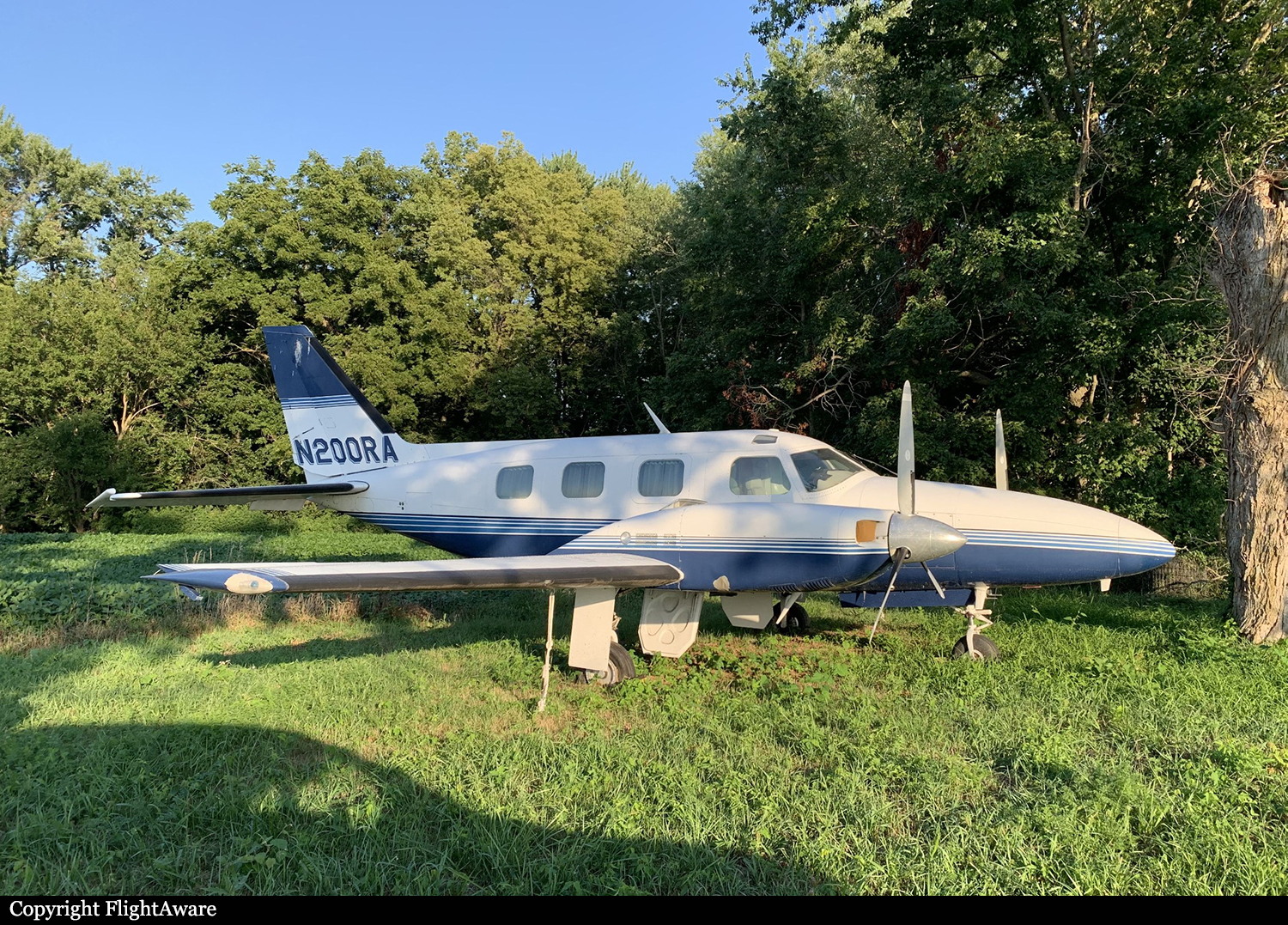
Crash of a Piper PA-31P Pressurized Navajo in Mosby: 1 killed

Date & Time: Jul 20, 2023 at 0934 LT
Type of aircraft:
Registration:
N200RA
Flight Phase:
Flight Type:
Survivors:
No
Schedule:
Mosby - Kingman
MSN:
31-7400198
YOM:
1974
Crew on board:
1
Crew fatalities:
Pax on board:
0
Pax fatalities:
Other fatalities:
Total fatalities:
1
Captain / Total flying hours:
23550
Aircraft flight hours:
1192
Circumstances:
The pilot was flying the airplane on an FAA Special Flight Permit to another location to complete maintenance and an overdue annual inspection. The airplane had been abandoned, with its most recent flight being 8 years before, and chained to a tree in an agricultural field adjacent to the airport from August 2021 until December 2022 when it was purchased by the current owner. Before the accident flight, an attempt was made to top off the airplane’s fuel tanks. However, fuel started to leak from multiple locations and only three fuel tanks were able to be fueled. The pilot asked the mechanic about the leaks; the mechanic stated that the filler necks were leaking, and the lineman had attempted to top off the fuel tanks instead of the previously agreed upon lower level. The pilot then completed a brief preflight inspection before starting the airplane. During engine start, the pilot requested the mechanic’s assistance three times to ask about various issues that the mechanic talked him through. The pilot then taxied to the runway and departed without performing an engine run-up. Multiple cellphone video recordings of the takeoff sequence showed the airplane veer to the right and attempt to rotate before settling back to the runway. The recordings then showed the airplane become airborne near the end of the runway end and initially yaw to the right before it entered a shallow climb. The witnesses observed the airplane barely clear a line of trees past the departure end of the runway and make a left turn before it disappeared behind trees. Analysis of the video recordings showed that rotation was at a ground speed of about 70.8 knots, corresponding to an estimated air speed of about 74.8 knots, which was significantly below the recommended rotation speed of 85 knots. A witness north of the airport heard a loud airplane that appeared from behind trees and headed toward his residence. He observed the airplane strike two static wires on a power transmission line before it impacted the canopy of a large tree in his front yard. The airplane continued in a left bank toward a nearby soybean field and impacted the terrain in a nose-low, left bank attitude. The airplane was partially destroyed by a post impact fire and the pilot, sole on board, was killed.
Probable cause:
The pilot’s decision to operate an airplane with known fuel leaks, his failure to conduct an engine run-up before takeoff, his subsequent failure to abort the takeoff, and the mechanic’s inadequate maintenance, which resulted in a partial loss of right engine power during takeoff due to fuel starvation as a result of blocked fuel injector ports.
Final Report:

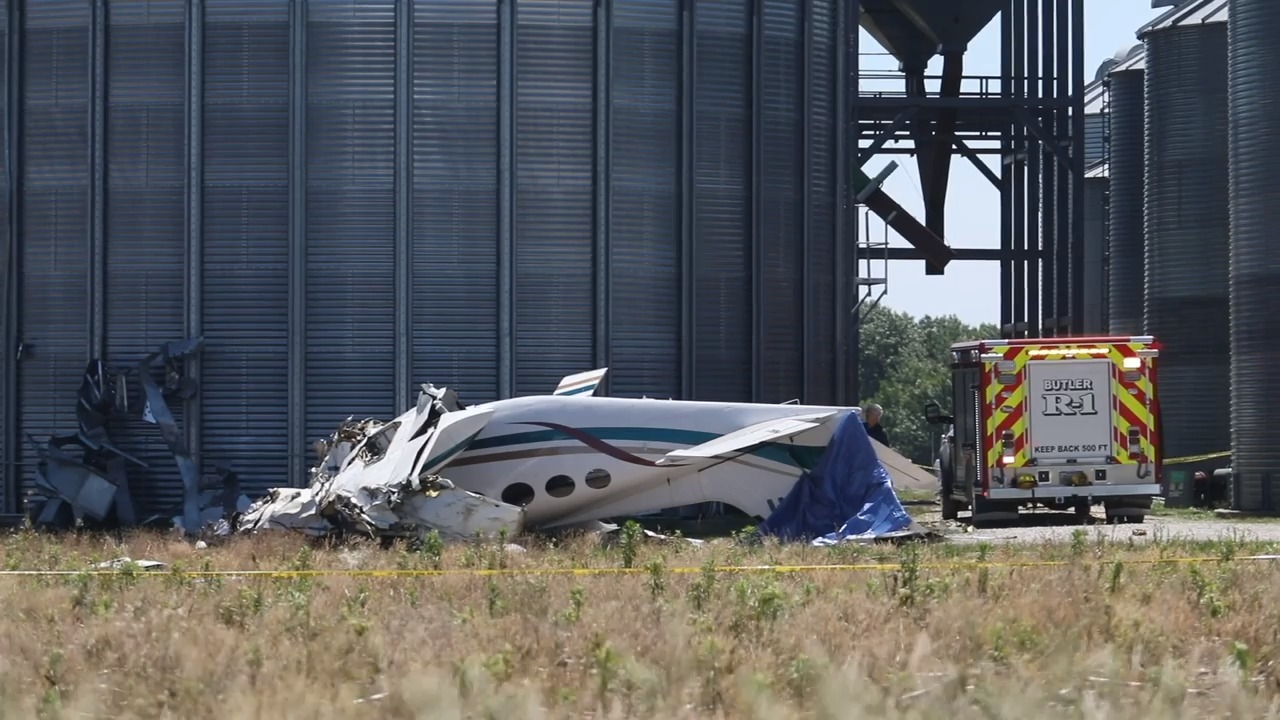
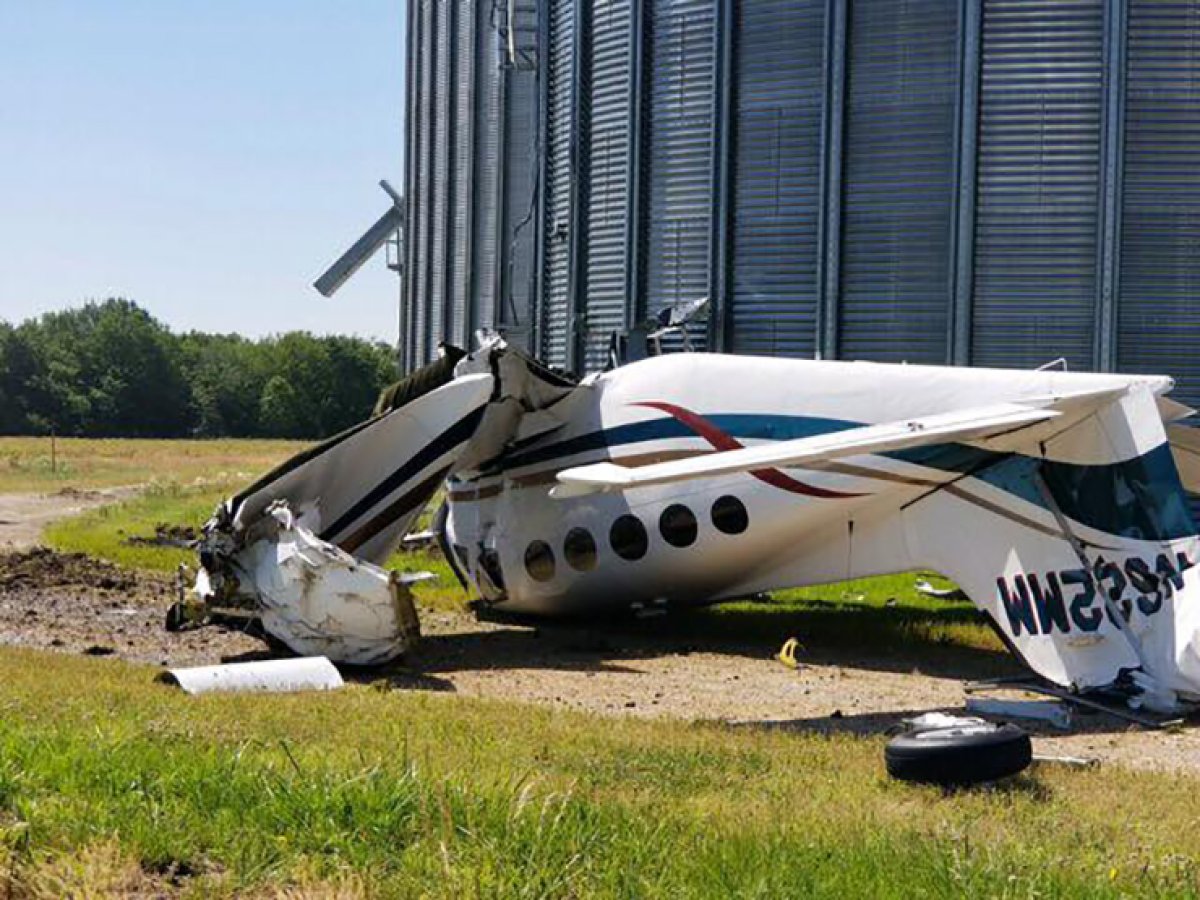
Crash of a Cessna 425 Conquest I in Butler: 1 killed

Date & Time: Jun 10, 2019 at 1020 LT
Type of aircraft:
Registration:
N622MM
Flight Type:
Survivors:
No
Schedule:
Vero Beach - Olathe
MSN:
425-0187
YOM:
1983
Location:
Crew on board:
1
Crew fatalities:
Pax on board:
0
Pax fatalities:
Other fatalities:
Total fatalities:
1
Captain / Total flying hours:
3457
Captain / Total hours on type:
1891.00
Aircraft flight hours:
6092
Circumstances:
During a cross-country flight, the pilot initiated a descent to his intended destination. During the descent, the pilot informed air traffic control (ATC) that he could not retard power on the right engine. Later in the descent, the pilot decided to shut down the right engine. The pilot communicated his desire to land at the nearest airport to ATC, and ATC provided the pilot with the clearance to divert. Radar data showed the airplane in a steady descent toward the airport. When the airplane was at an altitude of about 2,500 ft mean sea level, the pilot contacted ATC and stated that he was trying to get the airplane under control; radar data showed the airplane in a 360° right turn at the time. The pilot contacted ATC again and stated that he was going to land on a highway. No further transmissions were received from the pilot. After the right turn, the airplane continued in a descent through 1,300 ft mean sea level, at which point radar contact was lost. A witness saw the airplane and stated that the airplane was low and slow but appeared to be in stable flight with both propellers spinning. She did not see any smoke coming from the airplane. She saw the airplane flying northeast to southwest when it suddenly descended nose first into the ground. The airplane impacted a gravel road adjacent to a 100-fttall grain silo about 1 mile from the highway and about 3.3 miles from the airport.
Probable cause:
The pilot’s loss of airplane control during a descent to a diversion airport with only the left engine operating. Contributing to the accident was a malfunction of the right engine throttle, the cause of which could not be determined.
Final Report:

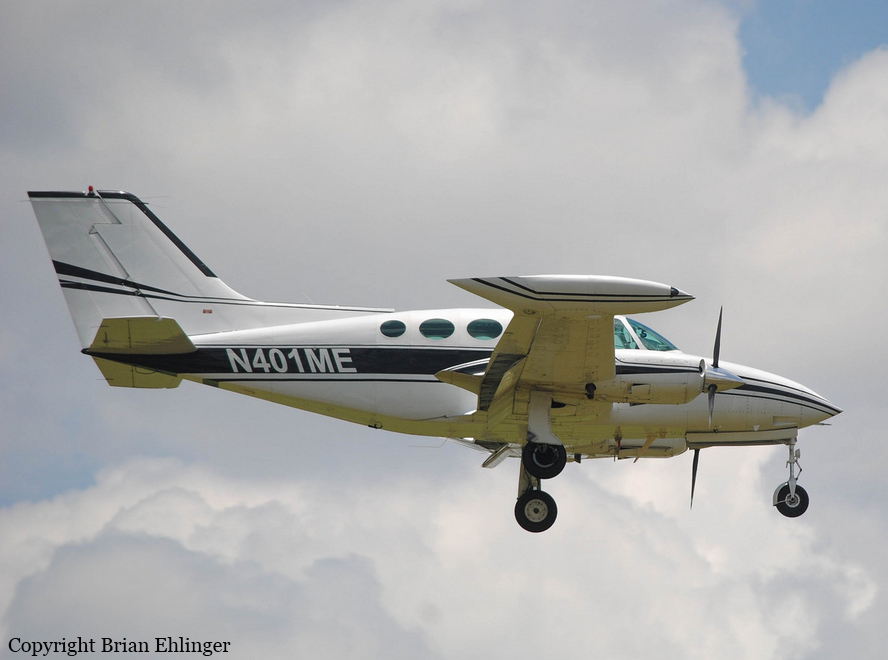
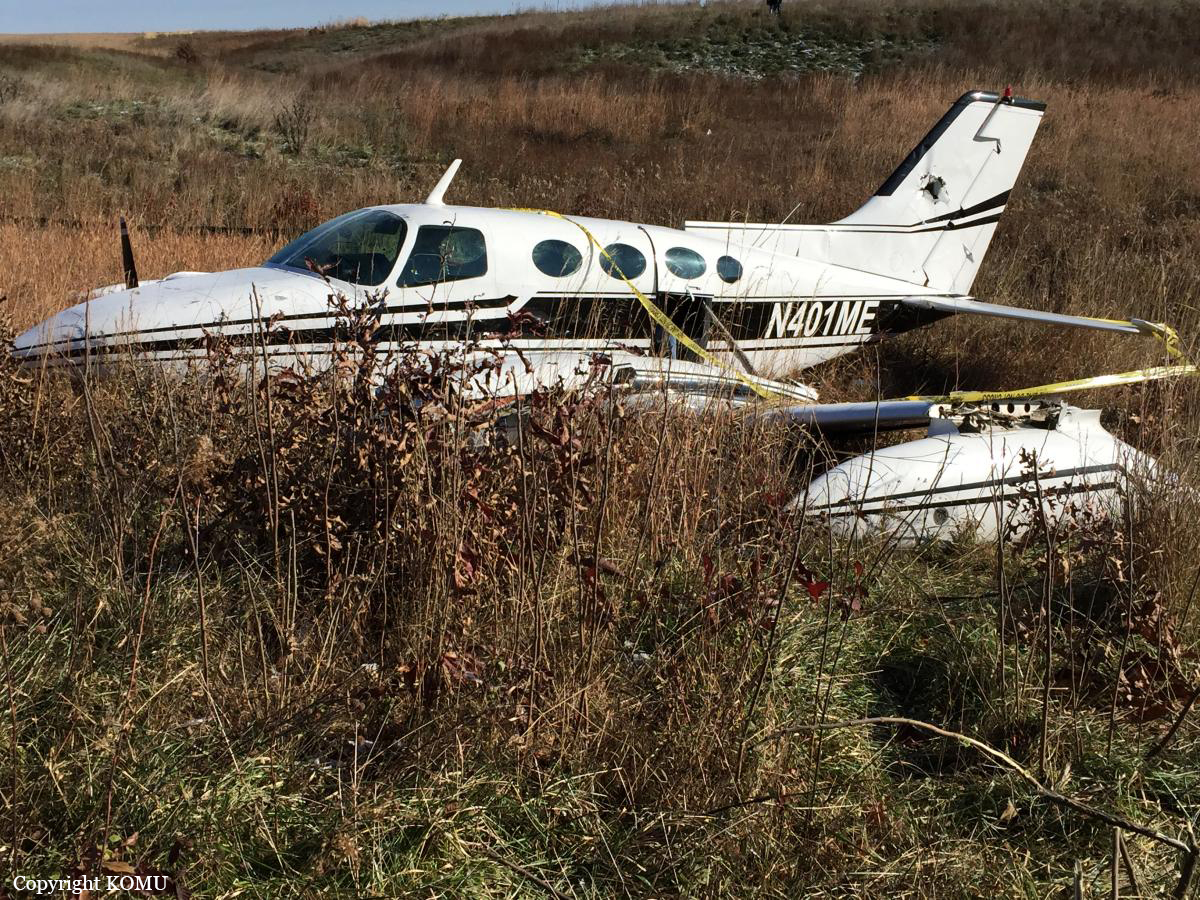
Crash of a Cessna 401A in Fulton

Date & Time: Nov 17, 2014 at 1720 LT
Type of aircraft:
Operator:
Registration:
N401ME
Flight Phase:
Survivors:
Yes
Schedule:
Fulton – Little Rock
MSN:
401A-0085
YOM:
1969
Location:
Crew on board:
2
Crew fatalities:
Pax on board:
1
Pax fatalities:
Other fatalities:
Total fatalities:
0
Captain / Total flying hours:
2949
Captain / Total hours on type:
304.00
Copilot / Total flying hours:
8675
Copilot / Total hours on type:
1850
Aircraft flight hours:
6434
Circumstances:
The private pilot reported that, immediately after takeoff in the multi-engine airplane, the right engine experienced a total loss of power. The pilot aborted the takeoff; the airplane exited the end of the runway surface, impacted rough terrain, and came to rest upright. Examination of the right engine showed that the magneto distributor drive gears were not turning. Both damaged magnetos were removed and replaced with a slave set of magnetos. The right engine was installed in an engine test cell, and subsequently started and performed normally throughout the test cell procedure. The damaged magnetos from the right engine were disassembled. Both nylon magneto distributor gears exhibited missing gear teeth and brown discoloration. A review of maintenance records showed that the right engine had been operated for about 8 years and an estimated 697 hours since the most recent magneto overhauls had been completed. According to maintenance instructions from the engine manufacturer, the magnetos should be inspected every 500 hours and should be overhauled or replaced at the expiration of five years since the last overhaul. Guidance also indicated that discoloration of the drive gear is an indication that the gear had been exposed to extreme heat and should be replaced.
Probable cause:
A failure of the right engine magneto distributor drive gears, which resulted in a total loss of engine power during takeoff. Contributing to the accident was the operator's failure to inspect and maintain the magnetos in accordance with the engine manufacturer's specifications.
Final Report:

Crash of a Cessna 414 Chancellor in Creve Coeur

Date & Time: Jun 26, 2014 at 0457 LT
Type of aircraft:
Registration:
N1552T
Flight Type:
Survivors:
Yes
Schedule:
Creve Cœur – Hopkinsville
MSN:
414-0267
YOM:
1972
Crew on board:
1
Crew fatalities:
Pax on board:
0
Pax fatalities:
Other fatalities:
Total fatalities:
0
Captain / Total flying hours:
775
Captain / Total hours on type:
90.00
Aircraft flight hours:
7626
Circumstances:
The pilot reported that, shortly after takeoff, the twin-engine airplane's left front baggage door opened. He attempted to return to the airport, but the left engine lost engine power while the airplane was on the downwind leg of the traffic pattern. The airplane subsequently impacted power lines and terrain. An explosion occurred during the impact sequence, and a fire ensued that almost completely consumed the airframe. Tear down examination of the right engine revealed no anomalies. A test run of the left engine revealed no anomalies; however, due to impact and fire damage, it was not possible to fully test or examine the left engine's fuel system. The reason for the left engine’s loss of power could not
be determined.
Probable cause:
The loss of left engine power for reasons that could not be determined due to impact and fire damage.
Final Report:

Crash of a Raytheon 390 Premier in Lewistown

Date & Time: Dec 23, 2008 at 1500 LT
Type of aircraft:
Registration:
N20NL
Flight Type:
Survivors:
Yes
Schedule:
Kansas City - Lewistown
MSN:
RB-106
YOM:
2004
Crew on board:
2
Crew fatalities:
Pax on board:
2
Pax fatalities:
Other fatalities:
Total fatalities:
0
Captain / Total flying hours:
13750
Captain / Total hours on type:
1927.00
Aircraft flight hours:
1927
Circumstances:
Prior to departure, the pilot was informed that it had been raining; the roads were wet, but no mention of ice at his destination. During the approach to the destination airport, the runway appeared "wet", and a normal approach and landing was attempted. The airplane touched down at 110 knots, the pilot "then deployed lift dump and [then applied the] brakes". Unable to get braking action, the pilot tried to slide the airplane "left and right" to get traction, but could not. The airplane departed the south end of the 4,370-foot-long runway, went over the edge of an embankment and stopped next to a levee. There were no reported pre-impact malfunctions with the airplane. The Manufacturer Approved Airplane Flight Manual Supplement for Airplanes Operating on Wet and contaminated Runways; General Information Section, states operations on runways contaminated with ice or wet ice are not recommended and no operational information is provided. Using the supplement, the anticipated landing distance on a wet runway was calculated to be about 3,400 feet, the anticipated landing distance on an uncontaminated runway was calculated to be approximately 2,800 feet, and the prescribed landing speed (Vref) was determined to be about 111 knots. A braking action (runway condition) report for the private airfield's runway did not exist, nor was one required.
Probable cause:
The pilot's loss of directional control during landing on an ice-contaminated runway.
Final Report:

Crash of a Piper PA-46-500TP Meridian in Wellsville: 3 killed

Date & Time: Jun 28, 2007 at 0815 LT
Registration:
N477MD
Flight Phase:
Flight Type:
Survivors:
No
Schedule:
Saint Louis - Buffalo
MSN:
46-97264
YOM:
2006
Crew on board:
1
Crew fatalities:
Pax on board:
2
Pax fatalities:
Other fatalities:
Total fatalities:
3
Captain / Total flying hours:
1000
Aircraft flight hours:
201
Circumstances:
On June 28, 2007, about 0815 central daylight time, a Piper PA-46-500TP, N477MD, was destroyed on impact with terrain following an in-flight breakup near Wellsville, Missouri. The personal flight was operating under Title 14, Code of Federal Regulations Part 91. Visual meteorological surface conditions prevailed in the area at the time of the accident. An instrument flight rules (IFR) flight plan was on file and was activated. The pilot and two passengers sustained fatal injuries. The flight originated from the Spirit of St Louis Airport, near Chesterfield, Missouri, about 0750, and was destined for the Buffalo Municipal Airport, near Buffalo, Minnesota. About 0711, a person representing N477MD contacted Kankakee Automated Flight Service Station (AFSS) to file an IFR flight plan and obtain an abbreviated weather update. During the abbreviated weather update, the AFSS briefer advised the pilot that there was heavy rain and thunderstorm activity in Missouri along the aircraft's planned route of flight. The pilot stated that he had onboard radar for weather avoidance. About 0750, N477MD departed SUS, contacted Federal Aviation Administration (FAA) air traffic controller (ATC) on the St. Louis (Gateway) Departure frequency about 0752, and was initially cleared to climb to 4,000 feet. The Gateway controller advised of light to moderate precipitation three miles ahead of the aircraft. The pilot requested a northerly course deviation for weather avoidance, which was approved. About 0753, N477MD was cleared to climb to 10,000 feet. The controller then advised of additional areas of moderate and heavy precipitation ahead of the airplane, gave the pilot information on the location and extent of the weather areas, and suggested a track that would avoid it. The pilot responded that he saw the same areas on his onboard radar and concurred with the controller's assessment. Radar data showed that the airplane flew northwest bound, and then turned toward the west. About 0757, N477MD was instructed to resume the Ozark 3 departure procedure, and the pilot acknowledged. About 0758, the pilot was cleared again to proceed direct to Macon, Missouri (MCM) VHF omnidirectional range distance measuring equipment (VOR/DME), and two minutes later, was instructed to contact Kansas City Center (ZKC). The pilot contacted the ZKC R53 controller at 0800:47, and, after a discussion about the final requested altitude, was cleared to climb and maintain flight level 230. At 0801:42, a position relief briefing occurred and the R53 controller was replaced. The new R53 controller made no transmissions to N477MD, and was replaced by a third controller at 0806:27. The next transmission to N477MD occurred at 0812:26, when the R53 controller asked the pilot if he had been given a clearance to deviate. The flight's radar track showed that the airplane turned to the left. The pilot responded, "mike delta we've got problems uh..." The controller responded by asking the pilot if he was declaring an emergency, and made several other attempts to contact N477MD. The pilot did not respond to any of these calls, and radar contact was lost. None of the three ZKC controllers had given the pilot any weather information during the time he was controlled by ZKC. The plane crashed in an open field near Wellsville and was destroyed upon impact. All three occupants have been killed.
Probable cause:
The pilot's failure to activate the pitot heat as per the checklist, resulting in erroneous airspeed information due to pitot tube icing, and his subsequent failure to maintain aircraft control. Contributing to the accident was the pilot's continued flight in an area of known adverse
weather.
Final Report:

Crash of a Cessna 421A Golden Eagle I in Chesterfield

Date & Time: May 23, 2007 at 1540 LT
Type of aircraft:
Registration:
N4082L
Flight Phase:
Flight Type:
Survivors:
Yes
Schedule:
Chesterfield - Cahokia
MSN:
421A-0082
YOM:
1968
Crew on board:
1
Crew fatalities:
Pax on board:
0
Pax fatalities:
Other fatalities:
Total fatalities:
0
Captain / Total flying hours:
15450
Captain / Total hours on type:
1200.00
Aircraft flight hours:
2835
Circumstances:
Shortly after takeoff the pilot experienced a loss of power on the right engine. He attempted to return to the airport to land, but determined that he was not going to reach the runway so he elected to land on a dirt field. He flew under power lines that were in his flight path and attempted to flare the airplane prior to it impacting the terrain. The airplane was equipped with Teledyne Continental GTSIO-520 engines. Post accident examination of the right engine revealed that all of the teeth on the starter adapter gear and several of the teeth on the crankshaft gear were missing. Several gear teeth and metal filings were located in the oil sump. The torsional damper to shaft gear woodruff key was sheared. The torsional damper was placed on a test bench to determine the damping time. The consecutive tests averaged a damping time of 6.9 seconds. The damping time of a new damper is min/max 1.5 to 3.125 seconds. Metallurgical examination revealed 15 starter gear teeth and 11 crankshaft gear teeth were fractured near their root. No indications of preexisting cracking were noted. At least two of the starter gear teeth and several of the crankshaft gear teeth displayed spalling and wear at the pitch line of the teeth. On June 13, 1994, Teledyne Continental issued a Mandatory Service Bulletin, MSB94-4, addressing the possible failure of the starter adapter gear and/or crankshaft gear on GTSIO-520 and GIO-550 engines. On October 31, 2005, Teledyne Continental issued revision, MSB94-4G. The service bulletin called for an inspection of the starter adapter viscous damper and shaft gear backlash every 100 hours of engine operation, and a visual inspection of the starter adapter shaft and crankshaft gear teeth for spalling, pitting, and wear, every 400 hours of engine operation. The Federal Aviation Administration (FAA) issued Airworthiness Directive (AD) 2005-20-04, effective November 1, 2005, requiring compliance with the Teledyne Continental Mandatory Service Bulletin. Maintenance records showed the mandatory service bulletin had been complied with when the right engine was overhauled and installed in March 2001. There was no indication in the maintenance records that either the mandatory service bulletin or the AD had been complied with since the engine was installed. The engine had a total time of 541.9 hours at the time of the accident. The pilot did not follow the published emergency procedures.
Probable cause:
Maintenance personnel failed to comply with an Airworthiness Directive which resulted in the total failure of the starter adapter gear teeth and the crankshaft gear teeth and the pilot failed to follow the published emergency procedures. Contributing to the accident were the low altitude at which the loss of power occurred, the power lines, and the unsuitable terrain which prevented the pilot from adequately flaring the airplane and resulted in the subsequent hard landing.
Final Report: