Crash of a Swearingen SA227AC Metro III in Oslo

Date & Time: Mar 2, 2011 at 0905 LT
Type of aircraft:
Operator:
Registration:
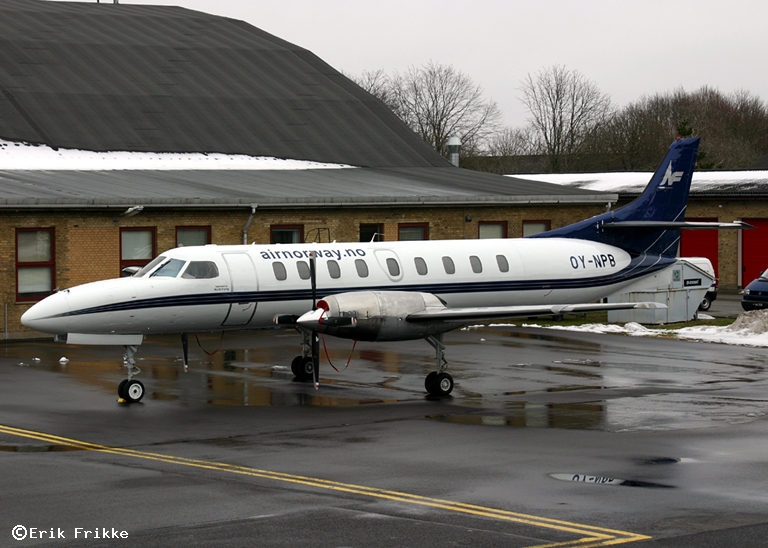
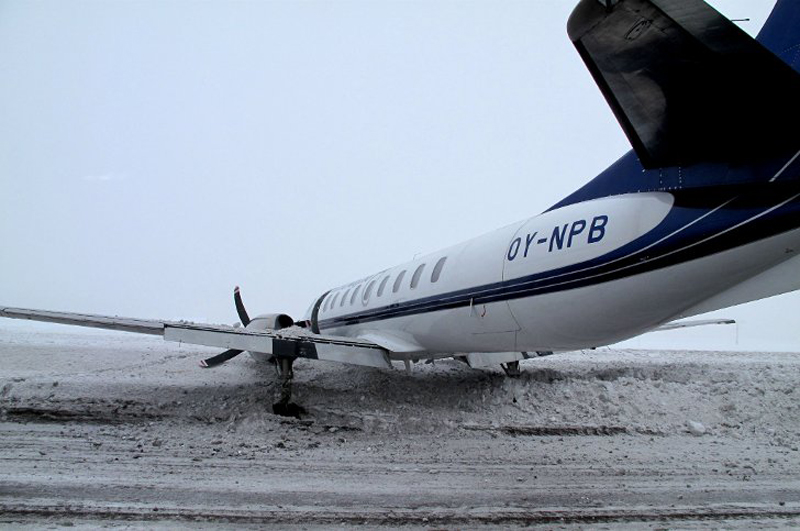
OY-NPB
Survivors:
Yes
Schedule:
Ørland - Oslo
MSN:
AC-420
YOM:
1981
Flight number:
NFA990
Country:
Region:
Crew on board:
2
Crew fatalities:
Pax on board:
9
Pax fatalities:
Other fatalities:
Total fatalities:
0
Captain / Total flying hours:
5187
Captain / Total hours on type:
2537.00
Copilot / Total flying hours:
2398
Copilot / Total hours on type:
1278
Aircraft flight hours:
24833
Aircraft flight cycles:
29491
Circumstances:
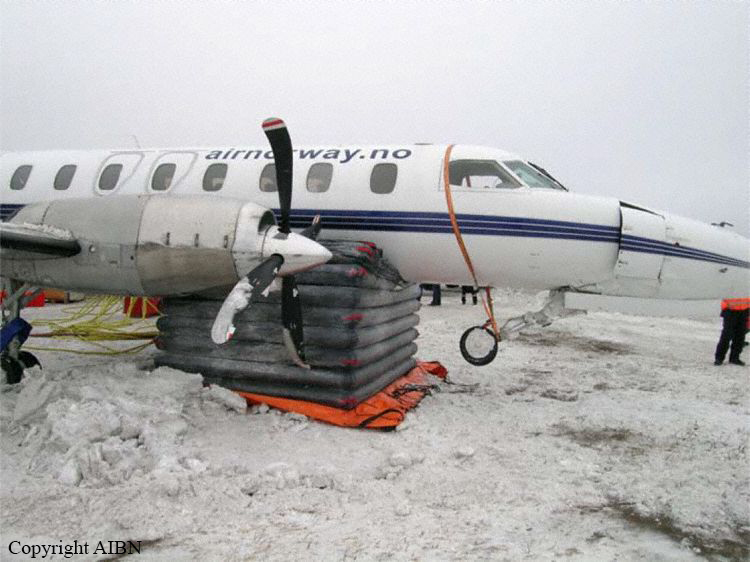
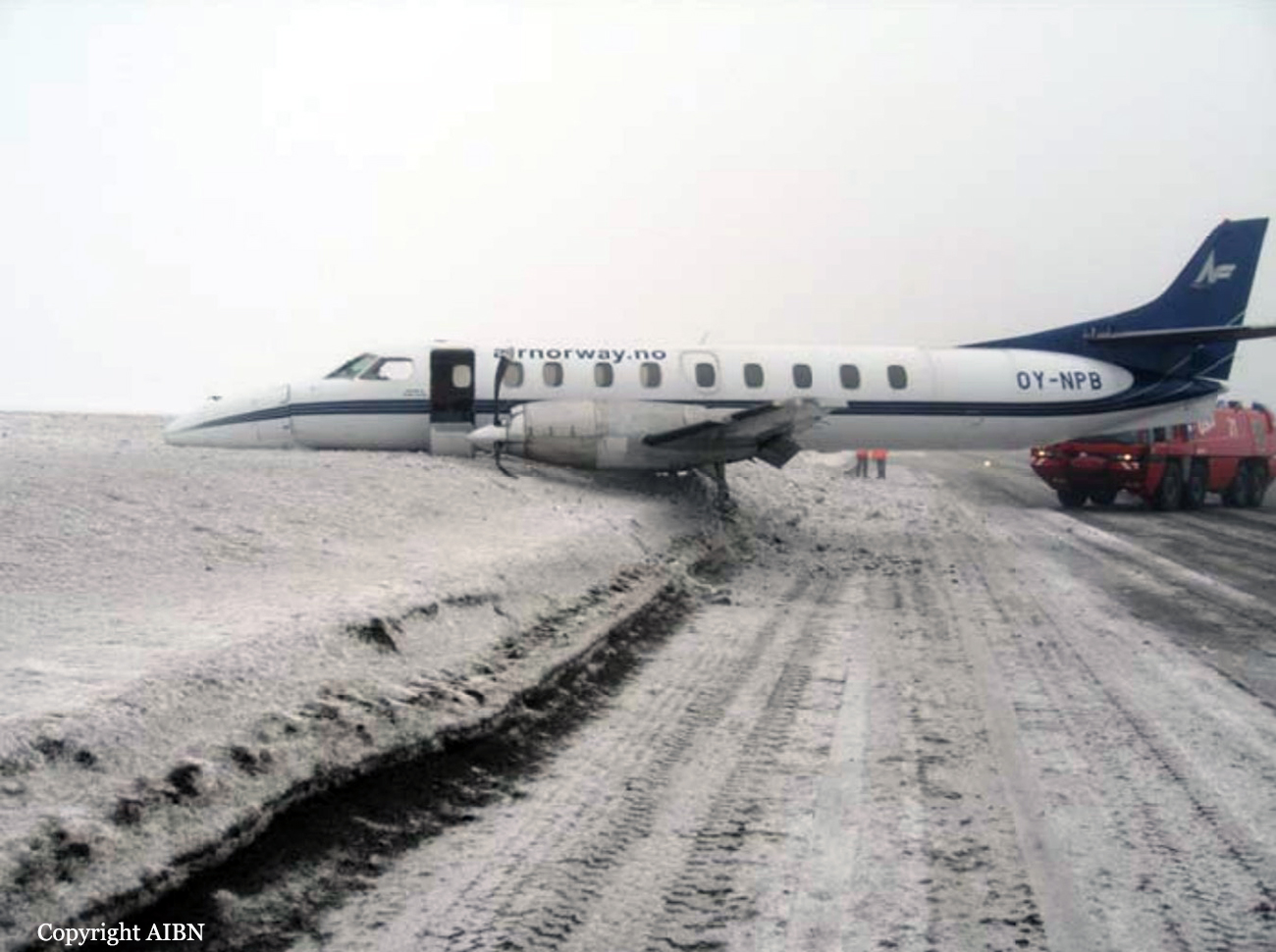
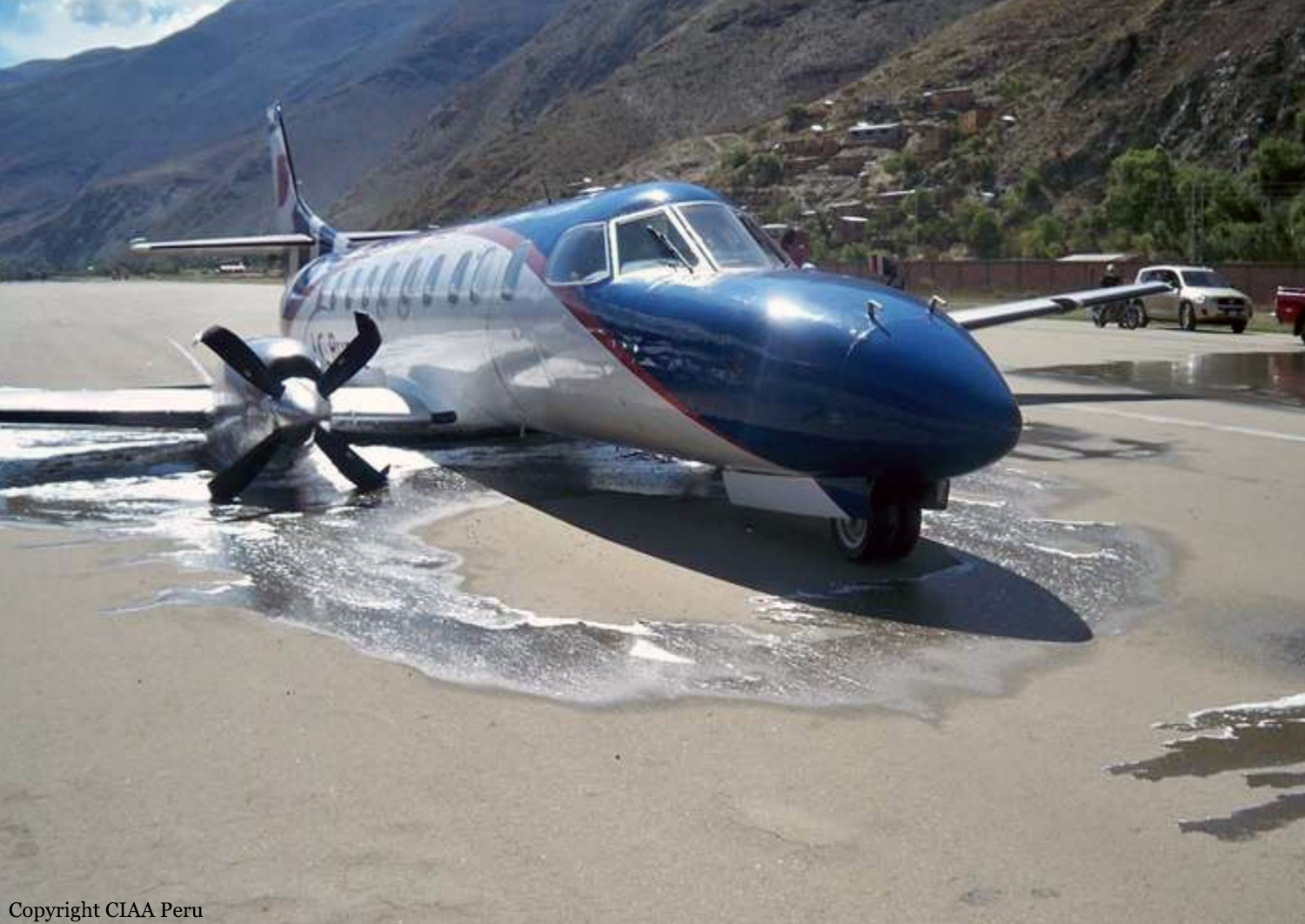
After touchdown on runway 19R at Oslo-Gardermoen Airport, while decelerating to a speed of 60 knots, the aircraft deviated to the right. At a speed of 40 knots, it impacted a snow berm then rotated to the right and came to rest in deep snow with its both propellers and the nose damaged. All 11 occupants evacuated safely while the aircraft was considered as damaged beyond repair.
Probable cause:
Comprehensive technical examination of the nose wheel steering on OY-NPB uncovered no single causal factor, but some indications of unsatisfactory maintenance. Irregularities that alone or in combination could have caused a temporary fault with the steering were present. The Accident Investigation Board believes that a temporary fault caused the nose wheel to unintentionally lock itself in a position towards the right. No other defects or irregularities that could explain why the aircraft veered off the runway were found. The AIBN reported that the same fault had occurred 6 days earlier as well, during that encounter the captain managed to disconnect nose wheel steering quickly enough to regain control. Maintenance could not replace the fault and the aircraft was released to service.
Final Report:
Crash of a Swearingen SA227DC Metro III in La Paz

Date & Time: Feb 27, 2011 at 1510 LT
Type of aircraft:
Operator:
Registration:
CP-2473
Survivors:
Yes
Schedule:
San Borja - Rurrenabaque
MSN:
DC-842B
YOM:
1993
Country:
Crew on board:
2
Crew fatalities:
Pax on board:
6
Pax fatalities:
Other fatalities:
Total fatalities:
0
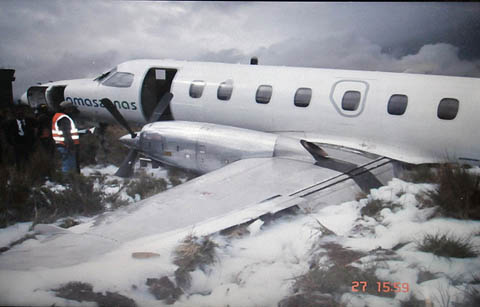
Circumstances:
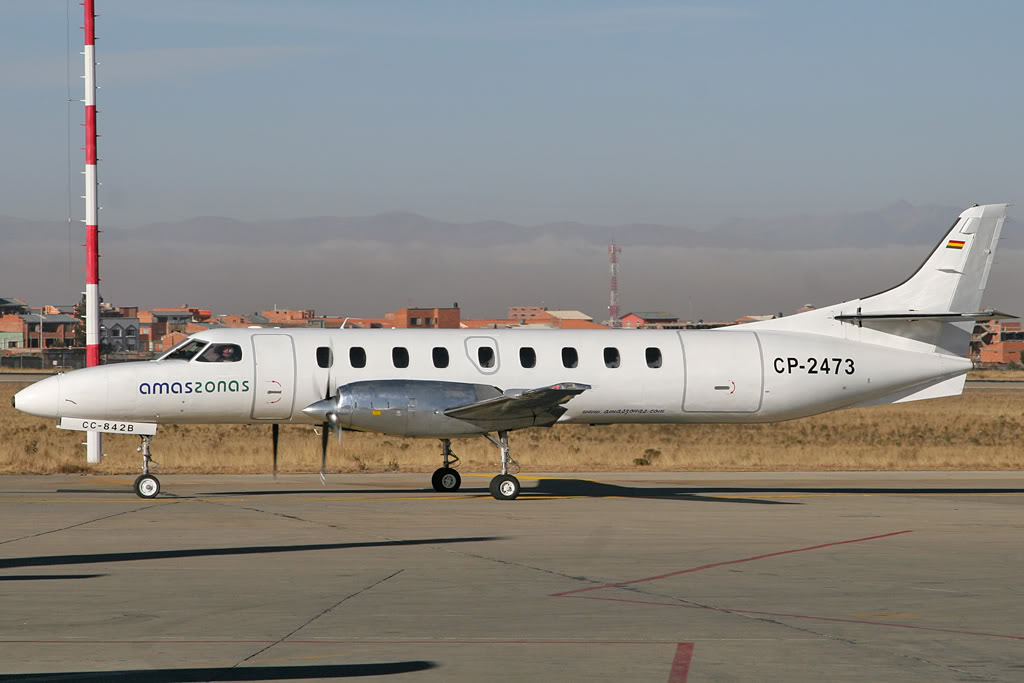
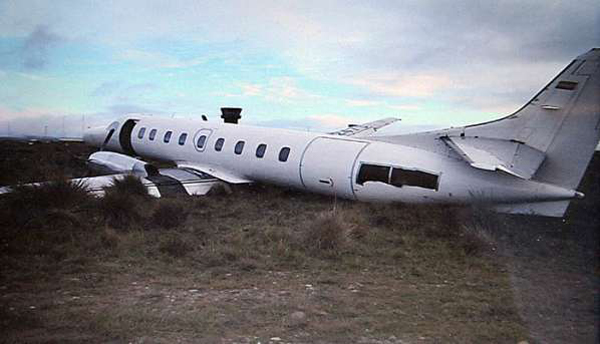
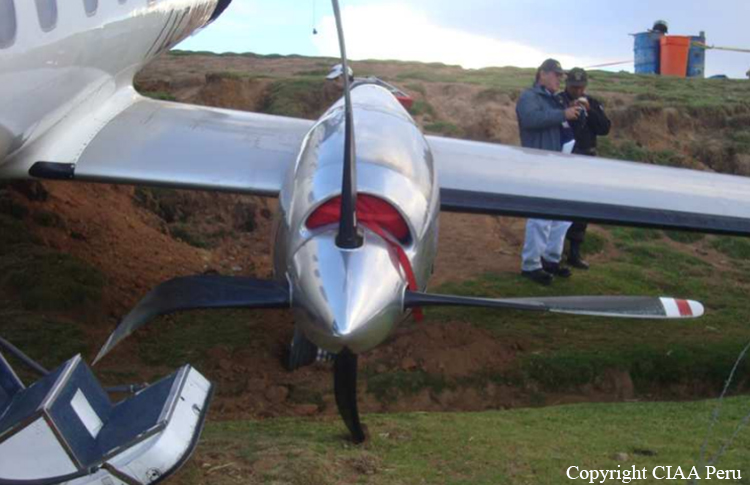
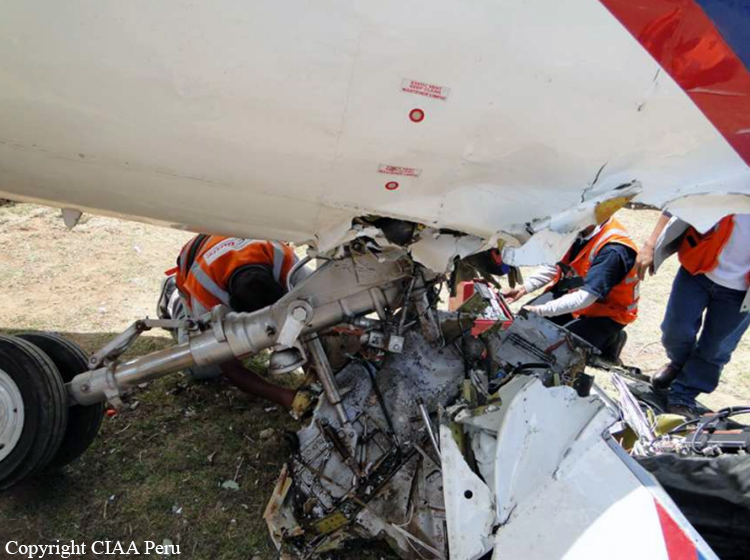
On approach to Rurrenabaque, following an uneventful flight from San Borja, the crew encountered problems with the landing gear which failed to lock down. As all three green lights were not ON on the cockpit panel, the Captain decided to divert to La Paz-El Alto Airport where rescue teams were alerted. After touchdown, the left main gear collapsed. The aircraft veered off runway to the left before coming to rest in a grassy area. All eight occupants escaped uninjured and the aircraft was damaged beyond repair.

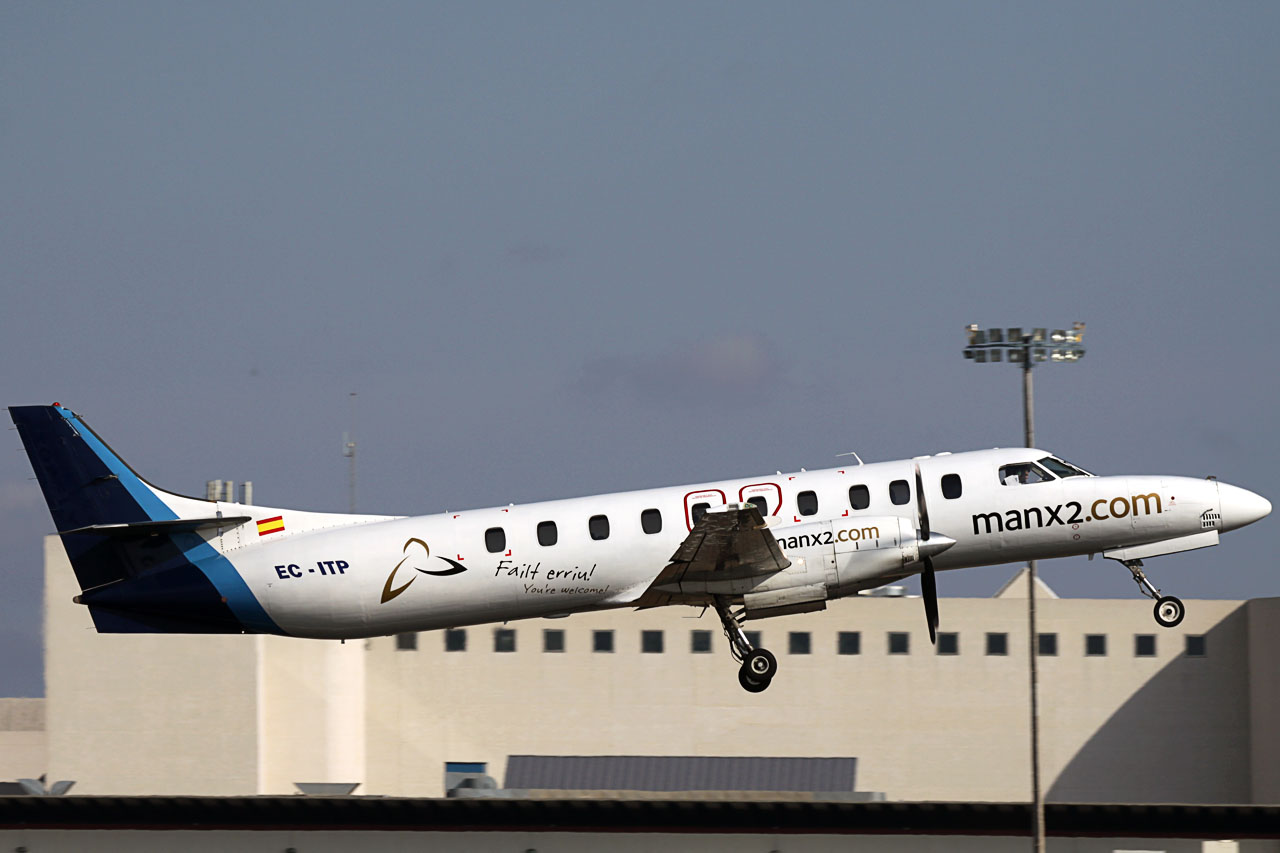
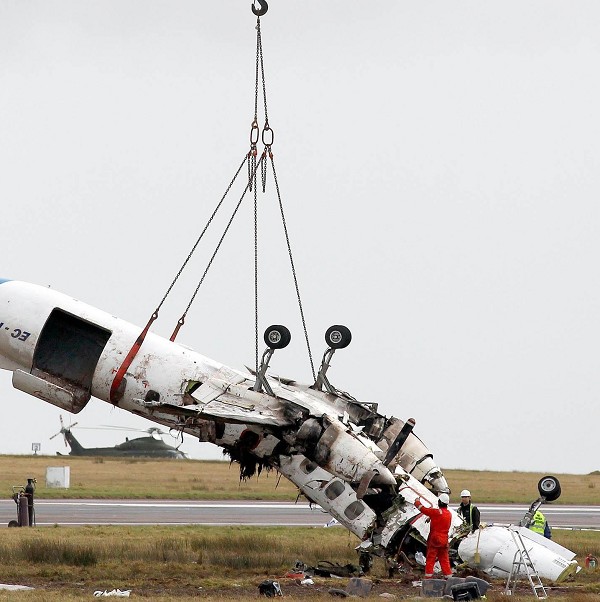
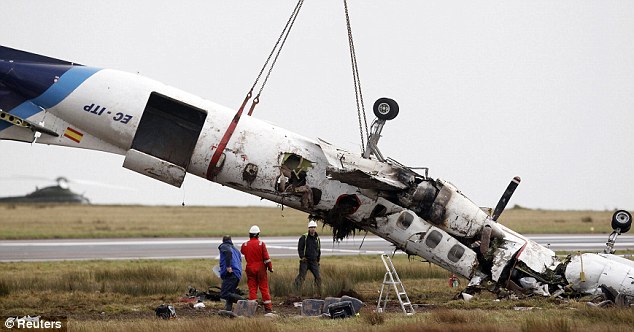
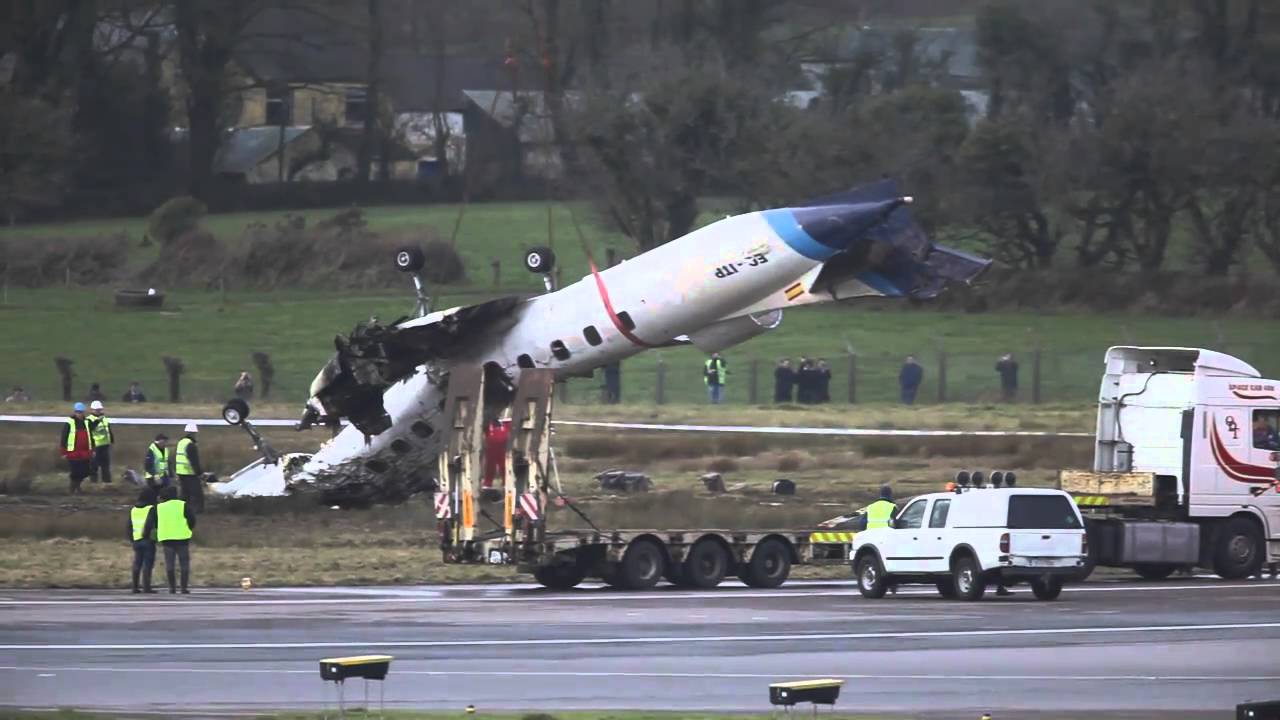
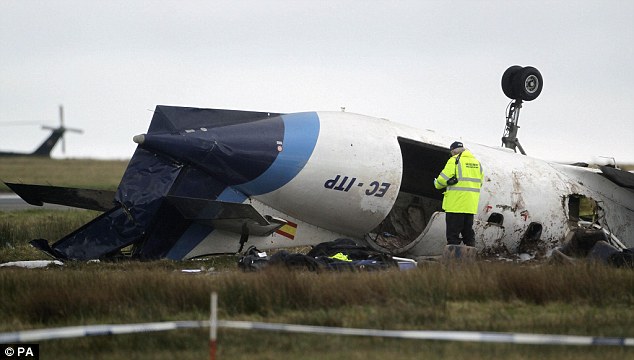
Crash of a Swearingen SA227BC Metro III in Cork: 6 killed

Date & Time: Feb 10, 2011 at 0950 LT
Type of aircraft:
Operator:
Registration:
EC-ITP
Survivors:
Yes
Schedule:
Belfast – Cork
MSN:
BC-789B
YOM:
1992
Flight number:
NM7100
Location:
Country:
Region:
Crew on board:
2
Crew fatalities:
Pax on board:
10
Pax fatalities:
Other fatalities:
Total fatalities:
6
Captain / Total flying hours:
1801
Captain / Total hours on type:
1600.00
Copilot / Total flying hours:
539
Copilot / Total hours on type:
289
Aircraft flight hours:
32653
Aircraft flight cycles:
34156
Circumstances:
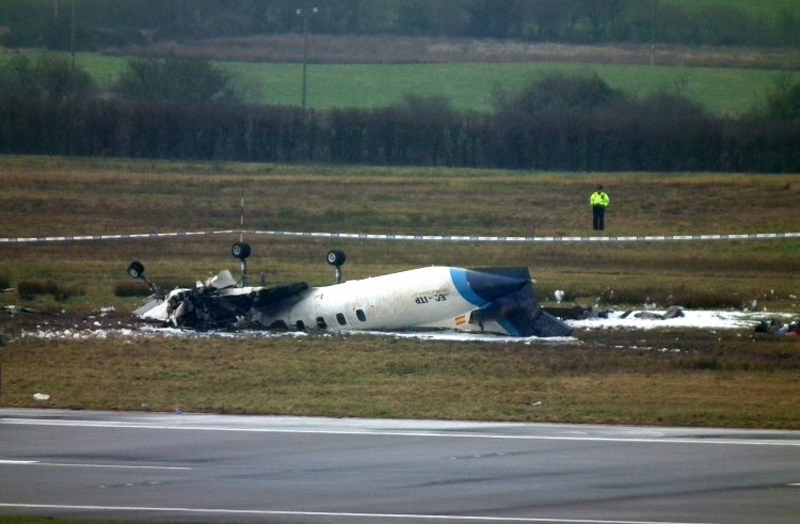
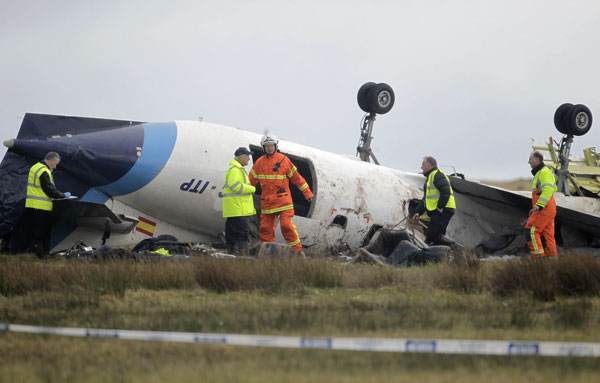
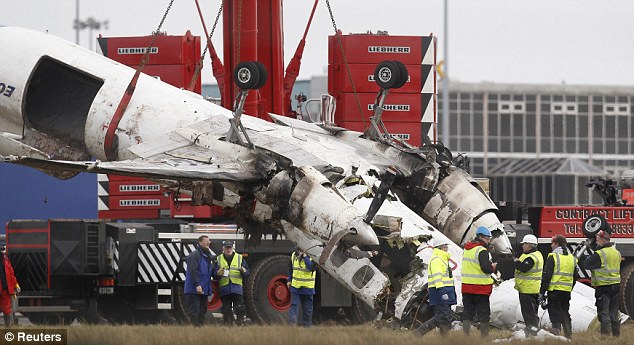
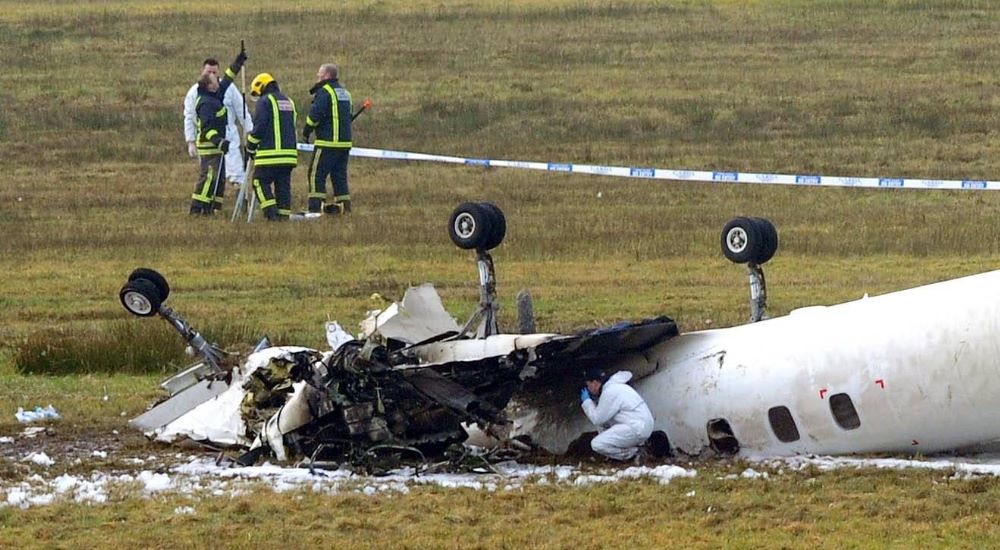
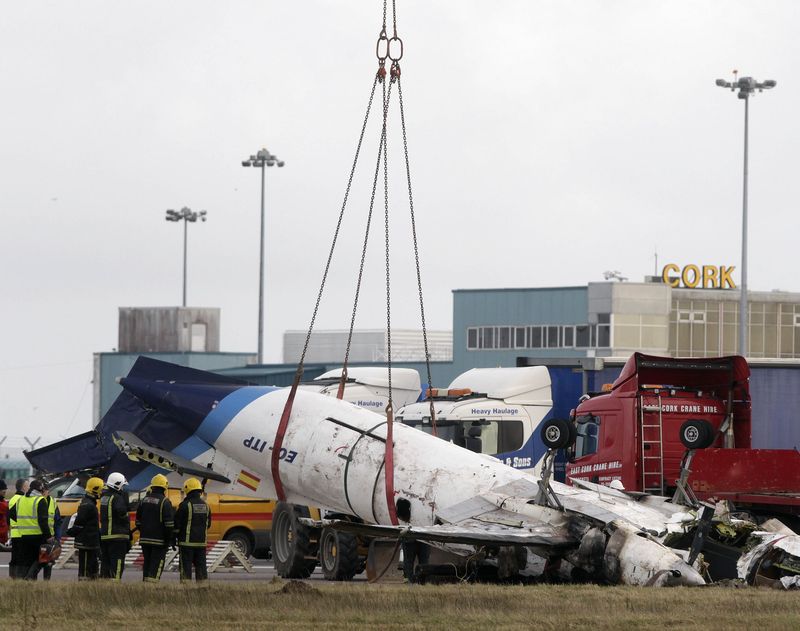
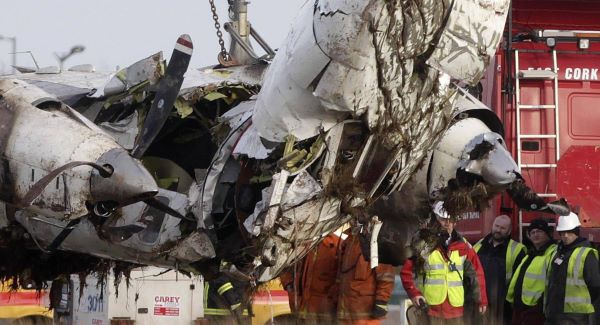
The aircraft departed Belfast City Airport (EGAC) on an international scheduled passenger service to Cork Airport (EICK). Low Visibility Procedures (LVP) were in operation at the destination. The aircraft carried out two ILS1 approaches, each followed by a missed approach. The aircraft then entered a holding pattern following which a third ILS approach was made to Runway (RWY) 17. The approach was continued below Decision Height (200 ft) and a missed approach was initiated. Approaching the runway threshold, the aircraft rolled to the left followed by a rapid roll to the right during which the right wingtip contacted the runway surface. The aircraft continued to roll and impacted the runway in a fully inverted position. The aircraft departed the runway surface to the right and came to rest in soft ground. A significant quantity of mud entered the aircraft through a fracture in the roof, partially filling the cabin. Six persons (including the two Flight Crew members) were fatally injured, four were seriously injured and two received minor injuries. The propeller blades on both engines were severely damaged; three of the four propeller blades on the right-hand engine detached during the impact sequence. Fire occurred in both engines after impact. These fires were extinguished expeditiously by the Airport Fire Service.
Probable cause:
Loss of control during an attempted go-around initiated below Decision Height (200 feet) in Instrument Meteorological Conditions.
The following factors were considered as significant:
- The approach was continued in conditions of poor visibility below those required.
- The descent was continued below the Decision Height without adequate visual reference being acquired.
- Uncoordinated operation of the flight and engine controls when go-around was attempted
- The engine power-levers were retarded below the normal in-flight operational range, an action prohibited in flight.
- A power difference between the engines became significant when the engine power levers were retarded below the normal in-flight range.
- Tiredness and fatigue on the part of the Flight Crew members.
- Inadequate command training and checking.
- Inappropriate pairing of Flight Crew members, and
- Inadequate oversight of the remote Operation by the Operator and the State of the Operator.
Final Report:
Crash of a Swearingen SA227AC Metro III in Andahuaylas

Date & Time: Nov 13, 2010 at 1602 LT
Type of aircraft:
Operator:
Registration:
N781C
Survivors:
Yes
Schedule:
Huaraz - Andahuaylas
MSN:
AC-535
YOM:
1982
Country:
Crew on board:
2
Crew fatalities:
Pax on board:
17
Pax fatalities:
Other fatalities:
Total fatalities:
0
Captain / Total flying hours:
6301
Captain / Total hours on type:
2615.00
Copilot / Total flying hours:
3253
Copilot / Total hours on type:
737
Aircraft flight hours:
27889
Aircraft flight cycles:
37163
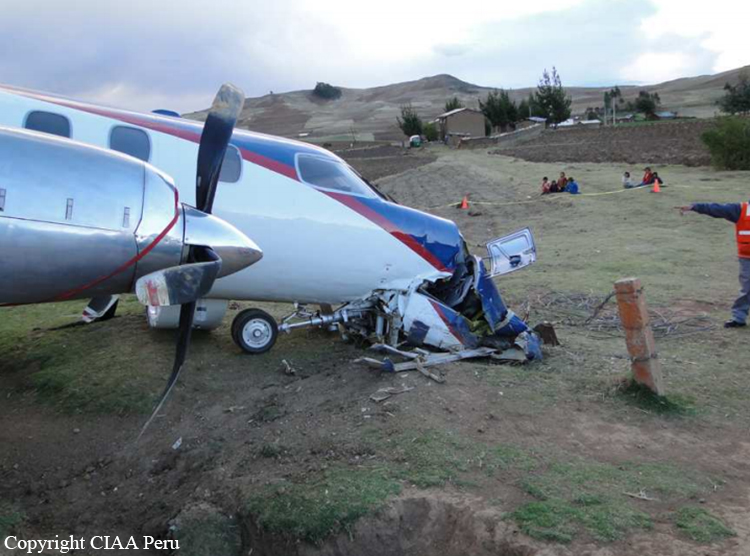
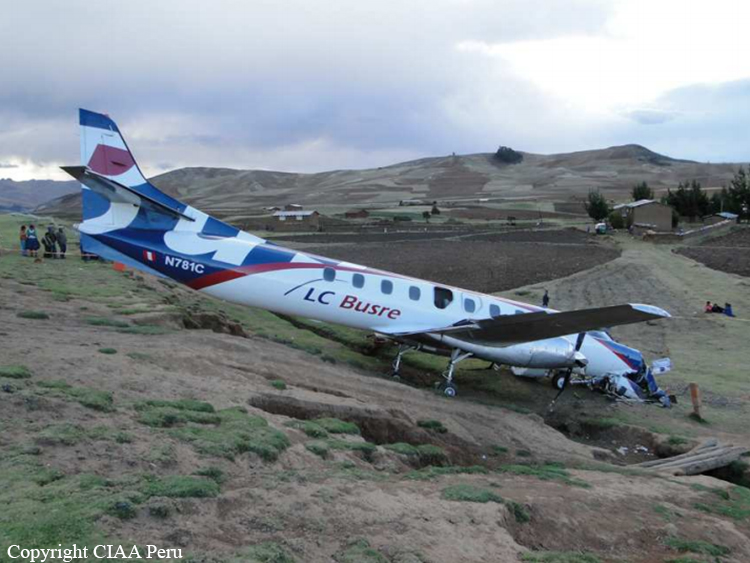
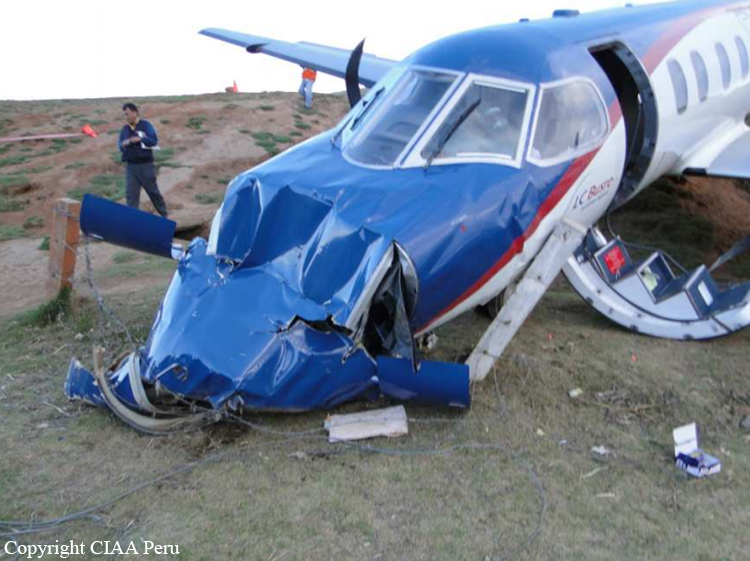
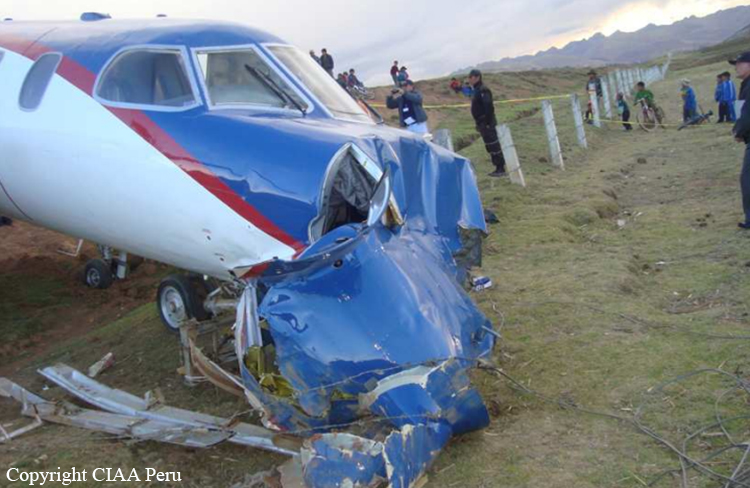
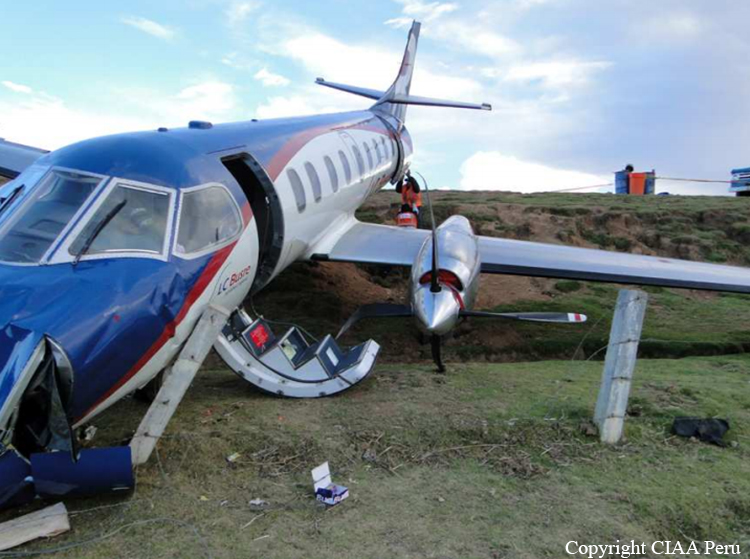
Circumstances:
Following an uneventful flight, the twine engine aircraft approached Andahuaylas Airport and landed normally on runway 03. After touchdown, while decelerating to a speed of about 40 knots, the aircraft started to deviate to the left. The crew counteracted but the aircraft continued to the left, veered off runway, rolled through a grassy and eventually came down a four meters high embankment before coming to rest. While all 19 occupants escaped uninjured, the aircraft was damaged beyond repair.
Probable cause:
It appears that the loss of directional control after touchdown was caused by the failure of the brake systems. The aircraft had already several technical problems with its brake systems previous to the flight, and maintenance was performed by technicians the day before the accident. For unknown reasons, the problem was resolved but no feedback or troubleshooting was performed on part of the technicians or the crew. The Captain was aware of the problem and took the decision to complete the flight despite the risk the problem may persist or happen again.
Final Report:
Crash of a Swearingen SA227AC Metro III in Huánuco

Date & Time: Nov 5, 2010 at 1423 LT
Type of aircraft:
Operator:
Registration:
N115GS
Survivors:
Yes
Schedule:
Lima - Huánuco
MSN:
AC-715
YOM:
1988
Flight number:
LCB1331
Country:
Crew on board:
2
Crew fatalities:
Pax on board:
7
Pax fatalities:
Other fatalities:
Total fatalities:
0
Captain / Total flying hours:
7590
Captain / Total hours on type:
553.00
Copilot / Total flying hours:
5348
Copilot / Total hours on type:
2050
Aircraft flight hours:
24342
Aircraft flight cycles:
32730
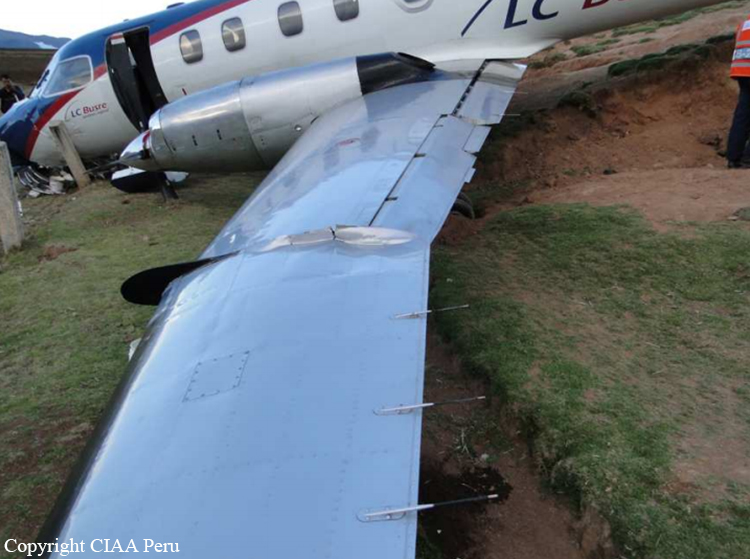
Circumstances:
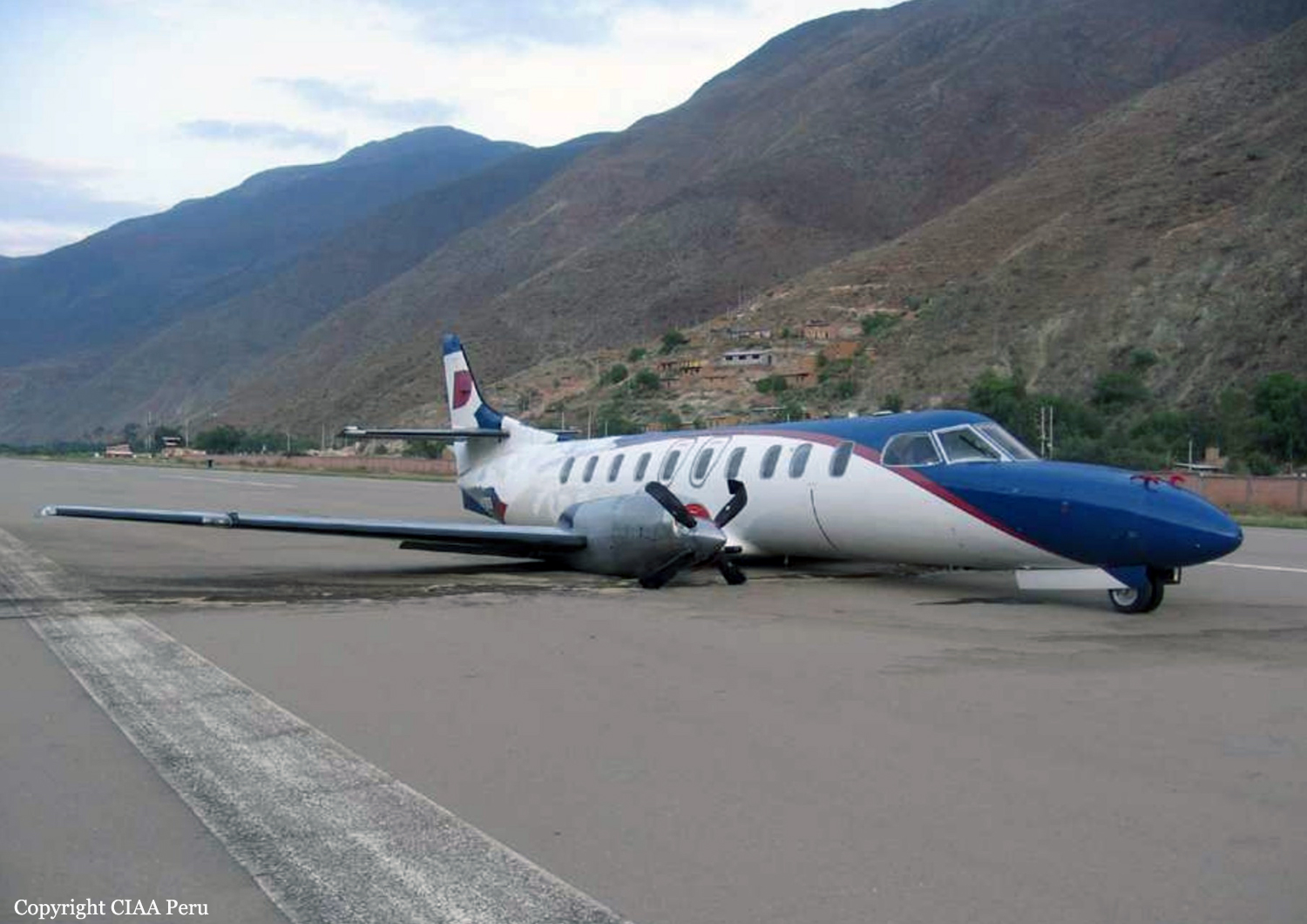
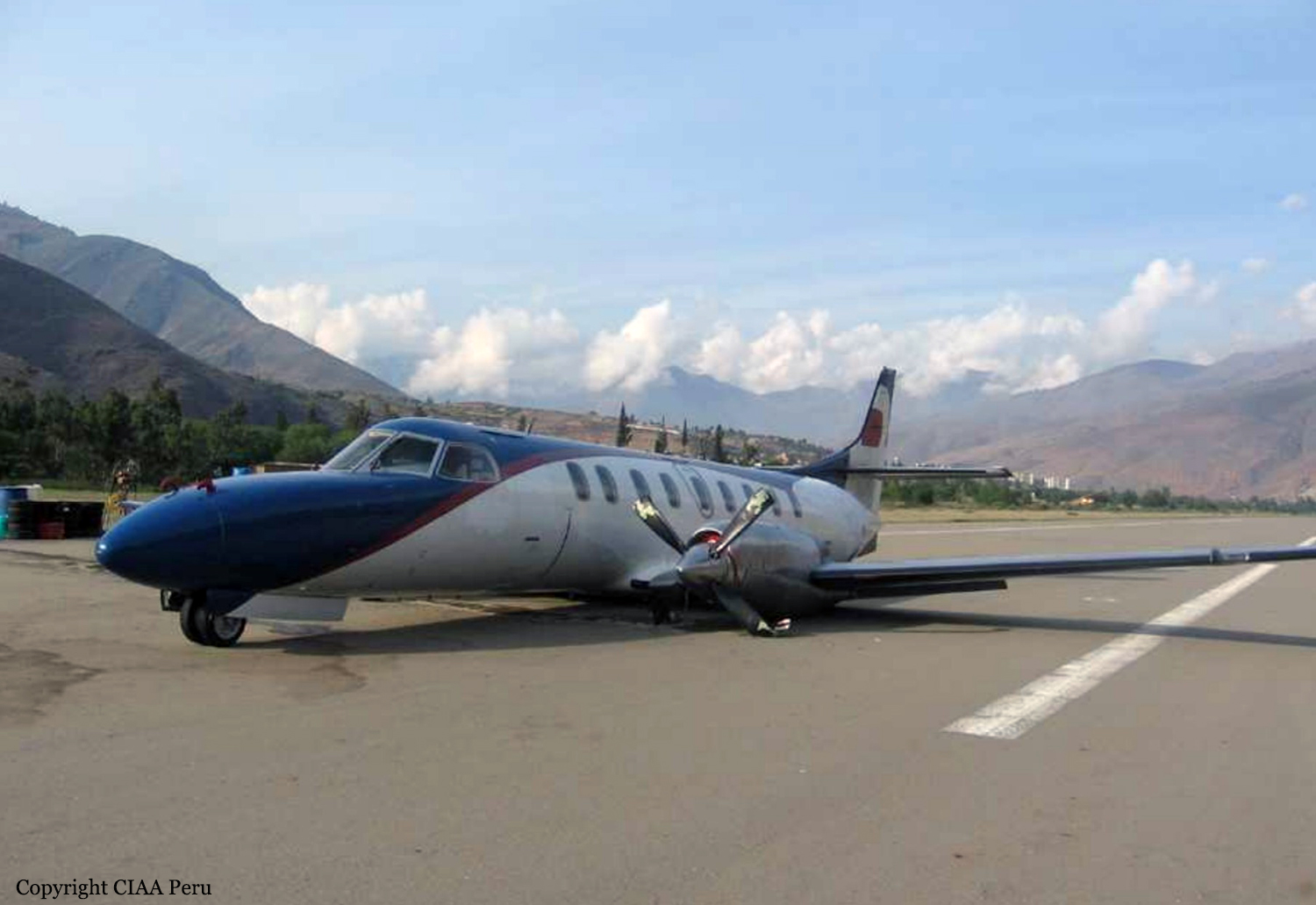
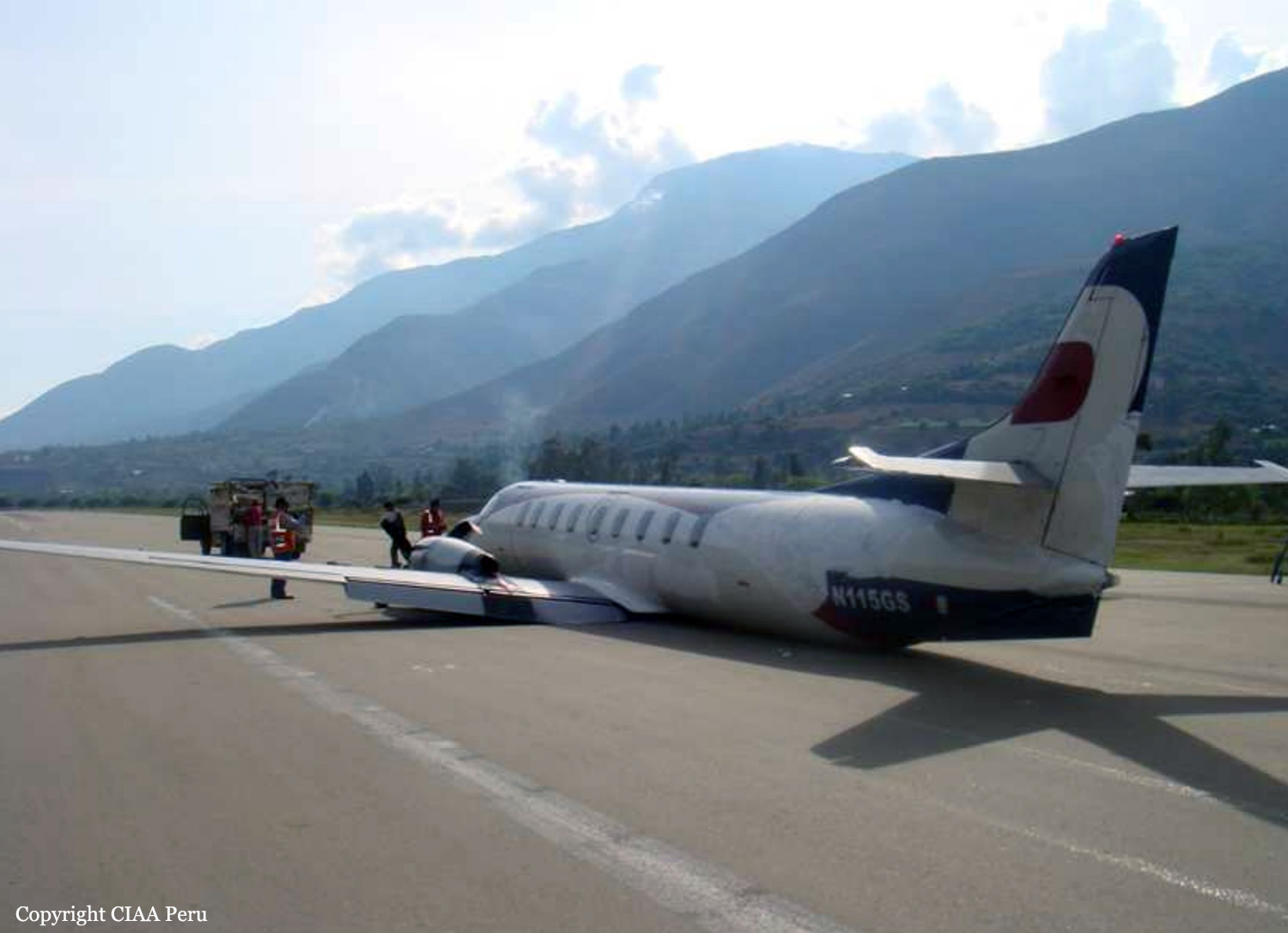
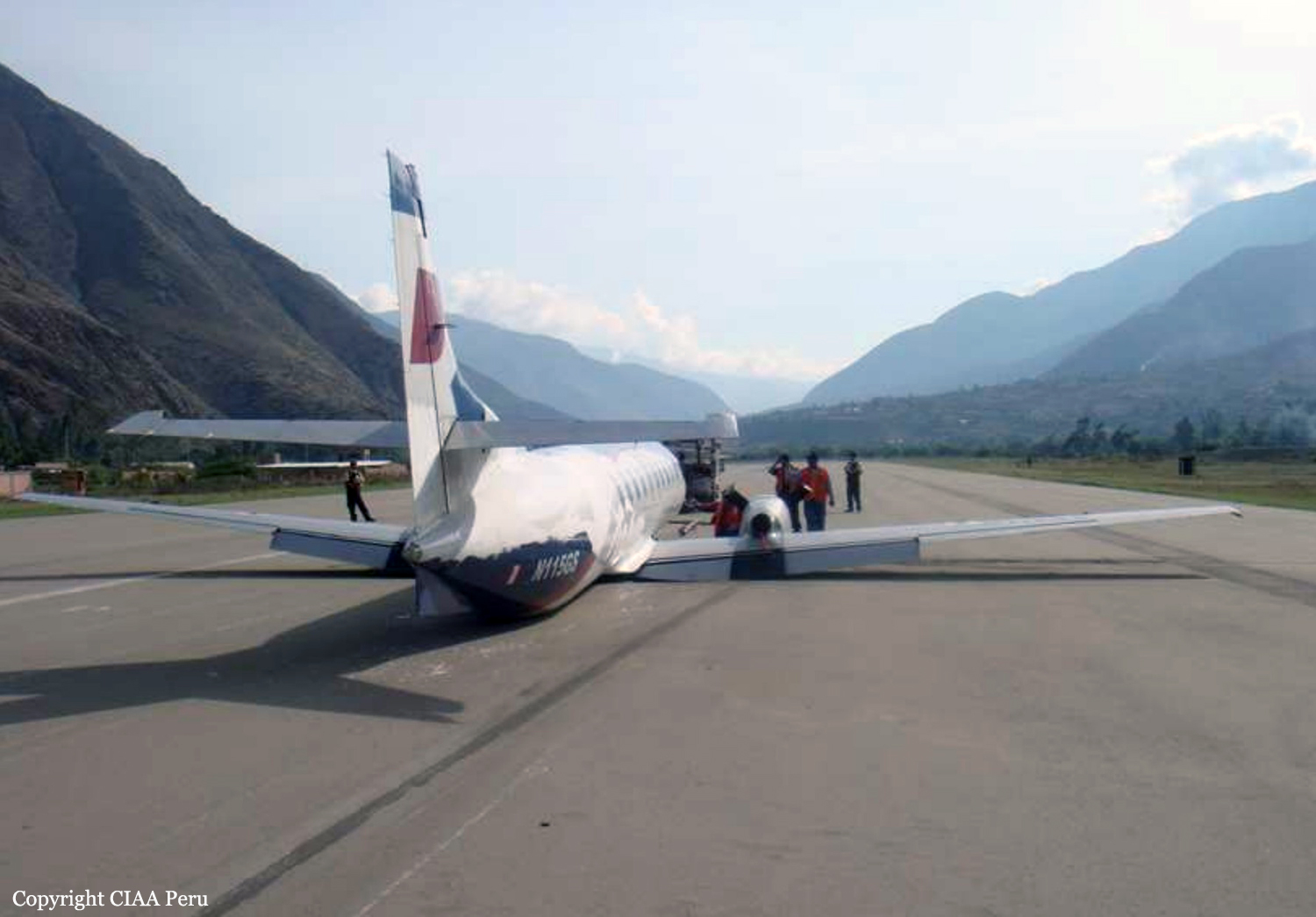
Following an uneventful flight from Lima, the crew continued the approached while the aircraft was unstabilized. Upon touchdown on runway 07, the aircraft landed relatively hard then bounced three times when the crew retracted the landing gear. The aircraft slid on its belly for about 600 metres before coming to rest. All nine occupants escaped uninjured while the aircraft was damaged beyond repair.
Probable cause:
Erroneous retraction of the landing gear following three bounces on the runway due to an unstabilized final approach and poor crew resource management.
Contributing factors were:
- Although the descent and landing checklists were followed, the crew did not review stabilized approach criteria or procedures for a possible controlled flight into terrain and did not take into consideration the possibility of any go around procedure
- Several call-outs were non-standard while others were missing
- Descent was continued under visual flight rules, approach was unstabilized and not detected by crew
- Speed was too high on touch down while the power levers were not into idle position
- Lack of corrective action on part of the crew when the aircraft was bouncing
- Loss of situational awareness led to the retraction of the landing gear.
Final Report:
Crash of a Swearingen SA227AC Metro III in Cap Haïtien

Date & Time: Dec 20, 2009 at 1200 LT
Type of aircraft:
Operator:
Registration:
C6-JER
Survivors:
Yes
Schedule:
Nassau – Cap Haïtien
MSN:
AC-588B
YOM:
1984
Country:
Crew on board:
2
Crew fatalities:
Pax on board:
19
Pax fatalities:
Other fatalities:
Total fatalities:
0
Captain / Total flying hours:
7400
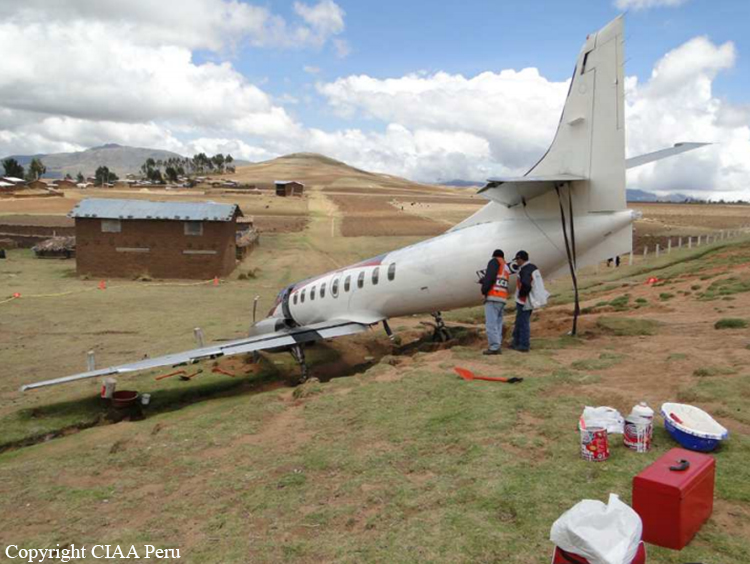
Circumstances:
On Sunday December 20, 2009 at approximately 1700 UTC a fixed wing, multi engine, Fairchild SA-227AC Metro-liner III aircraft landed at Cap Haïtien Int’l Airport, Haiti, with its landing gear retracted. The pilot reported on two occasions whilst the aircraft was configured with flaps and gear extended, upon reduction in power preparing to land, the aircraft had a very high nose up attitude. The pilot further stated that after two go around, the decision was made to land the aircraft with its landing gear retracted. The aircraft landed on Runway 05. According to the pilot, the crew and all 19 passengers onboard suffered no injuries.
Final Report:
Crash of a Swearingen SA227AC Metro III off Sydney: 1 killed

Date & Time: Apr 9, 2008 at 2327 LT
Type of aircraft:
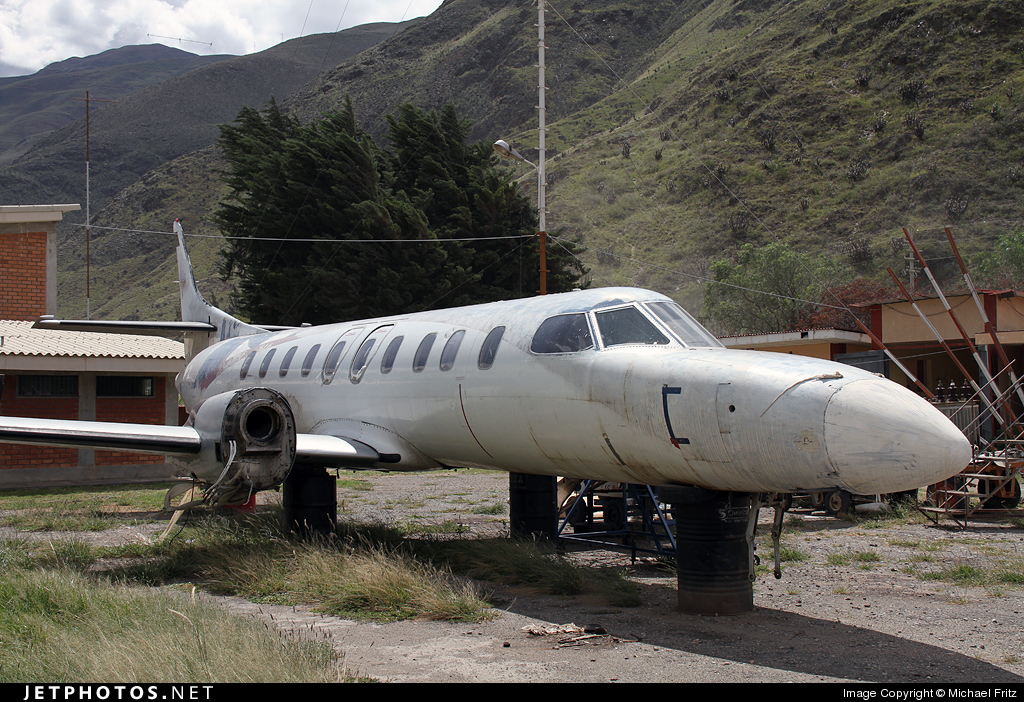
Operator:

Registration:
VH-OZA
Flight Phase:
Flight Type:
Survivors:
No
Schedule:
Sydney – Brisbane
MSN:
AC-600
YOM:
1984
Country:
Region:
Crew on board:
1
Crew fatalities:
Pax on board:
0
Pax fatalities:
Other fatalities:
Total fatalities:
1
Captain / Total flying hours:
4873
Captain / Total hours on type:
175.00
Aircraft flight hours:
32339
Aircraft flight cycles:
46710
Circumstances:
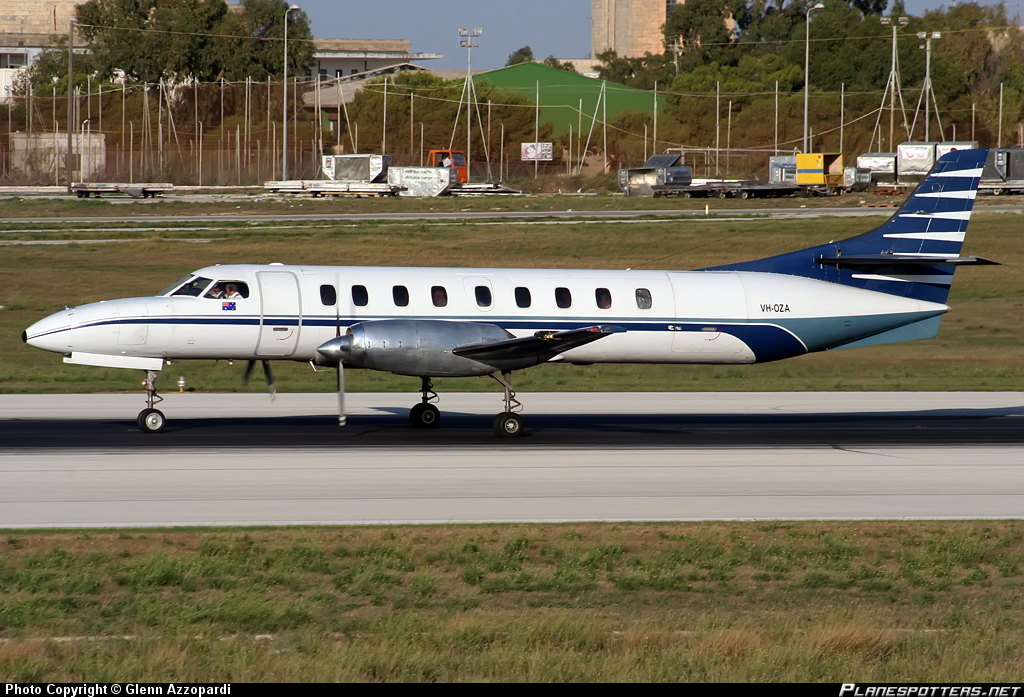
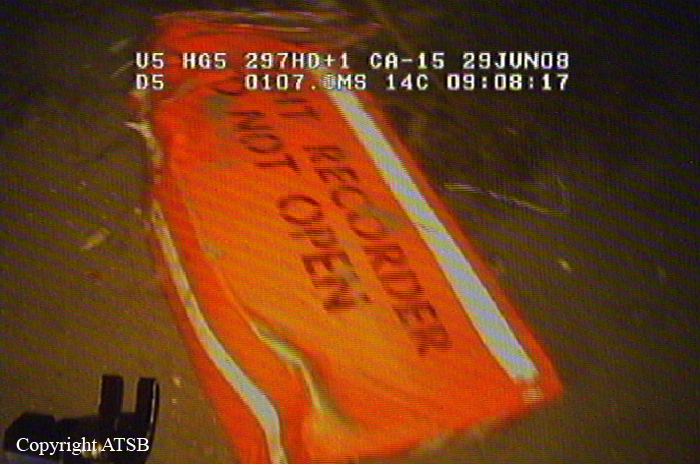
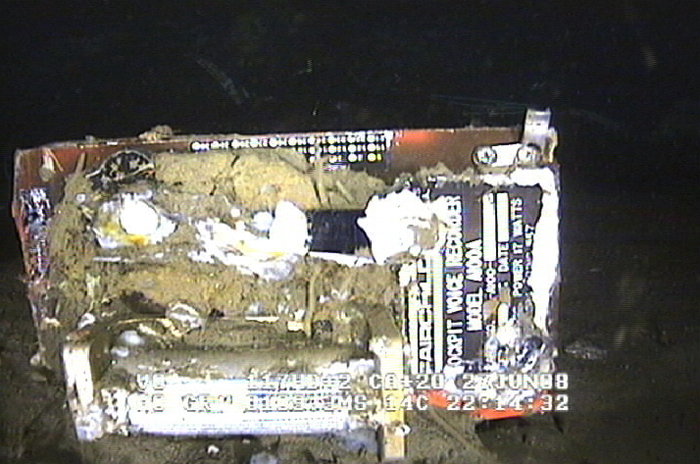
On 9 April 2008, at 2325 Eastern Standard Time, a Fairchild Industries Inc. SA227-AC (Metro III) aircraft, registered VH-OZA, departed Sydney Airport, New South Wales on a freight charter flight to Brisbane, Queensland with one pilot on board. The aircraft was subsequently observed on radar to be turning right, contrary to air traffic control instructions to turn left to an easterly heading. The pilot reported that he had a ‘slight technical fault’ and no other transmissions were heard from the pilot. Recorded radar data showed the aircraft turning right and then left, followed by a descent and climb, a second right turn and a second descent before radar returns were lost when the aircraft was at an altitude of 3,740 ft above mean sea level and descending at over 10,000 ft/min. Air traffic control initiated search actions and search vessels later recovered a small amount of aircraft wreckage floating in the ocean, south of the last recorded radar position. The pilot was presumed to be fatally injured and the aircraft was destroyed. Both of the aircraft’s on-board flight recorders were subsequently recovered from the ocean floor. They contained data from a number of previous flights, but not for the accident flight. There was no evidence of a midair breakup of the aircraft.
Probable cause:
Contributing Safety Factors:
- It was very likely that the aircraft’s alternating current electrical power system was not energised at any time during the flight.
- It was very likely that the aircraft became airborne without a functioning primary attitude reference or autopilot that, combined with the added workload of managing the ‘slight technical fault’, led to pilot spatial disorientation and subsequent loss of control.
Other Safety Factors:
- The pilot’s Metro III endorsement training was not conducted in accordance with the operator’s approved training and checking manual, with the result that the pilot’s competence and ultimately, safety of the operation could not be assured. [Significant safety issue].
- The chief pilot was performing the duties and responsibilities of several key positions in the operator’s organisational structure, increasing the risk of omissions in the operator’s training and checking requirements.
- The conduct of the flight single-pilot increased the risk of errors of omission, such as not turning on or noticing the failure of aircraft items and systems, or complying with directions.
Final Report: