Crash of a Cessna 421B Golden Eagle II in Gaaden: 2 killed

Date & Time: Dec 7, 1987 at 1637 LT
Operator:
Registration:
HB-LMI
Flight Phase:
Survivors:
No
Site:
Schedule:
Budapest - Bad Vöslau
MSN:
421B-0838
YOM:
1974
Country:
Region:
Crew on board:
1
Crew fatalities:
Pax on board:
1
Pax fatalities:
Other fatalities:
Total fatalities:
2
Captain / Total flying hours:
6755
Aircraft flight hours:
1800
Circumstances:
The pilot started the approach to Bad Vöslau Airport at dusk and under VFR mode. Due to marginal weather conditions, he was unable to locate the airport then decided to divert to Vienna-Schwechat Airport. He completed a left turn, passed over Baden and continued at an altitude of 2,000 feet when the twin engine aircraft struck a hill and crashed in Gaaden. Both occupants were killed.
Probable cause:
The visibility was too low at the time of the accident to attempt a VFR landing at Bad Vöslau Airport that was not equipped with an ILS. According to weather conditions, the pilot should fly directly to Vienna-Schwechat Airport.
Final Report:

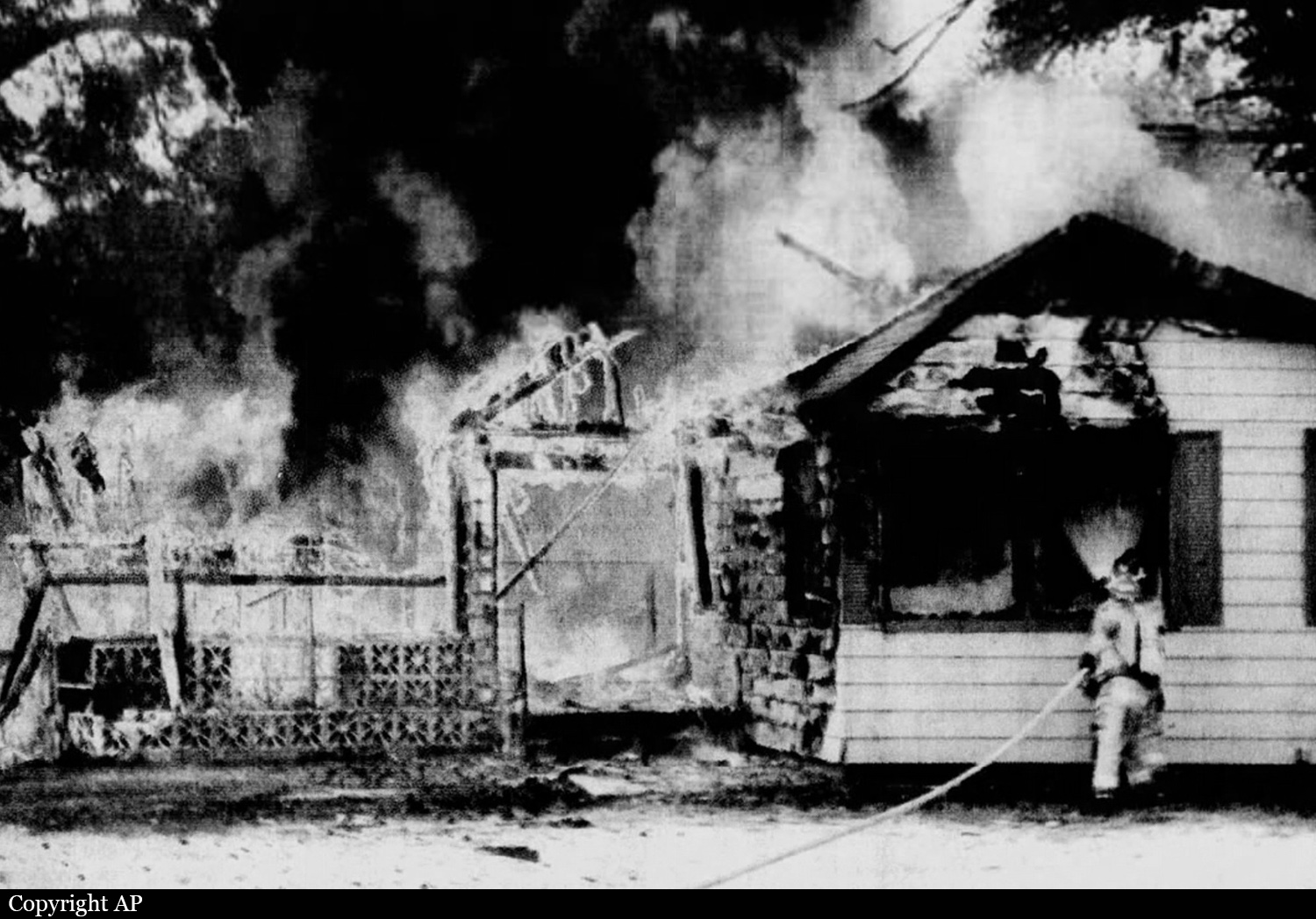
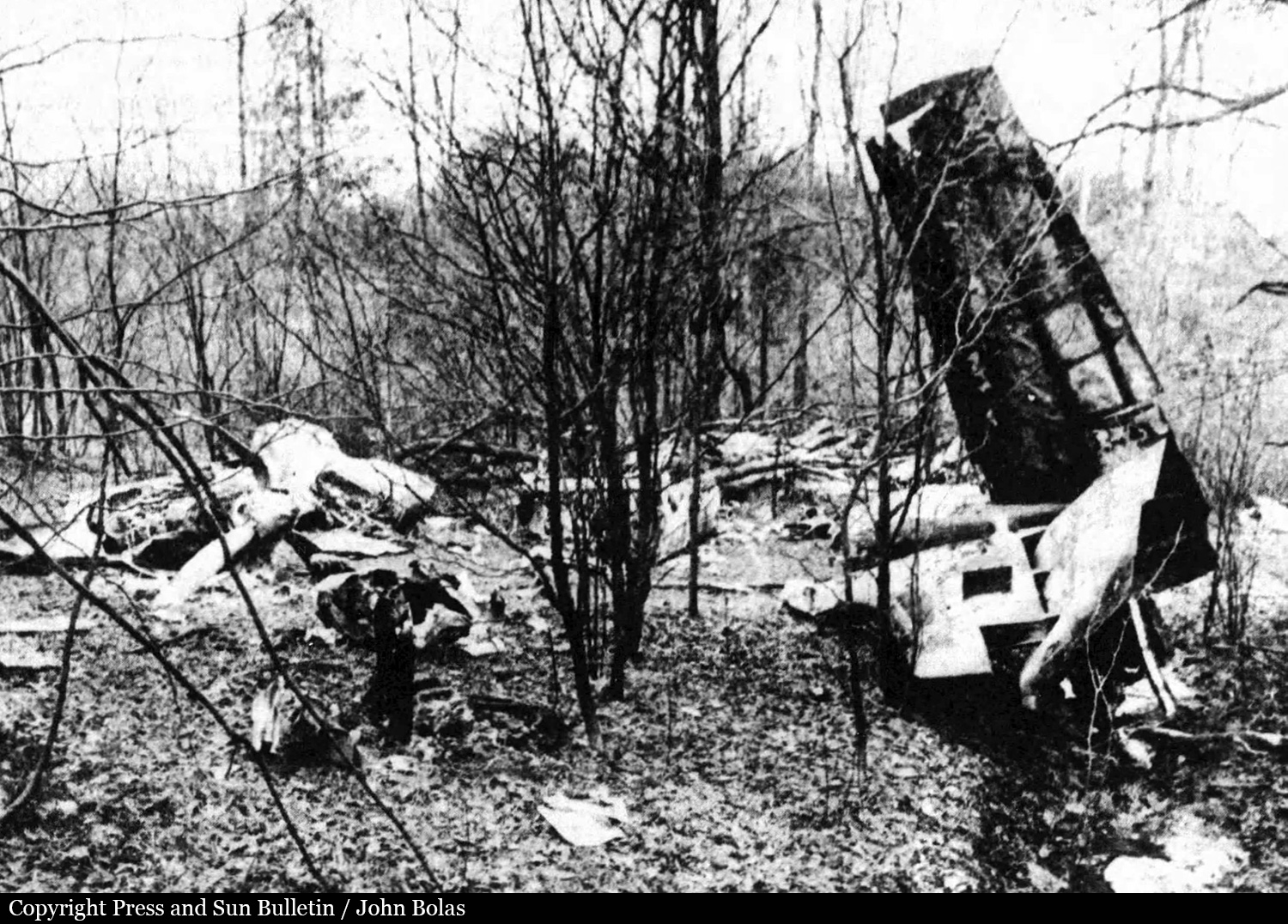
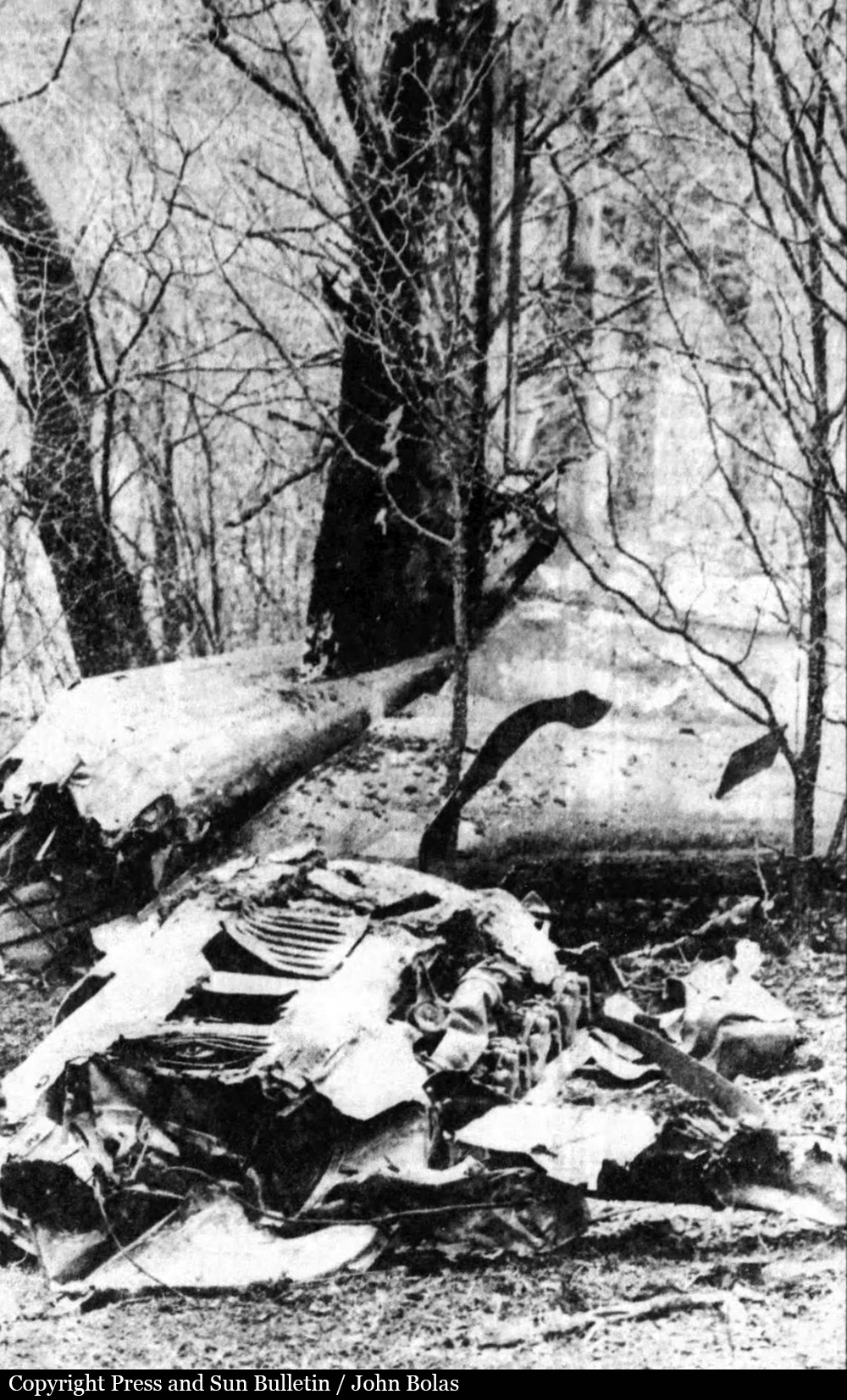
Crash of a Cessna 421B Golden Eagle II in Stansted: 6 killed

Date & Time: Oct 20, 1987 at 1200 LT
Registration:
G-HAST
Flight Phase:
Survivors:
No
Schedule:
Stansted – Tatenhill
MSN:
421B-0828
YOM:
1974
Location:
Region:
Crew on board:
1
Crew fatalities:
Pax on board:
5
Pax fatalities:
Other fatalities:
Total fatalities:
6
Captain / Total flying hours:
500
Captain / Total hours on type:
200.00
Circumstances:
The aircraft was on an IFR flight from Stansted Airport to Tatenhill Aerodrome with a pilot and five passengers on board. Shortly after takeoff from runway 23 at Stansted the pilot reported that he had a problem and wished to return. Stansted ATC cleared him for a left hand circuit and return. As the aircraft turned left hand towards a downwind leg the left bank was observed to suddenly increase and it turned onto its back before descending vertically and crashing into a wooded area to the southwest of the airport. Immediately after the impact there was a fierce fire; all the occupants were killed instantaneously.
Probable cause:
Examination confirmed that the right hand propeller and engine has been delivering power normally before impact, but that the left propeller and engine had not been producing power. The left engine drive fuel pump had also suffered fire damage, and the rubber seals were leaking. Upon disassembly it was found that the aneroid unit within the pump was corroded and could not have functioned. The possible adverse effects of the corrosion within the fuel pump aneroid unit to engine performance were investigated using another similar engine in a test facility. It was found that this condition caused the engine to misfire and run roughly at high power settings, but that the engine ran normally at low power. The tests, whilst not totally representative of the conditions on the accident flight, showed no tendency for the engine to fail completely, although sudden full throttle applications grossly aggravated the rough running. Thus no reason for the apparent marked power loss associated with the left engine fitted to G-HAST has been established.
Final Report:

Crash of a Cessna 421B Golden Eagle II in DeLand: 5 killed

Date & Time: Oct 7, 1987 at 1150 LT
Registration:
N8043Q
Flight Phase:
Flight Type:
Survivors:
No
Schedule:
DeLand - Punta Gorda
MSN:
421B-0043
YOM:
1970
Location:
Crew on board:
1
Crew fatalities:
Pax on board:
4
Pax fatalities:
Other fatalities:
Total fatalities:
5
Captain / Total flying hours:
18000
Captain / Total hours on type:
0.00
Aircraft flight hours:
2600
Circumstances:
The aircraft was observed to be flying slowly, then roll steeply to the left and dive into an unoccupied house from about 300 feet shortly after takeoff. The pilot had considerable flight time but he had not flown this model, except for a 35 minutes checkout that morning. The checkout consisted of 3 takeoffs and landings. The pilot's friend, a rated pilot without a multi engine rating, sat in the right cockpit seat and had logged flight time in the pilot's other twin aircraft. A witness stated the pilot looked pale and appeared troubled just before the flight. The autopsy of the pilot revealed the left main coronary artery was blocked except for a 'pinhole' opening. The doctor stated the condition could have caused a seizure but could not say whether it had any bearing on this accident. No evidence could be found to indicate any preimpact malfunction or failure with the airframe, propellers, or engines. The aircraft was estimated to be 134 pounds over gross weight. All five occupants were killed.
Probable cause:
Occurrence #1: loss of control - in flight
Phase of operation: takeoff - initial climb
Findings
1. (f) aircraft weight and balance - exceeded - pilot in command
2. (c) airspeed - not maintained - pilot in command
3. Physical impairment (other cardiovascular) - pilot in command
4. (c) stall - inadvertent - pilot in command
----------
Occurrence #2: in flight collision with object
Phase of operation: descent - uncontrolled
Findings
5. Object - residence
Final Report:

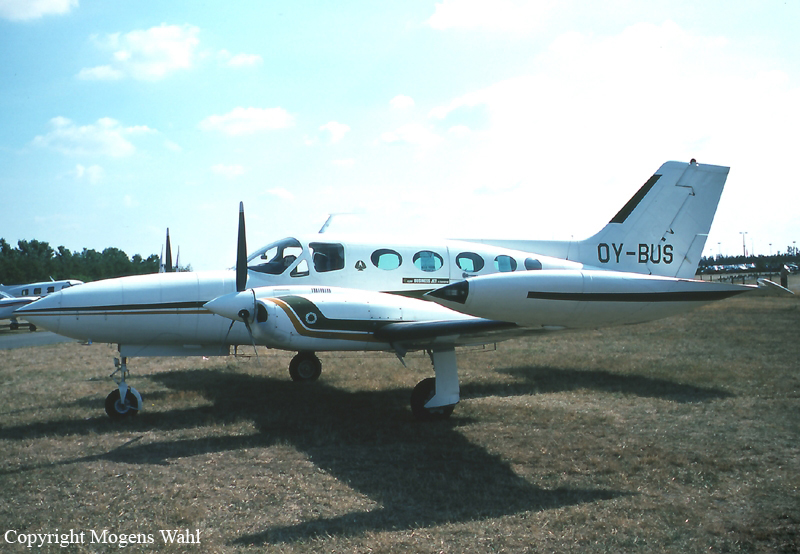
Crash of a Cessna 421B Golden Eagle I off Kalundborg: 5 killed

Date & Time: Jul 29, 1986
Registration:
OY-BUS
Flight Phase:
Survivors:
No
Schedule:
Roskilde - Luton
MSN:
421B-0615
YOM:
1974
Country:
Region:
Crew on board:
1
Crew fatalities:
Pax on board:
4
Pax fatalities:
Other fatalities:
Total fatalities:
5
Circumstances:
Before takeoff from Roskilde Airport, the pilot received a weather briefing and was informed about the presence of thunderstorm activity over Denmark. All four passengers, two Directors of the Company and their wifes, were flying to London to go to an Opera. About 15 minutes into the flight, the twin engine aircraft went through clouds when it encountered severe turbulences. One of the wing tip tank detached and out of control, the aircraft entered a dive and crashed in the Great Belt off Kalundborg. The aircraft was destroyed and all five occupants were killed.
Probable cause:
In-flight loss of control due to thunderstorm activity and turbulences.

Crash of a Cessna 421B Golden Eagle II in Franktown

Date & Time: Dec 1, 1985 at 1732 LT
Operator:
Registration:
N249JM
Flight Phase:
Flight Type:
Survivors:
Yes
Schedule:
Nashville – Chanute – Aspen
MSN:
421B-0124
YOM:
1971
Crew on board:
2
Crew fatalities:
Pax on board:
4
Pax fatalities:
Other fatalities:
Total fatalities:
0
Captain / Total flying hours:
8200
Captain / Total hours on type:
3.00
Aircraft flight hours:
6035
Circumstances:
The aircraft departed Nashville, TN, for a flight to Aspen, CO. The pilots made one refueling stop at Chanute, KS. The pilots were unable to land at Aspen or a nearby alternate airport (Eagle, CO) and elected to return back to the Denver area. The pilots indicated to an ARTCC controller that they were low fuel. Before they could reach an airport the pilot told the controller they had engine failure and thought they had run out of fuel. During the emergency descent the aircraft struck an electrical power pole, power lines and then the ground. Inspection of the aircraft revealed 2 to 3 gallons of fuel remaining in each main fuel tank. All six occupants were injured, three seriously.
Probable cause:
Occurrence #1: loss of engine power (total) - nonmechanical
Phase of operation: descent - normal
Findings
1. (c) fluid,fuel - exhaustion
2. (f) in-flight planning/decision - improper - pilot in command
3. (f) fuel consumption calculations - inaccurate - pilot in command
4. (c) judgment - poor - pilot in command
----------
Occurrence #2: in flight collision with object
Phase of operation: descent - emergency
Findings
5. (f) object - utility pole
----------
Occurrence #3: in flight collision with terrain/water
Phase of operation: landing
Findings
6. Terrain condition - soft
Final Report:

Crash of a Cessna 421B Golden Eagle II in Johnson City: 2 killed

Date & Time: Apr 2, 1985 at 1646 LT
Registration:
N5407J
Flight Phase:
Survivors:
No
Schedule:
Johnson City - Toledo
MSN:
421B-0955
YOM:
1975
Crew on board:
2
Crew fatalities:
Pax on board:
0
Pax fatalities:
Other fatalities:
Total fatalities:
2
Captain / Total flying hours:
1350
Captain / Total hours on type:
780.00
Aircraft flight hours:
1930
Circumstances:
After a heavy snow shower passed over the airport, the accident aircraft attempted a departure. Immediately after takeoff the pilot transmitted that he was coming back to land. The aircraft crashed shortly thereafter, one mile southwest of the airport. Ground witnesses observed the aircraft use nearly all of the 4,999 feet runway and gradually descend out of sight prior to the crash. A Cessna Conquest had departed the same runway moments prior to the accident aircraft and experienced directional control problems due to slush on the runway and airframe icing on their aircraft. Both pilots were killed.
Probable cause:
Occurrence #1: on ground/water encounter with weather
Phase of operation: taxi - to takeoff
Findings
1. (f) weather condition - snow
2. (f) weather condition - temperature extremes
----------
Occurrence #2: on ground/water encounter with weather
Phase of operation: takeoff - roll/run
Findings
3. (f) airport facilities, runway/landing area condition - slush covered
4. (f) ice/frost removal from aircraft - not performed - pilot in command
5. (c) overconfidence in aircraft's ability - pilot in command
6. (c) aborted takeoff - not performed - pilot in command
----------
Occurrence #3: in flight collision with terrain/water
Phase of operation: takeoff - initial climb
Findings
7. Planning/decision - improper - pilot in command
8. (c) overconfidence in aircraft's ability - pilot in command
Final Report:

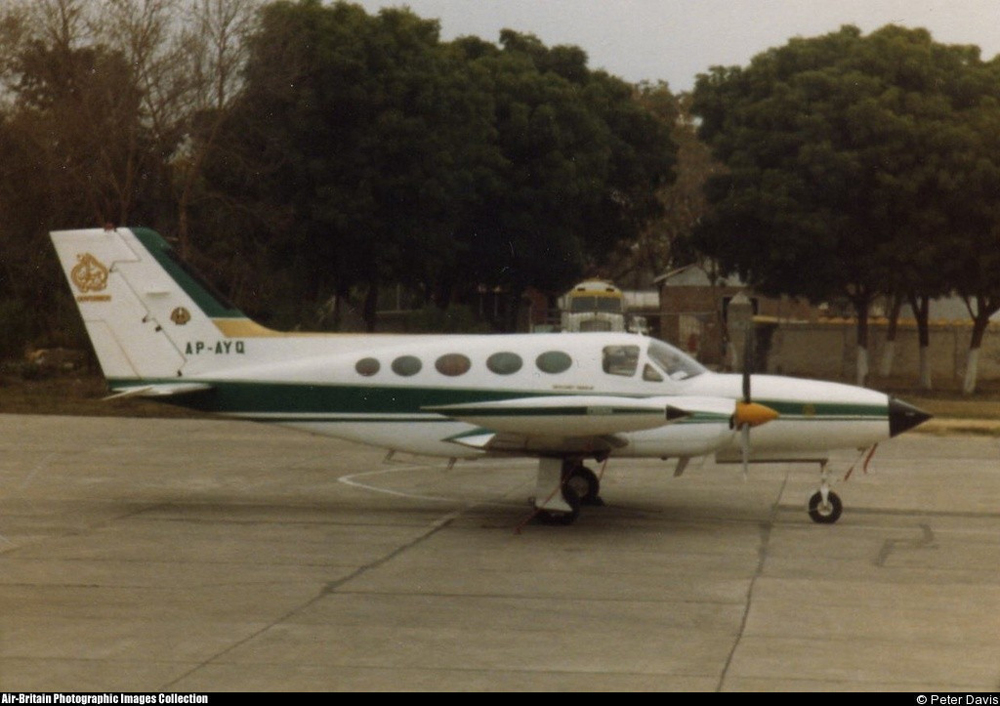
Crash of a Cessna 421B Golden Eagle II in Mankera: 3 killed

Date & Time: Jul 6, 1984
Registration:
AP-AYQ
Flight Phase:
Flight Type:
Survivors:
Yes
Schedule:
Quetta – Dera Ismail Khan
MSN:
421B-0899
YOM:
1975
Country:
Region:
Crew on board:
1
Crew fatalities:
Pax on board:
3
Pax fatalities:
Other fatalities:
Total fatalities:
3
Circumstances:
The twin engine airplane was completing a flight from Quetta to Dera Ismail Khan when it crashed under unknown circumstances in Mankera, Punjab. The pilot and two passengers were killed while a third passenger survived, Sardar Farooq Shaukat Khan Lodhi, Governor of the Province of Baluchistan.

Crash of a Cessna 421B Golden Eagle II in Cullman: 6 killed

Date & Time: Mar 5, 1984 at 1836 LT
Operator:
Registration:
N3291Q
Survivors:
No
Schedule:
Montgomery - Cullman
MSN:
421B-0911
YOM:
1975
Location:
Crew on board:
1
Crew fatalities:
Pax on board:
5
Pax fatalities:
Other fatalities:
Total fatalities:
6
Captain / Total flying hours:
3423
Captain / Total hours on type:
1599.00
Aircraft flight hours:
2478
Circumstances:
Pilot cleared for night NDB runway 19 approach to Folsom Field. Erratic radar track during procedure turn and inbound intercept. Witnesses described 200 feet ceiling and reduced visibility in fog at airport. Other witnesses observed aircraft on northbound course, followed by turn to west at rooftop height, well below MDA, at a point one mile northeast of airport. Engine operation sounded normal. Aircraft contacted trees at about airport elevation, one mile north of airport. Wreckage produced 632 feet path. Severed limbs, prop damage and engine examination revealed evidence of power at impact. 62 year old pilot had not flown with cfi in years, instrument currency unknown. Pilot found to have severe coronary atherosclerosis with near total occlusion of right coronary artery and evidence of past total occlusion of left circumflex coronary artery. Ceiling lower than forecast for area. Flight purpose to carry employees to meet truck, go job site. Limitation on pilot medical certificate, not for night flight. Sunset at 1745 cst, 51 minutes before accident. All six occupants were killed.
Probable cause:
Occurrence #1: in flight collision with object
Phase of operation: approach - faf/outer marker to threshold (IFR)
Findings
1. (f) weather condition - low ceiling
2. (f) weather condition - fog
3. (f) light condition - dark night
4. (f) object - tree(s)
5. (c) IFR procedure - not followed - pilot in command
6. (c) visual/aural perception - pilot in command
7. (c) minimum descent altitude - not maintained - pilot in command
8. (c) lack of recent instrument time - pilot in command
9. (c) missed approach - not performed - pilot in command
10. (c) physical impairment - pilot in command
Final Report:

Crash of a Cessna 421B Golden Eagle II in Savannah: 4 killed

Date & Time: Dec 11, 1982 at 0025 LT
Operator:
Registration:
N8001Q
Survivors:
No
Schedule:
Charleston - Savannah
MSN:
421B-0001
YOM:
1970
Crew on board:
1
Crew fatalities:
Pax on board:
3
Pax fatalities:
Other fatalities:
Total fatalities:
4
Captain / Total flying hours:
3300
Circumstances:
The pilot reported he was on a missed approach and was returning to Charleston "heading 360°..." the aircraft crashed about 1/4 mi south and 100 feet short of the departure end of runway 27. The wreckage scatter pattern was oriented on a heading of 155°. Missed approach procedures specify a climbing right turn via a 325° heading. The left engine prop drive gear shaft had evidence of both bending and torsional failure loads. There was no evidence of machining or rotational smearing. Two of the three propeller blade tips were bent aft about the blade face. The left turbocharger had a tension failure of the turbine wheel shaft. No smear marks were noted on the fracture face. Single turbine blade impact marks were noted on the housing. The n°1 tach needle indicated 900 rpm and the n°2 tach needle indicated 1,900 rpm. All four occupants were killed.
Probable cause:
Occurrence #1: loss of engine power
Phase of operation: missed approach (IFR)
Findings
1. (c) reason for occurrence undetermined
----------
Occurrence #2: loss of control - in flight
Phase of operation: missed approach (IFR)
Findings
2. (f) light condition - dark night
3. (f) weather condition - low ceiling
4. (f) weather condition - fog
5. (f) weather condition - below approach/landing minimums
6. (f) missed approach - performed - pilot in command
7. (c) aircraft handling - not possible - pilot in command
----------
Occurrence #3: in flight collision with terrain/water
Phase of operation: missed approach (IFR)
Final Report:

Crash of a Cessna 421B Golden Eagle II near Afton: 1 killed

Date & Time: Sep 24, 1982 at 2350 LT
Operator:
Registration:
N8019Q
Flight Phase:
Flight Type:
Survivors:
No
Schedule:
Alton - Yukon
MSN:
421B-0019
YOM:
1970
Location:
Crew on board:
1
Crew fatalities:
Pax on board:
0
Pax fatalities:
Other fatalities:
Total fatalities:
1
Captain / Total flying hours:
3750
Aircraft flight hours:
2200
Circumstances:
At about 1930 cdt, the aircraft departed Yukon, OK on a direct flight to Alton, IL. It landed at Alton at about 2200 cdt, and about 10 minutes later, it departed on a return flight to Yukon. Before departing Alton, the pilot stated that he would refuel at Springfield, MO while on the return trip. However, there was no indication that the plane was refueled at Springfield. Subsequently, the aircraft crashed near Afton, OK at about 2350 cdt. A witness stated that he had seen the aircraft circling back and forth across the highway at low altitude, then it went into a left bank and nose dived into the ground. An investigation revealed the aircraft impacted in a near level attitude, but in a steep angle of descent. The fuel tanks were found to be empty. There was no evidence of fuel spillage on the ground, except near the right tip tank. The left and right fuel selectors were found positioned to the right main tank. The pilot, sole on board, was killed.
Probable cause:
Occurrence #1: loss of engine power(total) - nonmechanical
Phase of operation: approach
Findings
1. (f) light condition - dark night
2. (c) in-flight planning/decision - improper - pilot in command
3. (c) fluid,fuel - starvation
4. (c) precautionary landing - delayed - pilot in command
----------
Occurrence #2: loss of control - in flight
Phase of operation: approach
Findings
5. (c) airspeed(vmc) - not maintained - pilot in command
6. (c) stall - inadvertent - pilot in command
----------
Occurrence #3: in flight collision with terrain/water
Phase of operation: descent - uncontrolled
Final Report: