Zone
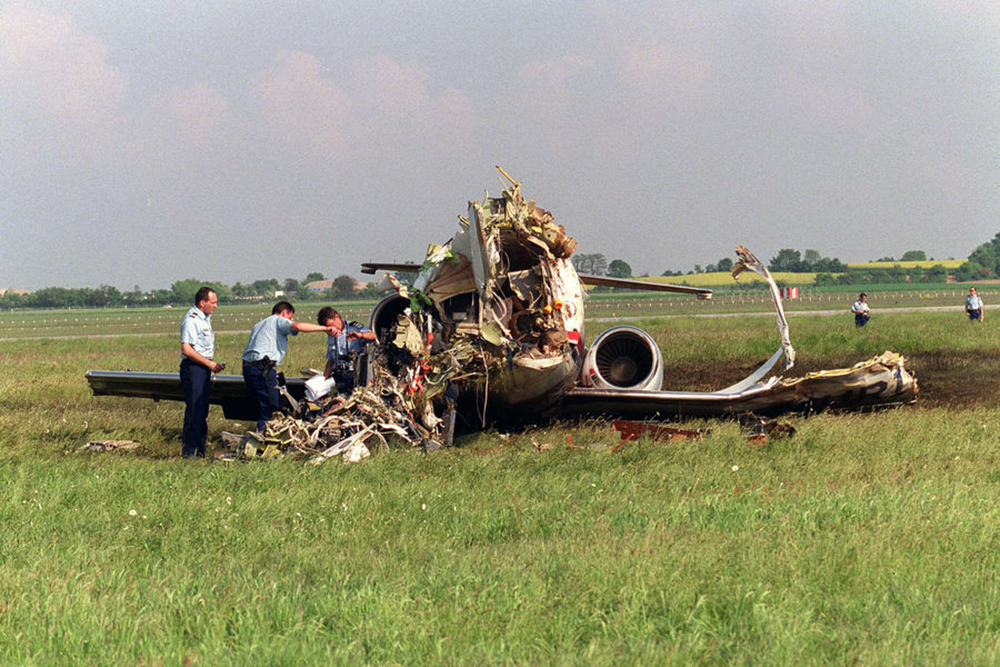
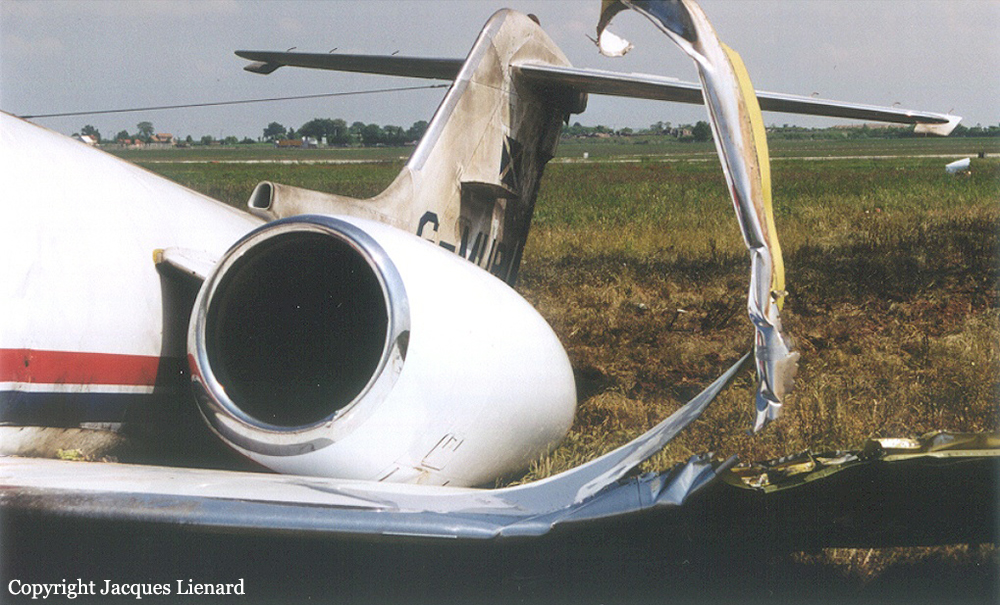
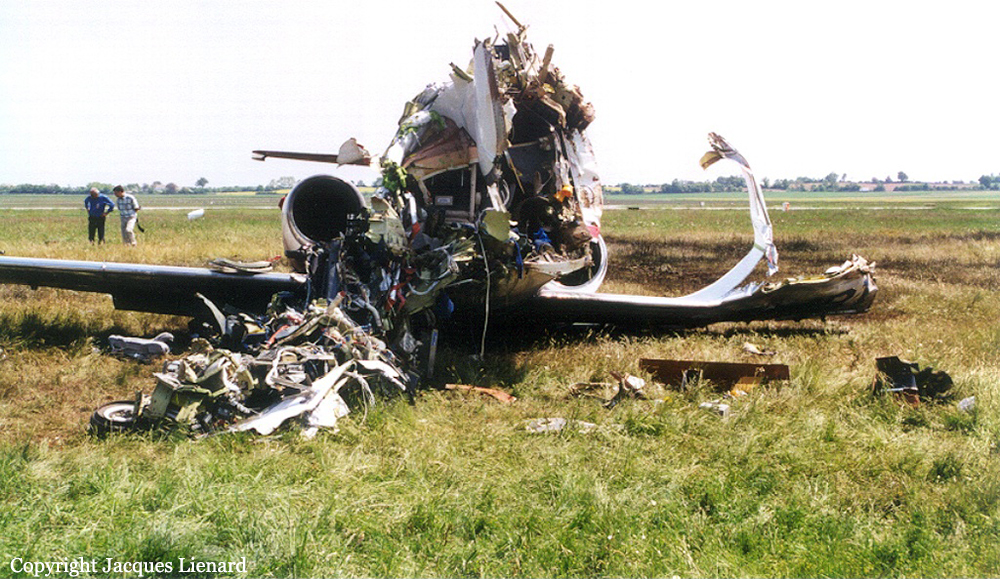
Crash of a Learjet 35A in Lyon: 2 killed
Date & Time:
May 2, 2000 at 1439 LT
Registration:
G-MURI
Survivors:
Yes
Schedule:
Farnborough - Nice
MSN:
35-646
YOM:
1988
Flight number:
NEX4B
Crew on board:
2
Crew fatalities:
Pax on board:
3
Pax fatalities:
Other fatalities:
Total fatalities:
2
Captain / Total hours on type:
2113.00
Copilot / Total hours on type:
850
Aircraft flight hours:
4291
Aircraft flight cycles:
3637
Circumstances:
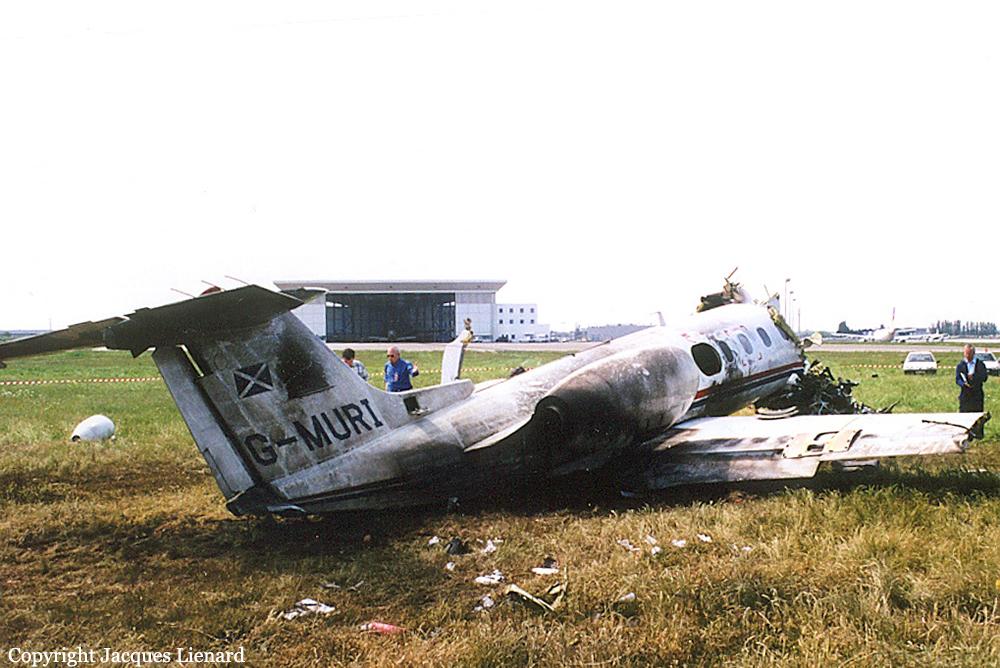
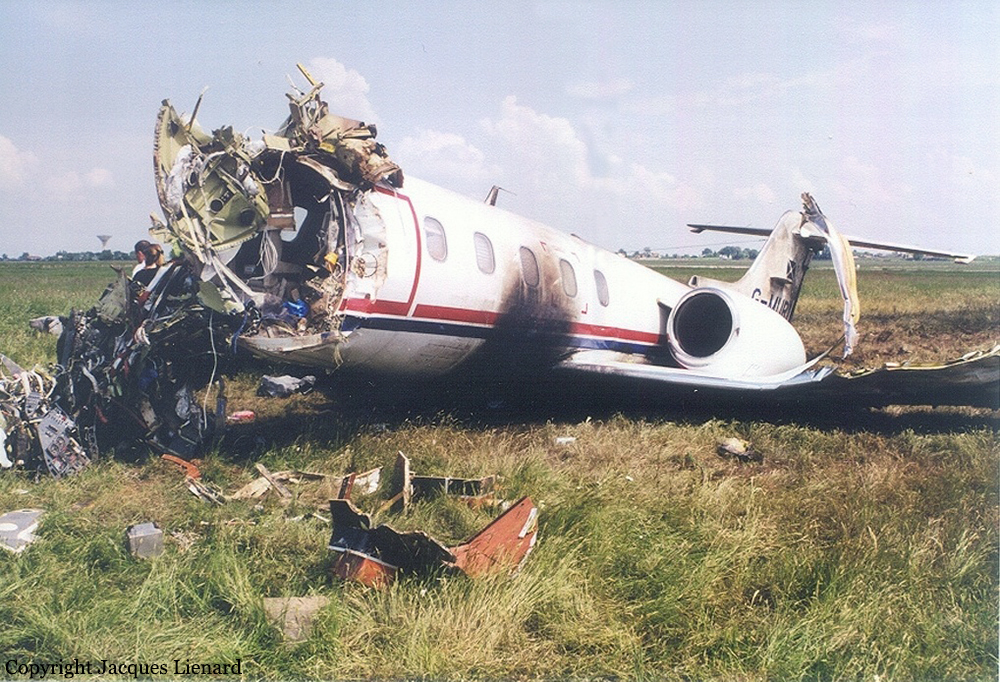
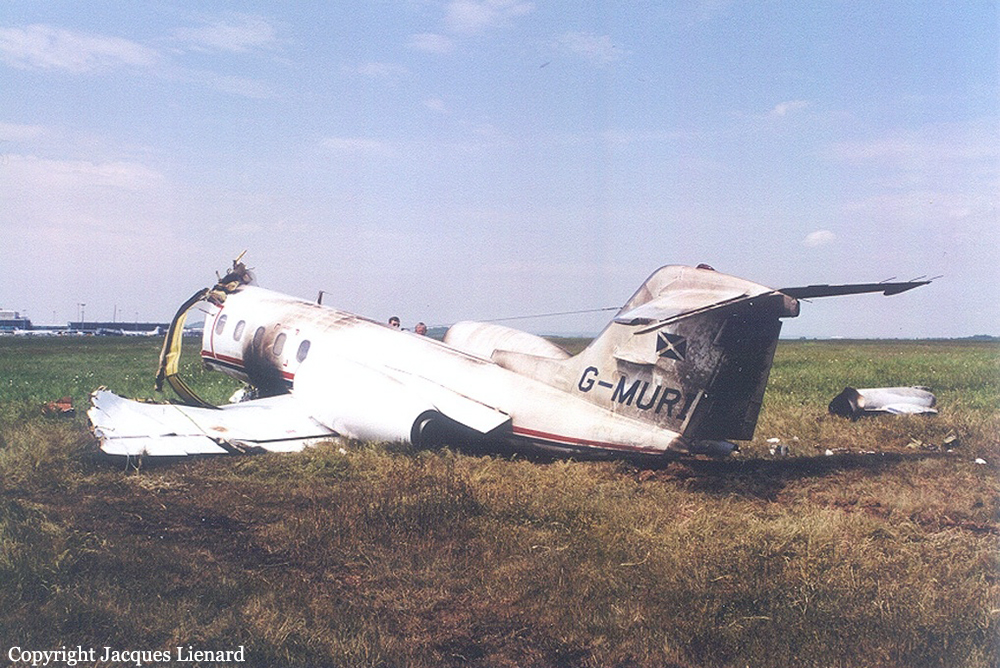
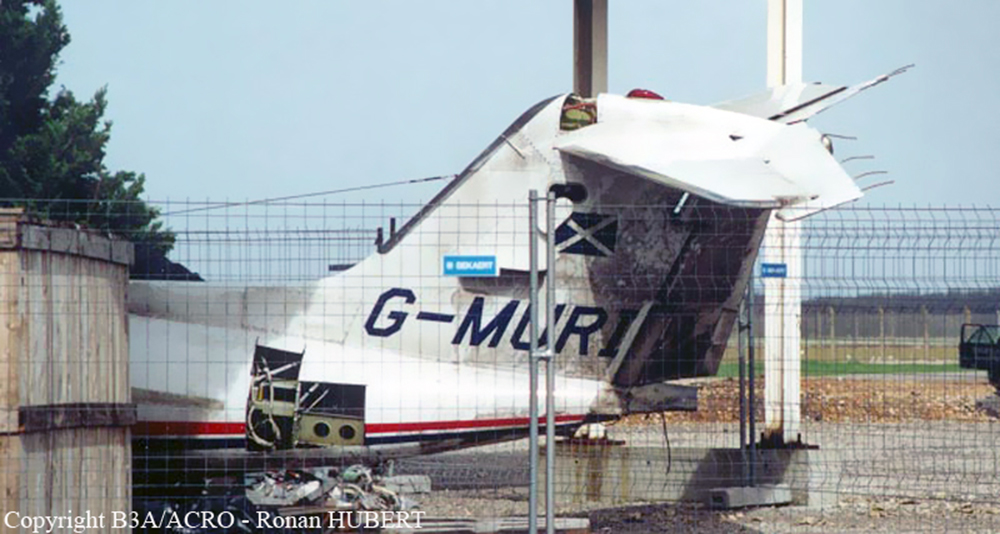
The aircraft departed Farnborough Airport at 11h22 on a charter flight to Nice with two pilots and three passengers on board, among them the F1 driver David Coulthard. At 12h22, cruising at FL390, the left engine of the aircraft suffered a failure. The crew shut down and began to descend. They declared an emergency and asked to fly to the nearest aerodrome with a runway longer than one thousand six hundred metres. Lyon-Satolas Airport, located about 62 NM away left abeam of the aircraft, was proposed. The descent with one engine shut down towards Lyon-Satolas was undertaken under radar guidance, at a high speed and with a high rate of descent. At 12h35, the pilot stabilised the aircraft at 3,000 feet, intercepted the runway 36L ILS and was cleared to land. The final was started at 233 knots according to radar data and the slow down progressive. At 12h36 min 45 s, the flaps were extended to 8°. According to the radar data, the aircraft was then at 2,400 feet, 4,4 NM from the runway threshold and at a speed of 184 knots. At 12h36 min 58 s, the landing gear was extended. At 12h37 in 03 s, the flaps were set to 20°. According to the radar data, the aircraft was then at 2,100 feet, 3,5 NM from the runway threshold at a speed of 180 knots. No malfunctions or additional problems were announced to the ATC by the crew during the final approach. At 12h38 min 08 s, the copilot told the captain that the aircraft was a little low. According to the radar data, the aircraft was then at 1,100 feet, 0,9 NM from the runway threshold at a speed of 155 knots. At 12h38 min 17 s, he repeated his warning and announced a speed 10 knots above the approach reference speed. At 12h38 min 22 s, the copilot again stated that the aircraft was a little low on the approach path and immediately afterwards asked the captain to increase the thrust. According to the radar data, the aircraft was then at 900 feet, 0,1 NM from the runway threshold at a speed of 150 knots. At 12h38 min 24 s, the captain indicated that he was losing control of the aircraft. The aircraft, over the runway threshold, banked sharply to the left, touched the ground with its wing, crashed and caught fire. Both pilots were killed while all three passengers evacuated with minor injuries.
Probable cause:
The accident resulted from a loss of yaw and then roll control which appears to be due to a failure of monitor flight symmetry at the time of the thrust increase on the right engine. The hastiness exhibited by the captain, and his difficulty in coping with the stress following the engine failure, contributed to this situation.
Final Report:
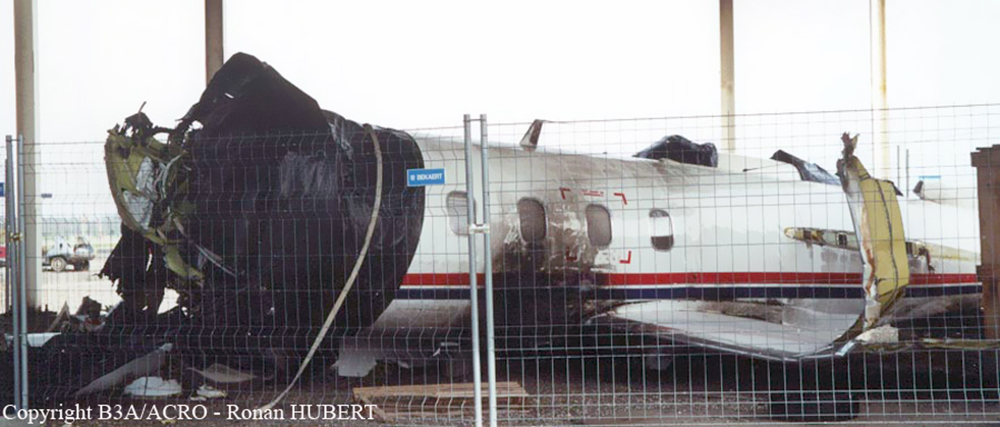
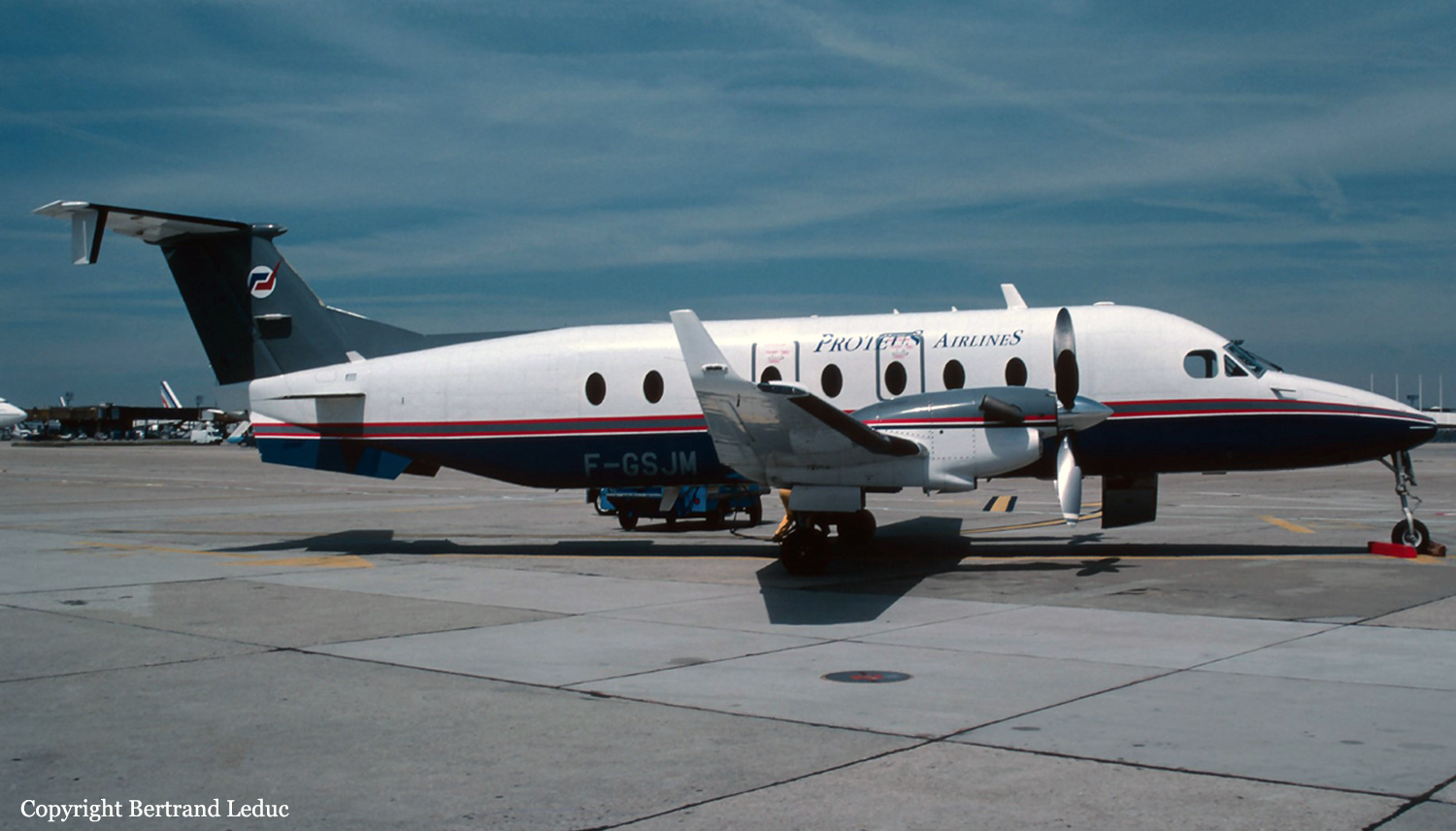
Crash of a Beechcraft 1900D off Quiberon: 14 killed
Date & Time:
Jul 30, 1998 at 1558 LT
Operator:

Registration:
F-GSJM
Survivors:
No
Schedule:
Lyon - Lorient
MSN:
UE-238
YOM:
1996
Flight number:
PRB706
Crew on board:
2
Crew fatalities:
Pax on board:
12
Pax fatalities:
Other fatalities:
Total fatalities:
14
Captain / Total hours on type:
1356.00
Copilot / Total hours on type:
361
Aircraft flight hours:
3342
Circumstances:
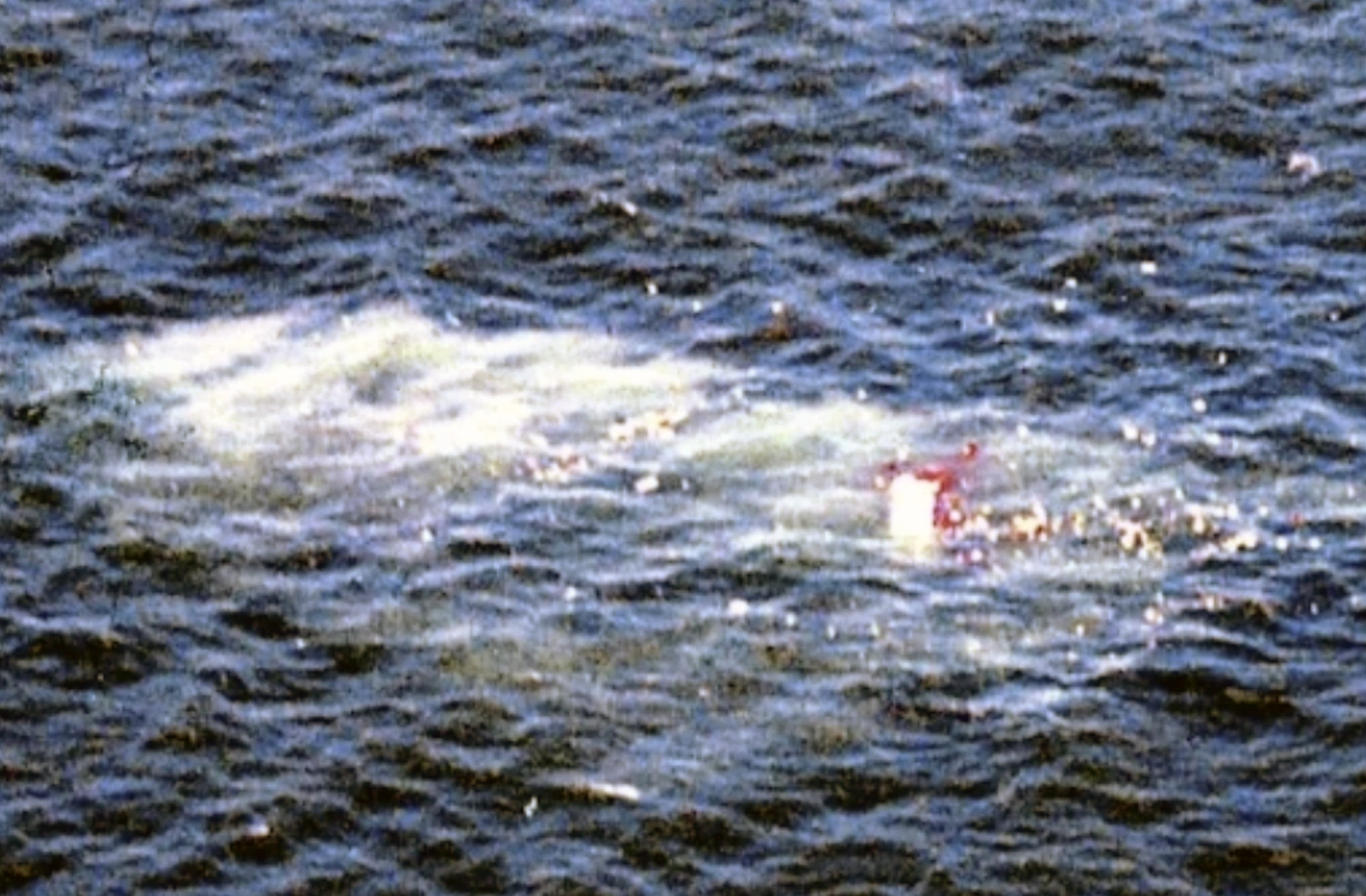
Following an uneventful flight from Lyon-Satolas Airport, the crew was approaching Lorient-Lann-Bihoué Airport when he contacted ATC and requested a special clearance to cancel his IFR flight plan for a visual circuit over the Bay of Quiberon to show the 'Norway' ship (ex France) to the passengers. While cruising under VFR mode in excellent weather conditions at an altitude of 2,000 feet, the twin engine aircraft collided with a private Cessna 177 Cardinal registered F-GAJE and owned by the Aéro Club de Vannes. Following the collision, both aircraft entered an uncontrolled descent and crashed in the Bay of Quiberon about 1,500 metres from the ship and 10 km off Quiberon. All 14 people on board the Beech 1900D as well as the pilot of the Cessna 177 were killed.
Probable cause:
The collision was due to the absence of visual detection of the other aircraft by each of the two crews in an uncontrolled Class G Airspace where collision avoidance relies exclusively on external vigilance ("See and Avoid" rule). The decision to change the flight regime and trajectory placed the crew of the Beech 1900D in an improvised and unusual flight situation with a public transport aircraft. The following contributing factors have been identified:
- The pilots, on different frequencies, were unaware of their mutual presence,
- The pilots had their attention focused on the ship 'Norway',
- The organization of the activity in the cockpit of the Beech 1900D and its ergonomics did not allow effective monitoring, particularly towards the outside of the turn,
- The dead angles of the Cessna 177 probably masked the Beech 1900D from its pilot while both aircraft were approaching each other,
- The position of the sun may have hampered the pilot of the Cessna 177,
- The Cessna 177 transponder was off, thus the aircraft could not be viewed on the ATC radar based in Lorient. As a result, he was unable to provide traffic information to the crew of the Beech 1900D.
- The pilots, on different frequencies, were unaware of their mutual presence,
- The pilots had their attention focused on the ship 'Norway',
- The organization of the activity in the cockpit of the Beech 1900D and its ergonomics did not allow effective monitoring, particularly towards the outside of the turn,
- The dead angles of the Cessna 177 probably masked the Beech 1900D from its pilot while both aircraft were approaching each other,
- The position of the sun may have hampered the pilot of the Cessna 177,
- The Cessna 177 transponder was off, thus the aircraft could not be viewed on the ATC radar based in Lorient. As a result, he was unable to provide traffic information to the crew of the Beech 1900D.
Final Report:
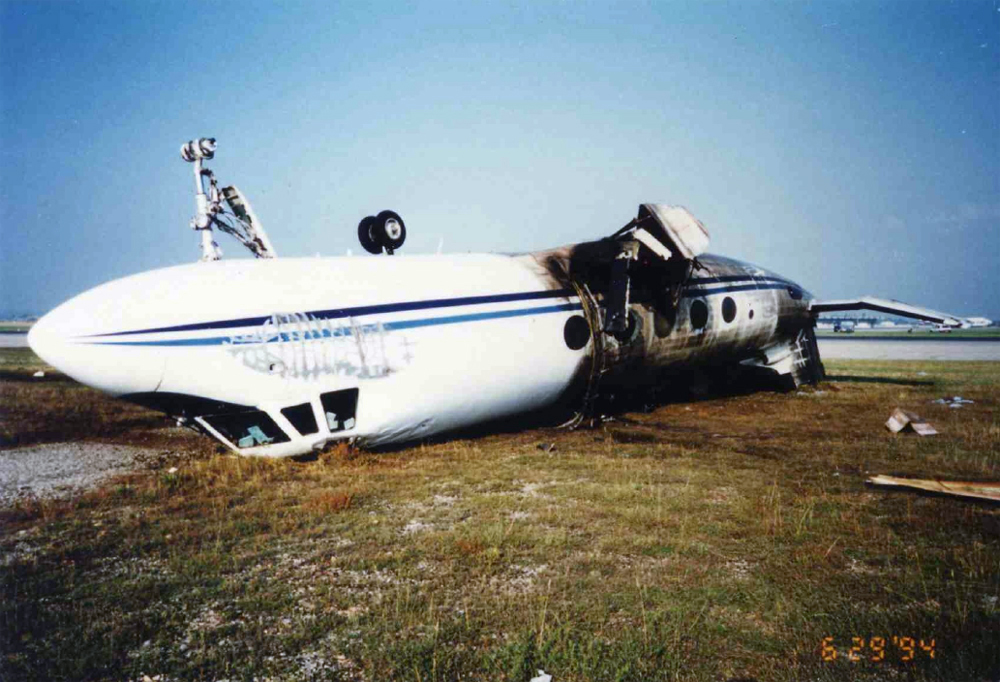
Crash of a Grumman G-159 Gulfstream GI in Lyon
Date & Time:
Jun 29, 1994 at 2000 LT
Operator:

Registration:
F-GIIX
Survivors:
Yes
Schedule:
Rouen - Lyon
MSN:
128
YOM:
1964
Crew on board:
3
Crew fatalities:
Pax on board:
24
Pax fatalities:
Other fatalities:
Total fatalities:
0
Circumstances:
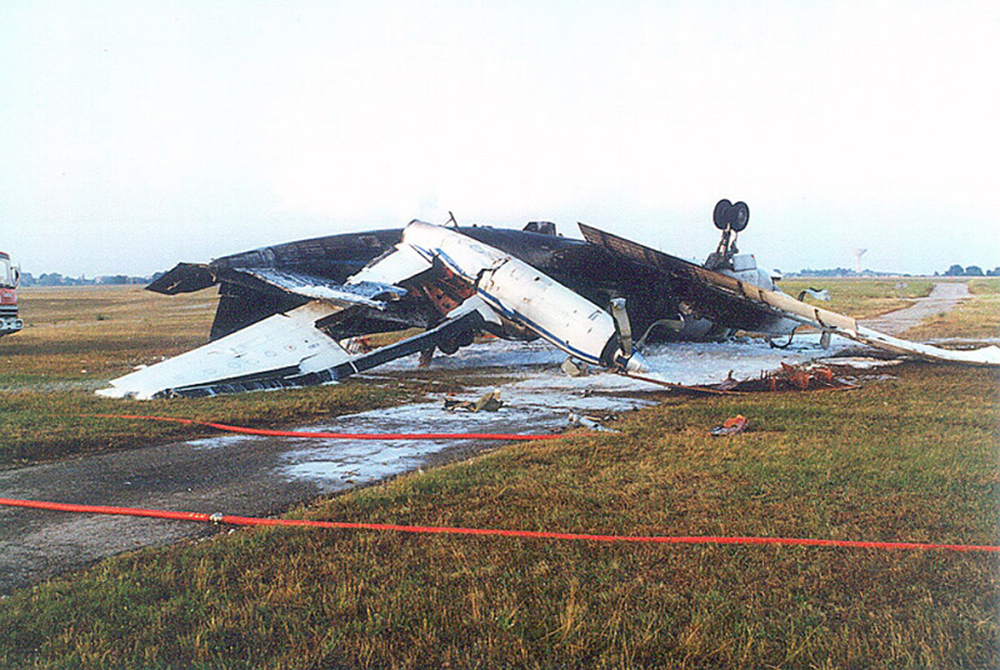
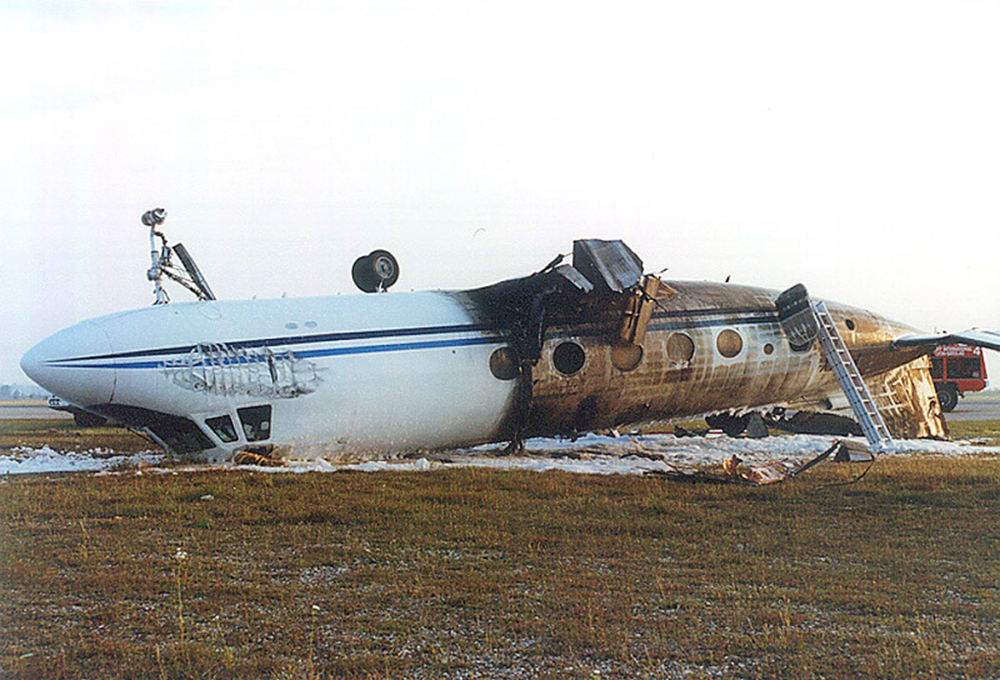
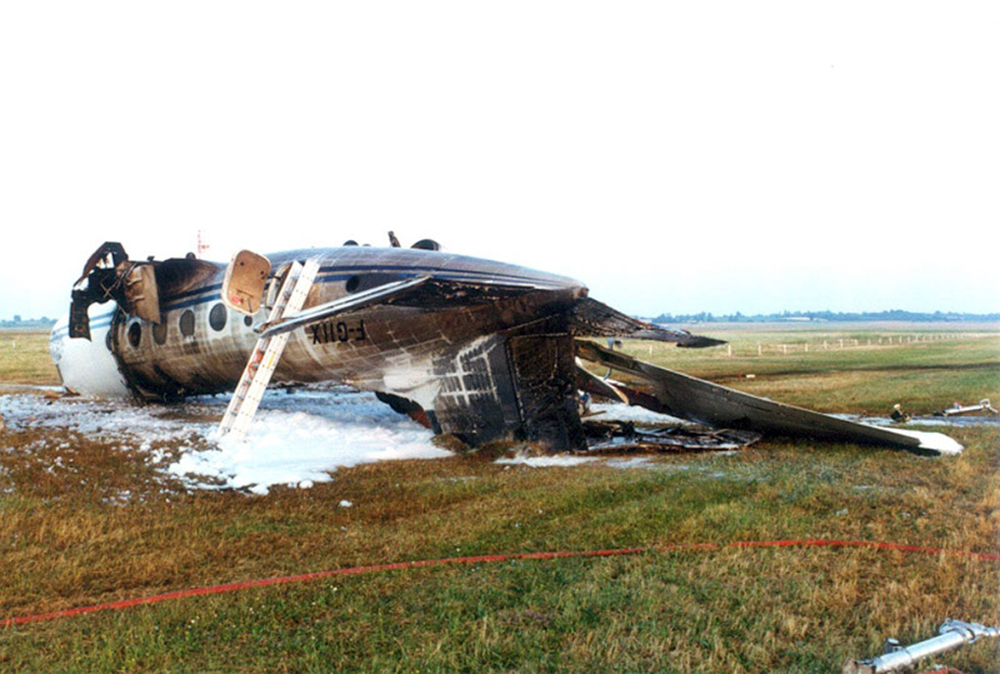
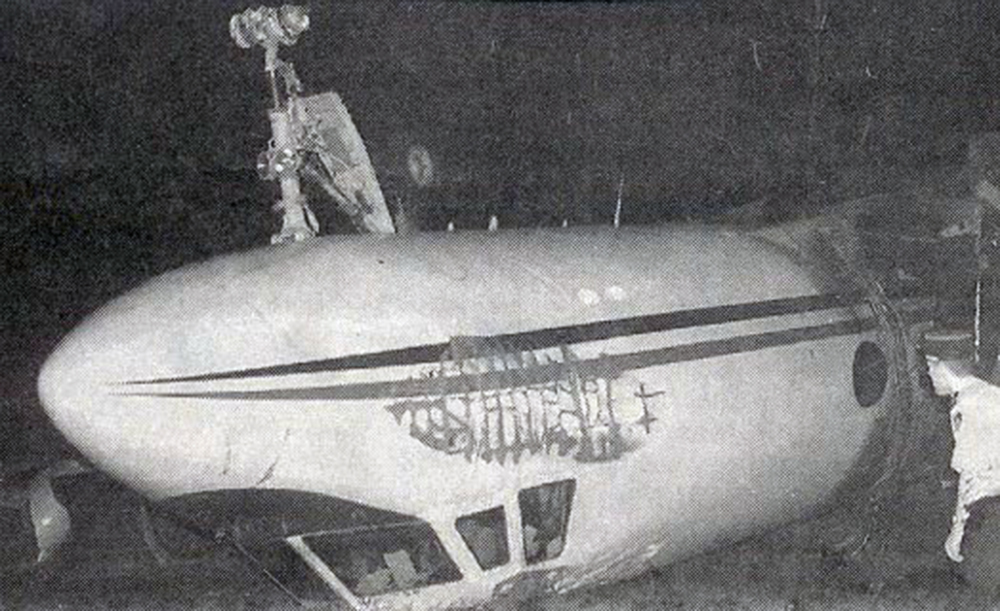
On approach to Lyon-Satolas Airport, the crew realized he was not properly aligned with the runway centerline and decided to initiate a go-around procedure. Power was added on both engines but the left engine failed to respond. The aircraft lost height and struck the runway surface with its left wing, bounced, overturned and came to rest upside down, bursting into flames. All 27 occupants were evacuated, among them nine were injured. The aircraft was destroyed.
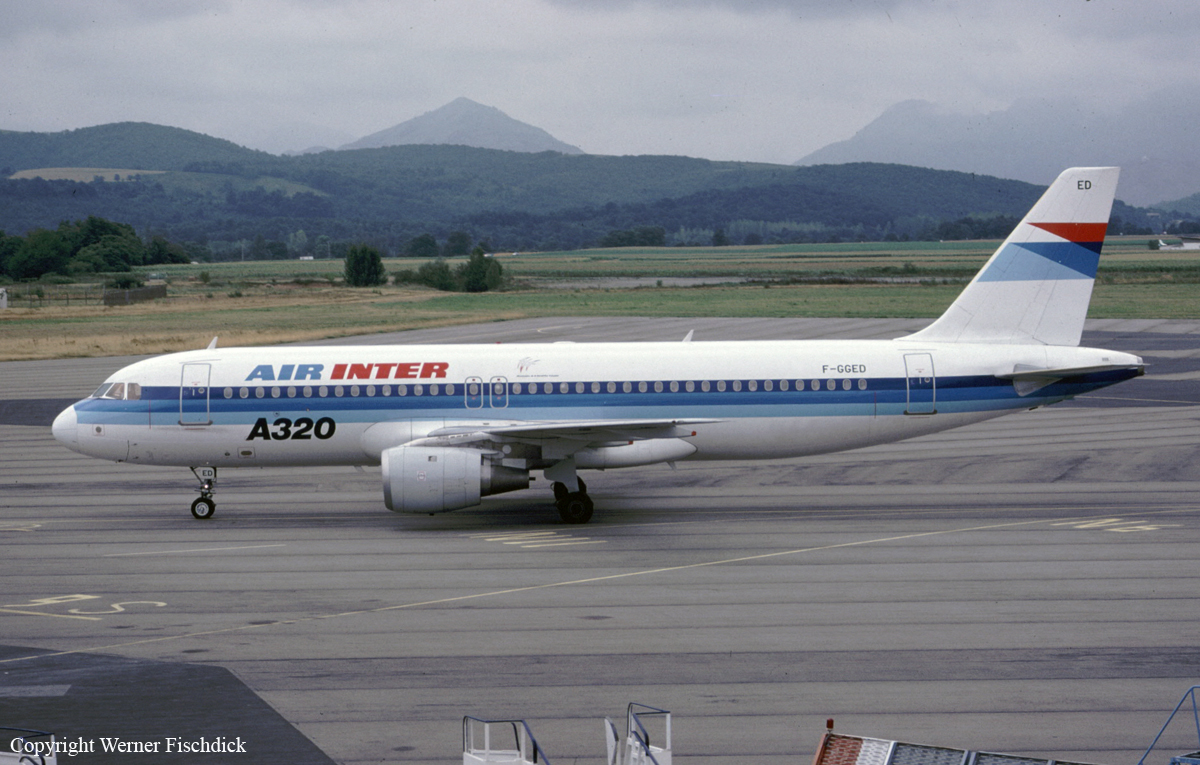
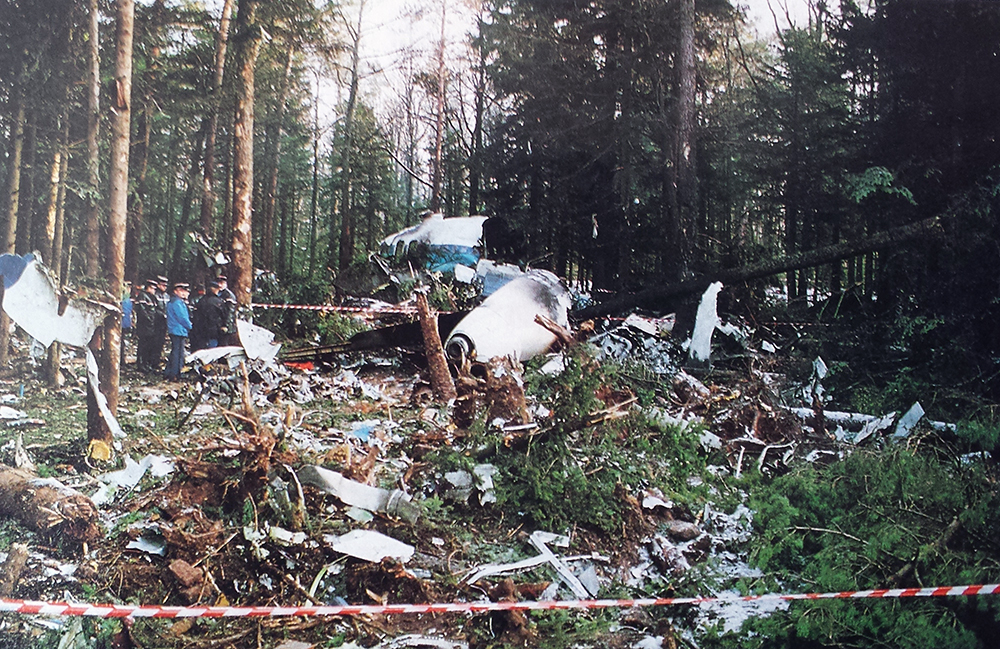
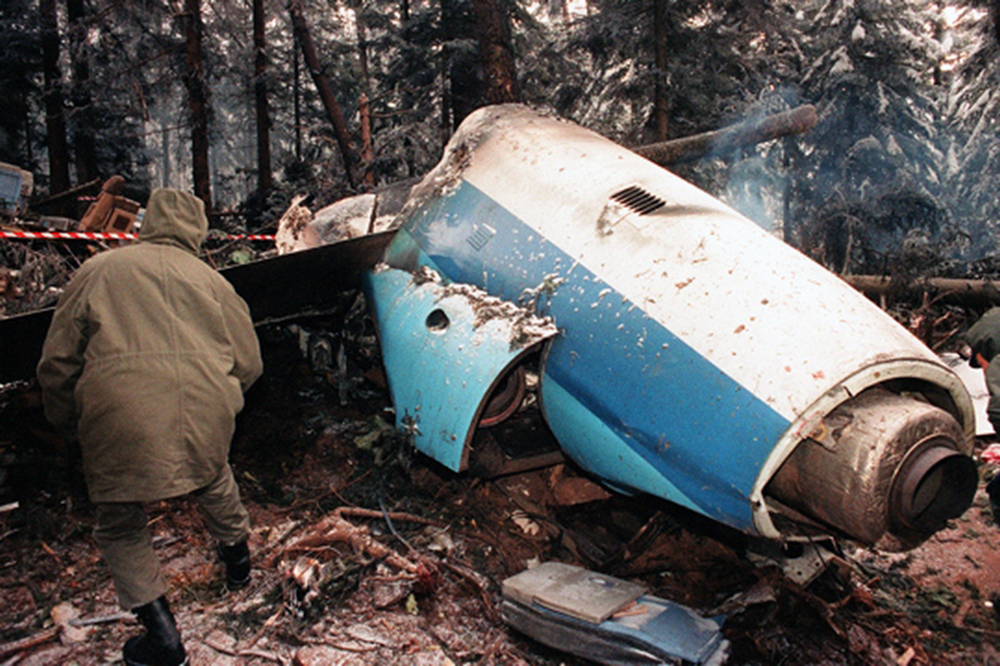
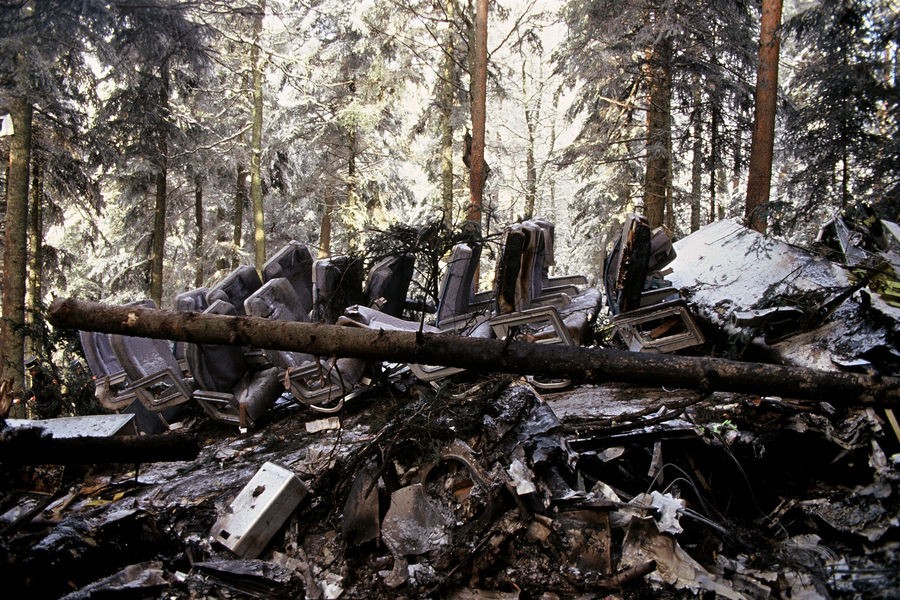
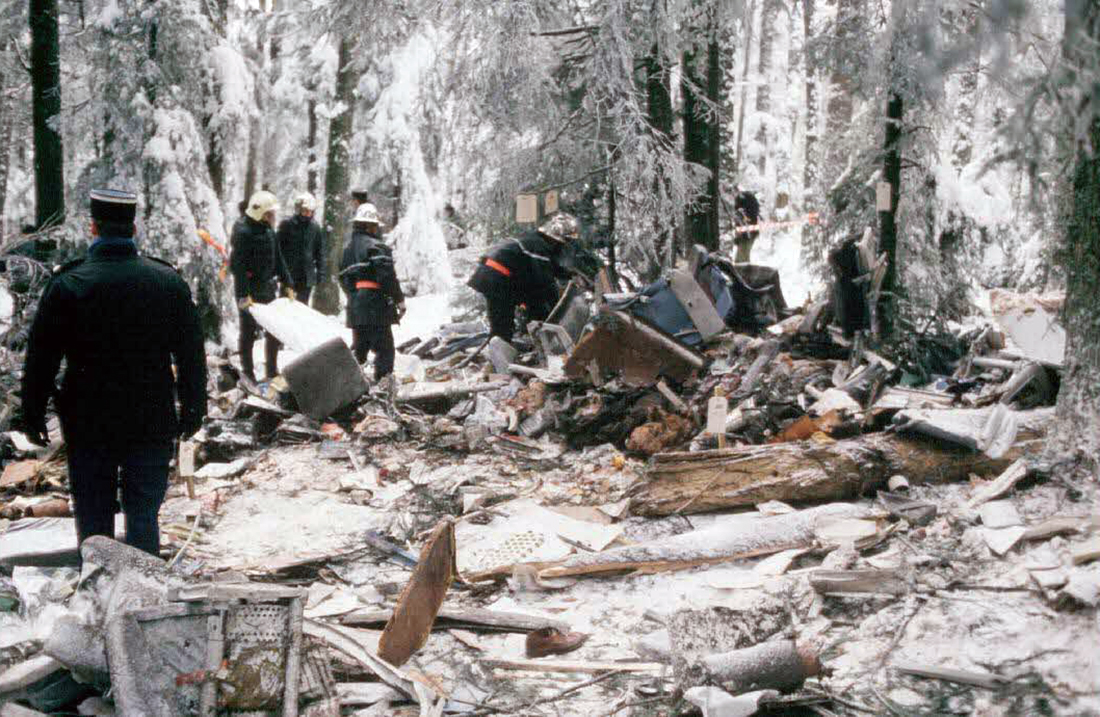
Crash of an Airbus A320-111 on Mt Sainte-Odile: 87 killed
Date & Time:
Jan 20, 1992 at 1920 LT
Operator:

Registration:
F-GGED
Survivors:
Yes
Schedule:
Lyon - Strasbourg
MSN:
15
YOM:
1988
Flight number:
IT148
Crew on board:
6
Crew fatalities:
Pax on board:
90
Pax fatalities:
Other fatalities:
Total fatalities:
87
Captain / Total hours on type:
162.00
Copilot / Total hours on type:
61
Aircraft flight hours:
6316
Aircraft flight cycles:
7194
Circumstances:
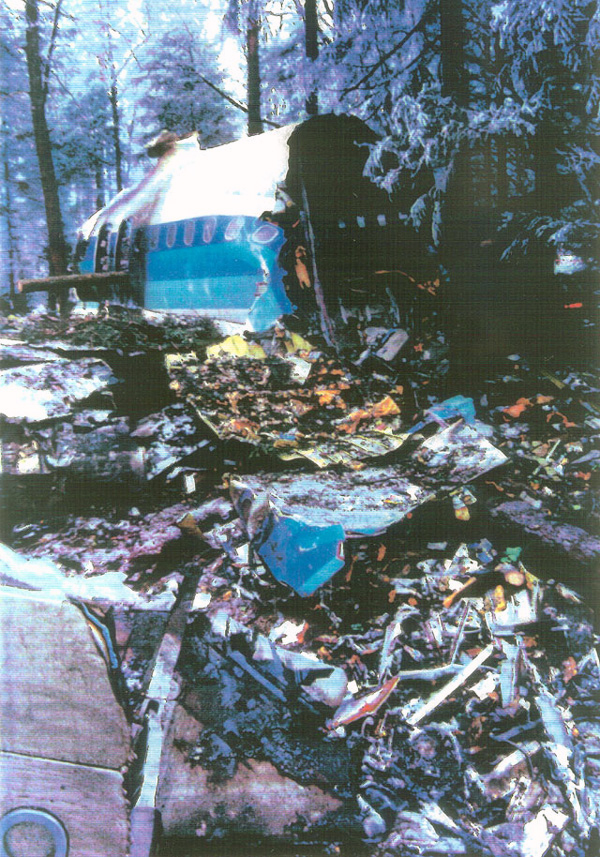
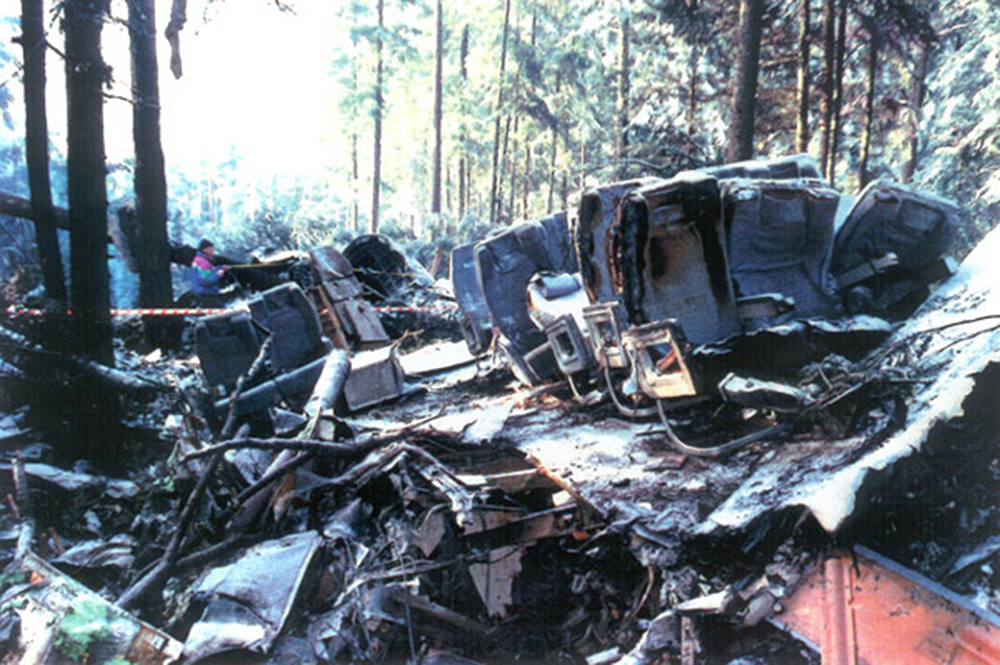
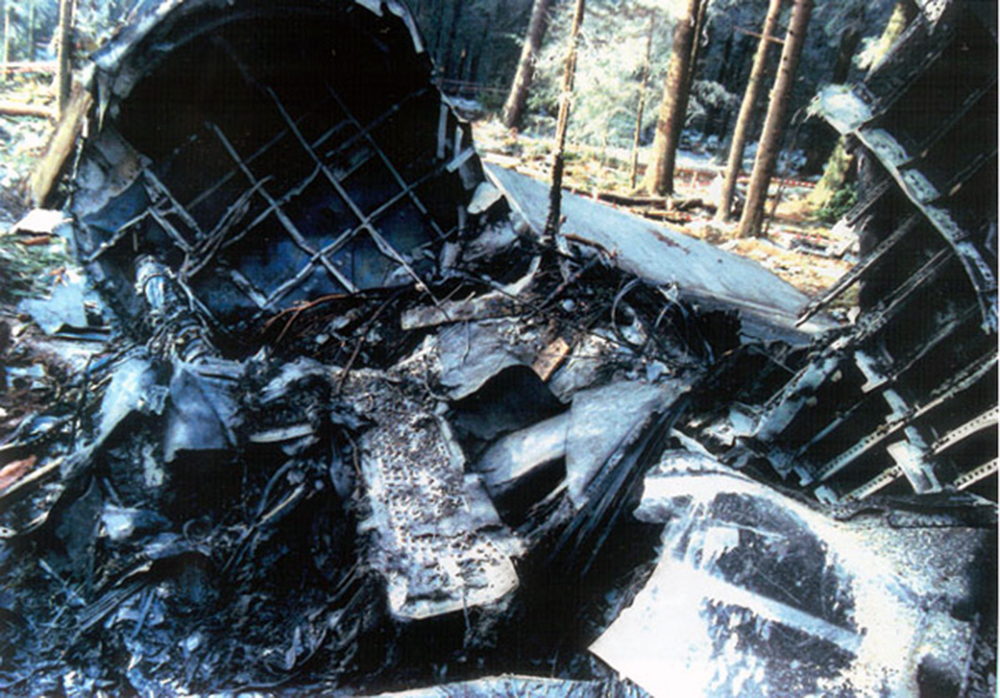
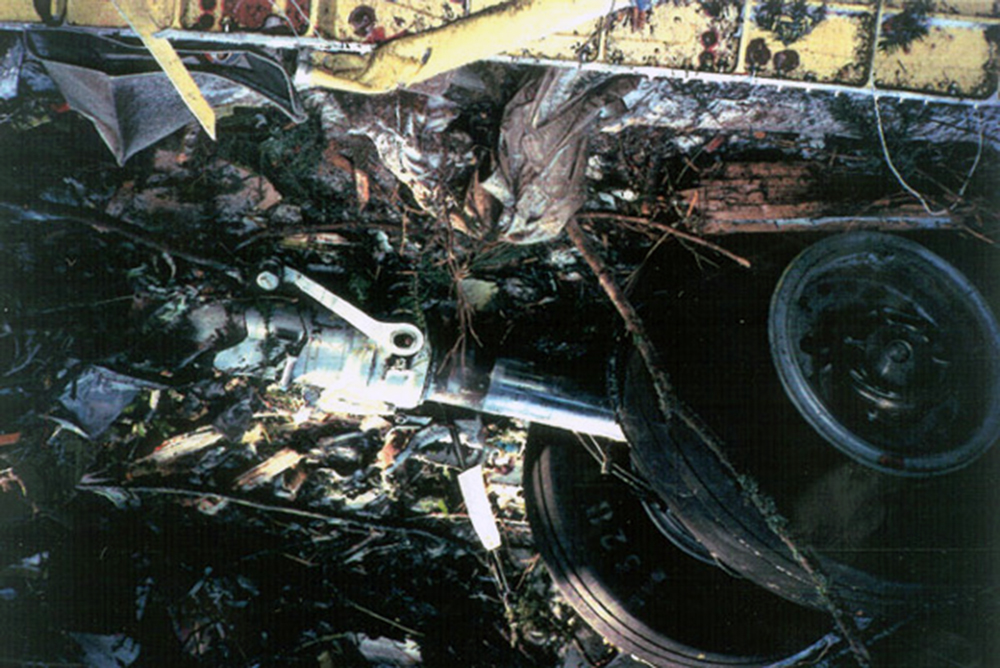
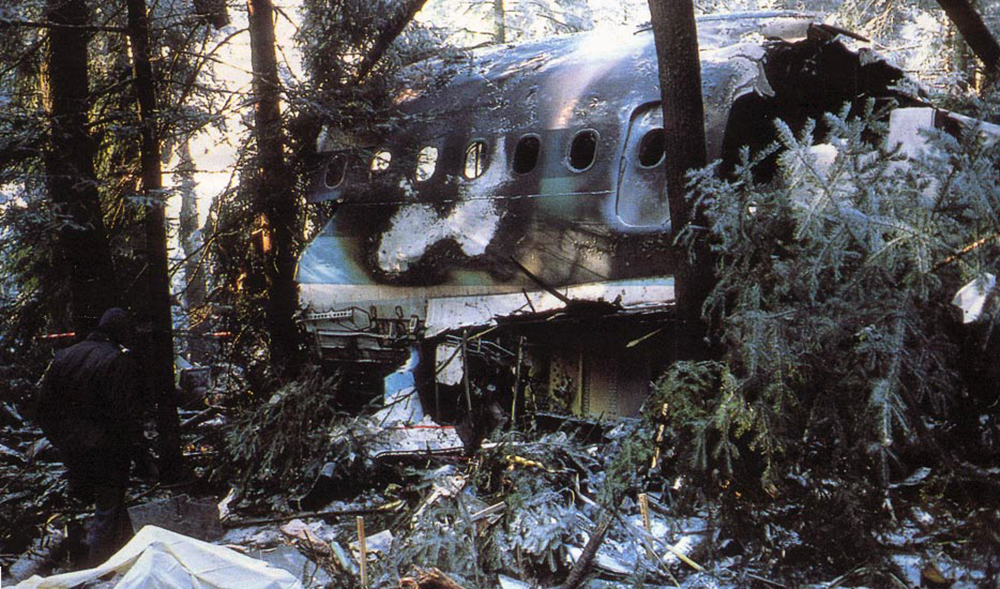
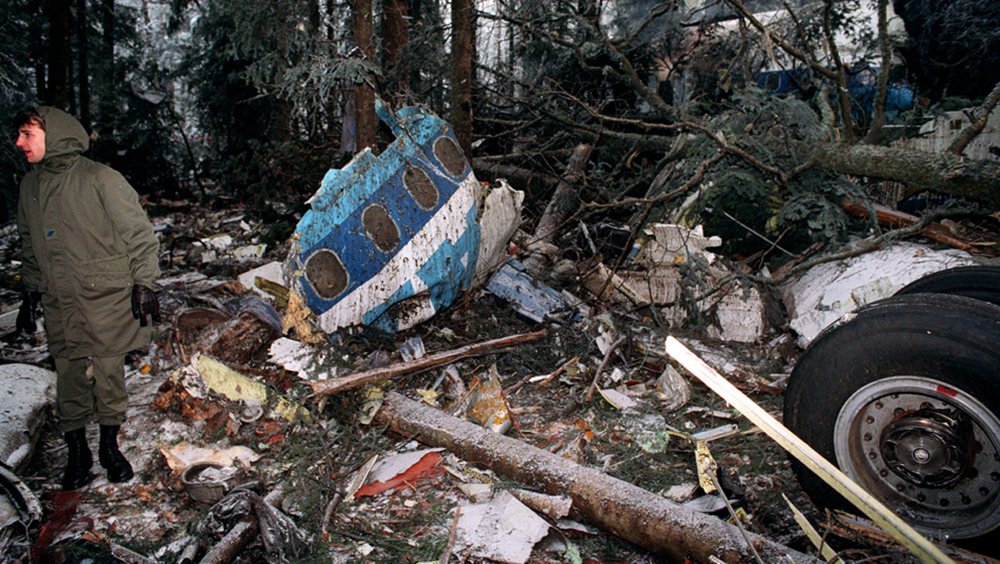
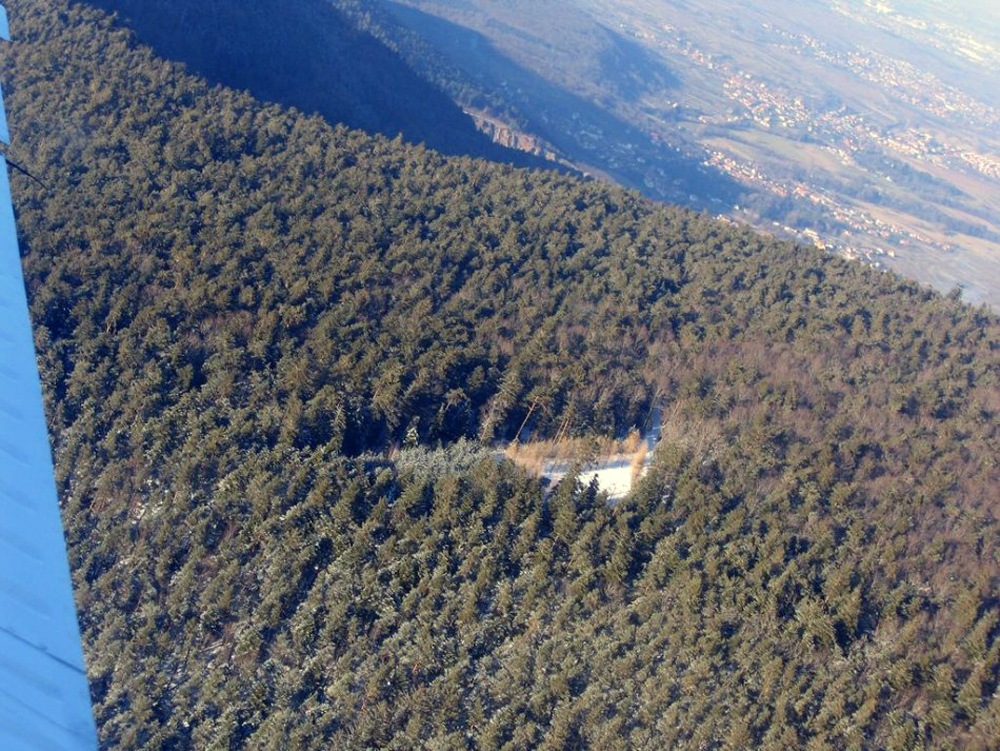
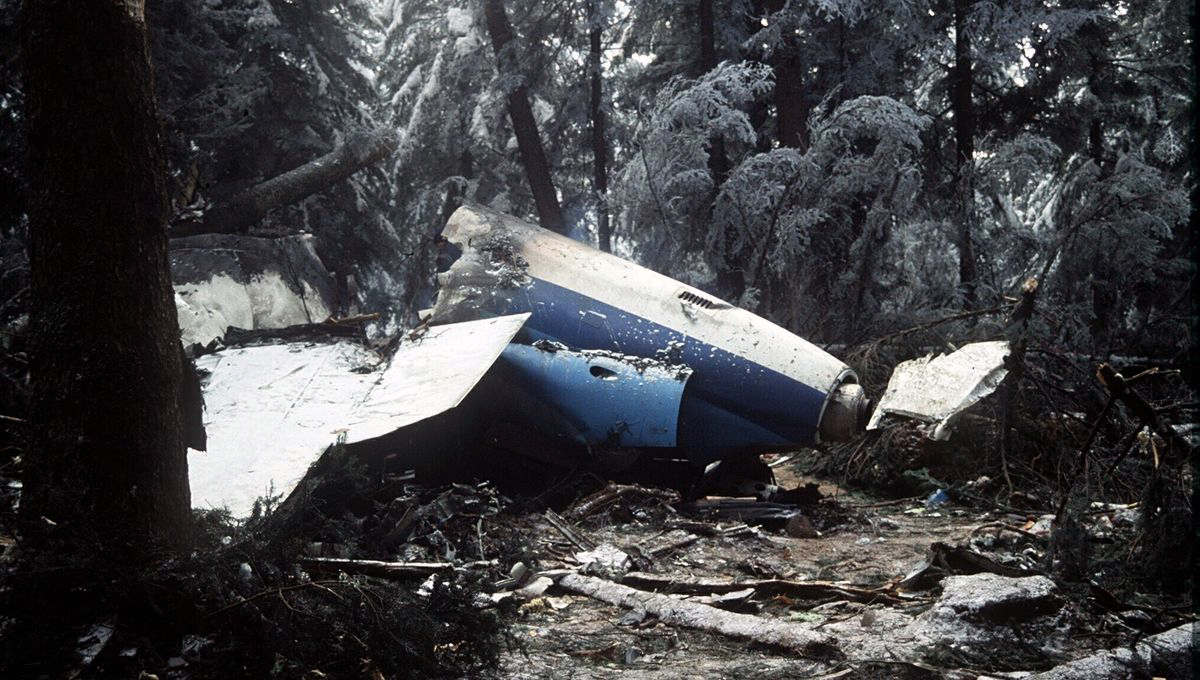
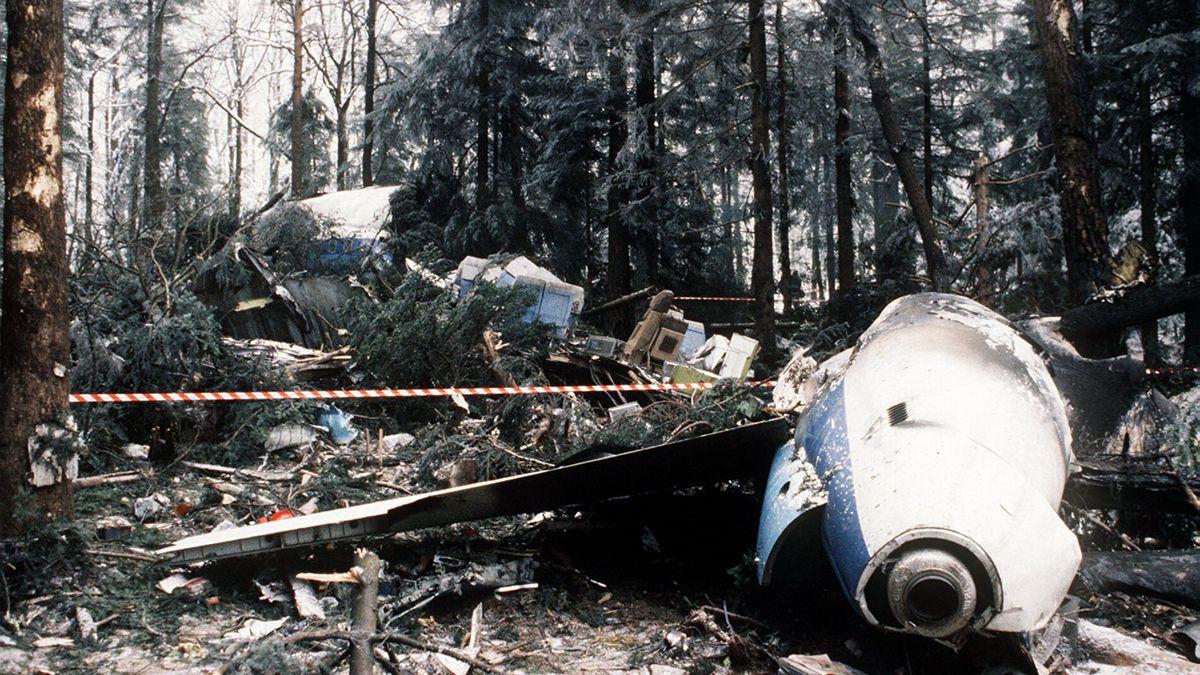
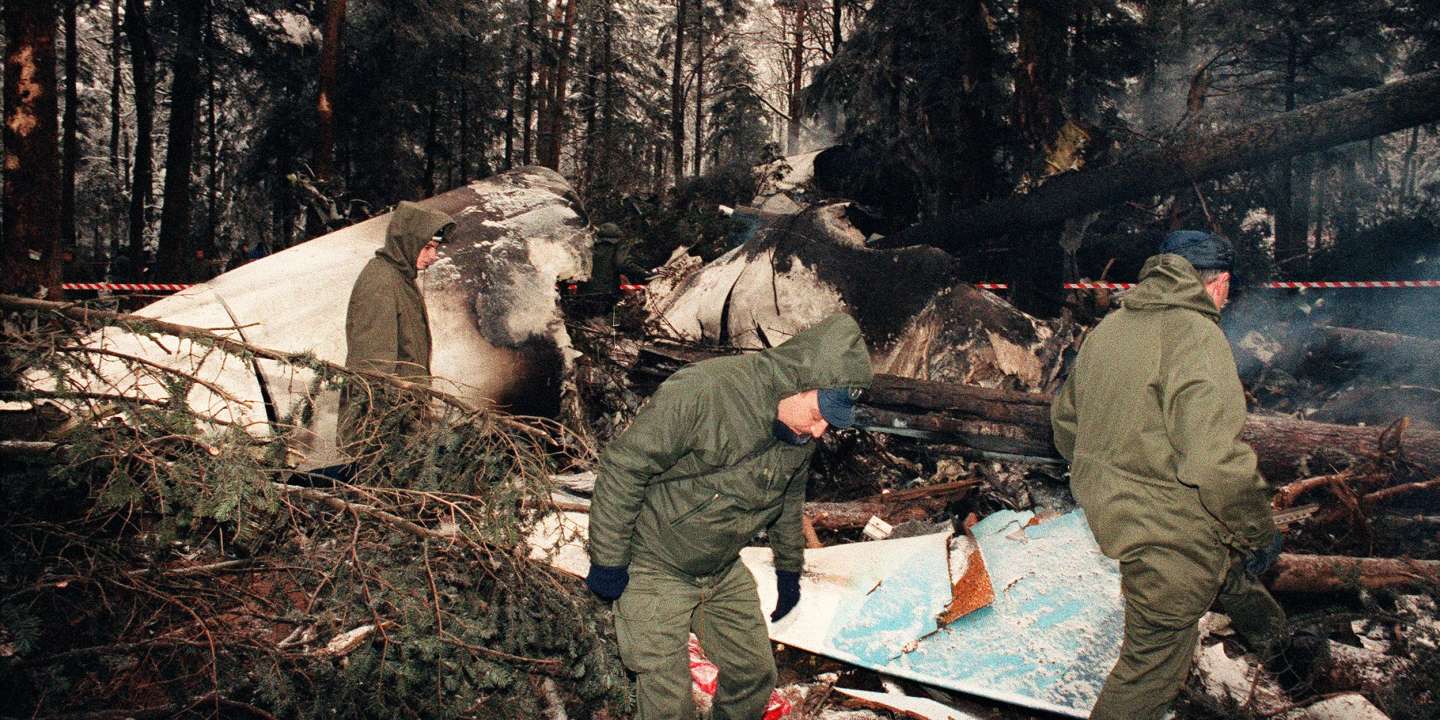
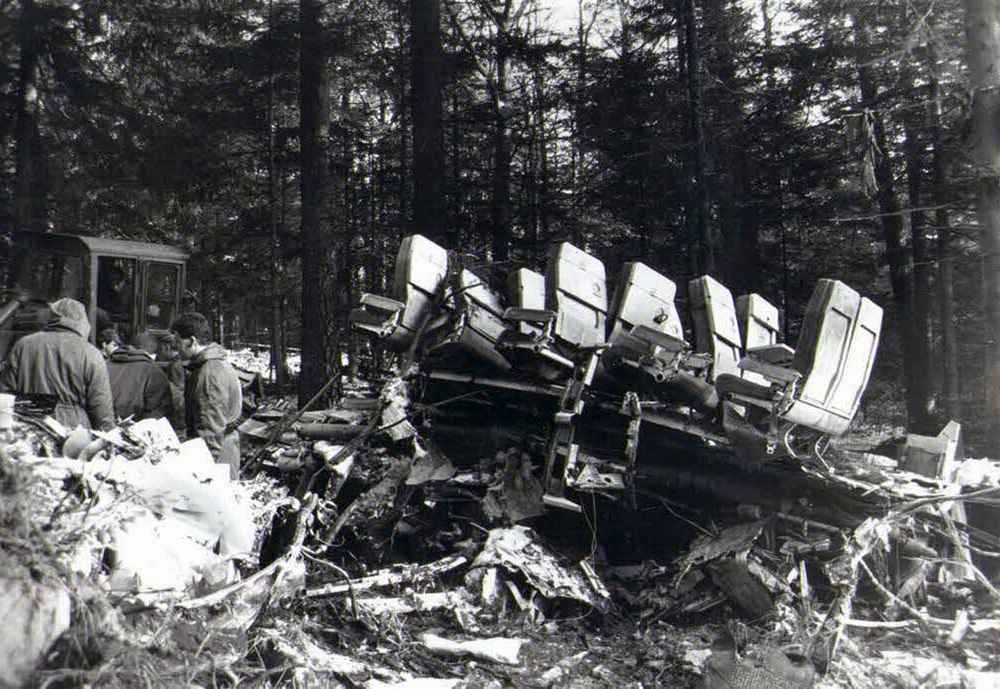
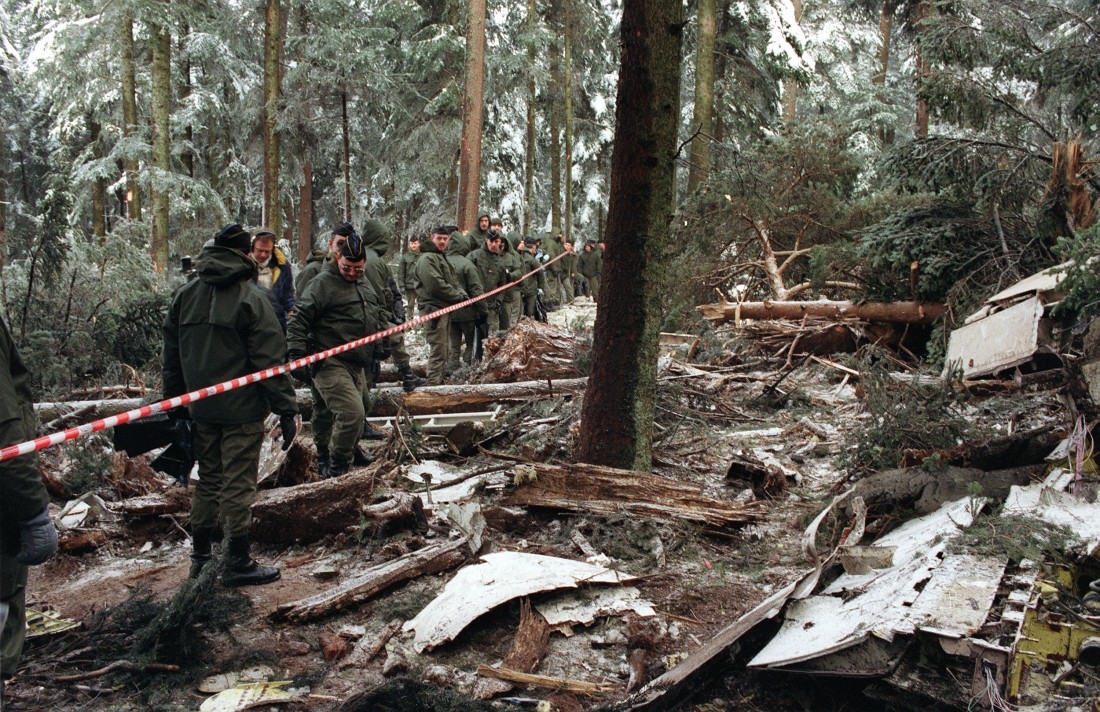
On 20 January 1992, an Airbus A320 registered F-GGED and operated by the company Air Inter, made the scheduled connection by night between Lyon-Satolas and Strasbourg-Entzheim using the call sign ITF 148 DA. The aircraft took off from Lyon at approx. 17.20 hours with 90 passengers, 2 flight crew members and 4 cabin crew members on board. No problems were reported by the crew during the course of the flight. The runway in operation at Strasbourg-Entzheim was 05. After listening to the ATIS announcements, the crew planned to carry out an ILS approach procedure for runway 23, followed by visual manoeuvres for a landing on runway 05. Before transferring the aircraft to Strasbourg Approach Control, the Centre Régional de la Navigation Aérienne (CRNA) Est (Eastern Regional Air Navigation Centre) in Reims cleared it to descend to Flight Level 70 near the ANDLO way point. At 18.09 hours contact was established with Strasbourg Approach Control. While the aircraft was crossing Flight Level 150 in descent its distance to STR VOR was around 22 nautical miles. Strasbourg Control cleared it to continue its descent to an altitude of 5,000 feet QNH, then, after announcing that it had passed ANDLO, cleared it to a VOR-DME approach to runway 05. However, the altitude and speed of the aircraft were such that the direct approach procedure could no longer be carried out and the crew informed Control of their intention to carry out an ILS Rwy 23 approach procedure followed by visual manoeuvres for runway 05. Control warned them that this choice would mean a delay, as three aircraft were in the process of taking off from runway 05, using an IFR flight plan. The crew then modified their strategy and advised Control that they would carry out a complete VOR-DME procedure for runway 05. Control then suggested radar guidance to bring them back to ANDLO, thus curtailing the approach procedure. The aircraft was a few seconds away from STR VOR. The crew accepted and carried out the manoeuvres prescribed by the controller: left turn towards heading 230 for an outbound track parallel to the approach axis, then a reciprocal turn towards the ANDLO point. At 18.19 hours the Controller informed the crew that the aircraft was abeam the ANDLO way point and cleared them to final approach. The aircraft then commenced its descent, approximately at the distance allowed for the approach procedure, i.e. 11 nautical miles from STR VOR. Thirty seconds later the Controller requested the crew to call back passing STR. The crew acknowledged. This was the last contact with the aircraft. The wreckage was discovered at 22.35 hours, on a slope of Mont "La Bloss" at a topographical level close to 800 metres (2,620 feet), at a distance approximately 0.8 nautical miles (1,500 m) to the left of the approach path and 10.5 nautical miles (19.5 km) from the runway threshold. Five crew members and 82 passengers were killed while 9 other occupants, including one crew members, were rescued.
Probable cause:
After analysing the accident mechanisms, the commission reach the following conclusions:
1 - The crew was late in modifying its approach strategy due to ambiguities in communication with air traffic control. They then let the controller guide them and relaxed their attention, particularly concerning their aircraft position awareness, and did not sufficiently anticipated preparing the aircraft configuration for landing.
2 - In this situation, and because the controller's radar guidance did not place the aircraft in a position which allowed the pilot flying to align it before ANDLO, the crew was faced with a sudden workload peak in making necessary lateral corrections, preparing the aircraft configuration and initiating the descent.
3 - The key event in the accident sequence was the start of aircraft descent at the distance required by the procedure but at an abnormally high vertical speed (3300 feet/min) instead of approx. 800 feet/min, and the crew failure to correct this abnormally high rate of descent.
4 - The investigation did not determined, with certainty, the reason for this excessively high rate of descent . Of all the possible explanations it examined, the commission selected the following as seen most worthy of wider investigation and further preventative actions:
4.1 - The rather probably assumptions of confusions in vertical modes (due either to the crew forgetting to change the trajectory reference or to incorrect execution of the change action) or of incorrect selection of the required value (for example, numerical value stipulated during briefing selected unintentionally).
4.2 - The highly unlikely possibility of a FCU failure (failure of the mode selection button or corruption of the target value the pilot selected on the FCU ahead of its use by the autopilot computer).
5 - Regardless of which of these possibilities short-listed by the commission is considered, the accident was made possible by the crew's lack of noticing that the resulting vertical trajectory was incorrect, this being indicated, in particular, by a vertical speed approximately four times higher than the correct value, an abnormal nose-down attitude and an increase in speed along the trajectory.
6 - The commission attributes this lack of perception by the crew to the following factors, mentioned in an order which in no way indicates priority:
6.1 - Below-average crew performance characterised by a significant lack of cross-checks and checks on the outputs of actions delegated to automated systems. This lack is particularly obvious by the failure to make a number of the announcements required by the operating manual and a lack of the height/range check called for as part of a VOR DME approach.
6.2 - An ambiance in which there was only minimum communication between crew members;
6.3 - The ergonomics of the vertical trajectory monitoring parameters display, adequate for normal situations but providing insufficient warning to a crew trapped in an erroneous mental representation;
6.4 - A late change to the approach strategy caused by ambiguity in crew-ATC communication;
6.5 - A relaxation of the crew's attention during radar guidance followed by an instantaneous peak workload which led them to concentrate on the horizontal position and the preparation of the aircraft configuration, delegating the vertical control entirely to the aircraft automatic systems;
6.6 - During the approach alignment phase, the focusing of both crew members attention on the horizontal navigation and their lack of monitoring of the autopilot controlled vertical trajectory;
6.7 - The absence of a GPWS and an appropriate doctrine for its use, which deprived the crew of a last chance of being warned of the gravity of the situation.
7 - Moreover, notwithstanding the possibility of a FCU failure, the commission considers that the ergonomic design of the autopilot vertical modes controls could have contributed to the creation of the accident situation . It believes the design tends to increase the probability of certain errors in use, particularly during a heavy workload.
1 - The crew was late in modifying its approach strategy due to ambiguities in communication with air traffic control. They then let the controller guide them and relaxed their attention, particularly concerning their aircraft position awareness, and did not sufficiently anticipated preparing the aircraft configuration for landing.
2 - In this situation, and because the controller's radar guidance did not place the aircraft in a position which allowed the pilot flying to align it before ANDLO, the crew was faced with a sudden workload peak in making necessary lateral corrections, preparing the aircraft configuration and initiating the descent.
3 - The key event in the accident sequence was the start of aircraft descent at the distance required by the procedure but at an abnormally high vertical speed (3300 feet/min) instead of approx. 800 feet/min, and the crew failure to correct this abnormally high rate of descent.
4 - The investigation did not determined, with certainty, the reason for this excessively high rate of descent . Of all the possible explanations it examined, the commission selected the following as seen most worthy of wider investigation and further preventative actions:
4.1 - The rather probably assumptions of confusions in vertical modes (due either to the crew forgetting to change the trajectory reference or to incorrect execution of the change action) or of incorrect selection of the required value (for example, numerical value stipulated during briefing selected unintentionally).
4.2 - The highly unlikely possibility of a FCU failure (failure of the mode selection button or corruption of the target value the pilot selected on the FCU ahead of its use by the autopilot computer).
5 - Regardless of which of these possibilities short-listed by the commission is considered, the accident was made possible by the crew's lack of noticing that the resulting vertical trajectory was incorrect, this being indicated, in particular, by a vertical speed approximately four times higher than the correct value, an abnormal nose-down attitude and an increase in speed along the trajectory.
6 - The commission attributes this lack of perception by the crew to the following factors, mentioned in an order which in no way indicates priority:
6.1 - Below-average crew performance characterised by a significant lack of cross-checks and checks on the outputs of actions delegated to automated systems. This lack is particularly obvious by the failure to make a number of the announcements required by the operating manual and a lack of the height/range check called for as part of a VOR DME approach.
6.2 - An ambiance in which there was only minimum communication between crew members;
6.3 - The ergonomics of the vertical trajectory monitoring parameters display, adequate for normal situations but providing insufficient warning to a crew trapped in an erroneous mental representation;
6.4 - A late change to the approach strategy caused by ambiguity in crew-ATC communication;
6.5 - A relaxation of the crew's attention during radar guidance followed by an instantaneous peak workload which led them to concentrate on the horizontal position and the preparation of the aircraft configuration, delegating the vertical control entirely to the aircraft automatic systems;
6.6 - During the approach alignment phase, the focusing of both crew members attention on the horizontal navigation and their lack of monitoring of the autopilot controlled vertical trajectory;
6.7 - The absence of a GPWS and an appropriate doctrine for its use, which deprived the crew of a last chance of being warned of the gravity of the situation.
7 - Moreover, notwithstanding the possibility of a FCU failure, the commission considers that the ergonomic design of the autopilot vertical modes controls could have contributed to the creation of the accident situation . It believes the design tends to increase the probability of certain errors in use, particularly during a heavy workload.
Final Report:





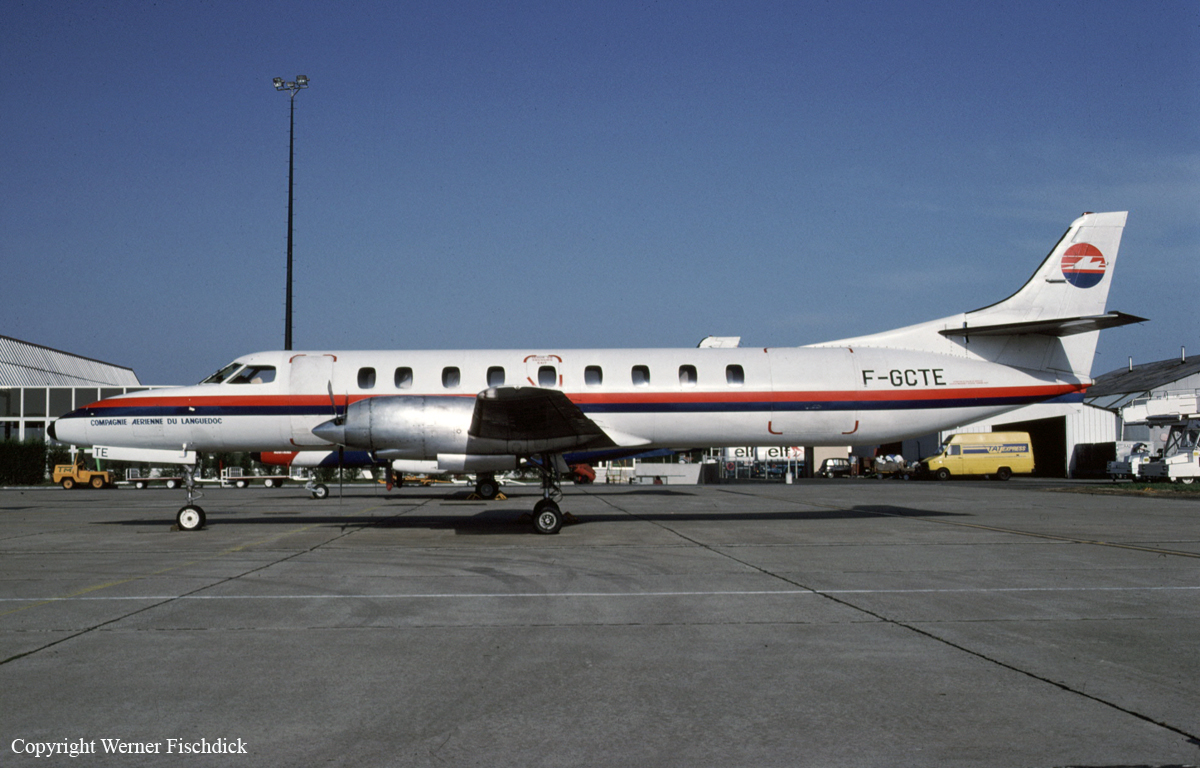
Crash of a Swearingen SA226TC Metro II in Le Puy
Date & Time:
Nov 22, 1987 at 2020 LT
Operator:

Registration:
F-GCTE
Survivors:
Yes
Schedule:
Lyon - Le Puy
MSN:
TC-365
YOM:
1980
Crew on board:
2
Crew fatalities:
Pax on board:
0
Pax fatalities:
Other fatalities:
Total fatalities:
0
Circumstances:
The crew was completing a positioning flight from Lyon-Satolas Airport to Le Puy-Loudes Airport, Haute-Loire. On final approach by night, at an altitude of 500 feet, the crew positioned both propellers to fine pitch when both engines failed simultaneously. The airplane stalled and crash landed in an open field located few hundred meters short of runway threshold. Both pilots escaped with minor injuries while the aircraft was damaged beyond repair.
Probable cause:
It was determined that weather conditions were considered as marginal at the time of the accident with icing conditions. Both engines failed after the crew positioned both propellers to fine pitch due to an excessive accumulation of ice. The crew failed to activate the engine deicing systems and also failed to restart the engine. It was also reported there was no antifreeze liquid used.