Crash of a Douglas DC-10-10 in Los Angeles: 2 killed

Date & Time: Mar 1, 1978 at 0925 LT
Type of aircraft:
Operator:
Registration:
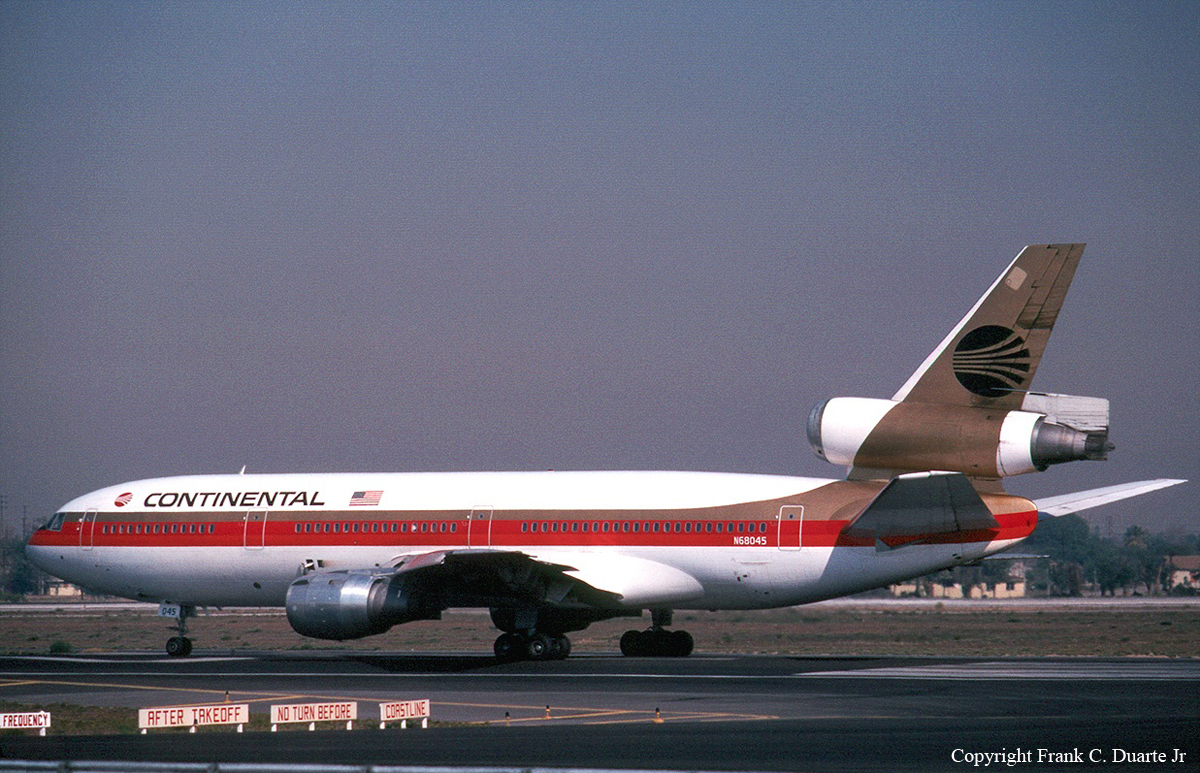
N68045
Flight Phase:
Survivors:
Yes
Schedule:
Los Angeles - Honolulu
MSN:
46904
YOM:
1972
Flight number:
CO603
Crew on board:
14
Crew fatalities:
Pax on board:
186
Pax fatalities:
Other fatalities:
Total fatalities:
2
Captain / Total flying hours:
29000
Captain / Total hours on type:
2911.00
Copilot / Total flying hours:
10000
Copilot / Total hours on type:
1249
Aircraft flight hours:
21358
Circumstances:
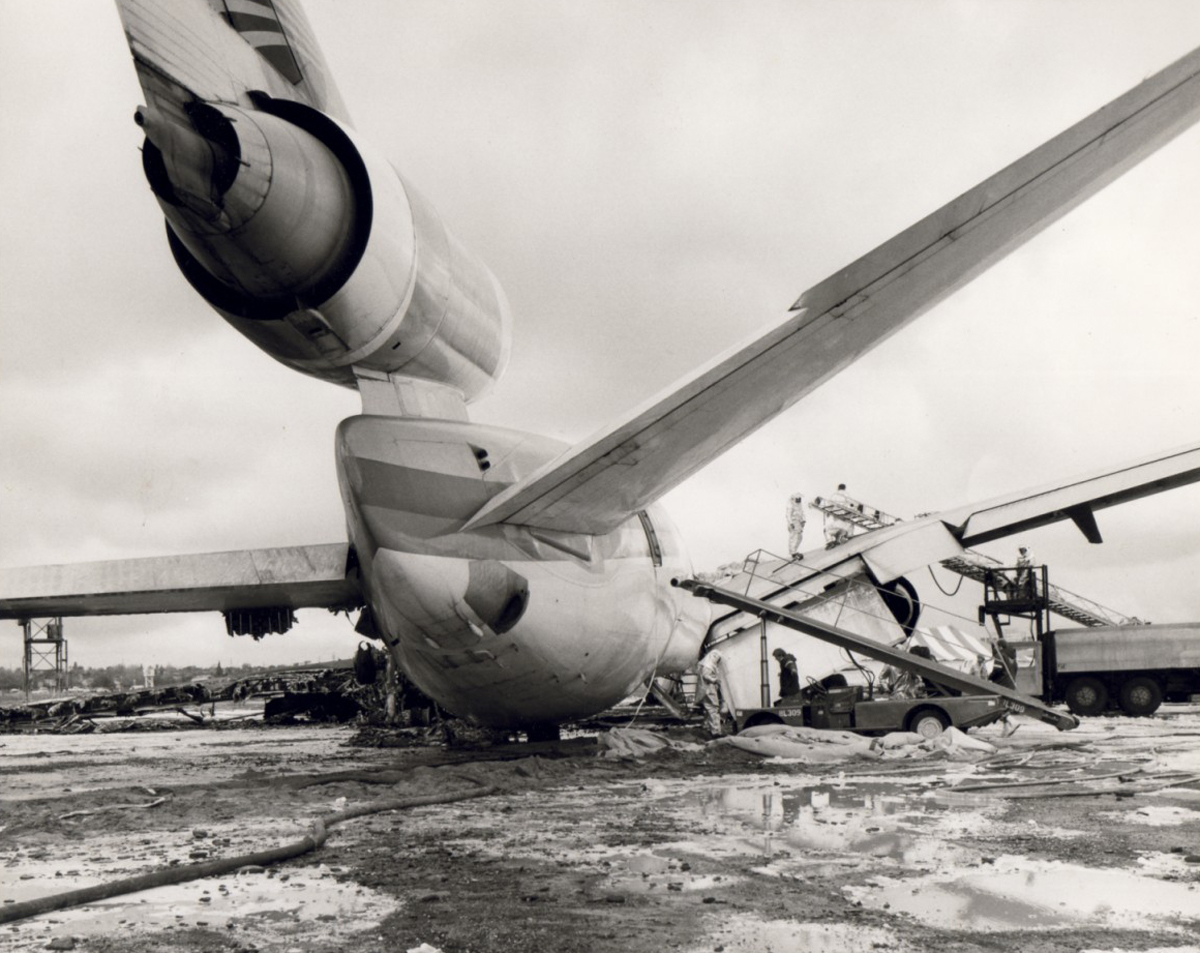
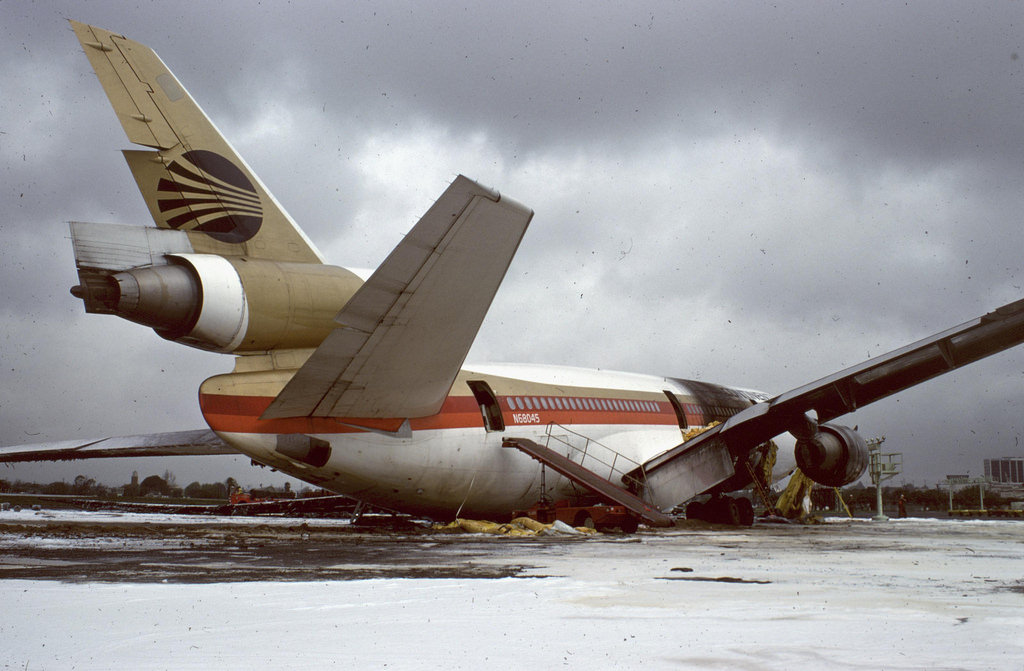
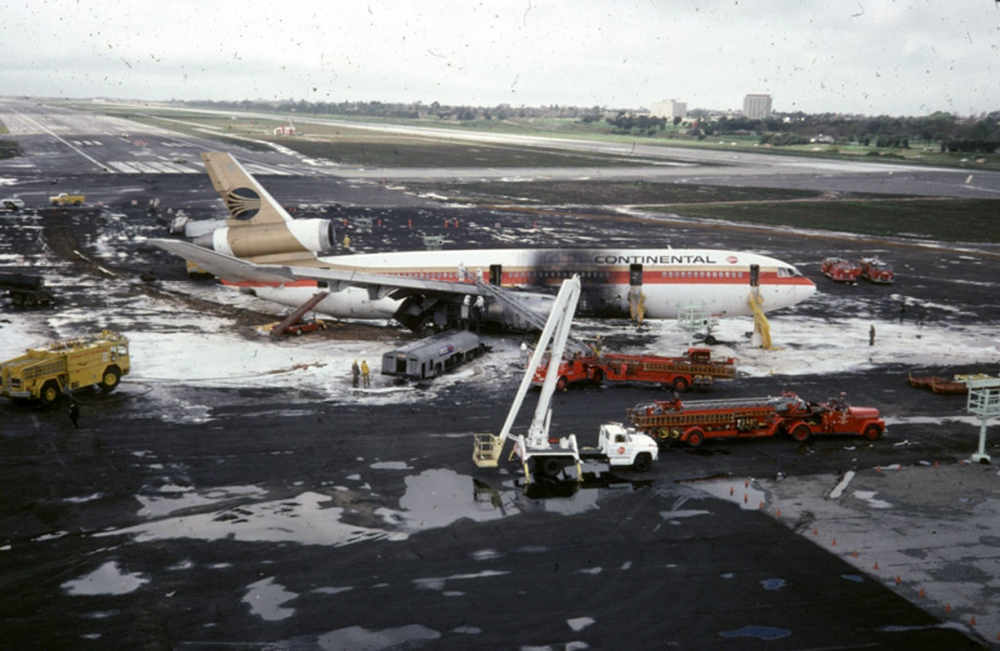
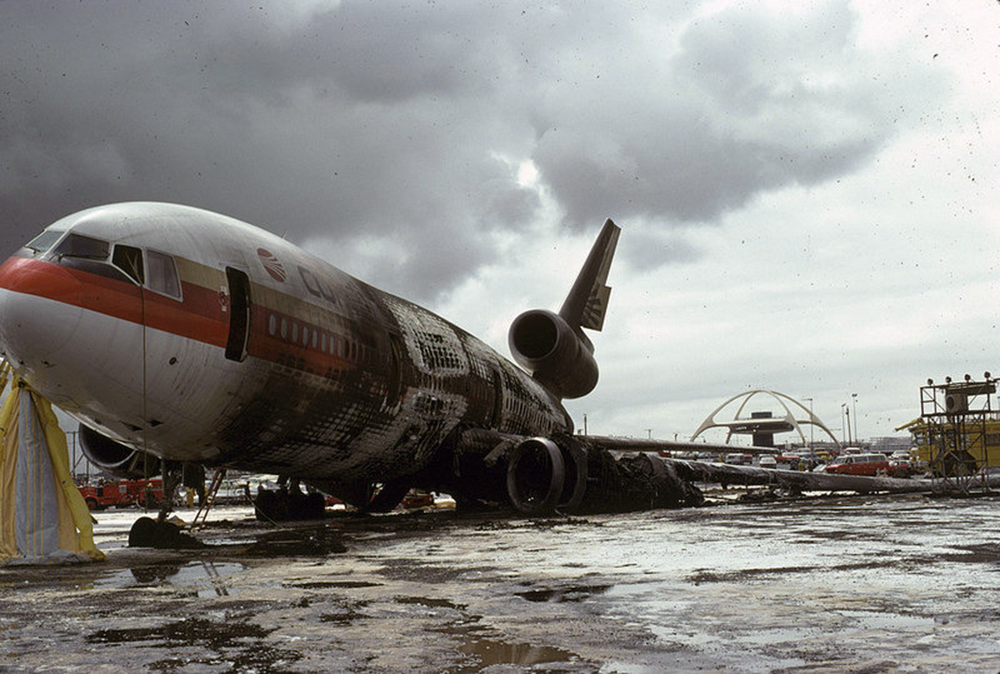
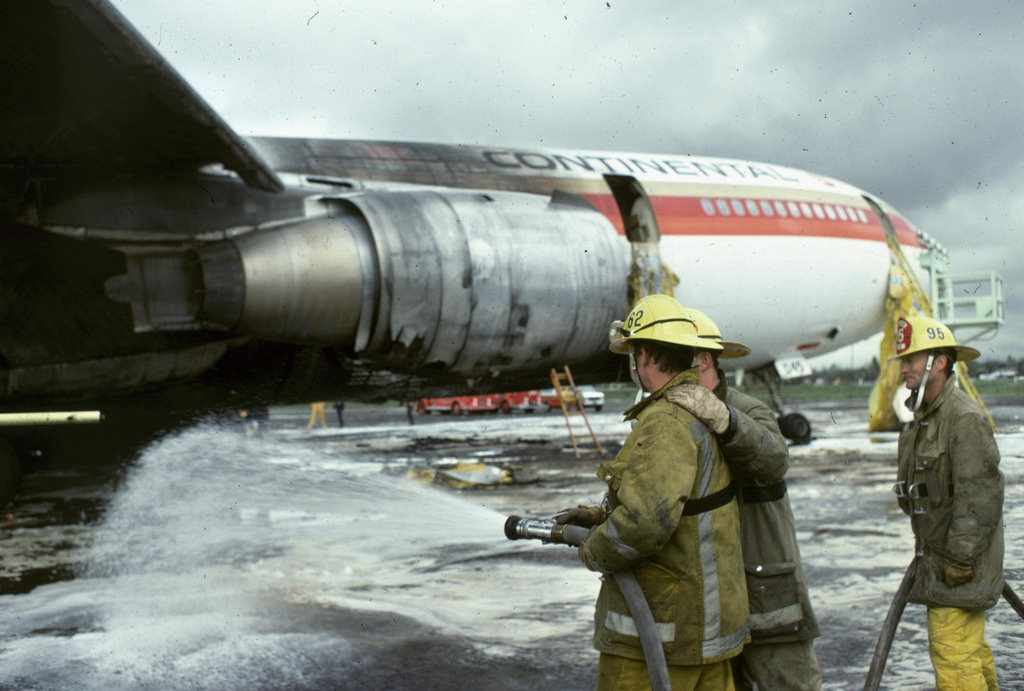
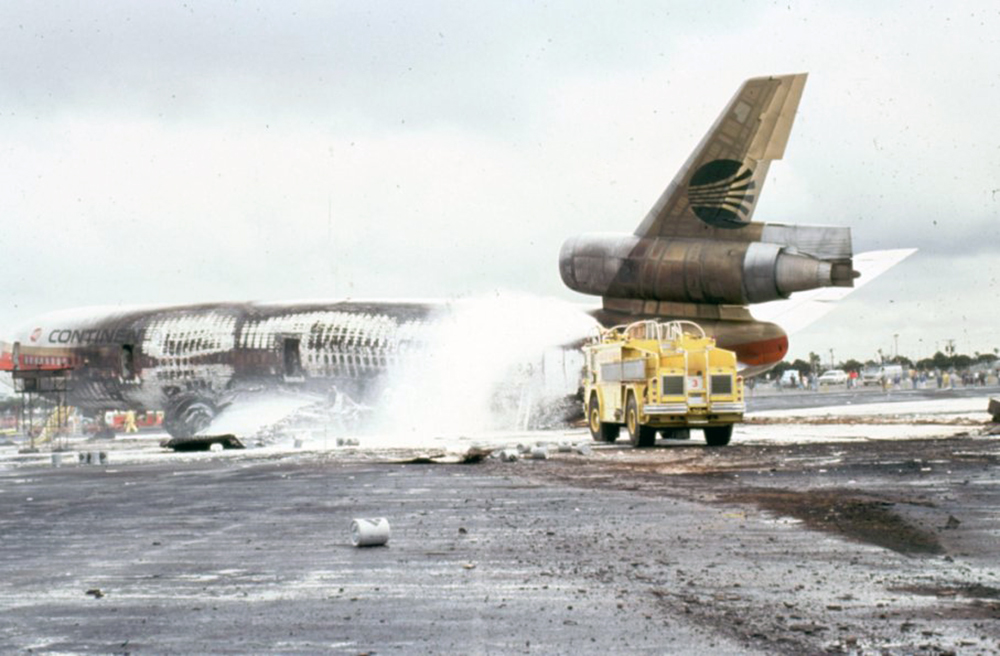
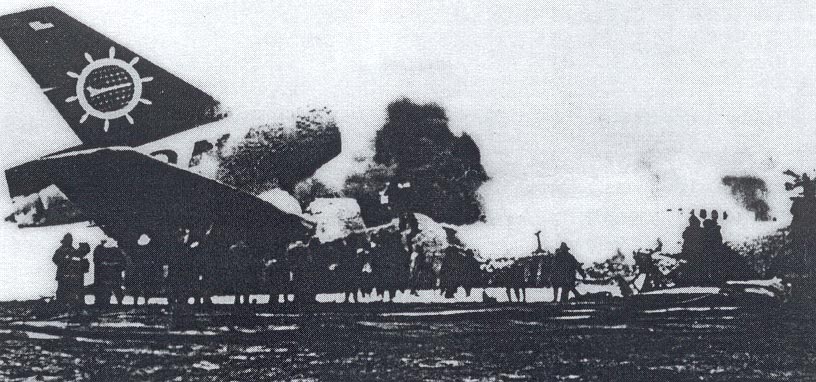
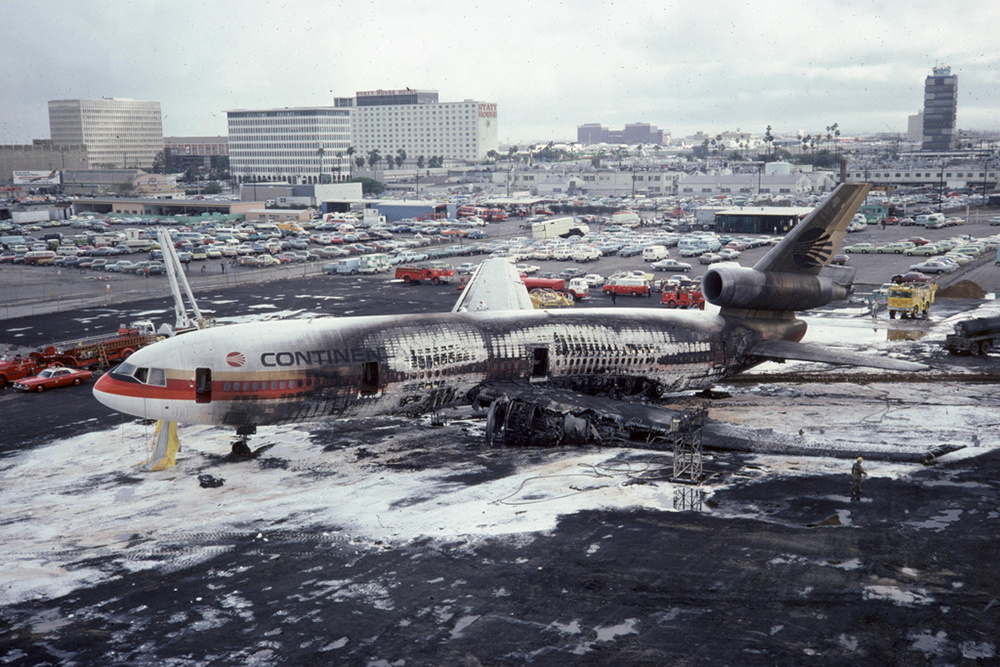
On March 1, 1978, Continental Air Lines, Inc., Flight 603, a McDonnell Douglas DC-10-10 (N68045), was a scheduled flight from Los Angeles International Airport, California, to Honolulu, Hawaii. At 0857:18, Flight 603 called Los Angeles clearance delivery and was cleared for the route of flight which was to have been flown. About 2 min later, the flight received permission from Los Angeles ground control to push back from the gate. At 0901:37, Flight 603 was cleared by ground control to taxi to runway 6R. The runway was wet, but there was no standing water. At 0922:29, Los Angeles local control cleared Flight 603 to taxi into position on runway 6R and hold. At 0923:17, local control cleared Flight 603 for takeoff; however, the flightcrew did not acknowledge the instructions and did not comply with them. At 0923:57, local acknowledged the instructions. The captain stated that he delayed control, again, cleared the flight for takeoff. This time the flightcrew acknowledgment of the takeoff clearance because he believed that he had initially been given the clearance too soon after a heavy jet aircraft had made its takeoff. The flightcrew stated that acceleration was normal and that all engine instruments were in the normal range for takeoff. As the airspeed approached the V1 speed of 156 kns, the captain heard a loud "metallic bang" which was followed immediately by "a kind of quivering of the plane." The flightcrew noticed that the left wing dropped slightly. A rejected takeoff was begun immediately; however, according to the digital flight data recorder (DFDR), the airspeed continued to increase to about 159 kns as the rejected takeoff procedures were begun. The captain stated that he applied full brake pressure while simultaneously bringing the thrust levers back to idle power. Reverse thrust levers were actuated and full reverse thrust was used. The flightcrew stated that they noted good reverse thrust. First, the aircraft moved to the left of the runway centerline and appeared tb the flightcrew to be decelerating normally. With about of deceleration had decreased, and they believed that the aircraft would 2,000 ft of runway remaining, the flightcrew became aware that the rate not be able to stop on the runway surface. The captain stated that he maintained maximum brake pedal force and full reverse thrust as he steered the aircraft to the right of the runway centerline in an effort "to go beside the stanchions holding the runway lights" immediately off of the departure end of runway 6R. He stated further that he encountered no problems with directional control of the aircraft throughout the rejected takeoff maneuver. The aircraft departed the right corner of the departure end of runway 6R. About 100 ft beyond the runway, the left main landing gear broke through the nonload-bearing tar-macadam (tarmac) surface and failed rearward. Fire erupted immediately from this area. The aircraft dropped onto the left wing and the No. 1 (left) engine and rotated to the left as it continued its slide along the surface. It stopped between two of the approach light stanchions for runway 24L about 664 ft from the departure end of runway 6R and about 40 ft to the right of the runway 6R extended centerline; it came to rest on a heading of 008°, in an 11° left wing low, 1.3° noseup attitude. When the aircraft came to a stop, the evacuation was begun immediately. Two passengers were killed while all other occupants were evacuated, some of them with serious injuries.
Probable cause:
The National Transportation Safety Board determined that the probable cause of the accident was the sequential failure of two tires on the left main landing gear and the resultant failure of another tire on the same landing gear at a critical time during the takeoff roll. These failures resulted in the captain's decision to reject the takeoff. Contributing to the accident was the cumulative effect of the partial loss of aircraft braking because of the failed tires and the reduced braking friction achievable on the wet runway surface which increased the accelerate-stop distance to a value greater than the available runway length. These factors prevented the captain from stopping the aircraft within the runway confines. The failure of the left main landing gear and the consequent rupture of the left wing fuel tanks resulted in an intense fire which added to the severity of the accident.
Final Report:
Crash of a Douglas DC-10-30CF in Istanbul

Date & Time: Jan 2, 1976 at 0636 LT
Type of aircraft:
Operator:
Registration:
N1031F
Survivors:
Yes
Schedule:
Jeddah - Ankara
MSN:
46825
YOM:
1973
Flight number:
SV5130
Country:
Region:
Crew on board:
13
Crew fatalities:
Pax on board:
364
Pax fatalities:
Other fatalities:
Total fatalities:
0
Captain / Total flying hours:
26564
Captain / Total hours on type:
1883.00
Copilot / Total flying hours:
6200
Copilot / Total hours on type:
72
Aircraft flight hours:
9848
Circumstances:
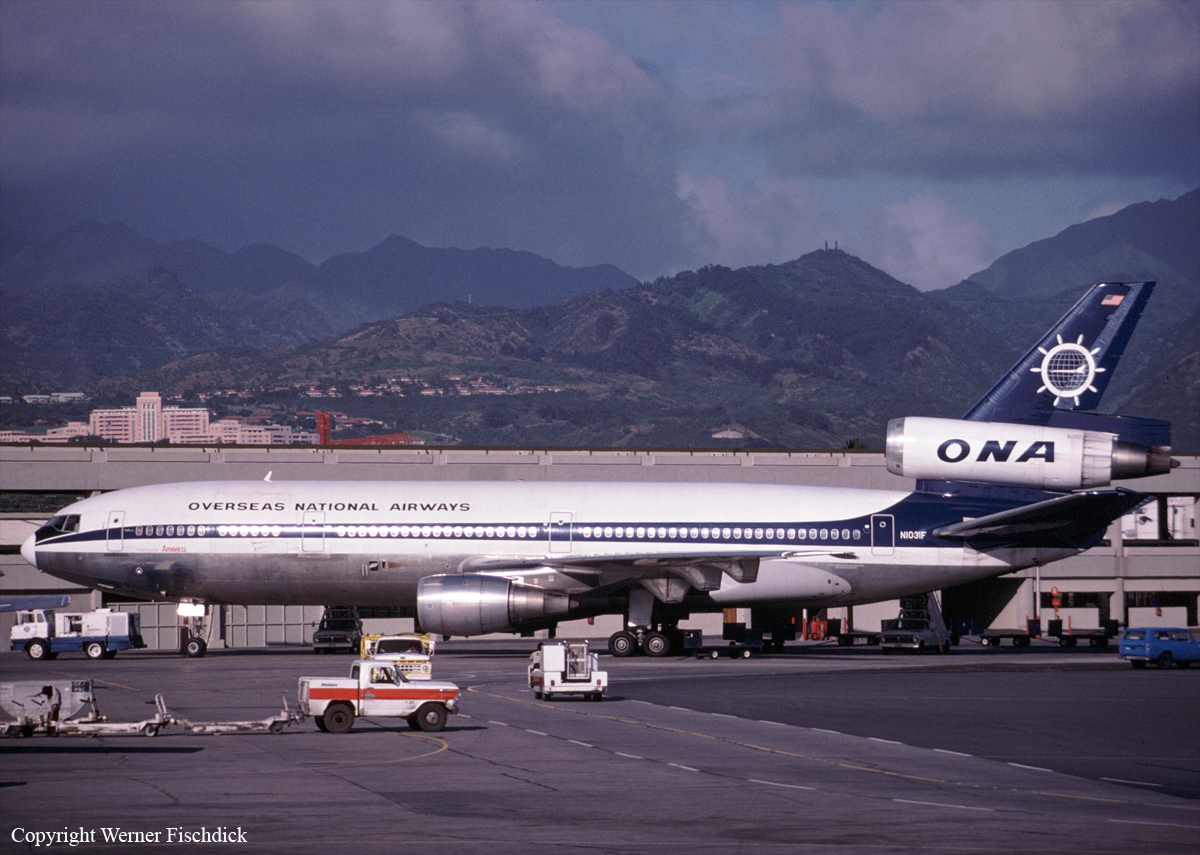
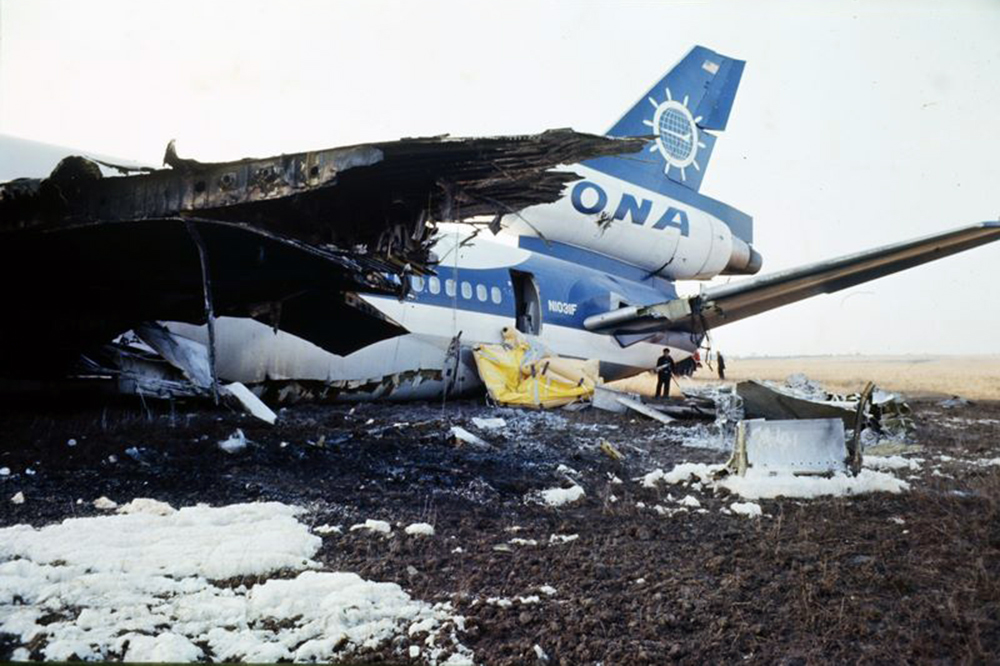
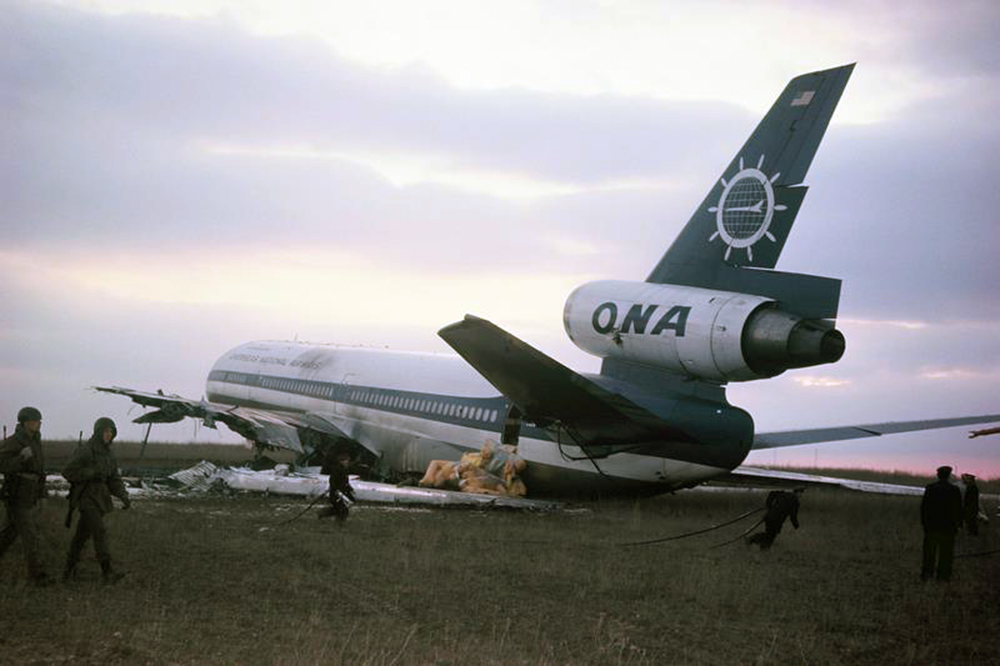
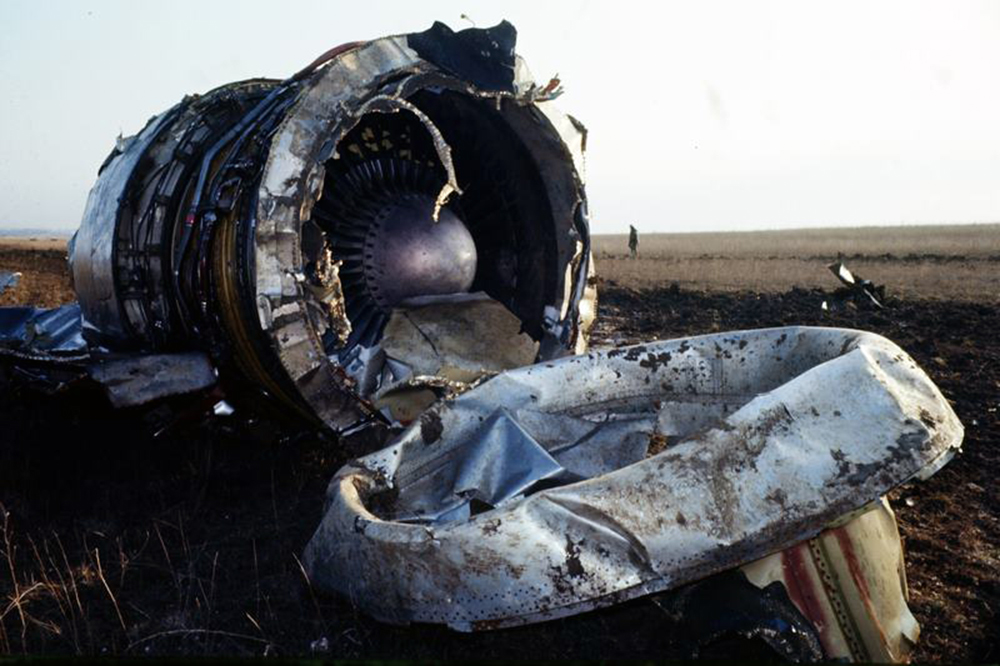
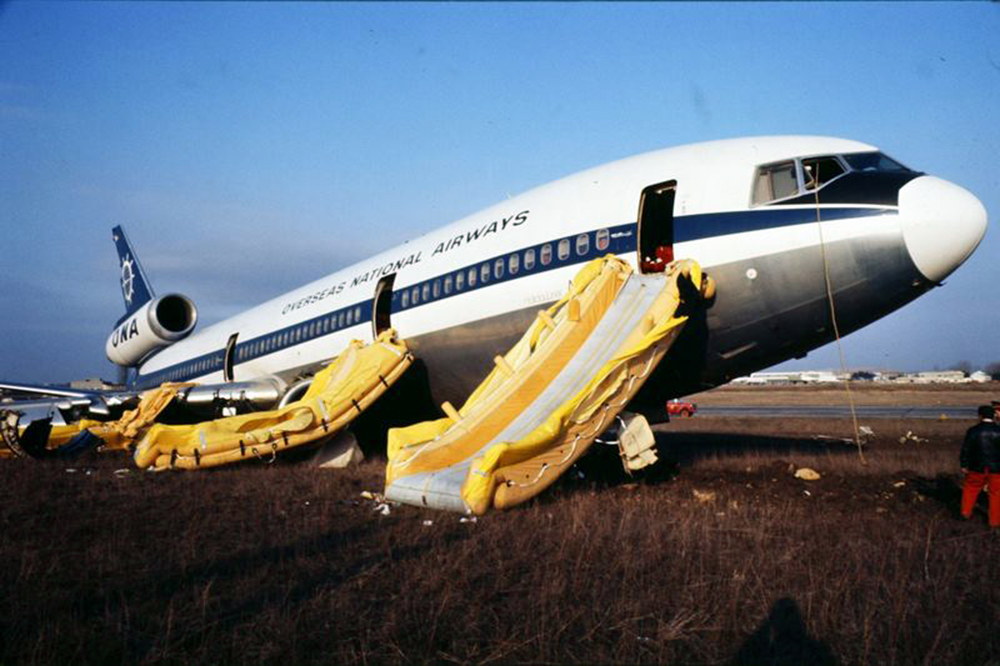
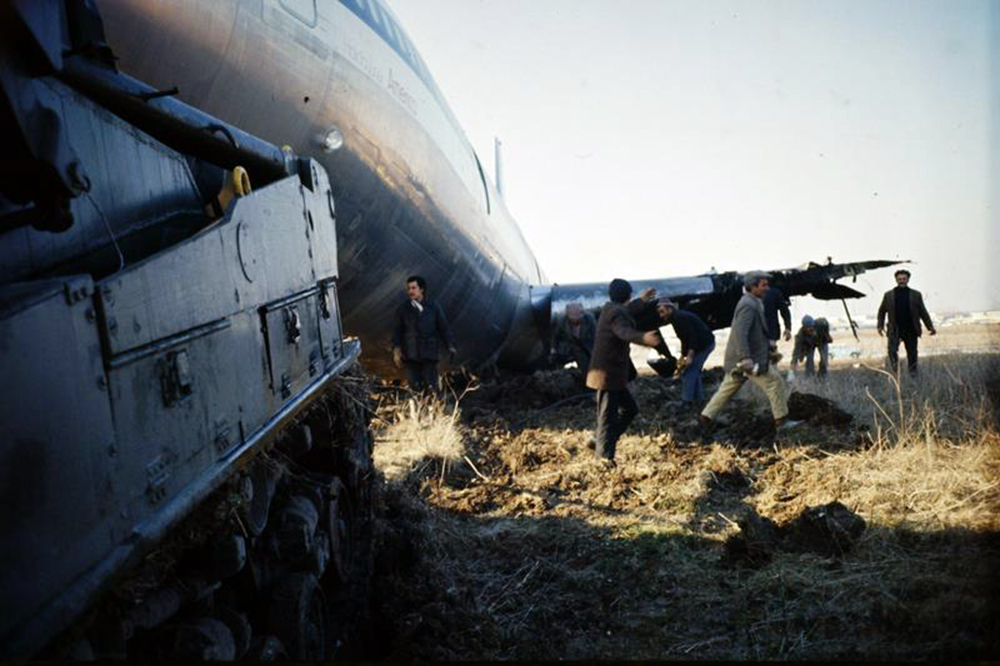
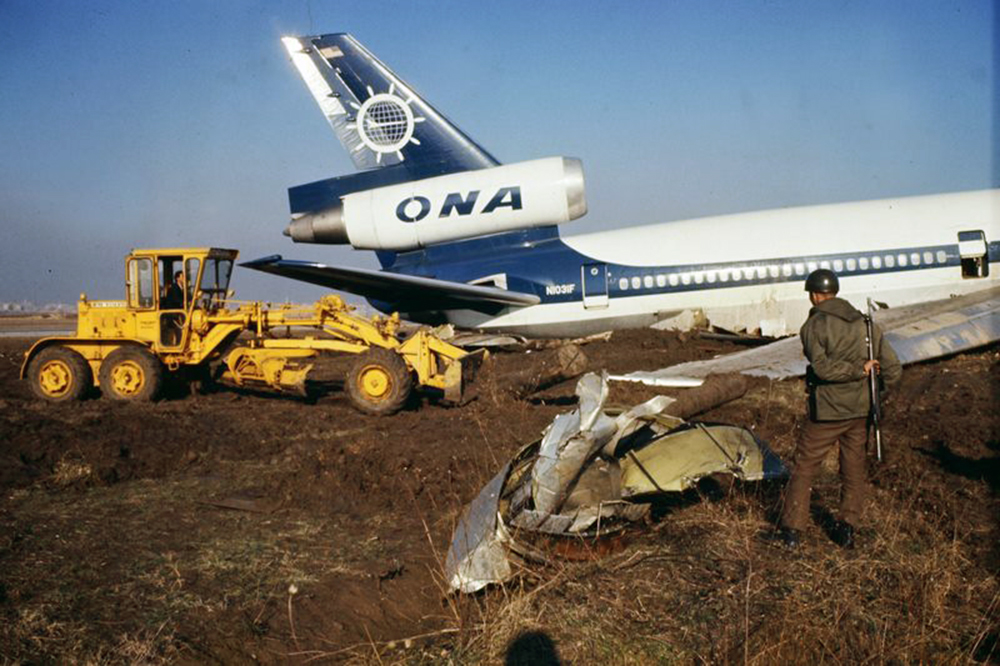
Leased by Saudi Arabian Airlines, the aircraft was completing a charter flight (hajj flight) from Jeddah to Ankara. En route, the crew was informed about poor weather conditions in Ankara (limited visibility due to foggy conditions) and was instructed to divert to Istanbul-Yeşilköy Airport. On approach to runway 24, the copilot informed the captain that one of the VASI's light was red and that their altitude was insufficient. The captain increased engine power but the aircraft continued to descent until it struck the ground eight meters short of the concrete runway. On impact, the left engine (n°1) was torn off and both left main gear and central gear were also torn off when the airplane struck the shoulder of the first runway's concrete block. The aircraft slid on its belly for few hundred meters, veered to the left and came to rest in flames in a grassy area. All 377 occupants were quickly evacuated, among them 10 were slightly injured. The aircraft was damaged beyond repair.
Probable cause:
The aircraft reported the runway in sight before reaching NDB and crossed the NDB about 600 feet below the established minimum. In the final approach continuously followed a path (glide slope) which was also below the 3° angle approach slope of the VASIS. There were strong evidences that the first officer's altitude call-outs were from the radio-altimeter, which was considered a contributing factor for this low approach due to terrain characteristics.
Final Report:
Crash of a Douglas DC-10-30C in New York

Date & Time: Nov 12, 1975 at 1310 LT
Type of aircraft:
Operator:
Registration:
N1032F
Flight Phase:
Flight Type:
Survivors:
Yes
Schedule:
New York - Frankfurt - Jeddah
MSN:
46826
YOM:
1974
Flight number:
OV032
Crew on board:
11
Crew fatalities:
Pax on board:
128
Pax fatalities:
Other fatalities:
Total fatalities:
0
Captain / Total flying hours:
25000
Captain / Total hours on type:
2000.00
Copilot / Total flying hours:
14500
Copilot / Total hours on type:
450
Aircraft flight hours:
8193
Circumstances:
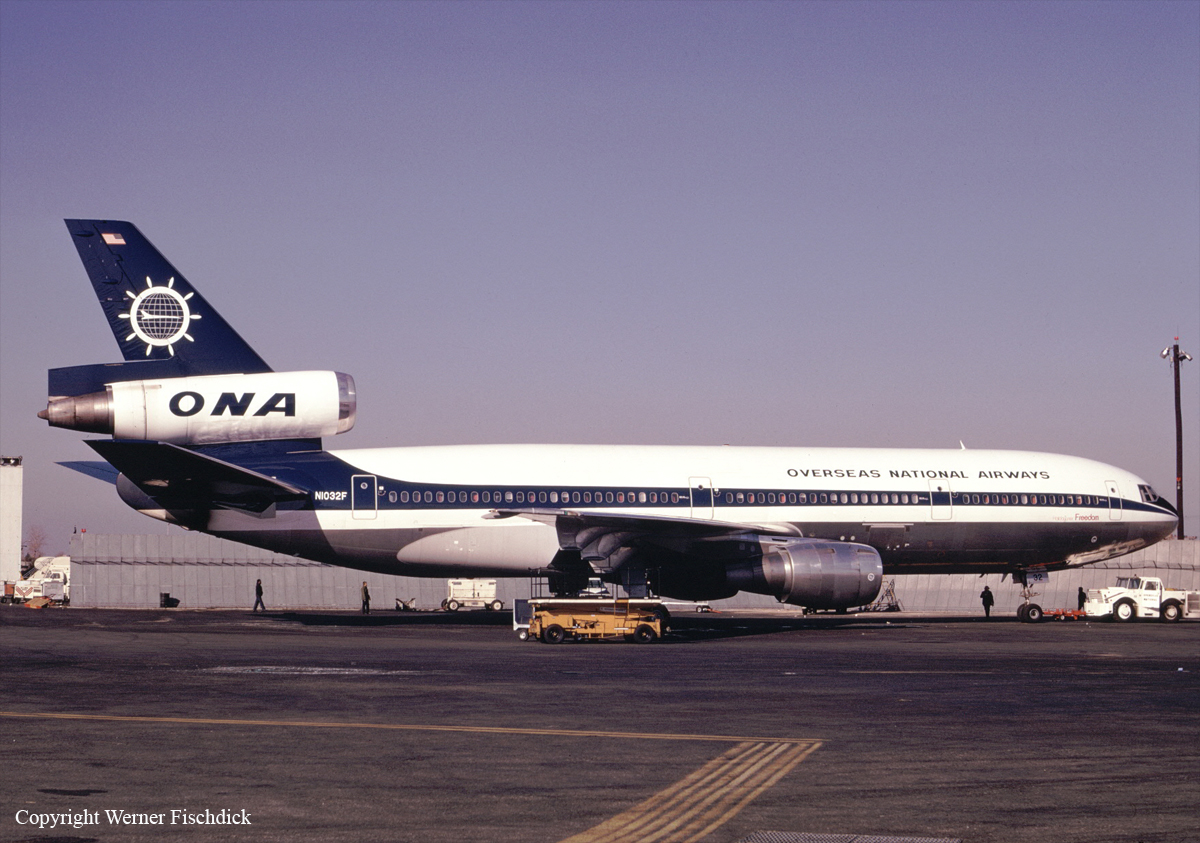
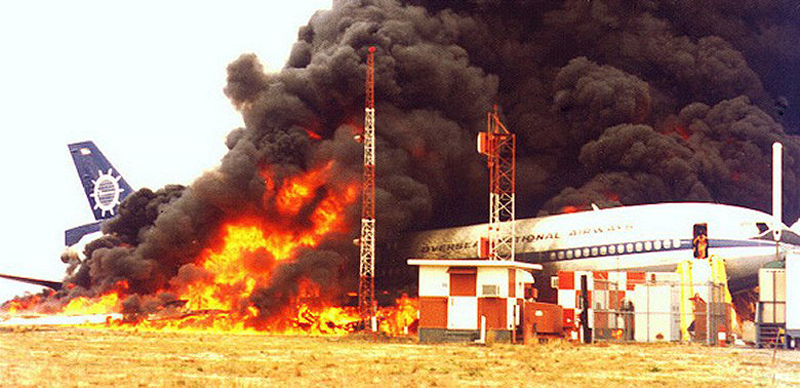
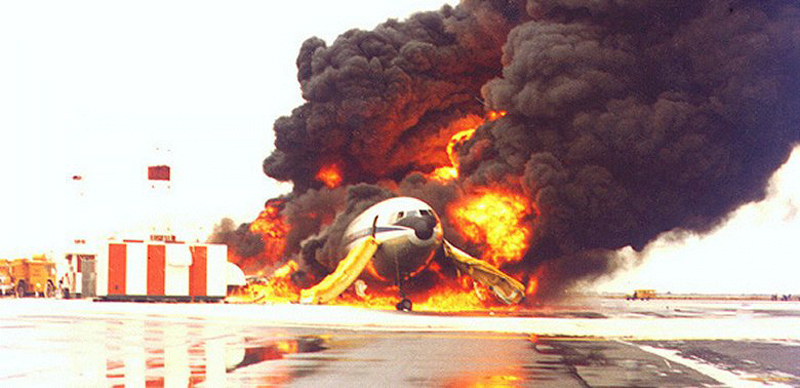
The airplane was engaged in a positioning flight from New York to Jeddah via Frankfurt, carrying ONA employees only. The aircraft taxied to runway 13R and commenced takeoff at 13:10. Shortly after accelerating through 100 knots, but before reaching the V1 speed, a flock of birds were seen to rise from the runway. The aircraft struck many birds and the takeoff was rejected. Bird strikes had damaged the no. 3 engine's fan blades, causing rotor imbalance. Fan-booster stage blades began rubbing on the epoxy micro balloon shroud material; pulverized material then entered into the engine's HPC area, ignited and caused the compressor case to separate. A fire erupted in the right wing and no. 3 engine pylon. The aircraft couldn't be stopped on the runway. The pilot-in-command steered the aircraft off the runway onto taxiway Z at a 40 knots speed. The main undercarriage collapsed and the aircraft came to rest against the shoulder of the taxiway. The successful evacuation may be partially attributed to the fact that nearly all passengers were trained crew members.
Probable cause:
The disintegration and subsequent fire in the No.3 engine when it ingested a large number of seagulls. Following the disintegration of the engine, the aircraft failed to decelerate effectively because:
- The n°3 hydraulic system was inoperative, which caused the loss of the n°2 brake system and braking torque to be reduced 50%,
- The n°3 engine thrust reversers were inoperative,
- At least three tyres disintegrated,
- The n°3 system spoiler panels on each wing could not deploy,
- The runway surface was wet.
The following factors contributed to the accident:
- The bird-control program at John F. Kennedy airport did not effectively control the bird hazard on the airport,
- The FAA and the General Electric Company failed to consider the effects of rotor imbalance on the abradable epoxy shroud material when the engine was tested for certification.
Final Report:

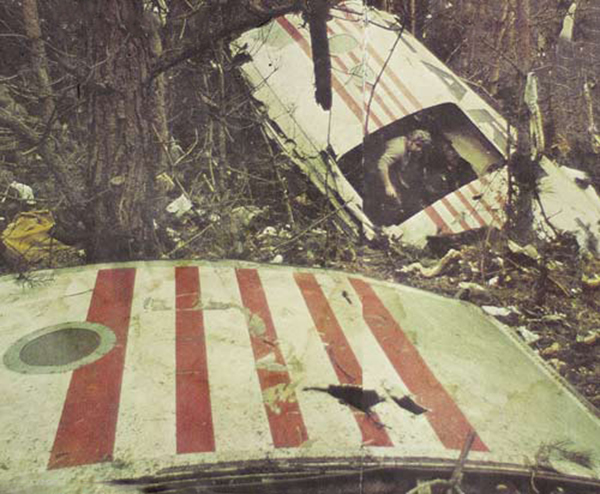
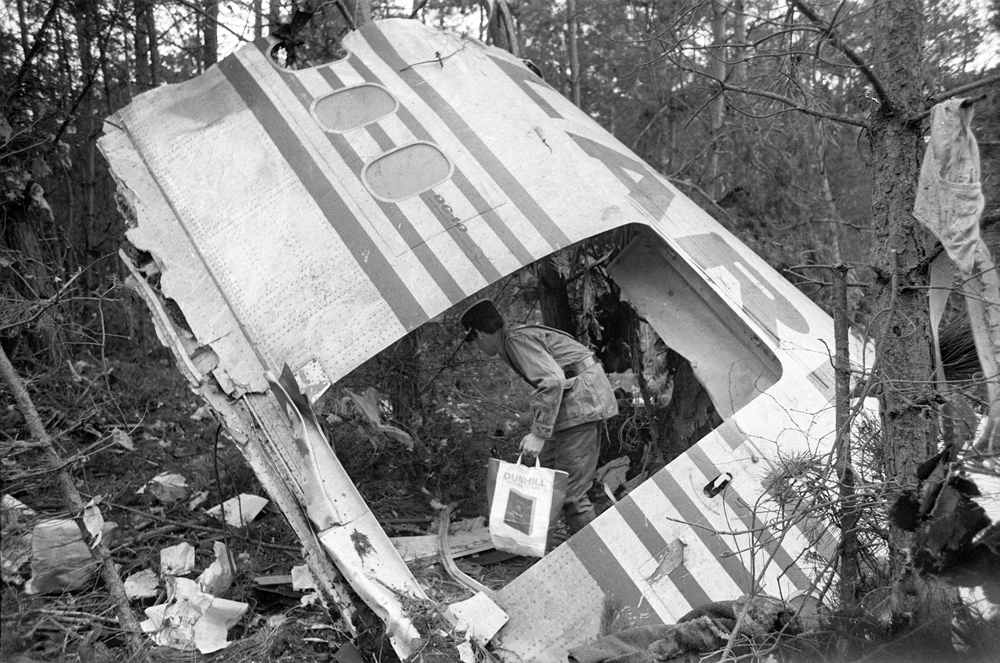
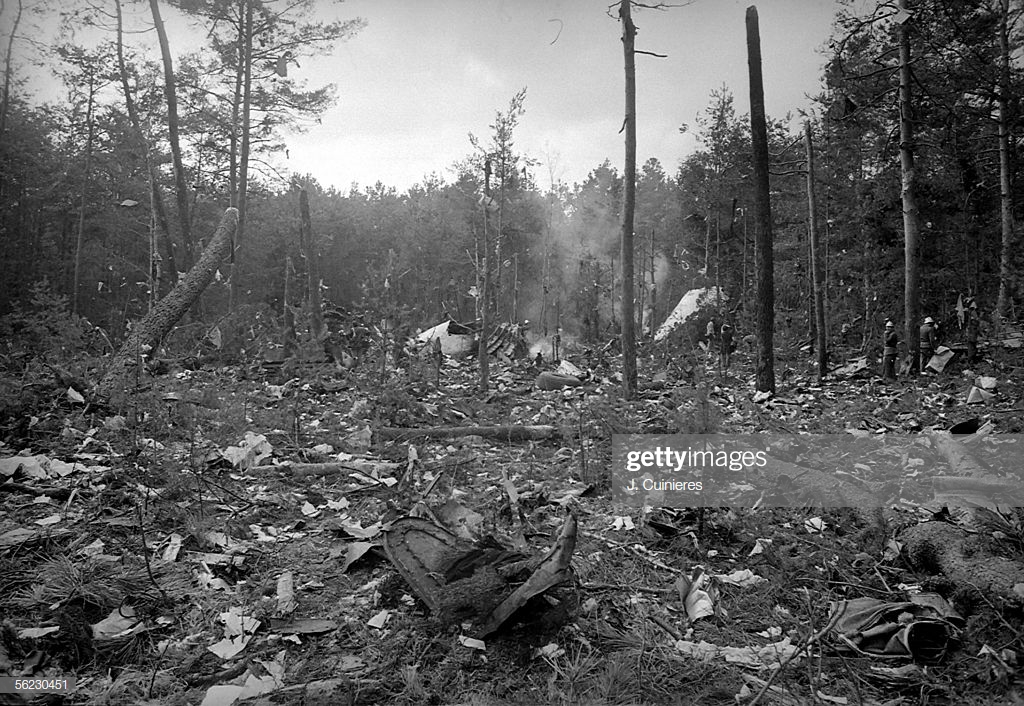
Crash of a Douglas DC-10-10 in Ermenonville: 346 killed

Date & Time: Mar 3, 1974 at 1141 LT
Type of aircraft:
Operator:
Registration:
TC-JAV
Flight Phase:
Survivors:
No
Schedule:
Ankara - Paris - London
MSN:
46704
YOM:
1972
Flight number:
TK981
Country:
Region:
Crew on board:
12
Crew fatalities:
Pax on board:
334
Pax fatalities:
Other fatalities:
Total fatalities:
346
Captain / Total flying hours:
7003
Captain / Total hours on type:
438.00
Copilot / Total flying hours:
5589
Copilot / Total hours on type:
628
Aircraft flight hours:
2955
Circumstances:
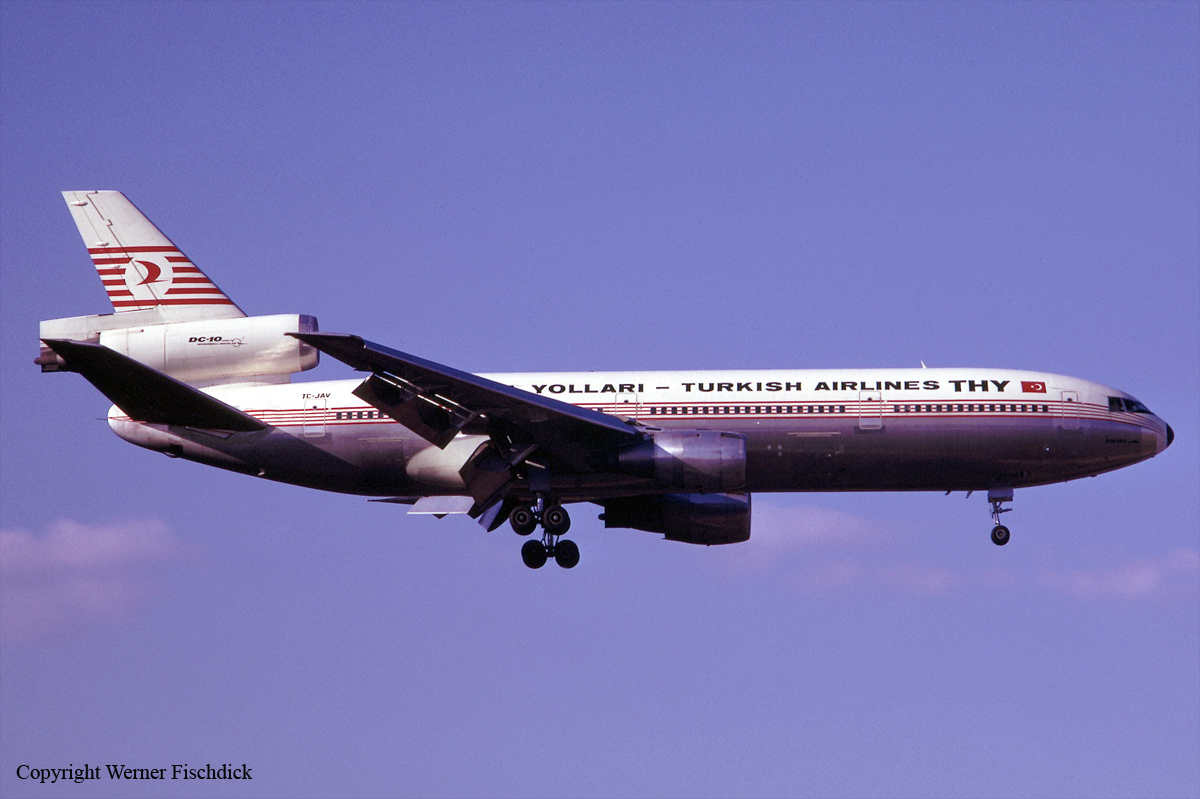
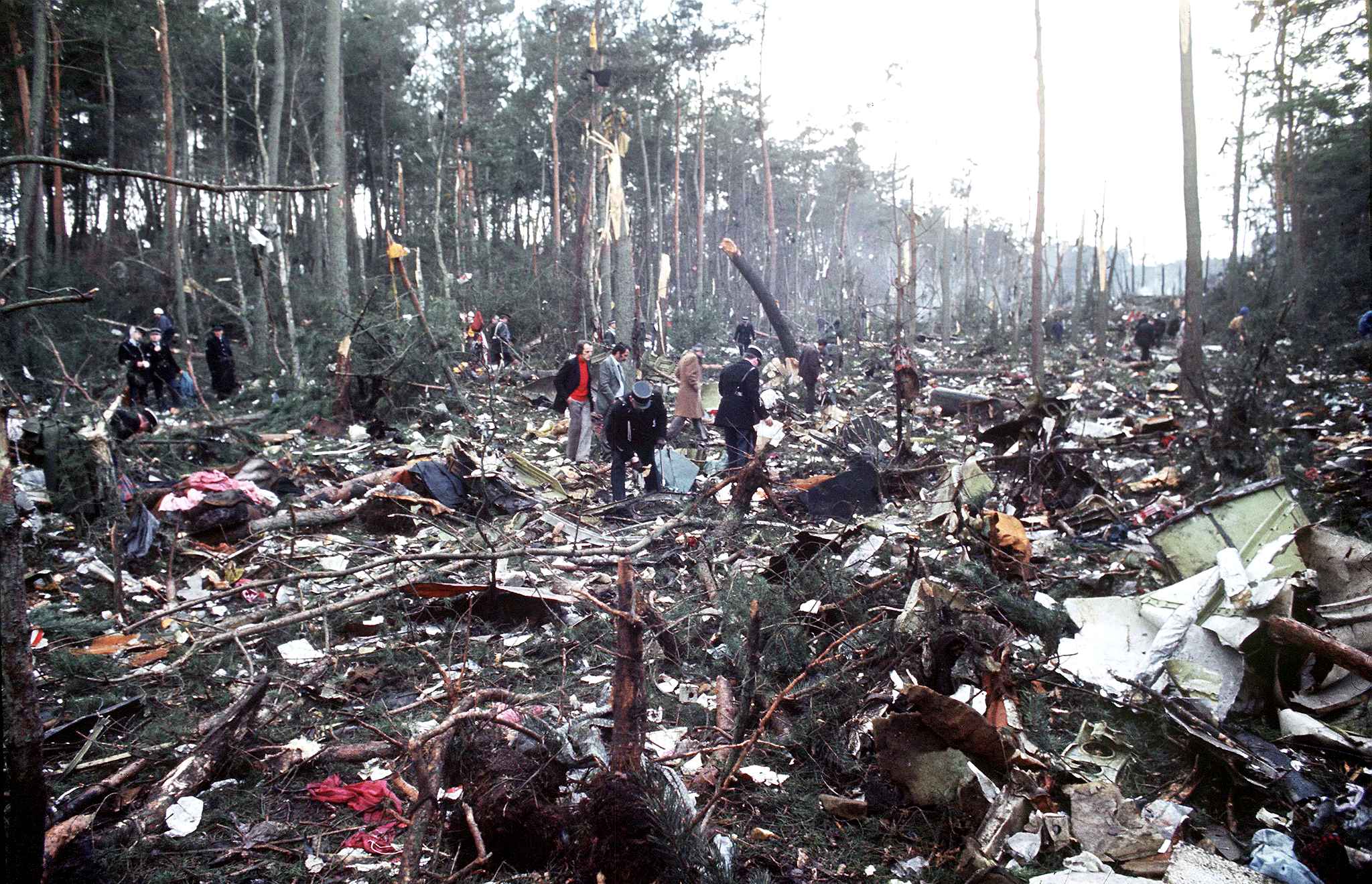
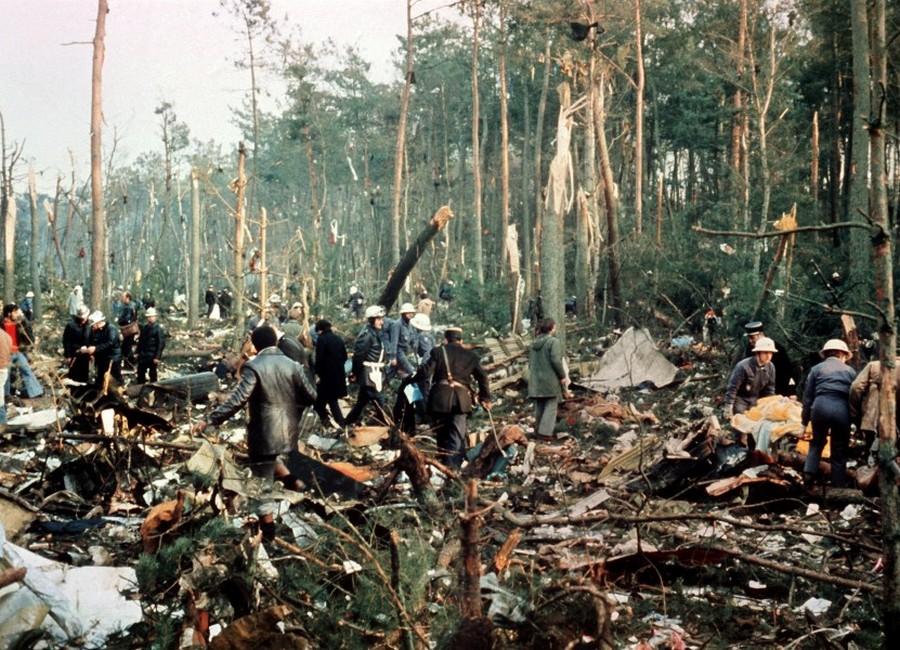
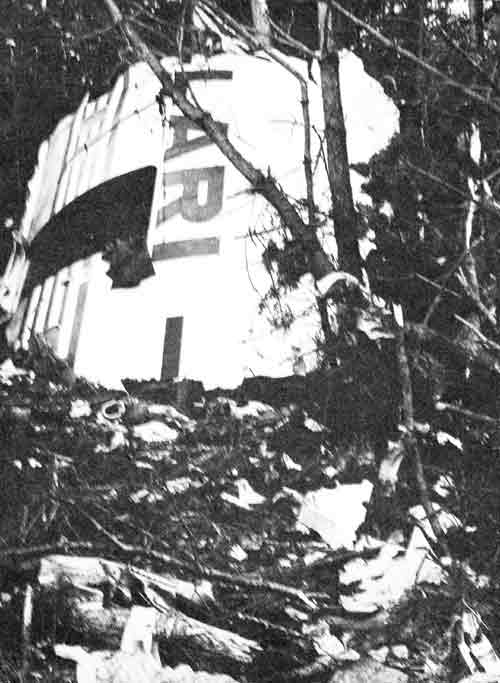
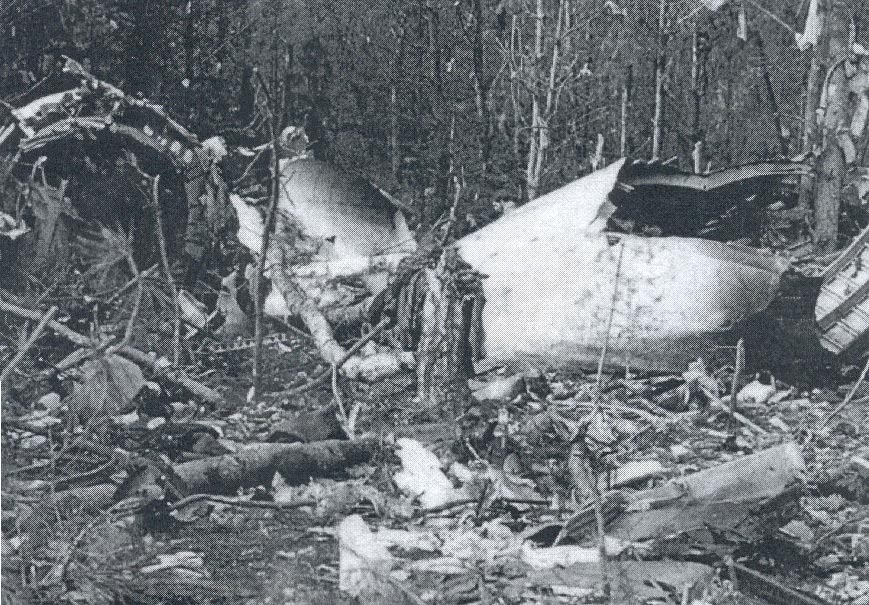
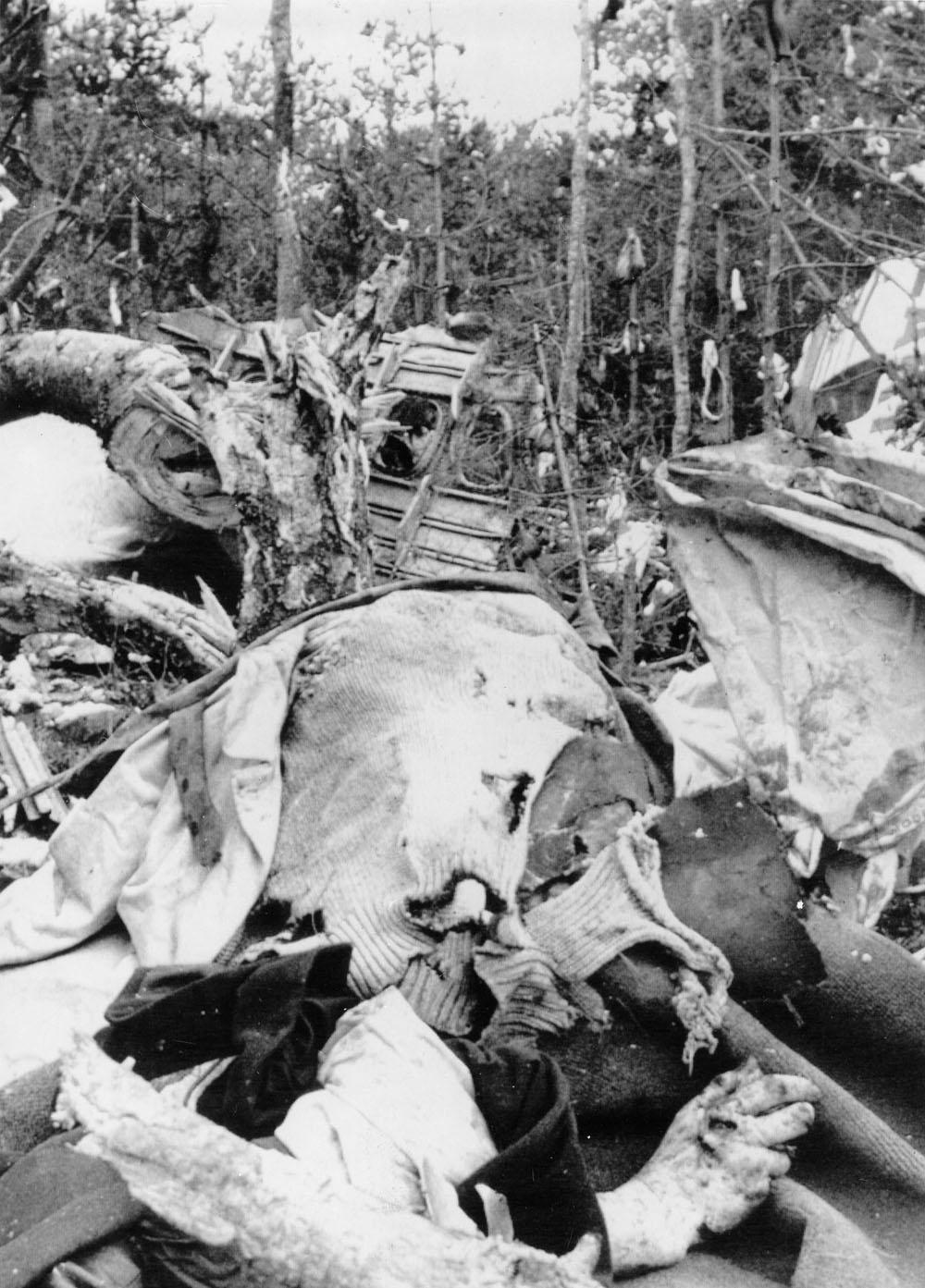
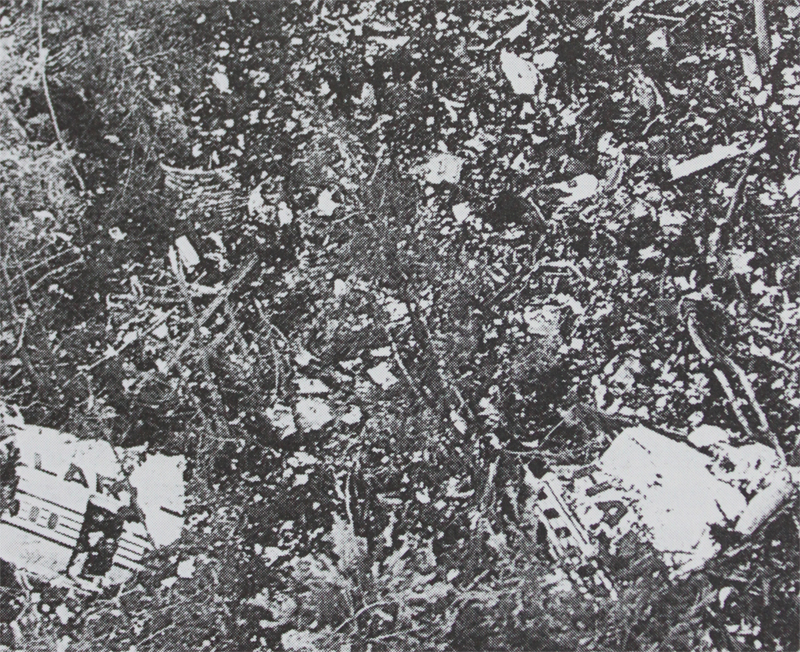
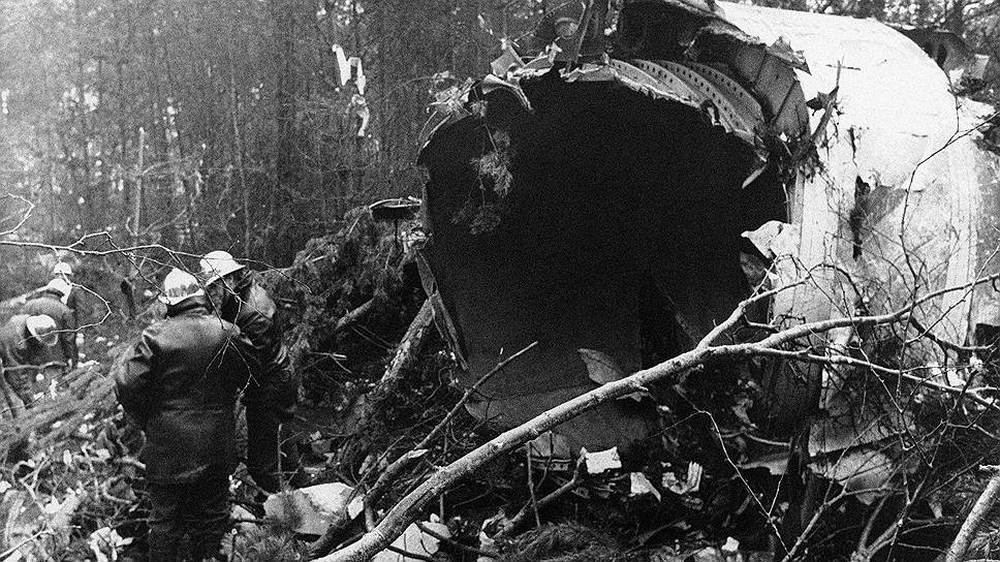
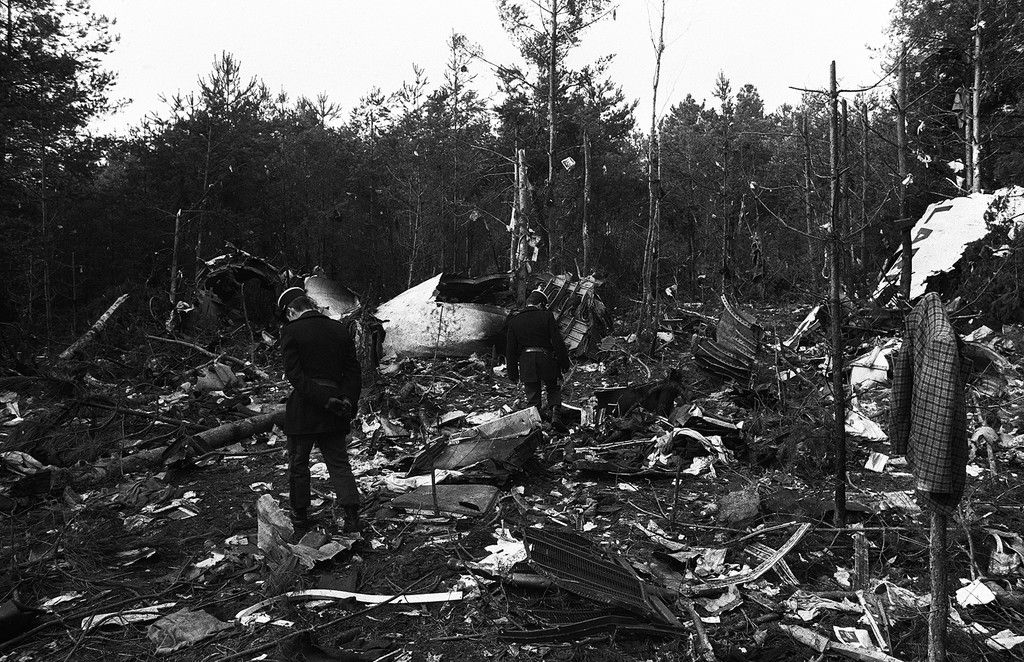
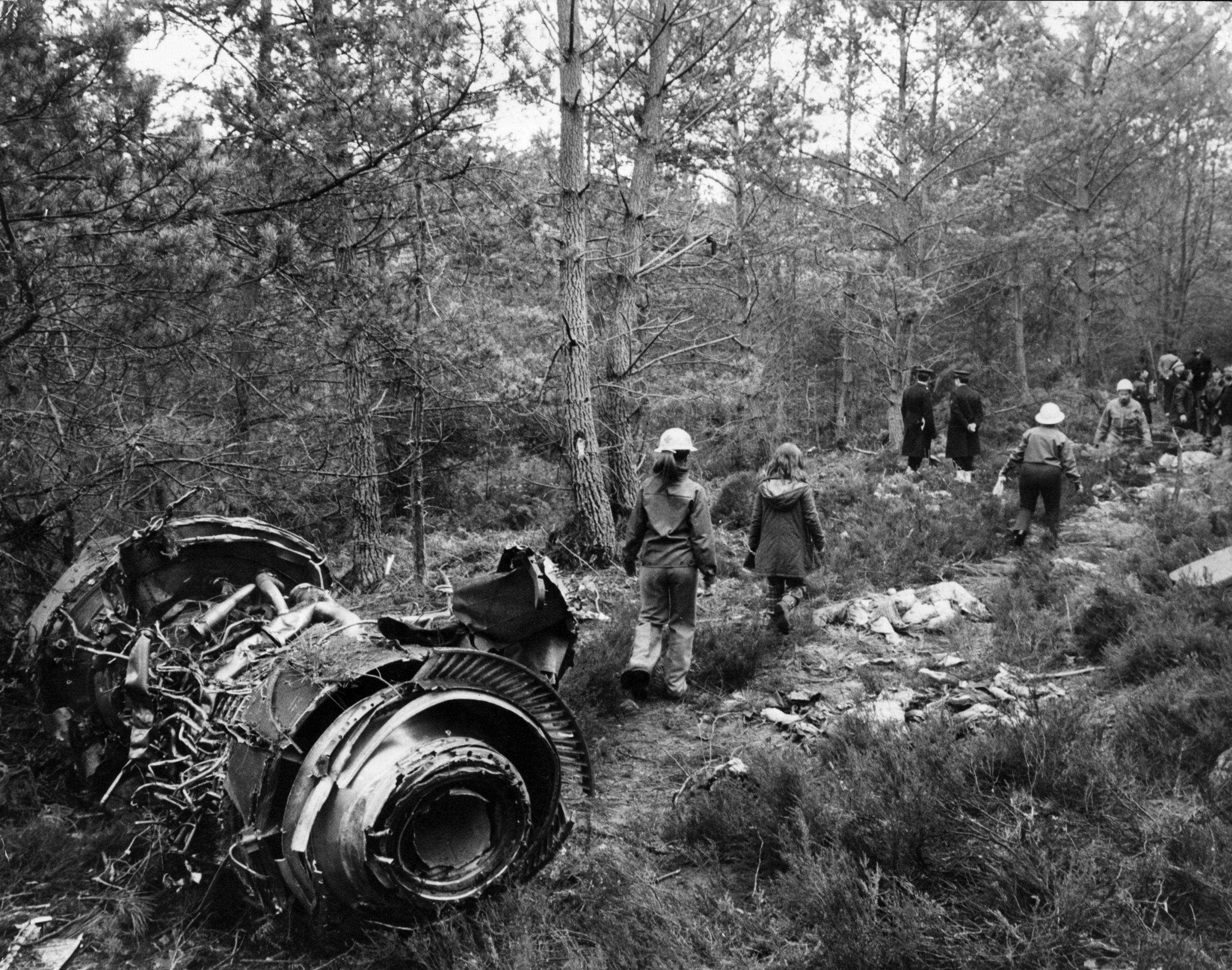
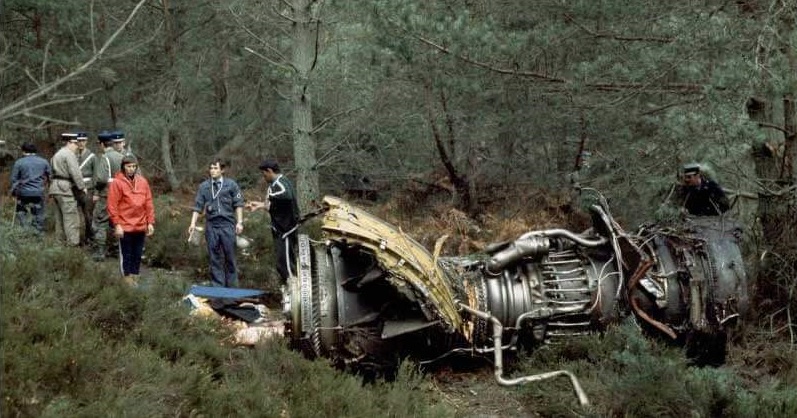
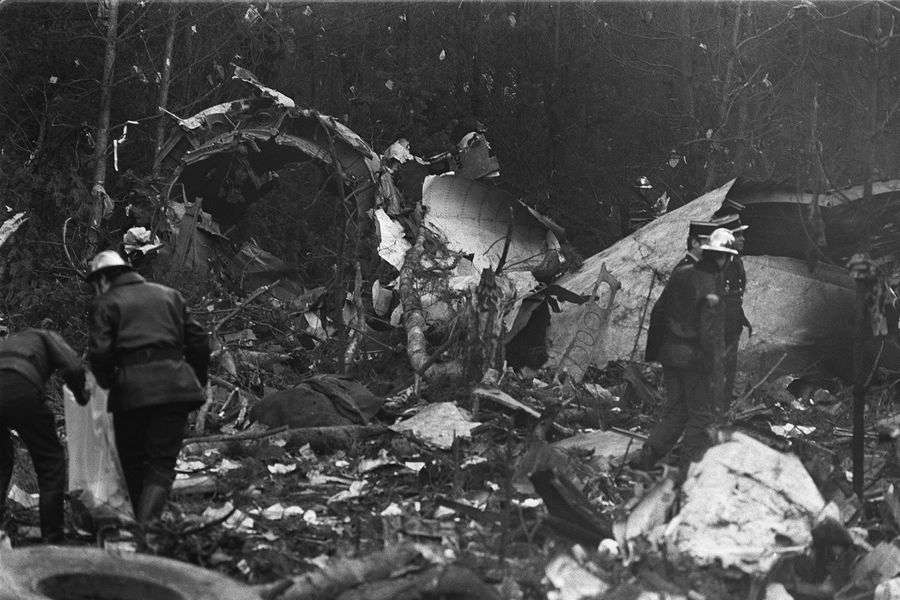
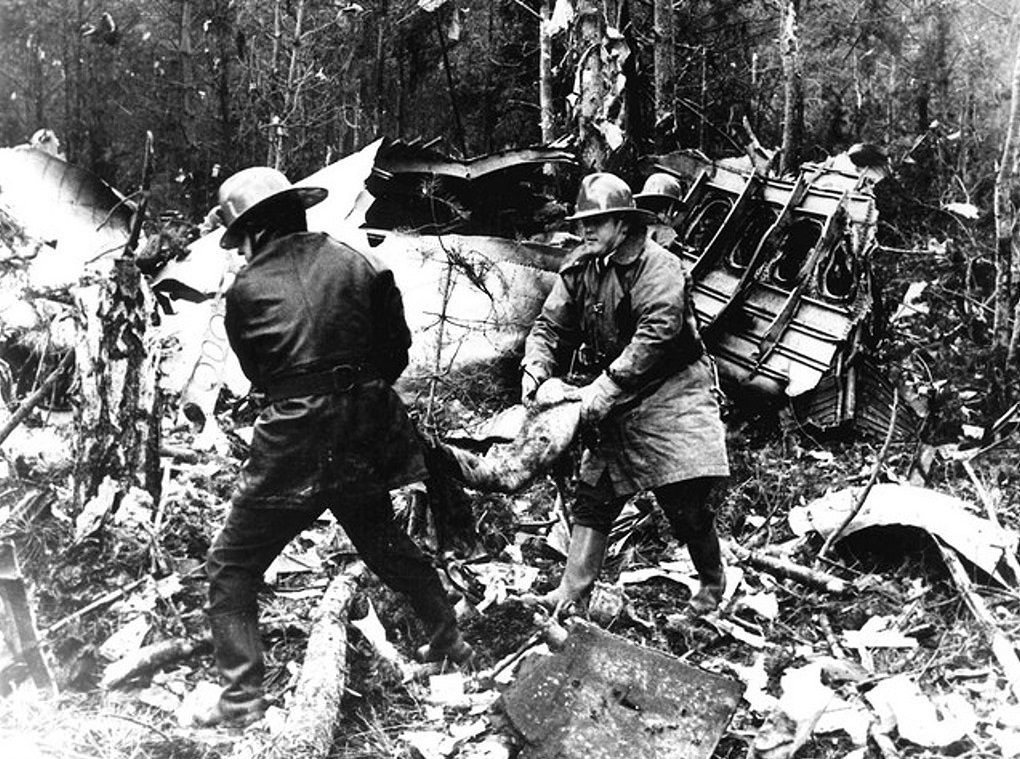
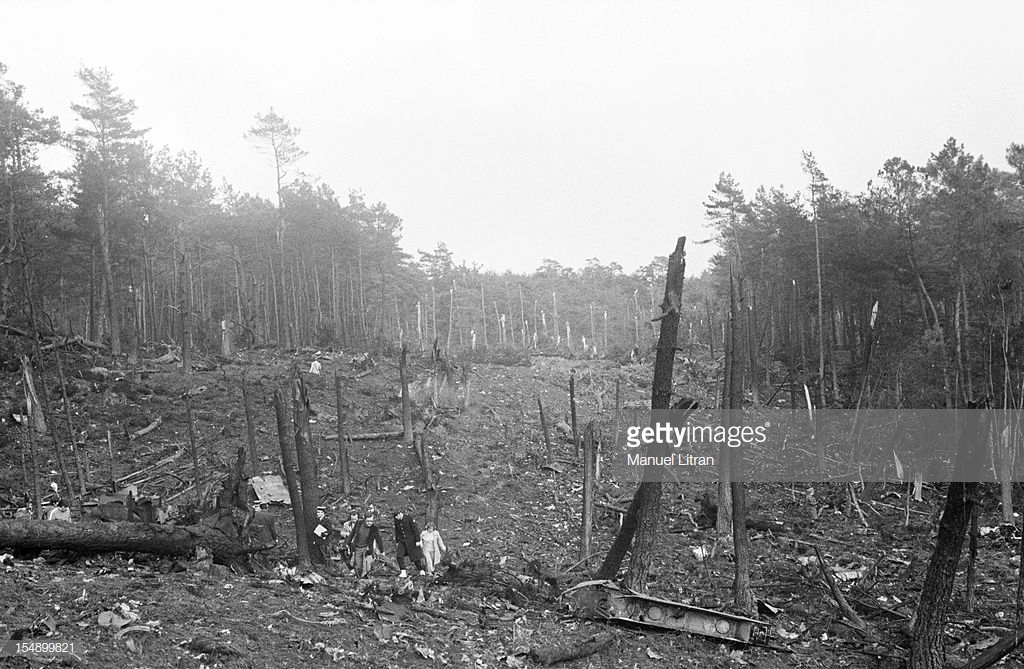
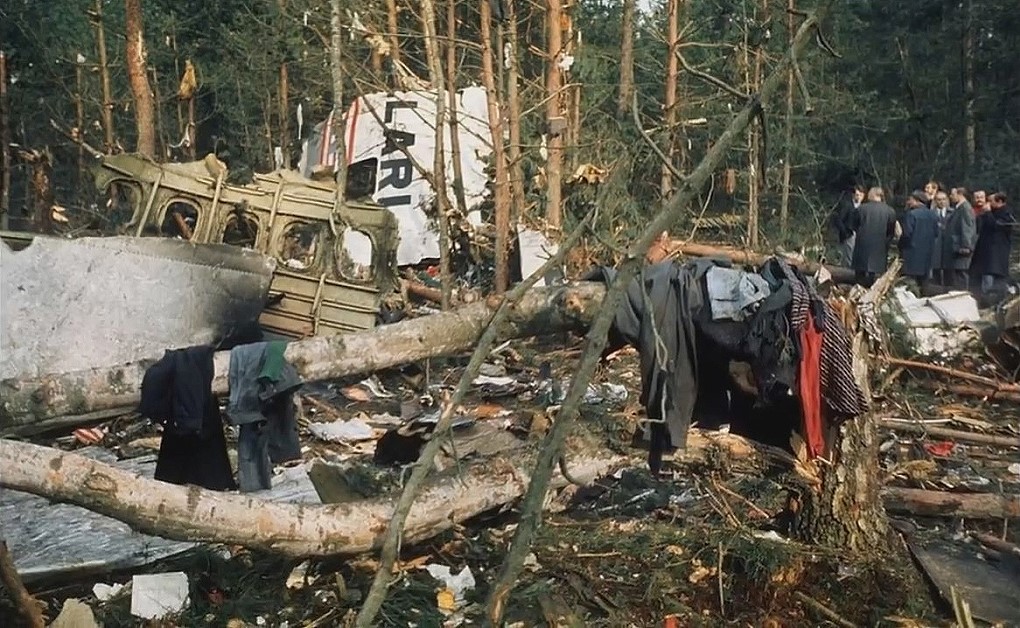
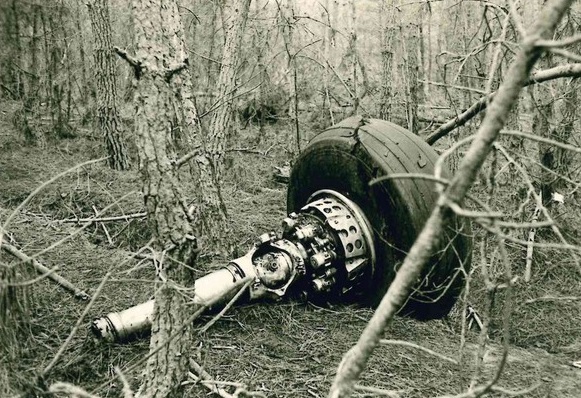
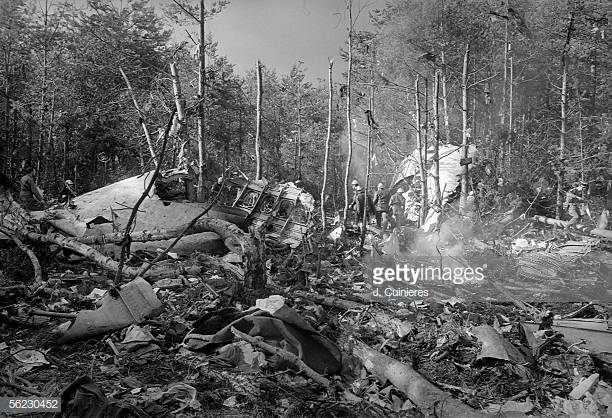
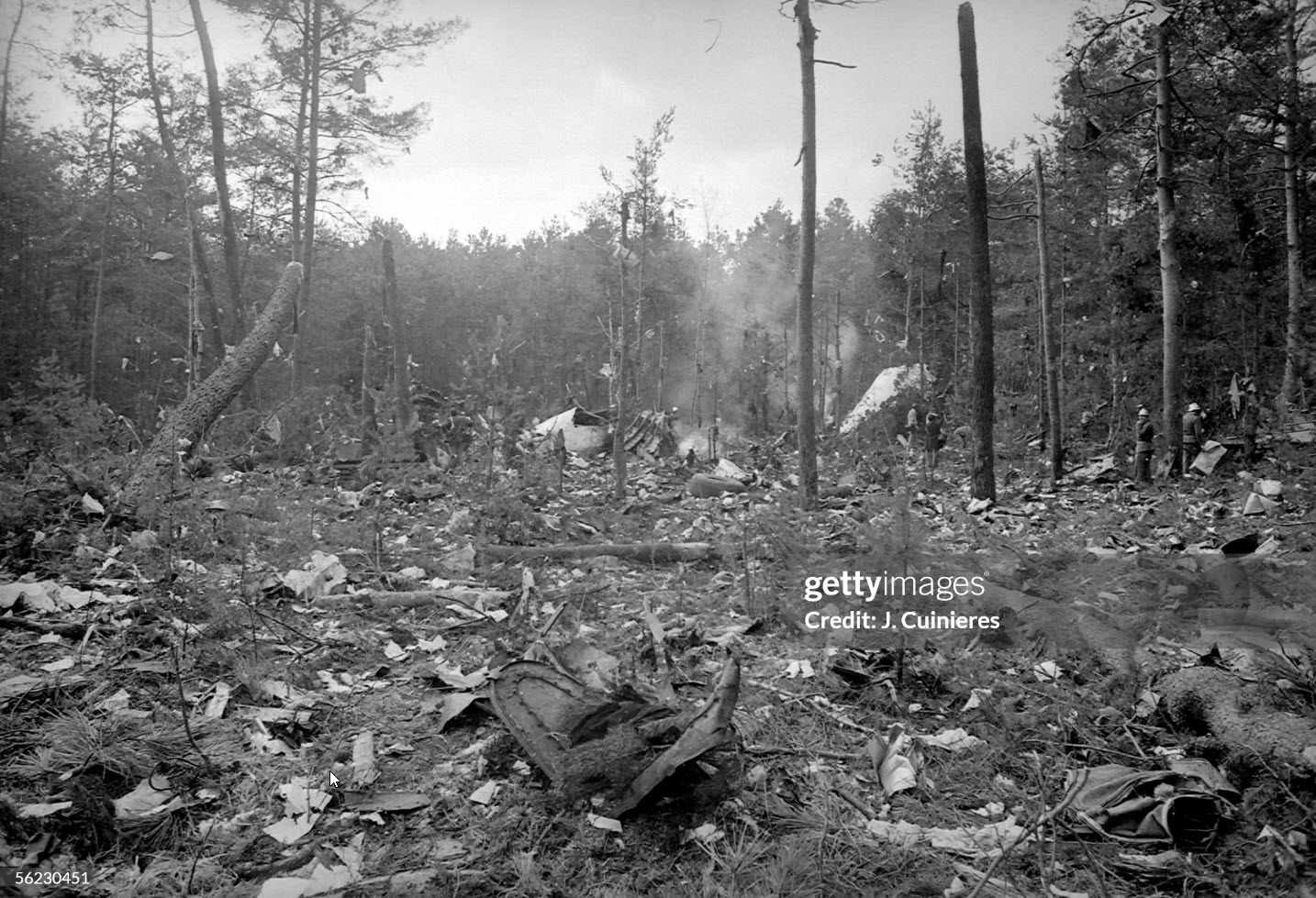
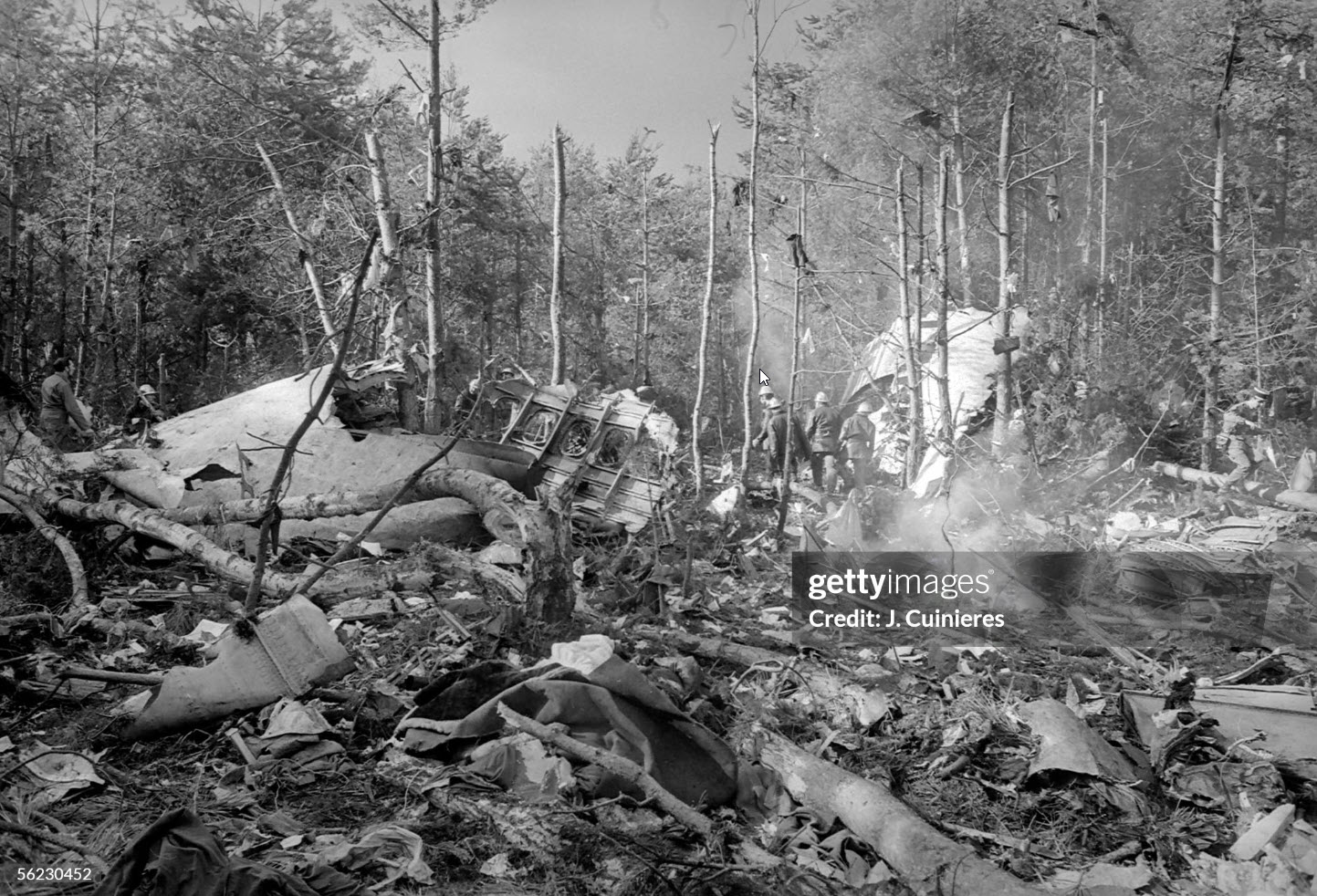
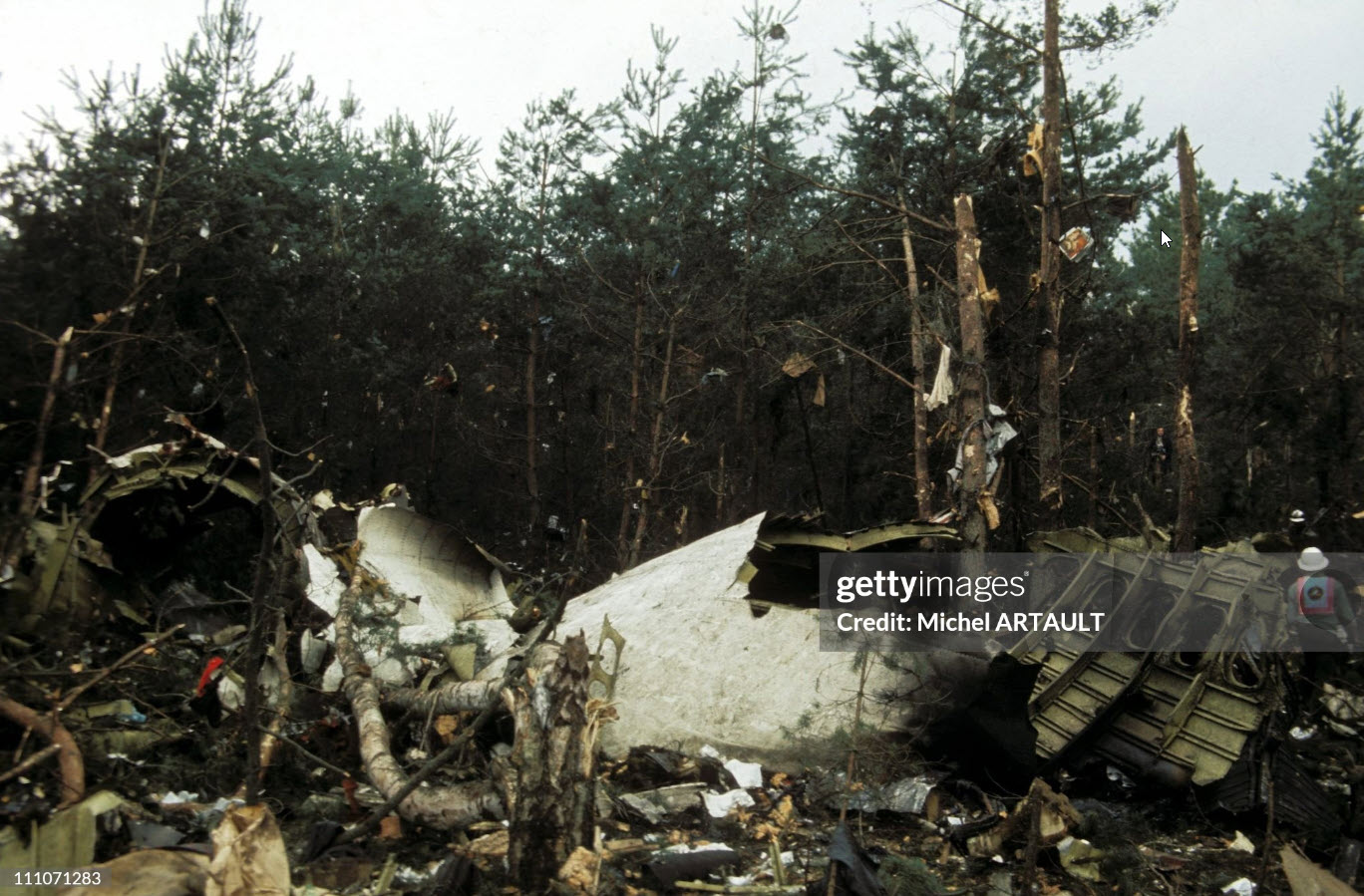
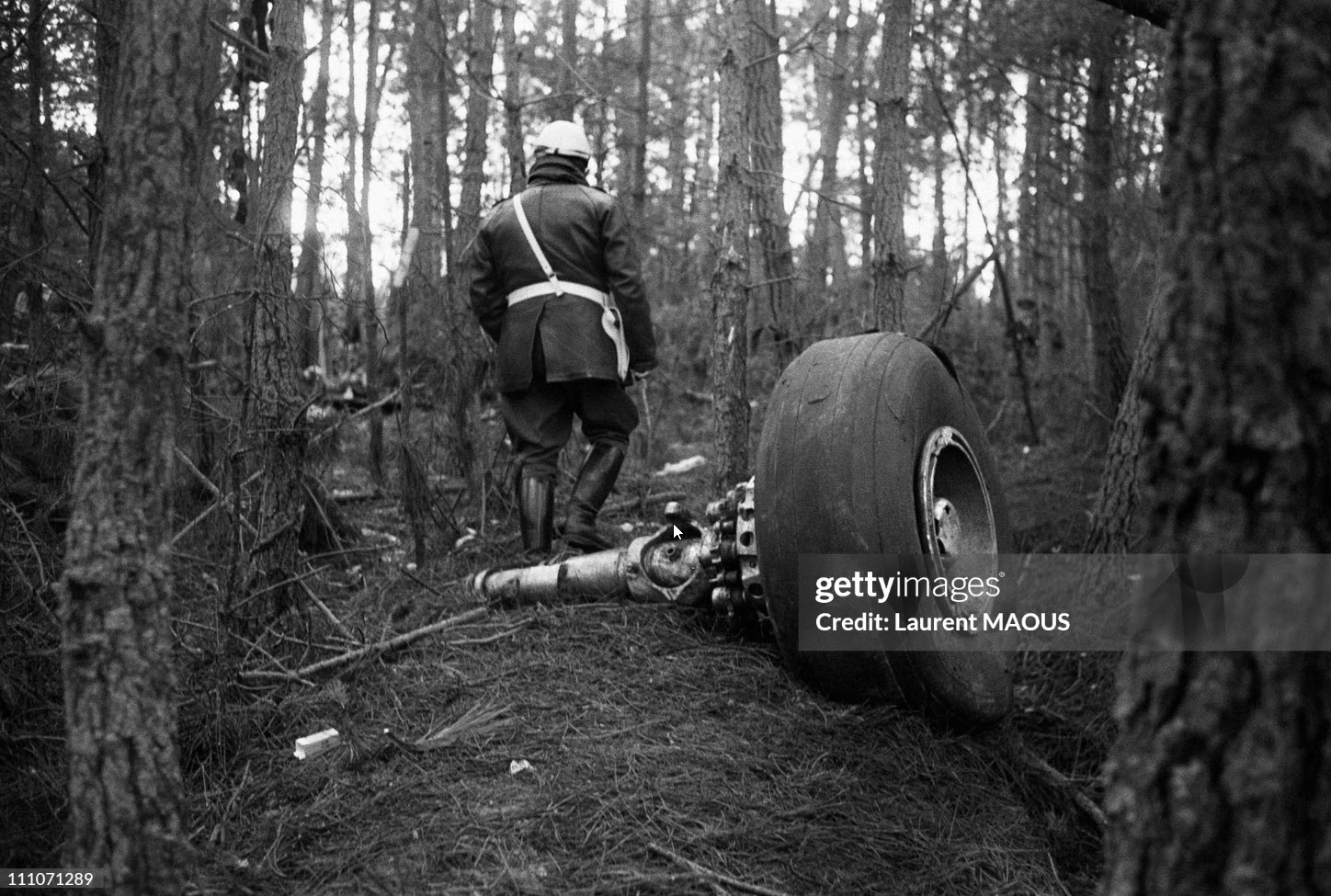
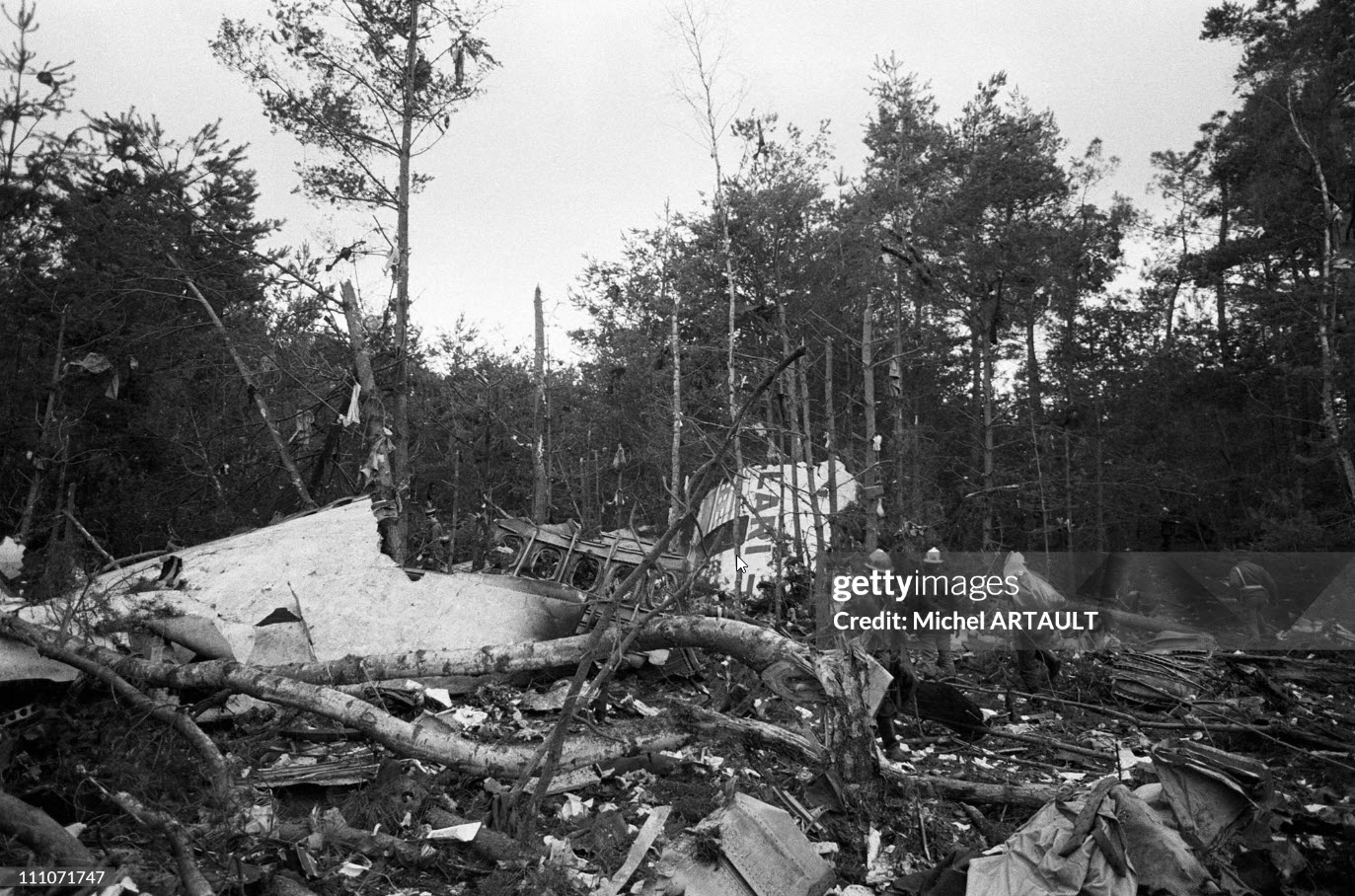
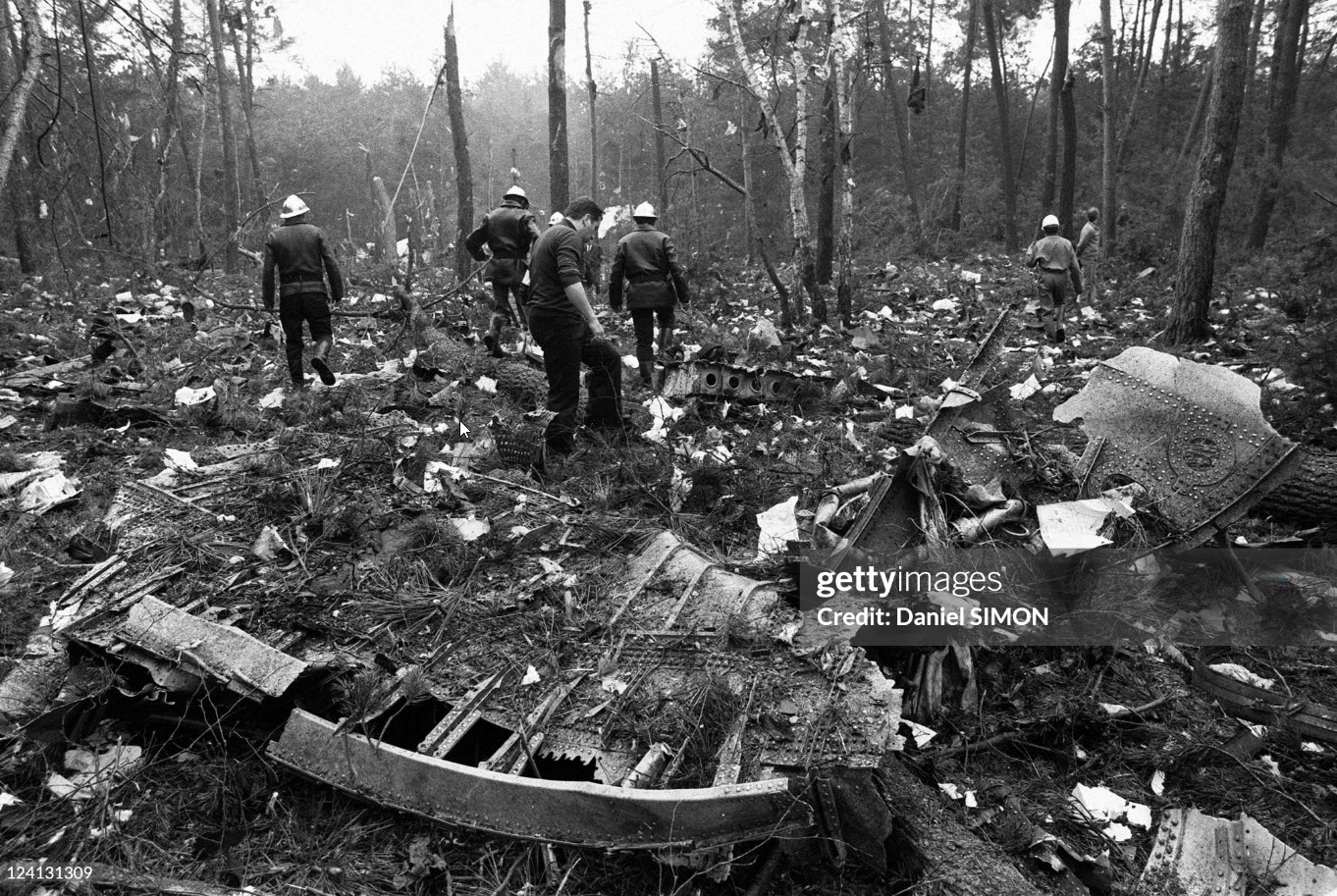
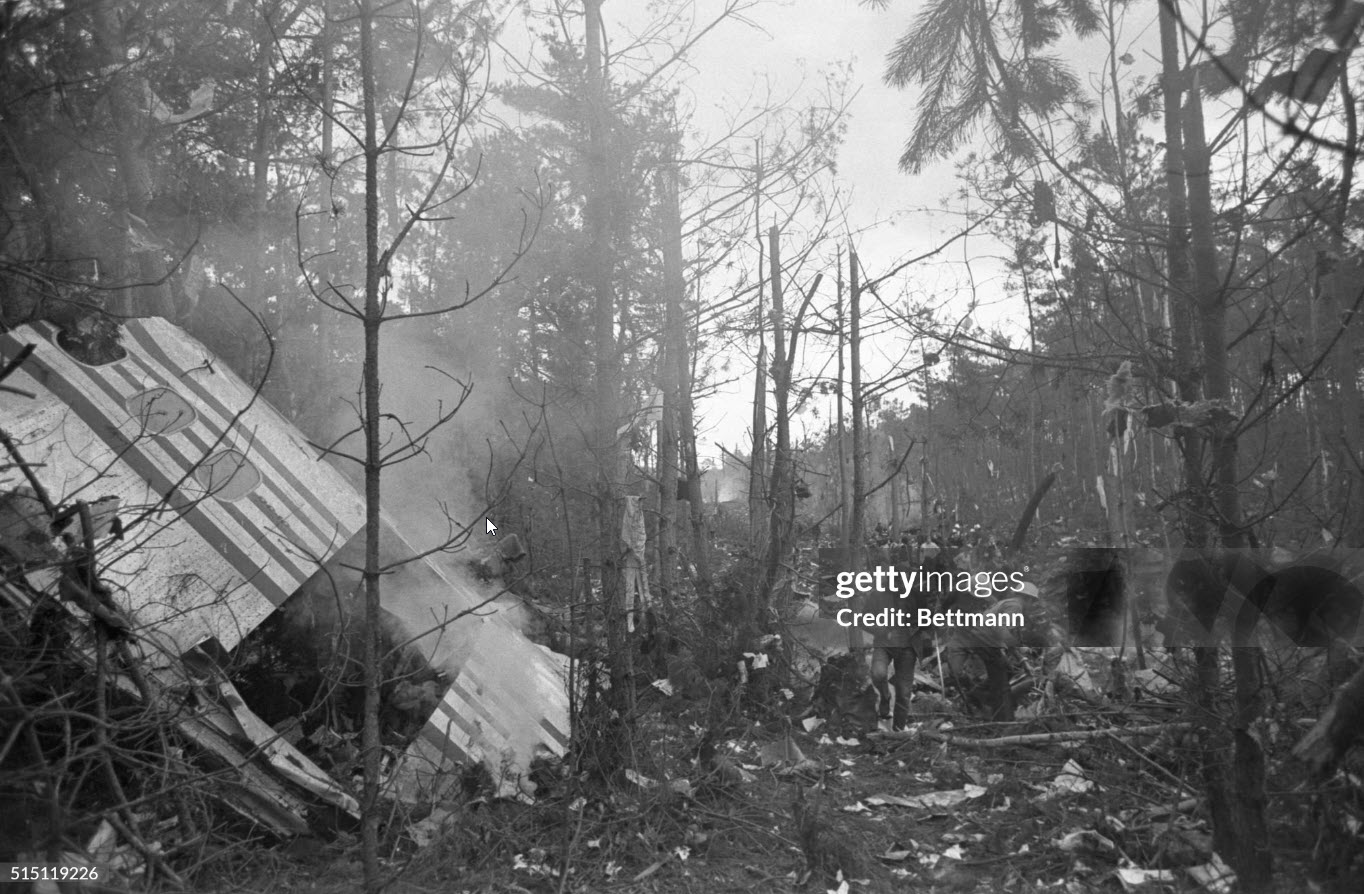
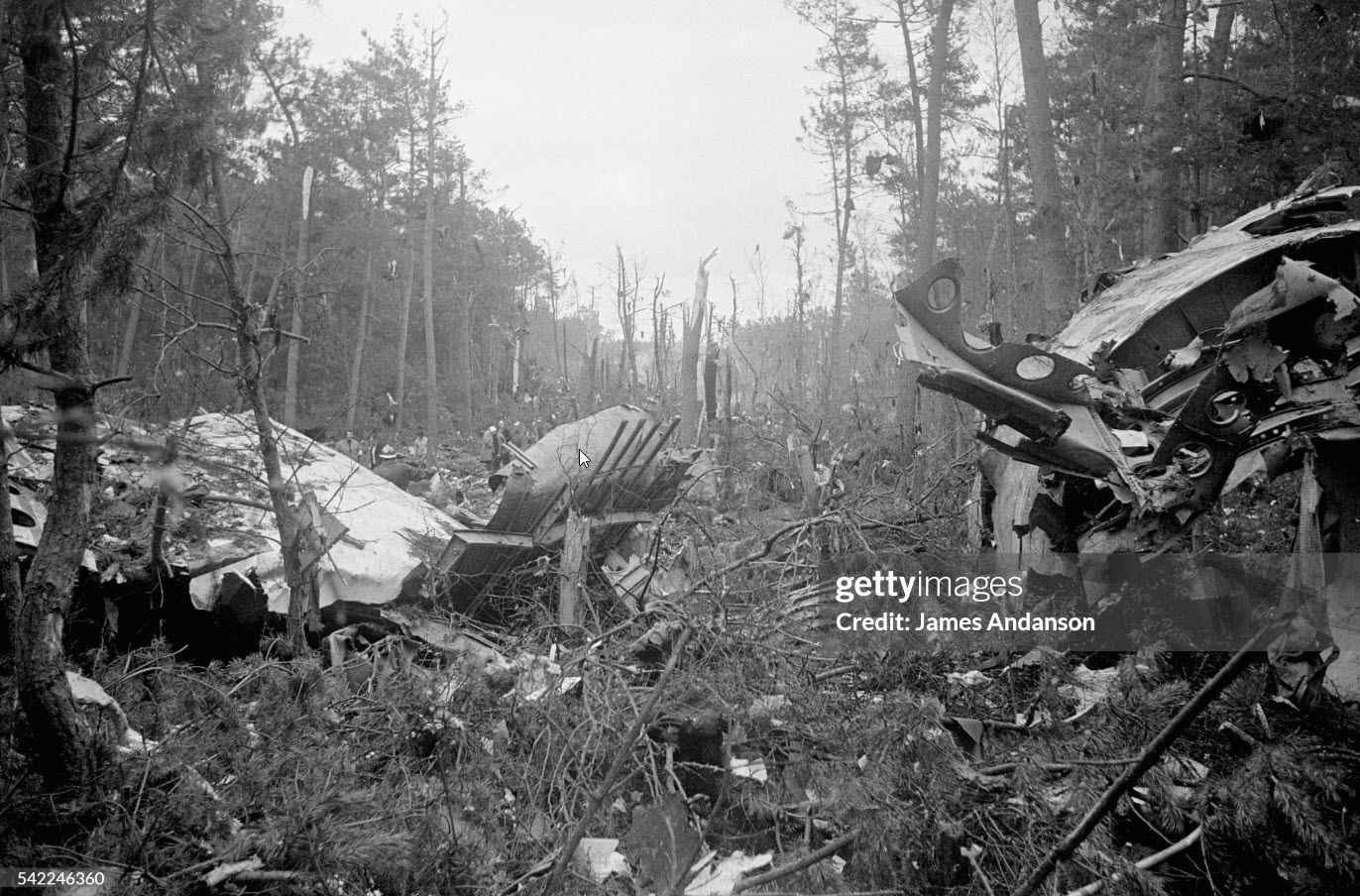
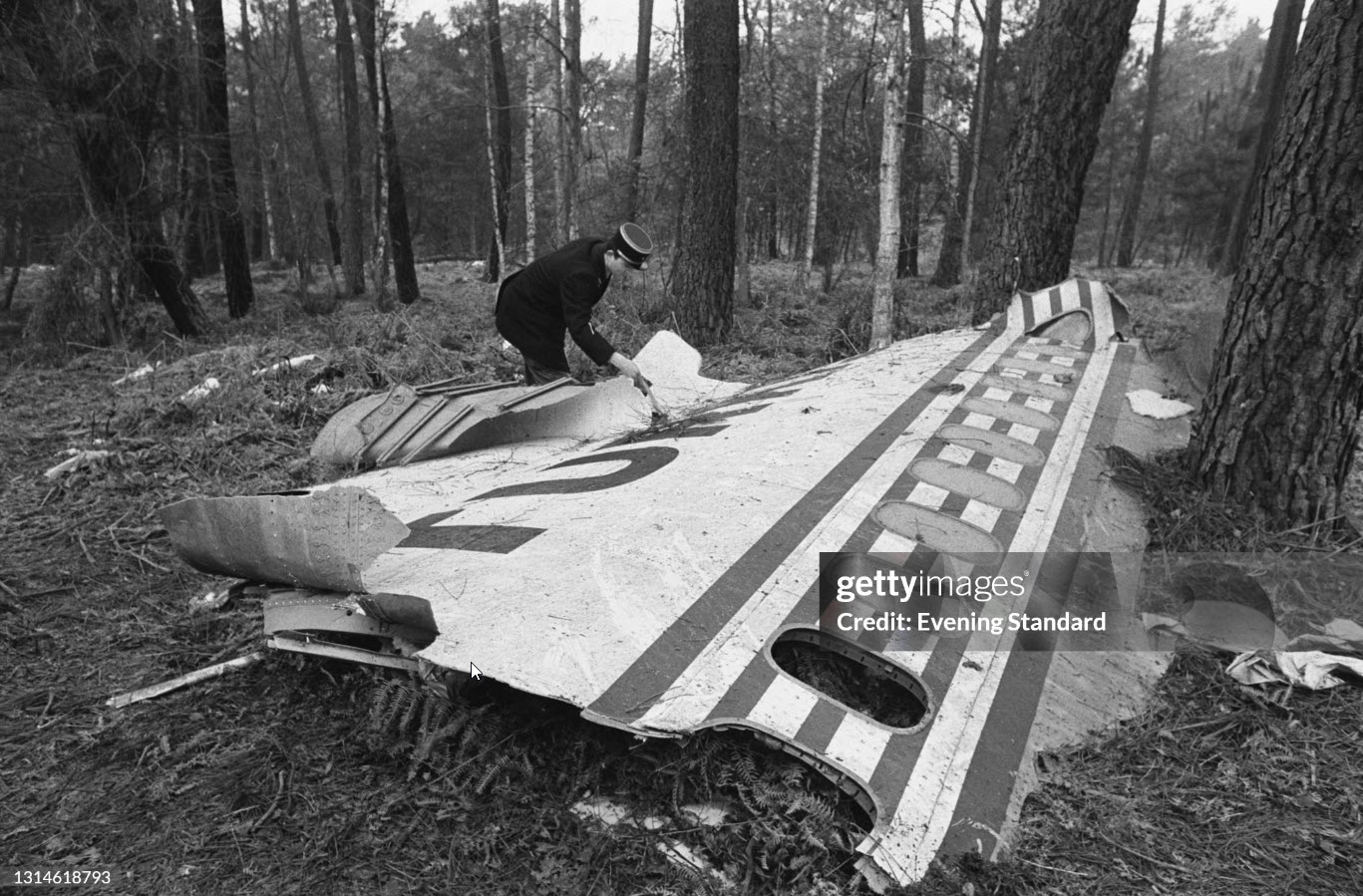
On Sunday March 3, 1974 flight TK981 departed Istanbul for a flight to Paris and London. The DC-10 landed at Paris-Orly at 11:02 and taxied to stand A2. There were 167 passengers on board, of whom 50 disembarked. The aircraft was refueled and baggage was loaded onto the plane. The planned turnaround time of one hour was delayed by 30 minutes. An additional 216 passengers embarked. Most of the passengers were booked on this flight because of a strike at British Airways. The door of the aft cargo compartment on the left-hand side was closed at about 11:35. When all preparations were complete the flight received permission to taxi to runway 08 at 12:24. Four minutes later the crew were cleared to line up for departure and were cleared for departure route 181 and an initial climb to flight level 40. The aircraft took off at approximately 12:30 and was cleared by Orly Departure to climb to FL60, which was reached at 12:34. The North Area Control Centre then cleared TK981 further to FL230. Three or four seconds before 12:40:00 hours, the noise of decompression was heard and the co-pilot said: "the fuselage has burst" and the pressurization aural warning sounded. This was caused by the opening and separation of the aft left-hand cargo door. The pressure difference in the cargo bay and passenger cabin, the floor above the cargo door partly collapsed. Two occupied tripe seat units were ejected from the aircraft. All the horizontal stabilizer and elevator control cables routed beneath the floor of the DC-10 and were thus also severely disrupted. Also the no. 2 engine power was lost almost completely. The aircraft turned 9 deg to the left and pitched nose down. The nose-down attitude increased rapidly to -20 deg. Although the no. 1 and 3 engines were throttled back the speed increased to 360 kts. The pitch attitude then progressively increased to -4 degrees and the speed became steady at 430 kts (800 km/h). At a left bank of 17 degrees the DC-10 crashed into the forest of Ermenonville, 37 km NE of Paris. The aircraft disintegrated on impact and all 346 occupants were killed, among them 48 Japanese citizens and almost 250 British people.
Probable cause:
The accident was the result of the ejection in flight of the aft cargo door on the left-hand side: the sudden depressurization which followed led to the disruption of the floor structure, causing six passengers and parts of the aircraft to be ejected, rendering No.2 engine inoperative and impairing the flight controls (tail surfaces) so that it was impossible for the crew to regain control of the aircraft. The underlying factor in the sequence of events leading to the accident was the incorrect engagement of the door latching mechanism before take-off. The characteristics of the design of the mechanism made it possible for the vent door to be apparently closed and the cargo door apparently locked when in fact the latches were not fully closed and the lock pins were not in place. It should be noted, however that a view port was provided so that there could be a visual check of the engagement of the lock pins. This defective closing of the door resulted from a combination of various factors:
- Incomplete application of Service Bulletin 52-37;
- Incorrect modifications and adjustments which led, in particular, to insufficient protrusion of the lock pins and to the switching off of the flight deck visual warning light before the door was locked;
- The circumstances of the closure of the door during the stop at Orly, and, in particular, the absence of any visual inspection, through the viewport to verify that the lock pins were effectively engaged, although at the time of the accident inspection was rendered difficult by the inadequate diameter of the view port.
Finally, although there was apparent redundancy of the flight control systems, the fact that the pressure relief vents between the cargo compartment and the passenger cabin were inadequate and that all the flight control cables were routed beneath the floor placed the aircraft in grave danger in the case of any sudden depressurization causing substantial damage to that part of the structure. All these risks had already become evident, nineteen months earlier, at the time of the Windsor accident, but no efficacious corrective action had followed.
Final Report:

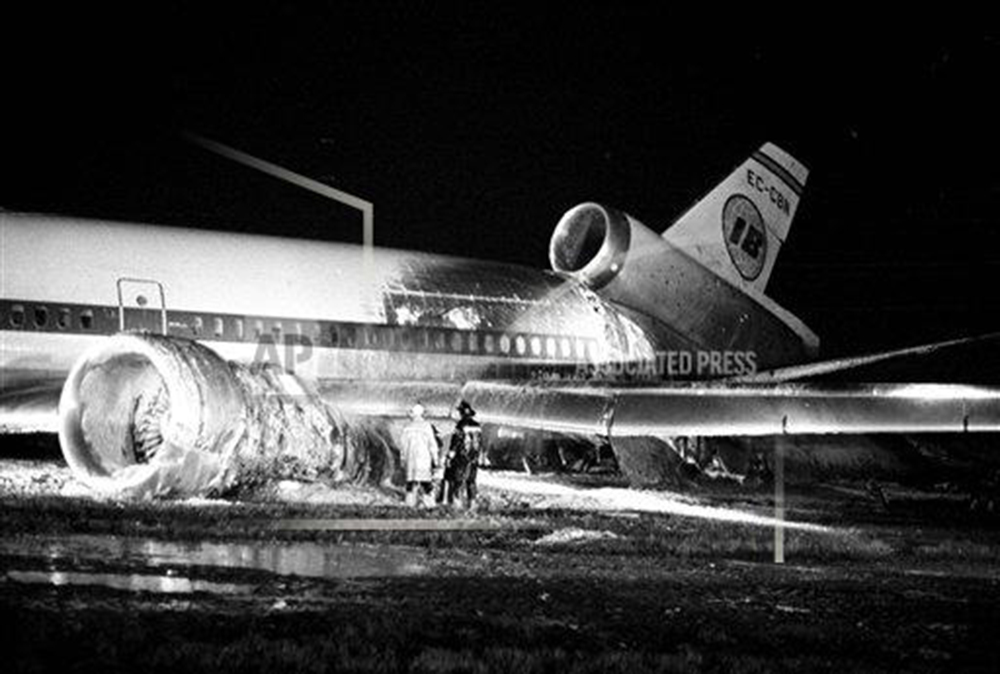
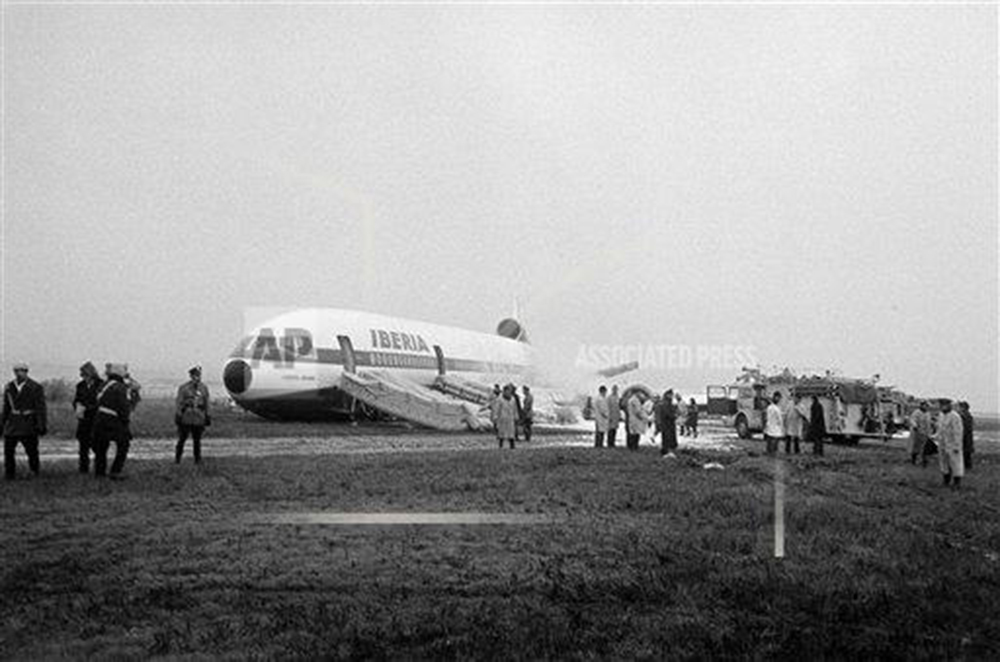
Crash of a Douglas DC-10-30 in Boston

Date & Time: Dec 17, 1973 at 1543 LT
Type of aircraft:
Operator:
Registration:
EC-CBN
Survivors:
Yes
Schedule:
Madrid - Boston
MSN:
46925/87
YOM:
1973
Flight number:
IB933
Crew on board:
14
Crew fatalities:
Pax on board:
154
Pax fatalities:
Other fatalities:
Total fatalities:
0
Captain / Total flying hours:
21705
Captain / Total hours on type:
426.00
Copilot / Total flying hours:
34189
Copilot / Total hours on type:
403
Aircraft flight hours:
2016
Circumstances:
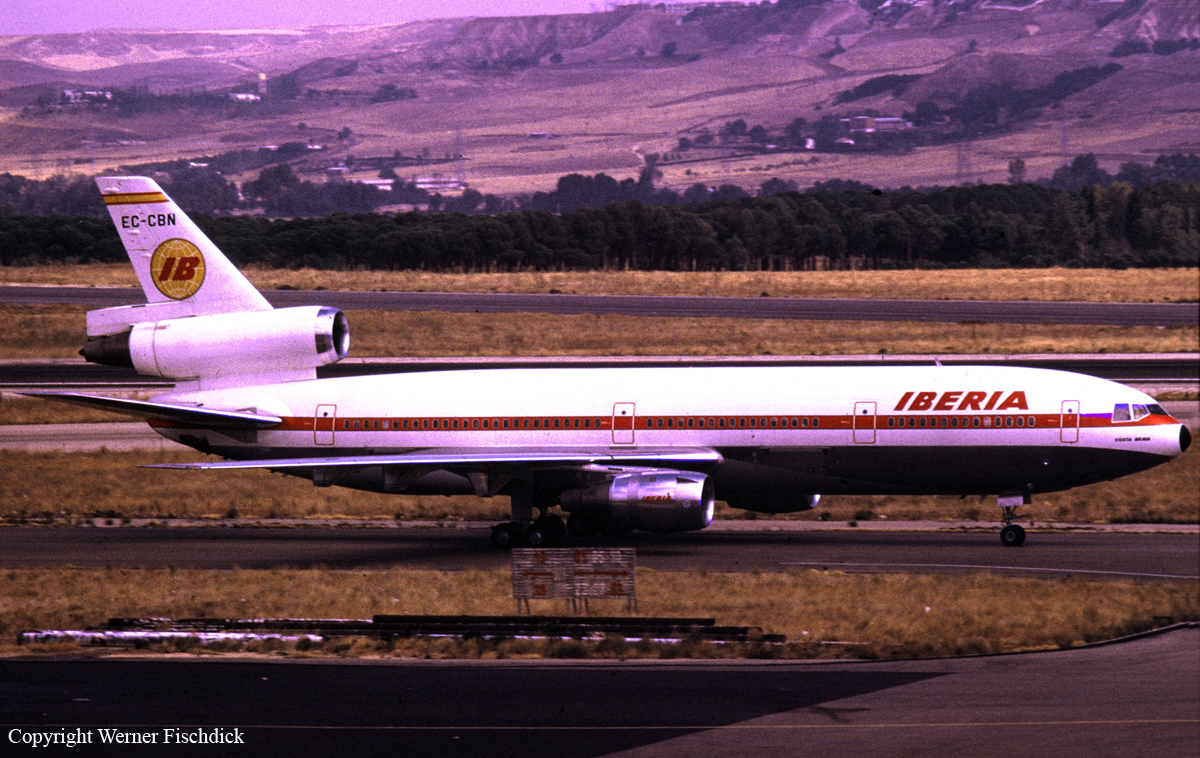
On approach to runway 33L at Boston-Logan Airport, the crew encountered marginal weather conditions with rain falls and a limited visibility to 3/4 mile in fog. While passing from IFR to VFR mode on short final, the captain failed to realize that the airplane lost height when the right main gear struck a dyke and was torn off. The airplane struck the runway surface, veered off runway to the right then lost its undercarriage and came to rest in flames. All 168 occupants were evacuated, six of them were injured. The aircraft was destroyed.
Probable cause:
The captain did not recognize, and may have been unable to recognize, an increased rate of descent in time to arrest it before the aircraft struck the approach light piers. The increased rate of descent was induced by an encounter with a low-level wind shear at a critical point in the landing approach where he was transitioning from automatic flight control under instrument flight conditions to manual flight control with visual references. The captain's ability to detect and arrest the increased rate of descent was adversely affected by a lack of information as to the existence of the wind shear and the marginal visual cues available. The minimal DC-10 wheel clearance above the approach lights and the runway threshold afforded by the ILS glide slope made the response time critical and, under the circumstances, produced a situation wherein a pilot's ability to make a safe landing was greatly diminished.
Final Report: