


Country
Crash of a Britten-Norman BN-2T Islander in Kiunga: 12 killed
Date & Time:
Apr 13, 2016 at 1420 LT
Operator:

Registration:
P2-SBC
Survivors:
No
Schedule:
Oksapmin – Kiunga
MSN:
3010
YOM:
1983
Crew on board:
1
Crew fatalities:
Pax on board:
11
Pax fatalities:
Other fatalities:
Total fatalities:
12
Captain / Total hours on type:
254.00
Aircraft flight hours:
2407
Aircraft flight cycles:
2886
Circumstances:
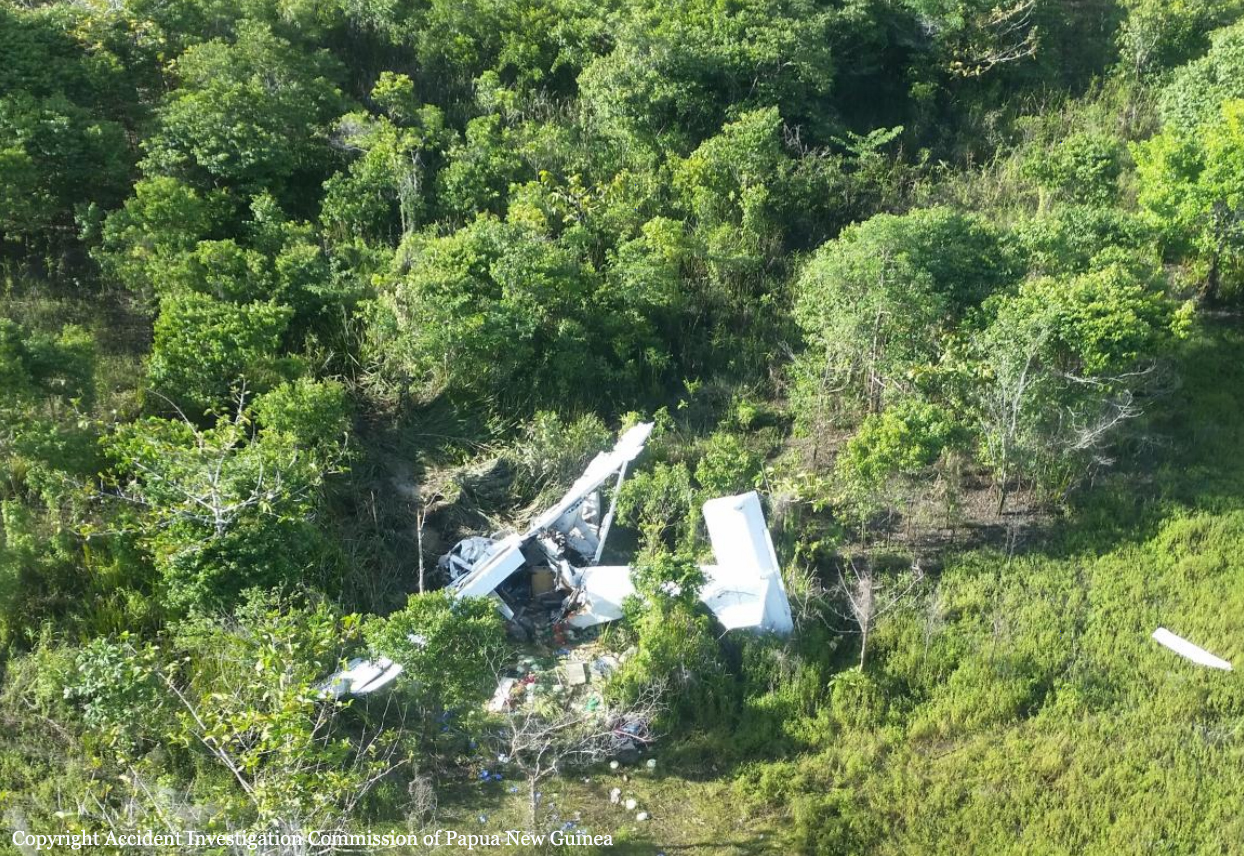
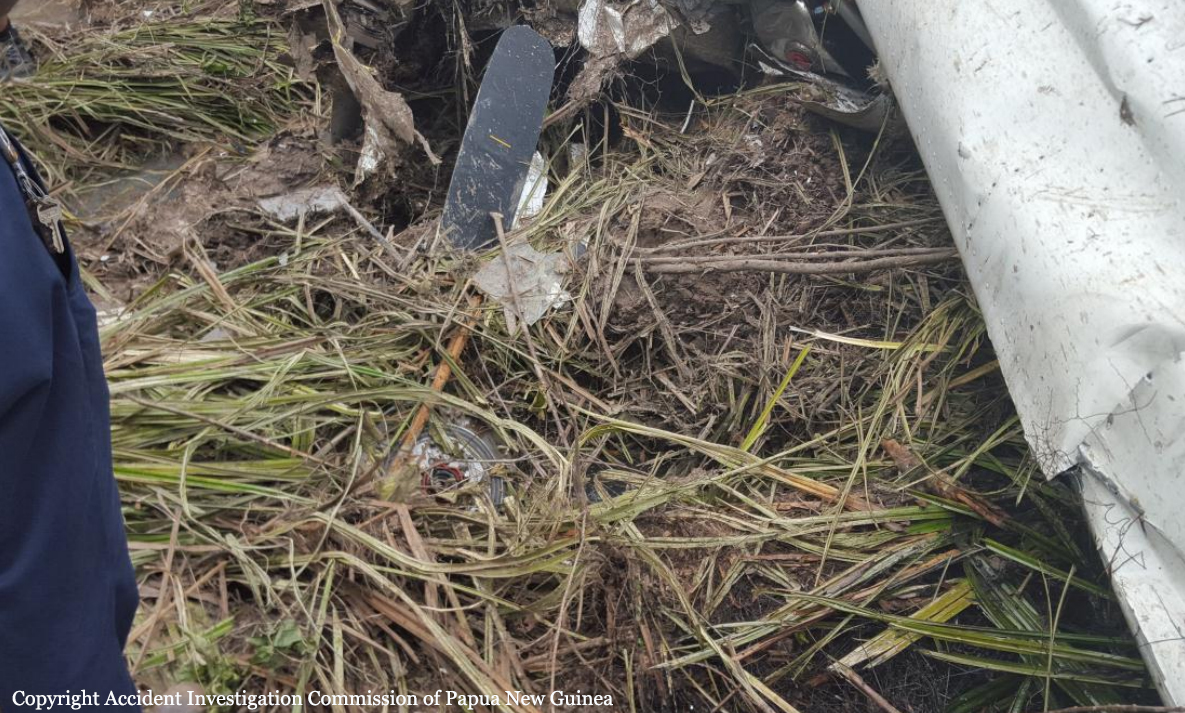
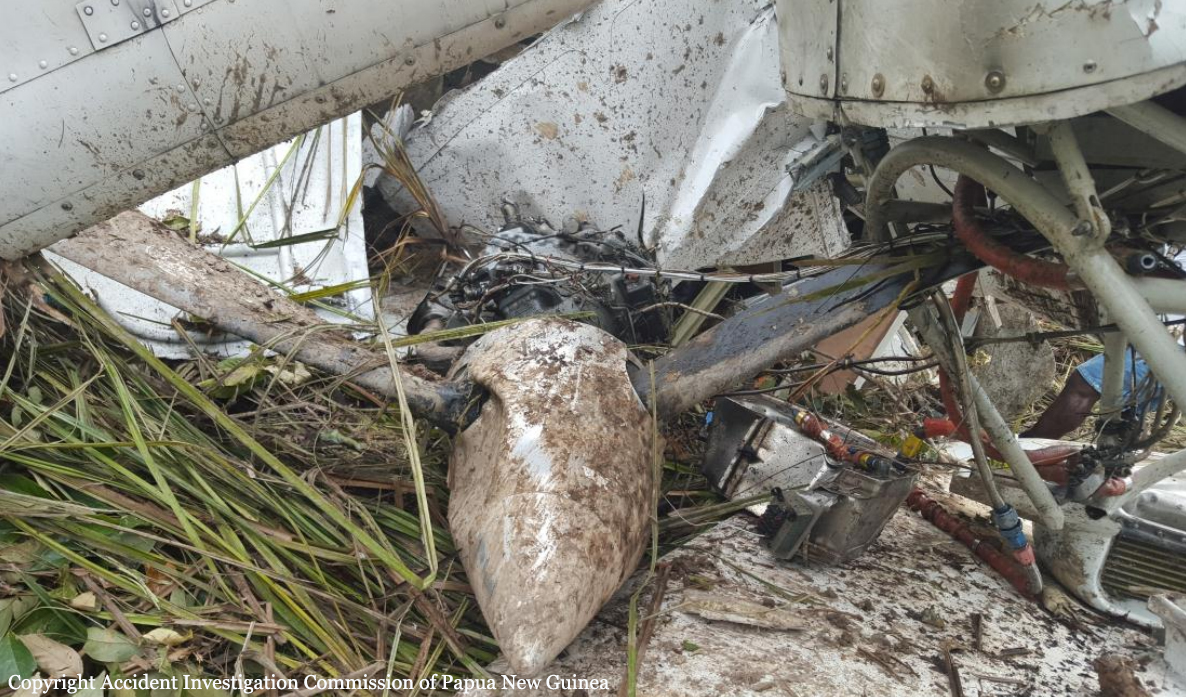
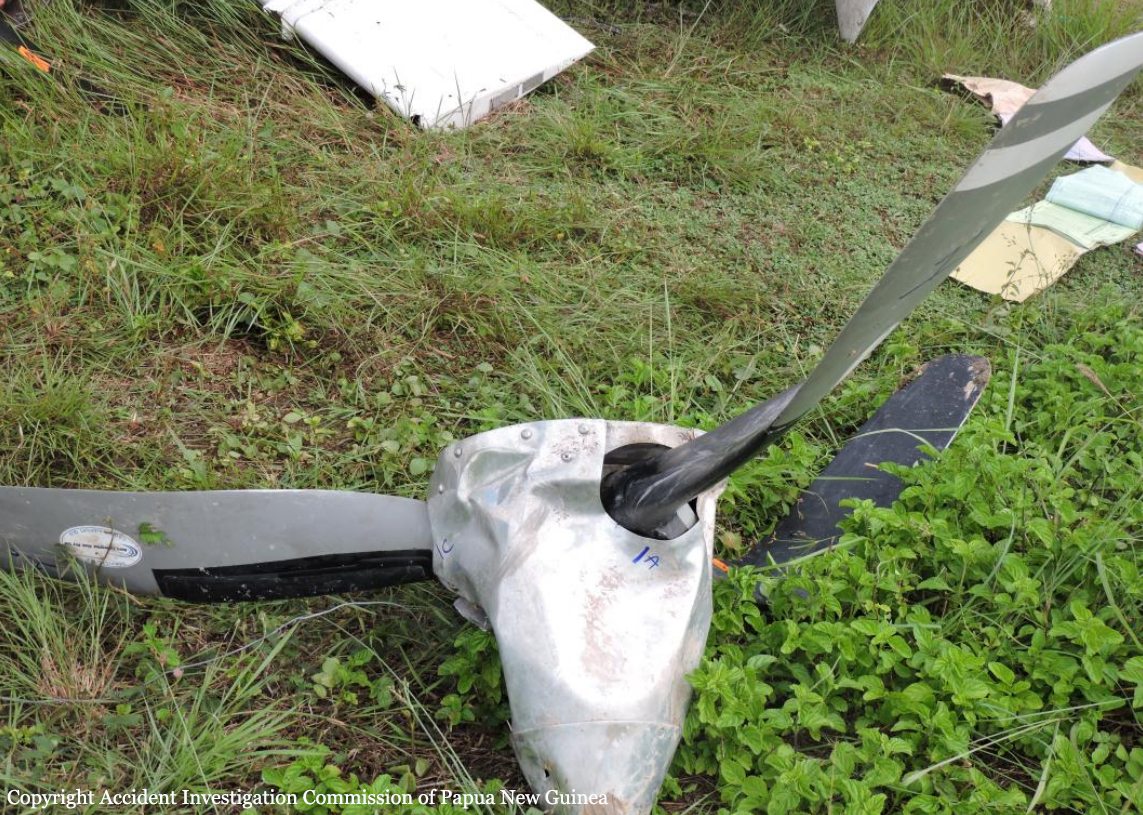
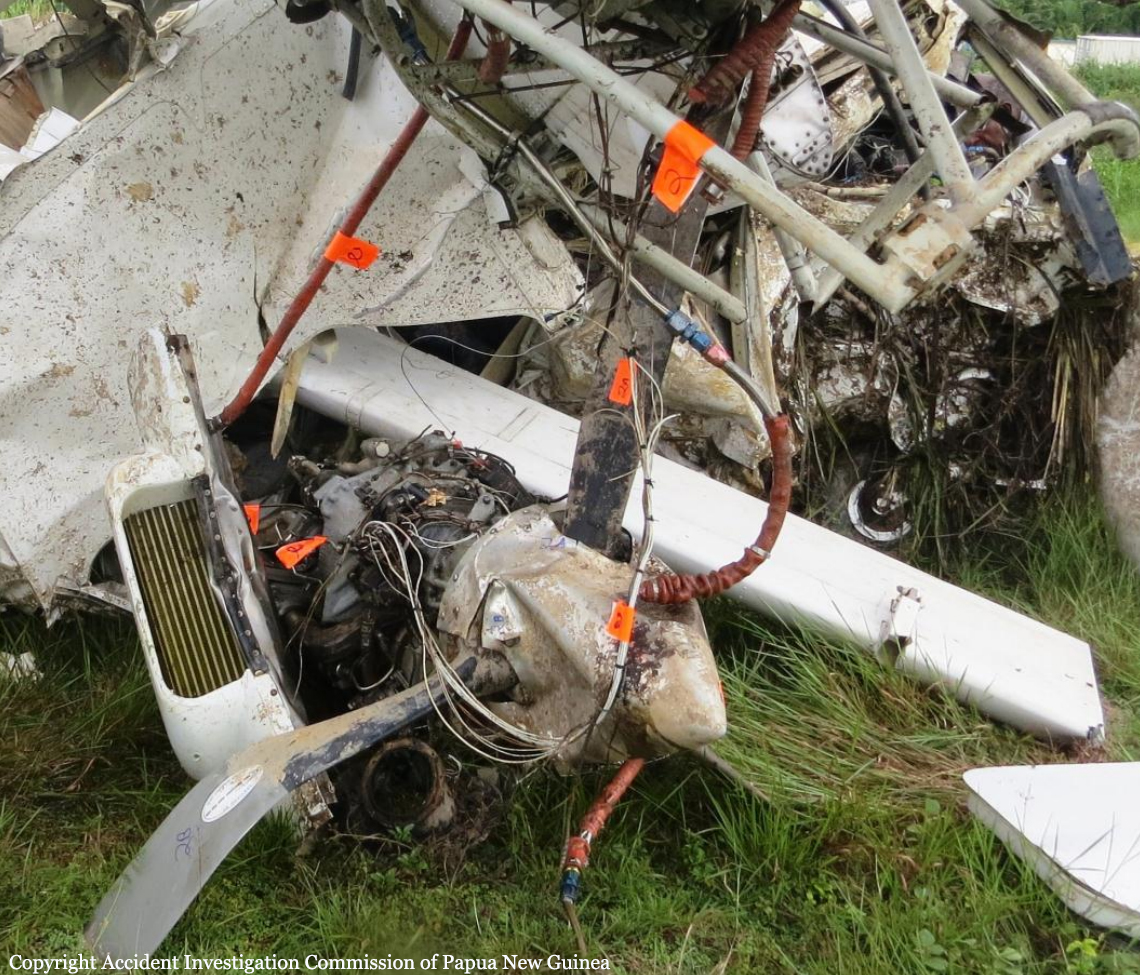
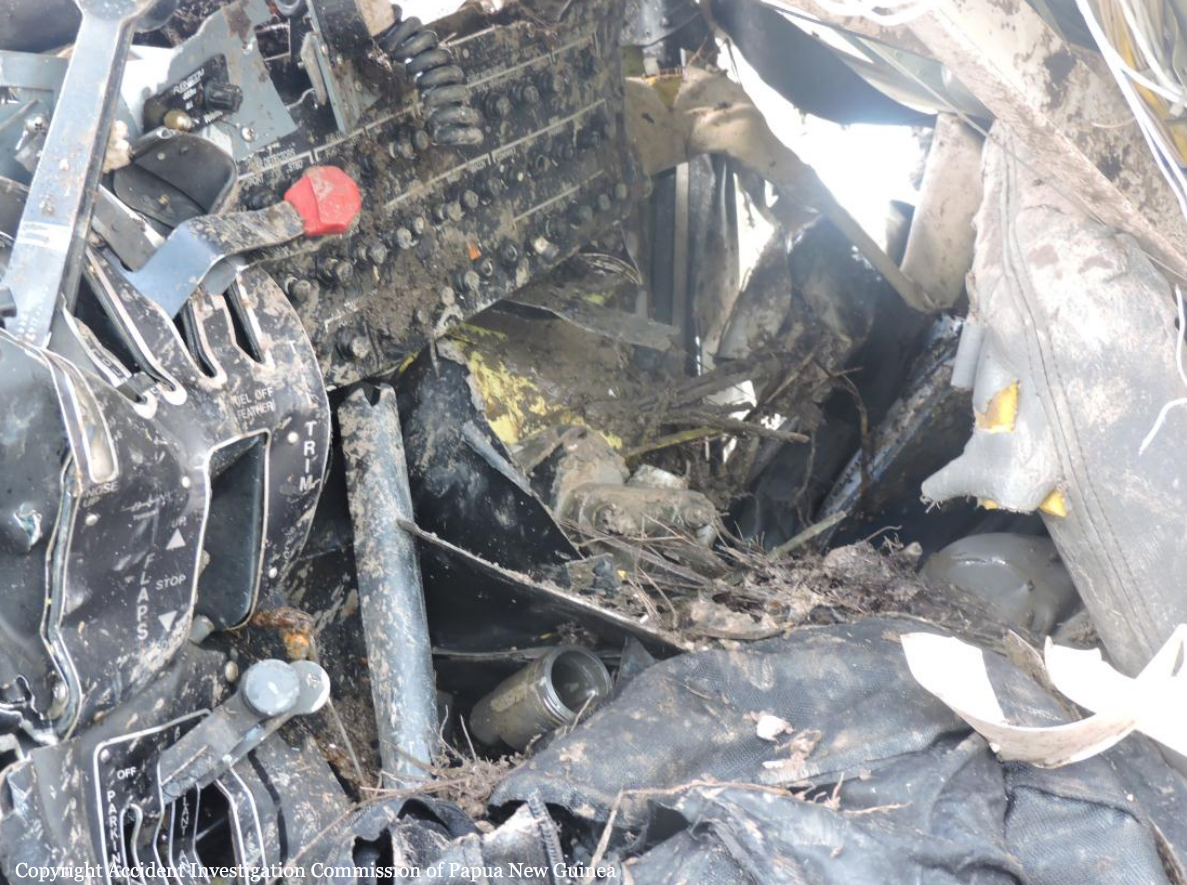
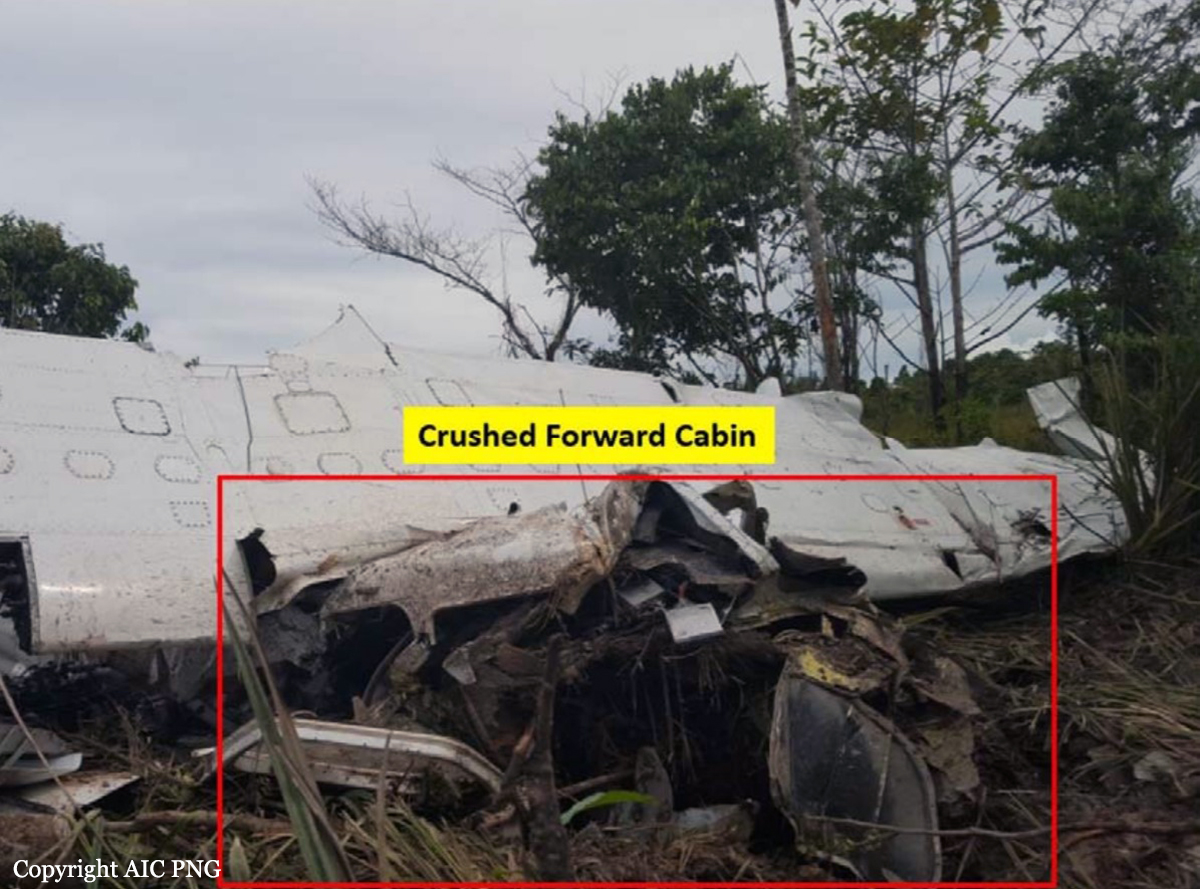
On the afternoon of 13 April 2016, a Pilatus Britten Norman Turbine Islander (BN-2T) aircraft, registered P2-SBC, operated by Sunbird Aviation Ltd, departed from Tekin, West Sepik Province for Kiunga, Western Province, as a charter flight under the visual flight rules. On board were the pilot-in-command (PIC) and 11 passengers (eight adults and three children). The aircraft was also carrying vegetables. The pilot reported departing Oksapmin at 13:56. The pilot had flight planned, Kiunga to Oksapmin to Kiunga. However, the evidence revealed that without advising Air Traffic Services, the pilot flew from Oksapmin to Tekin. On departure from Tekin the pilot transmitted departure details to ATS, stating departure from Oksapmin. The recorded High Frequency radio transmissions were significantly affected by static and hash. The weather at Kiunga was reported to be fine. As the aircraft entered the Kiunga circuit area, the pilot cancelled SARWATCH with Air Traffic Services (ATS). The pilot did not report an emergency to indicate a safety concern. Witnesses reported that during its final approach, the aircraft suddenly pitched up almost to the vertical, the right wing dropped, and the aircraft rolled inverted and rapidly “fell to the ground”. It impacted the terrain about 1,200 metres west of the threshold of runway 07. The impact was vertical, with almost no forward motion. The aircraft was destroyed, and all occupants were fatally injured.
Probable cause:
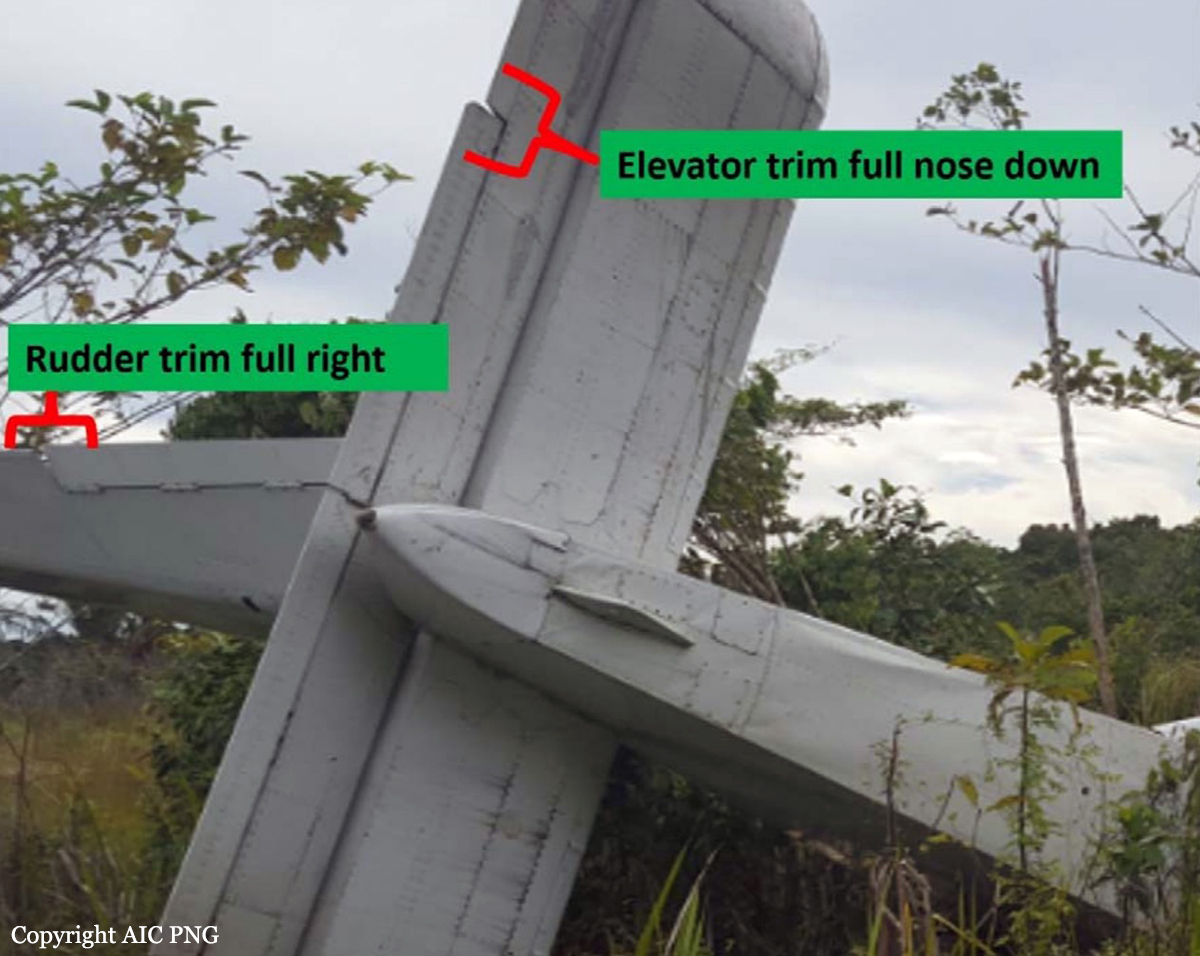
The aircraft’s centre of gravity was significantly aft of the aft limit. When landing flap was set, full nose-down elevator and elevator trim was likely to have had no effect in lowering the nose of the aircraft. Unless the flaps had been retracted immediately, the nose-up pitch may also have resulted in tail plane stall, exacerbating the pitch up. The wings stalled, followed immediately by the right wing dropping. Recovery from the stall at such a low height was not considered possible.
Other factors:
Other factors is used for safety deficiencies or concerns that are identified during the course of the investigation, that while not causal to the accident, nevertheless should be addressed with the
aim of accident and serious incident prevention, and the safety of the travelling public.
a) Following the reweighing of SBC, the operator did not make adjustments to account for the shift of the moment arm as a result of the reweighing. Specifically, a reduction of allowable maximum weight in the baggage compartment.
b) The pilot, although signing the flight manifest on previous flights attesting that the aircraft was loaded within c of g limits, had not computed the c of g. No documentation was available to confirm that the pilot had computed the c of g for the accident flight, or any recent flights.
c) All of the High Frequency radio transmissions between Air Traffic Services and SBC were significantly affected by static interference and a lot of hash, making reception difficult, and many transmissions unclear and unreadable. This is a safety concern to be addressed to ensure that vital operational radio transmissions are not missed for the safety of aircraft operations, and the travelling public.
Other factors:
Other factors is used for safety deficiencies or concerns that are identified during the course of the investigation, that while not causal to the accident, nevertheless should be addressed with the
aim of accident and serious incident prevention, and the safety of the travelling public.
a) Following the reweighing of SBC, the operator did not make adjustments to account for the shift of the moment arm as a result of the reweighing. Specifically, a reduction of allowable maximum weight in the baggage compartment.
b) The pilot, although signing the flight manifest on previous flights attesting that the aircraft was loaded within c of g limits, had not computed the c of g. No documentation was available to confirm that the pilot had computed the c of g for the accident flight, or any recent flights.
c) All of the High Frequency radio transmissions between Air Traffic Services and SBC were significantly affected by static interference and a lot of hash, making reception difficult, and many transmissions unclear and unreadable. This is a safety concern to be addressed to ensure that vital operational radio transmissions are not missed for the safety of aircraft operations, and the travelling public.
Final Report:




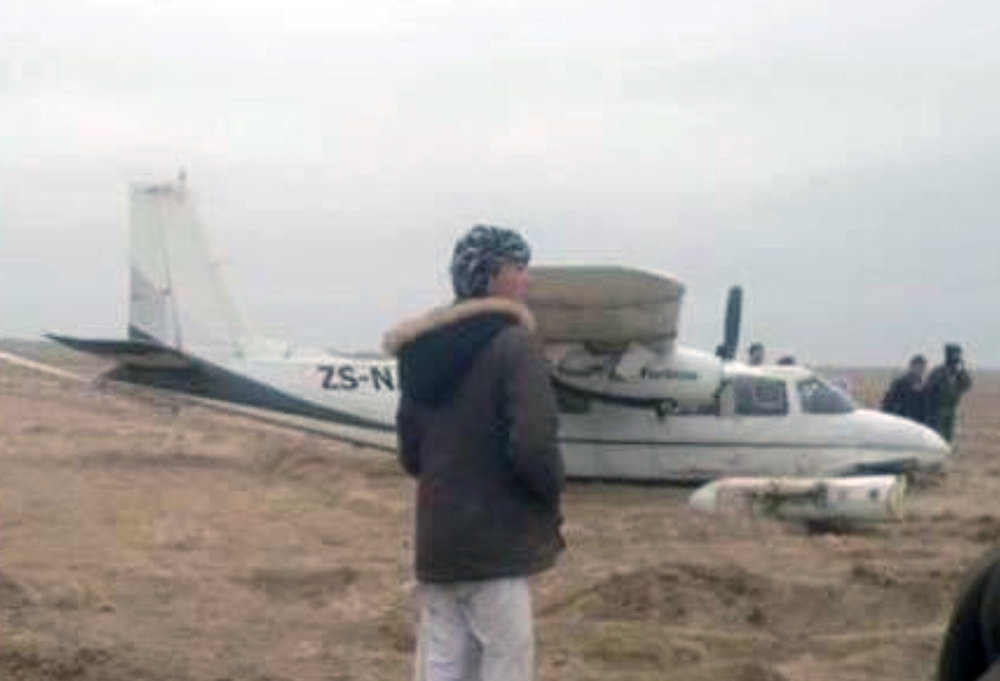
Crash of a Britten Norman BN-2T Islander near Dawlatabad
Date & Time:
Jan 20, 2015
Operator:

Registration:
ZS-NAT
Survivors:
Yes
MSN:
2158
YOM:
1986
Crew on board:
2
Crew fatalities:
Pax on board:
0
Pax fatalities:
Other fatalities:
Total fatalities:
0
Circumstances:
The aircraft was completing a geophysical mission on behalf of Xcalibur Airborne Geophysics, with two pilots on board. En route, the crew encountered an unexpected situation and attempted an emergency landing. The aircraft crash landed in a rocky terrain, lost its undercarriage and came to rest. Both occupants escaped uninjured and the aircraft was damaged beyond repair.

Crash of a Britten Norman BN-2A-8 Islander in Los Roques
Date & Time:
Jan 16, 2015
Operator:

Registration:
YV2238
Survivors:
Yes
Schedule:
Higuerote - Los Roques
MSN:
296
YOM:
1971
Crew on board:
1
Crew fatalities:
Pax on board:
9
Pax fatalities:
Other fatalities:
Total fatalities:
0
Circumstances:
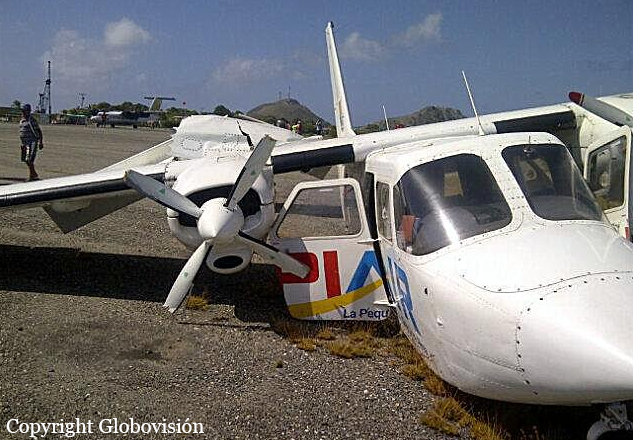
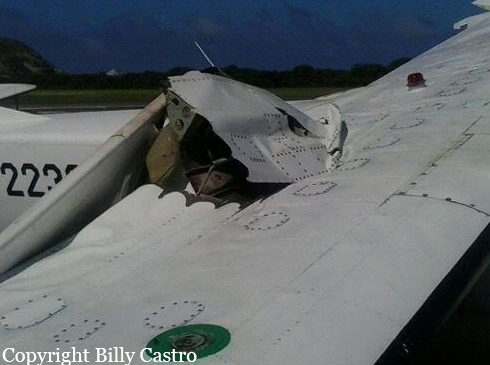
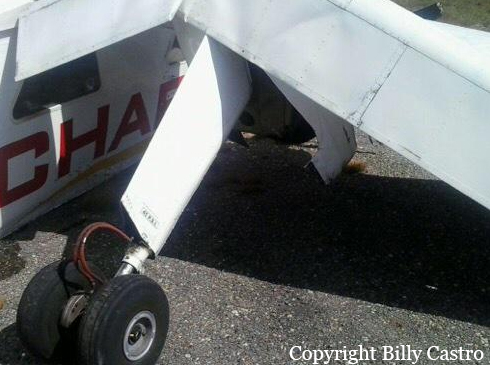
For unknown reasons, the aircraft landed hard on runway 07 at Los Roques Airport. Upon impact, the right main gear collapsed and punctured the right wing. Out of control, the twin engine aircraft cartwheeled and came to rest near the runway shoulder. All 10 occupants escaped uninjured and the aircraft was damaged beyond repair.


Crash of a Britten Norman BN-2A-6 Islander near Mahdia: 2
Date & Time:
Dec 28, 2014 at 1145 LT
Operator:

Registration:
8R-GHE
Survivors:
No
Schedule:
Mahdia – Karisparu
MSN:
269
YOM:
1971
Crew on board:
1
Crew fatalities:
Pax on board:
1
Pax fatalities:
Other fatalities:
Total fatalities:
2
Aircraft flight hours:
25818
Circumstances:
The crew (a pilot and a load master) was performing a regular cargo service to Karisparu and departed Mahdia Airport at 1142LT. The duration of the flight should be less than 20 minutes as the aircraft was scheduled to arrive at Karisparu Airfield at 1200LT. Less than three minutes after departure, the radio contact was lost with the pilot. SAR operations were initiated but after four days, no trace of the aircraft nor the crew was found. The Director General of the Guyana Civil Aviation Authority (GCAA), Zulfikar Mohamed, said that the crucial 72-hour window period since the aircraft vanished in the thick jungle in Region Eight expired on Tuesday December 30. On January 4, 2015, all SAR operations were suspended as no trace of the aircraft was found.
Probable cause:
Due to lack of evidences, the cause of the accident could not be determined.
Final Report:
Crash of a Britten Norman BN-2A Islander near Chirundu
Date & Time:
Jul 6, 2014 at 1630 LT
Registration:
9Q-CYA
Survivors:
Yes
Schedule:
Lanseria – Lubumbashi
MSN:
617
YOM:
1970
Crew on board:
2
Crew fatalities:
Pax on board:
0
Pax fatalities:
Other fatalities:
Total fatalities:
0
Circumstances:
The crew departed Lanseria on a positioning flight to Lubumbashi where the aircraft was based. En route, the crew encountered engine problems and elected to make an emergency landing on the Lusaka - Chirundu Road. Eventually, the twin engine aircraft crashed in a cliff. Both occupants were injured and the aircraft was destroyed.




Crash of a Britten Norman BN-2A-26 Islander in Monkey Mountain
Date & Time:
Jul 6, 2014 at 0950 LT
Registration:
8R-GGY
Survivors:
Yes
Schedule:
Ogle – Omai – Mahdia – Monkey Mountain
MSN:
470
YOM:
1975
Crew on board:
1
Crew fatalities:
Pax on board:
1
Pax fatalities:
Other fatalities:
Total fatalities:
0
Circumstances:
The Authority said the aircraft left the Ogle International Airport earlier in the day and made stops at Omai and Mahdia before heading at Monkey Mountain Airfield with several goods on board. On approach to Monkey Mountain, the plane circled the airstrip several times before landing. Shortly after setting down, it was claimed the aircraft veered off the runway, hit few obstacles and came to rest. While both occupants were uninjured, the aircraft was damaged beyond repair. It appears that weather was poor at the time of the accident with rain and winds and low clouds.
Probable cause:
Guyana Civil Aviation Authority (GCAA) Director General Zulficar Mohamed disclosed that an initial investigation revealed that the Pilot involved in the Monkey Mountain mishap landed short of the runway. As a result, the landing gear of the plane was damaged and from there on, it was difficult to control the 10-seater Islander aircraft. The aircraft subsequently veered off the airstrip causing extensive damage. Mr. Mohamed further stated that the wrecked aircraft is beyond repair, but he was unsure if the operators will attempt to salvage what is left. The aircraft, owned by Domestic Airways, was piloted by Captain Orlando Charles.


