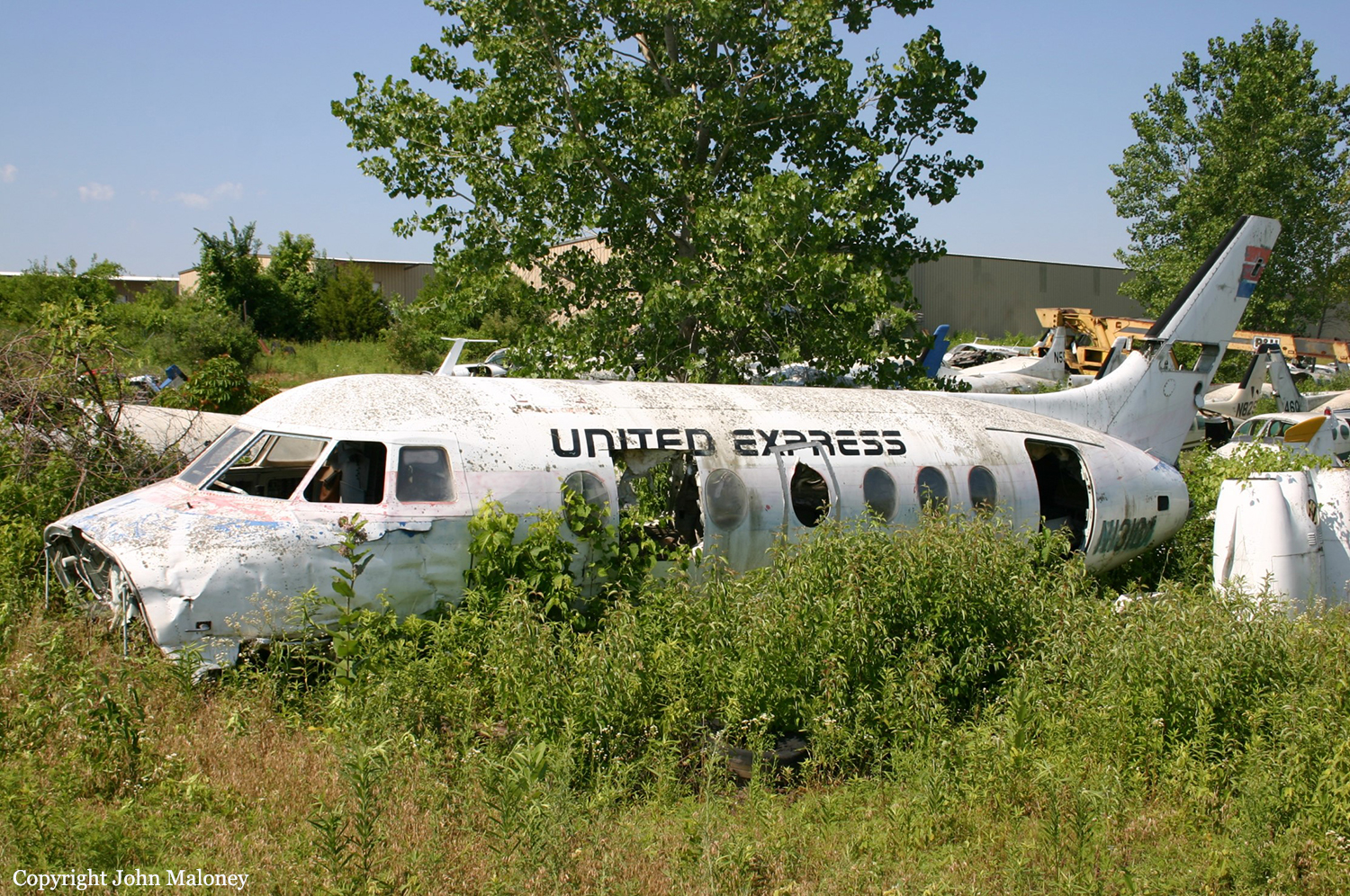
Crash of a BAe 3101 Jetstream 31 in Merced

Date & Time: Apr 19, 1993 at 2320 LT
Type of aircraft:
Operator:
Registration:
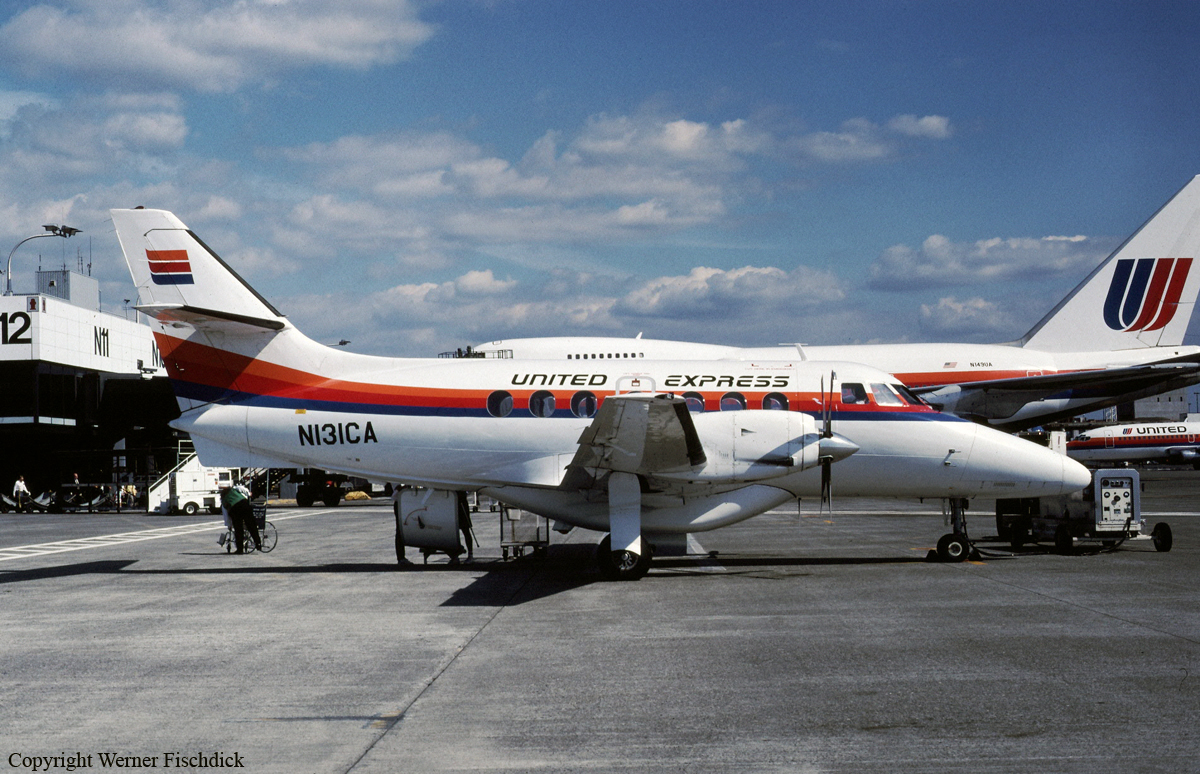
N131CA
Flight Phase:
Flight Type:
Survivors:
Yes
Schedule:
Merced - Merced
MSN:
787
YOM:
1987
Crew on board:
3
Crew fatalities:
Pax on board:
0
Pax fatalities:
Other fatalities:
Total fatalities:
0
Captain / Total flying hours:
16990
Captain / Total hours on type:
600.00
Copilot / Total hours on type:
3925
Aircraft flight hours:
8873
Circumstances:
The company chief pilot/check pilot was giving a check flight to a company first officer (f/o). An FAA inspector was aboard to observe the check pilot's ability to give proficiency check flights. Soon after liftoff on the 2nd takeoff, the check pilot simulated an engine failure. The f/o, who was wearing a vision limiting device, allowed the airplane to drift to the left, but the FAA inspector noted that the f/o successfully regained directional control. The inspector then looked away from the cockpit, and when he looked back, the airplane was descending. Moments later, it collided with the ground. The FAA inspector reported that the check pilot was looking to the left, outside of the aircraft, and did not have his hand near the power quadrant. Review of the CVR tape revealed that, from the time the f/o was given the simulated left engine failure until impact, the check pilot did not say anything to the f/o. No maintenance discrepancy or material deficiency was noted during the investigation. The f/o had 3925 hours in this make/model of aircraft.
Probable cause:
The first officer's failure to maintain an adequate rate of climb after a single-engine loss of power was simulated, and the company check pilot's inadequate supervision and failure to note the descent. Darkness was a related factor.
Final Report:
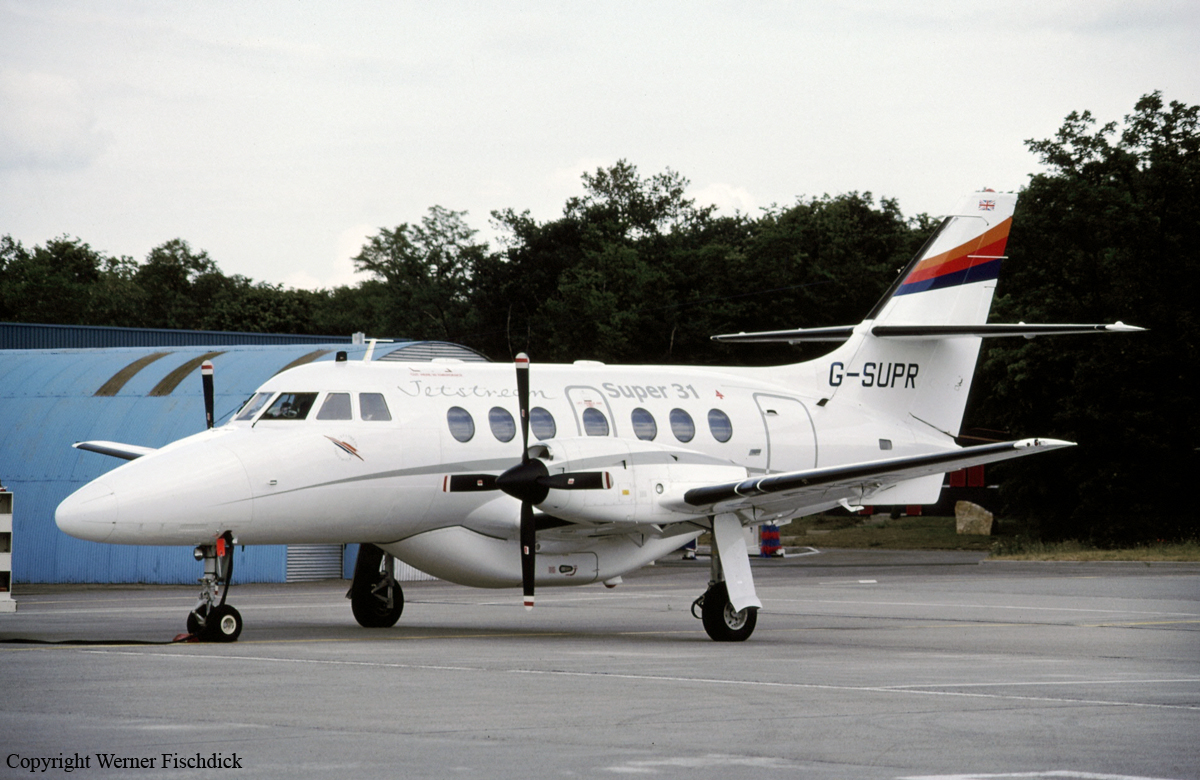
Crash of a BAe 3101 Jetstream 32 in Prestwick: 2 killed

Date & Time: Oct 6, 1992 at 1522 LT
Type of aircraft:
Operator:
Registration:
G-SUPR
Flight Phase:
Flight Type:
Survivors:
No
Schedule:
Prestwick - East Midlands
MSN:
956
YOM:
1991
Region:
Crew on board:
2
Crew fatalities:
Pax on board:
0
Pax fatalities:
Other fatalities:
Total fatalities:
2
Circumstances:
The crew departed Prestwick Airport on a training flight to East Midlands Airport. Shortly after takeoff, while in initial climb, the crew simulated an engine failure. The aircraft nosed up and adopted a high angle of attack with the gear still down. Ten seconds after liftoff, the copilot was still attempting to determine which engine failed and the pilot/instructor reminded him that the gear were still down. When the stall warning sounded, the pilot took over control within 2 seconds and increased engine power but the aircraft rolled to the right and crashed inverted. Both occupants were killed.

Crash of a BAe 3101 Jetstream 31 in Knoxville: 2 killed

Date & Time: Mar 12, 1992 at 0013 LT
Type of aircraft:
Operator:
Registration:
N165PC
Flight Phase:
Flight Type:
Survivors:
No
Schedule:
Knoxville - Knoxville
MSN:
683
YOM:
1985
Crew on board:
2
Crew fatalities:
Pax on board:
0
Pax fatalities:
Other fatalities:
Total fatalities:
2
Captain / Total flying hours:
4929
Captain / Total hours on type:
4400.00
Aircraft flight hours:
10607
Circumstances:
After a series of instrument procedures, the flight returned to Knoxville and landed. On the next takeoff, the first officer dropped the airplane's checklist and the check airman elected to continue the flight without using the checklist. On the next visual approach, the check airman and first officer attempted a landing without lowering the landing gear. The airplane touched down and both propeller assemblies struck the concrete runway surface. The pilot reported the gearup touchdown to the control tower and elected to go around. During the climbout the check airman lowered the landing gear, established a teardrop pattern for the opposite runway and feathered the right propeller. Crash fire rescue (cfr) equipment was alerted and was in position for the second landing attempt. While on short final, the check airman called for max power, a reduction in the flap setting, and initiated a single engine go-around below 200 feet. There is no operational procedure for a single engine go-around below 200 feet. The airplane climbed briefly and crashed inverted about 7,500 feet from the approach end of the runway. Both pilots were killed.
Probable cause:
The pilot's failure to use the airplane checklist which resulted in a gear up landing; and the pilot's failure to maintain flying speed which resulted in an uncontrolled collision with the ground.
Final Report:

Crash of a BAe 3101 Jetstream 31 in Beckley

Date & Time: Jan 30, 1991 at 2355 LT
Type of aircraft:
Operator:
Registration:
N167PC
Survivors:
Yes
Schedule:
Charlotte - Beckley
MSN:
710
YOM:
1986
Crew on board:
2
Crew fatalities:
Pax on board:
17
Pax fatalities:
Other fatalities:
Total fatalities:
0
Captain / Total flying hours:
5000
Captain / Total hours on type:
3400.00
Aircraft flight hours:
8841
Circumstances:
Aircraft was dispatched with inoperative airframe deice system, tho an operational deice system was required for flight in known icing conditions. During descent to land, aircraft encountered light icing conditions. Capt believed aircraft could 'handle it' and continued descent. As he began ILS final approach, he noted significant increase of ice accumulation and used higher than normal approach speed. As full (50°) flaps were set, aircraft began buffet and pitched nose down. Capt corrected with full back pressure on control column, but aircraft landed hard, gear collapsed and aircraft slid about 3,600 feet to a stop. No preimpact mechanical anomaly was found, except for inoperative deice system. Investigation revealed pilots had received printout of weather from company computer system with surface observation and terminal forecast, but no area forecast (FA). Pilots and ground personnel were not aware that FA was available at company weather terminal. FA forecasted light and occasional moderate rime and mixed icing in clouds and precipitation above freezing level. Weather deteriorated, but pilots did not require inflight weather info or pireps. Flight mnl noted tailplane ice may cause nose down trim change with flap extension. There was evidence of tail plane stall, lack of company training in cold weather operations, deficiencies in use of deicing systems, and lack of FAA surveillance.
Probable cause:
Flight into known adverse weather conditions by the pilot, which resulted in ice accumulation on the aircraft and subsequent loss of aircraft control (tail plane stall) as the flaps were fully extended. Factors related to the accident were: the pilot's inadequate use of the preflight briefing service, inadequate training provided to the pilots by company/management personnel, inadequate surveillance by the faa, and icing conditions.
Final Report:

Crash of a BAe 3101 Jetstream 31 in Pasco: 6 killed

Date & Time: Dec 26, 1989 at 2230 LT
Type of aircraft:
Operator:
Registration:
N410UE
Survivors:
No
Schedule:
Spokane – Yakima – Pasco
MSN:
776
YOM:
1987
Flight number:
UA2415
Crew on board:
2
Crew fatalities:
Pax on board:
4
Pax fatalities:
Other fatalities:
Total fatalities:
6
Captain / Total flying hours:
6600
Captain / Total hours on type:
670.00
Copilot / Total flying hours:
2792
Copilot / Total hours on type:
213
Aircraft flight hours:
4972
Aircraft flight cycles:
7168
Circumstances:
During arrival for an ILS runway 21R approach, the aircraft encountered icing conditions for about 9-1/2 minutes. As the aircraft was vectored for the approach, the Seattle ARTCC controller used an expanded radar range and did not provide precise positioning of the aircraft to the final approach course. The flight crew attempted to continue on a steep, unstabilized approach for a landing. Recorded radar data showed that the aircraft was well to the right of the ILS course line and well above the glide slope as it passed the outer marker/final approach fix (faf). It did not intercept the localizer course until it was about 1.5 mile inside the faf. Also, it was still well above the ILS glide slope were recorded altitude data was lost when the aircraft was abt 2.5 miles from the airport. The tower had closed, but the controller saw the aircraft in a higher than normal rate of descent in a wings level attitude. Before reaching the runway, the aircraft nosed over and crashed in a steep descent. There was evidence that ice had accumulated on the airframe, including the horizontal stabilizers, which may have resulted in a tail plane stall. All six occupants were killed.
Probable cause:
The flightcrew's decision to continue an unstabilized instrument landing system (ILS) approach that led to a stall, most likely of the horizontal stabilizer, and loss of control at low altitude. Contributing to the accident was the air traffic controller's improper vectors that positioned the airplane inside the outer marker while it was still well above the glideslope. Contributing to the stall and loss of control was the accumulation of airframe ice that degraded the aerodynamic performance of the airplane.
Final Report:

Crash of a BAe Jetstream 31 in Dhahran: 5 killed

Date & Time: Oct 14, 1989
Type of aircraft:
Operator:
Registration:
2102
Flight Type:
Survivors:
No
MSN:
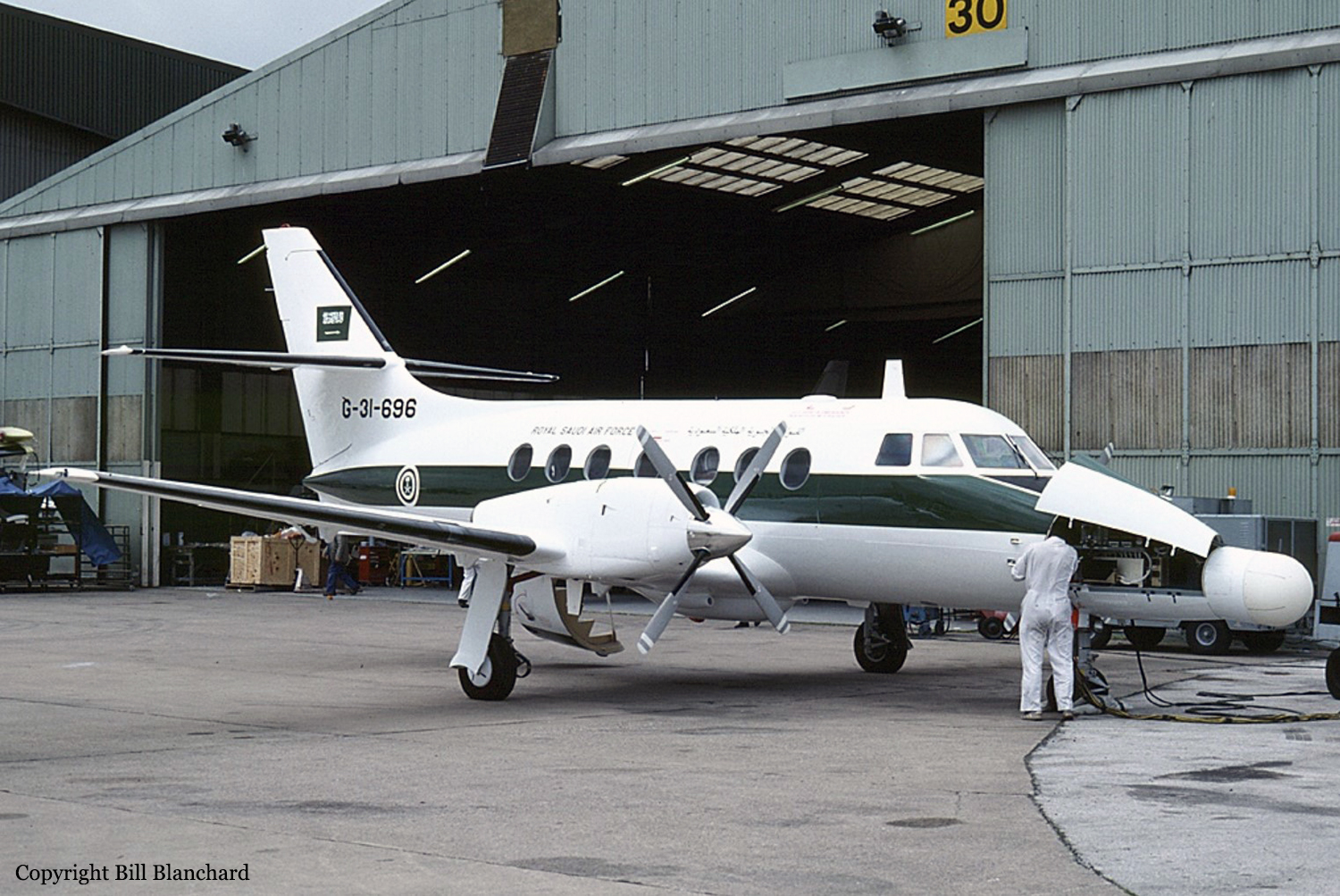
696
YOM:
1986
Country:
Region:
Crew on board:
2
Crew fatalities:
Pax on board:
3
Pax fatalities:
Other fatalities:
Total fatalities:
5
Circumstances:
On final approach to Dhahran Airport, the twin engine aircraft lost height and crashed on the top of a hill located few km from the airfield. The aircraft was destroyed and all five occupants were killed.
Probable cause:
The assumption that the loss of control was the consequence of an engine failure was not ruled out.

Crash of a BAe 3101 Jetstream 31 in Dallas

Date & Time: Mar 25, 1988 at 0830 LT
Type of aircraft:
Operator:
Registration:
N411AE
Flight Type:
Survivors:
Yes
Schedule:
Wichita Falls - Dallas
MSN:
671
YOM:
1985
Crew on board:
2
Crew fatalities:
Pax on board:
0
Pax fatalities:
Other fatalities:
Total fatalities:
0
Captain / Total flying hours:
4841
Captain / Total hours on type:
2100.00
Aircraft flight hours:
4475
Circumstances:
The copilot was flying the aircraft as it was being ferried after minor maintenance. As they were in a descent and were approaching the destination airport, the captain noted a left engine torque fluctuation of 20% to 30% and elected to secure the engine, although no yawing was noticed. During shutdown, the left propeller did not feather and drag increased until the aircraft would not sustain level flight. An attempted restart of the left engine was unsuccessful, so the captain tried to feather it again. However, the left propeller still did not feather. Subsequently, the pilots were forced to land in an open field on uneven terrain and the aircraft was damaged. An extensive investigation was made, but no cause could be found for the torque fluctuation, nor could the condition be duplicated, however, the investigation did note that the air and ground procedures for engine shutdown were similar. A variation in the ground shutdown procedures allowed for engagement of the start latches.
Probable cause:
Airplane's encounter with rought terrain during an attempted forced landing. The forced landing was necessitated after the captain used improper procedures to shutdown the left engine in flight following an unexplained torque fluctuation.
Final Report:

Crash of a BAe 3101 Jetstream 31 in Springfield: 3 killed

Date & Time: Feb 9, 1988 at 1500 LT
Type of aircraft:
Operator:
Registration:
N823JS
Flight Type:
Survivors:
No
Schedule:
Dayton - Springfield
MSN:
623
YOM:
1983
Crew on board:
3
Crew fatalities:
Pax on board:
0
Pax fatalities:
Other fatalities:
Total fatalities:
3
Captain / Total flying hours:
8670
Captain / Total hours on type:
1030.00
Aircraft flight hours:
8219
Circumstances:
A company designated instructor and two f/o trainees were conducting a far 135 training flight. The third approach was terminated with a go-around initiated over the runway threshold at about 50 feet. After climbing to about 150 feet, the aircraft was observed to oscillate in yaw, followed by pitch, and then roll to the right. The aircraft impacted in a near-vertical descent attitude. The investigation revealed that the right engine was operating, but at reduced power. The left engine was at full power. There was no indication of aircraft system malfunction or failure. Company pilots indicated that the captain had a history of demeaning cockpit behavior and roughness with students. The f/o, was small in stature and had 100 hours of multi-engine time and no turboprop time. Company pilots reported the f/o trainee was consistently behind the aircraft in prior flights. Examination of the aircraft revealed the flaps in the retracted position contrary to aircraft handbook. Company pilots further indicated the captain had history of requiring low altitude 1-engine go arounds and delaying offers of assistance to students. All three crew members were killed.
Probable cause:
Occurrence #1: loss of control - in flight
Phase of operation: go-around (vfr)
Findings
1. (f) emergency procedure - simulated - pilot in command (cfi)
2. (c) go-around - delayed - pilot in command (cfi)
3. (c) aircraft control - not maintained - dual student
4. (f) lack of total experience in type of aircraft - dual student
5. Lack of familiarity with aircraft - dual student
6. Excessive workload (task overload) - dual student
7. (f) remedial action - delayed - pilot in command (cfi)
8. (c) supervision - inadequate - pilot in command (cfi)
----------
Occurrence #2: in flight collision with terrain/water
Phase of operation: descent - uncontrolled
Final Report:

Crash of a BAe 3101 Jetstream 31 in Joplin

Date & Time: Dec 14, 1987 at 1358 LT
Type of aircraft:
Operator:
Registration:
N331PX
Survivors:
Yes
Schedule:
Memphis - Joplin
MSN:
700
YOM:
1986
Location:
Crew on board:
2
Crew fatalities:
Pax on board:
6
Pax fatalities:
Other fatalities:
Total fatalities:
0
Captain / Total flying hours:
4864
Captain / Total hours on type:
414.00
Aircraft flight hours:
3470
Circumstances:
The captain stated that he had planned the approach at a higher-than-normal airspeed and altitude due to a reported low level windshear. At 400 feet agl the aircraft entered a light downdraft but the crew corrected the descent profile with power. At 200 feet agl the aircraft suddenly, according to the captain, pitched down before impacting the runway. Witnesses stated that the aircraft pitched down on short final, leveled off, then slammed onto the runway on all wheels. It then bounced, pitched down again and impacted the runway nose-first. A subsequent inspection, operational test, and teardown of the airplane's stall protection system found it to be functioning satisfactorily. The two powerplants also tested within normal parameters.
Probable cause:
Occurrence #1: loss of control - in flight
Phase of operation: approach - faf/outer marker to threshold (ifr)
Findings
1. (c) planned approach - improper - pilot in command
2. (c) compensation for wind conditions - inadequate - pilot in command
----------
Occurrence #2: hard landing
Phase of operation: landing - flare/touchdown
Findings
3. (c) flare - improper - pilot in command
4. Weather condition - windshear
5. Aborted landing - not performed - pilot in command
6. (f) recovery from bounced landing - improper - pilot in command
----------
Occurrence #3: complete gear collapsed
Phase of operation: landing - roll
Findings
7. (f) terrain condition - berm
Final Report:

Crash of a BAe 3101 Jetstream 31 in New Orleans

Date & Time: May 26, 1987 at 1645 LT
Type of aircraft:
Operator:
Registration:
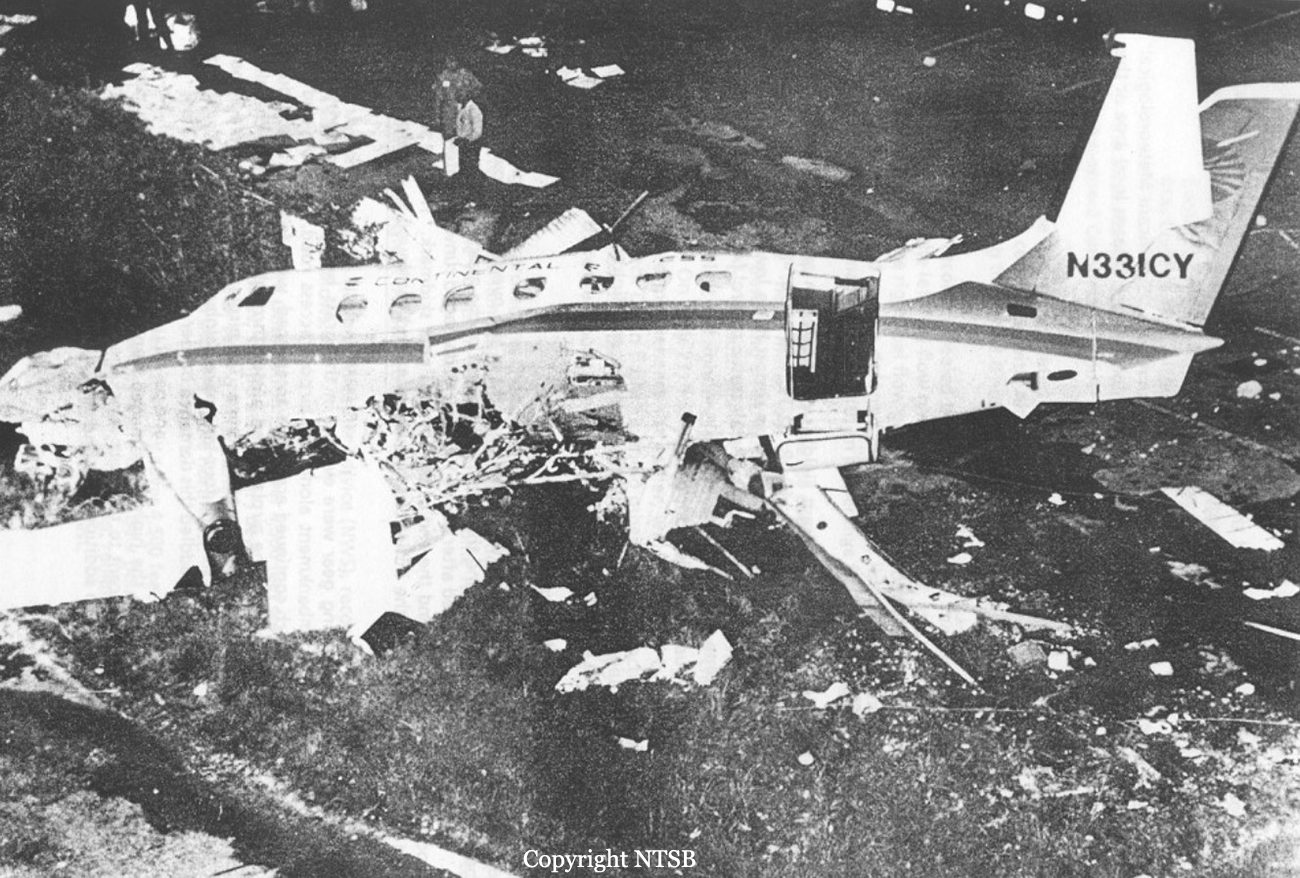
N331CY
Flight Phase:
Survivors:
Yes
Schedule:
New Orleans - Valparaiso
MSN:
742
YOM:
1987
Flight number:
CO962
Crew on board:
2
Crew fatalities:
Pax on board:
9
Pax fatalities:
Other fatalities:
Total fatalities:
0
Captain / Total flying hours:
7500
Captain / Total hours on type:
60.00
Copilot / Total flying hours:
3000
Copilot / Total hours on type:
18
Aircraft flight hours:
147
Circumstances:
Taxi clearance was received at 16:35 and the flight left gate 14B for runway 19. The airplane was cleared for takeoff at 16:44. Shortly after lifting off, at 200 feet above the ground, the engine torque gauges began to fluctuate erratically and the plane began to yaw back and forth. The captain believed the TTL (Torque Temperature Limiting) system may have been bypassing fuel to the engines (a situation that could occur when power levers are advanced too far forward). He then slightly decreased the power settings which resulted in even greater torque oscillations and greater yawing. The captain believed both engines were malfunctioning for some unknown reason and landed back on runway 19, because a 90° turn for runway 28 seemed impossible. The aircraft overran the runway, struck a 6 feet high chain link fence, struck a concrete barrier and skidded across the Route 61 highway before coming to rest on a parking lot.
Probable cause:
A breakdown of the flight crew coordination which resulted in their failure to comply with the Before Takeoff Checklist and advance the RPM levers to the high RPM position, and the flight crew's failure to diagnose and remedy engine oscillations on initial climbout. Contributing to the flight crew's failure to advance the RPM levers before take off was the fact that both crew members had limited experience in the BAe-3101 and extensive recent experience in other aircraft which use RPM control lever procedures that are different from the BAe-3101."
Final Report: