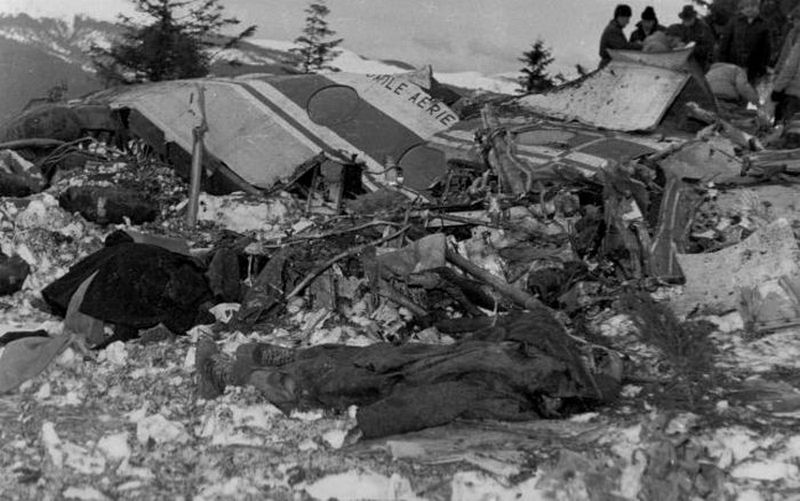
Crash of an Antonov AN-24B in Leningrad

Date & Time: Jan 13, 1976
Type of aircraft:
Operator:
Registration:
CCCP-47280
Survivors:
Yes
Schedule:
Riga – Leningrad – Kirov
MSN:
0 73 064 10
YOM:
1970
Country:
Region:
Crew on board:
5
Crew fatalities:
Pax on board:
39
Pax fatalities:
Other fatalities:
Total fatalities:
0
Aircraft flight hours:
11711
Aircraft flight cycles:
8920
Circumstances:
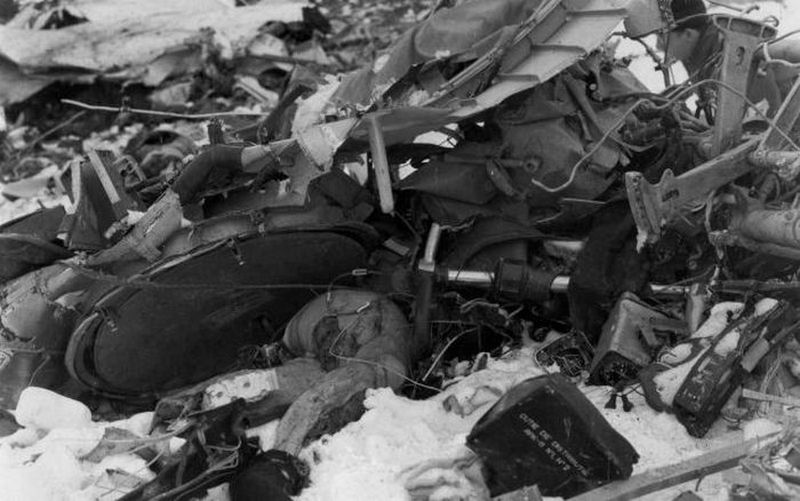
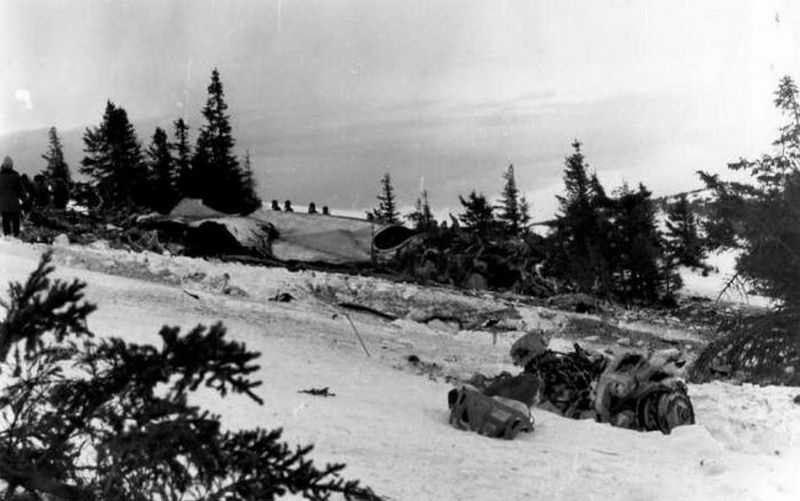
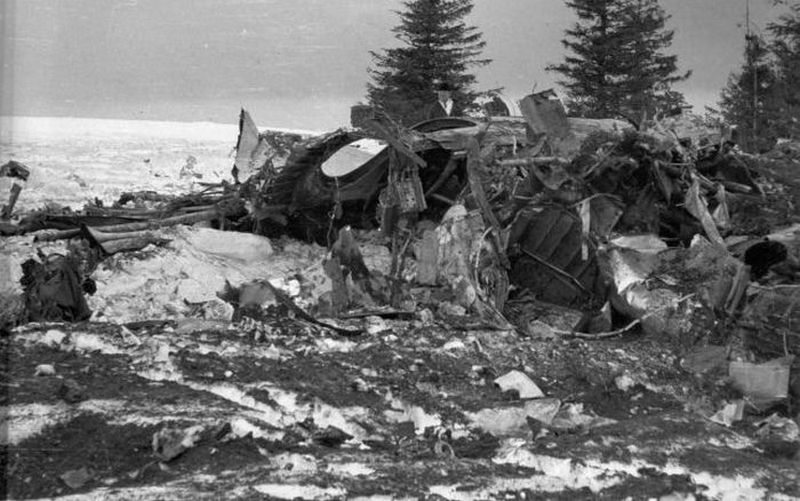
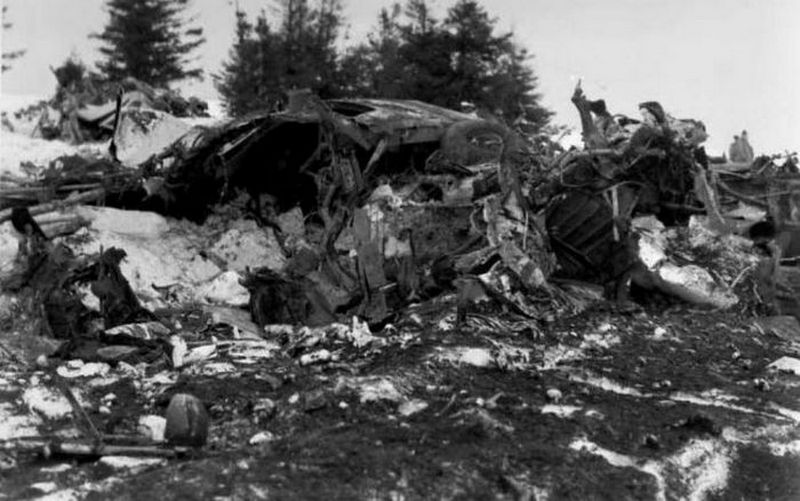
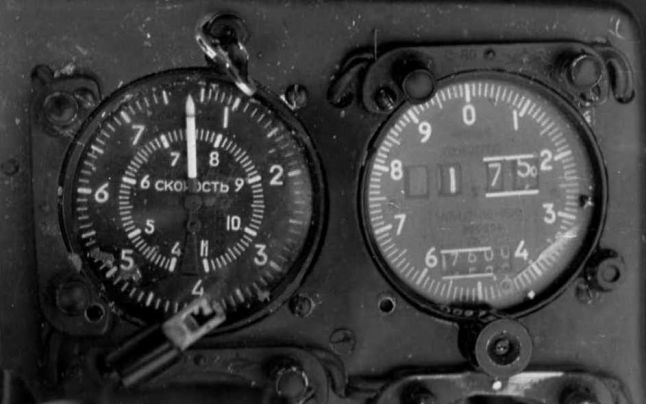
The crew was performing a flight from Riga to Kirov with an intermediate stop in Leningrad. The approach was started by night and below minima-weather conditions. On final approach, the aircraft dropped below the glide path and the captain switched off the ground proximity warning system so the aircraft hit tree tops some 1,700 metres before the inner marker, stalled and crashed in a wooded area located 2,165 metres before the runway threshold. All 5 crew members and 23 of the 39 passengers were injured. The aircraft was destroyed.
Probable cause:
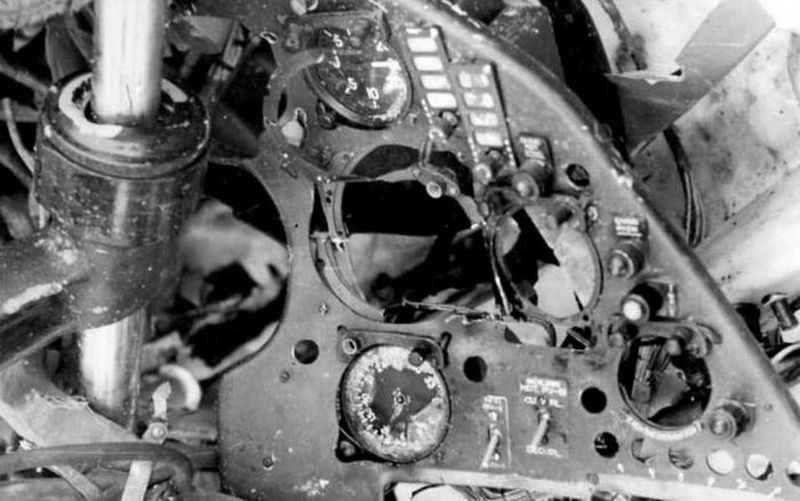
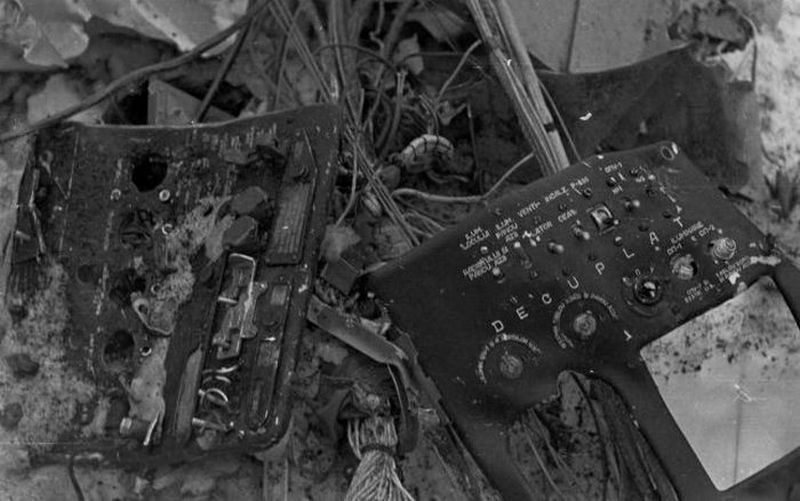
The crew decided to complete the approach while the weather conditions were below minima. Following a wrong approach configuration, the captain allowed the aircraft to drop below the glide path and switched off the GPWS' alarm that was sounding in the cockpit, causing the aircraft to collide with trees and to crash.


Crash of an Antonov AN-24B in Sofia: 3 killed

Date & Time: Nov 22, 1975
Type of aircraft:
Operator:
Registration:
LZ-ANA
Flight Phase:
Survivors:
Yes
Schedule:
Sofia - Varna
MSN:
67302708
YOM:
1966
Country:
Region:
Crew on board:
4
Crew fatalities:
Pax on board:
42
Pax fatalities:
Other fatalities:
Total fatalities:
3
Circumstances:
While parked on apron at Sofia-Vrazhdebna Airport, the airplane was deiced and the snow was removed before the crew was cleared to taxi to runway 10 for takeoff. However, the runway was closed for snow removal. When this was done, the crew was cleared for takeoff and just after liftoff from runway 10, the airplane encountered difficulties to gain height, stalled and crashed on a bank of the Iskar River located by the airport. The copilot was killed and two passengers drowned. All other occupants were rescued, some of them were injured.
Probable cause:
The hold over time (HOT) between the deicing time and the takeoff time was too long and a significant amount of snow accumulated on the fuselage, wings and all critical surfaces. In such conditions, the aircraft was unable to take off. The crew failed to request a second deicing.

Crash of an Antonov AN-24B in Kharkiv: 19 killed

Date & Time: Nov 20, 1975 at 1938 LT
Type of aircraft:
Operator:
Registration:
CCCP-46349
Survivors:
Yes
Site:
Schedule:
Mineralnye Vody - Rostov-on-Don - Kharkiv - Gomel
MSN:
97305708
YOM:
1969
Flight number:
SU7950
Country:
Region:
Crew on board:
4
Crew fatalities:
Pax on board:
46
Pax fatalities:
Other fatalities:
Total fatalities:
19
Aircraft flight hours:
9445
Aircraft flight cycles:
8146
Circumstances:
The crew started the approach to Kharkiv Airport by night and a limited visibility. He was cleared to descend by ATC when, at a speed of 270 km/h, the airplane struck tree tops, stalled and crashed on the slope of a wooded hill located 12 km short of runway threshold. A crew member and 18 passengers were killed while 31 other occupants were injured, some of them seriously. The aircraft was destroyed.
Probable cause:
It was determined that the accident was the consequence of ATC error who transmitted to the crew a wrong barometric pressure of 757 mm instead of 737 mm, causing the aircraft to descend 220 meters too low. The crew was also blamed as he failed to react to the warning horn coupled to the ground proximity warning system that sounded for 23 second prior to impact.

Crash of an Antonov AN-24RV on Mt Apshara: 38 killed

Date & Time: Nov 17, 1975 at 2214 LT
Type of aircraft:
Operator:
Registration:
CCCP-46467
Flight Phase:
Survivors:
No
Site:
Schedule:
Tbilisi - Batumi - Sukhumi - Krasnodar
MSN:
27307905
YOM:
1972
Flight number:
SU6274
Country:
Region:
Crew on board:
5
Crew fatalities:
Pax on board:
33
Pax fatalities:
Other fatalities:
Total fatalities:
38
Aircraft flight hours:
7335
Aircraft flight cycles:
6878
Circumstances:
En route from Batumi to Sukhumi, weather conditions worsened and the crew was cleared to modify his route to avoid the low pressure are to the north. Few minutes later, the crew was cleared to descend to 2,400 meters. While cruising at a speed of 410 km/h in limited visibility due to the night and marginal weather conditions, the airplane struck the south slope of Mt Apshara (2,580 meters high) located about 26 km northeast of Gali, Abkhazia. The wreckage was found few hours later and all 38 occupants have been killed.
Probable cause:
It was determined that the accident was the consequence of a series of negligences and wrong decisions on part of ATC who cleared the crew to descent to an unsafe altitude of 2,400 meters while the minimum safe altitude for the area was 3,600 meters. This was made possible by several errors in the track calculation after the crew has been cleared to avoid the low pressure area but his position was 25 km too far from the prescribed flight path at that moment. The crew failed to take the appropriate measures to know his proper position which was considered as a contributing factor.

Crash of an Antonov AN-24RV in Poltava

Date & Time: Apr 25, 1975
Type of aircraft:
Operator:
Registration:
CCCP-46476
Survivors:
Yes
MSN:
2 73 080 04
YOM:
1972
Country:
Region:
Crew on board:
4
Crew fatalities:
Pax on board:
7
Pax fatalities:
Other fatalities:
Total fatalities:
0
Circumstances:
On approach to Poltava Airport, the crew encountered poor weather conditions with limited visibility due to low clouds and local patches of fog. Unable to locate the runway, the captain decided to abandon the approach and initiated a go-around. Few minutes later, during a second attempt to land, while descending to a height of 50-60 meters, the airplane entered a patch of fog and visual contact with the ground was lost. Despite the situation, the pilot-in-command continued the approach until the airplane struck the ground and crashed 2,130 metres short of runway threshold. All 11 occupants escaped uninjured while the aircraft was damaged beyond repair.
Probable cause:
Poor approach planning on part of the crew who failed to properly monitor the instruments during an approach completed in marginal weather conditions, and failure of the crew to discontinue the approach after visual contact was lost.

Crash of an Antonov AN-24B in Sofia

Date & Time: Apr 14, 1975
Type of aircraft:
Registration:
035
Flight Phase:
Flight Type:
MSN:
87304508
YOM:
1968
Country:
Region:
Crew on board:
0
Crew fatalities:
Pax on board:
0
Pax fatalities:
Other fatalities:
Total fatalities:
0
Circumstances:
Crashed in unknown circumstances near Sofia Airport. Crew fate remains unknown.

Crash of an Antonov AN-24RV in Sibiu: 33 killed

Date & Time: Dec 29, 1974
Type of aircraft:
Operator:
Registration:
YR-AMD
Survivors:
No
Site:
Schedule:
Oradea - Sibiu - Bucharest
MSN:
27307606
YOM:
1972
Location:
Country:
Region:
Crew on board:
5
Crew fatalities:
Pax on board:
28
Pax fatalities:
Other fatalities:
Total fatalities:
33
Circumstances:
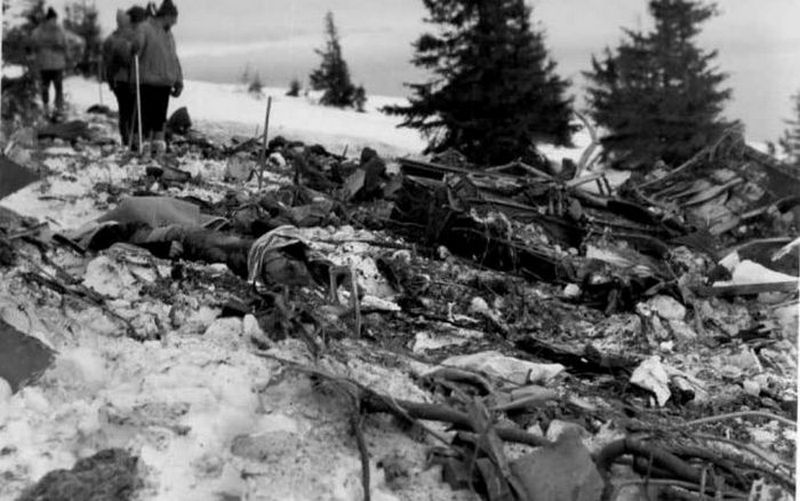
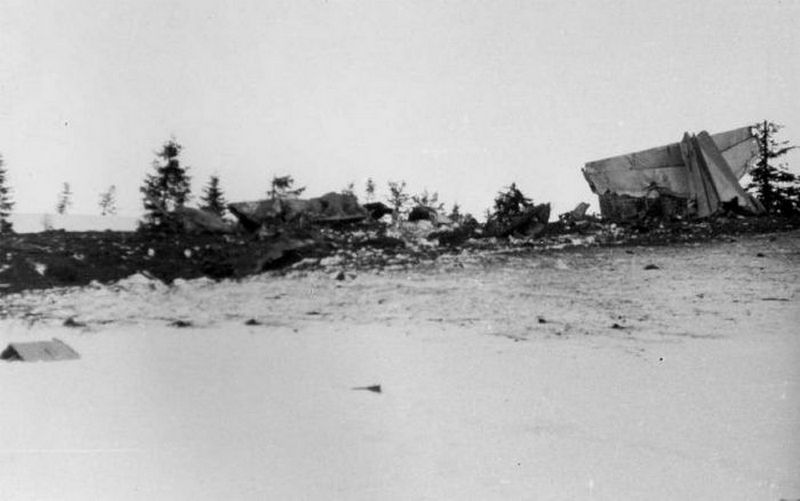
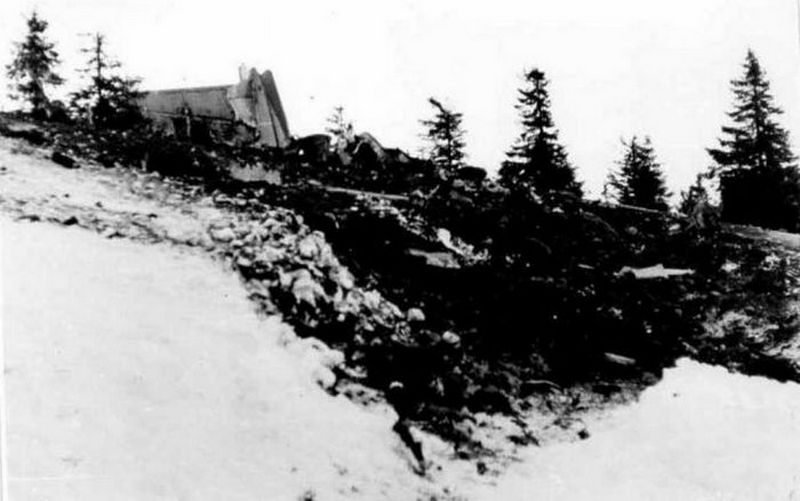
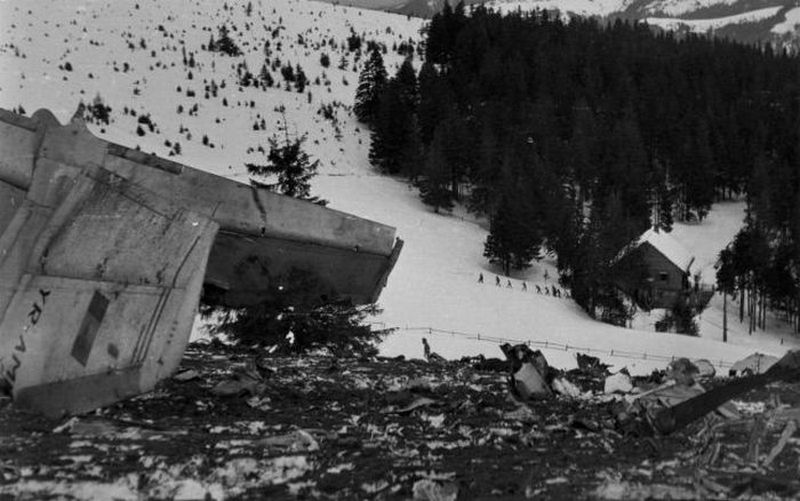
The approach to Sibiu Airport was initiated in marginal weather conditions and strong winds. While descending at an altitude of 1,700 meters, the airplane struck the snow covered Mt Lotru located 22 km from the runway threshold. The aircraft was totally destroyed upon impact and all 33 occupants were killed.
Probable cause:
Wrong decisions on part of the flying crew who adopted a wrong approach configuration, causing the aircraft to drift about 20 km to the south of the approach path. The lack of visibility and strong winds were considered as contributing factors.

Crash of an Antonov AN-24T in Sinitsyno: 5 killed

Date & Time: Jul 6, 1974
Type of aircraft:
Operator:
Flight Type:
Survivors:
No
Schedule:
Sinitsyno - Sinitsyno
Country:
Region:
Crew on board:
5
Crew fatalities:
Pax on board:
0
Pax fatalities:
Other fatalities:
Total fatalities:
5
Captain / Total flying hours:
0
Circumstances:
The crew was completing a local training flight at Sinitsyno Airport. On final approach, the airplane collided with a flock of birds. Both engines failed and as the crew was unable to feather the propeller, the aircraft stalled and crashed short of runway threshold. All five occupants were killed.
Probable cause:
Loss of control on final approach following a bird strike.

Crash of an Antonov AN-24 in Hanoi: 18 killed

Date & Time: Mar 8, 1974
Type of aircraft:
Registration:
XW-TCA
Survivors:
No
Schedule:
Saigon - Hanoi
MSN:
87304508
YOM:
1968
Country:
Region:
Crew on board:
3
Crew fatalities:
Pax on board:
15
Pax fatalities:
Other fatalities:
Total fatalities:
18
Circumstances:
The aircraft was carrying a delegation of 15 Algerian journalists covering the official visit of the Algerian President Houari Boumediene in Vietnam. On approach to Hanoi Airport, the aircraft crashed for unknown reason and was destroyed, killing all 18 occupants.
Passengers:
Saleh Dib,
Abderrahmane Kahwadji,
Mahmoud Midat,
Mustapha Kaboub,
Abdelkader Bouhmia,
Mohamed Bekaï,
Laâredj Boutrif,
Rabah Haned,
Sebti Mouaki (Algerian television),
Ahmed Abdelatif,
Mohamed Taleb (photograph),
Mohamed Sahraoui,
Tayeb Harket,
Djilali Djedar,
Mohamed Attalah (APS).

Crash of an Antonov AN-24B in Rostov-on-Don: 4 killed

Date & Time: Jan 25, 1974 at 2142 LT
Type of aircraft:
Operator:
Registration:
CCCP-46277
Flight Phase:
Flight Type:
Survivors:
No
Schedule:
Rostov-on-Don - Ufa
MSN:
77303610
YOM:
1967
Country:
Region:
Crew on board:
4
Crew fatalities:
Pax on board:
0
Pax fatalities:
Other fatalities:
Total fatalities:
4
Aircraft flight hours:
11277
Aircraft flight cycles:
10750
Circumstances:
Following a heavy maintenance program at the Rostov-on-Don Manufacture Plant, the aircraft was on its way back to Ufa, carrying a crew of four. The departure from Rostov Airport was initiated at night and poor visibility due to thick fog. After a normal takeoff roll, the pilot-in-command started the rotation at a speed of 200 km/h and continued to climb in zero visibility. At an altitude of about 220 meters, a first turn to the left was initiated when the airplane rolled left to an angle of 25-30°. At a speed of 325 km/h, flaps were selected up when inconsistent actions occurred between the PIC and the copilot. The copilot elected to reduce the roll to acceptable values, as a result, the rudder trim was positioned to the right hand limit but the airplane seems to become unstable. At this time, the crew reduced the engine operation to nominal values when the noticed a discrepancy between the readings of the left and right artificial horizons. The crew tried to determine which artificial horizon gives the wrong readings when the airplane entered a left turn and crashed at a speed of 430 km/h in an open field located 1,750 meters past the runway end, 17 seconds after liftoff. The aircraft was totally destroyed and all four occupants were killed.
Probable cause:
It was determined that the loss of control that occurred during initial climb was the result of an anomaly in the Captain's artificial horizon, either because of a misreading on his part or because of a problem with the power supply system. Investigators stated that the accident occurred through visibility below minimums and that the crew's decision to fly by night under such conditions was unjustified. Also, it was noted that the crew failed to prepare the flight according to published procedures and that he precipitated the departure, which remains a contributing factor insofar as certain procedures were neglected.