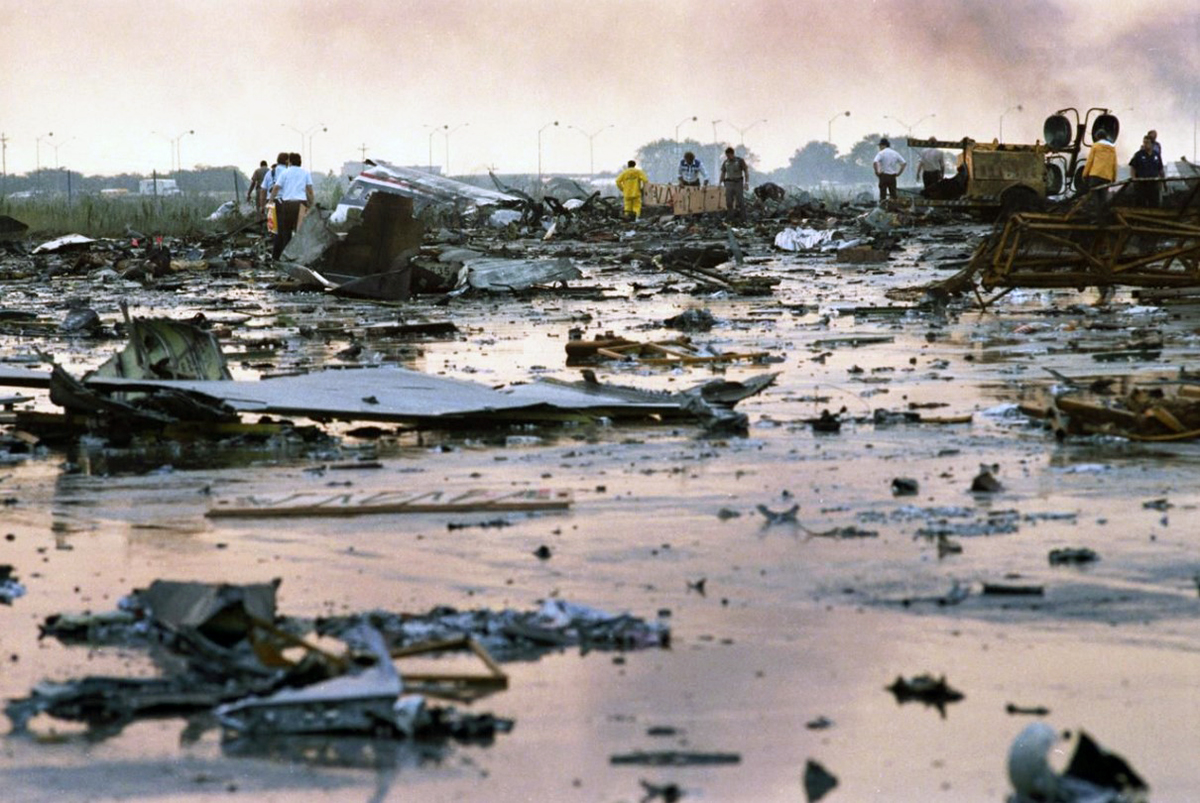
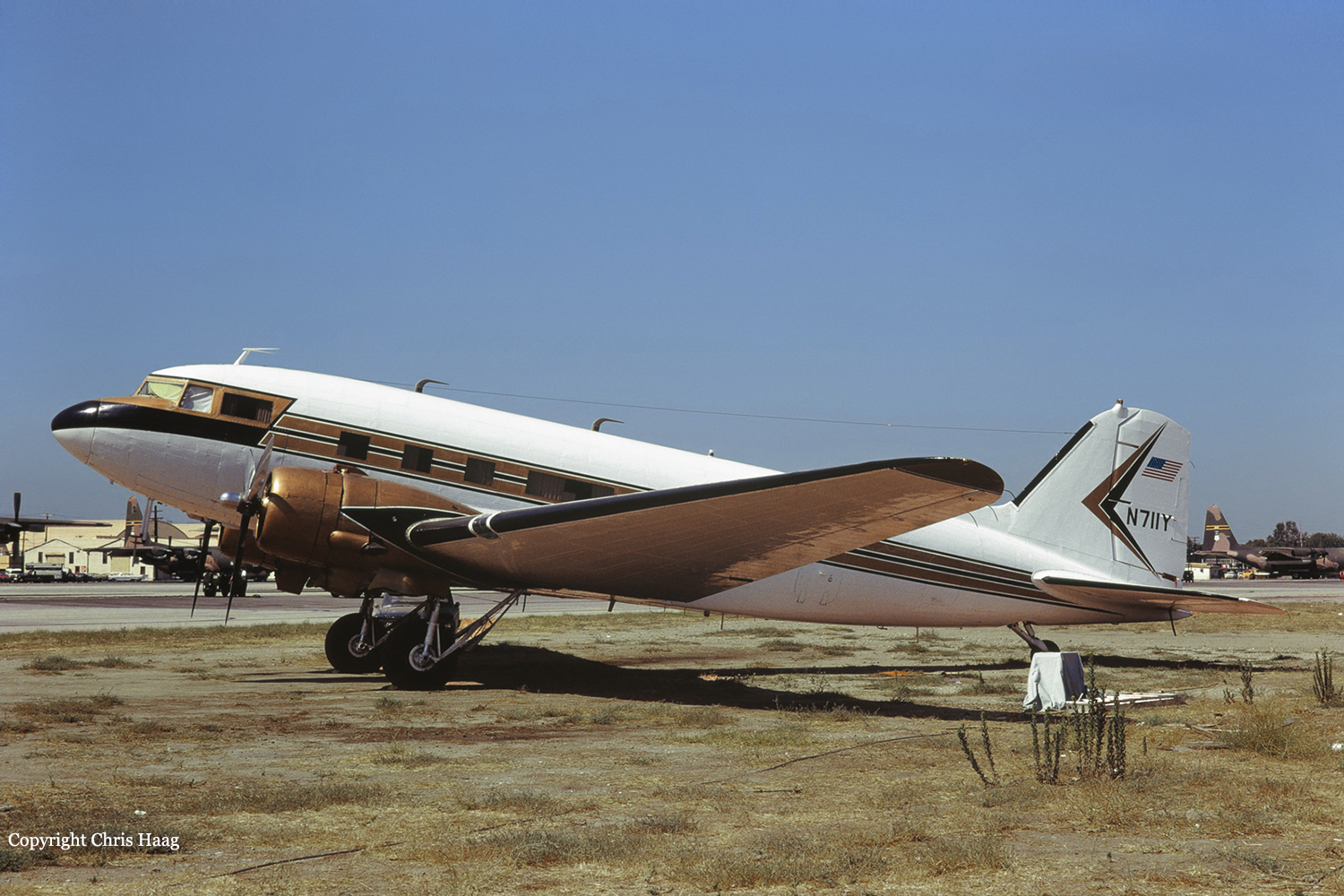
Crash of a Douglas DC-3C in Dallas: 7 killed

Date & Time: Dec 31, 1985 at 1714 LT
Type of aircraft:
Registration:
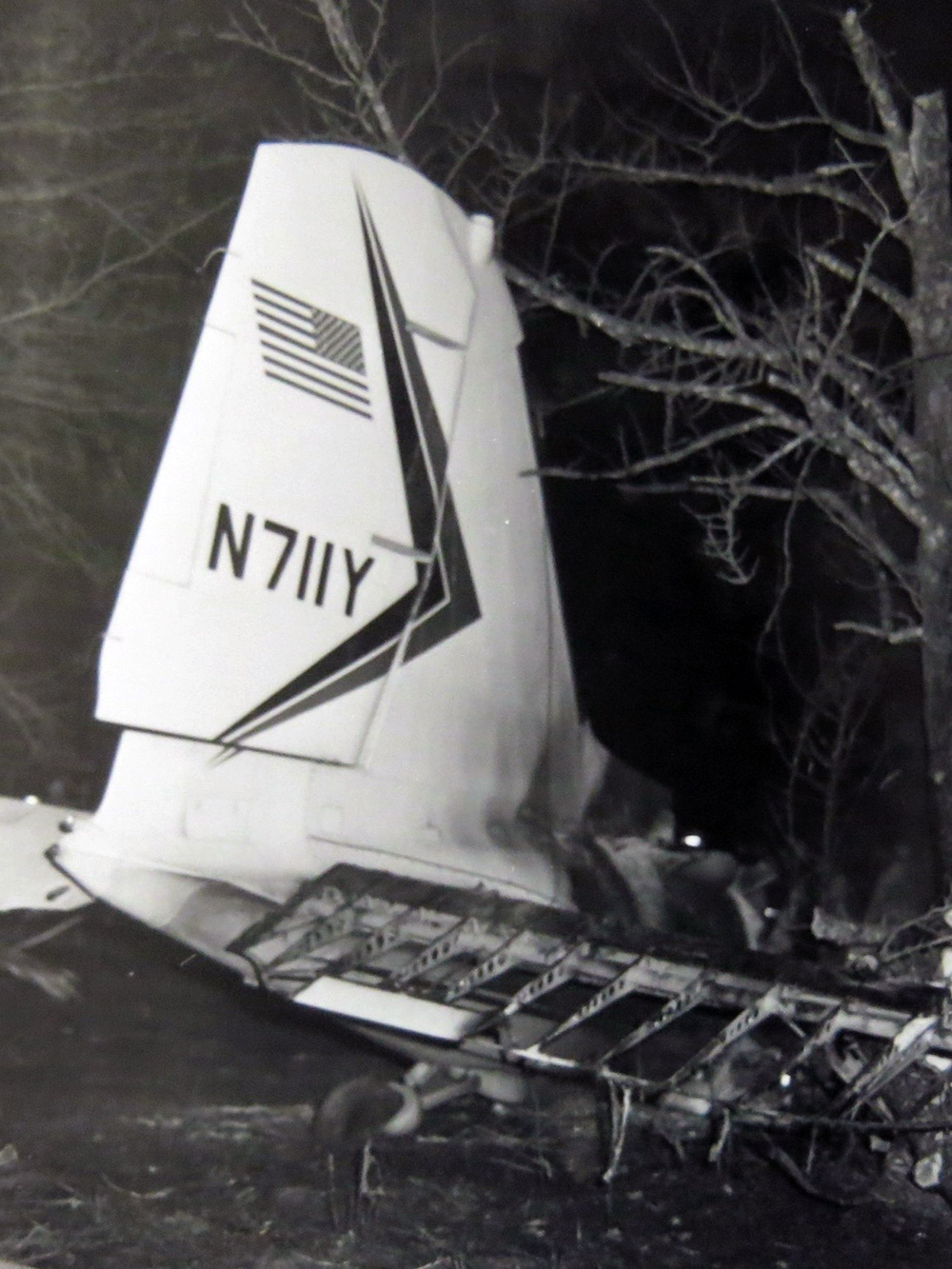
N711Y
Survivors:
Yes
Schedule:
Guntersville - Dallas
MSN:
13658
YOM:
1944
Crew on board:
2
Crew fatalities:
Pax on board:
7
Pax fatalities:
Other fatalities:
Total fatalities:
7
Captain / Total flying hours:
5700
Captain / Total hours on type:
150.00
Circumstances:
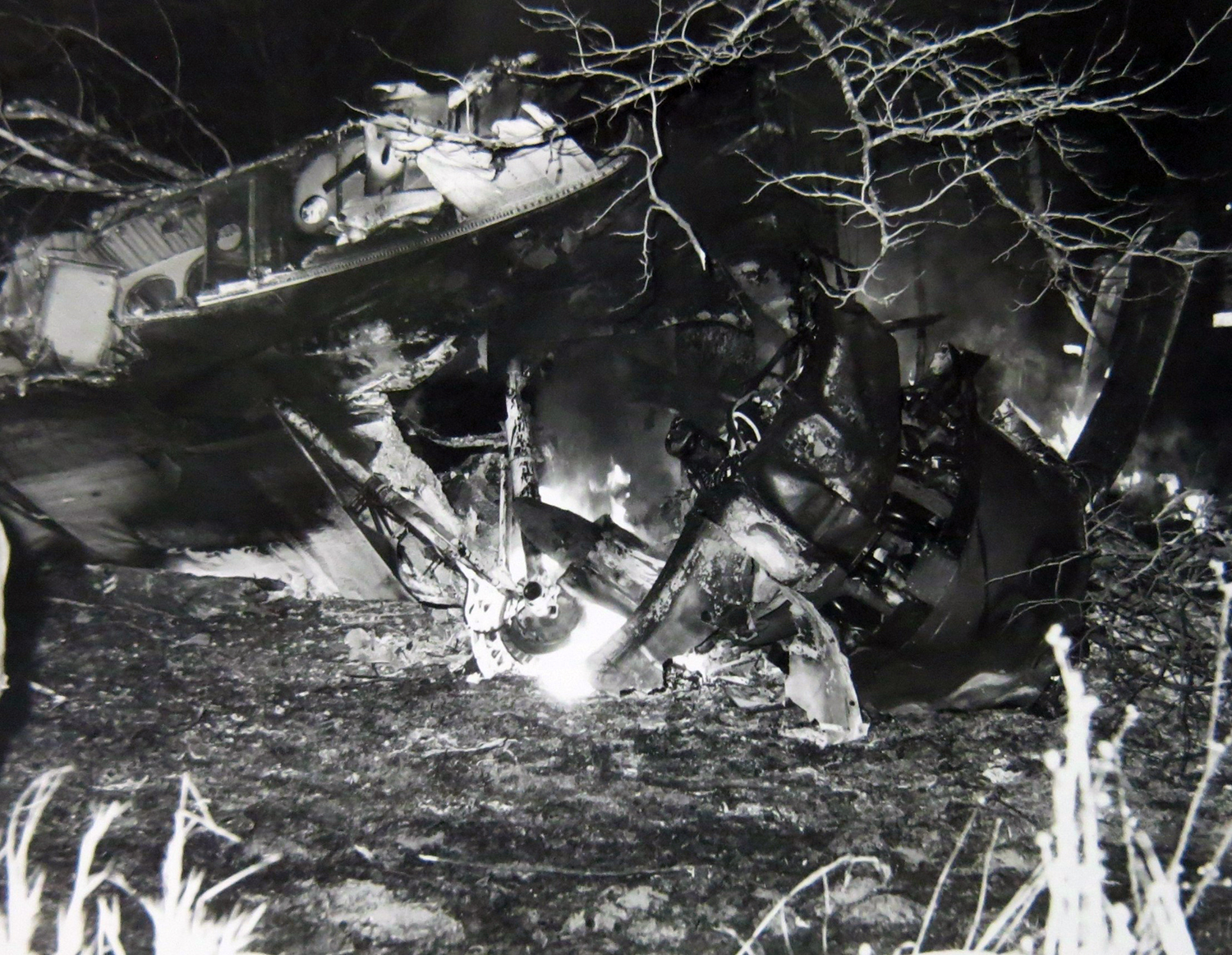
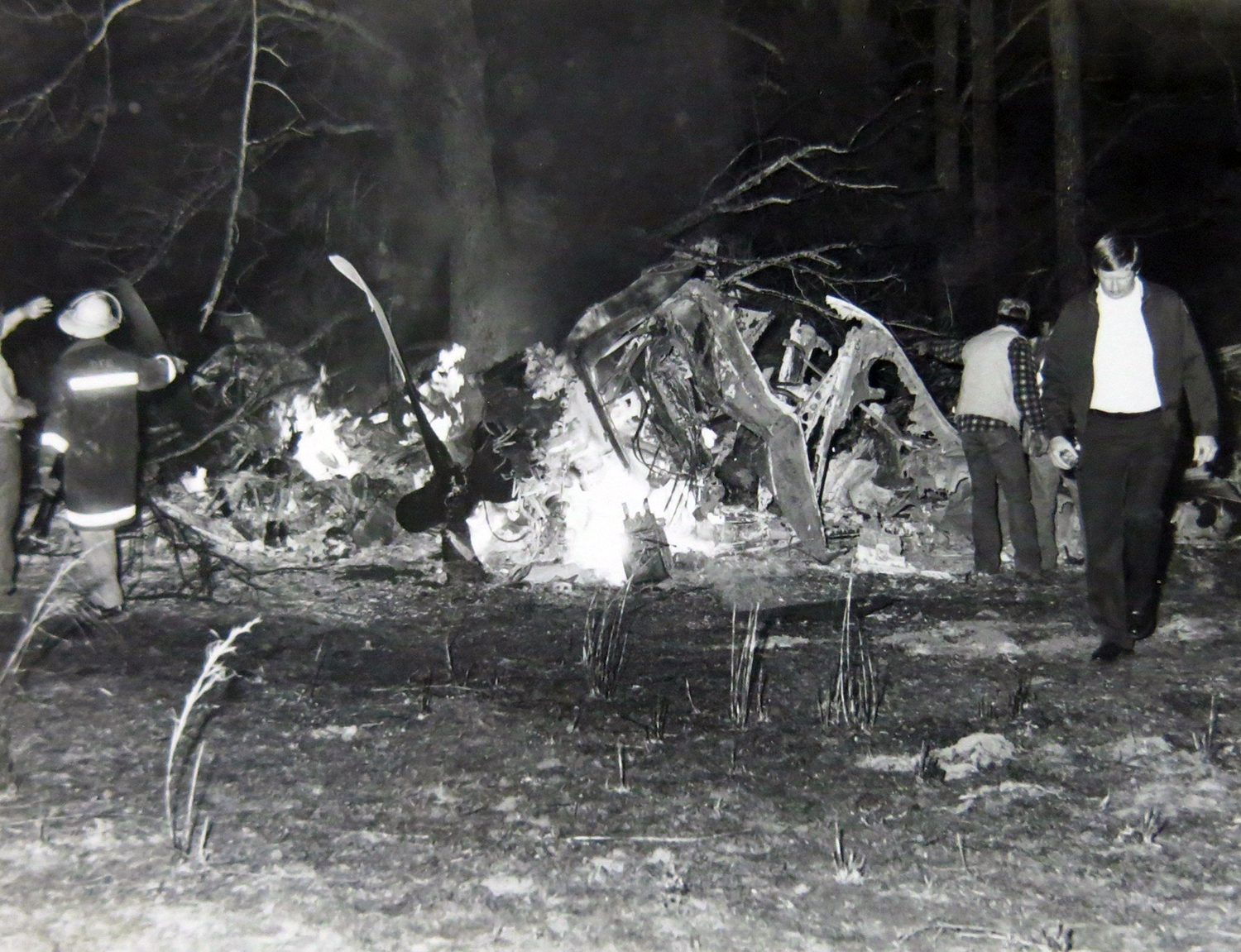
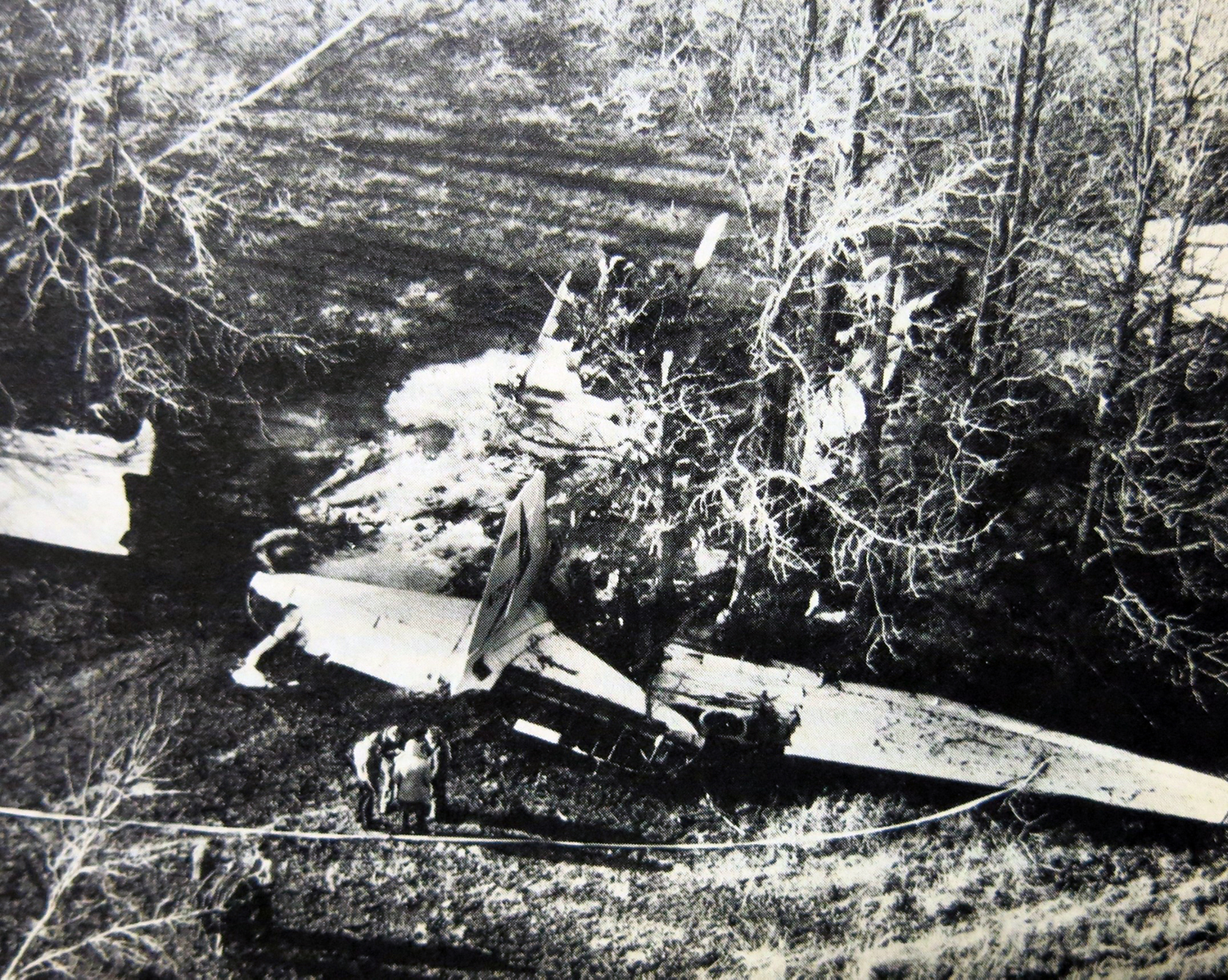
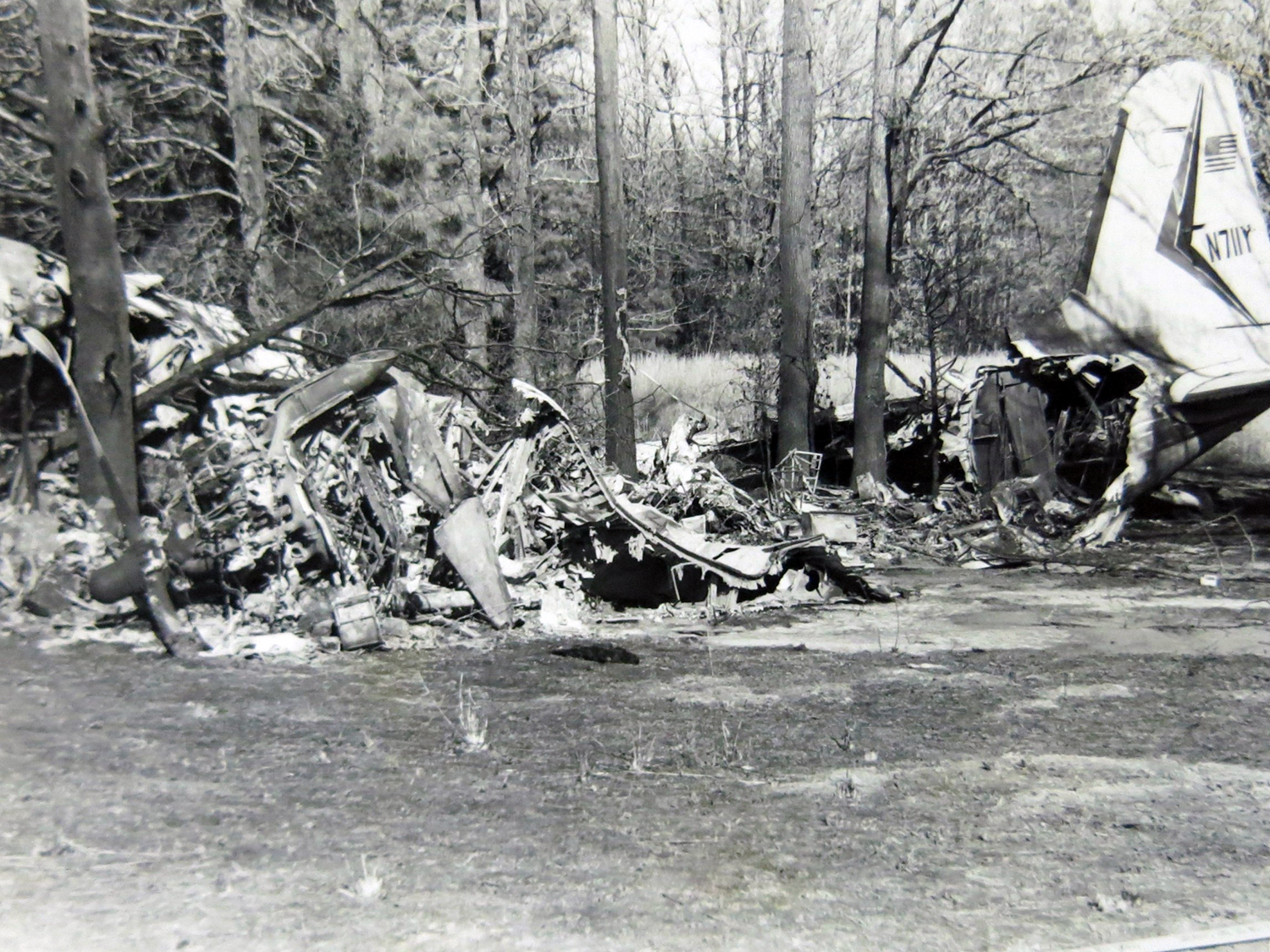
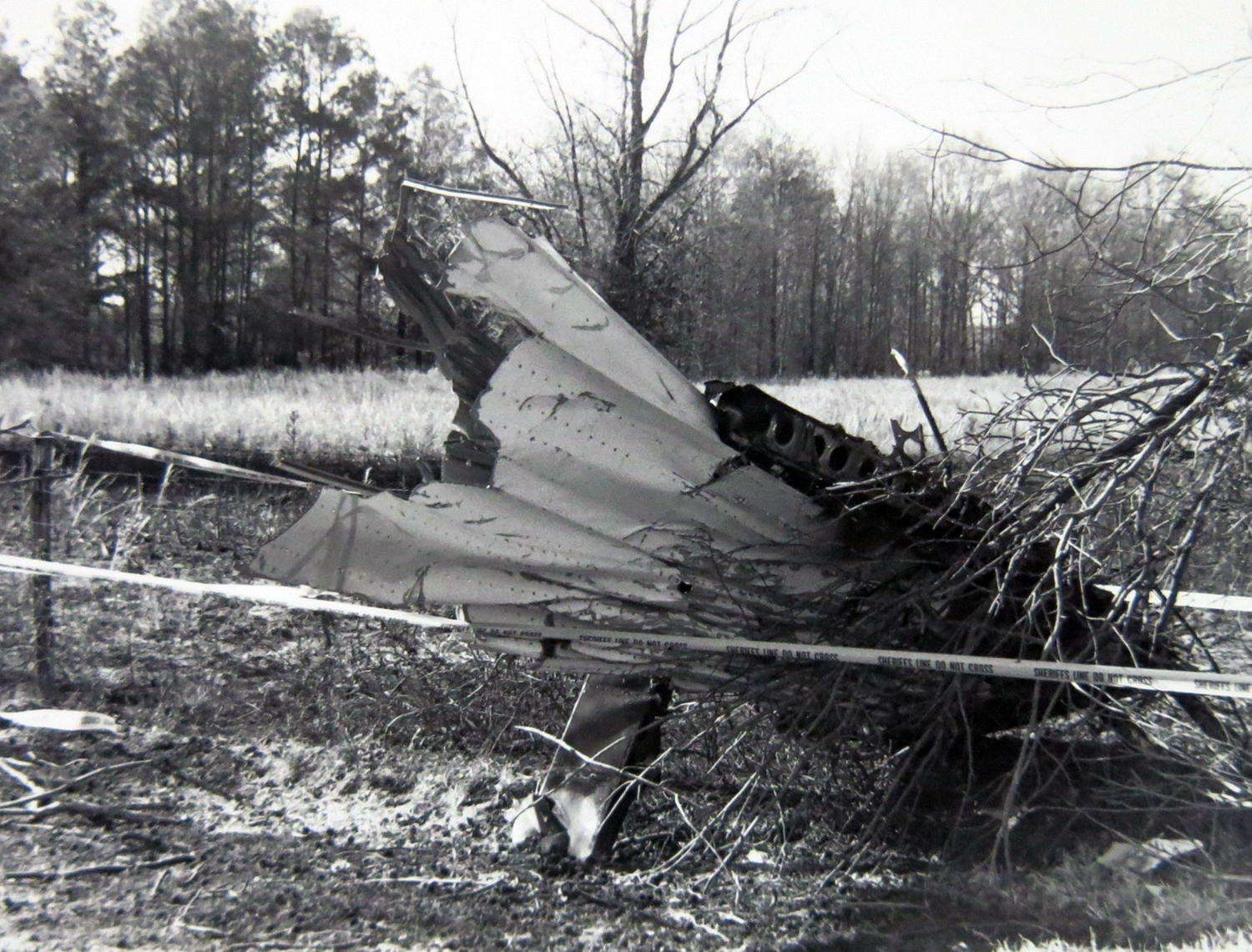
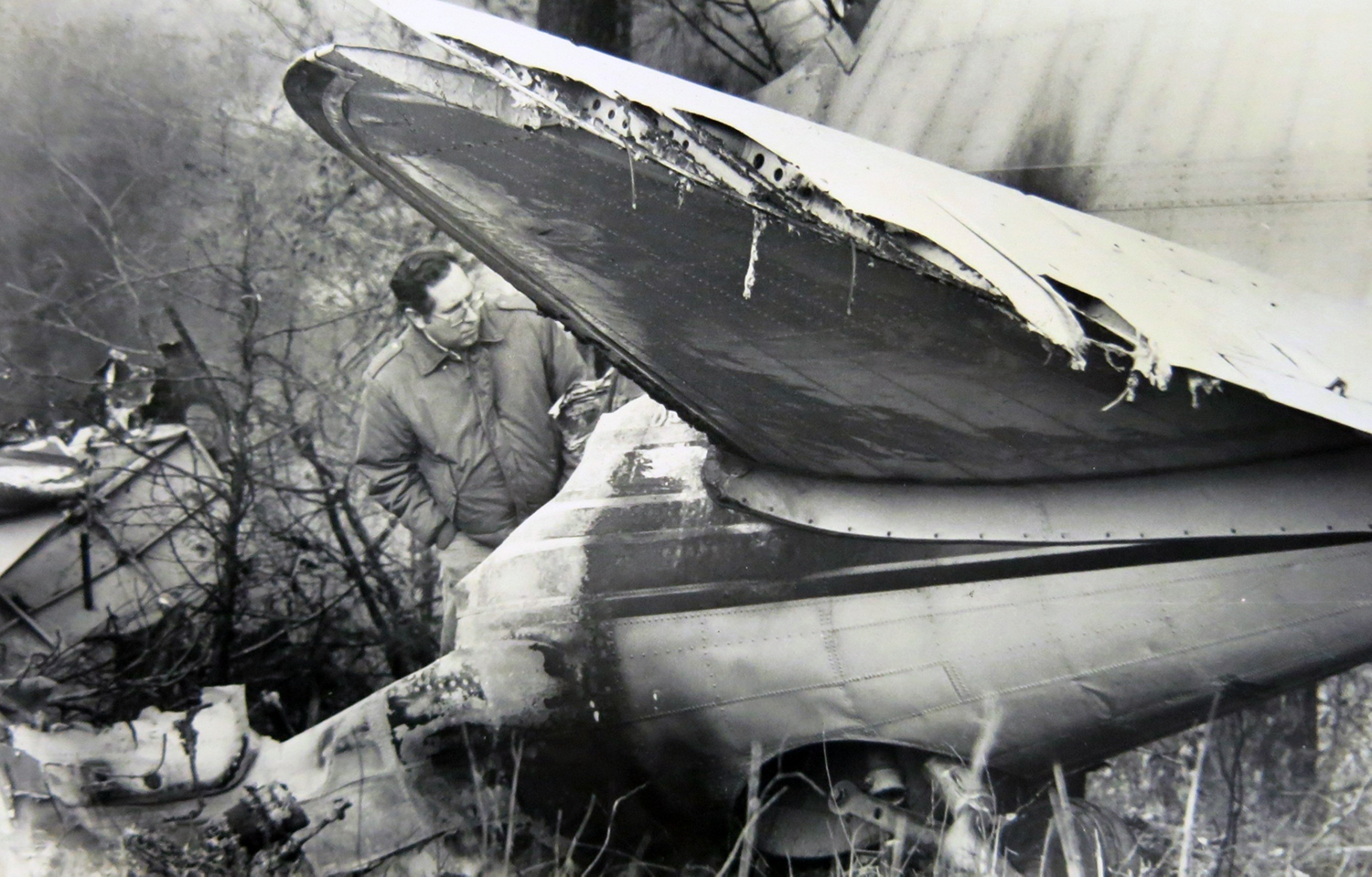
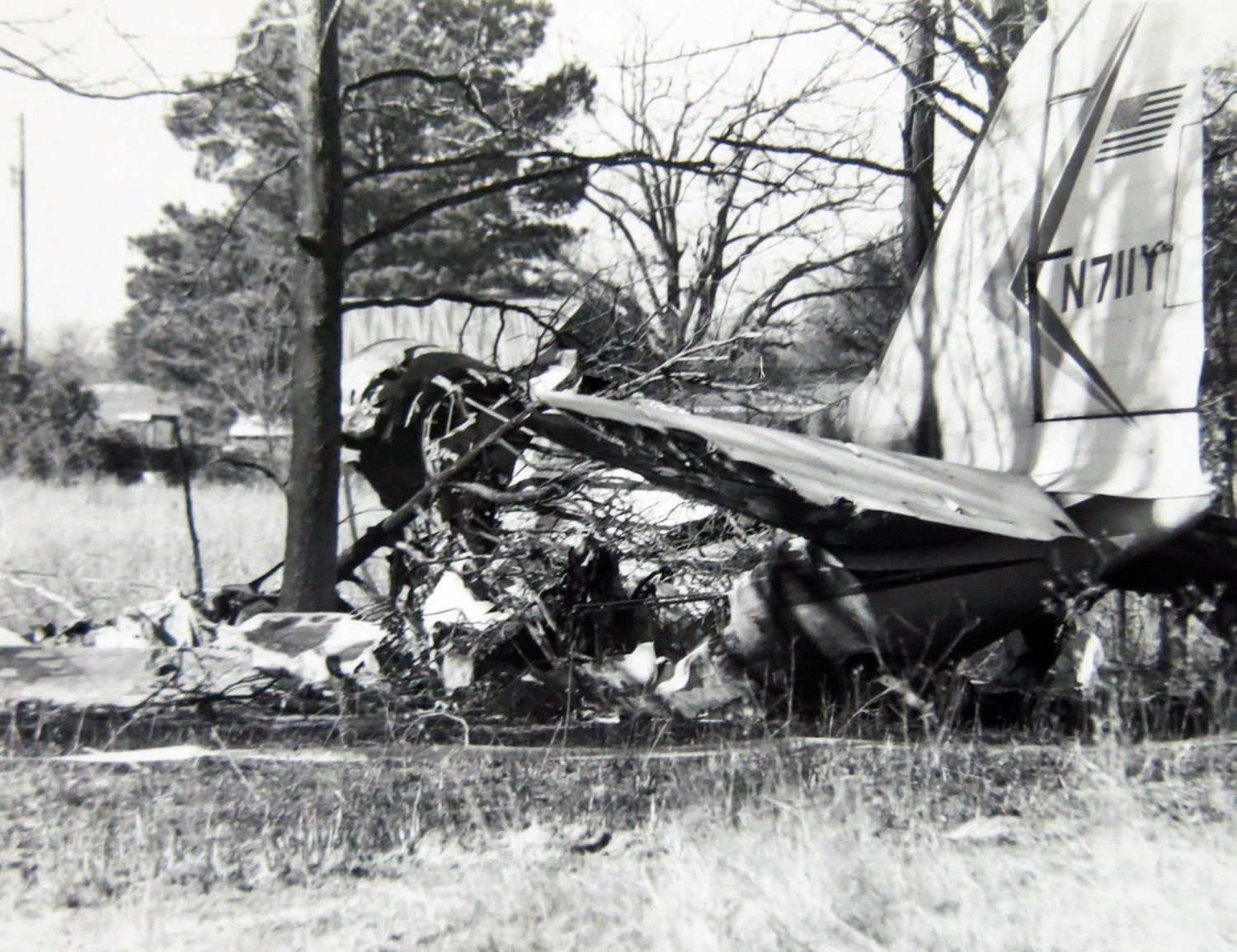
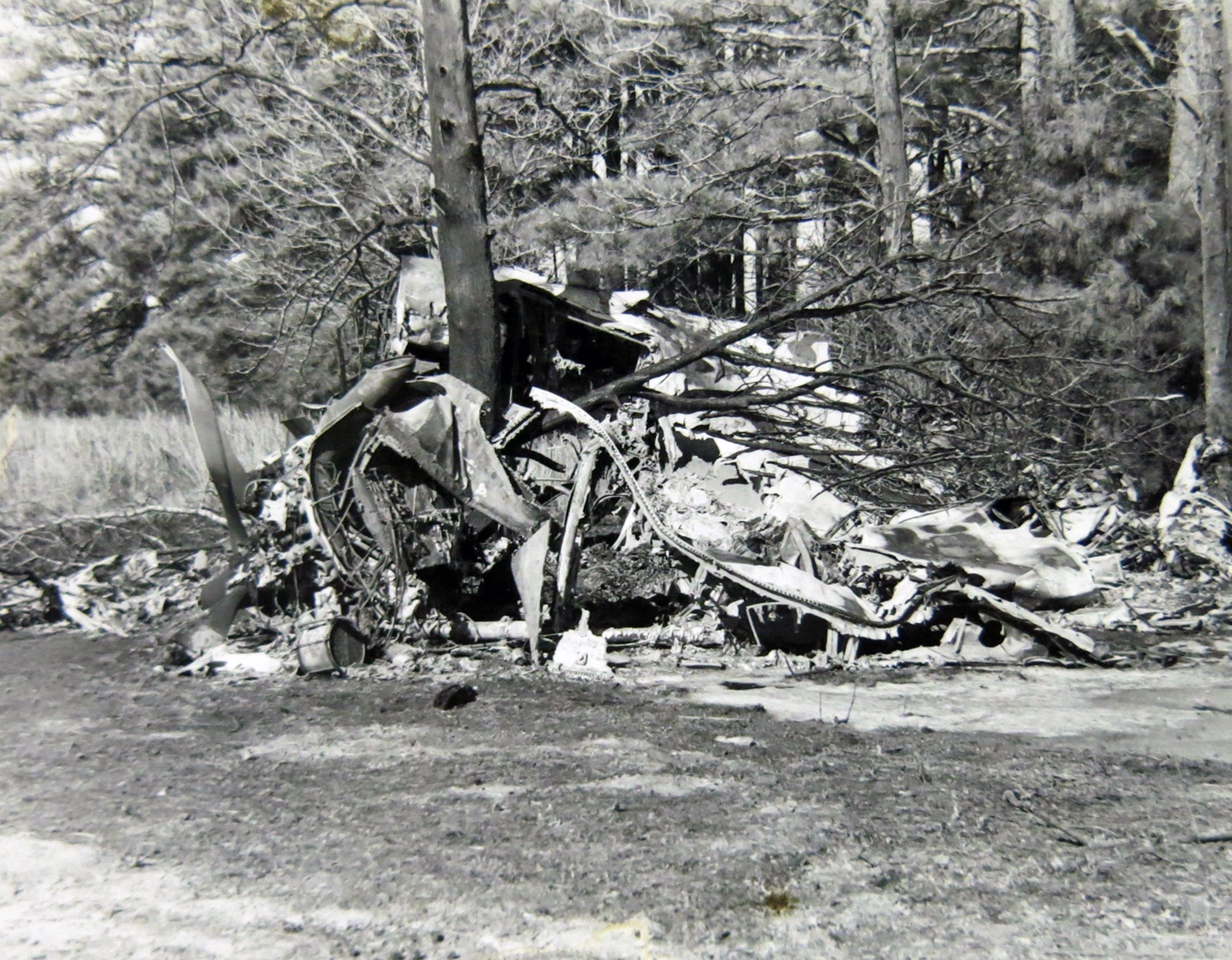
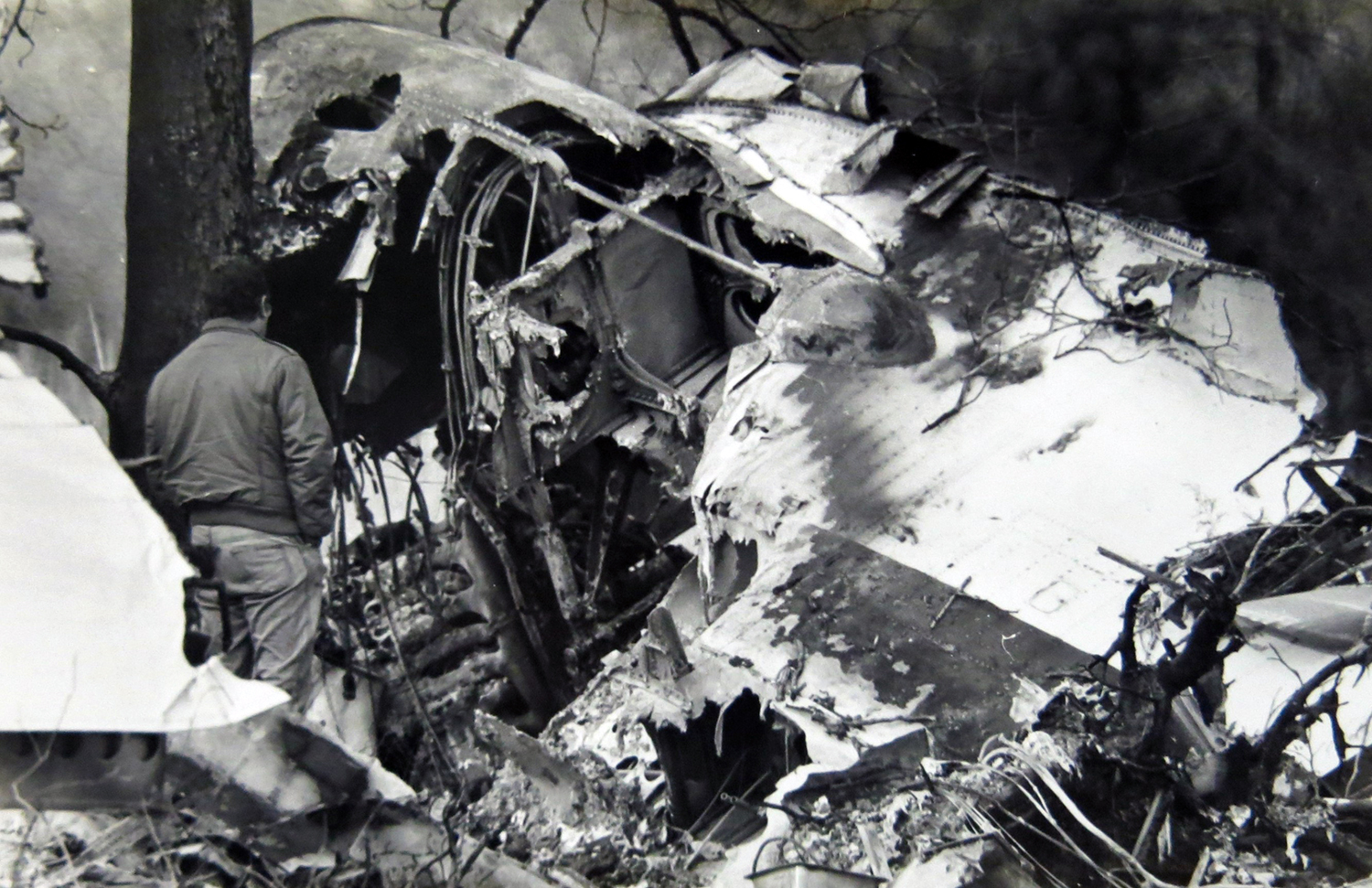
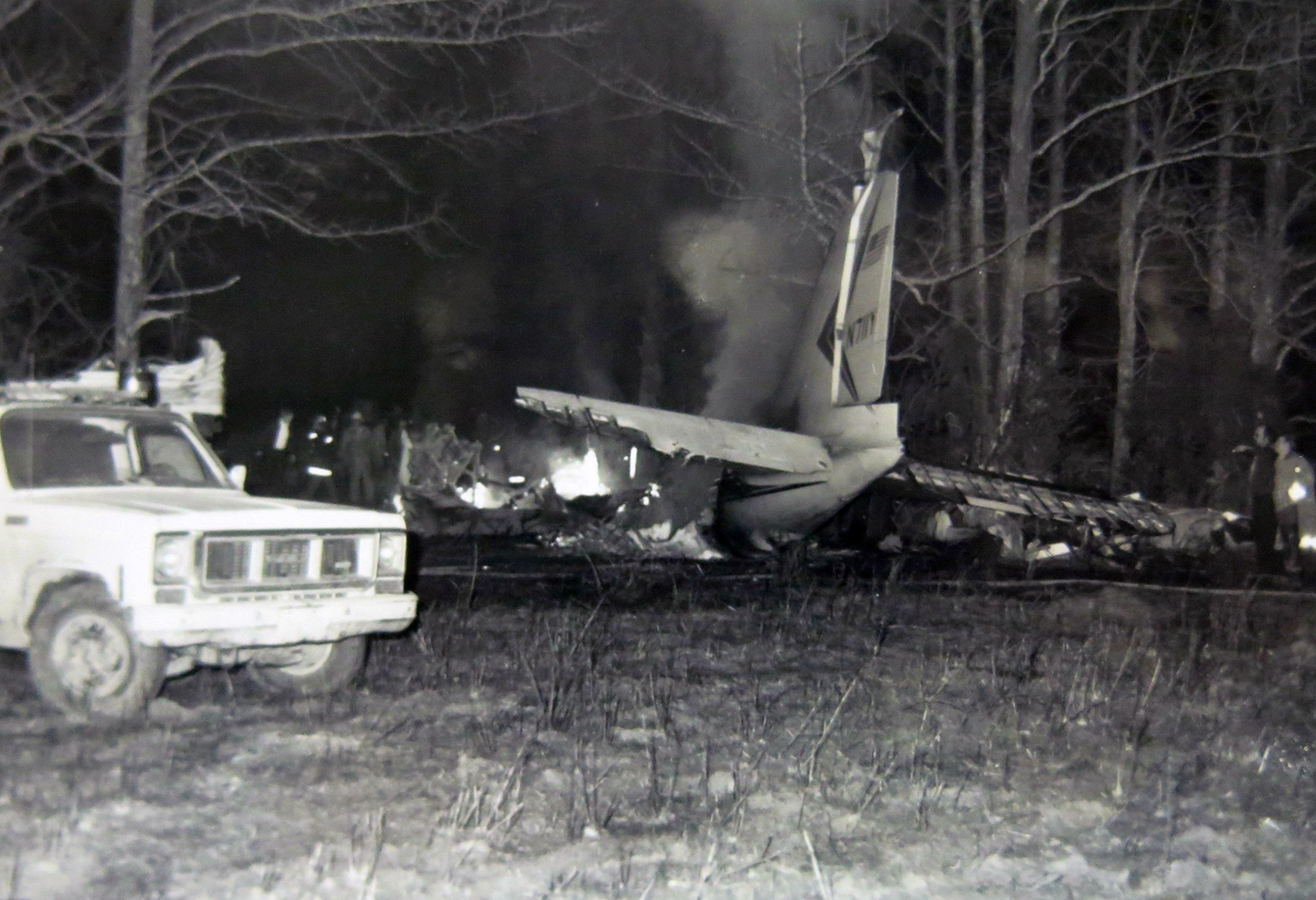
At 1708:48, while cruising at 6,000 feet, a pilot of N711Y advised ATC, 'I think I'd like to turn around, head for Texarkana here, I've got a little problem.' He was provided a vector and advised of closest airports. Shortly after, he stated he would be unable to reach the airports. At 1711:49, he said there was smoke in the cockpit. While landing in a field at 1714, the aircraft hit wires and a pole then continued into trees where it was extensively damaged by impact and fire. The crew egressed thru the cockpit windows. The passengers did not escape. During flight, the crew was unable to start the cabin heater; despite repeated attempts by the captain. Smoke then entered the cabin. Fresh air vents and cockpit windows were opened, but smoke became dense. The crew had difficulty seeing. The oxygen system and hand held fire extinguishers were not used. Fasteners for the heater door were found unfastened. Examination indicated the fire originated in the aft cabin area, right hand side, at or near the floor line. The ignition and fuel sources were not determined. Among those killed were the American singer and actor Ricky Nelson and his girlfriend Helen Blair as well as five members of his band 'Stone Canyon'.
Probable cause:
Occurrence #1: fire
Phase of operation: cruise
Findings
1. (c) fuselage, cabin - fire
2. (c) reason for occurrence undetermined
3. (f) fuselage, cabin - smoke
4. (f) fuselage, crew compartment - smoke
5. (f) emergency procedure - not followed - pilot in command
6. (f) checklist - not used
7. (f) oxygen system - not used
----------
Occurrence #2: forced landing
Phase of operation: descent - emergency
----------
Occurrence #3: in flight collision with object
Phase of operation: landing - flare/touchdown
Findings
8. (f) object - wire,transmission
9. (f) object - utility pole
----------
Occurrence #4: on ground/water collision with object
Phase of operation: landing - roll
Findings
10. (f) terrain condition - tree(s)
Final Report:
Crash of a Piper PA-31-325 Navajo C/R in Junction

Date & Time: Dec 29, 1985 at 1630 LT
Type of aircraft:
Operator:
Registration:
N27842
Flight Type:
Survivors:
Yes
Schedule:
Junction - Phoenix
MSN:
31-7912055
YOM:
1979
Crew on board:
1
Crew fatalities:
Pax on board:
6
Pax fatalities:
Other fatalities:
Total fatalities:
0
Captain / Total flying hours:
3200
Captain / Total hours on type:
420.00
Aircraft flight hours:
1490
Circumstances:
During initial climb after takeoff the pilot noticed oil streaming out from the oil filler access door on the right engine cowling. He elected to continue climbing and make a teardrop turn back to the airport and land in the opposite direction from which he had departed. He announced his intentions on unicom radio. Another pilot responded that he was presently on the runway but would clear it as soon as possible. The subject pilot then decided to make a go around. During this time the right front seat passenger stated he observed flames in the right engine cowl. The pilot shut down the engine and feathered the propeller. He added full power to the left engine and retracted the landing gear and flaps. He was unable to maintain altitude and decided to make a forced landing straight ahead in an open field. He had to pull up once to avoid a power line and maneuver to avoid an antenna. He made a successful forced landing and all occupants exited. The flames quickly spread and the aircraft was consumed by ground fire.
Probable cause:
Occurrence #1: loss of engine power (partial) - nonmechanical
Phase of operation: takeoff - initial climb
Findings
1. (c) lubricating system - open
2. (c) aircraft preflight - inadequate - pilot in command
3. (c) fluid, oil - loss, partial
4. (c) procedures/directives - improper - pilot in command
----------
Occurrence #2: fire
Phase of operation: descent - emergency
Findings
5. (c) remedial action - not understood - pilot in command
----------
Occurrence #3: forced landing
Phase of operation: descent - emergency
Final Report:

Crash of a Learjet 35A in College Station: 2 killed

Date & Time: Dec 12, 1985 at 1921 LT
Type of aircraft:
Operator:
Registration:
N723GL
Flight Phase:
Survivors:
Yes
Schedule:
College Station - Houston
MSN:
35-107
YOM:
1977
Crew on board:
2
Crew fatalities:
Pax on board:
1
Pax fatalities:
Other fatalities:
Total fatalities:
2
Captain / Total flying hours:
20500
Captain / Total hours on type:
4000.00
Aircraft flight hours:
8963
Circumstances:
The aircraft rolled to the right and crashed after a catastrophic (uncontained) failure of the right engine during takeoff for a night flight. The right engine fan rotor disc separated from the hub which damaged the cowling and some disc fragments buried in the fuselage but without damage to the flight controls. The drag created by the loss of thrust and the distorted cowling led to yaw and roll with loss of control of the aircraft. The fan failure propagated from a low grade fatigue crack on the high time fan which was not detected by the visual inspection procedures existing at the time. The manufacturer has since improved the manufacturing and inspection techniques. An AD 86-04-02 was issued on 2/14/86 which deals with fan removal from service according to an operating cycle schedule.
Probable cause:
Occurrence #1: loss of engine power (total) - mech failure/malf
Phase of operation: takeoff - initial climb
Findings
1. (c) compressor assembly, forward fan - fatigue
2. (c) compressor assembly, forward fan - failure, total
3. (c) compressor assembly, forward fan - separation
4. (f) insufficient standards/requirements - manufacturer
----------
Occurrence #2: loss of control - in flight
Phase of operation: takeoff - initial climb
Findings
5. Directional control - not possible - pilot in command
----------
Occurrence #3: in flight collision with terrain/water
Phase of operation: descent - uncontrolled
Final Report:
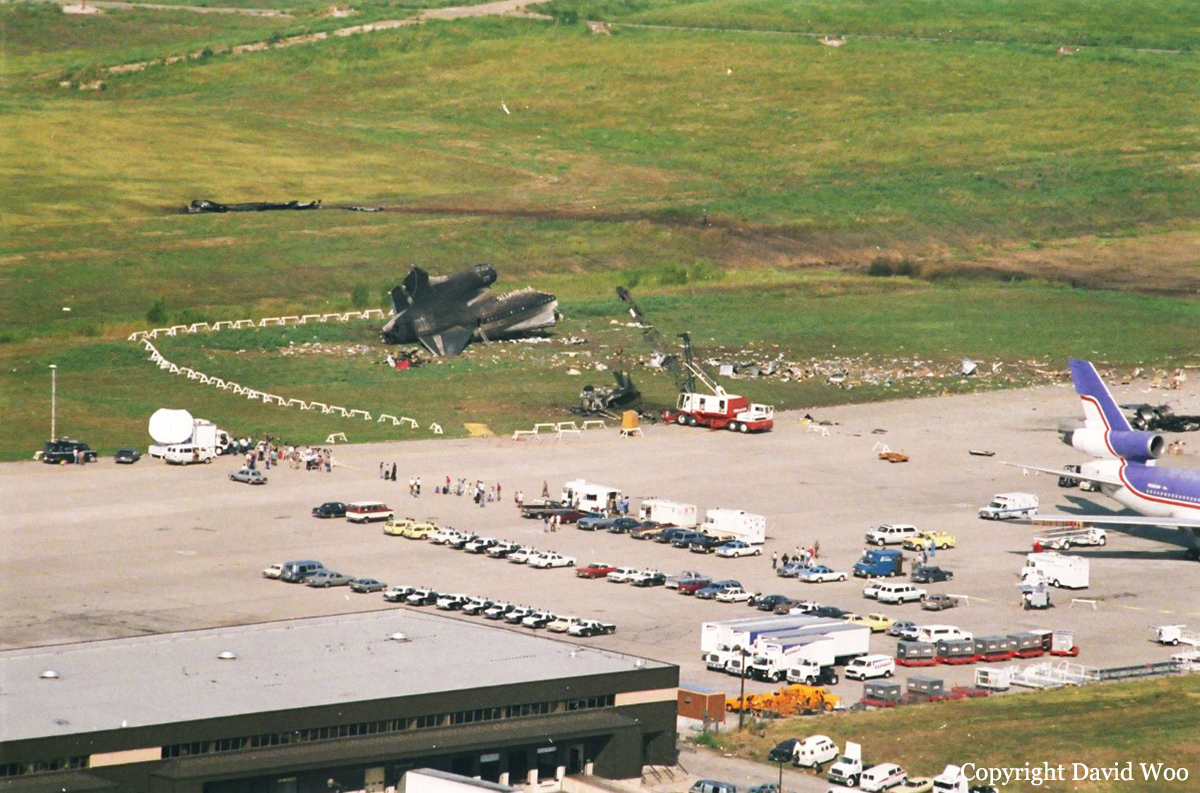
Crash of a Mitsubishi MU-2B-20 Marquise in El Paso: 1 killed

Date & Time: Oct 16, 1985 at 2301 LT
Type of aircraft:
Operator:
Registration:
N23CD
Flight Type:
Survivors:
No
Site:
Schedule:
Albuquerque – El Paso
MSN:
142
YOM:
1969
Location:
Crew on board:
1
Crew fatalities:
Pax on board:
0
Pax fatalities:
Other fatalities:
Total fatalities:
1
Captain / Total flying hours:
9500
Captain / Total hours on type:
1200.00
Circumstances:
The pilot canceled his IFR flight plan and attempted to fly VFR at a relatively low altitude over mountainous terrain with low scattered clouds on a dark night. He reported a large lighted area as being downtown El Paso when in reality it was most likely Coronado Hills, a development on the west side of Franklin Mountain located approximately 4 miles north of the south end of the mountain. This was probably due to having just descended from IFR conditions into VFR conditions. His familiarity with the area, combined with his method of flight operation (as related by a professional acquaintance), probably gave a false sense of security and overconfidence in his personal ability. The pilot, sole on board, was killed.
Probable cause:
Occurrence #1: in flight encounter with weather
Phase of operation: cruise - normal
Findings
1. (f) in-flight planning/decision - poor - pilot in command
2. (c) vfr flight into imc - inadvertent - pilot in command
3. (c) vfr procedures - improper use of - pilot in command
4. (f) weather condition - clouds
5. (f) light condition - dark night
----------
Occurrence #2: in flight collision with terrain/water
Phase of operation: cruise - normal
Findings
6. (c) became lost/disoriented - misjudged - pilot in command
7. (f) overconfidence in personal ability - pilot in command
8. (f) terrain condition - mountainous/hilly
Final Report:

Crash of a Cessna 441 Conquest in Dallas: 4 killed

Date & Time: Oct 1, 1985 at 1328 LT
Type of aircraft:
Registration:
N400BG
Survivors:
No
Schedule:
New Orleans - Dallas
MSN:
441-0069
YOM:
1978
Location:
Crew on board:
1
Crew fatalities:
Pax on board:
3
Pax fatalities:
Other fatalities:
Total fatalities:
4
Captain / Total flying hours:
7000
Captain / Total hours on type:
2200.00
Aircraft flight hours:
2227
Circumstances:
A student pilot in a Cessna 152, N5522L, had departed Redbird Airport at Dallas. He was practicing solo maneuvers in a privately designated practice area that overlapped the extended inbound course to runway 31L and 31R at Love Field. At the same time, a Cessna 441, N400BG, was being vectored for a back course ILS to rwy 31R. DFW approach control cleared N400BG to continue descending to 3,000 feet and fly heading 290°. While N400BG was descending thru approximately 3,600 feet, about 14 miles southeast of Love Field, the two aircraft collided. The Cessna 152 pilot was maneuvering at or near the edge of the practice area when the collision occurred. An investigation revealed the Cessna 152 had just completed an approximately 180° turn toward an easterly heading. Both aircraft were demolished in a quartering head-on collision. Radar info from both aircraft was displayed on the controller's scope. The Cessna 152 was depicted as a 1200 beacon code; however, it was not equipped with a mode C (altitude reporting) transponder. The controller did not provide a traffic advisory for the Cessna 441 pilot; but, in this situation, an advisory was not mandatory. All five pilot on both aircraft were killed.
Probable cause:
Occurrence #1: midair collision
Phase of operation: descent
Findings
1. (f) in-flight planning/decision - improper - pilot of other aircraft
2. (f) monitoring - inadequate - atc personnel(dep/apch)
3. (c) visual lookout - inadequate - pilot in command
4. (c) visual lookout - inadequate - pilot of other aircraft
Final Report:

Crash of a Piper PA-61 Aerostar (Ted Smith 601P) in San Angelo

Date & Time: Aug 24, 1985 at 1700 LT
Registration:
N8045J
Flight Phase:
Flight Type:
Survivors:
Yes
Schedule:
San Angelo - San Angelo
MSN:
61-0528-222
YOM:
1978
Crew on board:
1
Crew fatalities:
Pax on board:
0
Pax fatalities:
Other fatalities:
Total fatalities:
0
Captain / Total flying hours:
1386
Captain / Total hours on type:
35.00
Aircraft flight hours:
897
Circumstances:
The pilot had recently purchased the aircraft and received 25 hours dual instruction to comply with his insurance requirements. Shortly thereafter he went out solo to practice steep turns. He climbed to 12,500 feet and leveled off. He then rolled into a 60° left bank at 200 knots airspeed by applying left aileron and back pressure. He then applied moderate left rudder. At this time the nose came up, the right wing came over the top, the nose tucked down and the aircraft entered a steep nose down spin. In his attempt to stop the spin the pilot shut down both engines. He got the spin stopped after 15 to 20 turns. He started pulling the nose up and the stall buffet was felt. Alt was 500 feet agl at this time and he was unable to restart the engines. He then made a gear up landing in a pasture which resulted in destruction of the aircraft. The pilot was uninjured.
Probable cause:
Occurrence #1: loss of control - in flight
Phase of operation: maneuvering
Findings
1. (c) stall/spin - inadvertent - pilot in command
2. (f) in-flight planning/decision - poor - pilot in command
3. (c) lack of total experience in type of aircraft - pilot in command
----------
Occurrence #2: loss of engine power
Phase of operation: descent - uncontrolled
Findings
4. (c) powerplant controls - improper use of - pilot in command
----------
Occurrence #3: forced landing
Phase of operation: descent - emergency
----------
Occurrence #4: in flight collision with terrain/water
Phase of operation: landing - flare/touchdown
Findings
5. (f) terrain condition - rough/uneven
6. (c) wheels up landing - intentional - pilot in command
Final Report:

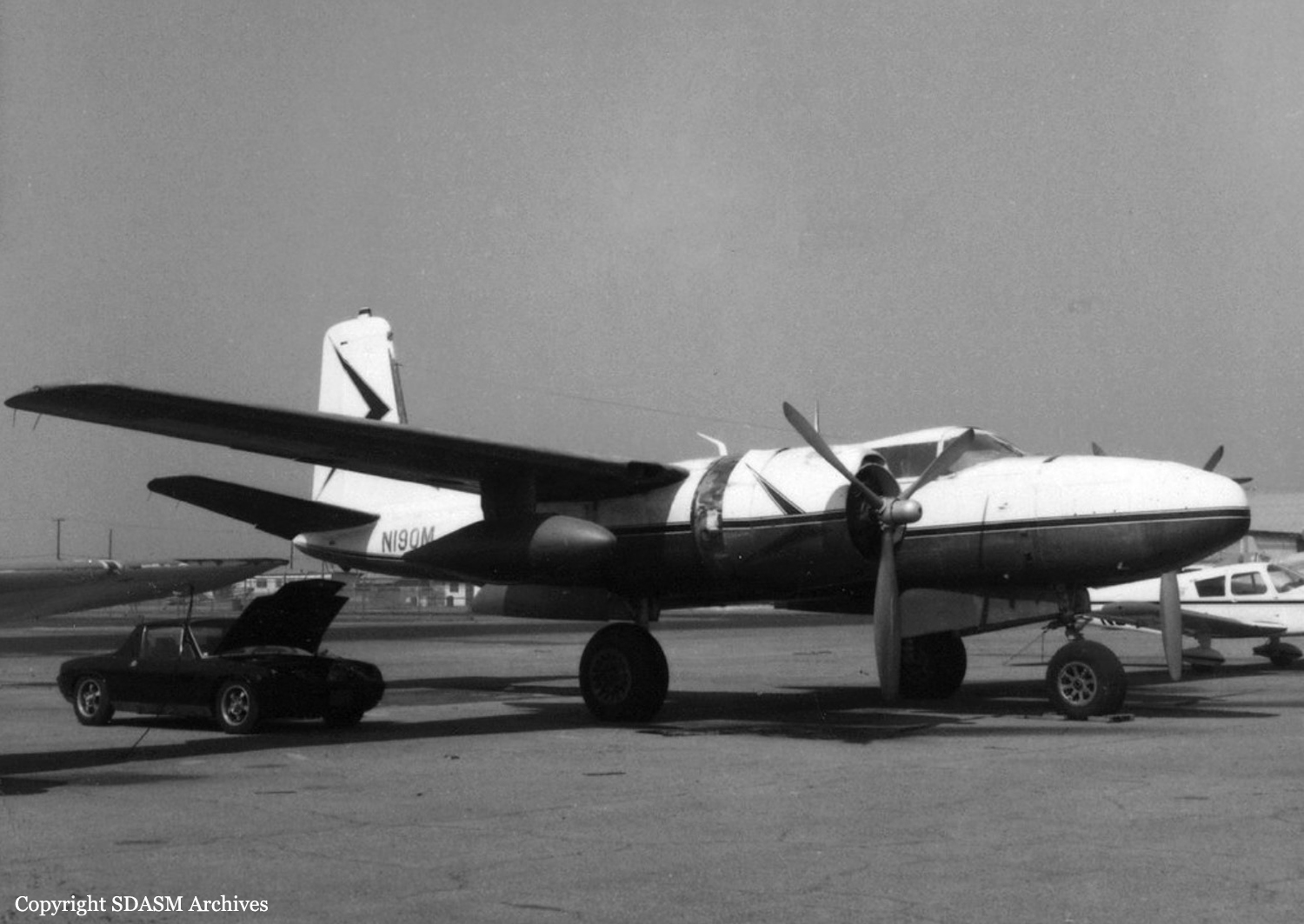
Crash of a Douglas TB-26B Invader in Paris

Date & Time: Aug 17, 1985 at 0945 LT
Type of aircraft:
Operator:
Registration:
N190M
Flight Phase:
Flight Type:
Survivors:
Yes
Schedule:
Paris - Fargo
MSN:
27435
YOM:
1944
Crew on board:
2
Crew fatalities:
Pax on board:
0
Pax fatalities:
Other fatalities:
Total fatalities:
0
Captain / Total flying hours:
9485
Captain / Total hours on type:
1050.00
Circumstances:
The aircraft had not flown for two years and was being checked out for a ferry flight to the USAF Air Museum in Fargo, ND. During initial climb from Cox Field at Paris, TX, the left engine lost total power and the right engine lost partial power. An off airport forced landing was attempted, however, the aircraft impacted the terrain and trees. The reason for the power loss was not determined. Both pilots escaped with minor injuries.
Probable cause:
Occurrence #1: loss of engine power
Phase of operation: takeoff - initial climb
Findings
1. (c) reason for occurrence undetermined
----------
Occurrence #2: forced landing
Phase of operation: descent - emergency
----------
Occurrence #3: in flight collision with object
Phase of operation: descent - emergency
Findings
2. (f) object - tree(s)
3. (f) airport/facilities - none suitable
----------
Occurrence #4: in flight collision with terrain/water
Phase of operation: descent - uncontrolled
Final Report:

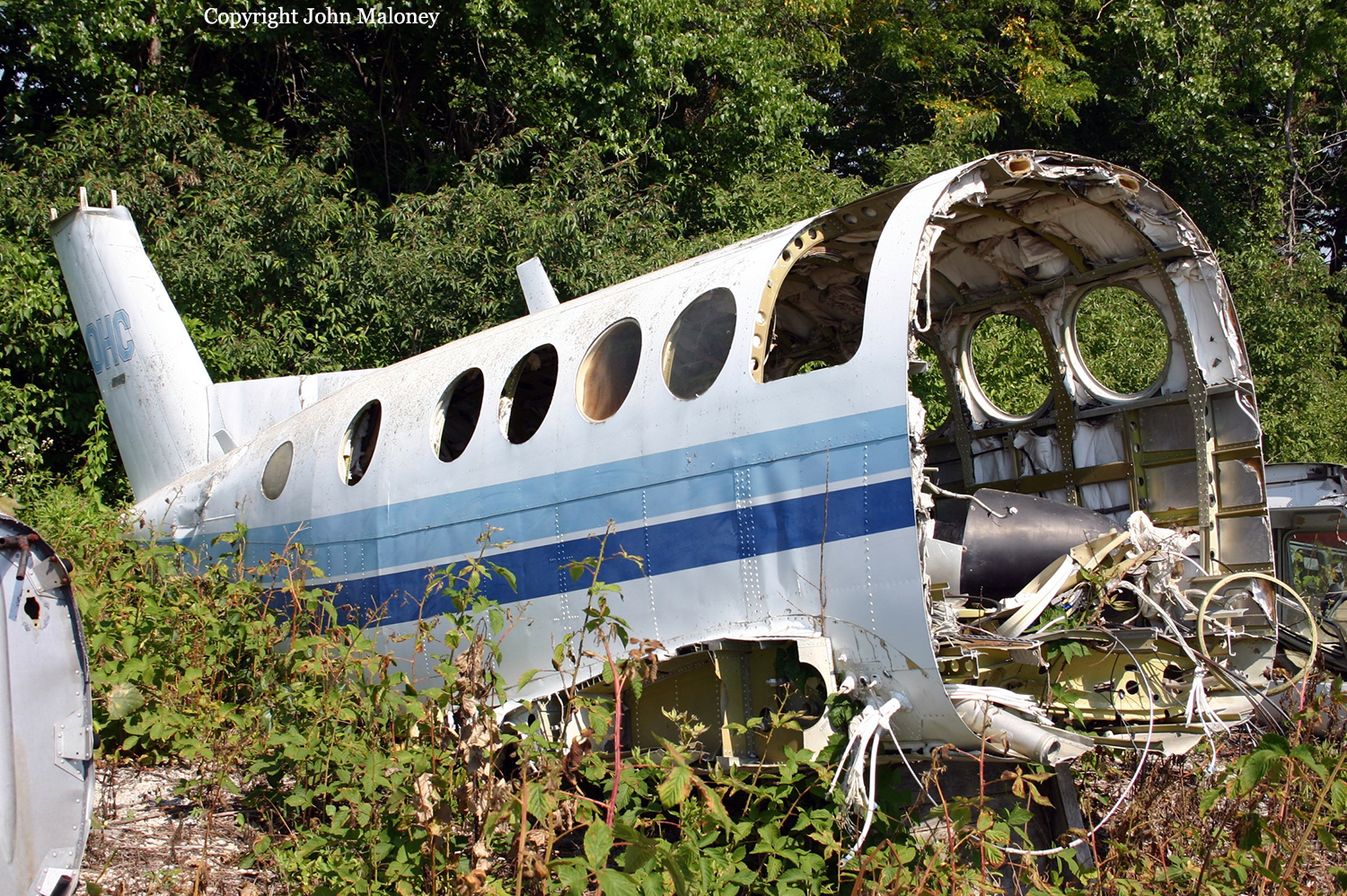
Crash of a Beechcraft 200 Super King Air in Quinlan

Date & Time: Aug 12, 1985 at 1015 LT
Operator:
Registration:
N100HC
Flight Phase:
Flight Type:
Survivors:
Yes
Schedule:
Dallas - Dallas
MSN:
BB-98
YOM:
1976
Location:
Crew on board:
2
Crew fatalities:
Pax on board:
0
Pax fatalities:
Other fatalities:
Total fatalities:
0
Captain / Total flying hours:
13420
Captain / Total hours on type:
320.00
Aircraft flight hours:
3040
Circumstances:
N100HC and N33177 collided due to the failure of both pilots to maintain adequate visual separation. The pilot-in-command of N100HC made a poor decision by performing the simulated emergency descent on a low altitude airway. The southerly descending maneuver was performed between 5,500 and 3,500 feet, which coincided with the westerly cruising altitude of N33177. The pilot of N33177 would have been hindered to an unknown degree by the high wing design of the aircraft from perceiving N100HC as it descended at a convergence angle of about 90°. The crew of N100HC saw N33177 just prior to collision and initiated an unsuccessful rolling pull-up evasive maneuver. A portion of the right wing and the empennage of N33177 were separated during the collision resulting in its uncontrolled vertical descent. Post crash fire consumed the wreckage. Damage to N100HC led to a forced landing 7 1/2 miles from the mid air collision. Both pilots on board the Beech were unhurt.
Probable cause:
Occurrence #1: midair collision
Phase of operation: maneuvering
Findings
1. (c) in-flight planning/decision - poor - pilot in command
2. Emergency procedure - simulated - pilot in command
3. (c) visual lookout - not maintained - pilot in command
4. (c) inattentive - pilot in command
5. Remedial action - attempted - pilot in command
----------
Occurrence #2: loss of control - in flight
Phase of operation: maneuvering
----------
Occurrence #3: forced landing
Phase of operation: descent - emergency
----------
Occurrence #4: in flight collision with terrain/water
Phase of operation: landing - flare/touchdown
Findings
6. Terrain condition - ground
7. Landing gear, main gear - failure, total
8. Landing gear, main gear - overload
9. Landing gear, nose gear - failure, total
10. Landing gear, nose gear - overload
Final Report:

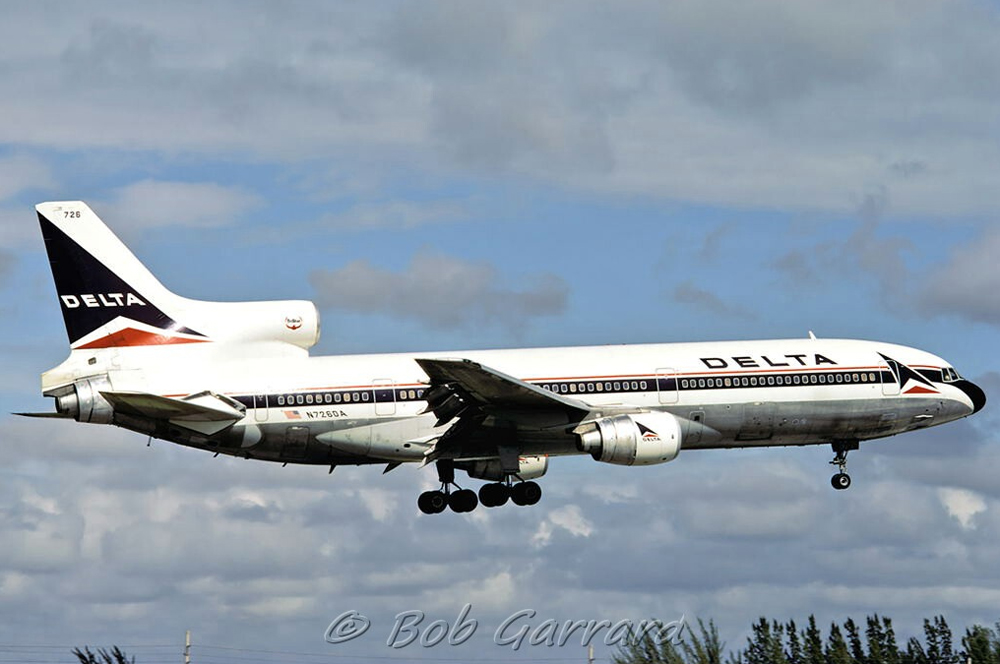
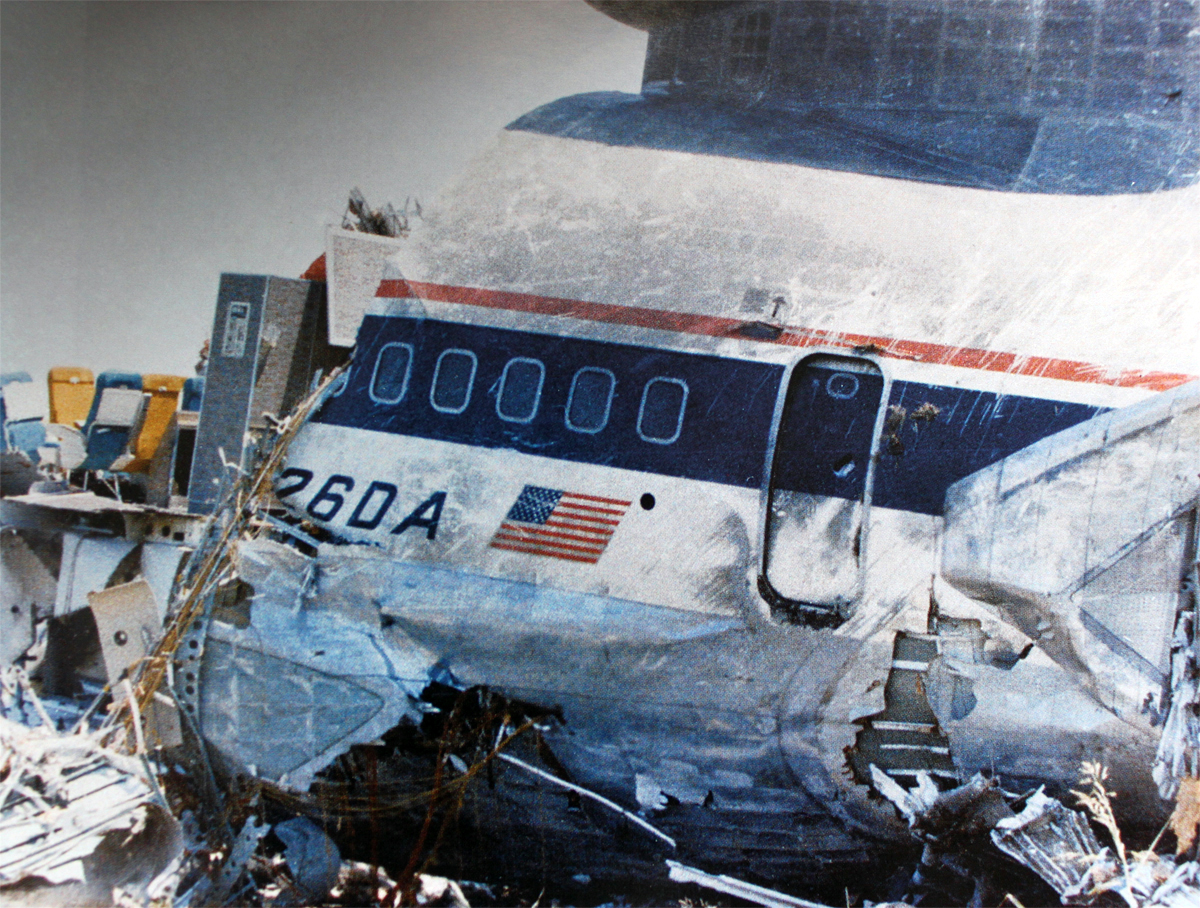
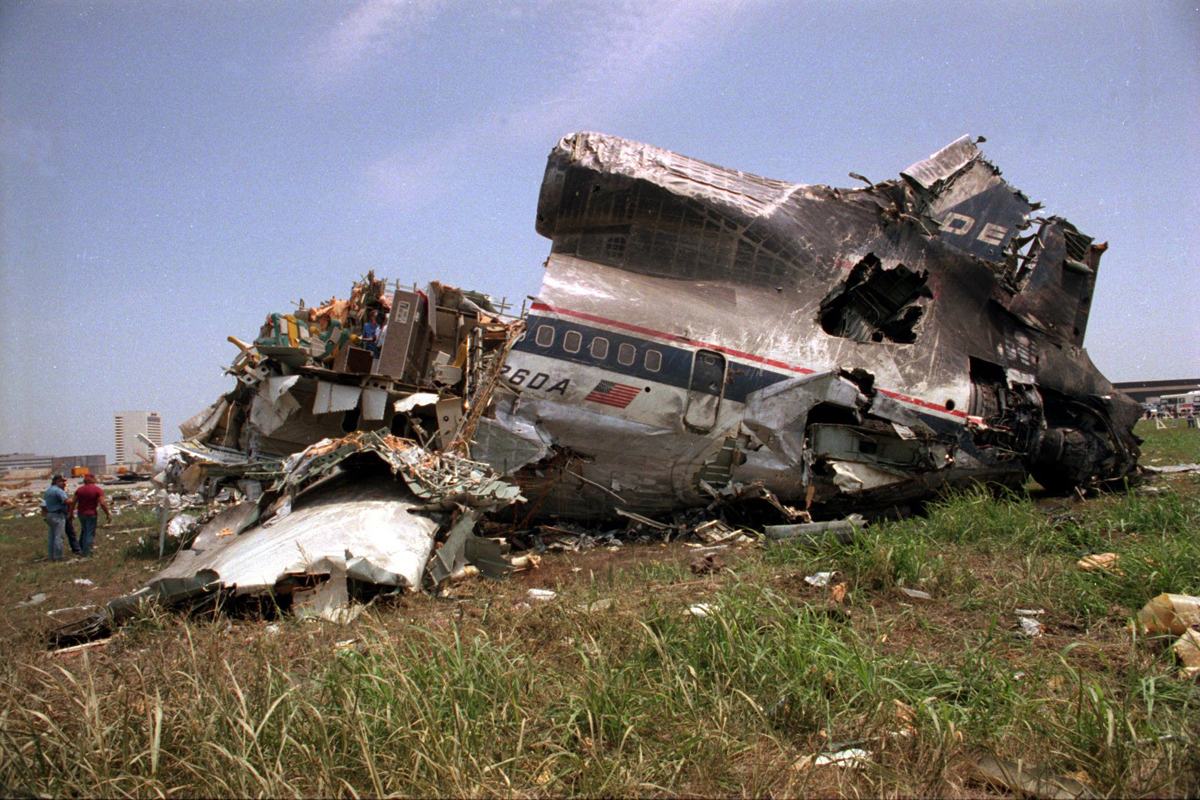
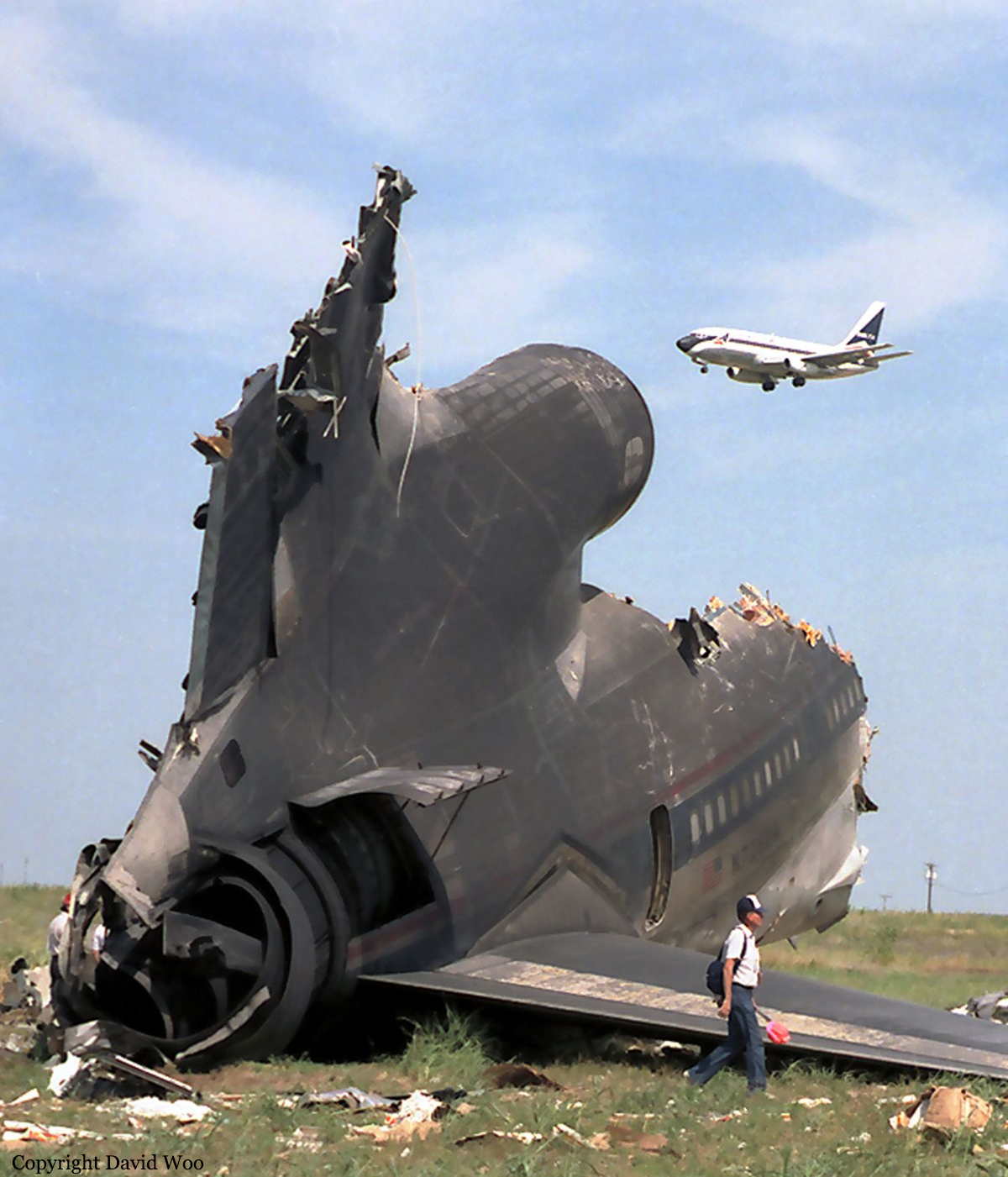
Crash of a Lockheed L-1011-385 TriStar 1 in Dallas: 135 killed

Date & Time: Aug 2, 1985 at 1805 LT
Type of aircraft:
Operator:
Registration:
N726DA
Survivors:
Yes
Schedule:
Fort Lauderdale - Dallas - Los Angeles
MSN:
193C-1163
YOM:
1979
Flight number:
DL191
Crew on board:
11
Crew fatalities:
Pax on board:
152
Pax fatalities:
Other fatalities:
Total fatalities:
135
Captain / Total flying hours:
29300
Captain / Total hours on type:
3000.00
Copilot / Total flying hours:
6500
Copilot / Total hours on type:
1200
Aircraft flight hours:
20555
Aircraft flight cycles:
11186
Circumstances:
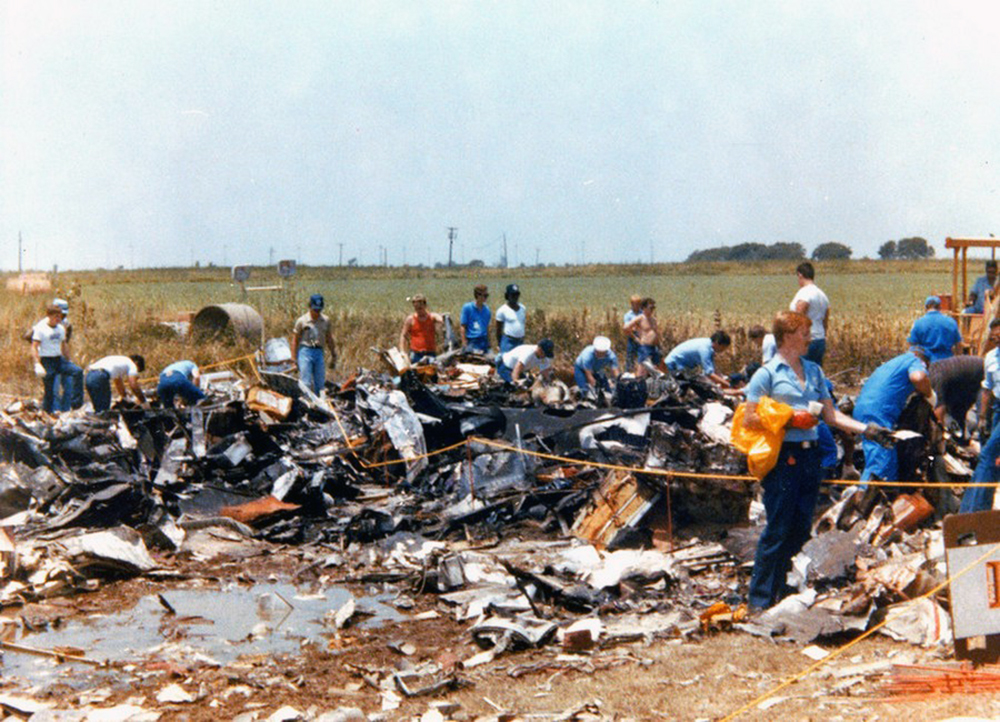
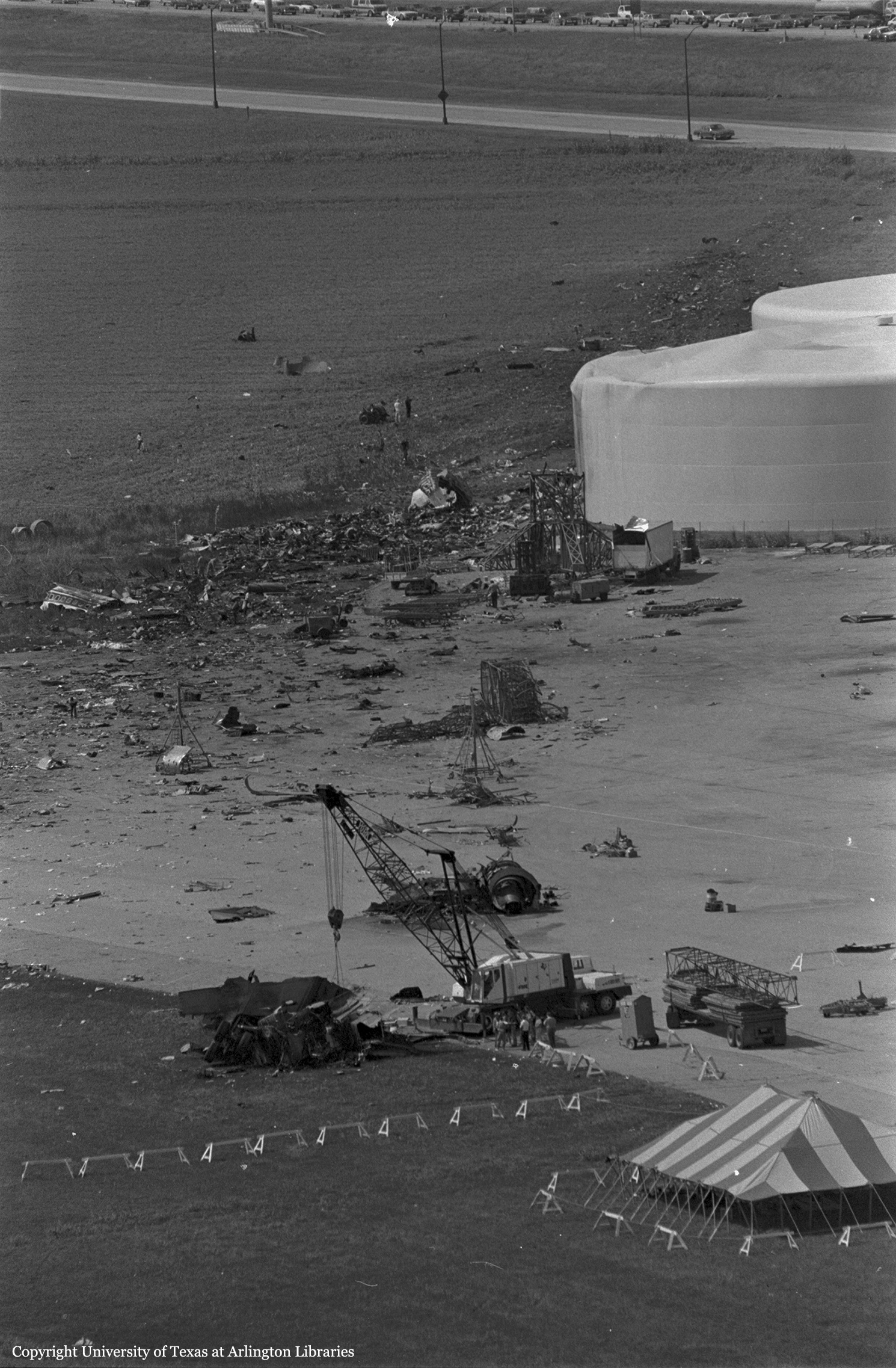
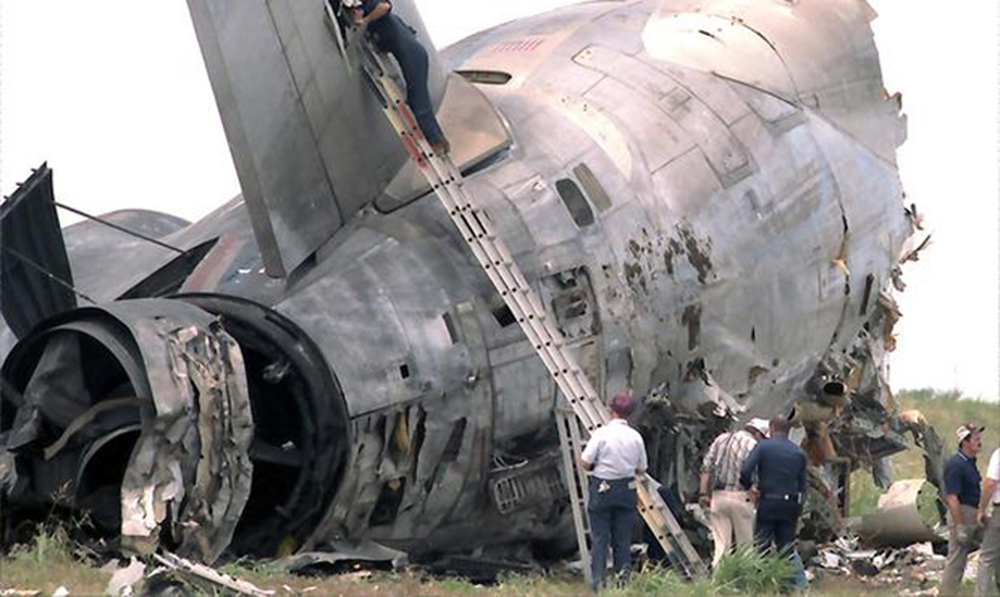
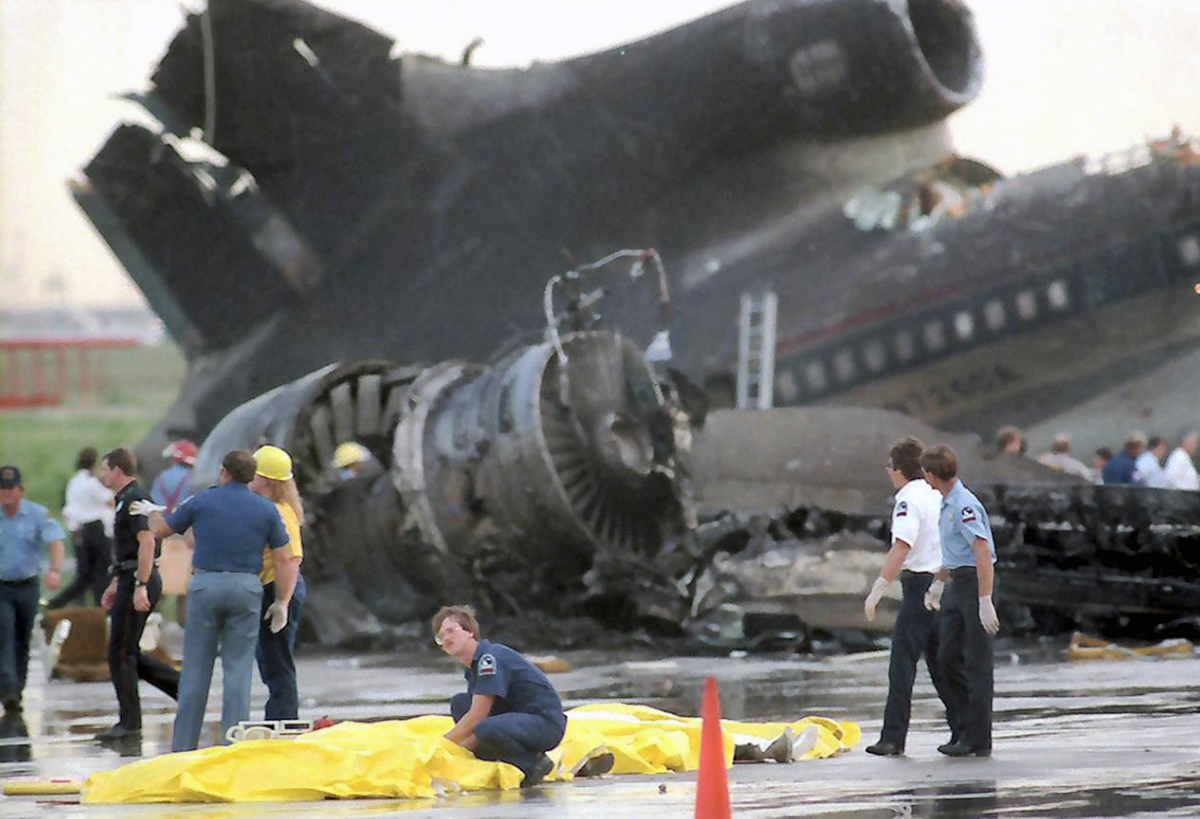
Delta Air Lines flight 191 was a regularly scheduled passenger flight between Fort Lauderdale, FL (FLL), and Los Angeles, CA (LAX), with an en route stop at the Dallas/Fort Worth International Airport, TX (DFW). Flight 191, a Lockheed L-1011 TriStar airplane, departed Fort Lauderdale on an IFR flight plan with 152 passengers and a crew of 11 on board at 15:10 EDT. The DFW Airport terminal weather forecast contained in the flightcrew's dispatch document package stated, in part, that there was a possibility of widely scattered rain showers and thunderstorms, becoming isolated after 20:00 CDT. The flight was uneventful until passing New Orleans, Louisiana. A line of weather along the Texas-Louisiana gulf coast had intensified. The flightcrew elected to change their route of flight to the more northerly Blue Ridge arrival route to avoid the developing weather to the south. This change necessitated a 10 to 15-minute hold at the Texarkana, Arkansas, VORTAC for arrival sequencing at the DFW Airport. At 17:35, the flightcrew received the following ATIS broadcast: "DFW arrival information romeo, two one four seven Greenwich, weather six thousand scattered, two one thousand scattered, visibility one zero, temperature one zero one, dew point six seven, wind calm, altimeter two niner niner two, runway one eight right one seven left, visual approaches in progress, advise approach control that you have romeo". Fort Worth Air Route Traffic Control Center (ARTCC) then cleared flight 191 to the Blue Ridge, Texas, VORTAC for the Blue Ridge Nine arrival, and to begin its descent. At 17:43:45, Fort Worth ARTCC cleared flight 191 to descend to 10,000 feet, gave it a 29.92 in Hg altimeter setting, and suggested that the flight turn to a heading-of 250 degrees "to join the Blue Ridge zero one zero radial inbound and we have a good area there to go through.!' The captain replied that he was looking at a "pretty good size" weather cell, "at a heading of two five five ... and I'd rather not go through it, I'd rather go around it one way or the other." Fort Worth ARTCC then gave the flight another heading and stated "when I can I'll turn you into Blue Ridge, it'll be about the zero one zero radial." At 17:46, the center cleared flight 191 direct to Blue Ridge and to descend to 9,000 feet, and flight 191 acknowledged receipt of the clearance. At 17:48, the captain told the first officer, "You're in good shape. I'm glad we didn't have to go through that mess. I thought sure he was going to send us through it." Three minutes later, the flight engineer said, "Looks like it's raining over Fort Worth." At 17:51, Forth Worth ARTCC instructed flight 191 to contact DFW Airport Approach Control. At 17:56:28, Regional Approach Control's Feeder East controller transmitted an all aircraft message which was received by flight 191. The message stated in part, "Attention, all aircraft listening... there's a little rainshower just north of the airport and they're starting to make ILS approaches ... tune up one oh nine one for one seven left." At 17:59, the first officer stated, "We're gonna get our airplane washed," and the captain switched to Regional Approach Control's Arrival Radar-1 (AR-1) frequency and told the controller that they were at 5,000 feet. At 18:00, the approach controller asked American Air Lines flight 351 if it was able to see the airport. (Flight 351 was two airplanes ahead of flight 191 in the landing sequence for runway 17L.) Flight 351 replied, "As soon as we break out of this rainshower we will." The controller then told flight 351 that it was 4 miles from the outer marker, and to join the localizer at 2,300 feet; the controller then cleared the flight for the ILS approach to runway 17L. At 18:00, the approach controller asked flight 191 to reduce its airspeed to 170 knots, and to turn left to 270 degrees; flight 191 then acknowledged receipt of the clearance. Flight 191 had been sequenced behind a Learjet 25 for landing on runway 17L. At 18:02, the approach controller told flight 191 that it was 6 miles from the outer marker, requested that it turn to 180 degrees to join the localizer at or above 2,300 feet, and stated, "Cleared for ILS one seven left approach." The flight acknowledged receipt of the transmission. At 18:03:03, the approach controller requested flight 191 "to reduce your speed to one six zero please," and the captain replied, "Be glad to." Thereafter, at 18:03:30, he broadcast, "And we're getting some variable winds out there due to a shower... out there north end of DFW." This transmission was received by flight 191. At 18:03:46, the approach controller requested flight 191 to slow to 150 KIAS, and to contact the DFW Airport tower. At 18:03:58, the captain, after switching to the tower's radio frequency, stated, "Tower, Delta one ninety one heavy, out here in the rain, feels good." The tower cleared the flight to land and informed it, "wind zero nine zero at five, gusts to one five." At 18:04:07, the first officer called for the before-landing check. The flightcrew confirmed that the landing gear was down and that the flaps were extended to 33 degrees, the landing flap setting. At 18:04:18, the first officer said, "Lightning coming out of that one." The captain asked, "What?" and the first officer repeated "Lightning coming out of that one." The captain asked, and at 18:04:23, the first officer replied, "Right ahead of us." Flight 191 continued descending along the final approach course. At 18:05:05 the captain called out "1,000 feet." At 18:05:19, the captain cautioned the first officer to watch his indicated airspeed and a sound identified as rain began. The captain then warned the first officer, "You're gonna lose it all of a sudden, there it is." The captain stated, "Push it up, push it way up." At 18:05:29, the sound of engines at high rpm was heard on the CVR, and the captain said "That's it." At 18:05:44, the Ground Proximity Warning System's (GPWS) "Whoop whoop pull up" alert sounded and the captain commanded "TOGA". The CVR recording ended at 18:05:58. Witnesses on or near State Highway 114 north of the airport saw flight 191 emerge from the rain about 1.25 miles from the end of runway 17L and then strike an automobile in the westbound lane of State Highway 114. Subsequent investigation showed that the airplane had touched down earlier and became airborne again before striking the automobile. After the plane struck the car and a light pole on the highway, other witnesses saw fire on the left side of the airplane in the vicinity of the wing root. The witnesses generally agreed that the airplane struck the ground in a left-wing-low attitude, and that the fuselage rotated counterclockwise after the left wing and cockpit area struck a water tank on the airport. A large explosion obscured the witnesses' view momentarily, and then the tail section emerged from the fireball, skidding backwards. The tail section finally came to rest on its left side with the empennage pointing south and was subsequently blown to an upright position by wind gusts. One hundred and thirty-four persons on board the airplane and the driver of the automobile which was struck by the airplane were killed in the accident; 27 persons on board the airplane and 1 rescue worker at the accident site were injured, 2 passengers on the airplane were uninjured.
Probable cause:
The flight crew's decision to initiate and continue the approach into a cumulonimbus cloud which they observed to contain visible lightning; the lack of specific guidelines, procedures and training for avoiding and escaping from low-level windshear; and the lack of definitive, real-time windshear hazard information. This resulted in the aircraft's encounter at low altitude with a microburst-induced, severe windshear from a rapidly developing thunderstorm located on the final approach course.
Final Report:

Crash of a Swearingen SA26AT Merlin IIB in Rocksprings: 1 killed

Date & Time: Jun 19, 1985 at 1510 LT
Type of aircraft:
Operator:
Registration:
N199TA
Flight Phase:
Survivors:
No
Schedule:
Del Rio - McGregory
MSN:
T26-110
YOM:
1968
Crew on board:
1
Crew fatalities:
Pax on board:
0
Pax fatalities:
Other fatalities:
Total fatalities:
1
Captain / Total flying hours:
4843
Captain / Total hours on type:
66.00
Circumstances:
As the aircraft was climbing thru 14,800 feet for 19,000 feet, the pilot reported a rapid decompression. Two minutes later, he reported that he has lost the tail. Aircraft impacted in an inverted flat spin and the tail and a section of empennage were found about 3/4 mile away from main wreckage. Investigation revealed that a skin seam had split open along a 54' span in an area where 2 pieces of 'l' shaped channel had been riveted together to form a stringer. Normally the stringer would be made using a single piece of 't' shaped channel. The non-standard stringer had been fabricated during repairs made on the aircraft following a gear up landing 7 years prior to this accident. Analysis revealed that the rivets holding the 'l' channels together and failed in fatigue due to tensile cyclic loading whenever the aircraft was pressurized. Aircraft had a history of pressurization problems following the repair that was not properly performed or inspected. The pi1lot, sole on board, was killed.
Probable cause:
Occurrence #1: decompression
Phase of operation: climb - to cruise
Findings
1. (c) fuselage - decompression
2. (c) fuselage, skin - separation
3. (c) fuselage, stringer - fatigue
4. (c) maintenance, major repair - improper - other maintenance personnel
5. (f) facility, inadequate design (standard/requirement) - other maintenance personnel
6. (c) fuselage, stringer - previous damage
7. (c) maintenance, inspection - not performed - other maintenance personnel
8. (f) facility, inadequate design (standard/requirement) - faa (other/organization)
----------
Occurrence #2: airframe/component/system failure/malfunction
Phase of operation: descent - emergency
Findings
9. (c) fuselage - separation
----------
Occurrence #3: loss of control - in flight
Phase of operation: descent - uncontrolled
----------
Occurrence #4: in flight collision with terrain/water
Phase of operation: descent - uncontrolled
Final Report: