Crash of a Percival P.10 Vega Gull in Oxted

Date & Time: Jan 24, 1938
Type of aircraft:
Registration:
G-AEKE
Flight Phase:
Flight Type:
Survivors:
Yes
MSN:
K.29
YOM:
1936
Location:
Region:
Crew on board:
1
Crew fatalities:
Pax on board:
0
Pax fatalities:
Other fatalities:
Total fatalities:
0
Circumstances:
Few minutes after takeoff from London-Gatwick Airport, the airplane went out of control, impacted trees and crashed into a ravine located in Oxted. The pilot, sole on board, was injured.

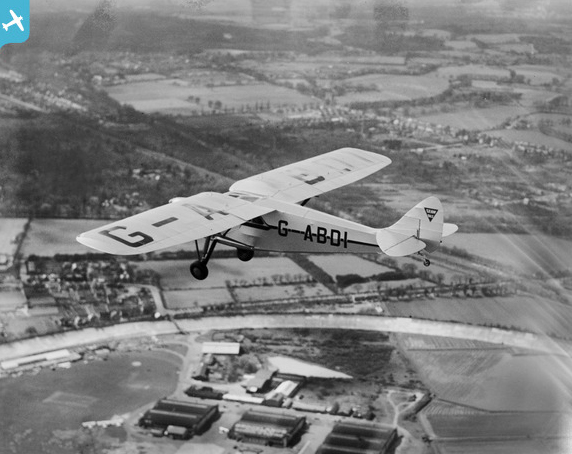
Crash of a De Havilland DH.80 Puss Moth in Horne: 1 killed

Date & Time: Dec 23, 1937
Operator:
Registration:
G-ABDI
Flight Phase:
Flight Type:
Survivors:
No
Schedule:
Redhill - Redhill
MSN:
2091
YOM:
1930
Location:
Region:
Crew on board:
1
Crew fatalities:
Pax on board:
0
Pax fatalities:
Other fatalities:
Total fatalities:
1
Circumstances:
The pilot Robert S. Gray was performing a solo training flight. Few minutes after takeoff from Redhill Airport, the single engine aircraft owned by the Redhill Flying Club crashed in unknown circumstances in a field located in Horne, east of Horley. The pilot was killed.

Crash of a General Aircraft ST-4 Monospar II in Croydon

Date & Time: Dec 13, 1937
Registration:
G-ACEW
Flight Type:
Survivors:
Yes
Schedule:
Paris - Croydon
MSN:
11
YOM:
1933
Location:
Region:
Crew on board:
1
Crew fatalities:
Pax on board:
0
Pax fatalities:
Other fatalities:
Total fatalities:
0
Circumstances:
Just prior to land at Croydon Airport following a cargo flight from Paris-Le Bourget, the airplane was caught by downdrafts and impacted ground. It overturned and came to rest upside down. The pilot escaped uninjured.
Probable cause:
Loss of control on short final due to strong downdrafts.

Crash of a Lockheed 10A Electra in Croydon

Date & Time: Dec 13, 1937
Type of aircraft:
Operator:
Registration:
G-AEPP
Survivors:
Yes
Schedule:
Paris – Croydon
MSN:
1082
YOM:
1936
Location:
Region:
Crew on board:
2
Crew fatalities:
Pax on board:
2
Pax fatalities:
Other fatalities:
Total fatalities:
0
Circumstances:
After landing at night and in a blizzard, the twin engine aircraft went out of control. It veered off runway and collided with a fuel station, coming to rest broken in two. All four occupants evacuated safely.

Crash of a Junkers JU.52/3mfe in Croydon: 3 killed

Date & Time: Nov 26, 1937 at 2130 LT
Type of aircraft:
Operator:
Registration:
D-AGAV
Flight Phase:
Flight Type:
Survivors:
No
Schedule:
Croydon – Cologne – Hanover – Berlin
MSN:
4023
YOM:
1933
Location:
Region:
Crew on board:
3
Crew fatalities:
Pax on board:
0
Pax fatalities:
Other fatalities:
Total fatalities:
3
Circumstances:
Shortly after a night takeoff from Croydon Airport, the three engine aircraft went out of control and crashed onto a hangar. All three crew members were killed.

Crash of an Avro 594 Avian III in Brooklands

Date & Time: Aug 2, 1937
Type of aircraft:
Registration:
G-EBXD
Flight Phase:
Flight Type:
Survivors:
Yes
Schedule:
Brooklands – Woodford
MSN:
121
YOM:
1928
Region:
Crew on board:
1
Crew fatalities:
Pax on board:
0
Pax fatalities:
Other fatalities:
Total fatalities:
0
Circumstances:
Crashed shortly after takeoff from Brooklands Airport. The aircraft was destroyed and the pilot Mr. J. Davies was injured.

Crash of a De Havilland DH.60M Moth in Box Hill: 1 killed

Date & Time: Jul 18, 1937
Type of aircraft:
Operator:
Registration:
K1858
Flight Phase:
Flight Type:
Survivors:
No
Schedule:
Redhill - Redhill
MSN:
1932
YOM:
1930
Location:
Region:
Crew on board:
1
Crew fatalities:
Pax on board:
0
Pax fatalities:
Other fatalities:
Total fatalities:
1
Circumstances:
The pilot departed Redhill on a local solo training flight. While completing aerobatics at low height, he lost control of the airplane that crashed in Box Hill. The pilot Sgt Raymond Arthur Mould was killed.

Crash of an Airspeed AS.6 Envoy in Titsey Hill: 2 killed

Date & Time: Jan 22, 1937
Type of aircraft:
Operator:
Registration:
G-ADBZ
Flight Phase:
Flight Type:
Survivors:
No
Schedule:
Croydon – Paris
MSN:
35
YOM:
1935
Region:
Crew on board:
2
Crew fatalities:
Pax on board:
0
Pax fatalities:
Other fatalities:
Total fatalities:
2
Circumstances:
The crew departed Croydon on a mail flight to Paris-Le Bourget. En route, he encountered poor visibility due to low clouds. Too low, the airplane collided with two high trees and crashed in Titsey Hill, near Oxted. Both occupants were killed.
Crew:
Gordon Shepherd Jones-Evans, pilot,
John Walker, radio operator.
Probable cause:
It was evident from the disposition of the wreckage and the nature of the damage to the trees, that the aircraft was flying straight and laterally level and was heading south-east. "I found no evidence to suggest that there was any engine failure. on the contrary, the evidence indicates that the engines were running normally," said the Inspector. The hills were 870 feet high, and the trees were about 50 feet high, bringing the total height to 920 feet, or about 300 metres. Weather conditions, in witness's opinion, must have had something to do with the accident. It was possible that the southerly wind had drifted the machine farther over the high ground. There was no question of the engine stalling. He did not consider that a fully-loaded machine had anything to do with the accident.

Crash of a Douglas DC-2-115E in Croydon: 15 killed

Date & Time: Dec 9, 1936 at 1030 LT
Type of aircraft:
Operator:
Registration:
PH-AKL
Flight Phase:
Survivors:
Yes
Site:
Schedule:
Croydon – Amsterdam – Berlin
MSN:
1358
YOM:
1935
Location:
Region:
Crew on board:
4
Crew fatalities:
Pax on board:
13
Pax fatalities:
Other fatalities:
Total fatalities:
15
Circumstances:
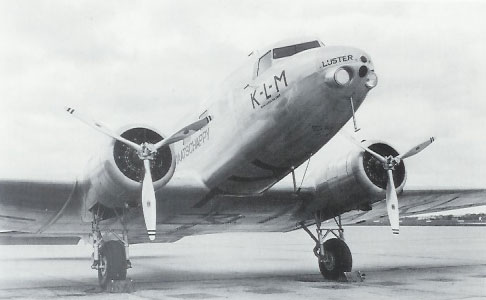
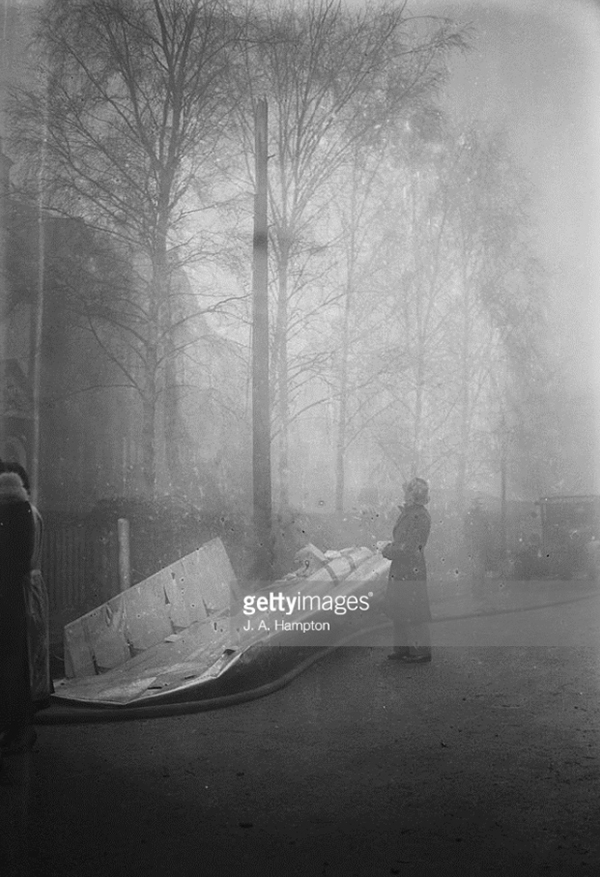
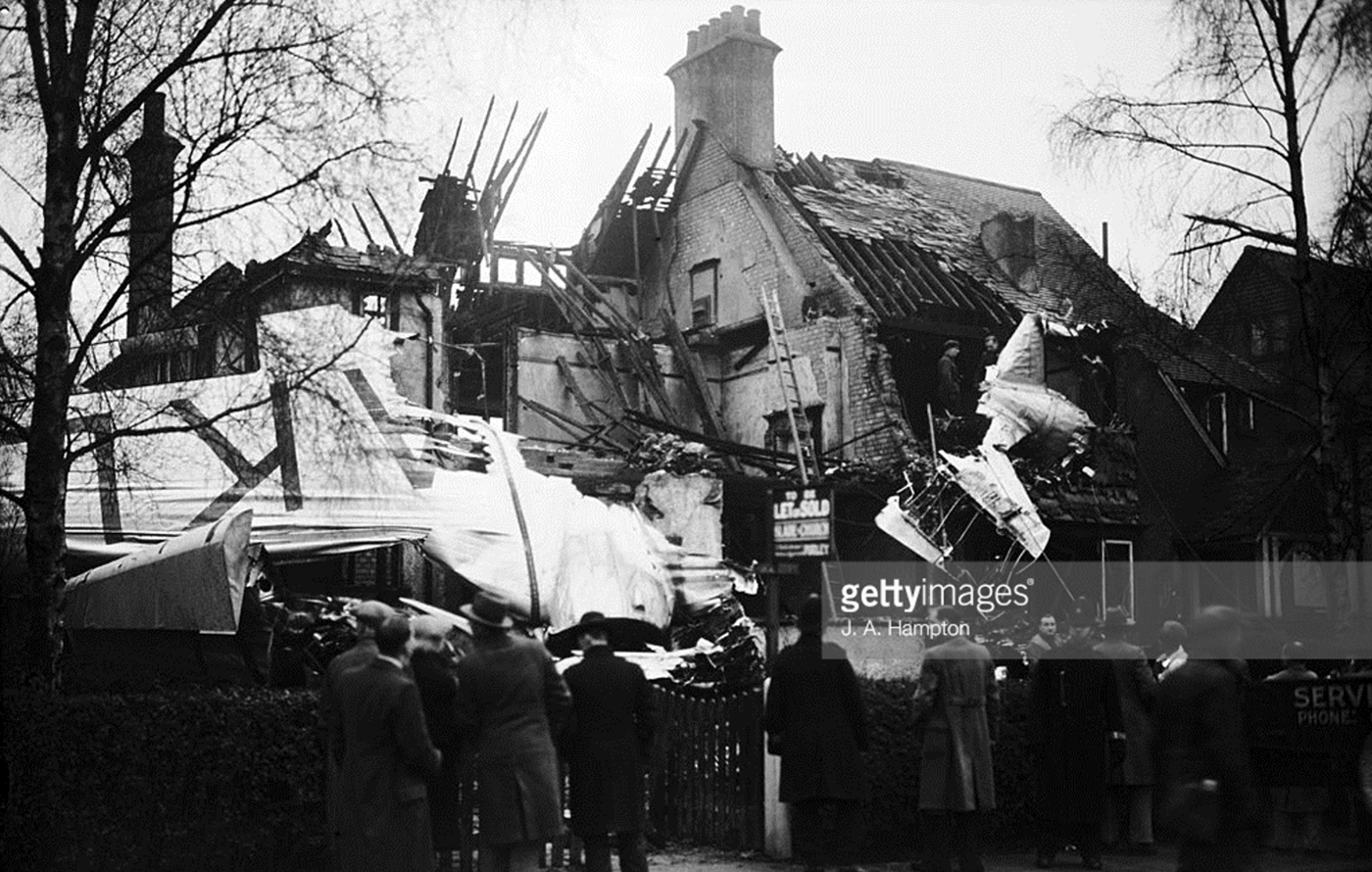
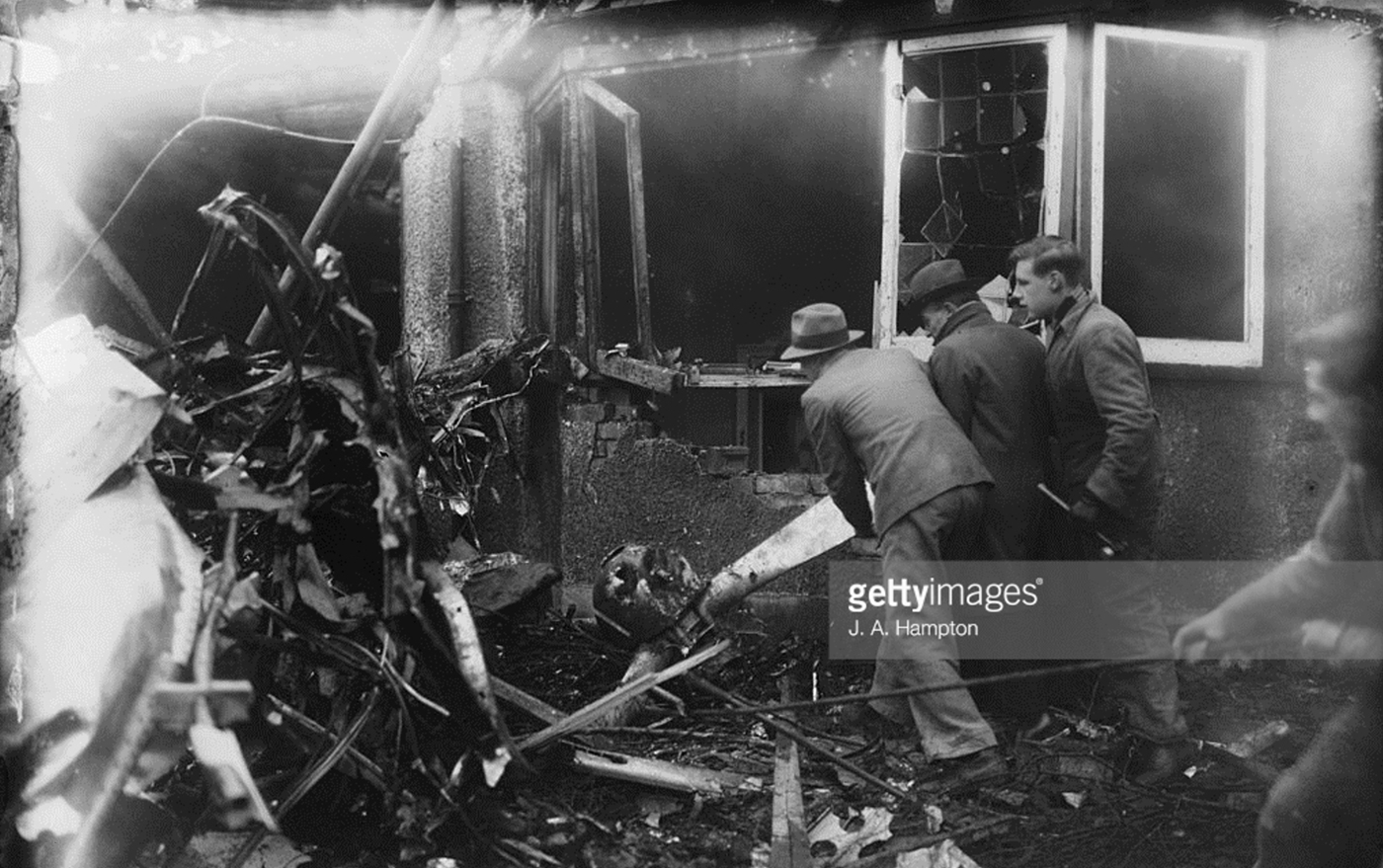
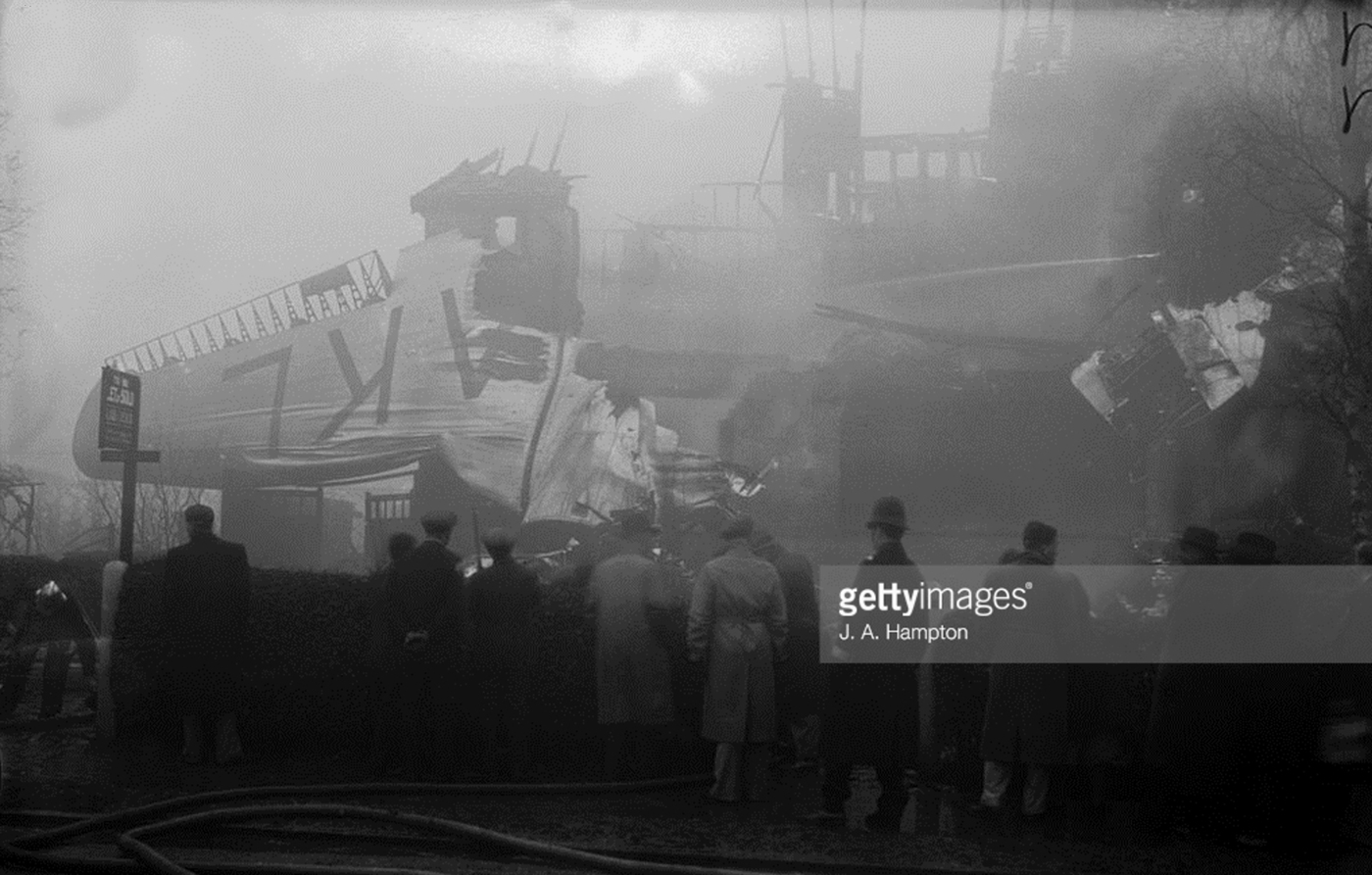
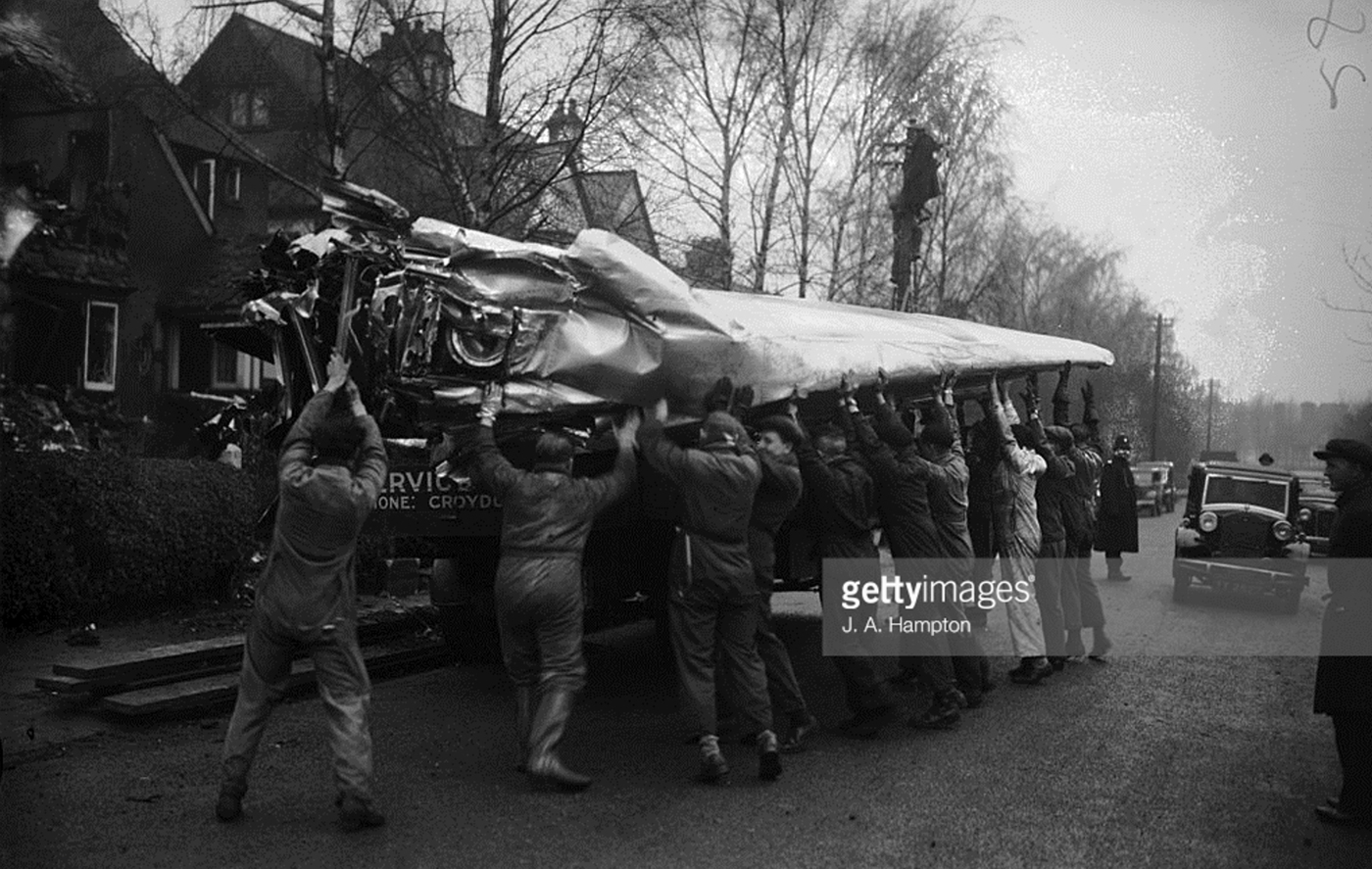
The airport of Croydon was shrouded in fog with visibility fluctuating at around 50 metres and all aircraft were operating under so-called "QBI" (a Q code denoting that all operations have to be performed under instrument flight rules) conditions. Crews were following a white line laid out approximately East-West on the grass surface of Croydon's landing area during their take-off runs (a normal procedure at several airports in the United Kingdom at the time, that had been in use at Croydon since 1931). A number of departures by this method had already been made that day by the time the KLM DC-2 took off, including a Swissair DC-2 about 25 minutes beforehand. The KLM DC-2 named 'Lijster' started its takeoff run along the white line but after about 200 yards (183 m), it veered off the line to the left and on becoming airborne headed south towards rising ground instead of in the normal westerly direction. After flying over the southern boundary of the airport, the aircraft hit the chimney of a house on Hillcrest Road, Purley, then crashed into an empty house on the opposite side of the street. The aircraft, the house and an adjoining house (also empty at the time) were destroyed in the crash and ensuing fire. One passenger and the stewardess survived while all 15 other occupants were killed, among them Admiral Salomon Arvid Achates Lindmann, former Prime Minister of Sweden, and Juan de la Cierva y Cordoniu, the inventor of the Autogyro in 1923 and the vertical takeoff in 1934. At this time, this accident was considered as the worst air crash in the UK in terms of the number of fatalities.
Crew:
Ludwig Hautzmayer, pilot,
Pieter Cornelis van Bemmel Valentijn, radio operator,
Jaap Verkerk, flight engineer,
Hilde Bongertman, stewardess.
Probable cause:
It was determined by the UK Accidents Investigation Branch that the pilot had failed to maintain directional control of the aircraft, and also demonstrated ‘poor judgement’ in not throttling down the engines and abandoning the take-off after it had departed the runway.


Crash of a De Havilland DH.60G Moth in Brooklands: 1 killed

Date & Time: Oct 3, 1936
Type of aircraft:
Registration:
G-AAJN
Flight Phase:
Flight Type:
Survivors:
Yes
Schedule:
Hanworth - Brooklands
MSN:
1049
YOM:
1929
Region:
Crew on board:
1
Crew fatalities:
Pax on board:
1
Pax fatalities:
Other fatalities:
Total fatalities:
1
Circumstances:
While approaching Brooklands, the airplane entered an uncontrolled descent and crashed in Weybridge. The pilot was killed and the female passenger was injured.
Crew:
James Skipworth Wilkinson.
Passenger:
Margaret Maffett.
Probable cause:
It was explained that the machine was a dual control 'plane, and that it crashed after entering a spin. It was rule of the club that when a pilot took up an unqualified passenger the controls should be disconnected. An Air Ministry inspector told how he found marks and paint on one of the girl's shoes, from which it was obvious that she put her foot on the rudder bar pedal. His theory was that at some time during the spin she unwittingly put her foot down, and this would obstruct the pilot's recovery.