Country
code

Republic of Buryatia

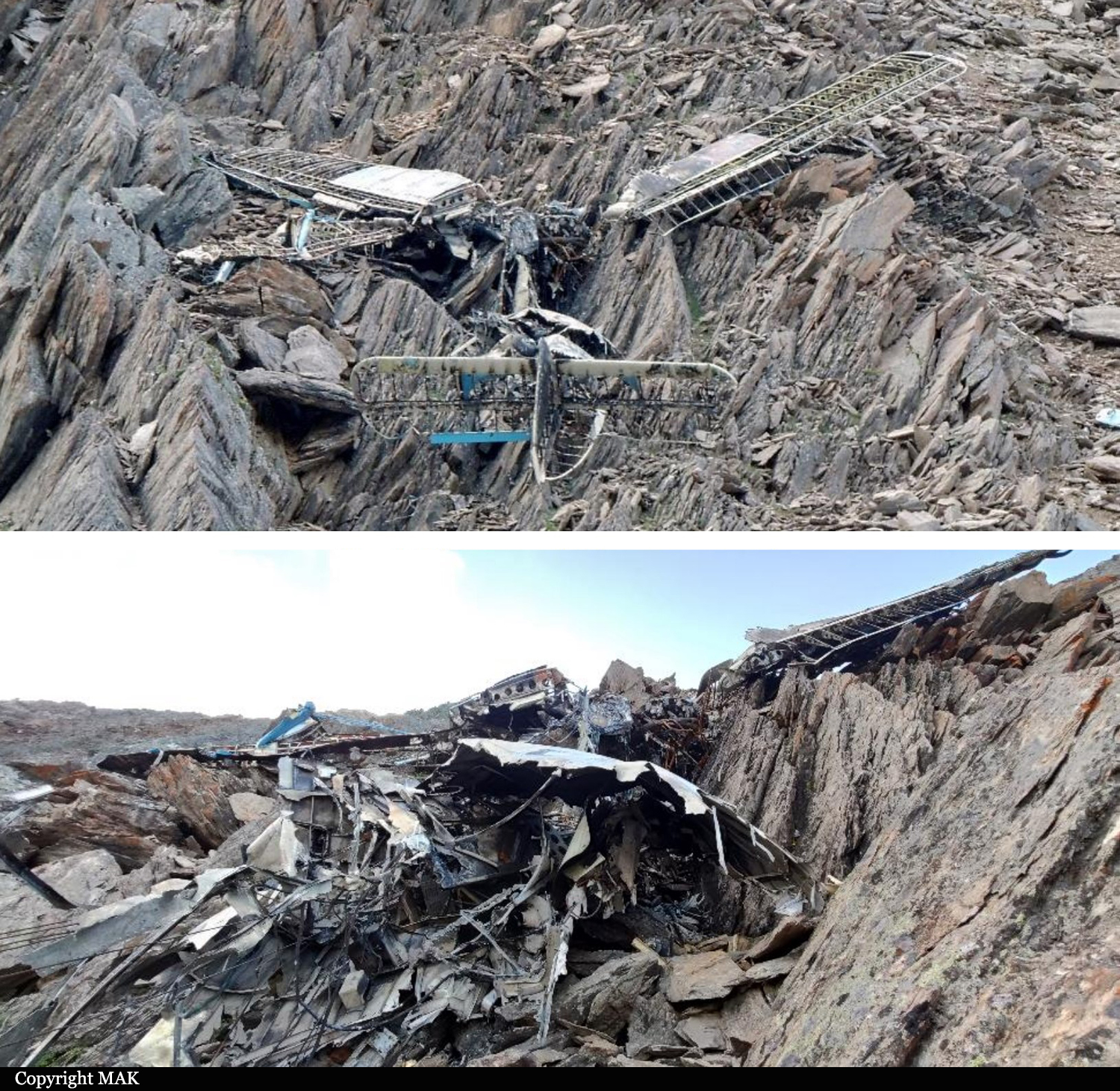
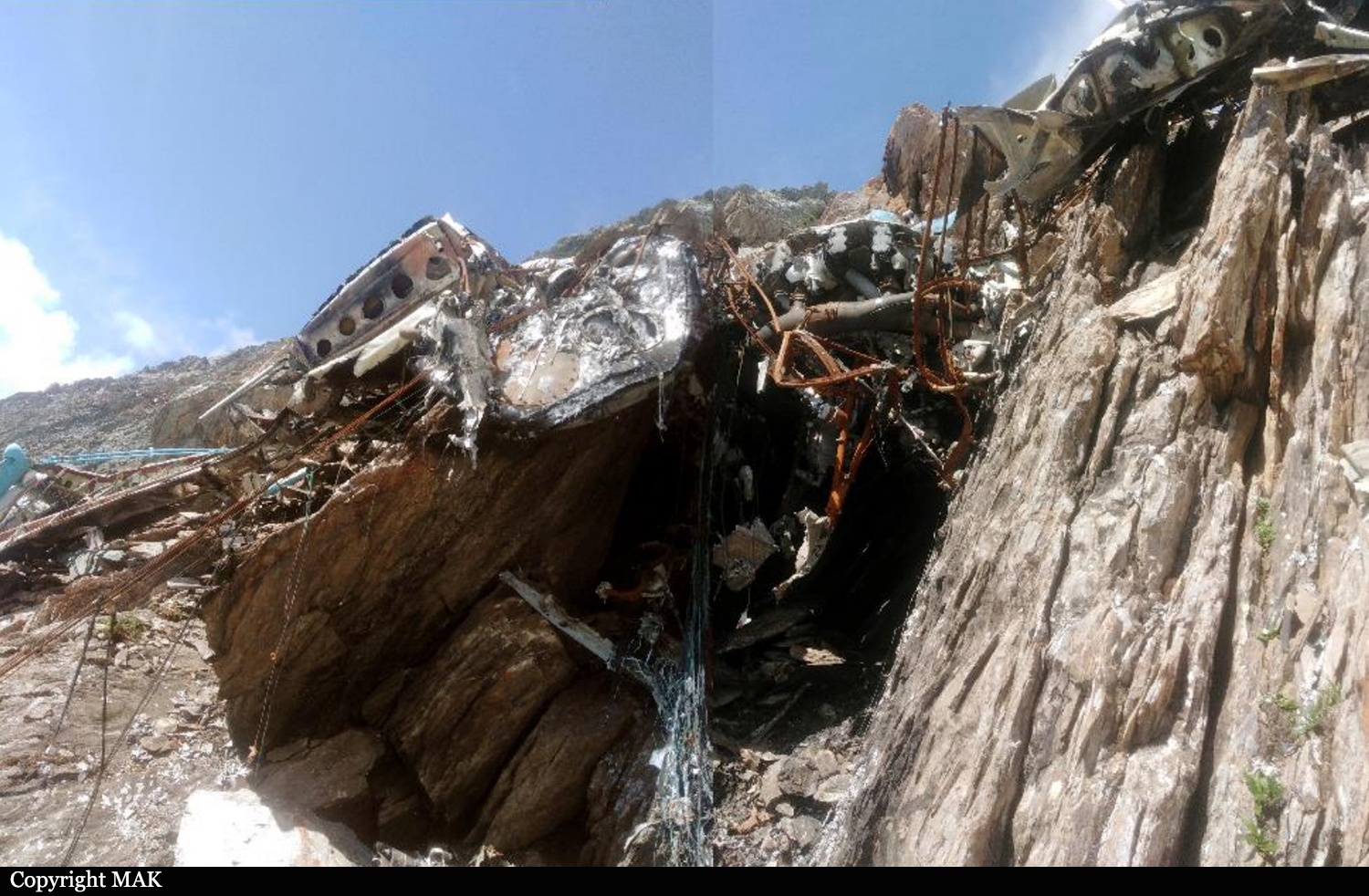
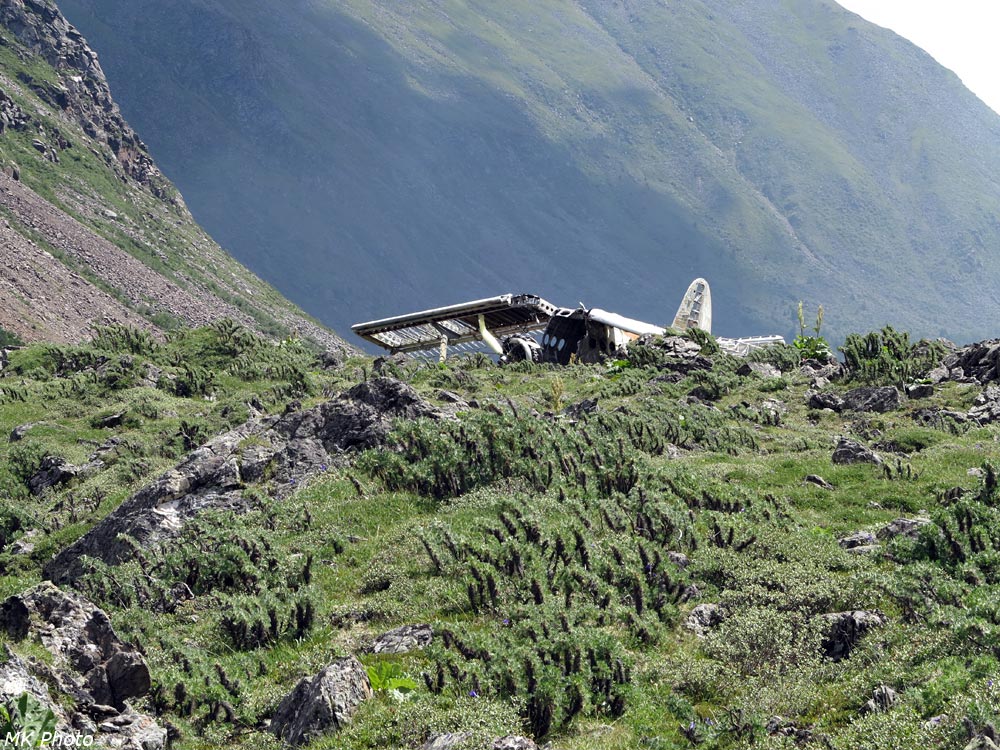
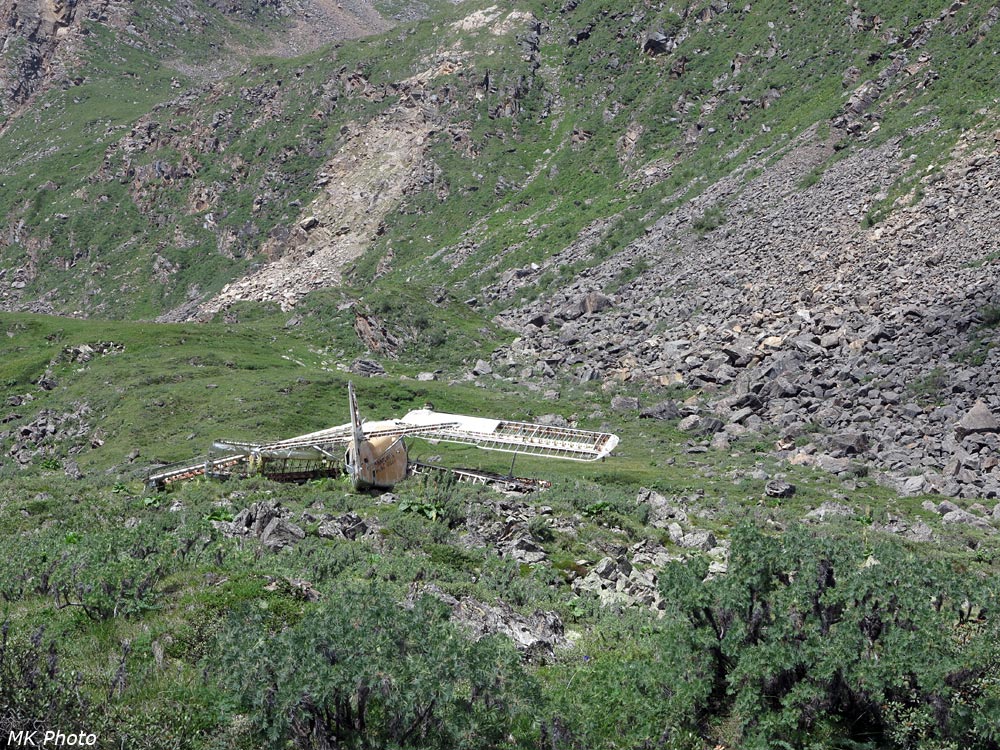
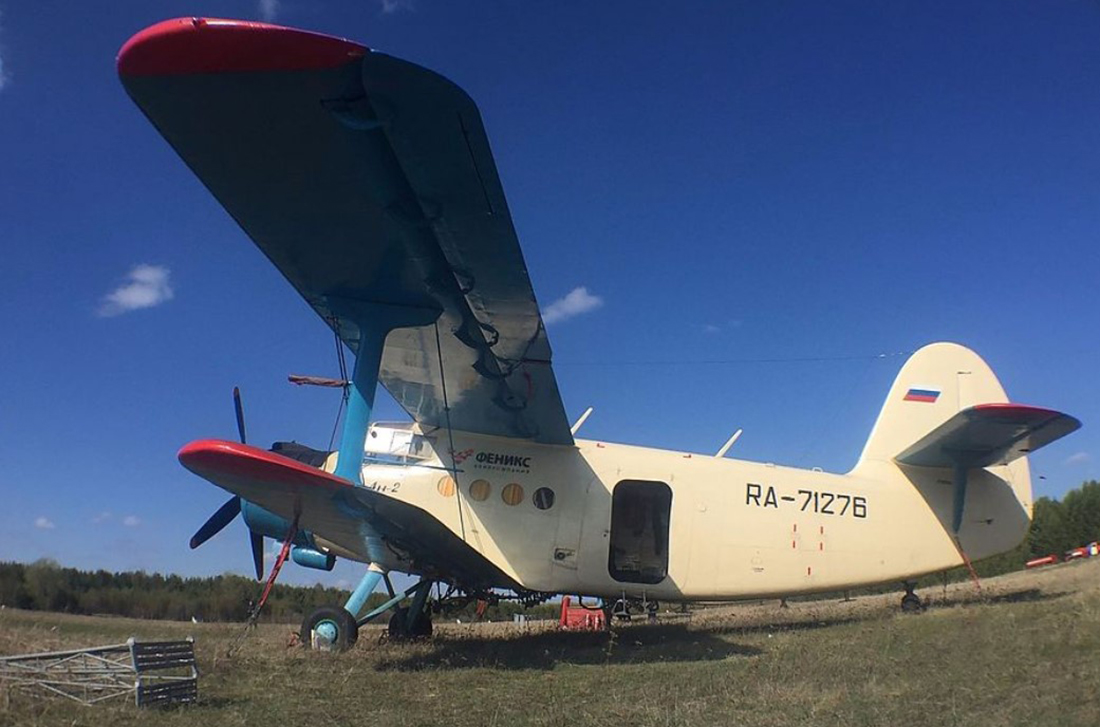
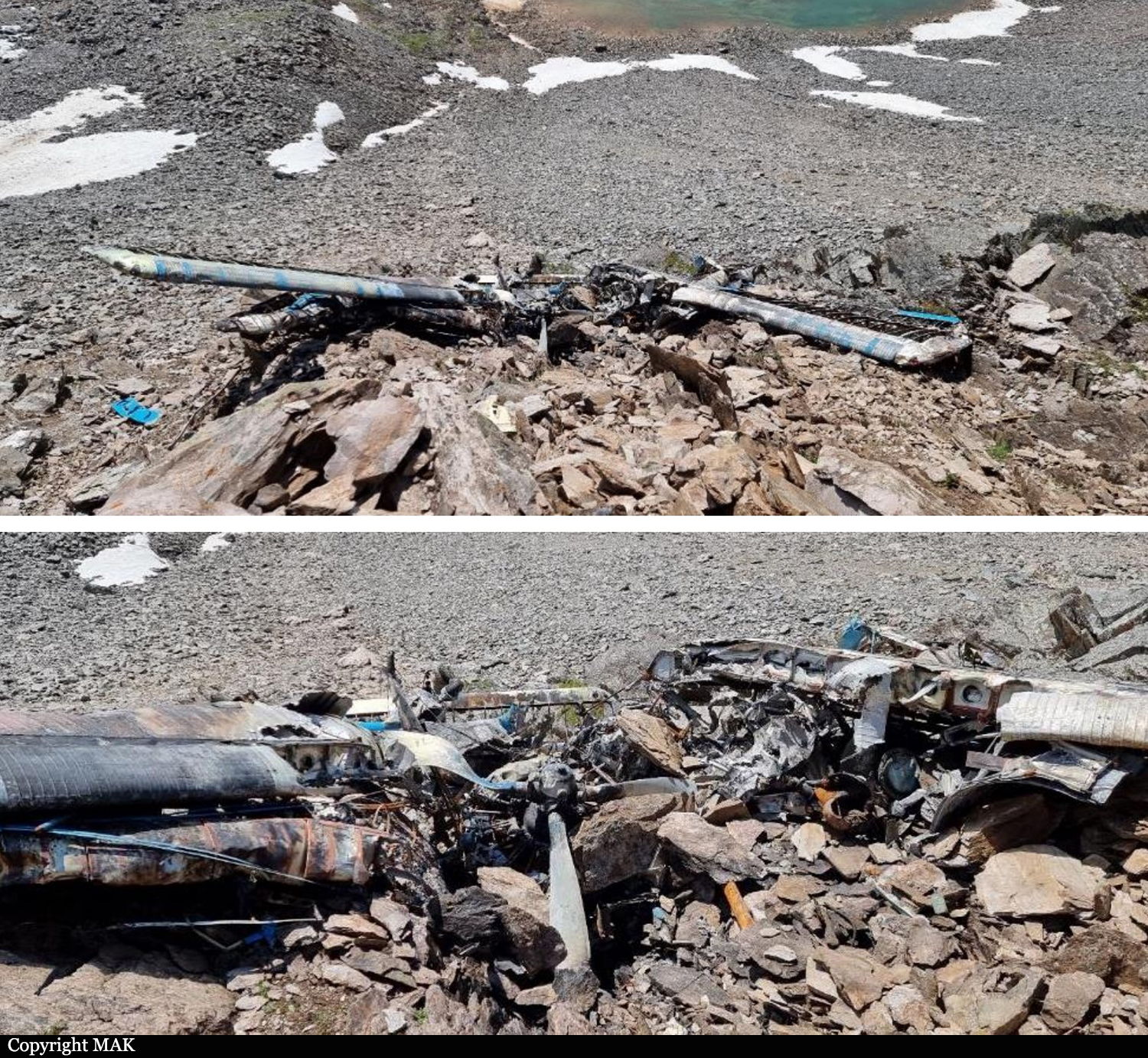
Crash of a PZL-Mielec AN-2R near Kagarkhay: 6 killed

Date & Time: Jul 19, 2020 at 2026 LT
Type of aircraft:
Operator:
Registration:
RA-71276
Flight Phase:
Survivors:
No
Site:
Schedule:
Kyren - Kyren
MSN:
1G207-47
YOM:
1984
Country:
Region:
Crew on board:
2
Crew fatalities:
Pax on board:
4
Pax fatalities:
Other fatalities:
Total fatalities:
6
Captain / Total flying hours:
4280
Captain / Total hours on type:
4236.00
Copilot / Total flying hours:
8363
Copilot / Total hours on type:
8363
Aircraft flight hours:
7382
Circumstances:
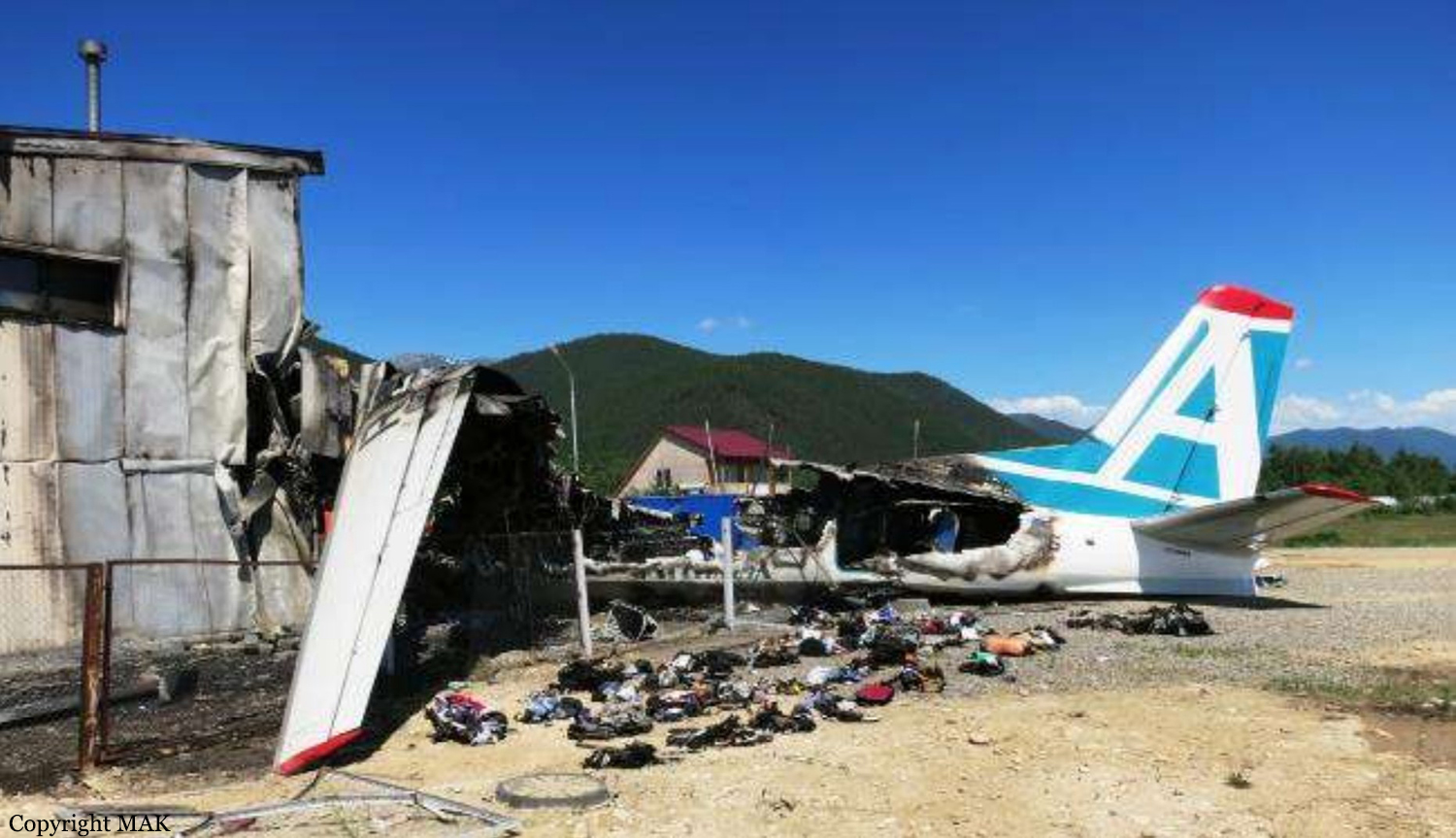
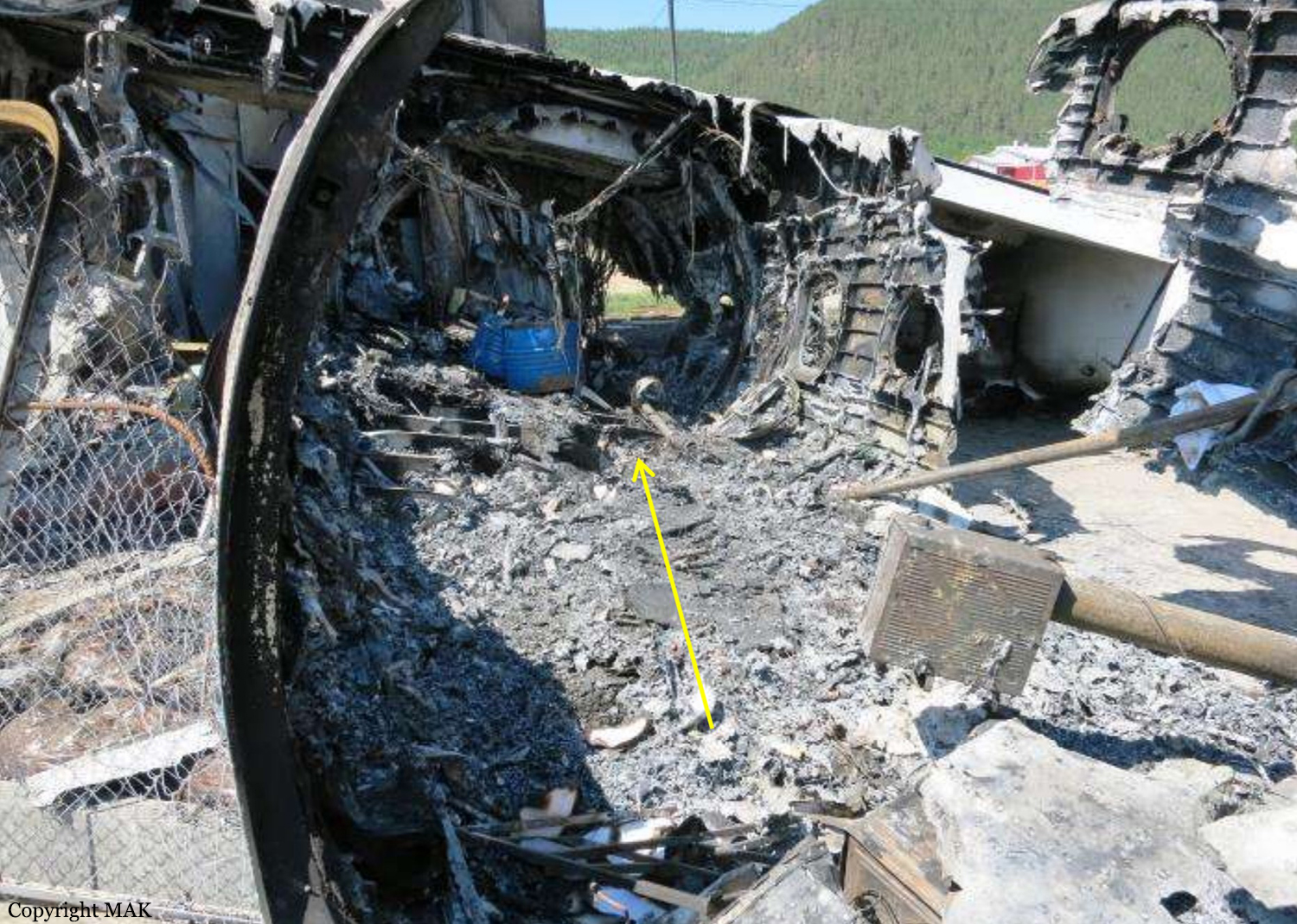
The single engine airplane departed Kyren Airport in the afternoon with four employees of the company and two pilots. The purpose of the flight was to familiarize them with the area of ​​the planned aviation chemical works for the processing of the silkworm. As the airplane failed to return to Kyren in the evening, SAR operations were initiated, but abandoned few days later as no trace of the aircraft was found. More than a year later, on July 24, 2021, a group of tourist discovered the burnt wreckage near the Baikonur Pass, in a rocky area, at an altitude of 2,780 metres. The airplane was destroyed by a post crash fire and all six occupants were killed.
Probable cause:
The accident with the An-2 RA-71276 aircraft occurred as a result of a collision with a mountain at an altitude of 2,780 metres above sea level perpendicular to the direction of the ridge with its minimum height of 2,960 metres conditions of limited visibility and the closure of mountain tops by clouds.
The following contributing factors were identified:
- The crew took the decision to perform a flight over a mountainous area with predicted closure of the mountains by clouds and unfavorable wind conditions,
- The crew took the decision to return to the landing site through the mountain range along an unexplored and previously unused route,
- Operational fatigue of the crew due to the significant duration of working hours on the day of the accident (more than 12 hours),
- The airplane falling under the influence of descending air currents on the leeward side of a mountain slope.
Final Report:
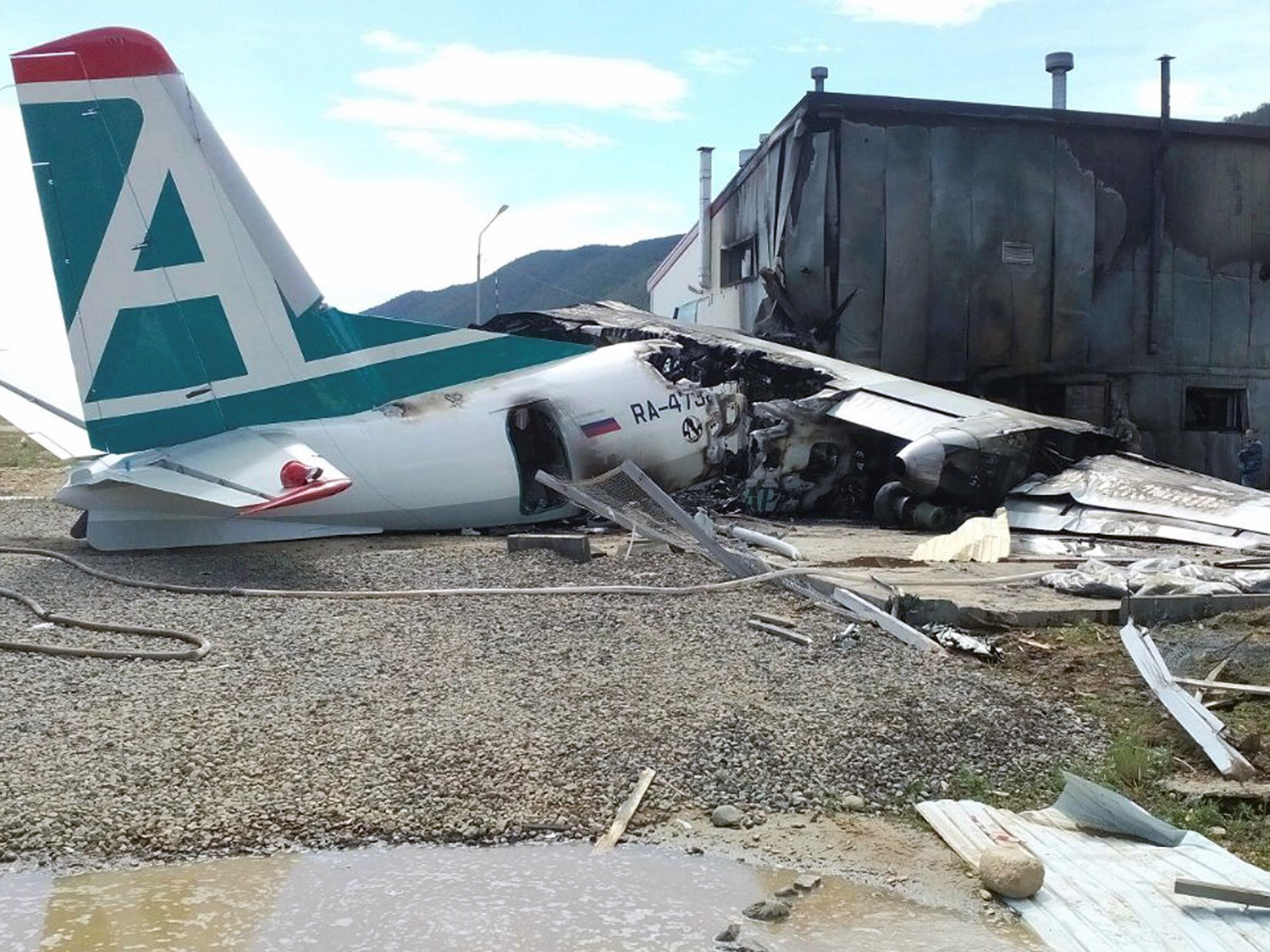
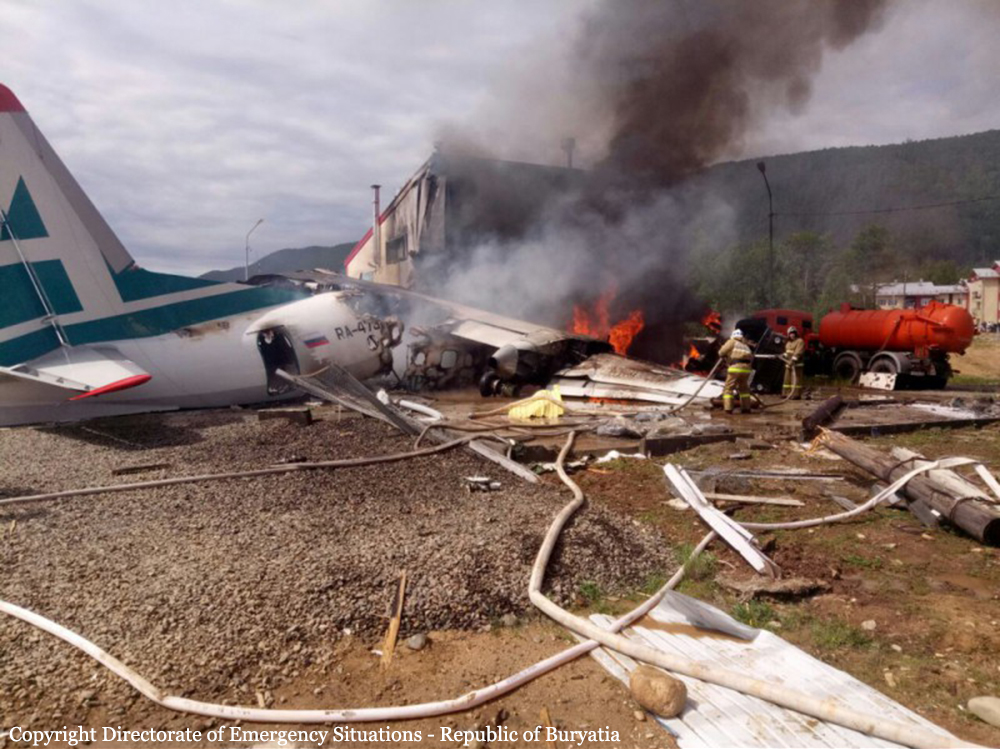
Crash of an Antonov AN-24RV in Nizhneangarsk: 2 killed

Date & Time: Jun 27, 2019 at 1025 LT
Type of aircraft:
Operator:
Registration:
RA-47366
Survivors:
Yes
Schedule:
Ulan-Ude - Nizhneangarsk
MSN:
7 73 108 04
YOM:
1977
Flight number:
AGU200
Country:
Region:
Crew on board:
4
Crew fatalities:
Pax on board:
43
Pax fatalities:
Other fatalities:
Total fatalities:
2
Captain / Total flying hours:
15167
Captain / Total hours on type:
10667.00
Copilot / Total flying hours:
6012
Copilot / Total hours on type:
1325
Aircraft flight hours:
38014
Aircraft flight cycles:
18584
Circumstances:
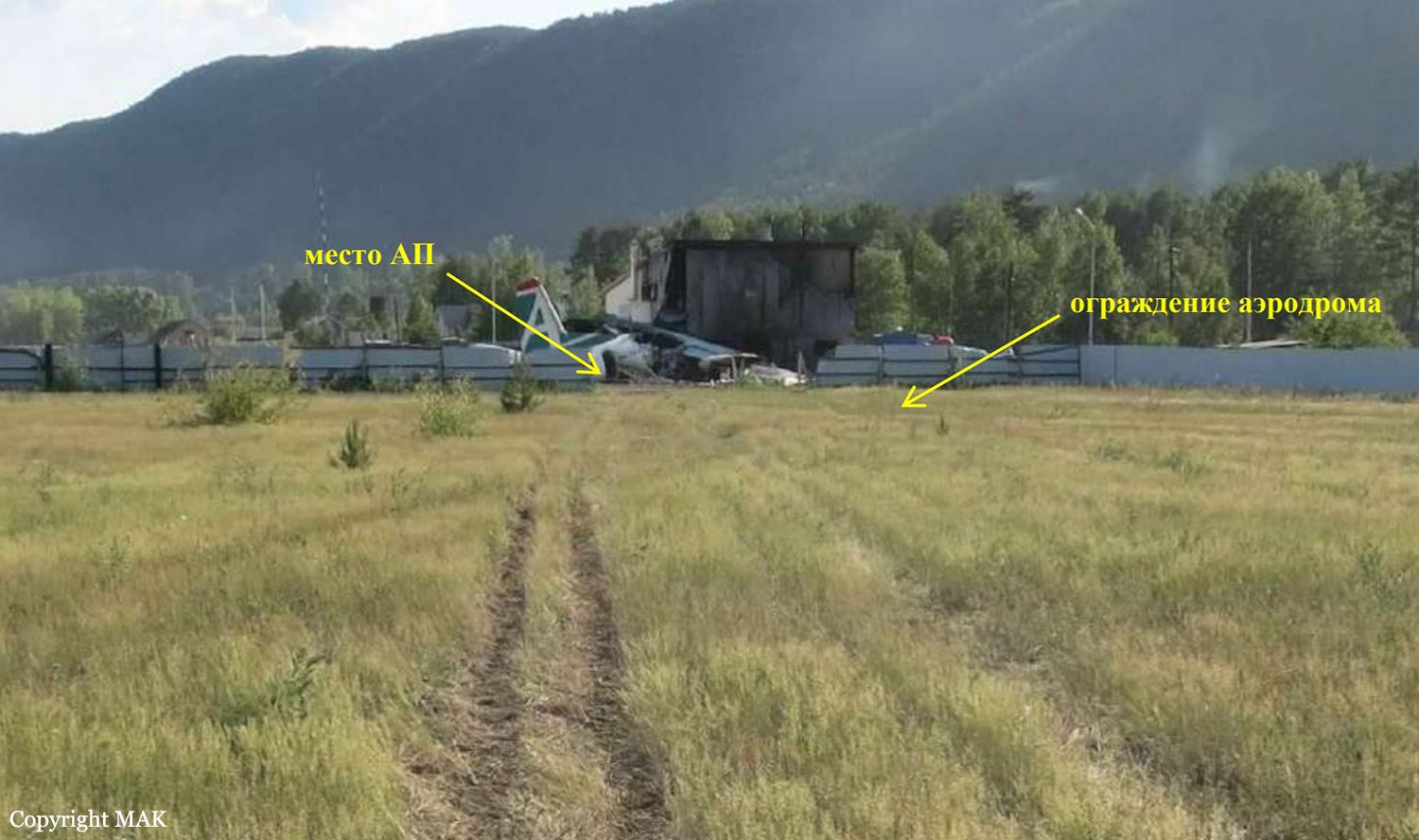
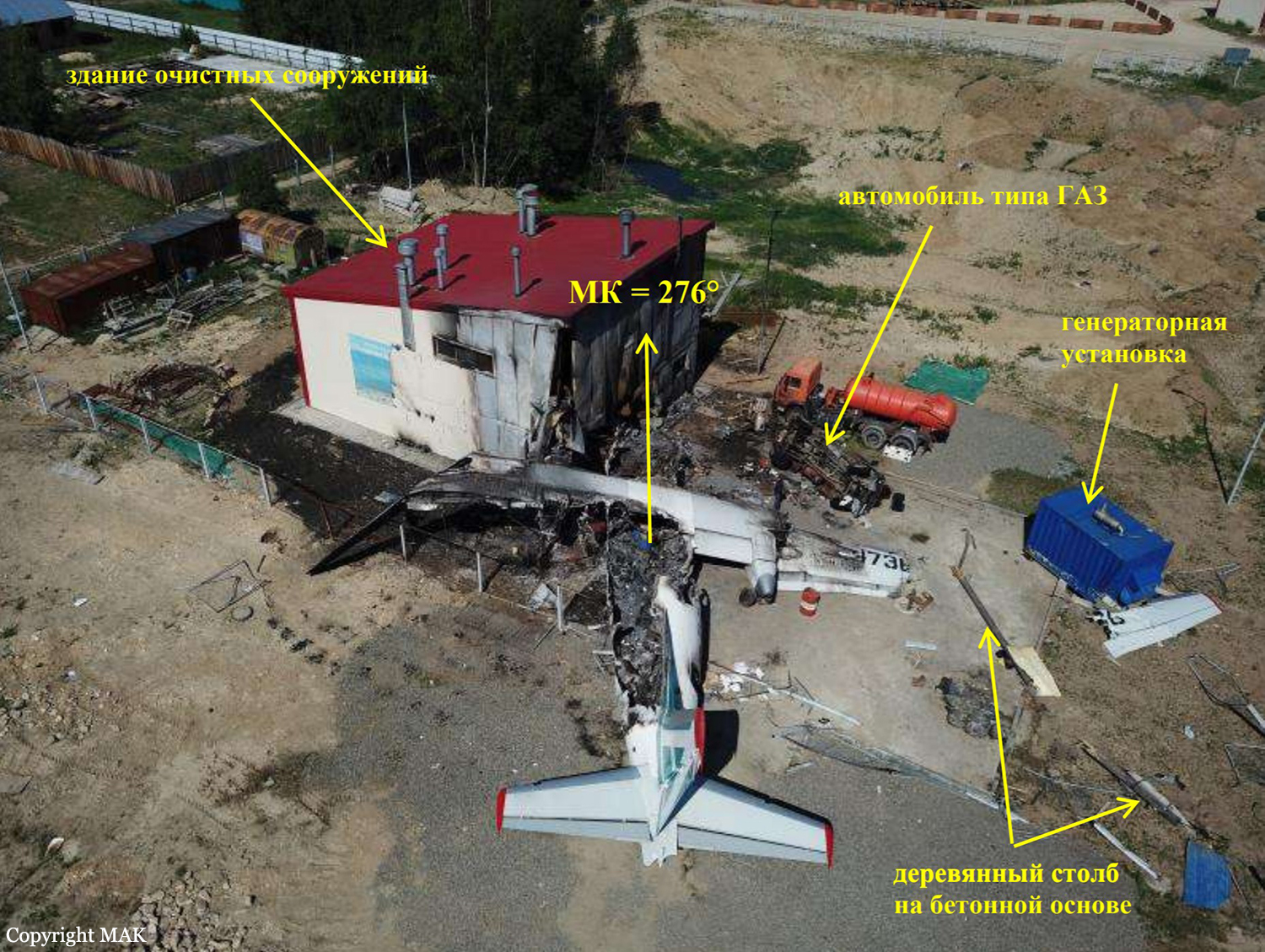
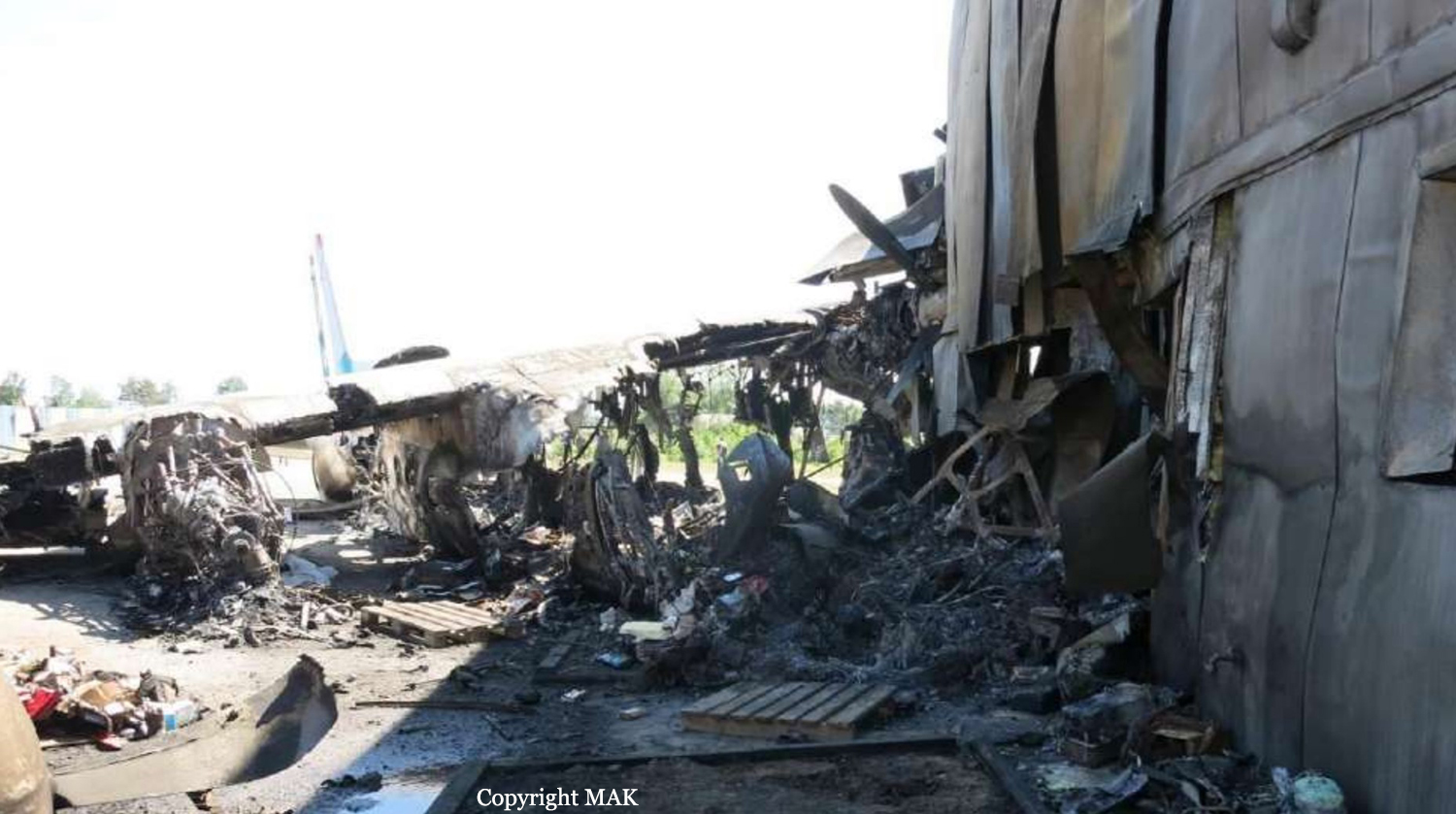
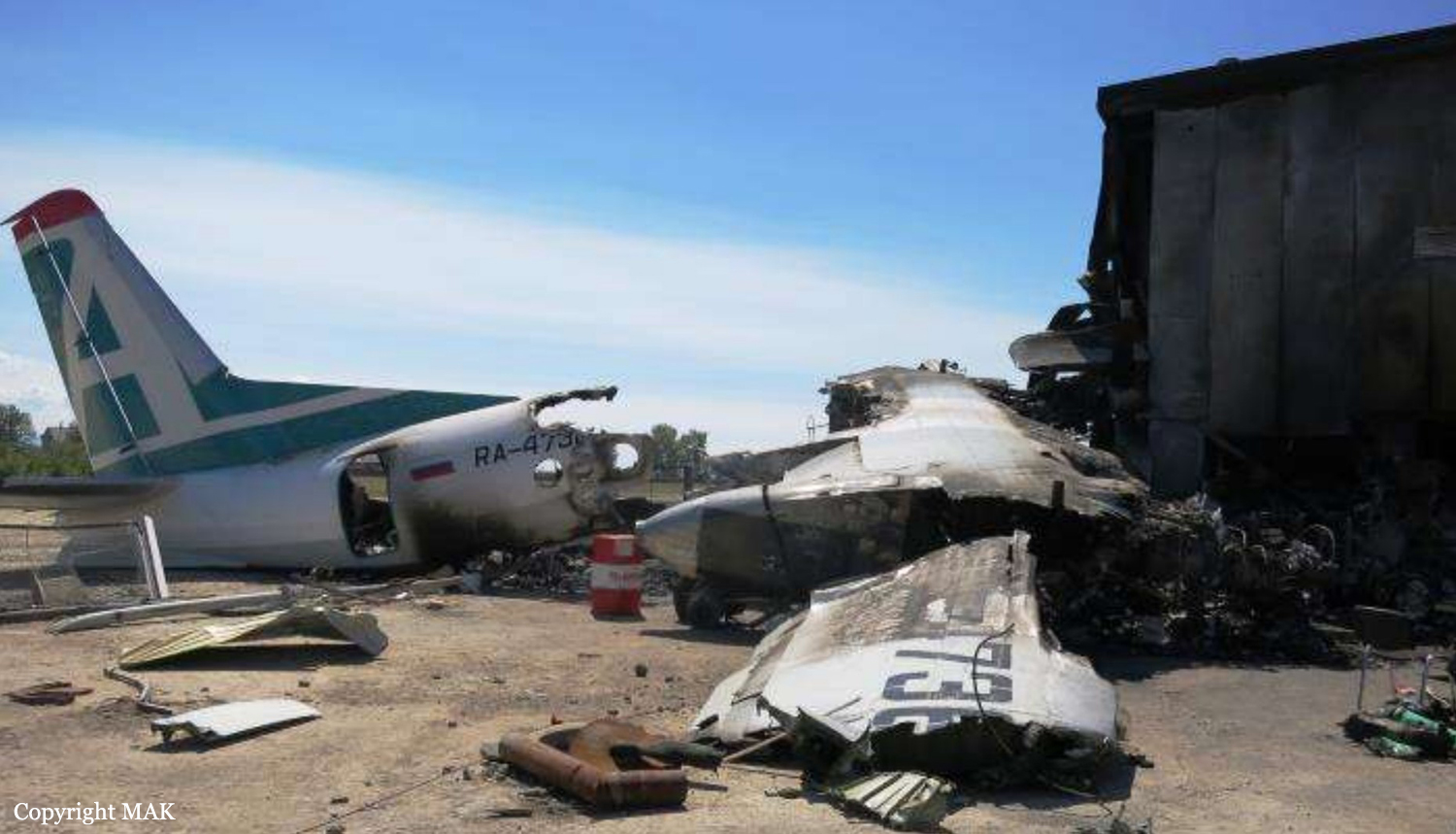
On a flight from Ulan-Ude to Nizhneangarsk, while descending to an altitude of 3,050 metres about 30 km from the destination airport, the crew contacted ATC and reported the failure of the left engine. The approach was continued to runway 22. After touchdown, the crew initiated the braking procedure when the airplane deviated to the right then veered off runway. It rolled in a grassy area, went through the perimeter fence and eventually impacted the building of a sewage treatment plant located 380 metres to the right of the runway centerline. The airplane was destroyed by a post crash fire. The captain and the flight engineer were killed while the copilot was seriously injured. 10 other occupants were injured.
Probable cause:
The accident occurred during landing with one engine inoperative as a result of a longitudinal-lateral rollout beyond the runway and subsequent collision with a building outside the aerodrome, resulting in damage to the aircraft structure and a fire. The landing was performed on a runway with an available landing distance of 1,503 metres that was significantly less than the distance required of 2,160 metres for the actual conditions.
Most likely, the accident was the result of the combination of the following factors:
- The decision by the pilot-in-command (pilot flying) to land without calculating the required landing distance;
- The incorrect choice by the pilot-in-command of the type and trajectory of the approach, which made it impossible to reduce the flight speed in time. Instead of visual maneuvering ('circle-to-land' maneuver) provided for in the approach pattern and agreed upon by the crew with the air traffic controller, the crew performed a visual approach;
- The absence in the airline's flight manual and the aircraft's flight manual of procedures for performing a visual approach maneuver ('circle-to-land' maneuver);
- Failure of the crew to take measures to go around for a second approach despite a significant discrepancy between the actual flight parameters and the criteria for a stabilized approach specified in the airline's flight procedures;
- Lack of crew coordination and cross-checking;
- Failure to follow a number of standard operating procedures in terms of informing the PIC (pilot in command) by other crew members about significant deviations of actual flight parameters from the published values;
- Insufficient crew resource management;
- Landing at a significant high speed (275 km/h instead of the recommended 220 km/h), which led the aircraft to land 530 metres pas the runway threshold;
- Incorrect use of the main landing gear wheel braking system by the crew, resulting in premature compression of the brake pedals (in the air), which, upon repeated contact, led to landing on the braked wheels of the right main landing gear with destruction of the tires and, subsequently, to the aircraft rolling sideways;
- Increased psychological and emotional stress on the part of the captain, compounded by his particular mental characteristics, contributed to the adoption of unreasonable decisions in the situation that had arisen.
- The left engine failed in flight due to abnormal operation of the fuel control system, probably the ADT-24. Due to the high degree of destruction of the system due to fire, it was not possible to definitively determine which unit failed and the cause of the failure. The abnormal adjustments of the left engine and deviations in the operation of its fuel control system manifested themselves long before the day of the accident and could have been detected by both flight and engineering personnel.
Final Report:

Crash of a Tupolev TU-134AK in Ulan-Ude

Date & Time: Jul 28, 1989
Type of aircraft:
Operator:
Registration:
CCCP-65670
Flight Type:
Survivors:
Yes
MSN:
0 35 11 10
YOM:
1970
Country:
Region:
Crew on board:
6
Crew fatalities:
Pax on board:
0
Pax fatalities:
Other fatalities:
Total fatalities:
0
Circumstances:
On final approach by night to Ulan Ude-Mukhino Airport, the aircraft struck the ground 300 meters short of runway, slid for few dozen meters and came to rest, broken in two and bursting into flames. All six crew members were rescued while the aircraft was destroyed.

Crash of a PZL-Mielec AN-2R in Tsipikan

Date & Time: Apr 17, 1989
Type of aircraft:
Operator:
Registration:
CCCP-32480
Survivors:
Yes
MSN:
1G103-07
YOM:
1969
Country:
Region:
Crew on board:
0
Crew fatalities:
Pax on board:
0
Pax fatalities:
Other fatalities:
Total fatalities:
0
Circumstances:
Crashed upon landing for unknown reasons. There were no casualties.

Crash of a Let L-410UVP near Bagdarin: 17 killed

Date & Time: Apr 19, 1988 at 1003 LT
Type of aircraft:
Operator:
Registration:
CCCP-67518
Flight Phase:
Survivors:
No
Site:
Schedule:
Muya - Bagdarin
MSN:
85 14 22
YOM:
1985
Country:
Region:
Crew on board:
2
Crew fatalities:
Pax on board:
15
Pax fatalities:
Other fatalities:
Total fatalities:
17
Circumstances:
After being cleared, the crew initiated the descent from 3,000 meters to 2,700 meters then continued when, at an altitude of 2,226 meters, the twin engine aircraft struck the slope of a mountain located 74 km from Bagdarin Airport. The aircraft disintegrated on impact and all 17 occupants were killed. At the time of the accident, the visibility was poor due to low clouds and snow falls.
Probable cause:
It was determined that the crew made a wrong flight time calculation and misevaluated the climbing time, causing a discrepancy of 11 minutes. Due to radio communications problems and also unstable radiogoniometric systems, ATC was unable to establish the exact position of the aircraft. The crew started the approach prematurely, causing the aircraft to descent below the minimum safe altitude. Due to lack of visibility, the crew was unable to see and avoid the mountain.

Crash of a Antonov AN-2 near Muya: 3 killed

Date & Time: Jan 23, 1985
Type of aircraft:
Operator:
Registration:
CCCP-35423
Flight Phase:
Survivors:
No
Site:
MSN:
1 125 473 11
YOM:
1960
Country:
Region:
Crew on board:
2
Crew fatalities:
Pax on board:
1
Pax fatalities:
Other fatalities:
Total fatalities:
3
Circumstances:
While cruising under VFR mode in IMC conditions, the single engine aircraft struck the slope of a mountain near Muya. All three occupants were killed.
Probable cause:
Controlled flight into terrain.

Crash of an Antonov AN-12 in Ulan-Ude: 6 killed

Date & Time: Jan 12, 1982
Type of aircraft:
Operator:
Flight Phase:
Flight Type:
Survivors:
No
Schedule:
Ulan-Ude - Ulan-Ude
Country:
Region:
Crew on board:
6
Crew fatalities:
Pax on board:
0
Pax fatalities:
Other fatalities:
Total fatalities:
6
Circumstances:
The crew was completing a local training flight at Ulan-Ude Airport. While circling in the vicinity of the airport, the crew lost control of the airplane following a failure of all four engines. The aircraft stalled and crashed in a field located 4 km from the airport. All six crew members were killed.
Probable cause:
Failure of all four engines due to a fuel exhaustion.

Crash of an Ilyushin II-14M near Ust-Barguzin: 48 killed

Date & Time: Jun 14, 1981 at 1622 LT
Type of aircraft:
Operator:
Registration:
CCCP-41838
Flight Phase:
Survivors:
No
Site:
Schedule:
Severomuysk – Nizhneangarsk - Ulan-Ude
MSN:
1470 011 41
YOM:
1957
Flight number:
SU498
Country:
Region:
Crew on board:
4
Crew fatalities:
Pax on board:
44
Pax fatalities:
Other fatalities:
Total fatalities:
48
Aircraft flight hours:
16185
Aircraft flight cycles:
18427
Circumstances:
The airplane departed Severomuysk Airport at 1441LT on a schedule service to Ulan-Ude with an intermediate stop in Nizhneangarsk, carrying 44 passengers and a crew of four. Bound to the west, while cruising to an altitude of 3,600 meters, the crew was informed about poor weather conditions at destination. As the Nizhneangarsk Airport was closed to traffic, the crew was instructed to divert to Ust-Barguzin Airport located on the east shore of Lake Baykal, in the Svyatoi Nos peninsula. While descending to Ust-Barguzin Airport at an altitude of 1,300 meters, the airplane struck the slope of a mountain and crashed 30 km northwest of Ust-Barguzin. The airplane was destroyed upon impact and all 48 occupants were killed.
Probable cause:
It was determined that the crew failed to follow the prescribed procedures and initiated the descent prematurely under VFR mode in IMC conditions. Due to unfavorable wind component (200° at 25 km/h iso 250° at 50 km/h as initially forecasted), the airplane was not on the calculated route and ATC was unaware of the exact position of the airplane due to lack of contact from the crew and due to discrepancies in the radiogoniometer settings. This situation resulted in a controlled flight into terrain.

Crash of a PZL-Mielec AN-2 in Irakinda

Date & Time: Apr 26, 1980
Type of aircraft:
Operator:
Registration:
CCCP-35584
Flight Phase:
Survivors:
Yes
MSN:
1G115-35
YOM:
1970
Country:
Region:
Crew on board:
2
Crew fatalities:
Pax on board:
10
Pax fatalities:
Other fatalities:
Total fatalities:
0
Circumstances:
After departure from an airfield located in a mountainous area, the single engine airplane did not reach the required speed for climb and at a distance of about 1,050 meters from the aerodrome, at a height of 15-20 meters, it struck tree tops. The captain shut down the engine and completed an emergency landing in a wooded area. While the aircraft was damaged beyond repair, all 12 occupants escaped uninjured.
Probable cause:
Failure of the crew to release the flaps prior to takeoff that was completed at a too low speed. A lack of crew training in such operations was considered as a contributing factor.

Crash of an Antonov AN-2T near Khoyto-Gol

Date & Time: Oct 2, 1976
Type of aircraft:
Operator:
Registration:
CCCP-01226
Flight Phase:
Survivors:
Yes
Site:
MSN:
1 81 473 04
YOM:
1957
Country:
Region:
Crew on board:
0
Crew fatalities:
Pax on board:
0
Pax fatalities:
Other fatalities:
Total fatalities:
0
Circumstances:
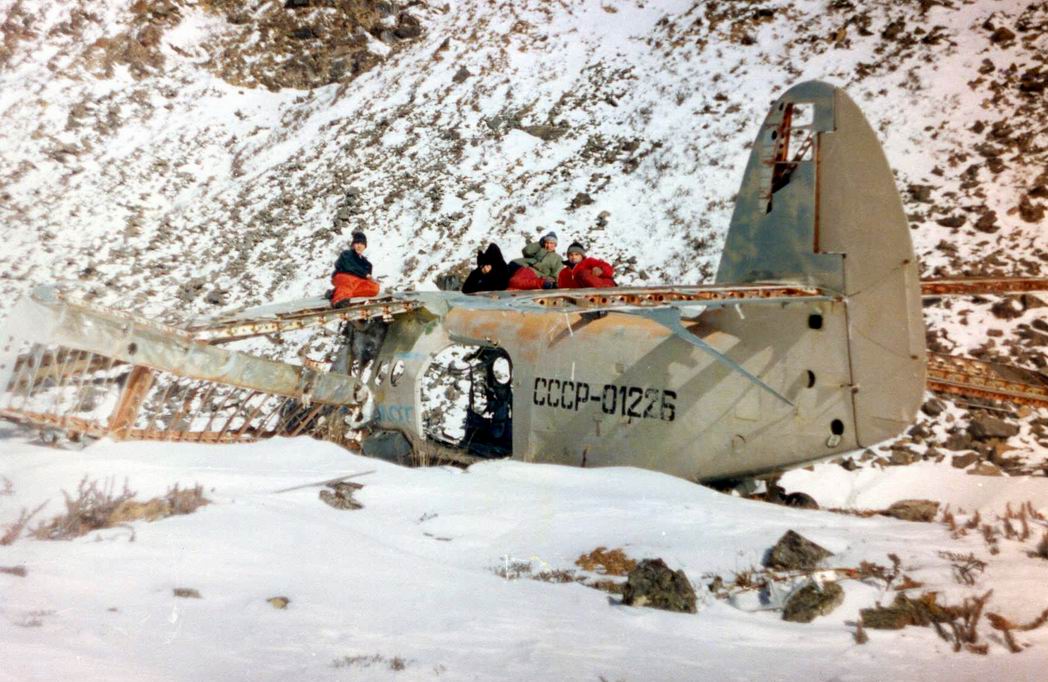
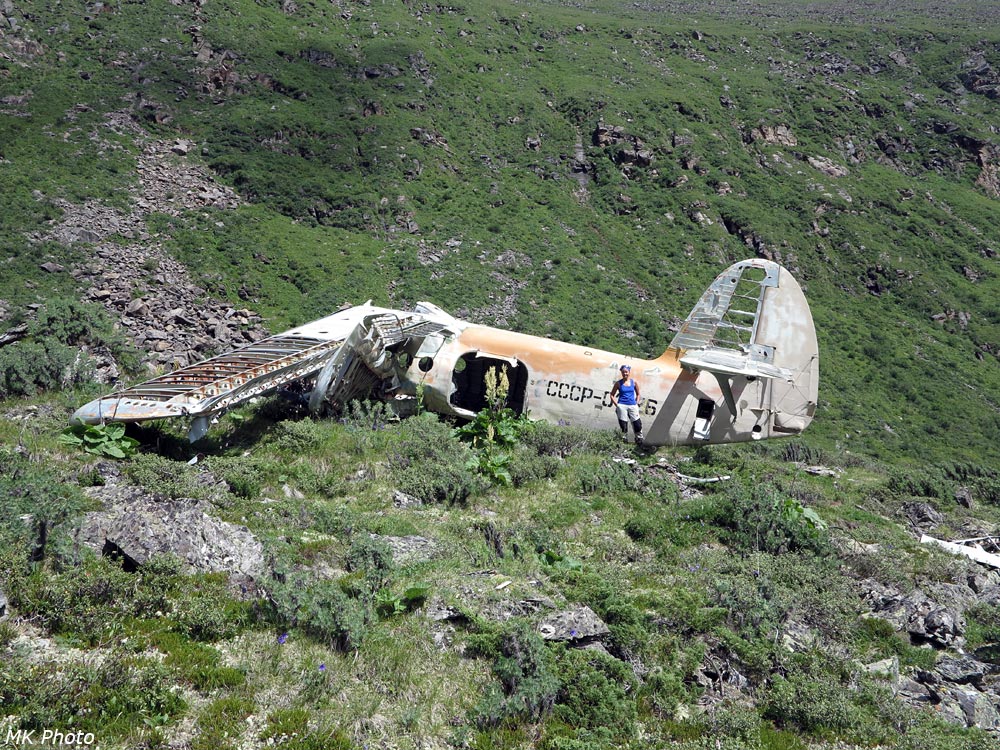
The crew deviated from the prescribed flight path when the single engine aircraft crash landed on the slope of a mountain located 30 km northwest of Khoyto-Gol. There were no casualties but the aircraft was written off.