




Date & Time:
Jun 27, 2019 at 1025 LT
Type of aircraft:
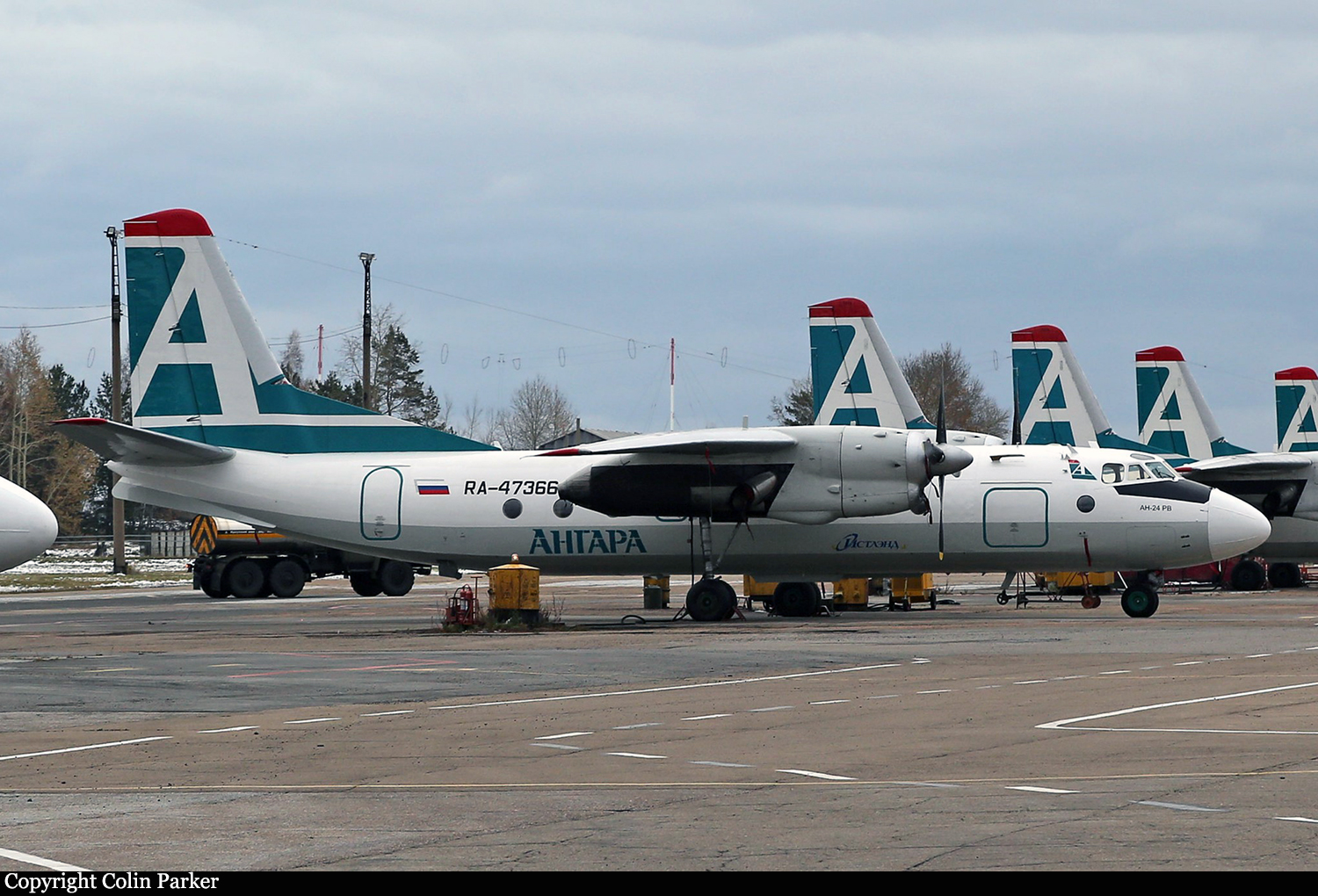
Antonov AN-24
Operator:

Registration:
RA-47366
Flight Phase:
Landing (descent or approach)
Flight Type:
Scheduled Revenue Flight
Survivors:
Yes
Schedule:
Ulan-Ude - Nizhneangarsk
MSN:
7 73 108 04
YOM:
1977
Flight number:
AGU200
Country:
Russia
Region:
Asia
Crew on board:
4
Crew fatalities:
2
Pax on board:
43
Pax fatalities:
0
Other fatalities:
0
Total fatalities:
2
Captain / Total hours on type:
10667
Copilot / Total hours on type:
1325
Aircraft flight hours:
38014
Aircraft flight cycles:
18584
Circumstances:
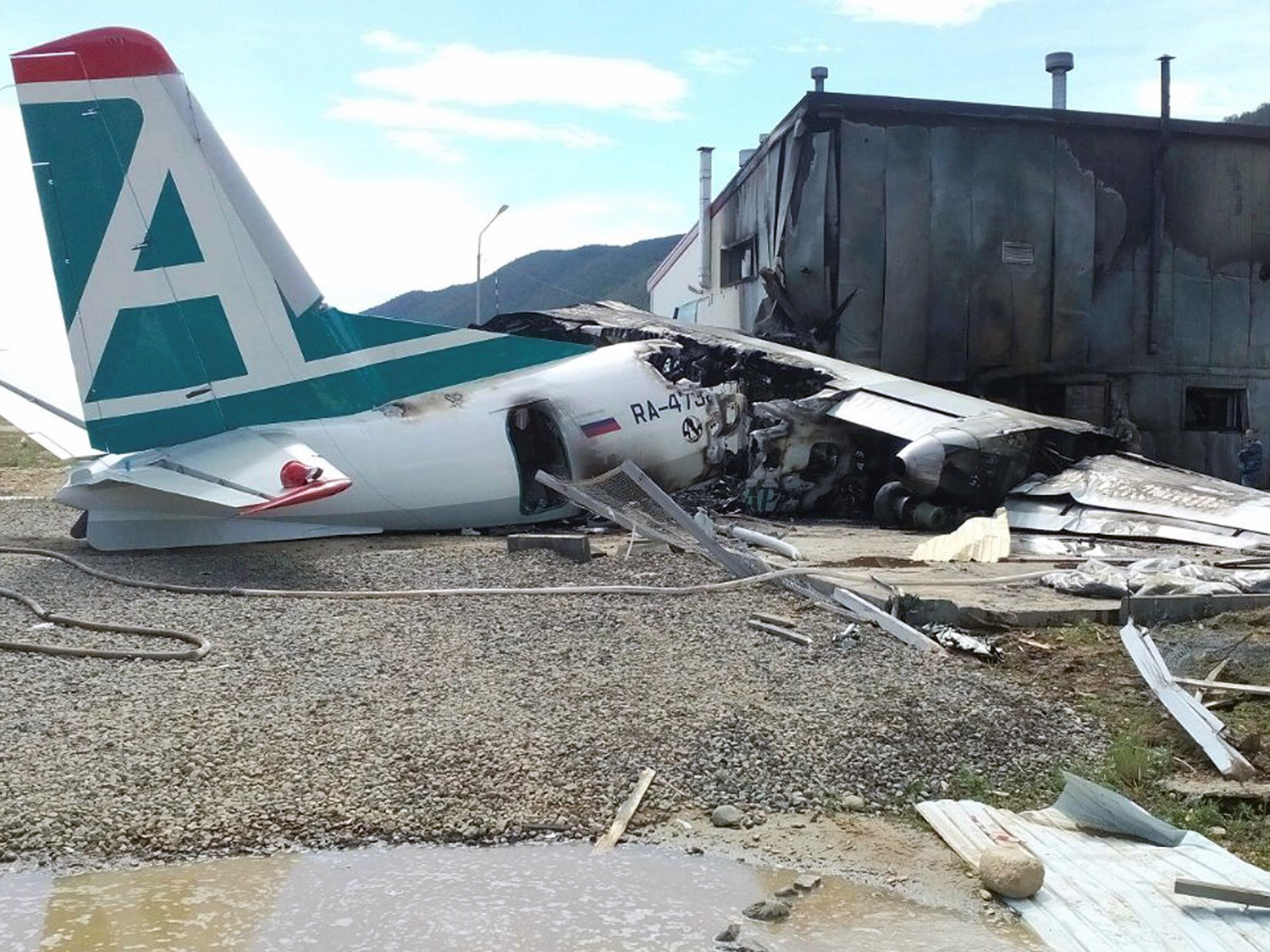
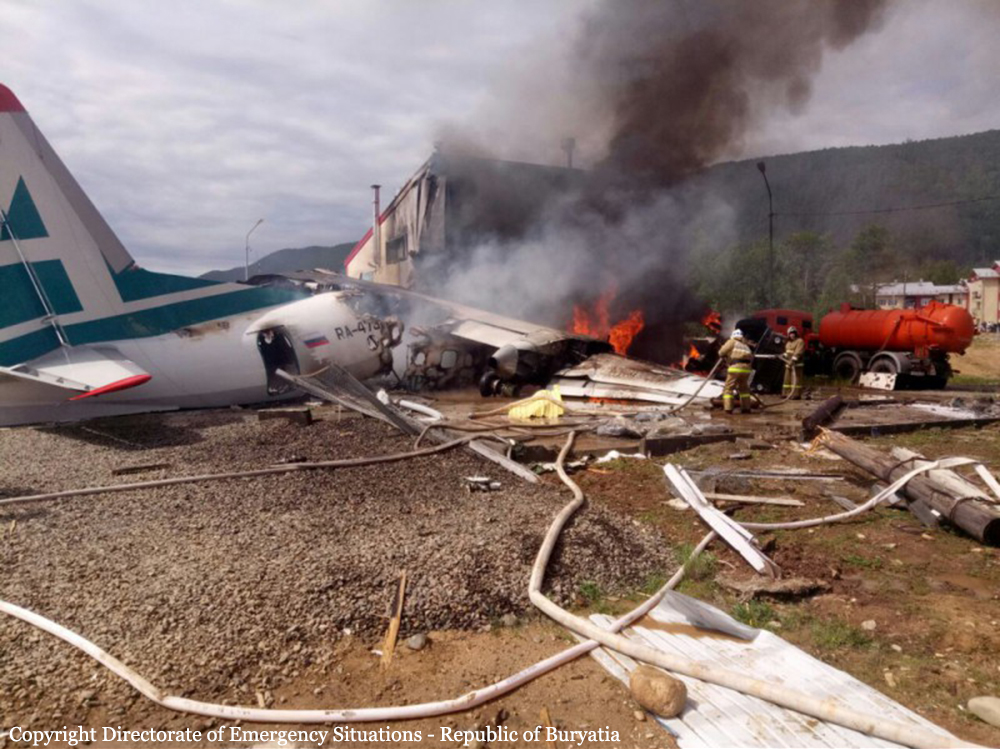
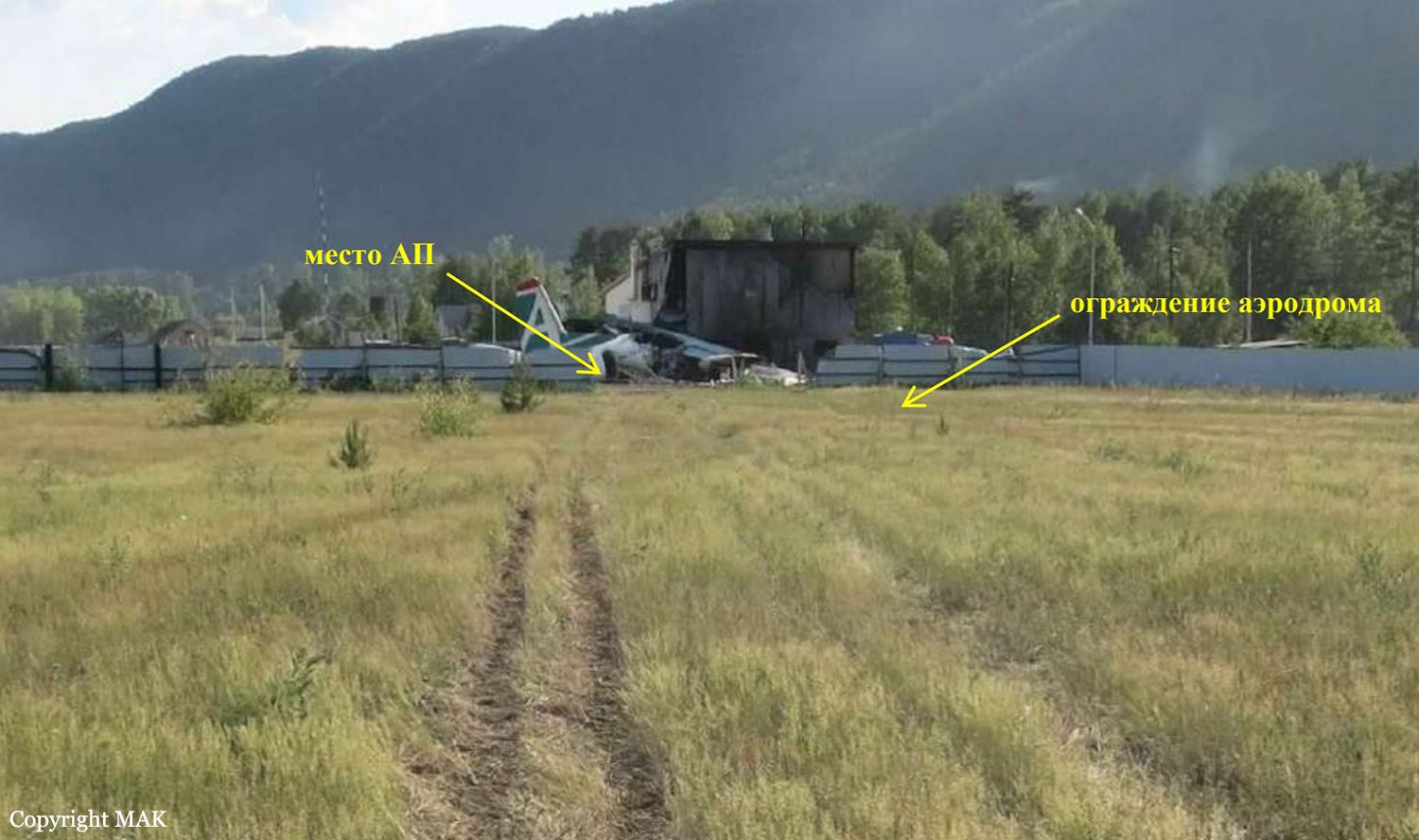
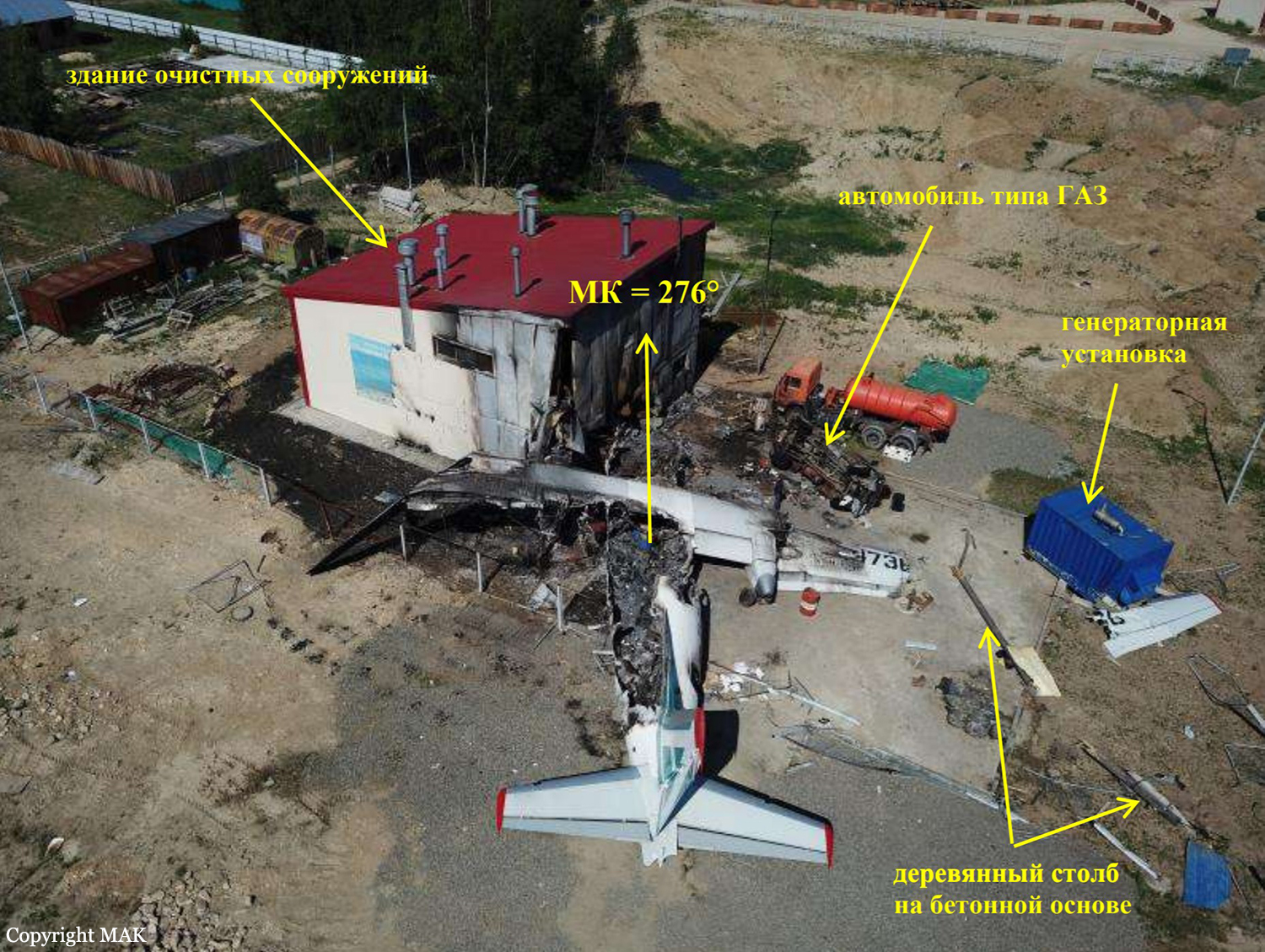
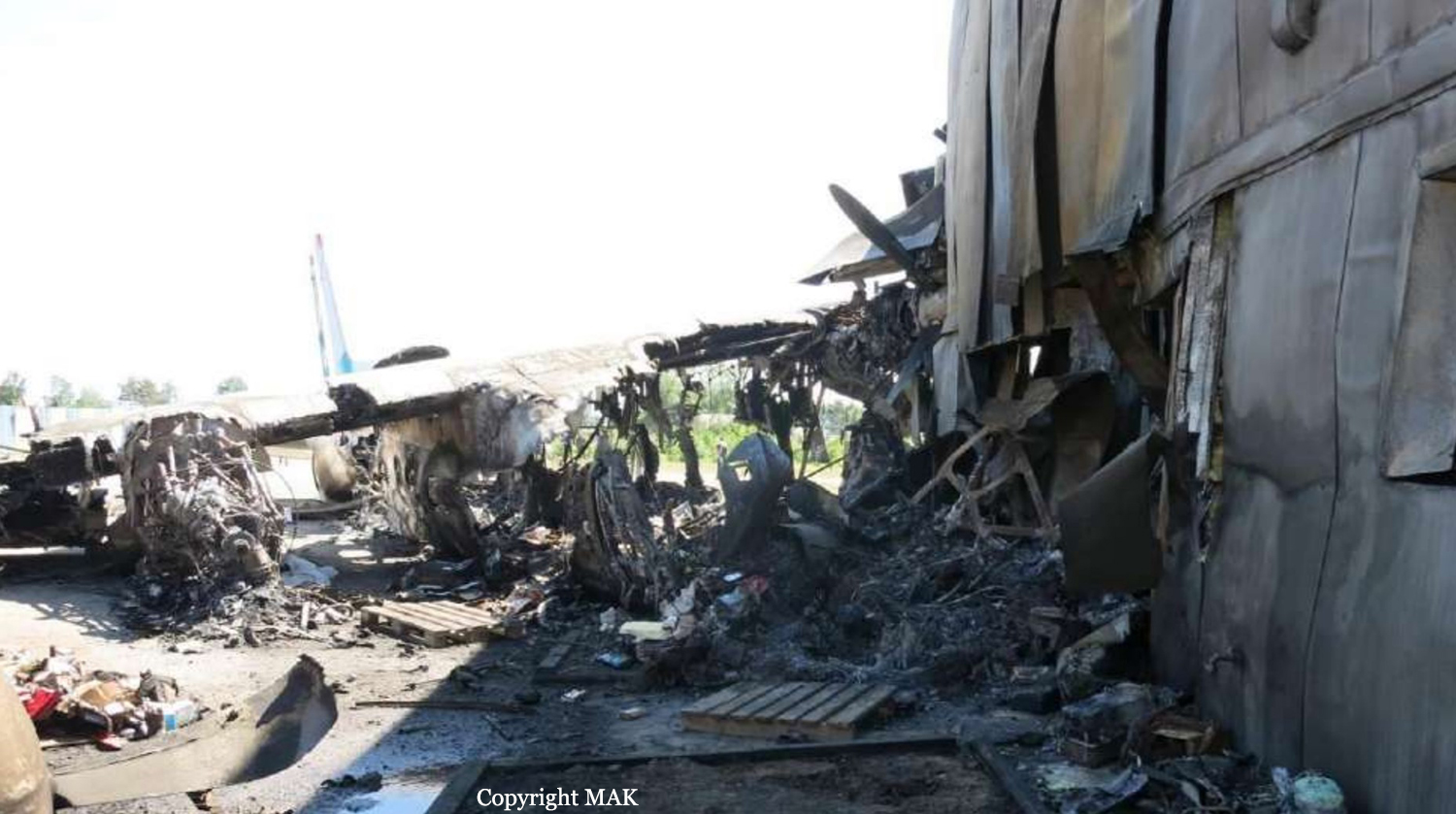
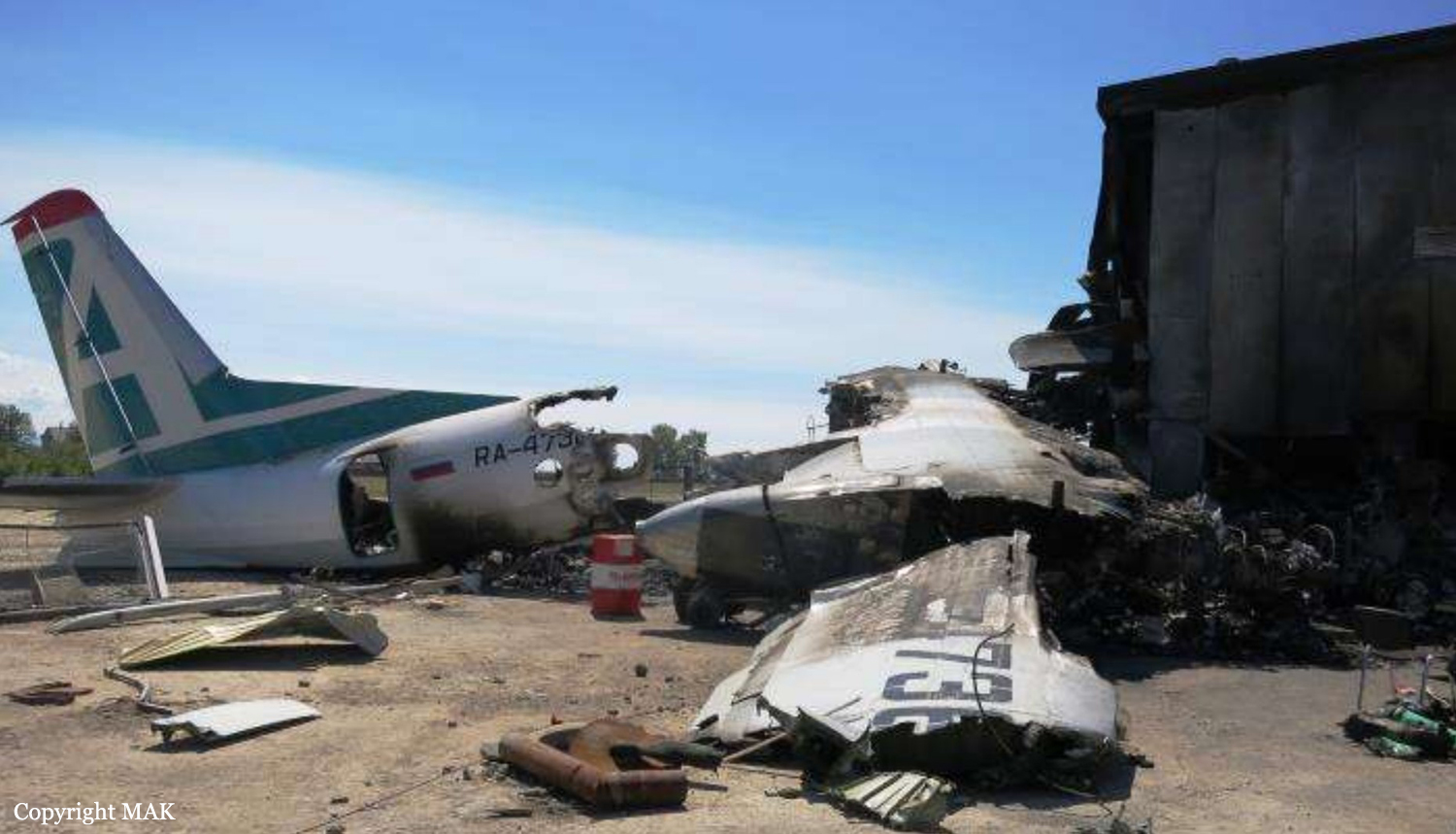
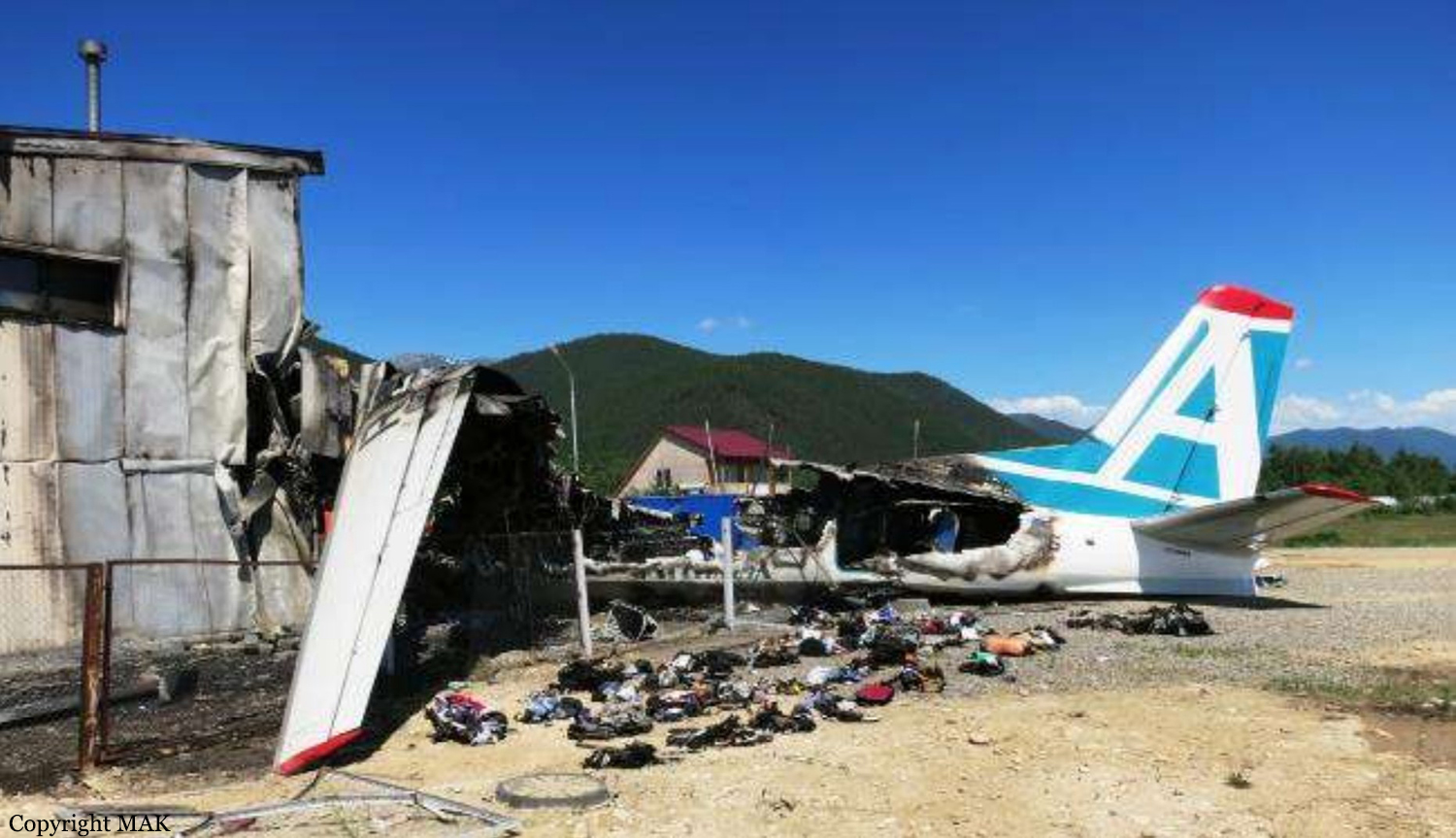
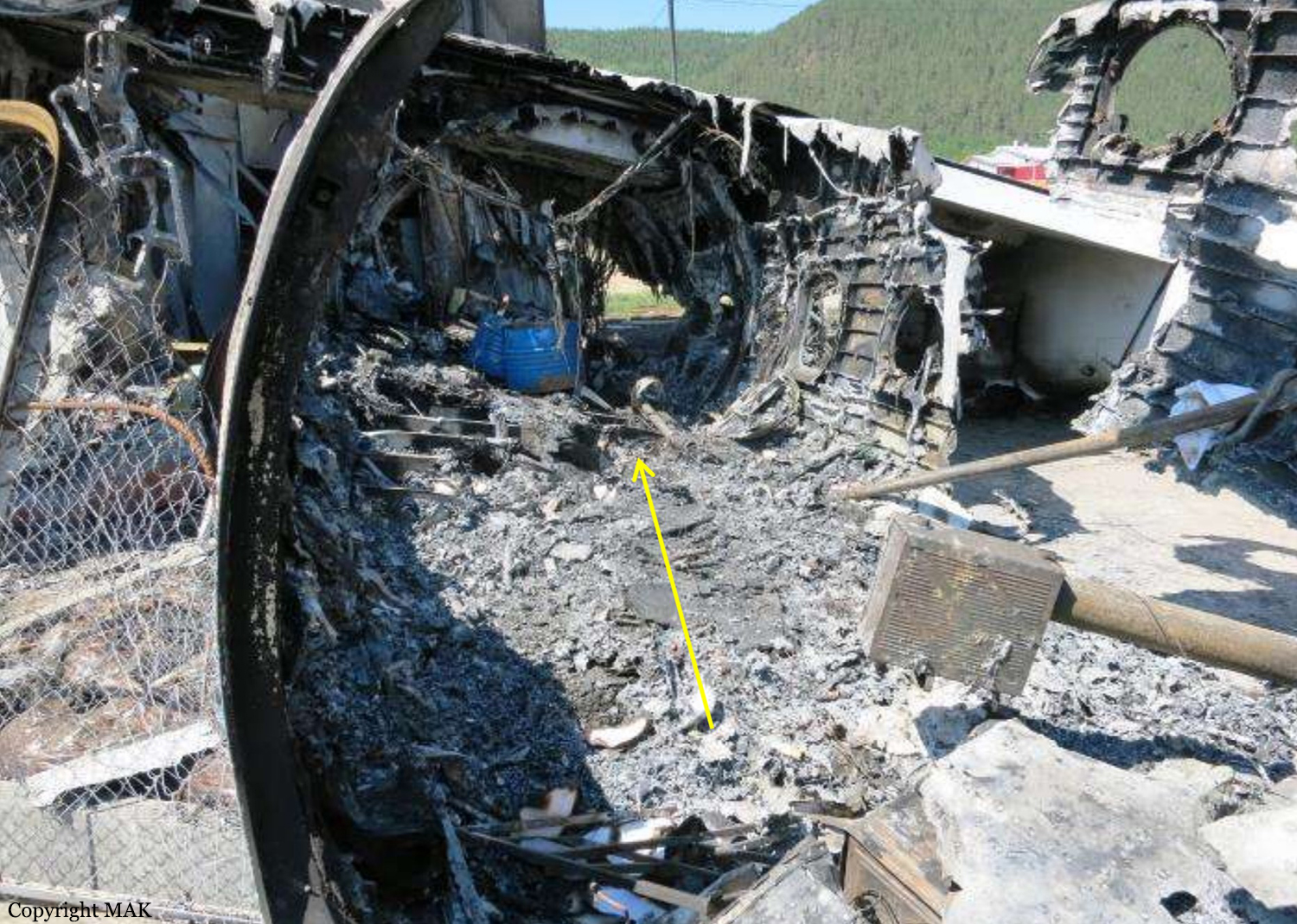
On a flight from Ulan-Ude to Nizhneangarsk, while descending to an altitude of 3,050 metres about 30 km from the destination airport, the crew contacted ATC and reported the failure of the left engine. The approach was continued to runway 22. After touchdown, the crew initiated the braking procedure when the airplane deviated to the right then veered off runway. It rolled in a grassy area, went through the perimeter fence and eventually impacted the building of a sewage treatment plant located 380 metres to the right of the runway centerline. The airplane was destroyed by a post crash fire. The captain and the flight engineer were killed while the copilot was seriously injured. 10 other occupants were injured.
Probable cause:
The accident occurred during landing with one engine inoperative as a result of a longitudinal-lateral rollout beyond the runway and subsequent collision with a building outside the aerodrome, resulting in damage to the aircraft structure and a fire. The landing was performed on a runway with an available landing distance of 1,503 metres that was significantly less than the distance required of 2,160 metres for the actual conditions.
Most likely, the accident was the result of the combination of the following factors:
- The decision by the pilot-in-command (pilot flying) to land without calculating the required landing distance;
- The incorrect choice by the pilot-in-command of the type and trajectory of the approach, which made it impossible to reduce the flight speed in time. Instead of visual maneuvering ('circle-to-land' maneuver) provided for in the approach pattern and agreed upon by the crew with the air traffic controller, the crew performed a visual approach;
- The absence in the airline's flight manual and the aircraft's flight manual of procedures for performing a visual approach maneuver ('circle-to-land' maneuver);
- Failure of the crew to take measures to go around for a second approach despite a significant discrepancy between the actual flight parameters and the criteria for a stabilized approach specified in the airline's flight procedures;
- Lack of crew coordination and cross-checking;
- Failure to follow a number of standard operating procedures in terms of informing the PIC (pilot in command) by other crew members about significant deviations of actual flight parameters from the published values;
- Insufficient crew resource management;
- Landing at a significant high speed (275 km/h instead of the recommended 220 km/h), which led the aircraft to land 530 metres pas the runway threshold;
- Incorrect use of the main landing gear wheel braking system by the crew, resulting in premature compression of the brake pedals (in the air), which, upon repeated contact, led to landing on the braked wheels of the right main landing gear with destruction of the tires and, subsequently, to the aircraft rolling sideways;
- Increased psychological and emotional stress on the part of the captain, compounded by his particular mental characteristics, contributed to the adoption of unreasonable decisions in the situation that had arisen.
- The left engine failed in flight due to abnormal operation of the fuel control system, probably the ADT-24. Due to the high degree of destruction of the system due to fire, it was not possible to definitively determine which unit failed and the cause of the failure. The abnormal adjustments of the left engine and deviations in the operation of its fuel control system manifested themselves long before the day of the accident and could have been detected by both flight and engineering personnel.
Most likely, the accident was the result of the combination of the following factors:
- The decision by the pilot-in-command (pilot flying) to land without calculating the required landing distance;
- The incorrect choice by the pilot-in-command of the type and trajectory of the approach, which made it impossible to reduce the flight speed in time. Instead of visual maneuvering ('circle-to-land' maneuver) provided for in the approach pattern and agreed upon by the crew with the air traffic controller, the crew performed a visual approach;
- The absence in the airline's flight manual and the aircraft's flight manual of procedures for performing a visual approach maneuver ('circle-to-land' maneuver);
- Failure of the crew to take measures to go around for a second approach despite a significant discrepancy between the actual flight parameters and the criteria for a stabilized approach specified in the airline's flight procedures;
- Lack of crew coordination and cross-checking;
- Failure to follow a number of standard operating procedures in terms of informing the PIC (pilot in command) by other crew members about significant deviations of actual flight parameters from the published values;
- Insufficient crew resource management;
- Landing at a significant high speed (275 km/h instead of the recommended 220 km/h), which led the aircraft to land 530 metres pas the runway threshold;
- Incorrect use of the main landing gear wheel braking system by the crew, resulting in premature compression of the brake pedals (in the air), which, upon repeated contact, led to landing on the braked wheels of the right main landing gear with destruction of the tires and, subsequently, to the aircraft rolling sideways;
- Increased psychological and emotional stress on the part of the captain, compounded by his particular mental characteristics, contributed to the adoption of unreasonable decisions in the situation that had arisen.
- The left engine failed in flight due to abnormal operation of the fuel control system, probably the ADT-24. Due to the high degree of destruction of the system due to fire, it was not possible to definitively determine which unit failed and the cause of the failure. The abnormal adjustments of the left engine and deviations in the operation of its fuel control system manifested themselves long before the day of the accident and could have been detected by both flight and engineering personnel.
Final Report:
RA-47366.pdf8.83 MB

