Crash of a Grumman G-21A Goose in Greenville: 1 killed

Date & Time: Jul 30, 1971 at 1600 LT
Type of aircraft:
Operator:
Registration:
N101LH
Flight Phase:
Flight Type:
Survivors:
Yes
Schedule:
Greenville - Greenville
MSN:
1136
YOM:
1942
Crew on board:
1
Crew fatalities:
Pax on board:
1
Pax fatalities:
Other fatalities:
Total fatalities:
1
Captain / Total flying hours:
1759
Captain / Total hours on type:
6.00
Circumstances:
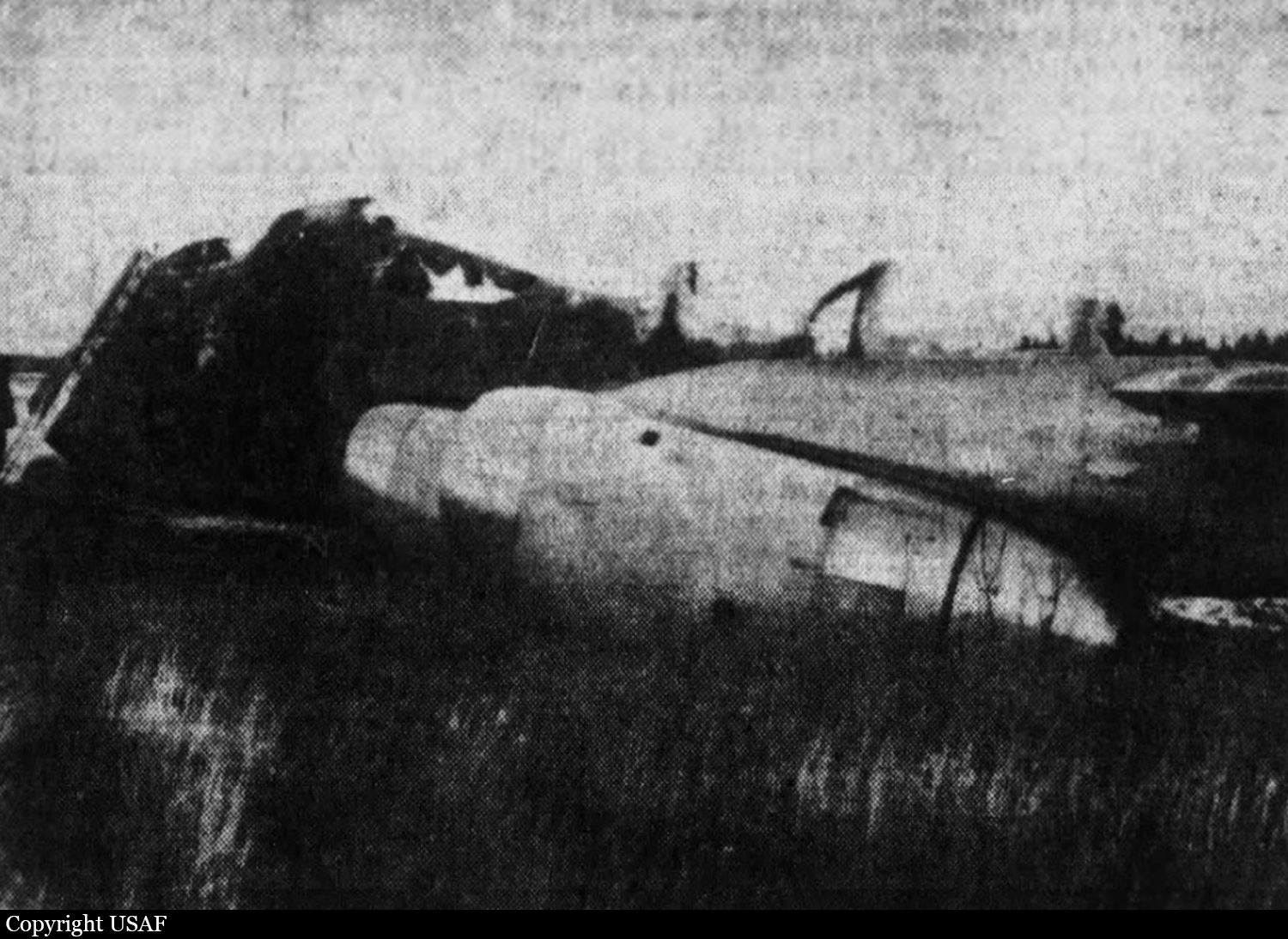
45 minutes after takeoff from Greenville Airport, while conducting local practice, both engines failed simultaneously. The aircraft lost height and crashed in an uninhabited area. The passenger was killed and the pilot was seriously injured. The pilot recently purchased the aircraft and was not familiar with.
Probable cause:
Both engines stopped in flight due to fuel starvation. The following factors were reported:
- Lack of familiarity with aircraft,
- Mismanagement of fuel,
- Inattentive to fuel supply,
- Fuel starvation,
- Failure of both engines,
- The aircraft was not refueled since purchase,
- Both engines operated from the right main tank.
Final Report:


Crash of a Boeing B-52G-105-BW Stratofortress at Loring AFB: 7 killed

Date & Time: Sep 4, 1969
Type of aircraft:
Operator:
Registration:
58-0215
Flight Phase:
Flight Type:
Survivors:
No
MSN:
464283
YOM:
1958
Crew on board:
7
Crew fatalities:
Pax on board:
0
Pax fatalities:
Other fatalities:
Total fatalities:
7
Circumstances:
After takeoff from Loring AFB, while in initial climb, the crew encountered serious technical problems. Two members of the crew ejected and abandoned the aircraft that crashed in a huge explosion some 2-3 miles north of the airbase. All seven crew members were killed. Unfortunately, the parachutes of those members who ejected opened too late.
Crew:
Maj Nils O. A. Oxehufwud, pilot,
Cpt William N. Payne, copilot,
Cpt Theodore A. Burbank, navigator,
Maj Robert M. Murray, EWO,
Lt Col Robert C. Smith, radio navigator,
M/Sgt Earl J. Barnes, air gunner,
Col Homer C. Bell Jr., observer.
Probable cause:
The exact cause of the accident could not be determined with certainty. However, the assumption that the loss of control was the consequence of a total failure of all electrical power or an issue with the water injection system was not ruled out.

Crash of a Boeing KC-135A-BN Stratotanker at Loring AFB

Date & Time: Mar 25, 1969
Type of aircraft:
Operator:
Registration:
56-3602
Flight Phase:
Flight Type:
Survivors:
Yes
Schedule:
Loring - Loring
MSN:
17351
YOM:
1958
Crew on board:
7
Crew fatalities:
Pax on board:
0
Pax fatalities:
Other fatalities:
Total fatalities:
0
Circumstances:
During the takeoff roll at Loring AFB, the crew encountered technical issues with the water injection system and the captain decided to abort. Unable to stop within the remaining distance, the airplane overran, went down an embankment and came to rest in flames, broken in two. All seven occupants were rescued while the aircraft was destroyed.
Probable cause:
Failure of the water injection system due to frozen water.

Crash of a Lockheed P2V-7 Neptune off Brunswick: 1 killed

Date & Time: Dec 10, 1965
Type of aircraft:
Operator:
Registration:
147960
Flight Phase:
Flight Type:
Survivors:
Yes
Schedule:
Brunswick - Brunswick
MSN:
726-7210
YOM:
1958
Location:
Crew on board:
10
Crew fatalities:
Pax on board:
0
Pax fatalities:
Other fatalities:
Total fatalities:
1
Circumstances:
The crew was completing a local training flight out from NAS Brunswick. In flight, a rocket hung up after firing and ignited a wing. The captain was able to ditch the aircraft that was lost. A crew member was killed while nine others were rescued.
Probable cause:
Rocket ignition in flight.

Crash of a Boeing KC-135A-BN Stratotanker at Loring AFB: 4 killed

Date & Time: Jan 4, 1965 at 0900 LT
Type of aircraft:
Operator:
Registration:
61-0265
Flight Phase:
Flight Type:
Survivors:
No
Schedule:
Loring - Loring
MSN:
18172
YOM:
1961
Crew on board:
4
Crew fatalities:
Pax on board:
0
Pax fatalities:
Other fatalities:
Total fatalities:
4
Circumstances:
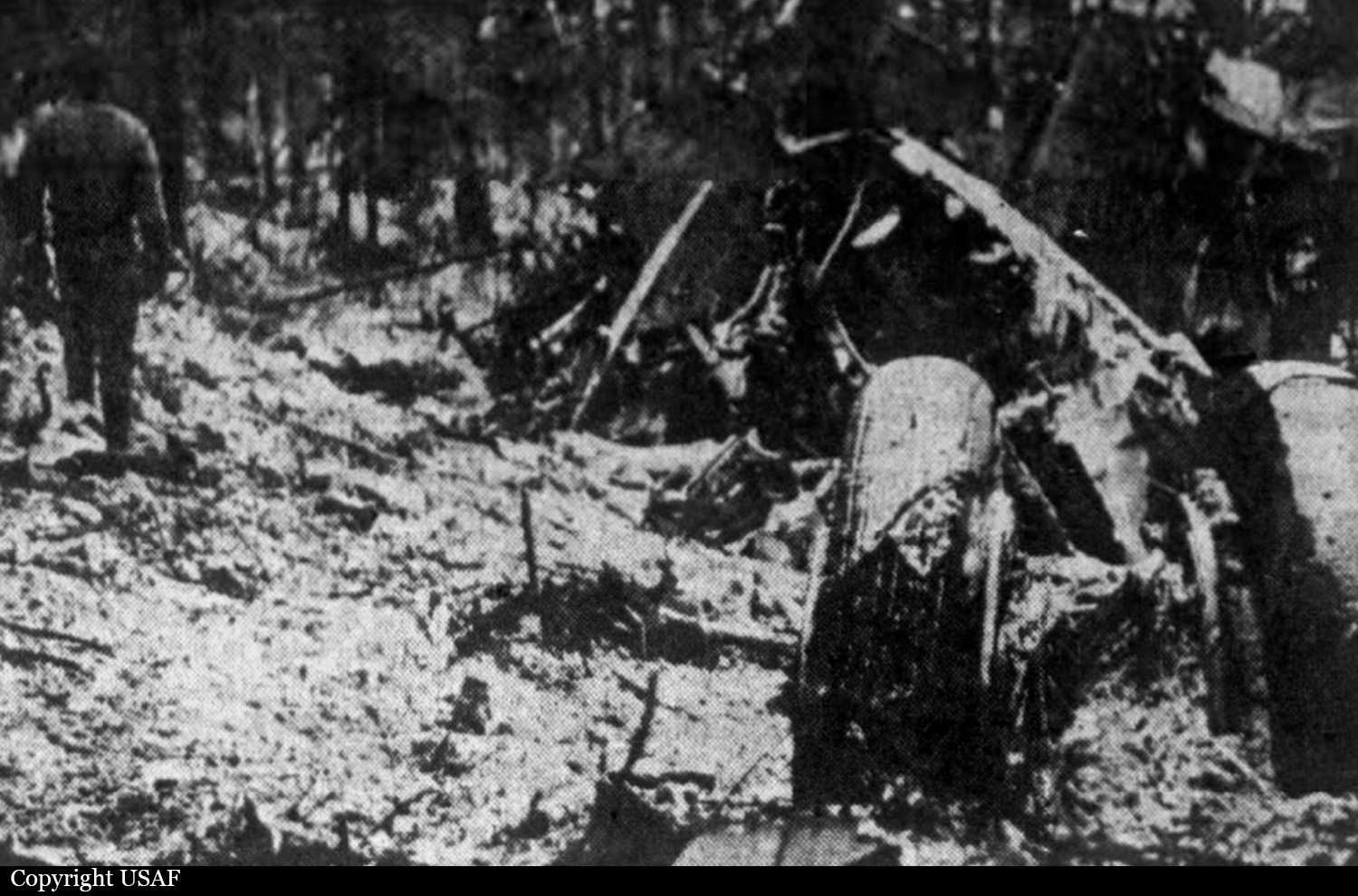
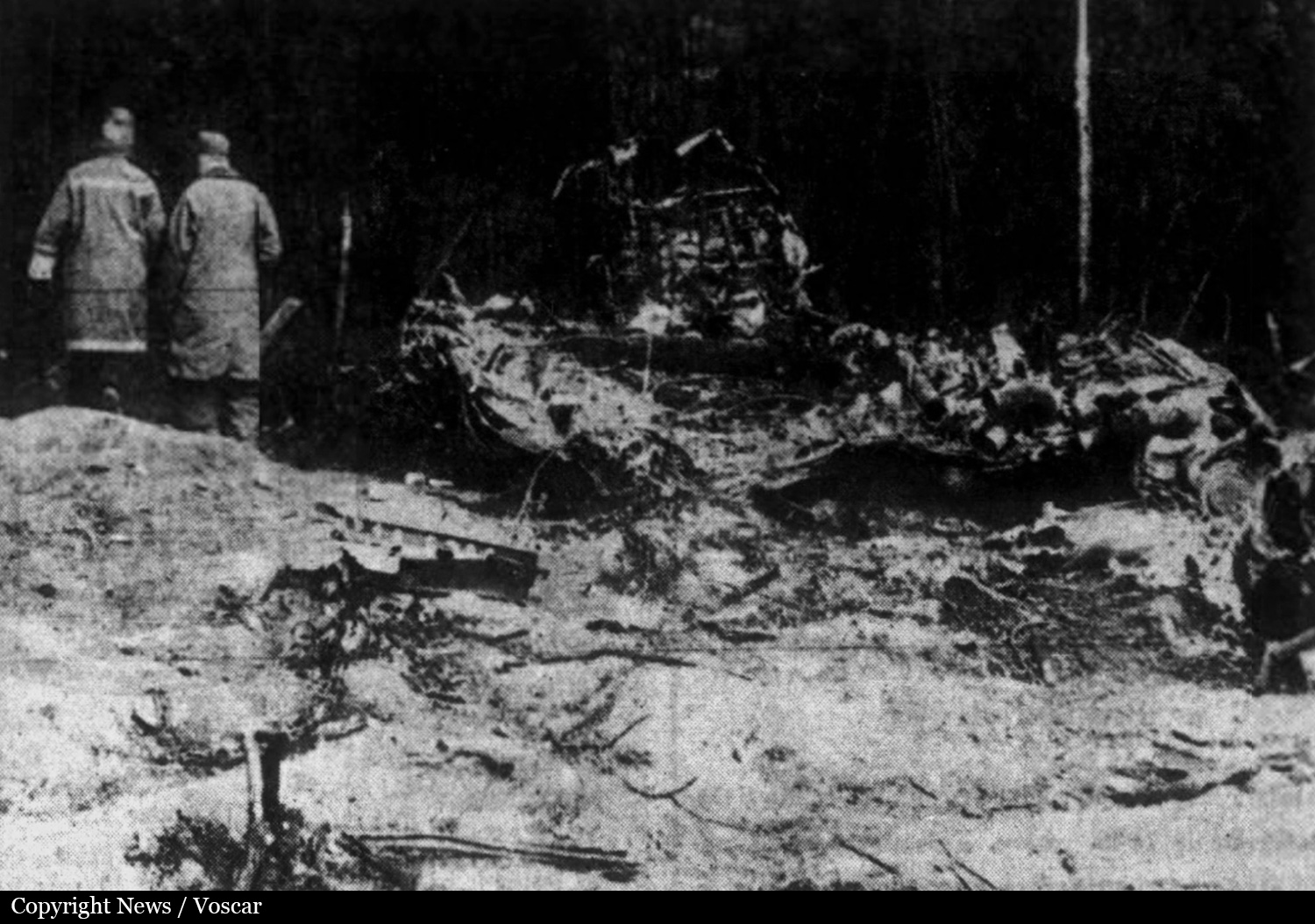
The aircraft departed Loring AFB at 0900LT for a six hour training mission. Shortly after takeoff, while in initial climb, the airplane suffered severe turbulences and the number three engine drag brace failed due to a missing nut. The engine swung up in front of the wing, causing a severe roll to the left. The aggressive control inputs in an attempt to level the aircraft resulted in both the #3 and #4 engines separating from the wing. The aircraft then entered a 90° right bank, plunges into the earth and crashed in a wooded area located 2,4 miles north of the runway. The aircraft was destroyed and all four crew members were killed.
Crew:
Cpt Kenneth Gomes, pilot,
Cpt Matthew Ramstsch, copilot,
1st Lt John McCarron, navigator,
S/Sgt Jimmy Tardie, boom operator.
Probable cause:
Loss of control after the number three engine drag brace failed due to a missing nut.

Crash of a Boeing B-52C-40-BO Stratofortress in Greenville: 7 killed

Date & Time: Jan 24, 1963 at 1452 LT
Type of aircraft:
Operator:
Registration:
53-0406
Flight Phase:
Flight Type:
Survivors:
Yes
Site:
Schedule:
Westover - Westover
MSN:
16886
YOM:
1953
Crew on board:
9
Crew fatalities:
Pax on board:
0
Pax fatalities:
Other fatalities:
Total fatalities:
7
Circumstances:
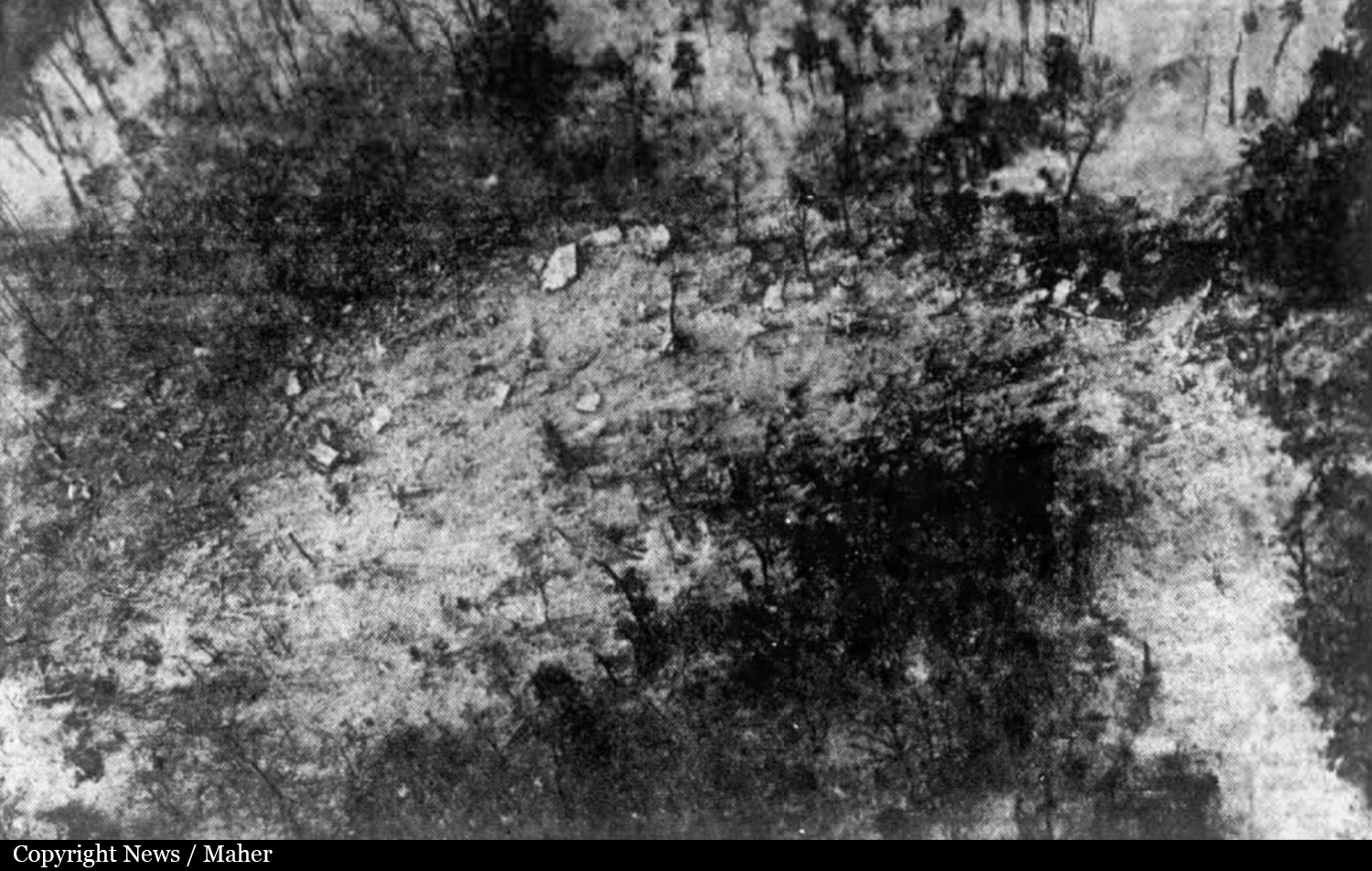
The crew was engaged in a training flight out from Westover AFB. While cruising at low height, control was lost. Three crew members were able to bail out before the aircraft crashed in the Elephant Mountain Range located near Greenville. Seven crew members were killed while two survived.
Crew (99th BS):
Lt Col Dante Bulli, pilot,
Maj Robert J. Morrison, copilot, †
Cpt Gerald Adler, navigator,
Lt Col Joe R. Simpson Jr., †
Maj William W. Gabriel, †
Maj Robert J. Hill, †
Cpt Herbert L. Hansen, †
T/Sgt Michael F. O'Keefe, †
Cpt Charles G. Leuchter. †
Probable cause:
Failure of the stabilizer shaft broke during a low level exercise.

Crash of a Boeing KC-135A-BN Stratotanker at Loring AFB: 6 killed

Date & Time: May 9, 1962
Type of aircraft:
Operator:
Registration:
56-3618
Flight Phase:
Flight Type:
Survivors:
No
Schedule:
Loring - Loring
MSN:
17367
YOM:
1958
Crew on board:
6
Crew fatalities:
Pax on board:
0
Pax fatalities:
Other fatalities:
Total fatalities:
6
Circumstances:
Just after liftoff from Loring AFB, the airplane encountered difficulties to climb. The left wing stalled and struck the ground, causing the aircraft to crash and burn 2,500 feet past the runway end. All six occupants were killed.
Probable cause:
Failure of the engine number two shortly after takeoff. The aircraft was heavily loaded at the time of the accident.

Crash of a Boeing KC-135A-BN Stratotanker at Loring AFB: 1 killed

Date & Time: Nov 18, 1960
Type of aircraft:
Operator:
Registration:
56-3605
Flight Type:
Survivors:
Yes
Schedule:
Loring - Loring
MSN:
17354
YOM:
1958
Crew on board:
5
Crew fatalities:
Pax on board:
12
Pax fatalities:
Other fatalities:
Total fatalities:
1
Circumstances:
Following a wrong approach configuration, the landing procedure was completed in a nose down attitude and at an excessive speed. The nose gear touched down first and penetrated the fuselage, puncturing the forward body fuel tank. The aircraft slid on its nose for dozen yards before coming to rest in flames. A passenger was killed while 16 other occupants were injured. The aircraft was damaged beyond repair.

Crash of a Boeing KC-97G-28-BO Stratotanker near Newry: 5 killed

Date & Time: Jun 27, 1960
Type of aircraft:
Operator:
Registration:
52-2738
Flight Phase:
Flight Type:
Survivors:
No
Site:
Schedule:
Plattsburgh - Plattsburgh
MSN:
16769
YOM:
1952
Location:
Crew on board:
5
Crew fatalities:
Pax on board:
0
Pax fatalities:
Other fatalities:
Total fatalities:
5
Circumstances:
At 8:15 PM on Monday, June 27, 1960, crew T-51 of the 380th Air Refueling Squadron departed Plattsburgh AFB aboard a KC-97G for the "Fighting Fox" air refueling area over Maine. Their mission was part of a SAC Operational Readiness Inspection of the 380th Bombardment Wing code named "Jet Stream Golf". They, and a backup KC-97G, were to refuel a B-47 under simulated combat conditions. The mission was expected to last just under four hours, with both tankers returning to Plattsburgh. After a successful rendezvous with the bomber, the tanker descended to the refueling altitude of 15,500 feet and accelerated, nose down, to 190 knots. The low altitude, when compared to today's KC-135 and KC-10 operations, was one of the necessities of refueling jet bombers like the B-47 and B-52 with a reciprocating engine powered aircraft. As the B-47 closed with the KC-97 from a higher altitude in "observation" position, everything seemed fine. Logistical radio exchanges were made and the bomber began to descend and close into refueling position. As they approached, the B-47 pilot and copilot saw a long stream of flame come back toward them from the KC-97's number one engine, then suddenly disappear. A small spot of white hot glow was noted near the rear of the number one engine. Seconds later, a large ball of flame enveloped the engine and the surrounding wing area. The boom operator transmitted "breakaway, breakaway, breakaway", and the B-47 commander took up a loose formation position off the tanker's right wing. The backup tanker, above and to the rear, made radio contact asking if they were in trouble, to which Lt. Burgess, the aircraft commander calmly replied "Roger, I'm on fire". At this point, the aircraft entered a gradual left turn which continued to get steeper, and turned into a spiral or spin. It was later determined that the left wing outboard of the burning engine had failed due to fire damage, before the crew could complete the "engine fire" drill. It was later found in Howard Pond some three miles from the crash site. The B-47 commander called "bail out! bail out!" but got no reply and spotted no parachutes. Witnesses on the ground, including over three hundred moviegoers at the Rumford Point Drive-In, saw the flaming aircraft spin down with burning pieces falling off. The fuel laden tanker crashed into Jonathan Smith Mountain near Route 26 in the Town of Newry. The aircraft was totally destroyed and all five crew members were killed.
Crew:
Lt William Burgess, pilot,
Lt Lewis Turner, copilot,
Lt Raymond Kisonas, navigator,
M/Sgt Harold Young, flight engineer,
T/Sgt Robert Costello, boom operator.
Source: http://www.mewreckchasers.com/kc97art.html
Probable cause:
The investigation revealed that the accident was caused by a lubrication failure to the supercharger impeller shaft of the number one engine, leading to premature failure. The impeller, leaving the engine nacelle, did major damage and caused fuel leakage resulting in the severe fire and rapid structural failure of the wing.

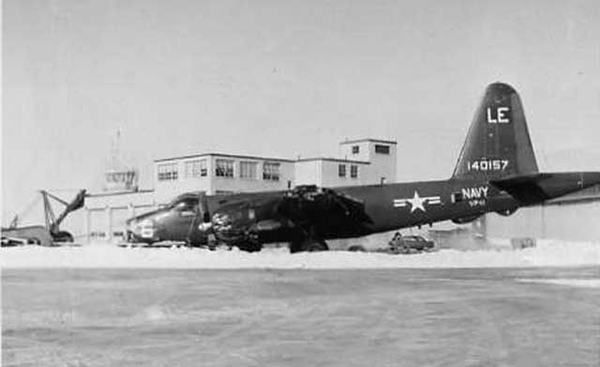
Crash of a Lockheed P2V-7 Neptune at Brunswick

Date & Time: Dec 29, 1959
Type of aircraft:
Operator:
Registration:
140157
Survivors:
Yes
MSN:
726-7060
Location:
Crew on board:
0
Crew fatalities:
Pax on board:
0
Pax fatalities:
Other fatalities:
Total fatalities:
0
Circumstances:
Crash landed at Brunswick Airport. No casualties.