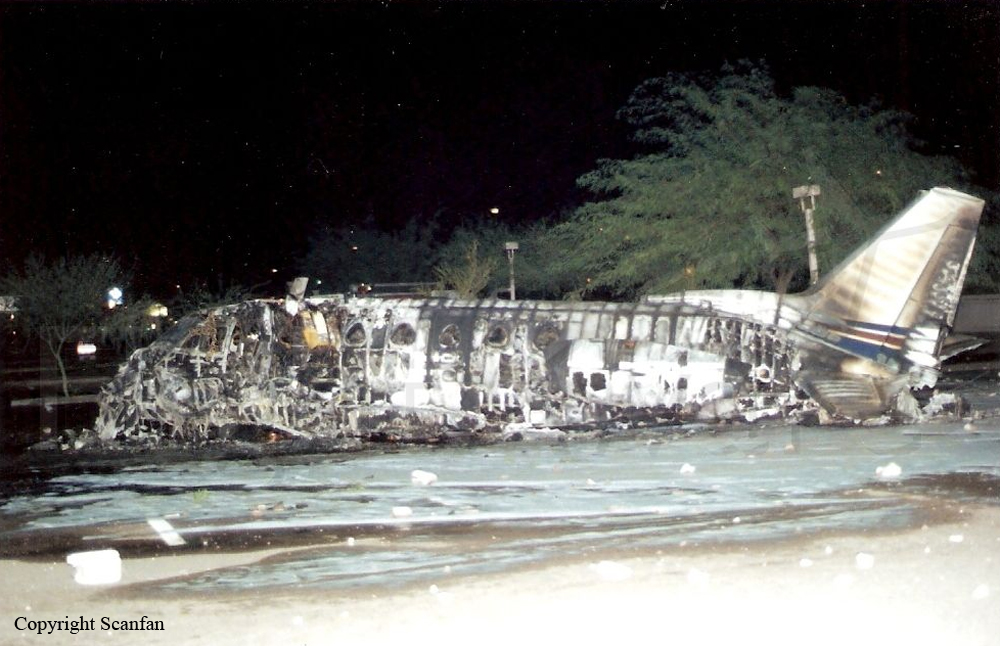
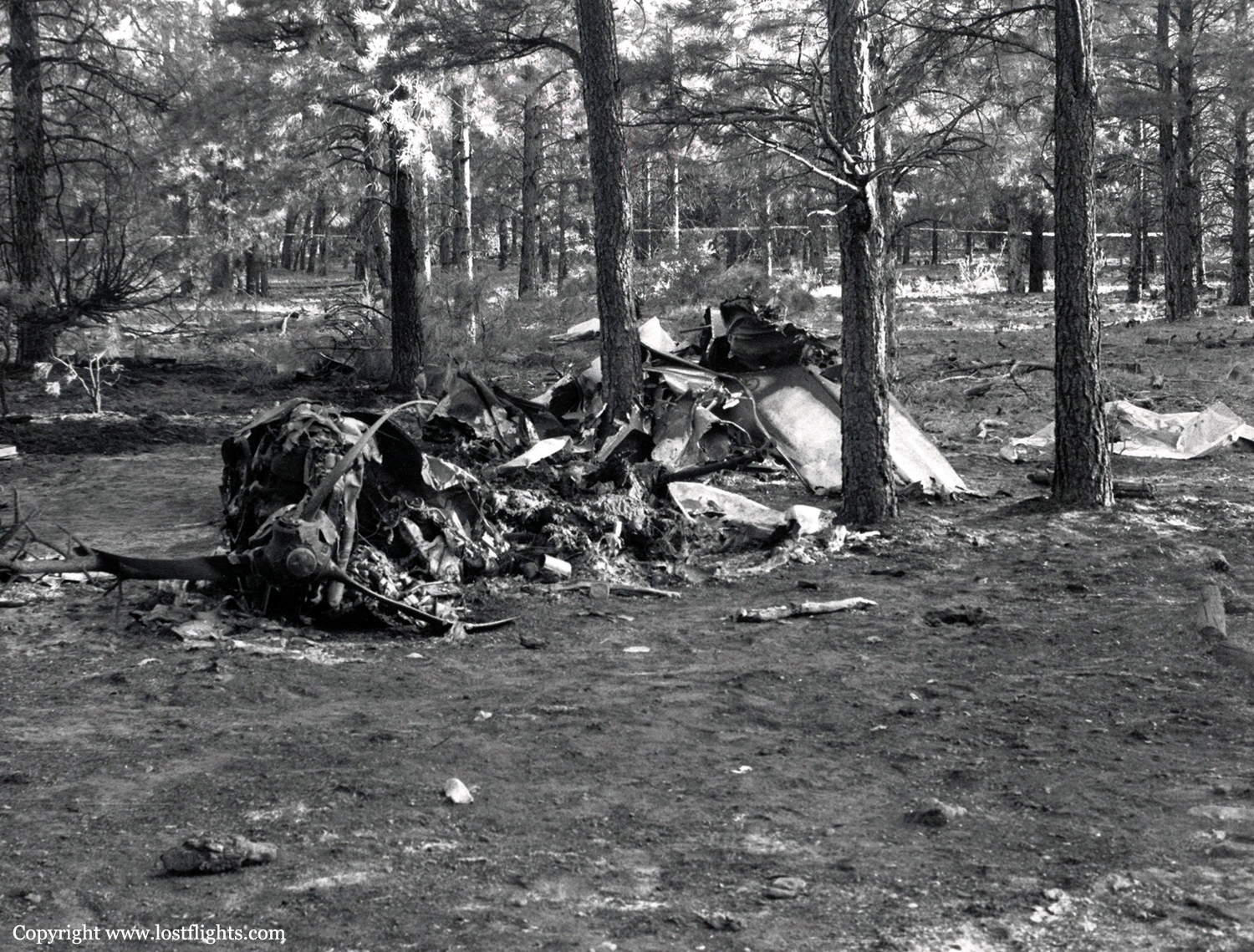
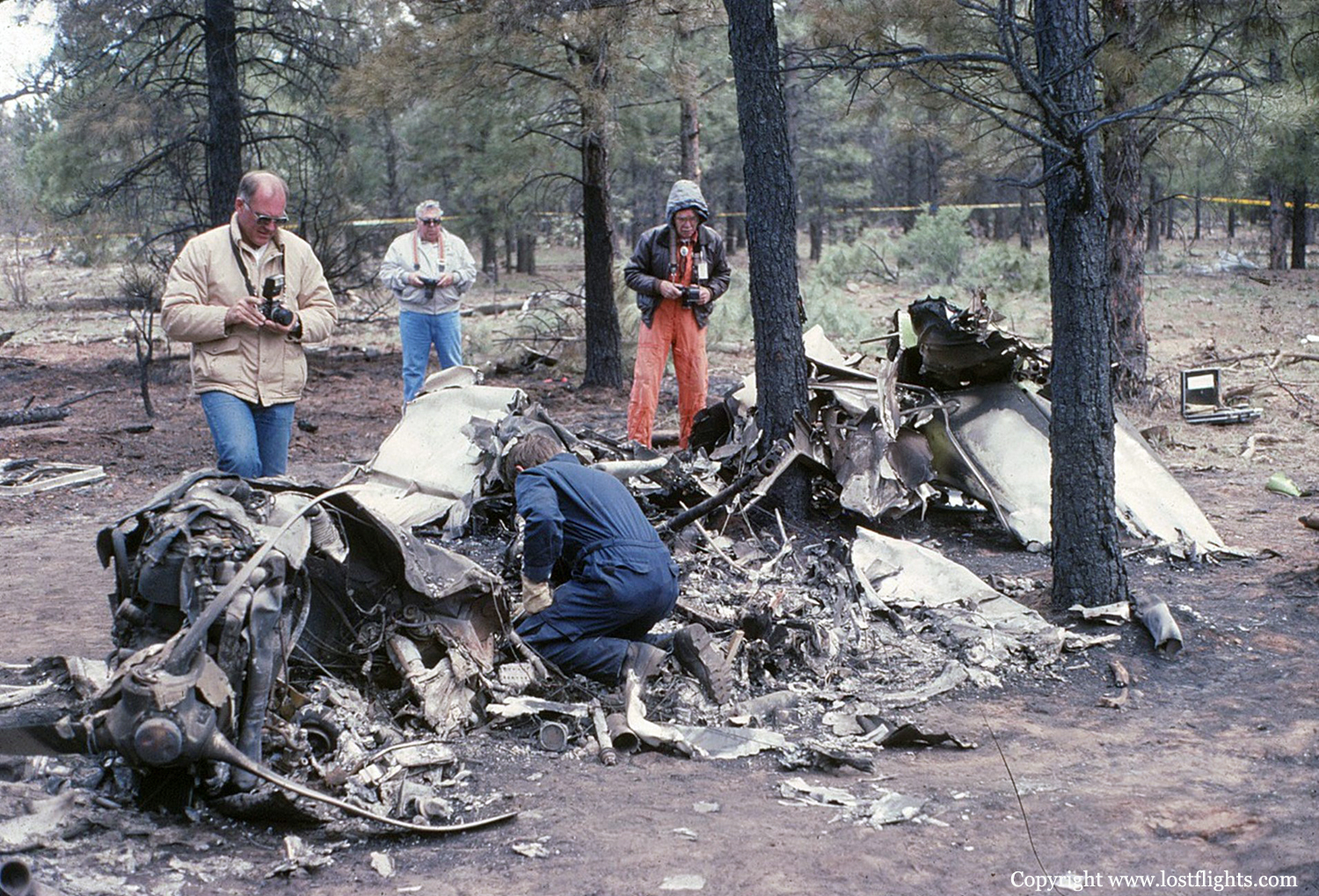
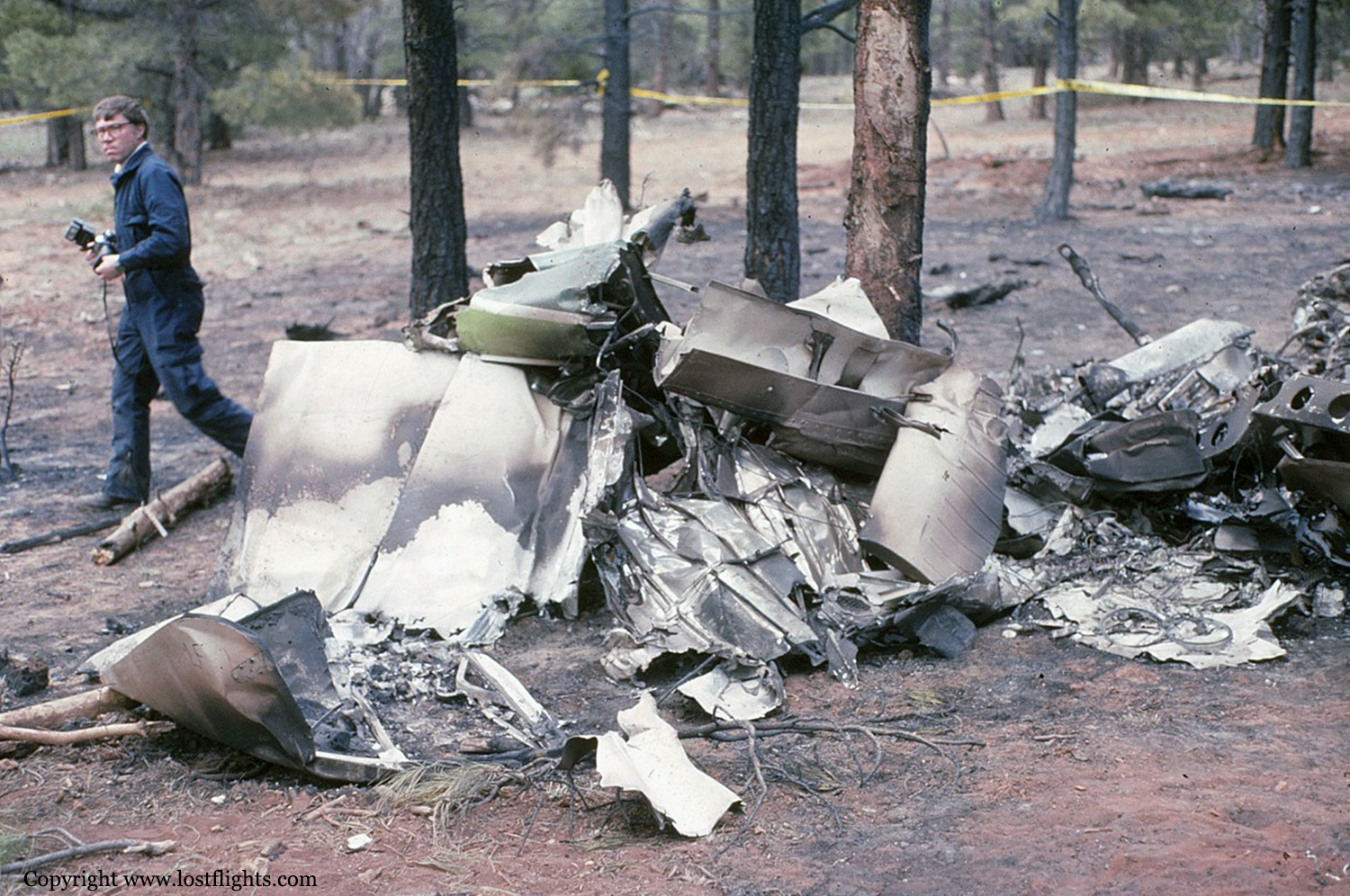
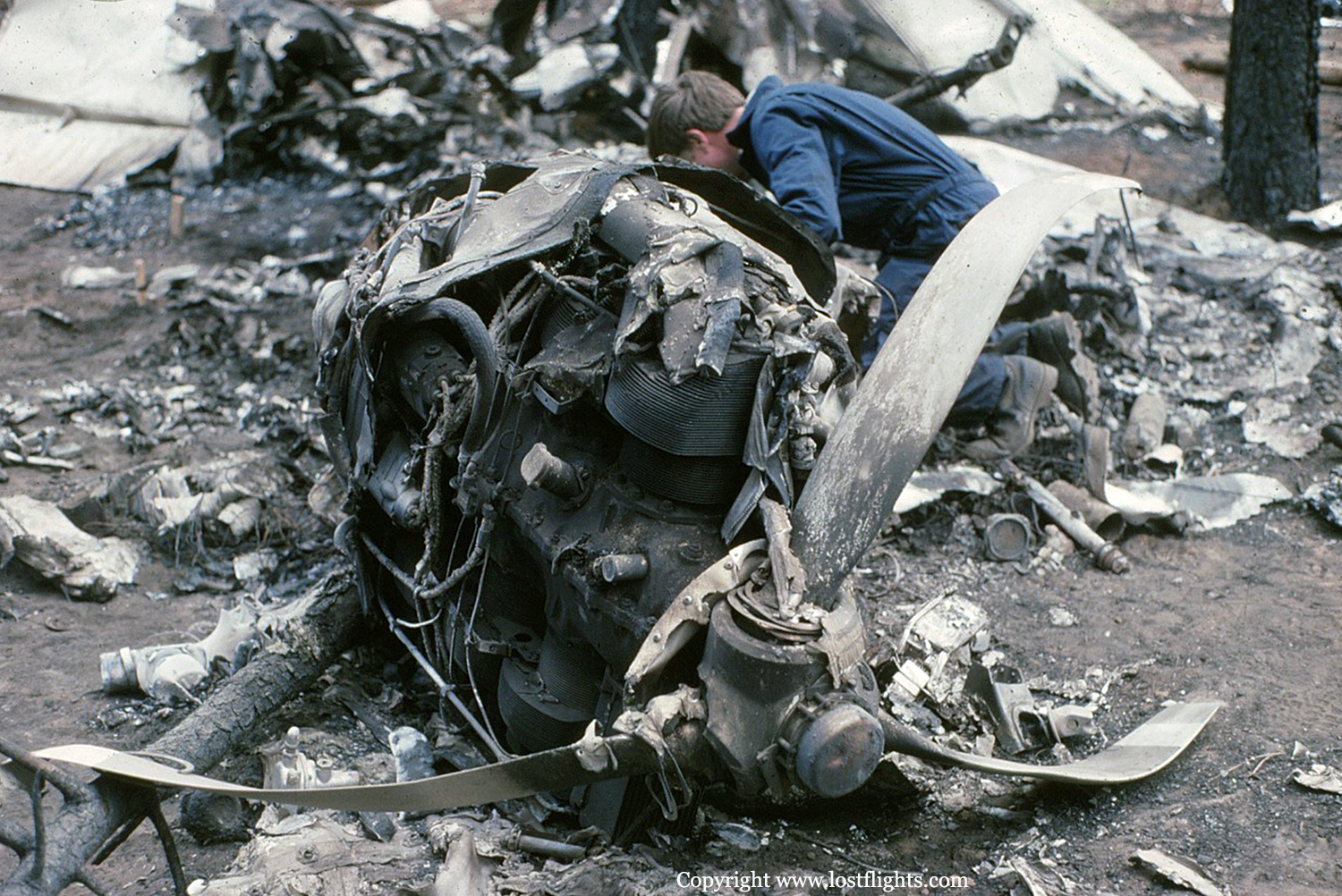
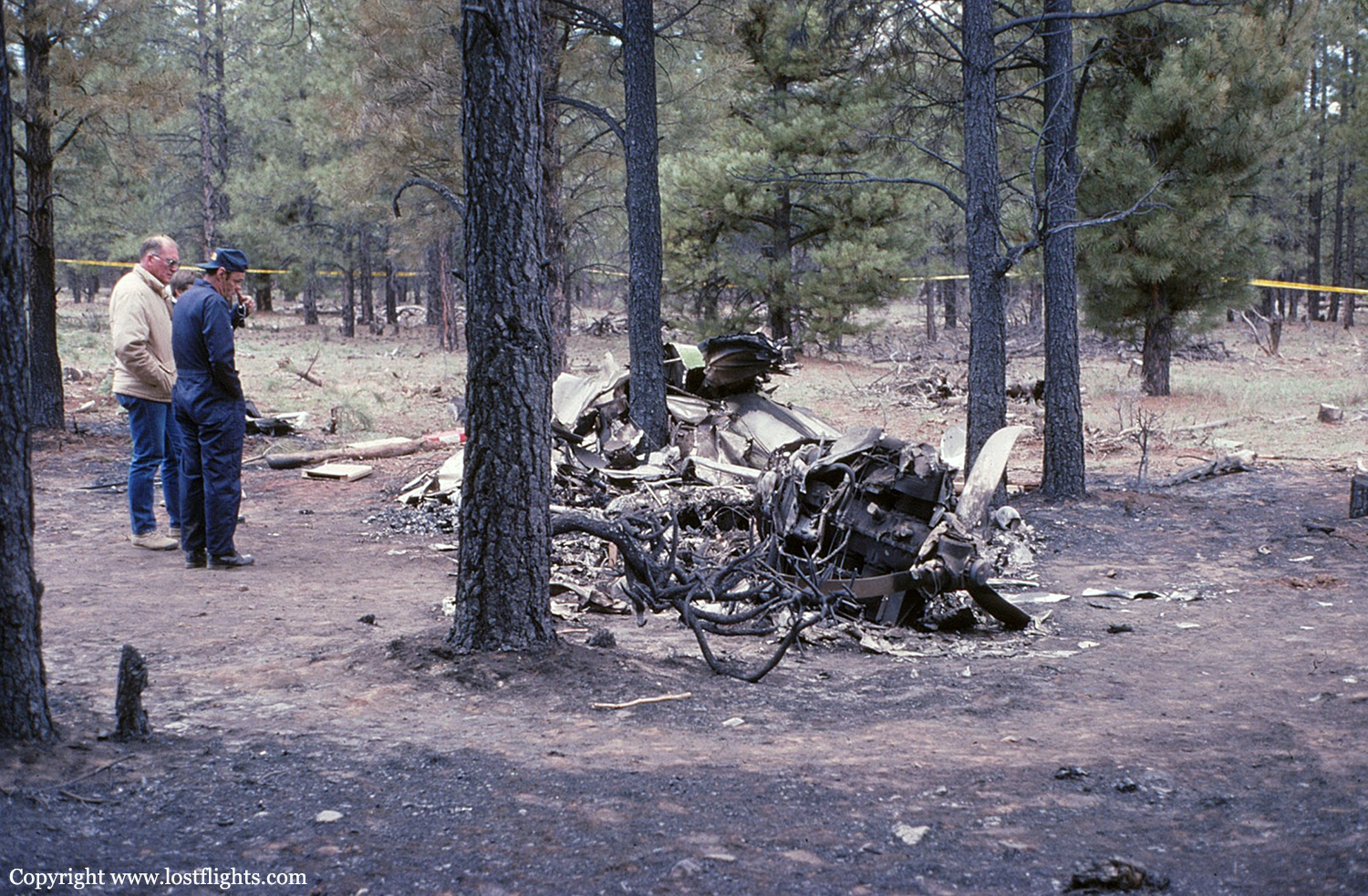
Crash of a Piper PA-31-350 Navajo Chieftain in Grand Canyon: 8 killed

Date & Time: Feb 13, 1995 at 1536 LT
Operator:

Registration:
N27245
Flight Phase:
Survivors:
Yes
Schedule:
Grand Canyon - Las Vegas
MSN:
31-7752121
YOM:
1977
Flight number:
6G45
Crew on board:
1
Crew fatalities:
Pax on board:
9
Pax fatalities:
Other fatalities:
Total fatalities:
8
Captain / Total flying hours:
5086
Captain / Total hours on type:
480.00
Aircraft flight hours:
13367
Circumstances:
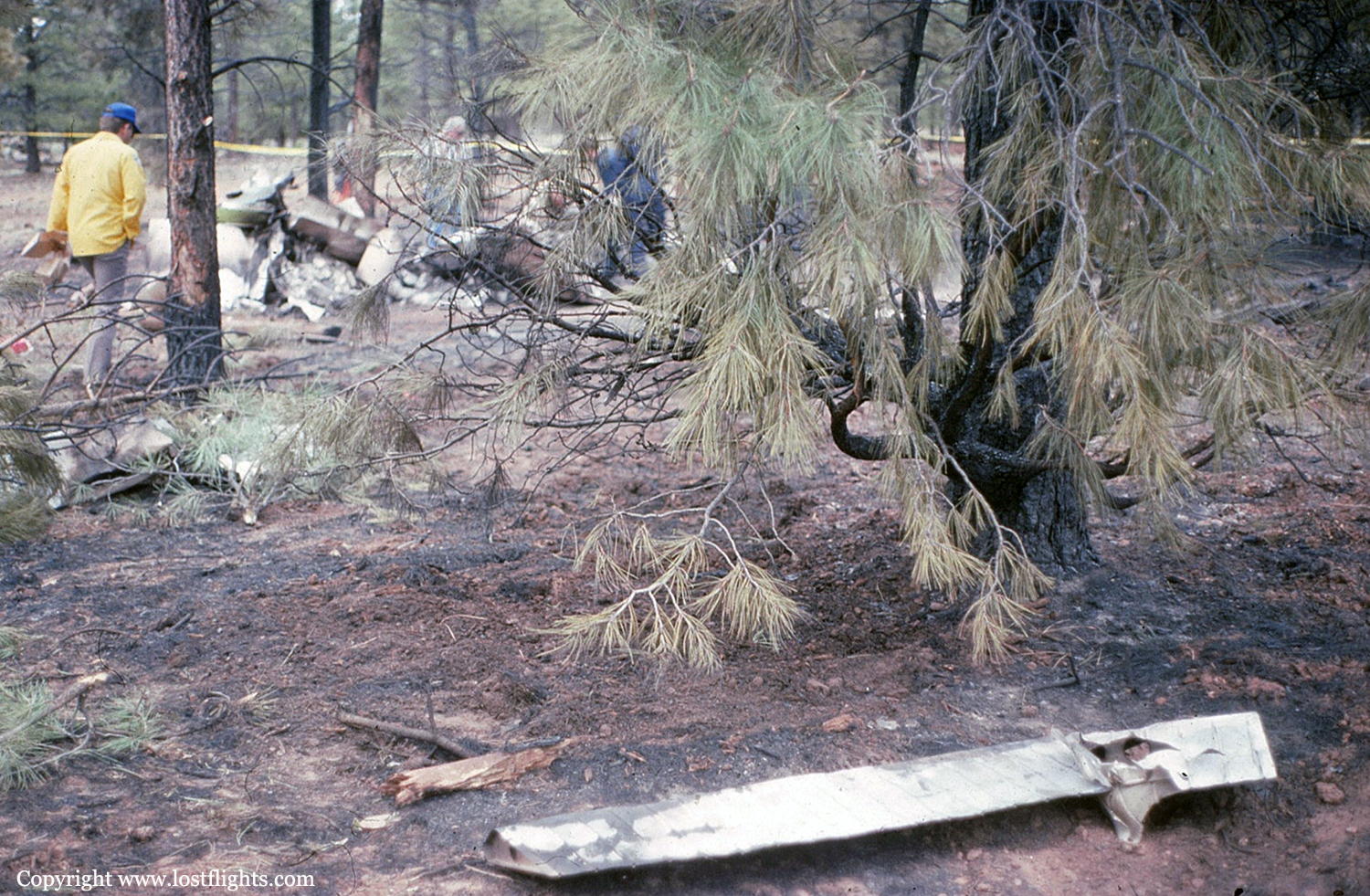
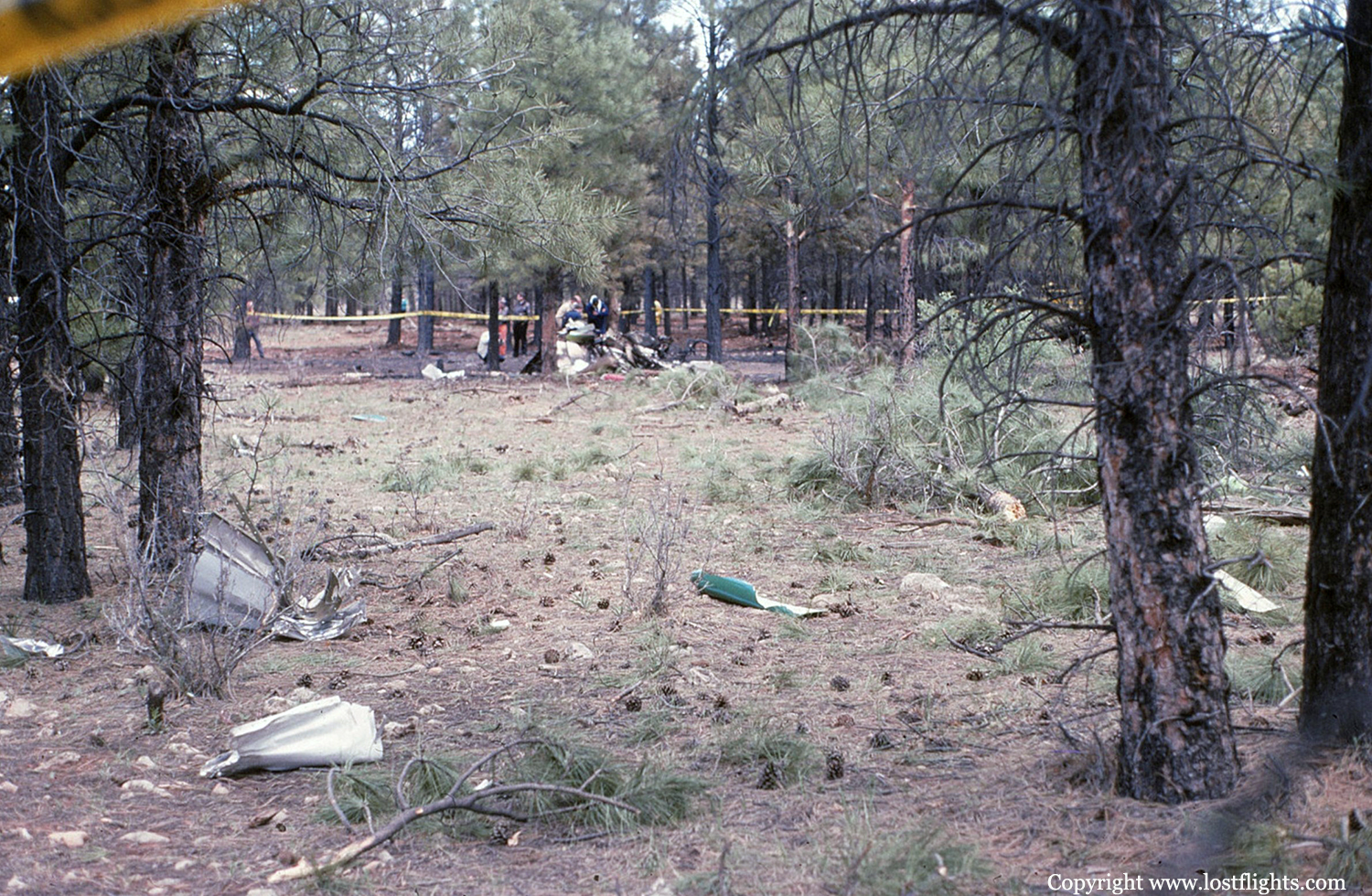
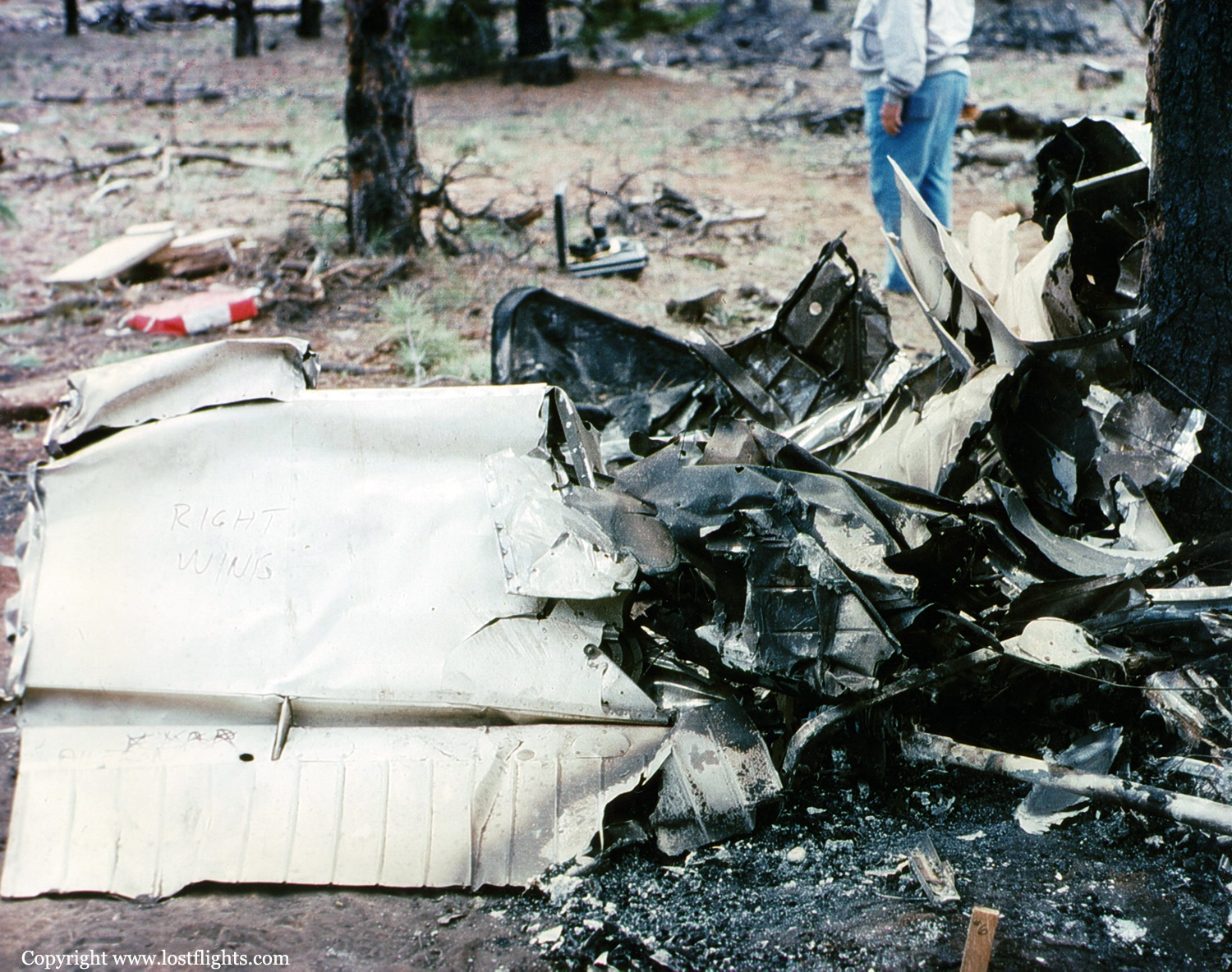
The charter flight was on a return tour trip after landing at the Grand Canyon National Park Airport. No fueling or maintenance was performed on the airplane while it sat on the ground for three hours. Shortly after takeoff from runway 21, the pilot transmitted that he had a problem and was declaring an emergency. He then stated '...I'm single engine right now....' The airplane was observed to be 100-200 feet above the terrain at the time. It continued flying for about 6 minutes, turning onto a crosswind, downwind, and then a right base leg for runway 21 before colliding with trees about 2.5 miles northeast of the airport. The airport is located in terrain that slopes upward from south to north and west to east. Winds were gusting to 29 knots. The density altitude was 6,870 feet. Examination of the suspect left engine did not reveal any evidence of failures or malfunctions. The investigation revealed deficiencies in the Federal Aviation Administration's oversight of the airline's maintenance program, and in the airline's extension of the time-in-service interval of the engines. The airline's AAIP does not require a maximum rated power check of the engines as required by the engine manufacturer's service instruction. In addition, the TBO of the engines had been extended from 1,800 to 2,400 hours.
Probable cause:
A loss of power on one engine for an undetermined reason(s), and the pilot's improper decision to return to the departure airport for landing which necessitated maneuvering over increasingly higher terrain. Factors in the accident were: the high gusting wind, the high density altitude, the rising terrain, and the reduced single-engine performance capability of the airplane under these conditions.
Final Report:
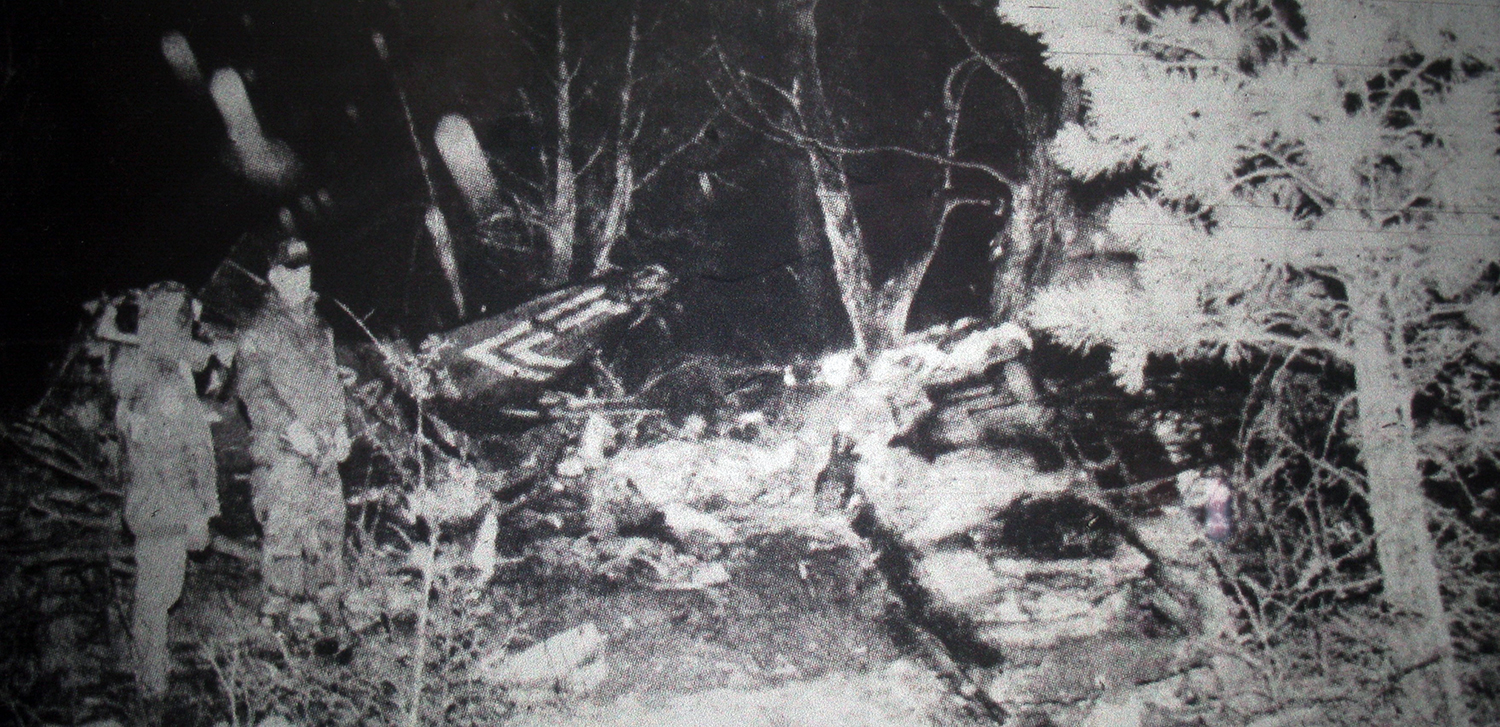

Crash of a Cessna 208B Super Cargomaster in Flagstaff: 1 killed

Date & Time: Jan 11, 1995 at 1805 LT
Type of aircraft:
Operator:
Registration:
N746FE
Flight Phase:
Flight Type:
Survivors:
No
Schedule:
Flagstaff - Phoenix
MSN:
208-0236
YOM:
1990
Flight number:
FDX7551
Crew on board:
1
Crew fatalities:
Pax on board:
0
Pax fatalities:
Other fatalities:
Total fatalities:
1
Captain / Total flying hours:
10000
Captain / Total hours on type:
2000.00
Aircraft flight hours:
2439
Circumstances:
A witness located near the departure end of the runway saw the airplane initially climb in a normal manner, then stay below the clouds and make a shallow bank 180-degree left turn and descend below a tree line. Tower tapes revealed that the pilot twice transmitted that he was "coming back" to the airport during which the background sound of the "fuel selector off" warning horn was heard. The pilot then informed the controller "I've got to get back", and no warning horn was heard. The airplane collided with trees and came to rest about 6,500 feet sse of the runway's end. Prior to departure, the airplane was refueled with 40 gals of jet a (20 gals per tank), which increased the total fuel load to 148 gals. The flight manual required that the fuel balance between the left and right tanks be kept within 200 pounds, and suggested turning off one fuel selector to correct unbalance situations. The condition of one fuel selector turned off will cause the "fuel selector off" warning horn to sound. Exam of the aircraft revealed no evidence of preimpact failures. Prop blade butt signatures indicated it was operating in the governing range, and engine power was being produced at impact.
Probable cause:
The pilot's failure to properly configure the aircraft fuel system prior to takeoff, and his failure maintain an adequate terrain clearance altitude while maneuvering to return to the airport. Factors in the accident were the dark night lighting conditions, low ceilings, restricted visibility conditions, and the pilot's diverted attention which resulted from activation of the airplane's fuel selector warning horn system.
Final Report:

Crash of a Cessna T303 Crusader in Prescott: 5 killed

Date & Time: Jul 4, 1993 at 0320 LT
Type of aircraft:
Operator:
Registration:
N9667C
Flight Type:
Survivors:
No
Schedule:
Prescott - Prescott
MSN:
303-00200
YOM:
1982
Crew on board:
2
Crew fatalities:
Pax on board:
3
Pax fatalities:
Other fatalities:
Total fatalities:
5
Captain / Total flying hours:
550
Captain / Total hours on type:
40.00
Aircraft flight hours:
3123
Circumstances:
On July 4, 1993, about 0320 hours mountain standard time, a Cessna T303, N9667C, collided with terrain about 2,000 feet short of the approach end of runway 21 at Ernest A. Love Field in
Prescott, Arizona. The airplane was destroyed. The commercial pilot and four passengers were fatally injured. The airplane was being operated as a personal flight. The local flight departed Love Field about two minutes before the accident. Night visual meteorological conditions prevailed at the time. The accident airplane arrived at Love Field about 2300 hours on July 3, 1994. An airport operations specialist employed by the City of Prescott greeted the airplane to see if the pilot needed fuel. Three males got out of the airplane, one of which was carrying a can of beer. One occupant of the airplane replied to the operations specialist fuel inquiry and stated, "Not right now, maybe later or in the morning." The operations specialist asked the three men if they had a place to stay and they indicated they were meeting friends. The night manager of the Airport Centre Motel, located off the west boundary of Love Field, noticed the three men walking from the airport 2330 hours on July 3, 1994. The motel manager stated all three men were drinking beverages from cans. The manager was unable to state the type of beverages they were drinking. At 2300 hours, July 3, 1994, the girl friend of one of the airplane's passengers received a call from her boy friend requesting a ride from Love Field to "downtown" Prescott. The girlfriend met her boy friend with two other friends. According to the girl friend, all three men were holding beer cans. The girl friend dropped the men off in the downtown area with plans to meet later. Approximately 0100 hours July 4, 1993, three females were leaving the Palace Saloon in downtown Prescott. The women were approached by three men on the sidewalk. One of the men identified himself as a pilot to the women. One of the women did not believe him and being associated with pilots in the past she asked him, "How many hours do you need [from] bottle to throttle?" The pilot responded, "Eight, but I guess I will have to break that rule tonight." The six walked on the sidewalk continuing the conversations. The woman who previously challenged the pilot walked along side him. She described him as quiet, friendly, not intoxicated, and at one point apologetic for being quiet. The pilot expounded on his quietness by stating he was very tired, and that he had been in Laughlin, Nevada, the night before, worked all day, rented the airplane, and then flew to Prescott. As the evening progressed, the group went to a restaurant, ate, and walked to the women's hotel. The men solicited a ride to the airport and the women agreed. During the ride to the airport, two of the men were talkative but the pilot remained quiet. The pilot was observed closing his eyes with his head back. The group arrived at the airport about 0245 hours. The men offered to show the women the airplane. The pilot opened the airplane and moved into the cockpit. The woman, who earlier challenged the pilot, asked one of the other men, "Why is the pilot so quiet, is he drunk?" The other man said, "No, he only had a few drinks." The woman then heard the pilot and the other man talking in the cockpit. The pilot was trying to turn on the pilot-controlled airport lighting. The woman heard the other man tell the pilot to "stop clicking the button so many times, and that it was supposed to be three clicks and then stop." The men then offered the women a 10-minute ride in the airplane. The woman who earlier challenged the pilot refused. Her two friends accepted and got into the airplane and she went back to their vehicle and waited. At 0254 hours, the pilot contacted the Prescott Flight Service Station (FSS) on frequency 122.4 Mhz and asked about the pilot- controlled lighting system. The pilot indicated that he tried to activate the lights but was unsuccessful. After consulting the Airport/Facility Directory, the air traffic control (ATC) specialist informed the pilot the lights were pilot activated on frequency 125.3 Mhz. The ATC specialist then heard seven "clicks" on 122.4 Mhz. He advised the pilot that he was still on 122.4 Mhz. The pilot replied, "Thank you, sir, we got 'em." At 0259 hours, the ATC specialist asked the pilot if he needed any further assistance. The pilot indicated that further assistance was not needed. The ATC specialist then issued the Prescott altimeter setting, 29.92 inHg, and asked the pilot if he had the flight precaution for turbulence. The pilot responded he did not. The ATC specialist issued AIRMET Tango for occasional moderate turbulence below 20,000 feet. The pilot then acknowledged he had received it. There were no further communications between the pilot and the Federal Aviation Administration ATC specialist. FAA radar data from Albuquerque Center tracked a single aircraft in the Love Field traffic pattern at 0319 hours. The radar data listed ten positions corresponding to right traffic off runway 21. The radar data indicates the tracked airplane reached an altitude of 6,500 feet mean sea level (msl), or about 1,500 feet above the ground.
Probable cause:
The pilot misjudging distance and altitude during a night approach. Factors which contributed to the accident were: the pilot's impairment due to fatigue exacerbated by alcohol consumption, the dark night, and the high density altitude and turbulent weather condition.
Final Report:

Crash of a Cessna 404 Titan at Davis Monthan AFB

Date & Time: Nov 26, 1992 at 1915 LT
Type of aircraft:
Operator:
Registration:
N5429J
Flight Type:
Survivors:
Yes
Schedule:
Davis Monthan - Davis Monthan
MSN:
404-0107
YOM:
1977
Crew on board:
1
Crew fatalities:
Pax on board:
0
Pax fatalities:
Other fatalities:
Total fatalities:
0
Captain / Total flying hours:
4981
Captain / Total hours on type:
685.00
Aircraft flight hours:
4011
Circumstances:
During a 2 hour and 40 minute training mission, the pilot maintained a low power setting with the fuel mix at full rich. After the mission, the pilot climbed the airplane to 9,000 feet agl to clear obstacles between his location and his destination. During the descent, the pilot said he reduced power more rapidly than usual and descended faster than normal at about 180 kias. About 800 to 1,000 feet agl, in the traffic pattern, the pilot applied power. Both engines lost total power. He set up an 85 kias glide; competed emergency procedures; and retracted the landing gear. The engines did not restart. He did not feather the propellers. He extended the landing gear prior to touchdown. The pilot said he did not flare the airplane during landing which resulted in the airplane colliding with the ground. The engine manual and the poh recommend adjusting the fuel mixture for cruise. An engine manual note states long descents at low power should be avoided because the engines may cool excessively and may not accelerate satisfactorily when power is reapplied. The poh recommends feathering propellers and gliding at 120 kias for dual engine failure. Soot was noted on all spark plugs during engine exam. Both engines started and ran normally from idle to full acceleration during the exam.
Probable cause:
The pilot's inflight decision to deviate from the airplane's engine manual and the pilot's operating handbook by maintaining the fuel mixture at full rich throughout the mission and rapidly descending the airplane which resulted in both engine's losing total power. Factors in this accident were:
1) the pilot not following the emergency procedure for both engines failing as outlined in the pilot's operating handbook, and
2) the pilot not performing a flare during the landing sequence which resulted in the airplane colliding with the terrain.
Final Report:

Crash of a Rockwell Sabreliner 60 in Phoenix

Date & Time: Nov 7, 1992 at 2226 LT
Type of aircraft:
Registration:
N169RF
Flight Type:
Survivors:
Yes
Schedule:
Salina - Phoenix
MSN:
306-45
YOM:
1969
Crew on board:
2
Crew fatalities:
Pax on board:
6
Pax fatalities:
Other fatalities:
Total fatalities:
0
Captain / Total flying hours:
8456
Captain / Total hours on type:
961.00
Aircraft flight hours:
9366
Circumstances:
Upon landing at the completion of a cross country flight, the captain of the turbojet aircraft employed aerodynamic braking and thrust reverse to slow the airplane to about 60 knots. The captain was allowing the airplane to roll toward the end of the runway where the owner/copilot's hanger was located. With about 4,000 feet of runway remaining, the captain applied the brakes. No braking action was noted. The airplane continued off the end of the runway, through a fence and block wall into a parking lot where the left wing of the airplane was severed. A post crash fire consumed about half of the airplane. Emergency braking procedures were not employed. The crew reported that the were unable to shut down the engines. The copilot lacked experience in the aircraft and crew coordination during the approach, landing, and emergency was ineffective. The airplane traveled about 11,000 feet from point of touchdown to point of rest. Examination of the braking and hydraulic systems failed to pinpoint a malfunction.
Probable cause:
The delay of the pic to apply normal braking and his failure to execute the appropriate emergency procedures. Contributing to this accident was an undetermined antiskid malfunction; the copilot's inexperience in the aircraft; and inadequate crew coordination.
Final Report:

Crash of a Cessna 402C in Grand Canyon West: 10 killed

Date & Time: Jun 19, 1992 at 1405 LT
Type of aircraft:
Operator:
Registration:
N2715X
Flight Phase:
Survivors:
No
Schedule:
Grand Canyon West - Las Vegas
MSN:
402C-0215
YOM:
1979
Crew on board:
1
Crew fatalities:
Pax on board:
9
Pax fatalities:
Other fatalities:
Total fatalities:
10
Captain / Total flying hours:
7891
Captain / Total hours on type:
2030.00
Aircraft flight hours:
9266
Circumstances:
Pilot began takeoff on a 5,200 feet dirt runway (upslope to the south, elevation 4,775 feet) with wind from the south at 18-20 knots, density altitude about 7,250 feet. Witnesses observed the aircraft taking off, with the landing gear retracting as it passed their position. Soon thereafter, the pilot transmitted he had 'a problem.' Aircraft was then seen about 200-300 feet agl in right turn, which progressed into a dive. Aircraft impacted in flat attitude 1/2 mile south of runway 17. Passenger video tapes revealed props went out of sync about 6 seconds after takeoff. About 15 seconds later, right prop slowed until blades could be seen turning. Video showed one engine fuel flow at about 90 gph, other engine at minimum setting (about 3 psi), 5° increase in pitch attitude. Exam revealed right engine driven fuel pump drive coupling was scored and only partially engaged. SB ME88-3 complied with; auxiliary fuel pump switches found in low position. Right propeller blades found at fine pitch, lacking rotational damage. Landing gear found up, but unlocked; flaps extended 15°. Emergency procedure training did not replicate high density altitude and max gross weight performance. All 10 occupants were killed.
Probable cause:
Failure of the pilot to follow the emergency procedure (engine failure after takeoff) and his failure to maintain minimum control speed (VMC), which resulted in a loss of aircraft control. Factors related to the accident were failure (disengagement) of the right engine fuel pump drive coupling, high density altitude, and the lack of company training concerning aircraft performance in conditions of high density altitude and heavy gross weight.
Final Report:

Crash of a Helio H-550A Stallion in Salome

Date & Time: Mar 1, 1992 at 1500 LT
Type of aircraft:
Registration:
N550HZ
Flight Phase:
Flight Type:
Survivors:
Yes
Site:
Schedule:
Prescott - Prescott
MSN:
007
YOM:
1972
Location:
Crew on board:
1
Crew fatalities:
Pax on board:
1
Pax fatalities:
Other fatalities:
Total fatalities:
0
Captain / Total flying hours:
1725
Captain / Total hours on type:
72.00
Circumstances:
The certificated airline transport pilot and a passenger were conducting a low level flight over mountainous terrain. The surface wind conditions were reported to be from the south at or above 20 knots. The pilot reported that he approached the mountain peak in a southerly direction and climbed the airplane to an altitude of 150 feet above the ground to clear the mountain. The airplane encountered downdraft conditions on the lee side of the mountain. The pilot failed to immediately correct for this condition and the airplane collided with the upsloping mountainous terrain when the pilot was executing a 180° turn.
Probable cause:
The pilot's inadequate in-flight planning, improper altitude, and delaying the required remedial action to prevent the collision with the mountain. Contributing to the accident was the unfavorable wind and downdraft conditions.
Final Report:
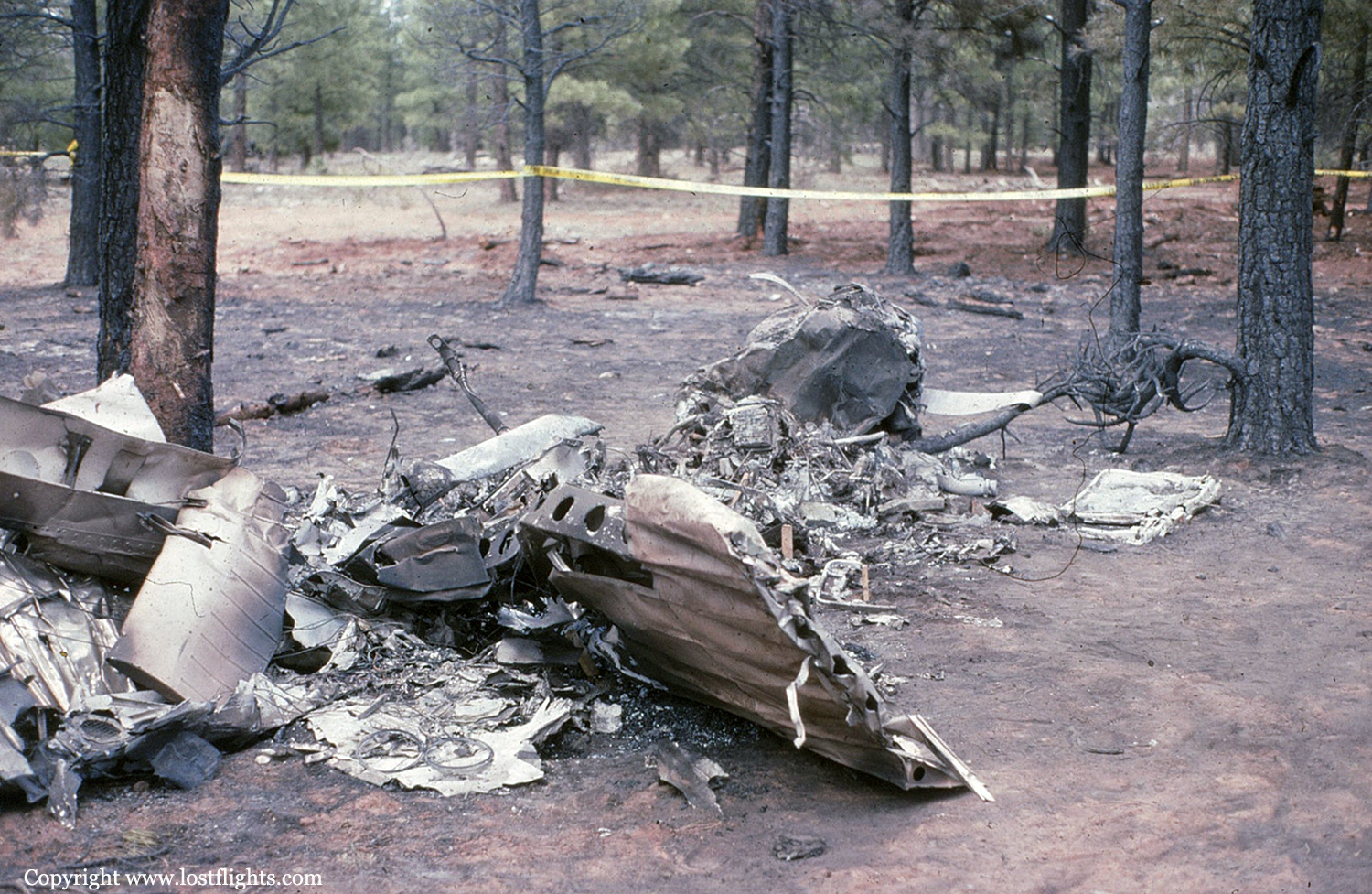
Crash of a Piper PA-31-350 Navajo Chieftain on Mt Wilson: 5 killed

Date & Time: Dec 10, 1991 at 1642 LT
Operator:
Registration:
N350MR
Flight Phase:
Survivors:
No
Site:
Schedule:
Grand Canyon - North Las Vegas
MSN:
31-7652100
YOM:
1976
Flight number:
6G50
Crew on board:
1
Crew fatalities:
Pax on board:
4
Pax fatalities:
Other fatalities:
Total fatalities:
5
Captain / Total flying hours:
2972
Captain / Total hours on type:
654.00
Aircraft flight hours:
7433
Circumstances:
The commuter flight was enroute to its home airport and over mountainous terrain when it encountered low ceilings and rain showers. The airplane was not certificated for ifr commuter flights. Instead of going to an alternate airport the pilot attempted to maintain visual conditions and requested and received a visual clearance into the tca and advised the controller that his altitude was 5,100 feet msl. His radio transmission became garbled during the clearance read back and shortly thereafter the controller observed the airplane's radar target turn left from its westerly track and disappear from his scope. There were no further communications between the pilot and the controller. When the aircraft failed to arrive at its destination an alnot was issued. Early the next morning the aircraft's wreckage was found impacted in a mountain approximately 10 miles south of course at an elevation of 4100 feet msl. The investigation revealed that the pilot had previously and successfully flown the accident airplane in ifr conditions.
Probable cause:
The pilot-in-command's poor inflight decision by not electing to proceed to an alternate airport and to continue to the flight under visual flight rules into instrument meteorological conditions. The low ceilings and visibilities across the flight route and the mountainous terrain were factors in the accident.
Final Report:

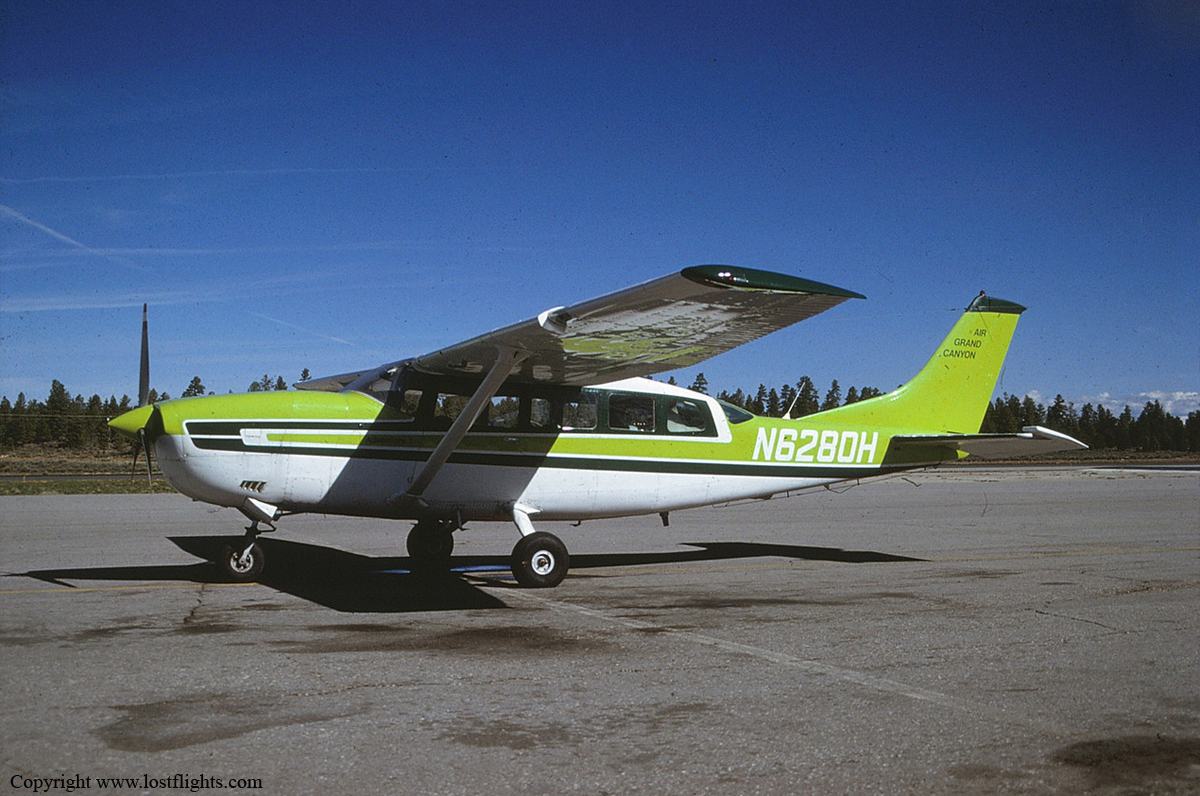
Crash of a Cessna 207 Skywagon near Grand Canyon: 7 killed

Date & Time: May 13, 1991 at 1319 LT
Operator:
Registration:
N6280H
Flight Phase:
Survivors:
No
Schedule:
Grand Canyon - Grand Canyon
MSN:
207-0463
YOM:
1978
Crew on board:
1
Crew fatalities:
Pax on board:
6
Pax fatalities:
Other fatalities:
Total fatalities:
7
Captain / Total flying hours:
1168
Captain / Total hours on type:
36.00
Circumstances:
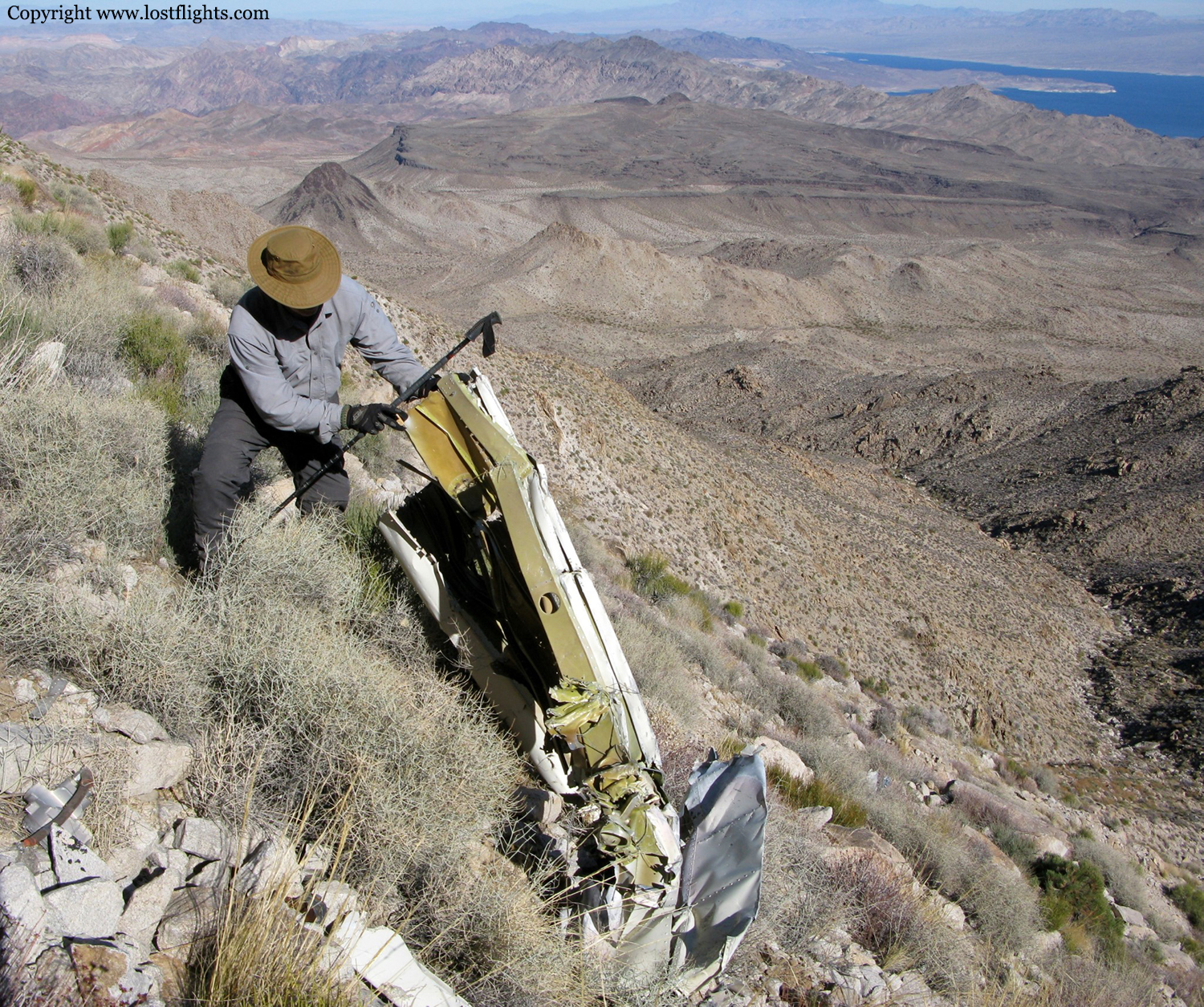
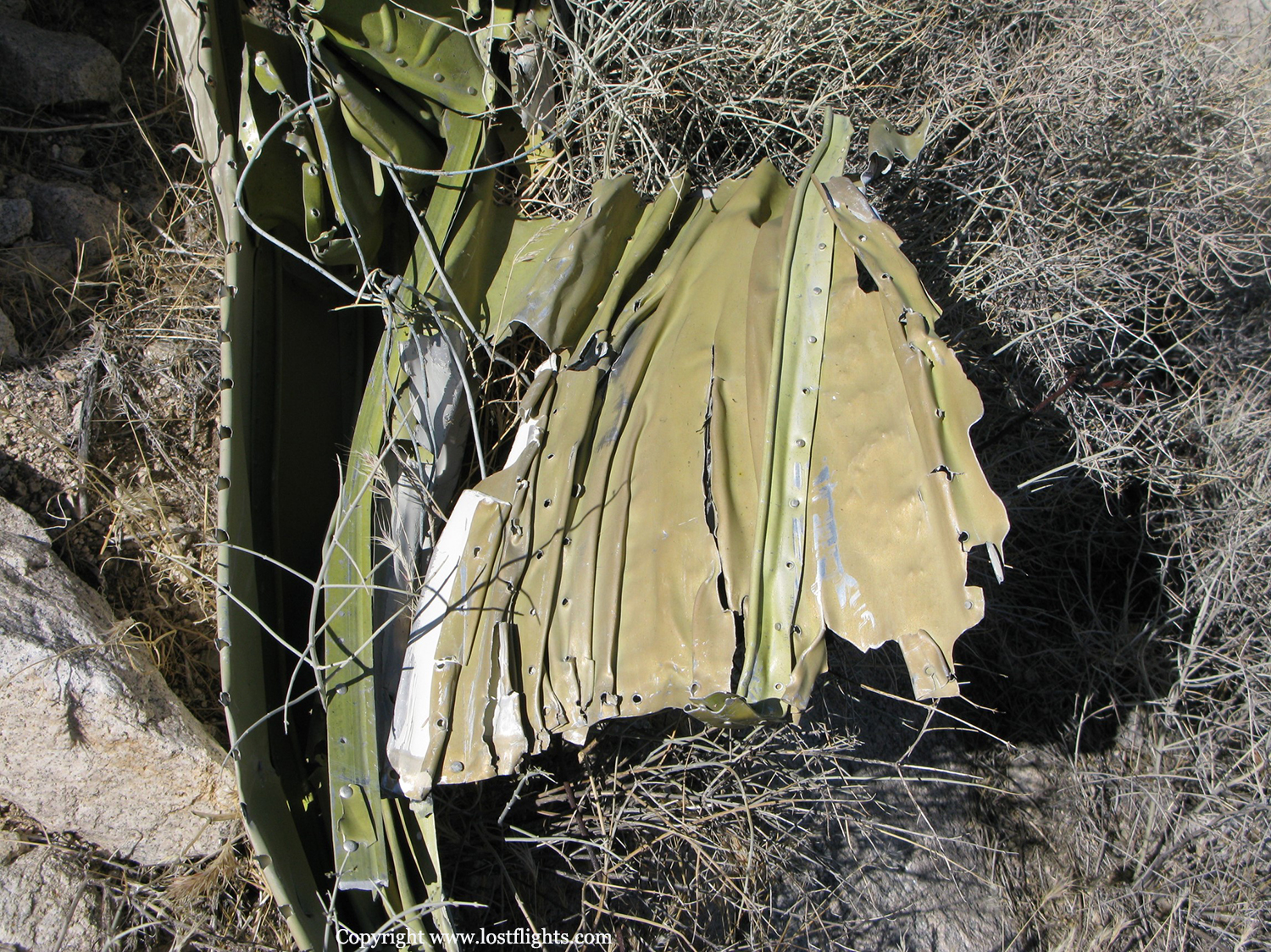
The airplane crashed into a wooded area about 8 minutes after takeoff. Evidence at the wreckage site revealed that the airplane crashed through the trees at a glide angle of 8°. The glide angle for a power-off forced landing is 6° according to the pilot's operating handbook. The propeller did not exhibit rotational damage. Engine teardown revealed that the #1 cylinder had catastrophic detonation. All seven occupants were killed, among them two British, two German and two Swiss tourists, and the US pilot.
Probable cause:
Detonation (or pre-ignition) in the n°1 cylinder, which resulted in erosion (burning) of the n°1 piston and subsequent loss of engine power. A factor related to the accident was: the lack of suitable terrain for an emergency landing.
Final Report:

Crash of a Piper PA-31-350 Navajo Chieftain in Flagstaff: 1 killed

Date & Time: Sep 21, 1990 at 0545 LT
Operator:
Registration:
N3558
Flight Type:
Survivors:
No
Schedule:
Phoenix - Flagstaff
MSN:
31-8052072
YOM:
1980
Crew on board:
1
Crew fatalities:
Pax on board:
0
Pax fatalities:
Other fatalities:
Total fatalities:
1
Captain / Total flying hours:
5000
Captain / Total hours on type:
2500.00
Aircraft flight hours:
5293
Circumstances:
The aircraft was on a night flight from Phoenix to Flagstaff, AZ, to deliver cargo in accordance with an air taxi delivery schedule. Before reaching Flagstaff, the pilot canceled his IFR clearance and proceeded VFR. He encountered lowering cigs and rw. During the approach, he extended the landing gear and partially extended the wing flaps. Subsequently, the aircraft hit trees and crashed in an unpopulated area about 2.5 miles south-southeast of the airport at an elevation of about 6,800 feet; airport elevation was 7,011 feet. Initial impact occurred while the aircraft was in a right 20° bank (toward runway 03). Weather data at the company dispatch was not current and did not depict the adverse local conditions near the destination airport. The pilot, sole on board, was killed.
Probable cause:
VFR flight by the pilot into instrument meteorological conditions (IMC), and his failure to maintain proper altitude during the approach to land. Factors related to the accident were: darkness, the adverse weather conditions, and failure of company/operator/management personnel to provide current weather.
Final Report: