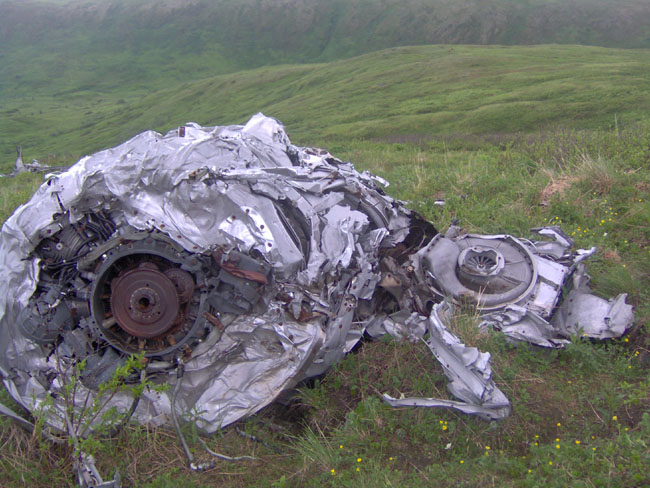
Crash of a Curtiss C-46F-1-CU Commando off Driftwood Bay: 2 killed

Date & Time: May 31, 1958
Type of aircraft:
Operator:
Registration:
N1302N
Flight Phase:
Flight Type:
Survivors:
No
MSN:
22479
YOM:
1945
Crew on board:
2
Crew fatalities:
Pax on board:
0
Pax fatalities:
Other fatalities:
Total fatalities:
2
Circumstances:
Shortly after takeoff from Driftwood Bay Airport, Umnak Island, while climbing to a height of 800 feet, the aircraft stalled and crashed into the sea. Both crew members were killed.

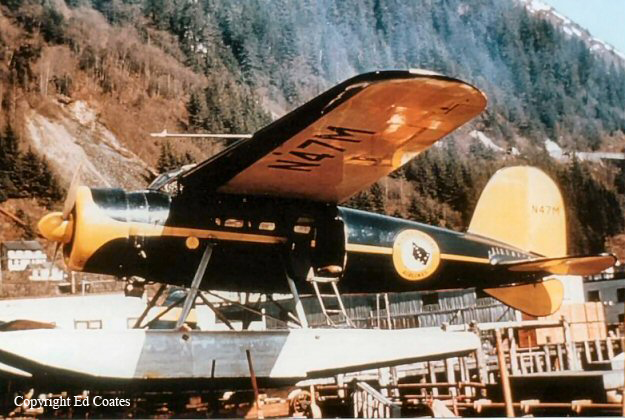
Crash of a Lockheed 5C Vega in Tenakee: 1 killed

Date & Time: Jan 15, 1958 at 1600 LT
Type of aircraft:
Operator:
Registration:
N47M
Survivors:
Yes
Schedule:
Juneau – Angoon – Hood Bay – Baranof – Rodgers Point – Tenakee – Juneau
MSN:
99
YOM:
1929
Flight number:
ACA040
Location:
Crew on board:
1
Crew fatalities:
Pax on board:
2
Pax fatalities:
Other fatalities:
Total fatalities:
1
Captain / Total flying hours:
1263
Captain / Total hours on type:
209.00
Aircraft flight hours:
13496
Circumstances:
Alaska Coastal Airlines, a scheduled air carrier, is authorized to conduct operations throughout southeastern Alaska. On January 15, 1958, Captain Fred B. Sheldon departed from Juneau to fly Trip 40. Scheduled stops were planned at Angoon, Hood Bay, Baranof, Rodgers Point, Tenakee, and the flight was to terminate at the point of origin, Juneau. Weather reports for the area indicated conditions to be generally good, enabling the flight to be conducted according to visual flight rules. Ceilings were forecast to be 2,000 to 3,000 feet and winds near the surface were anticipated to be moderate and generally southwesterly. At least one mountain pass over the route was reported closed because of clouds. The gross takeoff weight of the aircraft at Juneau was calculated to be 5,237 pounds, approximately 4 pounds less than the maximum allowable. The load was correctly distributed within the center of gravity limitations. Flight 40 departed Juneau at 1301 and was routine to Angoon. After refueling, the flight continued uneventfully to Hood Bay, Baranof, Rodgers Point; arriving at Rodgers Point about 1520. About 1530, after the takeoff from Rodgers Point, a radio operator there advised the station agent at Tenakee (the next intended en route stop) that flight 40 was off the water and would need 20 gallons of fuel when it arrived. At approximately 1557 the agent at Tenakee heard a distress call from flight 40 over the radio. The pilot called “Mayday” and stated he was trying to make it to the flats in Kadashan Bay. The agent then called Flight 40 by radio asking its position. Sheldon’s final message was “ . . . the flats across from Tenakee.” Immediately thereafter the aircraft crashed. Both passengers were injured while the pilot was killed.
Probable cause:
The Board determines that the probable cause of this accident was the poor flight planning by the pilot and his poor judgment in allowing the aircraft to run out of fuel. A contributing factor was the lack of adequate organization and management of the air carrier’s operations to ensure that all flights were planned and conducted with safety. The following findings were reported:
- With one fuel tank out of use, the aircraft did not comply with the requirements of Bulletin 7A under which it was certificated for passenger-carrying service,
- No evidence of mechanical or structural failure was found,
- The pilot did not plan his flight to provide for an adequate fuel reserve at all times,
- The company did not provide adequate supervision or control over flight planning or clearance of flights,
- A longer alternate route had to be followed by the flight because of unfavorable weather,
- The aircraft exhausted its fuel supply and crashed,
- The air carrier’s operations manual was incomplete and was not maintained current as required by regulations,
- The CAA safety inspection program was ineffective in terms of ensuring that the carrier was conducting operations at a level of safety appropriate for the carrier’s operating certificate and associated operating specifications.
Final Report:

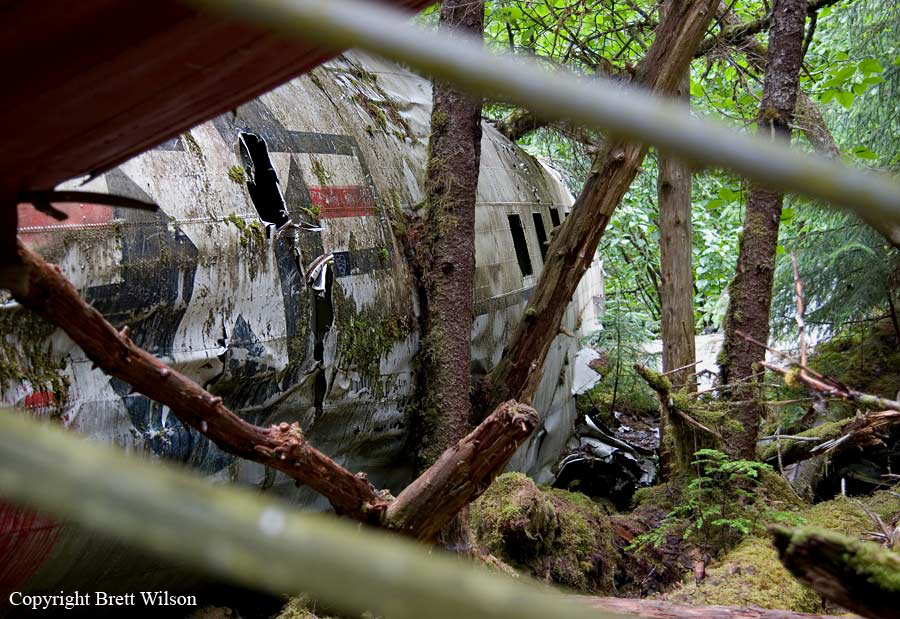
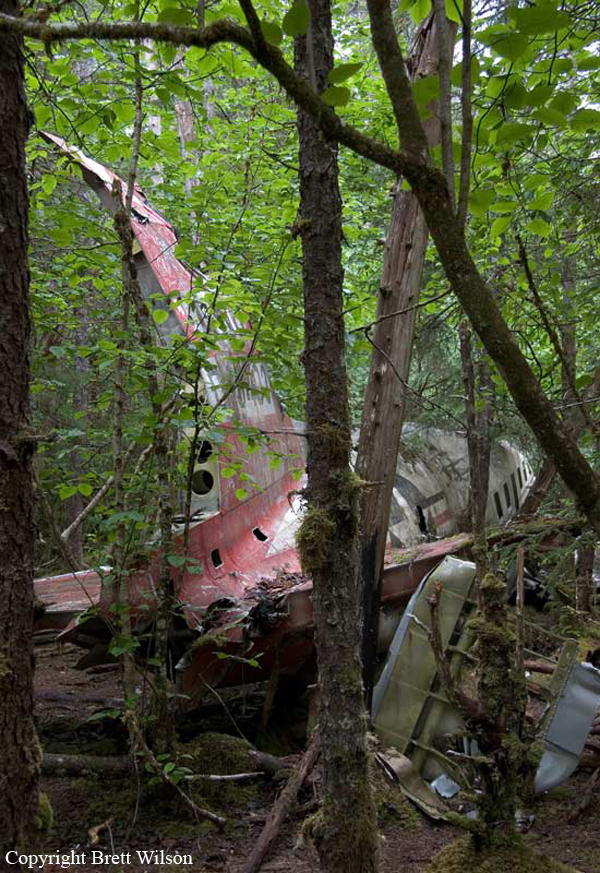
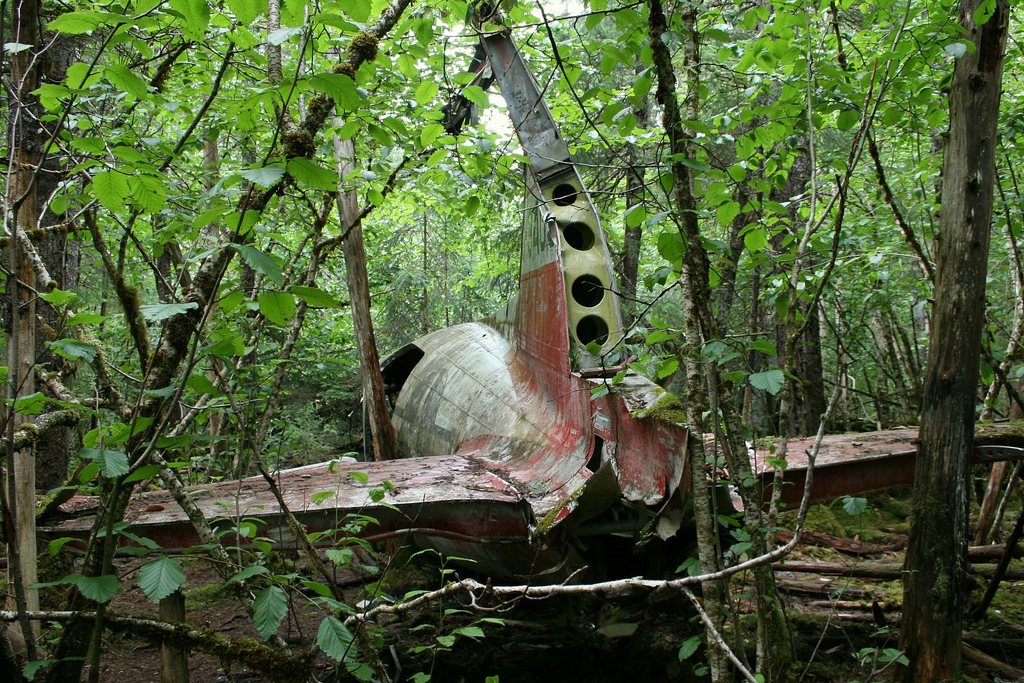
Crash of a Douglas C-47B-15-DK in Gustavus: 4 killed

Date & Time: Nov 23, 1957 at 2000 LT
Operator:
Registration:
43-49403
Flight Type:
Survivors:
Yes
Schedule:
San Francisco – McChord – Annette Island – Anchorage
MSN:
15219/26664
YOM:
1944
Location:
Crew on board:
4
Crew fatalities:
Pax on board:
7
Pax fatalities:
Other fatalities:
Total fatalities:
4
Circumstances:
The morning of the crash, the crew departed from McChord Air Force Base near Tacoma, Washington, where they had picked up “hitchhiker” Corporal Timmons and then flew northward. Radio difficulties developed necessitating a return to McChord. Soon remedied, they departed once more for their first fuel stop, Annette Island, near Ketchikan, Alaska, enroute to their final destination, Anchorage, Alaska. High winds and severe turbulence prevented them from landing at Annette Island. The crew was given a choice – either return to a Canadian airport behind them or proceed north to Gustavus where runway lights and equipment for instrument landings offered better facilities for night landings than even Juneau in those days. The weather in Gustavus was reported as “clear and no winds” to “very slight winds”. The crew elected to go to Gustavus. Although the California pilot was well-trained in multi-engine instrument approaches, he was relatively new to Alaskan conditions. As the plane approached Gustavus, it was dark and beginning to snow. The passengers on the plane realized they had arrived in the Gustavus area, momentarily spotting lights through the dark and snow as they anxiously looked out the windows. The fuel supply was very low, so there were no options of returning to Annette or proceeding to Anchorage. The captain was leery of making the standard instrument approach to Gustavus because it would have required him to fly well beyond the airfield, far out over Glacier Bay with an aircraft that was running precariously low on fuel. On the next attempt – now the third time over the airport area in what the locals described as a snow squall, Mr. Aase reported that, “The pilot was in line for the runway, but got a bit low and the right wing caught a tall tree that made the aircraft start to spin and (it) nosed into the ground. “The front of the plane was badly damaged. At the same time the plane was twisting, the tail slowly lowered into the trees which cushioned it. It set down gently into the trees so that the fuselage from the wall aft was just about in perfect condition. So apparently, while attempting to keep the airfield in sight, he elected to circle and make a “short” visual approach to the runway. All four crew members were killed and the seven passengers were injured.
Crew:
Cpt Robert E. Kafader,
1st Lt Dennis V. Stamey,
S/Sgt Floyd S. Porter,
S/Sgt David A. Dial.
Passengers:
Lloyd Timmons,
2nd Lt Harry S. Aase,
Cpt Robert D. Ellis,
W/O Richard J. Mueller,
M/Sgt James E. O’Rourke,
1st Lt Wallace J. Harrison,
2nd Lt William W. Caldwell.
Source and text by Rita Wilson via
http://www.gustavushistory.org/articles/view.aspx?id=10000


Crash of a Boeing TB-29 Super Fortress near Talkeetna: 6 killed

Date & Time: Nov 15, 1957 at 1822 LT
Type of aircraft:
Operator:
Registration:
44-70039
Flight Phase:
Flight Type:
Survivors:
Yes
Site:
Schedule:
Elmendorf AFB - Elmendorf AFB
MSN:
10871
YOM:
1944
Crew on board:
10
Crew fatalities:
Pax on board:
0
Pax fatalities:
Other fatalities:
Total fatalities:
6
Circumstances:
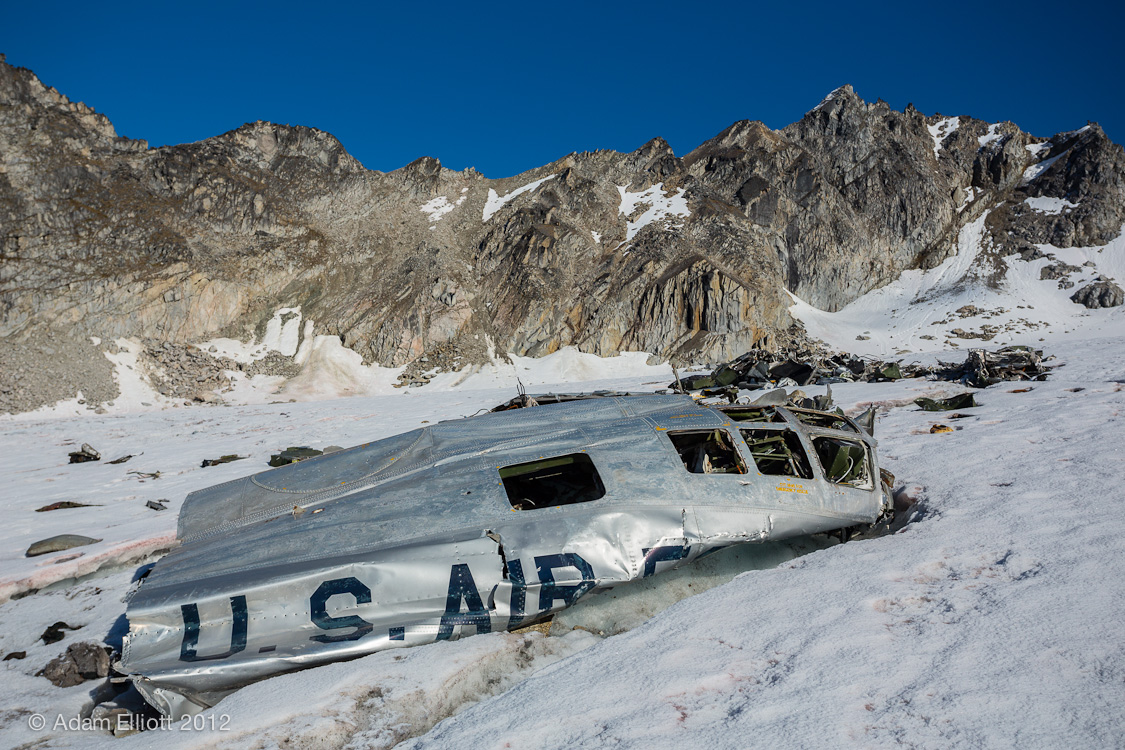
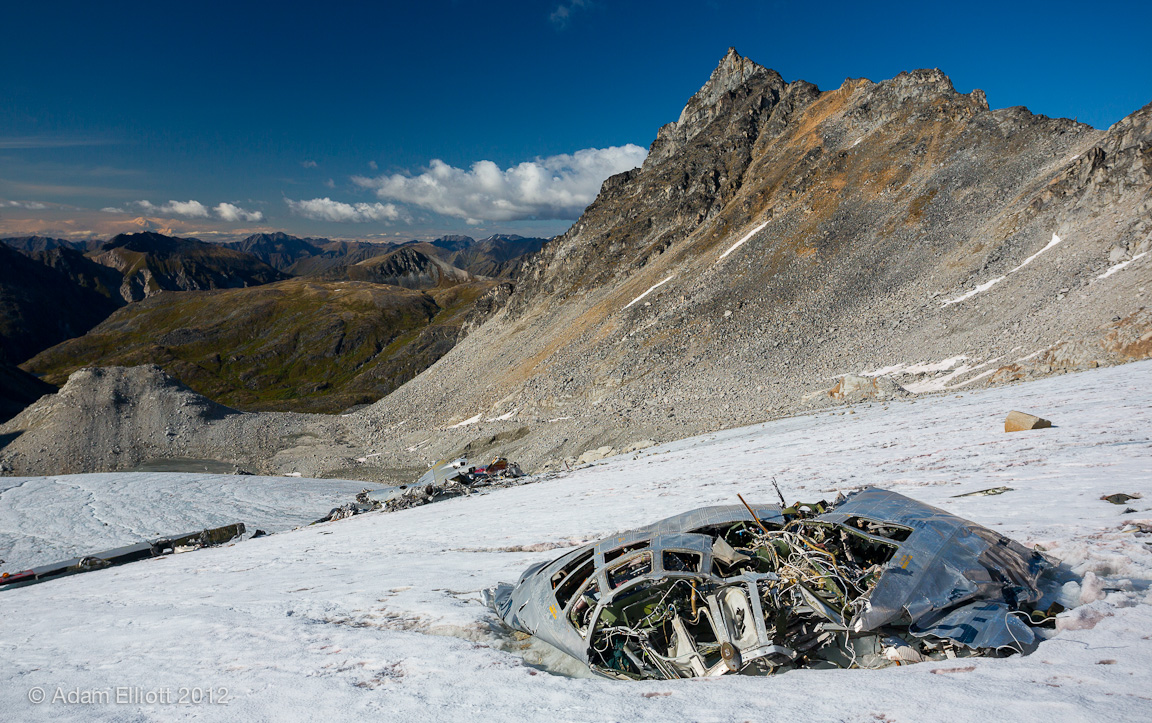
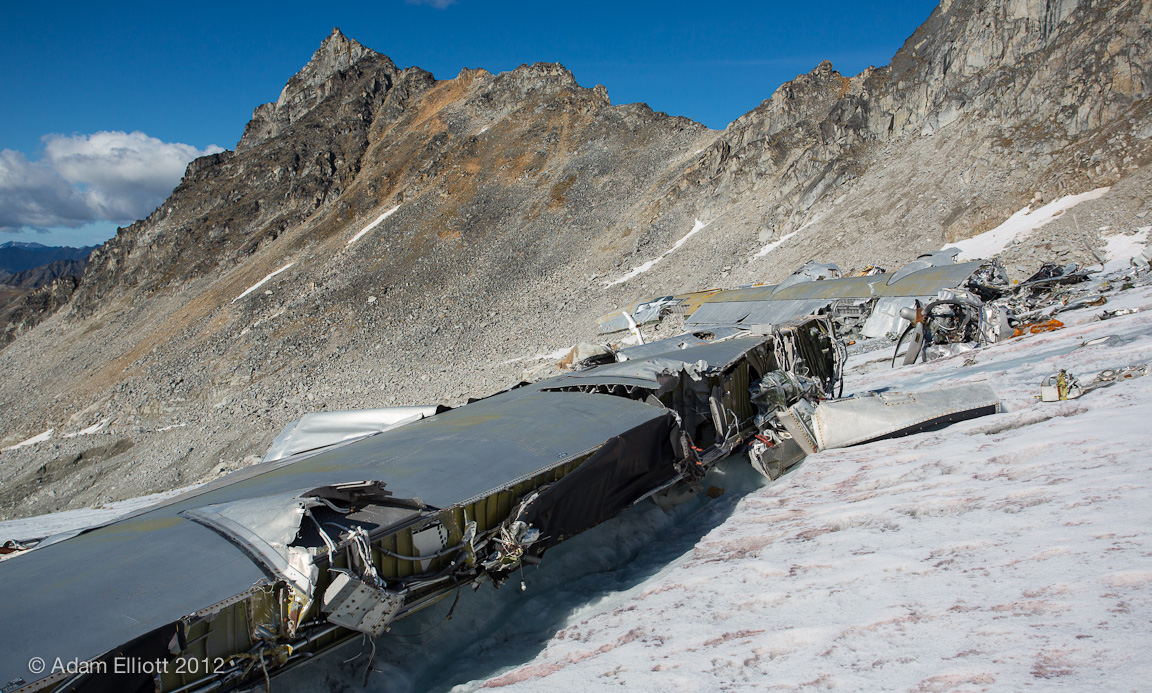
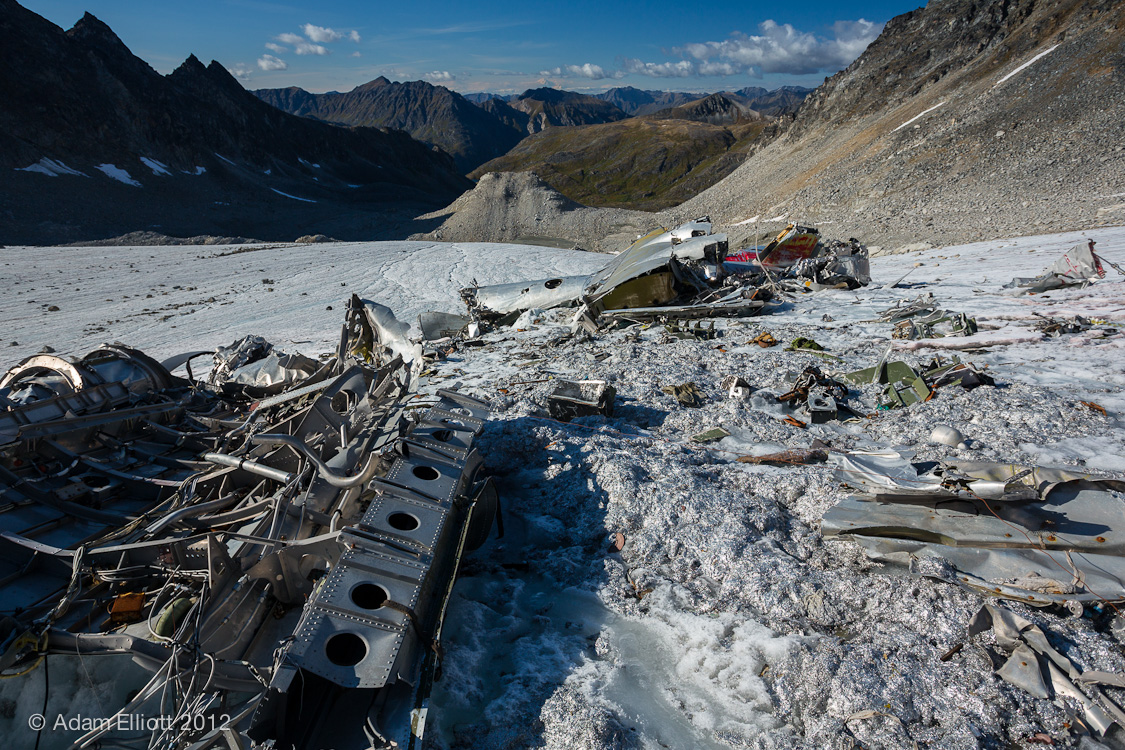
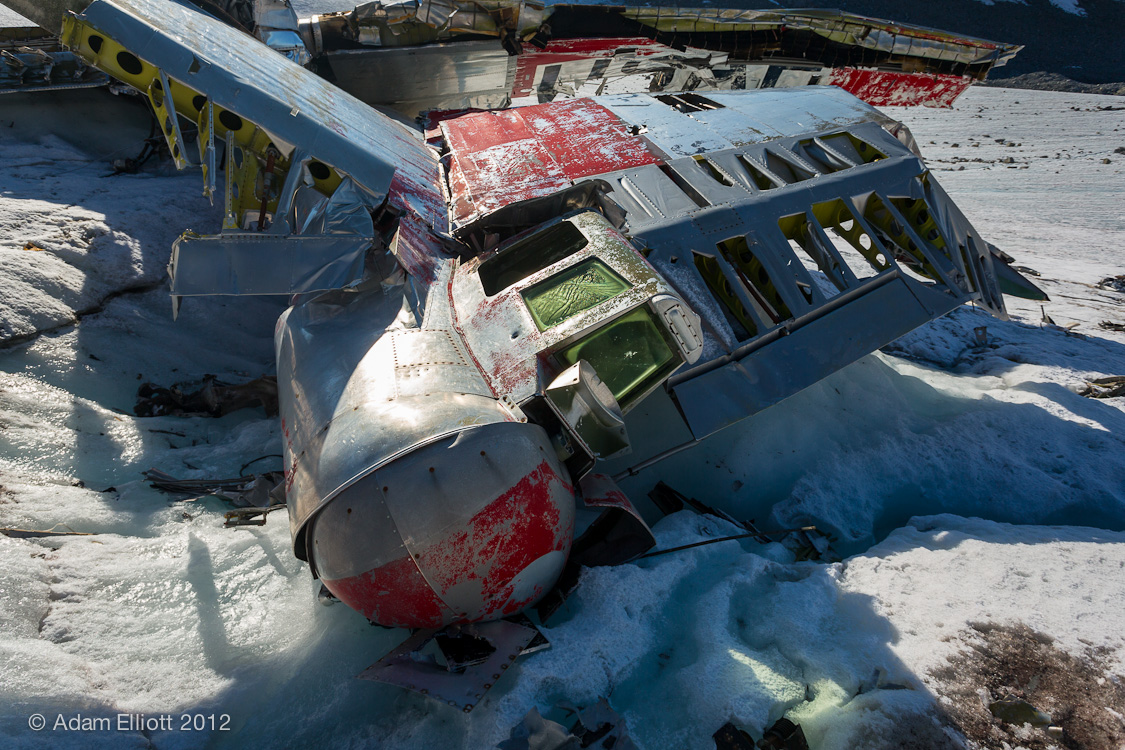
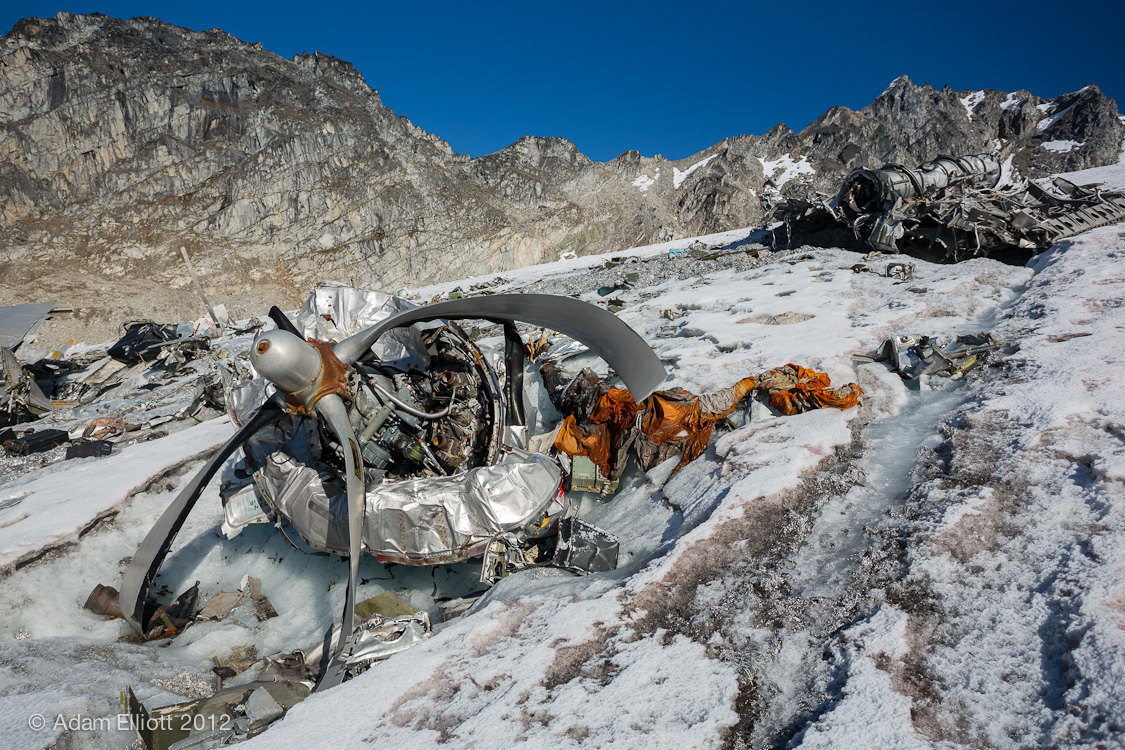
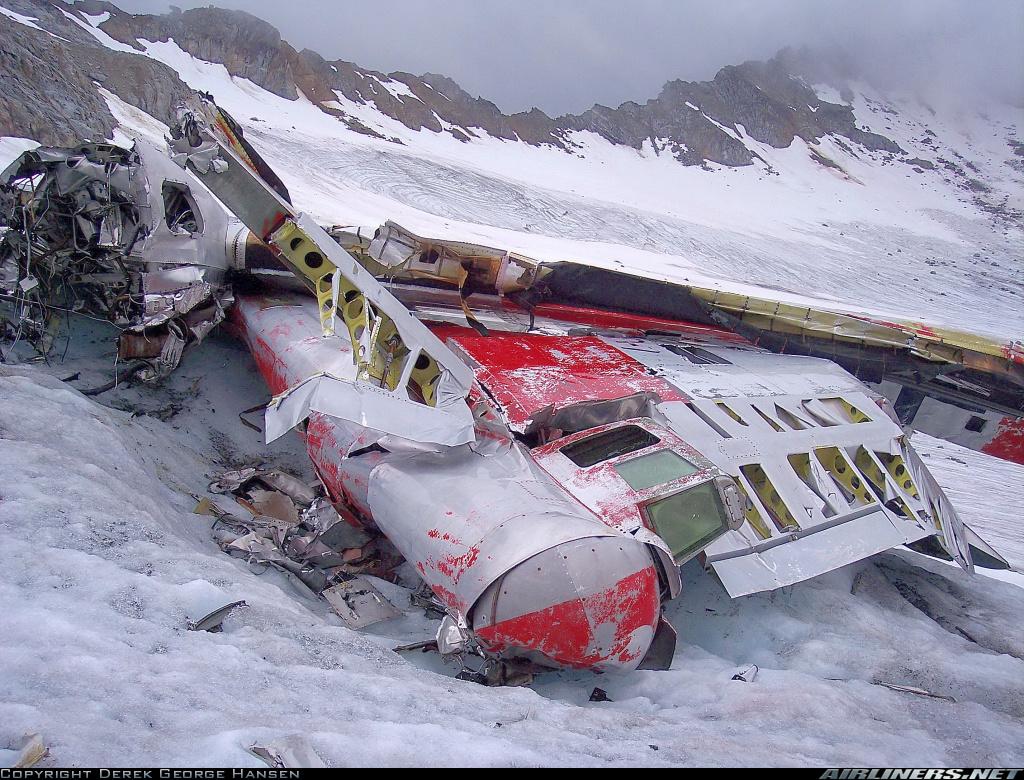
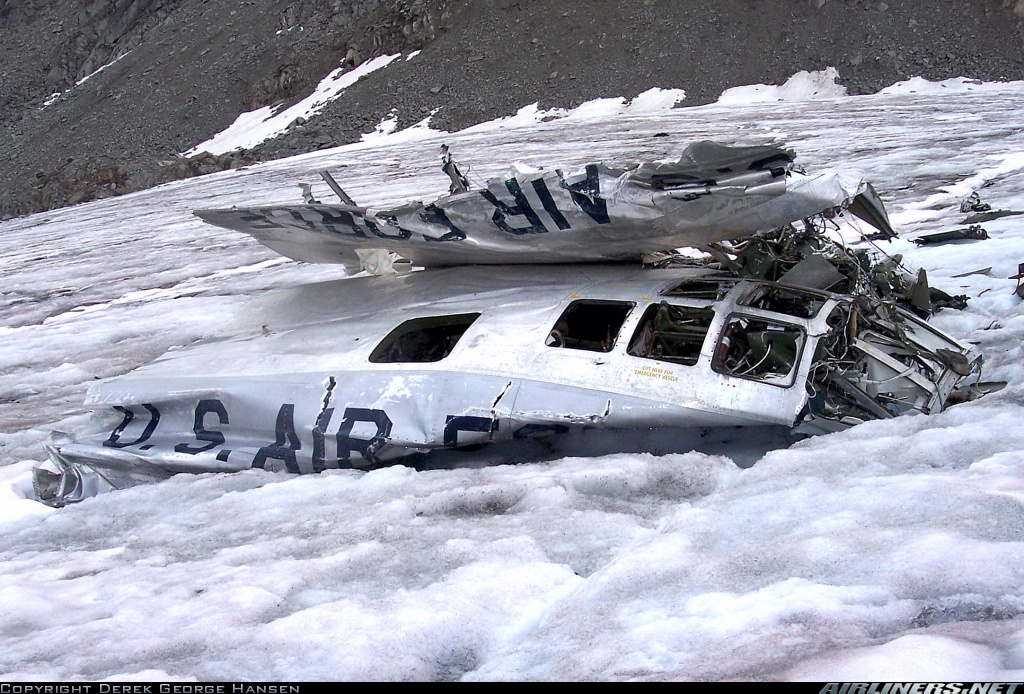
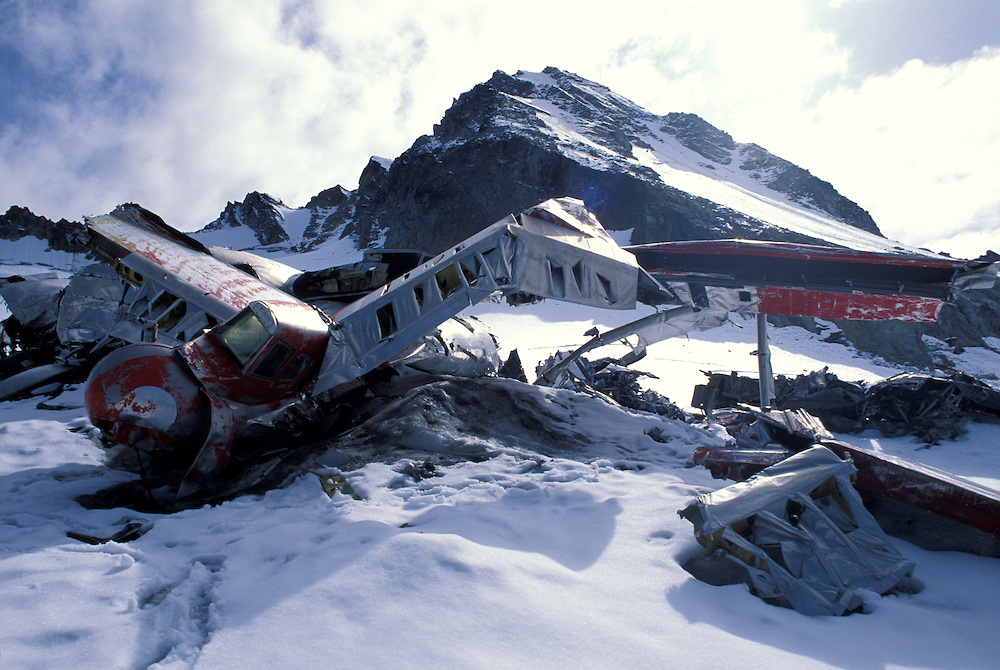
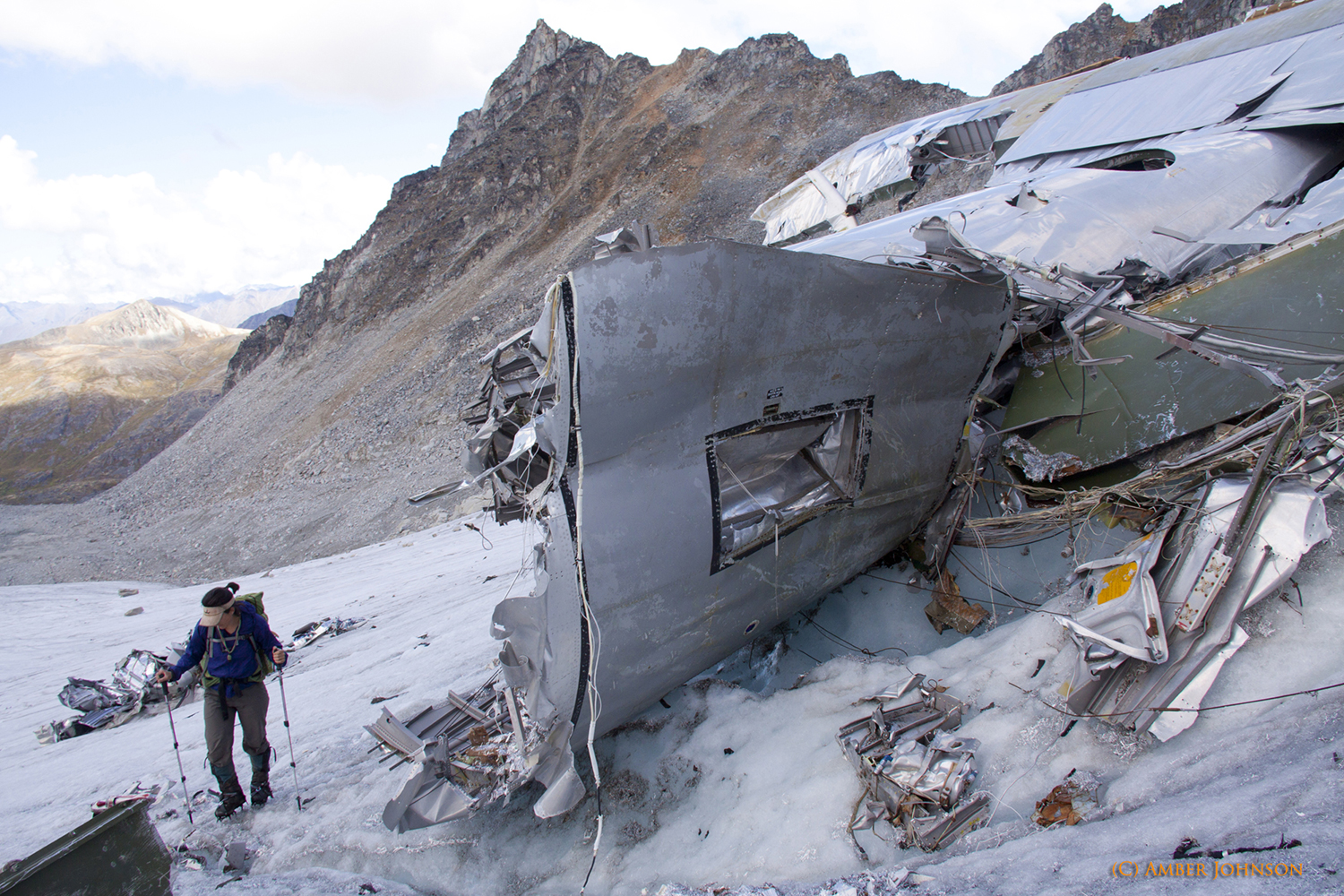
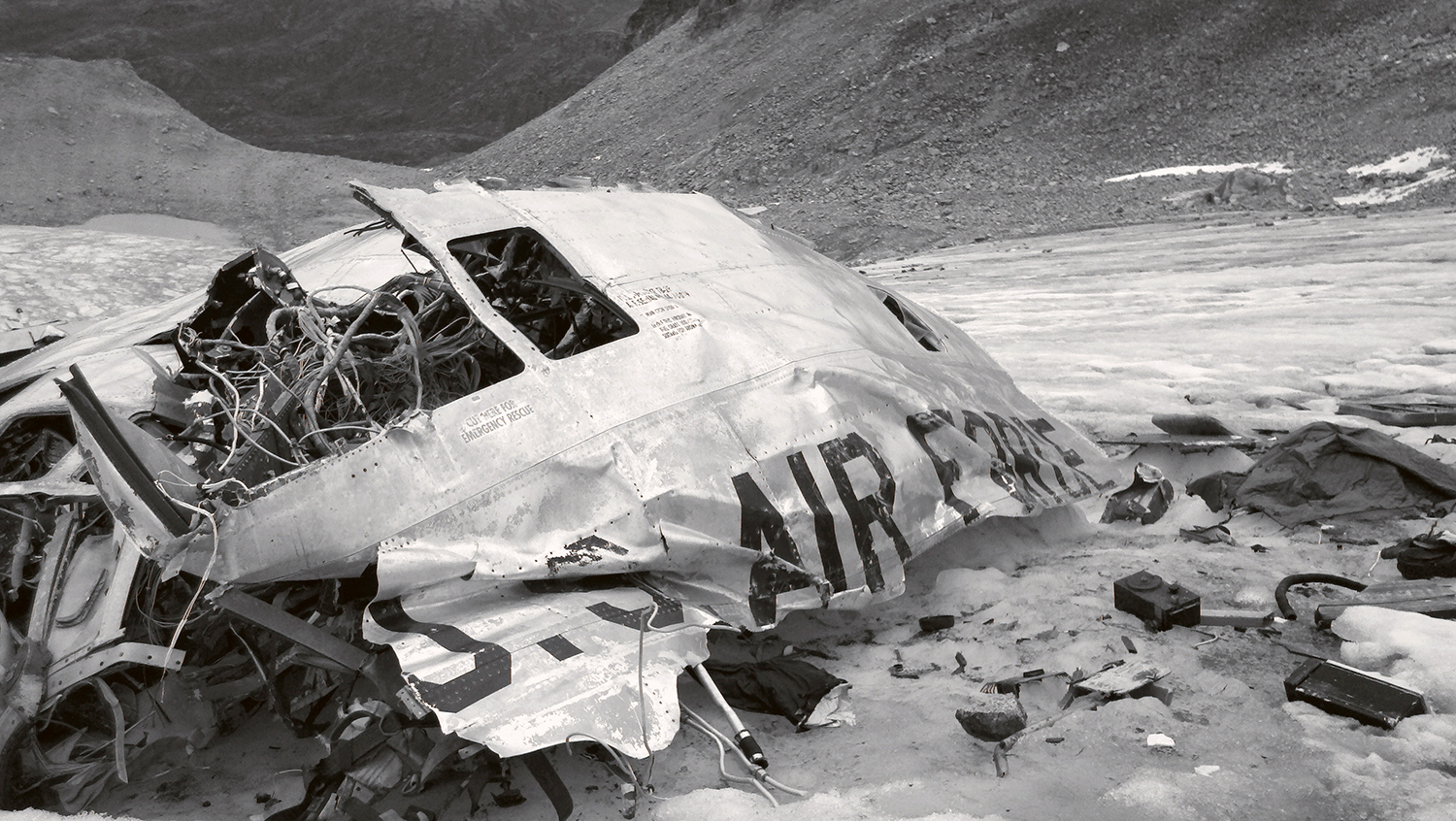
The aircraft, a trainer conversion of a B-29 four engine bomber, and its crew were with the 5040th Radar Evaluation Squadron based at Elmendorf Air Force Base near Anchorage. On this day, they were on a routine radar-calibration training mission that was to last about 10 hours. Flying south down the Susitna Valley in bad weather, however, they strayed 27 miles off course into the Talkeetna Mountains. At 1822LT, the aircraft crashed into an unnamed glacier at an altitude of 5,600 feet and some 39 miles southeast of Talkeetna, just northeast of the Hatcher Pass. Six crew were killed while four others were injured.
Crew:
Major Robert A. Butler, †
Captain Richard O. Seaman, †
Captain Erwin Stolfich, †
Captain Edward A. Valiant, †
1st Lieutenant William J. Schreffler, †
Airman Basic James R. Roberson, †
Staff Sergeant Calvin K. Campbell,
Staff Sergeant Robert J. McMurray,
Technical Sergeant Manuel Garza,
1st Lieutenant Claire W. Johnson.
Thanks to Adam Elliott for his wonderful website and history: http://adamspictureblog.blogspot.ch/2013/02/bomber-glacier.html
Probable cause:
At the time of the accident, the aircraft was about 27 miles east of its planned course into Elmendorf. A report indicated that the aircraft had strayed off course due to a combination of factors including deteriorating weather and pilot error.

Crash of a Lockheed P2V-7 Neptune off Kodiak: 9 killed

Date & Time: Oct 10, 1957
Type of aircraft:
Operator:
Registration:
135566
Survivors:
No
MSN:
726-7022
Location:
Crew on board:
9
Crew fatalities:
Pax on board:
0
Pax fatalities:
Other fatalities:
Total fatalities:
9
Circumstances:
On final approach to Kodiak Airport, the airplane crashed into the sea for unknown reason, killing all nine crew members. The airplane was returning to Kodiak following a maritime patrol flight.

Crash of a Lockheed 18-56-23 LodeStar in King Salmon: 6 killed

Date & Time: Jul 10, 1957 at 0642 LT
Type of aircraft:
Registration:
N45378
Flight Phase:
Survivors:
No
Schedule:
King Salmon – Anchorage
MSN:
2506
YOM:
1943
Crew on board:
2
Crew fatalities:
Pax on board:
4
Pax fatalities:
Other fatalities:
Total fatalities:
6
Captain / Total flying hours:
10000
Captain / Total hours on type:
1000.00
Aircraft flight hours:
4181
Circumstances:
At King Salmon on the morning of July 10, 1957, about 0615, following two weeks in Alaska on a combined business and pleasure trip, Mr. C. R. Vose and party boarded N 45376 as its passengers. The flight crew of the executive Lodestar was Pilot Edward Coligny and Mechanic-Fight Engineer Ralph L. Hughes. The Vose party contemplated a flight to Anchorage, Alaska, the first segment of its return trip to Seattle, Washington. Earlier that morning Mr. Hughes had filed a VFR flight plan to Anchorage which proposed a departure time of 0630 and a routing to Anchorage over Airway Green 8 at an altitude of 6,000 feet. The flight plan also showed that the flight duration would be 1 hour and 40 minutes at a cruising speed of 170 knots and that there was sufficient fuel on board for 6 hours and 30 minutes. At 0638, following a period of engine rump on the parking ramp, the flight called the King Salmon tower for taxi and takeoff information. The duty controller cleared it to runway 11 and furnished the latest wind and altimeter conditions: “Wind east-northeast 8; altimeter 29.90.” There being no other traffic, N 45378 was cleared directly onto runway 11 where several persons saw it pause one to two minutes and heard its propellers run through one or two times. The takeoff was started at 0642 and it seemed entirely normal as the aircraft left the runway surface and climbed to between 75 and 100 feet. The landing gear, however, remained extended. The climb continued normally although somewhat steeper to between 150 and 200 feet, at which time the climb of the aircraft steepened rapidly but smoothly until it was nearly vertical. At the peak of the climb the aircraft pivoted counterclockwise, plunged to the group, and exploded. An intense fuel-fed fire followed. The airport traffic controller alerted the U. S. A. F. emergency equipment located on the base and the fire was quickly extinguished; however, not before the aircraft was nearly destroyed. All six occupants were killed.
Probable cause:
The Board determines that the probable cause of this accident was the pilot’s action in taking off with the elevator trim tab positioned for landing. The following findings were reported:
- The aircraft was loaded about 1,000 pounds in excess of the allowable gross takeoff weight; however, the load was properly distributed and the excess weight was not a factor in the accident,
- After becoming airborne the aircraft assumed a normal climb attitude to about 100 feet,
- As airspeed increased the climb steepened smoothly but rapidly until the aircraft was climbing in a near vertical nose-up attitude,
- The aircraft stalled at an altitude of between 500 and 700 feet, pivoted counterclockwise, and plunged to the ground in a vertical nose-down attitude,
- Rumination of the cockpit trim tab control indicator and actuating mechanism of the elevator trim tab revealed the tab was set to 17-1/2 units nose-down,
- The above elevator trim tab position is abnormal for any usual flight condition. especially for takeoff, and resulted from a desperate attempt to relieve yoke pressure,
- The rearward yoke pressure resulted from the elevator trim tab being positioned for landing during the takeoff.
Final Report:

Crash of a Douglas C-47A-90-DL in McGrath: 2 killed

Date & Time: Jun 3, 1957 at 1730 LT
Operator:
Registration:
43-15995
Flight Type:
Survivors:
Yes
MSN:
20461
YOM:
1944
Location:
Crew on board:
2
Crew fatalities:
Pax on board:
7
Pax fatalities:
Other fatalities:
Total fatalities:
2
Circumstances:
Engine lost power in flight so the crew decided to divert to McGrath Airport. On final, the airplane struck trees and crashed in a wooded area located few miles short of runway. Two passengers were killed while seven other occupants were rescued.
Probable cause:
Loss of power on engine.

Crash of a Douglas C-124C Globemaster II off Elmendorf AFB

Date & Time: Jan 27, 1957 at 2015 LT
Operator:
Registration:
50-0088
Flight Phase:
Flight Type:
Survivors:
Yes
Schedule:
Elmendorf – McChord
MSN:
43226
YOM:
1950
Crew on board:
11
Crew fatalities:
Pax on board:
1
Pax fatalities:
Other fatalities:
Total fatalities:
0
Circumstances:
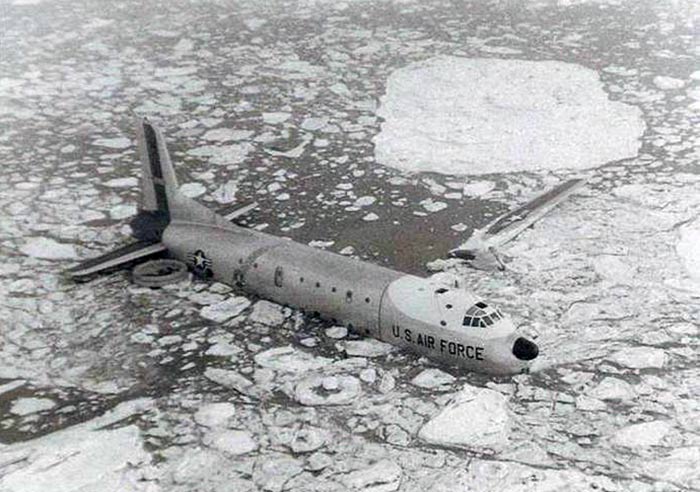
Just after liftoff from Elmendorf AFB, while in initial climb, the crew informed ground about an engine failure and elected to return. The captain realized it could not make it so he ditched the aircraft in the icy Cook Inlet. The airplane came to rest and was damaged beyond repair while all 12 occupants were rescued.
Probable cause:
Engine failure after takeoff.

Crash of a Boeing KB-29P Superfortress near Talkeetna: 8 killed

Date & Time: Dec 26, 1956
Type of aircraft:
Operator:
Registration:
44-84149
Flight Phase:
Flight Type:
Survivors:
No
Site:
Schedule:
Elmendorf – Eielson
Crew on board:
8
Crew fatalities:
Pax on board:
0
Pax fatalities:
Other fatalities:
Total fatalities:
8
Circumstances:
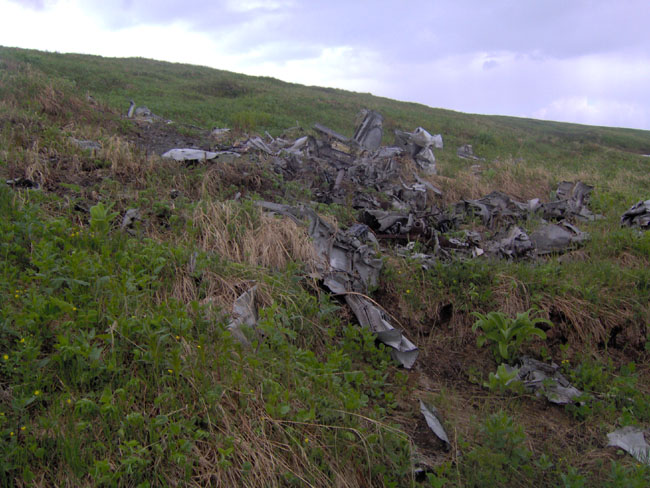
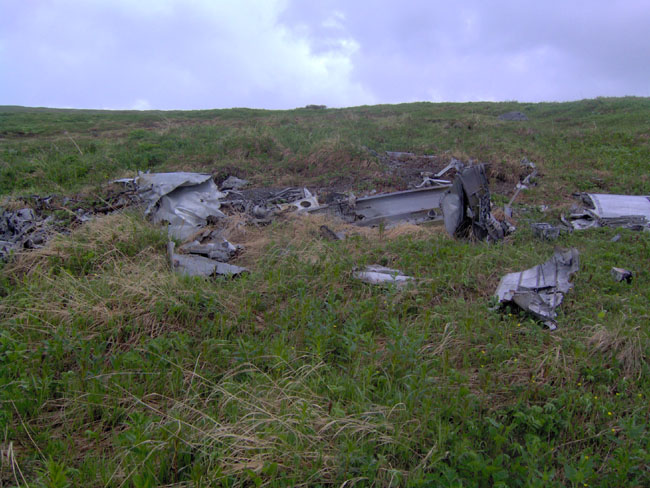
Nineteen minutes after his departure from Elmendorf AFB, while cruising at an altitude of 4,200 feet, the crew contacted ATC when the airplane struck Mt Bald located about 11 miles east of Talkeetna. As the airplane was fully loaded with fuel, a huge explosion occurred on impact. The aircraft was destroyed and all eight crew members were killed.
Crew (508th Air Refueling Squadron):
1st Lt Thomas H. Patton, pilot,
2nd Lt James D. Dellinger, copilot,
1st Lt Lionel E. Reid, navigator,
1st Lt Luther G. Lamm,
M/Sgt Otto D. McAdams,
T/Sgt Thurman C. Rainer,
S/Sgt John B. Pyland,
A2c William P. Hodgson.

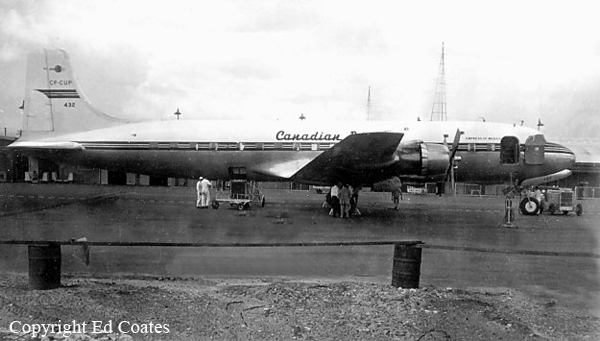
Crash of a Douglas DC-6B in Cold Bay: 15 killed

Date & Time: Aug 29, 1956 at 2045 LT
Type of aircraft:
Operator:
Registration:
CF-CUP
Survivors:
Yes
Schedule:
Vancouver – Cold Bay – Tokyo – Hong Kong
MSN:
43843
YOM:
1953
Flight number:
CP307
Crew on board:
8
Crew fatalities:
Pax on board:
14
Pax fatalities:
Other fatalities:
Total fatalities:
15
Captain / Total flying hours:
9522
Captain / Total hours on type:
2906.00
Copilot / Total flying hours:
12782
Copilot / Total hours on type:
465
Aircraft flight hours:
10513
Circumstances:
Flight 307 departed Vancouver, British Columbia at 1347 Bering standard time en route to Hong Kong, China, with a refueling stop at Cold Bay, Alaska and an intermediate stop at Tokyo, Japan, carrying a crew of 8 and 14 passengers. At 2011 the flight reported 100 miles out, estimating Cold Bay at 2036. It reported being over the Cold Bay range station outbound on a standard instrument approach at 2035, and at 2042 as completing a procedure turn and proceeding inbound. This was the last transmission from the flight. At 2045 the aircraft was observed to descend from the overcast north of the airport for a landing on runway 14 and cross the field at low altitude to the intersection of the two runways. At this point a shallow left turn was started and the aircraft went out of sight southeast of the airport. Shortly afterwards a fire was observed and it was ascertained that the aircraft had crashed. Eleven passengers and 4 crew members were fatally injured. The aircraft was destroyed by impact forces and a post crash fire.
Probable cause:
The probable cause of this accident was the full retraction of the wing flaps at low altitude during a circling approach without necessary corrective action being taken by the crew. Considering that very little altitude was gained after the application of power it is probable that a circling approach had been decided upon when the left turn from runway 14 was made. Since the wing flaps during the circling approach would be extended 20 degrees, and since they were found in the fully retracted position, it is believed that they were retracted shortly before impact. Fully retracted wing flaps at this time would explain the feeling of experienced by the off-duty flight crew member.
Final Report: