Crash of a De Havilland DHC-2 Beaver near Stevens Pass: 7 killed

Date & Time: Oct 1, 1977 at 1400 LT
Type of aircraft:
Operator:
Registration:
N64391
Flight Phase:
Survivors:
No
Site:
Schedule:
Kenmore – Lake Hatheume – Penticton
MSN:
1145
YOM:
1958
Crew on board:
1
Crew fatalities:
Pax on board:
6
Pax fatalities:
Other fatalities:
Total fatalities:
7
Captain / Total flying hours:
4122
Captain / Total hours on type:
799.00
Circumstances:
While flying at low altitude over mountainous terrain, the pilot entered a canyon and was approaching a mountain pass when he elected to gain height. Unable to outclimb the rising terrain, the single engine airplane struck trees and crashed in a wooded area located near Stevens Pass, in the Cascade Mountain Range. The wreckage was found few hours later and all seven occupants were killed.
Probable cause:
Collision with trees due to improper in-flight decisions on part of the pilot. The following contributing factors were reported:
- Unwarranted low flying,
- Misjudged distance, speed and altitude,
- Inadequate preflight preparation,
- Improperly loaded aircraft, weight and CofG.,
- High obstructions,
- Exceeded gross weight and aft CofG.
Final Report:


Crash of a De Havilland DHC-6 Twin Otter 300 in Keng Tung: 25 killed

Date & Time: Sep 8, 1977
Operator:
Registration:
XY-AEH
Survivors:
No
Site:
Schedule:
Mong Hsat - Keng Tung
MSN:
540
YOM:
1977
Country:
Region:
Crew on board:
3
Crew fatalities:
Pax on board:
22
Pax fatalities:
Other fatalities:
Total fatalities:
25
Circumstances:
On approach to Keng Tung Airport, the crew encountered poor weather conditions and failed to realize his altitude was insufficient when the airplane struck the slope of Mt Loi Hsam Hsao located few km from the airport. The wreckage was found three days later and all 25 occupants were killed.

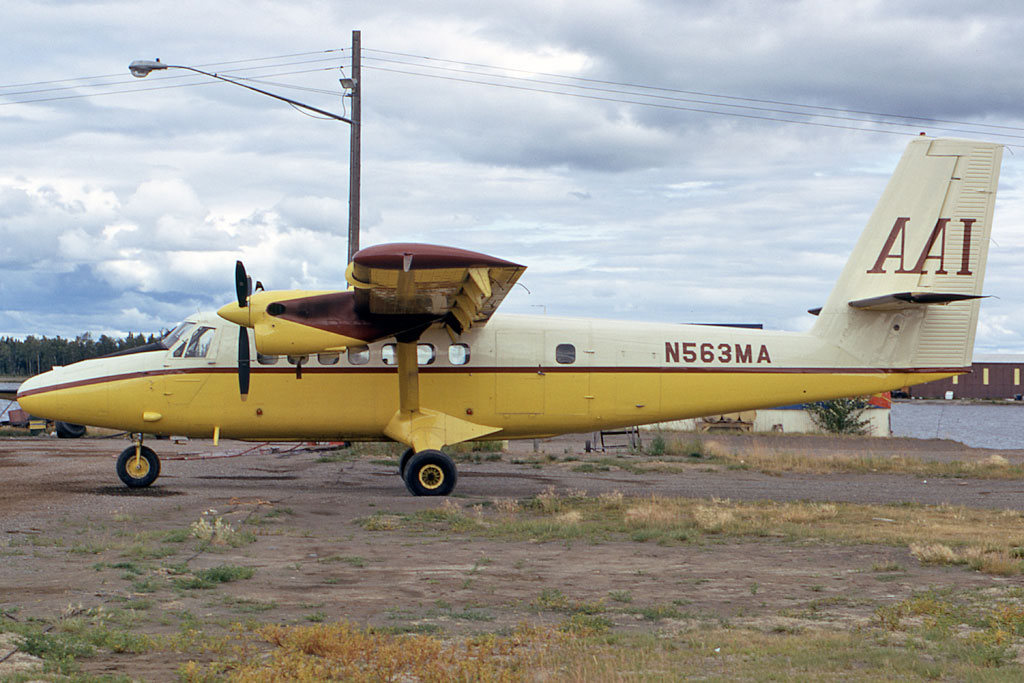
Crash of a De Havilland DHC-6 Twin Otter 200 near Iliamna: 13 killed

Date & Time: Sep 6, 1977 at 1452 LT
Operator:
Registration:
N563MA
Flight Phase:
Survivors:
No
Site:
Schedule:
Iliamna - Anchorage
MSN:
196
YOM:
1969
Flight number:
AAI302
Location:
Crew on board:
2
Crew fatalities:
Pax on board:
11
Pax fatalities:
Other fatalities:
Total fatalities:
13
Captain / Total flying hours:
4335
Captain / Total hours on type:
1124.00
Copilot / Total flying hours:
1380
Copilot / Total hours on type:
371
Aircraft flight hours:
15369
Circumstances:
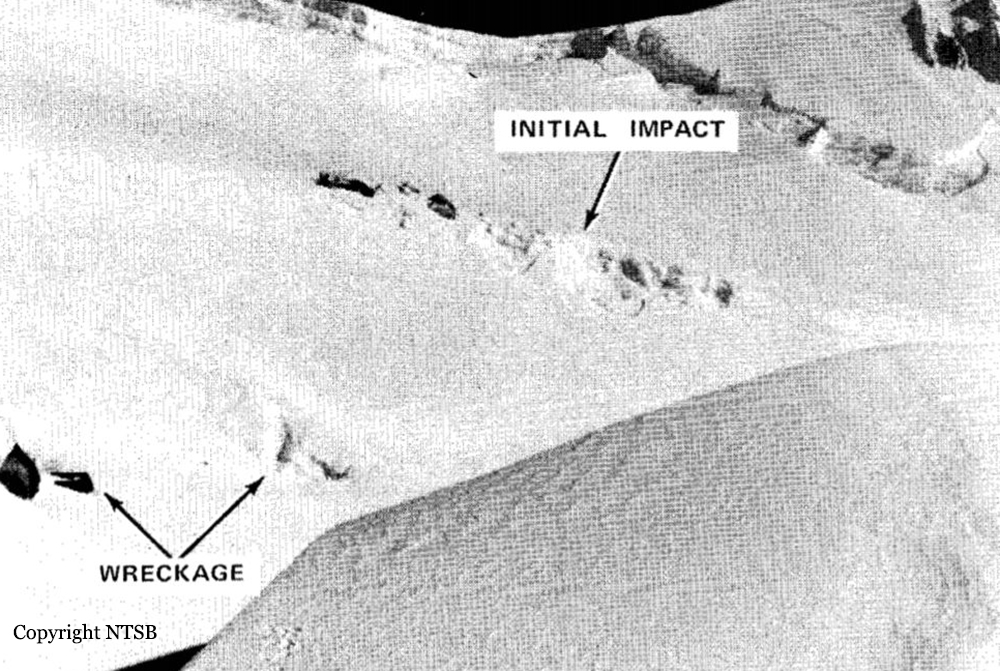
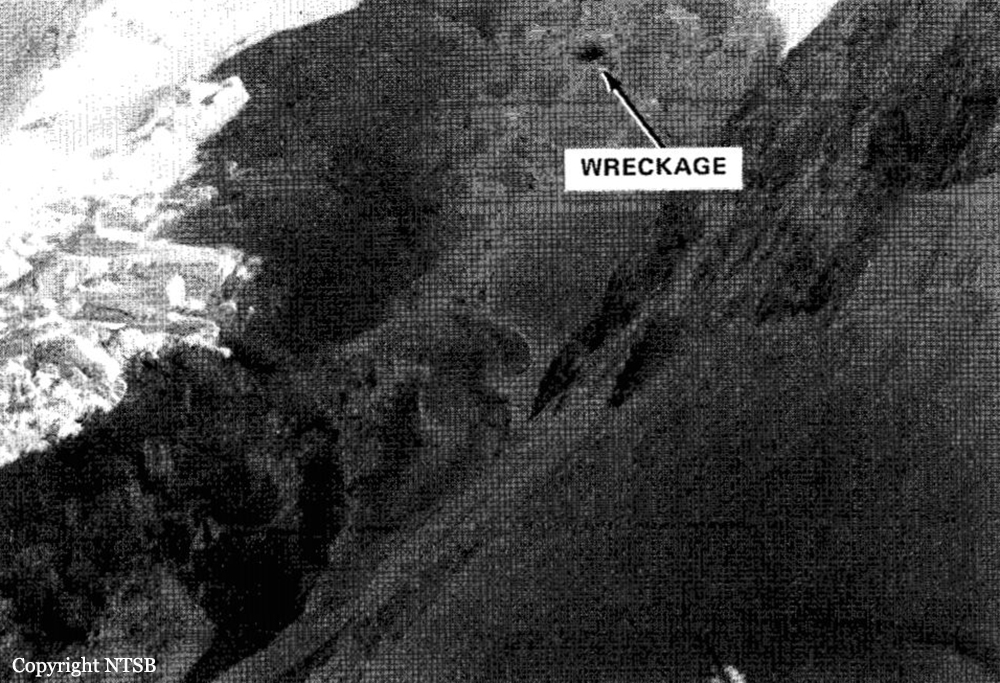
Flight 302 departed Iliamna at 1419LT with 11 passengers and 2 crew members on board. It was cleared to Anchorage on an instrument flight rules (IFR) flight plan via the low frequency airways--Red Airway 99 (Red 99) to the Kakon Intersection, and then Green Airway 8 (Green 8) to Anchorage. The flight was to maintain 7,000 ft. At 1425:20, the flight crew of Flight 302 established radio contact with Anchorage Air Route Traffic Control Center's (Anchorage Center) D2 nonradar sector controller. They reported that the flight was level at 7,000 ft and that they estimated arrival at Kakon Intersection at 1434. At 1428:35, Anchorage Center requested the flight's estimate for its arrival at Homer, Alaska. The flight crew responded that they estimated to be over Homer at 1515. The flight crew of Flight 302 did not make radio contact when they were over Kakon Intersection; however, at 1439:40 they requested of Anchorage Center, "302, we would like to file Green 8 and intercept the 192° bearing from Wildwood." Fifteen seconds later, Anchorage Center cleared the flight to proceed along the new route of flight and to remain at 7,000 ft. At 1440:50, the flight crew of Flight 302 advised, "302, we--we'll estimate Clams at 15 past the hour." Anchorage Center acknowledged the advisory. This was the last known radio transmission from Flight 302. At 1452:08, three abrupt, audible sounds were recorded on the Anchorage Center tape of incoming air-to-ground communications with Flight 302. These sounds were similar to those produced by a carrier frequency that was heard during the activation of Flight 302's radio transmitter during earlier radio communications with the Center. After several unsuccessful attempts to contact Flight 302 by several air traffic, control facilities between Iliamna and Anchorage and after the flight could not be detected on radar in the areas where radar coverage was available, Anchorage Center initiated the required actions to alert and notify appropriate authorities of a possible aircraft accident. U.S. Air Force search and rescue aircraft located the wreckage site at 1643 on September 7, 1977. The aircraft had struck a glacier face on the southwest side of Mt Iliamna at the 7,000 ft elevation. There were no survivors. Because of the rapidly changing environmental conditions on the glacier face of Mt Iliamna, recovery of bodies and wreckage was not possible.
Probable cause:
The National Transportation Safety Board determines that the probable cause of the accident was the failure of the flightcrew to use proper navigational procedures for the route to be flown, especially their failure to use the available backup means of navigation to verify the position and the progress of the flight.
Final Report:

Crash of an Antonov AN-2 near Chirinda: 7 killed

Date & Time: Sep 4, 1977 at 1940 LT
Type of aircraft:
Operator:
Registration:
CCCP-35485
Flight Phase:
Flight Type:
Survivors:
No
Site:
Schedule:
Chirinda - Chirinda
MSN:
1 138 473 05
YOM:
1960
Country:
Region:
Crew on board:
3
Crew fatalities:
Pax on board:
4
Pax fatalities:
Other fatalities:
Total fatalities:
7
Aircraft flight hours:
13476
Aircraft flight cycles:
9357
Circumstances:
In the morning, the crew completed two geophysical missions on behalf of the Severo-Yeniseysk expedition. In the afternoon, four passengers were illegally embarked for a fishing party on the Kotui River. In the evening, while flying back to Chirinda, the airplane suddenly lost height, struck tree tops and crashed in flames in a wooded area located on the slope of a mountain (480 meters), about 6 km southwest of Chirinda. The burned wreckage was found 132 meters below the summit and all seven occupants were killed.
Probable cause:
The exact cause of the accident could not be determined. However, it was considered that the engine probably failed in flight as the fuel quantity in both tanks was insufficient (110 liters instead of the minimum 300 liters required).

Crash of a Grumman SHU-16B Albatross near Antofagasta: 6 killed

Date & Time: Sep 4, 1977
Operator:
Registration:
571
Survivors:
No
Site:
Schedule:
Antofagasta - Antofagasta
MSN:
G-251
YOM:
1953
Country:
Crew on board:
6
Crew fatalities:
Pax on board:
0
Pax fatalities:
Other fatalities:
Total fatalities:
6
Circumstances:
The crew was returning to Antofagasta Airport following a maritime patrol exercice. While descending at dusk, the seaplane struck the slope of Mt Moreno located about 12 km west of the airport. The aircraft was destroyed upon impact and all six occupants were killed.
Crew:
Lt Patricio de Andraca, pilot,
Lt Patricio Yánez, copilot,
Lt Raúl Castillo, navigator,
Osvaldo Alvarado, flight engineer,
Hernán González, radio operator,
Cpt José Gallardo, mechanic.

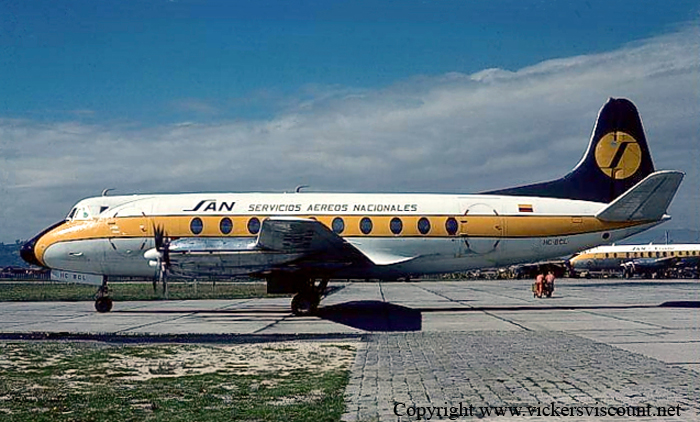
Crash of a Vickers 764D Viscount near Cuenca: 33 killed

Date & Time: Sep 4, 1977
Type of aircraft:
Operator:
Registration:
HC-BCL
Survivors:
No
Site:
Schedule:
Guayaquil - Cuenca
MSN:
185
YOM:
1956
Country:
Crew on board:
4
Crew fatalities:
Pax on board:
29
Pax fatalities:
Other fatalities:
Total fatalities:
33
Circumstances:
While descending to Cuenca-Mariscal Lamar Airport in poor weather conditions, the four engine airplane struck the slope of a mountain located in the Cajas Mountain Range, about 40 km north of the intended destination. The wreckage was found few hours later and all 33 occupants were killed. The accident occurred in IMC conditions while the crew was approaching Cuenca Airport under VFR mode.
Probable cause:
The crew was flying VFR mode in adverse weather conditions, resulting in a controlled flight into terrain.

Crash of an Antonov AN-2T near Omolon

Date & Time: Aug 29, 1977
Type of aircraft:
Operator:
Registration:
CCCP-01250
Flight Phase:
Survivors:
Yes
Site:
MSN:
1 81 473 17
YOM:
1957
Country:
Region:
Crew on board:
0
Crew fatalities:
Pax on board:
0
Pax fatalities:
Other fatalities:
Total fatalities:
0
Circumstances:
En route, the crew encountered below-minima weather conditions when the single engine aircraft hit the slope of a hill located near Omolon. There were no casualties but the aircraft was damaged beyond repair.

Crash of a PZL-Mielec AN-2 near Selikhino: 10 killed

Date & Time: Aug 23, 1977 at 1610 LT
Type of aircraft:
Operator:
Registration:
CCCP-07313
Flight Phase:
Survivors:
Yes
Site:
Schedule:
Bogorodskoye – Mariinskoye – Khabarovsk
MSN:
1G149-17
YOM:
1973
Flight number:
SU232
Country:
Region:
Crew on board:
3
Crew fatalities:
Pax on board:
8
Pax fatalities:
Other fatalities:
Total fatalities:
10
Aircraft flight hours:
4683
Aircraft flight cycles:
5297
Circumstances:
After departure from Mariinskoye Airport bound for Khabarovsk, while cruising at an altitude of 1,350 meters, weather conditions worsened. The crew reduced his altitude to 750 meters and decided to modify his route bound for Troitskoye. While cruising in clouds, the airplane crashed on the slope of a mountain located 22 km southeast of Selikhino. As the aircraft failed to arrive at destination, SAR operations were initiated and the burnt wreckage was found a day later at an altitude of 630 meters. A boy aged 13 was injured while 10 other occupants were killed.
Probable cause:
The decision of the crew to continue in adverse weather conditions (low clouds and rain falls) below the minimum safe altitude prescribed for the area. The lack of ATC assistance was considered as a contributing factor.

Crash of a Beechcraft H18 near Wrangell: 6 killed

Date & Time: Aug 11, 1977
Type of aircraft:
Registration:
C-GWUY
Flight Phase:
Flight Type:
Survivors:
No
Site:
Schedule:
Ketchikan – Wrangell
MSN:
BA-655
YOM:
1963
Location:
Crew on board:
1
Crew fatalities:
Pax on board:
5
Pax fatalities:
Other fatalities:
Total fatalities:
6
Captain / Total flying hours:
5000
Captain / Total hours on type:
6.00
Circumstances:
While approaching Wrangell on a pleasure flight from Ketchikan, the pilot encountered poor weather conditions. At an altitude of 3,000 feet, the twin engine airplane struck a mountain and crashed. The wreckage was found few hours later and all six occupants were killed.
Probable cause:
Controlled flight into terrain after the pilot continued VFR flight into adverse weather conditions. The following contributing factors were reported:
- Improper in-flight decisions,
- Low ceiling,
- Fog.
Final Report:

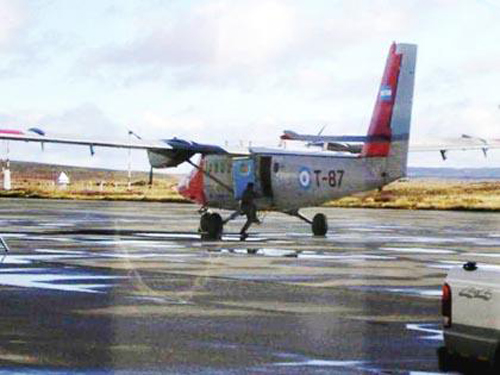
Crash of a De Havilland DHC-6 Twin Otter 200 near El Bolsón: 6 killed

Date & Time: Aug 7, 1977 at 1630 LT
Operator:
Registration:
T-87
Flight Type:
Survivors:
No
Site:
Schedule:
San Carlos de Bariloche – El Bolsón – Comodoro Rivadavia – Río Gallegos
MSN:
230
YOM:
1969
Country:
Crew on board:
4
Crew fatalities:
Pax on board:
2
Pax fatalities:
Other fatalities:
Total fatalities:
6
Circumstances:
The twin engine airplane departed San Carlos de Bariloche Airport at 1534LT on a flight to Río Gallegos with intermediate stops in El Bolsón and Comodoro Rivadavia. It was carrying a crew of four and two passengers, Mr. Ulderico Carnaghi, Governor of the Santa Cruz Province and his wife who just attended the 7th Snow Festival in san Carlos de Bariloche and were flying back to Patagonia. While descending to El Bolsón Airport, the crew encountered poor weather conditions when the airplane struck the slope of Mt Paleta located 18 km north of El Bolsón. The wreckage was found four days later at an altitude of 1,995 meters. The aircraft was destroyed and all six occupants were killed.
Crew:
Juan Carlos García, pilot,
Jorge Manuel Alvarez, copilot,
José Medina, mechanic,
Oscar M. Lazo, steward.
Passengers:
Mr. & Mrs. Ulderico Carnaghi.
Probable cause:
Controlled flight into terrain.