Crash of a Learjet C-21A at Talil AFB

Date & Time: Nov 2, 2009 at 1430 LT
Type of aircraft:
Operator:
Registration:
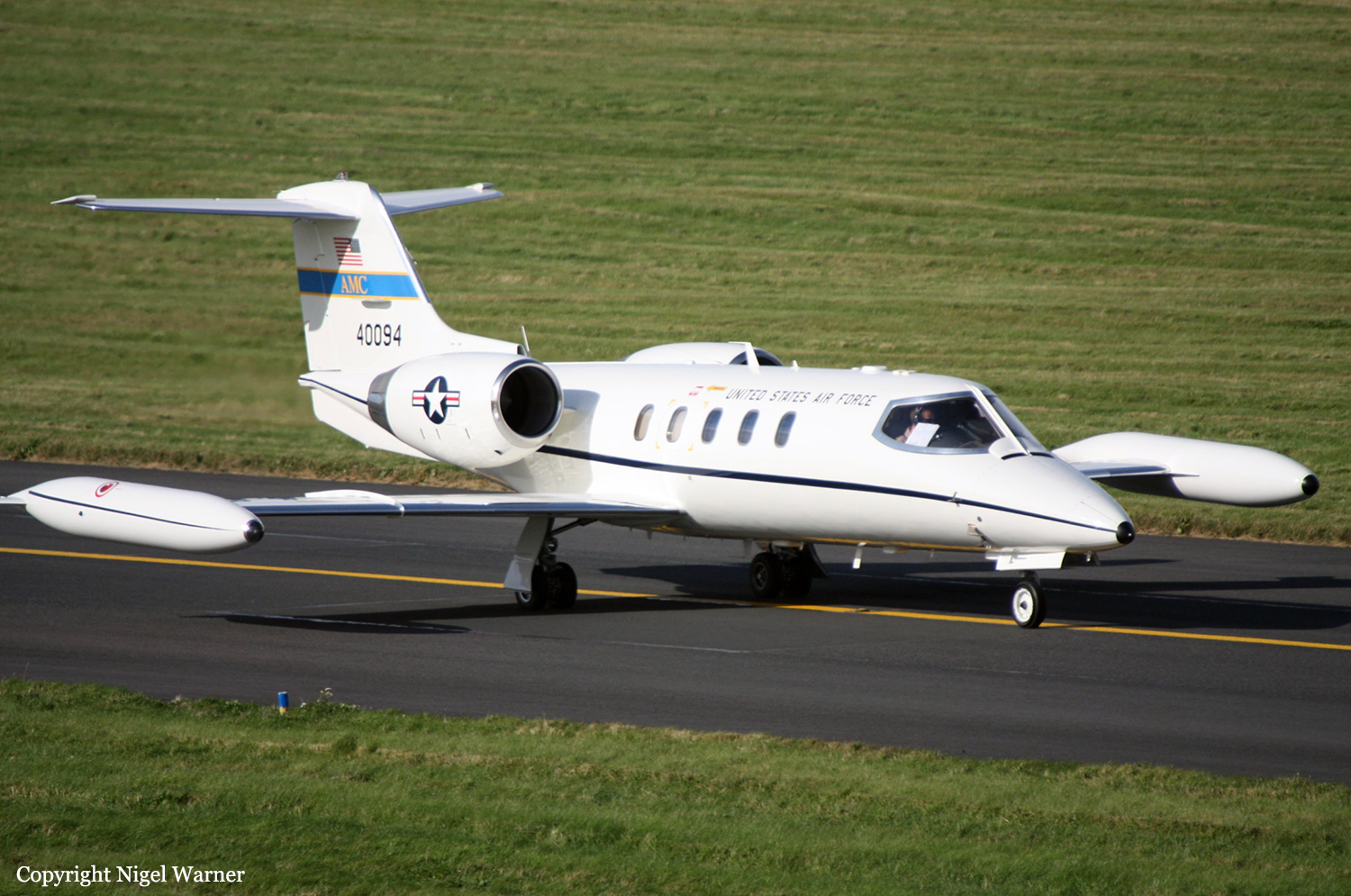
84-0094
Flight Type:
Survivors:
Yes
MSN:
35-540
YOM:
1985
Country:
Region:
Crew on board:
2
Crew fatalities:
Pax on board:
0
Pax fatalities:
Other fatalities:
Total fatalities:
0
Circumstances:
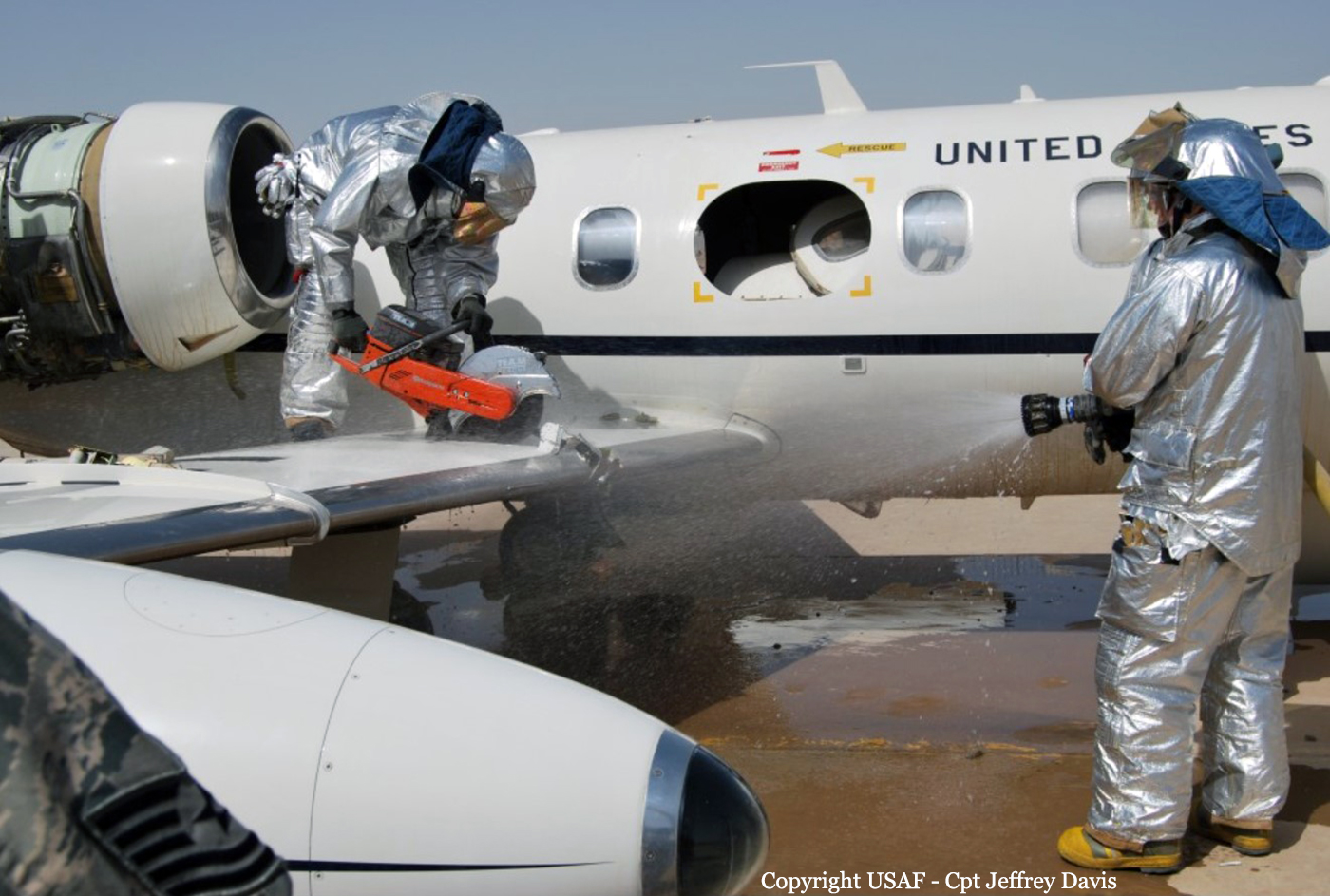
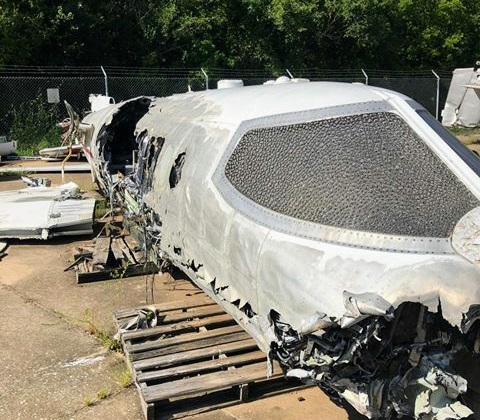
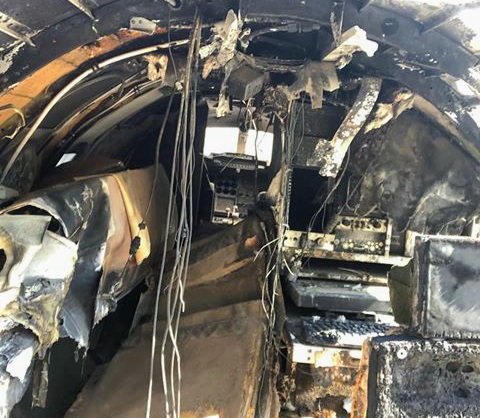
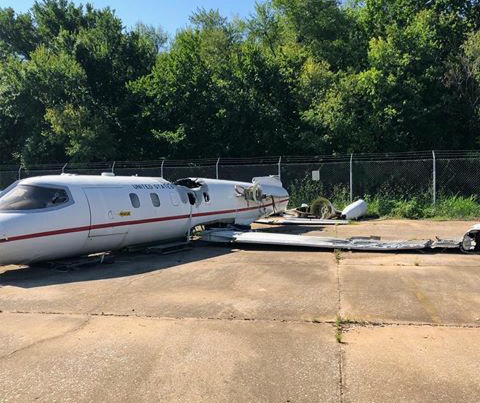
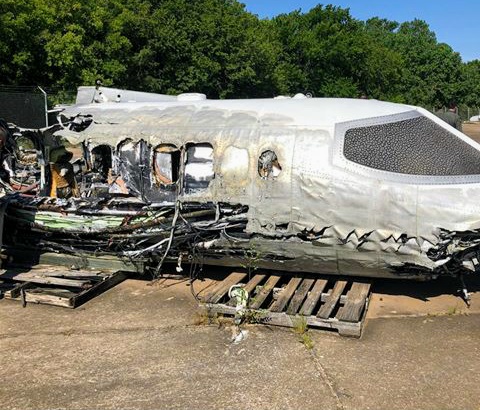
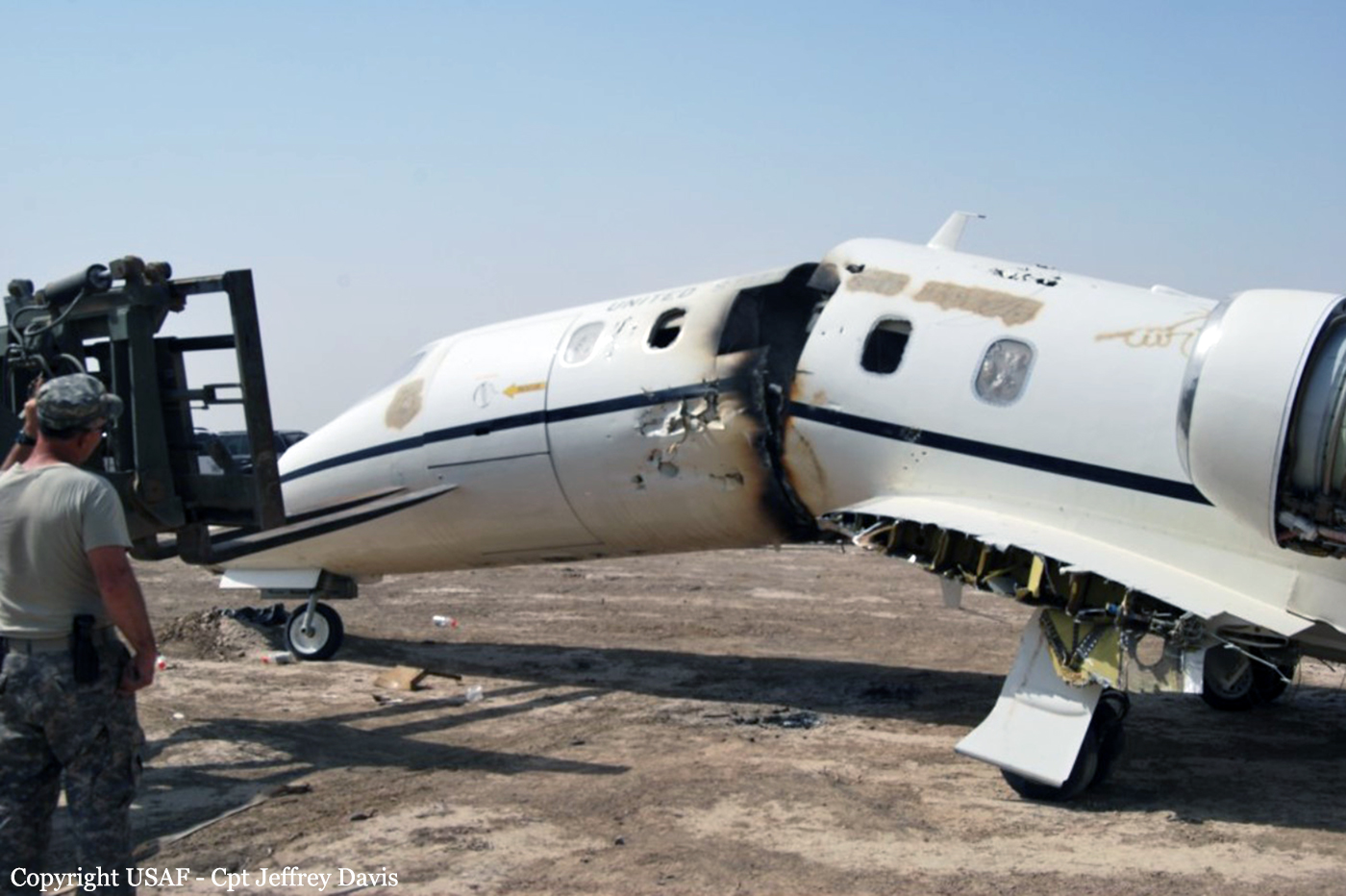
The crew was completing a positioning flight to Talil AFB (Imam Ali), Iraq. On approach, the aircraft was too high and descended with an excessive speed and a tailwind component of 10 knots. The crew failed to initiate a go-around and the aircraft landed about two-third down the runway. Unable to stop within the remaining distance, the aircraft overran, lost its undercarriage and came to rest in a sandy area about 60 metres past the runway end. Both pilots escaped uninjured while the aircraft was damaged beyond repair and later destroyed by soldiers from the 68th Transportation Company.
Probable cause:
The accident investigation board (AIB) president found clear and convincing evidence that the mishap crew failed to sufficiently reduce speed and altitude during their approach to execute a normal landing, failed to complete the appropriate checklist for a high speed partial flap landing, and failed to recognize that there was insufficient runway remaining to safely land. Finally, the mishap crew failed to initiate a 'Go-Around' to correct the aforementioned deviations. Additionally, the AIB president also found sufficient evidence that skill-based errors, judgment and decision-making errors, cognitive factors, psycho-behavioural factors, coordination, communication and planning factors, and planning inappropriate operations all were substantially contributing factors to the mishap.
Crash of a Boeing E-3C Sentry at Nellis AFB

Date & Time: Aug 28, 2009 at 1800 LT
Type of aircraft:
Operator:
Registration:
83-0008
Flight Type:
Survivors:
Yes
Schedule:
Tinker AFB - Nellis AFB
MSN:
22836/962
YOM:
1983
Crew on board:
4
Crew fatalities:
Pax on board:
28
Pax fatalities:
Other fatalities:
Total fatalities:
0
Circumstances:
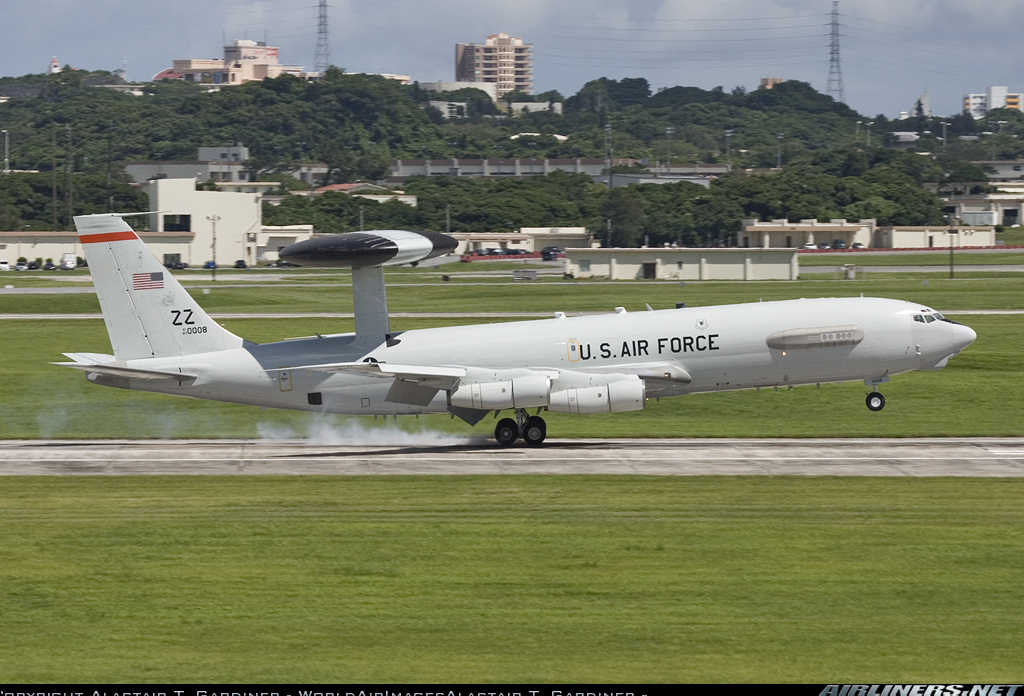
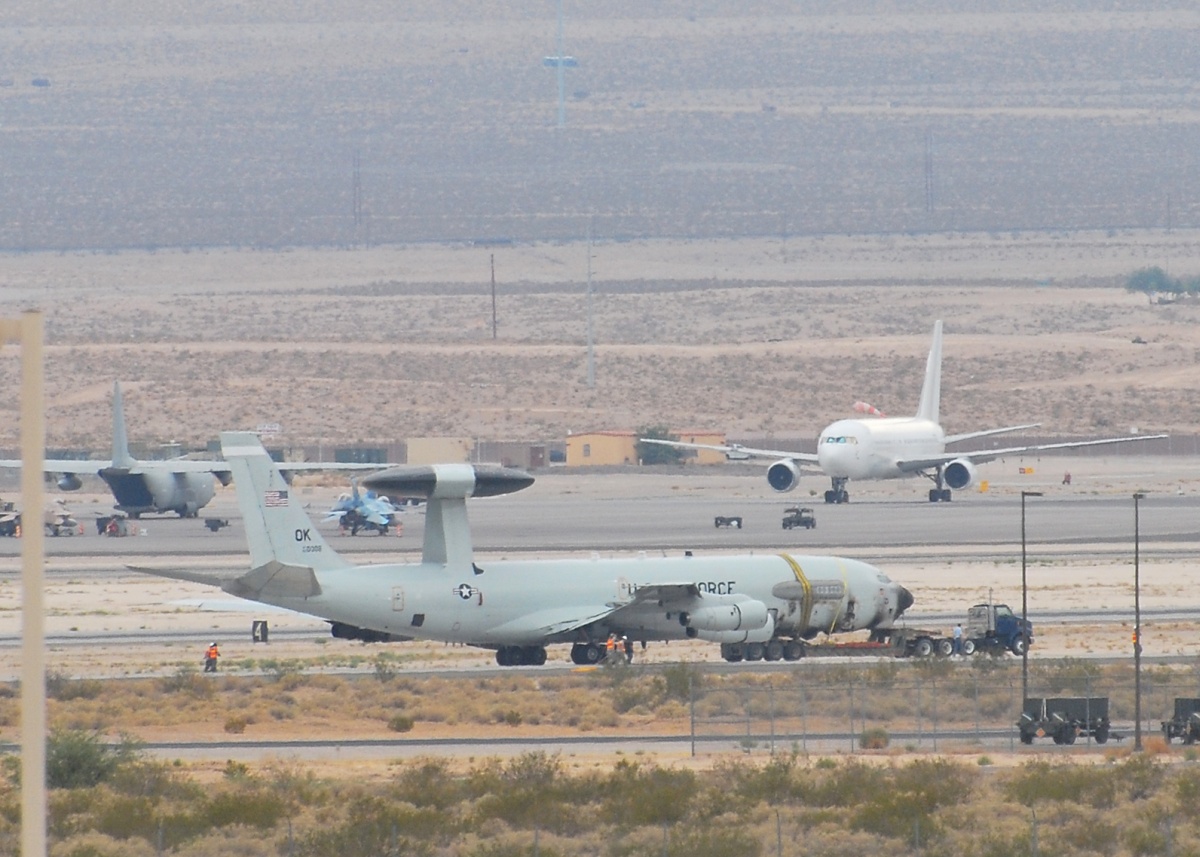
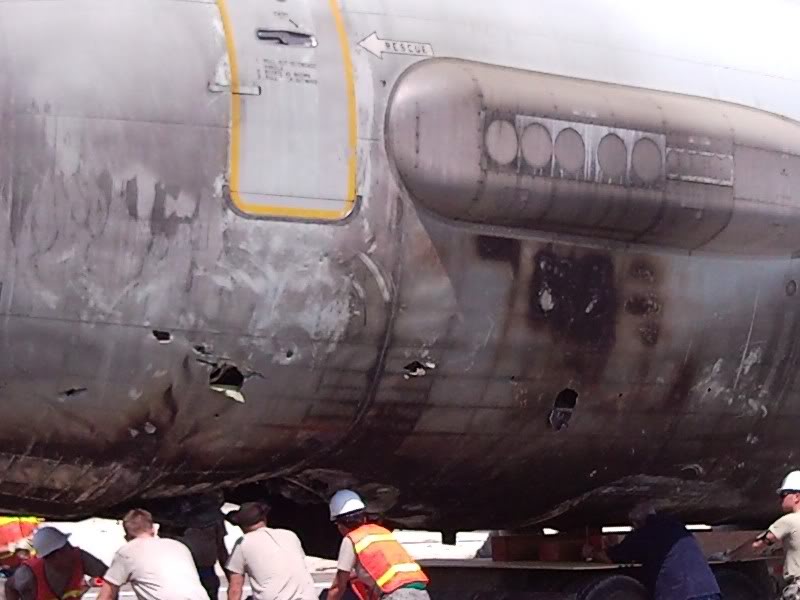
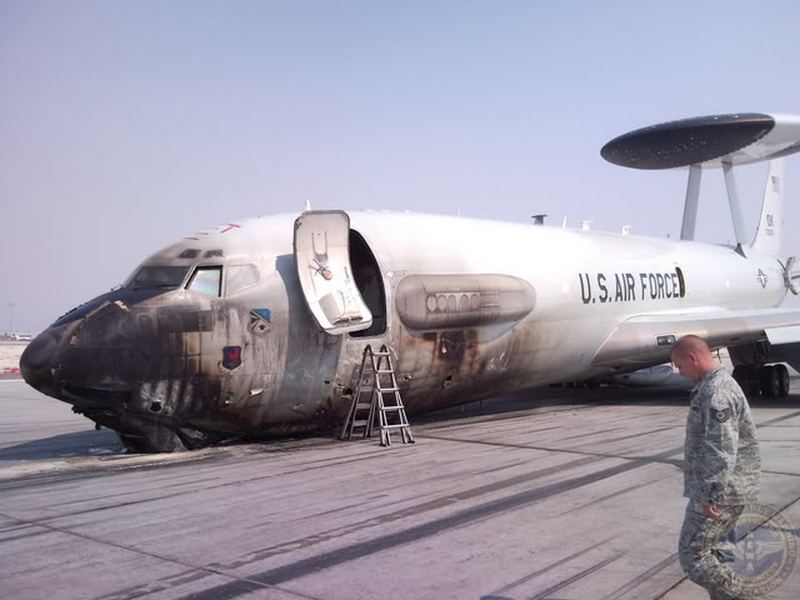
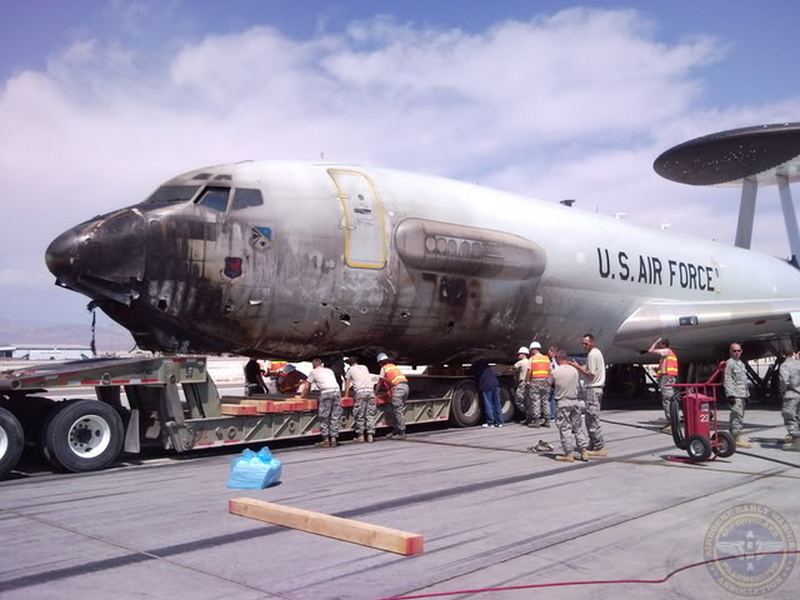
Following a Red Flag exercice from Tinker AFB, the aircraft was returning to Nellis AFB. Upon landing, the nose gear collapsed and the aircraft slid on the runway for few dozen metres before coming to rest, bursting into flames. All 32 occupants escaped uninjured while the aircraft was damaged beyond repair.
Probable cause:
The nose gear collapsed upon landing for unknown reasons.

Crash of a Boeing B-52H-155-BW Stratofortress off Guam Island: 6 killed

Date & Time: Jul 21, 2008 at 0945 LT
Type of aircraft:
Operator:
Registration:
60-0053
Flight Phase:
Flight Type:
Survivors:
No
Schedule:
Andersen AFB - Andersen AFB
MSN:
464418
YOM:
1960
Flight number:
Raider 21
Country:
Region:
Crew on board:
6
Crew fatalities:
Pax on board:
0
Pax fatalities:
Other fatalities:
Total fatalities:
6
Circumstances:
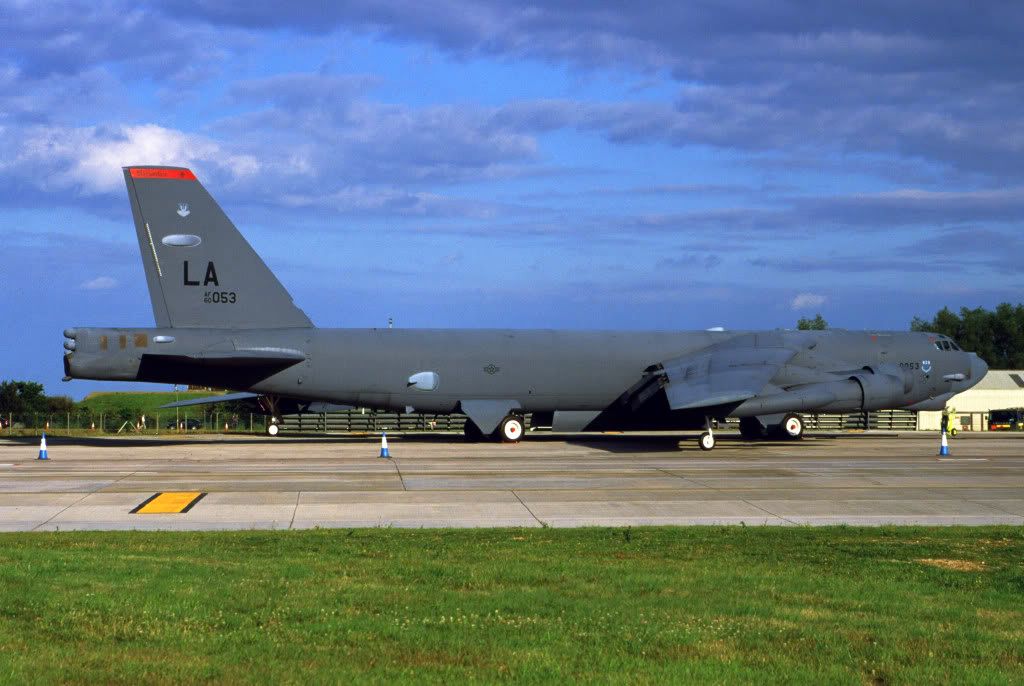
The aircraft departed Andersen AFB on a flight around the Guam Island under call sign 'Raider 21' with 6 crew members on board, taking part to the Guam Liberation Day celebrations. About 15 minutes into the flight, while descending from 14,000 to 1,000 feet, the aircraft became uncontrollable and crashed in the sea about 50 km north of Guam Island. The aircraft disintegrated on impact and only few debris were found. All six crew members were killed.
Crew:
Maj Chris Cooper, pilot,
Cpt Michael Dodson, copilot,
1st Lt Robert Gerren, electronic warfare officer,
1st Lt Joshua Shepherd, navigator,
Maj Brent Williams, radar navigator,
Col George Martin, flight surgeon.
Probable cause:
Malfunctioning parts and late recognition of spiraling problems likely led to the fatal crash of a B-52H Stratofortress in July, an Air Force accident investigation board concluded in a report issued Feb. 13. The problem parts, investigators decided, were the bomber’s rear stabilizers — the large horizontal fins at the jet’s tail that help angle the B-52H up or down. Although the inquiry could not determine what led to the stabilizer problem, the board said it believed the stabilizers malfunctioned while the bomber was in a fast descent from 14,000 feet to 1,000 feet. “Even an experienced aircrew could have found it difficult to recognize, assess and recover from the very rapidly developing situation involving the rear stabilizer trim,” board president Brig. Gen. Mark Barrett concluded. The bomber did not carry a flight data recorder, so the investigation team pieced together events leading up to the crash from air traffic control radar information and from parts recovered from the ocean floor by remote-controlled Navy submarines. One recovered part was a component called a jackscrew that helps control the stabilizers. The jackscrew revealed the stabilizer trim was set at 4.5 to 5 degrees nose down, but parts that could have helped determine why the stabilizers were pointed down were not recovered. Based on flight simulations, the investigative team determined the flight was normal until the jet turned left and began to descend about 33 miles west of Guam. As the 48-year-old bomber dove toward the Pacific at a speed of more than 240 mph, the stabilizers suddenly unhinged, putting the jet into a dive with the nose pointed down 30 degrees and more. One of the pilots likely tried to level the stabilizers manually using a control wheel in the cockpit that moves the stabilizer 1 degree every two to three seconds, the report said. However, because the plane was already low, there wasn’t enough time to level the stabilizers. At least three crew members tried to bail out seconds before the plane hit the water, but the plane’s speed, altitude and angle already were past the point where they could survive the ejection.

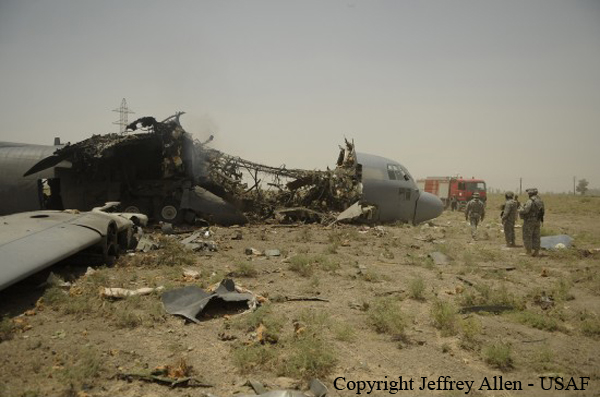
Crash of a Lockheed C-130H Hercules in Baghdad

Date & Time: Jun 27, 2008 at 1235 LT
Type of aircraft:
Operator:
Registration:
86-0412
Flight Phase:
Flight Type:
Survivors:
Yes
MSN:
5098
YOM:
1987
Country:
Region:
Crew on board:
4
Crew fatalities:
Pax on board:
34
Pax fatalities:
Other fatalities:
Total fatalities:
0
Circumstances:
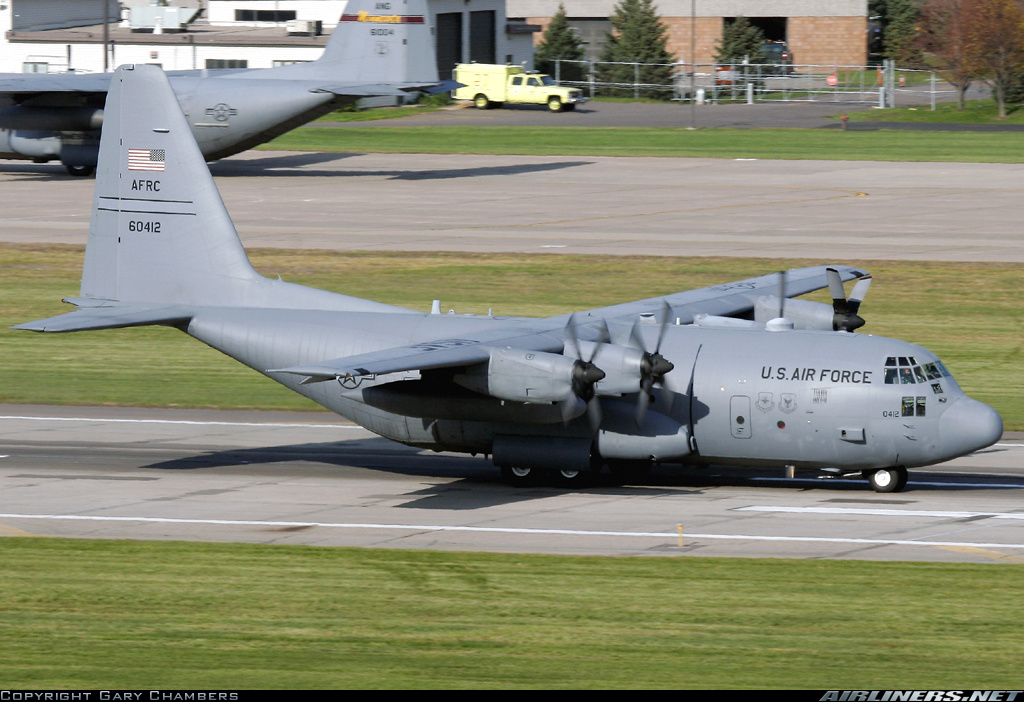
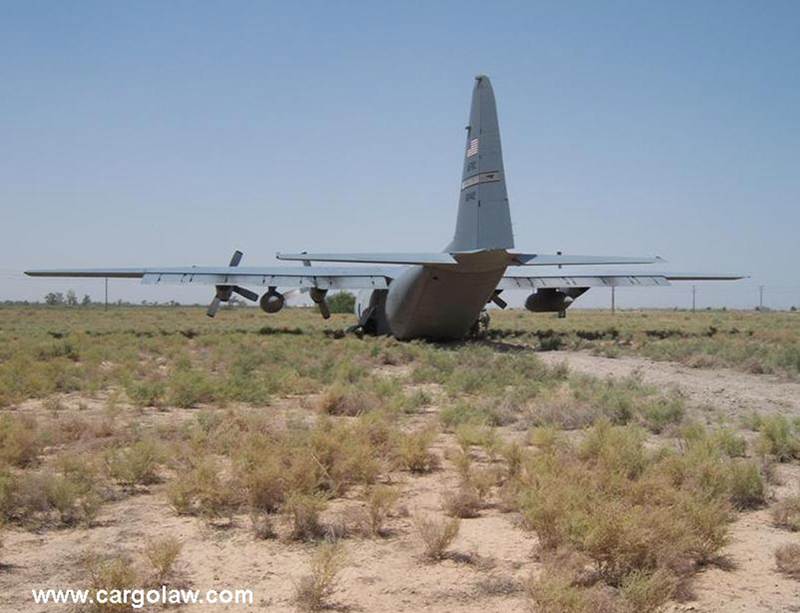
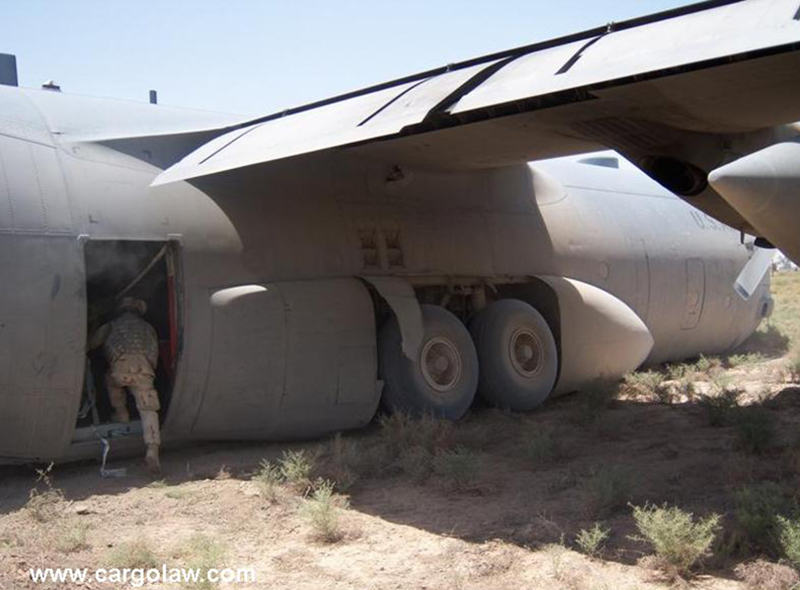
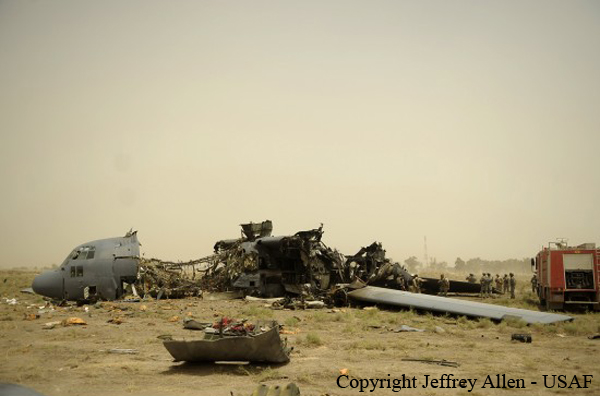
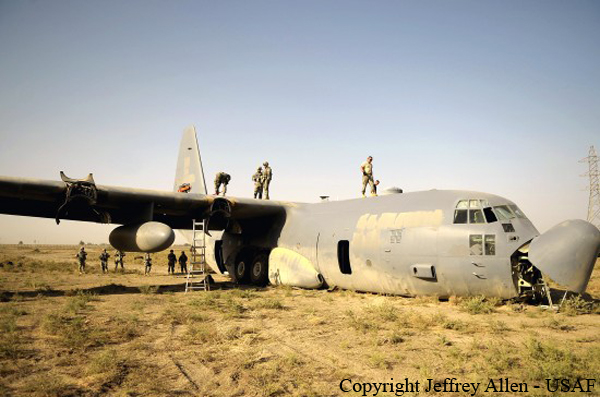
The four engine aircraft departed Baghdad Airport on a support mission, carrying 32 passengers and a crew of six. Sixty seconds after takeoff, while climbing to a height of 313 feet and at a speed of 163 knots, the airplane's defensive system activated. The pilot reacted in accordance with applicable directives and after reacting to the defensive alert, the crew realized that all three engines n°1, 3 and 4 lost 60% of power. The crew attempted an emergency landing in an open field located 7,5 km north of the airport. The aircraft was damaged beyond repair and all 38 occupants escaped uninjured. U.S. Air Force Maintenance and Explosive Ordnance Disposal personnel from the 447th Air Expeditionary Group were called in. They placed explosive charges on the plane and blew up the Hercules on July 7.
Probable cause:
The Board President could not find clear and convincing evidence to determine the exact cause of the engine power loss. He did find evidence to conclude that several factors combined to significantly contribute to the Mishap Airplane (MA) landing partially gear down. Specifically, a defensive system alert, the aircraft's low altitude and airspeed at the time of the malfunction, and the decision to respond to the alert at low altitude and airspeed combined to result in the MA landing partially gear down. All MA systems and performance were normal prior to the defensive system alert. An undetermined malfunction occurred during the defensive reaction that caused three of the MA's four engines to stabilize at an RPM (60%) which was not sufficient to maintain flight and the low altitude and airspeed at the time of the malfunction limited the time available for situation analysis and recovery. The Mishap Crew (MC) had never been exposed to a loss of three or four engines on takeoff in the C-130H2 simulator which resulted in an emergency situation the MC had not seen before at a low altitude and airspeed. Checklist actions taken by the MC did not recover the engines and the Mishap Pilot (MP) appropriately performed a limited power, controlled descent, and forced landing resulting in only minor injuries.

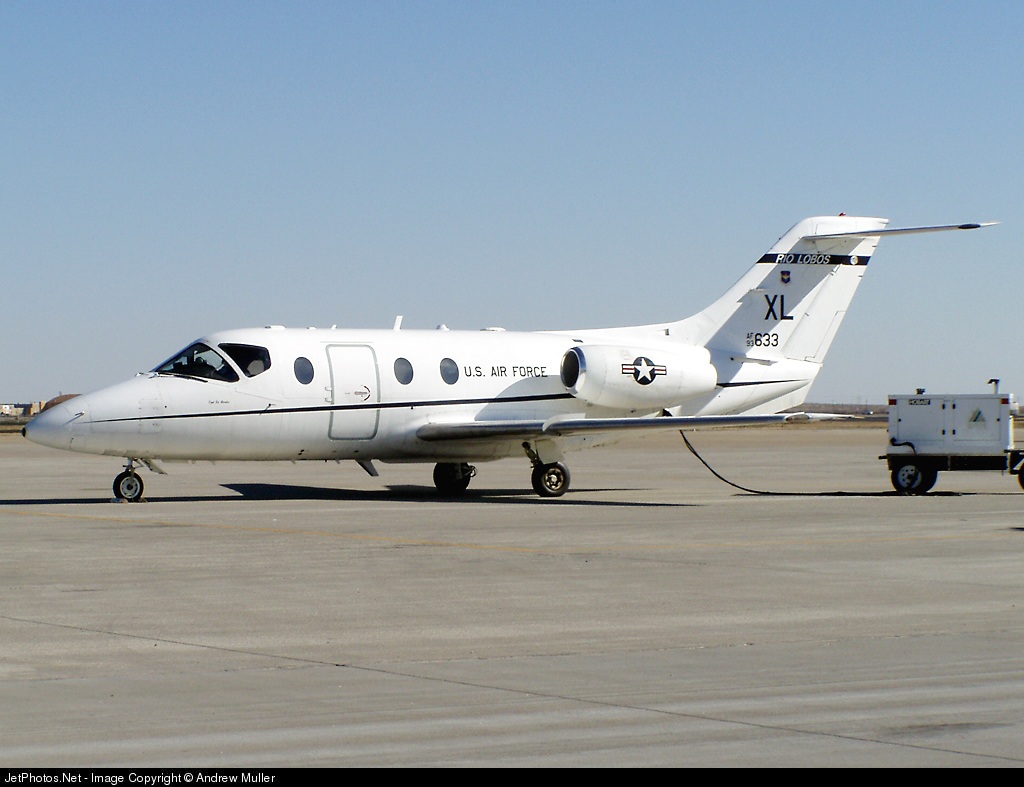
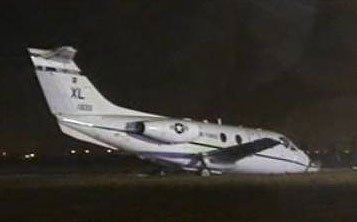
Crash of Beechcraft T-1A Jayhawk in Lubbock

Date & Time: May 21, 2008 at 2144 LT
Type of aircraft:
Operator:
Registration:
93-0633
Flight Type:
Survivors:
Yes
Schedule:
Lubbock - Lubbock
MSN:
TT-90
YOM:
1993
Location:
Crew on board:
2
Crew fatalities:
Pax on board:
0
Pax fatalities:
Other fatalities:
Total fatalities:
0
Circumstances:
The crew was completing a night training flight on behalf of the U.S. Air Force 86th Flying Training Squadron, 47th Flying Training Wing, Laughlin Air Force Base, Texas. After several manoeuvres in the vicinity of the Lubbock-Preston Smith Airport, the crew started an non precision approach to runway 17R. At that time, weather conditions were not so good with rain showers and winds up to 40 knots. On final approach, the aircraft seems to sink and pitched down. The captain increased both engines power but the aircraft hit the ground 1,1 mile short of runway 17R threshold. On impact, the nose gear was sheared off and the aircraft came to rest in a field. Both pilots were slightly injured while the aircraft was damaged beyond repair.
Probable cause:
Conjunction of poor weather conditions and crew errors. The aircraft encountered windshear with downburst on descent and the crew ignored warnings. The combination of the following human factors placed the aircraft in a dangerous weather environment: poor mission planning, inattention, complacency, lack of procedural knowledge and restricted vision.

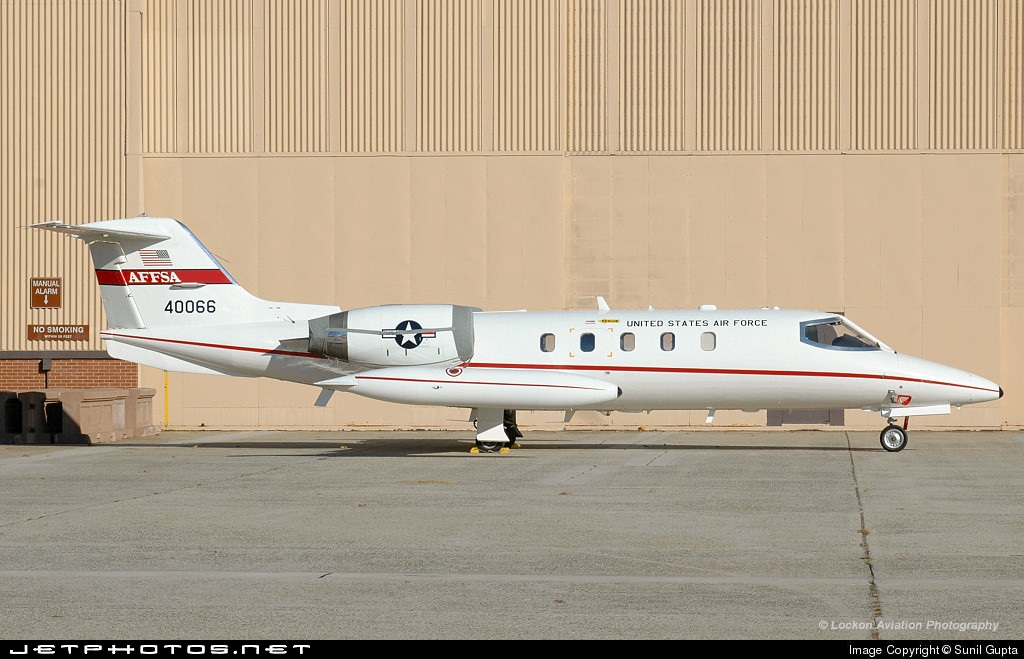
Crash of a Learjet C-21A in Decatur

Date & Time: Oct 2, 2006 at 1215 LT
Type of aircraft:
Operator:
Registration:
84-0066
Flight Type:
Survivors:
Yes
Schedule:
Decatur - Decatur
MSN:
35-512
YOM:
1984
Crew on board:
2
Crew fatalities:
Pax on board:
0
Pax fatalities:
Other fatalities:
Total fatalities:
0
Circumstances:
The crew was performing a local training flight at Decatur Airport, consisting of touch-and-go maneuvers. On final approach to runway 24, the instructor elected to simulate a failure of the right engine. Anticipating the touch-and-go procedure, the instructor deactivated the yaw damper system while the aircraft was about 10-20 feet above the runway. As the speed increased, the instructor called out 'speed' twice when the copilot reduced the power on the left engine. The aircraft rolled to the right, causing the right wingtip to struck the ground. The aircraft went out of control, veered off runway and came to rest, bursting into flames. Both pilots escaped with minor injuries while the aircraft was destroyed.
Probable cause:
The crew’s failure to take appropriate action after allowing the aircraft to get 15 knots [17 mph] slow over the runway threshold. Had either pilot taken proper action to go around upon seeing the airspeed bleeding away by advancing power on both engines, this mishap could have been avoided.

Ground accident of a Boeing KC-135R Stratotanker in Bishkek

Date & Time: Sep 26, 2006 at 2010 LT
Type of aircraft:
Operator:
Registration:
63-8886
Flight Phase:
Flight Type:
Survivors:
Yes
Schedule:
Bishkek - Bishkek
MSN:
18734
YOM:
1964
Country:
Region:
Crew on board:
3
Crew fatalities:
Pax on board:
0
Pax fatalities:
Other fatalities:
Total fatalities:
0
Circumstances:
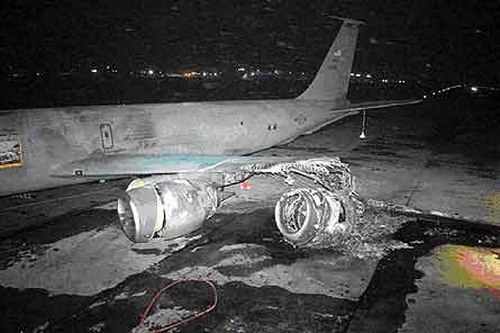
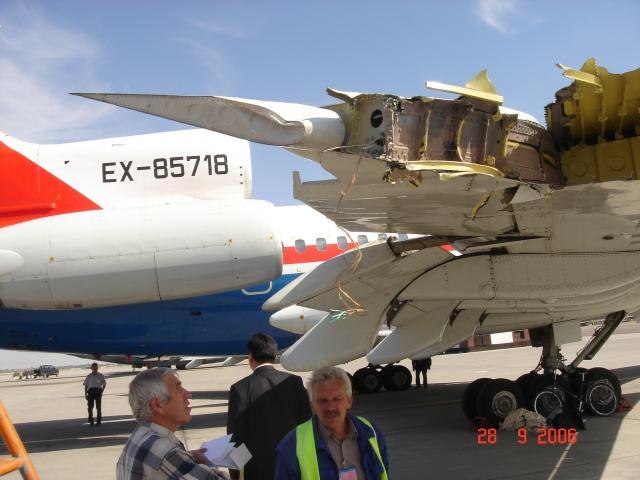
On Sept. 26, at approximately 8:03 p.m. local time, a KC-135R landed at Manas International Airport following a combat mission over Afghanistan. After landing, the KC-135R was parked at the intersection of the active runway and a taxiway while the crew awaited clarification on instructions from the air traffic control tower. The KC-135R was struck by a host nation TU-154 that was taking off. The TU-154's right wing struck the fairing of the KC-135R's No. 1 engine. The force of the impact nearly severed the No. 1 engine from KC-135R and destroyed a portion of the aircraft's left wing. The TU-154 lost approximately six feet of its right wingtip, but was able to get airborne and return to the airport for an emergency landing with no additional damage to the aircraft. The three aircrew members on board the KC-135R, as well as the nine aircrew members and 52 passengers aboard the TU-154, survived the accident. None of the aircrew or passengers on board the TU-154 sustained any injuries. One KC-135 crew member sustained minor abrasions while evacuating the aircraft.
Probable cause:
The collision between the TU-154 and KC-135R aircraft was clearly an accident and not the result of any intentional conduct. The Accident Investigation Board, convened by AMC, determined that the accident was caused by the Kyrgyzaeronavigation air traffic controller who cleared a civilian airliner for takeoff without verifying that the KC-135R was clear of the runway. In addition to the air traffic controller, the AIB found evidence of several contributing factors involving the KC-135R aircrew, conflicting published airport notices, and a tower liaison employed by the U.S. Government to facilitate communication between the tower and U.S. aircrews. Although the AIB found the air traffic controller primarily at fault, the U.S. KC-135R crew and tower liaison shared responsibility for ensuring the KC-135R cleared the runway to a safe location following landing. The accident might have been avoided had any of them exercised better awareness of their situation.
In conclusion, the AIB determined the principal cause of the mishap was the Kyrgyzaeronavigation controller clearing the TU-154 for takeoff without verifying that KC-135R was clear of the runway, there was evidence the following factors also contributed to the mishap:
- The Kyrgyz air traffic controller's instruction to vacate at taxiway Golf after dark conflicted with a published Notice to Airmen (NOTAM) that limited that taxiway's use to daylight hours. The contractor safety liaison (LNO) employed by the U.S. Air Force to facilitate communication between its aircrews and Kyrgyz controllers did not clarify the apparent discrepancy.
- After questioning the Kyrgyz controller's instruction to vacate the runway at taxiway Golf, the LNO instructed the KC-135R crew to hold short of Alpha. The mishap KC-135R crew misperceived the LNO's instructions and responded "holding short of Golf." The LNO failed to catch the read-back error.
- The Kyrgyz controller failed to maintain awareness of the KC-135R's location.
- The LNO failed to maintain situational awareness and intervene when the controller's actions endangered the KC-135R and aircrew.
The KC-135R is assigned to the 92nd Air Refueling Wing, Fairchild Air Force Base, Wash. While deployed at Manas AB, the KC-135R and its aircrew were assigned to U.S. Central Command's 376th Air Expeditionary Wing, flying missions supporting coalition aircraft over Afghanistan.
Final Report: