Country
Operator Image

Crash of a Convair CV-240-4 in Amsterdam: 2 killed

Date & Time: May 25, 1953 at 1530 LT
Type of aircraft:
Operator:
Registration:
PH-TEI
Flight Phase:
Survivors:
Yes
Schedule:
Amsterdam – Paris
MSN:
125
YOM:
1949
Country:
Region:
Crew on board:
6
Crew fatalities:
Pax on board:
28
Pax fatalities:
Other fatalities:
Total fatalities:
2
Aircraft flight hours:
7104
Circumstances:
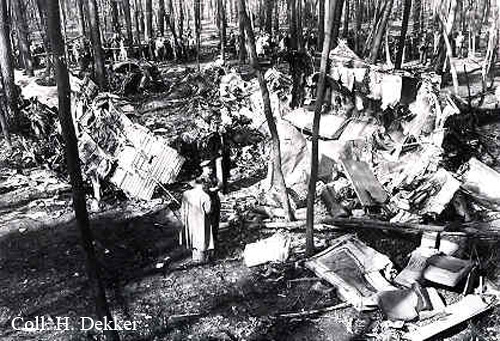
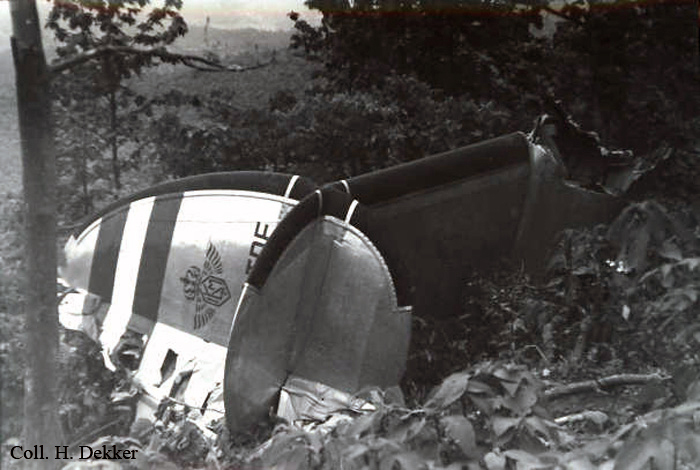
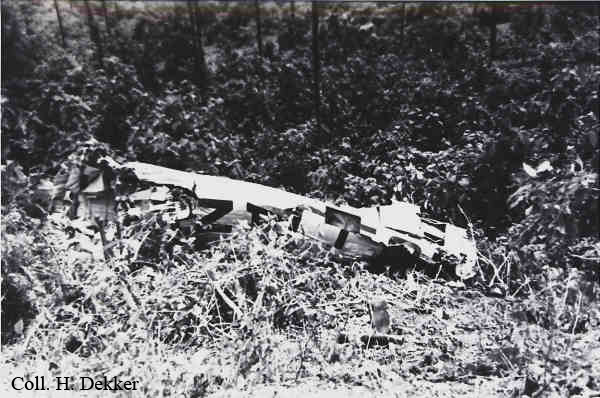
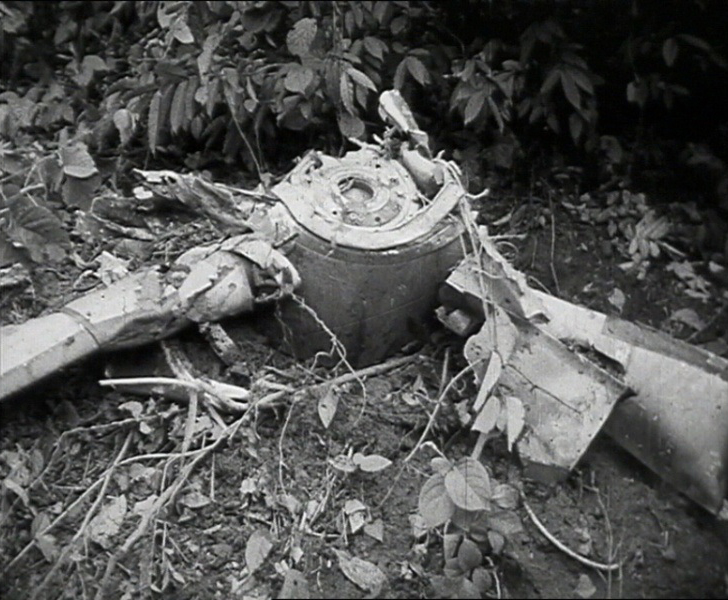
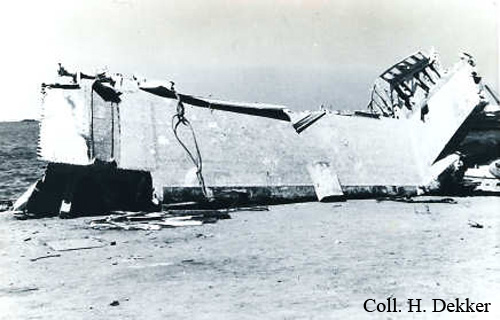
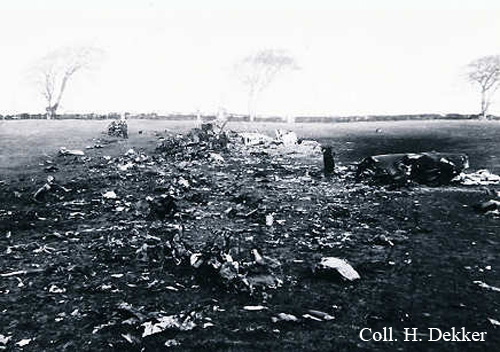
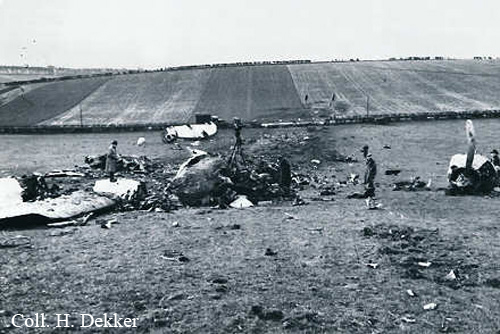
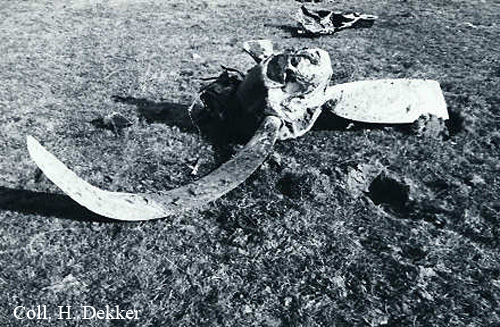
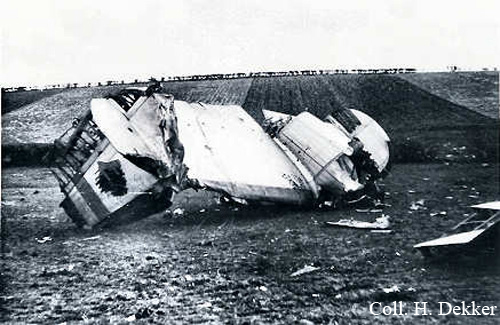
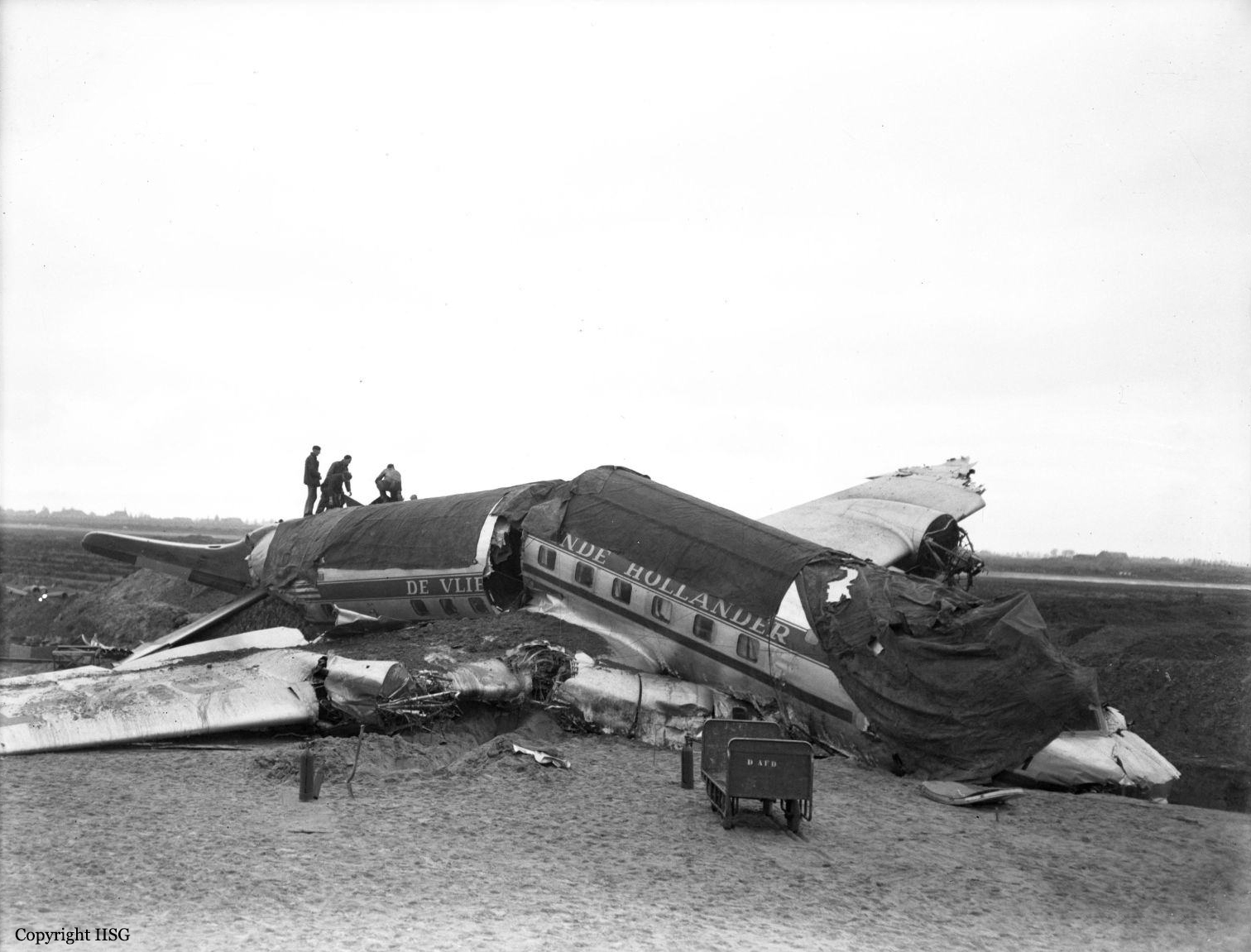
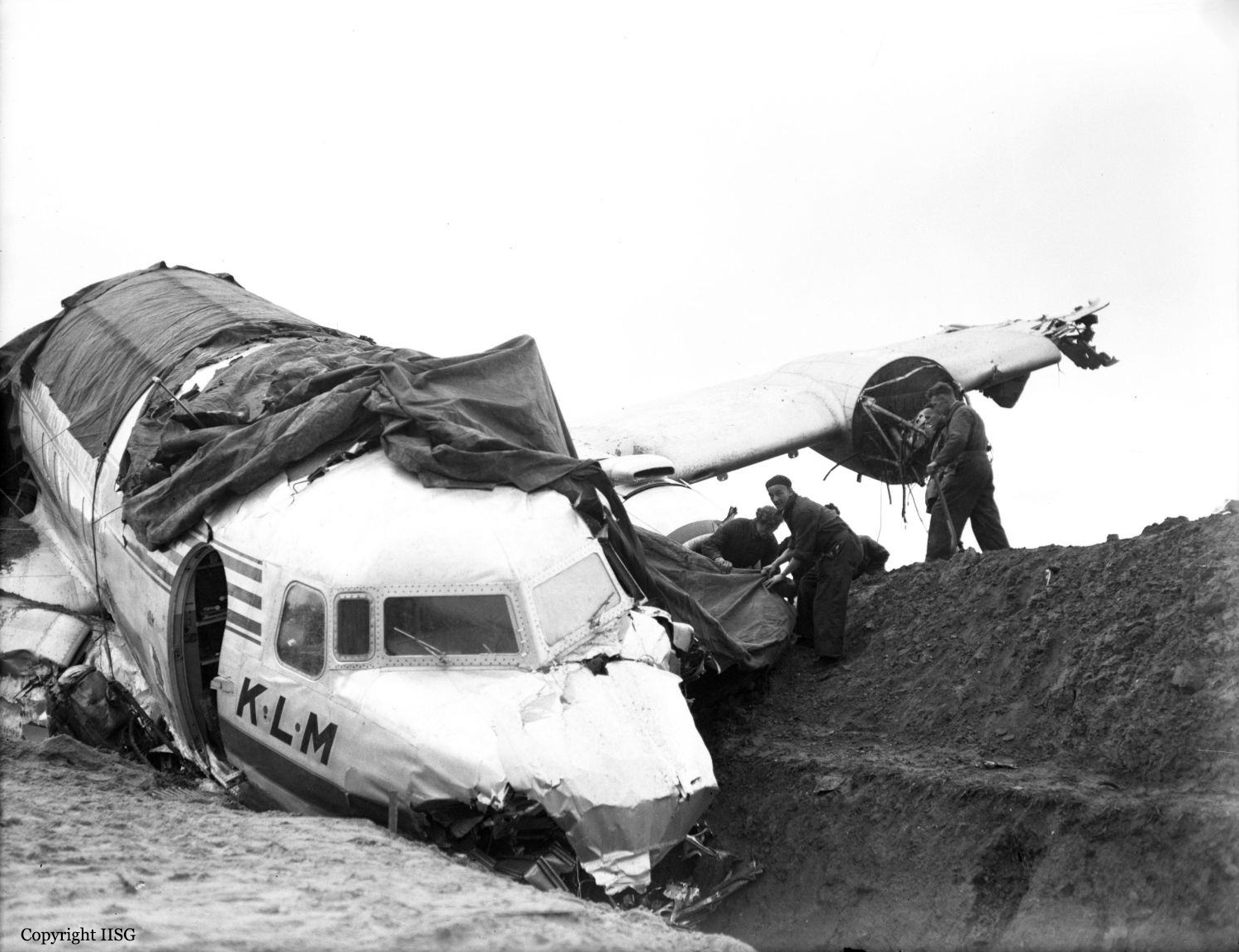
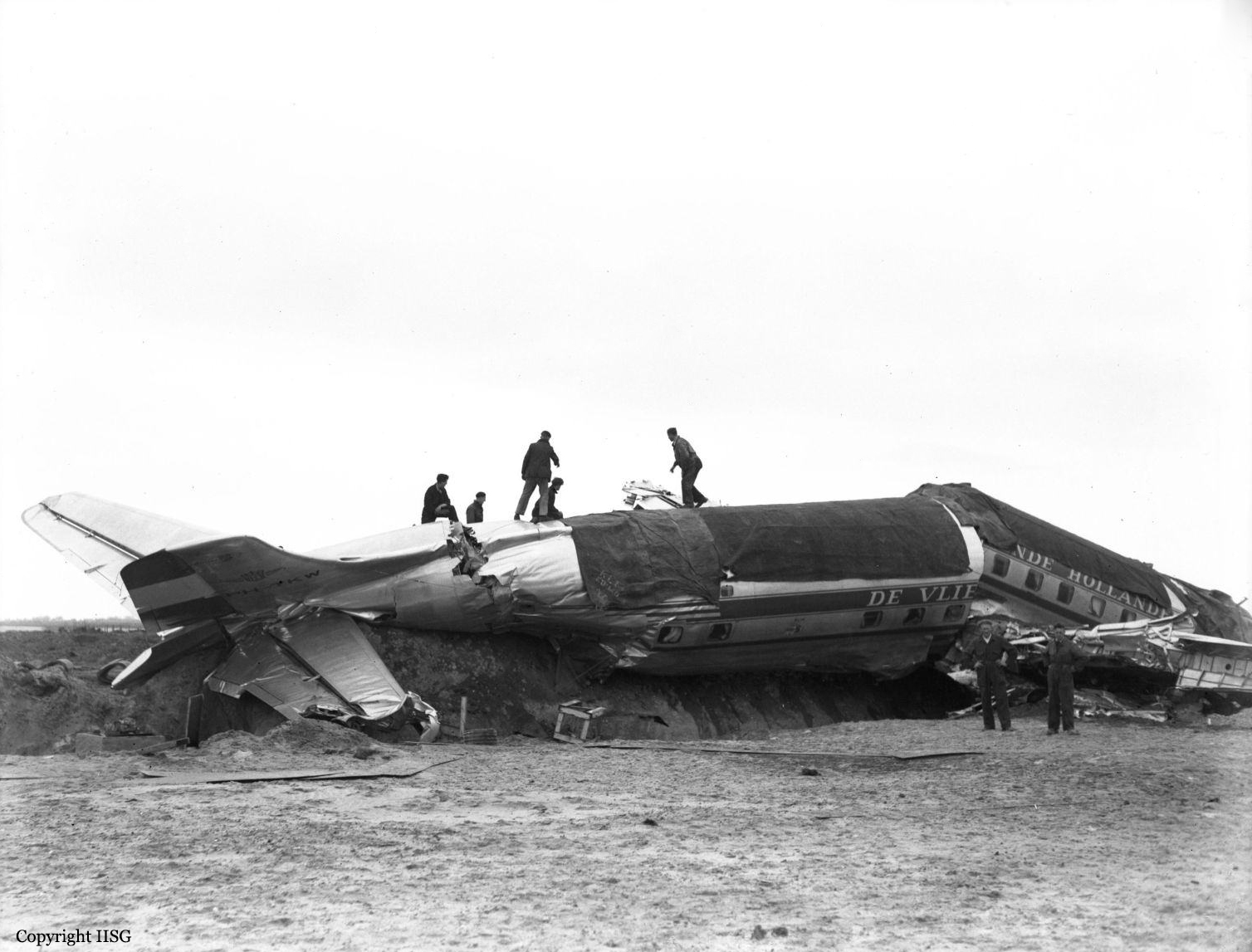
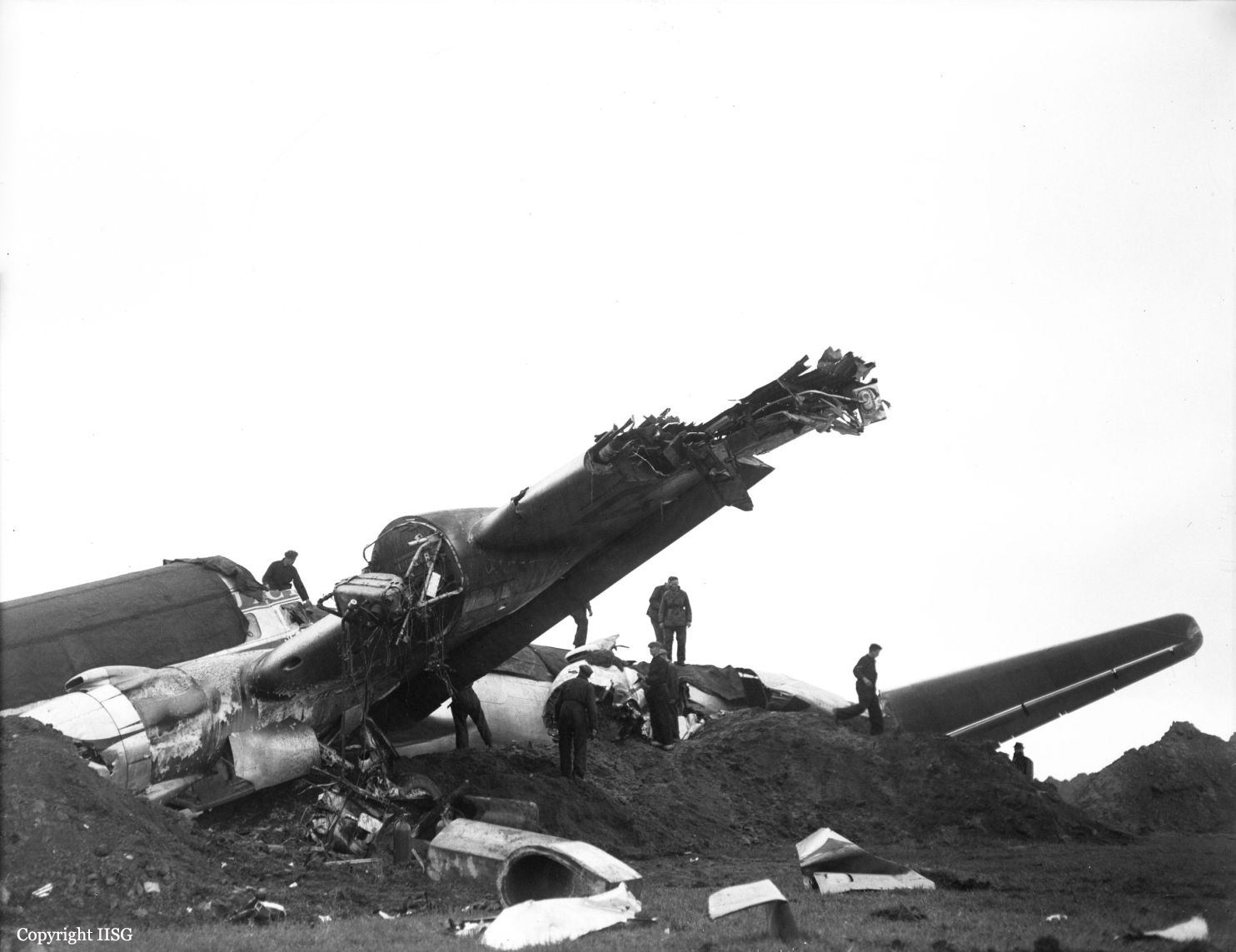
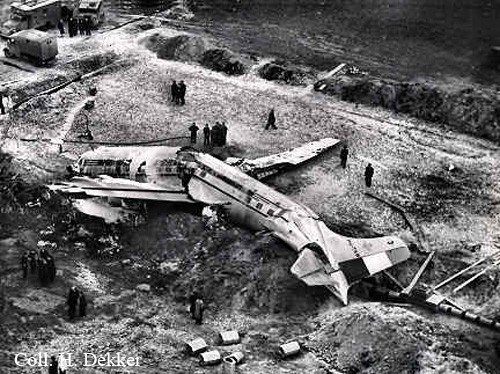
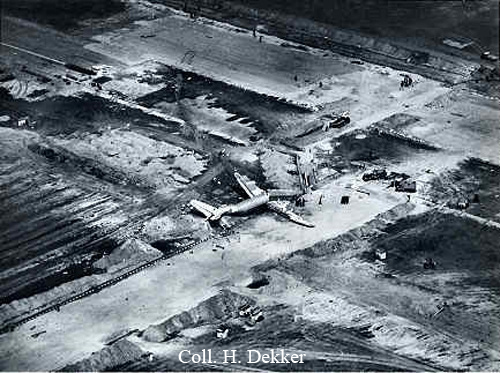
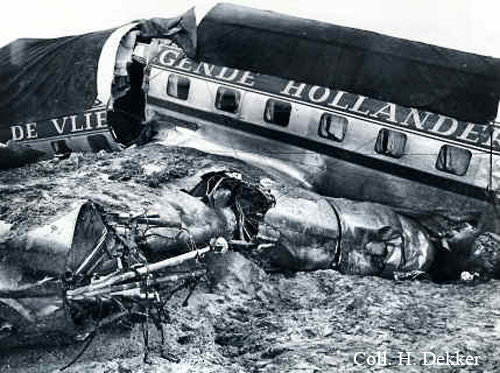
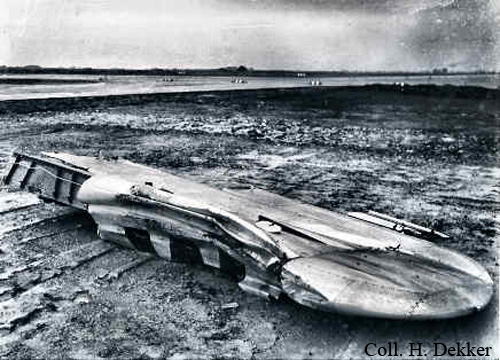
After a run of 700 meters on runway 05, the captain started to rotate. During the initial climb, at a height of approximately 50 to 60 feet and at a speed of 233 km/h, the pilot-in-command retracted the flaps when the aircraft lost height and stalled. The pilot closed the throttles and belly landed the airplane on the remaining runway. The aircraft slid for 200 meters, overran, crossed a road where it struck two standing girls before coming to rest near a drainage ditch, broken in two. All 34 occupants were evacuated safely while two girls aged 16 and 4 were killed. The aircraft was destroyed.
Probable cause:
The exact cause of the accident could not be determined with certainty. During the extensive technical investigation no facts were found to be true for a technical failure of any part of the aircraft before the accident. The damping of the cable tensioners did not fully meet the specifications however, the Board considered that this could hardly have affected steerability. The ascent was somewhat flatter than normal and possibly created the rapid execution of the commands "flaps up" and "first power reduction" provide a greater condition steering movement required than the captain was used to. That need not be serious as long as the captain retained the confidence he had could bring back the plane in ascending flight. All in all, the investigation did not provide a clear cause for the captain Of course it is important that one of the conclusions of the Council was that “On the basis of the foregoing, the Board, together with the preliminary investigator, is of the opinion that in this case does not warrant the application of any sanction against the person is present.

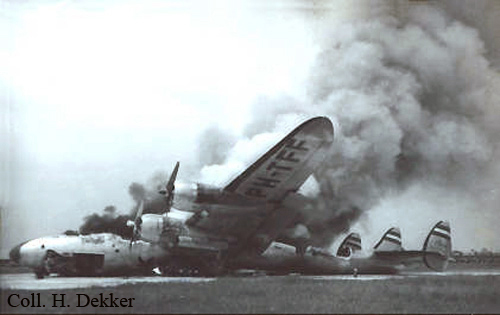
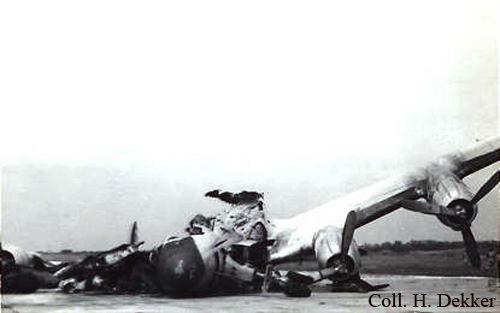
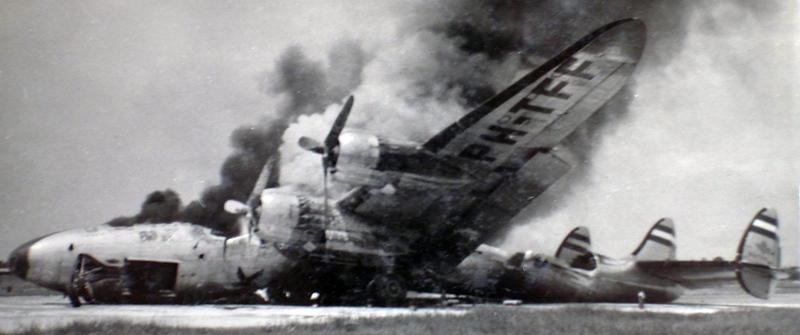
Crash of a Lockheed L-749A-79-33 Constellation in Bangkok

Date & Time: Mar 23, 1952
Operator:

Registration:
PH-TFF
Survivors:
Yes
Schedule:
Amsterdam – Rome – Athens – Cairo – Bahrain – Karachi – Bombay – Bangkok – Kuala Lumpur – Jakarta – Darwin – Sydney
MSN:
2652
YOM:
1950
Country:
Region:
Crew on board:
10
Crew fatalities:
Pax on board:
34
Pax fatalities:
Other fatalities:
Total fatalities:
0
Circumstances:
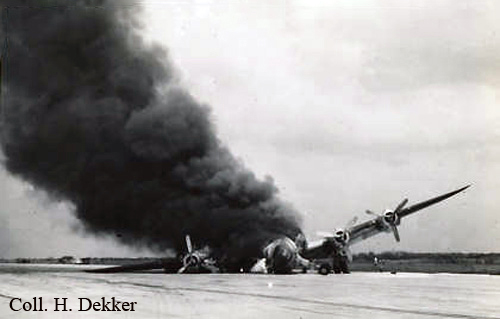
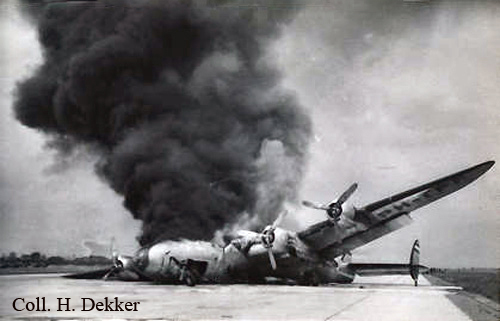
En route to Bangkok, about 450 km from the intended destination, the crew informed ATC about vibrations coming from the engine number three. The flight was continued uneventfully until the descent was started. On final approach to runway 21, a propeller blade detached from the engine number three that caught fire and suffered severe vibrations. On touchdown, the right main gear collapsed and the airplane skidded for several yards before coming to rest in flames. All 44 occupants were evacuated safely before the aircraft christened 'Venlo' was destroyed by fire.
Probable cause:
Failure of a propeller blade during flight shortly before landing at Don Mueang Airport. This caused the loss of number three engine and fire to break out in the engine nacelle which could not be extinguished. When landing, the right main landing gear collapsed as a consequence of the fire.
Final Report:
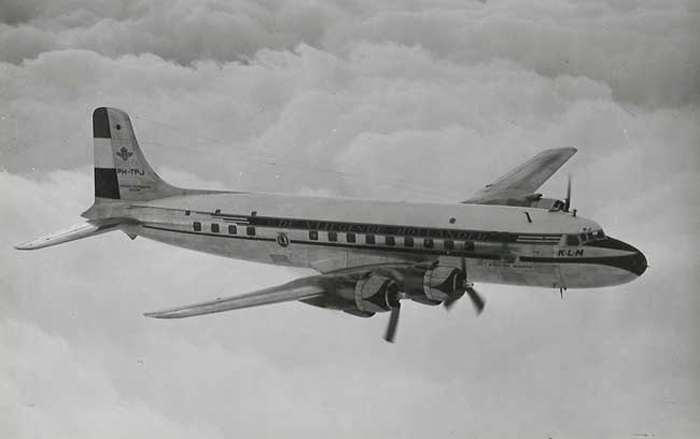
Crash of a Douglas DC-6 in Frankfurt: 45 killed

Date & Time: Mar 22, 1952 at 1050 LT
Type of aircraft:
Operator:
Registration:
PH-TPJ
Survivors:
Yes
Schedule:
Johannesburg – Cairo – Rome – Frankfurt – Amsterdam
MSN:
43114
YOM:
1948
Country:
Region:
Crew on board:
10
Crew fatalities:
Pax on board:
37
Pax fatalities:
Other fatalities:
Total fatalities:
45
Circumstances:
The descent to Frankfurt was started in poor weather conditions with light rain, overcast at 1,500 feet and few clouds at 300 feet. The crew informed ATC about his position vertical of Staden beacon at 4,000 feet and few minutes later over Offenbach at an altitude of 2,500 feet. For unknown reason, the four engine aircraft christened 'Koningin Juliana' was too low, hit tree tops and crashed in flames in a dense wooded area located about 7 km northeast of the airport. A passenger and a crew member were seriously injured while 45 other occupants were killed.
Probable cause:
The exact cause of the accident could not be determined with certainty. However, it is possible that the crew continued the approach below the minimum descent altitude to maintain a visual contact with the ground.

Crash of a Douglas C-47A-25-DK into the North Sea: 7 killed

Date & Time: Feb 2, 1950 at 0539 LT
Operator:
Registration:
PH-TEU
Flight Phase:
Flight Type:
Survivors:
No
Schedule:
Amsterdam – London
MSN:
13396
YOM:
1944
Location:
Country:
Region:
Crew on board:
7
Crew fatalities:
Pax on board:
0
Pax fatalities:
Other fatalities:
Total fatalities:
7
Circumstances:
The aircraft left Amsterdam-Schiphol Airport at 0525LT on a cargo flight to London. Fourteen minutes later, it went out of control and dove into the North Sea, about 66 km west of the Dutch coast. All seven crew members were killed. According to the testimony of a Danish boat's captain, an engine was on fire when the aircraft came down.

Crash of a Lockheed L-749-79-33 Constellation in Bombay: 45 killed

Date & Time: Jul 12, 1949 at 0920 LT
Operator:
Registration:
PH-TDF
Survivors:
No
Schedule:
Jakarta – New Delhi – Bombay – Karachi – Cairo – Athens – Rome – Amsterdam
MSN:
2558
YOM:
1947
Country:
Region:
Crew on board:
10
Crew fatalities:
Pax on board:
35
Pax fatalities:
Other fatalities:
Total fatalities:
45
Captain / Total flying hours:
4115
Captain / Total hours on type:
1394.00
Aircraft flight hours:
3381
Circumstances:
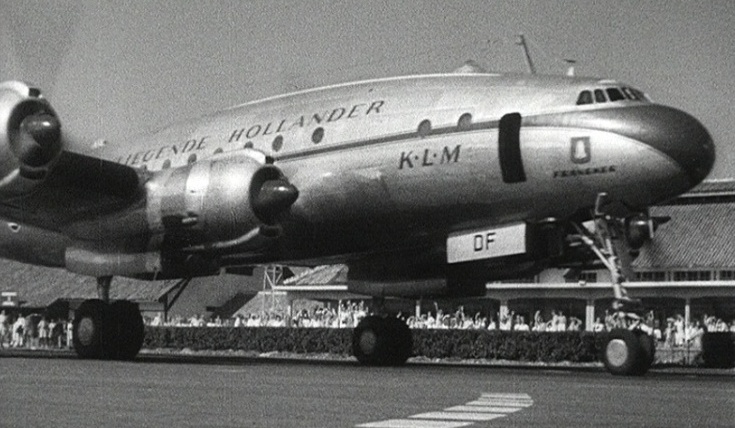
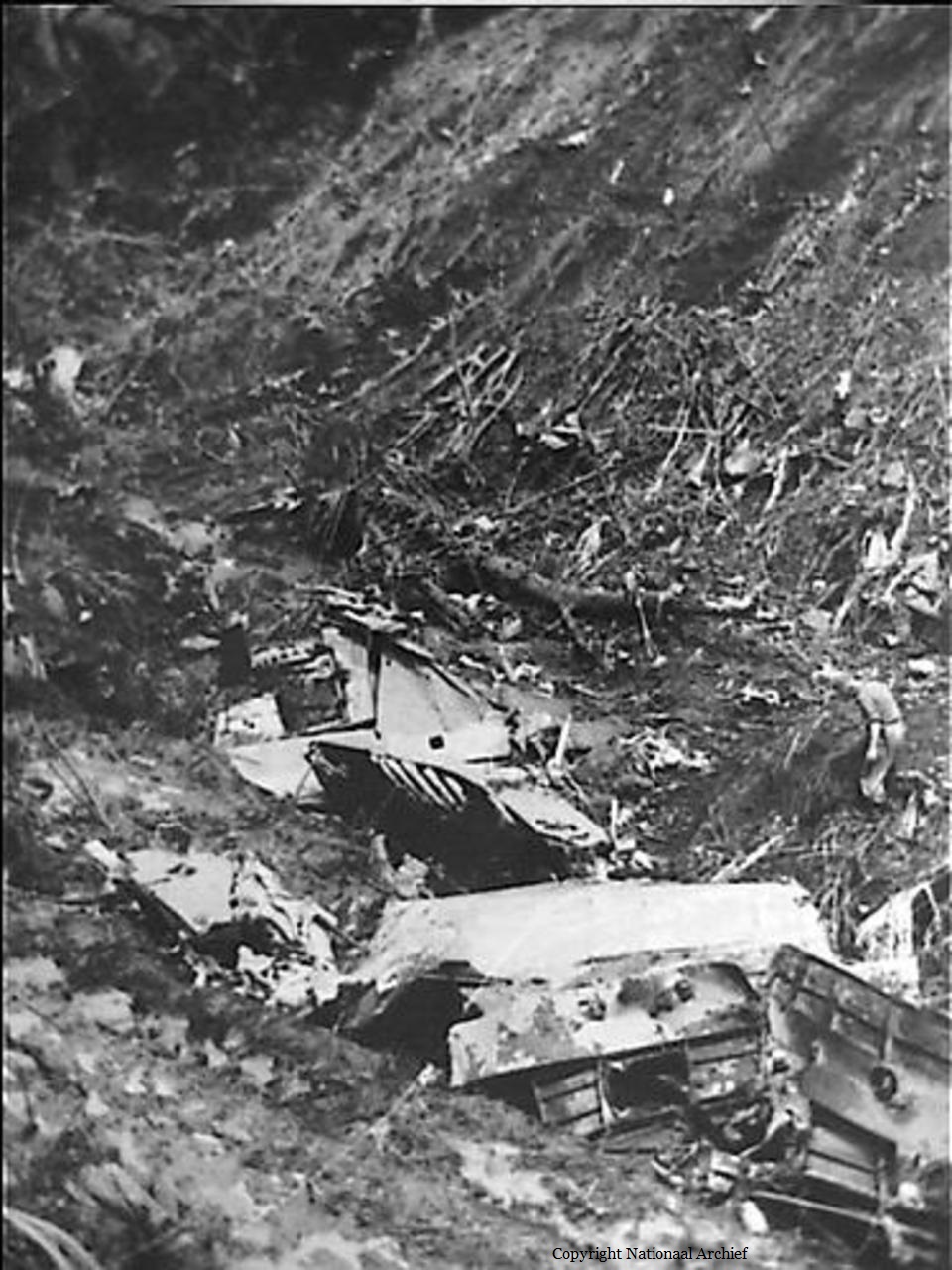
The crew encountered poor weather conditions and low visibility while on approach to Bombay-Santa Cruz Airport. On final, the four engine aircraft christened 'Franeker' was too low and hit the slope of the Ghatkopar hill (240 meters high) located about 5 km from the runway 23 threshold. The aircraft disintegrated on impact and all 45 occupants were killed, among them 13 American journalists.
Crew:
Arnoldus Marcelis (Chris) van de Vaart, captain,
Cornelis L. van Kooy, pilot,
Pieter Zeeman, pilot,
Johannes Hoogland, radio operator,
Pieter den Daas, radio operator,
Heinrich Fronczek, flight engineer,
Jacob Willem Dalman, flight engineer,
Jacobus Verhaagen, steward,
Carola Graf, stewardess,
Janny Bruce, steward.
Probable cause:
The Board was of the opinion that two successive errors of judgment were committed by the pilot. These were as follows:
- He initiated a landing procedure at an aerodrome with which he was not acquainted, in weather conditions which were lower than the minimum prescribed for landings on that aerodrome,
- Upon arrival over the aerodrome, he flew at too low an altitude over a terrain which he must have known to include a hill which constituted a hazard for his aircraft, which hill he was not able to see, on account of the poor visibility and low cloud.
The Board further considered that the following factors contributed towards the accident to a considerable extent:
- Air Traffic Control did not advise the pilot to delay his landing until the weather conditions had improved, or otherwise to divert to another aerodrome,
- Air Traffic Control designated a runway for the landing which necessitated the aircraft venturing low over dangerous terrain as indicated above.

Crash of a Lockheed L-749-79-33 Constellation off Bari: 33 killed

Date & Time: Jun 23, 1949 at 1055 LT
Operator:
Registration:
PH-TER
Flight Phase:
Survivors:
No
Schedule:
Jakarta – Port-Louis – Cairo – Amsterdam
MSN:
2541
YOM:
1947
Location:
Country:
Region:
Crew on board:
11
Crew fatalities:
Pax on board:
22
Pax fatalities:
Other fatalities:
Total fatalities:
33
Circumstances:
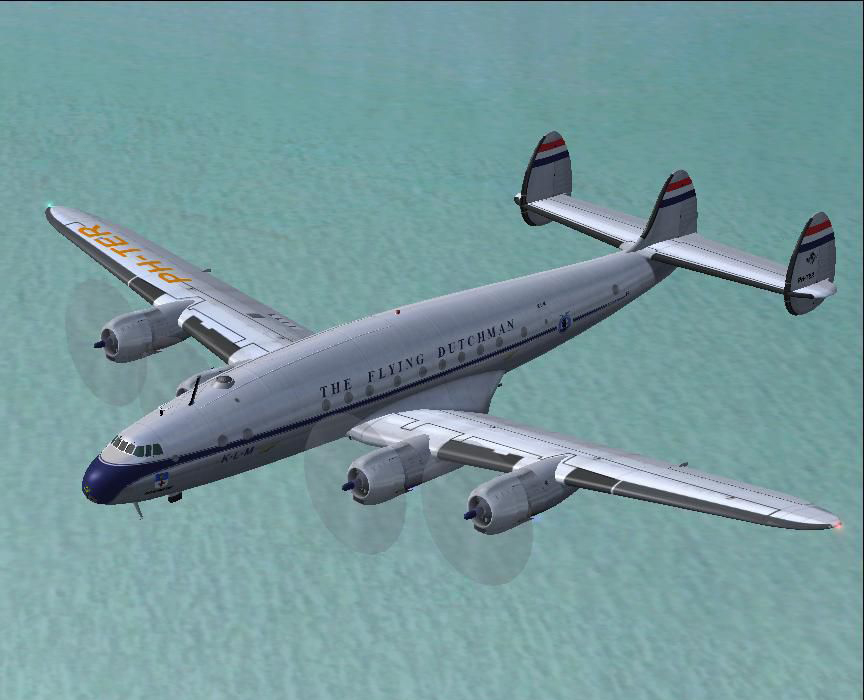
The four engine aircraft christened 'Roermond' left Cairo Airport at 0508LT bound for Amsterdam with an ETA at 1445LT. While cruising along the east Italian coast at an altitude of 5,000 meters, the airplane went out of control and entered into a dive. During the near vertical descent, the tail broke off, the aircraft came upside down and eventually crashed into the Adriatic Sea, some 1,5 to 2 km off shore, near Bari. The wreckage sank by 35 meters deep and only few debris were found. All 33 occupants were killed.
Crew:
Johan Cornelis (Hans) Plesman, pilot (son of Albert Plesman, Director of KLM),
Jacobus Tuyt, pilot,
Jan van Kuyk, pilot,
Albert George Modard, pilot,
Leendert Post, radio operator,
Jacques Marinus Willem Hout, radio operator,
Dirk Martinus Grandia, flight engineer,
Johan Albert van der Meer, flight engineer,
Pieter Jelles Overbeek, steward,
Cornelia Antoinette Timmermans, stewardess,
Jan Hendrik Ross, cooker.
Probable cause:
As only few debris were found, investigations were unable to determine the exact cause of the accident. Nevertheless, it was the opinion of the experts that the loss of control may have been caused by a failure of the automatic pilot system.

Crash of a Lockheed L-049-46-25 Constellation in Prestwick: 40 killed

Date & Time: Oct 20, 1948 at 2332 LT
Operator:
Registration:
PH-TEN
Survivors:
No
Schedule:
Amsterdam – Prestwick – Gander – New York
MSN:
2083
YOM:
1947
Region:
Crew on board:
10
Crew fatalities:
Pax on board:
30
Pax fatalities:
Other fatalities:
Total fatalities:
40
Circumstances:
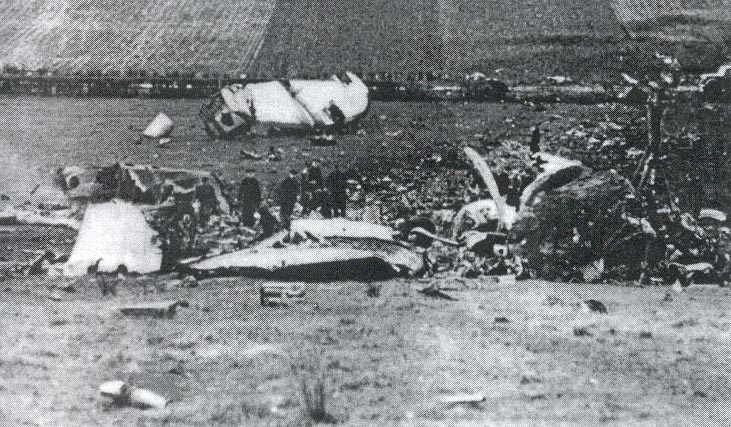
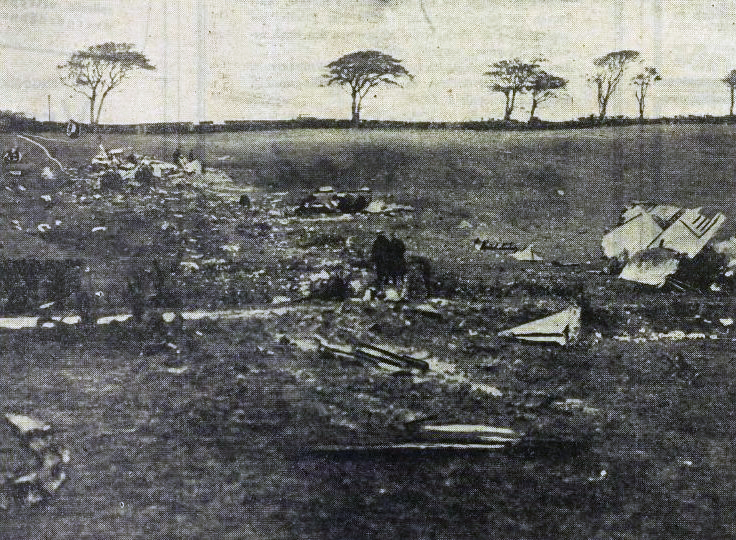
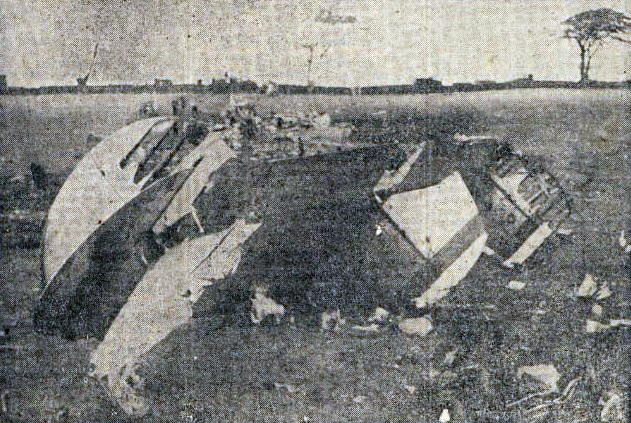
The descent to Prestwick Airport was completed by night. On final approach to runway 32, the captain encountered strong winds and decided to start a go around and to follow a holding pattern. He later obtained the permission to start an approach to runway 26. On final, the four engine aircraft christened 'Nijmegen' went into few patches of fog when the pilot said on the frequency: 'we hit something, try to get height'. Shortly later, the aircraft crashed in flames in a field located 5 km short of the runway threshold. A passenger was seriously injured while 39 other occupants were killed. The only survivor died from his injuries few hours later.
Probable cause:
It was determined that:
- When the pilot started his landing maneuver for runway 26 of Prestwick Airport the weather conditions were already below the limits for this maneuver but that from the weather forecasts received this could not be known to him and that this could not be personally judged at the time.
- That, although the landing on runway 26 under the weather conditions, as far as these were known to the pilot, required the greatest caution, the pilot could not be blamed for having commenced that landing procedure.
- That flying too long on the downwind-leg of runway 26 caused the accident.
- That, if no unknown circumstances contributed to the extension of the flight on the downwind-leg of runway 26, the extension was due to the delayed action of the pilot after he lost visual approach.
- That it was not impossible that a stronger wind that the pilot accounted for contributed to the extension of the flight on the downwind-leg of runway 26.
- That the possibility of other circumstances as mentioned under 4 could not be ruled out, but that no data was available which could give cause for the supposition that they contributed to the extension of the flight at a low altitude on the downwind-leg of runway 26.

Crash of a Douglas DC-4-1009 in Amsterdam

Date & Time: Jun 16, 1948 at 1800 LT
Type of aircraft:
Operator:
Registration:
PH-TCF
Survivors:
Yes
Schedule:
Geneva – Amsterdam
MSN:
42996
YOM:
1946
Country:
Region:
Crew on board:
7
Crew fatalities:
Pax on board:
20
Pax fatalities:
Other fatalities:
Total fatalities:
0
Circumstances:
On final approach to runway 23, while at a height of 500 meters and with an indicated speed of 160 km/h about 500 meters from the runway threshold, the flight engineer reported to the captain that flaps were selected to 3/4 and that the speed was a bit low. The captain did not react and continued the approach in such configuration. Once the aircraft passed over the perimeter road, the captain ordered full flaps and throttle down. The engineer then selected full flaps and slowly retarded the power lever when the aircraft lost height, hit tree tops and hit the ground 175 meters short of the runway threshold. It rolled for several yards and hit a ditch before coming to rest. While all 27 occupants were evacuated safely, the aircraft was considered as damaged beyond repair due to severe structural damages.
Probable cause:
It was determined that the captain adopted a wrong approach configuration with an insufficient approach speed with full flaps selected, causing the aircraft to stall and hit the ground short of runway threshold.

Crash of a Douglas DC-6 in Amsterdam

Date & Time: May 1, 1948 at 1046 LT
Type of aircraft:
Operator:
Registration:
PH-TKW
Flight Phase:
Flight Type:
Survivors:
Yes
Schedule:
Amsterdam - Amsterdam
MSN:
43112
YOM:
1948
Country:
Region:
Crew on board:
5
Crew fatalities:
Pax on board:
0
Pax fatalities:
Other fatalities:
Total fatalities:
0
Captain / Total flying hours:
14000
Captain / Total hours on type:
21.00
Copilot / Total flying hours:
2000
Copilot / Total hours on type:
2
Circumstances:
The crew was engaged in a local training flight on this brand new aircraft that was delivered to KLM last April 22. After several touch and goes completed without any issues, the instructor decided to perform a takeoff with the engine number one voluntarily inoperative. Ready for departure on runway 23, the crew increased power on all four engines and started the takeoff procedure. At a speed of 137 km/h, the captain started the rotation and the nose wheel left the ground. At a speed of 169 km/h, the instructor decided to reduce the power on the engine number one and pull the power lever to the back. At this moment, the aircraft was still on the ground and slightly deviated from the runway center line to the left. The captain tried to counteract this with the tail when the right main gear left the ground. Due to the presence of obstacles ahead, the instructor decided to increase power on the engine number one that oversped. The left wing dropped and hit a rocky wall, causing the aircraft to stall and crash into a ditch. All five crew members were injured while the aircraft was destroyed.
Probable cause:
It is possible that the accident may have been caused by a fault in the time position of the screw system of the engine number one, whereby the blade angle of this screw was incorrect. Unfortunately, this could not be demonstrated conclusively. In addition of that, the reaction from the crew when the aircraft started to deviate from the path and the correction with the rudder was approximately 3.5 seconds, which lead the aircraft to become out of control.

Crash of a Consolidated PB2B-1 Canso off Poso

Date & Time: Mar 8, 1948
Type of aircraft:
Operator:
Registration:
PK-CTC
Flight Phase:
Survivors:
Yes
MSN:
21995
YOM:
1943
Country:
Region:
Crew on board:
4
Crew fatalities:
Pax on board:
9
Pax fatalities:
Other fatalities:
Total fatalities:
0
Circumstances:
Crashed into the sea shortly after takeoff from the bay of Poso. All 13 occupants were rescued while the seaplane sank and was lost.