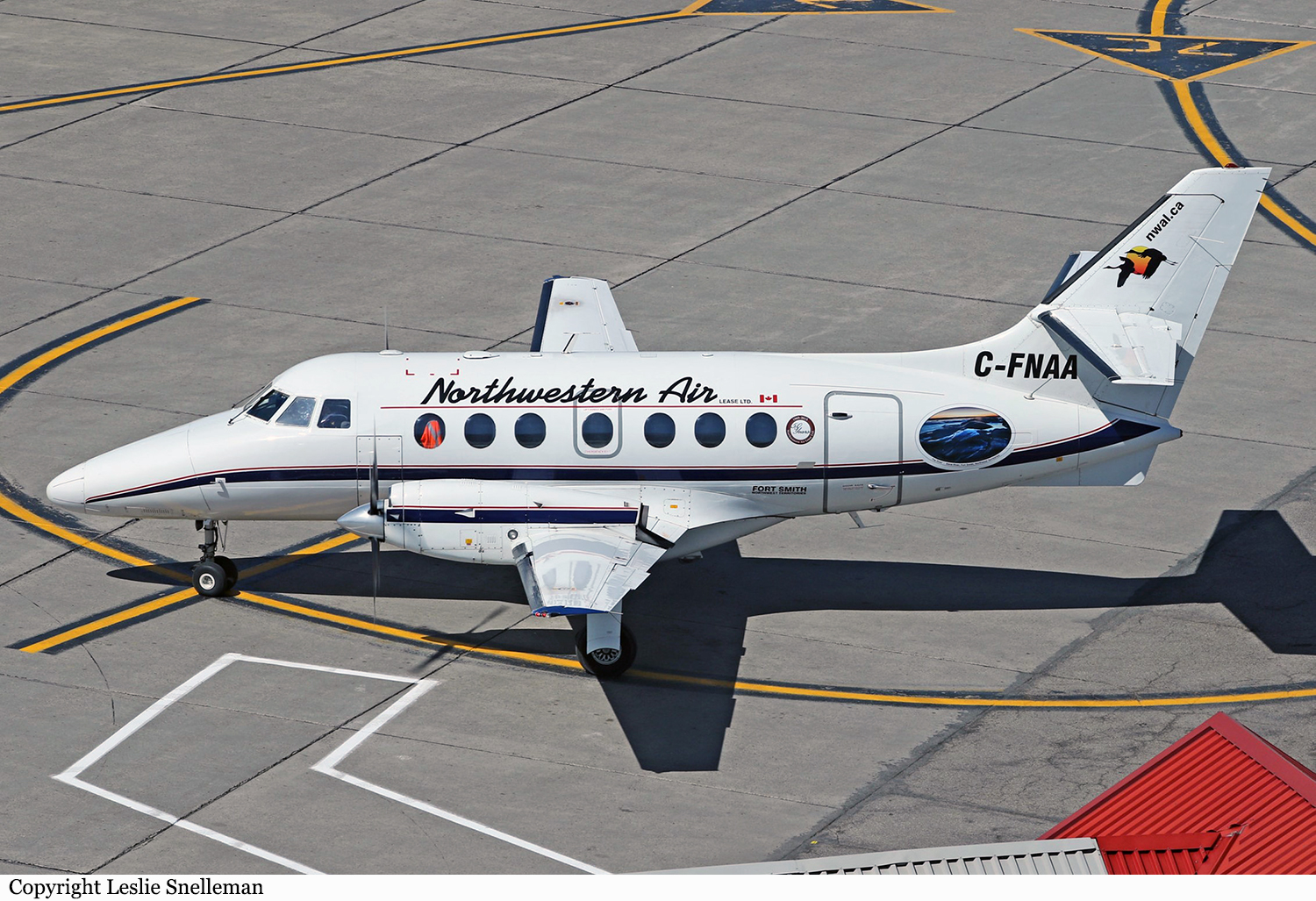
Crash of a BAe 3212 Jetstream 32 in Fort Smith: 6 killed

Date & Time: Jan 23, 2024 at 0642 LT
Type of aircraft:
Operator:
Registration:
C-FNAA
Flight Phase:
Survivors:
Yes
Schedule:
Fort Smith – Diavik
MSN:
929
YOM:
1991
Flight number:
PLR738
Country:
Crew on board:
2
Crew fatalities:
Pax on board:
5
Pax fatalities:
Other fatalities:
Total fatalities:
6
Captain / Total flying hours:
8277
Captain / Total hours on type:
627.00
Copilot / Total flying hours:
717
Copilot / Total hours on type:
467
Aircraft flight hours:
24405
Circumstances:
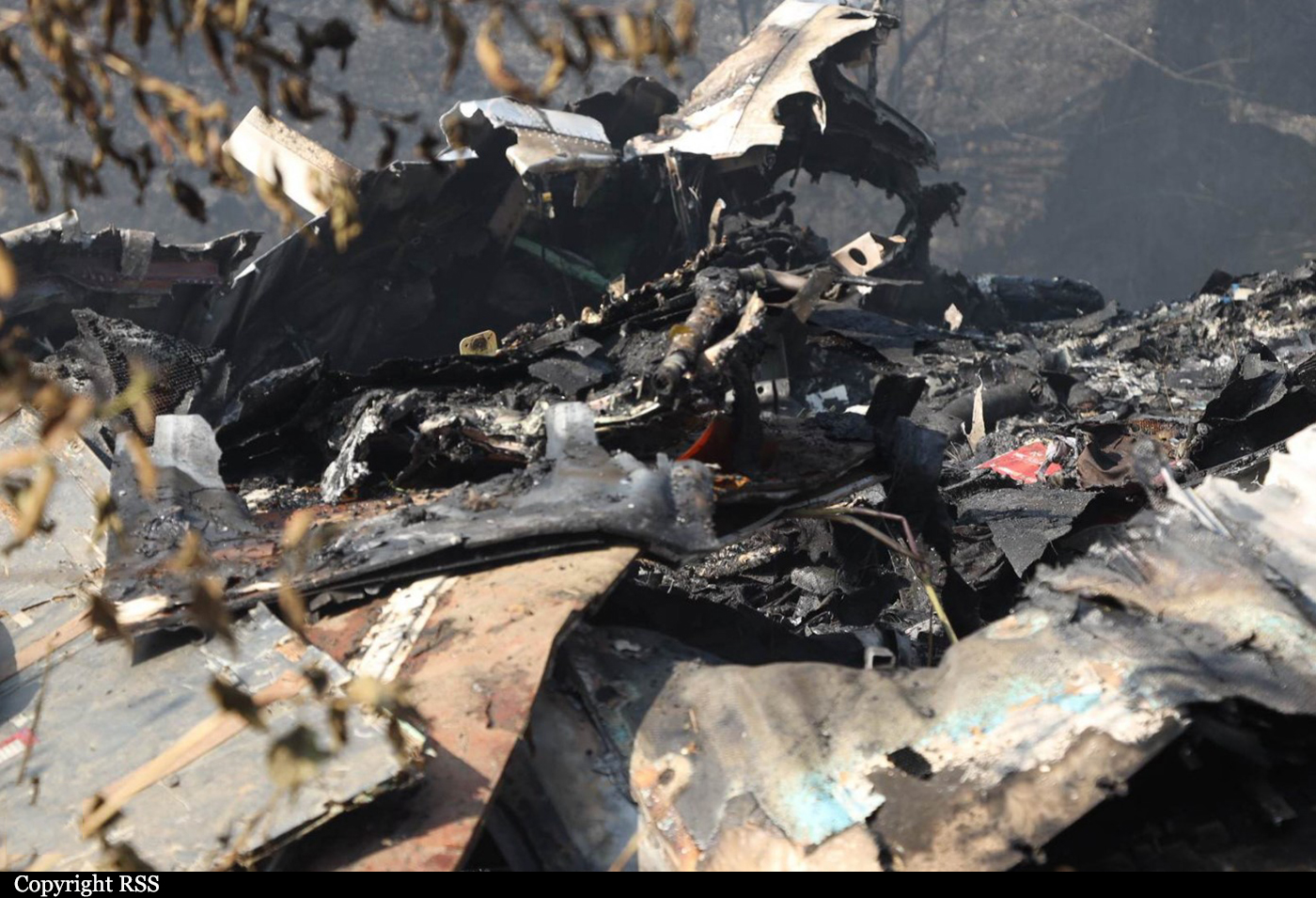
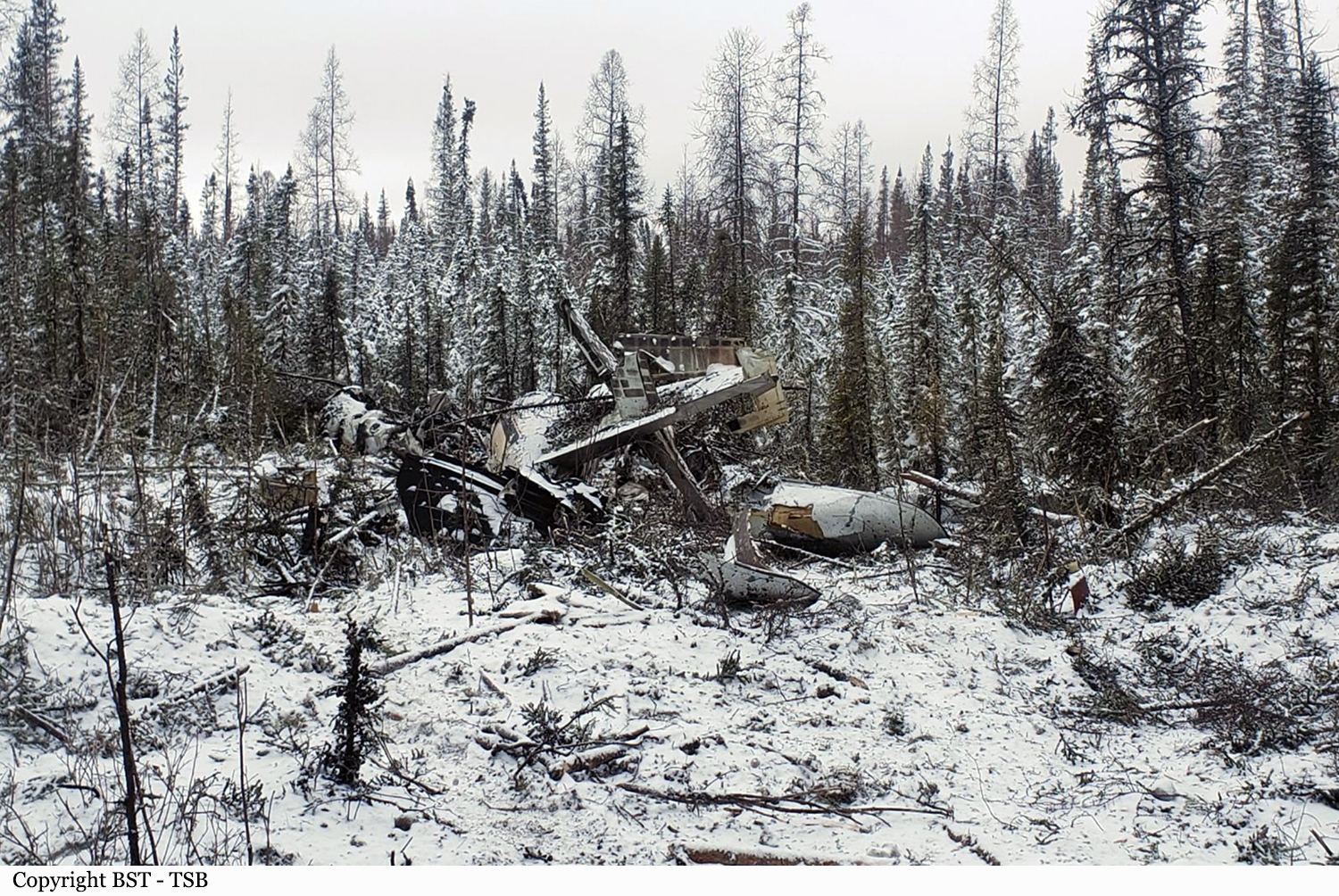
At 0641LT, during the hours of darkness, the takeoff run on Runway 30 commenced. Eight seconds after liftoff, at a height of approximately 100 feet above ground level (AGL), the copilot (FO) observed an abnormal landing gear indication and notified the captain. Two seconds later, the FO called for the captain to reduce the speed; the captain acknowledged, and two brief changes in propeller rpm occurred within six seconds. During the initial climb, the captain maintained a shallow climb angle and attitude, the aircraft’s speed increased to approximately 165 knots indicated airspeed (KIAS), and the aircraft reached a maximum height of approximately 140 feet AGL. At this point, the aircraft began a shallow descent. Six seconds later, the FO observed that the aircraft was losing altitude and called “Descending”. One second later, the terrain awareness and warning system (TAWS) began to produce an aural alert and, simultaneously, the aircraft impacted trees 0.5 nautical miles (NM) past the end of Runway 30. During this impact, the left-wing structure was compromised, resulting in a fireball. Approximately three seconds after the aircraft’s initial collision, the aircraft impacted additional trees and then terrain 0.6 NM from the end of Runway 30 and 0.1 NM left of the extended runway centreline. During the final portion of the accident sequence, one passenger was ejected from the aircraft (the seat and safety belt remained in the aircraft) and received minor injuries. All six other occupants were killed and the airplane was destroyed.
Probable cause:
These are the factors that were found to have caused or contributed to this occurrence:
- During departure, the captain intentionally kept a low pitch attitude and a high airspeed to remove possible snow accumulation on the aircraft. As a result, the aircraft’s departure profile was closer to the ground than it would be on a standard departure.
- When the captain and first officer attempted to raise the landing gear, the combination of an outside air temperature colder than approximately −20 °C and the air load on the landing gear from the increased speed resulted in one of the main landing gear units, likely the left unit, not fully retracting.
- Following the first officer’s call to reduce airspeed, the captain reduced engine power to reduce the aircraft’s speed and allow the main landing gear to fully retract. As a result of the decreased power, the aircraft entered an inadvertent descent at 140 feet above ground level.
- The captain and first officer were likely preoccupied with the abnormal main landing gear indication and the aircraft’s airspeed and did not notice the aircraft’s loss of altitude until immediately before impact. As a result, the aircraft impacted trees and terrain 10 seconds after the descent began.
Final Report:
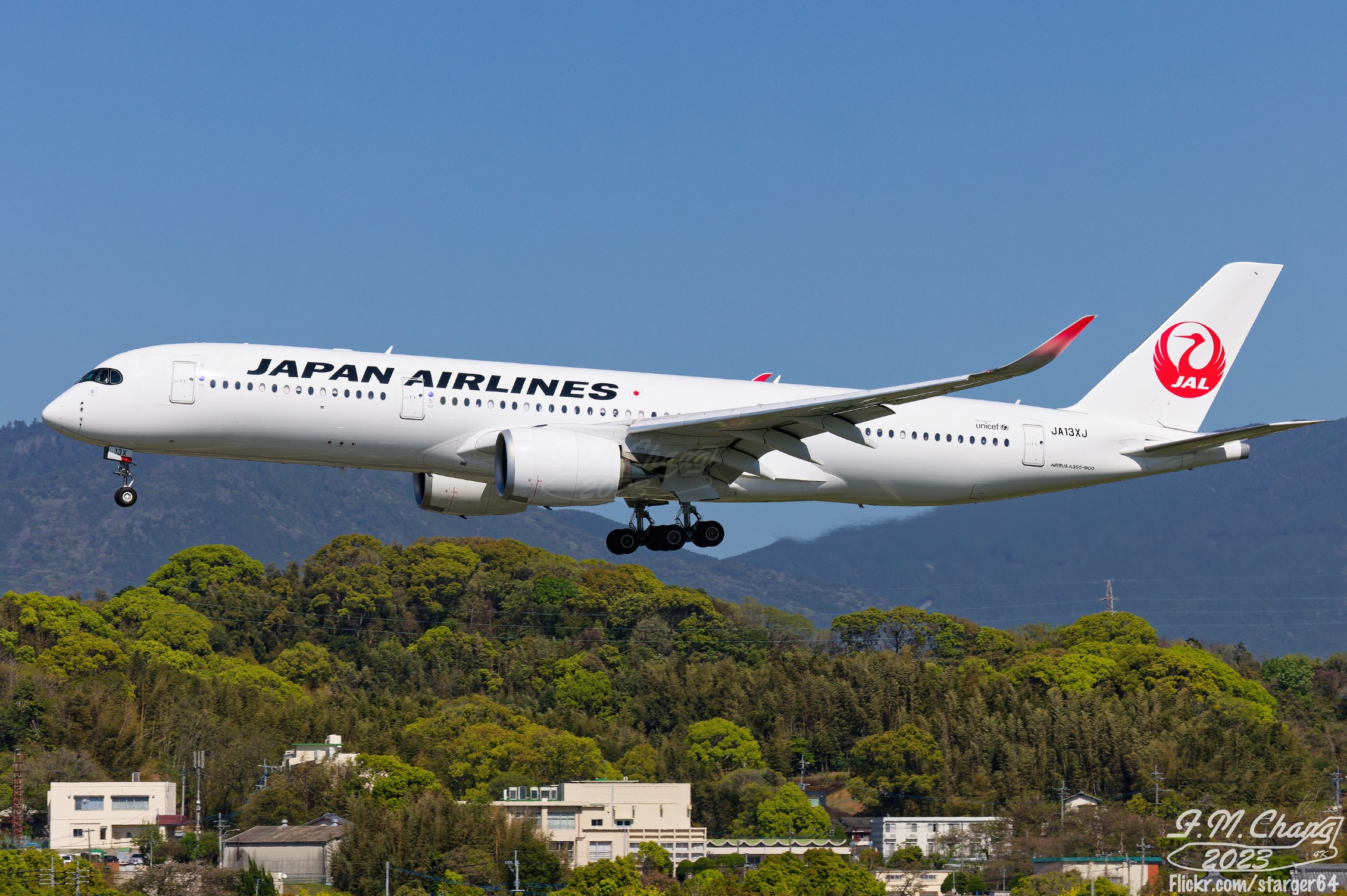
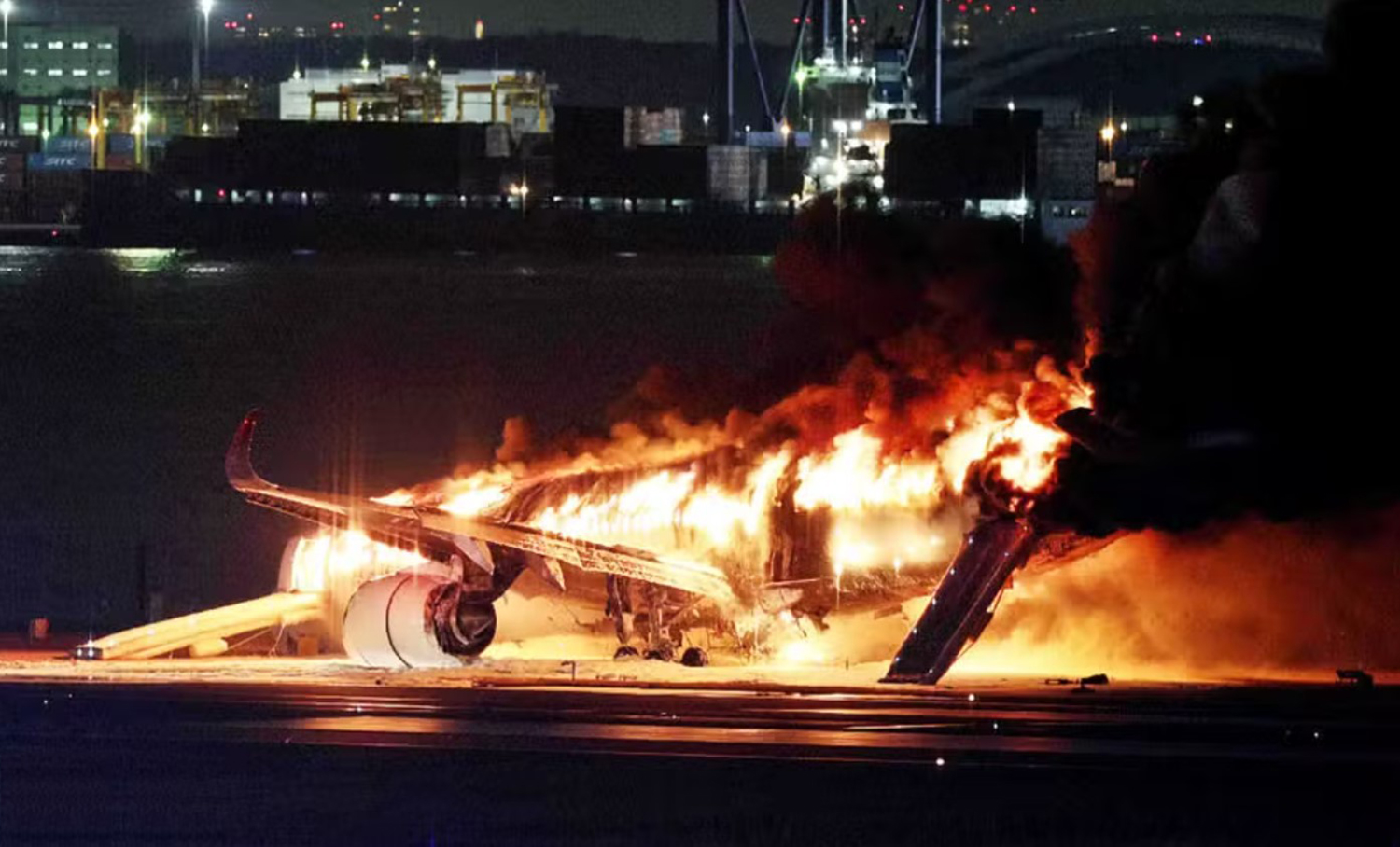
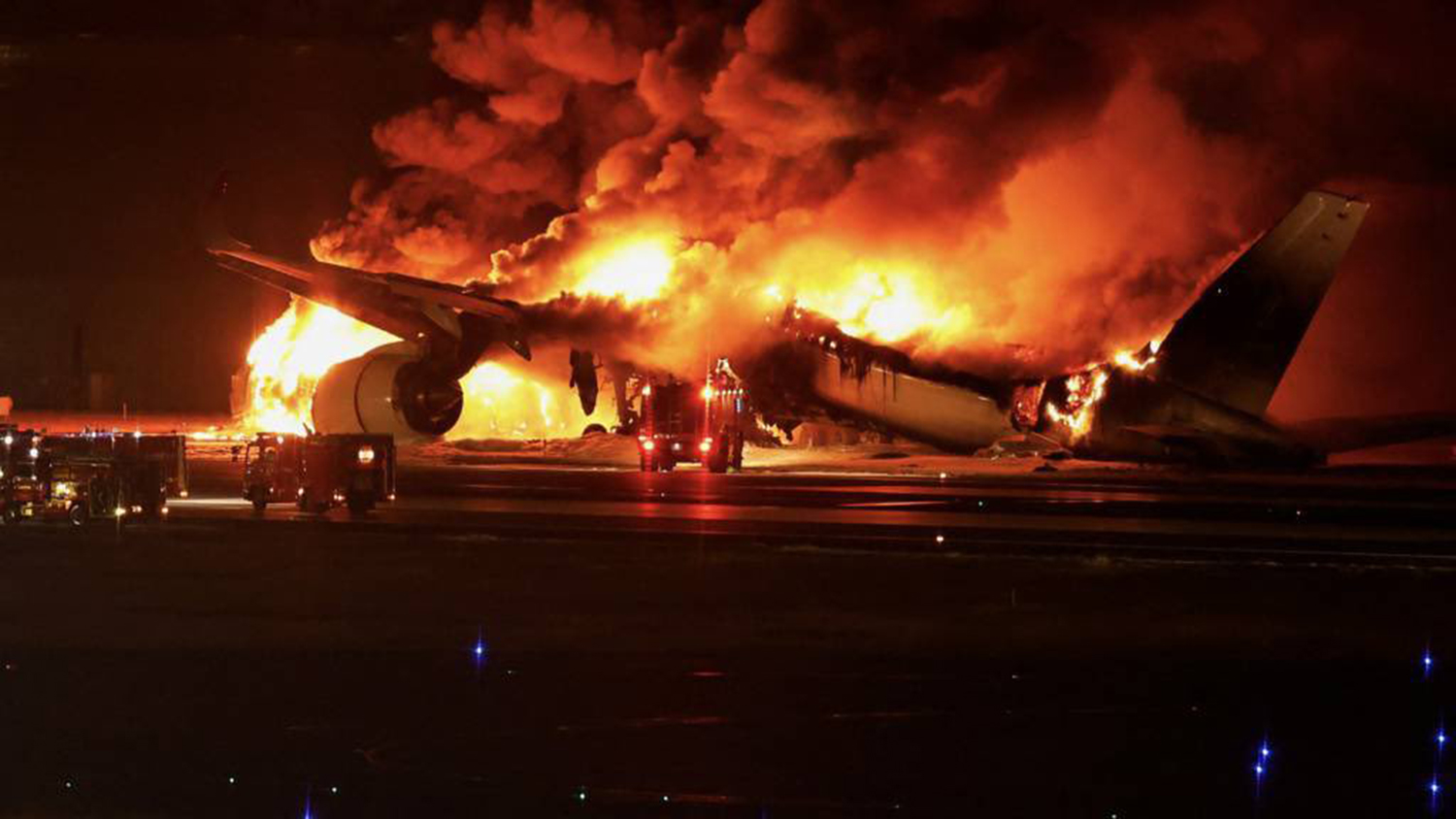
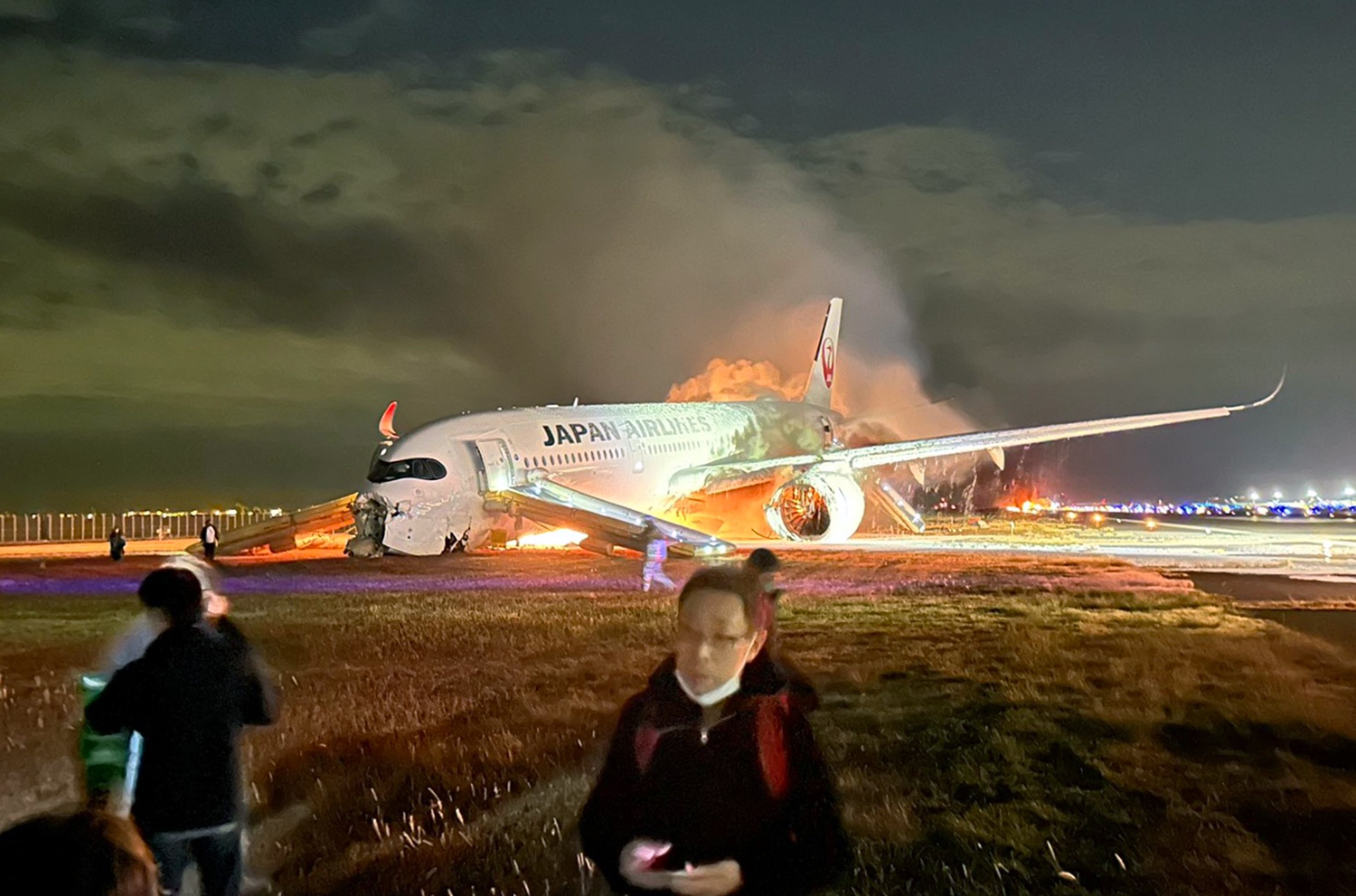
Crash of an Airbus A350-941 in Tokyo

Date & Time: Jan 2, 2024 at 1747 LT
Type of aircraft:
Operator:
Registration:
JA13XJ
Survivors:
Yes
Schedule:
Sapporo - Tokyo
MSN:
538
YOM:
2021
Flight number:
JL516
Country:
Region:
Crew on board:
12
Crew fatalities:
Pax on board:
367
Pax fatalities:
Other fatalities:
Total fatalities:
0
Circumstances:
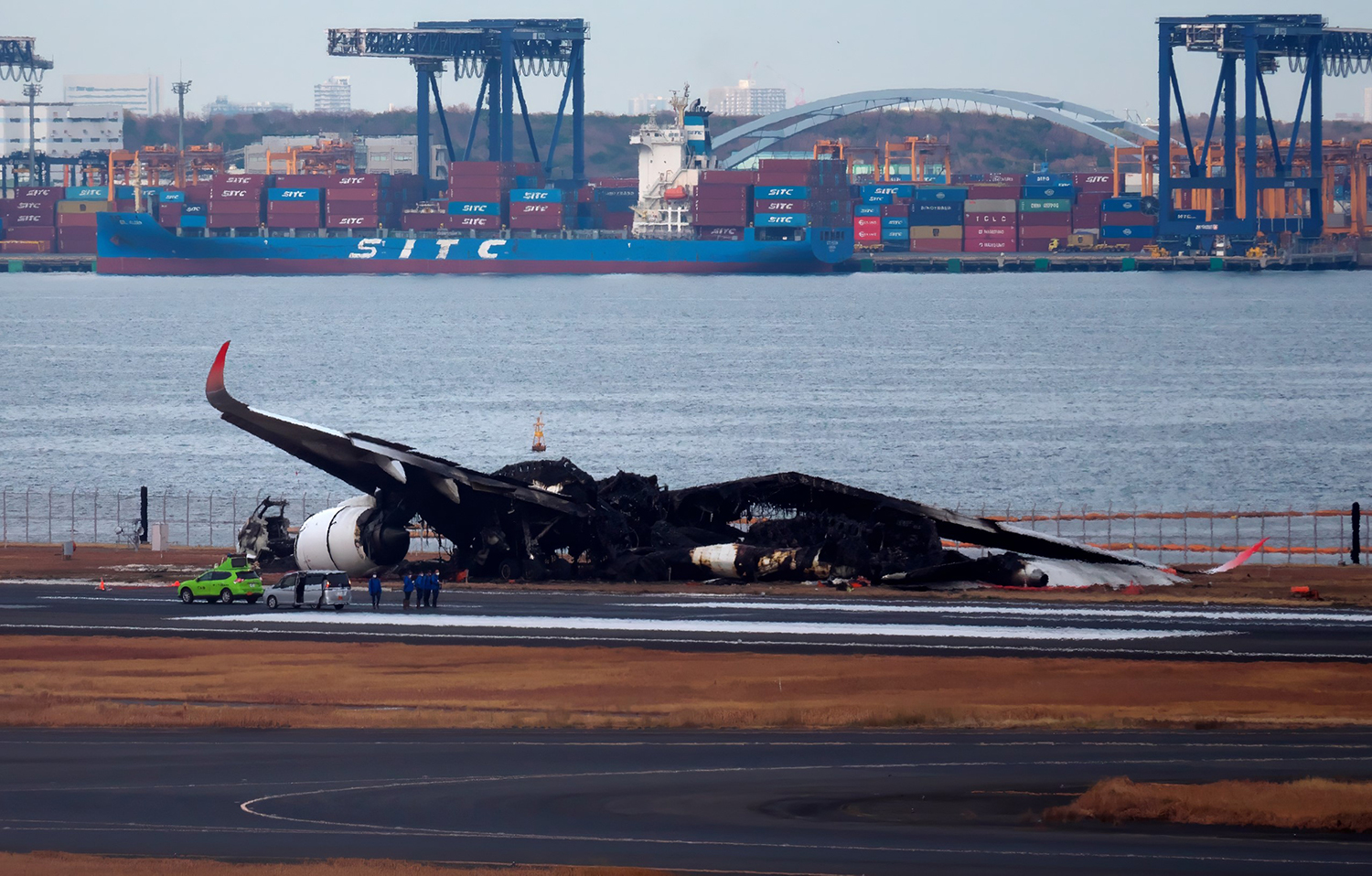
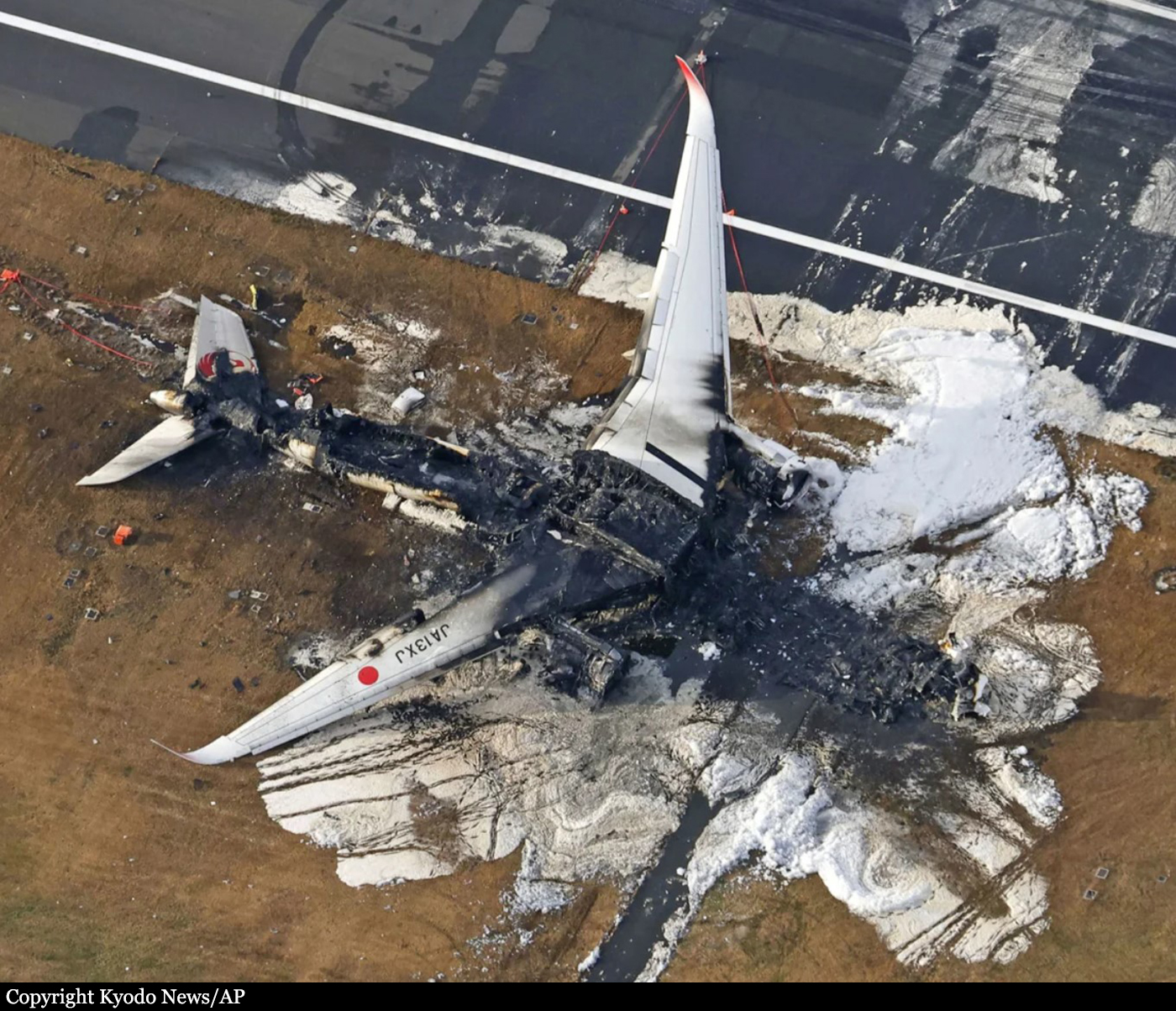
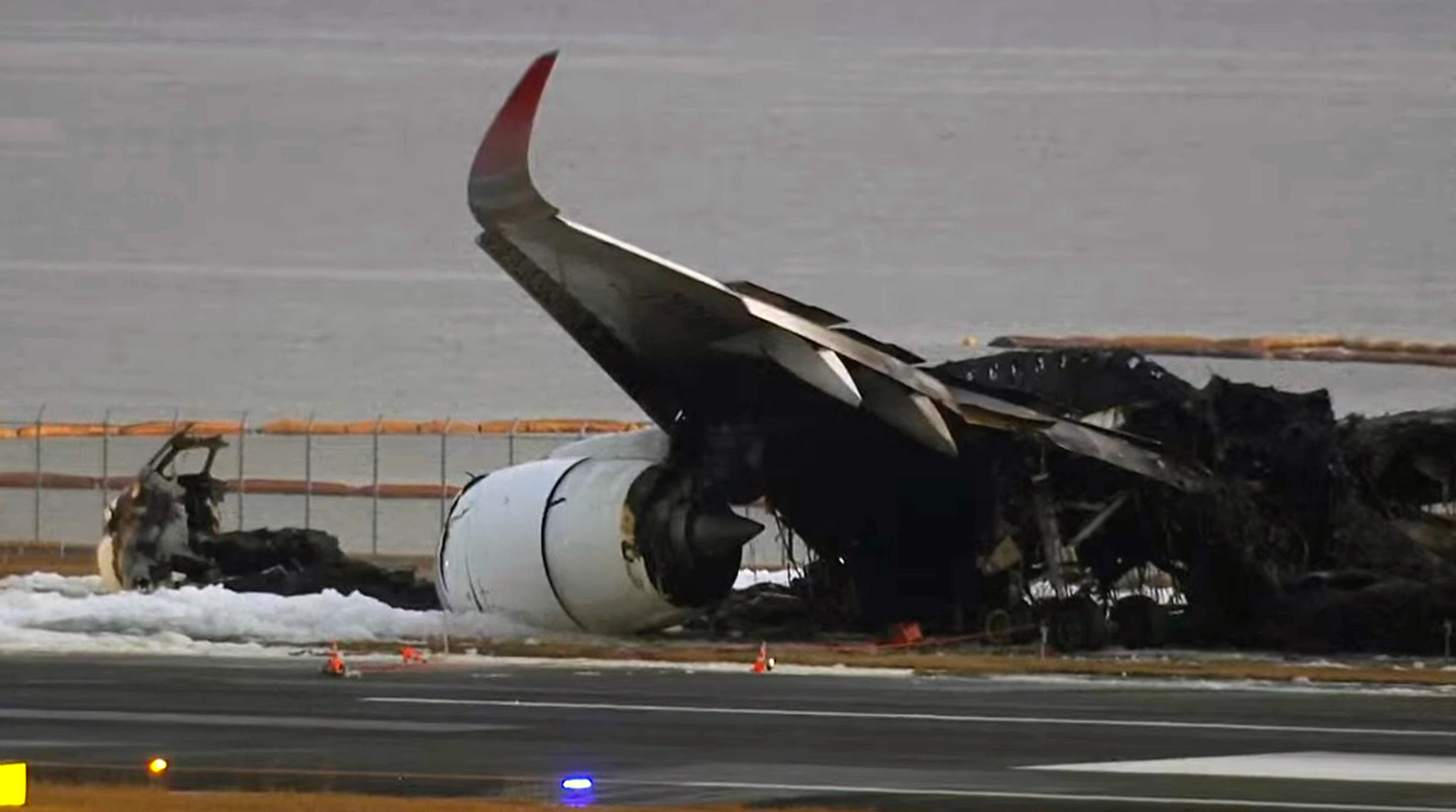
The crew of flight JL516 from Sapporo-New Chitose Airport was on a night approach to Tokyo-Haneda Airport Runway 34R when he was informed about traffic holding by taxiway C5. Weather conditions were considered as good. A De Havilland DHC-8-315Q MPA of the Japan Coast Guard was dispatched from Tokyo to Niigata, carrying a crew of six who were on a support mission of the victims of the recent earthquake in the north Peninsula. This crew was instructed by ground ATC to hold short at taxiway C5. After touchdown on runway 34R, the Airbus A350 collided with the Dash-8 that was aligned on the runway centerline. Upon impact, the nose gear of the Airbus was torn off and a violent explosion occurred. The Airbus caught fire, slid for approximately 2,400 meters then veered to the right and came to rest in a grassy area located near taxiway C11, about 200 meters from runway 16L threshold, bursting into flames. All 379 occupants evacuated the airplane, among them 15 were injured. The Airbus was later consumed by fire and totally destroyed. The Dash-8 was also totally destroyed by impact forces and a post crash fire. Among its crew of six, only the captain survived, critically injured. The five other crew members were killed. According to preliminary report released by the Japan Minister of Transport, the crew of JL516 have been cleared to land on runway 34R and the crew of the Japan Coast Guard Dash-8 have been instructed to hold short at taxiway C5. It was also reported that the stop bar lights for taxiway C1 to C14 were unserviceable since December 25 as per Notam published.

Crash of a Pilatus PC-12/45 in Kasabonika

Date & Time: Nov 21, 2023 at 1938 LT
Type of aircraft:
Operator:
Registration:
C-GEOW
Survivors:
Yes
Schedule:
Sioux Lookout – Kasabonika
MSN:
244
YOM:
1999
Flight number:
BF712
Country:
Crew on board:
2
Crew fatalities:
Pax on board:
6
Pax fatalities:
Other fatalities:
Total fatalities:
0
Captain / Total flying hours:
3133
Captain / Total hours on type:
2000.00
Copilot / Total flying hours:
690
Copilot / Total hours on type:
430
Circumstances:
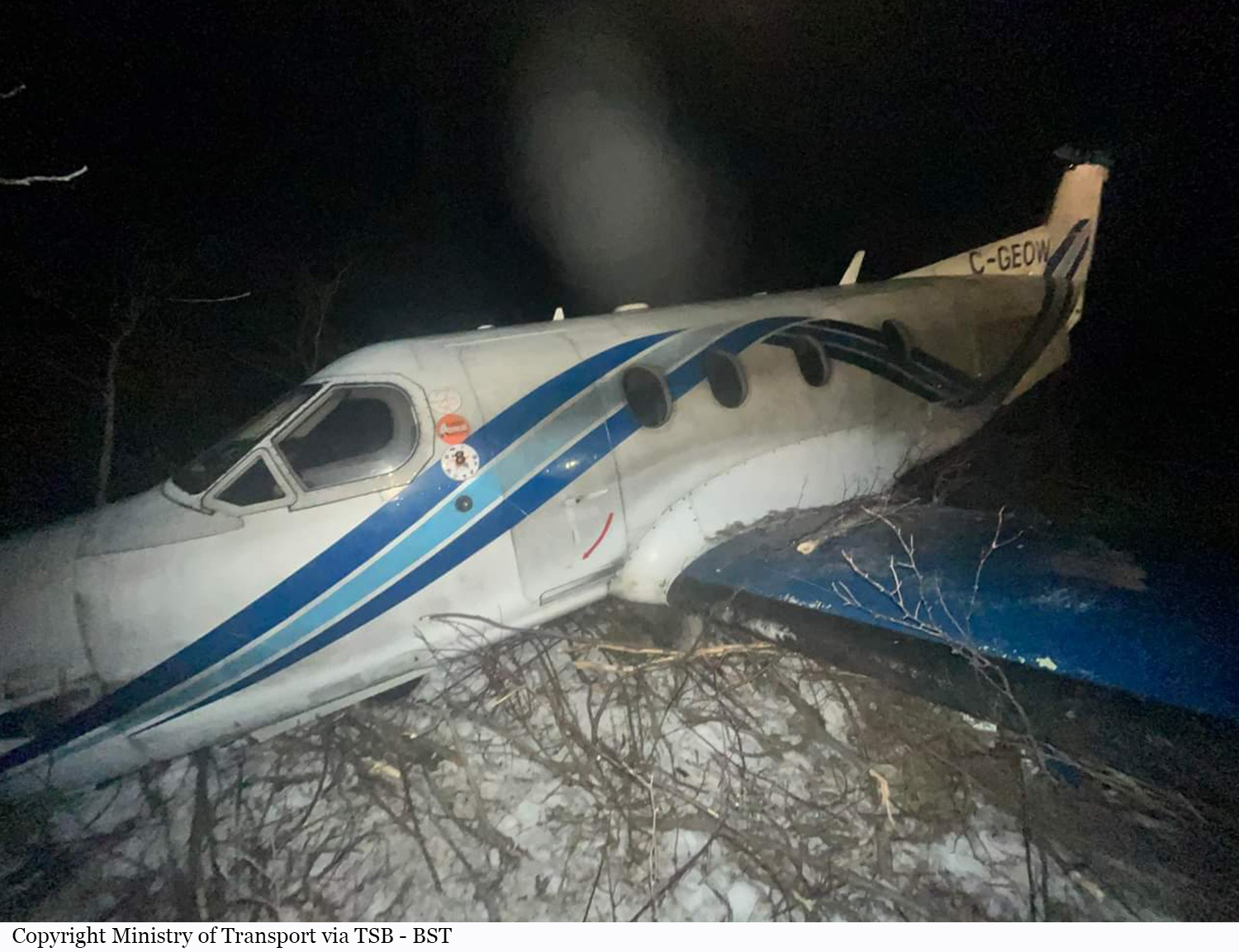
The single engine airplane departed the Sioux Lookout Airport (CYXL), Ontario, at 1820LT on an instrument flight rules flight to the Kasabonika Airport (CYAQ), Ontario, with 2 pilots and 6 passengers on board. The captain was the pilot flying and the first officer (FO) was the pilot monitoring. On approach to CYAQ, the pilots conducted an area navigation approach to Runway 03, using the autopilot coupled with a GPS (global positioning system). The captain then turned off the autopilot at 1000 feet above ground level (AGL) per the aircraft’s pilot operating handbook (POH) limitation. The approach continued at 120 knots ground speed with the flaps set to 15°. The aircraft touched down approximately 1,200 feet beyond the threshold of Runway 03 at 102 knots ground speed. During the landing roll, the captain applied reverse thrust momentarily, which resulted in a slight yawing motion of the aircraft. The reverse thrust was returned to the idle position, and directional control was restored. The captain then fully applied the brakes; however, at 1938, the aircraft skidded and overshot the end of the runway. The aircraft came to rest approximately 350 feet beyond the runway surface. The aircraft cabin remained upright and intact. The passengers and crew were not injured and were able to egress though the main cabin door. The aircraft’s emergency locator transmitter activated.
Probable cause:
The weather conditions present and forecast during the occurrence showed winds moving westerly to become favorable for takeoffs and landings on Runway 21. The final approach was 120 knots ground speed during the last 500 feet of the approach. The aircraft crossed the threshold at 110 knots ground speed and touched down approximately 1200 feet beyond the threshold at 102 knots ground speed. The manufacturer’s landing performance specifications in the POH are provided for dry and paved runway conditions only. The Pilatus PC-12/45 aircraft’s normal approach speed for landing with 15° flaps is 98 KIAS. 14 However, the aircraft had an approach speed of 120 knots ground speed. Because the final approach ground speed exceeded the Pilatus PC-12’s landing performance charts found in the POH,15 it was not possible to calculate the distance the aircraft would have needed given these conditions. In addition, the charts in the POH do not provide compensation for gravel runways or for runway contaminants such as ice, rain, or snow. Based on calculations made using the aircraft’s landing performance charts, when landing with a 10-knot tailwind (the maximum charted tailwind) and without the use of reverse thrust, the aircraft would need 3458 feet of available runway.
Final Report:
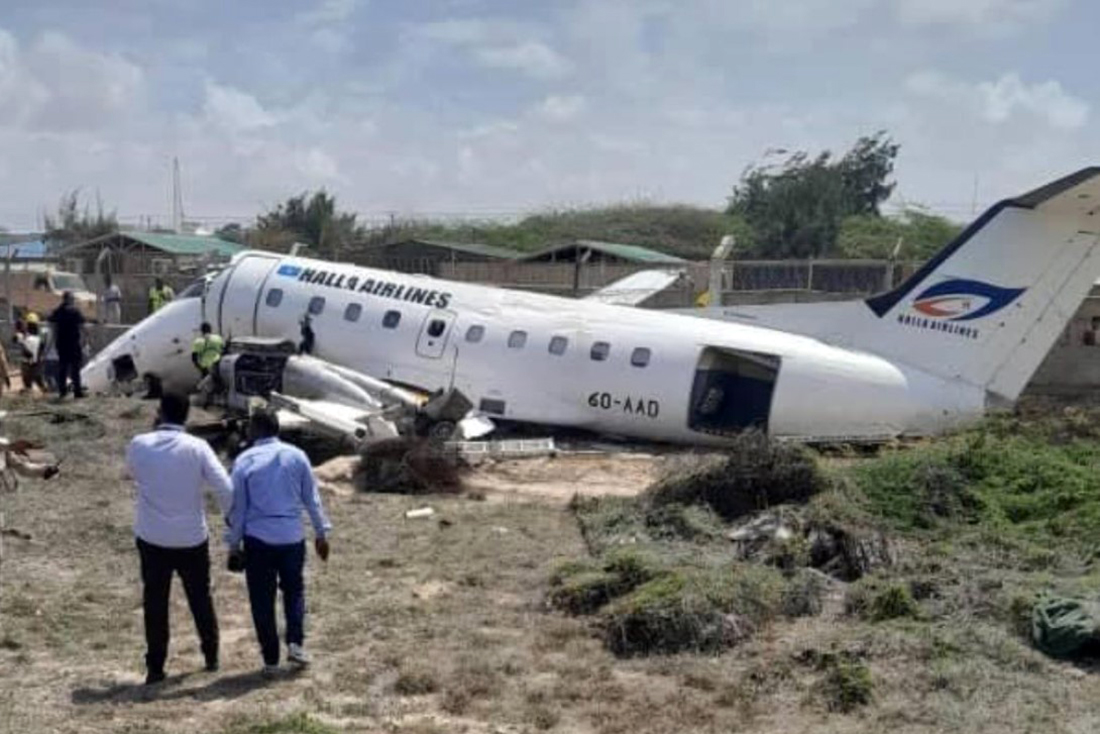
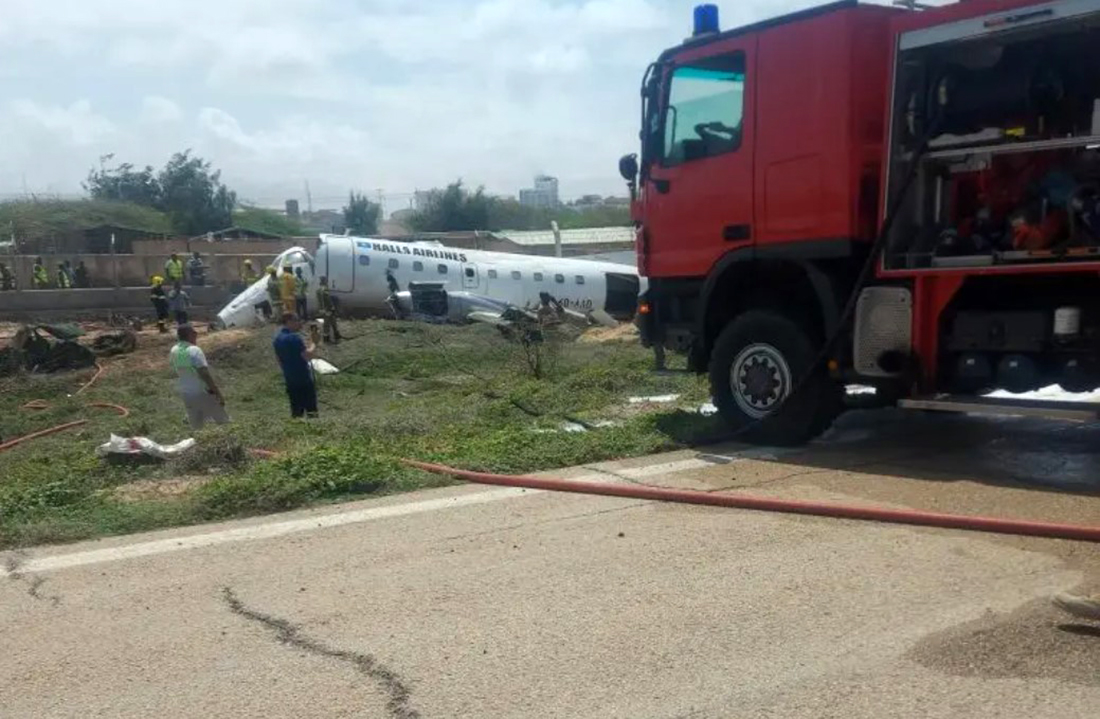
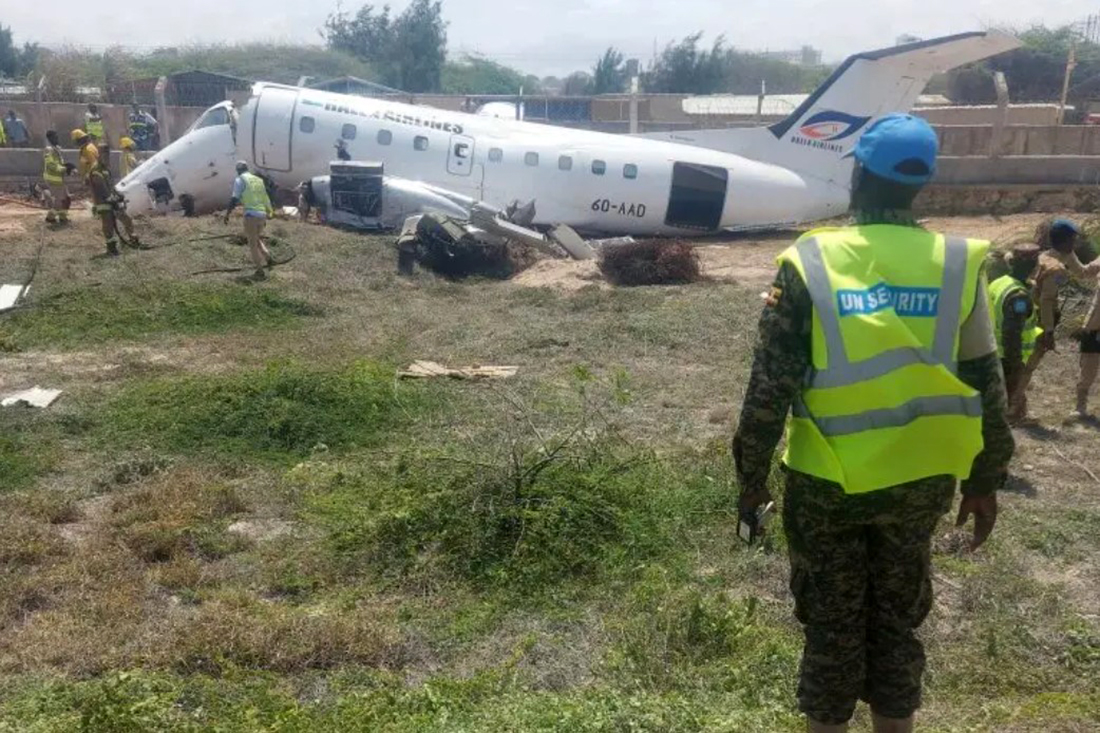
Crash of an Embraer EMB-120 Brasília in Mogadishu

Date & Time: Jul 11, 2023 at 1223 LT
Type of aircraft:
Operator:
Registration:
6O-AAD
Survivors:
Yes
Schedule:
Garowe – Mogadishu
Country:
Region:
Crew on board:
4
Crew fatalities:
Pax on board:
30
Pax fatalities:
Other fatalities:
Total fatalities:
0
Circumstances:
After touchdown on runway 05 at Mogadishu-Aden Adde Airport, the crew started the braking procedure. Following a course of few hundred metres, the twin engine airplane deviated to the left and veered off runway. While contacting soft ground, it pivoted to the left at almost 180° until it crashed against a concrete wall, coming to rest broken in two. All 34 occupants were rescued, among them two passengers were injured.

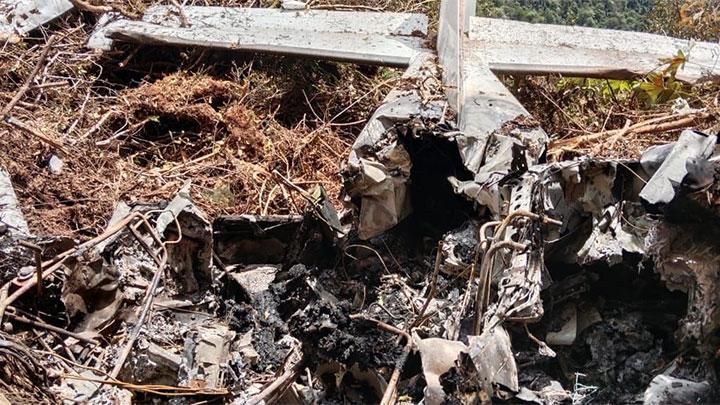
Crash of a Cessna 208 Caravan 675 near Elelim: 6 killed

Date & Time: Jun 23, 2023 at 1100 LT
Type of aircraft:
Operator:
Registration:
PK-SMW
Flight Phase:
Survivors:
No
Site:
Schedule:
Elelim - Poik
MSN:
208-0609
YOM:
2018
Country:
Region:
Crew on board:
2
Crew fatalities:
Pax on board:
4
Pax fatalities:
Other fatalities:
Total fatalities:
6
Circumstances:
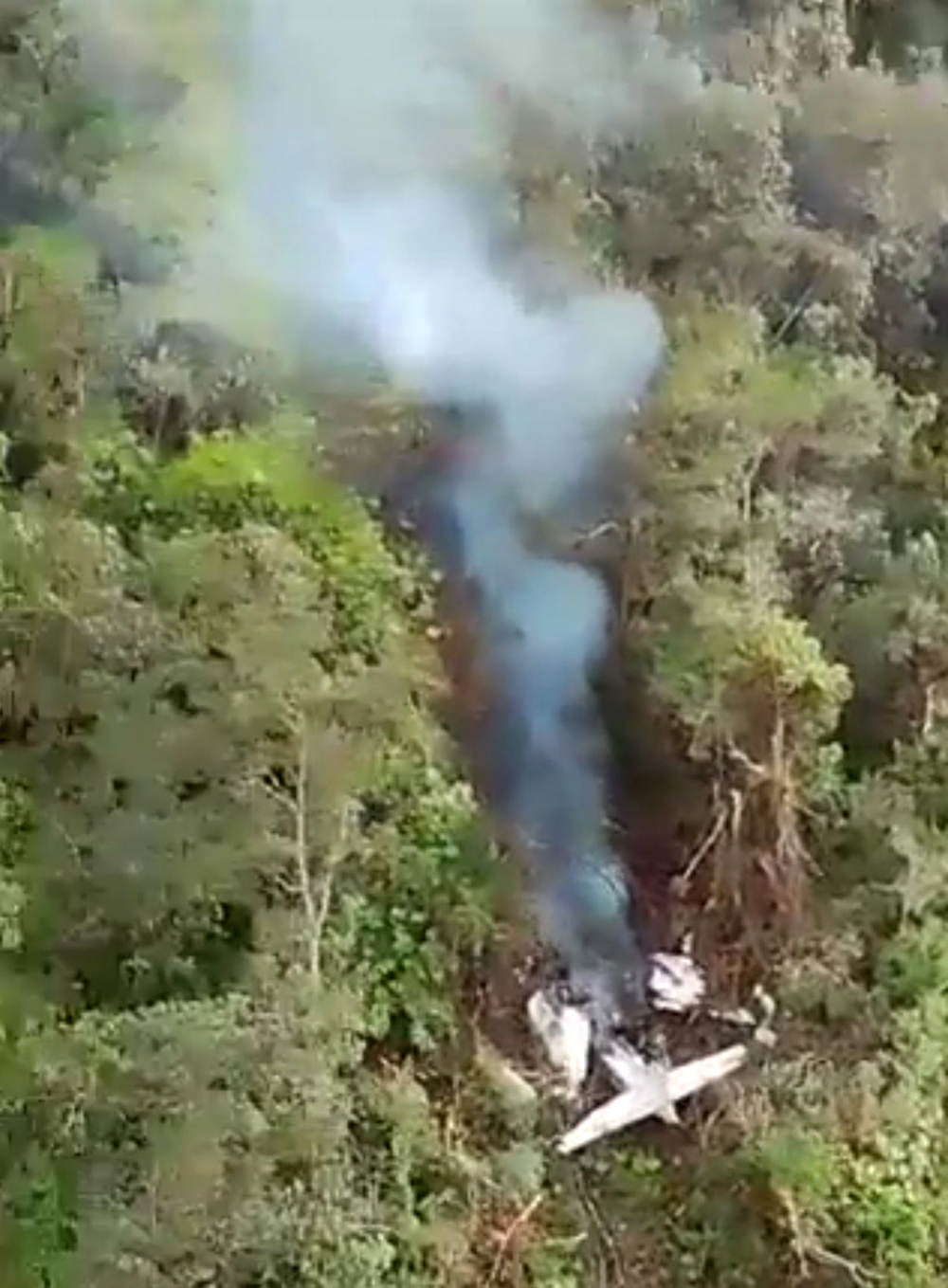
The single engine airplane departed Elelim Airport at 1054LT on a flight to Poik, carrying four passengers, two pilots and a load of cargo. About six minutes later, it impacted the slope of a wooded mountain located 12 km from the airport. The airplane was totally destroyed by impact forces and all six occupants were killed.

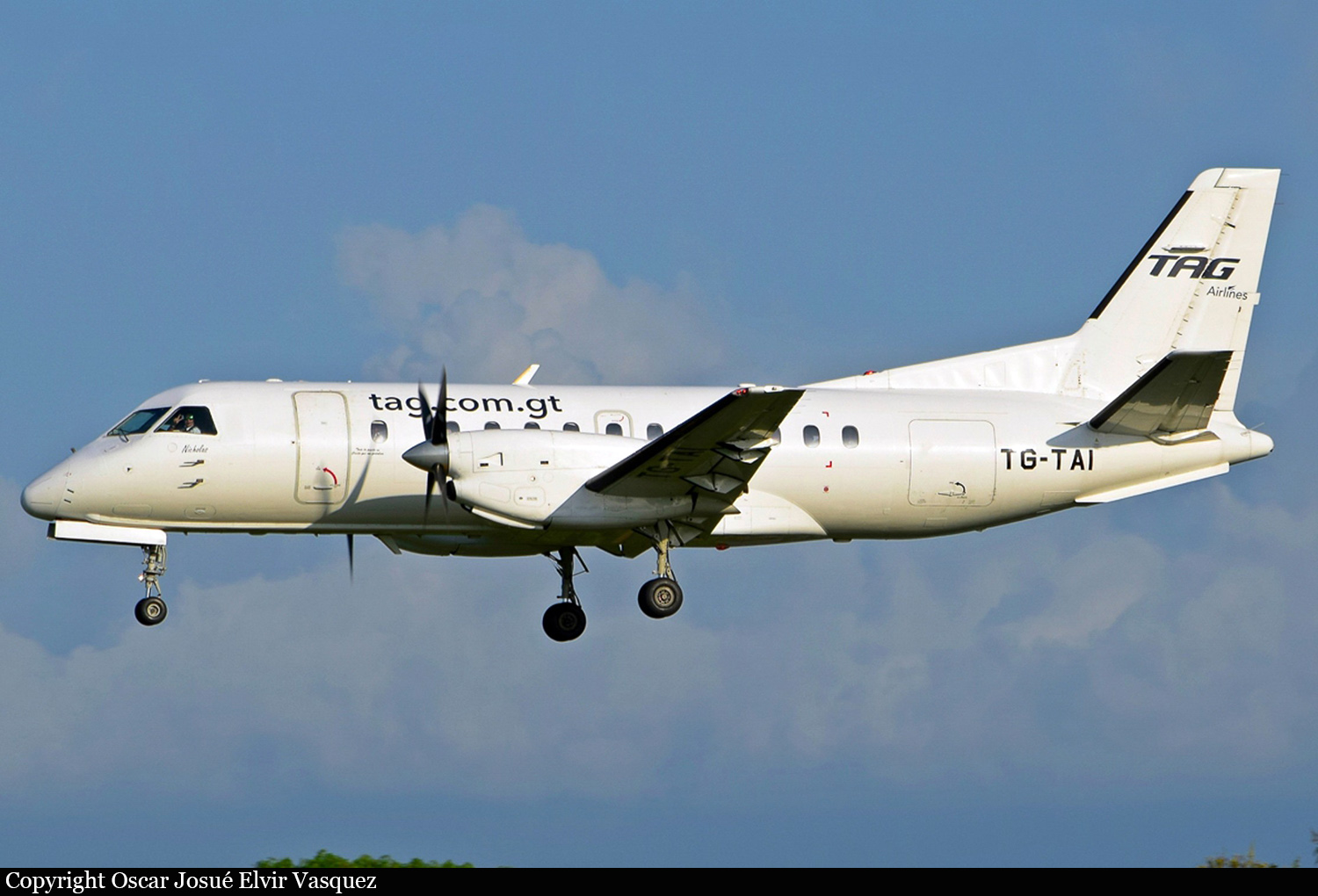
Crash of a Saab 340A in Flores

Date & Time: Apr 16, 2023 at 0830 LT
Type of aircraft:
Operator:
Registration:
TG-TAI
Survivors:
Yes
Schedule:
Cancún – Flores
MSN:
074
YOM:
1986
Flight number:
TGU211
Country:
Crew on board:
3
Crew fatalities:
Pax on board:
14
Pax fatalities:
Other fatalities:
Total fatalities:
0
Captain / Total flying hours:
5139
Copilot / Total flying hours:
612
Aircraft flight hours:
43788
Aircraft flight cycles:
51918
Circumstances:
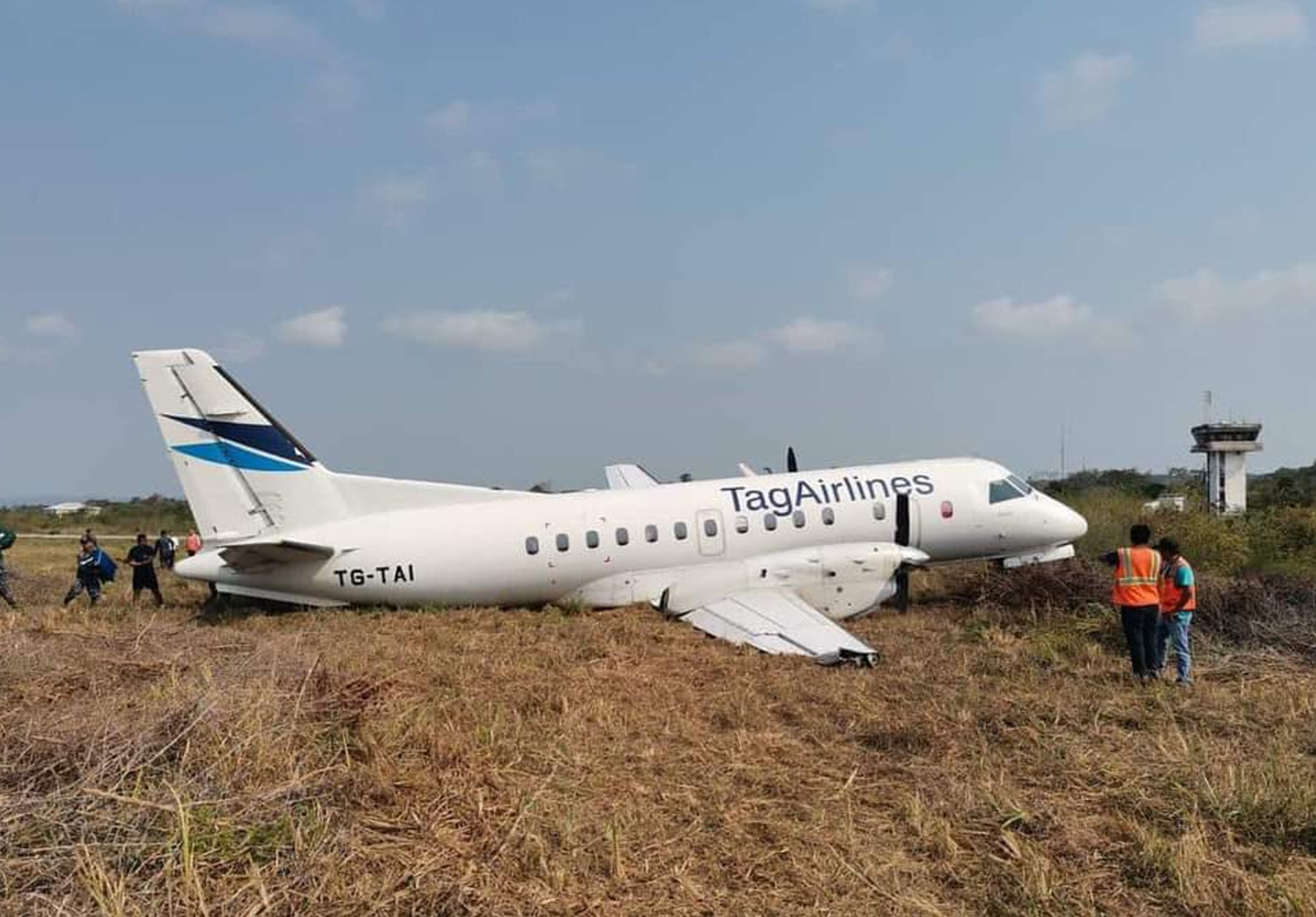
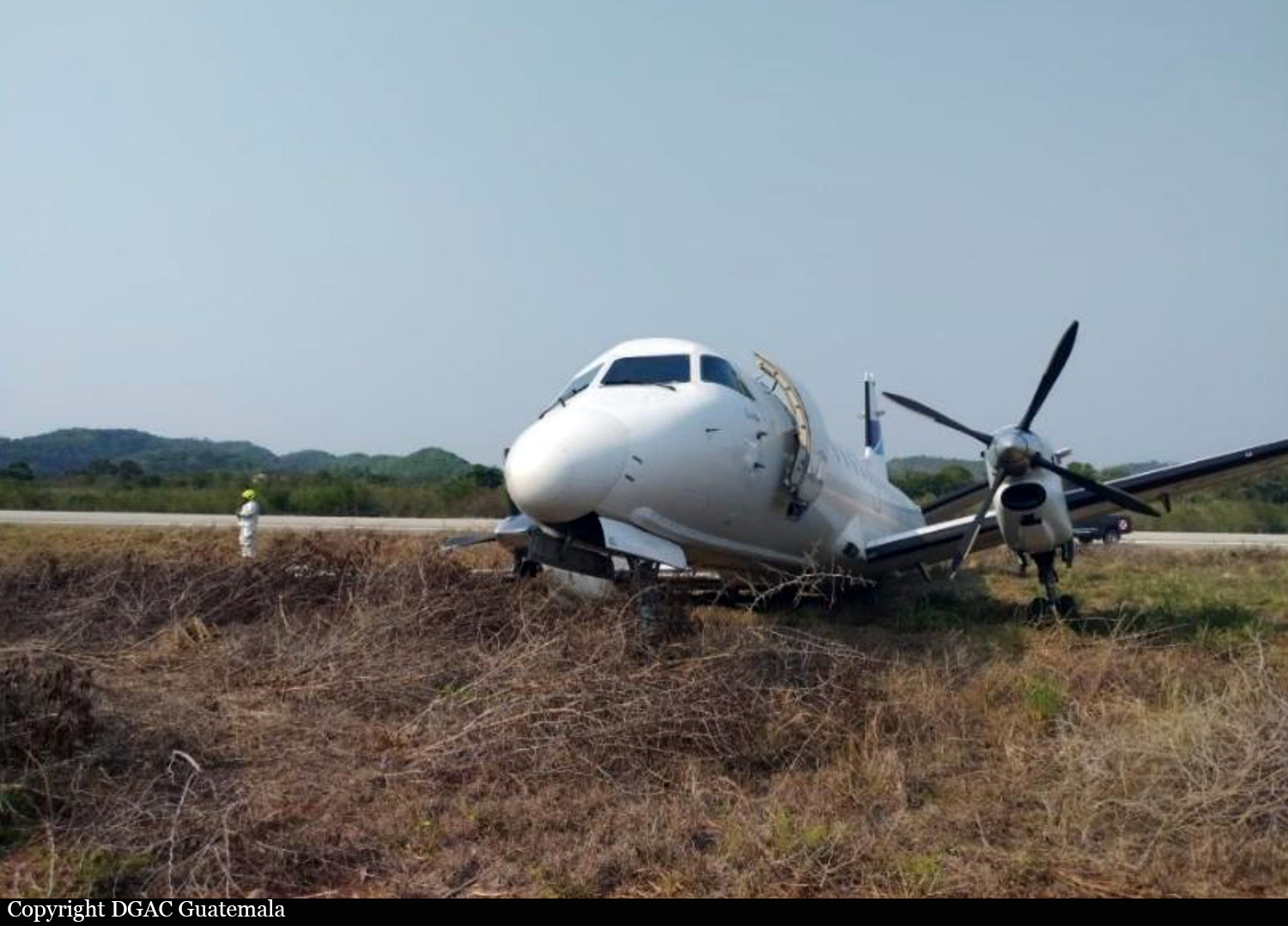
On approach to Flores-Mundo Maya Airport, the crew completed the pre-landing checklist and after the landing gear were selected down, the crew did not receive a down and locked indication. In agreement with ATC, the crew performed two low passes over the airport and ATC confirmed that the landing gear were down and did not notice any abnormalities. After this sequence, the crew decided to land. After touchdown, the right main gear collapsed. The airplane veered off runway to the right and came to rest in a grassy area. All 17 occupants evacuated safely. The airplane was damaged beyond repair.
Probable cause:
The primary cause of this occurrence was the collapse of the right landing gear hydraulic actuator support due to the failure of the support bolt. At the moment the electrical selector was activated in the cockpit, the right landing gear hydraulic actuator extended fully. During this process, the attachment bolts at the base of the actuator fractured; as a result, the landing gear assembly did not fully extend, preventing the symmetric locking mechanism from securing the corresponding main landing gear.
Final Report:
Crash of an ATR72-500 in Pokhara: 72 killed

Date & Time: Jan 15, 2023 at 1057 LT
Type of aircraft:
Operator:
Registration:
9N-ANC
Survivors:
No
Schedule:
Kathmandu - Pokhara
MSN:
754
YOM:
2007
Flight number:
YT691
Location:
Country:
Region:
Crew on board:
4
Crew fatalities:
Pax on board:
68
Pax fatalities:
Other fatalities:
Total fatalities:
72
Captain / Total flying hours:
21901
Captain / Total hours on type:
3300.00
Copilot / Total flying hours:
6396
Copilot / Total hours on type:
186
Aircraft flight hours:
28731
Aircraft flight cycles:
30104
Circumstances:
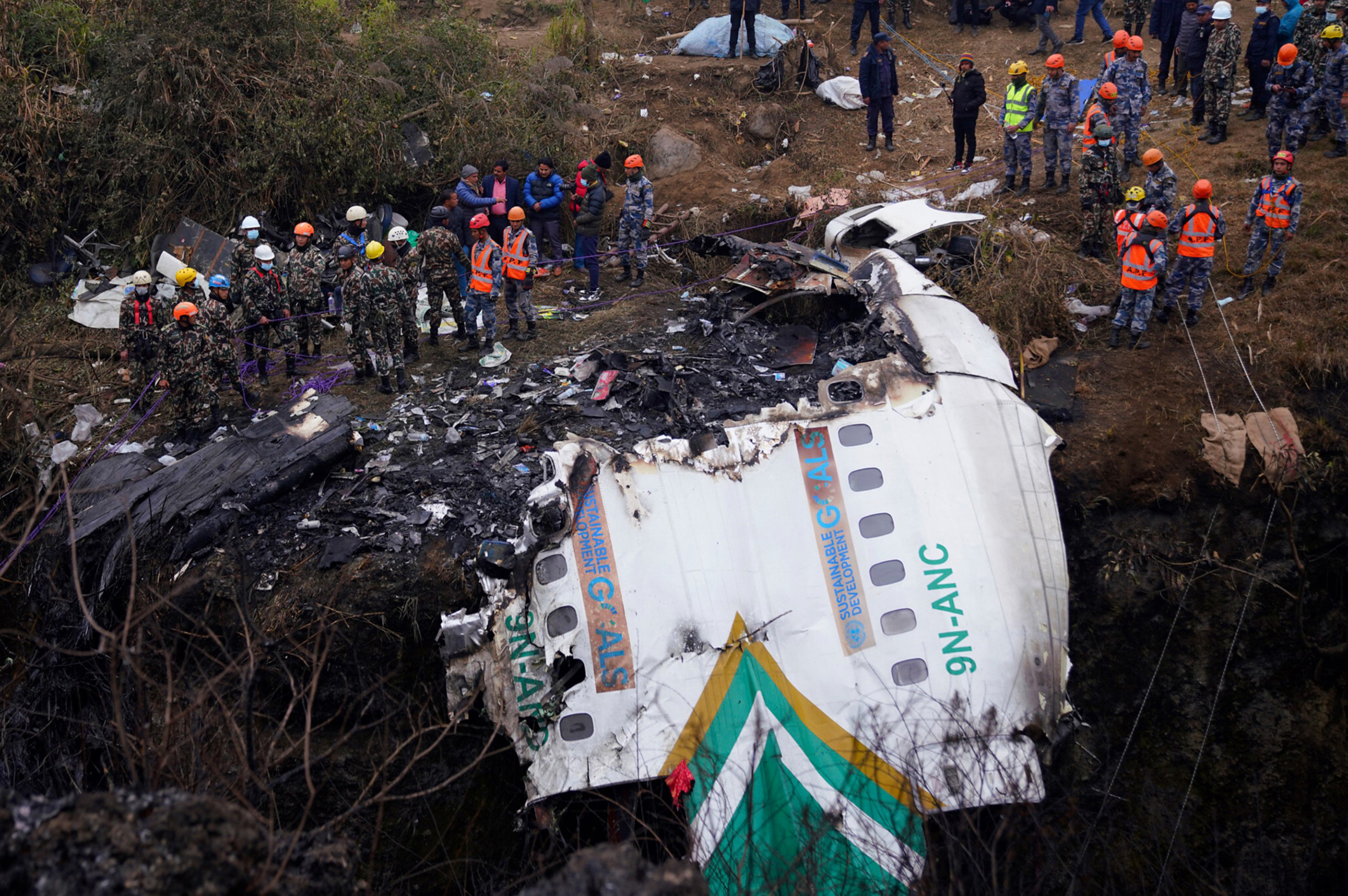
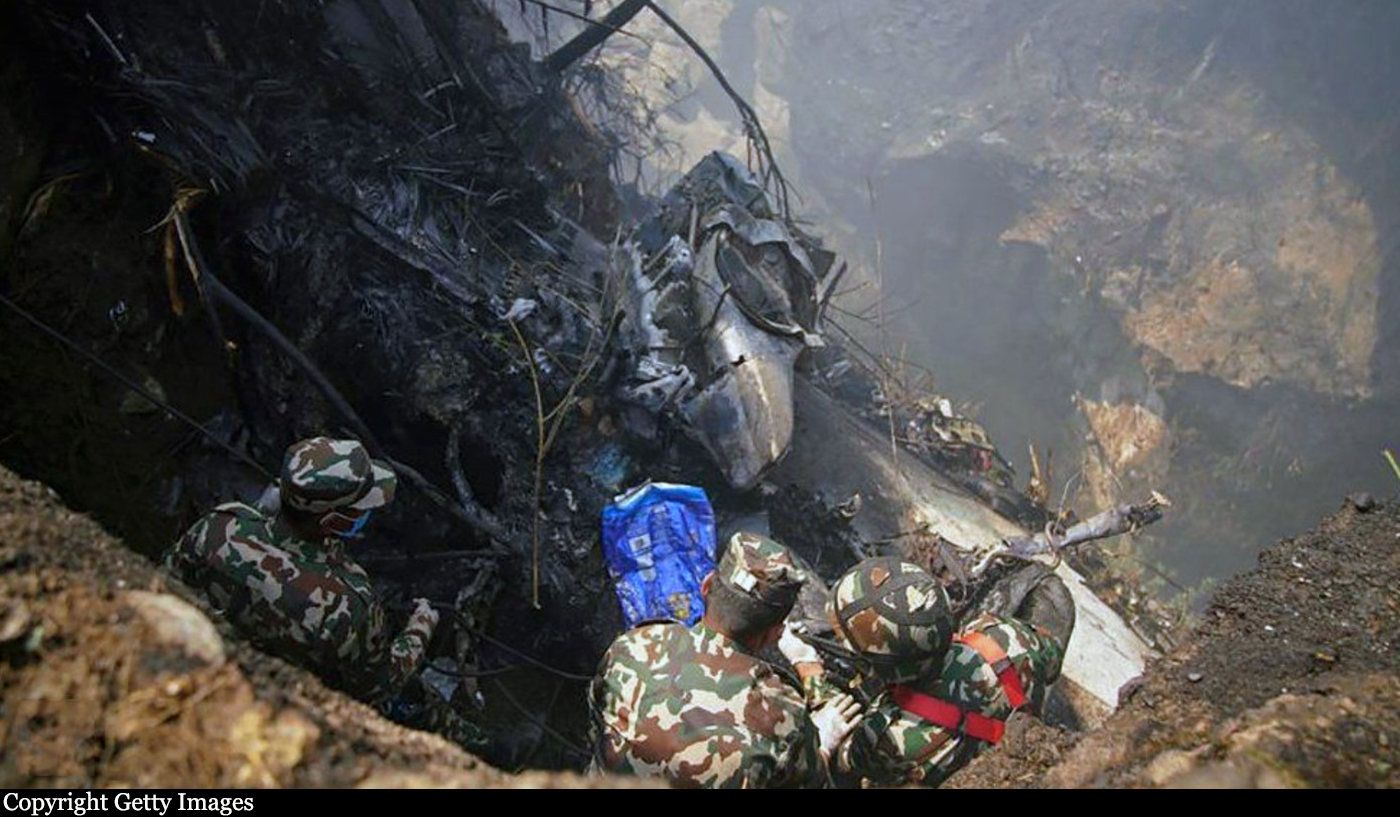
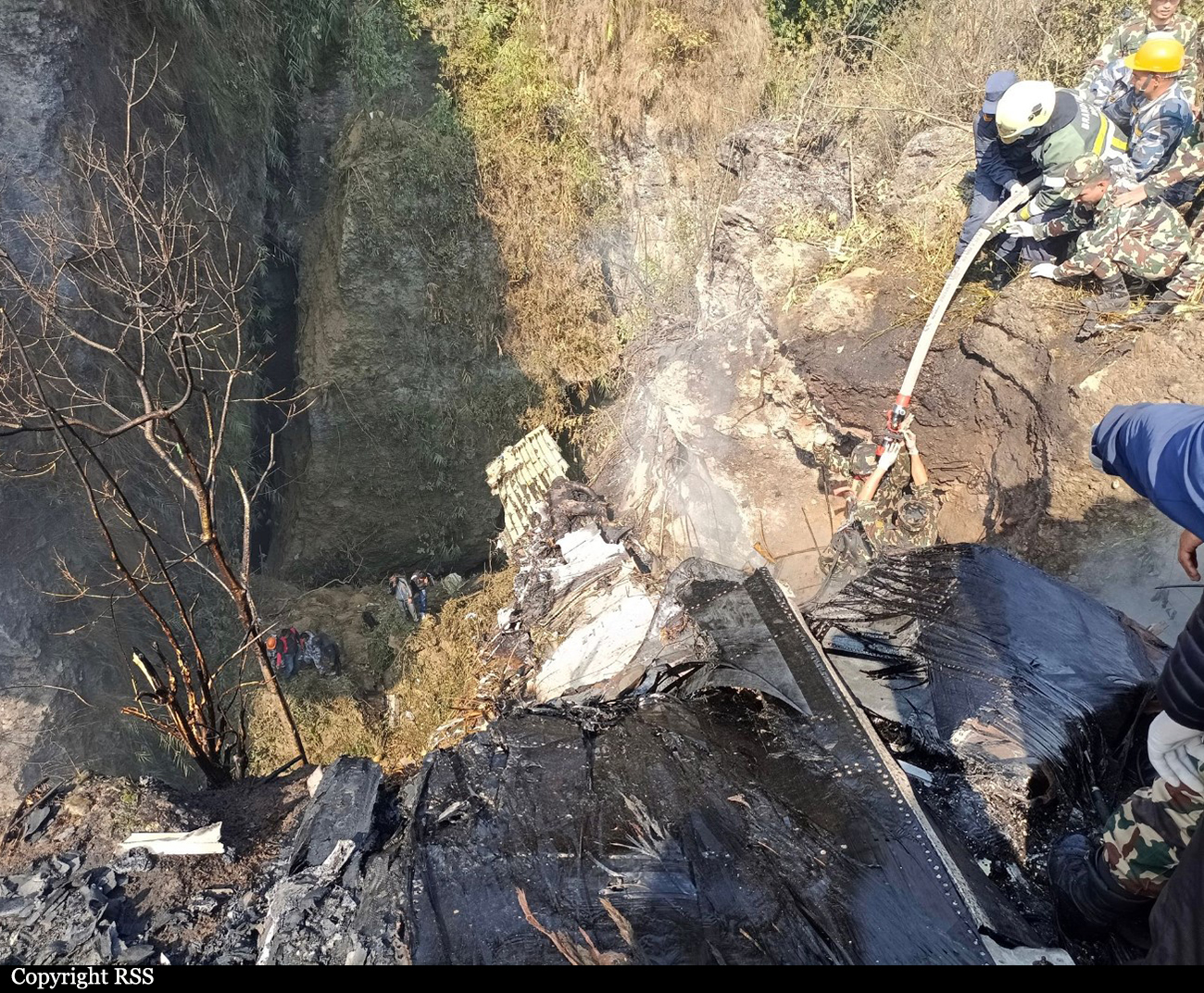
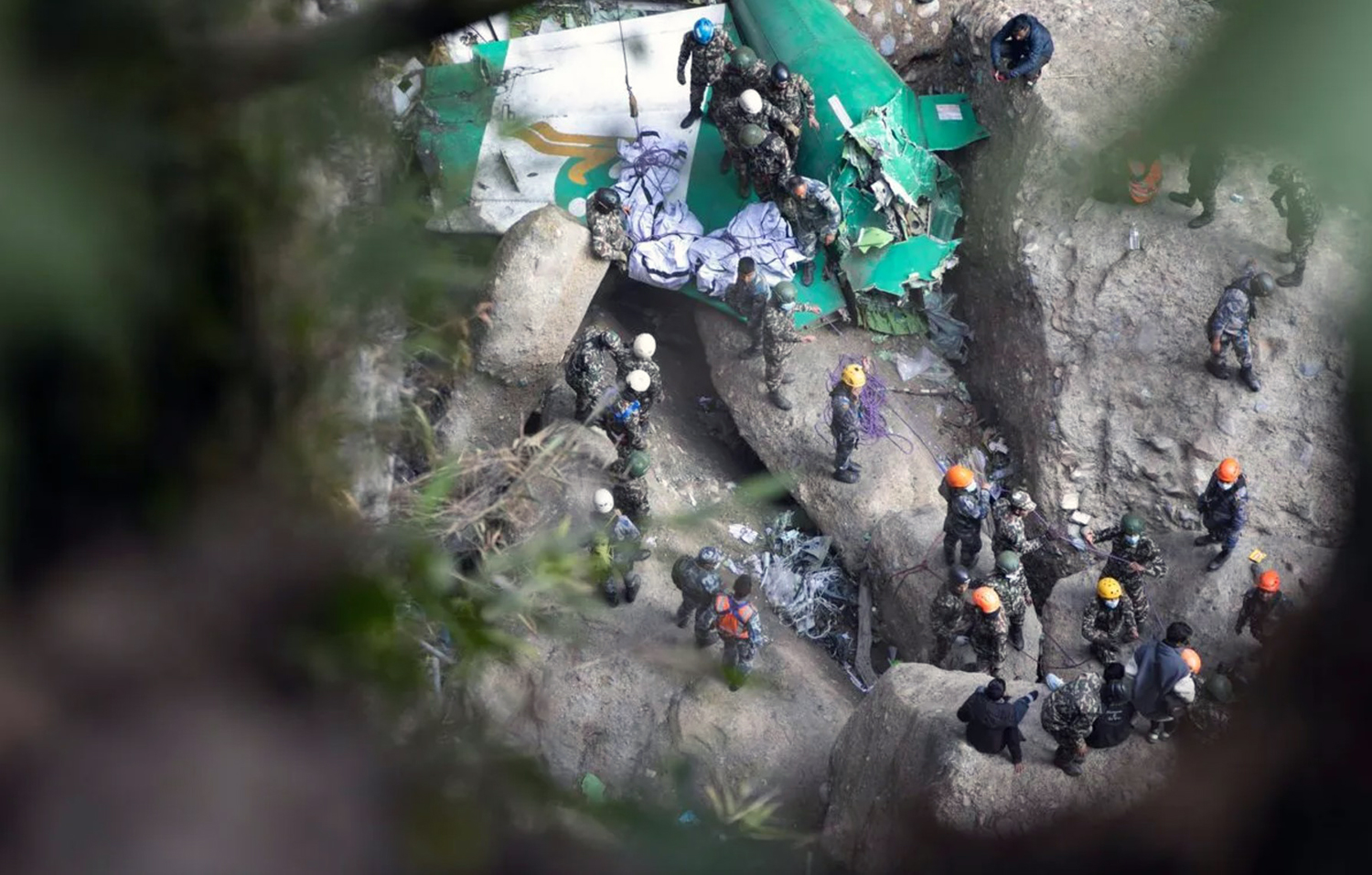
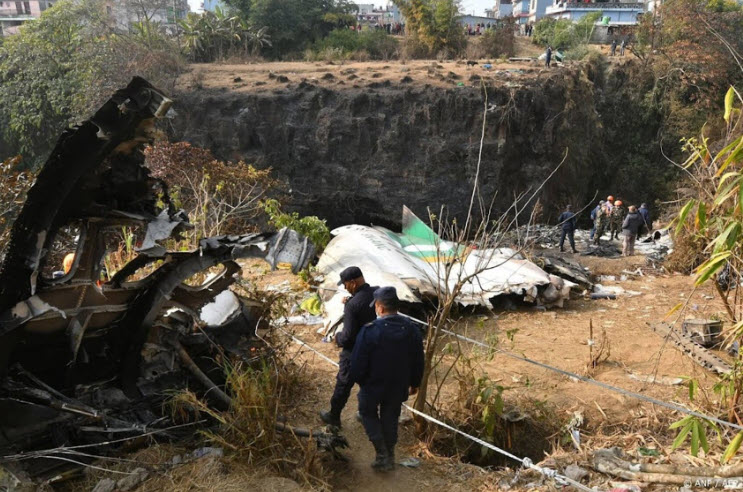
On 15 January 2023, an ATR 72-212A version 500 was operating scheduled flights between Kathmandu (VNKT) and Pokhara International Airport (VNPR). The same flight crew operated two sectors between VNKT to VNPR and VNPR to VNKT earlier in the morning. For first sector, the aircraft landed on runway 30 of VNPR and thereafter departed from VNPR using runway 12. The accident occurred during a visual approach for runway 12 at VNPR. This was the third flight by the crew members on that day. As per the CVR recordings it was understood that the flight was operated by two Captains, one Captain was in the process of obtaining aerodrome familiarization for operating into VNPR and the other Captain was an instructor pilot. The Captain being familiarized, who was occupying the left-hand seat, was the Pilot Flying (PF) and the instructor pilot, occupying the right-hand seat, was the Pilot Monitoring (PM). The take-off, climb, cruise and descent to VNPR was normal. The weather was compatible with VMC enroute to the destination airport. During the first contact with VNPR tower, the Air Traffic Controller (ATC) assigned runway 30 for the aircraft to land. But during the later phases of flight the flight crew, without mentioning any reason for changing the allocated runway, requested and received clearance from ATC to change runway 30 to 12 for landing. At 10:51:36, the aircraft descended from 6,500 feet at fifteen miles away from VNPR and joined the downwind track for Runway 12 to the north of the runway. The aircraft was visually identified by ATC during the approach. At 10:56:12, the pilots extended the flaps to the 15 degrees position and 46 seconds later they selected the landing gears lever to the down position. At 10:56:27, the PF disengaged the Autopilot System (AP) at an altitude of 721 feet Above Ground Level (AGL). The PF then called for “FLAPS 30” at 10:56:32, and the PM replied, “Flaps 30 and continue descent. The flight data recorder (FDR) data did not record any flap surface movement at that time. Instead, the propeller rotation speed (Np) of both engines decreased simultaneously to less than 25% and the torque (Tq) started decreasing to 0%, which is consistent with both propellers going into the feathered condition . The feather condition is not recorded in the FDR parameters. On the cockpit voice recorder (CVR) area microphone recording, a single Master Caution chime was recorded at 10:56:36. As per CVR readout, the flight crew then carried out the “Before Landing Checklist” without identifying the flaps were not to the 300 position, before starting the left turn onto the base leg. During that time, the power lever angle increased from 41% to 44%. At that point, Np of both propellers was recorded as Non-Computed Data (NCD) in the FDR and the torque (Tq) of both engines was at 0%. When propellers are in feather, they are not producing thrust. When both propellers were feathered both engines of 9N-ANC were running in flight idle condition during the event flight as per design to prevent overtorque. As per the FDR data, the engine turbo machine were functioning as expected considering the propeller were feathered. At 10:56:50 when the radio altitude callout for five hundred feet was annunciated, another “click” sound was heard . The aircraft turned to the left and reached a maximum bank angle of 30 degrees. The recorded Np and Tq data remained non-computed, in line with propellers being in feather condition. The yaw damper was disconnected four seconds later. The PF consulted the PM on whether to continue the left turn and the PM replied to continue the turn. Subsequently, the PF asked the PM on whether to continue descend and the PM responded it was not necessary and instructed to apply a little power. At 10:56:54, another click was heard, followed by the flaps moving to the 30 degrees position. When ATC gave the clearance for landing at 10:57:07, the crew did not respond to the tower, the PF mentioned twice that there was no power coming from the engines. The FDR data shows that at 10:57:11, the power levers were advanced first to 62 degrees then to the maximum power position in 2 seconds. It was followed by a “click” sound at 10:57:16. One second after the “click” sound, the aircraft was at the initiation of its last left turn at 368 feet AGL, the highpressure turbine speed (Nh) of both engines increased from 73% to 77%. It is noted that at 10:57:18, in the very last stage of flight, the PF handed over control of the aircraft to the PM. At 10:57:20, the PM (who was previously the PF) repeated again that there was no power from the engines. At 10:57:24 when the aircraft was at 311 feet AGL, the stick shaker5 was activated warning the crew that the aircraft Angle of Attack (AoA) increased up to the stick shaker threshold. At 10:57:26, a second sequence of stick shaker warning was activated when the aircraft banked towards the left abruptly. Three seconds later, the radio altitude alert for two hundred feet was annunciated, and the cricket sound and stick shaker ceased. At 10:57:32, sound of impact was heard in the CVR. The FDR and CVR stopped recording at 10:57:33 and 10:57:35 respectively. The airplane was totally destroyed and all 72 occupants were killed.
Probable cause:
The most probable cause of the accident is determined to be the inadvertent movement of both condition levers to the feathered position in flight, which resulted in feathering of both propellers and subsequent loss of thrust, leading to an aerodynamic stall and collision with terrain.
The following contributing factors were identified:
- High workload due to operating into a new airport with surrounding terrain and the crew missing the associated flight deck and engine indications that both propellers had been feathered;
- Human factor issues such as high workload and stress that appears to have resulted in the misidentification and selection of the propellers to the feathered position;
- The proximity of terrain requiring a tight circuit to land on runway 12. This tight circuit was not the usual visual circuit pattern and contributed to the high workload. This tight pattern also meant that the approach did not meet the stabilized visual approach criteria;
- Use of visual approach circuit for RWY 12 without any evaluation, validation and resolution of its threats which were highlighted by the SRM team of CAAN and advices proposed in flight procedures design report conducted by the consultant and without the development and approval of the chart by the operator and regulator respectively;
- Lack of appropriate technical and skill based training (including simulator) to the crew and proper classroom briefings (for that flight) for the safe operation of flight at new airport for visual approach to runway 12;
- Non-compliance with SOPs, ineffective CRM and lack of sterile cockpit discipline.
Final Report:
Crash of a PZL-Mielec AN-2R near Karatayka: 2 killed

Date & Time: Jan 9, 2023 at 1430 LT
Type of aircraft:
Operator:
Registration:
RA-71165
Flight Phase:
Survivors:
Yes
Schedule:
Ust-Kara – Karatayka – Naryan-Mar
MSN:
1G200-08
YOM:
1983
Flight number:
NYA1095
Country:
Region:
Crew on board:
2
Crew fatalities:
Pax on board:
10
Pax fatalities:
Other fatalities:
Total fatalities:
2
Captain / Total flying hours:
12141
Captain / Total hours on type:
8178.00
Copilot / Total flying hours:
3734
Copilot / Total hours on type:
3734
Aircraft flight hours:
12705
Circumstances:
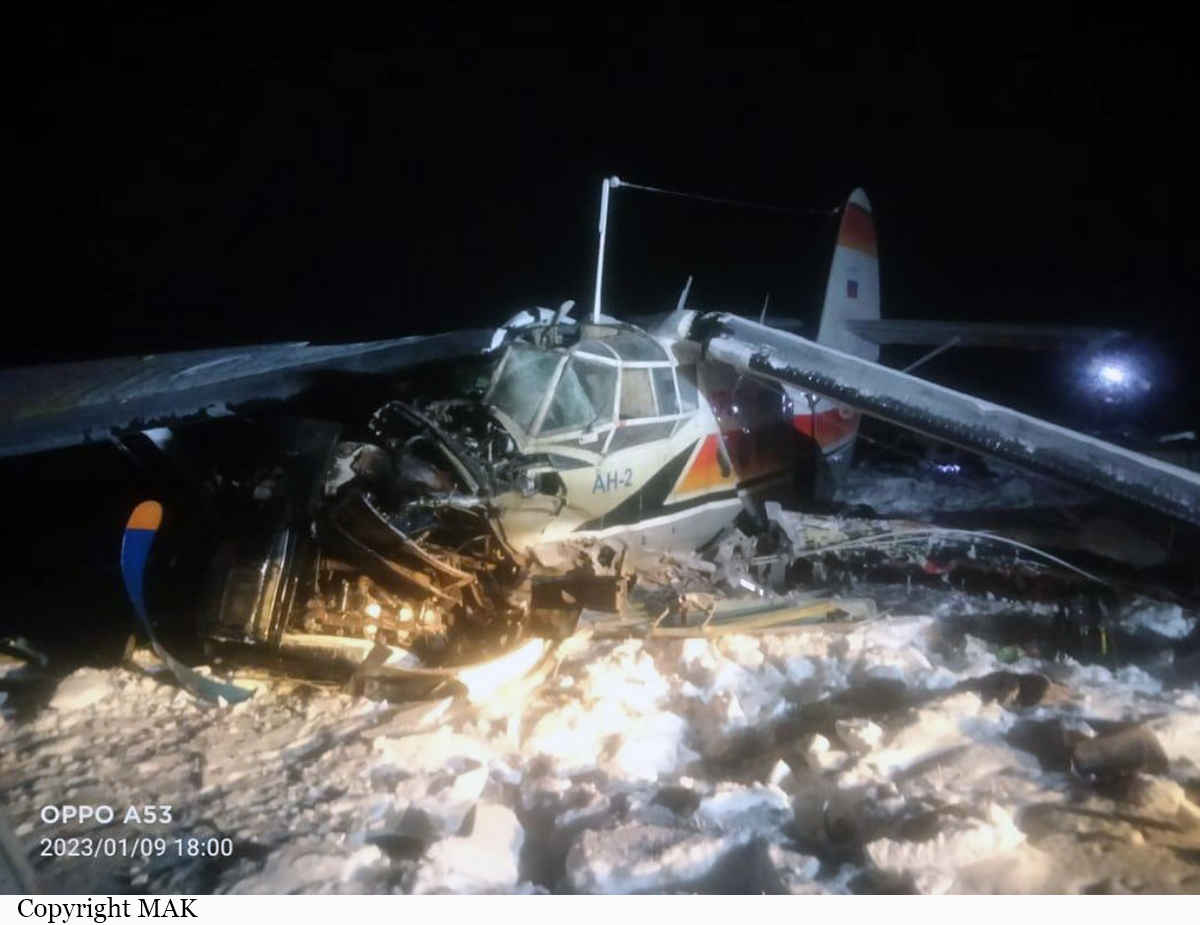
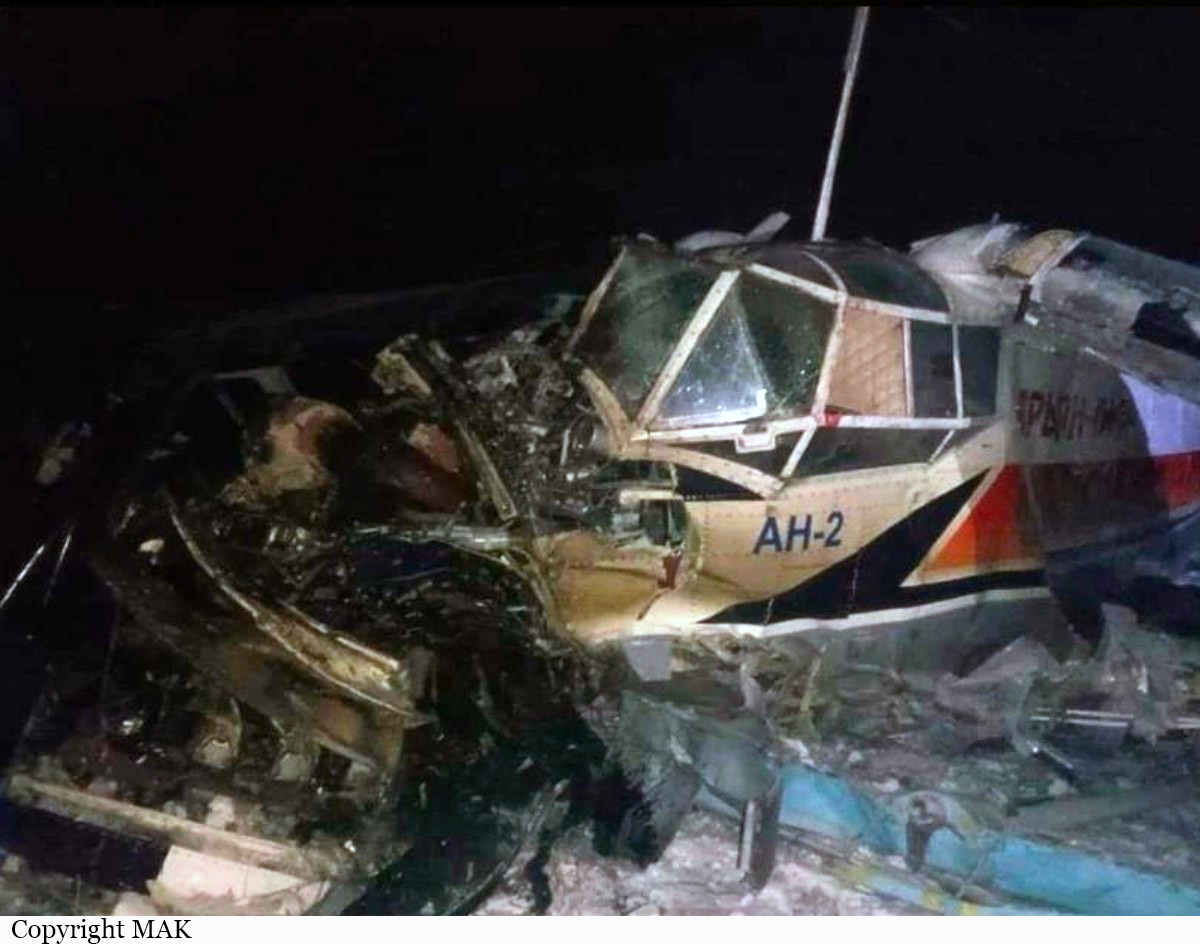
The single engine airplane departed Ust-Kara on a schedule service to Naryan-Mar with an intermediate stop in Karatayka, carrying 10 passengers and two crews. Approaching Karatayka, the crew encountered icing conditions and decided to divert to Varandey. Engine power was at maximum but the airplane was unable to climb above 200 metres. In such conditions, the captain decided to attempt an emergency landing when the airplane crashed landed in a snow covered area located some 10 km northwest of Karatayka. A passenger and the captain were killed while 10 other occupants were injured. Shortly before the accident, the crew reported severe icing conditions.
Probable cause:
An emergency landing was necessary because of the inability to continue the flight due to the impact of icing on the aircraft's aerodynamic and thrust characteristics.
The following contributing factors were identified:
- The captain's failure to consider potential risks of the aircraft encountering icing conditions when making the decision to take off;
- The captain's delayed decision to change the flight plan despite receiving information about deteriorating meteorological conditions at the destination, which fell below the established thresholds for VFR (Visual Flight Rules) night flights and indicated the possibility of aircraft icing;
- Non-compliance with VFR rules regarding prolonged flight in actual icing conditions.
Final Report:

Crash of an Airbus A320-271N in Lima: 2 killed

Date & Time: Nov 18, 2022 at 1511 LT
Type of aircraft:
Operator:
Registration:
CC-BHB
Flight Phase:
Survivors:
Yes
Schedule:
Lima – Juliaca
MSN:
7864
YOM:
2017
Flight number:
LA2213
Country:
Crew on board:
6
Crew fatalities:
Pax on board:
102
Pax fatalities:
Other fatalities:
Total fatalities:
2
Captain / Total flying hours:
8229
Captain / Total hours on type:
3115.00
Copilot / Total flying hours:
3390
Copilot / Total hours on type:
583
Aircraft flight hours:
10111
Aircraft flight cycles:
5976
Circumstances:
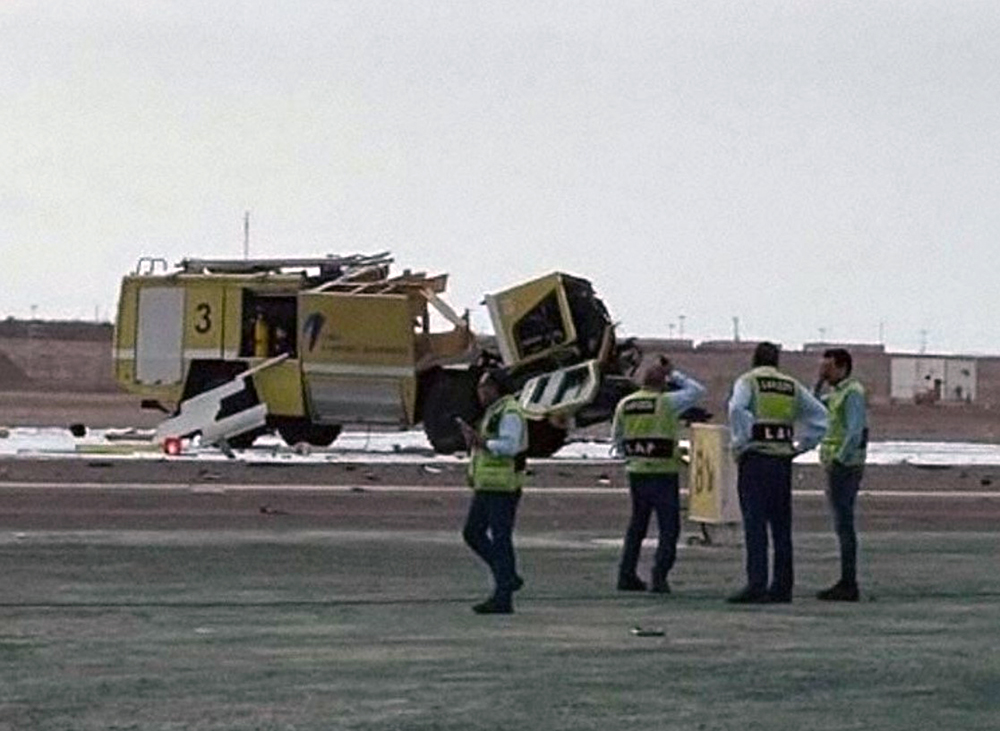
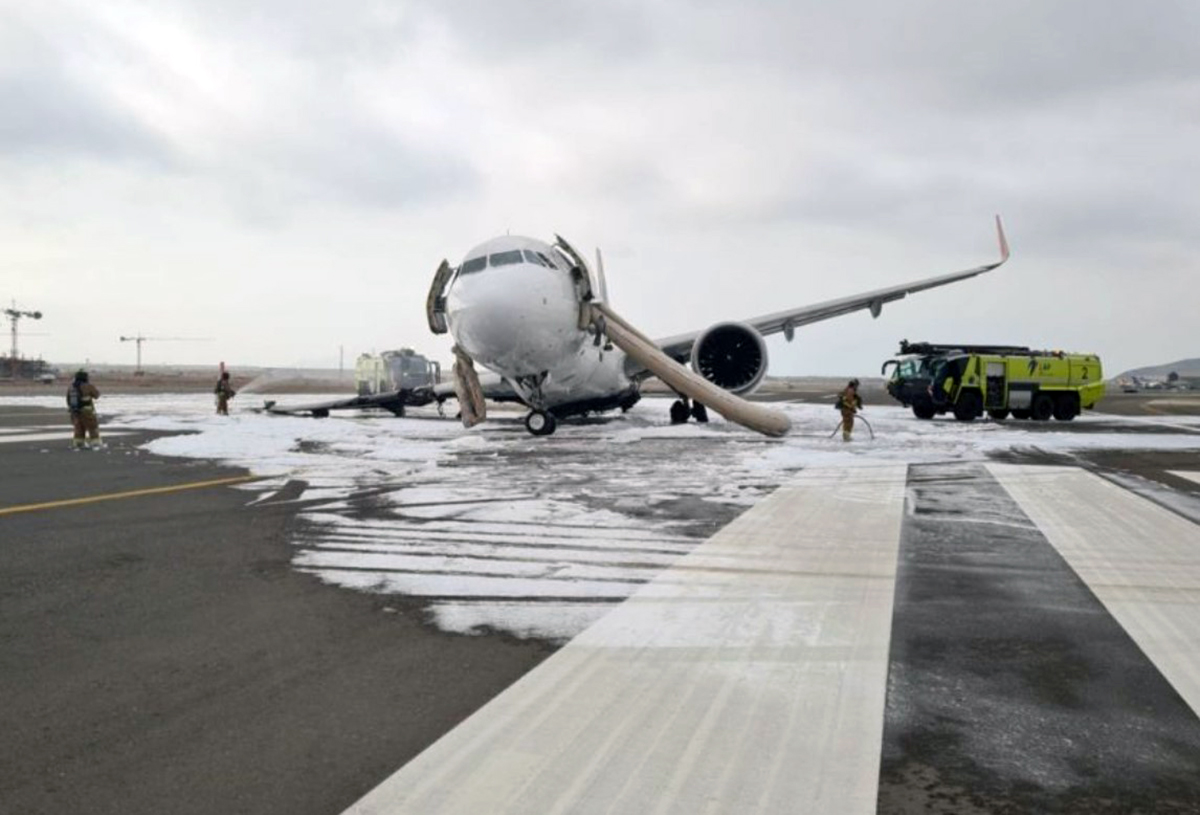
The airplane was on a schedule service (flight LA2213) from Lima to Juliaca. On board were 102 passengers and a crew of six. During the takeoff roll on runway 16L, after a course of 1,200 metres and at a speed of 131 knots, the aircraft collided with a fire truck that entered the active runway from the right, at taxiway Bravo. A team of two heavy fire trucks and one light support vehicle were engaged in a 'Response Time' exercise that started at 1510LT, one minute prior to the accident. The goal of this exercise was to test the capacity of the new fire station. The first fire truck entered the active runway while the airplane was accelerating for takeoff. Upon impact, the right main gear and the right engine were torn off. The airplane caught fire and slid for about 1,600 metres then veered to the right and came to rest, bursting into flames. Forty passengers were injured, among them four seriously. The airplane was heavily damaged by fire and written off. Among the personnel in the fire truck, two were killed and a third was seriously injured.
Probable cause:
It was determined that the crew of the fire truck entered the active runway 16L without prior permission from air traffic controller. This chain of events was caused by the lack of joint planning, poor coordination and the non-use of ICAO-standardized communication and phraseology.
Final Report:

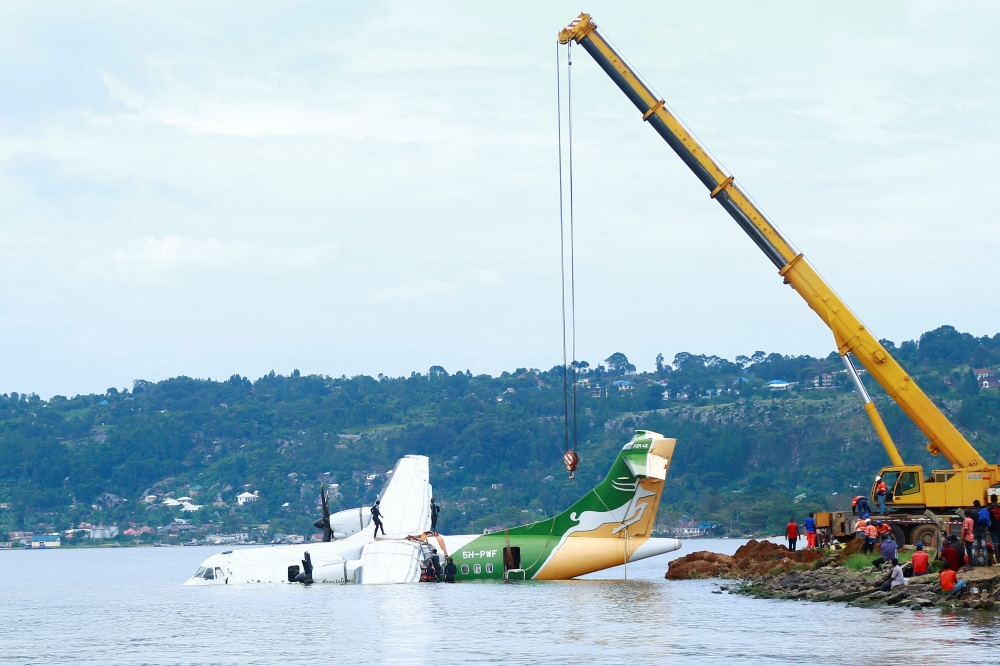
Crash of an ATR42-500 off Bukoba: 19 killed

Date & Time: Nov 6, 2022 at 0843 LT
Type of aircraft:
Operator:
Registration:
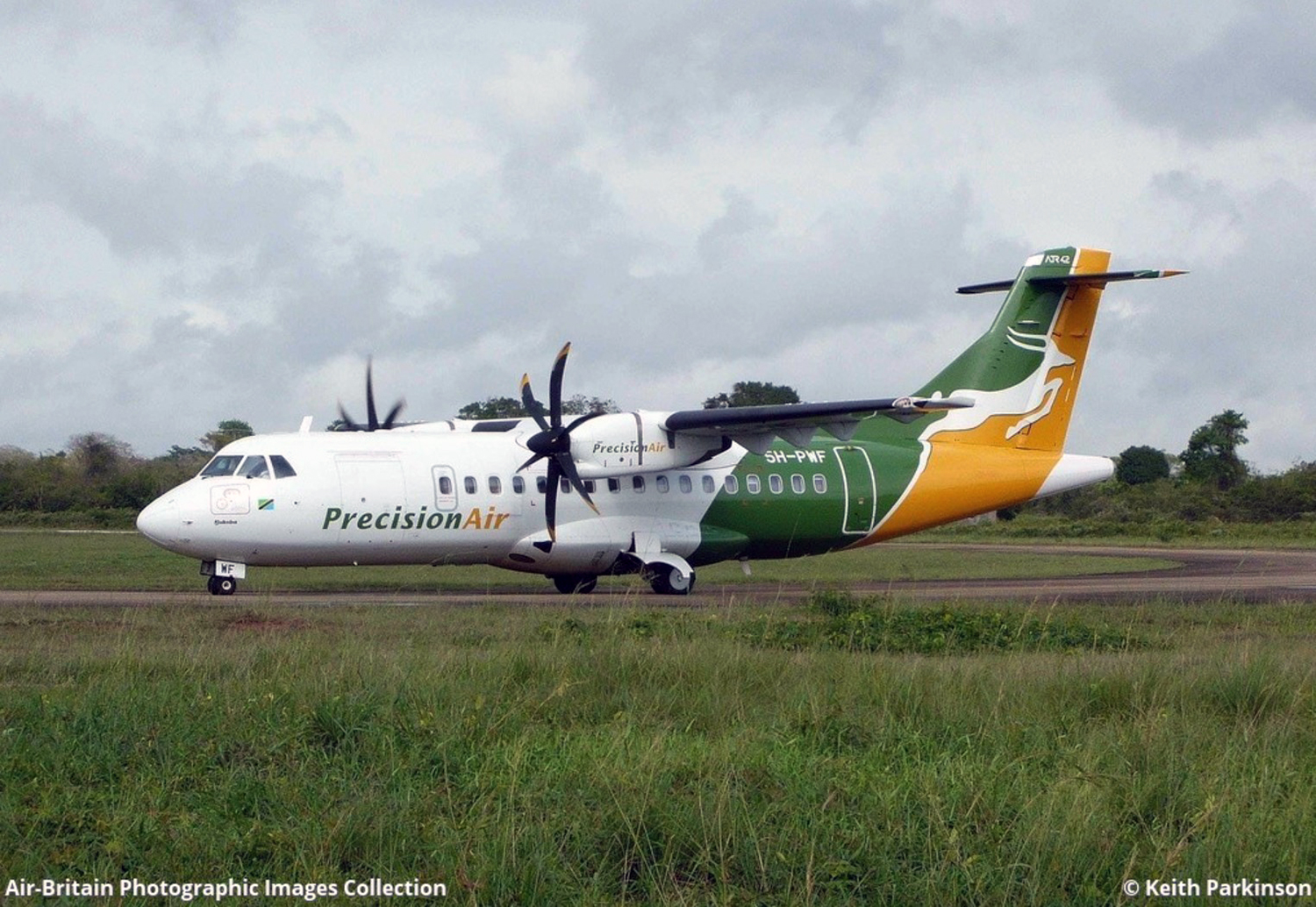
5H-PWF
Survivors:
Yes
Schedule:
Dar es-Salaam – Bukoba
MSN:
819
YOM:
2010
Flight number:
PW494
Country:
Region:
Crew on board:
4
Crew fatalities:
Pax on board:
39
Pax fatalities:
Other fatalities:
Total fatalities:
19
Captain / Total flying hours:
23515
Captain / Total hours on type:
11919.00
Copilot / Total flying hours:
2109
Copilot / Total hours on type:
1700
Aircraft flight hours:
16893
Aircraft flight cycles:
16610
Circumstances:
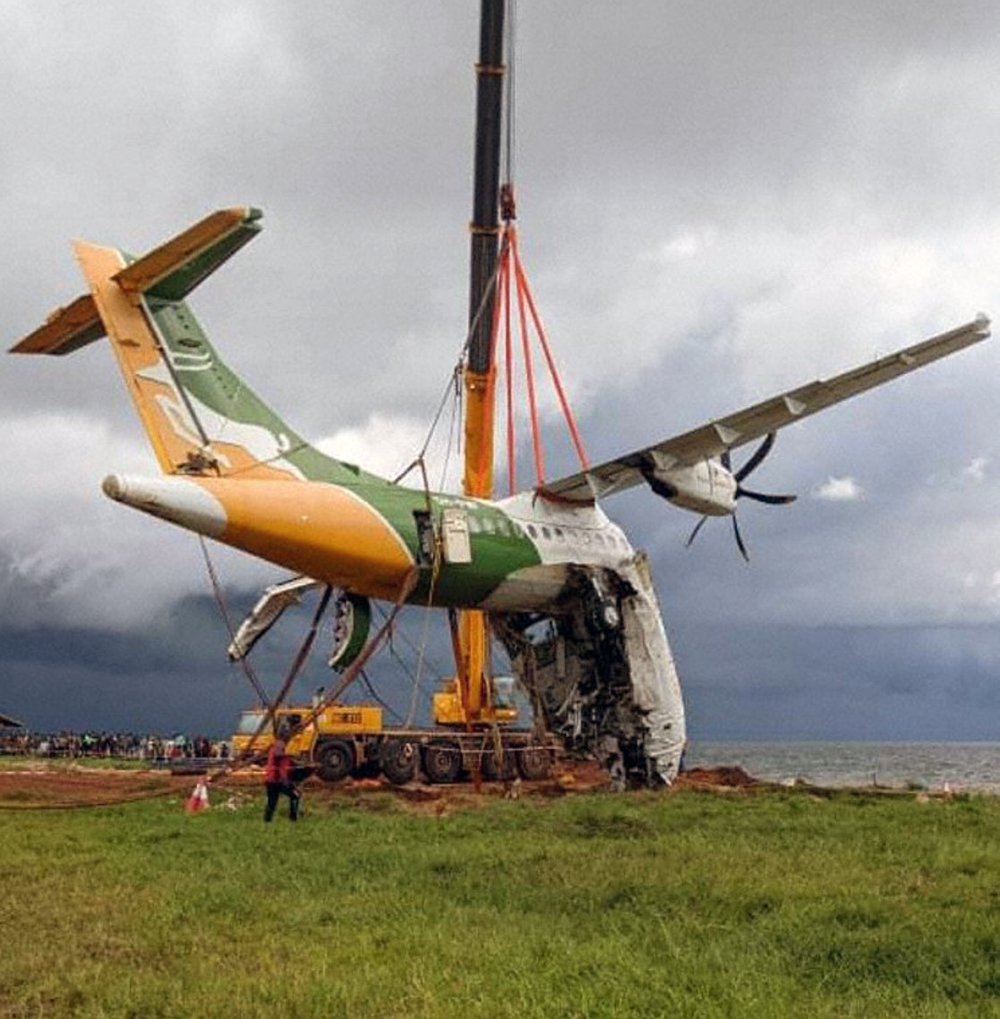
During the approach, the crew encountered heavy rain and thunderstorms with lightning as well as significant crosswind and turbulence. During the final approach, several nose down inputs on the control column increased the descent rate of the aircraft. The EGPWS SINK RATE-SINK RATE alert triggered 15 seconds before the accident. Then the EGPWS PULL-UP warning triggered, followed by flight crew's nose up input on control column, around 2 seconds before the aircraft struck the water surface of Lake Victoria about 500 meters short of runway 31 threshold. The impact with the water caused significant damage to the aircraft fuselage followed by water entering the cabin and flight deck. There was no fire but the aircraft was damaged beyond economic repair. Of the 43 persons on board, 17 passengers and 2 pilots lost their lives while 22 passengers and 2 cabin crew members survived without serious injuries. It is considered that conducting an unstabilized final approach in poor weather conditions that could not allow clear visual contact with the ground was a major factor in this accident.The decision of the Pilot in Command to negotiate his way through the narrow weather window in order to reach the runway,the high crew workload caused by the presence of thunderstorms, the variable cross wind, rain and turbulence as well as the absence of air traffic services at Bukoba airport were contributory factors. The aircraft sank by a depth about 3-4 metres.
Probable cause:
The accident was caused by an unstabilized final approach to runway 31 of Bukoba Airport conducted in poor weather conditions which did not allow clear sight of the terrain. This led the aircraft to strike the water on the lake surface.
The following contributory factors were indentified:
- The decision of the pilot-in-command to proceed with the final approach without the required weather minima in order to reach the runway instead of diverting to Mwanza.
- The gusting crosswind which prevailed at the time of final approach.
- The heavy rain and turbulence at that material time.
- The absence of air traffic services at Bukoba Airport.
- High rate of descent at low altitude.
- No immediate response to the EGPWS warnings.
- High work load to the crew at the critical phase of final approach
Final Report: