Crash of an Antonov AN-72 in Vorkuta

Date & Time: Oct 23, 1994
Type of aircraft:
Registration:
RA-72960
Flight Phase:
Flight Type:
Survivors:
Yes
MSN:
36572093865
YOM:
1981
Country:
Region:
Crew on board:
5
Crew fatalities:
Pax on board:
29
Pax fatalities:
Other fatalities:
Total fatalities:
0
Circumstances:
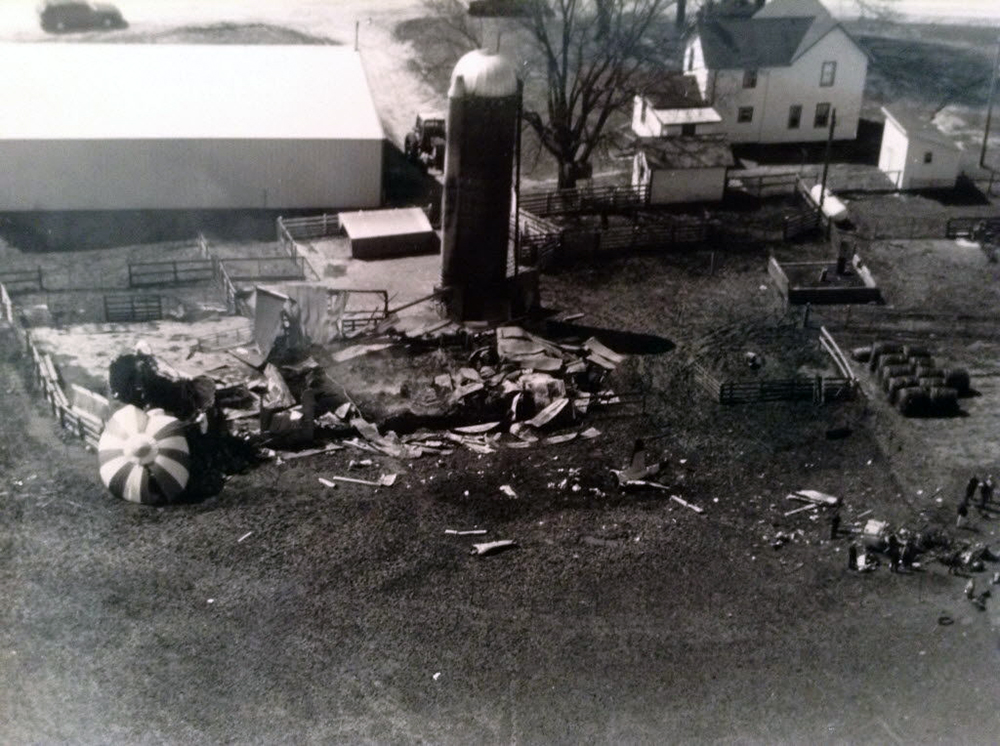
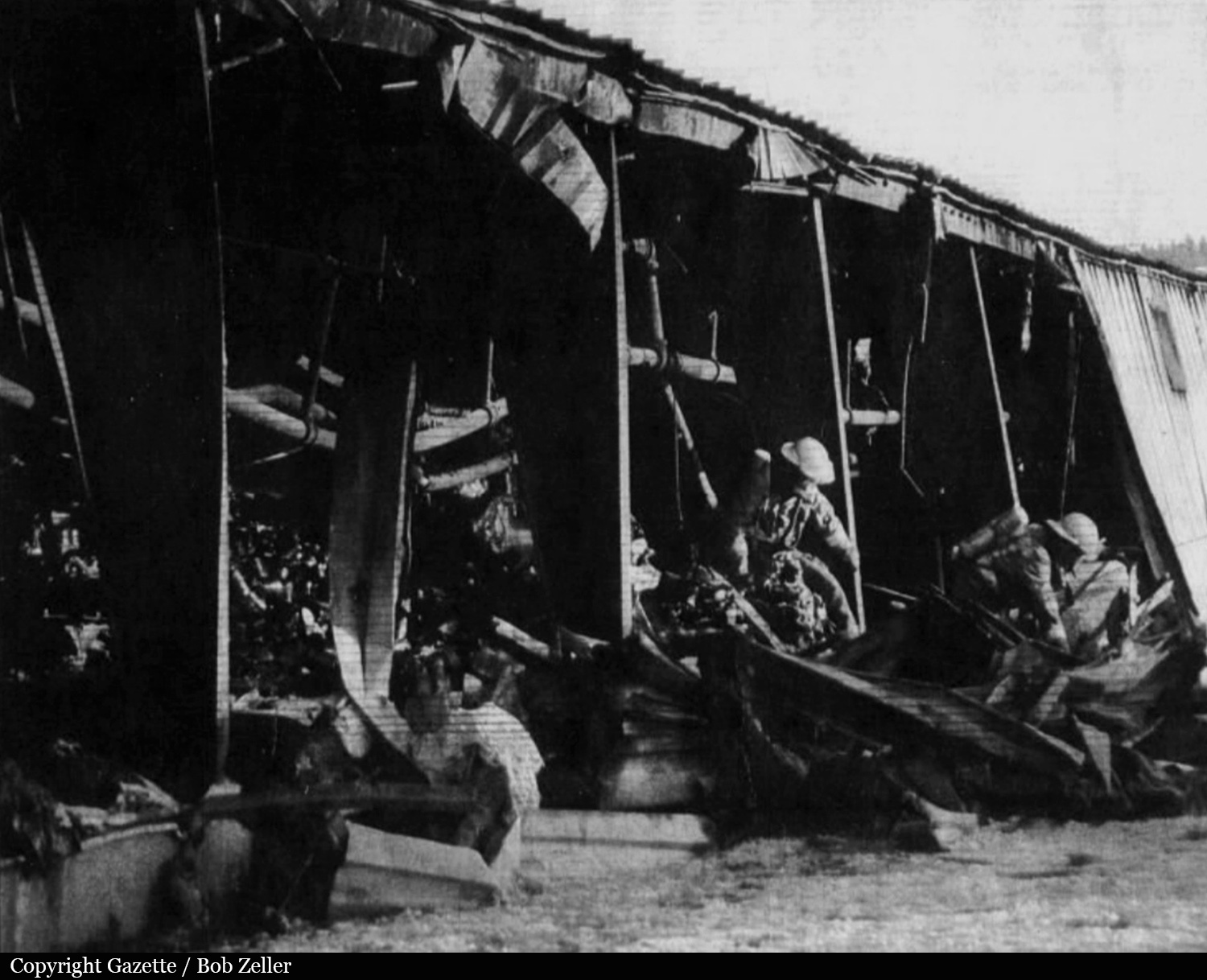
During the takeoff roll at Vorkuta, the left engine suffered a hydraulic failure. The crew lost control of the aircraft that deviated to the left, veered off runway and came to rest, bursting into flames. All 34 occupants escaped uninjured while the aircraft was destroyed.

Crash of a Beechcraft 200 Super King Air near Sundar Nagar: 11 killed

Date & Time: Jul 9, 1994 at 0905 LT
Operator:
Registration:
VT-EUJ
Flight Phase:
Flight Type:
Survivors:
No
Site:
Schedule:
Chandigarh – Kulu-Bhuntar
MSN:
BB-1456
YOM:
1993
Country:
Region:
Crew on board:
3
Crew fatalities:
Pax on board:
8
Pax fatalities:
Other fatalities:
Total fatalities:
11
Captain / Total flying hours:
7503
Captain / Total hours on type:
113.00
Copilot / Total flying hours:
6412
Copilot / Total hours on type:
46
Aircraft flight hours:
153
Aircraft flight cycles:
186
Circumstances:
The twin engine aircraft departed Chandigarh Airport at 0850LT on a flight to Kulu-Bhuntar, carrying eight passengers and three crew members, among them Surendra Nath, Governor of Punjab and Himachal Pradesh along with his family members. While in cruising altitude, the crew encountered limited visibility due to cumulus when the aircraft struck trees and rocks and crashed on the slope of a mountain located in the Kamrunag Mountain Range, about 18,5 km southeast of Sundar Nagar, some 50 km south of Kulu-Bhuntar Airport. The aircraft was destroyed and all 11 occupants were killed.
Probable cause:
The accident was caused due to serious errors on the part of the flight crew by not strictly adhering to the VFR conditions for flight to Bhuntar Airfield. As a result, the aircraft after encountering cumulus clouds enroute, deviated from the pre-determined route and collided with the hilltop covered with clouds.
The contributed factors to the accident were:
- Existence of bad weather enroute with cumulus clouds in layers covering the hill tops;
- Pilots not conversant with the topography of the mountains in the region;
- Failure on the part of the flight crew not to refer and follow the maps of the region;
- Mental pressure on the pilot-in-command to complete the flight in time with a view to meet the subsequent flight commitments;
- Failure on the part of the copilot to bring out flight deviations to the notice of the commander,
- Disregard of procedures, regulations and instructions on part of the pilot,
- Operational decision.
Final Report:

Crash of a Dassault Falcon 50 in Kigali: 12 killed

Date & Time: Apr 6, 1994 at 2028 LT
Type of aircraft:
Registration:
9XR-NN
Flight Type:
Survivors:
No
Schedule:
Dar es Salaam - Kigali - Bujumbura
MSN:
006
YOM:
1979
Country:
Region:
Crew on board:
3
Crew fatalities:
Pax on board:
9
Pax fatalities:
Other fatalities:
Total fatalities:
12
Circumstances:
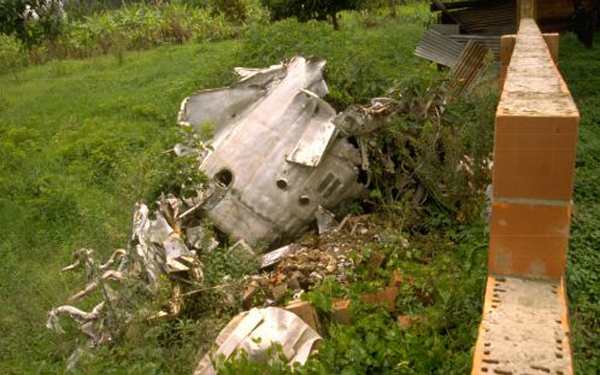
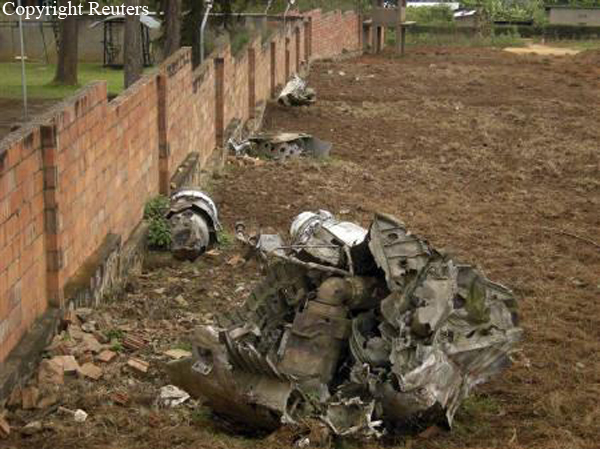
The aircraft was returning to Kigali after an official flight from Dar es Salaam, carrying members of Rwanda and Burundi government, among them both Presidents, who took part to a congress in Tanzania and ratified the Arusha Agreements. On short final to Kigali-Grégoire Kayibanda Airport runway 28, at a height of about 100 metres, the aircraft was struck by a SAM16 surface-to-air missile and crashed in the garden of the Presidency Residence, about 500 metres from the Kanombe Camp. The wreckage was found 1,850 metres short of runway 28. The aircraft disintegrated on impact and all 12 occupants were killed.
Crew:
Jacky Héraud, pilot,
Jean-Pierre Minaberry, copilot,
Jean-Michel Perrine, flight engineer.
Passengers:
Juvénal Habyarimana, President of the Republic of Rwanda,
General Déogratias Nsabimana, Chief of Staff of the Rwanda Armed Forces,
Major Thaddée Bagaragaza, orderly officer for President Habyarimana,
Colonel Elie Sagatwa, personnel secretary of President Habyarimana,
Ambassador Juvénal Renzaho, political affairs counselor to the presidency,
Dr Emmanuel Akingeneye, personnel doctor or President Habyarimana,
Cyprien Ntaryamira, President of the Republic of Burundi,
Bernard Ciza, Minister of Communication olf Burundi,
Cyriaque Simbizi, Minister of Planning of Burundi.
Probable cause:
Shot down by a SAM16 surface-to-air missile.
Final Report:

Crash of a Cessna 401A in Minot: 4 killed

Date & Time: Feb 24, 1994 at 0949 LT
Type of aircraft:
Operator:
Registration:
N4071Q
Flight Type:
Survivors:
No
Schedule:
Devils Lake - Rolla
MSN:
401A-0115
YOM:
1969
Crew on board:
1
Crew fatalities:
Pax on board:
3
Pax fatalities:
Other fatalities:
Total fatalities:
4
Captain / Total flying hours:
5380
Captain / Total hours on type:
1500.00
Aircraft flight hours:
4220
Circumstances:
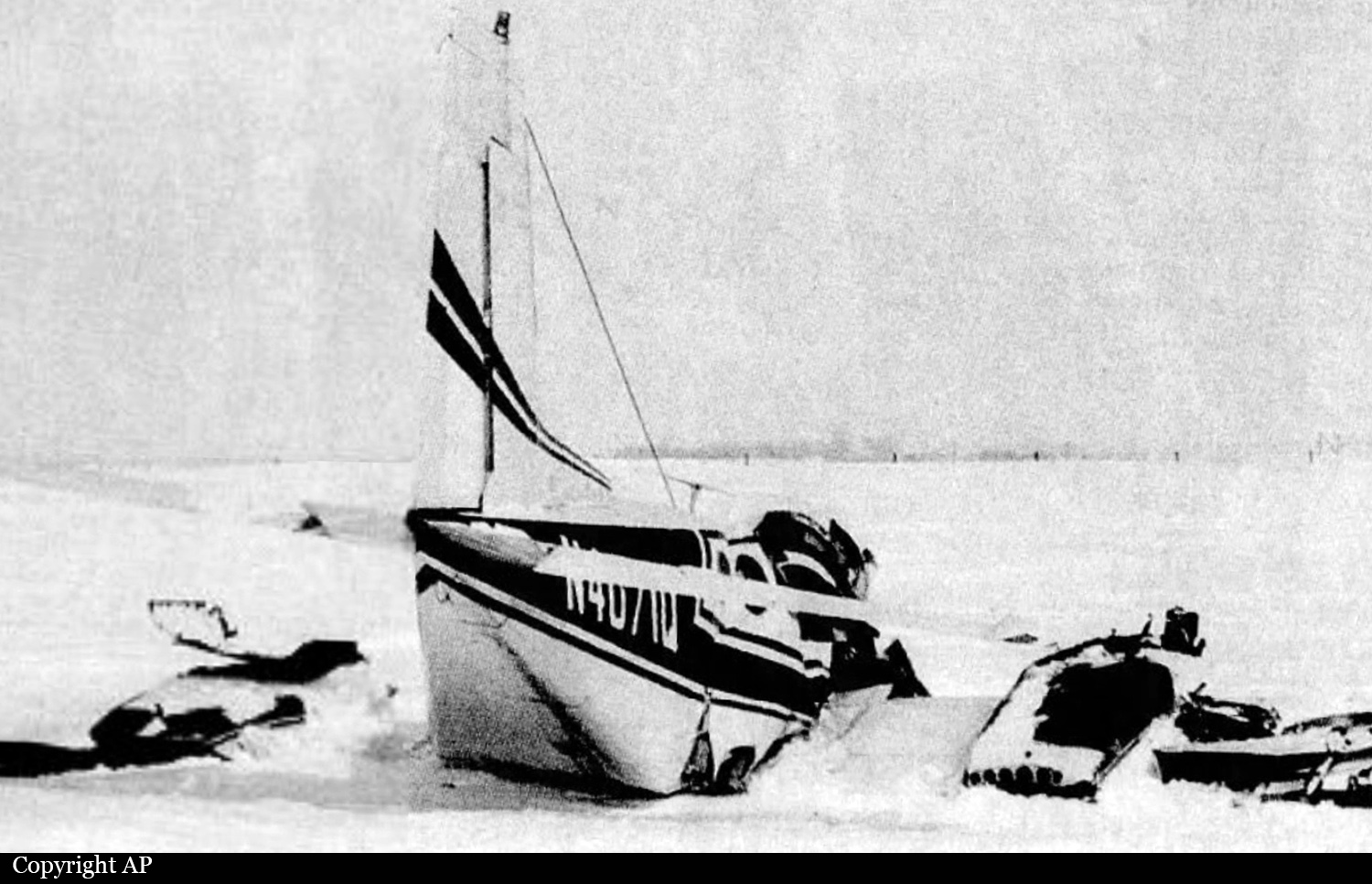
The public use flight was being operated by the Indian Health Service of the U.S. Department of Health & Human Services. It departed VFR from Devils Lake, North Dakota, with an intended destination of Rolla, North Dakota. The pilot attempted two visual approaches at Rolla, but encountered whiteout conditions due to a snow storm. He obtained an IFR clearance and diverted to Minot. He flew two ILS approaches to runway 31 at Minot and reported a missed approach after each. Radio contact was lost after the second approach. About an hour later, a snow plow operator found wreckage on the airport. Investigation revealed the plane had impacted to the right of runway 31 with the gear retracted and the flaps extended 15°. The 0959 weather was in part: 600 feet obscured, visibility 1/2 mile variable in snow, wind 110° at 11 knots. No preimpact mechanical anomaly was found with the airplane or engines. All four occupants were killed.
Probable cause:
Failure of the pilot to maintain proper altitude during a missed approach. Factors related to the accident were: the unfavorable weather and snow covered terrain.
Final Report:

Crash of a Beechcraft 200T Super King Air in Ipoh

Date & Time: Dec 13, 1993 at 1540 LT
Operator:
Registration:
9M-CAM
Flight Type:
Survivors:
Yes
MSN:
BT-10 (BB-563)
YOM:
1979
Location:
Country:
Region:
Crew on board:
2
Crew fatalities:
Pax on board:
4
Pax fatalities:
Other fatalities:
Total fatalities:
0
Circumstances:
After landing at Ipoh-Sultan Azlan Shah Airport, the twin engine aircraft veered off runway to the right, lost its undercarriage and came to rest near the fire brigade building. All six occupants escaped uninjured while the aircraft was damaged beyond repair.

Crash of a Short 330-UTT in Umiujaq

Date & Time: Dec 1, 1993 at 1510 LT
Type of aircraft:
Registration:
C-FPQE
Flight Type:
Survivors:
Yes
Schedule:
Kuujjuarapik - Umiujaq
MSN:
3124
YOM:
1988
Location:
Country:
Crew on board:
2
Crew fatalities:
Pax on board:
11
Pax fatalities:
Other fatalities:
Total fatalities:
0
Captain / Total flying hours:
10122
Captain / Total hours on type:
500.00
Copilot / Total flying hours:
10000
Copilot / Total hours on type:
10
Aircraft flight hours:
1323
Circumstances:
The two pilots were transporting Hydro-Québec employees in the aircraft to allow them to check electrical facilities in several villages along the Hudson Bay coast. The aircraft departed
Kuujjuarapik, Quebec, at about 1444 eastern standard time (EST) on a flight to Umiujaq, Quebec, a distance of 86 nautical miles (nm) to the north. The pilot-in-command was flying the aircraft. After the take-off from Kuujjuarapik, the crew contacted the Kuujjuarapik Flight Service Station (FSS) to file a flight notification and request weather information. The crew received three weather reports for Umiujaq from that FSS. The flight was conducted at an altitude of 5,000 feet on an outbound track of 045 degrees from the Kuujjuarapik non-directional beacon (NDB). Thirty miles from Umiujaq, the crew commenced the descent. Seven miles from the village, the aircraft was at an altitude of 700 feet and the crew could see the ground. The crew used a global positioning system (GPS) waypoint to supplement visual navigation (before reaching a downwind position), and continued their step-down procedure to about 200 feet above ground level (agl) on a heading of 25 degrees magnetic (°M). At that altitude, the visibility was reported by the crew to be over one and one-half miles and the crew could recognize references on the ground and position the aircraft for landing. When turning onto the final approach to runway 21, the pilot-in-command initiated a turn with at least 35 degrees of bank angle, and the aircraft stalled. The pilot-in-command initiated a stall recovery and called for full power. The aircraft did not gain sufficient altitude to overfly the rising terrain, and it crashed. The two crew members and two of the passengers sustained minor injuries. They were given first aid treatment at the accident site by other passengers.
Probable cause:
The stalling speed of the aircraft increased due to ice on the leading edge of the wings and because the pilot made a steep turn; the aircraft stalled at an altitude from which the pilot was unable to recover. A contributing factor was the crew's decision to continue the visual approach into Umiujaq despite the weather conditions reported.
Final Report:

Crash of a Cessna 404 Titan II in Bogotá: 13 killed

Date & Time: Jul 24, 1993 at 1340 LT
Type of aircraft:
Operator:
Registration:
HK-3001G
Flight Phase:
Flight Type:
Survivors:
No
Site:
Schedule:
Bogotá - Cali
Country:
Crew on board:
3
Crew fatalities:
Pax on board:
4
Pax fatalities:
Other fatalities:
Total fatalities:
13
Circumstances:
Shortly after takeoff from Bogotá-El Dorado Airport, while climbing, the crew informed ATC about the failure of the left engine and was cleared to return for an emergency landing. While turning to the left, the aircraft stalled and crashed on a building housing a car dealership. All seven occupants on board the Cessna as well as six people on the ground were killed, among them the Director and the Deputy Director of the Civil Aviation Authority of Colombia. Seven other people on the ground were injured.
Probable cause:
Failure of the left engine during initial climb for unknown reasons. The aircraft then stall due to insufficient speed.

Crash of a Mitsubishi MU-2B-60 Marquise in Zwingle: 8 killed

Date & Time: Apr 19, 1993 at 1552 LT
Type of aircraft:
Registration:
N86SD
Flight Type:
Survivors:
No
Schedule:
Cincinnati - Pierre
MSN:
765
YOM:
1970
Location:
Crew on board:
2
Crew fatalities:
Pax on board:
6
Pax fatalities:
Other fatalities:
Total fatalities:
8
Captain / Total flying hours:
10607
Captain / Total hours on type:
1922.00
Aircraft flight hours:
4580
Circumstances:
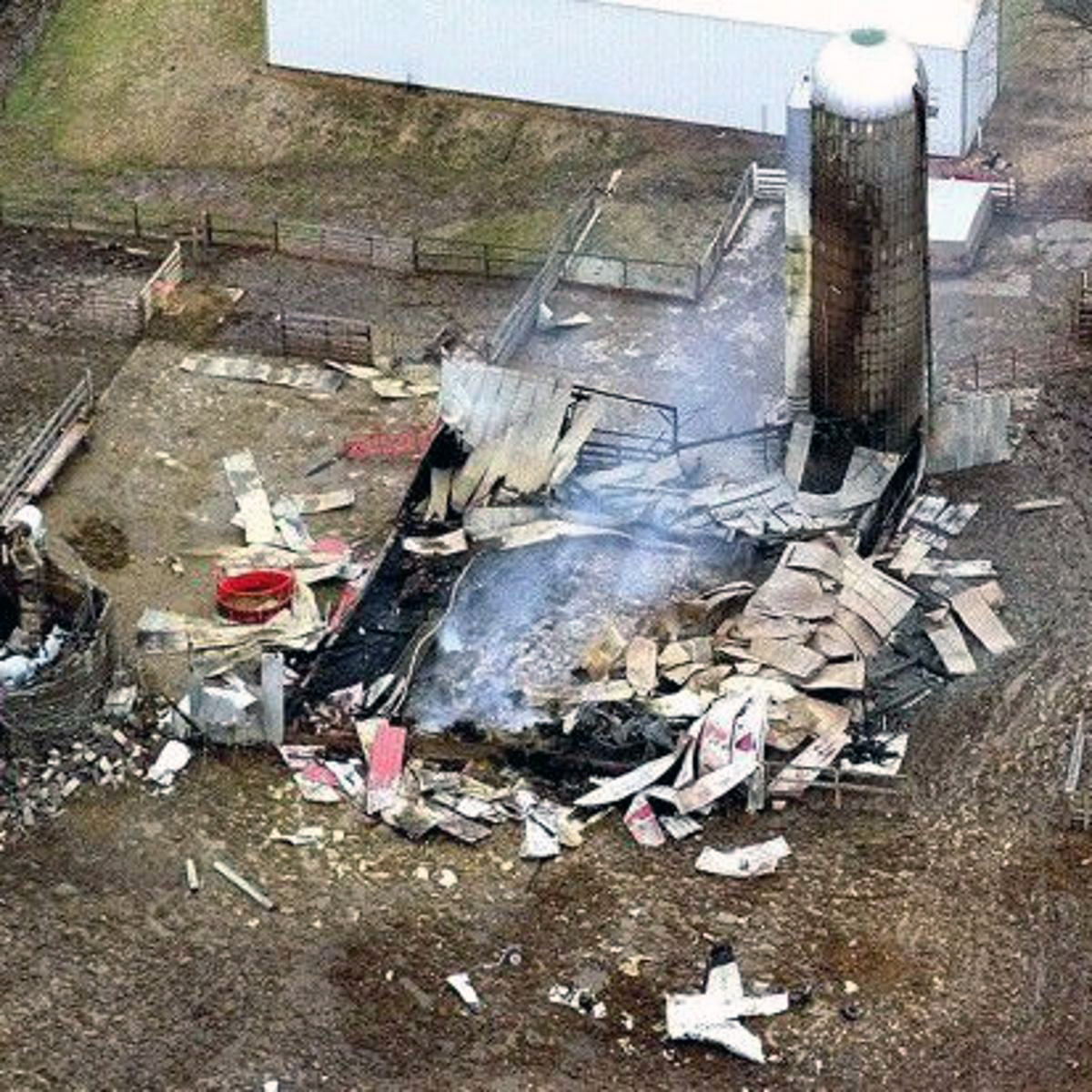
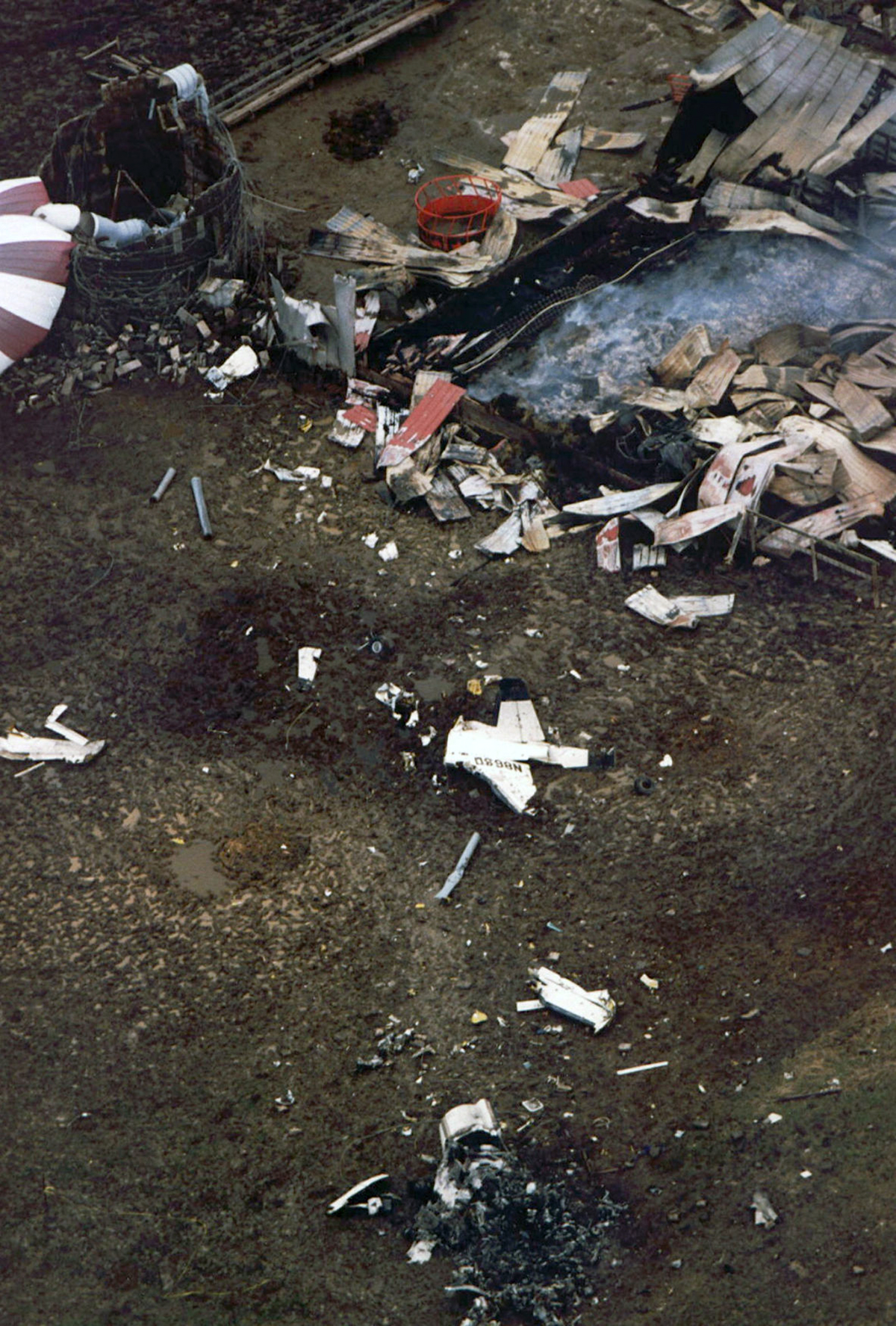
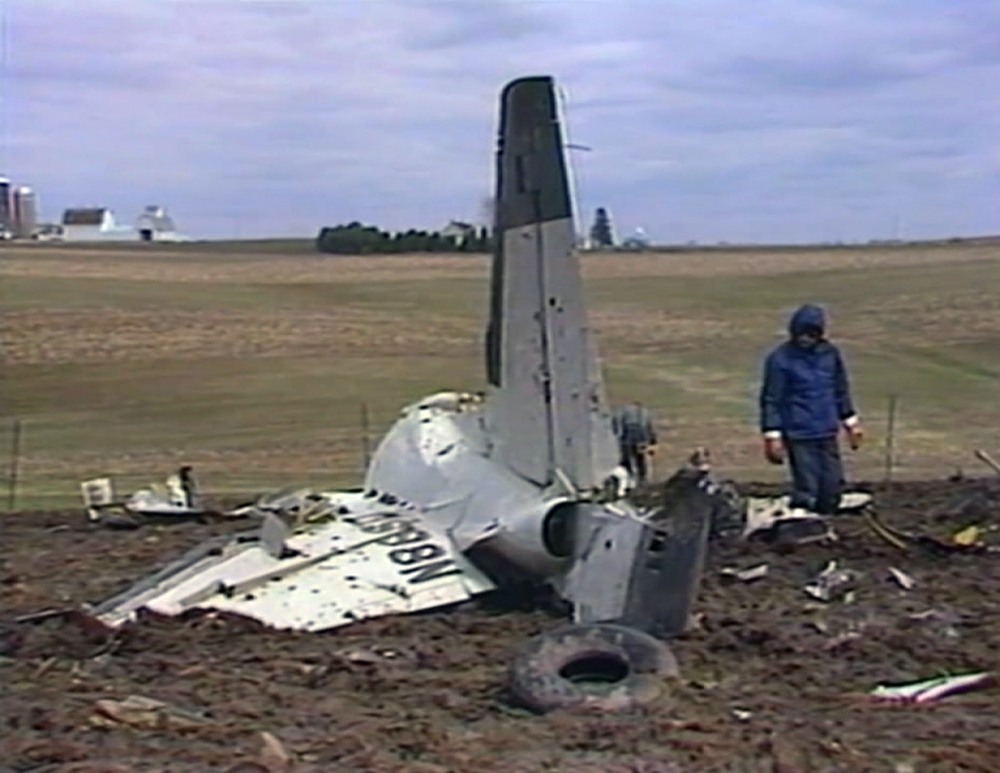
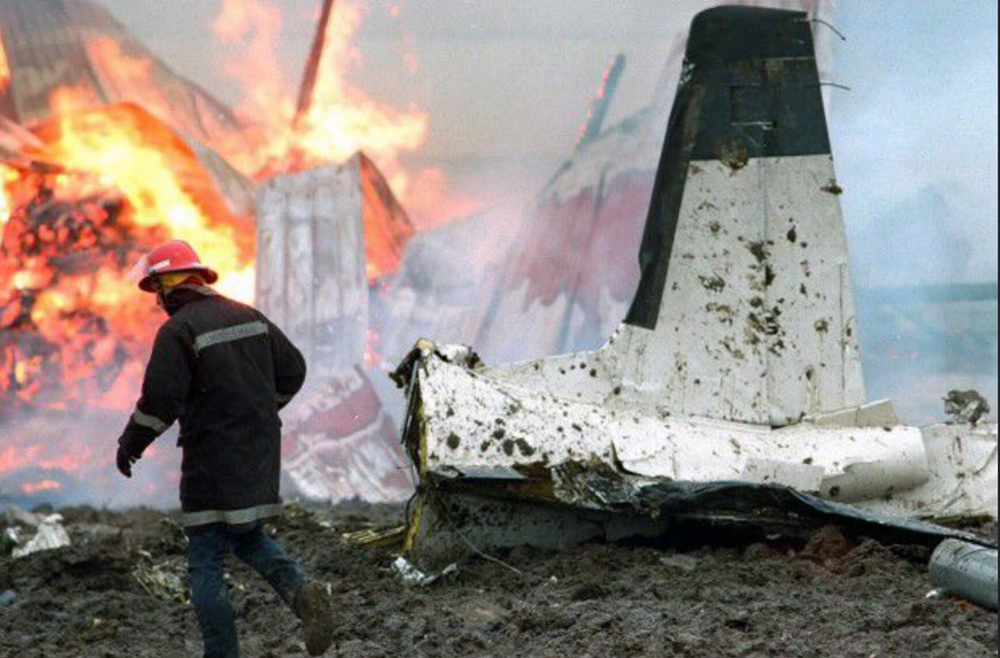
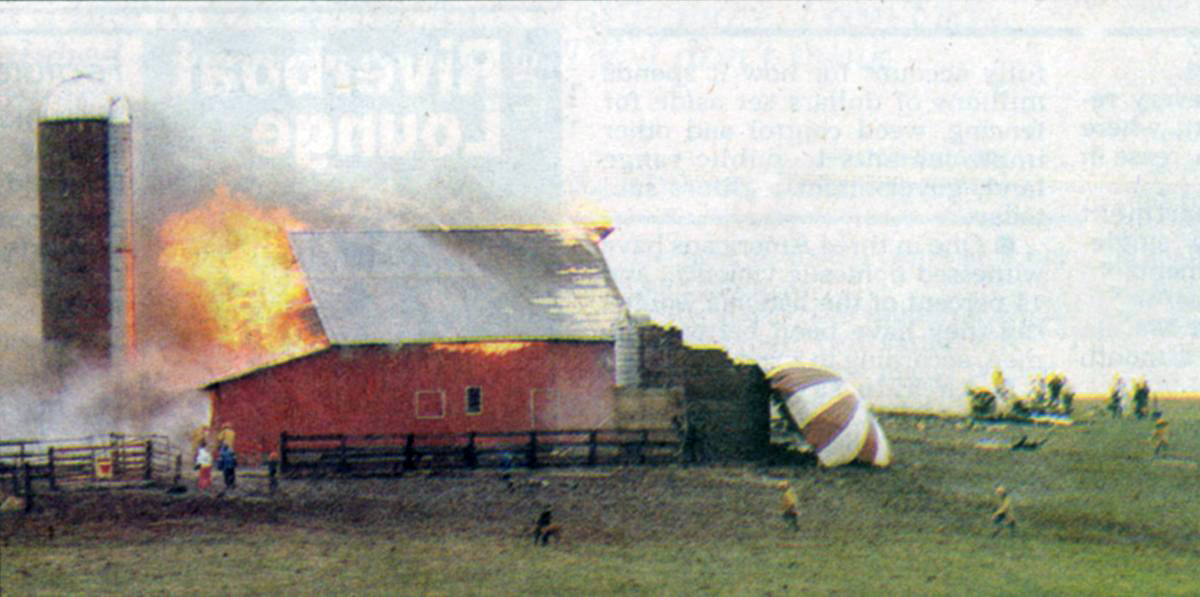
While cruising at FL240, a propeller (prop) hub arm on the left prop failed, releasing the prop blade, which struck a 2nd blade, breaking off its tip. This resulted in a severe engine vibration and shutdown of the left engine. The left engine was forced downward and inboard on its mounts. The cabin depressurized, possibly from blade contact. The flight crew made an emergency descent and received a vector to divert for an ILS approach to Dubuque. The airplane was incapable of maintaining altitude and descended in instrument conditions. Subsequently, it collided with a silo and crashed about 8 miles south of Dubuque. An investigation revealed the left prop hub failed from fatigue that initiated from multiple initiation sites on the inside diameter surface of the hole for the pilot tube. There was evidence that the fatigue properties of the hub were reduced by a combination of factors, including machining marks or scratches, mixed microstructure, corrosion, decarburization, and residual stresses. All eight occupants were killed, among them George Mickelson, 52, Governor of South Dakota.
Probable cause:
The fatigue cracking and fracture of the propeller hub arm. The resultant separation of the hub arm and the propeller blade damaged the engine, nacelle, wing, and fuselage, thereby causing significant degradation to aircraft performance and control that made a successful landing problematic. The cause of the propeller hub arm fracture was a reduction in the fatigue strength of the material because of manufacturing and time-related factors (decarburization, residual stress, corrosion, mixed microstructure, and machining/scoring marks) that reduced the fatigue resistance of the material, probably combined with exposure to higher-than-normal cyclic loads during operation of the propeller at a critical vibration frequency (reactionless mode), which was not appropriately considered during the airplane/propeller certification process.
Final Report:

Crash of a Cessna 550 Citation II in Billings: 8 killed

Date & Time: Dec 18, 1992 at 1645 LT
Type of aircraft:
Operator:
Registration:
N6887Y
Flight Type:
Survivors:
No
Schedule:
Watertown - Billings
MSN:
550-0293
YOM:
1981
Crew on board:
2
Crew fatalities:
Pax on board:
6
Pax fatalities:
Other fatalities:
Total fatalities:
8
Captain / Total flying hours:
6200
Captain / Total hours on type:
4415.00
Aircraft flight hours:
5275
Circumstances:
During descent into Billings, the Citation was sequenced behind a Boeing 757, and both airplanes were eventually cleared for visual approaches. About 1-1/2 mile from the runway the Citation was observed to roll rapidly to the inverted position and descended almost vertically into the ground. According to ATC transcripts and the airplane's cockpit voice recorder, the crew of the Citation had maintained visual awareness of the position of the B757 throughout the approach. At the time of the upset, the vertical separation between airplanes was 600 - 1,000 feet, and the horizontal separation was decreasing below 2.6 miles. One of the Citation captain's last comments was 'almost ran over a seven fifty seven.' Winds were 5 knots. All eight occupants were killed.
Probable cause:
The pilot-in-command's failure to follow established vortex avoidance procedures, as published in the airman's information manual, to provide his own wake turbulence separation.
Final Report:

Crash of a Rockwell Gulfstream 695 Jetprop 980 in Monterrey: 9 killed

Date & Time: Oct 19, 1992 at 0543 LT
Operator:
Registration:
XC-AA38
Flight Phase:
Flight Type:
Survivors:
No
Schedule:
Monterrey – Ciudad Juárez
MSN:
695-95020
YOM:
1980
Country:
Crew on board:
2
Crew fatalities:
Pax on board:
7
Pax fatalities:
Other fatalities:
Total fatalities:
9
Circumstances:
The twin engine aircraft was completing a flight on behalf of the Attorney General of the Republic, carrying seven passengers and two pilots. After takeoff from Monterrey-General Mariano Escobido Airport, while climbing, the crew reported 3,000 feet when the aircraft entered an uncontrolled descent and crashed in a field located 4 km from the airport. The aircraft crashed one minute after a night takeoff. All nine occupants were killed.