Crash of a Learjet 25C in Lexington: 1 killed

Date & Time: Aug 30, 2002 at 1307 LT
Type of aircraft:
Registration:
N45CP
Flight Type:
Survivors:
Yes
Schedule:
Marco Island - Lexington
MSN:
25-073
YOM:
1972
Crew on board:
2
Crew fatalities:
Pax on board:
3
Pax fatalities:
Other fatalities:
Total fatalities:
1
Captain / Total flying hours:
2681
Captain / Total hours on type:
436.00
Copilot / Total flying hours:
1363
Copilot / Total hours on type:
60
Aircraft flight hours:
7514
Circumstances:
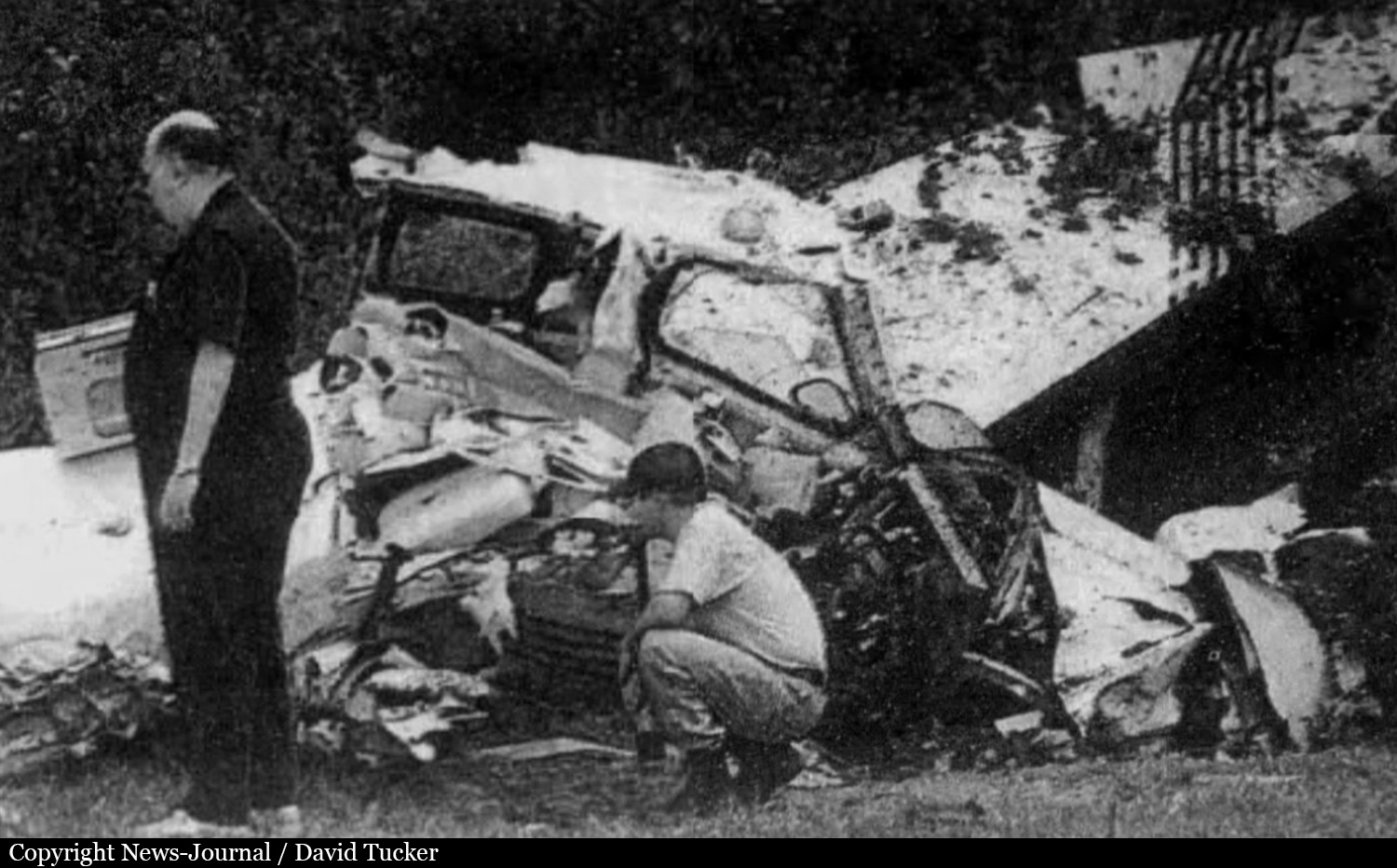
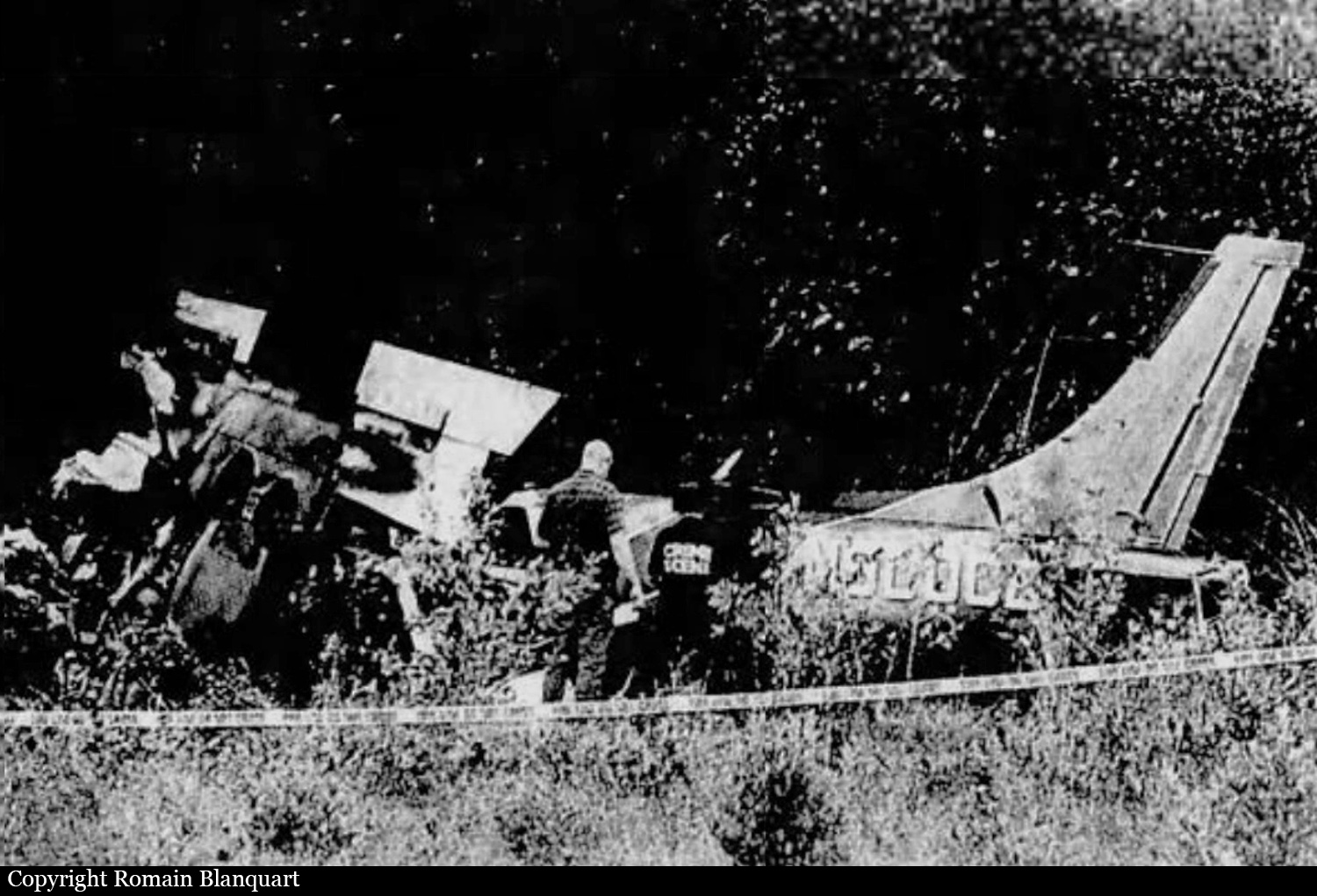
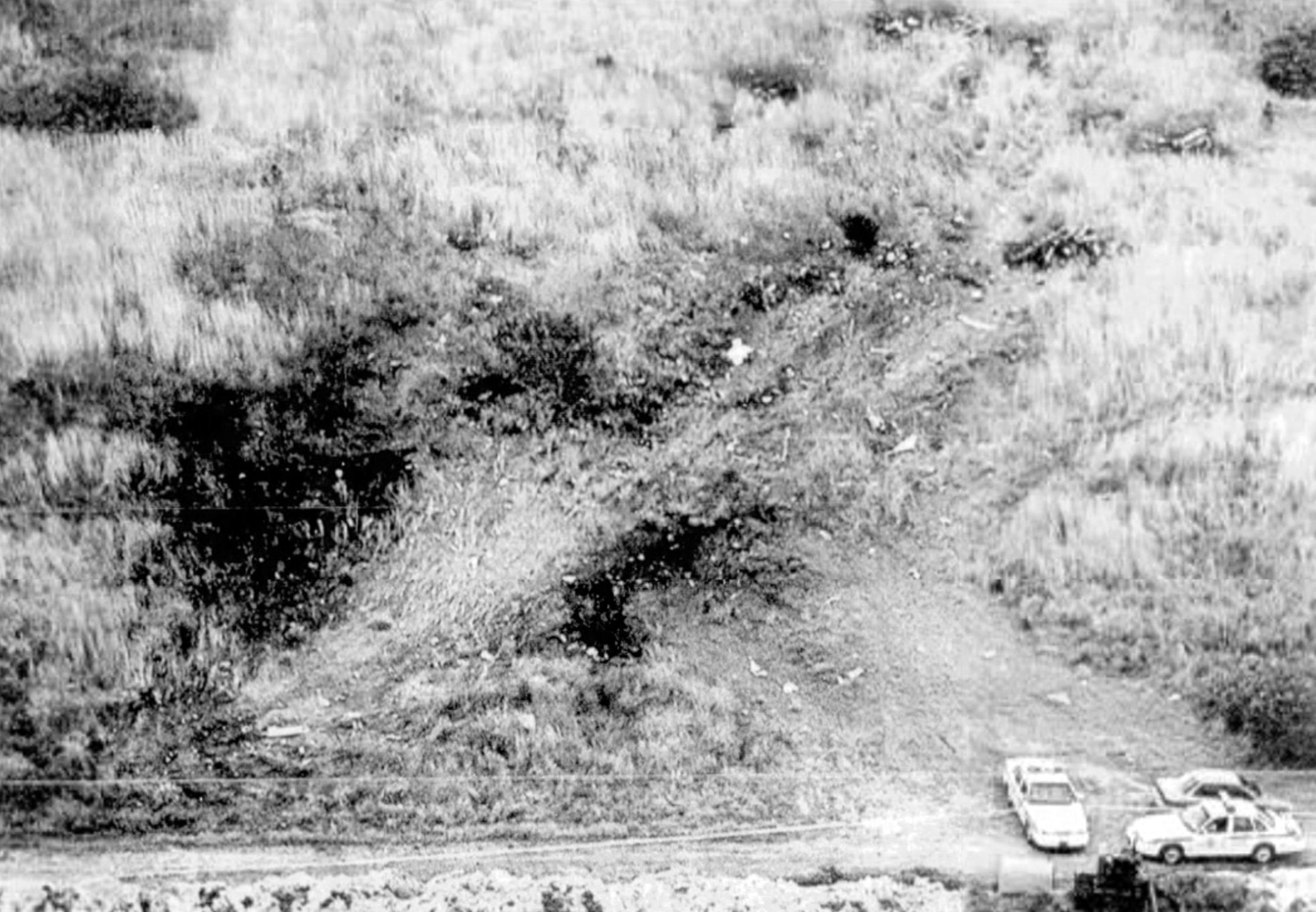
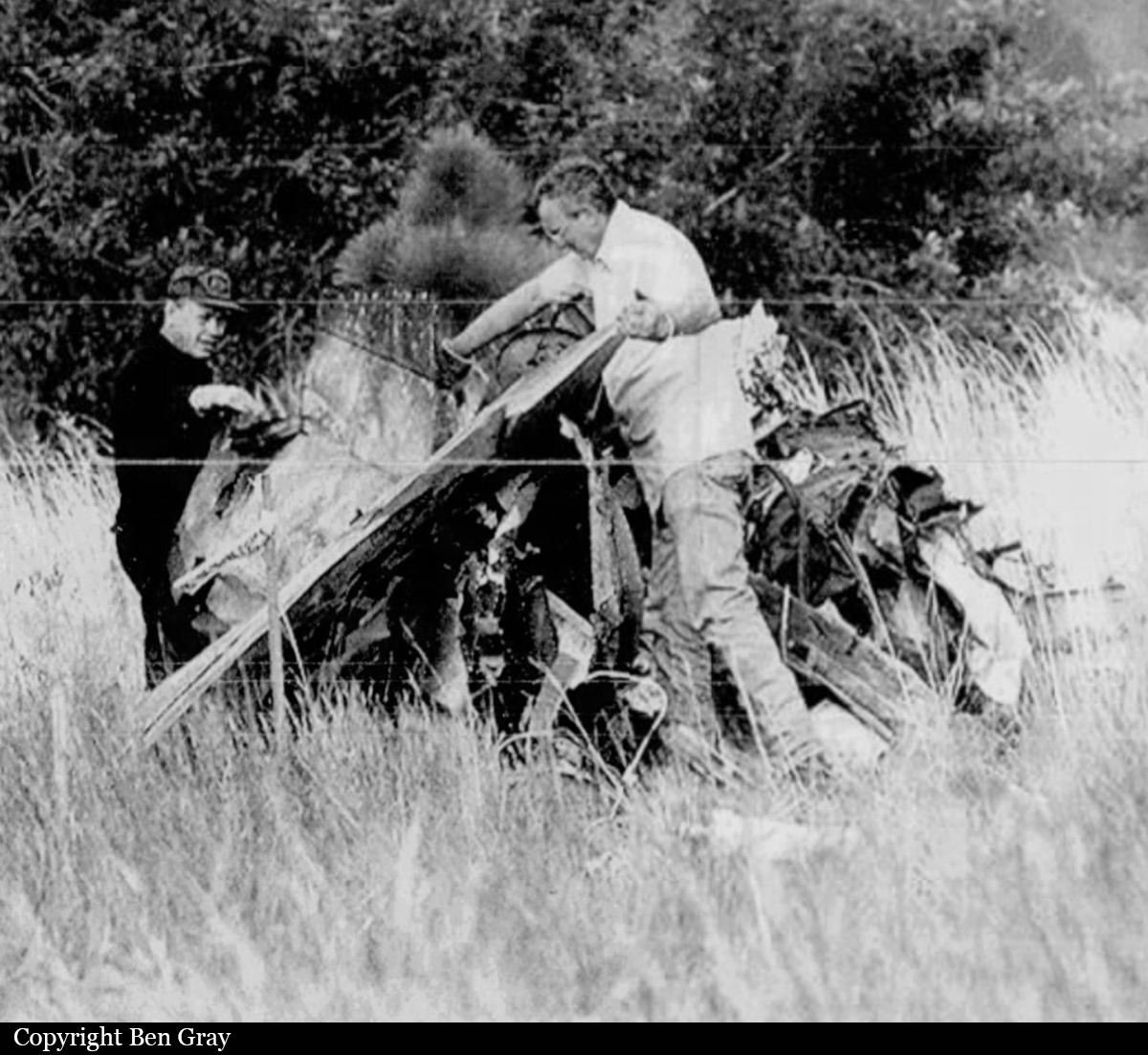
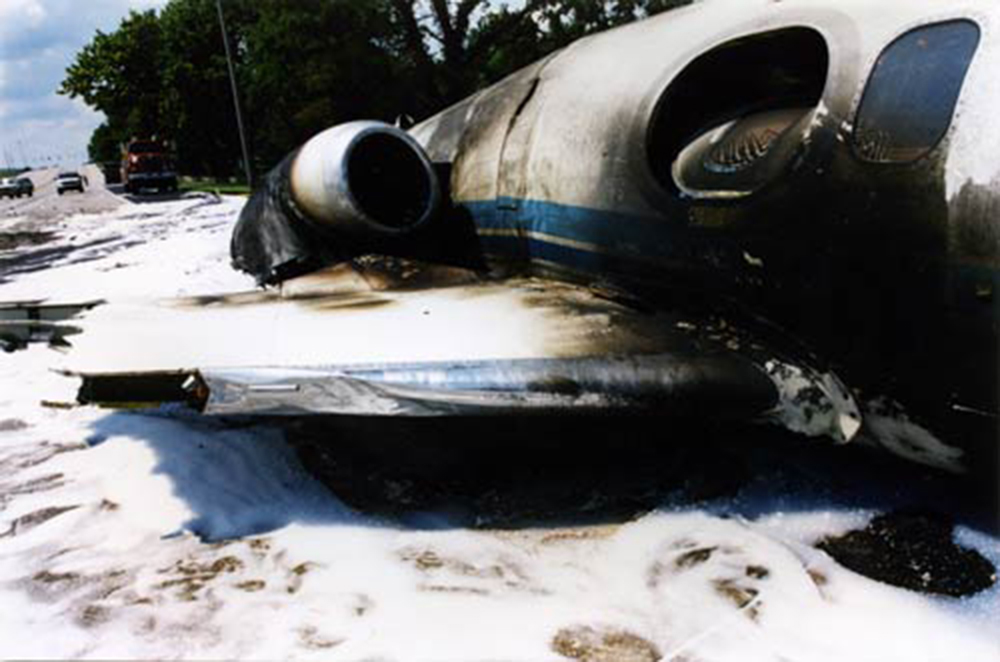
Shortly before landing, the crew confirmed that the hydraulic and emergency air pressures were "good", and that the circuit breakers on the "right and left" were in. In addition, the first officer reported "arming one and two." The airplane landed 1,000 - 1,500 feet from the landing threshold of runway 04, which was 7,003 feet in length. The captain utilized aerodynamic braking during part of the landing roll. About 3 seconds after touchdown, the first officer stated, "they're not deployed, they're armed only." About 6 seconds after touchdown, there was an increase in engine rpm. Shortly after that, there was an expletive from the captain. One and a half seconds later, there was another expletive. Slightly less than 2 seconds later, the captain told the first officer to "brake me," and 2.7 seconds after that, stated "emergency brake." About 4 seconds later, there was a "clunk", followed by a decrease in engine rpm 1 second later. Immediately after that, the captain stated, "we're going off the end." The airplane subsequently dropped off an embankment at the end of the runway, impacted and descended through a localizer tower, then impacted the ground and slid across a highway. The airplane had been fitted with a conversion that included thrust reversers. An examination of the wreckage revealed that the thrust reversers were out of the stowed position, but not deployed. The drag chute was also not deployed. Brake calipers were tested with compressed air, and operated normally. Brake disc pads were measured, and found to be within limits. According to an excerpt from the conversion maintenance manual, reverser deployment was hydraulically actuated and electrically controlled. There was also an accumulator which allowed deploy/stow cycling in the event of hydraulic system failure. Interlocks were provided so that the reverser doors could not be deployed until the control panel ARM switch was on, the main throttle levers were in idle position, and the airplane was on the ground with the squat switches engaged. The previous crew reported no mechanical anomalies. Runway elevation rose by approximately 35 feet during the first 2/3 of its length, then decreased until it was 8 feet lower at its departure end. Winds were reported as being from 050 degrees true at 7 knots. At the airplane's projected landing weight, without the use of thrust reversers, the estimated landing distance was about 2,850 feet with the anti-skid operative, and 3,400 feet with the anti-skid inoperative.
Probable cause:
The captain's addition of forward thrust during the landing rollout, which resulted in a lack of braking effectiveness and a subsequent runway overrun. A factor was the captain's inability to deploy the thrust reversers for undetermined reasons.
Final Report:

Crash of a Piper PA-46-310P Malibu in Osteen: 3 killed

Date & Time: Jun 14, 2002 at 2035 LT
Registration:
N9143B
Flight Phase:
Flight Type:
Survivors:
No
Schedule:
Raleigh-Durham – Marco Island
MSN:
46-08134
YOM:
1988
Location:
Crew on board:
1
Crew fatalities:
Pax on board:
2
Pax fatalities:
Other fatalities:
Total fatalities:
3
Captain / Total flying hours:
2800
Captain / Total hours on type:
380.00
Aircraft flight hours:
2813
Circumstances:
The pilot of N9143B had asked the controller if he could deviate about 12 miles west, because he thought he saw "a hole" in the weather. The radar ground track plot showed the pilot had observed a 3 to 5 mile gap between two thunderstorm clusters and attempted to fly through an area of light radar echoes between the two large areas of heavier echoes. N9143B departed level flight, and radar showed that a cluster of thunderstorms, level three to four were present in the vicinity of N9143B's ground track position. Radar data showed that N9143B started an uncontrolled descent from FL260 (about 27,500 feet msl). Witnesses reported hearing the engine make a winding noise, then observed the airplane come out of the clouds about 300 feet above the ground, in a nose low spiral, and the right wing was missing. The right wing was not found at the crash site, but was located 1.62 miles from the main wreckage. The pilot of N9143B had requested and received a weather briefing. He was advised that the weather data indicated that an area forecast for his route of flight predicted thunderstorm activity and cumulonimbus clouds with tops as high as FL450 (flight level 45,000 feet), and a weather system impacting the Florida Gulf Coast, consisted of "looming thunderstorms" in that area. The pilot had contacted the Enroute Flight Advisory Service (EFAS, commonly known as "Flight Watch") for enroute weather advisories, and advised of "cells" east of St. Augustine, advised of convective SIGMET 05E in effect for southern Florida, and was advised that a routing toward the Tampa/St. Petersburg area and then southward, would avoid an area of thunderstorms.
Probable cause:
The pilot's inadequate weather evaluation and his failure to maintain control of the airplane after entering an area of thunderstorms resulting in an in-flight separation of the right wing and right horizontal stabilizer and impact with the ground during an uncontrolled descent.
Final Report:

Crash of a Piper PA-61 Aerostar (Ted Smith 601) in Marco Island: 1 killed

Date & Time: Mar 31, 2001 at 1015 LT
Operator:
Registration:
N900CE
Flight Type:
Survivors:
No
Schedule:
Venice - Marco Island
MSN:
61-0555-239
YOM:
1978
Crew on board:
1
Crew fatalities:
Pax on board:
0
Pax fatalities:
Other fatalities:
Total fatalities:
1
Captain / Total flying hours:
12980
Aircraft flight hours:
3633
Circumstances:
Witnesses watching N900CE's approach for landing to runway 17 at Marco Island Executive Airport stated the pilot appeared to have difficulty aligning the Machen modified Aerostar with the runway centerline. They stated the aircraft appeared unstable about the yaw and roll axes, and appeared too fast. Winds were from the southwest at about 15 knots, gusting to about 20 knots. One pilot/witness close to the touchdown area saw the right wheel touch down instantly, and climb back up to about 50 feet, agl without the full addition of engine power. Most witnesses thought he was either performing a go-around or an extended touch down further down the runway. The airplane continued, "..more and more wobbly" until it entered a climbing attitude and sharp left bank and turn. About half way down the runway the left wing dropped until it contacted the terrain left of the runway, and the aircraft slid into mangrove trees and burned. During postcrash examination, flight control continuity from surface to cockpit floorboards was confirmed. No condition was found with either engine or propeller that would have precluded proper operation, precrash. A witness listening to the pilot's initial radio call up for approach and landing stated that no abnormality was reported by the pilot. Postmortem toxicology testing on specimens obtained from the pilot by the FAA Toxicology and Accident Research Laboratory and the Dade County Medical Examiner revealed quinine found in the blood and urine. The side effects of quinine can include disturbances of vision, hearing, and balance.
Crew:
Glenn Cross.
Probable cause:
The failure of the pilot to maintain control of the aircraft during a rejected landing and the collision with the terrain and mangrove trees. A finding in the investigation was the presence of quinine in the blood and urine during postmortem toxicological testing of specimens from the pilot.
Final Report:

Crash of a Cessna 550 Citation II in Marco Island: 2 killed

Date & Time: Dec 31, 1995 at 1225 LT
Type of aircraft:
Operator:
Registration:
N91MJ
Flight Type:
Survivors:
No
Schedule:
Saint Louis - Marco Island
MSN:
550-0101
YOM:
1979
Crew on board:
2
Crew fatalities:
Pax on board:
0
Pax fatalities:
Other fatalities:
Total fatalities:
2
Captain / Total flying hours:
13026
Captain / Total hours on type:
2500.00
Aircraft flight hours:
6025
Circumstances:
The flight was cleared for the VOR/DME approach to runway 17 at the Marco Island Airport. The CVR recorded conversation between the pilot and co-pilot reference to the approach, specifically the MDA both in mean sea level and absolute altitude for a straight-in-approach to runway 17. The flight crew announced that the flight was landing on runway 35. The flight crew did not discuss the missed approach procedure nor the circling minimums. The flight continued and the co-pilot announced that the flight was 5 miles from the airport to descend to the MDA to visually acquire the airport. While descending about 8.5 feet of the left wing of the airplane was severed by a guy wire about 587 feet above ground level from an antenna that was 3.36 nautical miles from the threshold of runway 17. The tower is listed on the approach chart that was provided to the flight crew. The airplane then rolled left wing low, recovered to wings level, then was observed to roll to the left, pitch nose down, and impacted the ground. A fireball was then observed by witnesses. The altimeters, air data computer, and pilot's airspeed indicator were last calibrated about 8 months before the accident. The co-pilots altimeter was found set .01 high from the last known altimeter setting provided to the flight crew. The CVR did not record any conversation pertaining to failure or malfunction of either the pilot or copilot's HSI, the DME or Altimeters. There were no alarms from the VOR/DME monitoring equipment the day of the accident. The flight crew of another airplane executed the same approach about 30 minutes before the accident and they reported no discrepancies with the approach. The MDA for the segment of the approach between where the tower is located is no lower than 974 feet above ground level.
Probable cause:
The pilot's disregard for the MDA for a specific segment of the VOR/DME approach which resulted in the inflight collision with a guy wire of an antenna and separation of 8.5 feet of the left wing.
Final Report:

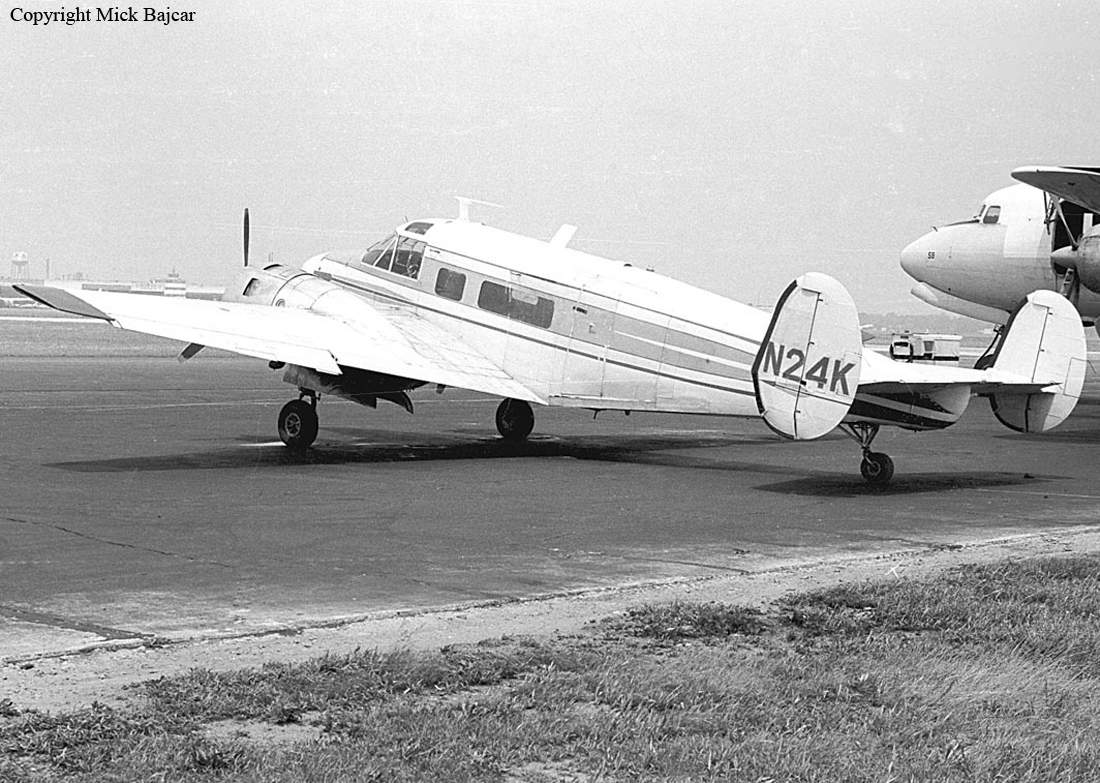
Crash of a Beechcraft H18 in Marco Island

Date & Time: Mar 25, 1972 at 1230 LT
Type of aircraft:
Operator:
Registration:
N24K
Flight Phase:
Flight Type:
Survivors:
Yes
Schedule:
Marco Island - Marco Island
MSN:
BA-648
YOM:
1963
Crew on board:
1
Crew fatalities:
Pax on board:
1
Pax fatalities:
Other fatalities:
Total fatalities:
0
Captain / Total flying hours:
4000
Captain / Total hours on type:
496.00
Circumstances:
During the takeoff roll at Marco Island Airport, the pilot decided to abort for unknown reason. Unable to stop within the remaining distance, the twin engine airplane overran and collided with a small concrete wall before coming to rest. While both occupants were slightly injured, the airplane was damaged beyond repair.
Probable cause:
The pilot failed to maintain directional control after a delayed action in aborting takeoff. The following factors were reported:
- Airport conditions: soft shoulders,
- Collided with a 60 feet wide canal,
- Wind gusting to 10 knots.
Final Report:

Crash of a Beechcraft E18S off Marco Island

Date & Time: Sep 5, 1968 at 1612 LT
Type of aircraft:
Registration:
N820
Flight Phase:
Survivors:
Yes
MSN:
BA-185
YOM:
1956
Crew on board:
1
Crew fatalities:
Pax on board:
0
Pax fatalities:
Other fatalities:
Total fatalities:
0
Captain / Total flying hours:
18716
Captain / Total hours on type:
4117.00
Circumstances:
While cruising along the shore, the pilot experience a double engine failure. Unable to maintain a safe altitude, he attempted to ditch the aircraft few hundred yards off Marco Island. The pilot was quickly rescued while the airplane sank and was lost.
Probable cause:
Powerplant failure for undetermined reason. The airplane was not recovered.
Final Report: