code

KY

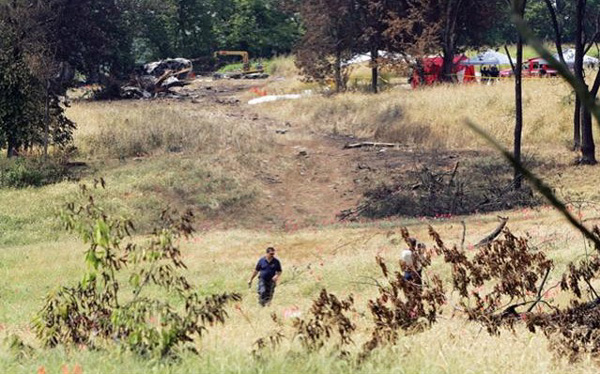
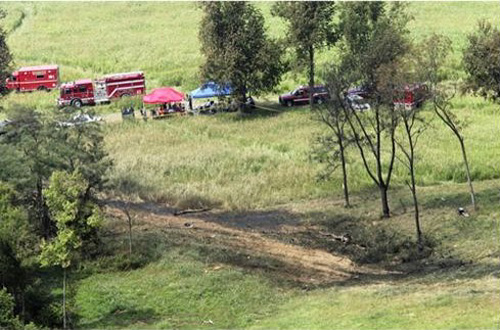
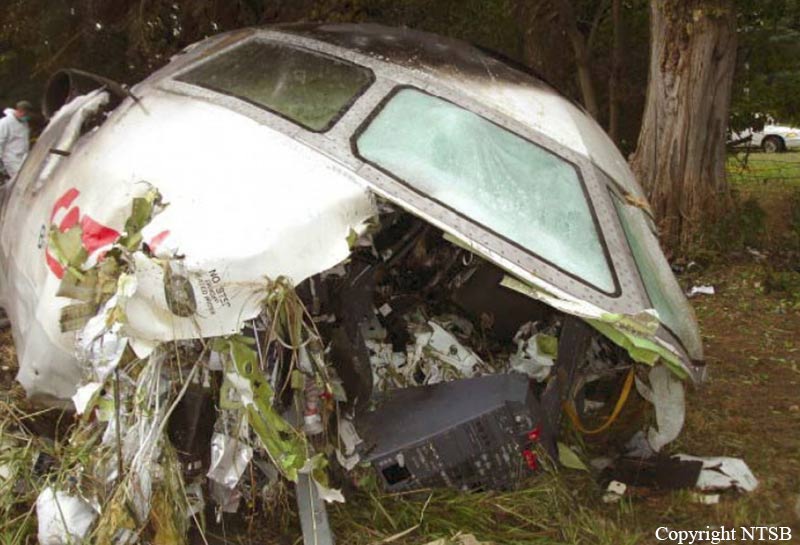
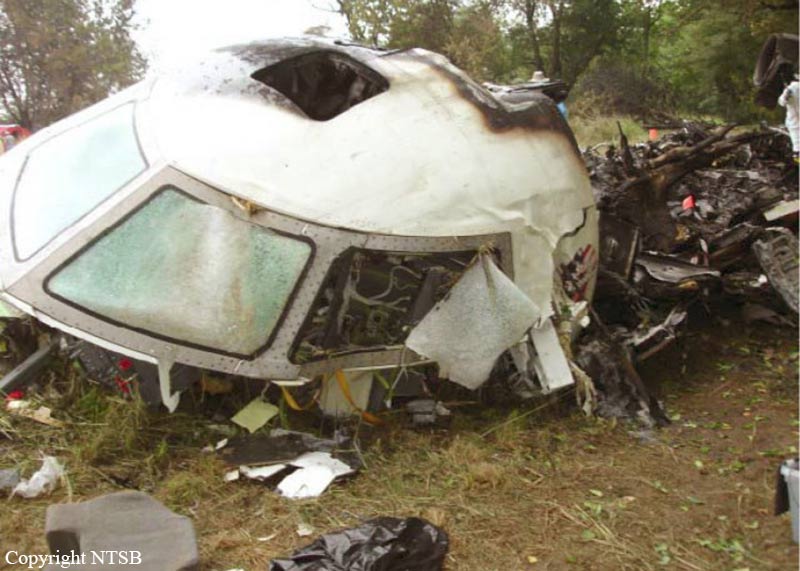
Crash of a McDonnell Douglas MD-11F in Louisville: 14 killed

Date & Time: Nov 4, 2025 at 1714 LT
Type of aircraft:
Operator:
Registration:
N259UP
Flight Phase:
Flight Type:
Survivors:
No
Site:
Schedule:
Louisville - Honolulu
MSN:
48417/467
YOM:
1991
Flight number:
UPS2976
Crew on board:
3
Crew fatalities:
Pax on board:
0
Pax fatalities:
Other fatalities:
Total fatalities:
14
Captain / Total flying hours:
8613
Captain / Total hours on type:
4918.00
Copilot / Total flying hours:
9200
Copilot / Total hours on type:
994
Aircraft flight hours:
92992
Aircraft flight cycles:
21043
Circumstances:
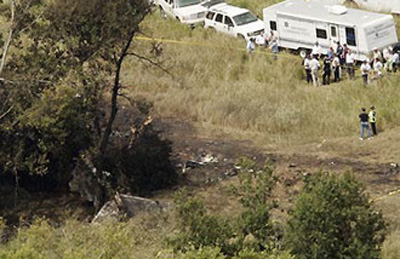
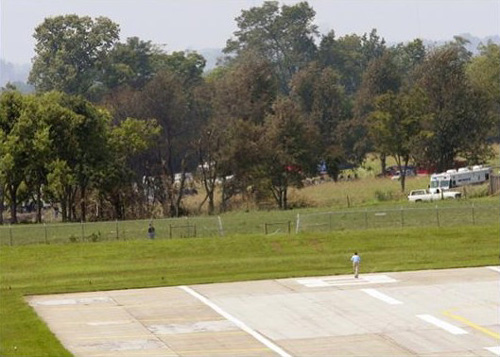
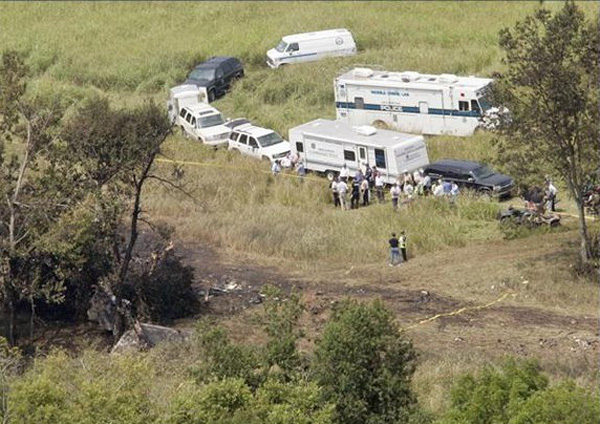
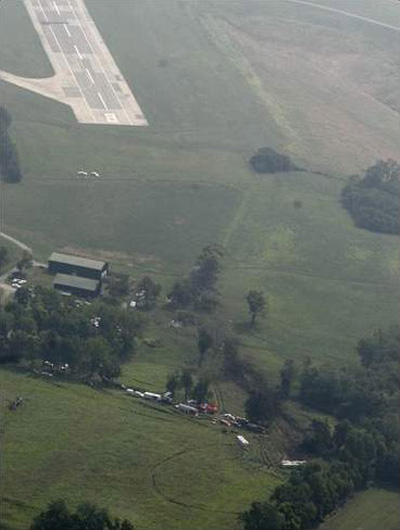
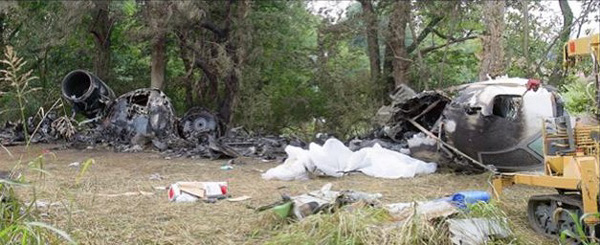
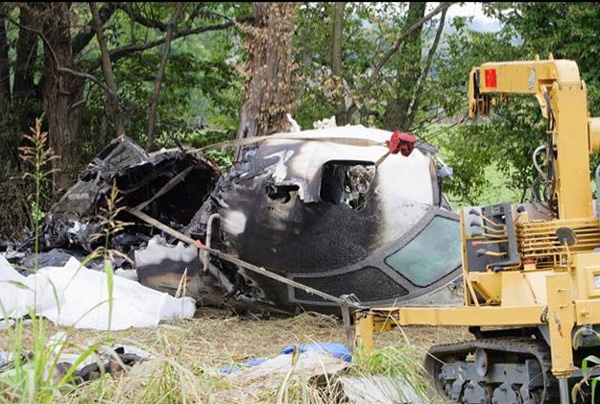
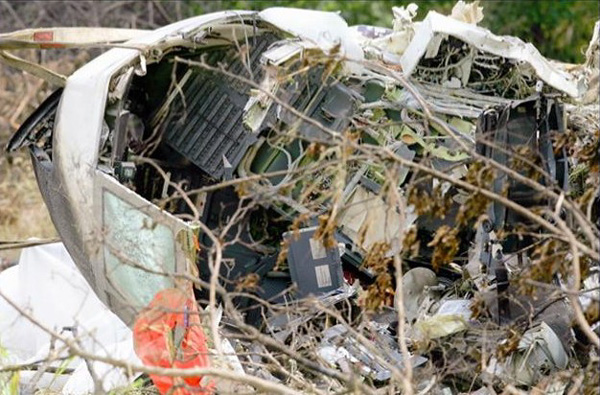
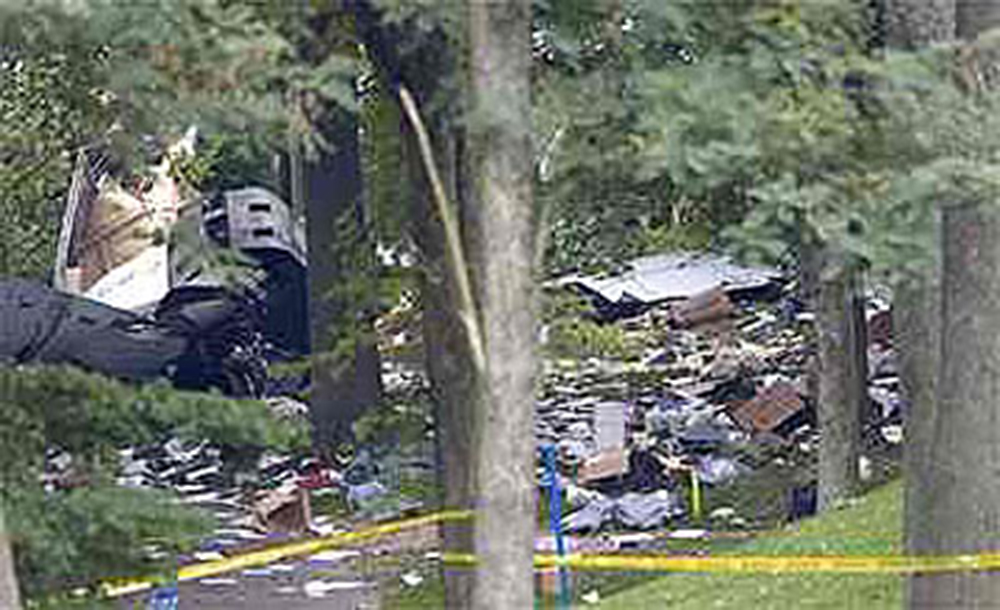
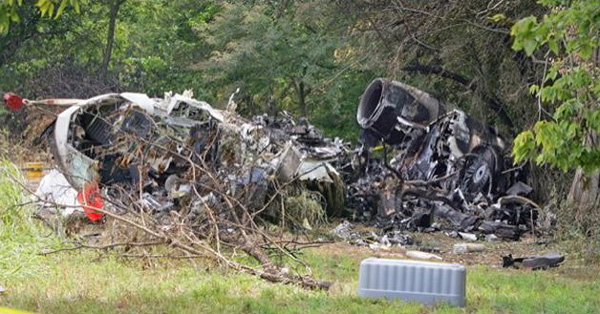
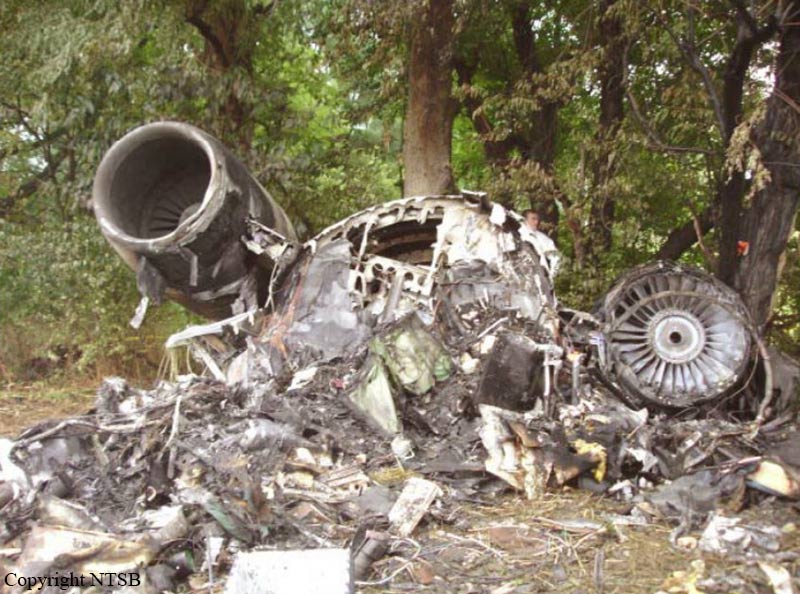
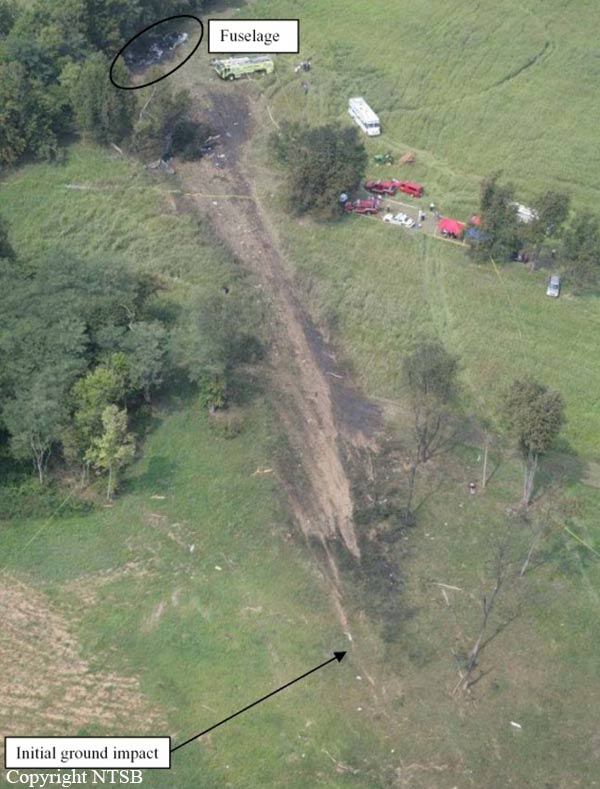
The airplane departed Louisville-Muhammad Ali Intl Airport on a cargo service to Honolulu-Daniel K. Inouye Intl Airport with a crew of three on board. During the takeoff roll on runway 17R, the pilot-in-command started the rotation while the left engine was on fire. The airplane was able to take off but failed to gain sufficient altitude and remained in a nose-up attitude at a maximum height of about 30 feet. It continued in such configuration above the runway at a speed of about 183 knots. After passing over runway 35L threshold, it rolled to the left, impacted an industrial building and crashed left wing first onto several buildings and vehicles located in the industrial area of Knopp, coming to rest about one km from the runway end, bursting into flames. Debris scattered for about 800 metres. The airplane was totally destroyed by impact forces and a post crash fire. All three crew members were killed as well as 11 people on the ground. It is also reported that 23 people on the ground were injured, two seriously. It appears that the left engine (n°1) and its pylon separated from the wing structure after rotation, and was found standing in a grassy area along the left side of runway 17R. Multiple pieces of engine fan blades were found on runway 17R along with the main component of the left engine n°1. Both FDR and CVR were found with limited fire damage and transferred to NTSB lab for analyzing. The Flight Data Recorder had around 63 hours of data covering 24 flights, including the accident sequence. The Cockpit Voice Recorder contained 124 minutes of audio, including the the accident sequence. Analysis are focused on the catastrophic failure of the engine n°1 and the loss of power on engine n°2 resulting from debris ingestion.
Crew:
Richard Wartenberg, pilot,
Lee Truitt, copilot,
Dana Diamond, international relief officer.
Probable cause:
NTSB reported that after initial cleaning of the fracture surfaces, examination of the left pylon aft mount lug fractures found evidence of fatigue cracks in addition to areas of overstress failure. On the aft lug, on both the inboard and outboard fracture surfaces, a fatigue crack was observed where the aft lug bore met the aft lug forward face. For the forward lug’s inboard fracture surface, fatigue cracks were observed along the lug bore. For the forward lug’s outboard fracture surface, the fracture consisted entirely of overstress with no indications of fatigue cracking. The forward top flange of the aft mount assembly was examined for indications of deformation or pre-existing fractures, but no indications were found. The spherical bearing was removed from the wing clevis for further evaluation.
Final Report:

Crash of a Cessna 525C CitationJet CJ4 in Mayfield

Date & Time: Sep 18, 2025 at 1538 LT
Registration:
N577RT
Flight Type:
Survivors:
Yes
Schedule:
Saint Louis - Mayfield
MSN:
525C-0133
YOM:
2013
Crew on board:
1
Crew fatalities:
Pax on board:
0
Pax fatalities:
Other fatalities:
Total fatalities:
0
Circumstances:
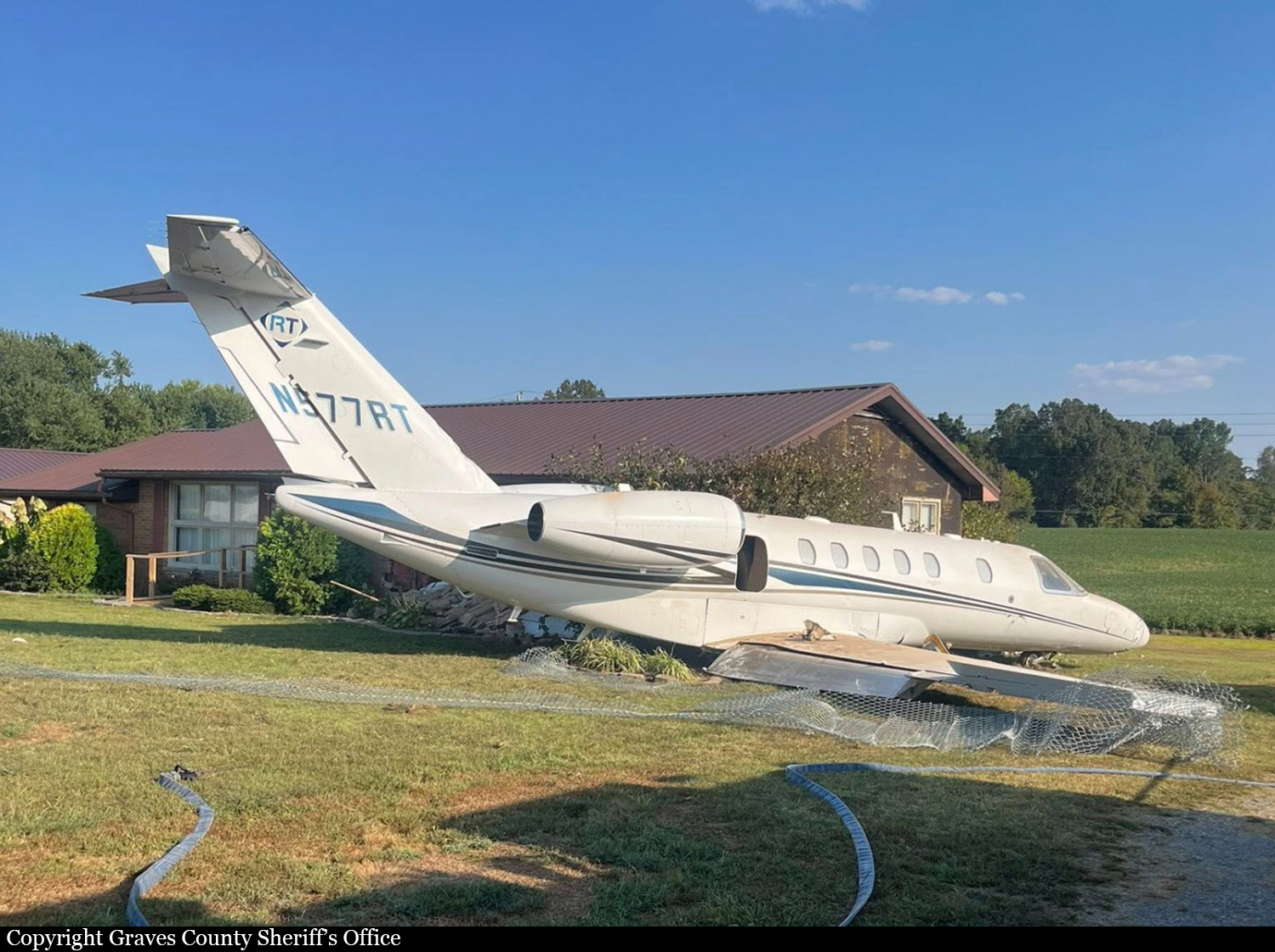
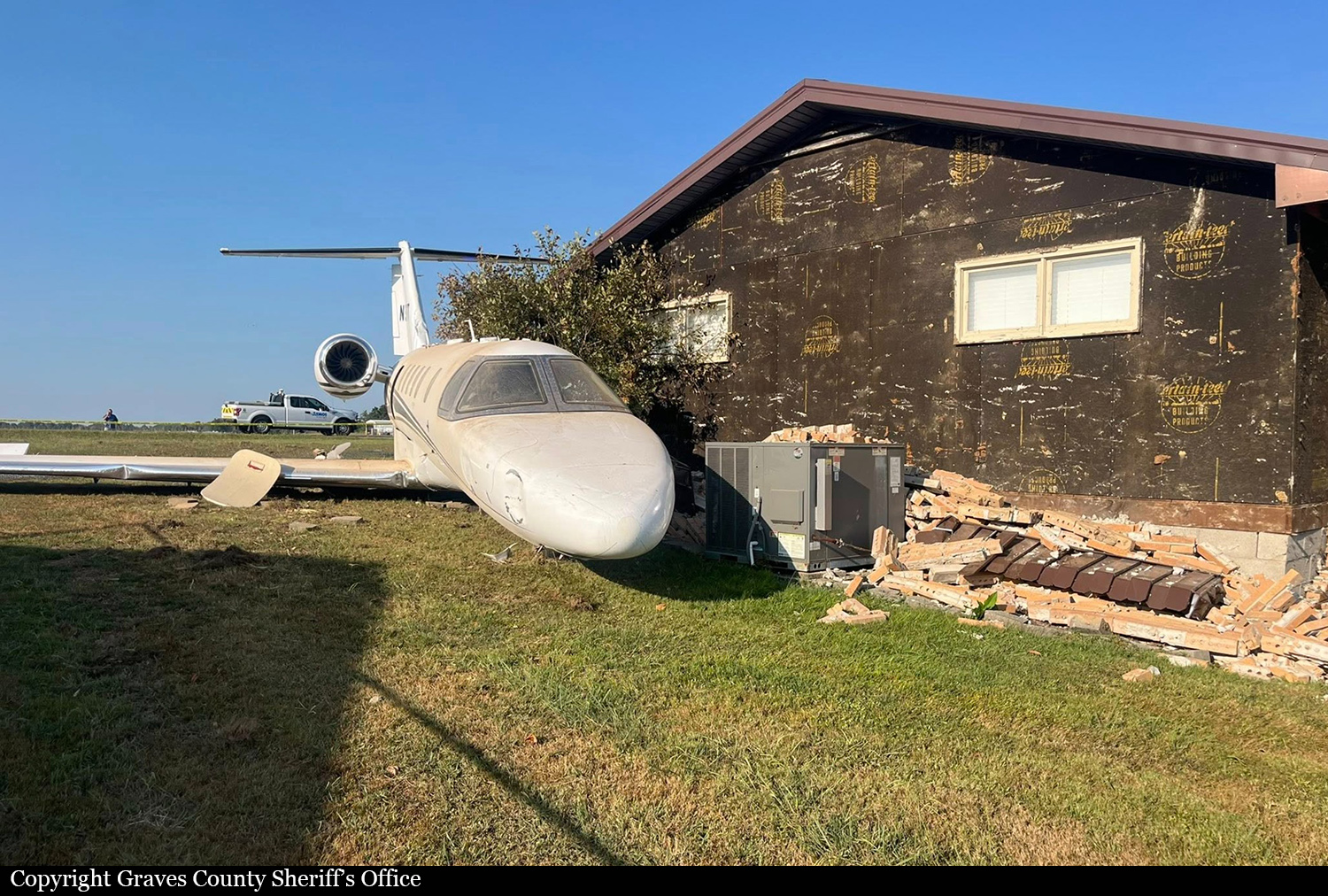
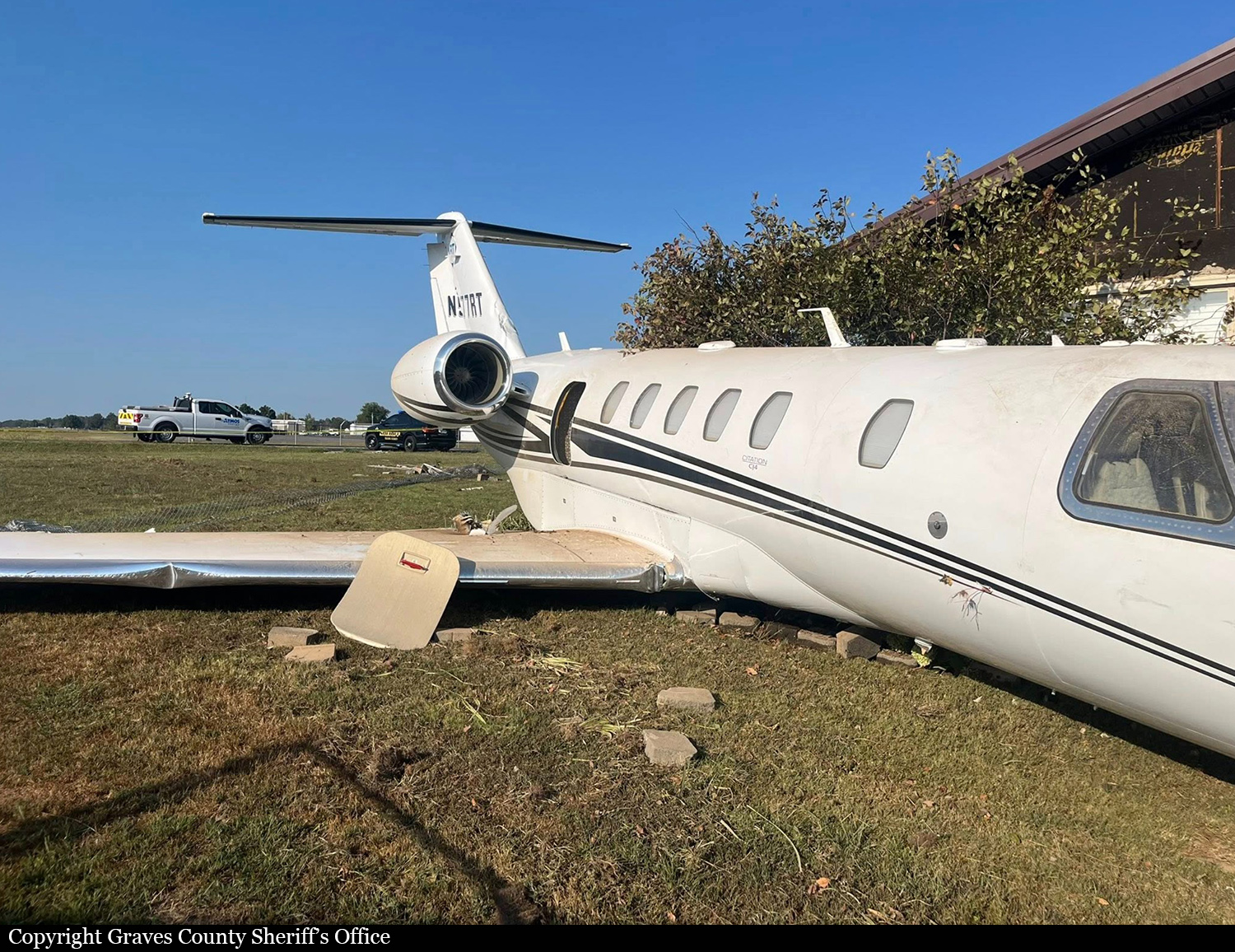
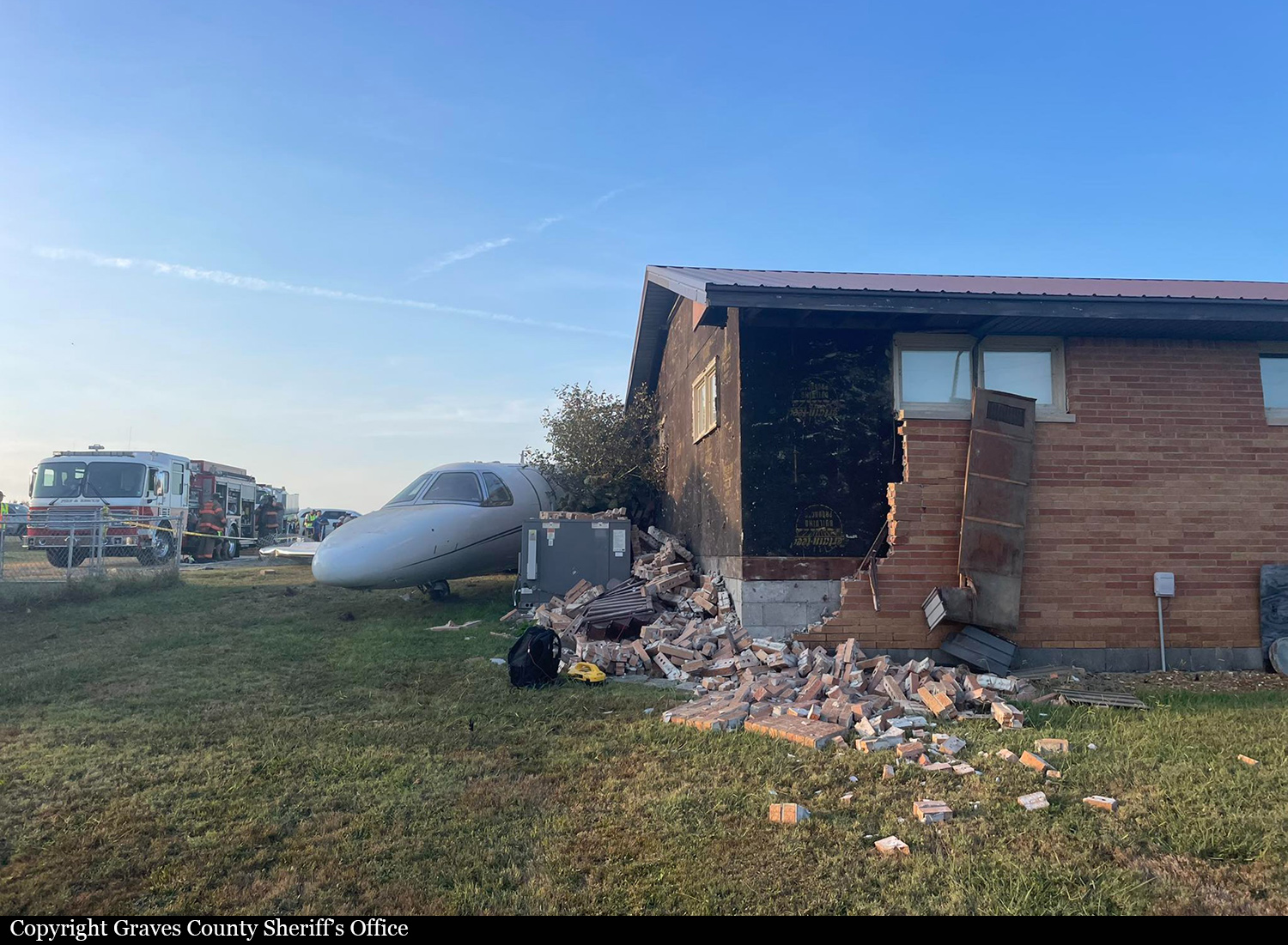
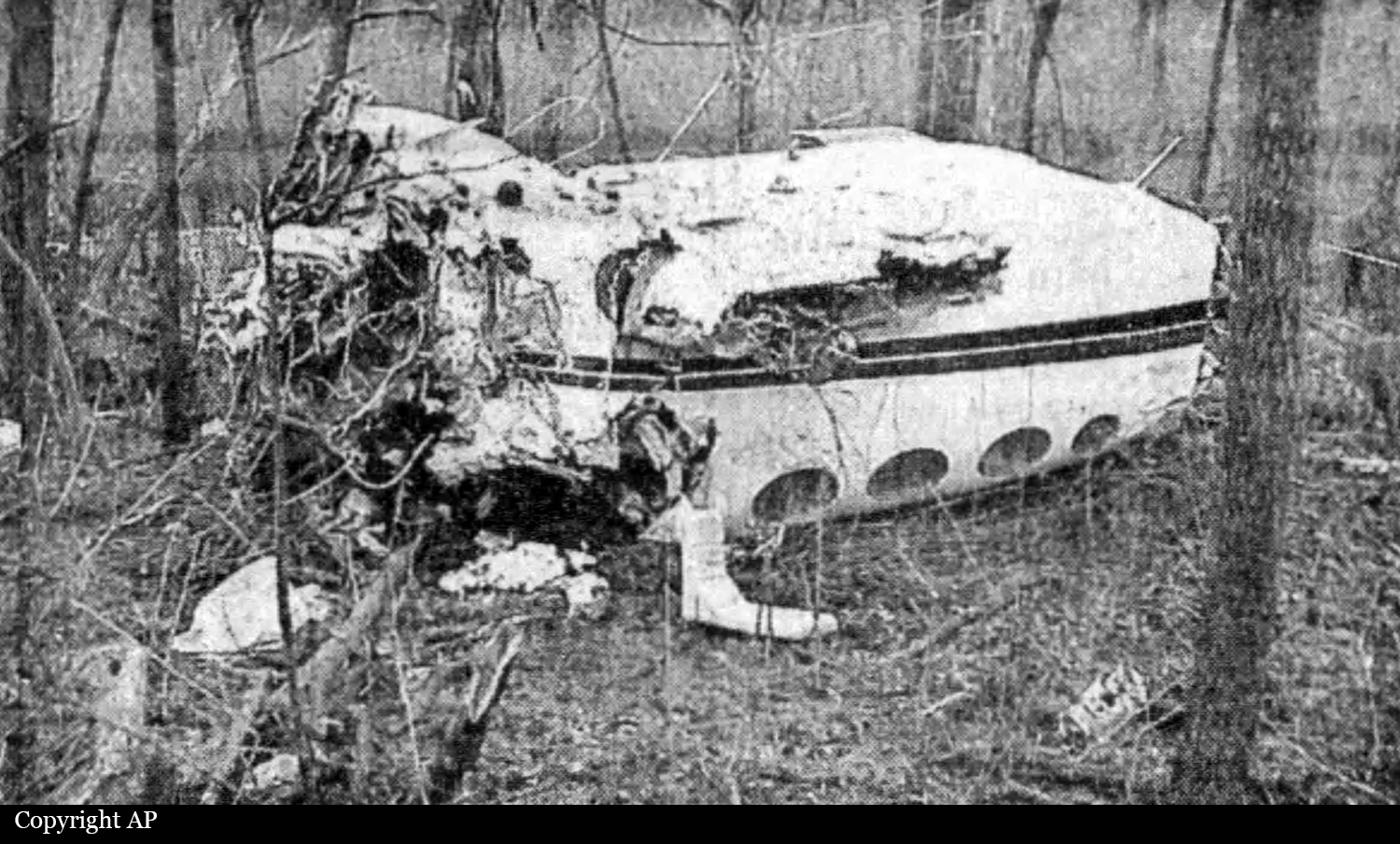
After landing on Mayfield-Graves County Airport Runway 19 (1,525 metres long), the airplane was unable to stop within the remaining distance, overran, rolled through a road and eventually collided with a house located 216 metres past the runway end. The pilot escaped uninjured and the only person in the house was unhurt. The airplane was damaged seriously damaged.

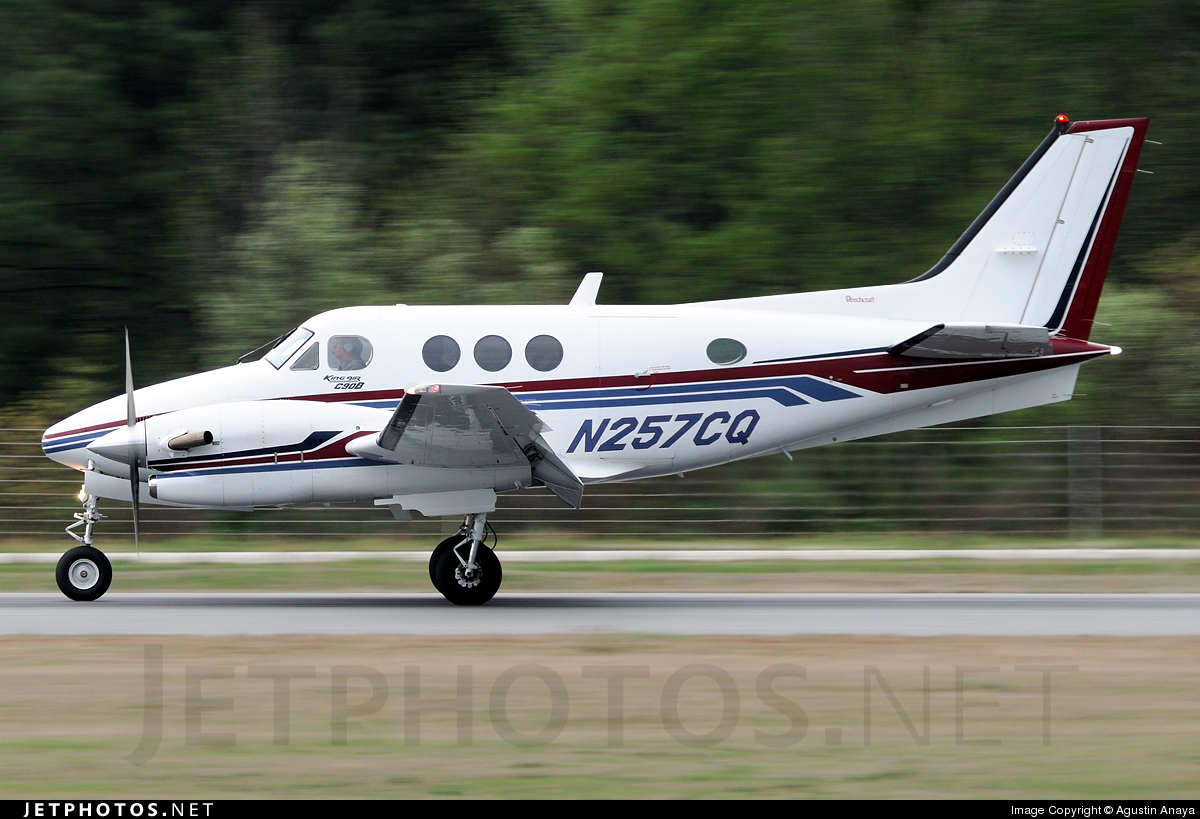
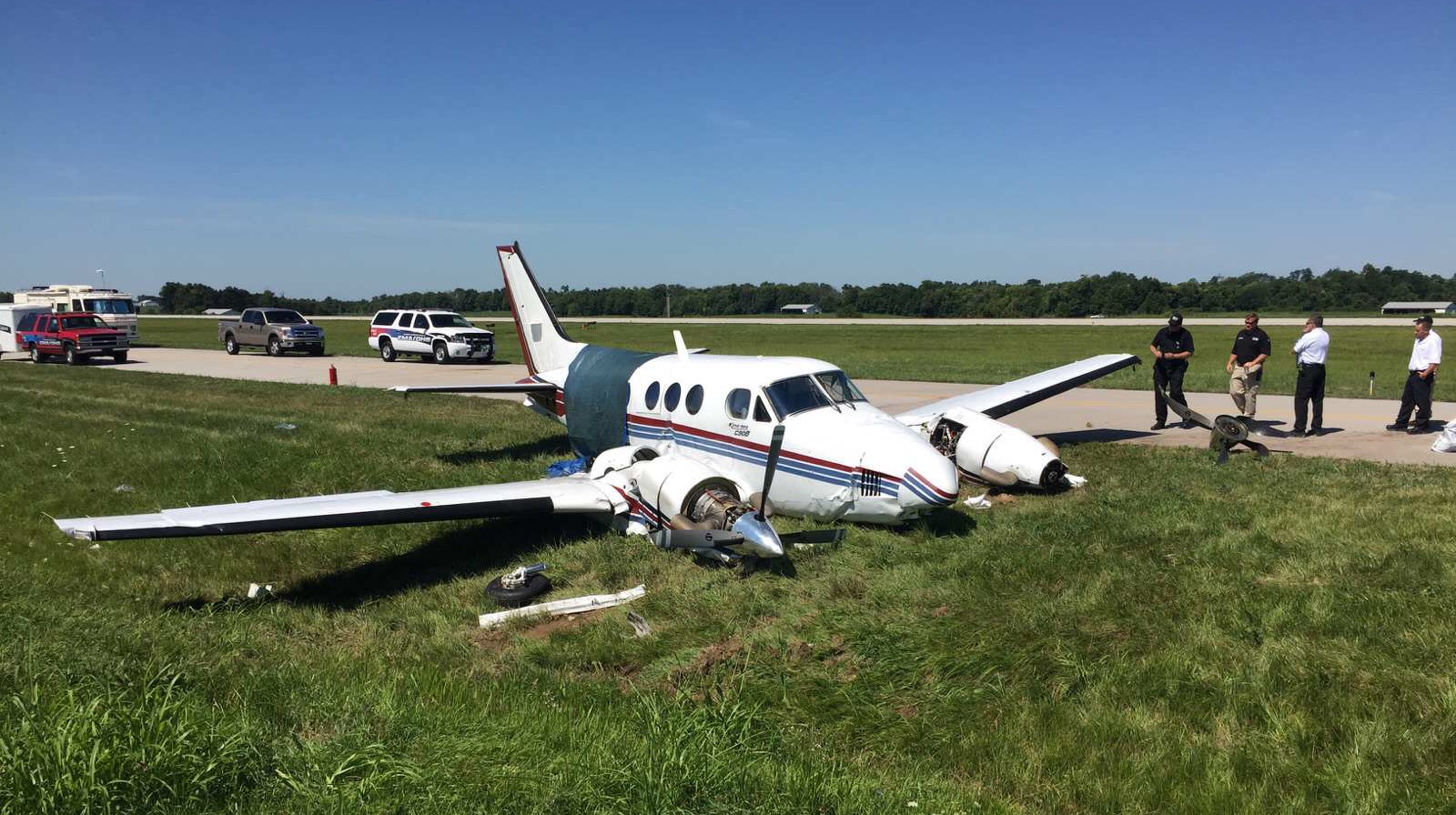
Crash of a Beechcraft C90B King Air in Georgetown

Date & Time: Aug 1, 2015 at 2100 LT
Type of aircraft:
Operator:
Registration:
N257CQ
Flight Type:
Survivors:
Yes
Schedule:
Dayton – Somerset
MSN:
LJ-1419
YOM:
1995
Crew on board:
1
Crew fatalities:
Pax on board:
3
Pax fatalities:
Other fatalities:
Total fatalities:
0
Captain / Total flying hours:
3182
Captain / Total hours on type:
1122.00
Aircraft flight hours:
2324
Circumstances:
The airplane was fueled with 140 gallons of fuel before the second of three flight segments. The pilot reported that, while en route on the third segment, a fuel crossfeed light illuminated. He reset the indicator and decided to land the airplane to troubleshoot. He requested to divert to the nearest airport, which was directly beneath the airplane. Subsequently, the right engine lost power, and the autofeather system feathered the right engine propeller. He reduced power on the left engine, lowered the nose, and extended the landing gear while entering the traffic pattern. The pilot indicated that, after the landing gear was extended, the electrical system "failed," and shortly after, the left engine would not respond to power lever inputs. As the flight was on a base leg approach, the airplane was below the intended flightpath to reach the runway. The pilot stated that he pulled "gently on the control wheel"; however, the airplane impacted an embankment and came to rest on airport property, which resulted in substantial damage to both wings and the fuselage. Postaccident examination of the engines and airframe revealed no evidence of mechanical malfunctions or abnormalities that would have precluded normal operation. Signatures on the left propeller indicated that the engine was likely producing power at the time of impact; however, actual power settings could not be conclusively determined. Signatures on the right propeller indicated that little or no power was being produced. The quantity of fuel in the airplane's fuel system, as well as the configuration of the fuel system at the time of the accident, could not be determined based on the available evidence. Although the position of the master switch (which includes the battery, generator 1, and generator 2) was found in the OFF position, the airplane had been operating for about 30 minutes when the electrical power was lost; thus, it is likely that the airplane had been operating on battery power throughout the flight. This could have been the result of the pilot's failure to activate, or his inadvertent deactivation of, the generator 1 and 2 switch. If the flight were operating on battery power, it would explain what the pilot described as an electrical system failure after the landing gear extension due to the exhaustion of the airplane's battery. The postaccident examination of the left engine and propeller revealed that the engine was likely producing some power at the time of impact, and an explanation for why the engine reportedly did not respond to the pilot's throttle movements could not be determined. Additionally, given the available evidence, the reason for the loss of power to the right engine could not be determined.
Probable cause:
Undetermined based on the available evidence.
Final Report:
Crash of a Cessna 401A in Jackson: 7 killed

Date & Time: Aug 28, 2006 at 1440 LT
Type of aircraft:
Registration:
N408JC
Flight Type:
Survivors:
No
Schedule:
Wichita Falls - Hazard - Middleburg
MSN:
401-0075
YOM:
1969
Location:
Crew on board:
1
Crew fatalities:
Pax on board:
6
Pax fatalities:
Other fatalities:
Total fatalities:
7
Captain / Total flying hours:
107
Aircraft flight hours:
6387
Circumstances:
The airplane departed on a long cross country flight, with thunderstorms and rain squalls along the general route. Approaching the destination airport, the airplane entered a rain squall, stalled, and impacted the ground in an almost vertical descent. Other than the onboard weather radar being previously removed for maintenance, there were no mechanical anomalies noted with the airplane. The pilot, whose logbook was not recovered, was not instrument qualified. Although he was recently observed flying four to five times weekly, when the pilot applied for a multi-engine rating about 3 1/2 months earlier, he indicated 107 hours of total flight experience.
Probable cause:
The non-instrument-rated pilot's continued flight into instrument meteorological conditions, and his subsequent failure to maintain airspeed which resulted in an inadvertent stall. Contributing was the instrument meteorological conditions.
Final Report:
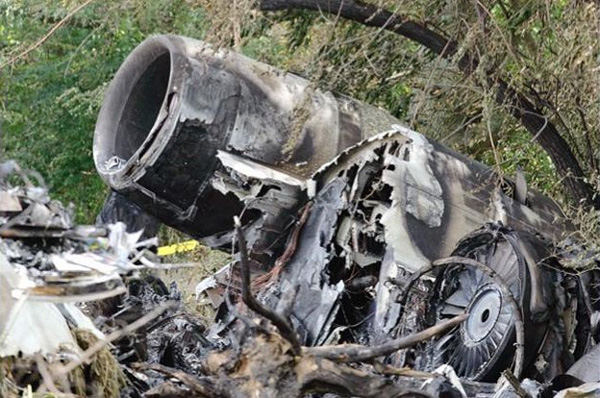
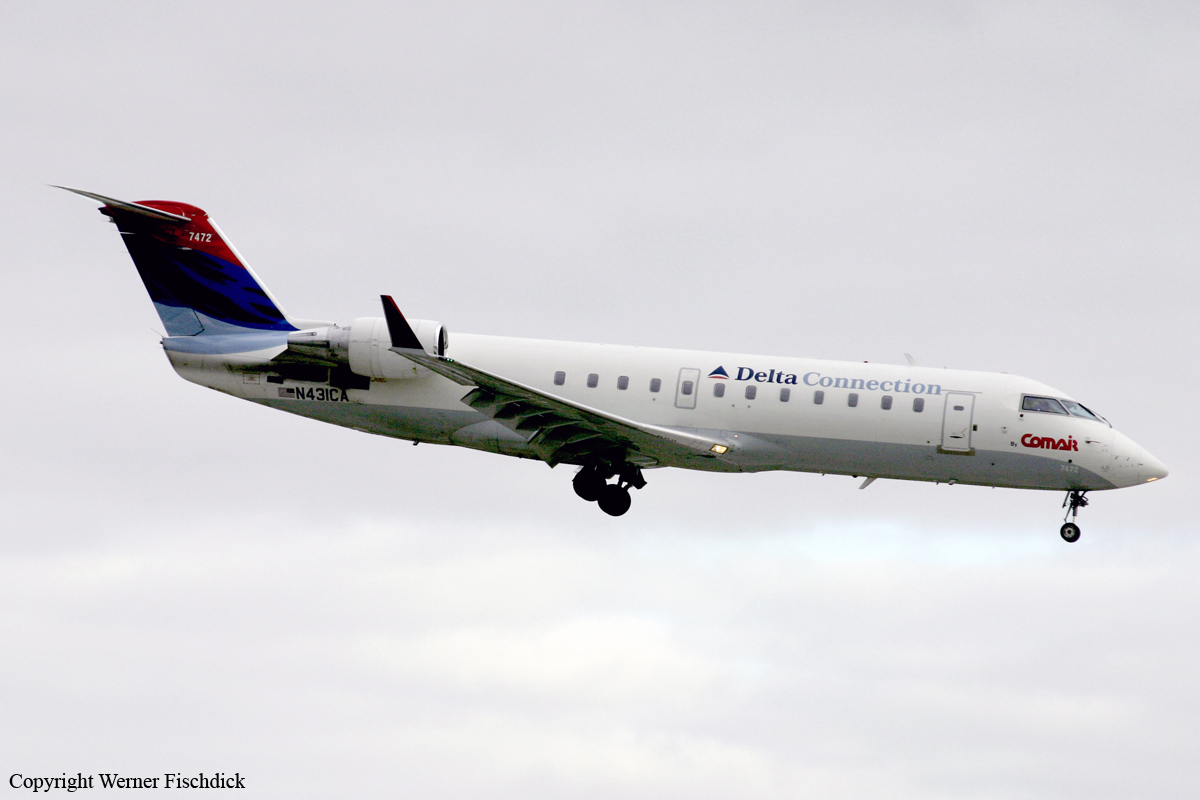
Crash of a Canadair RegionalJet CRJ-200 in Lexington: 49 killed

Date & Time: Aug 27, 2006 at 0607 LT
Operator:
Registration:
N431CA
Flight Phase:
Survivors:
Yes
Schedule:
Lexington - Atlanta
MSN:
7472
YOM:
2001
Flight number:
DL5191
Crew on board:
3
Crew fatalities:
Pax on board:
47
Pax fatalities:
Other fatalities:
Total fatalities:
49
Captain / Total flying hours:
4710
Captain / Total hours on type:
3082.00
Copilot / Total flying hours:
6564
Copilot / Total hours on type:
940
Aircraft flight hours:
12048
Aircraft flight cycles:
14536
Circumstances:
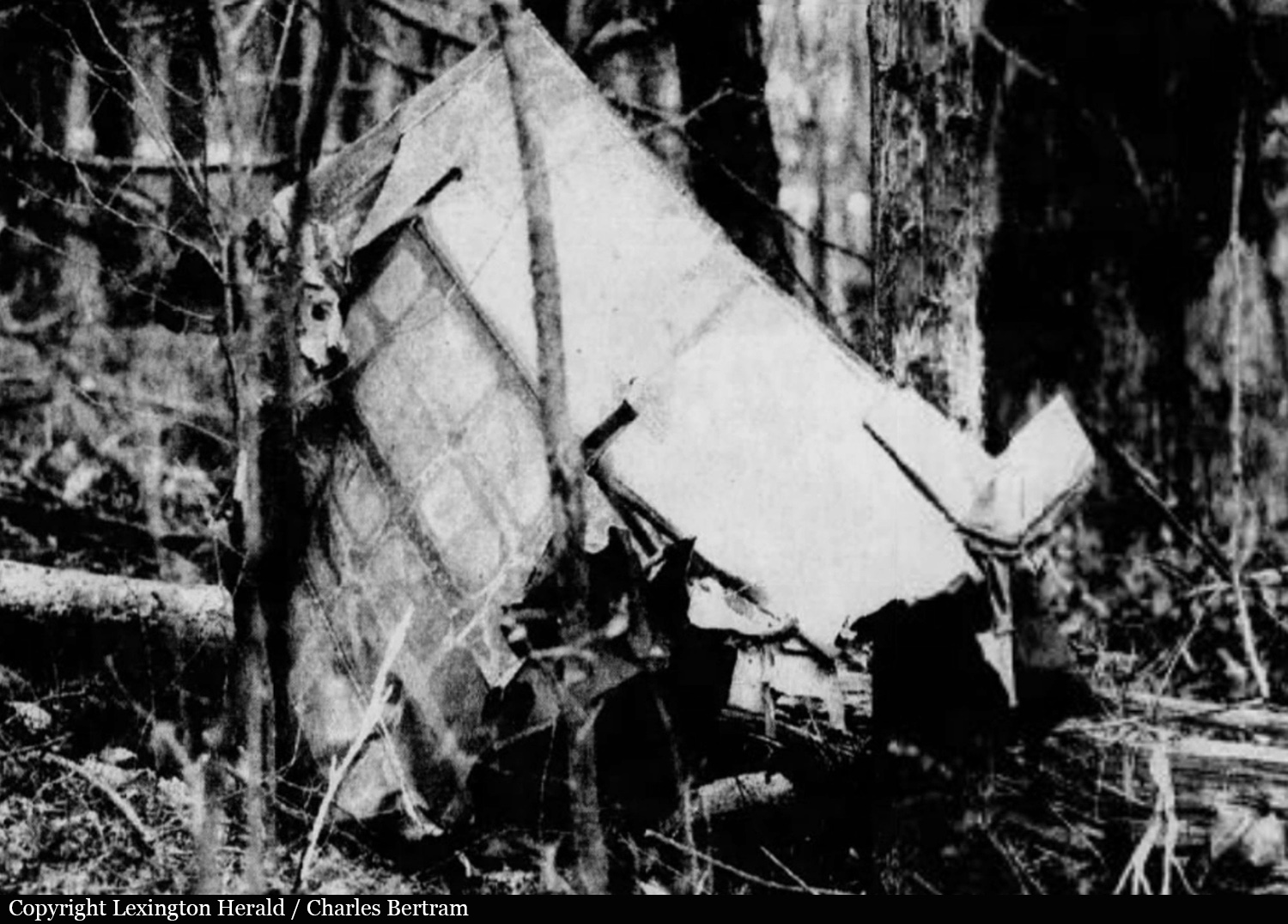
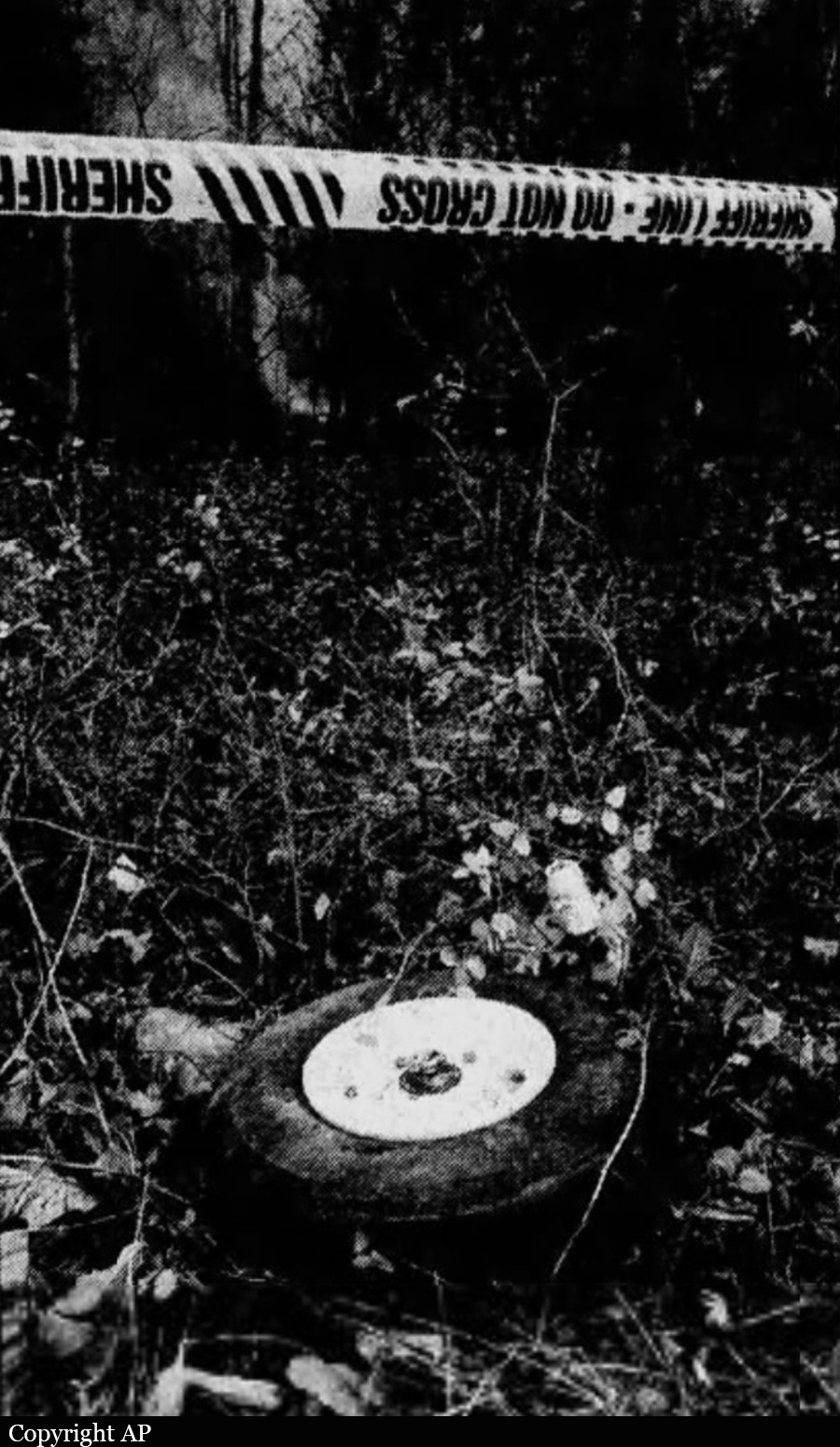
The aircraft crashed during takeoff from Blue Grass Airport, Lexington, Kentucky. The flight crew was instructed to take off from runway 22 but instead lined up the airplane on runway 26 and began the takeoff roll. The airplane ran off the end of the runway and impacted the airport perimeter fence, trees, and terrain. The captain, flight attendant, and 47 passengers were killed, and the first officer received serious injuries. The airplane was destroyed by impact forces and post crash fire. The flight was operating under the provisions of 14 Code of Federal Regulations Part 121 and was en route to Hartsfield-Jackson Atlanta International Airport, Atlanta, Georgia. Night visual meteorological conditions prevailed at the time of the accident.
Probable cause:
The flight crew members' failure to use available cues and aids to identify the airplane's location on the airport surface during taxi and their failure to cross-check and verify that the airplane was on the correct runway before takeoff. Contributing to the accident were the flight crew's non pertinent conversation during taxi, which resulted in a loss of positional awareness, and the Federal Aviation Administration's failure to require that all runway crossings be authorized only by specific air traffic control clearances.
Final Report:
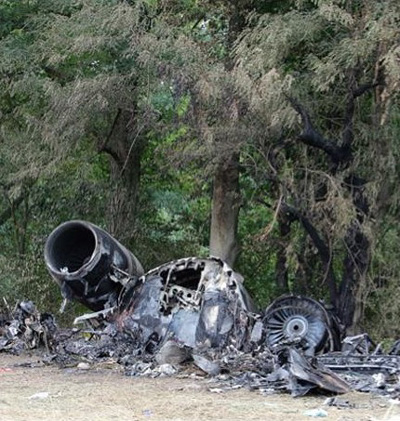
Crash of a Convair CV-580 in Cincinnati: 1 killed

Date & Time: Aug 13, 2004 at 0049 LT
Type of aircraft:
Operator:
Registration:
N586P
Flight Type:
Survivors:
Yes
Schedule:
Memphis - Cincinnati
MSN:
68
YOM:
1953
Flight number:
HMA185
Crew on board:
2
Crew fatalities:
Pax on board:
0
Pax fatalities:
Other fatalities:
Total fatalities:
1
Captain / Total flying hours:
2500
Captain / Total hours on type:
1337.00
Copilot / Total flying hours:
924
Copilot / Total hours on type:
145
Aircraft flight hours:
67886
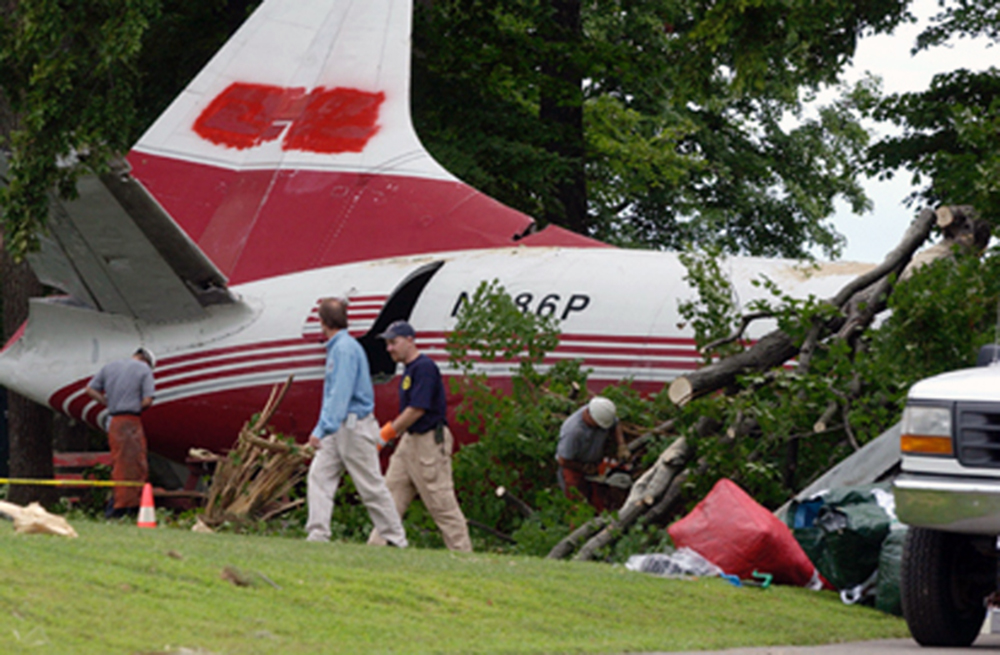
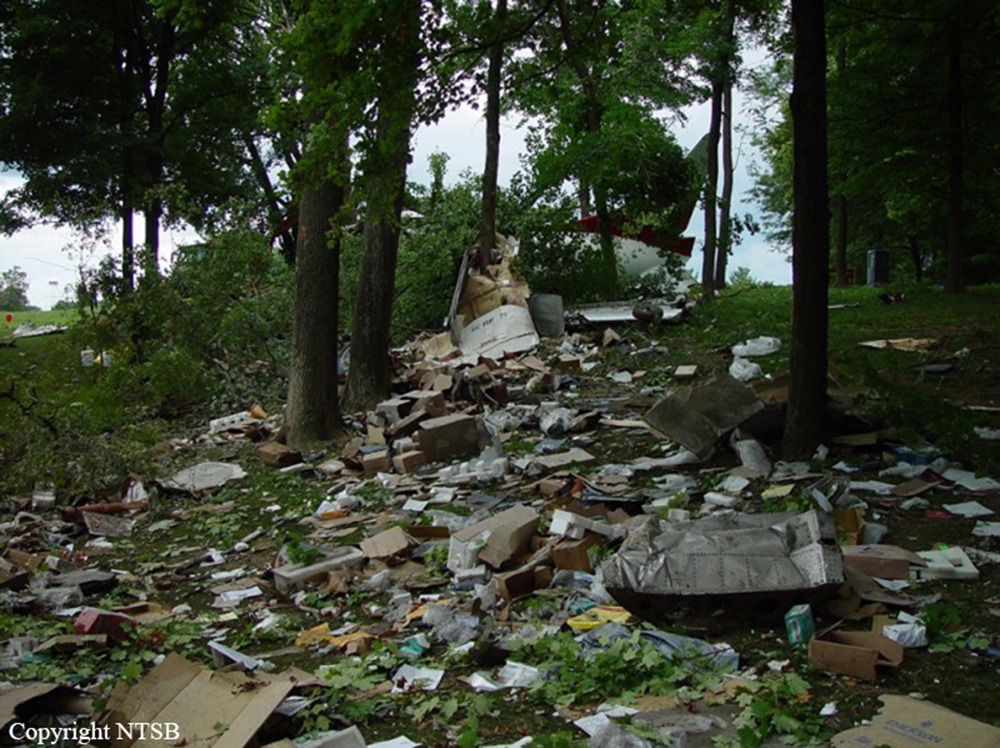
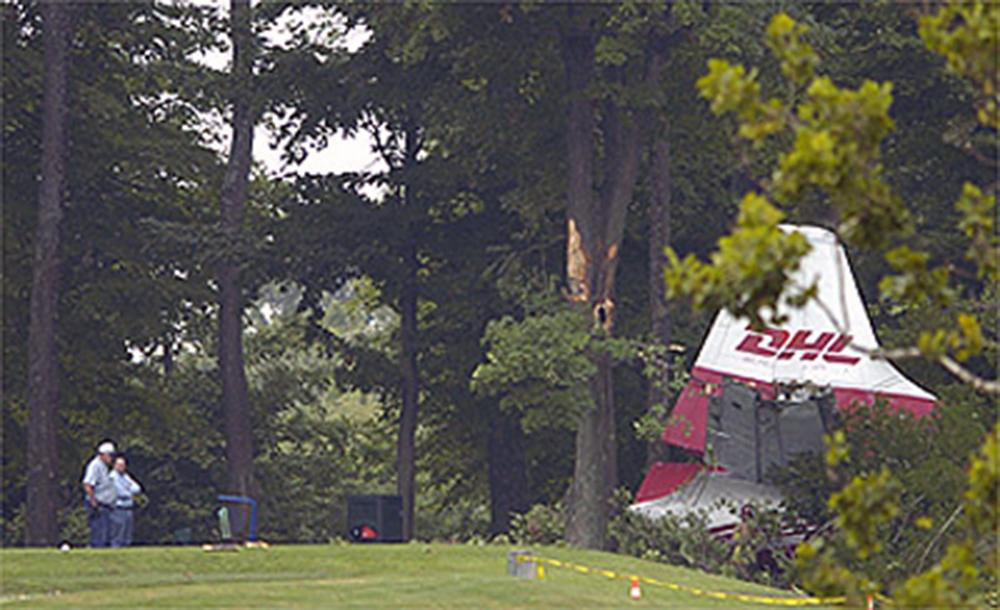
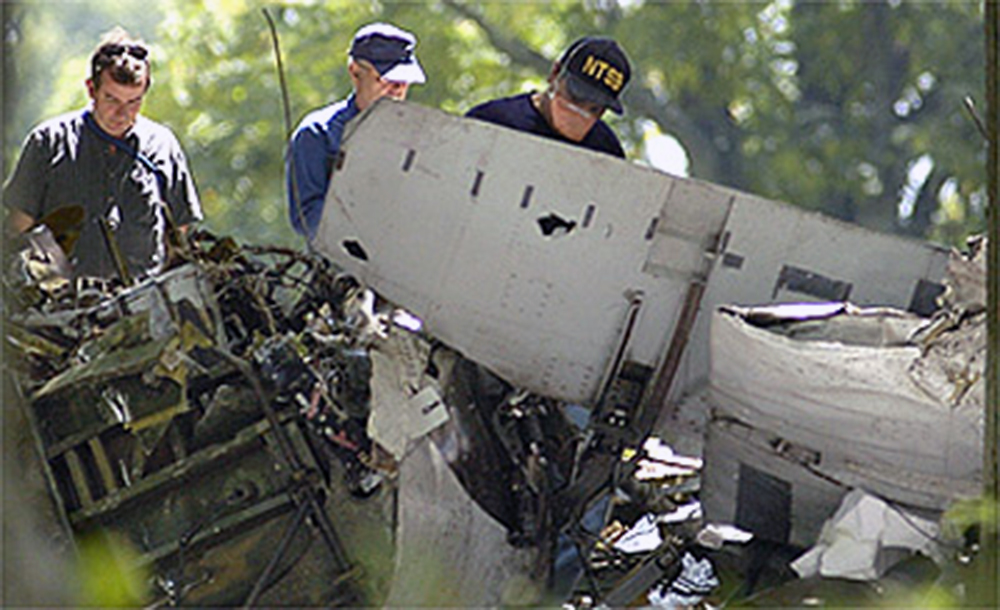
Circumstances:
On August 13, 2004, about 0049 eastern daylight time, Air Tahoma, Inc., flight 185, a Convair 580, N586P, crashed about 1 mile south of Cincinnati/Northern Kentucky International Airport (CVG), Covington, Kentucky, while on approach to runway 36R. The first officer was killed, and the captain received minor injuries. The airplane was destroyed by impact forces. The flight was operating under the provisions of 14 Code of Federal Regulations (CFR) Part 121 as a cargo flight for DHL Express from Memphis International Airport (MEM), Memphis, Tennessee, to CVG. Visual meteorological conditions prevailed for the flight, which operated on an instrument flight rules flight plan. The flight crew was scheduled to fly the accident airplane on a roundtrip sequence from MEM to CVG. Flight 185 departed MEM about 2329. The first officer was the flying pilot, and the captain performed the non flying pilot duties. During postaccident interviews, the captain stated that the takeoff and climb portions of the flight were normal. According to the cockpit voice recorder (CVR) transcript, at 0017:49, the captain stated that he was just going to “balance out the fuel here.” The first officer acknowledged. From 0026:30 to 0027:08, the CVR recorded the captain discussing the airplane’s weight and balance with the first officer. Specifically, the captain stated, “couldn’t figure out why on the landing I was out and I was okay on the takeoff.” The captain added, “the momentum is one six six seven and I…put one zero six seven and I couldn’t work it.” He then stated, “so…we were okay all along.” At 0030:40, the first officer stated, “weird.” At 0032:31, the captain stated, “okay just let me finish this [the weight and balance paperwork] off and…I’m happy,” and, about 2 minutes later, he stated, “okay, back with you here.” At 0037:08, the captain contacted Cincinnati Terminal Radar Approach Control (TRACON) and reported an altitude of 11,000 feet mean sea level. About 1 minute later, the first officer stated, “something’s messed up with this thing,” and, at 0039:07, he asked “why is this thing?” At 0041:21, the first officer stated that the control wheel felt “funny.” He added, “feels like I need a lot of force. it is pushing to the right for some reason. I don’t know why…I don’t know what’s going on.” The first officer then repeated twice that it felt like he needed “a lot of force.” The CVR did not record the captain responding to any of these comments. At 0043:53, when the airplane was at an altitude of about 4,000 feet, the captain reported to Cincinnati TRACON that he had the runway in sight. The approach controller cleared flight 185 for a visual approach to runway 36R and added, “keep your speed up.” The captain acknowledged the clearance and the instruction. The first officer then stated, “what in the world is going on with this plane? sucker is acting so funny.” The captain replied, “we’ll do a full control check on the ground.” At 0044:43, the approach controller again told the captain to “keep your speed up” and instructed him to contact the CVG Air Traffic Control Tower (ATCT). At 0045:11, the captain contacted the CVG ATCT and requested clearance to land on runway 36R, and the local control west controller issued the landing clearance. Flight data recorder (FDR) data indicated that, shortly afterward, the airplane passed through about 3,200 feet, and its airspeed began to decrease from about 240 knots indicated airspeed. At 0045:37, when the airplane was at an altitude of about 3,000 feet, the captain started the in-range checklist, stating, “bypass is down. hydraulic pressure. quantity checks. AC [alternating current] pump is on. green light. fuel panel. boost pumps on.” About 0046, the first officer stated, “I’m telling you, what is wrong with this plane? it is really funny. I got something all messed up here.” The captain replied, “yeah.” The first officer then asked, “can you feel it? it’s like swinging back and forth.” The captain replied, “we’ve got an imbalance on this…crossfeed I left open.” The first officer responded, “oh, is that what it is?” A few seconds later, the first officer stated, “we’re gonna flame out.” The captain responded, “I got the crossfeed open. just keep power on.” At 0046:45, the CVR recorded a sound similar to decreasing engine rpm. Immediately thereafter, the first officer stated, “we’re losing power.” At 0046:52, the first officer stated, “we’ve lost both of them. did we?” The captain responded, “nope.” FDR data showed that, about 1 second later, a momentary electrical power interruption occurred when the airplane was at an altitude of about 2,400 feet. At 0046:55, the CVR stopped recording. Airplane performance calculations indicated that, shortly after the power interruption, the airplane’s descent rate was about 900 feet per minute (fpm). According to air traffic control (ATC) transcripts, at 0047:12, the captain reported to the CVG ATCT that the airplane was “having engine problems.” The local control west controller asked, “you’re having engine problems?” The captain replied, “affirmative.” At 0047:28, the controller asked the captain if he needed emergency equipment, and the captain replied, “negative.’” This was the last transmission received by ATC from the accident flight crew. The FDR continued recording until about 0049. The wreckage was located about 1.2 miles short of runway 36R.
Probable cause:
Fuel starvation resulting from the captain’s decision not to follow approved fuel crossfeed procedures. Contributing to the accident were the captain's inadequate preflight planning, his subsequent distraction during the flight, and his late initiation of the in-range checklist. Further contributing to the accident was the flight crew’s failure to monitor the fuel gauges and to recognize that the airplane’s changing handling characteristics were caused by a fuel imbalance.
Final Report:
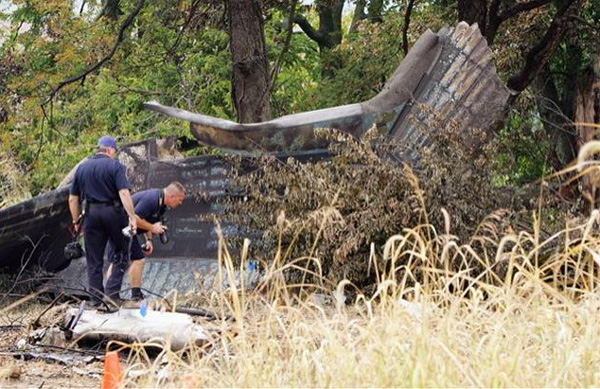
Crash of a Cessna 421A Golden Eagle I in Somerset: 3 killed

Date & Time: Feb 16, 2003 at 2002 LT
Type of aircraft:
Registration:
N421TJ
Survivors:
Yes
Schedule:
Griffith - Somerset
MSN:
421A-0051
YOM:
1968
Crew on board:
1
Crew fatalities:
Pax on board:
6
Pax fatalities:
Other fatalities:
Total fatalities:
3
Captain / Total flying hours:
11732
Captain / Total hours on type:
518.00
Aircraft flight hours:
4129
Circumstances:
The airplane joined the inbound course for the GPS instrument approach between the intermediate approach fix and the final approach fix, and maintained an altitude about 200 feet below the sector minimum. The last radar return revealed the airplane to be about 3/4 nautical miles beyond the final approach fix, approximately 1,000 feet left of course centerline. An initial tree strike was found about 1 nautical mile before the missed approach point, about 700 feet left of course centerline, at an elevation about 480 feet below the minimum descent altitude. Witnesses reported seeing the airplane flying at a "very low altitude" just prior to its impact with hilly terrain, and also described the sound of the airplane's engines as "really loud" and "a constant roar." Night instrument meteorological conditions prevailed at the time of the accident. There was no evidence of mechanical malfunction.
Probable cause:
The pilot's failure to follow the instrument approach procedure, which resulted in an early descent into trees and terrain. Factors included the low ceiling and the night lighting conditions.
Final Report:
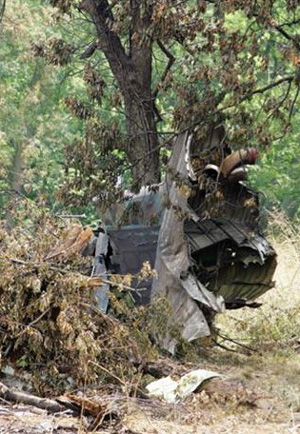
Crash of a Piper PA-31-350 Navajo Chieftain in Taylor Mill

Date & Time: Feb 16, 2003 at 1520 LT
Registration:
N130CM
Flight Phase:
Flight Type:
Survivors:
Yes
Schedule:
Manhattan – Cincinnati
MSN:
31-7652142
YOM:
1976
Crew on board:
1
Crew fatalities:
Pax on board:
0
Pax fatalities:
Other fatalities:
Total fatalities:
0
Captain / Total flying hours:
3050
Captain / Total hours on type:
240.00
Aircraft flight hours:
8337
Circumstances:
According to the pilot, he planned the estimated the 726 statute mile flight would take approximately 3 hours and 46 minutes, with one stop to pick up cargo. The available fuel for the flight was 182 gallons, which equaled an approximate 4 hour and 55 minutes endurance, assuming a 40 gallon per hour fuel burn. The flight proceeded uneventfully to the first stop; the airplane was not fueled, and it departed. As the flight neared the destination airport, the pilot began to get nervous because the main tanks were "going fast." He switched to the auxiliary fuel tanks, to "get all of the fuel out of them," and switched back to the main tanks. While executing an approach to the airport, the pilot advised the approach controller that he had lost power to the right engine, and then shortly thereafter, reported losing power to the left engine. The pilot elected to perform a forced landing to a railroad yard. After touching down, the left wing struck a four-foot high dirt mound, and separated from the main fuselage. The airplane came to rest upright on a railroad track. The pilot additionally stated that the loss of power to both engines was due to fuel exhaustion, and poor fuel planning.
Probable cause:
The pilot's inaccurate in-flight planning and fuel consumption calculations, and his improper decision not to land and refuel.
Final Report:

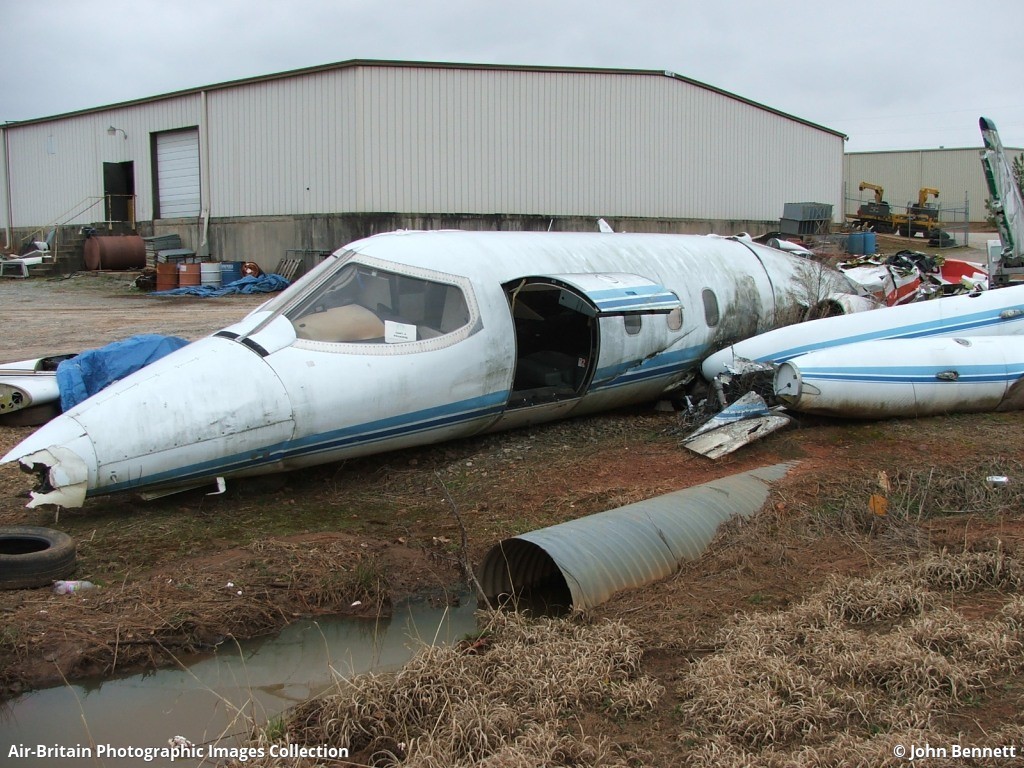
Crash of a Learjet 25C in Lexington: 1 killed

Date & Time: Aug 30, 2002 at 1307 LT
Type of aircraft:
Registration:
N45CP
Flight Type:
Survivors:
Yes
Schedule:
Marco Island - Lexington
MSN:
25-073
YOM:
1972
Crew on board:
2
Crew fatalities:
Pax on board:
3
Pax fatalities:
Other fatalities:
Total fatalities:
1
Captain / Total flying hours:
2681
Captain / Total hours on type:
436.00
Copilot / Total flying hours:
1363
Copilot / Total hours on type:
60
Aircraft flight hours:
7514
Circumstances:
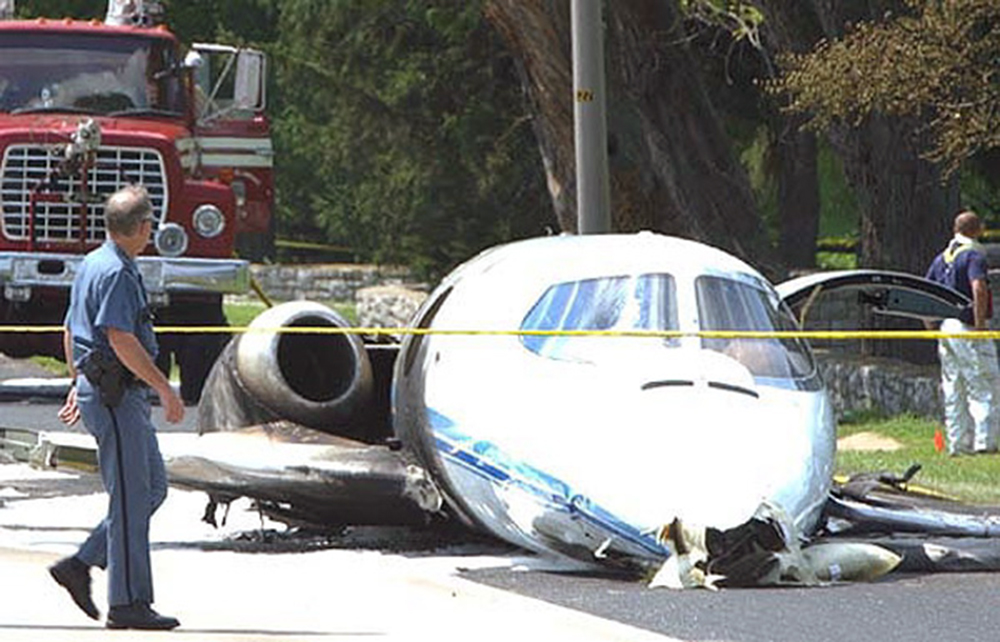
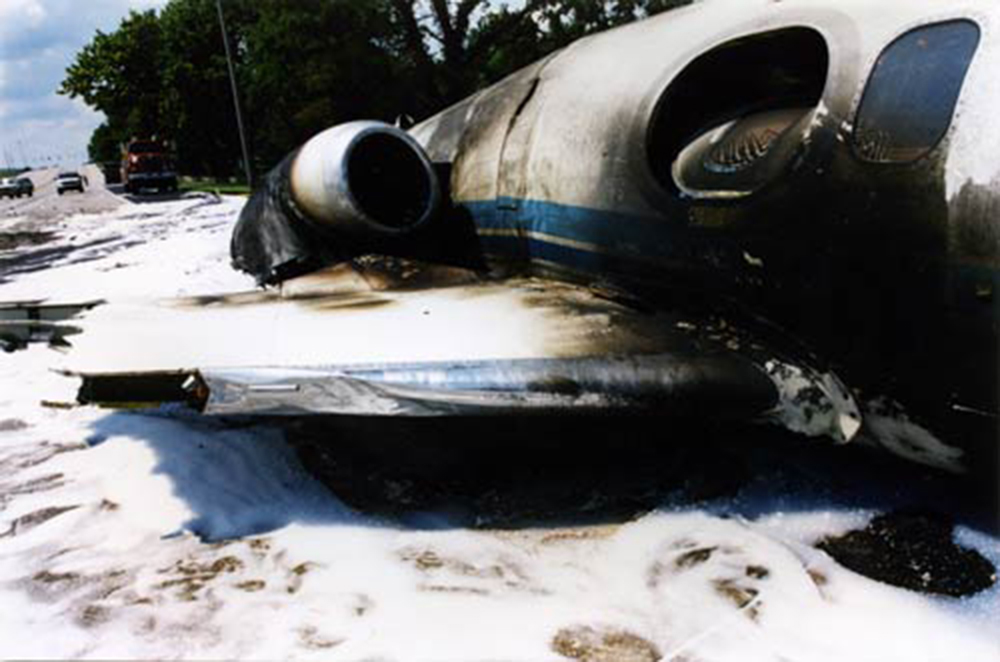
Shortly before landing, the crew confirmed that the hydraulic and emergency air pressures were "good", and that the circuit breakers on the "right and left" were in. In addition, the first officer reported "arming one and two." The airplane landed 1,000 - 1,500 feet from the landing threshold of runway 04, which was 7,003 feet in length. The captain utilized aerodynamic braking during part of the landing roll. About 3 seconds after touchdown, the first officer stated, "they're not deployed, they're armed only." About 6 seconds after touchdown, there was an increase in engine rpm. Shortly after that, there was an expletive from the captain. One and a half seconds later, there was another expletive. Slightly less than 2 seconds later, the captain told the first officer to "brake me," and 2.7 seconds after that, stated "emergency brake." About 4 seconds later, there was a "clunk", followed by a decrease in engine rpm 1 second later. Immediately after that, the captain stated, "we're going off the end." The airplane subsequently dropped off an embankment at the end of the runway, impacted and descended through a localizer tower, then impacted the ground and slid across a highway. The airplane had been fitted with a conversion that included thrust reversers. An examination of the wreckage revealed that the thrust reversers were out of the stowed position, but not deployed. The drag chute was also not deployed. Brake calipers were tested with compressed air, and operated normally. Brake disc pads were measured, and found to be within limits. According to an excerpt from the conversion maintenance manual, reverser deployment was hydraulically actuated and electrically controlled. There was also an accumulator which allowed deploy/stow cycling in the event of hydraulic system failure. Interlocks were provided so that the reverser doors could not be deployed until the control panel ARM switch was on, the main throttle levers were in idle position, and the airplane was on the ground with the squat switches engaged. The previous crew reported no mechanical anomalies. Runway elevation rose by approximately 35 feet during the first 2/3 of its length, then decreased until it was 8 feet lower at its departure end. Winds were reported as being from 050 degrees true at 7 knots. At the airplane's projected landing weight, without the use of thrust reversers, the estimated landing distance was about 2,850 feet with the anti-skid operative, and 3,400 feet with the anti-skid inoperative.
Probable cause:
The captain's addition of forward thrust during the landing rollout, which resulted in a lack of braking effectiveness and a subsequent runway overrun. A factor was the captain's inability to deploy the thrust reversers for undetermined reasons.
Final Report:

Crash of a Beechcraft C90 King Air in Somerset: 4 killed
Date & Time: Jan 18, 2000 at 1202 LT
Type of aircraft:
Registration:
N74CC
Survivors:
No
Schedule:
Philadelphia - Columbus - Somerset
MSN:
LJ-620
YOM:
1974
Crew on board:
1
Crew fatalities:
Pax on board:
3
Pax fatalities:
Other fatalities:
Total fatalities:
4
Captain / Total flying hours:
19320
Captain / Total hours on type:
1270.00
Aircraft flight hours:
9118
Circumstances:
The pilot requested and received clearance to execute the SDF approach, and was instructed to maintain 4,000 feet until established on the approach. Radar data revealed the airplane was never established on the approach, and started to descend before reaching the IAF. The airplane passed the IAF at 2,900 feet, and continued in a descending left hand turn into unprotected airspace. The airplane disappeared from radar at 1,900 feet, as it completed 180 degrees of turn. The turn did not match any of the four instrument approaches to the airport. The airplane struck a guy wire on a lighted communications antenna 3.3 MN southeast of the airport on a heading of 360 degrees. No evidence of a mechanical failure or malfunction of the airplane or its systems was found. A flight check by the FAA confirmed no navigation signal was received for the approach, which had been turned off and listed as out of service for over 4 years. In addition, the pilot did not report the lack of a navigation signal to ATC or execute a missed approach. Interviews disclosed the ATC controller failed to verify the approach was in service before issuing the approach clearance.
Probable cause:
The failure of the pilot to follow his approach clearance, and subsequent descent into unprotected airspace which resulted in a collision with the guy wire. Factors were the failure of the air traffic controller to verify the approach he cleared the pilot to conduct was in service, and the clouds which restricted the visibility of the communications antenna.
Final Report: