Crash of a Fokker F28 Fellowship 1000 in Kano: 16 killed

Date & Time: Mar 2, 1978 at 1243 LT
Type of aircraft:
Operator:
Registration:
5N-ANA
Survivors:
No
Schedule:
Abuja - Kano
MSN:
11993
YOM:
1970
Location:
Country:
Region:
Crew on board:
5
Crew fatalities:
Pax on board:
11
Pax fatalities:
Other fatalities:
Total fatalities:
16
Aircraft flight hours:
10625
Aircraft flight cycles:
13303
Circumstances:
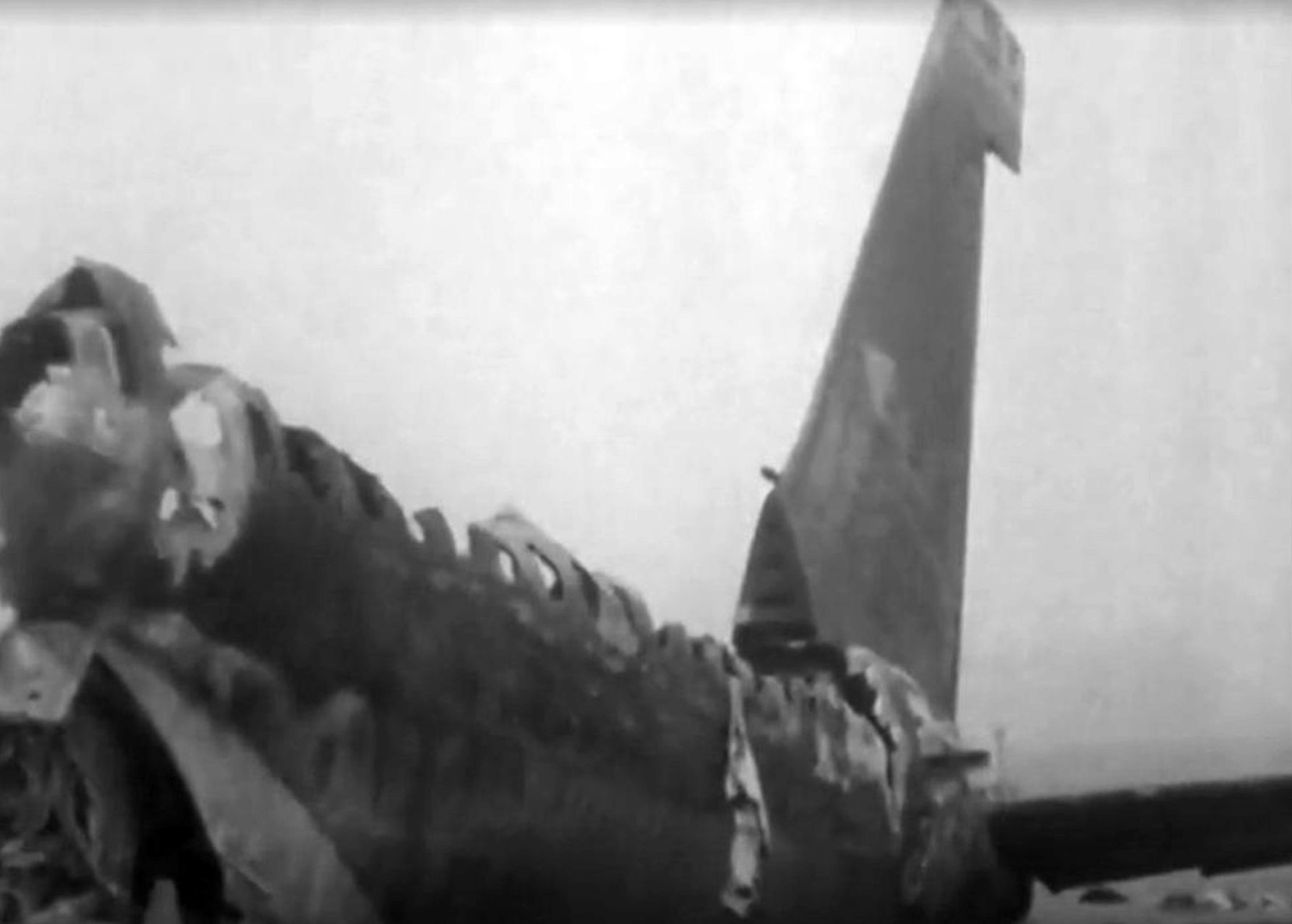
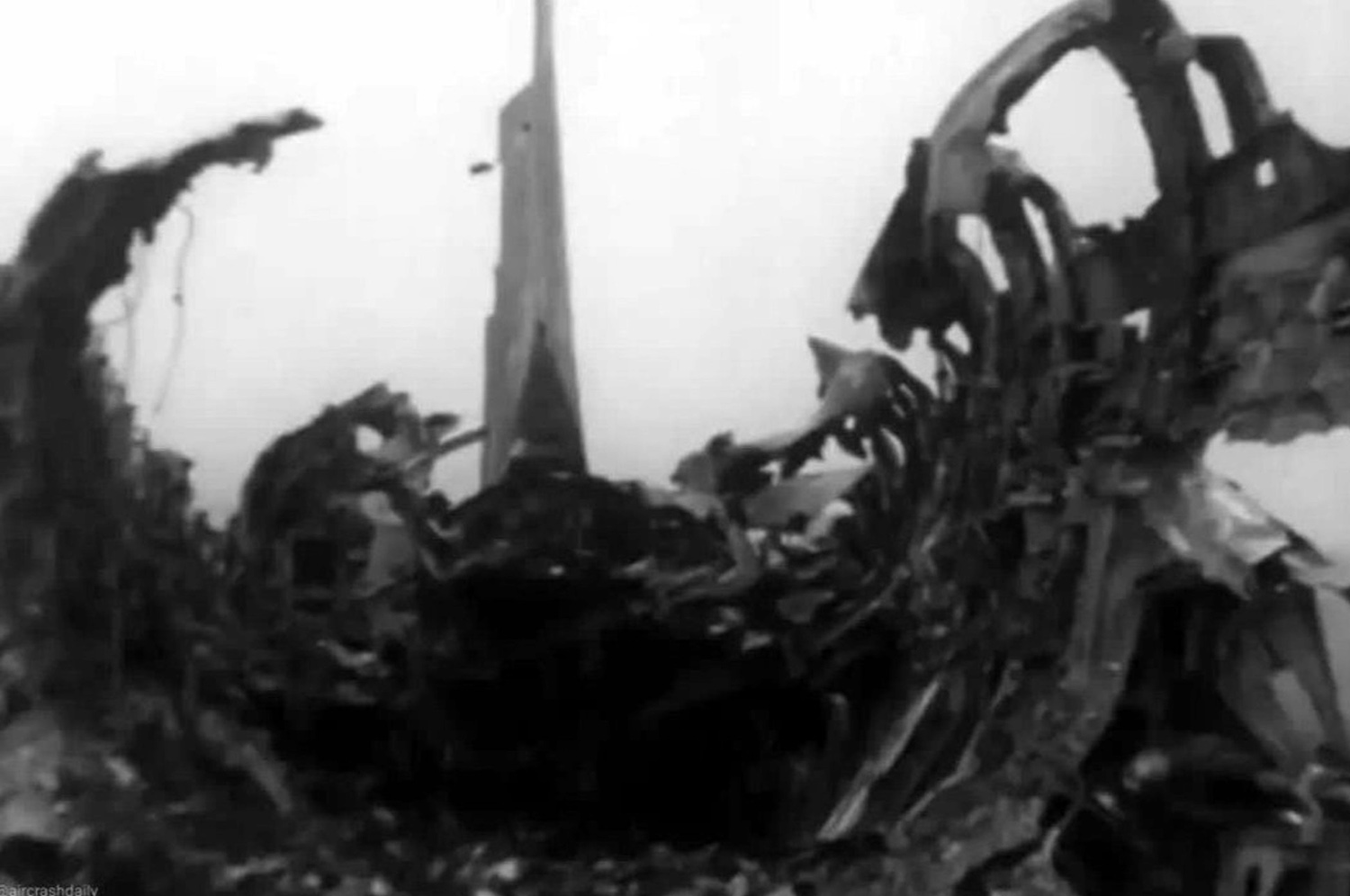
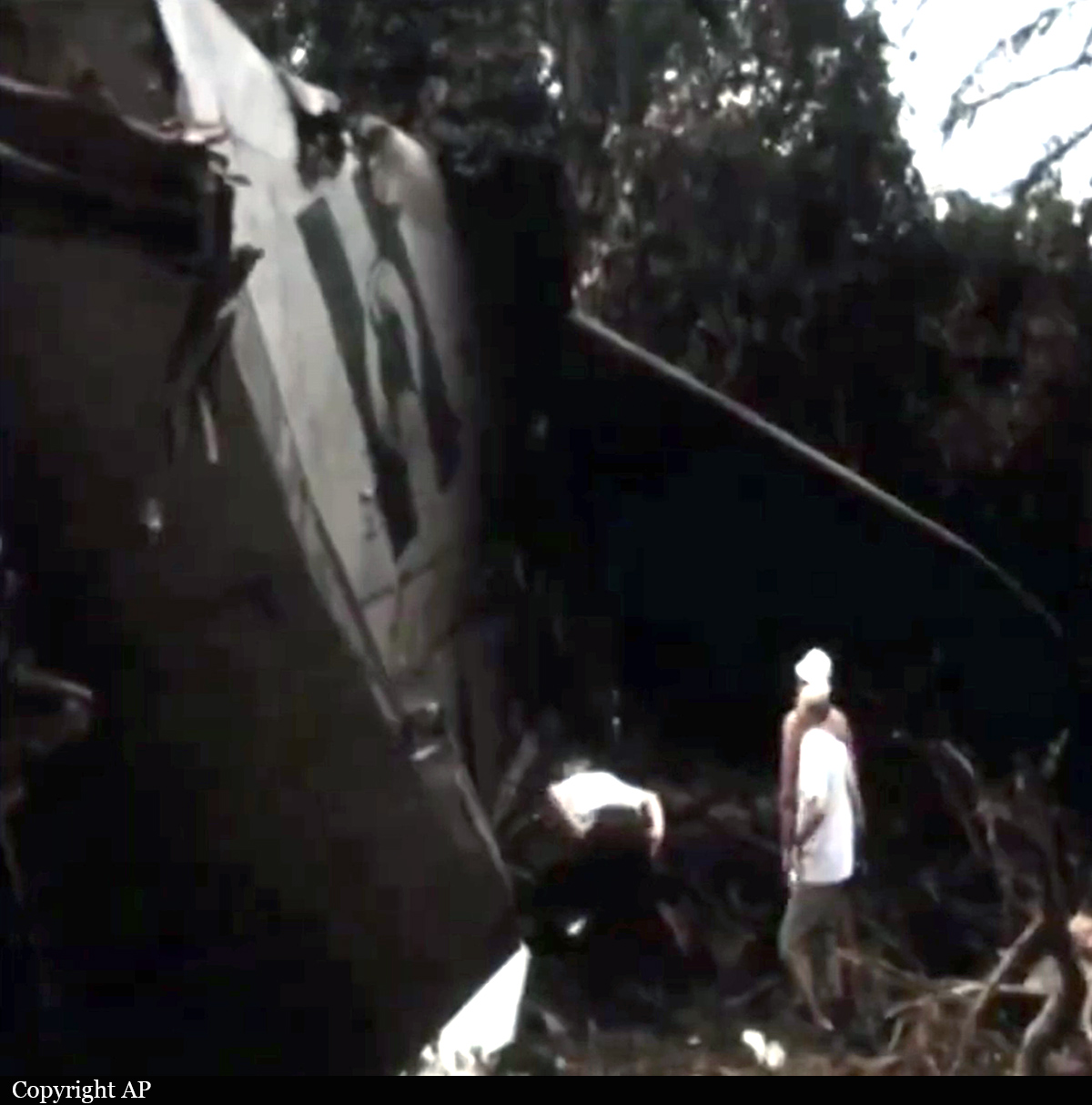
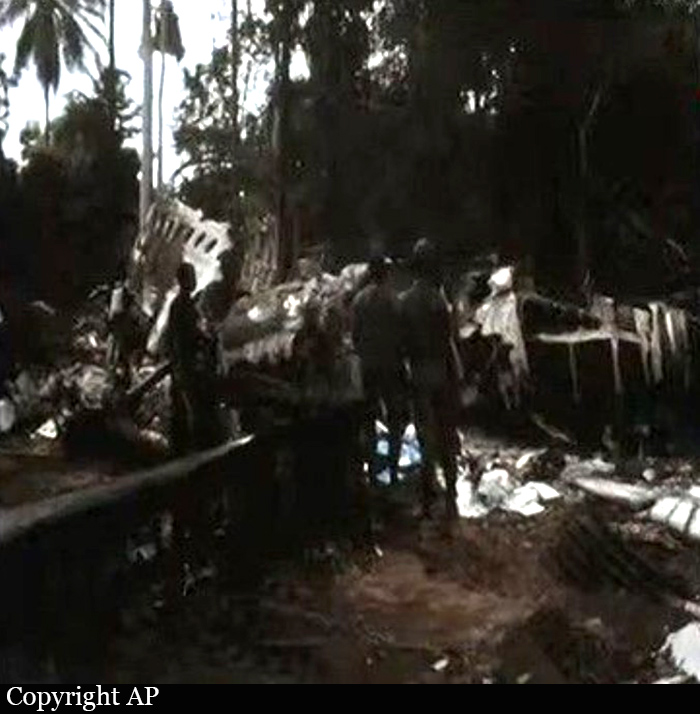
While descending to Kano-Mallam Aminu Kano Airport, the crew was instructed to maintain FL65 as a Nigerian Air Force MiG-21 was performing touch-and-go maneuvers at the same airport. After the jet trainer completed its touch-and-go and was taking off, its crew was informed about the approach of the F28 which should land first on runway 05. On short final, both aircraft collided and crashed in flames about 2 km short of runway threshold. Both aircraft were destroyed and all 18 occupants were killed. The exact circumstances and causes of the in-flight collision are unclear.

Crash of a Lockheed L-382E-18C Hercules in Okasa: 5 killed

Date & Time: Nov 21, 1976 at 0520 LT
Type of aircraft:
Operator:
Registration:
C-FPWX
Flight Phase:
Flight Type:
Survivors:
Yes
Schedule:
Ostend – Algiers – Tamanrasset – N’Djamena – Kisangani – Lubumbashi
MSN:
4361
YOM:
1969
Location:
Region:
Crew on board:
5
Crew fatalities:
Pax on board:
1
Pax fatalities:
Other fatalities:
Total fatalities:
5
Circumstances:
The airplane departed Ostend on November 19 on a cargo flight to Lubumbashi, carrying one passenger, five crew members and two machines for a total weight of 20,2 tons. Intermediate stops were scheduled in Algiers, Tamanrasset, N’Djamena and Kisangani. After the fuel stop in Tamanrasset, the crew flew to Kano instead of N'Djamena. Had Kisangani been identified on radar, the captain would not have initiated descent 38 NM southeast of the city and then continued to the southwest for 140 NM. Due to fuel exhaustion, the airplane descended to ground, collided with trees and crashed in a dense wooded area located near the village of Okasa, some 205 km southwest of Kisangani. The aircraft maintenance engineer survived while five other occupants were killed.
Probable cause:
The following findings were identified:
- The flight departed Ostend before overflight clearances and landing permits had been obtained for the route. The captain believed that authorizations had been received by the London office, after speaking to the London representative.
- There is no effective dispatch of flight watch system established by the carrier for overseas cargo operations.
- The flight proceeded directly from Tamanrasset to Kano rather than following its planned routing to N'Djamena.
- In order to justify landing at Kano the crew had to declare a false fuel emergency.
- The crew had insufficient time in Kano to fully plan the leg to Kisangani, taking into account all of the factors affecting the safety of the flight.
- The aircraft did not carry enough fuel to comply with the minimum alternate requirements.
- The selected alternate (Bunia) was not suitable.
- The selected route depended on enroute radio aids which were published as being unlikely to be available. This information was available to the crew during the planning and conduct of the flight.
- There was no evidence available to the crew that the KGI VOR and the KW NDB, the navigation and approach aids at Kisangani, would be off the air.
- The aircraft’s flight plan was not passed to Kisangani, and so the flight was not expected on the morning of the accident.
- Prior permission to use Kisangani was not requested nor received on the night of the accident.
- The crew did not use radar for navigation during the last leg of the flight.
- The weather conditions which existed at Kisangani upon arrival would have permitted a landing using the Jeppesen published approach procedure.
- The crew was misled by a bearing indication from the LU NDB at Luanda, whose frequency almost coincided with that of the KW NDB at Kisangani. This led them to descend to low altitude and to continue predominately southwest for the remainder of the flight.
- The weather during the last hour of flight would have been suitable for celestial navigation. The aircraft did not carry a navigator, VLF or INS navigation systems.
- The carrier’s marketing and sales literature overstates the payload capability of the aircraft.
- Due to a lack of operational expertise, the carrier’s marketing and sales managers are overselling the aircraft for the stage lengths involved.
- Hercules Captains are knowingly exceeding MTOW limitations.
- Hercules Captains are knowingly flying with insufficient fuel for standoff and alternate requirements.
- There is direct and indirect pressure on the crews to exceed aircraft limitations and to take off without sufficient fuel to meet normal standoff and alternate requirements.
- The airplane departed Kano approximately 6,600 lbs over the MTOW.
- Company representatives scheduled cargo flight crews to exceed flight duty time limitations on charter operations out of Stansted.
- The Captain knowingly exceeded duty time limitations on the accident flight and on a number of prior occasions.
- The crew duty time on the accident flight was at least 34 hours and probably 42 hours.
- There was evidence of crew fatigue 14 hours before the accident.
- Crew fatigue was evident 2 hours before the accident.
- The flight plan and ETA of the aircraft were not forwarded to the Kisangani ATS unit due to lack of adequate communication between Kinshasa and Kisangani tower.
- Navigation Aids (GEM NDB, LIS NDB) along the last 439 NM of planned route from Libenge to Kisangani were published in Republic of Zaire AIP as not being available during the time of flight.
- The VOR and NDB’s at Kisangani are normally in operation on a 24 hours basis.
- Use of the Kisangani aerodrome is restricted to VFR only.
- Use of the Bunia aerodrome (filed alternate) is restricted to VFR only.
- Communications with radio operators at significant points along the route of flight in Zaire are published as not available during night.
- The aircraft was unable to maintain radio contact either directly or indirectly with the Kinshasa FIC due to inadequate HF signal reception.
- The aircraft did not communicate with any aeronautical ground station in Zaire.
- No air traffic services (Control Service, Flight Information Service or Alerting Servic) were provided for the aircraft by Zaire ATS authorities during the aircraft’s flight due to inadequate communications facilities.
- Alerting Service for the aircraft was begun by Kinshasa FIC at 0440Z on 21 November, 2 hours 52 minutes after entering the uncertainty phase – 20 minutes after the aircraft had crashed.
- Alerting service for the flight did not conform to International Standards and Recommended Practices as detailed in ICAO Annex 11, Chapter 5.
- The aircraft was within reception range of VHF, VOR and NDB facilities at Kisangani for 53 minutes between 0224Z and 0317Z on the morning of the accident.
- The crew of the aircraft attempted unsuccessfully to contact Kisangani Tower on 118.1 MHz while within reception range. One other aircraft failed to make contact during the same period. Both aircraft had functional VHF transceivers at the time.
- C-FPWX and the other aircraft attempted unsuccessfully to receive navigational signals from the KGI VOR, KE NDB and KGI NDB while within reception range. C-FPWX had functional ADF receivers during this time. The other aircraft had functional VOR receivers.
- The VHF receiver (118.1 MHz) and the HF/CW receiver at Kisangani were either unserviceable or unmanned during the 6 hour and 40 minute period between 2255Z on November 20 and 0535Z on November 21.
- None of the navigational radio aids at Kisangani was functioning on the morning of the accident.
- The crew did not make full use of available HF/SSB facilities in an emergency situation.
- The crew delayed their declaration of an emergency unnecessarily. The aircraft was beyond VHF reception range of Kisangani during all VHF emergency calls. They did not manually activate their ELT or select the emergency transponder code.
Final Report:

Crash of an Ilyushin II-18V in Linoghin: 47 killed

Date & Time: Aug 11, 1974
Type of aircraft:
Operator:
Registration:
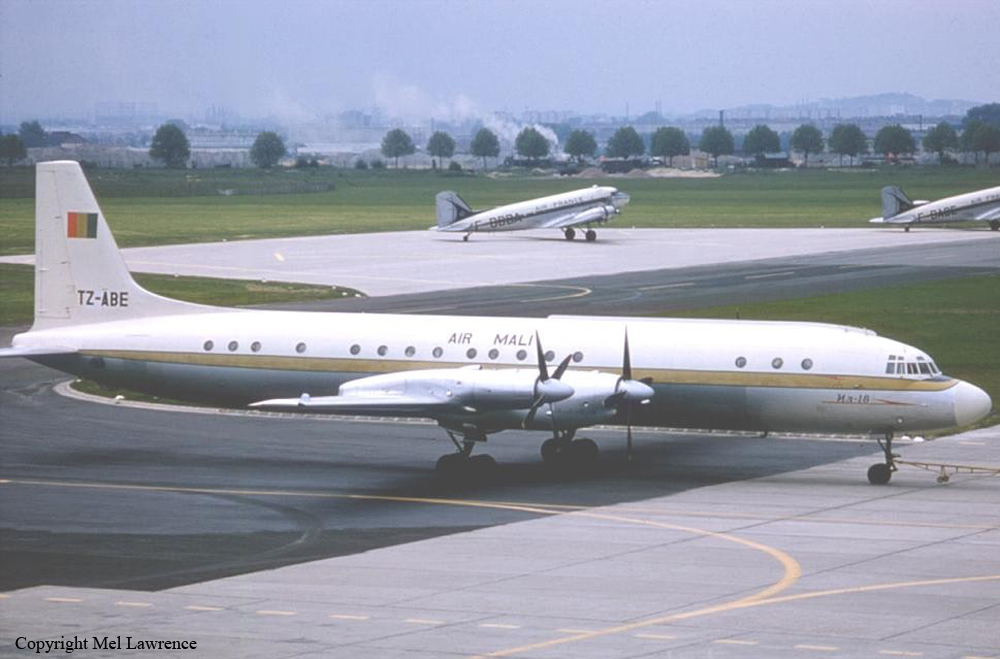
TZ-ABE
Flight Phase:
Survivors:
Yes
Site:
Schedule:
Bamako - Kano - Mecca - Jeddah - Khartoum - Kano - Bamako
MSN:
181 0033 04
YOM:
1961
Country:
Region:
Crew on board:
10
Crew fatalities:
Pax on board:
50
Pax fatalities:
Other fatalities:
Total fatalities:
47
Circumstances:
The airplane was engaged in a monthly schedule flight from Bamako to Saudi Arabia. En route from Bamako to Kano, ATC informed the crew about the deterioration of the weather conditions and instructed the pilots to divert to Niamey. In marginal weather conditions, the crew apparently lost his orientation and probably following a navigational error, the airplane flew to the west when the crew realized he was flying over the region of Ouagadougou, about 400 km southwest of Niamey. Shortly later, as he was short of fuel, the crew was forced to attempt an emergency landing when the airplane crashed in an open field located in Linoghin, about 40 km east of Ouagadougou. Two crew members and 11 passengers were injured while 47 other occupants were killed.
Probable cause:
The accident was the consequence of a fuel exhaustion caused by probable navigational errors on part of the crew who lost his orientation in poor weather conditions.

Crash of a Boeing 707-3D3C in Kano: 176 killed

Date & Time: Jan 22, 1973 at 0930 LT
Type of aircraft:
Operator:
Registration:
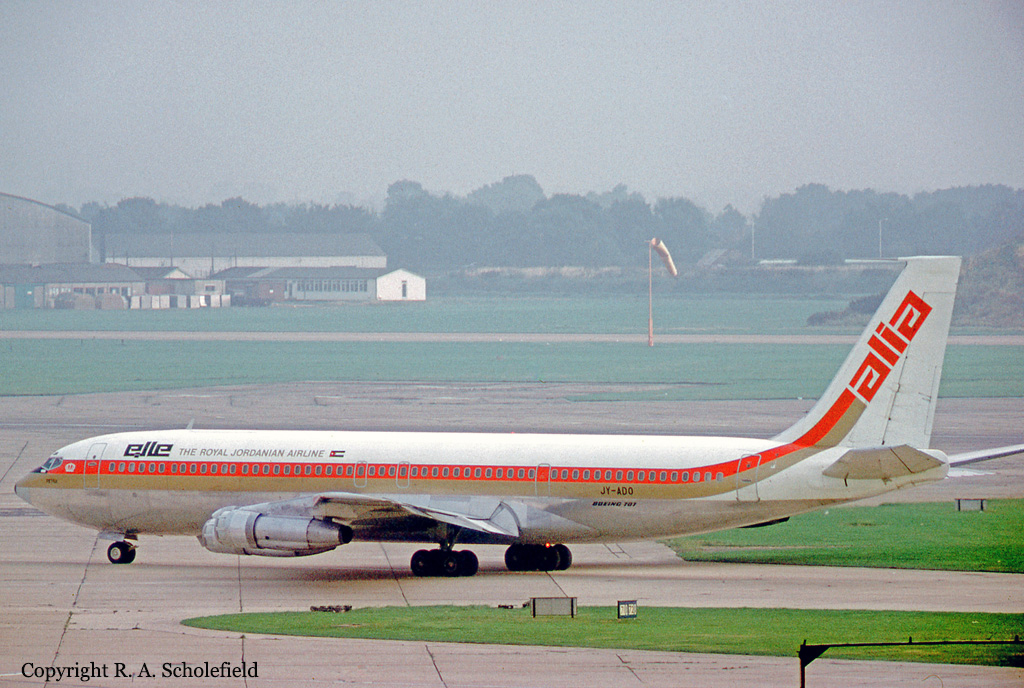
JY-ADO
Survivors:
Yes
Schedule:
Jeddah - Lagos
MSN:
20494/850
YOM:
1971
Location:
Country:
Region:
Crew on board:
9
Crew fatalities:
Pax on board:
193
Pax fatalities:
Other fatalities:
Total fatalities:
176
Circumstances:
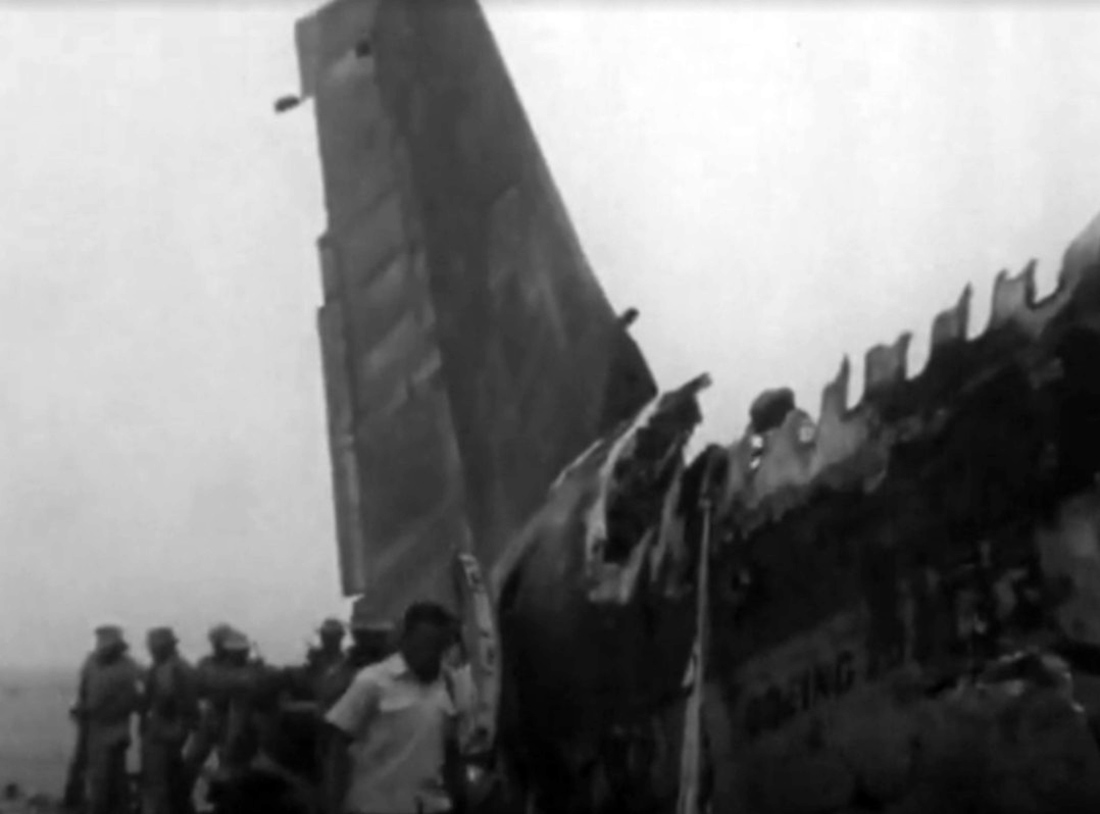
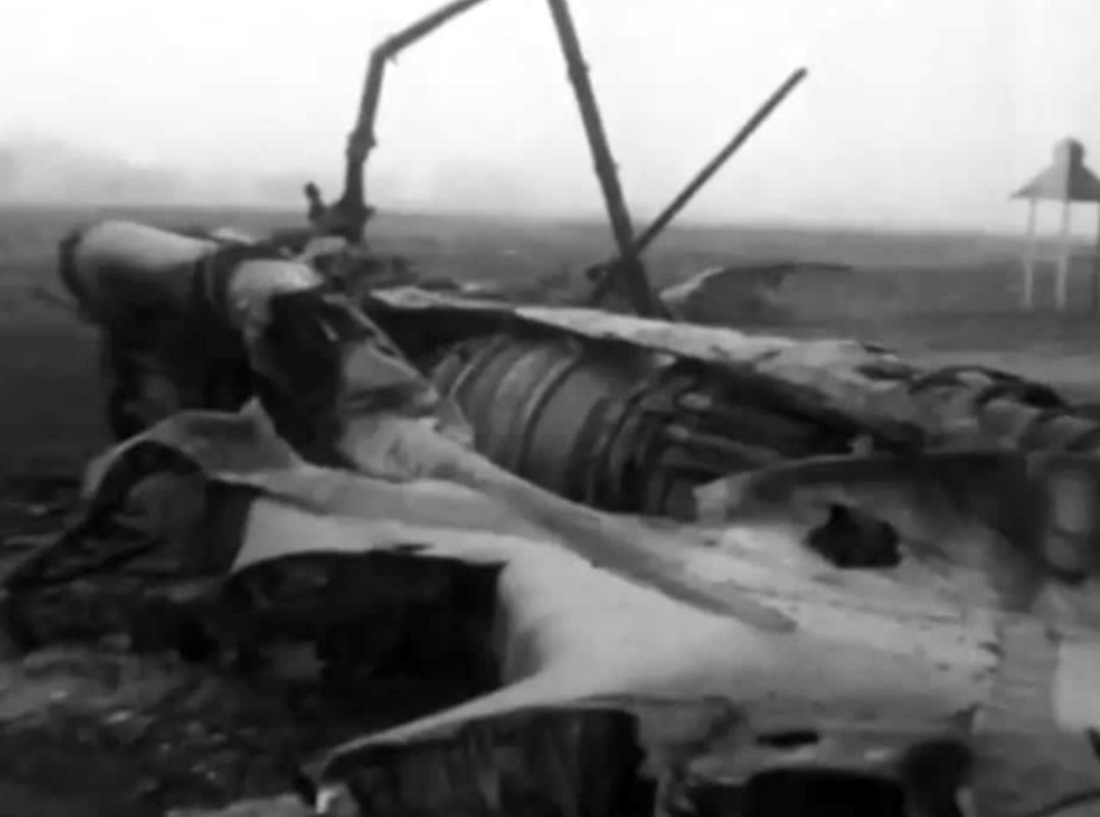
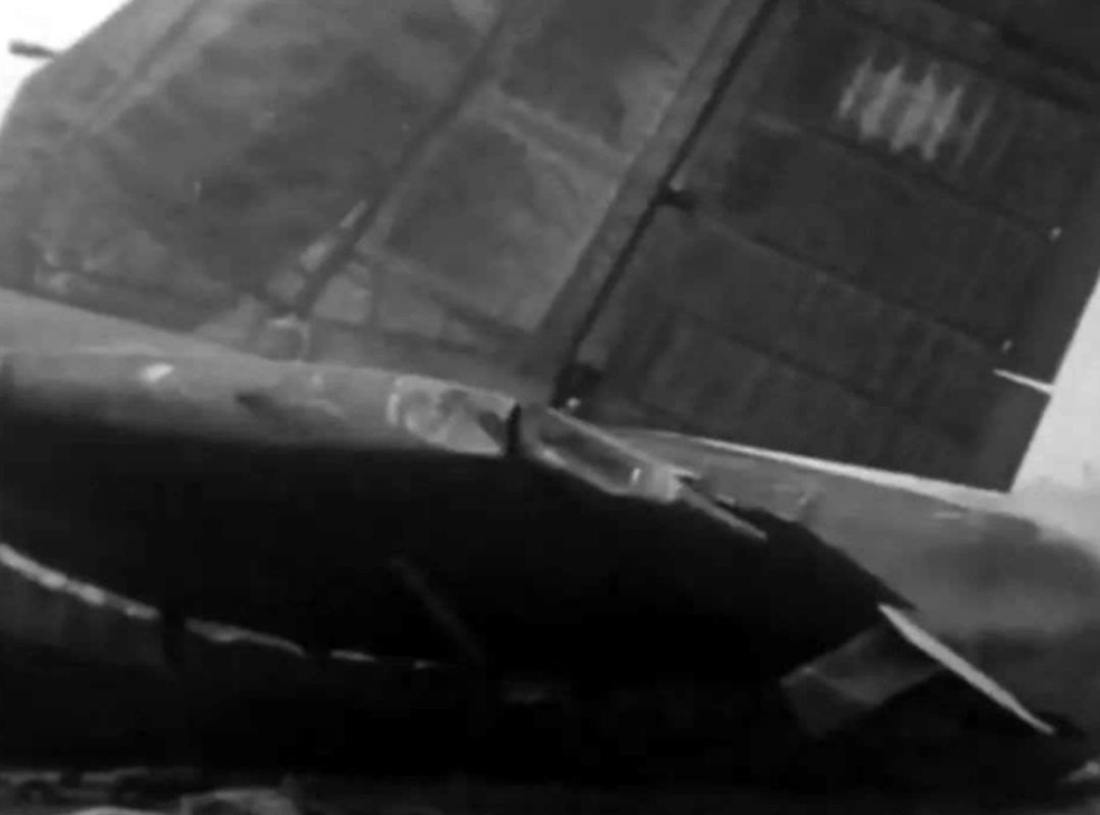
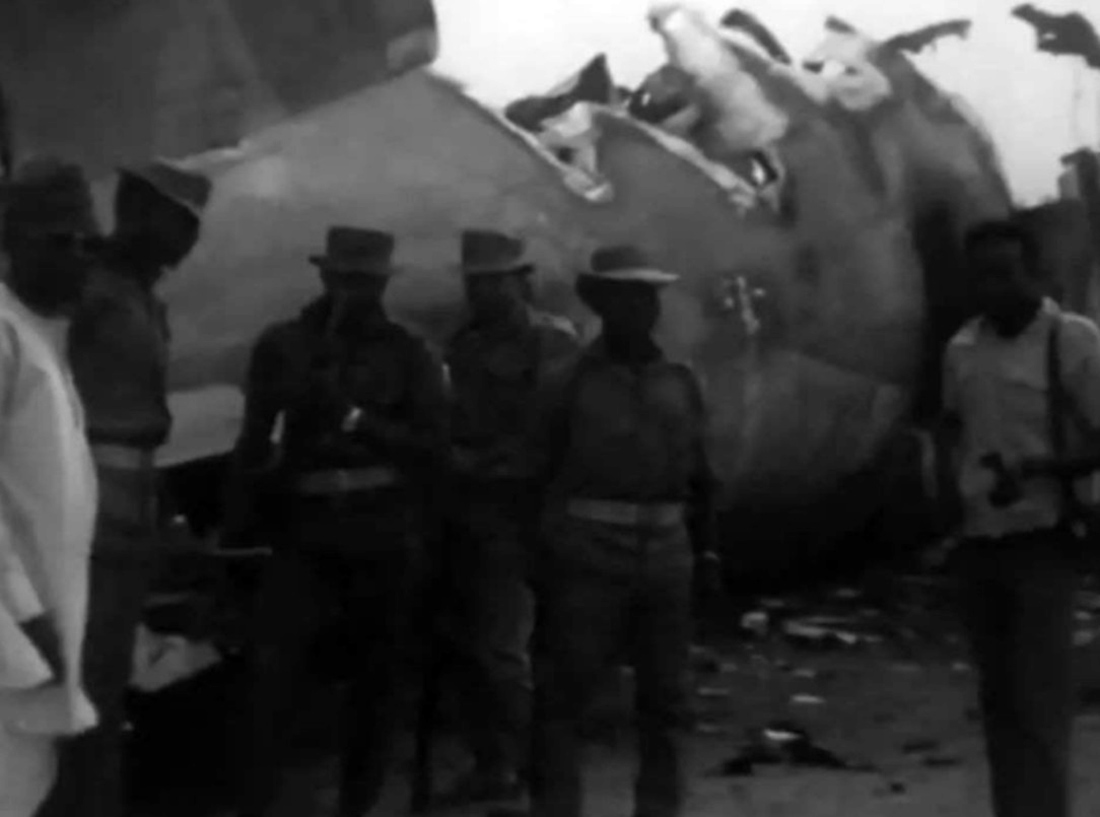
The aircraft was completing a charter flight from Jeddah to Lagos on behalf of Nigeria Airways, carrying Nigerian pilgrims flying back home. En route, the crew was informed about bad weather in Lagos and was rerouted to Kano-Mallam Aminu Kano Airport. On final approach, the pilot-in-command encountered mist when during the last segment, control was lost. The airplane nosed down and struck the runway surface with its nose gear first. On impact, the nose gear collapsed then both main gears touched the ground and punctured the fuel tanks. Out of control, the airplane skidded on runway, lost its both left engines then made a 180 turn before coming to rest in flames. Three crew members and 23 passengers were rescued while 176 other occupants were killed. The aircraft was totally destroyed by a post crash fire. Up to date, this was the worst plane crash in History.
Probable cause:
The exact cause of the accident remain unclear. Nevertheless, it is believed that control was lost on short final due to wake turbulences and the aircraft adopted a nose-down attitude before crashing onto the runway.

Crash of a Vickers VC-10-1101 in Lagos: 87 killed

Date & Time: Nov 20, 1969 at 0845 LT
Type of aircraft:
Operator:
Registration:
5N-ABD
Survivors:
No
Schedule:
London - Rome - Kano - Lagos
MSN:
804
YOM:
1962
Flight number:
WT825
Country:
Region:
Crew on board:
11
Crew fatalities:
Pax on board:
76
Pax fatalities:
Other fatalities:
Total fatalities:
87
Aircraft flight hours:
18431
Circumstances:
Following an uneventful flight from Kano, the crew started the descent to Lagos-Ikeja Airport. The captain was cleared for a straight-in approach but encountered low visibility due to foggy conditions. On final, the crew failed to realize his altitude was insufficient when the airplane struck trees and crashed 13 km short of runway 19. The aircraft was totally destroyed and all 87 occupants have been killed.
Probable cause:
The exact cause of the accident could not be determined with certainty. The FDR was found undamaged but the British AAIB engineers reported it was unreadable as the data consisted only of a stream of alternating ones and zeros. Apparently there had been a fault in one of the logic units of the system, something which could not be detected from the flight deck. No readable data could be reconstructed from this. Nevertheless, it is believed that the flying crew led the aircraft descending below the minimum safe altitude while still under control.

Crash of a De Havilland DHC-3 Otter in Kano: 7 killed

Date & Time: Mar 30, 1969
Type of aircraft:
Operator:
Registration:
5N-ABM
Flight Phase:
Flight Type:
Survivors:
No
Schedule:
Kano – Kaduna
MSN:
443
YOM:
1964
Location:
Country:
Region:
Crew on board:
2
Crew fatalities:
Pax on board:
5
Pax fatalities:
Other fatalities:
Total fatalities:
7
Circumstances:
Shortly after takeoff from Kano Airport, the float equipped aircraft crashed in unknown circumstances, killing all seven occupants, among them ex Minister Sanna Buker.

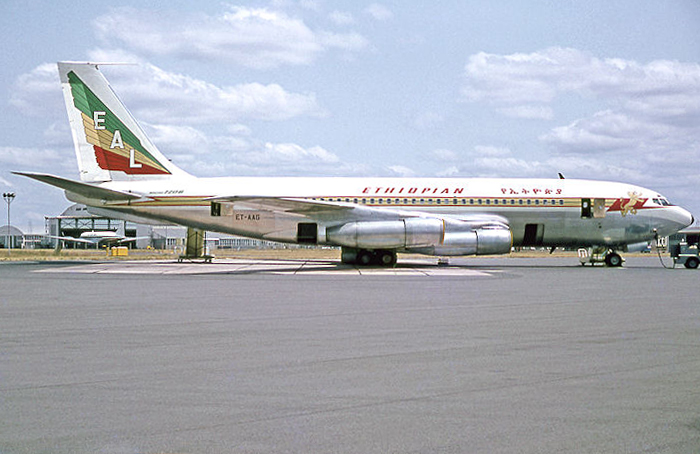
Crash of a Boeing 720-060B in Beirut

Date & Time: Jan 9, 1968 at 1833 LT
Type of aircraft:
Operator:
Registration:
ET-AAG
Survivors:
Yes
Schedule:
Lagos - Kano - Beirut
MSN:
18454/319
YOM:
1962
Flight number:
ME272
Country:
Region:
Crew on board:
10
Crew fatalities:
Pax on board:
39
Pax fatalities:
Other fatalities:
Total fatalities:
0
Aircraft flight hours:
15780
Circumstances:
Following an uneventful flight from Lagos via Kano, the crew started the approach to Beirut in poor weather conditions with heavy rain falls, turbulences and wind gusting to 45 knots. On short final, the airplane was unstable and landed nose gear first. On impact, the nose gear collapsed and the airplane slid for several yards before coming to rest in flames. All 49 occupants were rescued, 10 of them were injured. The aircraft was partially consumed by fire.

Crash of a Douglas C-54B-1-DC Skymaster in Kano: 1 killed

Date & Time: Jun 17, 1961 at 2323 LT
Type of aircraft:
Registration:
D-ABEB
Flight Type:
Survivors:
Yes
Schedule:
Hamburg – Luxembourg – Tripoli – Kano – Léopoldville
MSN:
10530
YOM:
1945
Location:
Country:
Region:
Crew on board:
5
Crew fatalities:
Pax on board:
2
Pax fatalities:
Other fatalities:
Total fatalities:
1
Captain / Total flying hours:
13000
Captain / Total hours on type:
4000.00
Copilot / Total flying hours:
3000
Copilot / Total hours on type:
600
Aircraft flight hours:
32850
Circumstances:
Following an uneventful flight from Tripoli, the crew started a night approach to Kano-Intl Airport. On final, the airplane struck the ground 3,2 km short of runway 07 threshold and crashed. A passenger was killed while six other occupants were seriously injured. The aircraft was destroyed.
Probable cause:
The accident was the result of an error of judgement on the part of the captain, who, after sighting the runway lights, concentrated on keeping them in sight and failed to make adequate reference to his flight instruments. As a result, he allowed the aircraft to descend below the obstacle clearance limit of 360 feet. In the darkness with no ground reference, the distant runway lights gave him insufficient guidance as to his height and angle of approach, and he was unaware that the aircraft had descended to ground level. The fatigue of the captain and the failure to put the aircraft's landing lights ON were considered as contributing factors.
Final Report:
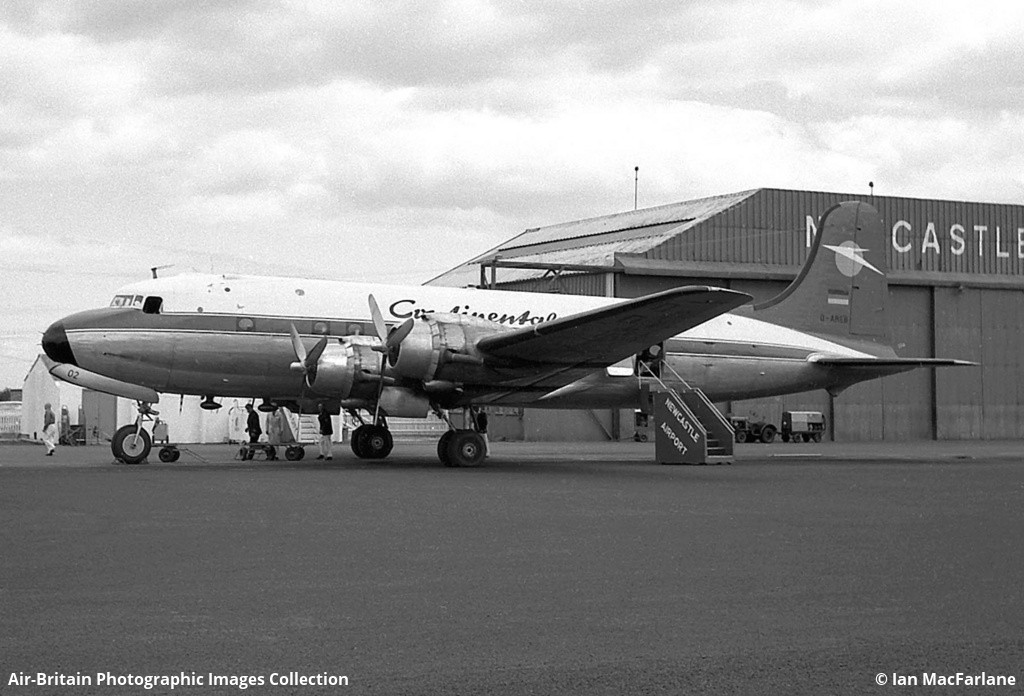
Crash of a Canadair C-4M Argonaut in Kano: 32 killed

Date & Time: Jun 24, 1956 at 1722 LT
Type of aircraft:
Operator:
Registration:
G-ALHE
Flight Phase:
Survivors:
Yes
Schedule:
Lagos – Kano – Tripoli – London
MSN:
151
YOM:
1949
Location:
Country:
Region:
Crew on board:
7
Crew fatalities:
Pax on board:
38
Pax fatalities:
Other fatalities:
Total fatalities:
32
Circumstances:
The four engine aircraft departed runway 25 at Kano Airport for Tripoli in moderate rain and climbed to an altitude of 250 feet. The aircraft then began to lose height rapidly and although the pilot-in- command ordered full power, the descent could not be checked. Notwithstanding the increased power he was unable to prevent it striking a tree and the aircraft crashed about 1,5 mile from the end of the runway. Three crew members and 29 passengers were killed. At time of takeoff, the reported weather conditions on runway 25 were as follows: cloud 3/8, base at 2,500 feet, wind 270° at 20 knots, visibility 1,500 yards and moderate rain.
Probable cause:
The accident was the result of loss of height and airspeed caused by the aircraft en- countering, at approximately 250 feet after takeoff, an unpredictable thunderstorm cell which gave rise to a sudden reversal of wind direction, heavy rain, and possible downdraught conditions.
Final Report:

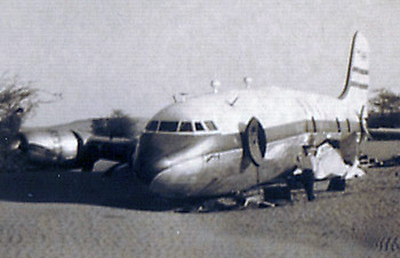
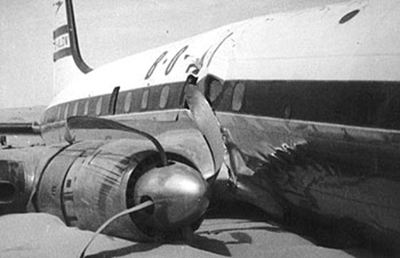
Crash of a Handley Page H.P.81 Hermes IV near Atar: 1 killed

Date & Time: May 26, 1952 at 0845 LT
Type of aircraft:
Operator:
Registration:
G-ALDN
Flight Phase:
Survivors:
Yes
Site:
Schedule:
London – Tripoli – Kano
MSN:
81/15
YOM:
1950
Flight number:
BA251
Location:
Country:
Region:
Crew on board:
8
Crew fatalities:
Pax on board:
10
Pax fatalities:
Other fatalities:
Total fatalities:
1
Circumstances:
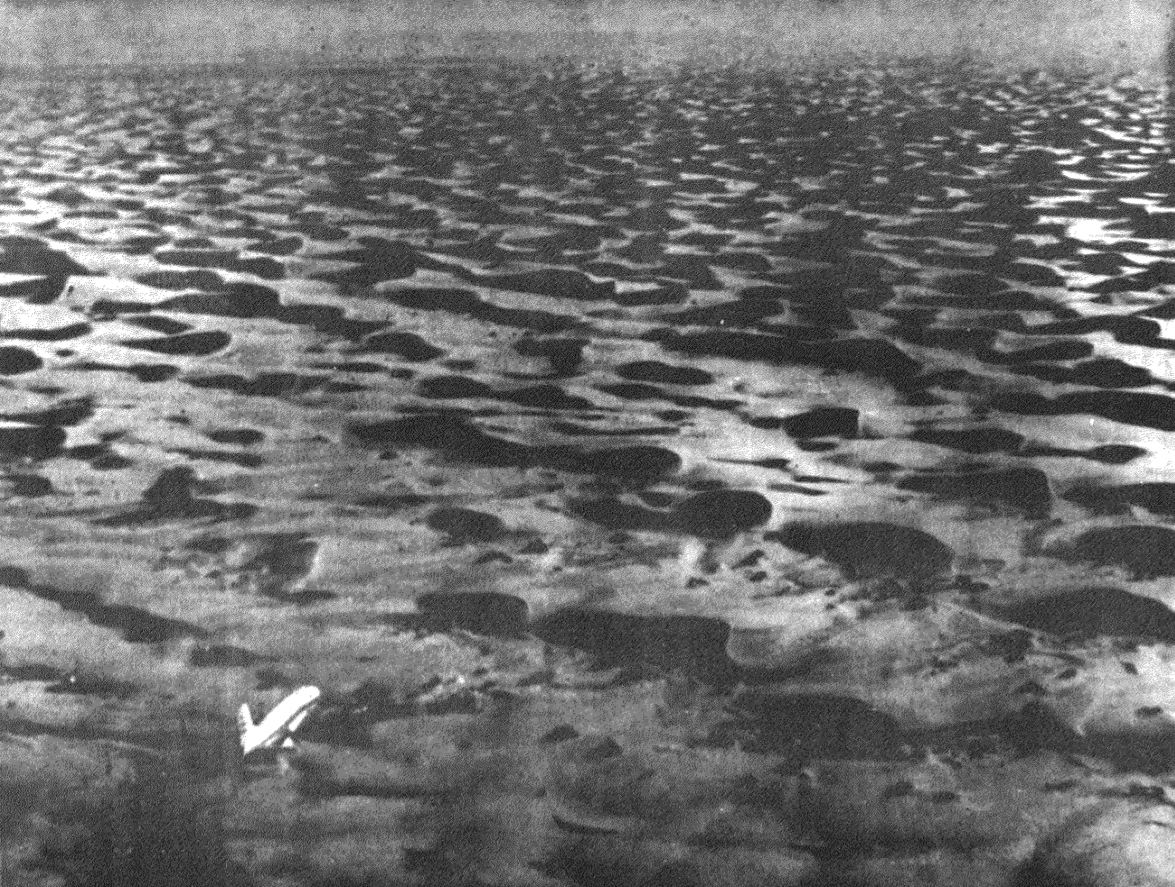
The aircraft took off on a scheduled service from Tripoli to Kano with a crew of eight and ten passengers. The weather forecast indicated fine weather en route and thunderstorms in the Kano area. Due to faulty use of the variation setting control on the Gyrosyn compass and the inability of the crew to determine the aircraft's position properly by the standard methods, the aircraft, with practically no fuel and over the desert, made a wheels-up landing in a wide depression littered with shifting sand-dunes surrounded by rocky escarpments. The port wing was torn off and the remainder of the aircraft slewed left and came to a standstill without breaking up. No fire resulted and all passengers and crew were evacuated without difficulty. Six were slightly injured but the copilot died five days later as a result of exhaustion brought about by strain and heat.
Probable cause:
Causes of the accident, in chronological order, are set out by the report as follows:
- Faulty use by the navigator of the variation setting control on the CL2 Gyrosyn compass,
- Faulty checking of compasses by incorrect astral bearing and without the aid of radio bearings,
- Incorrect inference drawn by the captain in pronouncing the CL2 Gyrosyn compass correct and the P.12 magnetic compass unserviceable,
- Fault on the part of the captain in not returning to Tripoli when the P.12 compass was regarded as unserviceable (in breach of BOAC regulations),
- Inability of the crew to realize that astro shots were being taken on the wrong stars,
- Inability of the crew to determine the aircraft's position properly by the standard methods when the VSC setting error was discovered,
- Lack of decisive action on the part of the captain once he knew he had lost his way,
- Ignorance, on the part of those on board, of the assistance which could have been afforded by Atar airfield.
Final Report: