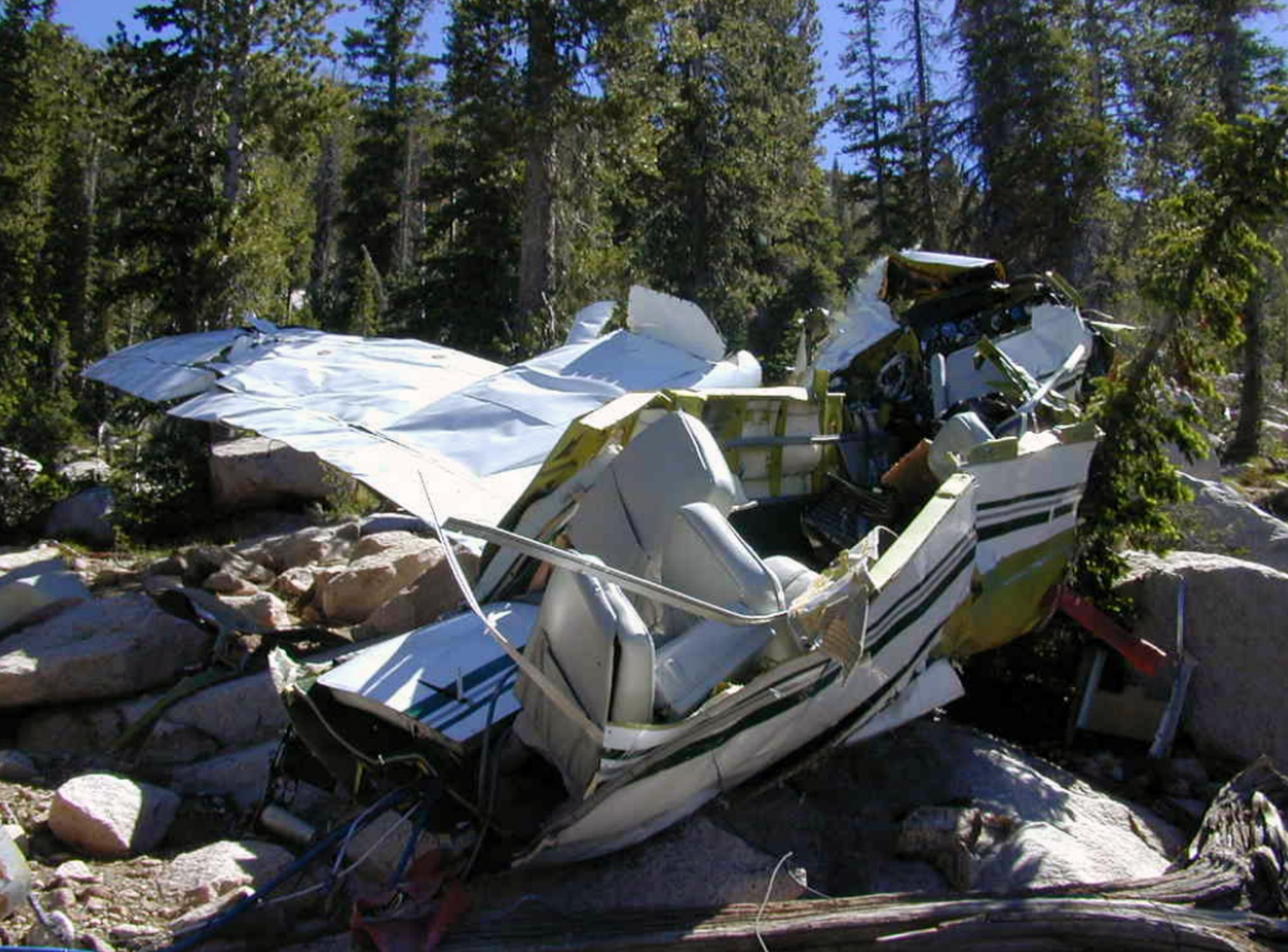
Crash of a Piper PA-31-310 Navajo in Charlotte Amalie

Date & Time: Apr 18, 2006 at 0908 LT
Type of aircraft:
Operator:
Registration:
N554DJ
Flight Type:
Survivors:
Yes
Schedule:
Christiansted - Charlotte Amalie
MSN:
31-7612009
YOM:
1976
Crew on board:
1
Crew fatalities:
Pax on board:
6
Pax fatalities:
Other fatalities:
Total fatalities:
0
Captain / Total flying hours:
3400
Captain / Total hours on type:
1800.00
Aircraft flight hours:
6417
Circumstances:
The airplane was making a public use flight between two islands for the purpose of transporting residents of a correctional facility to court hearings. During descent to the destination airport, at an altitude of approximately 1,400 feet, both engines started surging. The pilot's attempts to restore normal engine power were unsuccessful, and he ditched the airplane in ocean water with both engines still surging. The airplane stayed afloat as he and the passengers exited, and then it sank. The airplane was not recovered from the ocean, precluding its examination and determination of the reason for the dual loss of engine power.
Probable cause:
The loss of engine power in both engines for an unknown reason.
Final Report:

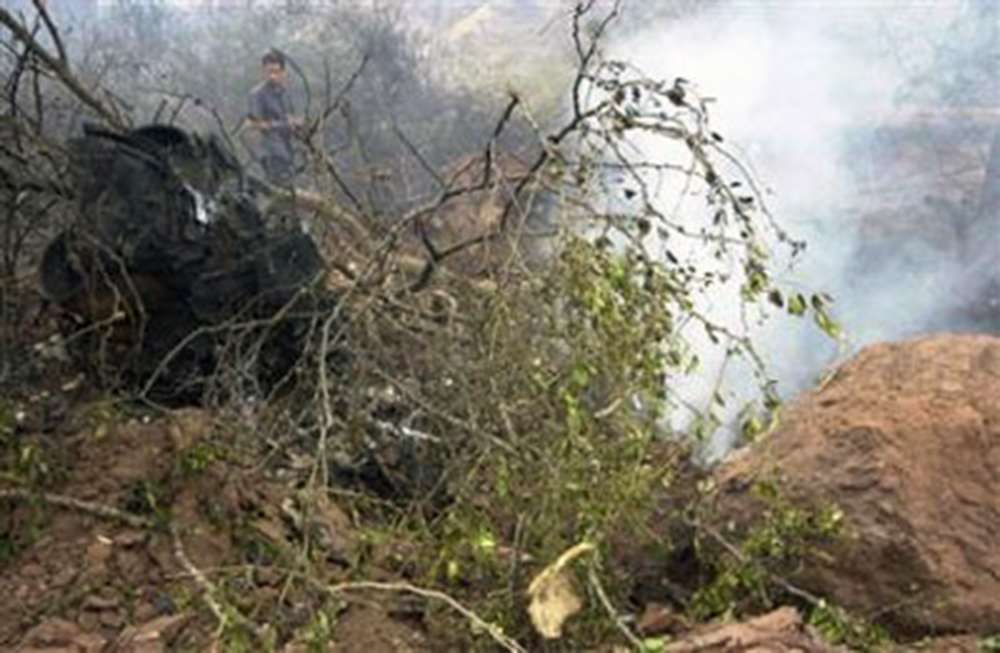
Crash of an IAI-1124 Westwind near El Devanador: 7 killed

Date & Time: Feb 24, 2005 at 1537 LT
Type of aircraft:
Operator:
Registration:
XC-COL
Flight Phase:
Flight Type:
Survivors:
No
Site:
Schedule:
Toluca - Colima
MSN:
279
YOM:
1979
Country:
Crew on board:
2
Crew fatalities:
Pax on board:
5
Pax fatalities:
Other fatalities:
Total fatalities:
7
Captain / Total flying hours:
4350
Copilot / Total flying hours:
6597
Aircraft flight hours:
8523
Circumstances:
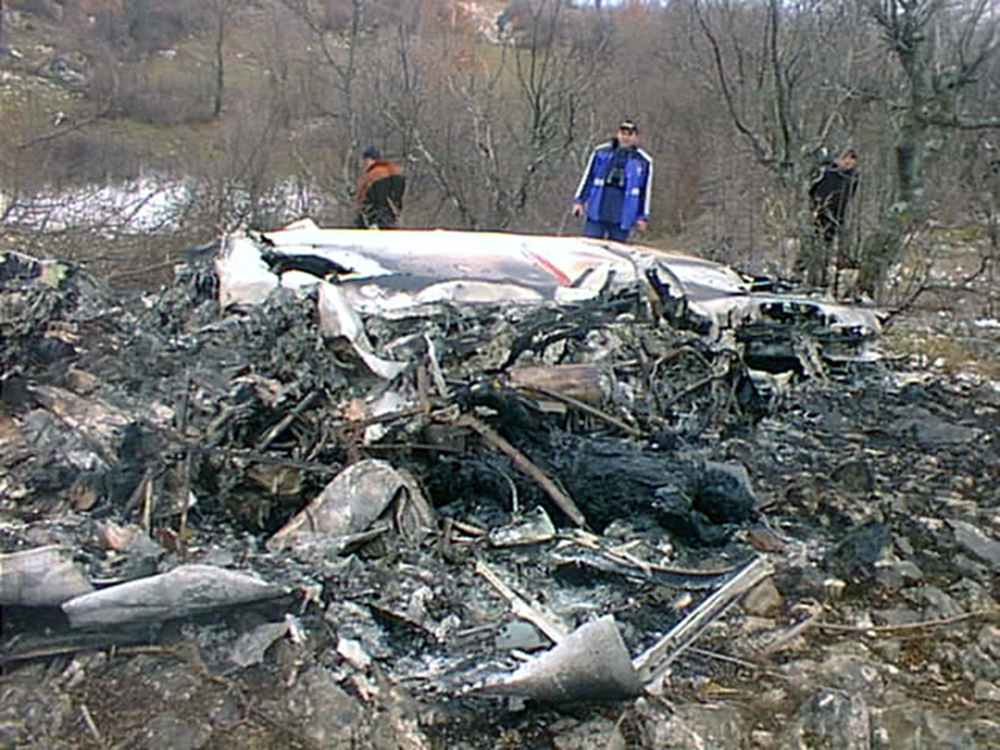
The aircraft departed Toluca Airport at 1516LT on a flight to Colima, carrying five members of the Colima Government and two pilots. Fifteen minutes into the flight, while cruising at an altitude of 16,000 feet, the crew informed ATC about control problems and was cleared to divert to Morelia Airport via radial 160. Shortly later, the aircraft entered an uncontrolled descent and crashed in a wooded and mountainous terrain located near El Devanador. The aircraft was totally destroyed and all seven occupants were killed.
Crew:
Mario Torres, pilot,
Germán Ascencio, copilot.
Passengers:
Gustavo Vázquez Montes, Governor of the State of Colima,
Roberto Preciado Cuevas, delegate secretary for Tourism,
Ignacio Peralta, delegate secretary for Economy,
Luis Barreda Cedillo, delegate secretary for Finances,
Guillermo Díaz, Director of Tourism.
Probable cause:
Sudden descent during cruise flight and loss of control of the aircraft due to flight control problems. The following findings were identified:
- A possible failure of the horizontal stabilizer actuator,
- A possible abrupt change in the attitude of the aircraft due to the position of the centre of gravity,
- Possible improper crew actions to resolve the emergency,
- A possible crew neglect of position and indication of flight controls.
Final Report:

Crash of a Casa 212 Aviocar 200 near Bamyan: 6 killed

Date & Time: Nov 27, 2004 at 0820 LT
Type of aircraft:
Operator:
Registration:
N960BW
Flight Phase:
Flight Type:
Survivors:
No
Site:
Schedule:
Bagram - Farah
MSN:
231
YOM:
1982
Location:
Country:
Region:
Crew on board:
3
Crew fatalities:
Pax on board:
3
Pax fatalities:
Other fatalities:
Total fatalities:
6
Captain / Total flying hours:
5720
Captain / Total hours on type:
865.00
Copilot / Total flying hours:
2228
Copilot / Total hours on type:
420
Aircraft flight hours:
21489
Circumstances:
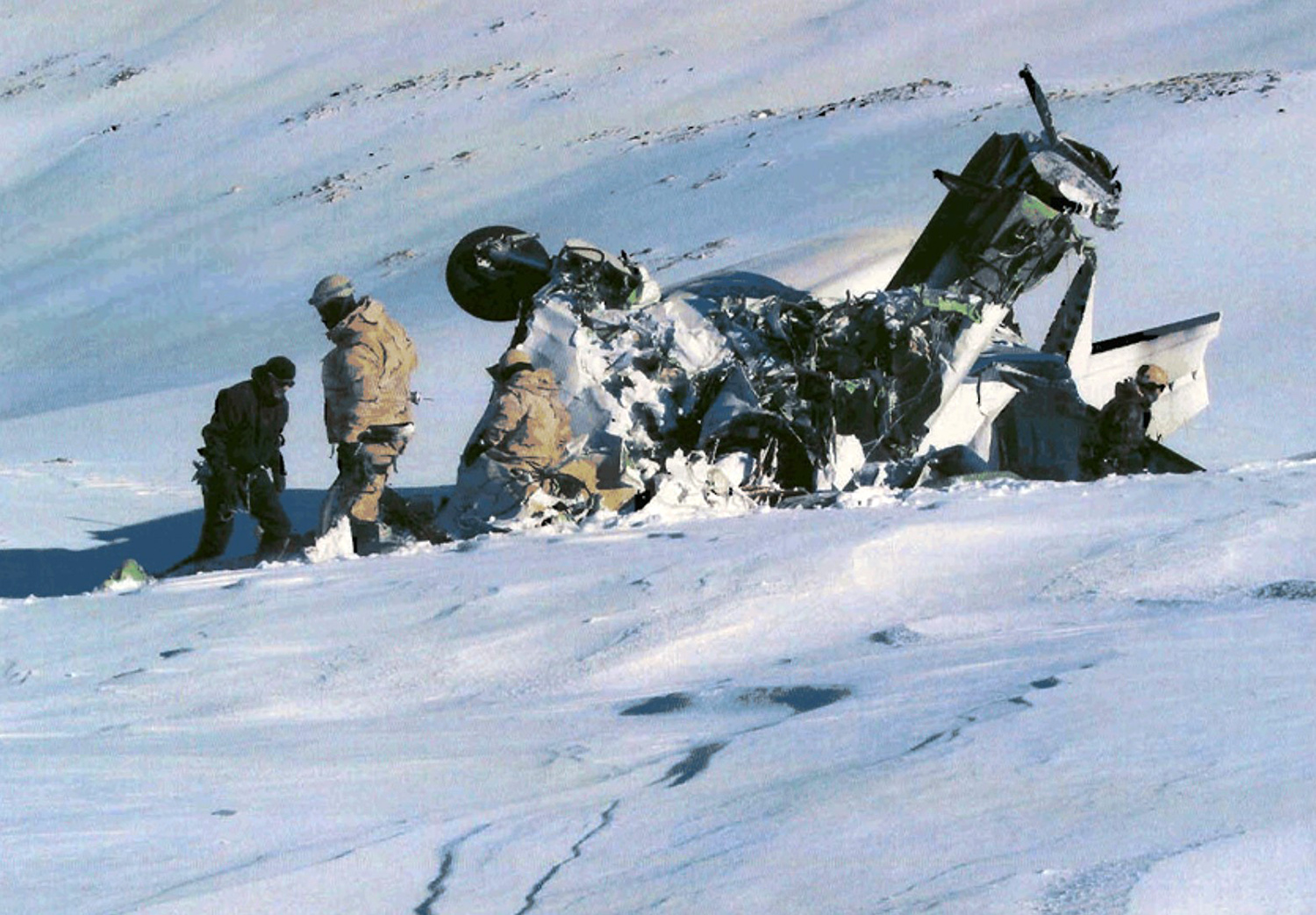
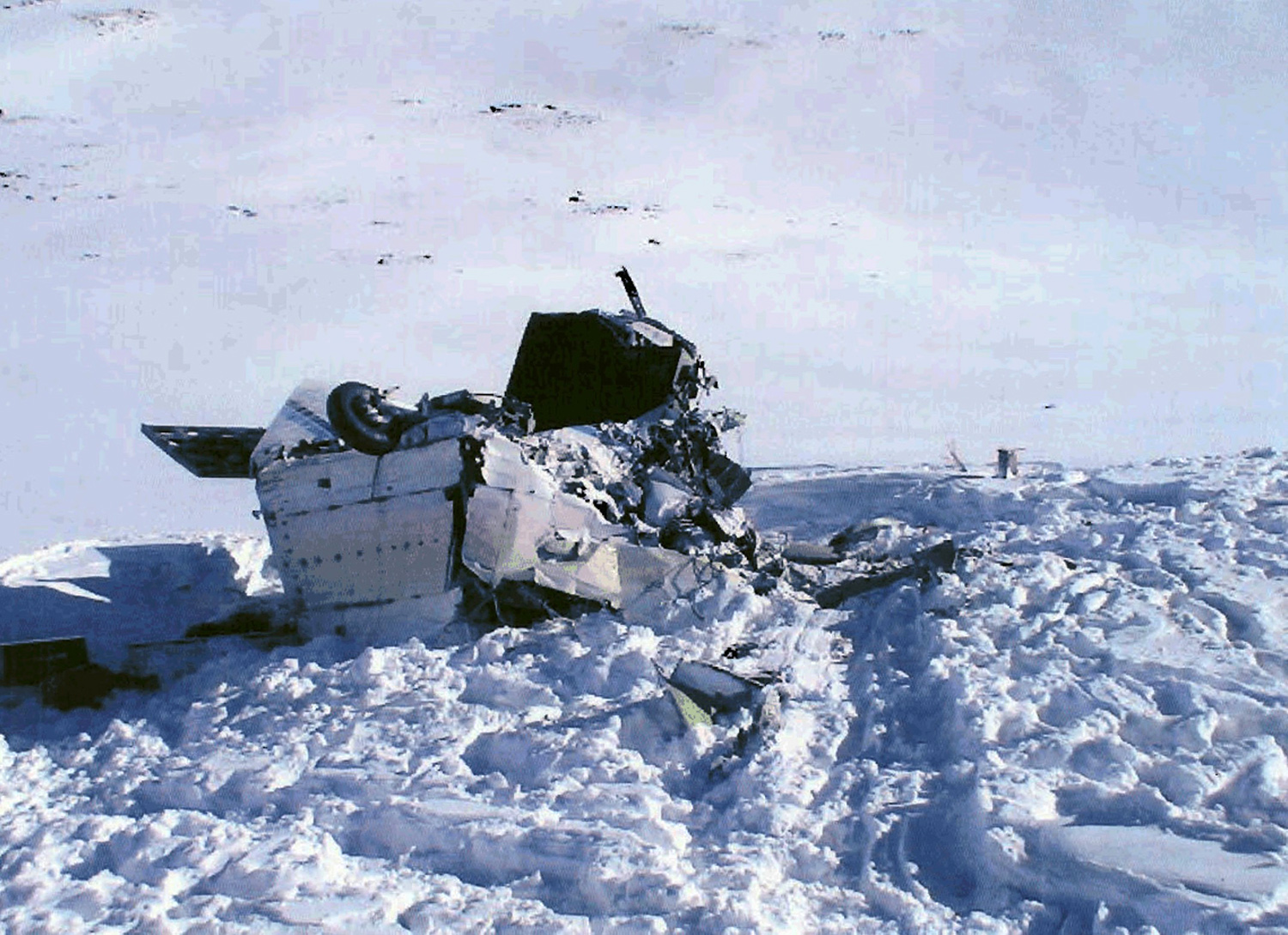
On November 27, 2004, about 0820 Afghanistan time, a Construcciones Aeronauticas Sociedad Anonima C-212-CC (CASA 212) twin-engine, turboprop airplane, N960BW, registered to Aviation Worldwide Services, LLC, and operated by Presidential Airways, Inc., of Melbourne, Florida, collided with mountainous terrain in the vicinity of the Bamiyan Valley, near Bamiyan, Afghanistan. The Department of Defense (DoD) contract flight was operated under the provisions of 14 Code of Federal Regulations (CFR) Part 135, with a company flight plan filed. Daylight visual meteorological conditions (VMC) prevailed. The captain, the first officer, and the mechanic-certificated passenger, who were U.S. civilians employed by the operator, and the three military passengers, who were active-duty U.S. Army soldiers, received fatal injuries. The airplane was destroyed. The flight departed Bagram Air Base (OAIX), Bagram, Afghanistan, about 0738.
Probable cause:
The captain's inappropriate decision to fly a nonstandard route and his failure to maintain adequate terrain clearance, which resulted in the inflight collision with mountainous terrain. Factors were the operator's failure to require its flight crews to file and to fly a defined route of flight, the operator's failure to ensure that the flight crews adhered to company policies and FAA and DoD Federal safety regulations, and the lack of in-country oversight by the FAA and the DoD of the operator. Contributing to the death of one of the passengers was the operator's lack of flight-locating procedures and its failure to adequately mitigate the limited communications capability at remote sites.
Final Report:

Crash of a Rockwell Sabreliner 60 in Mexicali

Date & Time: Jul 28, 2004 at 1330 LT
Type of aircraft:
Operator:
Registration:
XC-PFN
Flight Type:
Survivors:
Yes
Schedule:
Tijuana – Mexicali
MSN:
306-111
YOM:
1976
Country:
Crew on board:
2
Crew fatalities:
Pax on board:
4
Pax fatalities:
Other fatalities:
Total fatalities:
0
Circumstances:
Following an uneventful flight from Tijuana, the aircraft landed too far down the runway 28 at Mexicali-General Rodolfo Sanchez Taboada Airport. Unable to stop within the remaining distance, it overran, rolled for about 750 metres, collided with an embankment and came to rest in a sandy area. All six occupants escaped uninjured while the aircraft was damaged beyond repair. The aircraft had the dual registration XC-PFN (civil) and PF-213 (military).

Crash of a Cessna 208B Grand Caravan on Mt Awakapa Tepuy: 7 killed

Date & Time: May 4, 2004 at 1145 LT
Type of aircraft:
Operator:
Registration:
YV-O-CBL-7
Flight Phase:
Flight Type:
Survivors:
No
Site:
Schedule:
Ciudad Bolívar – Uonquén
MSN:
208B-0926
YOM:
2001
Country:
Crew on board:
2
Crew fatalities:
Pax on board:
5
Pax fatalities:
Other fatalities:
Total fatalities:
7
Circumstances:
The single engine aircraft departed Ciudad Bolívar at 1016LT on a flight to Uonquén, State of Bolívar. En route, around 1100LT, the pilot reported flying at 11,500 feet in poor weather conditions. About 45 minutes later, while cruising at an altitude of 7,000 feet, the aircraft struck the slope of Mt Awakapa Tepuy located in the Chimanta Mountain Range. All seven occupants were killed, among them two church women.
Probable cause:
Controlled flight into terrain.

Crash of a Rockwell Gulfstream 690C Jetprop 840 in Milpillas: 7 killed

Date & Time: May 2, 2004 at 1750 LT
Operator:
Registration:
XC-JEH
Flight Phase:
Flight Type:
Survivors:
No
Schedule:
Ciudad Juárez – Mexico City
MSN:
690-11678
YOM:
1981
Country:
Crew on board:
2
Crew fatalities:
Pax on board:
5
Pax fatalities:
Other fatalities:
Total fatalities:
7
Circumstances:
On May 2, 2004, at 1600 central daylight time, a Twin Commander 840 twin turbo-prop airplane, Mexican registration XC-JEH, was destroyed following a loss of control following an encounter with weather while in cruise flight near Milpillas, State of Aguas Calientes, in the Republic of Mexico. The airline transport rated pilot, first officer and the 5 passengers on board were fatally injured. The public use flight originated from Ciudad Juarez, State of Chihuahua, approximately 1400, and was destined for the Mexico City International Airport, in Mexico City. Instrument meteorological conditions prevailed for the domestic cross-country flight for which an instrument flight rules (IFR) flight plan was filed.

Crash of a Beechcraft 200 Super King Air in Berkovići: 9 killed

Date & Time: Feb 26, 2004 at 0745 LT
Registration:
Z3-BAB
Flight Type:
Survivors:
No
Site:
Schedule:
Skopje – Mostar
MSN:
BB-652
YOM:
1980
Region:
Crew on board:
2
Crew fatalities:
Pax on board:
7
Pax fatalities:
Other fatalities:
Total fatalities:
9
Circumstances:
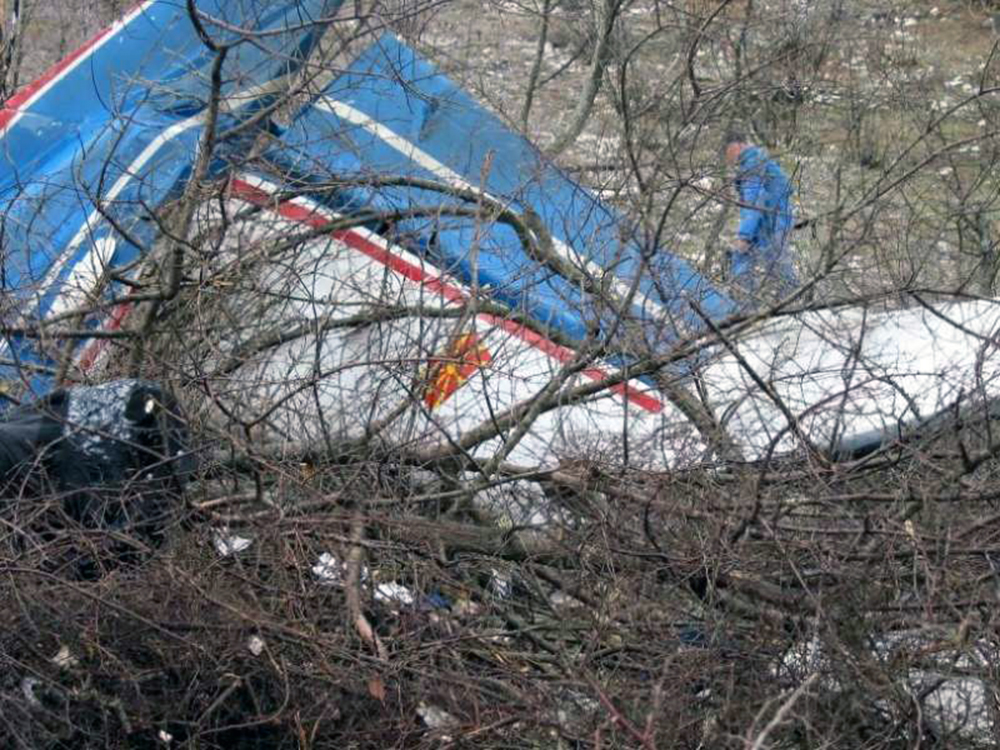
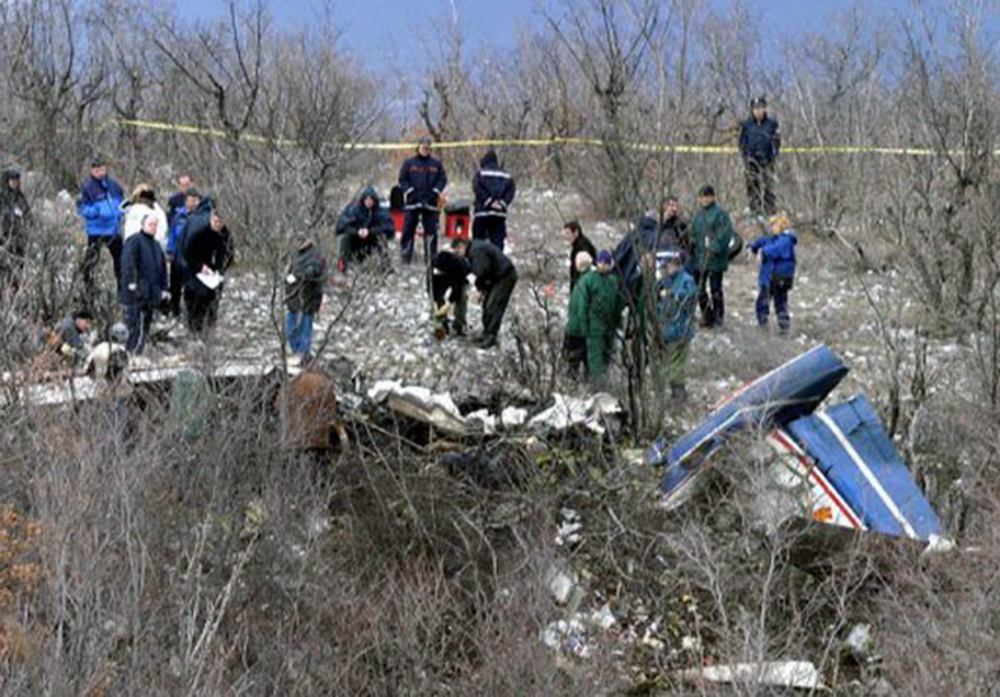
The twin engine aircraft departed Skopje on an official flight to Mostar, carrying two pilots and seven passengers, among them Boris Trajkovski, President of the Republic of Macedonia. He was flying to Mostar with members of his government to take part to an economic conference. On approach by night and limited visibility due to marginal weather conditions, the aircraft struck the slope of a mountain located near Berkovići, about 32 km southeast of the airport. The aircraft was destroyed by impact forces and a post crash fire and all nine occupants were killed.
Probable cause:
The accident was the consequence of a controlled flight into terrain after the crew initiated the approach prematurely. The following contributing factors were identified:
- Poor approach and landing preparation and planning,
- The crew ignored ATC information about the current meteorological situation at Mostar Airport,
- The crew misinterpreted the Final Approach Fix (FAF) with the Intermediate Approach Fix (IAF), causing the aircraft to start the descent prematurely,
- The crew disengaged the autopilot system during the approach while descending in complex meteorological conditions,
- Poor crew resources management,
- Lack of crew communication,
- The crew failed to comply with SOP's,
- Failure of the pilot-in-command to maintain flight level when the aircraft reached the MDA and failure of the second pilot to give adequate assistance.
Final Report:

Crash of a Beechcraft 200 Super King Air in Badiraguato

Date & Time: Mar 20, 2003
Operator:
Registration:
XC-ADP
Flight Type:
Survivors:
Yes
Schedule:
Hermosillo – Badiraguato
MSN:
BB-156
YOM:
1976
Country:
Crew on board:
2
Crew fatalities:
Pax on board:
3
Pax fatalities:
Other fatalities:
Total fatalities:
0
Circumstances:
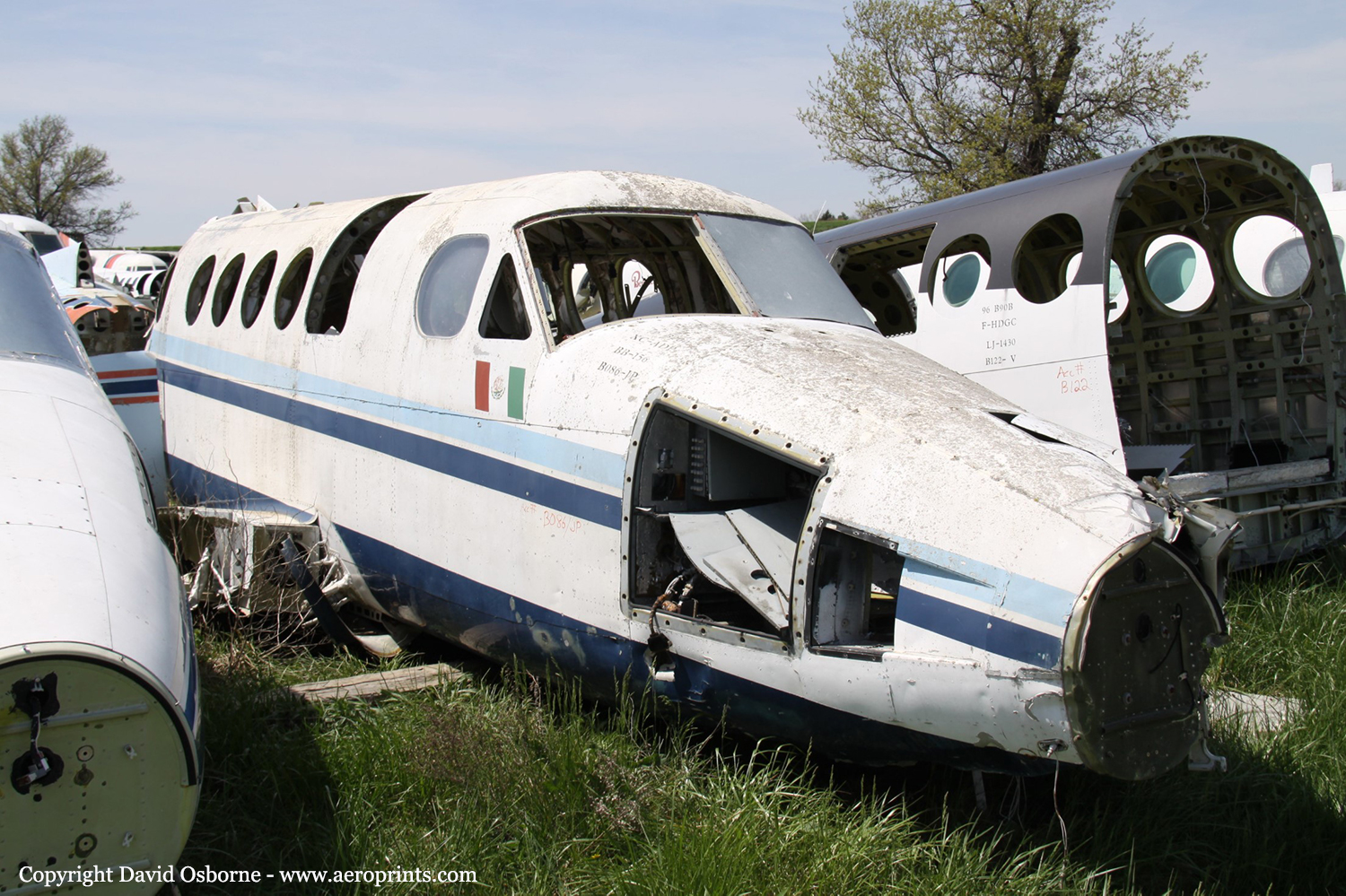
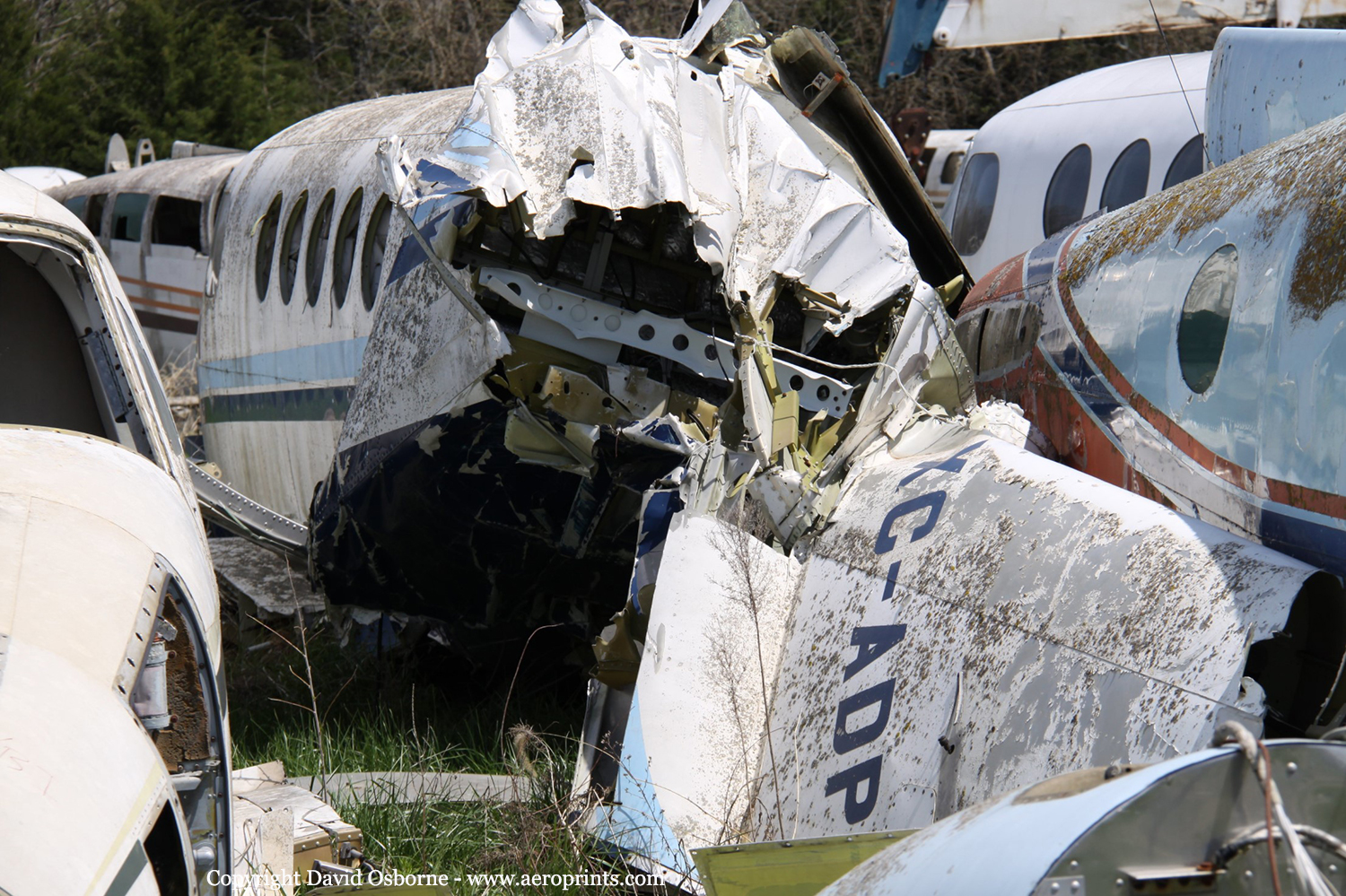
After landing at Badiraguato Airport, the twin engine aircraft went out of control and veered off runway. It collided with rocks, lost its tail and came to rest. All five occupants escaped uninjured while the aircraft was damaged beyond repair.

Crash of a Grumman G-159 Gulfstream I in Busia: 3 killed

Date & Time: Jan 24, 2003 at 1645 LT
Type of aircraft:
Operator:
Registration:
5Y-EMJ
Flight Phase:
Flight Type:
Survivors:
Yes
Schedule:
Busia – Nairobi
MSN:
158
YOM:
1965
Location:
Country:
Region:
Crew on board:
3
Crew fatalities:
Pax on board:
9
Pax fatalities:
Other fatalities:
Total fatalities:
3
Circumstances:
The twin engine aircraft was returning from Busia to Nairobi, carrying a delegation of the Kenyan Government who made a local visit in Busia following the national elections. Shortly after takeoff from runway 13/31 which is 3,281 feet long, the aircraft encountered difficulties to gain height. It struck power cables and crashed onto a house. Both pilots and a passenger, the Labour Minister Ahmed Mohamed Khalif were killed while nine other occupants were seriously injured. The aircraft was destroyed. There were no casualties on the ground.
Probable cause:
The following findings were identified:
- Poor flight preparation on part of the crew,
- The total weight of the aircraft was estimated to be over 16 tons, well above the MTOW,
- Aircraft above 5,7 tons are not allowed to land at Busia Airport,
- According to circumstances, a minimum runway length of 3,900 feet was required,
- The captain's licences were not up to date,
- The aircraft documentation was not up to date and failed to comply with Kenyan regulations,
- The aircraft's maintenance was performed by technicians who did not have the proper licence and training,
- The aircraft already had in the past several accidents in Congo and Sudan,
- Following one accident in Sudan in 2000, the aircraft was considered as written off by the insurance and the owner, MIA International Ltd, purchased the hull from the insurers, repaired the aircraft and re-registered it, changing the registration from 5Y-MIA to 5Y-EMJ.

Crash of a Piper PA-31-310 Navajo near Atlanta: 3 killed

Date & Time: Mar 12, 2002 at 1437 LT
Type of aircraft:
Registration:
N2336V
Flight Phase:
Flight Type:
Survivors:
No
Site:
Schedule:
Idaho Falls - Boise
MSN:
31-135
YOM:
1968
Location:
Crew on board:
1
Crew fatalities:
Pax on board:
2
Pax fatalities:
Other fatalities:
Total fatalities:
3
Captain / Total flying hours:
20647
Captain / Total hours on type:
338.00
Aircraft flight hours:
7940
Circumstances:
The aircraft was cleared direct and to climb to 14,000 feet. During the climb out, the controller inquired several times as to the flights altitude. The pilot's response to the controllers queries were exactly 10,000 feet lower than what the controller was indicating on radar. Eventually the controller instructed the pilot to stop altitude squawk, which he did. During the last communication with the pilot, he reported that he was level at 14,000 feet. During the next approximately 45 minutes, the aircraft was observed proceeding generally in the direction of its destination. When the controller observed the flight track turn approximately 45 degrees to the right and headed generally northwest, he attempted to contact the pilot without a response. The tracking then turned about 90 degrees to the left for a few minutes, then turned 180 degrees to the right. The aircraft dropped from radar coverage shortly thereafter. On site investigation revealed that the aircraft broke-up in flight as the wreckage was scattered generally east-to-west over the mountainous terrain for approximately .3 nautical miles. Further investigation revealed that the right wing separated at the wing root in an upward direction. Separation points indicated features typical of overload. The right side horizontal stabilizer separated upward and aft. The left side horizontal stabilizer remained attached however, it was twisted down and aft. The aft fuselage was twisted to the left. Both engines separated in flight from the wings. Post-crash examinations of the airframe and engines did not reveal evidence of a mechanical failure or malfunction. Both altimeters were too badly damaged to test. Autopsy and toxicology results indicated that the pilot had severe coronary artery disease with greater than 95% narrowing of the left anterior descending coronary artery by atherosclerotic plaque. The coroner also reported that superimposed upon this severe narrowing was complete occlusion of the lumen by brown thrombus. Toxicology results indicated a moderate level of diabetes. The pilot's actions leading up to the accident were consistent with an incapacitation due to hypoxia. The role of a possible heart attack was unclear, since it is possible that it occurred as a result of the hypoxia.
Probable cause:
The pilot's failure to maintain aircraft control while in cruise flight which resulted in the in-flight separation due to overload of the spar at the right wing root. Hypoxia was a factor.
Final Report: