Zone

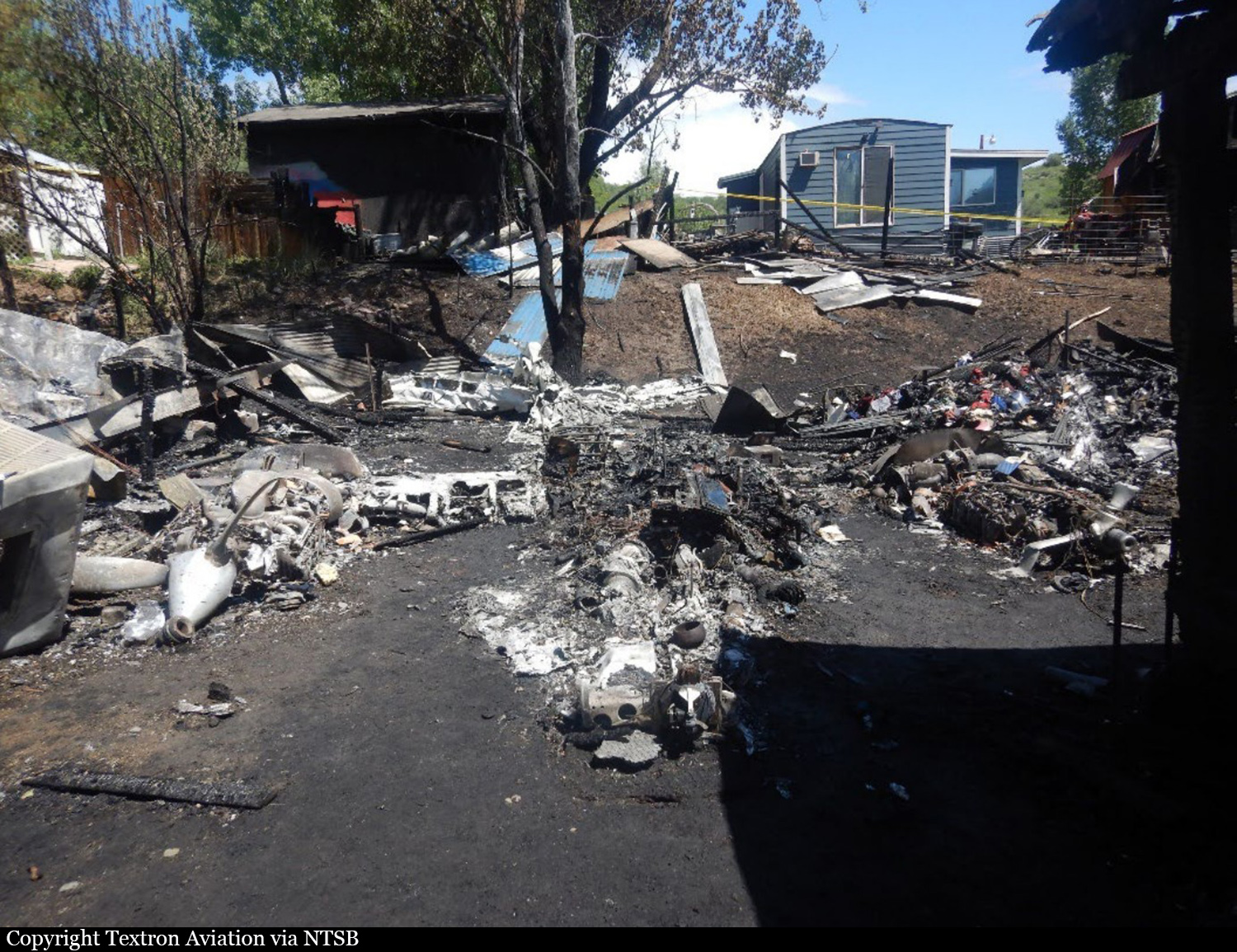
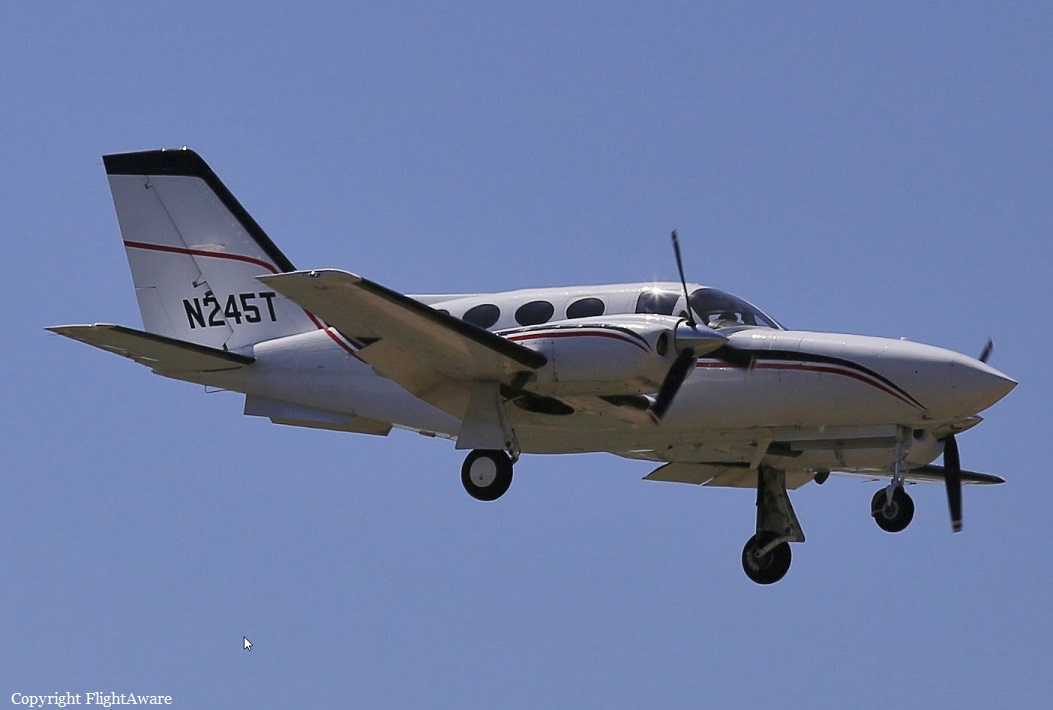
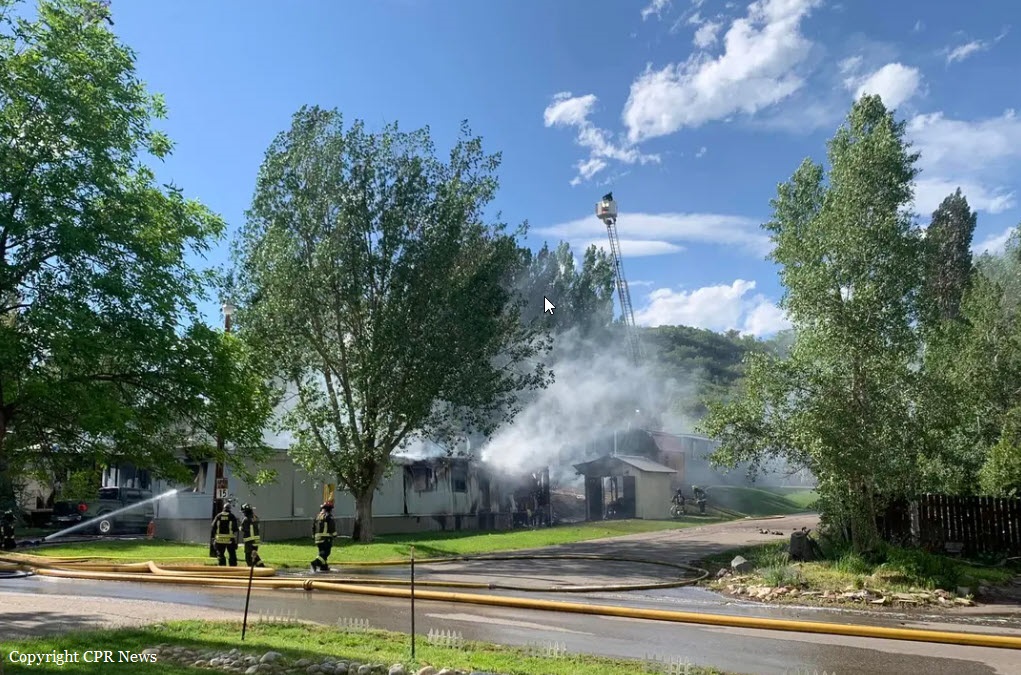
Crash of a Cessna 421C Golden Eagle III in Steamboat Springs: 2 killed

Date & Time: Jun 17, 2024 at 1623 LT
Registration:
N245T
Flight Type:
Survivors:
No
Site:
Schedule:
Longmont - Ogden
MSN:
421C-1104
YOM:
1981
Crew on board:
1
Crew fatalities:
Pax on board:
1
Pax fatalities:
Other fatalities:
Total fatalities:
2
Captain / Total flying hours:
600
Captain / Total hours on type:
59.00
Aircraft flight hours:
3139
Circumstances:
While enroute to the destination airport, the pilot reported a “cylinder temperature issue” to air traffic control (ATC) and the pilot diverted to another airport for a visual approach. The pilot overflew the airport and requested vectors for another visual approach. He then requested vectors to divert to an airport to the east before he informed air traffic control that the left engine lost power, and he received vectors back to the airport for a visual approach. The pilot maneuvered the airplane to land on runway 14, but for an unknown reason he decided to land on runway 32 instead. A pilot-rated witness reported that he observed the airplane while it was on the base to final turn for runway 32. He reported that the airplane’s wings leveled momentarily before it made a 60° left-bank turn and then entered a stall/spin in a counterclockwise rotation. The airplane impacted a trailer park about 0.38 miles from the approach end of runway 32. A postimpact fire ensued and destroyed the airplane. Examination of the airframe, flight controls, and the right engine did not detect any preimpact anomalies that would have precluded normal operation. Examination of the left engine found that the starter adapter spline was worn, with broken teeth on its crankshaft gear. The crankshaft gear remained properly timed with the crankshaft cluster gear, the investigation could not determine if the idler gear, which drives the magnetos, slipped timing. Mistiming of the magnetos could result in abnormal cylinder head temperature(s). In addition, there was improper hardware securing the cylinder No. 6 intake valve, which might have altered performance of that valve. Due to thermal damage, testing of the ignition and fuel systems could not be accomplished. Evidence of detonation was observed on the left engine’s piston heads. The installed engine data monitor was destroyed by the postimpact fire and did not provide further details as to the operational condition of the engine before the accident. Inspection of the starter adapter assembly is required annually by airworthiness directive and was accomplished on the most recent annual inspection. The airplane had flown about 5.5 hours since the inspection.
Probable cause:
The pilot’s failure to maintain sufficient airspeed following a loss of engine power, which resulted in an inadvertent aerodynamic stall/spin at low altitude.
Final Report:
Crash of a Rockwell Grand Commander 690 in Little America: 4 killed

Date & Time: Aug 25, 1984 at 1030 LT
Registration:
N9150N
Flight Phase:
Flight Type:
Survivors:
No
Schedule:
Ogden - Aurora
MSN:
690-11063
YOM:
1973
Crew on board:
1
Crew fatalities:
Pax on board:
3
Pax fatalities:
Other fatalities:
Total fatalities:
4
Captain / Total flying hours:
3410
Circumstances:
About 10 minutes after takeoff at 1005 mdt, the pilot was cleared to climb to FL190. This was ATC's last communication with the aircraft. At 1030:39, the controller attempted to contact the pilot to advise that he had lost radar contact and to recycle the transponder and squawk 6062. There was no response. Two witnesses reported seeing the aircraft just before it impacted the ground. According to them, they saw fire and/or an explosion before impact and one witness reported the aircraft broke up after it came below an estimated 1,000 to 1,200 feet ceiling. However, the wreckage was scattered over a 2 miles area. An exam revealed evidence of a catastrophic in-flight breakup from overload which included positive overload of both wings. Radar data showed that just before radar contact was lost, the aircraft's speed varied between 221 and 272 knots, heading varied from 072° to 014° and vertical velocity varied from +300 to -2,400 feet/min. Thunderstorms, turbulences, rain and cloud tops to 25,000 feet were reported. Probable light to moderate icing in clouds above the freezing level of 14,000 feet. Aircraft had weather radar aboard. All four occupants were killed.
Probable cause:
Occurrence #1: in flight encounter with weather
Phase of operation: cruise
Findings
1. (f) weather condition - clouds
2. (f) weather condition - thunderstorm
3. (f) weather condition - turbulence in clouds
4. (f) weather condition - rain
5. (f) weather condition - low ceiling
6. (f) weather condition - icing conditions
7. (c) flight into known adverse weather - continued - pilot in command
----------
Occurrence #2: loss of control - in flight
Phase of operation: cruise
Findings
8. Aircraft handling - not maintained
----------
Occurrence #3: airframe/component/system failure/malfunction
Phase of operation: descent - uncontrolled
Findings
9. Design stress limits of aircraft - exceeded
10. Wing - overload
11. Fuel system, tank - overload
----------
Occurrence #4: fire
Phase of operation: descent - uncontrolled
----------
Occurrence #5: in flight collision with terrain/water
Phase of operation: descent - uncontrolled
Final Report:

Crash of a Cessna 340 in Laramie: 2 killed

Date & Time: Apr 27, 1976 at 1547 LT
Type of aircraft:
Operator:
Registration:
N69498
Flight Type:
Survivors:
No
Schedule:
Ogden – Laramie – Denver
MSN:
340-0336
YOM:
1974
Crew on board:
1
Crew fatalities:
Pax on board:
1
Pax fatalities:
Other fatalities:
Total fatalities:
2
Captain / Total flying hours:
1349
Circumstances:
While descending to Laramie-General Herbert J. Brees Regional Airport, the pilot encountered poor weather conditions with snow falls. On final, the airplane banked left, went into a near vertical attitude then lost height and crashed in flames. The aircraft was destroyed and both occupants were killed.
Probable cause:
Spin on final approach after the pilot failed to maintain flying speed. The following contributing factors were reported:
- Improper operation of flight controls,
- Improper IFR operation,
- Failed to initiate a go-around,
- Poorly planned approach,
- Snow,
- Observers reported weather marginal in accident quadrant.
Final Report:

Crash of a Boeing B-29-55-MO Superfortress in Ogden: 1 killed

Date & Time: Dec 18, 1953
Type of aircraft:
Operator:
Registration:
44-86382
Flight Type:
Survivors:
Yes
Schedule:
Sioux City - Ogden
Crew on board:
7
Crew fatalities:
Pax on board:
0
Pax fatalities:
Other fatalities:
Total fatalities:
1
Circumstances:
The crew was performing a flight from Sioux City to Ogden-Hill AFB, Utah. Upon arrival, the pilots mistook Ogden-Hinckley Municipal Airport for the nearly Ogden-Hill Airbase. After touchdown on a too short runway for this kind of aircraft, the heavy bomber overran, hit a 10-foot wide drainage ditch, crossed a highway and came to rest in flames. A crew member, James A. Gerwick, was killed, while six other occupants were injured. The aircraft was destroyed.
Probable cause:
Crew error while landing on the wrong airport.