Country
Crash of a Boeing 757-23A off Lima: 70 killed
Date & Time:
Oct 2, 1996 at 0111 LT
Operator:

Registration:
N52AW
Survivors:
No
Schedule:
Miami - Lima - Santiago
MSN:
25489
YOM:
1992
Flight number:
PL601
Crew on board:
9
Crew fatalities:
Pax on board:
61
Pax fatalities:
Other fatalities:
Total fatalities:
70
Captain / Total hours on type:
1520.00
Copilot / Total hours on type:
719
Aircraft flight hours:
10654
Aircraft flight cycles:
2673
Circumstances:
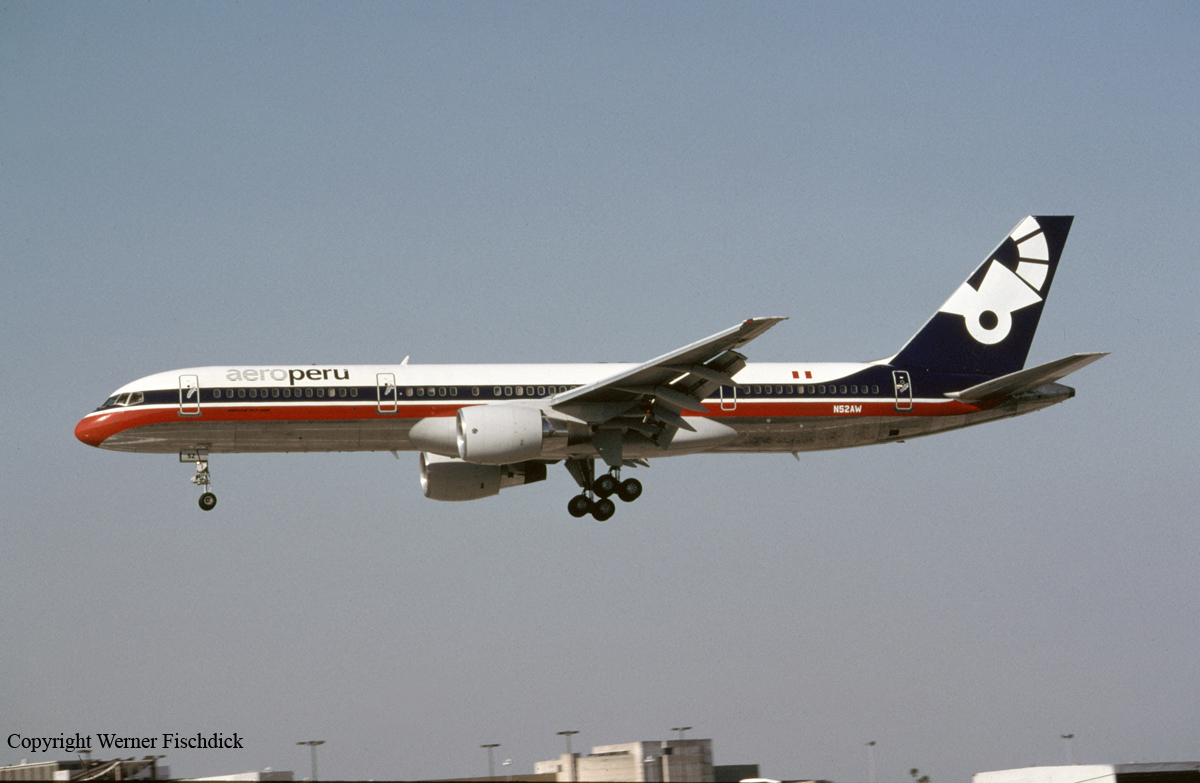
The aircraft departed Lima-Jorge Chávez Airport at 0042LT on an international regular service to Santiago de Chile, carrying 61 passengers and a crew of nine. When they took off and reached speed V2 + 10, the crew noticed that the altimeters were not responding and that something irregular was occurring. They therefore decided to notify the control tower in Lima to declare an emergency, consulted Lima for confirmation of their altitude by radar, and requested assistance to return via radar vectors. After 29 minutes of flight, while returning to Lima airport and with the crew attempting to control the aircraft, it impacted with the sea 48 nautical miles from the airport, with the total loss of the aircraft and all of its occupants.
Probable cause:
The following findings were reported:
- It can be deduced from the investigation carried out that the maintenance staff did not remove the protective adhesive tape from the static ports. This tape was not detected during the various phases of the aircraft's release to the line mechanic, its transfer to the passenger boarding apron and, lastly, the inspection by the crew responsible for the flight (the walk-around or pre-flight check), which was carried out by the pilot-in-command, according to the mechanic responsible for the aircraft on the day of the accident.
- The pilot-in-command made a personal error by not complying with the procedure for GPWS alarms and not noticing the readings of the radio altimeters in order to discard everything which he believed to be fictitious.
- The copilot made a personal error by not being more insistent, assertive and convincing in alerting the pilot-in-command much more emphatically to the ground proximity alarms.
- It can be deduced from the investigation carried out that the maintenance staff did not remove the protective adhesive tape from the static ports. This tape was not detected during the various phases of the aircraft's release to the line mechanic, its transfer to the passenger boarding apron and, lastly, the inspection by the crew responsible for the flight (the walk-around or pre-flight check), which was carried out by the pilot-in-command, according to the mechanic responsible for the aircraft on the day of the accident.
- The pilot-in-command made a personal error by not complying with the procedure for GPWS alarms and not noticing the readings of the radio altimeters in order to discard everything which he believed to be fictitious.
- The copilot made a personal error by not being more insistent, assertive and convincing in alerting the pilot-in-command much more emphatically to the ground proximity alarms.
Final Report:
Crash of a Boeing 757-225 off Puerto Plata: 189 killed
Date & Time:
Feb 6, 1996 at 2347 LT
Operator:

Registration:
TC-GEN
Survivors:
No
Schedule:
Puerto Plata - Gander - Berlin - Frankfurt
MSN:
22206
YOM:
1983
Flight number:
KT301
Crew on board:
13
Crew fatalities:
Pax on board:
176
Pax fatalities:
Other fatalities:
Total fatalities:
189
Captain / Total hours on type:
1875.00
Copilot / Total hours on type:
71
Aircraft flight hours:
29269
Aircraft flight cycles:
13499
Circumstances:
On behalf of Alas Nacionales, the aircraft was completing a charter flight from Puerto Plata to Frankfurt with intermediate stops in Gander and Berlin, carrying 176 Germans and 13 Turkish crew members. During the takeoff roll, at a speed of 80 knots, the captain noted that his air speed indicator (ASI) seemed to be incorrect while the copilot's ASI seemed to be correct. During initial climb, at an altitude of about 4,700 feet, the captain's ASI read 350 knots while the real speed was 220 knots. This resulted in an autopilot/autothrottle reaction to increase the pitch-up attitude and a power reduction in order to lower the airspeed. At that time the crew got 'Rudder ratio' and 'Mach airspeed' advisory warnings. Both pilots got confused when the copilot stated that his ASI read 200 knots decreasing while getting an excessive speed warning, followed by a stick shaker warning. This led the pilots to believe that both ASIs were unreliable. Finally realizing that they were losing speed and altitude they disconnected the autopilot. The autopilot, fed by the captain's faulty ASI, had reduced the speed close to the stall speed. Full thrust was then applied. At 23:47:17 an aural GPWS warning sounded and eight seconds later, the aircraft crashed in the ocean. All 189 occupants were killed.
Probable cause:
The crew's failure to recognize the activation of the stick shaker as a warning of an imminent stall, and the failure of the crew to execute the procedures for recovery from the onset of loss of control. Before the stick shaker warning activated, there was a confusion by the flight crew due to erroneous indications of relative speed increase and an overspeed warning. It is believed that the incorrect ASI readings was the consequence of an obstructed Pitot tube, maybe by mud and/or debris from a small insect that was introduced in the Pitot tube during the time the aircraft was on the ground. The aircraft was not flown for 20 days before the crash and was returned for service without a verification of the Pitot static system as recommended by Boeing.
Final Report:

Crash of a Boeing 757-223 near Buga: 159 killed
Date & Time:
Dec 20, 1995 at 2138 LT
Operator:

Registration:
N651AA
Survivors:
Yes
Schedule:
Miami - Cali
MSN:
24609
YOM:
1991
Flight number:
AA965
Crew on board:
8
Crew fatalities:
Pax on board:
155
Pax fatalities:
Other fatalities:
Total fatalities:
159
Captain / Total hours on type:
2260.00
Copilot / Total hours on type:
2286
Aircraft flight hours:
13782
Aircraft flight cycles:
4922
Circumstances:
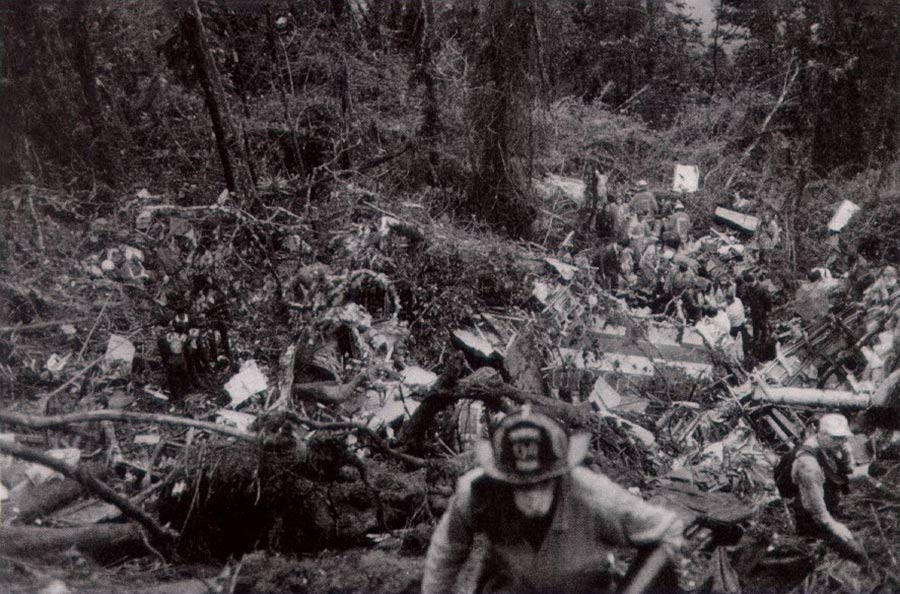
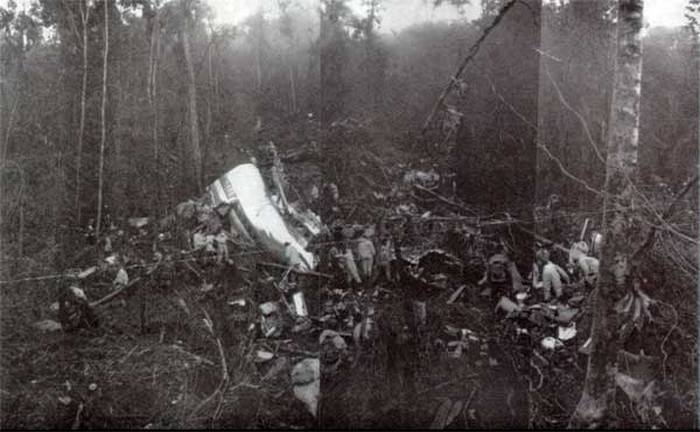
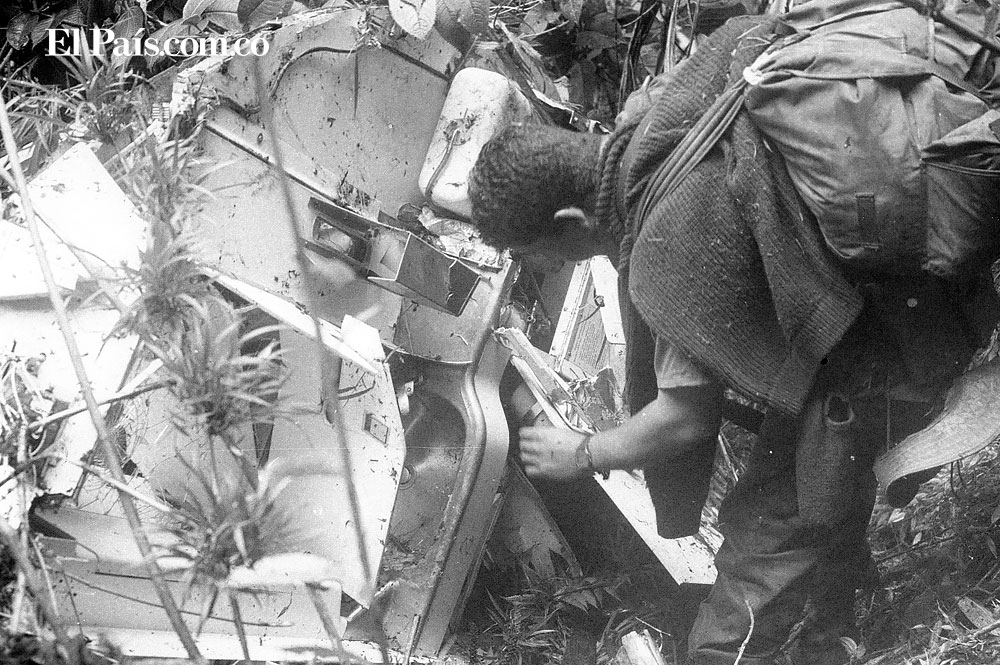
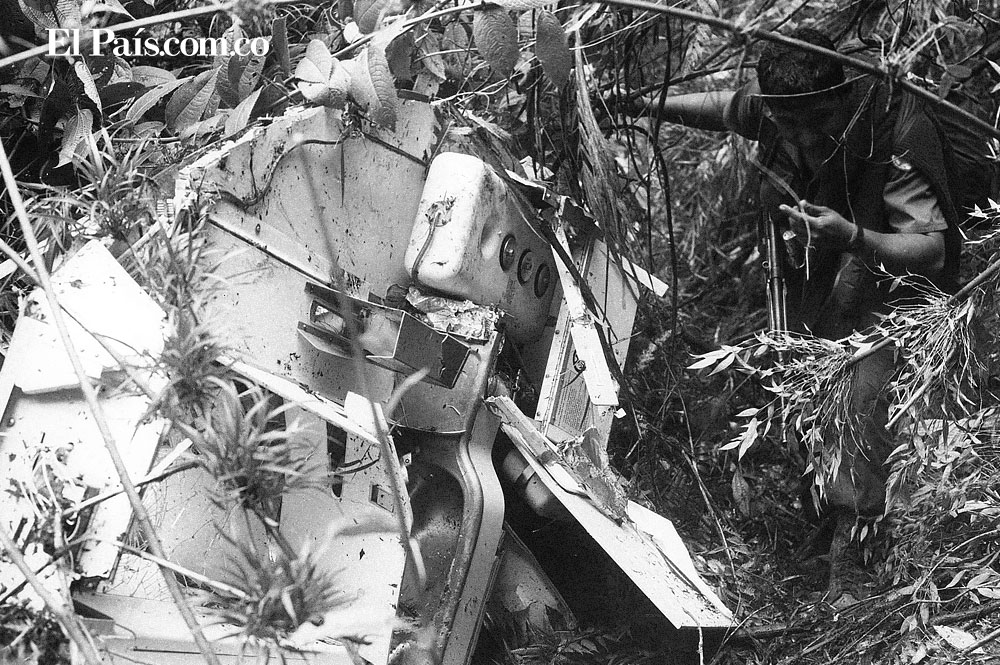
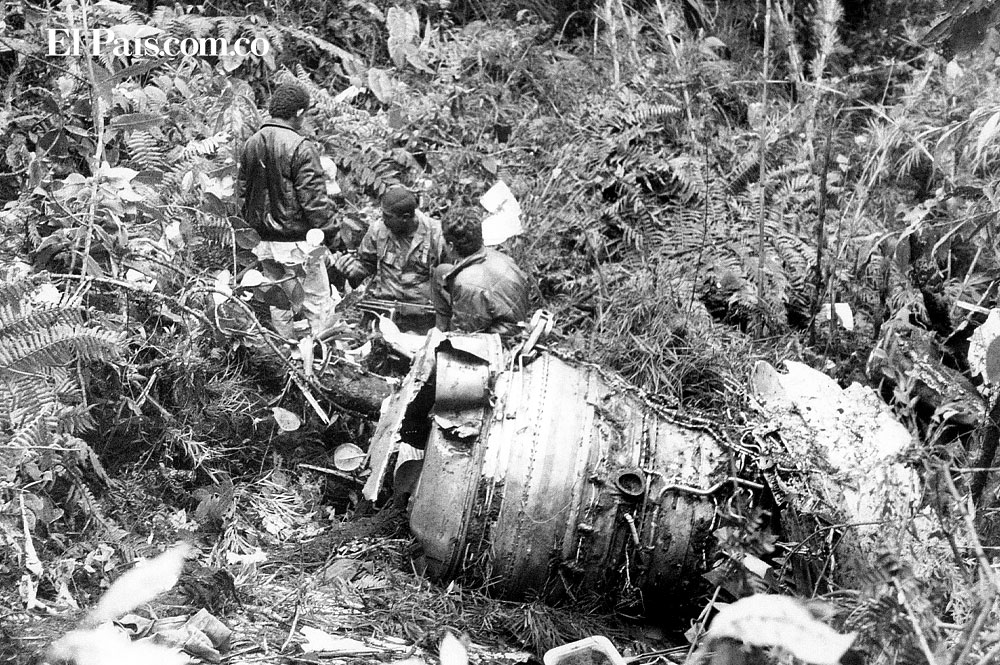
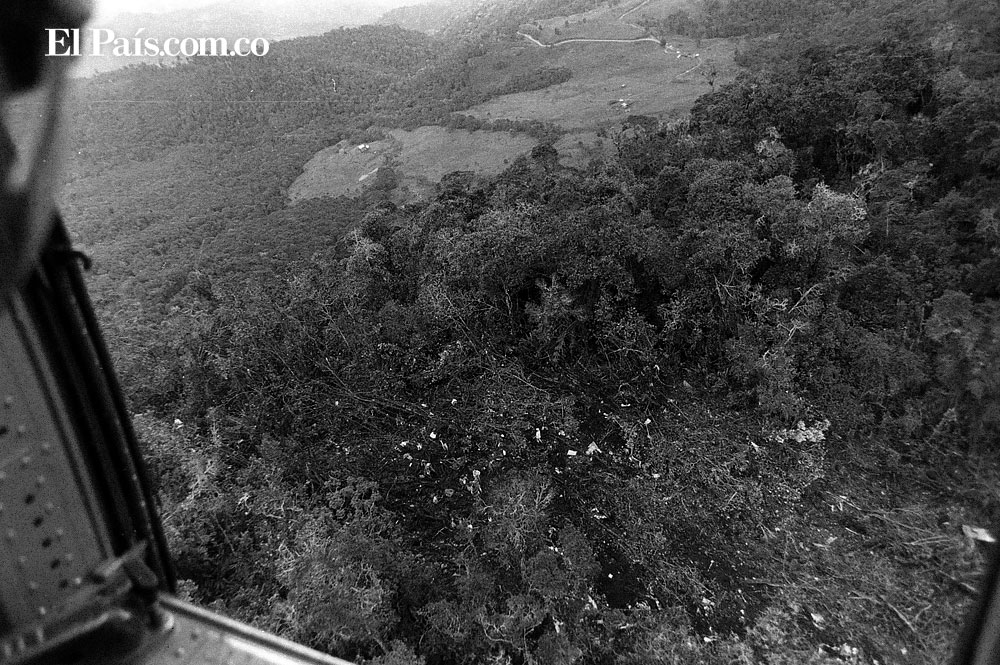
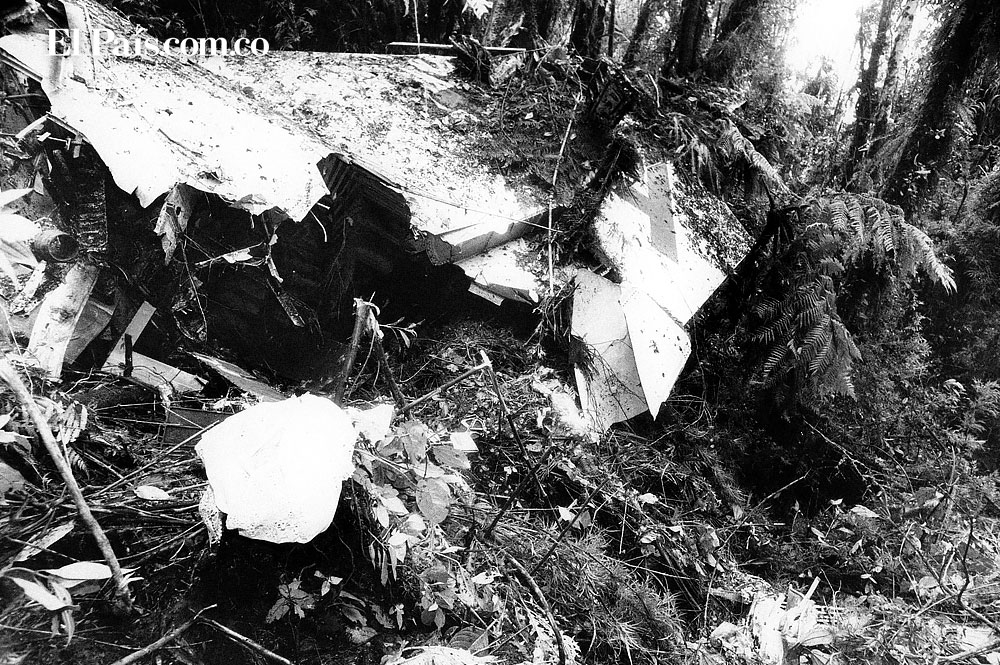
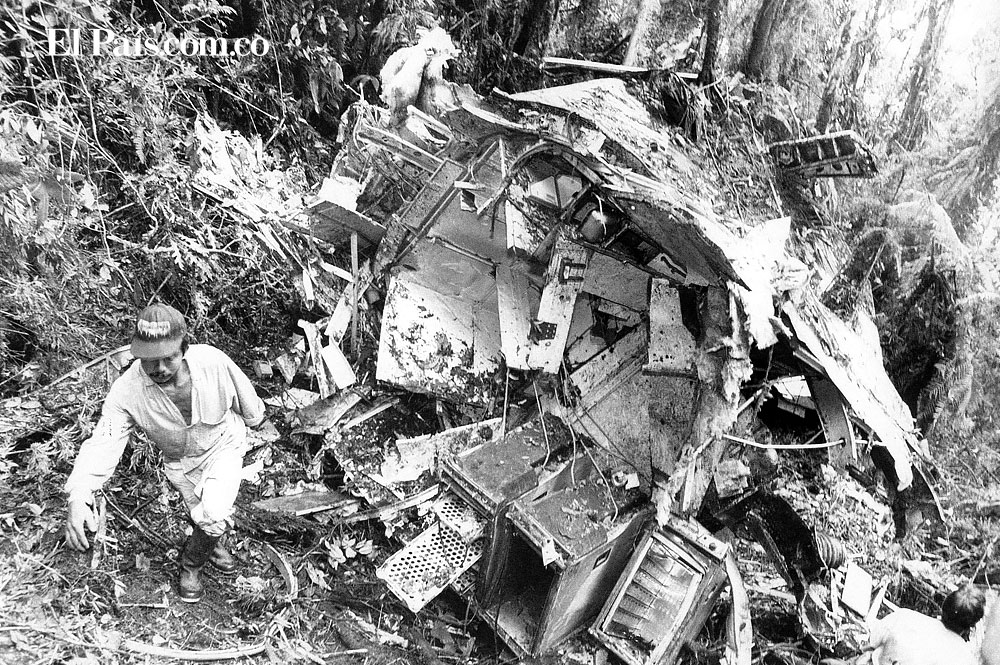
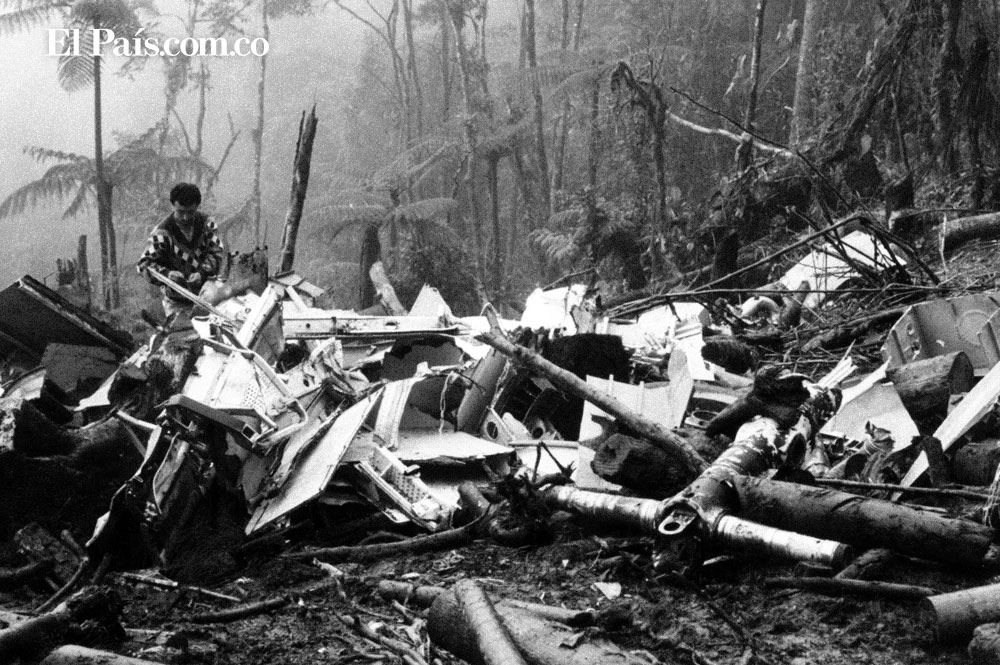
At about 18:34 EST, American Airlines Flight 965 took off from Miami for a flight to Cali. At 21:34, while descending to FL200, the crew contacted Cali Approach. The aircraft was 63 nm out of Cali VOR (which is 8nm South of the airport) at the time. Cali cleared the flight for a direct Cali VOR approach and report at Tulua VOR. Followed one minute later by a clearance for a straight in VOR DME approach to runway 19 (the Rozo 1 arrival). The crew then tried to select the Rozo NDB (Non Directional Beacon) on the Flight Management Computer (FMC). Because their Jeppesen approach plates showed 'R' as the code for Rozo, the crew selected this option. But 'R' in the FMC database meant Romeo. Romeo is a navaid 150nm from Rozo, but has the same frequency. The aircraft had just passed Tulua VOR when it started a turn to the left (towards Romeo). This turn caused some confusion in the cockpit since Rozo 1 was to be a straight in approach. 87 Seconds after commencing the turn, the crew activated Heading Select (HDG SEL), which disengaged LNAV and started a right turn. The left turn brought the B757 over mountainous terrain, so a Ground Proximity (GPWS) warning sounded. With increased engine power and nose-up the crew tried to climb. The spoilers were still activated however. The stick shaker then activated and the aircraft crashed into a mountain at about 8900 feet (Cali field elevation being 3153 feet).
Probable cause:
The accident was the consequence of the combination of the following factors:
1. The flightcrew's failure to adequately plan and execute the approach to runway 19 at SKCL and their inadequate use of automation.
2. Failure of the flightcrew to discontinue the approach into Cali, despite numerous cues alerting them of the inadvisability of continuing the approach.
3. The lack of situational awareness of the flightcrew regarding vertical navigation, proximity to terrain, and the relative location of critical radio aids.
4. Failure of the flightcrew to revert to basic radio navigation at the time when the FMS-assisted navigation became confusing and demanded an excessive workload in a critical phase of the flight.
1. The flightcrew's failure to adequately plan and execute the approach to runway 19 at SKCL and their inadequate use of automation.
2. Failure of the flightcrew to discontinue the approach into Cali, despite numerous cues alerting them of the inadvisability of continuing the approach.
3. The lack of situational awareness of the flightcrew regarding vertical navigation, proximity to terrain, and the relative location of critical radio aids.
4. Failure of the flightcrew to revert to basic radio navigation at the time when the FMS-assisted navigation became confusing and demanded an excessive workload in a critical phase of the flight.
Final Report:



Ground accident of a Boeing 757-21B in Guangzhou: 46 killed
Date & Time:
Oct 2, 1990 at 0904 LT
Operator:

Registration:
B-2812
Survivors:
Yes
Schedule:
Guangzhou - Shanghai
MSN:
24758
YOM:
1990
Flight number:
CZ2812
Crew on board:
12
Crew fatalities:
Pax on board:
106
Pax fatalities:
Other fatalities:
Total fatalities:
46
Circumstances:
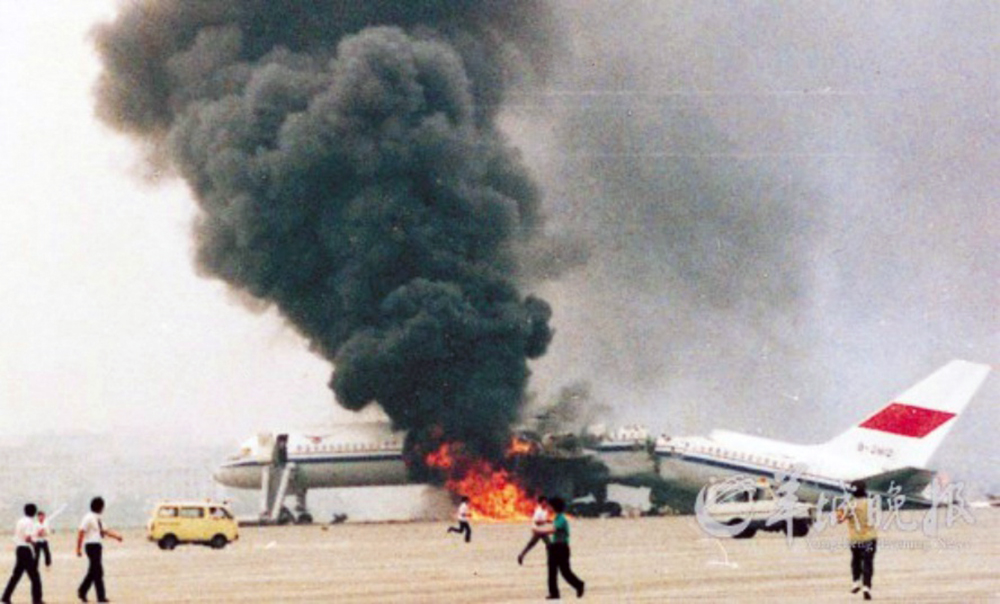
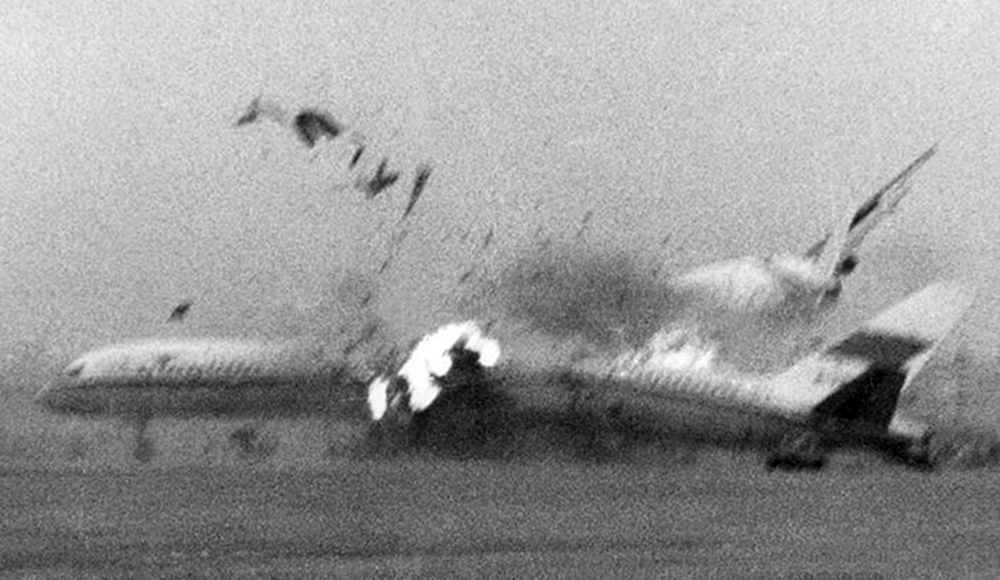
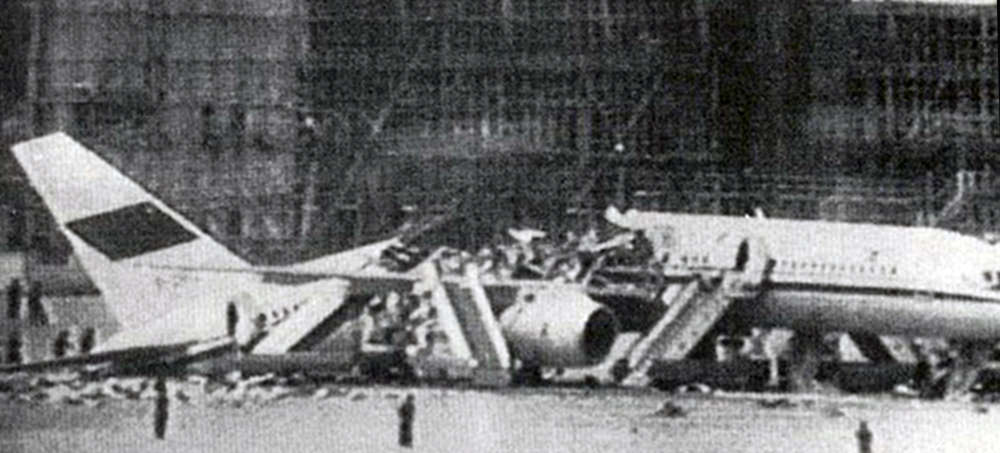
While parked at Guangzhou Airport, ready for flight CZ2812 to Shanghai-Hongqiao, Airport, the aircraft was struck by a Xiamen Airlines B737 that crashed upon landing after being hijacked. 46 passengers were killed and all other occupants were injured. The aircraft was destroyed.
Probable cause:
Struck by a B737 that crashed upon landing after being hijacked.