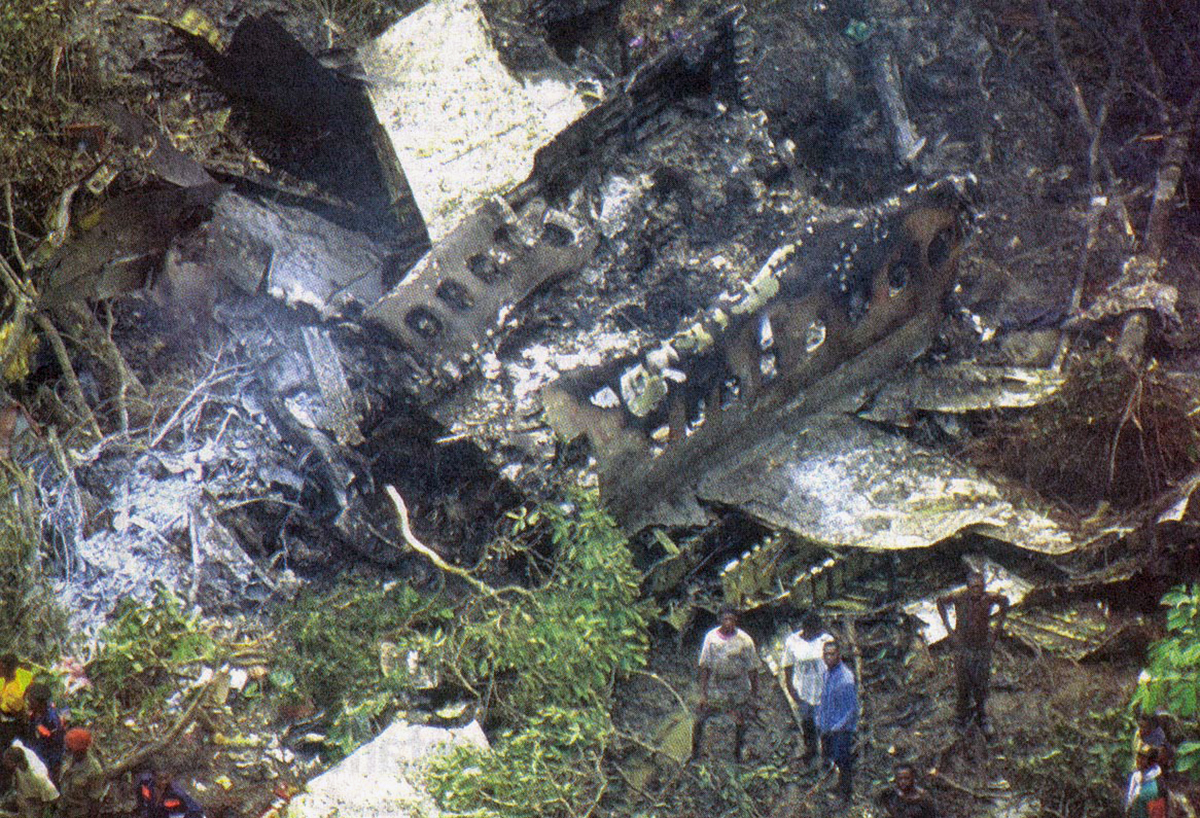
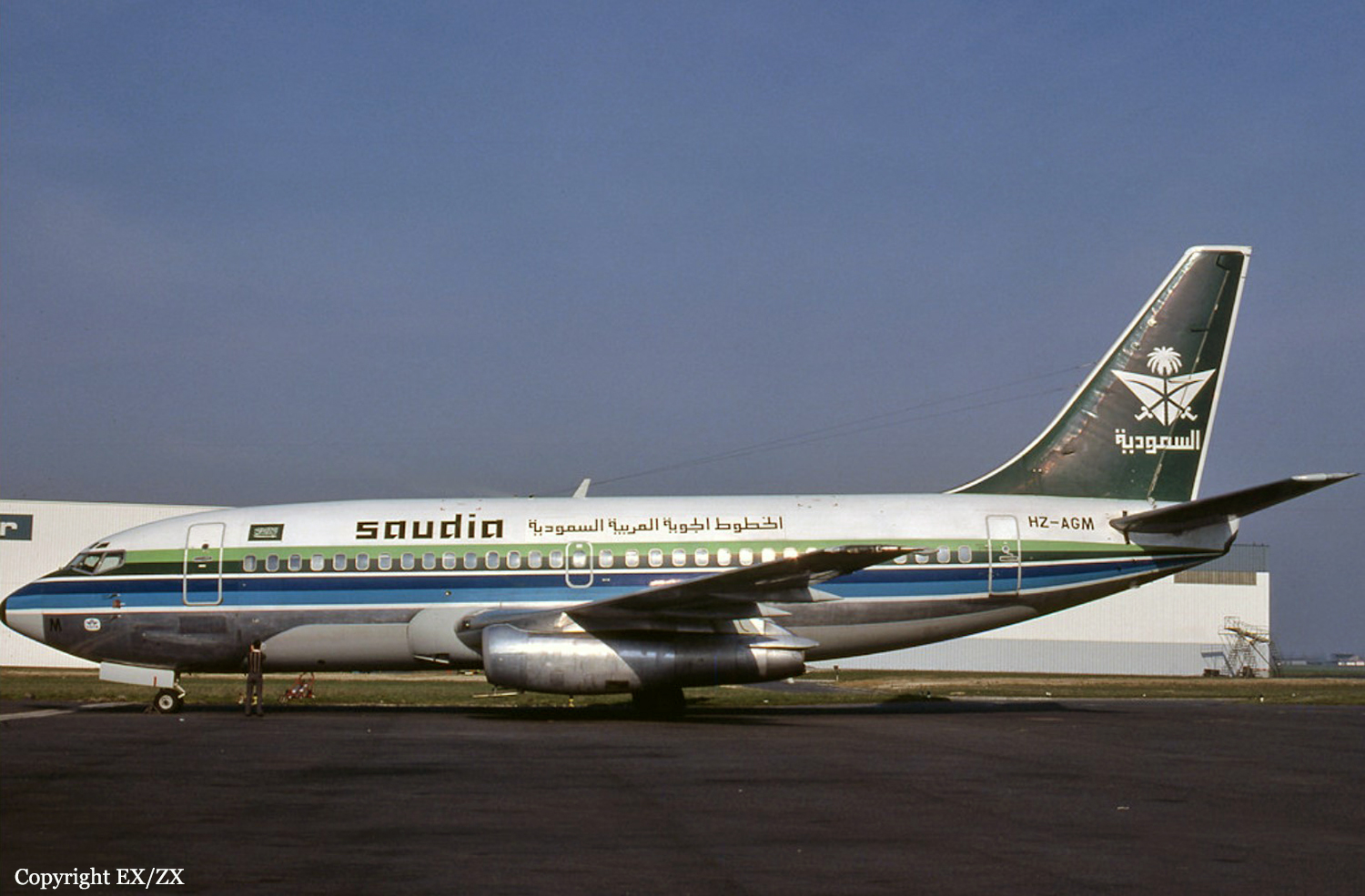
Crash of a Boeing 737-268A in Najran

Date & Time: Sep 6, 1997 at 0945 LT
Type of aircraft:
Operator:
Registration:
HZ-AGM
Flight Phase:
Survivors:
Yes
Schedule:
Riyadh – Najran – Sharurah
MSN:
21282
YOM:
1976
Flight number:
SV1861
Country:
Region:
Crew on board:
6
Crew fatalities:
Pax on board:
79
Pax fatalities:
Other fatalities:
Total fatalities:
0
Circumstances:
During the takeoff roll from Najran Airport runway 06/24, at a speed of 95 knots, the right engine thrust suddenly increased. Few seconds later, at a speed of 120 knots, the exhaust gas temperature warning came on in the cockpit panel. The captain decided to abort and initiated an emergency landing procedure. Speed brakes were deployed but the thrust reversers could not be activated. Unable to stop within the remaining distance, the aircraft overran, lost its undercarriage and right engine before coming to rest. All 85 occupants evacuated safely.

Crash of a Boeing 737-242C in Douala

Date & Time: Aug 3, 1997 at 1748 LT
Type of aircraft:
Operator:
Registration:
TU-TAV
Flight Phase:
Survivors:
Yes
Schedule:
Douala – Bangui – N’Djamena
MSN:
19848
YOM:
1969
Flight number:
RK816
Location:
Country:
Region:
Crew on board:
8
Crew fatalities:
Pax on board:
106
Pax fatalities:
Other fatalities:
Total fatalities:
0
Circumstances:
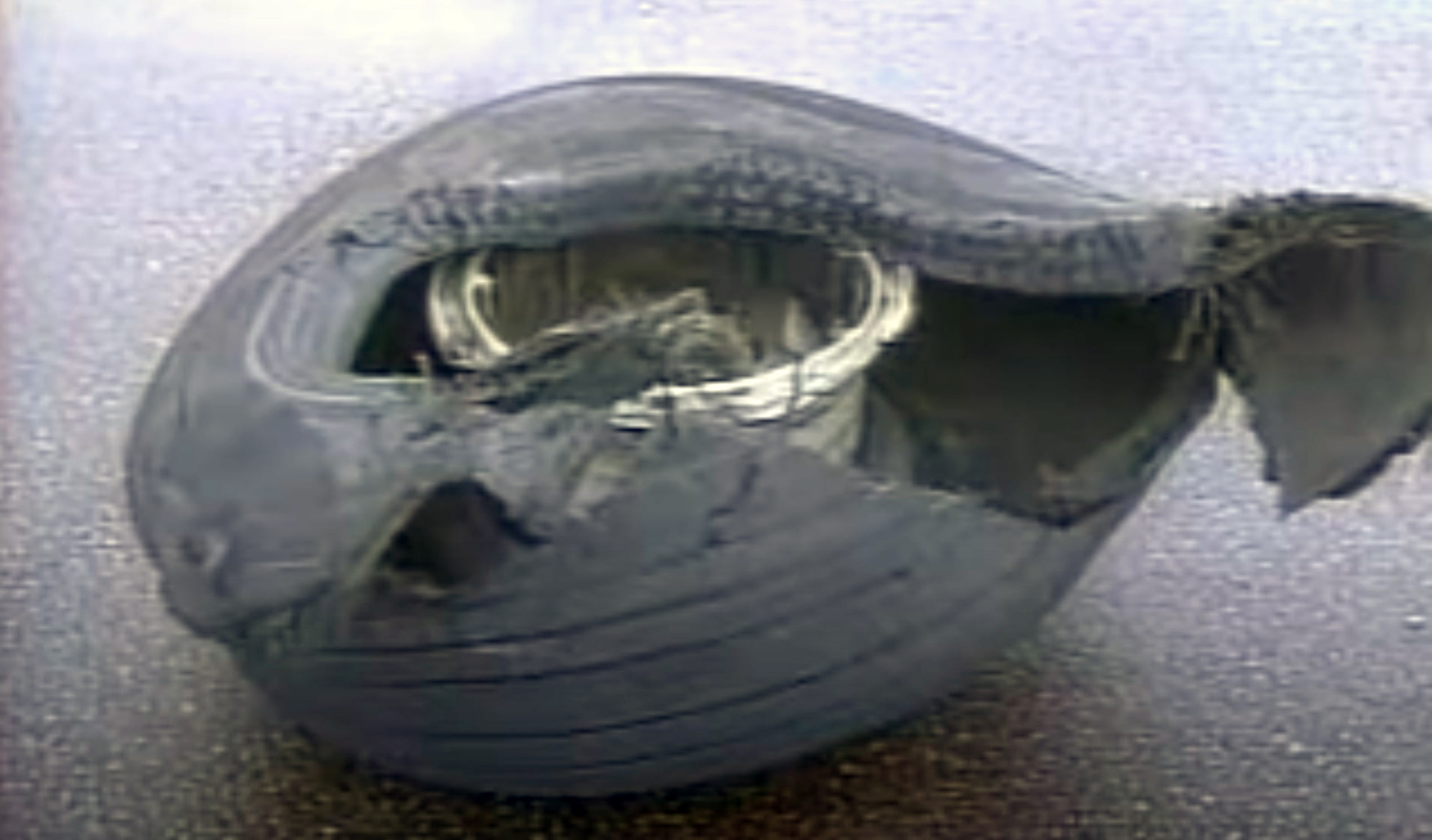
During the takeoff roll on runway 23 at Douala Airport, at a speed of 110 knots, the crew noted a loud bang and decided to abort. The crew initiated an emergency braking procedure but the aircraft was unable to stop within the remaining distance. It overran, lost its undercarriage and both engines before coming to rest 130 metres further, bursting into flames. All 114 occupants were evacuated, among them 20 were slightly injured. The aircraft was destroyed.
Probable cause:
Rejected takeoff after a tyre burst on the left main gear.

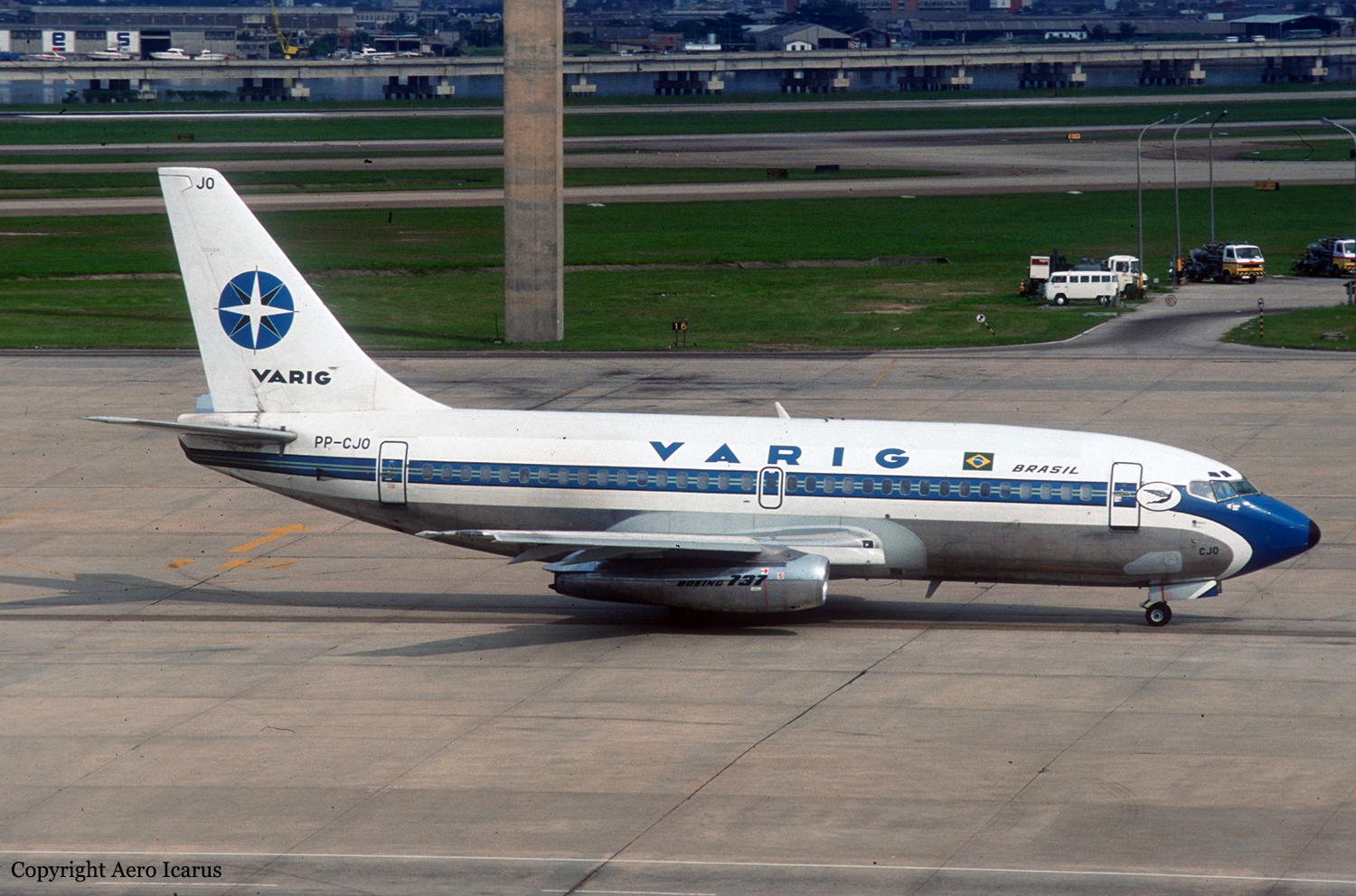
Crash of a Boeing 737-2C3 in Carajás: 1 killed

Date & Time: Feb 14, 1997 at 1234 LT
Type of aircraft:
Operator:
Registration:
PP-CJO
Survivors:
Yes
Schedule:
Belém – Marabá – Carajás – Brasília
MSN:
21013
YOM:
1974
Flight number:
RG265
Country:
Crew on board:
6
Crew fatalities:
Pax on board:
48
Pax fatalities:
Other fatalities:
Total fatalities:
1
Captain / Total flying hours:
6138
Captain / Total hours on type:
2478.00
Copilot / Total flying hours:
1720
Copilot / Total hours on type:
1464
Circumstances:
The aircraft departed Belém-Val de Cans Airport on a flight to Brasília with intermediate stops in Marabá and Carajás, carrying 48 passengers and a crew of six. The approach to Carajás-Parauapebas Airport was completed in poor weather conditions with rain falls, clouds down to 120 metres and a limited visibility due to rain and fog. On final the aircraft was unstable and landed hard on runway 10. On touchdown, the right main gear was torn off and the aircraft went out of control. It veered off runway to the right, collided with trees and eventually came to rest in a wooded area. The copilot was killed as the right side of the cockpit was destroyed upon impact. Ten other people were injured and 43 escaped unhurt. The aircraft was destroyed.
Probable cause:
The following findings were identified:
- Lack of crew coordination,
- The captain was overconfident,
- The copilot showed a lack of self confidence,
- The environment developed in the cockpit on approach allowed the pilots to deviate from the operational tasks primarily related to mutual controls,
- Poor approach and landing planning which required a higher sink rate than normal,
- The crew failed to make an approach briefing,
- Insufficient application of controls,
- The crew completed an unstable approach,
- Weather conditions were below minimums,
- The runway was not equipped with a lighting system but only with PAPIs,
- The crew failed to initiate a go-around procedure as the landing was obviously missed.
Final Report:

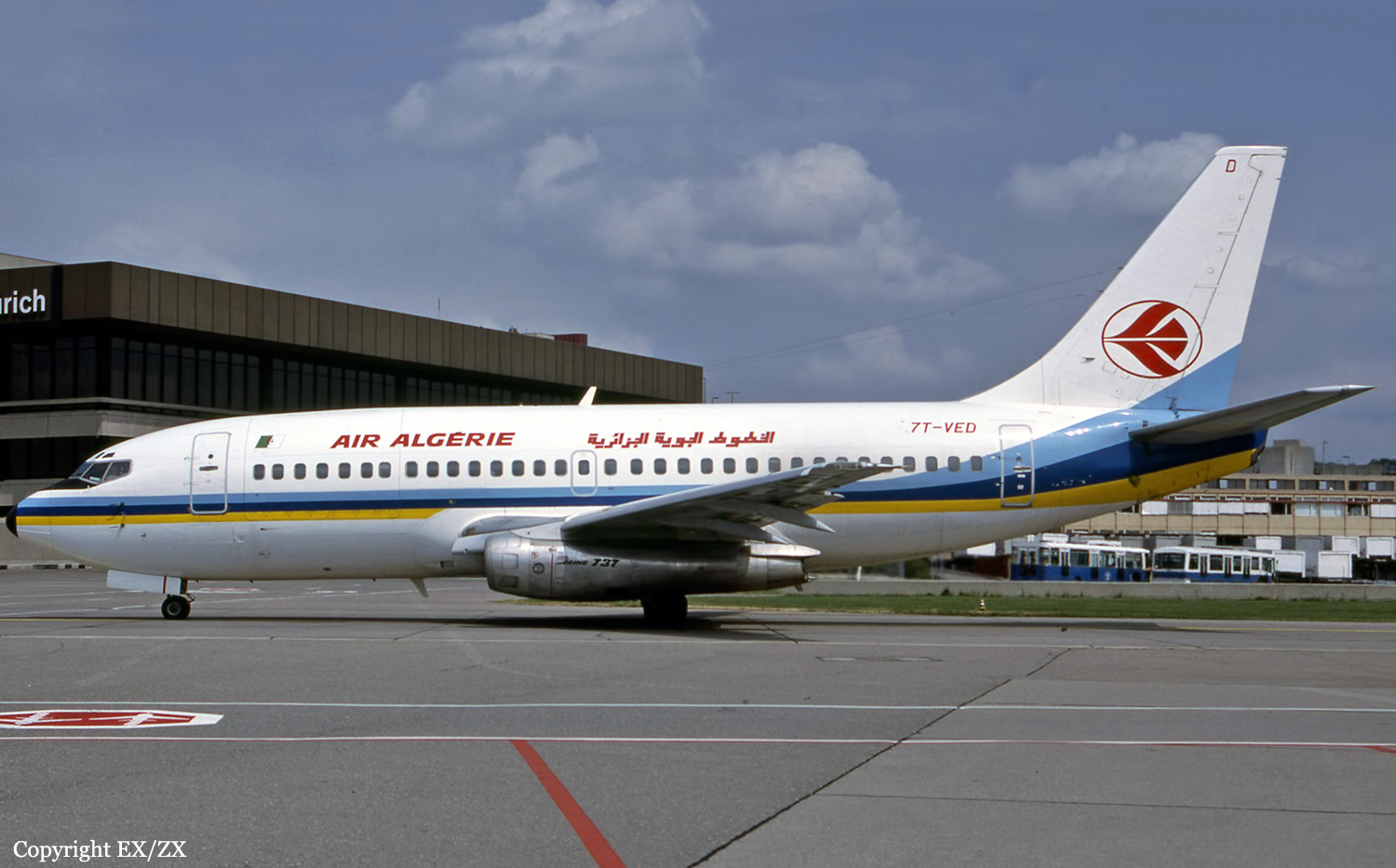
Crash of a Boeing 737-2D6C in Tlemcen

Date & Time: Aug 2, 1996
Type of aircraft:
Operator:
Registration:
7T-VED
Flight Phase:
Survivors:
Yes
Schedule:
Tlemcen - Algiers
MSN:
20650
YOM:
1972
Location:
Country:
Region:
Crew on board:
6
Crew fatalities:
Pax on board:
100
Pax fatalities:
Other fatalities:
Total fatalities:
0
Aircraft flight hours:
43293
Circumstances:
During the takeoff roll, the captain noted a difference in the engine N1 readings. He decided to abandon the takeoff procedure and initiated an emergency braking manoeuvre. Unable to stop within the remaining distance, the aircraft overran, lost its nose gear and came to rest 40 metres further. All 106 occupants escaped uninjured and the aircraft was damaged beyond repair.

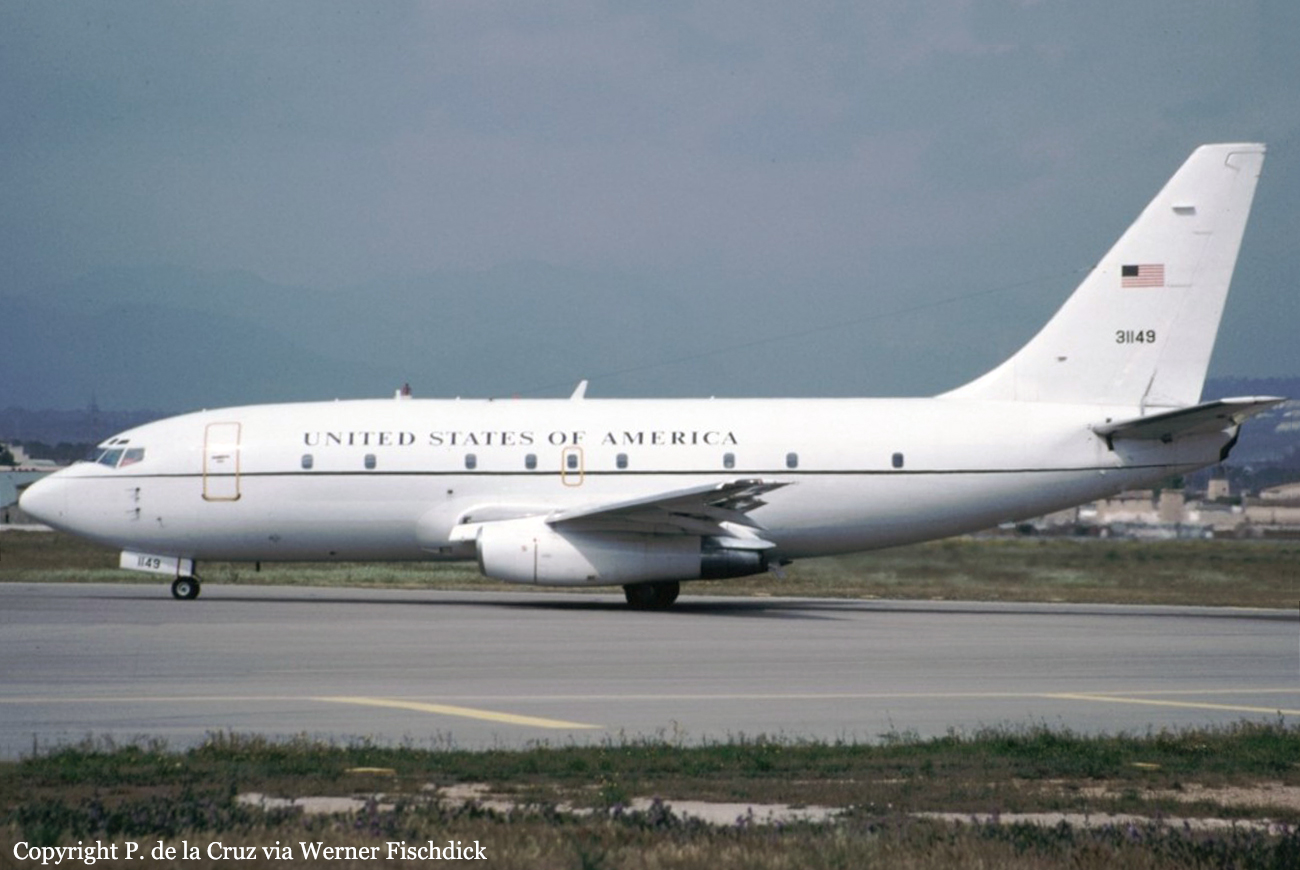
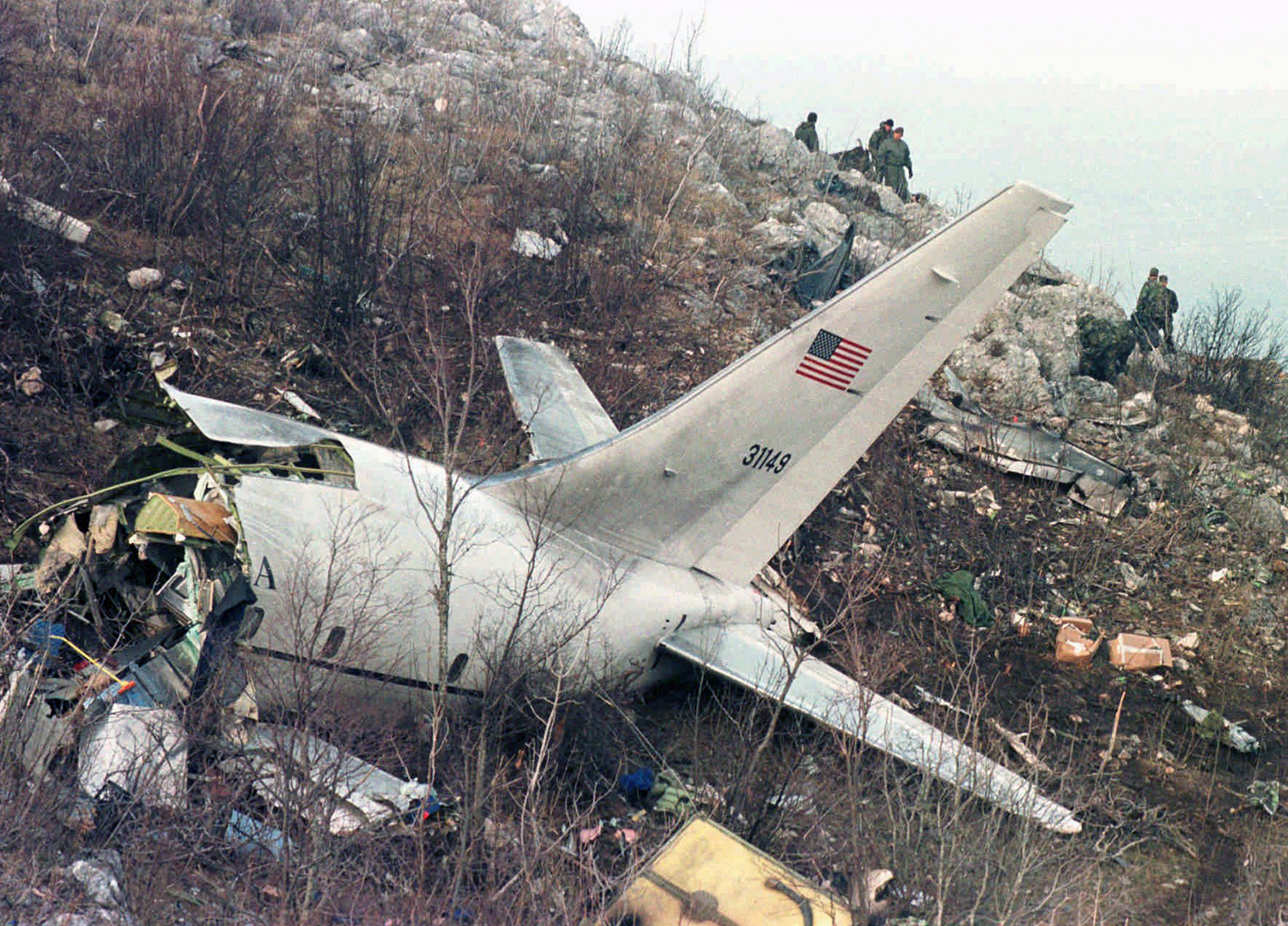
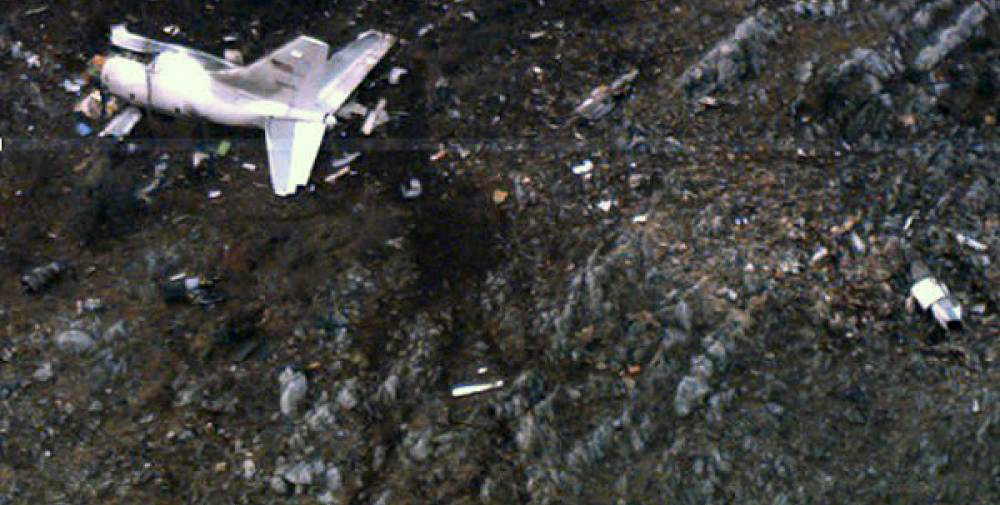
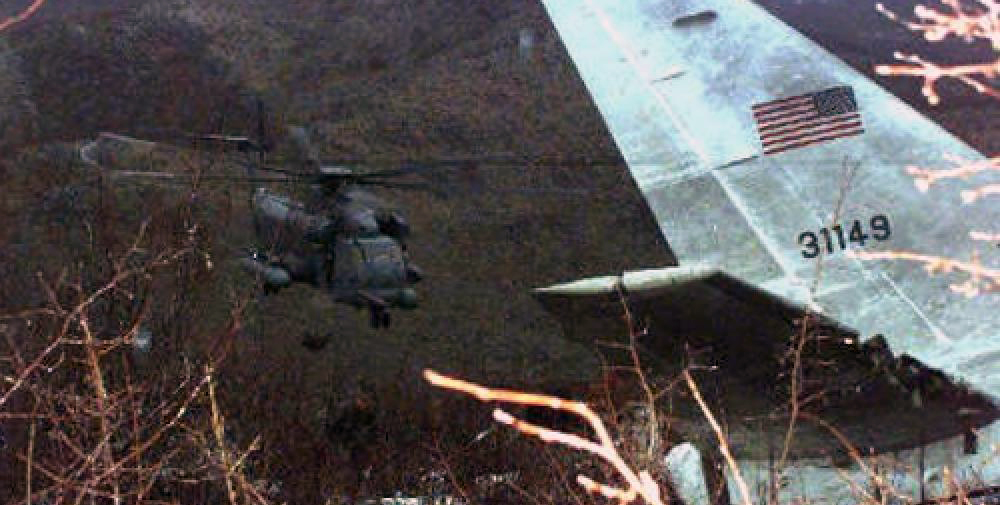
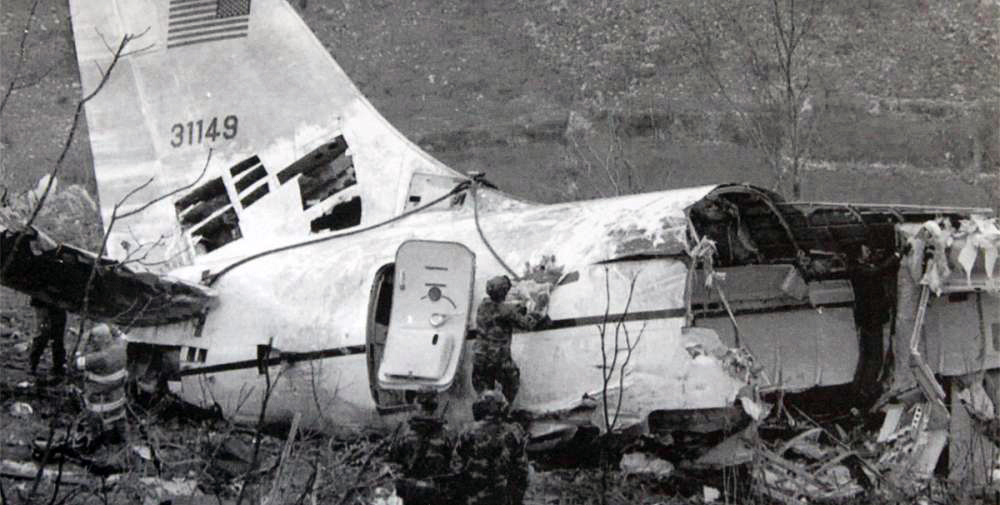
Crash of a Boeing CT-34A in Dubrovnik: 35 killed

Date & Time: Apr 3, 1996 at 1457 LT
Type of aircraft:
Operator:
Registration:
73-1149
Flight Type:
Survivors:
No
Schedule:
Tuzla - Dubrovnik
MSN:
20696
YOM:
1973
Flight number:
IFO21
Country:
Region:
Crew on board:
6
Crew fatalities:
Pax on board:
29
Pax fatalities:
Other fatalities:
Total fatalities:
35
Circumstances:
A United States Air Force Boeing T-43A (USAF designation for the Boeing 737-200) was destroyed after impacting a hillside during an NDB approach to Dubrovnik Airport, Croatia. All 35 on board were killed. The aircraft was engaged in a mission to fly United States Secretary of Commerce Ron Brown and a delegation of industry executives around the region for visits. The party was to be flown from Zagreb to Tuzla and Dubrovnik before returning to Zagreb. Operating with a call sign of IFO21, the accident aircraft departed Zagreb at 06:24 hours. The crew landed at Tuzla at 07:15 after an uneventful flight. The passengers deplaned, and the aircraft was then repositioned to Split because of insufficient ramp space at Tuzla to park the aircraft for the duration of the visit. At 12:47, the aircraft landed at Tuzla, where the passengers reboarded. The accident flight departed Tuzla for Dubrovnik at 13:55. After crossing Split at 14:34 the flight was cleared to descend from FL210 to FL140. Further descent clearance was given to FL100. After the aircraft reached FL100 at 14:45, south of Split VOR, Zagreb Center transferred control to Dubrovnik Approach/Tower. The controller cleared IFO21 direct to the Kolocep (KLP) NDB. After opposite-direction traffic had been cleared, IFO21 was cleared to descend to 5000 feet. At 14:52, the crew told Dubrovnik Approach/Tower that they were 16 NM from the airport. They were cleared to descend to 4,000 feet and told to report crossing the KLP beacon. At 14:53, the aircraft crossed KLP, which was the Final Approach Fix (FAF), at 4100 feet and began the approach without approach clearance from Dubrovnik Tower. At that point the aircraft was slightly high and fast and not completely configured for the approach, as it should have been. At 14:54, the copilot of IFO21 called Dubrovnik Approach/Tower and said, "We’re inside the locator, inbound." IFO21 was then cleared for the NDB approach to runway 12. The aircraft tracked a course of 110 degrees after crossing KLP, instead of tracking the published course of 119 degrees. The aircraft maintained this track from KLP to the point of impact. The accident aircraft descended to 2200 feet which was consistent with the published minimum descent altitude of 2,150 feet. At 14:57, the aircraft impacted a rocky mountainside approximately 1.7 NM to the left (northeast) of the extended runway centerline and 1.8 NM north of the approach end of runway 12 at Dubrovnik Airport.
Probable cause:
Controlled flight into terrain. The following findings were reported:
- The command failure to comply with directives that required a review of all instrument approach procedures, not approved by the Defense Dept,
- Preflight planning errors, combined with errors made during the flight made by the aircrew,
- Improper design of the Dubrovnik NDB.

Crash of a Boeing 737-222 in Arequipa: 123 killed

Date & Time: Feb 29, 1996 at 2025 LT
Type of aircraft:
Operator:
Registration:
OB-1451
Survivors:
No
Schedule:
Lima – Arequipa – Tacna
MSN:
19072
YOM:
1968
Flight number:
CF251
Country:
Crew on board:
6
Crew fatalities:
Pax on board:
117
Pax fatalities:
Other fatalities:
Total fatalities:
123
Circumstances:
The approach to Arequipa-Rodríguez Ballón Airport was completed by night and poor weather conditions with heavy rain falls. On final approach, the crew failed to realize his altitude was insufficient when the aircraft struck a hill and crashed 6,3 km from runway 09 threshold. The aircraft disintegrated on impact and all 123 occupants were killed.
Probable cause:
Controlled flight into terrain. It was reported that during his last communication with ATC, the pilot reported his altitude at 9,500 feet while the real altitude of the aircraft was 8,644 feet. It is believed that the accident may have been caused by an altimeter misreading or a wrong altimeter setting. The lack of visibility was considered as a contributing factor.

Crash of a Boeing 737-2K9 in Douala: 71 killed

Date & Time: Dec 3, 1995 at 2244 LT
Type of aircraft:
Operator:
Registration:
TJ-CBE
Survivors:
Yes
Schedule:
Cotonou – Douala
MSN:
23386
YOM:
1985
Flight number:
UY3701
Location:
Country:
Region:
Crew on board:
5
Crew fatalities:
Pax on board:
71
Pax fatalities:
Other fatalities:
Total fatalities:
71
Captain / Total flying hours:
7990
Captain / Total hours on type:
5923.00
Copilot / Total flying hours:
5850
Copilot / Total hours on type:
4317
Aircraft flight hours:
18746
Aircraft flight cycles:
23233
Circumstances:
While on a night approach to Douala Airport, at a distance of 3,5 NM, the crew was cleared to land on runway 30. At this time, the aircraft initiated a slight climb and about 15 seconds later, the copilot informed ATC about technical problems. Three seconds later, the aircraft rolled to the left, struck trees and crashed in a mangrove located about 1,700 metres south of runway 30, bursting into flames. Three passengers and two crew members (the copilot and a stewardess) were seriously injured while 71 other occupants were killed.
Probable cause:
The accident resulted from a loss of control of the aircraft during an attempted go-around made during the touchdown maneuver on landing, with degraded performance.
The following factors contributed to the accident:
- The detachment by structural fatigue of a blade from the first stage of the compressor on engine n°1 which led to a loss of power, and
- A destabilization of the trajectory during landing and the late or slow execution of the go-around procedure in an unidentified single-engine configuration which resulted in an irreversible loss of speed.
Final Report:

Crash of a Boeing 737-2A8 in New Delhi

Date & Time: Dec 2, 1995 at 1253 LT
Type of aircraft:
Operator:
Registration:
VT-ECS
Survivors:
Yes
Schedule:
Bombay – Jaipur – New Delhi
MSN:
20963
YOM:
1974
Flight number:
IC492
Country:
Region:
Crew on board:
6
Crew fatalities:
Pax on board:
102
Pax fatalities:
Other fatalities:
Total fatalities:
0
Captain / Total flying hours:
6088
Circumstances:
Following a wrong approach configuration, the aircraft landed too far down the runway, about 600 metres from the runway end. Unable to stop within the remaining distance, the aircraft overran, struck a concrete wall (45 cm high) and came to rest 450 metres further. All 108 occupants were evacuated safely and the aircraft was damaged beyond repair.
Probable cause:
The accident was the consequence of the combination of the following factors:
- The injudicious and imprudent decision of the Pilot-in-Command to hastily complete the flight in the inadequate time available before the notified closure of Delhi airport for a VVIP flight,
- The dangerously unstabilised approach made by the Pilot-in-Command, primarily due to his failure to decelerate the aircraft in time,
- The failure of the First Officer to call out significant deviations from the stipulated approach parameters,
- The failure of the Pilot-in-Command to carry out a missed approach in spite of his approach being grossly unstabilised,
- The inadvertent omission of the Pilot-in-Command to arm the speed brake before landing,
- Touch-down of the aircraft at excessive speed and too far down the runway,
- Failure of the First Officer and Pilot-in-Command to monitor the automatic deployment of the speed brake, and failure of the Pilot-in-Command to deploy it manually,
- Impact of the aircraft with an 18-inch high cement-concrete cable duct in the kutcha ground beyond the over-run area,
- The pilot disregard of procedures, regulations and instructions.
Final Report:

Crash of a Boeing 737-2F9 in Kaduna: 11 killed

Date & Time: Nov 13, 1995 at 0853 LT
Type of aircraft:
Operator:
Registration:
5N-AUA
Survivors:
Yes
Schedule:
Yola – Jos – Kaduna – Lagos
MSN:
22985
YOM:
1982
Flight number:
WT357
Country:
Region:
Crew on board:
14
Crew fatalities:
Pax on board:
124
Pax fatalities:
Other fatalities:
Total fatalities:
11
Aircraft flight hours:
22375
Aircraft flight cycles:
27567
Circumstances:
Nigeria Airways flight WT357 departed Yola (YOL) at 07:00 en route to Lagos (LOS). Intermediate stops were planned at Jos (JOS) and Kaduna (KAD). The Boeing 737 landed at Jos at 07:40 and departed fifty minutes later. The flight to Kaduna was uneventful. Kaduna ATC gave the aircraft an inbound clearance with no delay for a locator approach to runway 05. Though, the initial landing clearance was for runway 05, the captain requested to land on runway 23. He was reminded by the controller that the wind was from 090 magnetic, but he still insisted on using the 23 approach. At 08:42, the aircraft commenced its initial descent at 48 miles on the ILS/DME to 4,500 ft. At 08:49 UTC, it was cleared to 3,500 ft at 10 miles out and was later descended to 500 ft. The aircraft turned left from the track 310 to align with runway 23 and the aircraft was still in the turn when the threshold was sighted just 1.5 miles to the left of the aircraft. The first officer asked the captain "Can you make it to land from that position?". The observer in the jump seat also suggested going on the downwind, presumably to re-position the aircraft for landing on runway 05. There was no response at all from the captain and the approach was continued for runway 23. The left turn was very steep and it took the aircraft to the left of the runway centreline and a right correction was applied. The observer shouted "Watch the wing" as the wings could have struck the ground on the final approach. By this time, the aircraft crossed the threshold with the flying pilot still struggling to maintain directional control for runway centreline alignment. The aircraft touched down 7820 feet down the runway, leaving just 2020 ft (615.85 m) of runway length. The captain was reported to have used 1.8 and 1.6 EPR on the reversers. When a runway overrun became inevitable, the captain turned the aircraft to the left with the intention to take advantage of the last rapid exit intersection to avoid the runway end lights. At this juncture, the aircraft entered an uncontrollable skid. The right wing hit the ground, thus rupturing the fuel tanks and a huge fire erupted. The aircraft was destroyed by the fire.
Probable cause:
The probable cause of the accident is the continuation of a highly unstabilized approach when the option of a missed approach could have been taken. The contributing factor was the turn off at 76 knots into the high speed intersection when an overrun into the extended runway end should have been maintained.