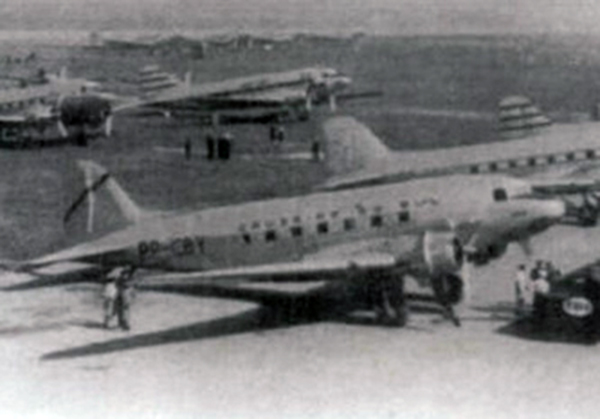
Crash of a Casa 352 in Montserrat

Date & Time: Dec 2, 1955
Type of aircraft:
Operator:
Registration:
T.2B-234
Flight Phase:
Flight Type:
Survivors:
Yes
Site:
MSN:
125
Country:
Region:
Crew on board:
8
Crew fatalities:
Pax on board:
0
Pax fatalities:
Other fatalities:
Total fatalities:
0
Circumstances:
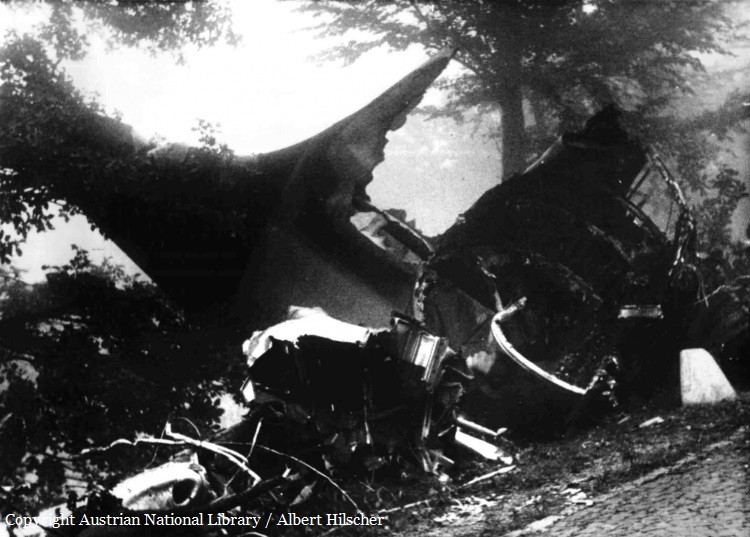
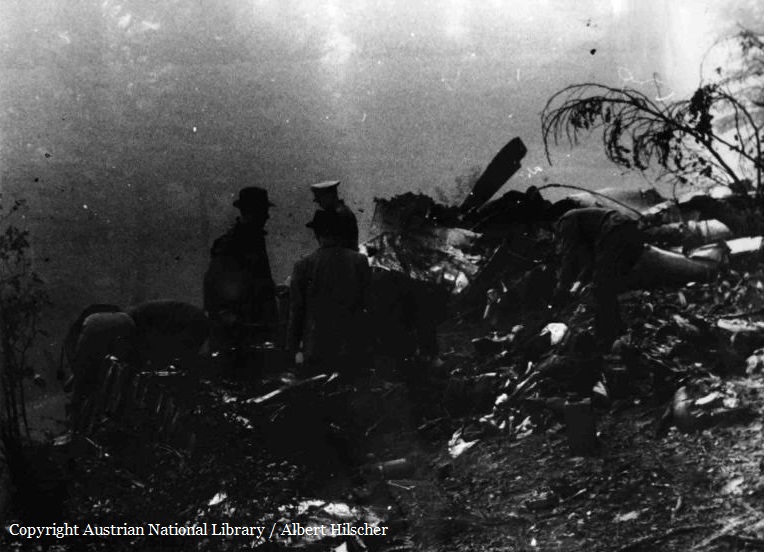
An engine failed in flight, forcing all eight crew members to bail out. The airplane crashed in the Montserrat Mountain Range located north of Barcelona and was destroyed. All eight crew members were found alive.
Probable cause:
Engine failure in flight.

Crash of a Douglas MC-54M on Mt Charleston: 14 killed

Date & Time: Nov 17, 1955
Type of aircraft:
Operator:
Registration:
44-9068
Flight Phase:
Flight Type:
Survivors:
No
Site:
Schedule:
Burbank - Homey
MSN:
27294
YOM:
1945
Crew on board:
4
Crew fatalities:
Pax on board:
10
Pax fatalities:
Other fatalities:
Total fatalities:
14
Circumstances:
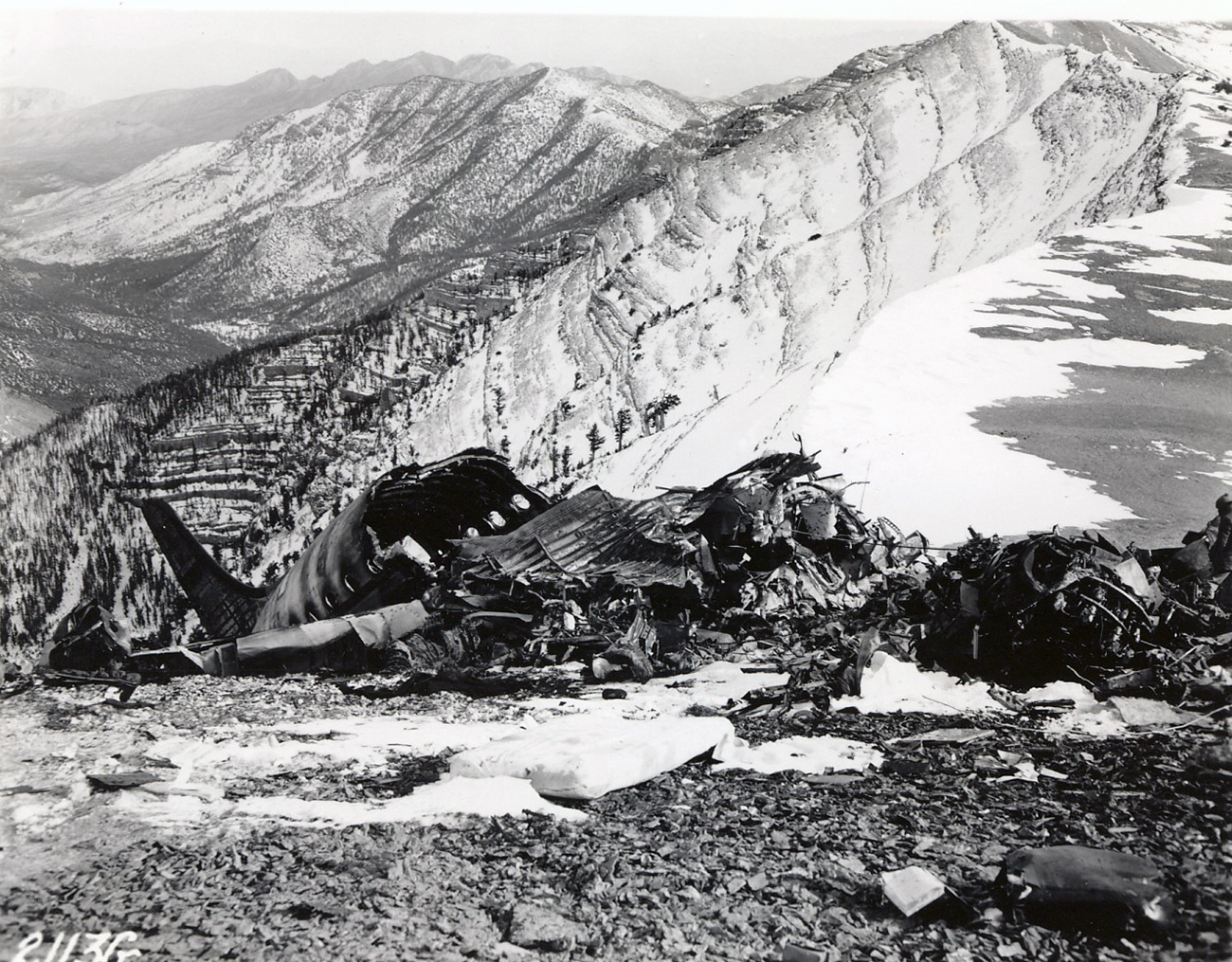
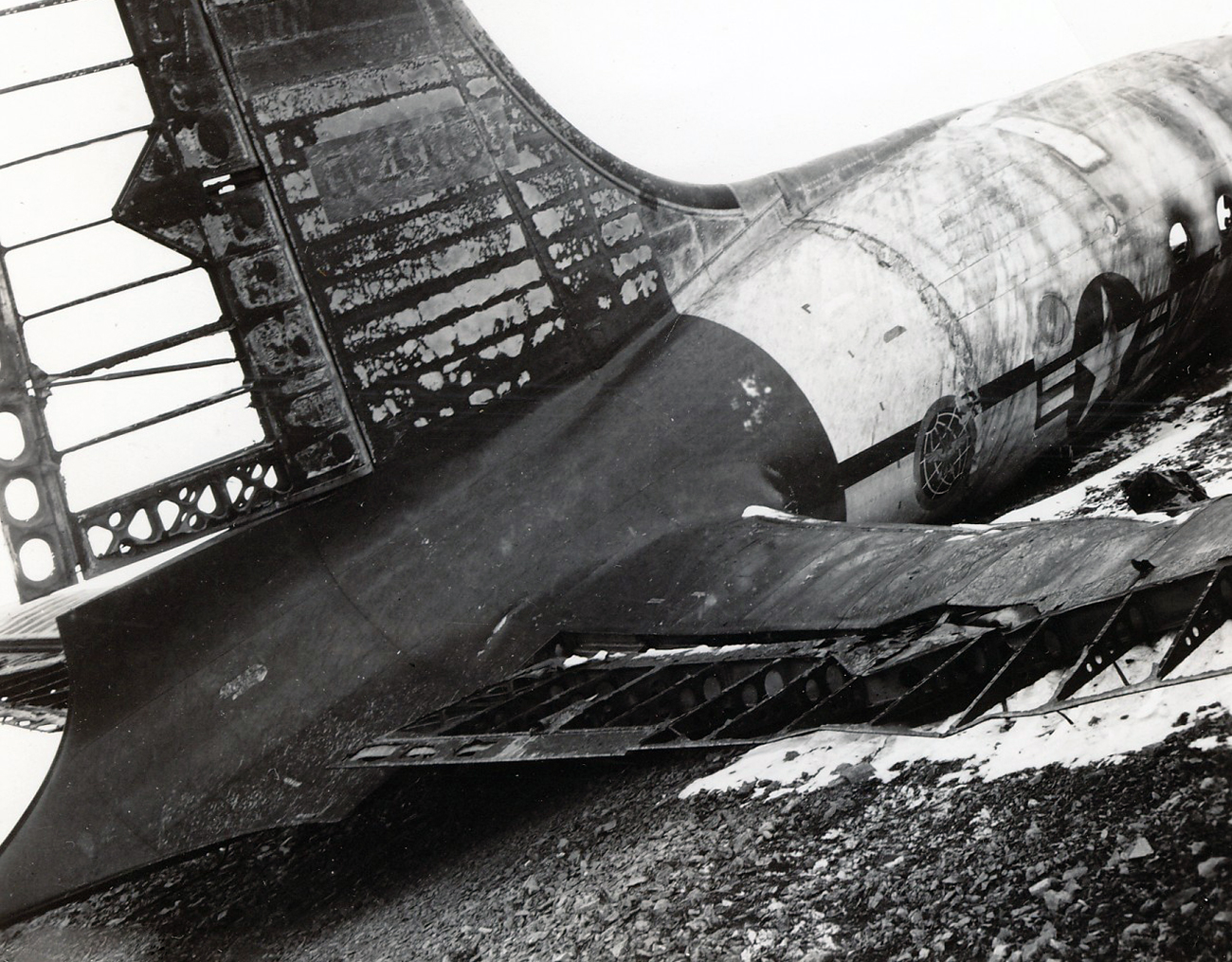
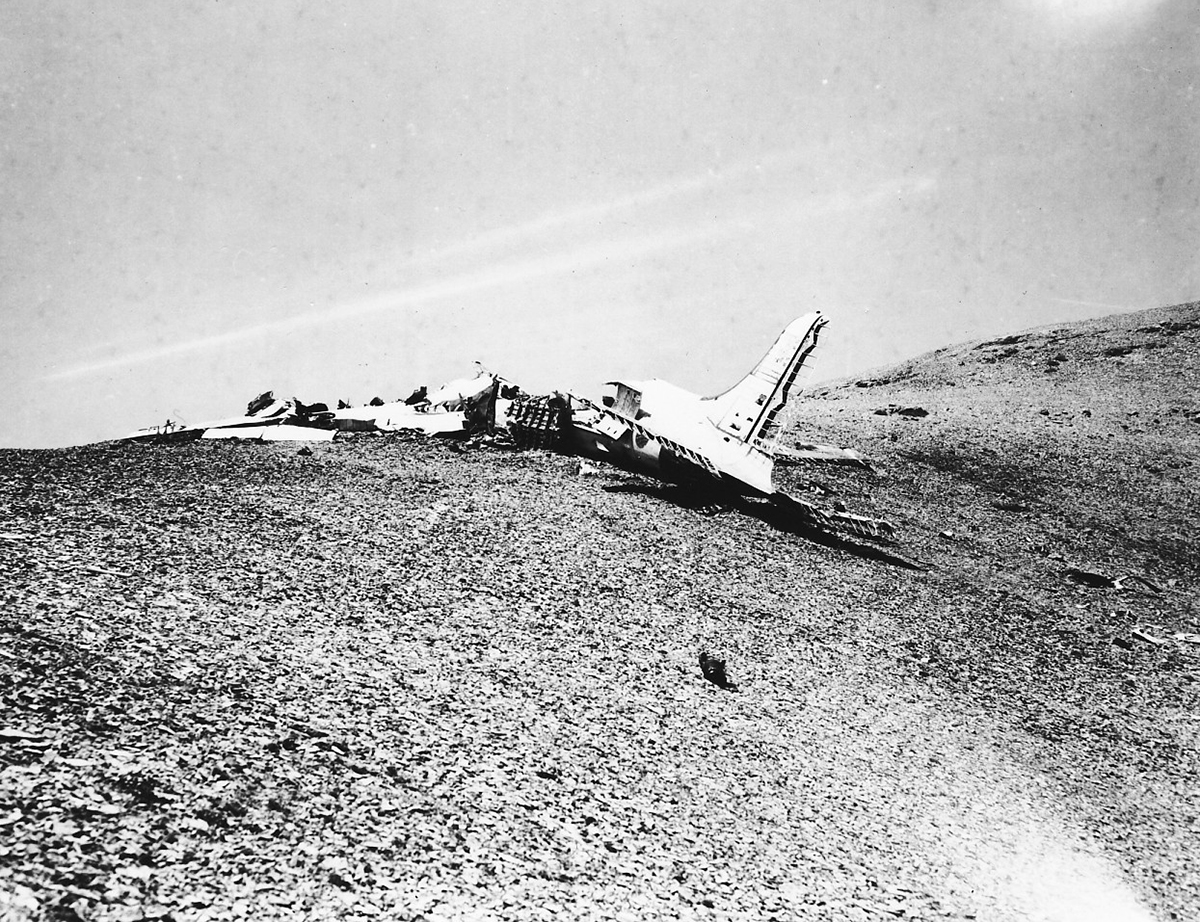
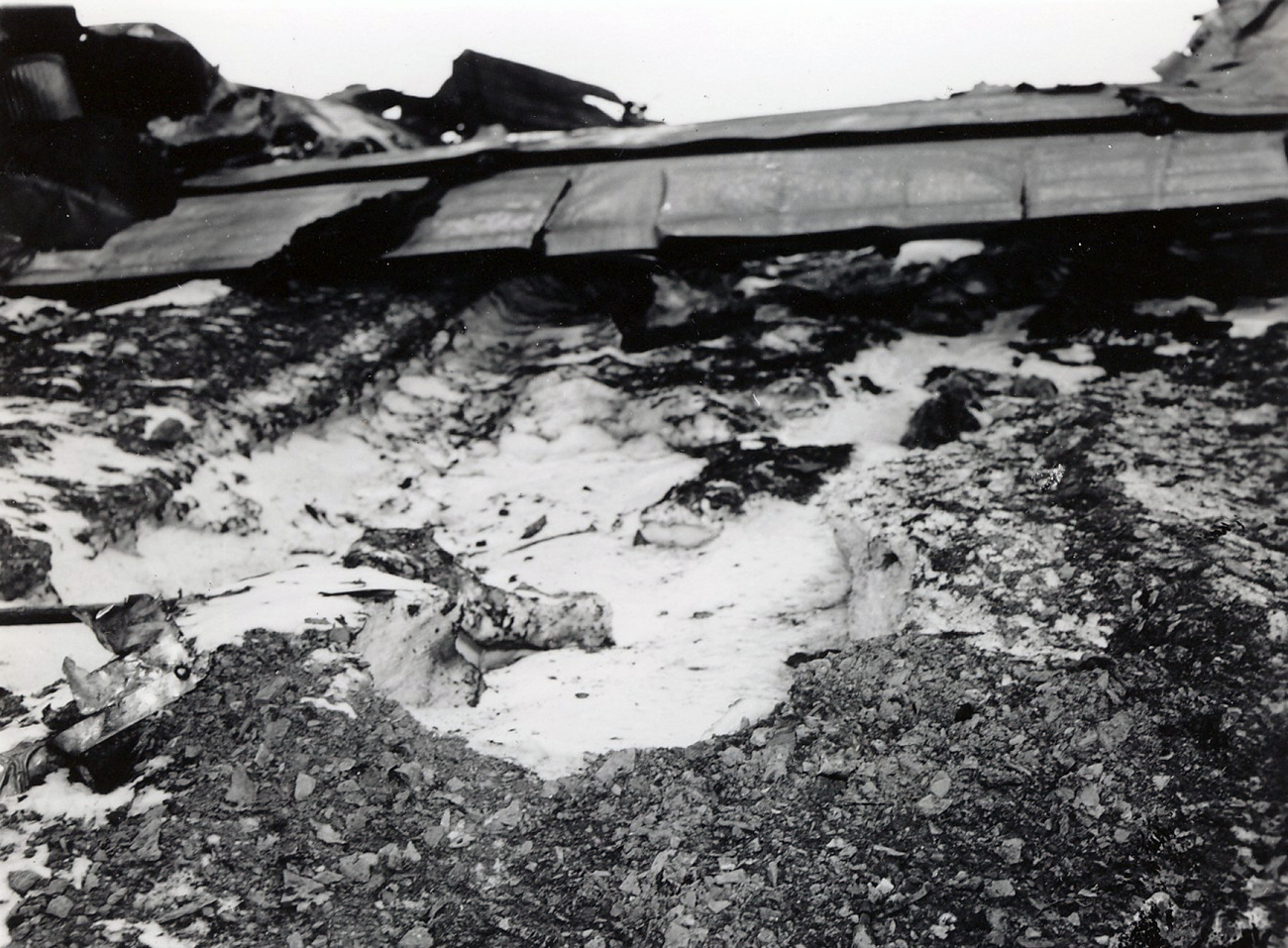
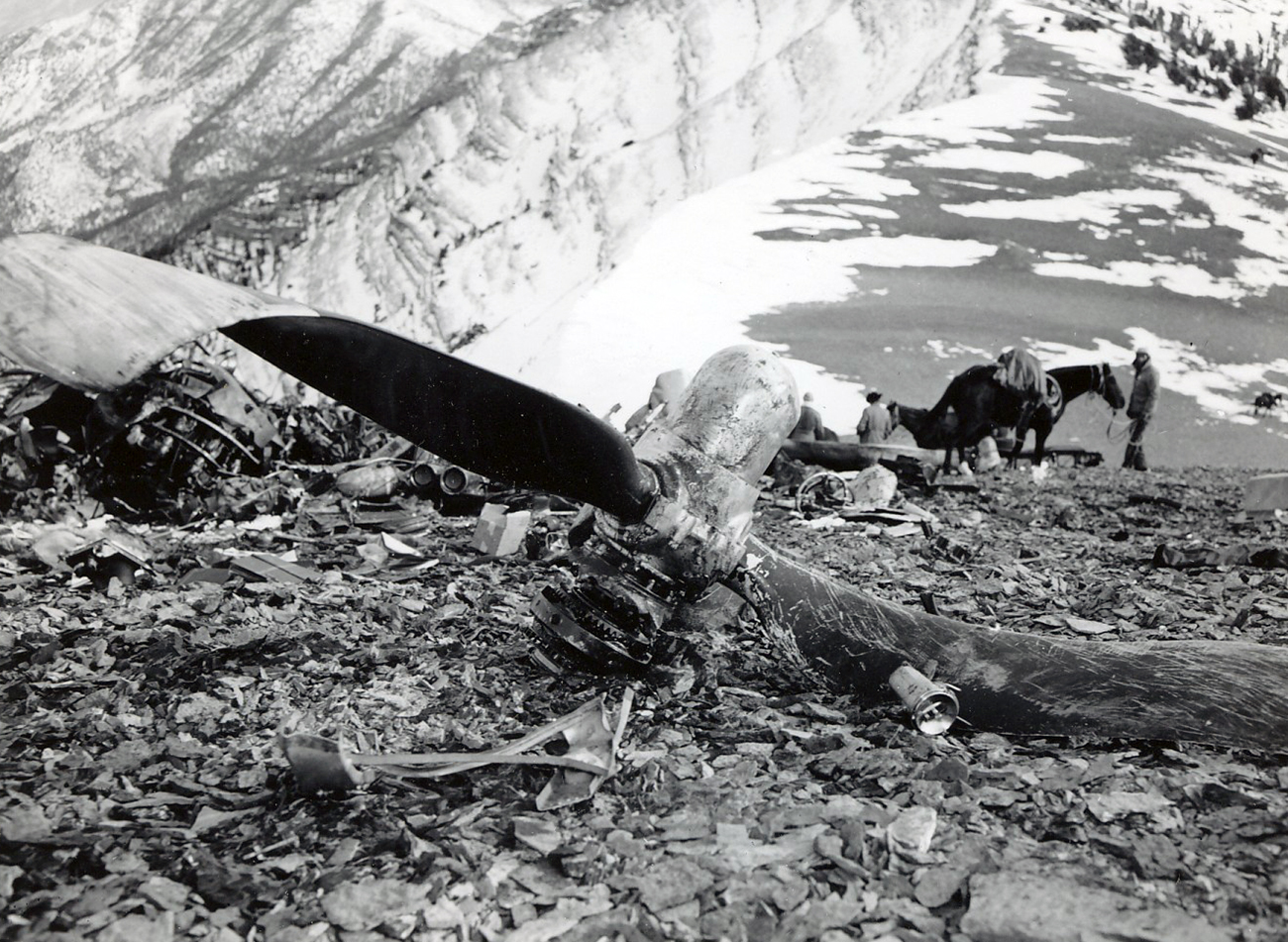
The four engine aircraft was completing a flight from Burbank to the secret base 51 (aka Homey) located near Groom Lake, Nevada, carrying a crew of four and 10 passengers, atomistics, engineers and scientists who were taking part to the Lockheed U-2 reconnaissance aircraft building program. Due to the fact that the flight was secret, the crew did not have any radio contact with ATC. Enroute, the crew encountered poor weather conditions with thunderstorm activity and low visibility. While flying in clouds at an altitude of 11,300 feet, the aircraft hit the slope of Mt Charleston about 50 feet below the summit, killing all 14 occupants.
Probable cause:
It was determined that the aircraft was off course at the time of the accident, probably because the crew became lost in the clouds.

Crash of a Noorduyn Norseman near San Antonio de los Cobres: 1 killed

Date & Time: Oct 23, 1955 at 1400 LT
Type of aircraft:
Operator:
Registration:
ZP-CAX
Flight Phase:
Flight Type:
Survivors:
No
Site:
Schedule:
Mexico City – Antofagasta – Salta – Asunción
Country:
Crew on board:
1
Crew fatalities:
Pax on board:
0
Pax fatalities:
Other fatalities:
Total fatalities:
1
Circumstances:
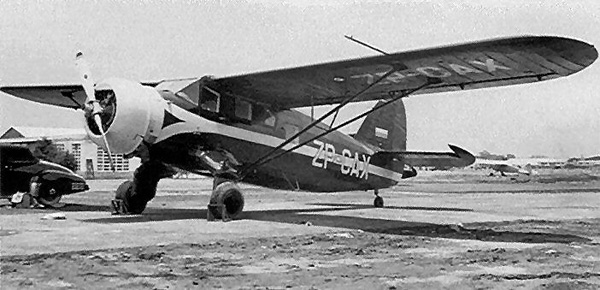
The aircraft was on a delivery flight from Mexico City to Asunción, Paraguay, with intermediate stops at Antofagasta, Chile and Salta, Argentina. At 1245LT the aircraft took off from Antofagasta for Salta. It was to be a VFR flight via Chosque, Chile and San Antonio de los Cobres, Salta Province. The aircraft was seen at 1400 hours flying in a straight line at very low altitude in the direction of San Antonio de los Cobres 40 km east of Olapacato. One witness, believing that the aircraft intended to land, followed it in a jeep only to find its burned wreckage some 20 km away. It had crashed into the side of a hill rising north of Rio Tocomar, approximately 70 metres above the river bed. The height above sea level at this point is approximately 4,500 metres. One eye witness stated that the aircraft crashed in rectilinear horizontal flight into the northern slope of the hill and that the pilot had not taken any avoiding action. The pilot, the sole occupant, was killed, and the aircraft was destroyed by the crash and the fire which followed.
Probable cause:
The accident was attributed to a loss of control over the aircraft due to a possible state of anoxia on the part of the pilot. A contributing factor was inadequate flight preparation, as no account was taken of the need for oxygen- breathing equipment for high altitude flying.
Final Report:

Crash of a Convair CV-340-58 in Vienna: 7 killed

Date & Time: Oct 11, 1955 at 1540 LT
Type of aircraft:
Operator:
Registration:
YU-ADC
Survivors:
Yes
Site:
Schedule:
Cairo – Athens – Belgrade – Vienna – Frankfurt – London
MSN:
178
YOM:
1955
Location:
Country:
Region:
Crew on board:
4
Crew fatalities:
Pax on board:
25
Pax fatalities:
Other fatalities:
Total fatalities:
7
Circumstances:
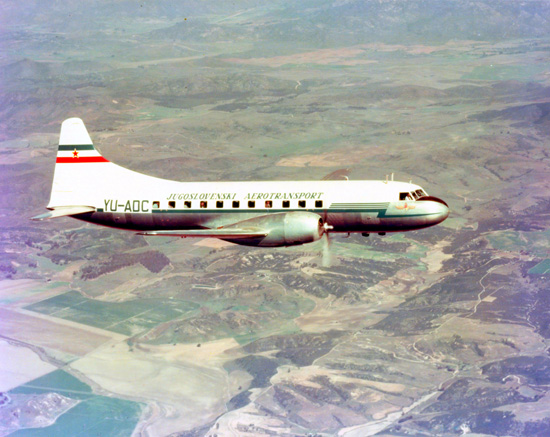
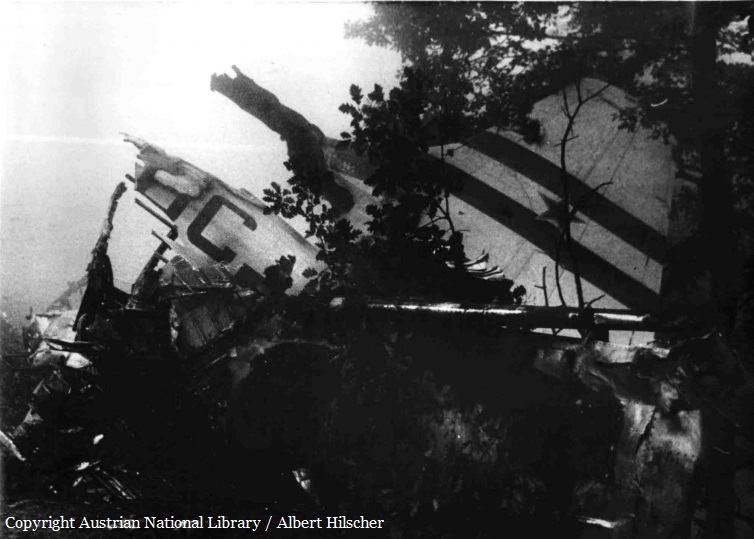
The flight departed Belgrade Airport in clear weather at approximately 1230 hours Greenwich Mean Time en route to Vienna carrying 25 passengers and a crew of 4. At 1425 hours the aircraft was transferred by area control to Vienna approach control. The pilot was advised to use the homer for approach and a QDM of 100° was given at 1429 hours. At 1430 the aircraft reported over radio beacon OEW and was instructed to remain 150 meters (500 feet) above the cloud top. A QDM of 123° was obtained at this time. At 1431 the aircraft was cleared to descend to 1,060 meters (3,500 feet) and instructed to report again at this altitude over beacon OEW. The flight was cleared then for an instrument approach, the pilot was given the QNH setting for his altimeter and instructed to use Runway 12. Bearings were taken and QDM's reported to the pilot, the last being: "1439 hours: QDM 140°. As requested, this one was repeated. However, it was not acknowledged by the pilot. Shortly after, the aircraft, while flying In the direction of the airport, with landing gear down and flaps at the approach angle, gave full throttle for a moment, pulled up and crashed at 1440 hours into the northwest slope of the Kahlenberg, facing up- hill. Fire broke out following impact and the aircraft was completely destroyed. The pilot and five passengers were killed and one passenger received fatal injuries. The other occupants of the aircraft received injuries of varying degrees and seven passengers required no medical attention whatsoever.
Probable cause:
The aircraft flew for a longer period on the outbound track and descended below the prescribed minimum altitude laid down at the time by the airline for operations into Schwechat aerodrome.
Final Report:

Crash of a Douglas DC-4 on Medicine Bow Peak: 66 killed

Date & Time: Oct 6, 1955 at 0726 LT
Type of aircraft:
Operator:
Registration:
N30062
Flight Phase:
Survivors:
No
Site:
Schedule:
New York – Chicago – Denver – Salt Lake City – San Francisco
MSN:
18389
YOM:
1944
Flight number:
UA409
Crew on board:
3
Crew fatalities:
Pax on board:
63
Pax fatalities:
Other fatalities:
Total fatalities:
66
Captain / Total flying hours:
9807
Captain / Total hours on type:
2289.00
Copilot / Total flying hours:
2418
Copilot / Total hours on type:
343
Aircraft flight hours:
28755
Circumstances:
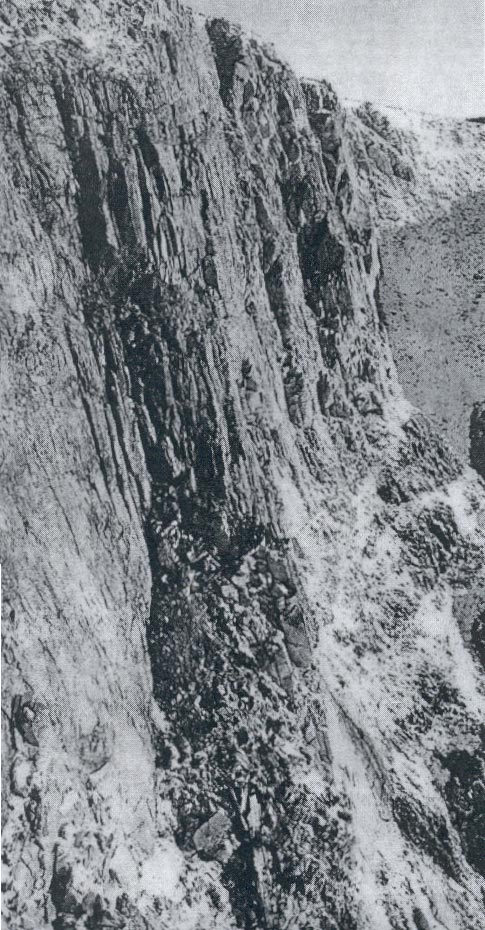
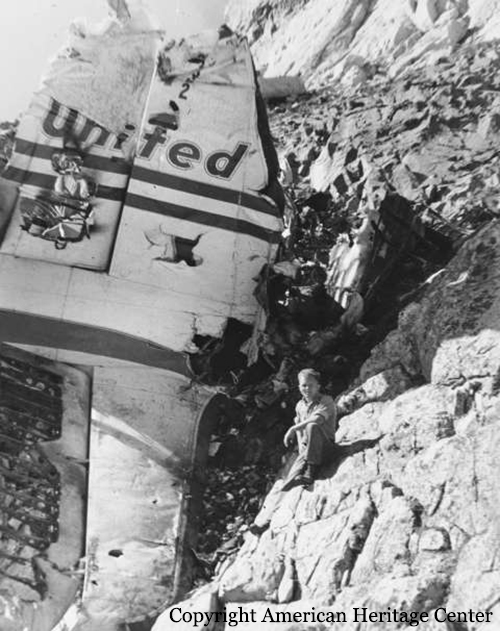
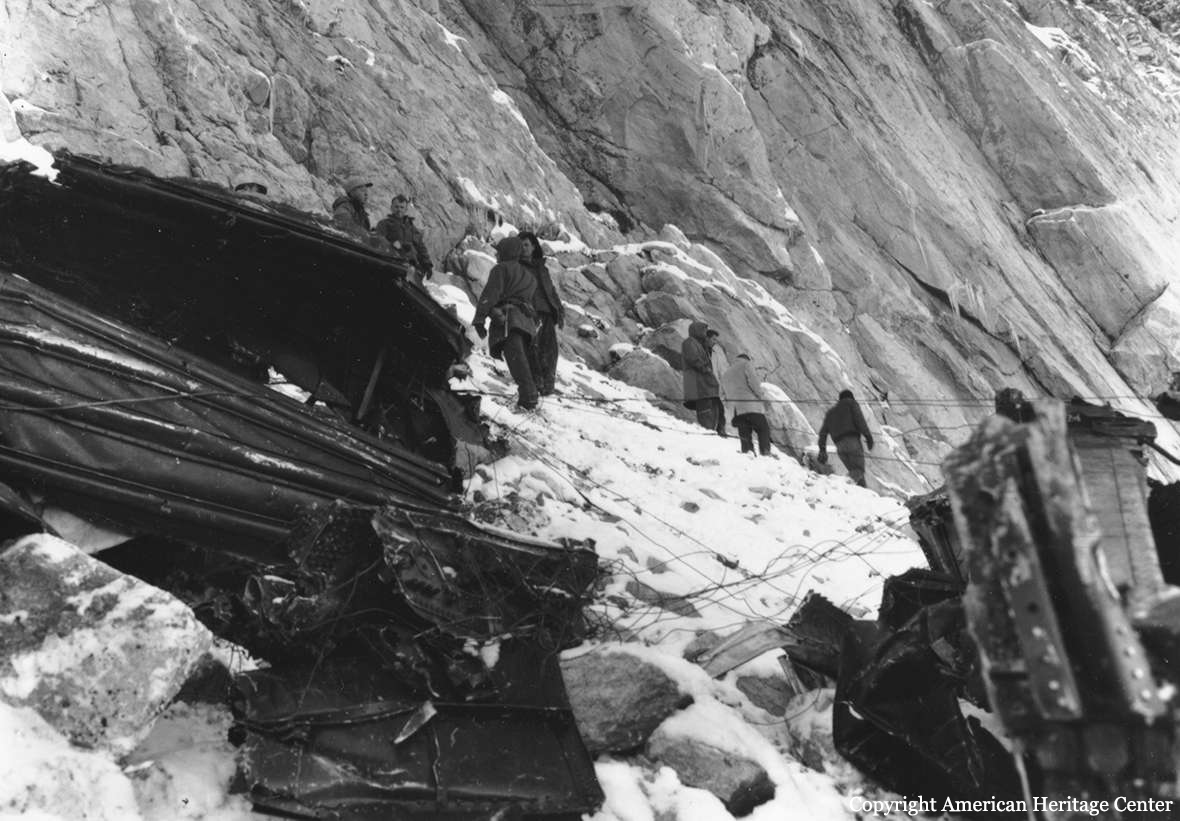
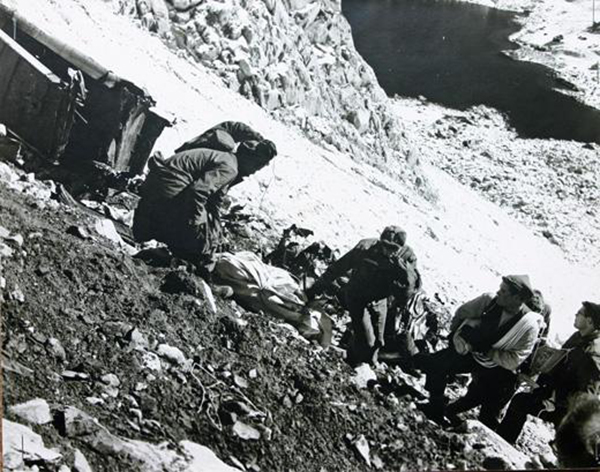
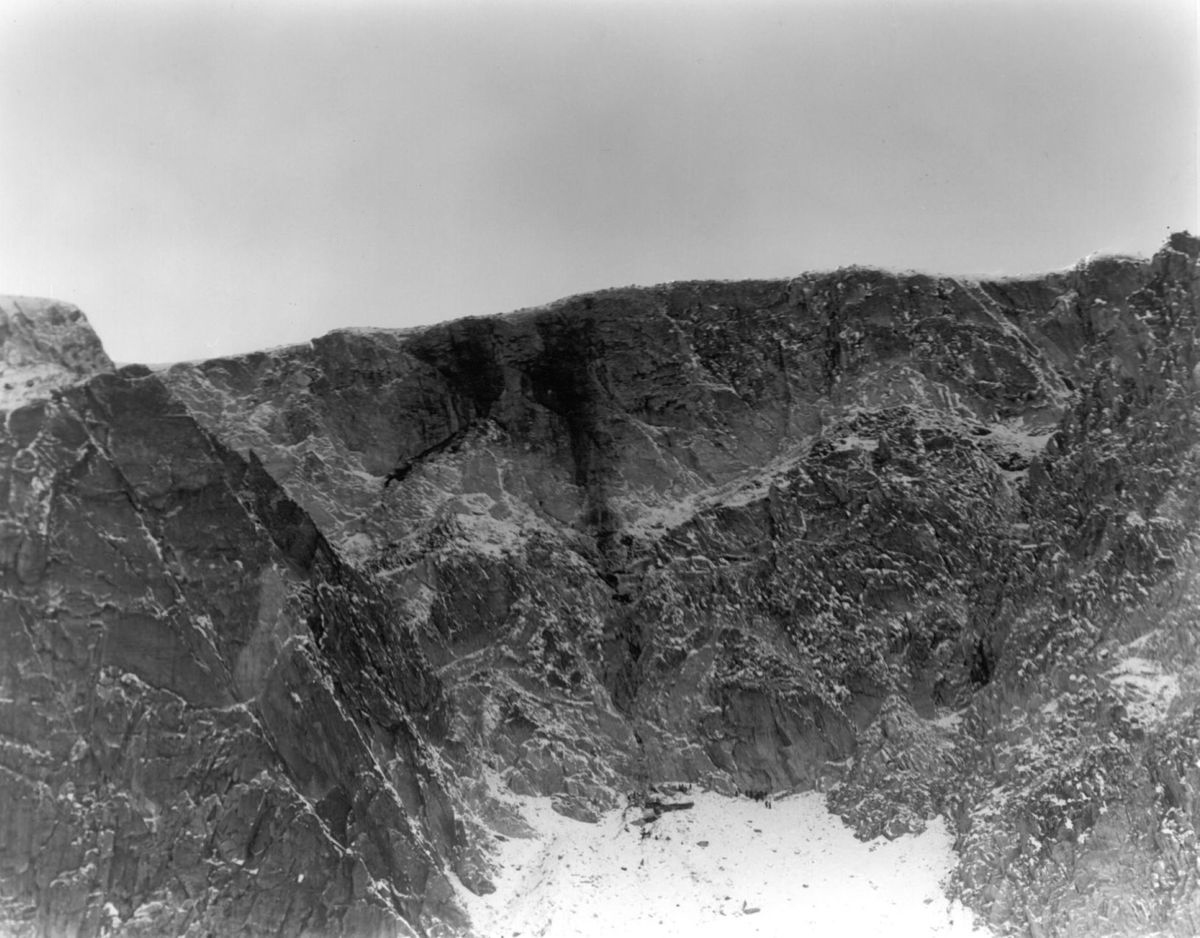
Flight 409 originated at New York, New York, on October 5, 1955, destination San Francisco, California, with intermediate stops including Chicago, Illinois, Denver, Colorado, and Salt Lake City, Utah. The trip to Denver was routine except for traffic delays, caused principally by weather, and the flight arrived there at 0551, October 6, one hour and 11 minutes late. Routine crew changes were made at Chicago and Denver, the last crew consisting of 'Captain Clinton C. Cooks, Jr., First Officer Ralph D. Salisbury, Jr., and Stewardess Patricia D. Shuttleworth. No discrepancies were reported by the former crew and none were found at Denver. While at Denver the aircraft was refueled to a total of 1,000 gallons of gasoline. Prior to departure Captain Cooke was briefed by the company's dispatcher on the en route weather, based on both U. S. Weather Bureau sequence reports and forecasts and the company meteorologist's forecasts and analysis. Following this briefing the flight me dispatched to Salt Lake City via airways V-4, V-118, V-6, and V-32, to cruise at 10,000 feet, and to fly in accordance with Visual Right Rules (VFR). The estimated time en route was two hours and 33 minutes. The only obligatory reporting point along the route was Rock Springs, Wyoming. The flight departed Denver at 0633, with 63 passengers, including two infants. At takeoff, the gross weight of the aircraft was 64,147 pounds, 653 pounds under the allowable weight of 64,800 pounds; an error of 100 pounds in excess of the allowable rear baggage compartment weight 2 was made in loading. Flight 409 reported its time off to the company and this was the last known radio contact with the flight. When the flight failed to report at Rock Springs at 0811, its estimated reporting time, repeated efforts were wade to establish radio contact with it. These were unsuccessful and the company then declared an emergency. A widespread search was immediately coordinated by Air Search and Rescue, which included the Wyoming Air National Guard, the Civil Air Patrol, and United Air Lines. At approximately 1140 the same day the wreckage was sighted near Medicine Bow Peak, 33 miles west of Laramie, Wyoming. The Laramie weather at 0728 was; Scattered clouds, 5,500 feet; visibility 40 miles; wind west-northwest 13 knots; snow showers of unknown intensity over the mountains. The aircraft struck the almost vertical rock cliff of the east slope of Medicine Bow Peak (elevation 12,005 feet) located in the Medicine Bow Mountains. The crash occurred at an elevation of 11,570 feet, 60 feet below the top of that portion of the mountain directly above it. Two large smudge marks were apparent on the face of the mountain. In these marks were four scars, evenly spaced and in a horizontal line, the result of the engines and propellers of the aircraft striking the cliff. At impact the aircraft disintegrated and the wreckage me strewn over a wide area. Some parts were thrown to the mountain top above the crash site, others rested on ledges at various levels, and the remainder fell to the elope below. All 66 occupants have been killed.
Probable cause:
The Board determines that the probable cause of this accident was the action of the pilot in deviating from the planned route for reasons unknown. The following findings were reported:
- The weather along the prescribed route was good and the aircraft could have been flown safely at an altitude of 10,000 feet,
- The pilot deviated from the planned route,
- The aircraft was observed flying in and out of clouds at an approximate altitude of 10,000 feet, 10 miles southeast of the accident scene and 21 miles west of the prescribed course,
- The aircraft struck the mountain peak at an altitude of 11,570 feet,
- Examination of the recovered sections of the aircraft failed to indicate any fire, structural failure, or malfunctioning of the aircraft or its components prior to impact.
Final Report:

Crash of a Douglas C-54A-1-DC Skymaster near Viñac: 21 killed

Date & Time: Oct 2, 1955
Type of aircraft:
Operator:
Registration:
OB-PAZ-228
Flight Phase:
Survivors:
Yes
Site:
Schedule:
Lima – Cuzco
MSN:
10277
YOM:
1943
Location:
Country:
Crew on board:
5
Crew fatalities:
Pax on board:
30
Pax fatalities:
Other fatalities:
Total fatalities:
21
Circumstances:
While in cruising altitude, the captain informed ATC that an engine caught fire and elected to divert to the nearest airport. Few minutes later, the airplane hit the slope of Peak Oiriruma-Viñac located in the region of Viñac. Fourteen people were rescued while 21 others, among them all five crew members, were killed.
Probable cause:
Engine fire in-flight.

Crash of a SNCAC NC.701 Martinet near Plancher-les-Mines: 3 killed

Date & Time: Sep 23, 1955
Type of aircraft:
Operator:
Registration:
F-UGDG
Flight Phase:
Flight Type:
Survivors:
No
Site:
Schedule:
Dijon – Freiburg im Breisgau
MSN:
111
Country:
Region:
Crew on board:
3
Crew fatalities:
Pax on board:
0
Pax fatalities:
Other fatalities:
Total fatalities:
3
Circumstances:
The crew was performing a training mission from Dijon-Longvic AFB to Freiburg im Breisgau, West Germany. After passing over Vesoul, the radio contact was lost with the crew. A day later, the wreckage was found on the slope of a mountain located near Plancher-les-Mines, Haute-Saône. The aircraft was destroyed and all three crew members were killed. It was reported that the crew was completing a low-visibility-training-flight.
Cpt Riegel, instructor,
Sgt Ordinaire,
Cpt Morin.

Crash of an Avro 694 Lincoln IIA near Córdoba: 11 killed

Date & Time: Sep 17, 1955
Type of aircraft:
Operator:
Registration:
B-028
Flight Phase:
Flight Type:
Survivors:
No
Site:
Schedule:
Córdoba – Villa Reynolds
MSN:
1504
Country:
Crew on board:
11
Crew fatalities:
Pax on board:
0
Pax fatalities:
Other fatalities:
Total fatalities:
11
Aircraft flight hours:
1050
Circumstances:
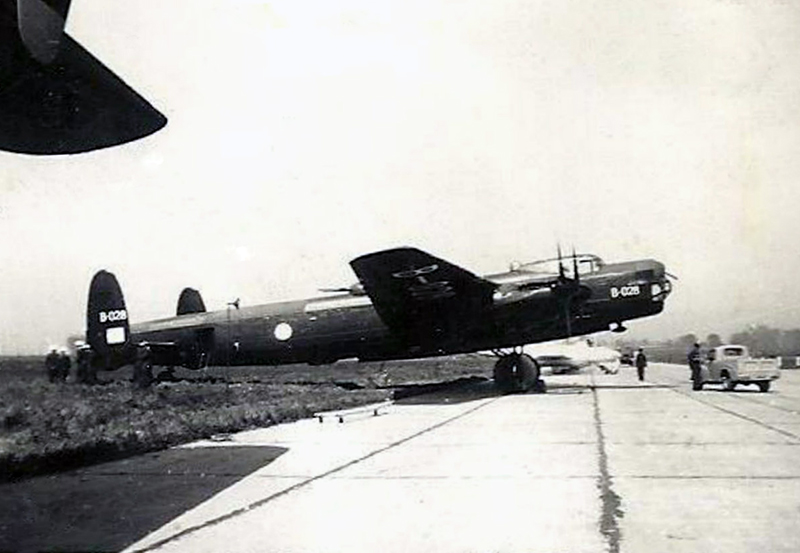
Few minutes after its takeoff from Córdoba Airport, while cruising by night and in poor weather conditions (thunderstorm activity), the airplane went out of control and crashed on the side of a mountain. All 11 crew members were killed.

Crash of a Douglas C-47A-15-DK on Mt Popa: 12 killed

Date & Time: Sep 2, 1955
Operator:
Registration:
XY-ACQ
Flight Phase:
Survivors:
No
Site:
Schedule:
Meiktila – Lanywa
MSN:
12579
YOM:
1944
Country:
Region:
Crew on board:
3
Crew fatalities:
Pax on board:
9
Pax fatalities:
Other fatalities:
Total fatalities:
12
Circumstances:
While cruising in marginal weather conditions, the aircraft hit the slope of Mt Popa (1,518 meters high) located about 45 km east of Lanywa. The airplane disintegrated on impact and all 12 occupants were killed.
Probable cause:
It is believed that the accident was the consequence of a controlled flight into terrain.

Crash of a Douglas DC-3A on Mt Forno Grande: 13 killed

Date & Time: Aug 26, 1955 at 0800 LT
Type of aircraft:
Operator:
Registration:
PP-CBY
Flight Phase:
Survivors:
No
Site:
Schedule:
Rio de Janeiro – Caravelas
MSN:
11692
YOM:
1943
Country:
Crew on board:
4
Crew fatalities:
Pax on board:
9
Pax fatalities:
Other fatalities:
Total fatalities:
13
Circumstances:
The aircraft took off from Rio for Caravelas with an IFR flight plan specifying flight at 1,500 meters along airway Vd-1, carrying 4 crew members and 9 passengers. After 58 minutes of flight the aircraft reported that it was over Campos at 1,500 meters. There was no further news from the aircraft whose wreckage was later discovered on the summit of Mt Forno Grande in the State of Espírito Santo. There were no survivors and the aircraft was destroyed.
Probable cause:
The accident was due to the Forno Grande peak not being indicated on current charts, the flight being conducted outside the airway and failure to adhere to the approved flight plan.
Final Report: