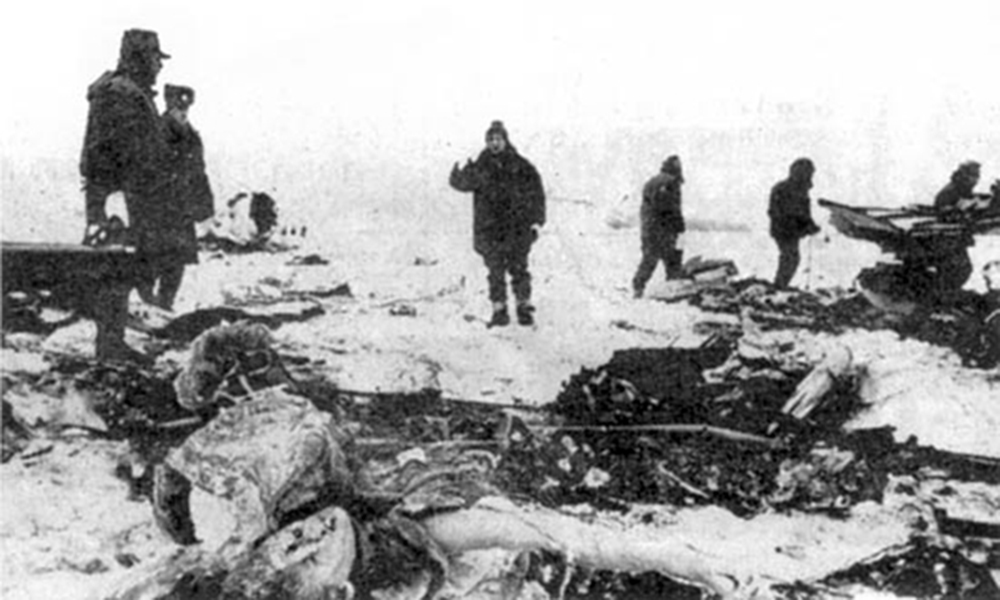
Crash of a Boeing 737-2R4C in New Delhi: 5 killed

Date & Time: Mar 8, 1994 at 1454 LT
Type of aircraft:
Operator:
Registration:
VT-SIA
Flight Phase:
Flight Type:
Survivors:
No
Schedule:
New Delhi - New Delhi
MSN:
21763
YOM:
1979
Country:
Region:
Crew on board:
4
Crew fatalities:
Pax on board:
0
Pax fatalities:
Other fatalities:
Total fatalities:
5
Captain / Total flying hours:
7263
Captain / Total hours on type:
2821.00
Copilot / Total flying hours:
556
Copilot / Total hours on type:
166
Aircraft flight hours:
25947
Aircraft flight cycles:
2861
Circumstances:
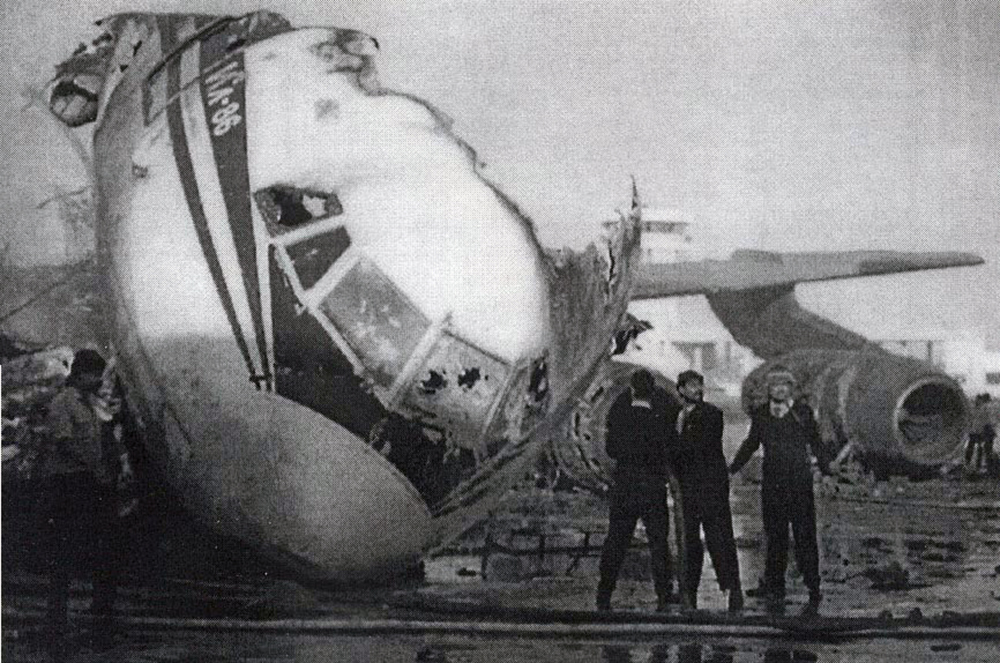
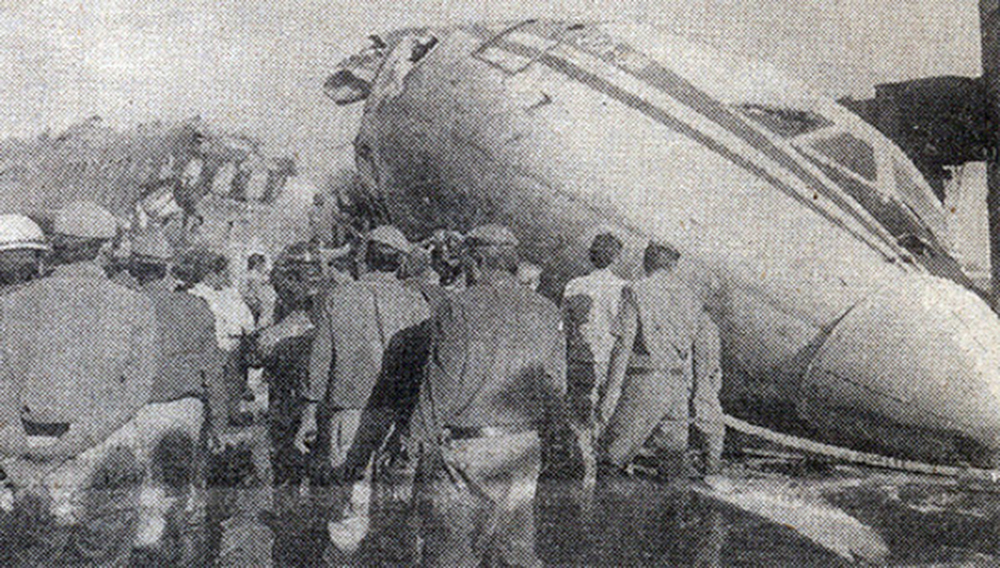
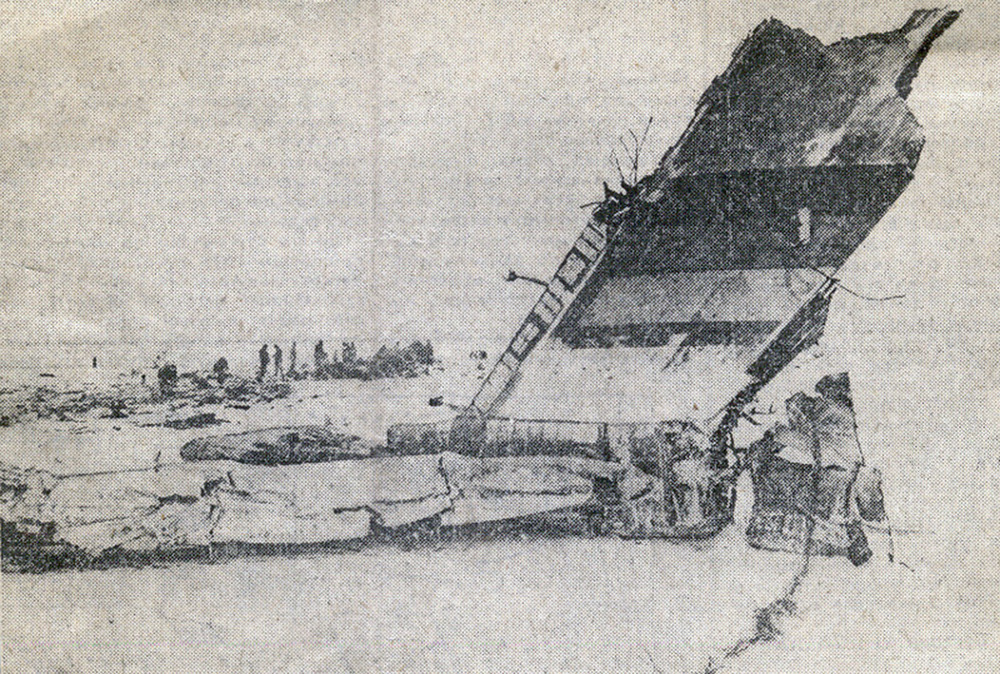
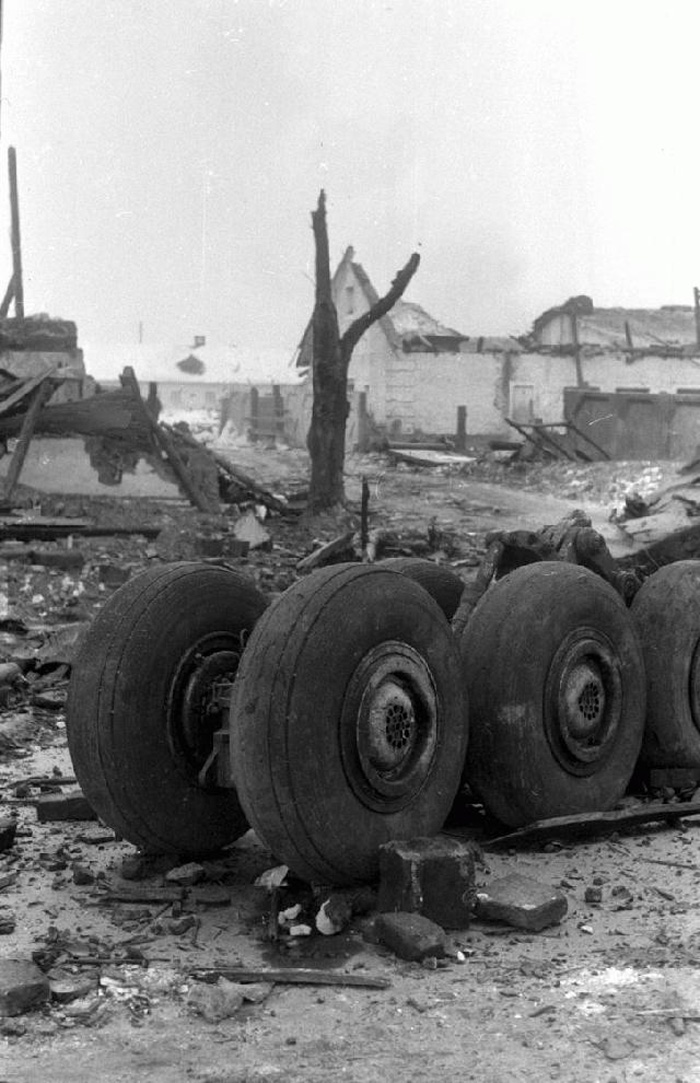
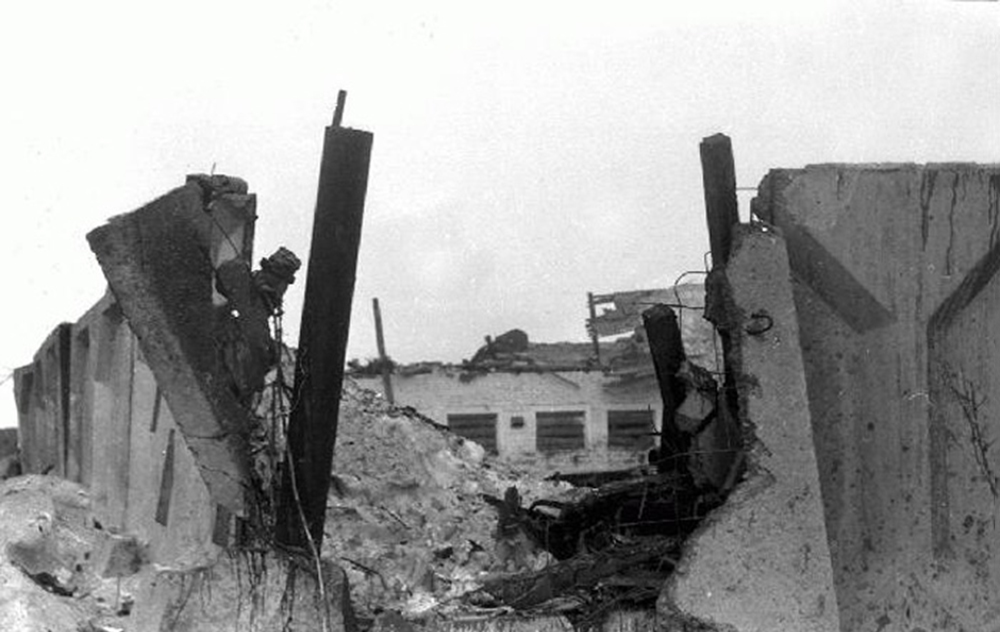
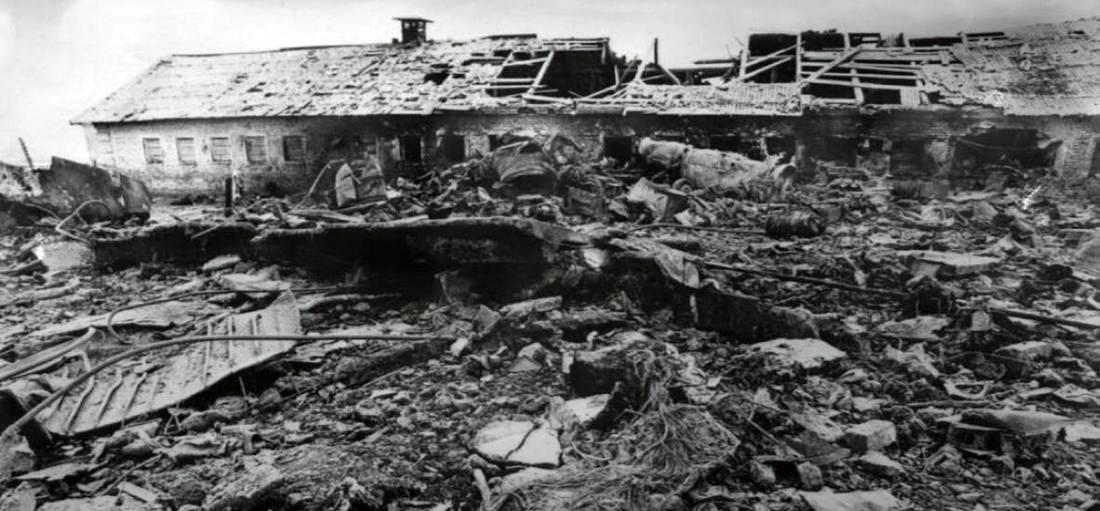
The aircraft was engaged in a local training flight at New Delhi-Indira Gandhi Airport, carrying one instructor and three trainee pilots. Five circuits and landings were completed uneventfully and during the sixth touch-and-go exercice, after take off from runway 28, the aircraft took a left turn and crashed on the international apron. The aircraft collided with an Aeroflot Ilyushin II-86 registered RA-86119 that was parked on the apron, bay n°45. Both aircraft were destroyed by fire. All four crew members on board the Boeing 737 were killed as well as four people on board the II-86 and one on the ground.
Probable cause:
Loss of control after rotation due to application of wrong rudder by trainee pilot during engine failure exercice. The instructor did not guard/block the rudder control and give clear commands as instructor so as to obviate the application of wrong rudder control by the trainee pilot.
Final Report:

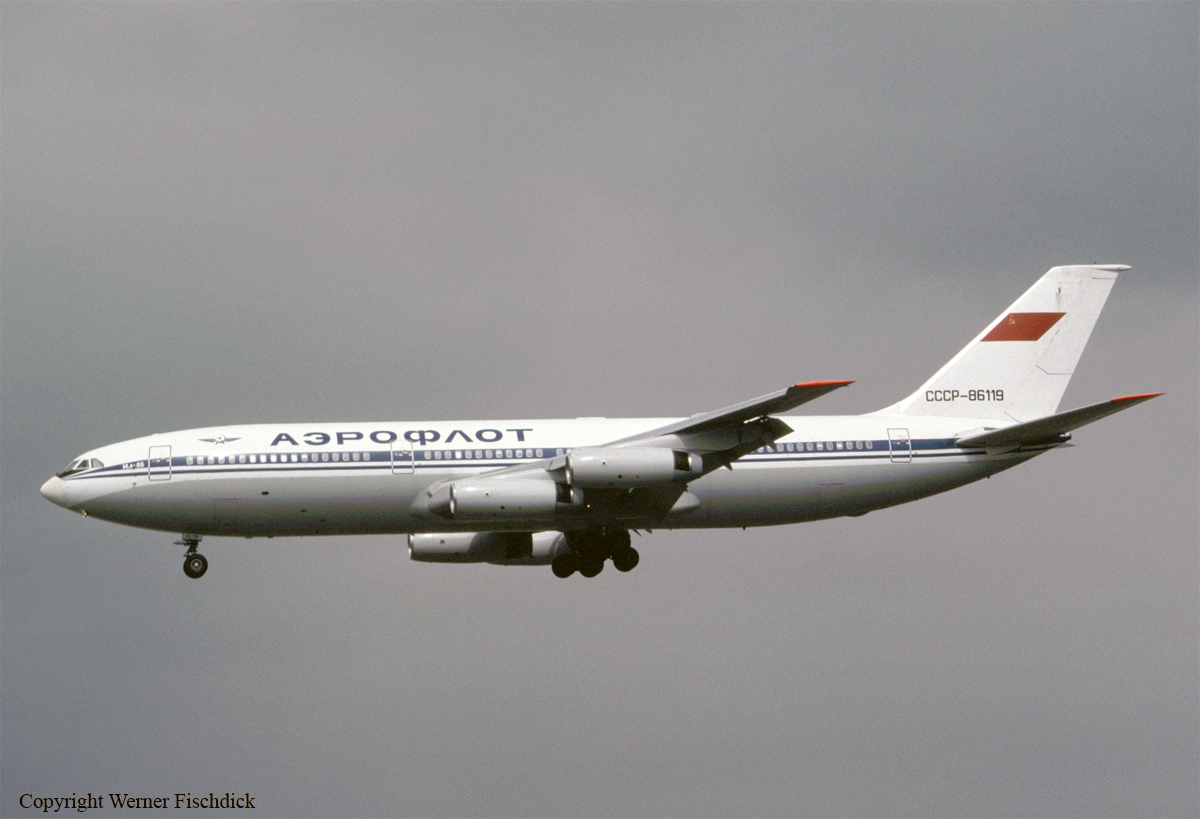
Crash of an Ilyushin II-86 in New Delhi: 4 killed

Date & Time: Mar 8, 1994 at 1200 LT
Type of aircraft:
Operator:
Registration:
RA-86119
Flight Phase:
Survivors:
Yes
Schedule:
New Delhi - Tashkent - Moscow
MSN:
51483209087
YOM:
1985
Country:
Region:
Crew on board:
0
Crew fatalities:
Pax on board:
0
Pax fatalities:
Other fatalities:
Total fatalities:
4
Circumstances:
An Air Sahara (Sahara Airlines) boeing 737-2R4C registered VT-SIA was engaged in a local training flight at New Delhi-Indira Gandhi Airport, carrying one instructor and three trainee pilots. Five circuits and landings were completed uneventfully and during the sixth touch-and-go exercice, after take off from runway 28, the aircraft took a left turn and crashed on the international apron. The aircraft collided with an Aeroflot Ilyushin II-86 registered RA-86119 that was parked on the apron, bay n°45. Both aircraft were destroyed by fire. All four crew members on board the Boeing 737 were killed as well as four people on board the II-86 and one on the ground.
Probable cause:
Loss of control after rotation due to application of wrong rudder by trainee pilot during engine failure exercice. The instructor did not guard/block the rudder control and give clear commands as instructor so as to obviate the application of wrong rudder control by the trainee pilot.

Crash of an Antonov AN-12BP in Nalcik: 13 killed

Date & Time: Feb 24, 1994 at 1116 LT
Type of aircraft:
Operator:
Registration:
RA-11118
Flight Type:
Survivors:
No
Schedule:
Saint Petersburg - Volgograd - Nalcik
MSN:
01 348 002
YOM:
1971
Flight number:
FV9045
Country:
Region:
Crew on board:
6
Crew fatalities:
Pax on board:
7
Pax fatalities:
Other fatalities:
Total fatalities:
13
Circumstances:
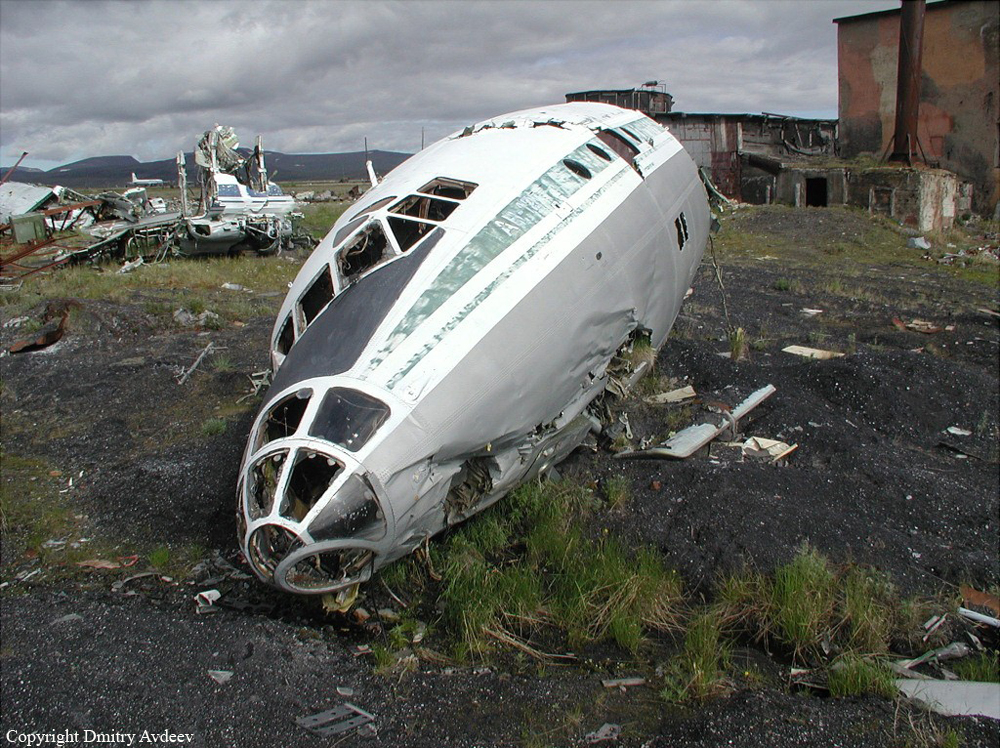
The aircraft was completing a cargo flight from St Petersburg to Nalcik with an intermediate stop in Volgograd, carrying seven passengers, six crew members and a load of 12,5 tons of coins minted in St Petersburg. On final approach, at a distance of 8 km from the airport, at a speed of 260 km/h, flaps were selected down to an angle of 35°. Thirty seconds later, the aircraft started to pitch up and down then nosed up to an angle of 15°. It entered an uncontrolled descent and crashed at a speed of 414 km/h in a nose down angle of 55° in an open field located 4,5 km short of runway threshold. The aircraft disintegrated on impact and all 13 occupants were killed.
Probable cause:
It was determined that the loss of control was the consequence of an excessive accumulation of ice on stabilizers. Information transmitted to the crew regarding weather conditions at destination did not reflect the actual situation and did not mention any icing conditions.

Crash of an Antonov AN-12B in Anadyr

Date & Time: Feb 8, 1994 at 2336 LT
Type of aircraft:
Operator:
Registration:
CCCP-11340
Flight Type:
Survivors:
Yes
Schedule:
Khatanga - Anadyr
MSN:
00 347 504
YOM:
1970
Country:
Region:
Crew on board:
6
Crew fatalities:
Pax on board:
5
Pax fatalities:
Other fatalities:
Total fatalities:
0
Circumstances:
The aircraft was performing a night cargo flight from Khatanga to Anadyr, carrying five passengers, six crew members and a load of vodka. The approach was completed in poor visibility due to heavy snow falls. Too high on the glide, the aircraft landed too far down the runway and was unable to stop within the remaining distance. It overran and came to rest in a ravine. All 11 occupants escaped with minor injuries and the aircraft was destroyed.
Probable cause:
Wrong approach configuration on part of the crew who should initiate a go-around as the aircraft was too high on the glide.

Crash of an Antonov AN-24B in Omsukchan

Date & Time: Feb 1, 1994 at 1616 LT
Type of aircraft:
Operator:
Registration:
RA-47718
Flight Phase:
Survivors:
Yes
Schedule:
Magadan - Omsukchan - Susuman - Magadan
MSN:
69900701
YOM:
1966
Country:
Region:
Crew on board:
5
Crew fatalities:
Pax on board:
48
Pax fatalities:
Other fatalities:
Total fatalities:
0
Aircraft flight hours:
38294
Aircraft flight cycles:
29173
Circumstances:
During the takeoff roll, at a speed of 170 km/h, the aircraft deviated to the right and collided with a snow bank. It cartwheeled and came to rest. While all 53 occupants evacuated safely, the aircraft was damaged beyond repair.
Probable cause:
It was determined that the runway surface was contaminated with snow and has not been cleared prior to takeoff. It was also reported that the runway lights and edge markings were not clearly visible due to snow.

Crash of an Antonov AN-22 in Antonovo: 7 killed

Date & Time: Jan 19, 1994
Type of aircraft:
Operator:
Registration:
RA-09331
Flight Phase:
Flight Type:
Survivors:
Yes
Schedule:
Hahn - Tver - Voronezh
MSN:
02340408
YOM:
1972
Country:
Region:
Crew on board:
7
Crew fatalities:
Pax on board:
3
Pax fatalities:
Other fatalities:
Total fatalities:
7
Circumstances:
After takeoff from Tver-Migalovo AFB, while climbing, the crew reported control problems. The aircraft rolled to the right and crashed near Antonovo, 16 km southwest of Tver AFB. Three occupants were seriously injured while seven others were killed.
Probable cause:
The accident was caused by the failure of an aileron control rod. Nevertheless, representatives from Antonov disagreed, stating icing caused the loss of control.

Crash of a Britten-Norman BN-2A-21 Islander in Kualakapuas

Date & Time: Jan 6, 1994
Type of aircraft:
Operator:
Registration:
PK-VIV
Flight Phase:
Survivors:
Yes
Schedule:
Sampit - Banjarmasin
MSN:
852
YOM:
1977
Country:
Region:
Crew on board:
1
Crew fatalities:
Pax on board:
9
Pax fatalities:
Other fatalities:
Total fatalities:
0
Circumstances:
About 30 minutes into the flight, while in cruising altitude, the pilot noted a loss of power on the left engine. At the same time, the oil pressure dropped while the engine temperature increased. In such situation, the pilot reduced his altitude and attempted an emergency landing in an open field located in Kualakapuas, some 63 km northwest of Banjarmasin-Syamsudin Noor Airport. All 10 occupants escaped uninjured while the aircraft was damaged beyond repair.

Crash of a Tupolev TU-154 in Irkoutsk: 125 killed

Date & Time: Jan 3, 1994 at 1207 LT
Type of aircraft:
Operator:
Registration:
RA-85656
Flight Phase:
Survivors:
No
Schedule:
Irkutsk - Moscow
MSN:
89A801
YOM:
1989
Flight number:
BKL130
Country:
Region:
Crew on board:
9
Crew fatalities:
Pax on board:
115
Pax fatalities:
Other fatalities:
Total fatalities:
125
Circumstances:
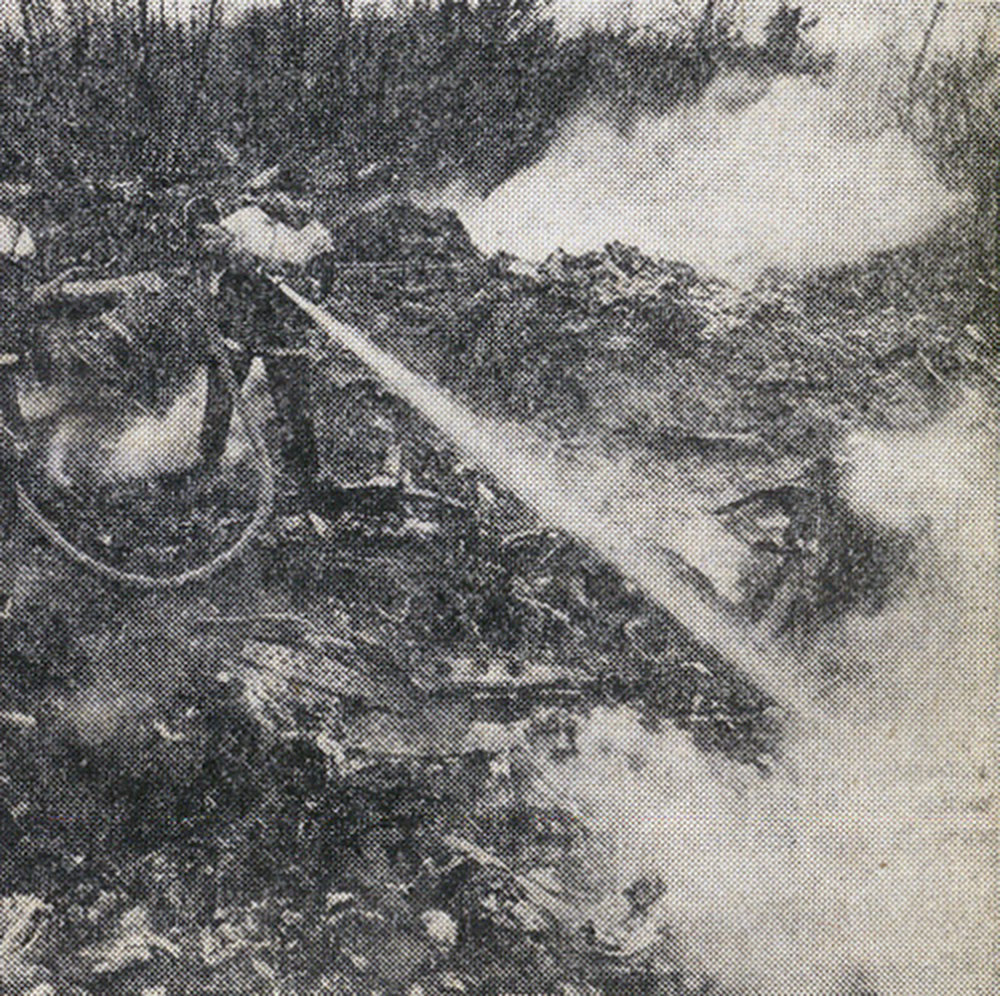
While preparing the flight, the crew encountered technical problems with the engine n°2 and 17 minutes were necessary to start all three engines. A technical issue occurred with the starter of the engine n°2 and a warning light came on in the cockpit. The crew did not find any corrective actions in the operations manual and as he thought the warning was false, decided to take off. Four minutes after the aircraft departed Irkutsk Airport runway 12, while climbing, the starter located in the engine n°2 failed. Debris scattered around and hydraulic and fuel lines were cut. The crew declared an emergency and was cleared for an immediate return after the engine n°2 caught fire. Unfortunately, the crew was unable to extinguish the fire and the aircraft entered an uncontrolled descent and eventually crashed on farm buildings located about 11 km from the airport. The aircraft disintegrated on impact and all 124 occupants were killed as well as one farmer. Another farmer was seriously injured.
Probable cause:
The commission found that the air starter malfunction occurred when the engine was started due to a structural element of the air conditioning system, probably a fragment of the air-to-air radiator (VVR) splitter of engine n°2, hit under the constant pressure flap. This became possible due to the lack of protection against the ingress of foreign objects from the air lines and the low operational reliability of the VVR. A constant supply of air under pressure from the engines operating at a mode close to the nominal through an open damper led to the starter not switching off and the turbine rotor spinning up to off-design speed with the alarm "Dangerous starter speed" being triggered, which was detected by the flight engineer after starting all the engines. Pressing the starter shutdown button did not turn off the alarm. There were no other signs of failure other than the operation of the warning lamp. The crew, believing that the alarm was false, made the wrong decision to take off, which was a consequence of the unwillingness to act in such a situation due to shortcomings in the regulatory documentation, information support, as well as insufficient information content of the starter's technical condition monitoring system in the cockpit. Laying the mains of all three hydraulic systems through the fire-hazardous compartment of the engine n°2 is a constructive disadvantage of the Tu-154M aircraft.

Crash of a GAF Nomad N.22B off Zamboanga

Date & Time: Dec 28, 1993
Type of aircraft:
Operator:
Registration:
21
Flight Phase:
Survivors:
Yes
Schedule:
Zamboanga - Catobato City
MSN:
21
YOM:
1975
Country:
Region:
Crew on board:
2
Crew fatalities:
Pax on board:
4
Pax fatalities:
Other fatalities:
Total fatalities:
0
Circumstances:
The crew departed Zamboanga City Airport on a survey flight for a missing vessel. En route, the crew encountered an unexpected situation and was forced to ditch the aircraft in the Igat Bay off Zamboanga. All six occupants were rescued while the aircraft sank and was lost.

Crash of an Antonov AN-26B in Gyumri: 35 killed

Date & Time: Dec 26, 1993 at 2057 LT
Type of aircraft:
Operator:
Registration:
RA-26141
Flight Type:
Survivors:
No
Schedule:
Krasnodar - Gyumri
MSN:
37312903
YOM:
1983
Flight number:
GW5719
Location:
Country:
Region:
Crew on board:
5
Crew fatalities:
Pax on board:
31
Pax fatalities:
Other fatalities:
Total fatalities:
35
Circumstances:
On a night approach to Gyumri Airport, the crew encountered below minima weather conditions and eventually decided to initiate a go-around procedure. But this decision was taken too late and the aircraft stalled and crashed in a river bed located about 2,990 metres past the runway threshold. A passenger was seriously injured while 35 other occupants were killed.
Probable cause:
The following factors were reported:
- The visibility (200 metres) was below minimums at the time of the accident,
- The crew's decision to initiate a go-around was taken too late,
- The approach was unstable and the aircraft was not properly aligned with runway centerline,
- The crew failed to follow the approach published procedures,
- The aircraft was overloaded at takeoff and upon landing,
- Two cars stored in the cargo compartment were not properly secured,
- There were 31 passengers on board while only five were mentioned on the manifest.