Crash of an Antonov AN-8 in Dundo

Date & Time: Dec 6, 1994
Type of aircraft:
Operator:
Registration:
D2-FVA
Flight Phase:
Flight Type:
Survivors:
Yes
Schedule:
Dundo - Luanda
MSN:
0C3450
YOM:
1960
Country:
Region:
Crew on board:
6
Crew fatalities:
Pax on board:
0
Pax fatalities:
Other fatalities:
Total fatalities:
0
Circumstances:
During the takeoff roll at Dundo Airport, the twin engine aircraft deviated to the left after the crew encountered directional control problems. Few seconds later, at a speed of 190 km/h, the aircraft deviated to the right then veered off runway. On rough ground, the aircraft became airborne the struck power cables, stalled and crashed. All six crew members were injured and the aircraft was destroyed.

Crash of a Cessna 208B Caravan I in Oslo: 1 killed

Date & Time: Dec 4, 1994 at 0502 LT
Type of aircraft:
Operator:
Registration:
LN-PBC
Flight Phase:
Flight Type:
Survivors:
No
Schedule:
Oslo - Bergen
MSN:
208B-0310
YOM:
1992
Country:
Region:
Crew on board:
1
Crew fatalities:
Pax on board:
0
Pax fatalities:
Other fatalities:
Total fatalities:
1
Captain / Total flying hours:
1676
Captain / Total hours on type:
327.00
Aircraft flight hours:
2193
Circumstances:
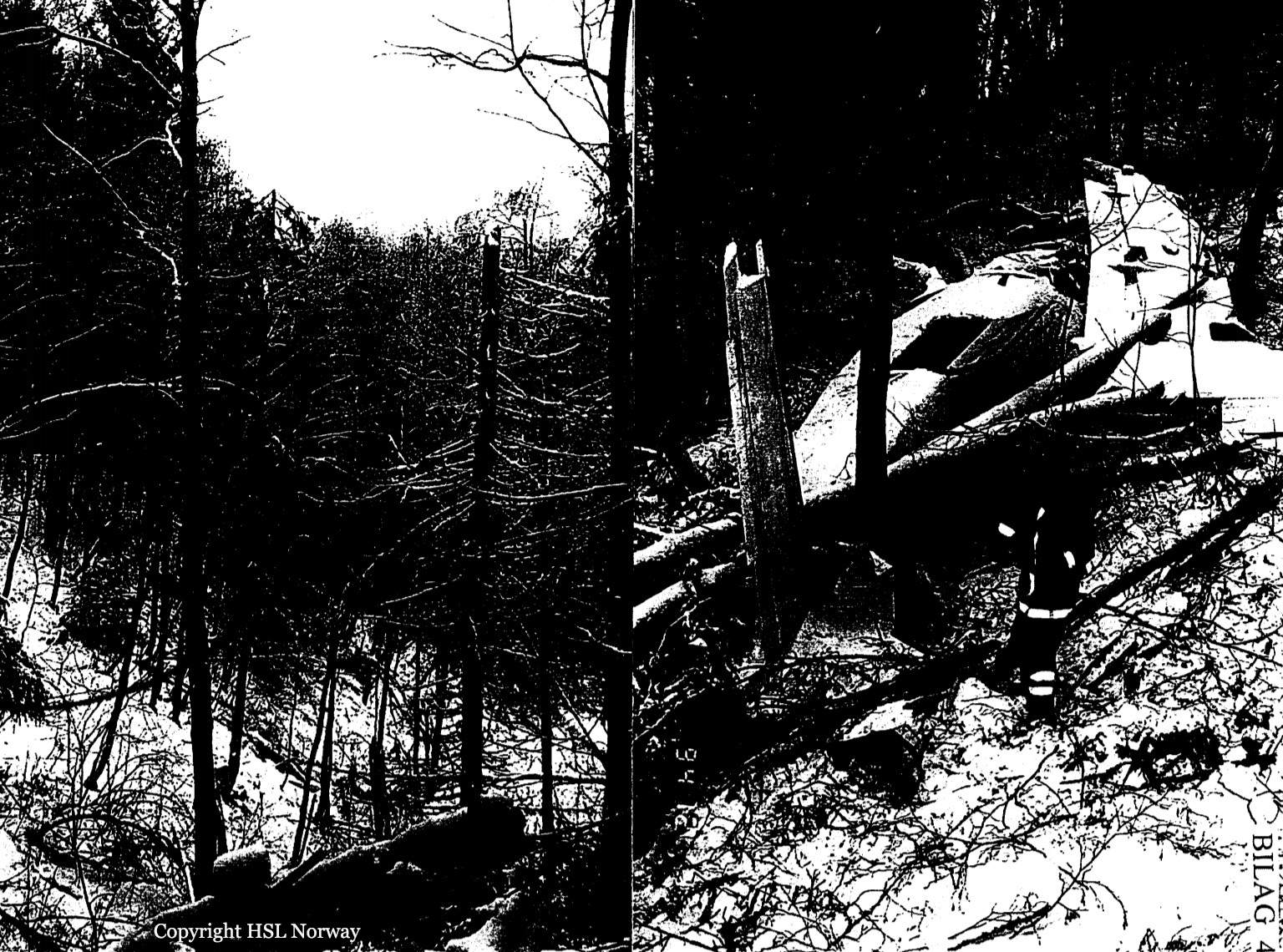
The aircraft was completing a cargo flight to Bergen, carrying one pilot and 1,389 kilos of newspapers. Following a night takeoff from runway 19, while climbing in poor weather conditions at an altitude of about 390 metres, the single engine aircraft stalled and crashed in a wooded area located 1,5 km from the airport. The pilot, sole on board, was killed.
Probable cause:
The accident was the consequence of a stall during initial climb to an excessive accumulation of ice on wings and tail as the aircraft had not been deiced prior to departure. The following contributing factors were reported:
- The plane was outdoors for an estimated time of 20 minutes under conditions in which ice could adhere on the surface of the plane's hull, wings and tail surfaces.
- The plane was not de-iced by the pilot prior to departure.
- The company had not developed adequate written instructions for de-icing. The company had no written instructions to prevent icing during ground stay.
- The company had no sufficient equipment available, or added conditions sufficiently organized so that icin accretion be prevented or removed before departure from Gardermoen.
- The plane took off with ice on the surface of the wings and tail surfaces
- Ice on the surface of the wings and tail surfaces reduced flight characteristics in such a degree that the pilot did not manage to gain height after departure and therefore crashed.
Final Report:

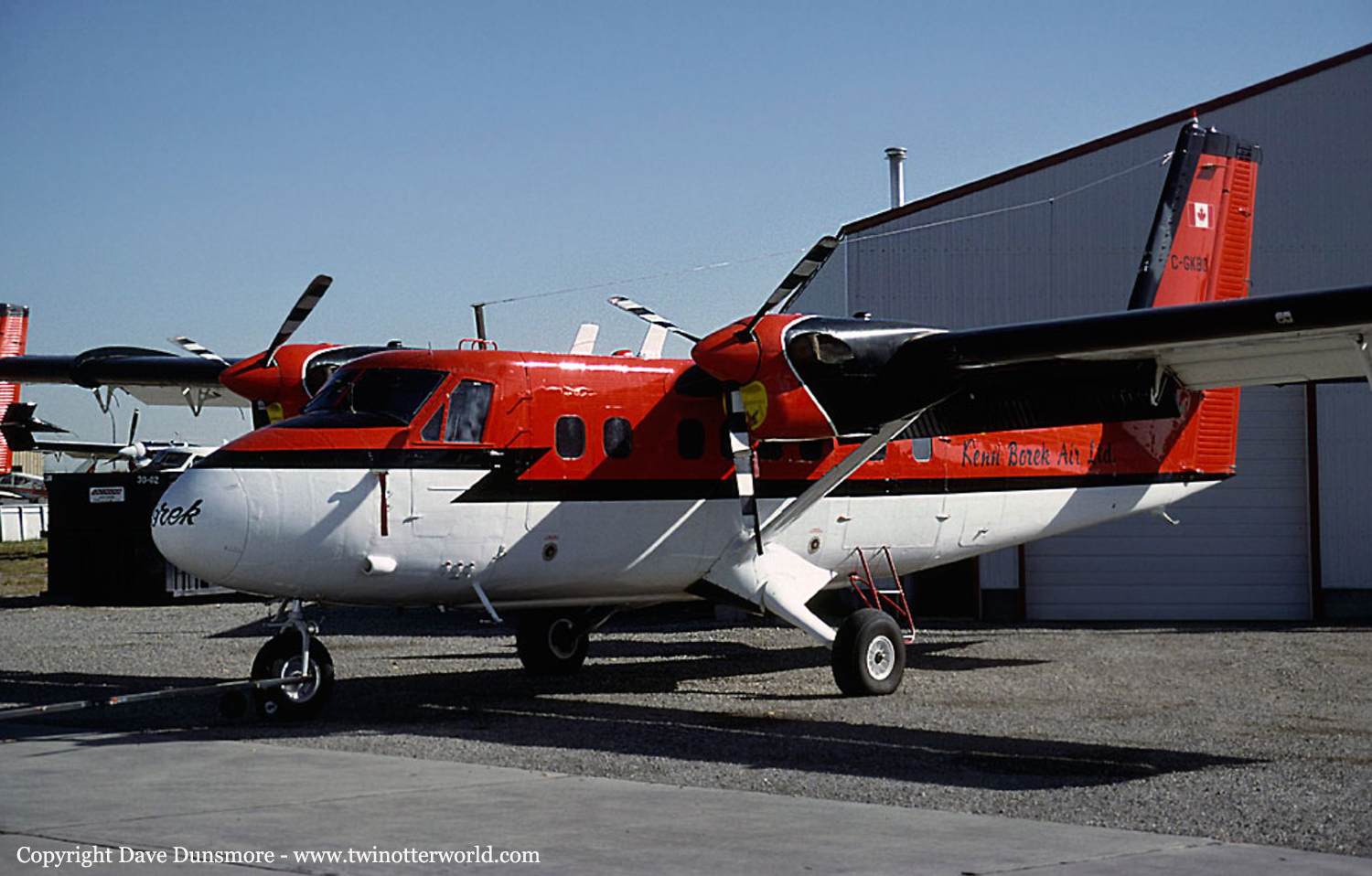
Crash of a De Havilland DHC-6 Twin Otter 300 at Rothera Station: 4 killed

Date & Time: Nov 24, 1994 at 0301 LT
Operator:
Registration:
C-GKBD
Flight Phase:
Survivors:
No
Schedule:
Rothera - Terra Nova Bay
MSN:
314
YOM:
1971
Country:
Region:
Crew on board:
2
Crew fatalities:
Pax on board:
2
Pax fatalities:
Other fatalities:
Total fatalities:
4
Captain / Total flying hours:
3984
Captain / Total hours on type:
3414.00
Copilot / Total flying hours:
3180
Copilot / Total hours on type:
448
Circumstances:
The twin engine aircraft departed Rothera Station runway 18 on a charter flight to Terra Nova, carrying two passengers and two pilots. During initial climb, the airplane became unstable and rolled side to side. From a height of about 100 feet, it stalled and crashed on the slope of an iceberg facing the airport, bursting into flames. All four occupants were killed.
Probable cause:
The exact cause of the accident could not be determined with certainty as rescuers and investigators were unable to reach the crash site that was unstable and too dangerous. The stall occurred at a too low altitude to expect recovery.
Final Report:

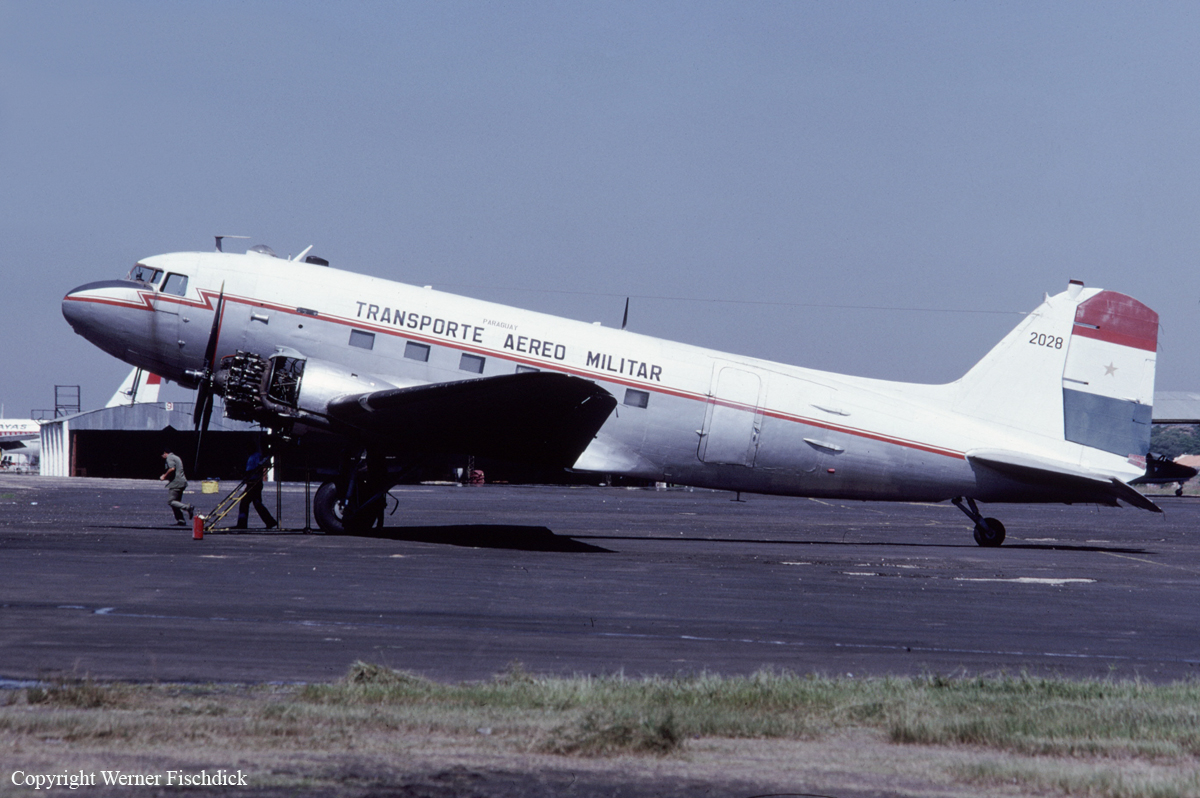
Crash of a Douglas C-47B-DK in Puerto la Victoria

Date & Time: Nov 24, 1994
Operator:
Registration:
2028
Flight Phase:
Flight Type:
Survivors:
Yes
Schedule:
Puerto la Victoria - Asunción
MSN:
16667/33415
YOM:
1945
Country:
Crew on board:
3
Crew fatalities:
Pax on board:
0
Pax fatalities:
Other fatalities:
Total fatalities:
0
Circumstances:
During the takeoff roll, the aircraft deviated to the left then veered off runway and came to rest. All three crew members escaped uninjured while the aircraft was damaged beyond repair.

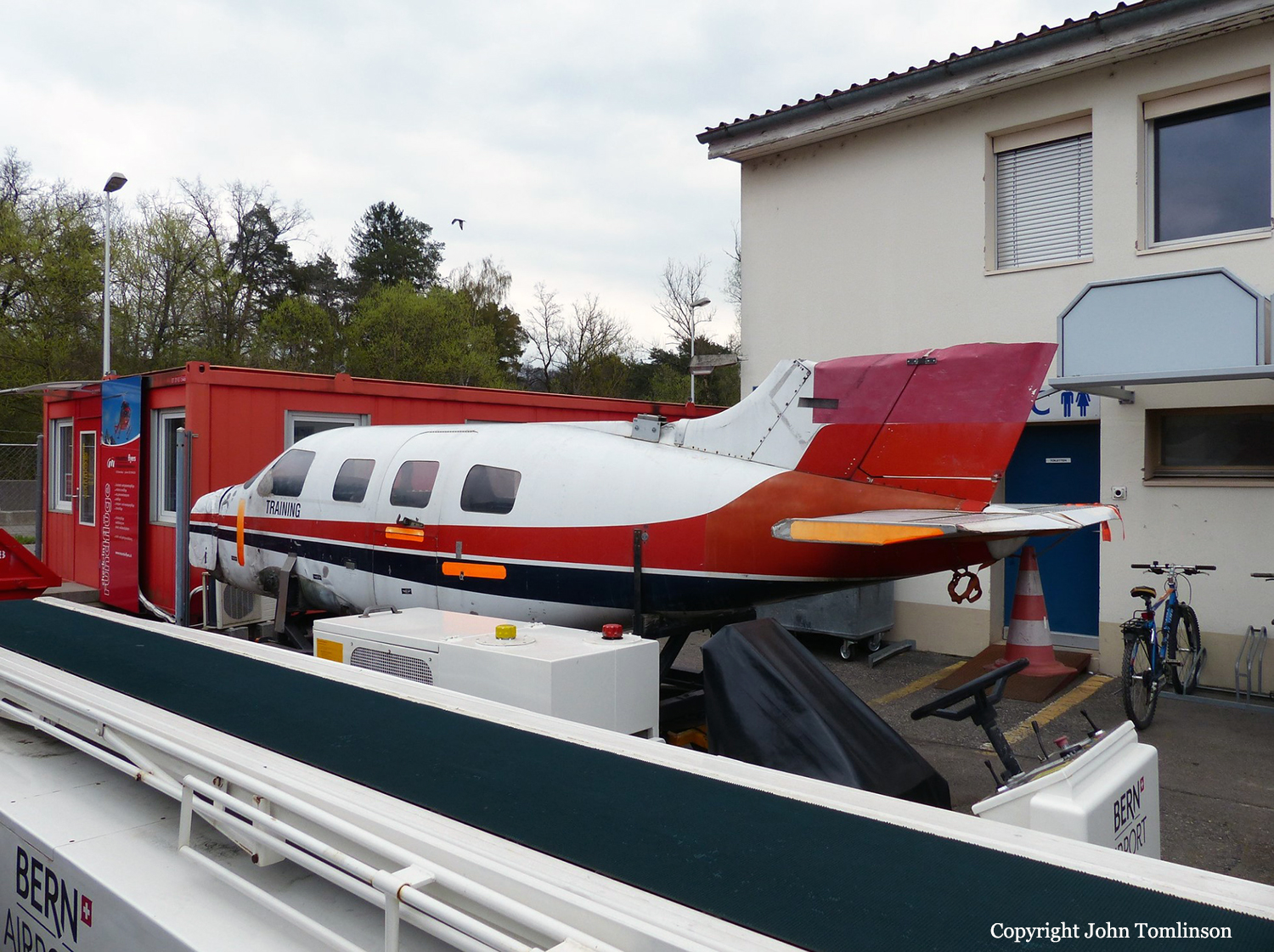
Crash of a Piper PA-46-310P Malibu in Sion

Date & Time: Nov 4, 1994 at 2030 LT
Operator:
Registration:
HB-PIP
Flight Phase:
Flight Type:
Survivors:
Yes
Schedule:
Sion - Sion
MSN:
46-8508091
YOM:
1985
Location:
Country:
Region:
Crew on board:
2
Crew fatalities:
Pax on board:
0
Pax fatalities:
Other fatalities:
Total fatalities:
0
Captain / Total flying hours:
2468
Captain / Total hours on type:
1.00
Copilot / Total flying hours:
3097
Copilot / Total hours on type:
167
Aircraft flight hours:
2780
Circumstances:
Owned by the Federal Office of Civil Aviation (FOCA), the aircraft was dispatched at Sion Airport to perform several local training flight. At the end of the day, a pilot under training and an FOCA inspector decided to complete a local training flight out of Sion Airport. The single engine aircraft took off at 1935LT and the crew completed several touch-and-go maneuvers. Less than an hour later, after takeoff from runway 26, while in initial climb, the engine failed. The crew attempted to make an emergency landing in an open field when the aircraft collided with a car on a street and crashed on the ground. Both pilots escaped with minor injuries while one people in the car was seriously injured. The aircraft and the car were destroyed.
Probable cause:
Engine failure during initial climb due to fuel exhaustion. Investigations revealed that during the flight preparation, the flight inspector was the victim either of a mistake or of a lack of attention when he checked the quantities in the fuel tanks, an operation carried out at night using a flashlight which was uneasy. The aircraft already flew for three hours prior to the accident and no fuel was added prior to the present flight.
Final Report:

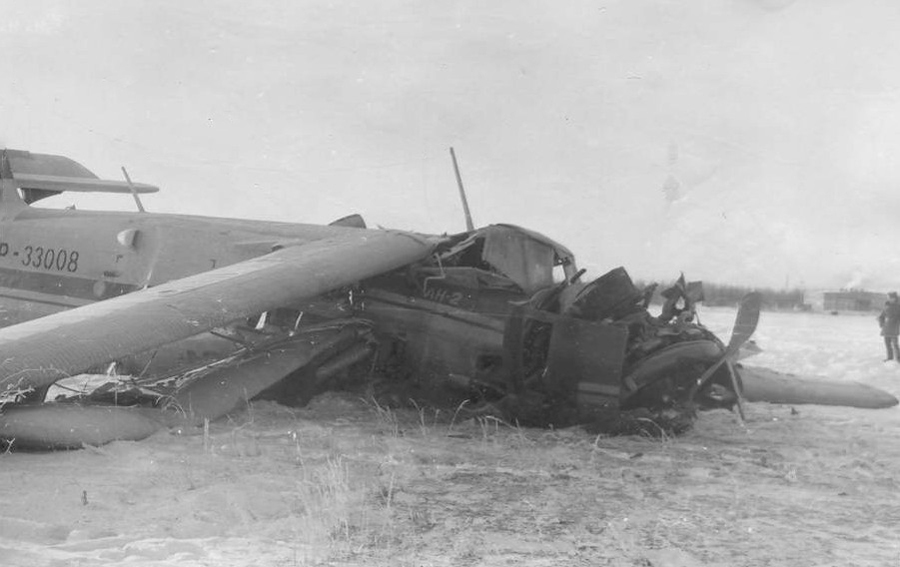
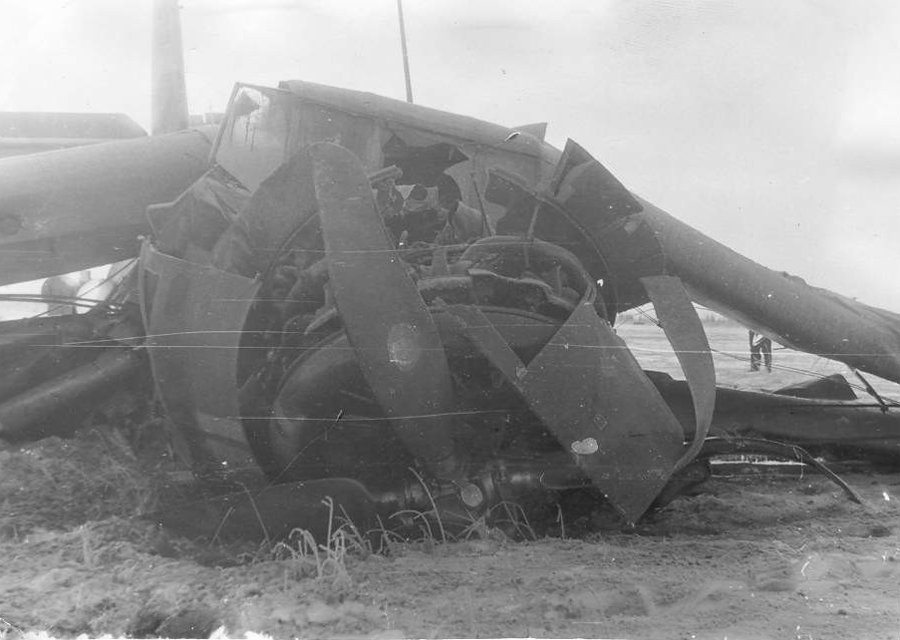
Crash of a PZL-Mielec AN-2R in Batagay: 6 killed

Date & Time: Oct 30, 1994 at 1032 LT
Type of aircraft:
Operator:
Registration:
CCCP-33008
Flight Phase:
Survivors:
Yes
Schedule:
Batagay – Verkhoyansk – Sartan – Barylas – Arylakh
MSN:
1G217-55
YOM:
1986
Country:
Region:
Crew on board:
2
Crew fatalities:
Pax on board:
17
Pax fatalities:
Other fatalities:
Total fatalities:
7
Circumstances:
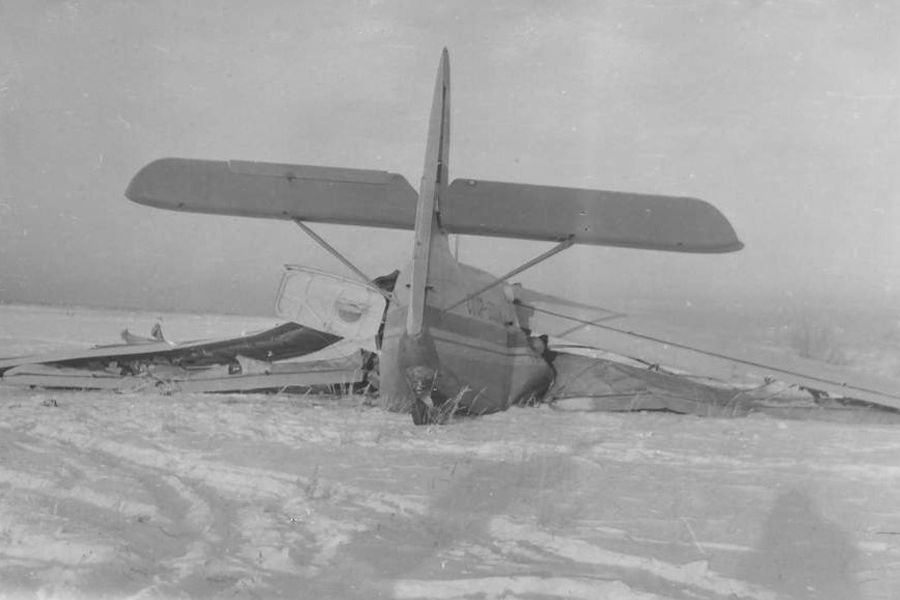
Shortly after takeoff from Batagay Airport, while climbing to a height of about 50 metres, the aircraft nosed up. Rather than reducing engine power, the captain asked the passengers to come to the front of the cabin when the aircraft rolled to the left, stalled and crashed 80 metres to the left of the runway. Seven passengers were killed while 12 other occupants were injured. The aircraft was destroyed.
Probable cause:
The aircraft stalled during initial climb due to the combination of the following factors:
- The crew failed to prepare the flight according to published procedures,
- No mass and balance sheet was calculated prior to departure,
- Four passengers were not mentioned on the pax manifest,
- At the time of the accident, the total weight of the aircraft was 503 kilos above MTOW,
- The CofG was 5,2% above the rear permissible limit.

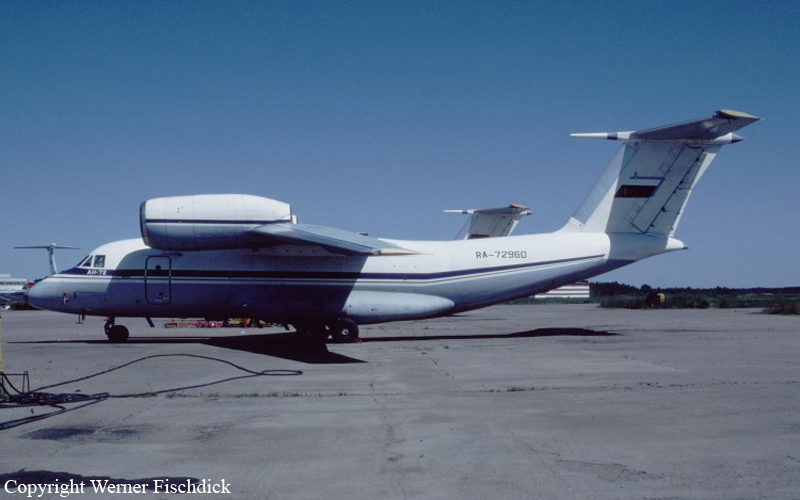
Crash of an Antonov AN-72 in Vorkuta

Date & Time: Oct 23, 1994
Type of aircraft:
Registration:
RA-72960
Flight Phase:
Flight Type:
Survivors:
Yes
MSN:
36572093865
YOM:
1981
Country:
Region:
Crew on board:
5
Crew fatalities:
Pax on board:
29
Pax fatalities:
Other fatalities:
Total fatalities:
0
Circumstances:
During the takeoff roll at Vorkuta, the left engine suffered a hydraulic failure. The crew lost control of the aircraft that deviated to the left, veered off runway and came to rest, bursting into flames. All 34 occupants escaped uninjured while the aircraft was destroyed.
Crash of a Rockwell Grand Commander 690B in Springfield: 1 killed

Date & Time: Oct 8, 1994 at 1031 LT
Registration:
N27MT
Flight Phase:
Flight Type:
Survivors:
No
Schedule:
Springfield - Olathe
MSN:
690-11533
YOM:
1979
Crew on board:
1
Crew fatalities:
Pax on board:
0
Pax fatalities:
Other fatalities:
Total fatalities:
1
Captain / Total flying hours:
2750
Captain / Total hours on type:
3.00
Circumstances:
After taking off on an IFR flight, the airplane was observed to climb into a low overcast. The pilot contacted departure control and reported climbing through 2,200 feet for an assigned altitude of 5,000 feet msl. Shortly thereafter, radar and radio contact were lost, and the airplane crashed in a steep dive. During an investigation, no preimpact part failure or malfunction was found, though the airplane was extensively damaged during impact. The pilot's logbook indicated that he had flown three instrument approaches on 3/3/94 and that he had flown 3.1 hours in actual instrument conditions since that date.
Probable cause:
Failure of the pilot to maintain control of the airplane, due to spatial disorientation. A factor related to the accident was: the pilot's lack of recent instrument experience.
Final Report:

Crash of an Antonov AN-8 in Chaibukha: 8 killed

Date & Time: Sep 30, 1994 at 1110 LT
Type of aircraft:
Registration:
RA-27209
Flight Phase:
Flight Type:
Survivors:
Yes
Schedule:
Arsenyev - Khabarovsk - Chaibukha - Bukhta Provideniya
MSN:
0A3460
YOM:
1960
Country:
Region:
Crew on board:
6
Crew fatalities:
Pax on board:
15
Pax fatalities:
Other fatalities:
Total fatalities:
8
Aircraft flight hours:
15611
Aircraft flight cycles:
5815
Circumstances:
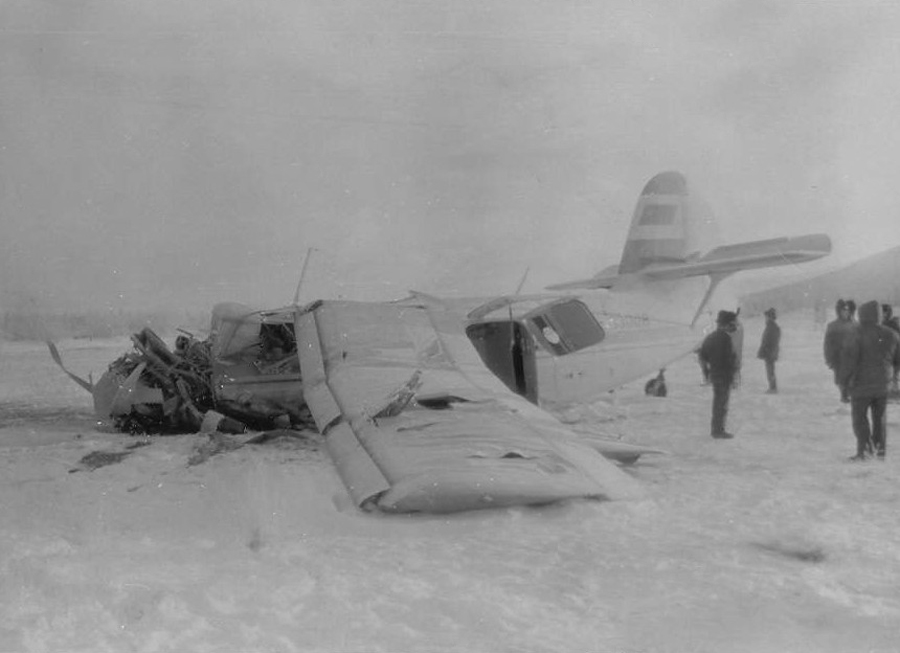
The aircraft was completing a cargo flight from Arsenyev to Bukhta Provideniya with intermediate stops in Khabarovsk and Chaibukha, carrying 15 passengers, 6 crew members and a load of six tons of fruits and vegetables. During the takeoff roll from Chaibukha Airport, following a misunderstanding by the crew, the pilot-in-command failed to initiate the rotation and takeoff. The aircraft rolled for about 2,250 metres, overran, went through a fence and came to rest in a swampy area. Four crew members and four passengers were killed while 13 other occupants were injured. The aircraft was destroyed.
Probable cause:
The accident was the consequence of a poor flight preparation and wrong takeoff configuration on part of the crew. The following contributing factors were reported:
- The takeoff was rushed and the crew failed to follow the pre-takeoff checklist,
- The elevators were selected in an inappropriate angle during takeoff,
- The total weight of the aircraft was above MTOW,
- The crew did not have sufficient rest time,
- Due to fatigue, the crew performances were reduced,
- A certain level/degree of alcohol was found in the captain's blood,
- Poor crew coordination,
- Misunderstanding by the crew,
- The pilot-in-command failed to initiate the rotation,
- The crew failed to abandon the takeoff procedure while it was obviously compromised.

Crash of a Rockwell 1121B Jet Commander in Córdoba: 8 killed

Date & Time: Sep 29, 1994 at 2058 LT
Operator:
Registration:
LV-WEN
Flight Phase:
Survivors:
Yes
Schedule:
Córdoba – Buenos Aires
MSN:
1121-126
YOM:
1968
Country:
Crew on board:
2
Crew fatalities:
Pax on board:
7
Pax fatalities:
Other fatalities:
Total fatalities:
8
Circumstances:
Following a long takeoff roll from Córdoba-Pajas Blancas Airport runway 36, the crew started the rotation and the aircraft adopted a low rate of climb. It collided with trees located past the runway end, stalled and crashed in a wooded area located 2 km from the runway end, bursting into flames. A pilot was seriously injured while eight other occupants were killed.
Probable cause:
It was determined that the crew failed to prepare the flight according to published procedures and failed to follow the pre-takeoff checklist. Following a wrong takeoff configuration, the crew started the rotation too late, retracted the flaps too early after rotation, causing the aircraft to lose lift and to stall. The distance separating the aircraft from the ground was insufficient for the crew to expect recovery. At the time of the accident, the total weight of the aircraft was above the MTOW, which was considered as a contributing factor.