Country
Operator Image

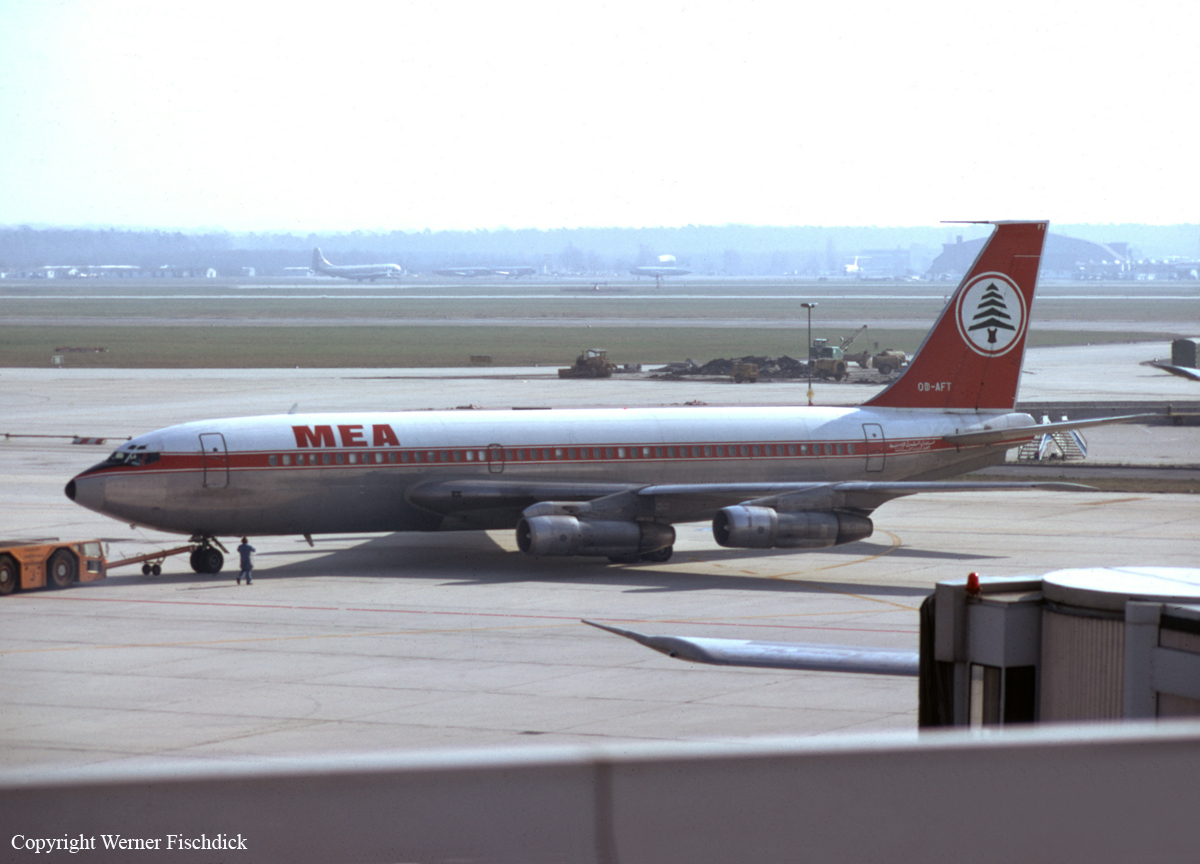
Crash of a Boeing 720-023B near Al Qaysumah: 82 killed

Date & Time: Jan 1, 1976 at 0530 LT
Type of aircraft:
Operator:
Registration:
OD-AFT
Flight Phase:
Survivors:
No
Site:
Schedule:
Beirut - Dubai - Muscat
MSN:
18020/165
YOM:
1960
Flight number:
ME438
Country:
Region:
Crew on board:
15
Crew fatalities:
Pax on board:
67
Pax fatalities:
Other fatalities:
Total fatalities:
82
Circumstances:
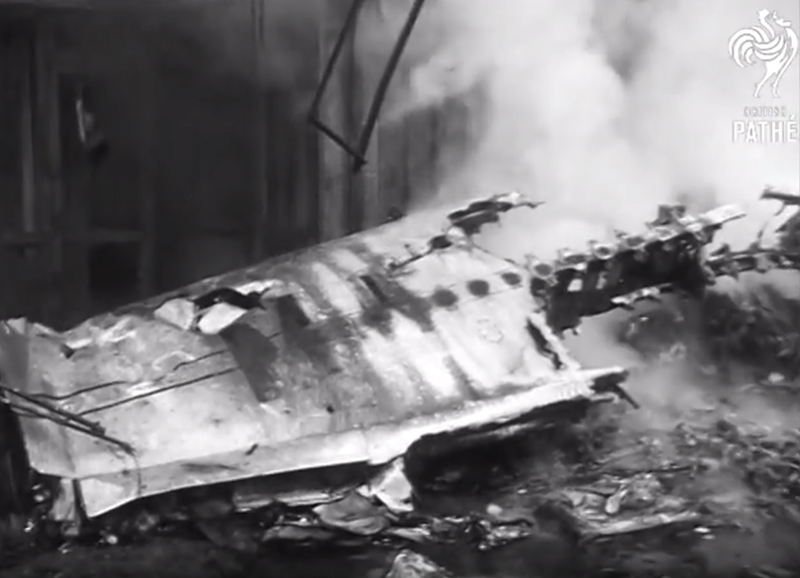
The aircraft was on its way from Beirut to Dubai, cruising at an altitude of 37,000 feet by night when it disappeared from radar screens at 0530LT. The crew was unable to send any distress call. The wreckage was later found about 37 km northwest of Al Qaysumah, in the Saudi desert. Debris scattered on a wide area and none of the 82 occupants survived the crash.
Probable cause:
It was determined that the accident was the consequence of the explosion of a bomb that has been placed in the front cargo compartment. The detonation at high altitude caused an explosive decompression of the cabin and the total disintegration of the airplane.

Crash of a Boeing 720-060B in Beirut

Date & Time: Jan 9, 1968 at 1833 LT
Type of aircraft:
Operator:
Registration:
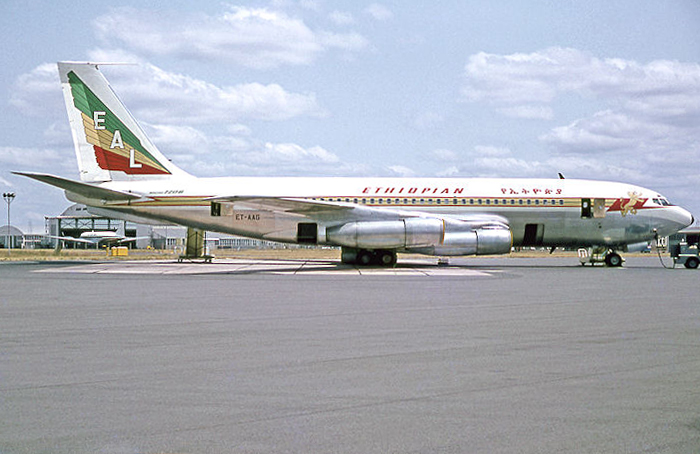
ET-AAG
Survivors:
Yes
Schedule:
Lagos - Kano - Beirut
MSN:
18454/319
YOM:
1962
Flight number:
ME272
Country:
Region:
Crew on board:
10
Crew fatalities:
Pax on board:
39
Pax fatalities:
Other fatalities:
Total fatalities:
0
Aircraft flight hours:
15780
Circumstances:
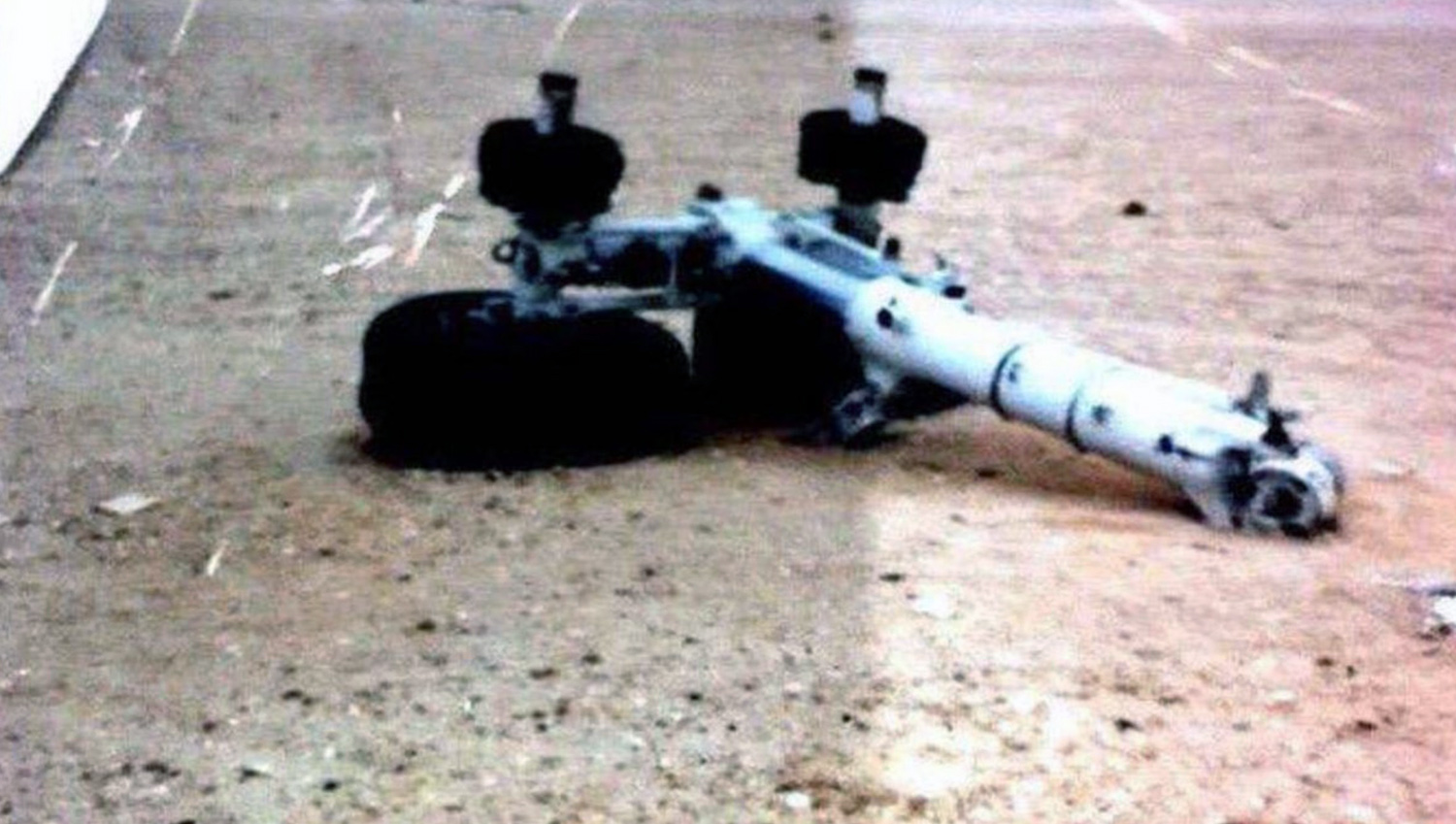
Following an uneventful flight from Lagos via Kano, the crew started the approach to Beirut in poor weather conditions with heavy rain falls, turbulences and wind gusting to 45 knots. On short final, the airplane was unstable and landed nose gear first. On impact, the nose gear collapsed and the airplane slid for several yards before coming to rest in flames. All 49 occupants were rescued, 10 of them were injured. The aircraft was partially consumed by fire.

Ground accident of a Vickers 754D Viscount in El Arish

Date & Time: Apr 21, 1964
Type of aircraft:
Operator:
Registration:
OD-ACX
Flight Phase:
Survivors:
Yes
Schedule:
Beirut – el-Arīsh
MSN:
245
YOM:
1957
Country:
Region:
Crew on board:
0
Crew fatalities:
Pax on board:
0
Pax fatalities:
Other fatalities:
Total fatalities:
0
Circumstances:
Following an uneventful flight from Beirut, the aircraft was taxiing to the parking when part of the taxiway collapsed, causing the airplane to strike the taxiway surface. This resulted in serious damage to the fuselage, propellers and engines. There were no injuries but the aircraft was considered as damaged beyond repair.

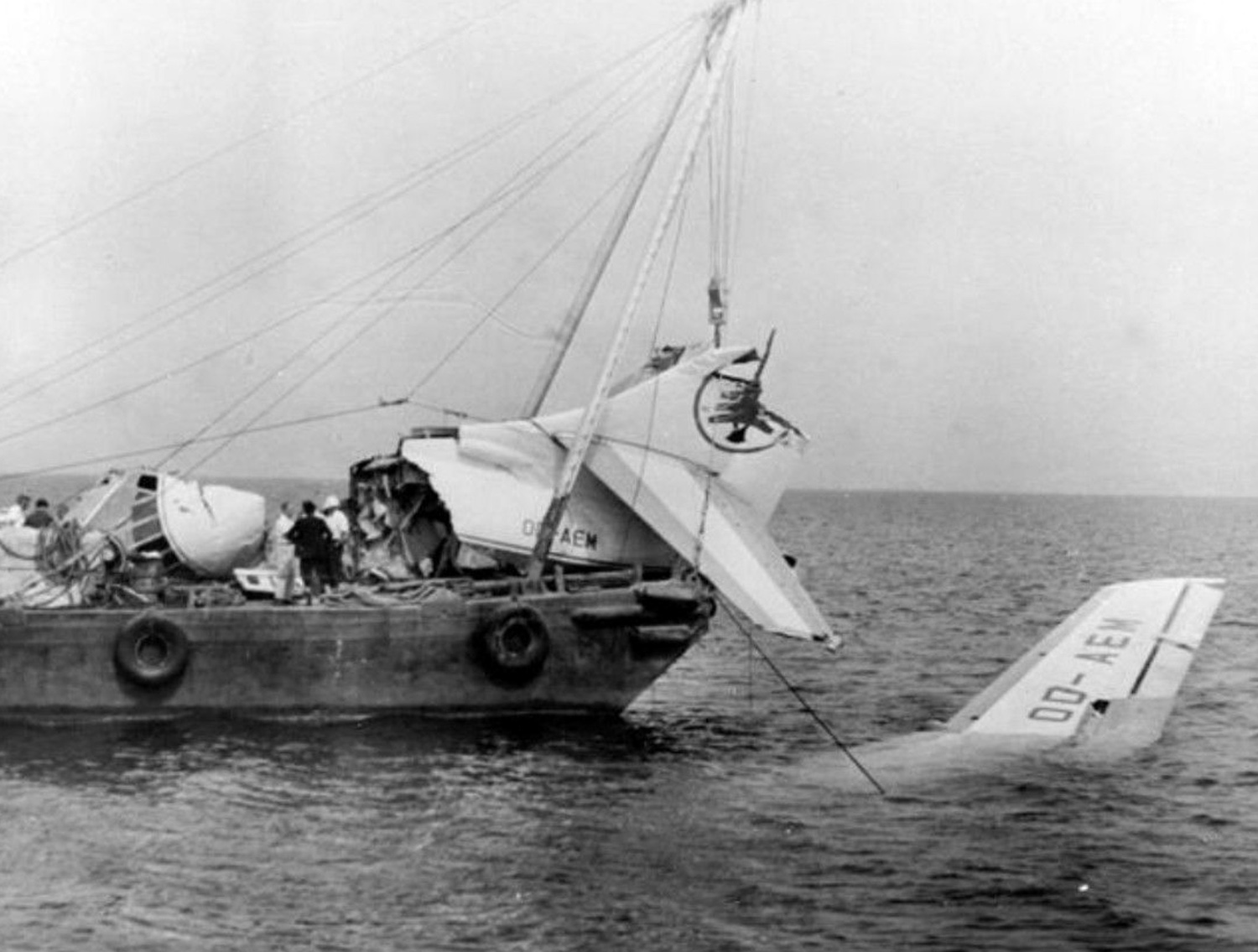
Crash of a Sud-Aviation SE-210 Caravelle III off Dhahran: 49 killed

Date & Time: Apr 17, 1964 at 2232 LT
Operator:
Registration:
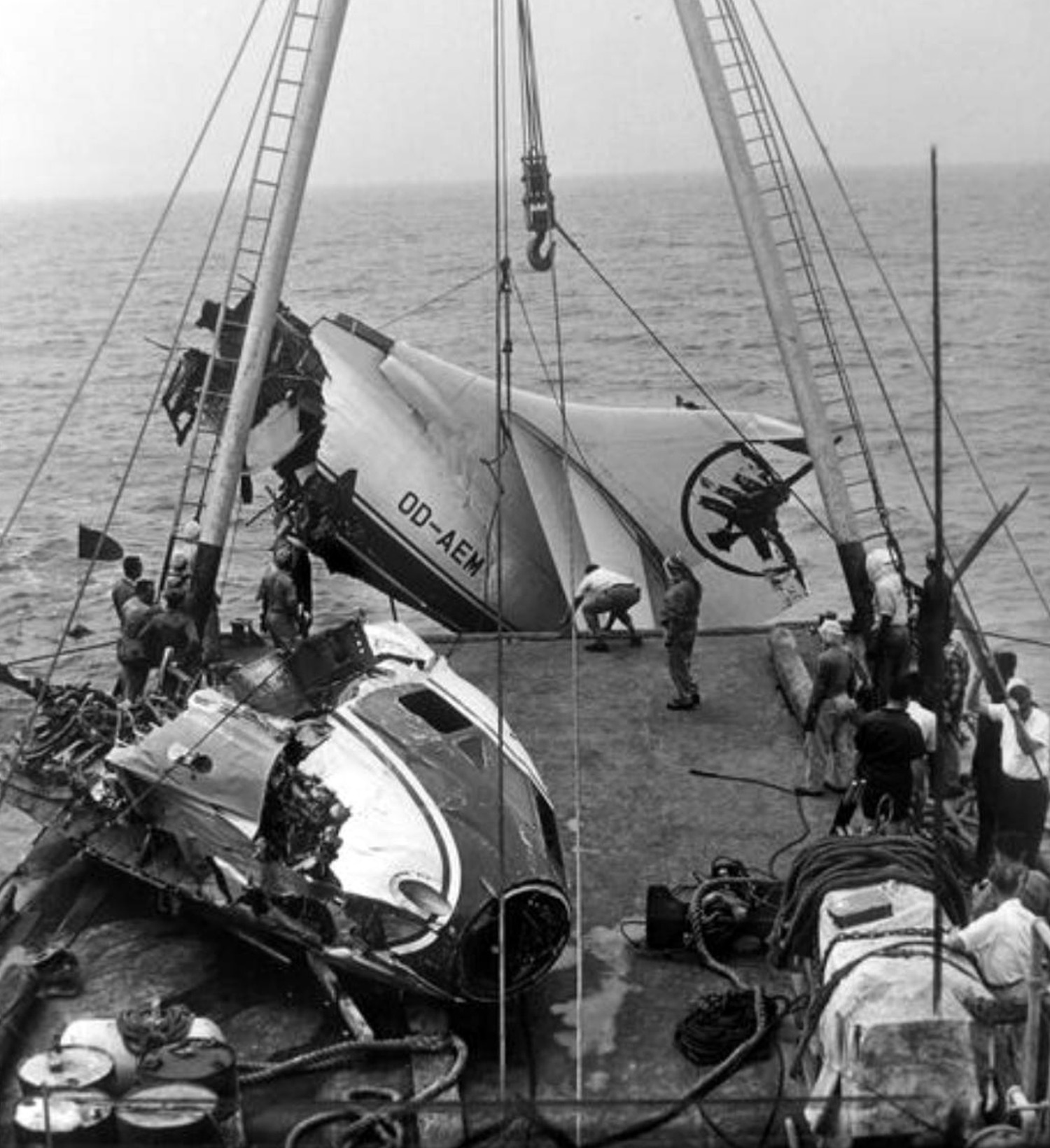
OD-AEM
Survivors:
No
Schedule:
Beirut – Dhahran
MSN:
23
YOM:
1960
Flight number:
ME444
Country:
Region:
Crew on board:
7
Crew fatalities:
Pax on board:
42
Pax fatalities:
Other fatalities:
Total fatalities:
49
Captain / Total flying hours:
9193
Captain / Total hours on type:
3425.00
Copilot / Total flying hours:
7691
Copilot / Total hours on type:
1680
Circumstances:
Flight ME 444 departed Beirut (BEY) at 17:09 UTC and climbed to its cruising altitude of FL300. At 19:04 the aircraft reported to Bahrain Control that it was estimating Dhahran (DHA) at 19:28, and was cleared to descend to reach FL50 over the Dhahran beacon. At 19:06 weather information was reported to flight 444, which read a NNE/10 knots wind, gusting to 16, and 0,5nm visibility (in a sandstorm). At 19:26 the pilot reported estimating the Dhahran NDB in two minutes. At 19:28 it contacted Dhahran and reported "5 000 feet descending" and was cleared for an ADF approach. The controller requested the crew to report at 4000 feet and outbound at 2000 feet. One minute later it reported leaving 4000 feet and at 19:30 passing 2500 feet and turning inbound. It was then cleared to final approach and requested to report reaching minimum and runway in sight. At approximately 19:32 a short loud transmission noise was recorded by the Tower. No further message was received from the flight. It was subsequently found that the aircraft struck the sea at the completion of the procedure turn 4 NM off shore and 10 NM south of Dhahran Airport. The investigation team concluded that there was no mechanical failure that could have caused the accident. Several theories were investigated, a.o. erroneous radio altimeter indications as a result of the sandstorm (these effects have been proven in tests done by Air France), but the team was not able to prove any of those theories.
Probable cause:
The probable cause of this accident can not be ascertained.

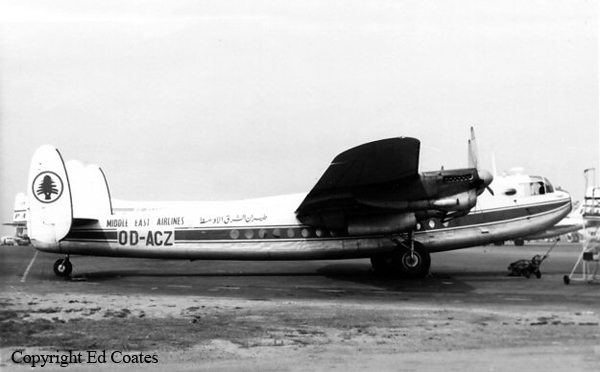
Crash of an Avro 685 York C.1 near Karaj: 4 killed

Date & Time: Mar 15, 1963 at 0910 LT
Type of aircraft:
Operator:
Registration:
OD-ACZ
Flight Phase:
Flight Type:
Survivors:
No
Schedule:
Tehran – Beirut
MSN:
1218
YOM:
1945
Location:
Country:
Region:
Crew on board:
4
Crew fatalities:
Pax on board:
0
Pax fatalities:
Other fatalities:
Total fatalities:
4
Captain / Total flying hours:
16553
Captain / Total hours on type:
6000.00
Copilot / Total flying hours:
4714
Copilot / Total hours on type:
4000
Circumstances:
The Avro York plane carried out a freight flight from Beirut to Tehran via Kuwait. On the Kuwait-Tehran leg of the flight several test manoeuvres were carried out by a check pilot who was examining the pilot in command and co-pilot for renewal of their licenses. Shortly after takeoff, while climbing, the airplane went out of control and crashed in a huge explosion 11 km southeast of Karaj, west of Tehran. The aircraft was completely destroyed upon impact and all four crew members were killed.
Probable cause:
The position of the propellers at the time of impact would indicate that, at a time when the no. 4 engine power was off, an emergency condition developed which necessitated the feathering of no. 3 engine and the unfeathering of no. 4. Alternatively, a loss of power on the starboard engines could have occurred from an erroneous manipulation of the feathering switches during the course of this assumed crew checking exercise. In view of the fact that the fully loaded aircraft was flying at a low altitude after taking off from Mehrabad Airport which has an elevation of 3900 feet, it is evident that at the aircraft would not have sufficient altitude for the pilot to take effective recovery action and so avoid a crash resulting from the above mentioned loss-of-power conditions.
Final Report:

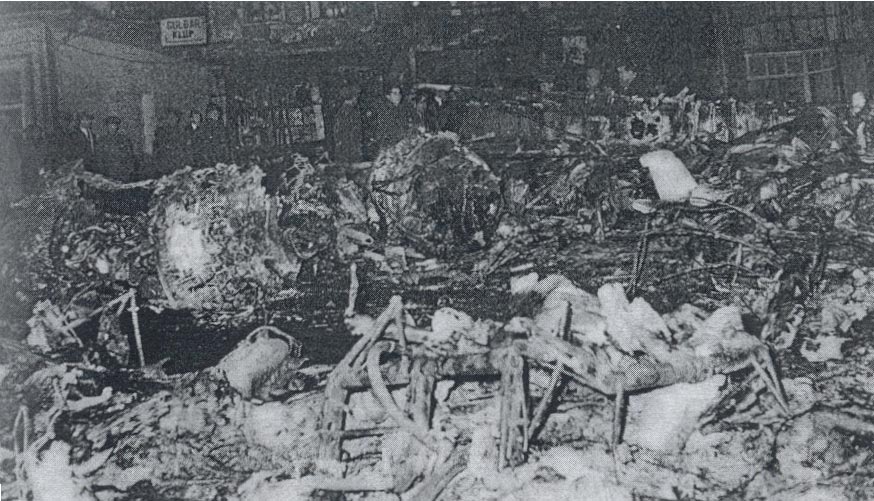
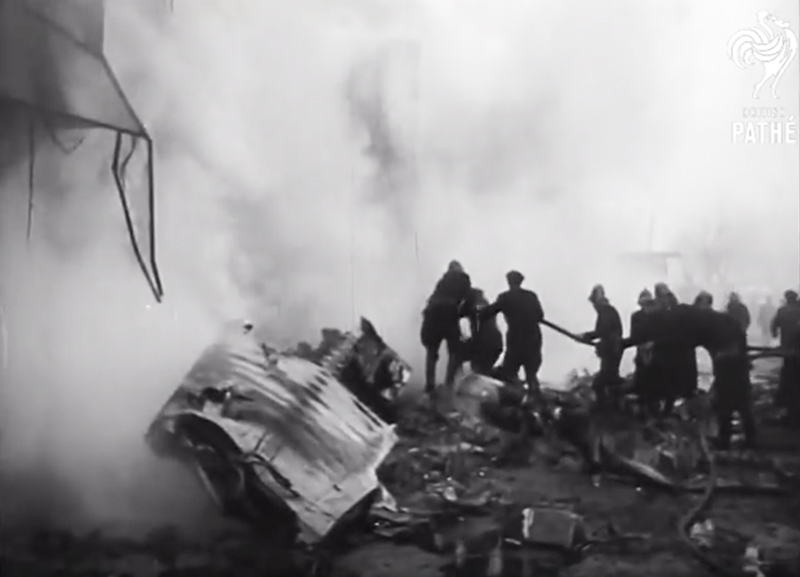
Crash of a Vickers 754 Viscount in Ankara: 52 killed

Date & Time: Feb 1, 1963 at 1513 LT
Type of aircraft:
Operator:
Registration:
OD-ADE
Survivors:
No
Site:
Schedule:
Beirut – Nicosia – Ankara
MSN:
244
YOM:
1957
Flight number:
ME265
Country:
Region:
Crew on board:
3
Crew fatalities:
Pax on board:
11
Pax fatalities:
Other fatalities:
Total fatalities:
52
Captain / Total hours on type:
2925.00
Copilot / Total hours on type:
4200
Circumstances:
Middle East Airlines flight 265, a Vickers Viscount registered OD-ADE, was descending for Ankara-Esenboğa Airport, Turkey and had been cleared for an approach to runway 03. Last radio contact was at 13:09 hours GMT when the flight reported being over the Ankara NDB at 8000 feet, descending for 6500 feet. The crew would contact Ankara again over the NDB when inbound. Earlier in the day, at 11:22 GMT, a Douglas C-47 transport plane of the Turkish Air Force (CBK-28) had taken off from Ankara's Etimesgut Air Base for an instrument training flight in the southeast region of the Gölbasi beacon. The duration of the flight was planned for 1 hour 30 minutes . In this type of flight the student pilot is normally seated in the left-hand seat, an orange plexiglass panel is placed in front of him on the left half of the windshield, and he wears dark blue glasses. The instructor is in the right-hand seat and is able to maintain a lookout. The training manoeuvres had been completed, and the aircraft was returning to Etimesgut flying under visual flight rules by the time MEA flight 265 was descending for Esenboğa Airport. The Viscount, cruising on a heading of 283°, collided with the C-47 which was flying on a heading of 243° towards Etimesgut. The lower right-hand-side of the Viscount's nose and the starboard wing struck the C-47 from behind at a 40° angle in the door area on its port side. Propeller no. 3 also struck the C-47's left horizontal stabilizer, cutting it off. The blade ends broke off and remained with the tail unit of the C-47 near the base of the left horizontal stabilizer. The blade of propeller no. 4 cut the underside of the tip of the right horizontal stabilizer. Both aircraft flew together for a very short time then separated. The tail unit of the C-47 having been cut off, the C-47 fell vertically immediately thereafter. Prior to being cut off, the left horizontal stabilizer of the C-47 damaged the starboard side skin covering of the Viscount in the vicinity of the passenger cabin windows. This piece of skin covering broke off, and some of the passengers fell out through this hole. The Viscount flew a very short while following the separation of the two aircraft, then nosed down and fell. Both aircraft crashed into a residential area of Ankara, killing 87 people on the ground. 50 others were seriously injured.
Probable cause:
The Viscount aircraft had an IFR flight plan but was cruising under VFR conditions when it hit, with the lower side of the nose and with its starboard wing, the C-47 aircraft of the Turkish Air Force between the door on the port side of the fuselage and the tail group at an angle of forty degrees from the left rear and at an angle of approximately five to ten degrees upward. It cut off, with its starboard inner (No.3) propeller, the port side horizontal stabilizer of the C-47 aircraft. The pilots of the Viscount aircraft did not see the C-47 aircraft cruising below 7000 feet on their right-hand side forward, and the Viscount, having a higher speed, caught up with the C-47 from the left rear. At the last moment the Viscount pilots saw the C-47 and tried to avoid the collision by pulling up, but they did not succeed. The following findings were reported:
- The Viscount pilot made an estimation error of two minutes on the distance between Gölbasi and the Ankara NDB,
- His radiocommunications did not conform to the standard international conversation procedures,
- The C-47 was returning to Etimesgut Airport under visual flight rules (VFR) following an instrument training flight,
- These training flights are scheduled to be carried out below 7 000 ft with the trainee-pilot behind blind flight panels and the instructor-pilot sitting so as to be able to see outside thoroughly, The flights normally last for 1 hour- and 30 minutes, however, the instructor is authorized to extend this period if he deems it necessary,
- The C-47 was subjected to an impact from the port side rear at an angle of 40° and from the bottom to the top upwards at an angle of approximately 5 to 10°. The Viscount's flaps were set at 32° down, and the gear was down and locked. The aircraft collided over the City of Ankara at an altitude less than 7 000 feet.
Final Report:


Crash of an Avro 685 York I in Muscat

Date & Time: Sep 11, 1962 at 1118 LT
Type of aircraft:
Operator:
Registration:
OD-ADA
Flight Type:
Survivors:
Yes
Schedule:
Beirut – Muscat
MSN:
1311
YOM:
1946
Country:
Region:
Crew on board:
3
Crew fatalities:
Pax on board:
0
Pax fatalities:
Other fatalities:
Total fatalities:
0
Circumstances:
Upon landing at Muscat-Azaiba Airfield, the four engine aircraft went out of control, veered off runway to the right and came to rest with its right main gear collapsed. All three crew members were uninjured while the aircraft was damaged beyond repair.

Crash of an Avro 685 York I into the Mediterranean Sea: 5 killed

Date & Time: Sep 29, 1958
Type of aircraft:
Operator:
Registration:
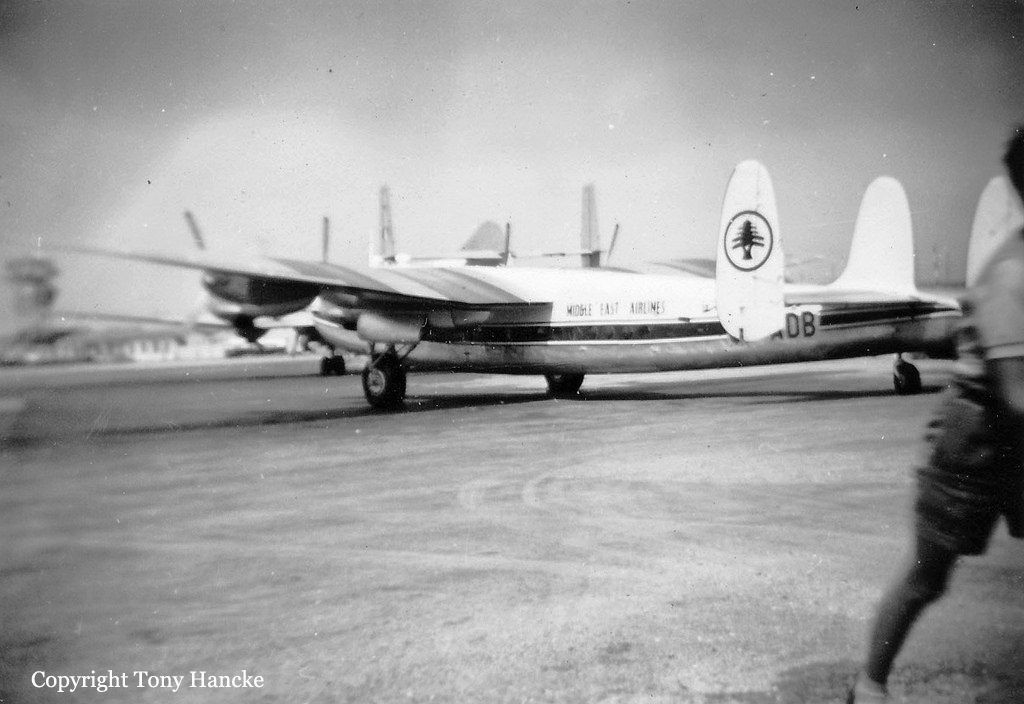
OD-ADB
Flight Phase:
Flight Type:
Survivors:
No
Schedule:
Beirut – Rome – London
MSN:
1307
YOM:
1946
Country:
Region:
Crew on board:
5
Crew fatalities:
Pax on board:
0
Pax fatalities:
Other fatalities:
Total fatalities:
5
Circumstances:
The crew was completing a cargo flight from Beirut to London with in an intermediate stop at Ciampino Airport in Rome. While cruising over the Mediterranean Sea, the four engine aircraft went out of control and crashed into the sea. The crew was unable to send any distress call prior to the accident. SAR operations were conducted but eventually suspended few days later as no trace of the aircraft nor the five crew members was found.
Probable cause:
In the absence of concrete evidence, investigations were unable to determine a possible cause of the accident.

Crash of a Douglas C-47A-25-DK in Beirut

Date & Time: Jan 30, 1948
Operator:
Registration:
LR-AAA
Flight Phase:
Survivors:
Yes
MSN:
13192
YOM:
1944
Country:
Region:
Crew on board:
0
Crew fatalities:
Pax on board:
0
Pax fatalities:
Other fatalities:
Total fatalities:
0
Circumstances:
Damaged beyond repair in a ground accident in Beirut with a Junkers JU.52/3m operated by Compagnie Générale Transsaharienne (CGT). There were no casualties.