Zone

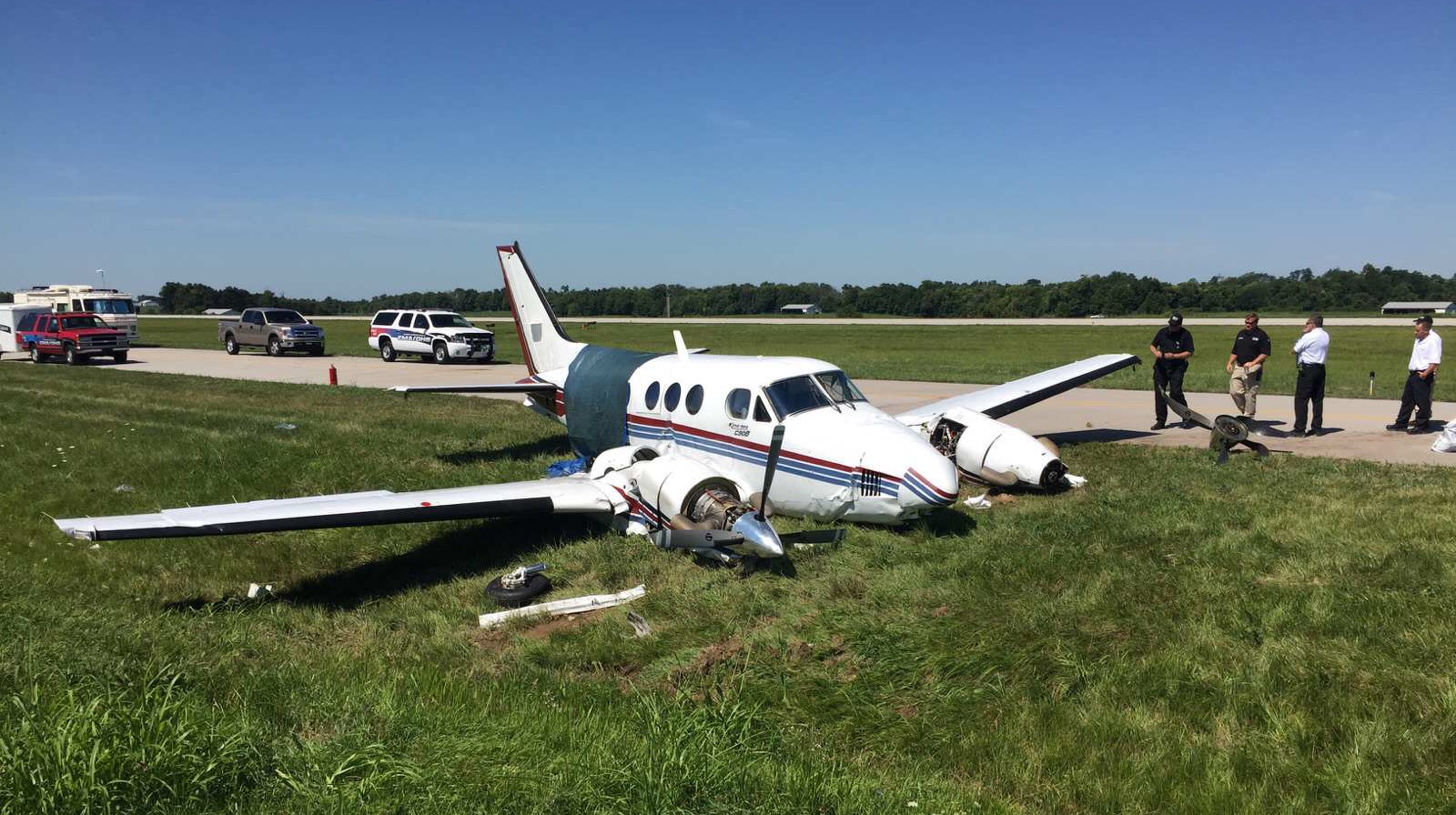
Crash of a Beechcraft C90B King Air in Georgetown

Date & Time: Aug 1, 2015 at 2100 LT
Type of aircraft:
Operator:
Registration:
N257CQ
Flight Type:
Survivors:
Yes
Schedule:
Dayton – Somerset
MSN:
LJ-1419
YOM:
1995
Crew on board:
1
Crew fatalities:
Pax on board:
3
Pax fatalities:
Other fatalities:
Total fatalities:
0
Captain / Total flying hours:
3182
Captain / Total hours on type:
1122.00
Aircraft flight hours:
2324
Circumstances:
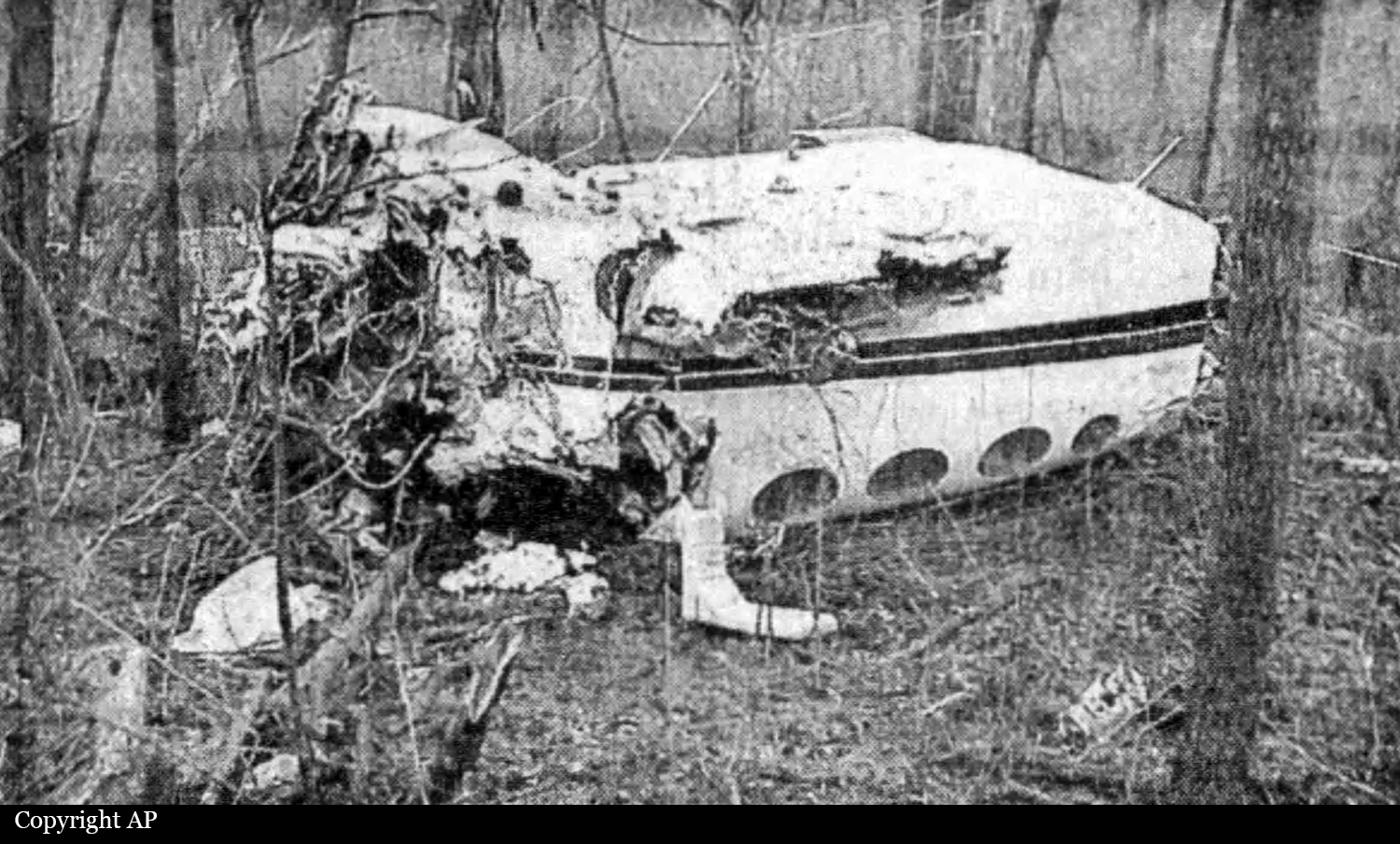
The airplane was fueled with 140 gallons of fuel before the second of three flight segments. The pilot reported that, while en route on the third segment, a fuel crossfeed light illuminated. He reset the indicator and decided to land the airplane to troubleshoot. He requested to divert to the nearest airport, which was directly beneath the airplane. Subsequently, the right engine lost power, and the autofeather system feathered the right engine propeller. He reduced power on the left engine, lowered the nose, and extended the landing gear while entering the traffic pattern. The pilot indicated that, after the landing gear was extended, the electrical system "failed," and shortly after, the left engine would not respond to power lever inputs. As the flight was on a base leg approach, the airplane was below the intended flightpath to reach the runway. The pilot stated that he pulled "gently on the control wheel"; however, the airplane impacted an embankment and came to rest on airport property, which resulted in substantial damage to both wings and the fuselage. Postaccident examination of the engines and airframe revealed no evidence of mechanical malfunctions or abnormalities that would have precluded normal operation. Signatures on the left propeller indicated that the engine was likely producing power at the time of impact; however, actual power settings could not be conclusively determined. Signatures on the right propeller indicated that little or no power was being produced. The quantity of fuel in the airplane's fuel system, as well as the configuration of the fuel system at the time of the accident, could not be determined based on the available evidence. Although the position of the master switch (which includes the battery, generator 1, and generator 2) was found in the OFF position, the airplane had been operating for about 30 minutes when the electrical power was lost; thus, it is likely that the airplane had been operating on battery power throughout the flight. This could have been the result of the pilot's failure to activate, or his inadvertent deactivation of, the generator 1 and 2 switch. If the flight were operating on battery power, it would explain what the pilot described as an electrical system failure after the landing gear extension due to the exhaustion of the airplane's battery. The postaccident examination of the left engine and propeller revealed that the engine was likely producing some power at the time of impact, and an explanation for why the engine reportedly did not respond to the pilot's throttle movements could not be determined. Additionally, given the available evidence, the reason for the loss of power to the right engine could not be determined.
Probable cause:
Undetermined based on the available evidence.
Final Report:

Crash of a Cessna 421A Golden Eagle I in Somerset: 3 killed

Date & Time: Feb 16, 2003 at 2002 LT
Type of aircraft:
Registration:
N421TJ
Survivors:
Yes
Schedule:
Griffith - Somerset
MSN:
421A-0051
YOM:
1968
Crew on board:
1
Crew fatalities:
Pax on board:
6
Pax fatalities:
Other fatalities:
Total fatalities:
3
Captain / Total flying hours:
11732
Captain / Total hours on type:
518.00
Aircraft flight hours:
4129
Circumstances:
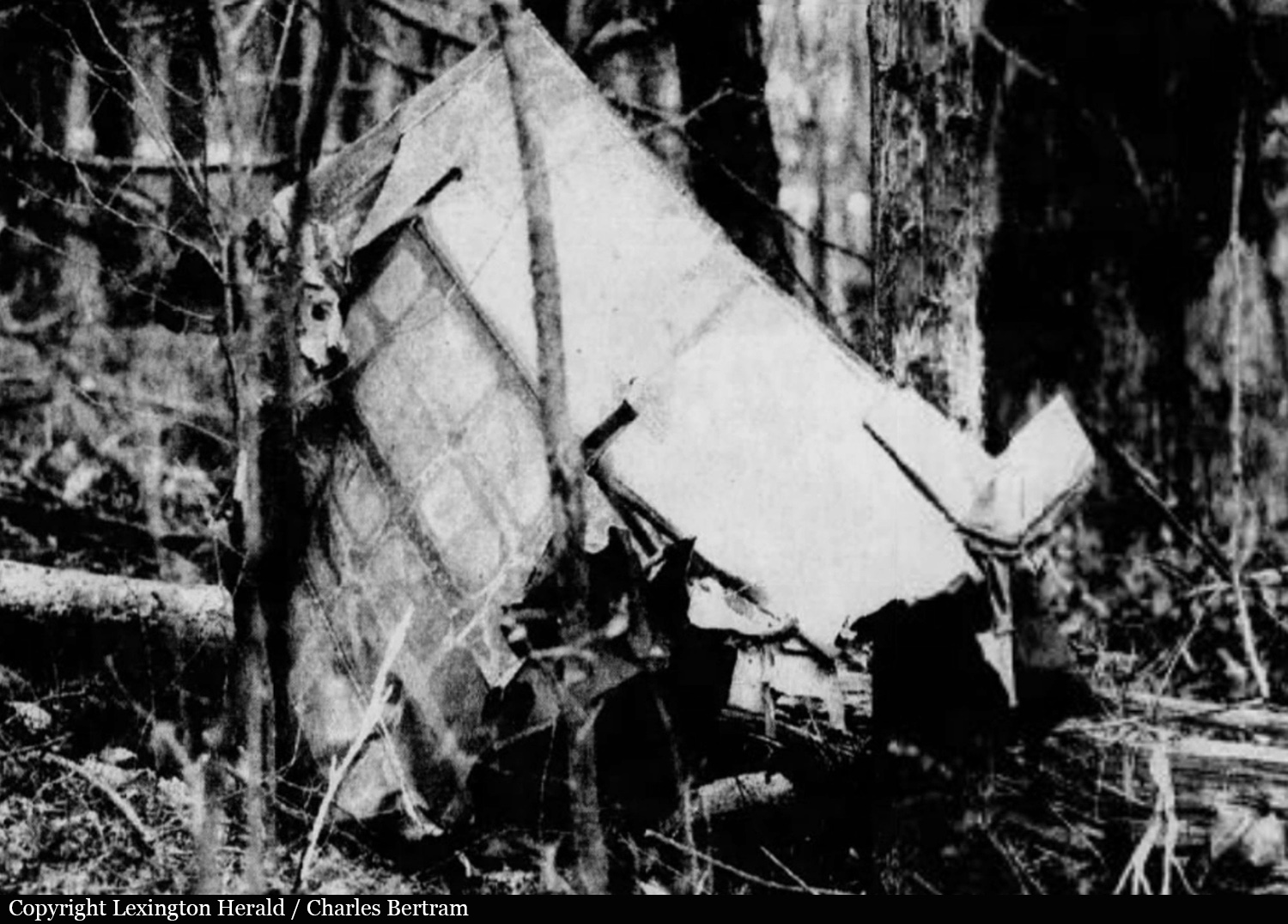
The airplane joined the inbound course for the GPS instrument approach between the intermediate approach fix and the final approach fix, and maintained an altitude about 200 feet below the sector minimum. The last radar return revealed the airplane to be about 3/4 nautical miles beyond the final approach fix, approximately 1,000 feet left of course centerline. An initial tree strike was found about 1 nautical mile before the missed approach point, about 700 feet left of course centerline, at an elevation about 480 feet below the minimum descent altitude. Witnesses reported seeing the airplane flying at a "very low altitude" just prior to its impact with hilly terrain, and also described the sound of the airplane's engines as "really loud" and "a constant roar." Night instrument meteorological conditions prevailed at the time of the accident. There was no evidence of mechanical malfunction.
Probable cause:
The pilot's failure to follow the instrument approach procedure, which resulted in an early descent into trees and terrain. Factors included the low ceiling and the night lighting conditions.
Final Report:

Crash of a Beechcraft C90 King Air in Somerset: 4 killed

Date & Time: Jan 18, 2000 at 1202 LT
Type of aircraft:
Registration:
N74CC
Survivors:
No
Schedule:
Philadelphia - Columbus - Somerset
MSN:
LJ-620
YOM:
1974
Crew on board:
1
Crew fatalities:
Pax on board:
3
Pax fatalities:
Other fatalities:
Total fatalities:
4
Captain / Total flying hours:
19320
Captain / Total hours on type:
1270.00
Aircraft flight hours:
9118
Circumstances:
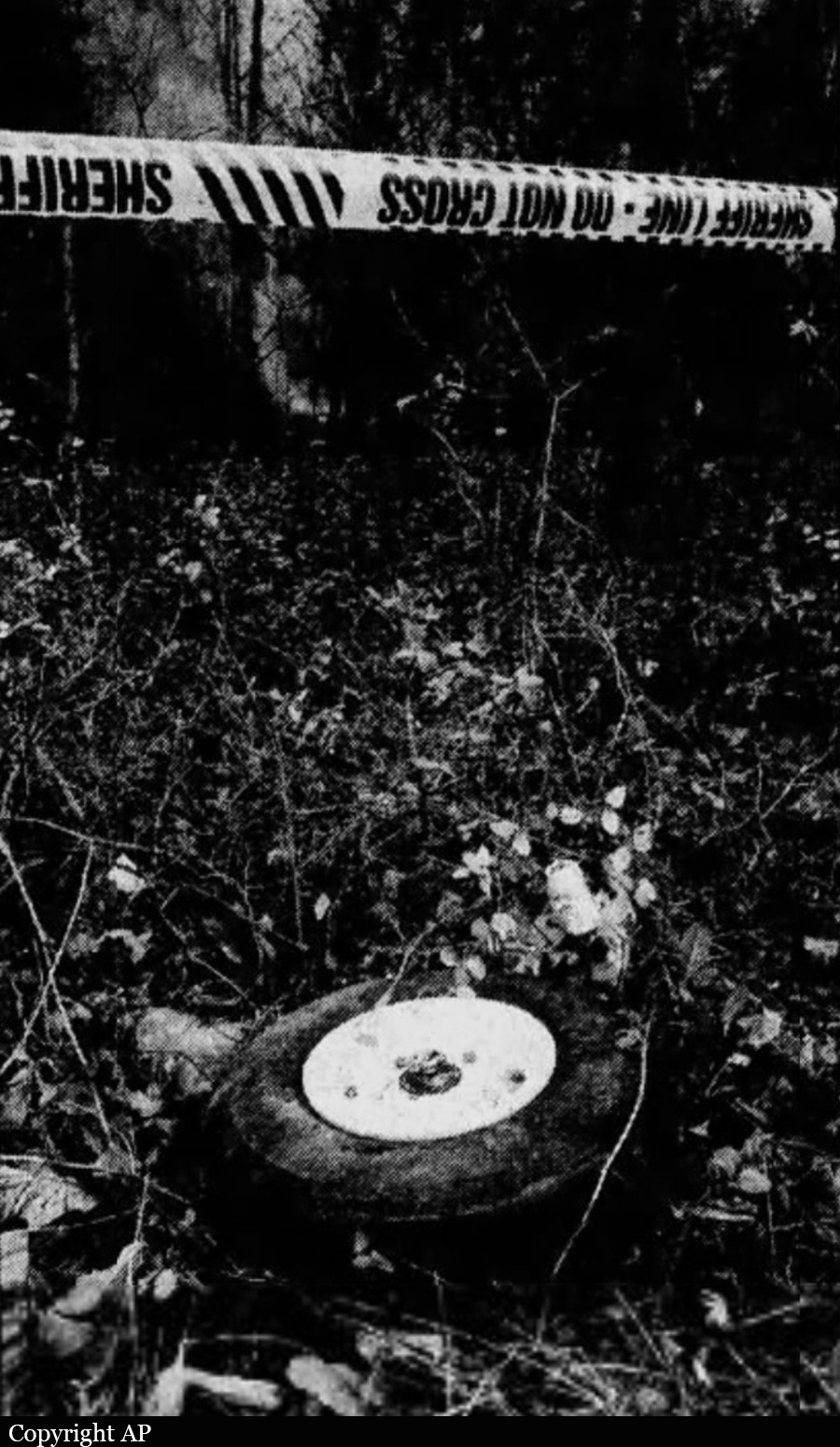
The pilot requested and received clearance to execute the SDF approach, and was instructed to maintain 4,000 feet until established on the approach. Radar data revealed the airplane was never established on the approach, and started to descend before reaching the IAF. The airplane passed the IAF at 2,900 feet, and continued in a descending left hand turn into unprotected airspace. The airplane disappeared from radar at 1,900 feet, as it completed 180 degrees of turn. The turn did not match any of the four instrument approaches to the airport. The airplane struck a guy wire on a lighted communications antenna 3.3 MN southeast of the airport on a heading of 360 degrees. No evidence of a mechanical failure or malfunction of the airplane or its systems was found. A flight check by the FAA confirmed no navigation signal was received for the approach, which had been turned off and listed as out of service for over 4 years. In addition, the pilot did not report the lack of a navigation signal to ATC or execute a missed approach. Interviews disclosed the ATC controller failed to verify the approach was in service before issuing the approach clearance.
Probable cause:
The failure of the pilot to follow his approach clearance, and subsequent descent into unprotected airspace which resulted in a collision with the guy wire. Factors were the failure of the air traffic controller to verify the approach he cleared the pilot to conduct was in service, and the clouds which restricted the visibility of the communications antenna.
Final Report:

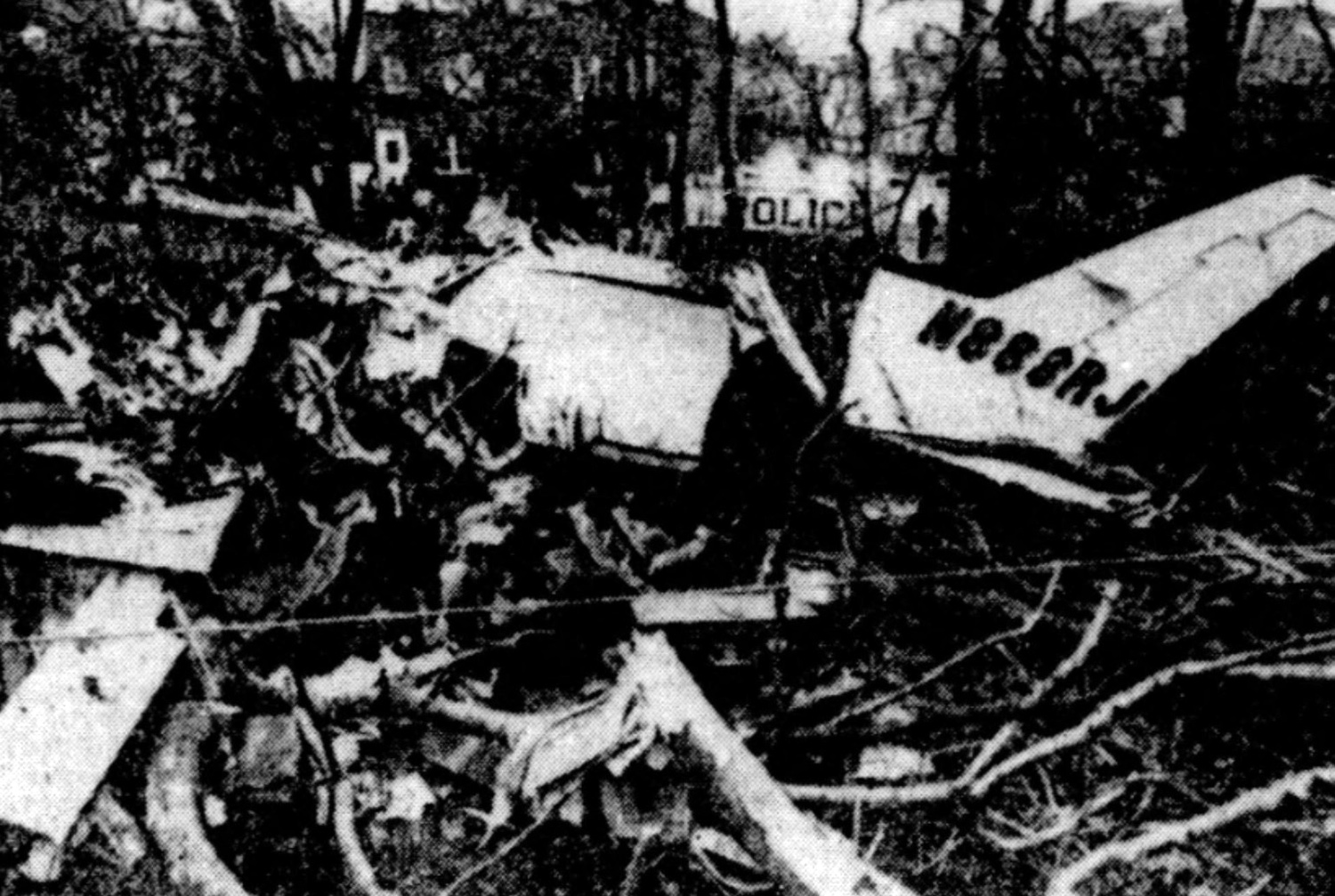
Crash of a Mitsubishi MU-2B-30 Marquise in New York: 7 killed

Date & Time: Apr 5, 1977 at 1431 LT
Type of aircraft:
Registration:
N888RJ
Flight Type:
Survivors:
Yes
Schedule:
Somerset - LaGuardia
MSN:
542
YOM:
1971
Crew on board:
1
Crew fatalities:
Pax on board:
7
Pax fatalities:
Other fatalities:
Total fatalities:
7
Captain / Total flying hours:
13500
Circumstances:
While approaching LaGuardia Airport in poor weather conditions (low ceiling and fog), both engines failed. The pilot lost control of the airplane that crashed at Pelham Bay Park, Bronx, about five miles north of the airport. A passenger was seriously injured while seven other occupants were killed.
Probable cause:
Double engine failure on approach due to fuel exhaustion. The following contributing factors were reported:
- Inadequate preflight preparation,
- Mismanagement of fuel,
- Fuel exhaustion,
- Low ceiling,
- Fog,
- Fuel quantity gauge - erratic.
Final Report: