Country
code

Biskra

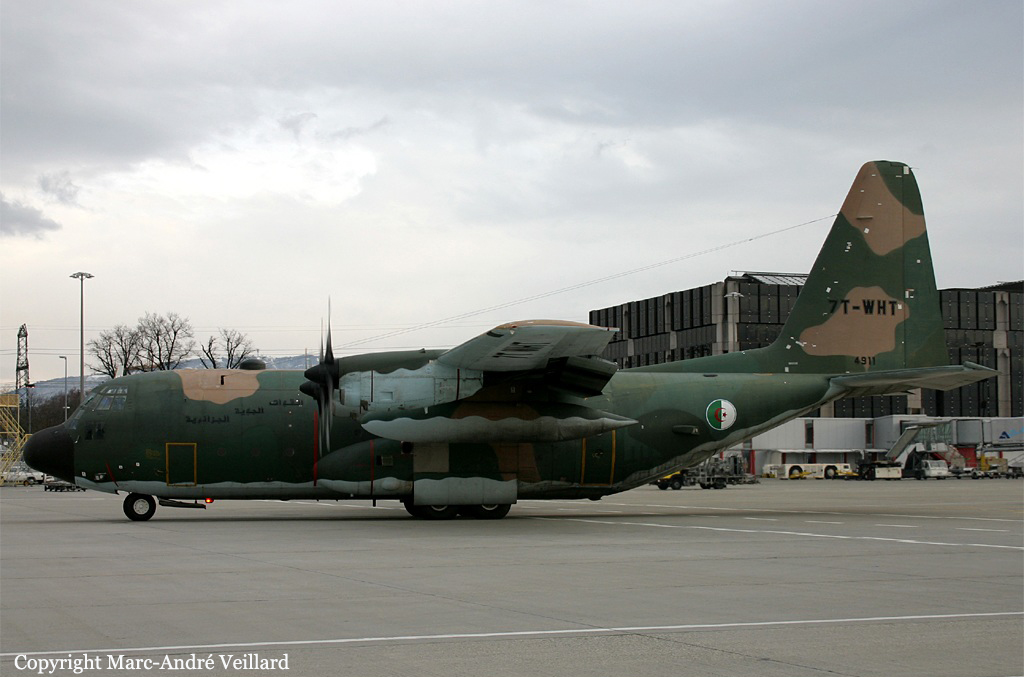
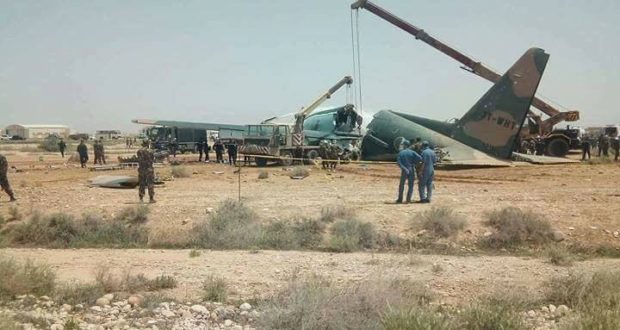
Crash of a Lockheed C-130H Hercules in Biskra: 1 killed

Date & Time: Jun 3, 2018
Type of aircraft:
Operator:
Registration:
7T-WHT
Survivors:
Yes
Schedule:
Biskra - Biskra
MSN:
4911
YOM:
1981
Location:
Country:
Region:
Crew on board:
9
Crew fatalities:
Pax on board:
0
Pax fatalities:
Other fatalities:
Total fatalities:
1
Circumstances:
Following an uneventful paratroopers mission over the area of Biskra, the crew was returning to Biskra-Mohamed Khider Airport. On final approach, the airplane stalled and crashed few hundre metres short of runway, coming to rest broken in two. All nine crew members were injured and the aircraft was destroyed. A day later, one of the survivor died from his injuries.
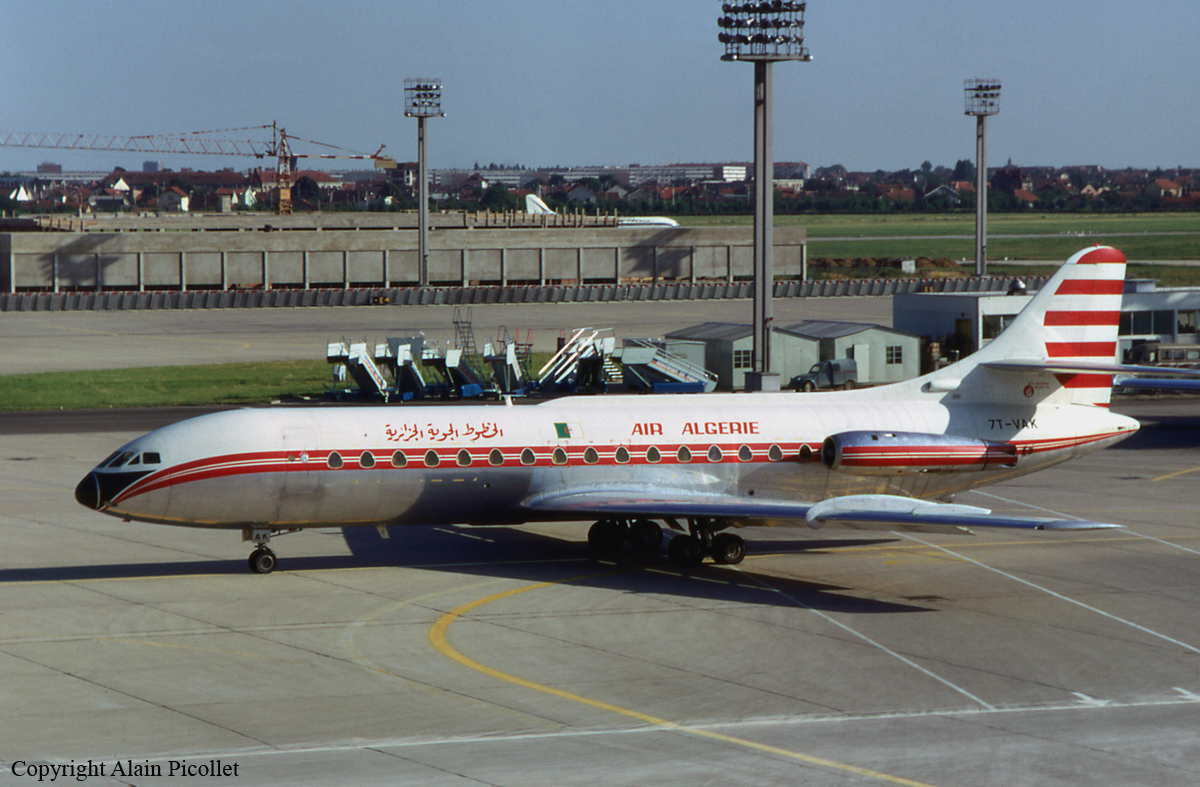
Crash of a Sud-Est Aviation SE-210 Caravelle VI-N near Aïn Naga: 35 killed

Date & Time: Jul 26, 1969 at 0130 LT
Operator:
Registration:
7T-VAK
Flight Phase:
Survivors:
Yes
Site:
Schedule:
Marseille – Algiers – Hassi Messaoud
MSN:
73
YOM:
1961
Country:
Region:
Crew on board:
7
Crew fatalities:
Pax on board:
30
Pax fatalities:
Other fatalities:
Total fatalities:
35
Circumstances:
The airplane was completing a charter flight from Marseille to Hassi Messaoud with an intermediate stop in Algiers, carrying French technicians flying to the Oil facilities in Hassi Messaoud. While in cruising altitude by night, an electrical short-circuit occurred in the cockpit panel, causing smoke to spread. The crew declared an emergency and elected to divert to Biskra Airport. While descending to Biskra, the airplane went out of control and crashed in flames in a desert area located near Aïn Naga, some 40 km southeast of Biskra. Both pilots were seriously injured while all 35 other occupants were killed.
Probable cause:
Electrical short-circuit in the cockpit panel in flight.

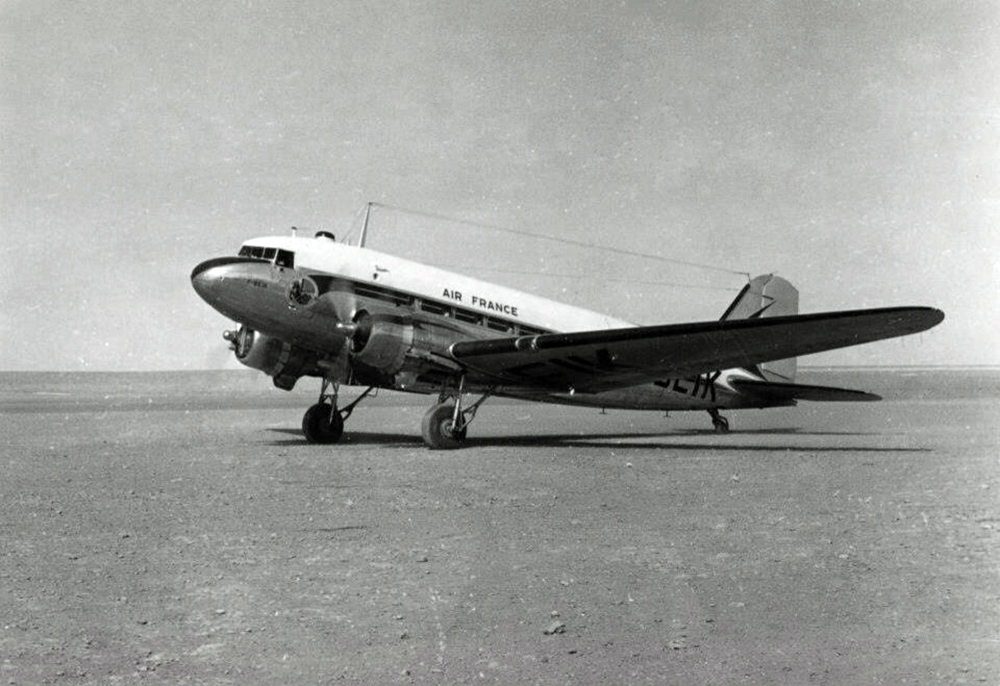
Crash of a Douglas C-47B-5-DK in Biskra: 32 killed

Date & Time: Apr 8, 1957
Operator:
Registration:
F-BEIK
Flight Phase:
Survivors:
No
Schedule:
El Oued – Biskra – Alger – Marseille – Paris
MSN:
14411/25856
YOM:
1944
Location:
Country:
Region:
Crew on board:
5
Crew fatalities:
Pax on board:
27
Pax fatalities:
Other fatalities:
Total fatalities:
32
Circumstances:
Shortly after takeoff from Biskra Airport, while climbing, the left engine failed. The aircraft stalled and crashed less than one km from the airfield and was destroyed upon impact. All 32 occupants have been killed.
Crew:
Jean-Marie Girardeau-Montaut, pilot,
M. Leclerc, copilot,
M. Vergnolle, radio operator,
M. Lageat, mechanic,
M. Ramel, steward.
Probable cause:
Failure of the left engine during initial climb.

Crash of a Douglas C-54B-1-DC near Biskra: 4 killed

Date & Time: Jun 18, 1945
Type of aircraft:
Operator:
Registration:
42-72372
Flight Phase:
Flight Type:
Survivors:
No
Site:
MSN:
10477
YOM:
1944
Location:
Country:
Region:
Crew on board:
4
Crew fatalities:
Pax on board:
0
Pax fatalities:
Other fatalities:
Total fatalities:
4
Circumstances:
Crashed in a desert area located some 96 km southeast of Biskra, killing all four crew members.
Crew:
Cpt Lawrence G. Boyts,
F/O Arthur M. Cranmer,
T/Sgt Rowland R. Moss,
Cpl Edward J. Ryan.

Crash of a Lioré-et-Olivier LeO 451 in Biskra: 4 killed

Date & Time: Apr 26, 1943 at 2025 LT
Operator:
Registration:
L-914
Flight Phase:
Flight Type:
Survivors:
Yes
Schedule:
Biskra - Biskra
MSN:
378
YOM:
1941
Location:
Country:
Region:
Crew on board:
5
Crew fatalities:
Pax on board:
0
Pax fatalities:
Other fatalities:
Total fatalities:
4
Circumstances:
The crew was engaged in a local reconnaissance training mission. Following a night takeoff, the airplane climbed normally to a height of 20 metres then entered an excessive pitch up attitude. When reaching the height of 50 metres, the airplane stalled and crashed, bursting into flames. The radio operator was injured while four other crew members were killed.
Crew (GB 1/11):
Lt François Marie Pierre Yves Boistel d'Welles, pilot, †
Sgt/C Jean Marie Michel François Régis Joseph Guyon, pilot, †
Adj/C Joseph Eugène Tardot, instructor pilot, †
Sgt Georges François Dejean, radio operator,
Sgt Roger Georges Méranger, air gunner. †
Probable cause:
Following a correct takeoff and once the height of 20 metres was reached, it is believed that the pilot, for an unknown reason (light failure, instrument problems), seems to have stopped monitoring his airspeed indicator and variometer (vertical speed indicator) closely enough, causing the airplane to adopt an excessive rate of climb and a subsequent stall and crash. At the time of the accident, the night was very dark and there were no lights on the ground or any other reference around the airfield.