Crash of a Boeing 737-4Y0 in Abuja

Date & Time: Dec 11, 2024 at 1006 LT
Type of aircraft:
Operator:
Registration:
5N-JRT
Flight Type:
Survivors:
Yes
Schedule:
Lagos - Abuja
MSN:
26081/2442
YOM:
1993
Flight number:
AJK206
Country:
Region:
Crew on board:
5
Crew fatalities:
Pax on board:
0
Pax fatalities:
Other fatalities:
Total fatalities:
0
Circumstances:
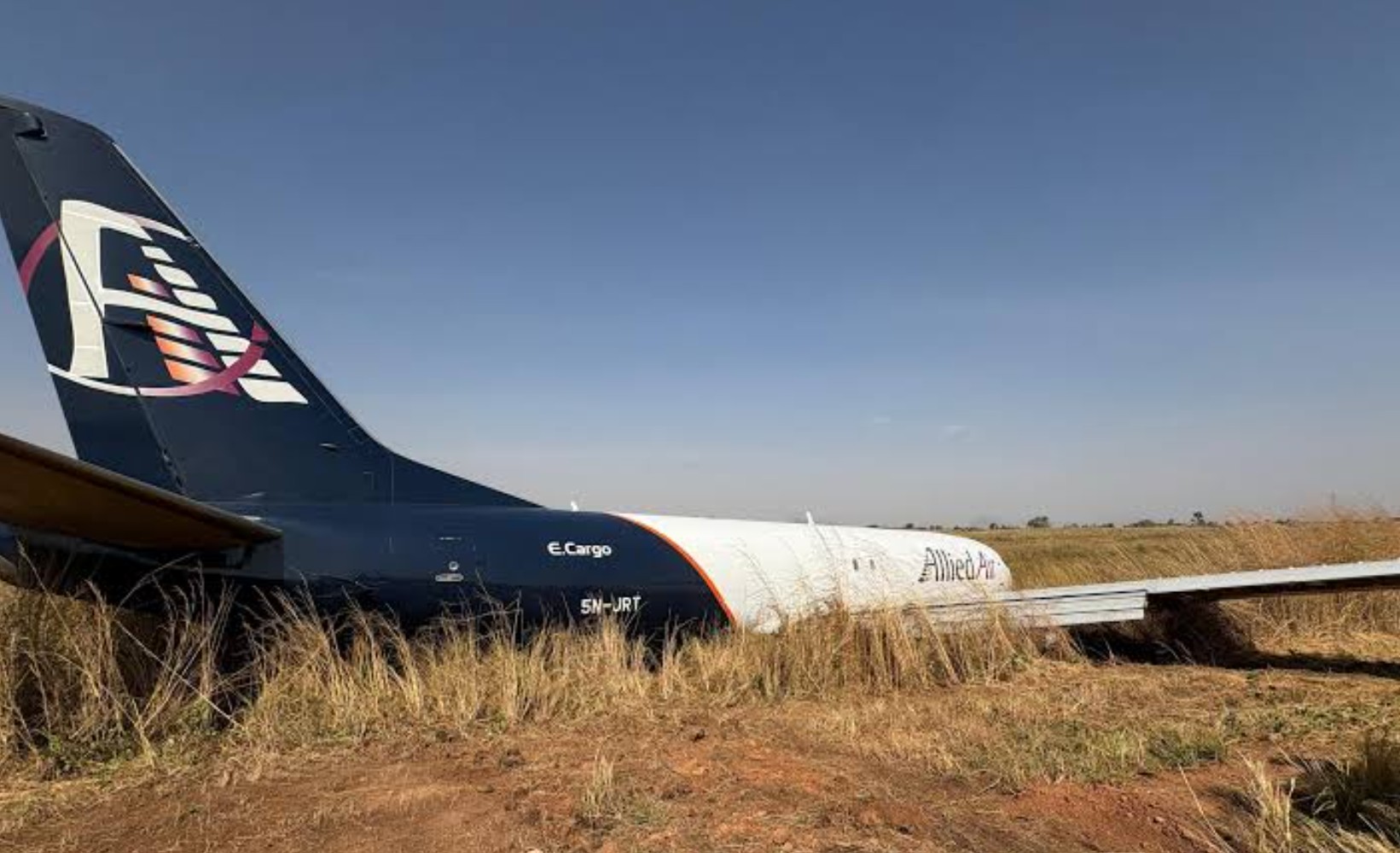
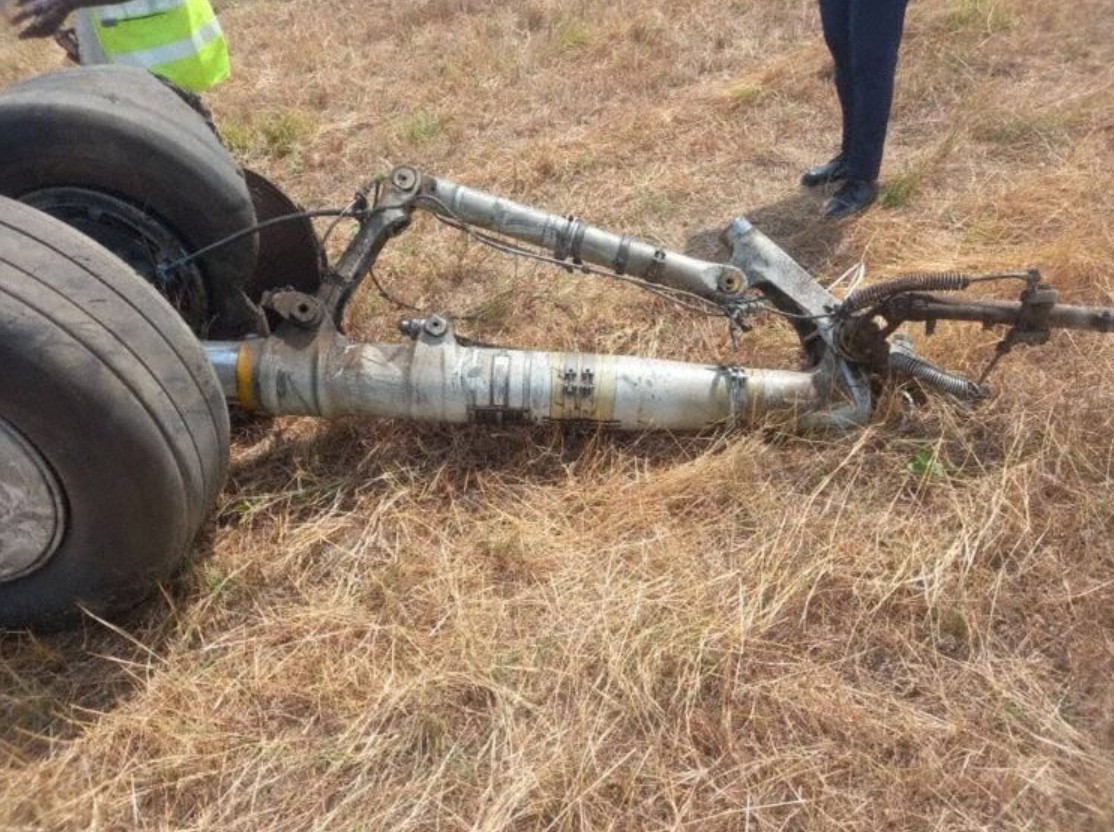
The airplane was on a cargo service (flight AJK206) from Lagos with a crew of five on board. After landing on runway 22 at Abuja-Nnamdi Azikiwe Airport, the airplane veered off runway to the right. Contacting soft ground, it lost a gear and came to a halt in a ditch. All five crew members escaped uninjured.
Crash of a Boeing 737-476 in Vilnius: 1 killed

Date & Time: Nov 25, 2024 at 0528 LT
Type of aircraft:
Operator:
Registration:
EC-MFE
Flight Type:
Survivors:
Yes
Schedule:
Leipzig – Vilnius
MSN:
24445/2539
YOM:
1993
Flight number:
BCS18D
Country:
Region:
Crew on board:
2
Crew fatalities:
Pax on board:
2
Pax fatalities:
Other fatalities:
Total fatalities:
1
Circumstances:
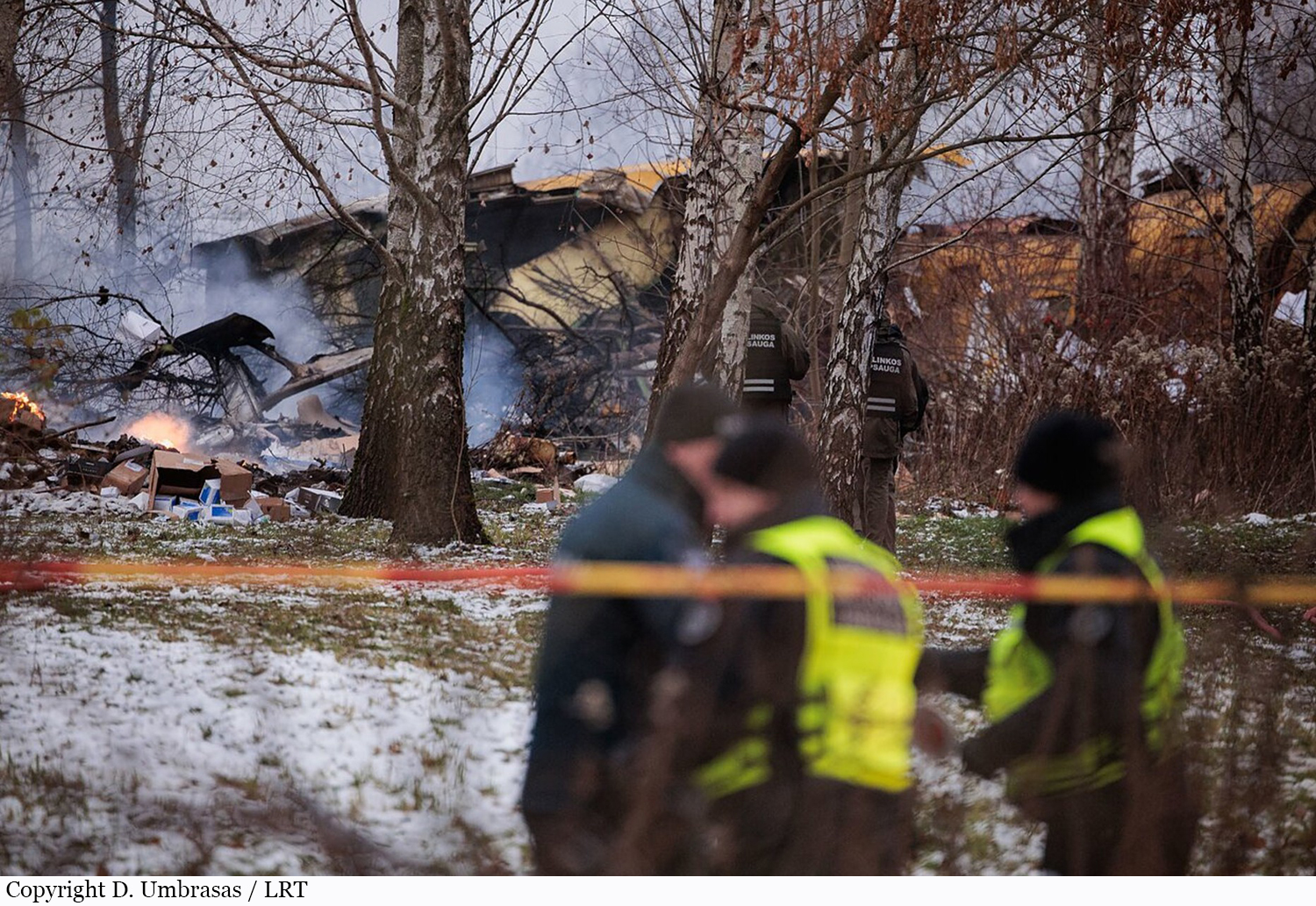
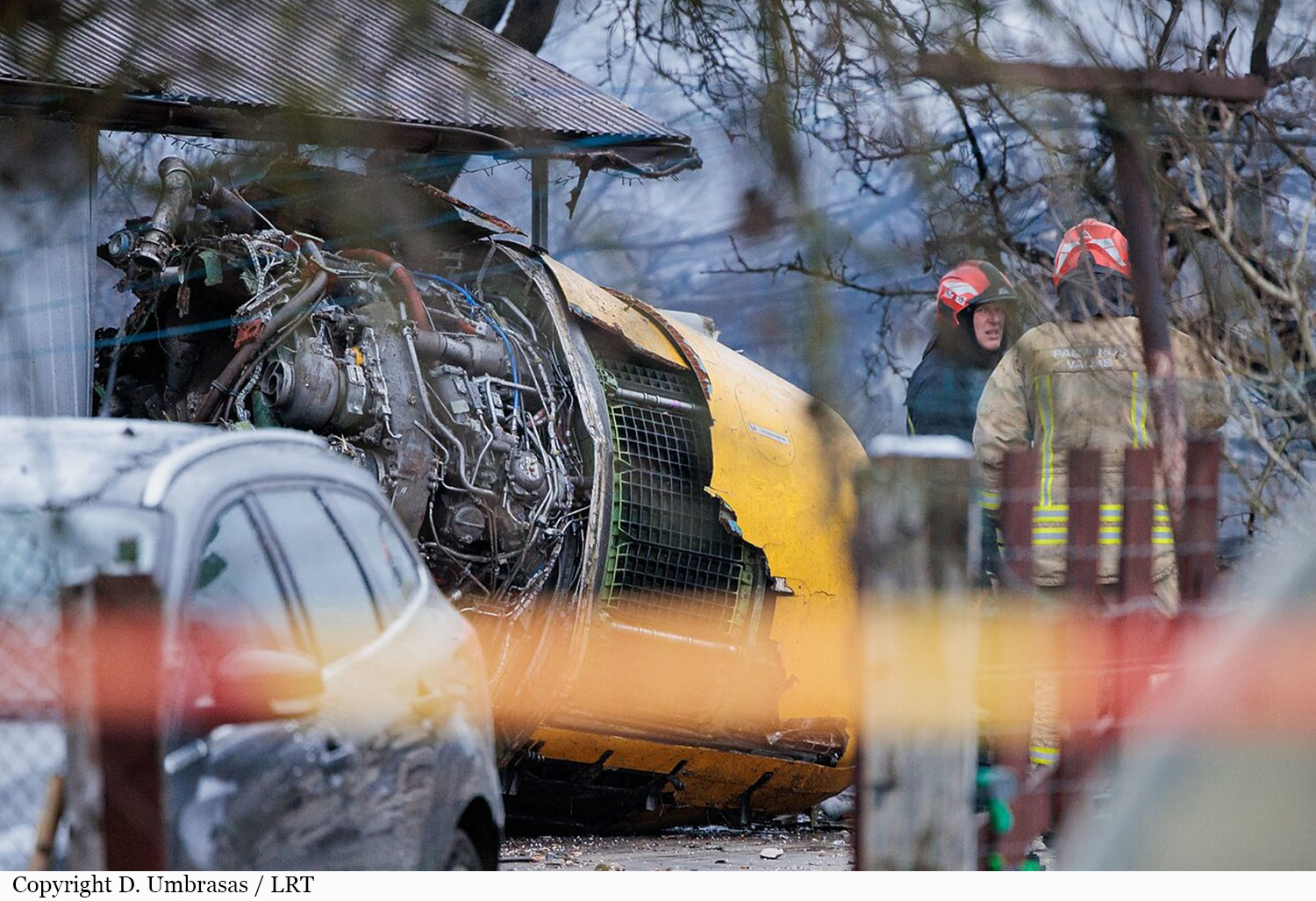
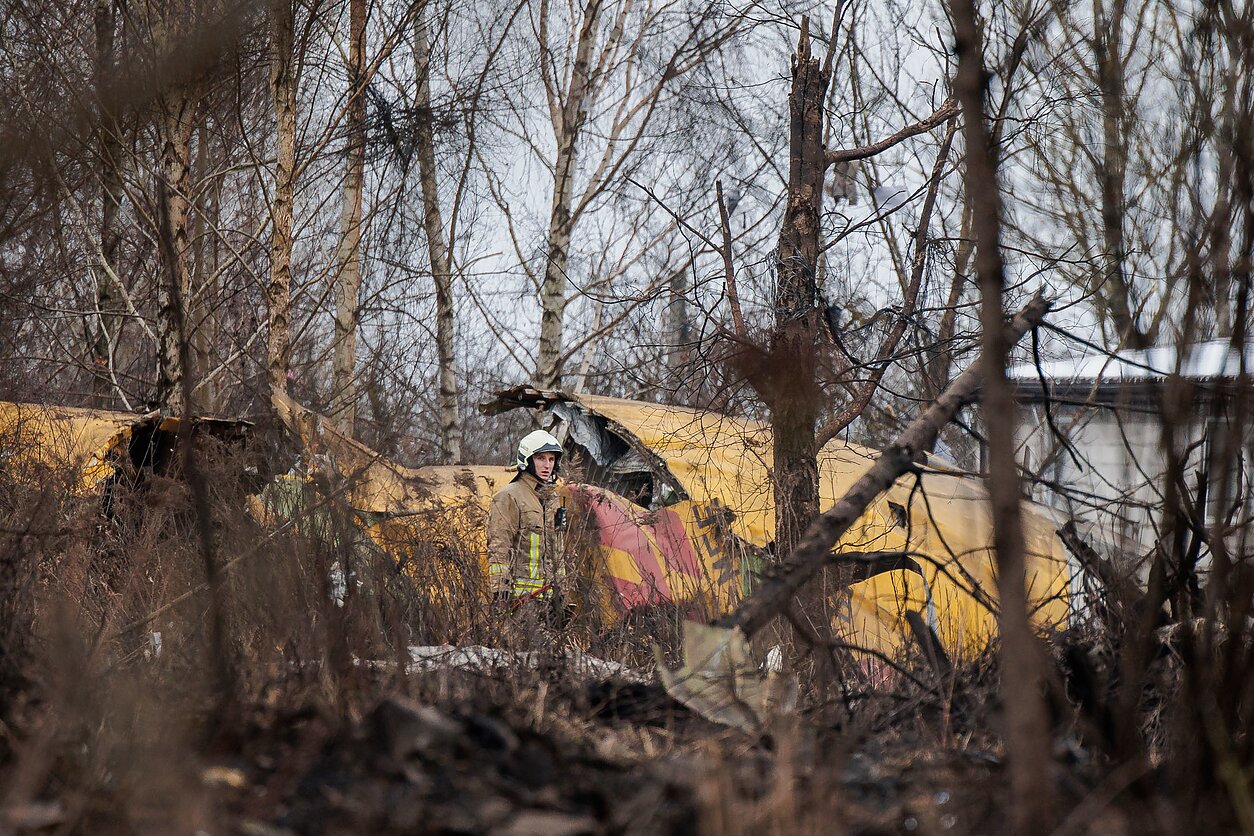
The airplane departed Leipzig-Halle Airport at 0308LT on a cargo service (flight BCS18D) to Vilnius on behalf of DHL Airways, carrying two passengers and two crew members. On final approach to Vilnius Airport at night and marginal weather conditions, the airplane descended too low and crashed into houses, bursting into flames. The wreckage was found about 1,400 metres short of runway 19. A pilot was killed and three other occupants were injured. The airplane was totally destroyed.

Fire of a Boeing 737-4Q8 in São Paulo

Date & Time: Nov 7, 2024 at 0042 LT
Type of aircraft:
Operator:
Registration:
PS-TLB
Flight Type:
Survivors:
Yes
Schedule:
Vitória – São Paulo
MSN:
26299/2602
YOM:
1994
Flight number:
TTL5682
Country:
Crew on board:
2
Crew fatalities:
Pax on board:
0
Pax fatalities:
Other fatalities:
Total fatalities:
0
Circumstances:
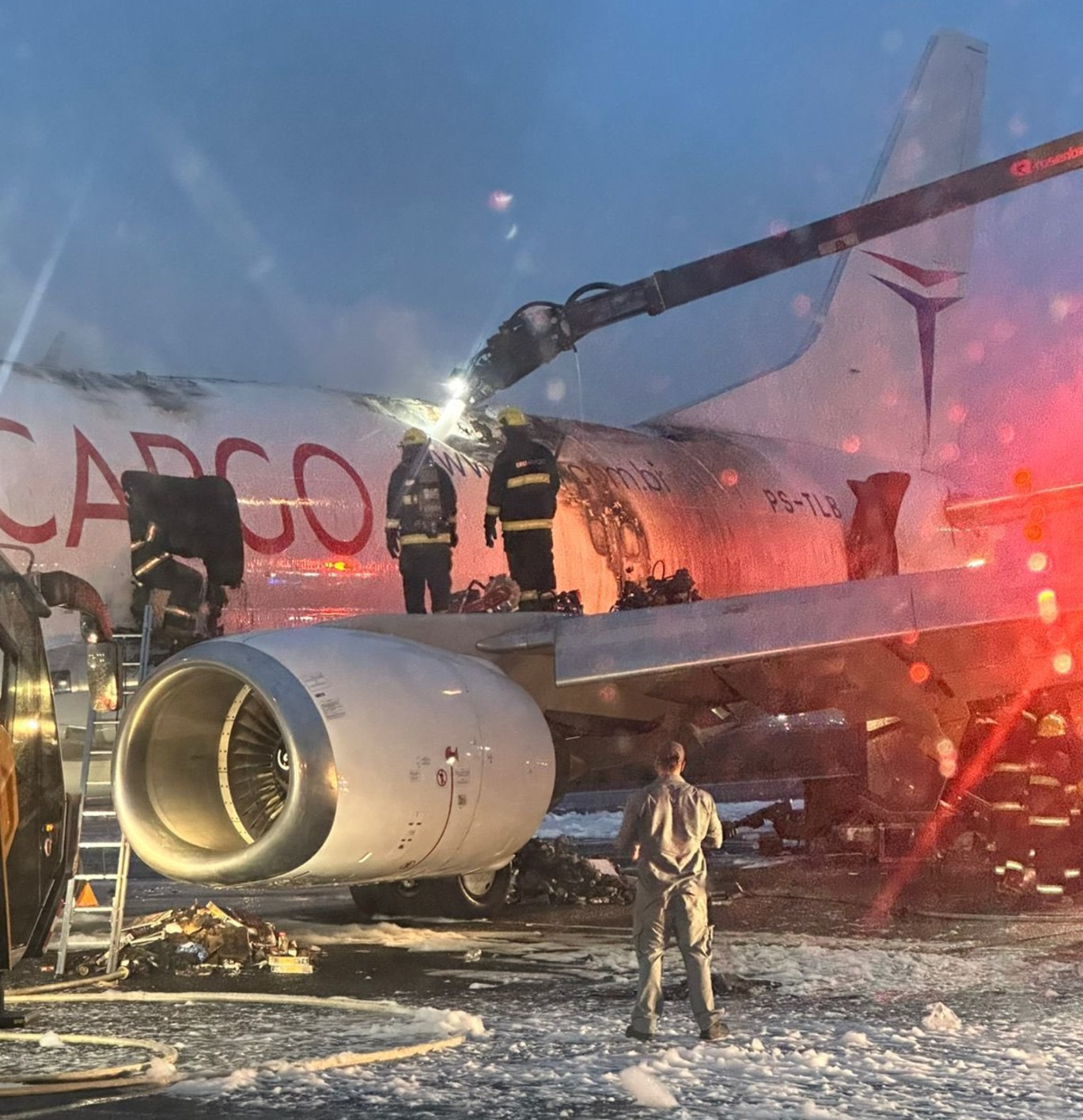
The airplane departed Vitória-Eurico de Aguiar Salles Airport at 2334LT on November 6 on a cargo service to São Paulo-Guarulhos Airport, carrying two pilots and a load of various goods. On approach to runway 28L, the crew declared an emergency after a fire declared in the cargo compartment. The crew was able to continue the approach, landed safely and stopped the airplane on runway 28L. Both pilots were quickly evacuated and the airplane was partially destroyed by fire.

Crash of a Beechcraft 99 Airliner in Norfolk: 1 killed

Date & Time: Oct 7, 2024 at 1938 LT
Type of aircraft:
Operator:
Registration:
N130GP
Flight Phase:
Flight Type:
Survivors:
No
Schedule:
Norfolk - Omaha
MSN:
U-222
YOM:
1984
Flight number:
AMF1685
Crew on board:
1
Crew fatalities:
Pax on board:
0
Pax fatalities:
Other fatalities:
Total fatalities:
1
Circumstances:
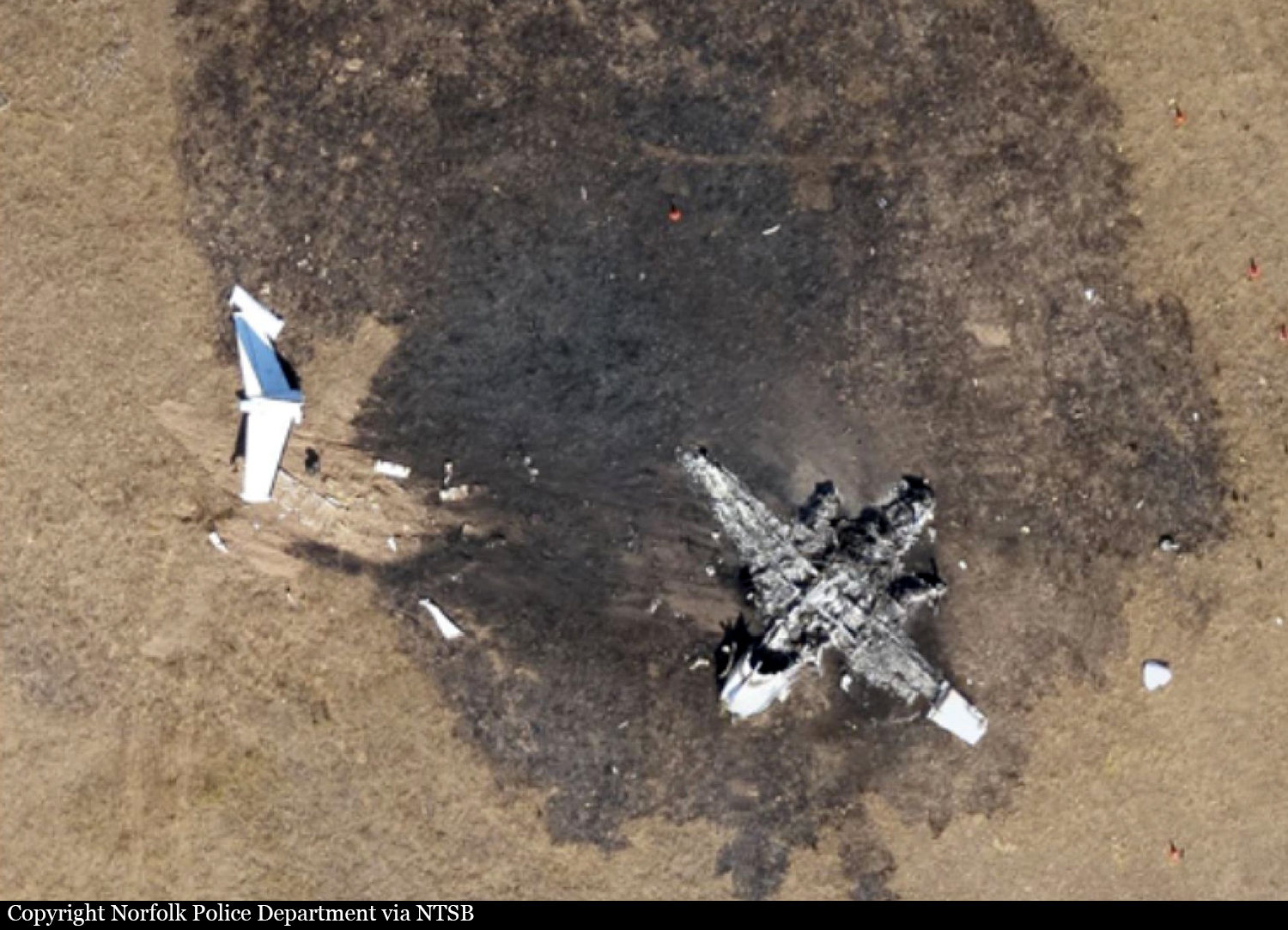
Shortly after takeoff from Norfolk-Karl Stefan Airport, while in initial climb, the twin engine airplane went out of control and crashed in an open field located one-half mile south of the runway. The airplane was destroyed and the pilot, sole on board, was killed.

Crash of a Boeing 737-3Y0 in Kinshasa

Date & Time: May 5, 2024 at 1900 LT
Type of aircraft:
Operator:
Registration:
9S-AKK
Flight Type:
Survivors:
Yes
MSN:
24916/2066
YOM:
1991
Region:
Crew on board:
2
Crew fatalities:
Pax on board:
0
Pax fatalities:
Other fatalities:
Total fatalities:
0
Circumstances:
On approach to Kinshasa-N'Djili Airport, at an altitude of 11,000 feet, the crew encountered technical problems with the left engine that was shut down. The crew continued the approach and was cleared to land on runway 24. After touchdown, the crew started the braking procedure and activated the right reverser when the airplane veered off runway to the right and came into soft ground. The nose gear collapsed and the airplane came to rest. There were no injuries among the occupants.

Crash of a Douglas C-54D-DC Skymaster in Fairbanks: 2 killed

Date & Time: Apr 23, 2024 at 1003 LT
Type of aircraft:
Operator:
Registration:
N3054V
Flight Phase:
Flight Type:
Survivors:
No
Schedule:
Fairbanks – Kobuk
MSN:
10547
YOM:
1945
Crew on board:
2
Crew fatalities:
Pax on board:
0
Pax fatalities:
Other fatalities:
Total fatalities:
2
Captain / Total flying hours:
35547
Copilot / Total flying hours:
10769
Aircraft flight hours:
24726
Circumstances:
The purpose of the flight was to transport 3,400 gallons of unleaded fuel and two 100-gallon propane tanks from Fairbanks International Airport (FAI), to Kobuk Airport (OBU), Kobuk, Alaska. The airplane departed about 0955. An eyewitness reported seeing the airplane flying to the west and stated that the far left engine was not running. They also noticed a small, white plume of smoke coming from that engine. The airplane started to turn to the south, and at that point he noticed that the engine was on fire. About three minutes after departure, the pilot reported to air traffic control that there was a fire onboard and began a left turn back to the airport. Video surveillance showed white smoke begin to develop behind the No. 1 engine, followed by flames. Seconds later, a bright white explosion could be seen just behind the No. 1 engine. The airplane then entered an uncontrolled, descending left turn into terrain. The No. 1 engine separated from the wing about 100 ft above the ground and landed on a frozen river. About two minutes later, the video showed a large explosion. The University of Alaska Fairbanks (UAF) detected multiple low frequency sound (infrasound) signals associated with the accident. Based on the data collected by UAF, the first explosion was at 1001, the airplane impacted terrain at 1003, and the second explosion was at 1006. The airplane was totally destroyed by impact forces and a post crash fire and both crew members were fatally injured.
Probable cause:
A loss of power of the No. 1 engine for reasons that could not be determined, and the incorrect installation of a B-nut fitting in the propeller feathering system, which allowed engine oil to spray onto the exhaust system when the propeller was feathered following the loss of engine power. Contributing to the accident was an incorrectly repaired fuel leak, which resulted in an explosion that separated the aileron bell housing that resulted in a loss of control and subsequent impact with terrain.
Final Report:

Crash of a Boeing 727-2Q9 in Malakal

Date & Time: Mar 31, 2024
Type of aircraft:
Operator:
Registration:
5Y-IRE
Flight Type:
Survivors:
Yes
Schedule:
Juba - Malakal
MSN:
21931/1531
YOM:
1979
Country:
Region:
Crew on board:
3
Crew fatalities:
Pax on board:
4
Pax fatalities:
Other fatalities:
Total fatalities:
0
Circumstances:
Following a cargo flight from Juba, the airplane crashed upon landing at Malakal Airport. It veered off runway and eventually collided with a parked MD-82 registered 5Y-AXL that suffered an accident at the same airport last February 9. The airplane was destroyed and all seven occupants were rescued.

Crash of a Pilatus PC-6/B2-H4 Turbo Porter near Long Liku: 1 killed

Date & Time: Mar 8, 2024 at 0900 LT
Operator:
Registration:
PK-SNE
Flight Phase:
Flight Type:
Survivors:
Yes
Site:
Schedule:
Tarakan - Binuang
MSN:
1017
YOM:
2021
Country:
Region:
Crew on board:
2
Crew fatalities:
Pax on board:
0
Pax fatalities:
Other fatalities:
Total fatalities:
1
Circumstances:
The single engine airplane departed Tarakan on a cargo service to Binuang, carrying two crew members and a load of 583 kilos of food supplies. En route, the airplane collided with trees and crashed on the slope of a wooded mountain located in the Long Liku area. Rescue teams arrive on site the following day. The pilot was injured and the flight engineer was killed. The airplane was destroyed.

Crash of a Beechcraft C99 Airliner in Londonderry

Date & Time: Jan 26, 2024 at 0726 LT
Type of aircraft:
Operator:
Registration:
N53RP
Flight Phase:
Flight Type:
Survivors:
Yes
Schedule:
Manchester - Presque Isle
MSN:
U-195
YOM:
1982
Flight number:
WIG1046
Crew on board:
1
Crew fatalities:
Pax on board:
0
Pax fatalities:
Other fatalities:
Total fatalities:
0
Circumstances:
The twin engine airplane departed Manchester-Boston Regional Airport Runway 06 at 0709LT on a cargo service (flight WIG1046) to Presque Isle. After takeoff, the airplane entered a left turn and climbed to 2,700 feet when the pilot reported problems to ATC. He followed several circuits over Manchester, Auburn and Merrimack with erratic courses and varying altitude and speed. Finally, the airplane entered a right turn and crashed in a forest located near Londonderry, about 8 km south of Manchester Airport. The accident occurred 17 minutes after departure. The pilot was seriously injured and the airplane was destroyed.

Crash of a Learjet 55 Longhorn in Livingston

Date & Time: Jan 11, 2024 at 0837 LT
Type of aircraft:
Operator:
Registration:
N558RA
Flight Type:
Survivors:
Yes
Schedule:
Pontiac - Livingston
MSN:
55-086
YOM:
1983
Flight number:
RAX698
Crew on board:
2
Crew fatalities:
Pax on board:
0
Pax fatalities:
Other fatalities:
Total fatalities:
0
Captain / Total flying hours:
31800
Captain / Total hours on type:
800.00
Copilot / Total flying hours:
1726
Copilot / Total hours on type:
9
Aircraft flight hours:
14135
Circumstances:
The pilot in command of the airplane reported that, while on an instrument GPS approach, they listened to the automated surface observing system several times and determined that they would be landing with a “light quartering tailwind” on an upsloping runway. Once clear of clouds and with the runway in sight, the pilot canceled the instrument flight rules clearance, announced their position over the airport’s common traffic advisory frequency and received a reply with a report of 1/4 inch of dry snow covering the runway, unplowed. During the landing roll, they applied brakes, extended spoilers, and thrust reversers. Initially the airplane slowed; however, about halfway down the runway, the airplane’s antiskid system was functioning continuously, and the airplane’s rate of deceleration decreased. The pilot was unsure if the thrust reversers deployed, and he cycled the thrust reversers and did not feel any effects. The pilot stated that, in his experience, the airplane’s thrust reversers do not feel very effective. The pilot considered aborting the landing, started to clean up the airplane but thought it was too late. The airplane overran the departure end of the runway, onto a grass covered area and into a deep ravine, resulting in substantial damage to the fuselage and both wings. The pilot reported that there were no preaccident mechanical failures or malfunctions with the airplane that would have precluded normal operation. The automated weather observation station located on the airport reported that, about 44 minutes before the accident, the wind was from 090° at 12 knots. The same automated station reported that, about 16 minutes after the accident, the wind was from 090° at 12 knots. The airplane landed on runway 22. The fixed based operator owner reported that, on the day of the accident, his review of the runway conditions at the airport appeared to be around an inch of snow on the runway surface. Additionally, plowing at the airport so far this year had been “abysmal.” Big windrows and ice chunks have been left; taxiway corners had been built up to the point there could be an occurrence should an airplane be taxiing by. Earlier this year, several departures were delayed due to the runway not being plowed. According to the chairman of the airport board, there is no formal process to conduct runway assessments. However, an airport board member lives in the area and routinely visits the airport to conduct runway assessments. The runway assessments and frequency of the observations are not documented but are conveyed verbally to the airport board via cell phone. To the best of his knowledge, there is no formal snow or ice removal plan. When the runway is required to be cleared, a board member will use county provided equipment to clear the runway. The frequency of the snow removal is not documented. The airport snow removal equipment is limited to clear substance to ½ inch of the runway surface. On the day of the accident, he was not aware of a Notice to Air Misson (NOTAM) issued for the conditions of the runway environment. According to the airplane manufacturer, the estimated landing distance on a dry runway was about 3,350 ft, with loose snow and no tailwind the estimated landing distance was about 6,700 ft, and on loose snow with tailwind, the estimated landing distance was 7,531 ft. According to the Federal Aviation Administration, the airport is not required to have a snow and ice control plan. However, the airport was provided federal funds (grant) to purchase/acquire a snowplow to maintain the airport surfaces during inclement weather conditions. There may be times where issues arise, and action is delayed. In that case it is expected that a NOTAM be issued as outlined in the grant agreement.
Probable cause:
The flight crew’s decision to land on a snow-covered runway with a tailwind, resulting in a runway excursion and subsequent impact with terrain. Contributing to the accident, was the failure of the airport authority to plow the runway.
Final Report: