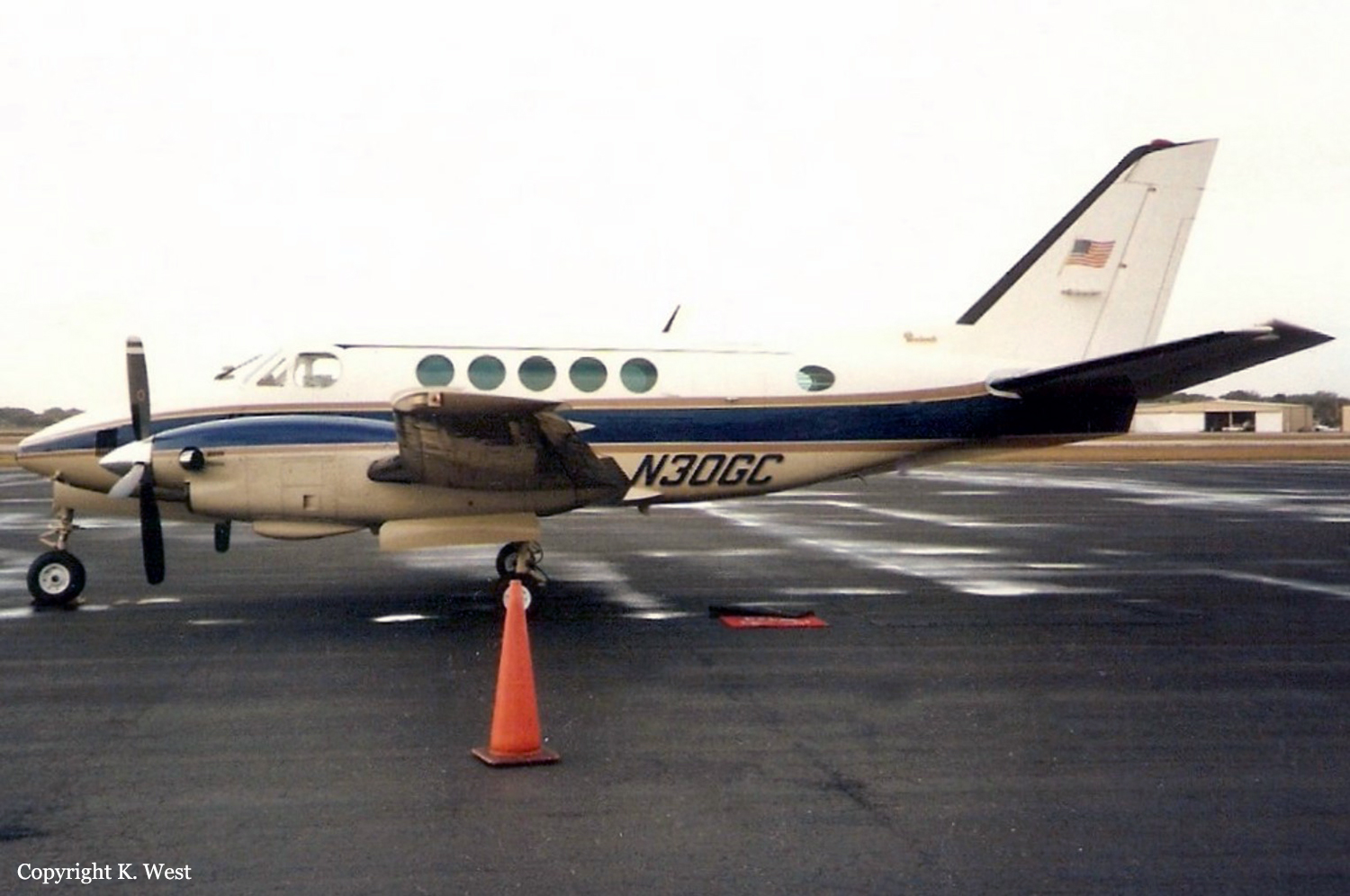
Crash of a Beechcraft A100 King Air in Chino: 2 killed

Date & Time: Nov 6, 2007 at 0918 LT
Type of aircraft:
Operator:
Registration:
N30GC
Flight Phase:
Survivors:
No
Schedule:
Chino - Visalia
MSN:
B-177
YOM:
1973
Crew on board:
1
Crew fatalities:
Pax on board:
1
Pax fatalities:
Other fatalities:
Total fatalities:
2
Captain / Total flying hours:
3136
Aircraft flight hours:
11849
Circumstances:
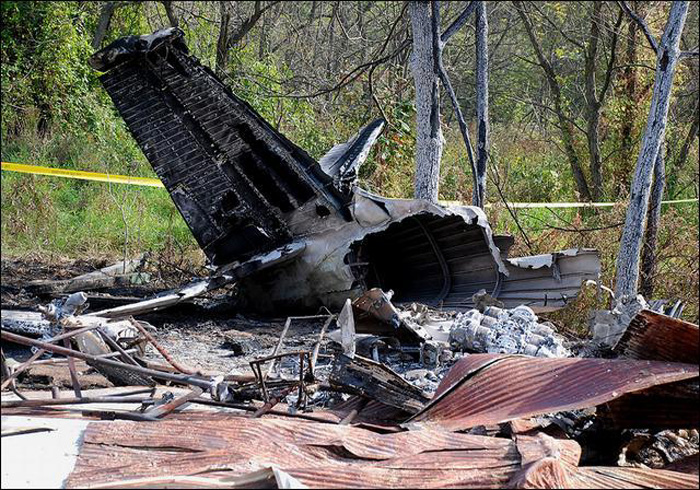
The reported weather at the time of the accident was calm winds, a 1/4-mile visibility in fog and a vertical visibility of 100 feet. Shortly after takeoff for the instrument-flight-rules flight, the airplane made a slight turn to the left and impacted the tops of 25-foot trees about a 1/2 mile from the runway. An enhanced ground proximity warning system was installed on the airplane and data extraction from the system indicated that the airplane achieved an initial positive climb profile with a slight turn to the left and then a descent. A witness reported hearing the crash and observed the right wing impact the ground and burst into flames. The airplane then cartwheeled for several hundred feet before coming to rest inverted. The airframe, engines, and propeller assemblies were inspected with no mechanical anomalies noted that would have precluded normal flight.
Probable cause:
The pilot's failure to maintain a positive climb rate during an instrument takeoff. Contributing to the accident was the low visibility.
Final Report:
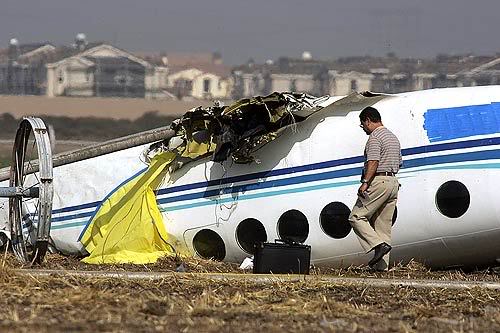
Crash of a Cessna 340 in Garberville: 3 killed

Date & Time: Nov 6, 2007 at 0855 LT
Type of aircraft:
Operator:
Registration:
N5049Q
Survivors:
No
Schedule:
Redding – Garberville
MSN:
340-0016
YOM:
1971
Crew on board:
1
Crew fatalities:
Pax on board:
2
Pax fatalities:
Other fatalities:
Total fatalities:
3
Captain / Total flying hours:
18500
Aircraft flight hours:
7691
Circumstances:
The pilot arrived in the vicinity of his destination airport, which was located in a narrow river valley. The airport was located within a large area of Visual Flight Rules (VFR) conditions with clear skies and almost unlimited visibility, but the pilot discovered that the airport was covered by a localized dense layer of fog about 200 to 250 feet thick. There were no instrument approaches to the non-controlled airport. Witnesses reported that the pilot flew at low-level up the valley, and eventually entered the fog as the flight approached the airport. About one mile prior to reaching the airport, the pilot attempted to climb out of the valley, but the airplane began impacting trees on the rising terrain. The airplane eventually sustained sufficient damage from impacting the trees that it descended into the terrain. Post-accident inspection of the airframe and engines found no evidence of a mechanical failure or malfunction.
Probable cause:
The pilot's intentional visual flight rules (VFR) flight into instrument meteorological conditions (IMC), and his failure to maintain clearance from the trees and terrain during climb. Contributing to the accident were the weather conditions of fog and a low ceiling, and the mountainous/hilly terrain.
Final Report:

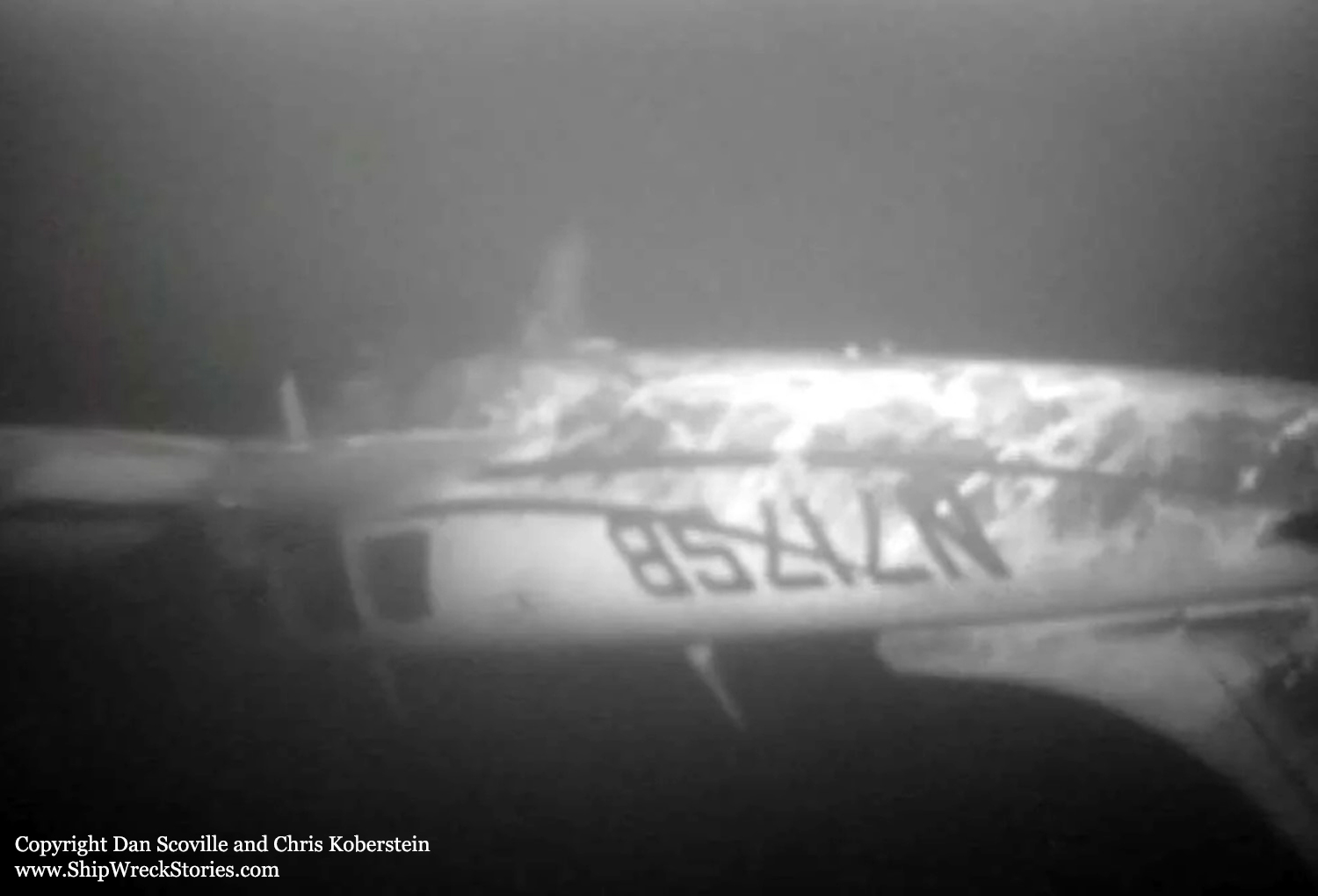
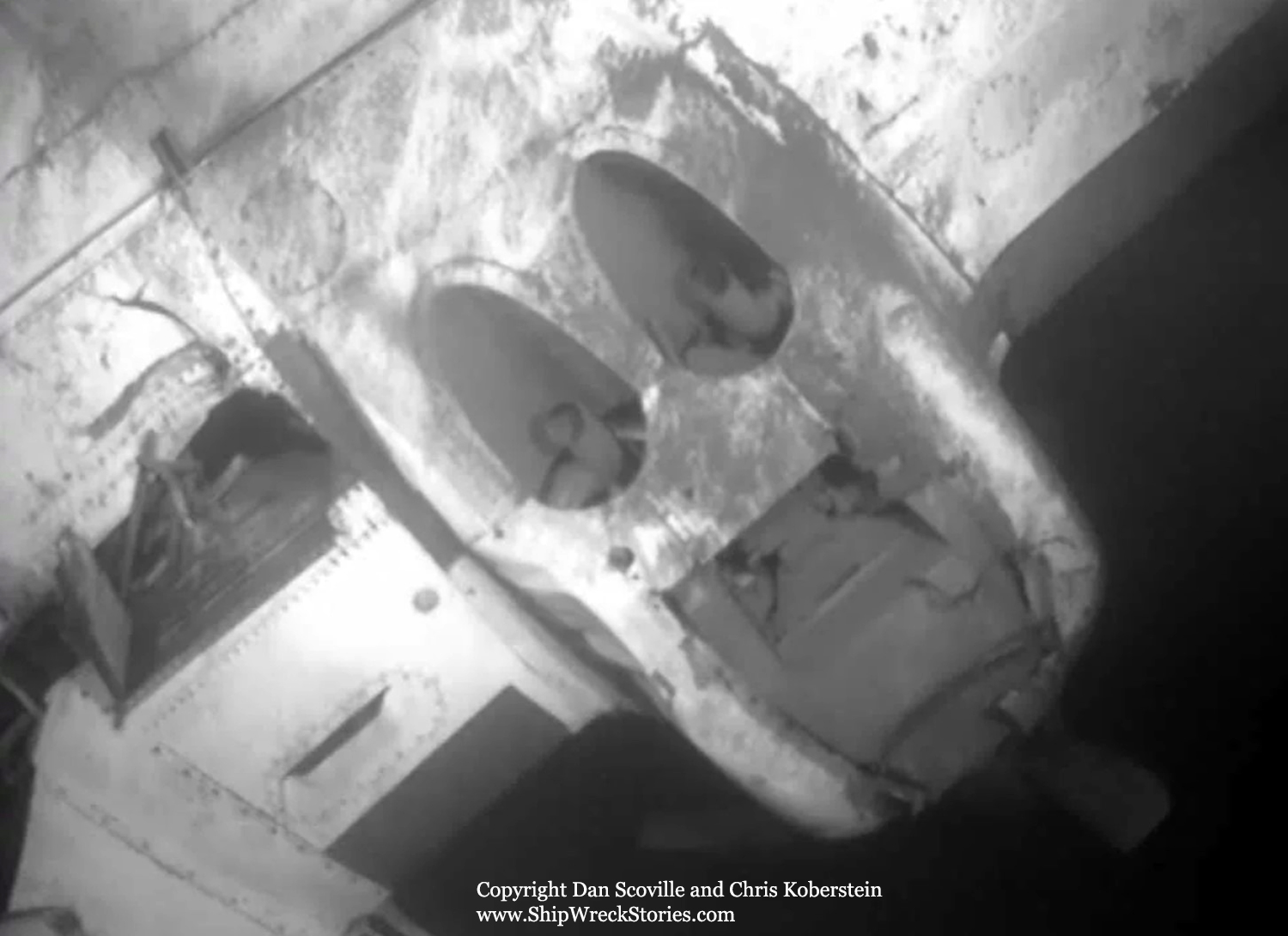
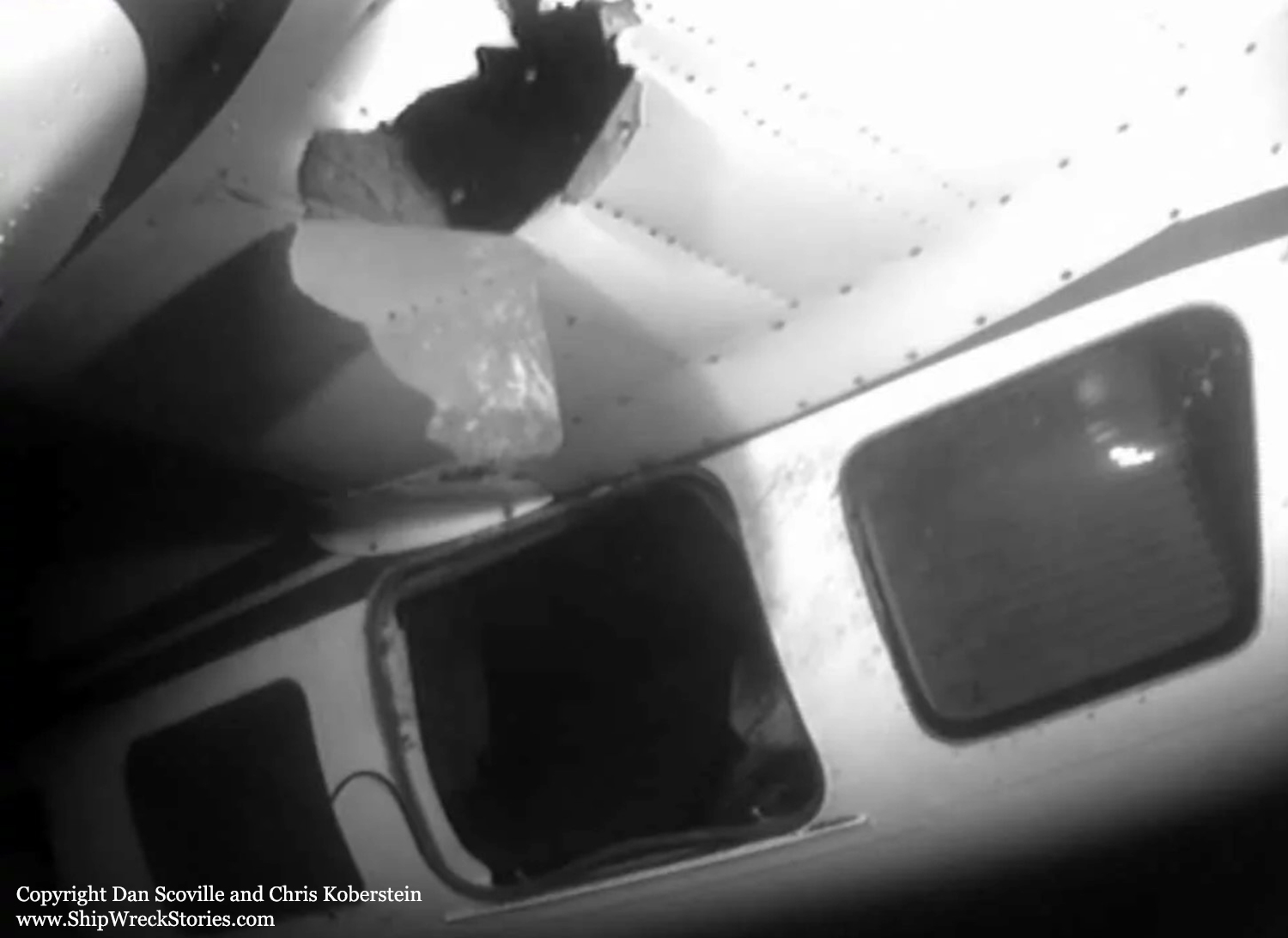
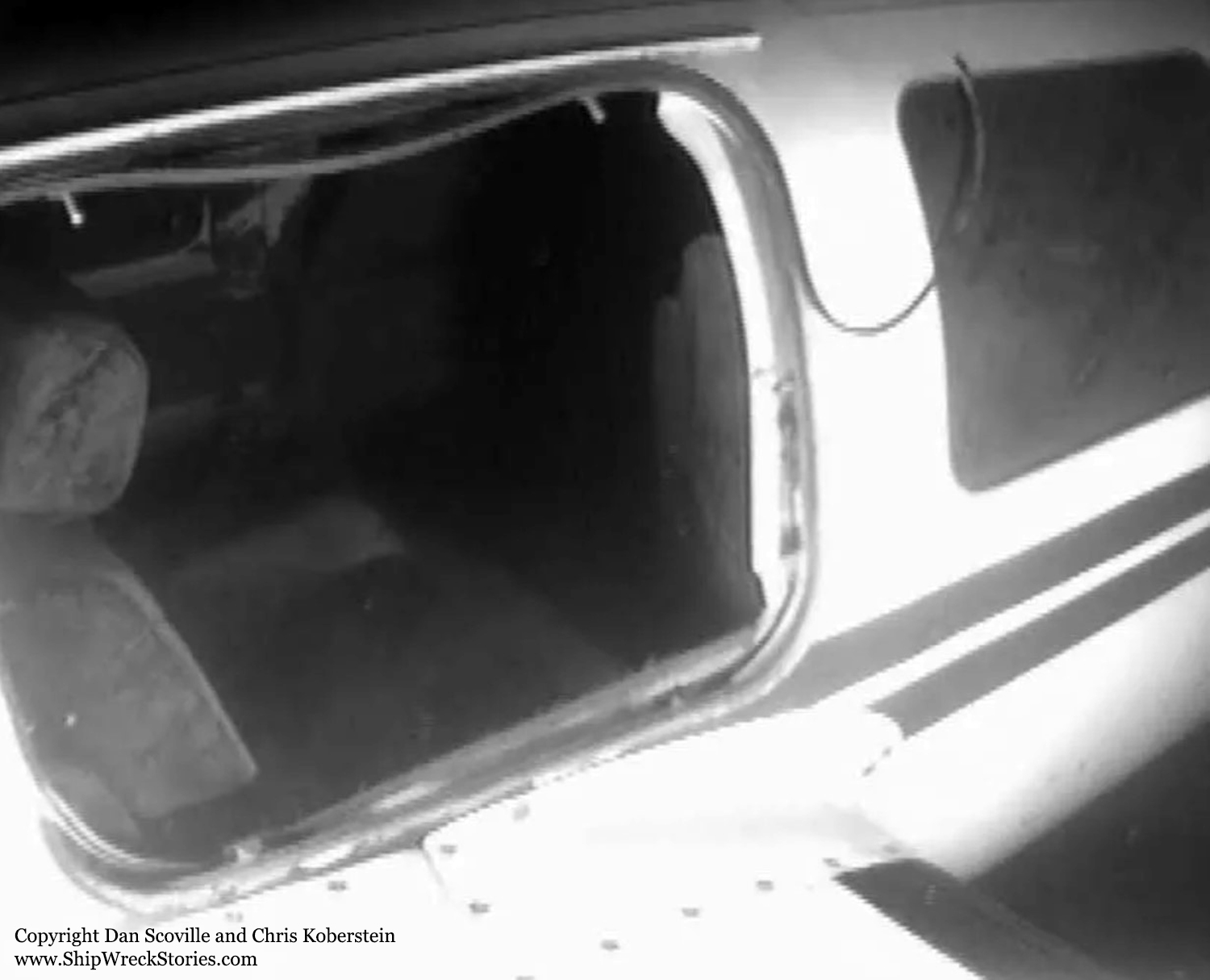
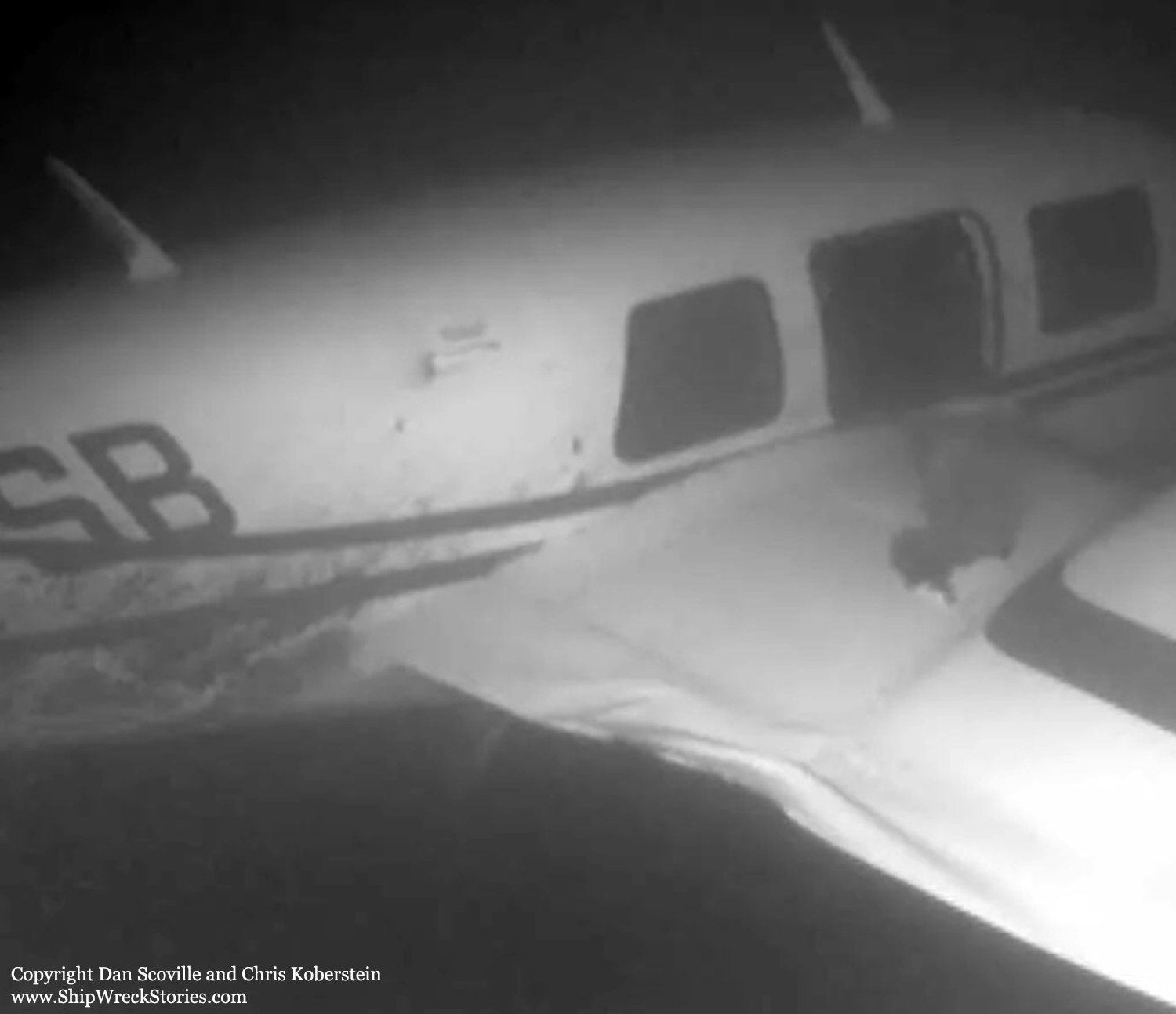
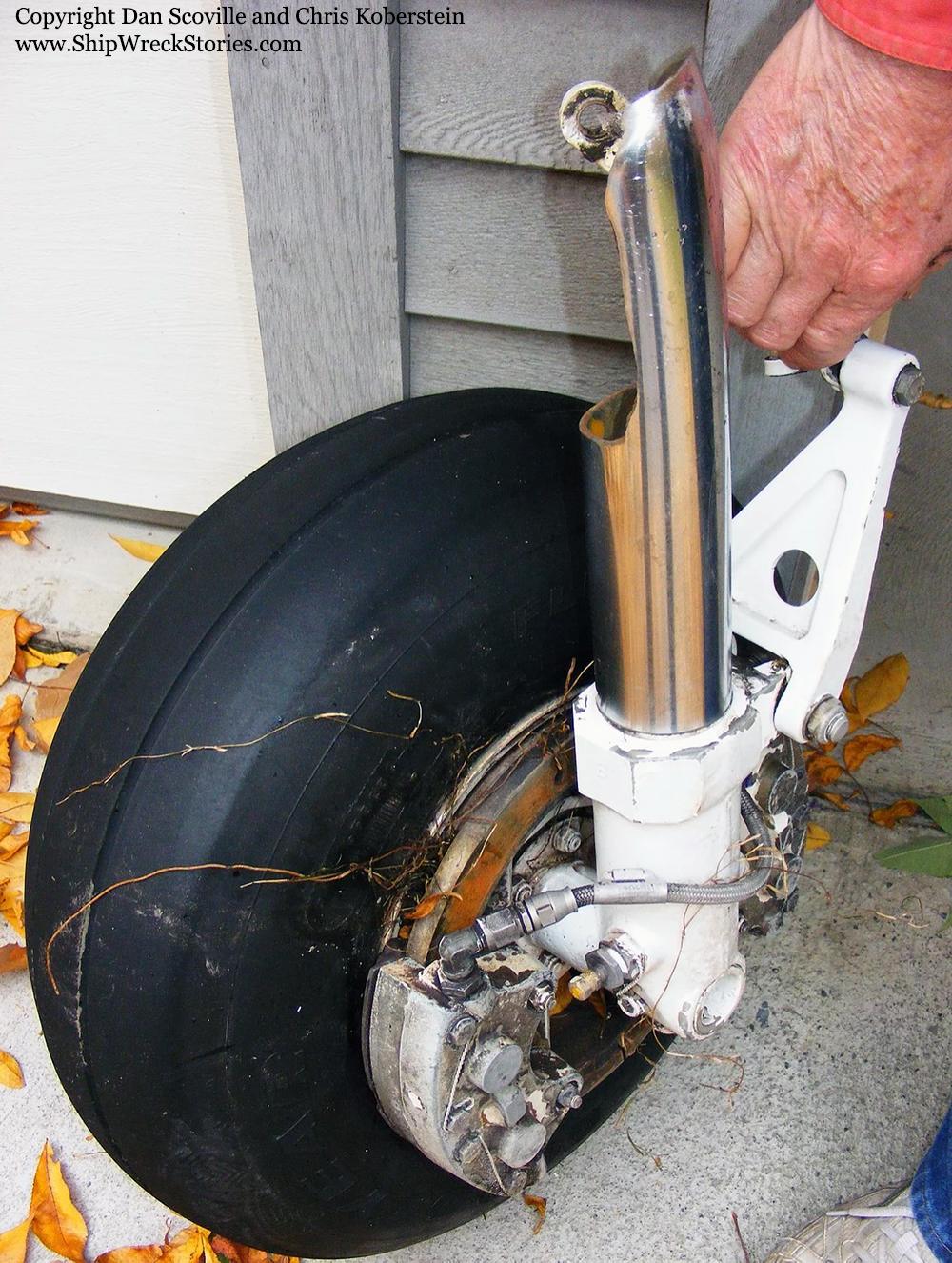
Crash of a Piper PA-61 Aerostar (Ted Smith 601) near Penn Yan

Date & Time: Oct 28, 2007 at 1330 LT
Operator:
Registration:
N717SB
Flight Phase:
Flight Type:
Survivors:
Yes
Schedule:
Rochester – Danbury
MSN:
61-0808-8063418
YOM:
1980
Crew on board:
1
Crew fatalities:
Pax on board:
0
Pax fatalities:
Other fatalities:
Total fatalities:
0
Captain / Total flying hours:
2413
Captain / Total hours on type:
1683.00
Aircraft flight hours:
2619
Circumstances:
The private pilot was continuing a cross-country flight after having stopped for fuel. About 20 minutes into the flight, the pilot said both engines started running rough, and he turned the airplane toward the nearest airport and descended. The pilot reported that he did not think the airplane would make it to the airport, and that due to the rugged terrain, he felt it was better to ditch the airplane in a large lake he was flying over. The pilot reported there were no mechanical anomalies prior to the loss of engine power. He said he felt that fuel contamination was the cause of the engine problem, and that not fueling during heavy rain might have prevented the problem. Fuel samples were taken from the fuel supply where he added fuel, and the equipment used to fuel the airplane. No other instances of fuel contamination were reported, and according to the FAA inspector the fuel samples were tested, and found to be clean. The airplane was not recovered from the lake, and has not been examined by the NTSB.
Probable cause:
The loss of engine power during cruise flight for an undetermined reason.
Final Report:
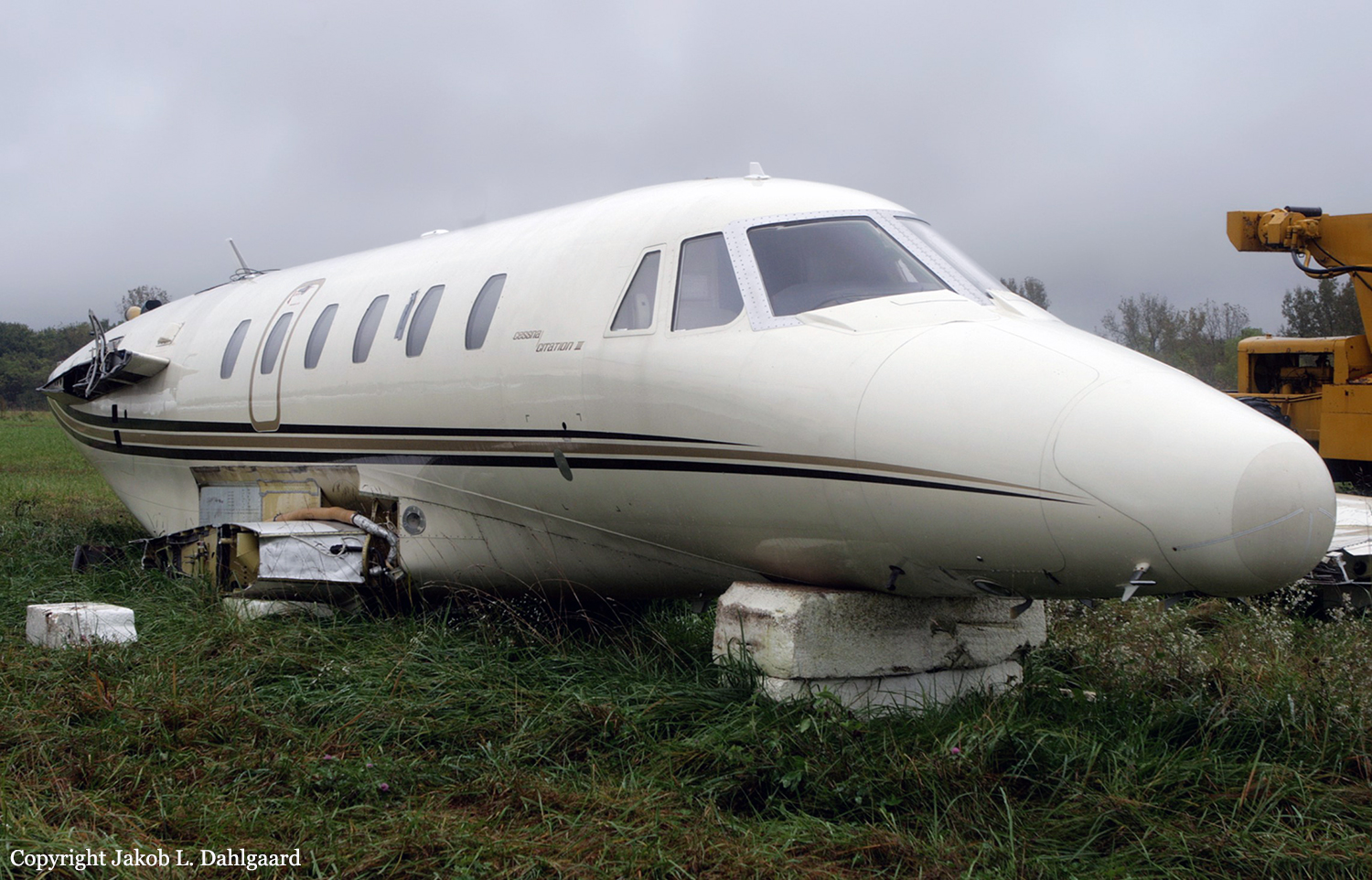
Crash of a Cessna 650 Citation III in Atlantic City

Date & Time: Oct 27, 2007 at 1110 LT
Type of aircraft:
Operator:
Registration:
N697MC
Flight Type:
Survivors:
Yes
Schedule:
Farmingdale – Atlantic City
MSN:
650-0097
YOM:
1985
Crew on board:
2
Crew fatalities:
Pax on board:
2
Pax fatalities:
Other fatalities:
Total fatalities:
0
Captain / Total flying hours:
9472
Captain / Total hours on type:
199.00
Copilot / Total flying hours:
2535
Copilot / Total hours on type:
120
Aircraft flight hours:
7052
Circumstances:
The first officer was flying the Area Navigation, Global Positioning System, approach to runway 22. During the approach, the airplane was initially fast as the first officer had increased engine power to compensate for wind conditions. Descending below the minimum descent altitude (MDA), the first officer momentarily deployed the speed brakes, but stowed them about 200 feet above ground level (agl), and reduced the engine power to flight idle. The airplane became low and slow, and developed an excessive sink rate. The airplane subsequently landed hard on runway 22, which drove the right main landing gear into the right wing, resulting in substantial damage to the right wing spar. The first officer reported intermittent airspeed fluctuations between his airspeed indicator and the captain's airspeed indicator; however, a subsequent check of the pitot-static system did not reveal any anomalies that would have precluded normal operation of the airspeed indicators. About the time of the accident, the recorded wind was from 190 degrees at 11 knots, gusting to 24 knots; and the captain believed that the airplane had encountered windshear near the MDA, with the flaps fully extended. Review of air traffic control data revealed that no windshear advisories were contained in the automated terminal information system broadcasts. Although the local controller provided windshear advisories to prior landing aircraft, he did not provide one to the accident aircraft. Review of the airplane flight manual (AFM) revealed that deploying the speed brakes below 500 feet agl, with the flaps in any position other than the retracted position, was prohibited.
Probable cause:
The first officer's failure to maintain airspeed during approach, and the captain's inadequate remedial action. Contributing to the accident was the first officer's failure to comply with procedures, windshear, and the lack of windshear warning from air traffic control.
Final Report:

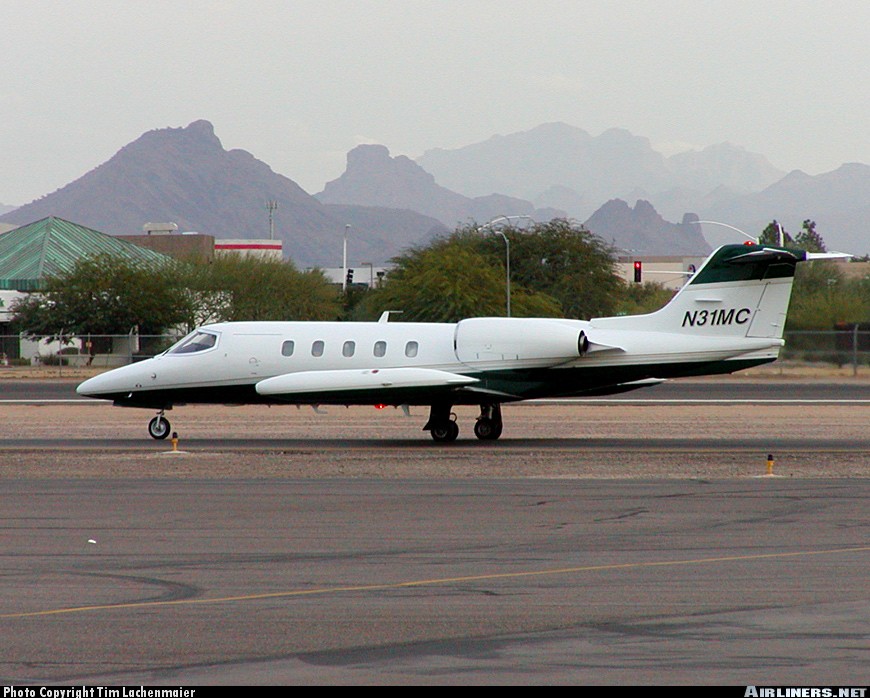
Crash of a Learjet 35A in Goodland

Date & Time: Oct 17, 2007 at 1010 LT
Type of aircraft:
Operator:
Registration:
N31MC
Survivors:
Yes
Schedule:
Fort Worth - Goodland
MSN:
35A-270
YOM:
1979
Location:
Crew on board:
2
Crew fatalities:
Pax on board:
0
Pax fatalities:
Other fatalities:
Total fatalities:
0
Captain / Total flying hours:
20000
Captain / Total hours on type:
7000.00
Copilot / Total flying hours:
9500
Copilot / Total hours on type:
700
Aircraft flight hours:
5565
Circumstances:
According to the flight crew, they exited the clouds approximately 250 feet above ground level, slightly left of the runway centerline. The pilot not flying took control of the airplane and adjusted the course to the right. The airplane rolled hard to the right and when the pilot corrected to the left, the airplane rolled hard to the left. The airplane impacted the ground in a right wing low attitude, resulting in substantial damage. Further examination and testing revealed anomalies with the yaw damper and spoileron computer. According to the manufacturer, these anomalies would not have prevented control of the airplane. Greater control wheel displacement and force to achieve a desired roll rate when compared with an operative spoileron system would be required. The result would be a slightly higher workload for the pilot, particularly in turbulence or crosswind conditions. An examination of the remaining systems revealed no anomalies.
Probable cause:
The pilot's failure to maintain aircraft control during the landing.
Final Report:

Crash of a Rockwell Aero Commander 560F in Cumberland: 4 killed

Date & Time: Oct 14, 2007 at 1030 LT
Operator:
Registration:
N6370U
Flight Phase:
Flight Type:
Survivors:
No
Schedule:
Cumberland - Atlantic City
MSN:
560-1416-68
YOM:
1964
Crew on board:
1
Crew fatalities:
Pax on board:
3
Pax fatalities:
Other fatalities:
Total fatalities:
4
Captain / Total flying hours:
21000
Aircraft flight hours:
3705
Circumstances:
The airplane was loaded to within a few hundred pounds of its maximum gross takeoff weight, and departed from an airport located in a valley, surrounded by rising terrain. Although visual conditions prevailed at the accident airport, fog was present in the adjacent valleys. During the initial climb after takeoff, the right engine lost partial power due to a failure of the number one cylinder exhaust valve. The pilot secured the right engine; however, he was unable to maintain a climb with only the left engine producing power. The airplane was manufactured in 1964. Review of weight and performance data published at the time of manufacture, revealed that the airplane should have been able to climb about 400 feet-per-minute with a single engine producing power. No current weight and balance data was recovered, and due to impact and fire damage, the preimpact power output of the left engine could not be determined. Both engines were last overhauled slightly more than 12 years prior to the accident, and flown about 310 hours during that time. For the make and model engine, the manufacturer recommended overhaul at 1,200 hours of operation, or during the twelfth year.
Probable cause:
A partial power loss in the right engine due to the failure of the number one exhaust valve, and the airplane's inability to maintain a climb on one engine for unknown reasons. Contributing to the accident were fog and rising terrain.
Final Report:

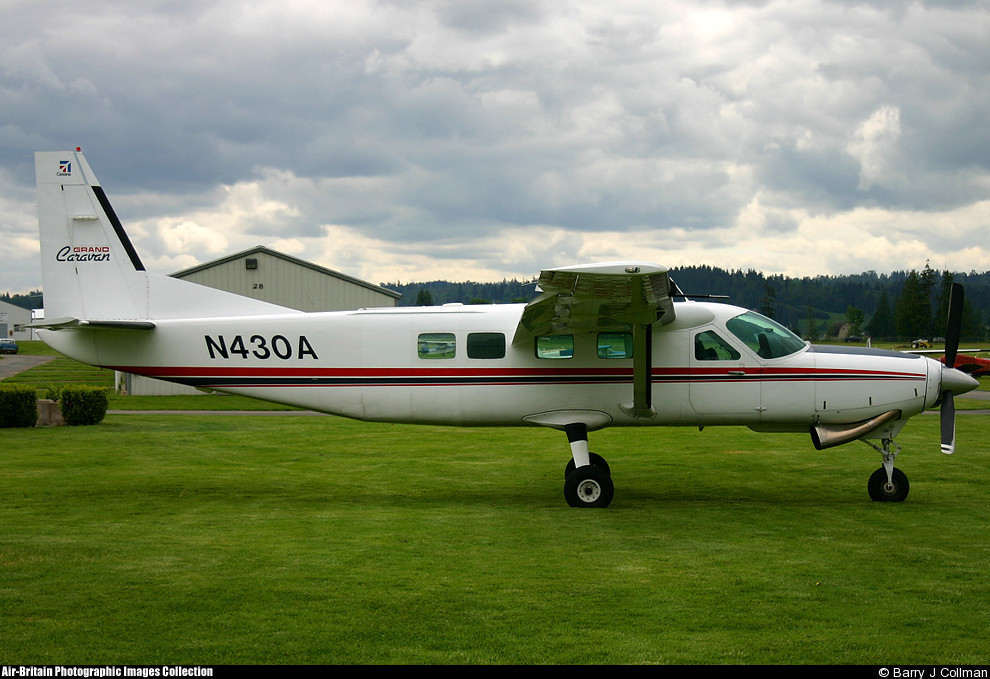
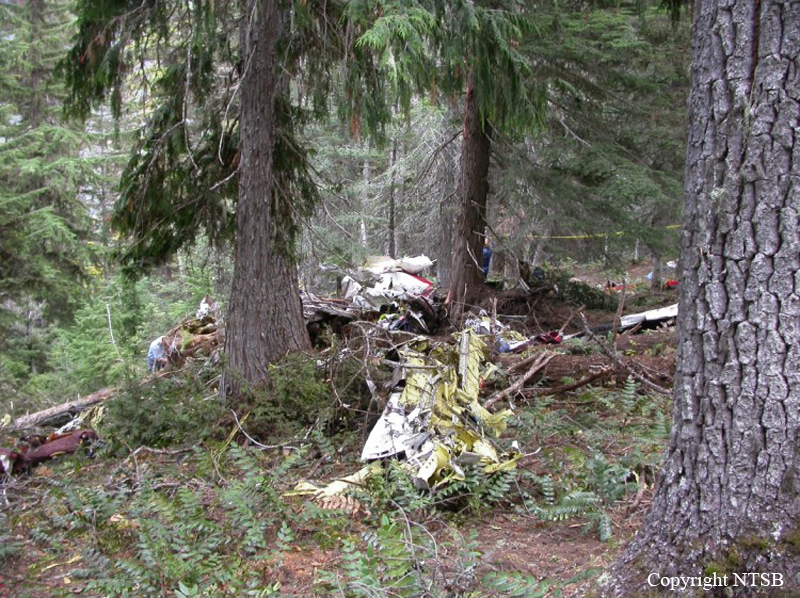
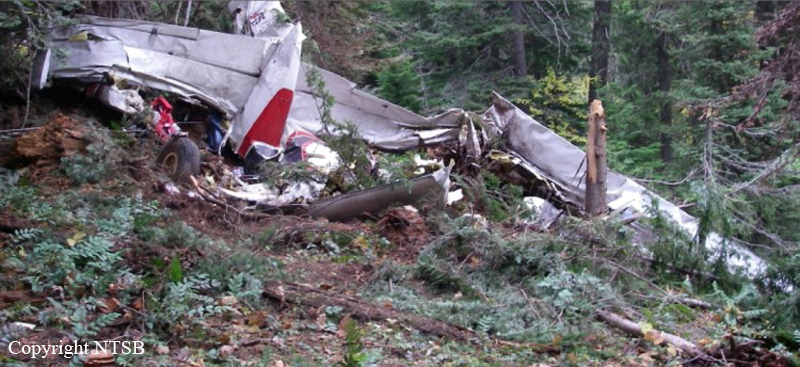
Crash of a Cessna 208B Grand Caravan near Naches: 10 killed

Date & Time: Oct 7, 2007 at 1959 LT
Type of aircraft:
Operator:
Registration:
N430A
Flight Phase:
Survivors:
No
Site:
Schedule:
Star - Shelton
MSN:
208B-0415
YOM:
1995
Crew on board:
1
Crew fatalities:
Pax on board:
9
Pax fatalities:
Other fatalities:
Total fatalities:
10
Captain / Total flying hours:
2054
Captain / Total hours on type:
296.00
Aircraft flight hours:
9604
Circumstances:
The pilot was returning a group of skydivers to their home base after a weekend of skydiving. He flew several jump flights, and then stopped early in the afternoon to prepare the airplane for the flight home. The flight was planned into an area of clouds, turbulence, and icing, which the pilot had researched. He delayed the departure until he decided that he could complete the planned flight under visual flight rules (VFR). The accident occurred at night with little illumination of the moon, and the airplane was in an area of layered clouds. A detailed analysis of the weather conditions revealed that the flight probably encountered broken to overcast layers both below and above its flight altitude. The satellite and sounding images suggested that it was possibly in an area of mountain wave conditions, which can enhance icing. The recorded radar data indicated that the pilot was likely maneuvering to go around, above, or below rain showers or clouds while attempting to maintain VFR. The airplane likely entered clouds during the last 3 minutes of flight, and possibly icing and turbulence. It was turning when it departed from controlled flight, and a performance study showed that the angle-of-attack at this point in the flight was increasing rapidly. The study determined that the
departure from controlled flight was consistent with an aerodynamic stall. The unpressurized airplane was flying at over 14,000 feet mean sea level for more than 1 hour during the flight. It reached 15,000 feet just prior to the accident in sequential 360-degree turns while climbing and descending. Supplemental oxygen was not being used. At these altitudes, the pilot would be substantially impaired by hypoxia, but would have virtually no subjective symptoms, and would likely be unaware of his impairment. The pilot had logged over 2,000 hours of total flight time, with nearly 300 hours in this make and model of airplane. He was instrument rated, but had only logged a total of 2 hours of actual instrument flight time. Company policy was to fly under visual flight rules only, and they had not flight-checked the pilot for instrument flight.
Probable cause:
The pilot's failure to maintain an adequate airspeed to avoid an aerodynamic stall while maneuvering. Contributing to the accident were the pilot's impaired physiological state due to hypoxia, the pilot's inadequate preflight weather evaluation, and his attempted flight into areas of known adverse weather. Also contributing were the pilot's inadvertent flight into instrument meteorological conditions that included clouds, turbulence, and dark night conditions.
Final Report:

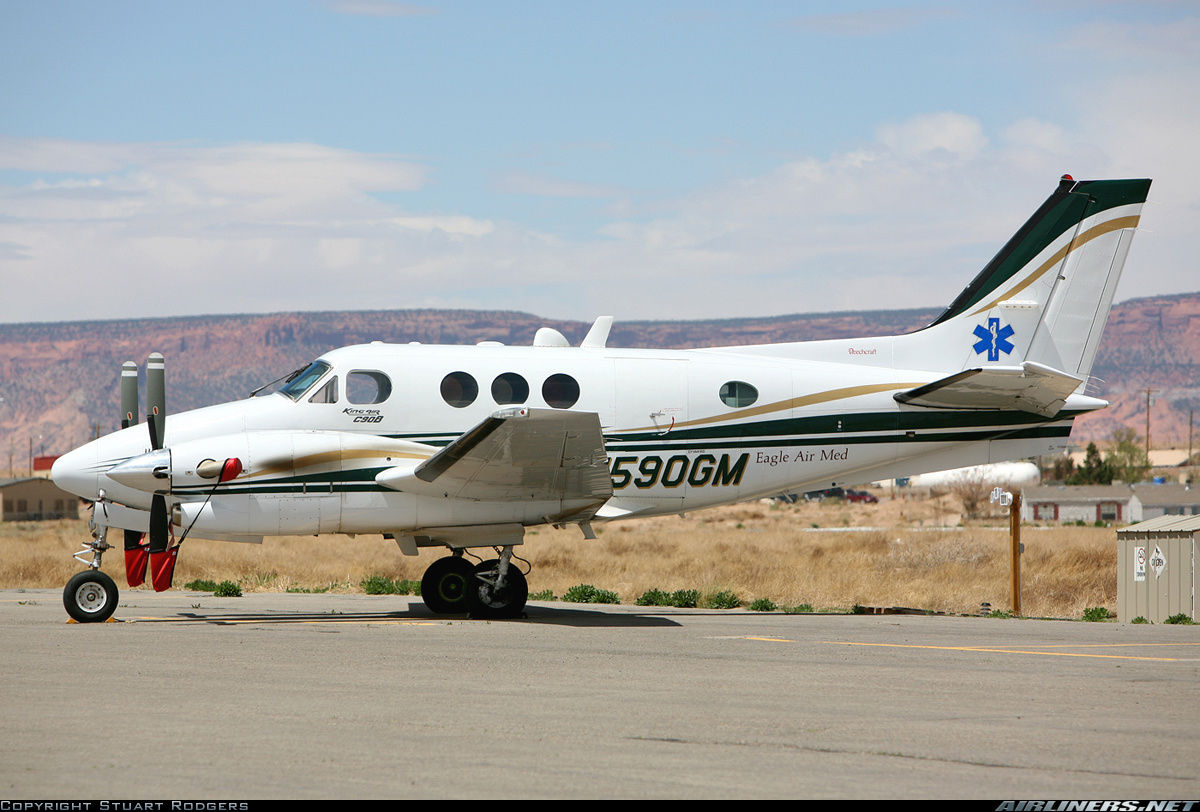
Crash of a Beechcraft C90A King Air near Pagosa Springs: 3 killed

Date & Time: Oct 4, 2007 at 2317 LT
Type of aircraft:
Operator:
Registration:
N590GM
Flight Phase:
Flight Type:
Survivors:
No
Site:
Schedule:
Chinle - Alamosa
MSN:
LJ-1594
YOM:
2000
Crew on board:
1
Crew fatalities:
Pax on board:
2
Pax fatalities:
Other fatalities:
Total fatalities:
3
Captain / Total flying hours:
12650
Captain / Total hours on type:
84.00
Aircraft flight hours:
3925
Circumstances:
The pilot contacted air traffic control, using the wrong call sign, requesting radar flight following. The airplane initially climbed to 13,500 feet, descended to 11,500 feet, climbed to 13,500 feet, and then began a descent until it impacted terrain at 11,900 feet. One minute prior to impact, the pilot asked the air traffic controller about various minimum altitudes for his route of flight. The controller responded with a minimum instrument altitude of 15,000 to 15,300 feet. A review of the handling of the accident flight showed that the controller was aware of the airplane's position, altitude, general route of flight, and its proximity to terrain. No safety alert was issued to the accident flight. Weather depiction charts, infrared satellite imagery, and local weather observations indicate instrument meteorological conditions prevailed along the route of flight, closest to the accident location. The moon had set at 1539 on the day of the accident. The pilot reported a planned flight altitude of 12,500 feet to his dispatcher. No record of a preflight weather briefing was located. An examination of the airplane, engines, and related systems revealed no anomalies.
Probable cause:
The pilot's failure to maintain clearance from mountainous terrain. Contributing to the accident was the pilot's inadequate preflight planning, improper in-flight planning and decision making, the dark night, and the controller's failure to issue a safety alert to the pilot.
Final Report:

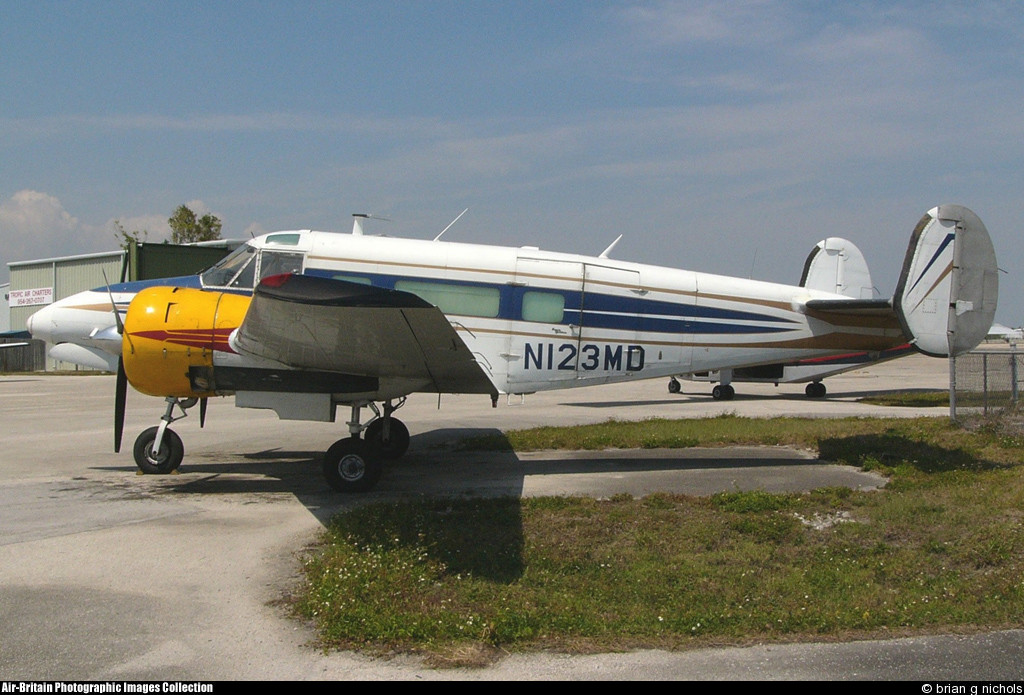
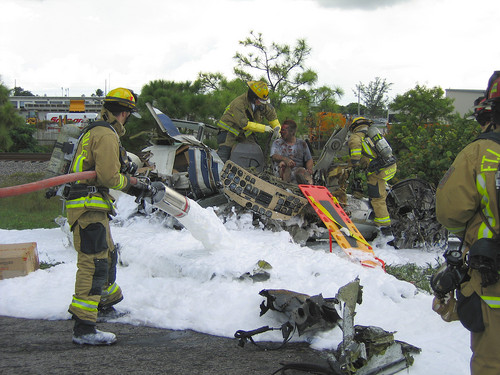
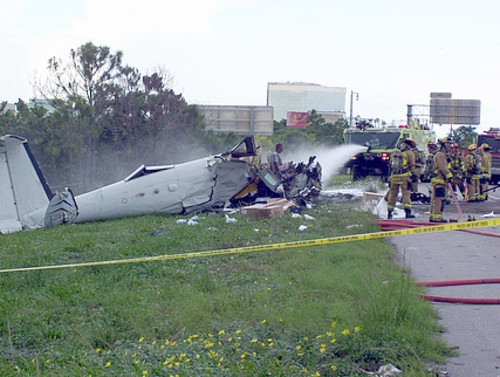
Crash of a Beechcraft H18 in Fort Lauderdale

Date & Time: Sep 21, 2007 at 1328 LT
Type of aircraft:
Operator:
Registration:
N123MD
Flight Phase:
Flight Type:
Survivors:
Yes
Schedule:
Fort Lauderdale - Nassau
MSN:
BA-701
YOM:
1964
Crew on board:
1
Crew fatalities:
Pax on board:
0
Pax fatalities:
Other fatalities:
Total fatalities:
0
Captain / Total flying hours:
3700
Captain / Total hours on type:
450.00
Aircraft flight hours:
13066
Circumstances:
The airplane's right engine experienced a complete loss of power immediately after takeoff and the airplane began to slow. The airplane reached an altitude of approximately 91 feet above ground level and then entered an uncontrolled descent consistent with the onset of a velocity minimum control (VMC) roll to the right. No evidence of any preimpact failures or malfunctions with either the engine or airframe was discovered, and evidence at the scene indicated that the landing gear had been retracted and the right engine propeller feathered. Examination of the cockpit revealed the right engine fuel selector was positioned between the "60 GAL RIGHT AUX" detent and the "RIGHT ENG OFF" detent. Examination of the fuel system between the selector and the right engine indicated that it was in this position prior to impact. Also, placards next to the fuel selectors stated, "WARNING POSITION SELECTORS IN DETENTS ONLY. NO FUEL FLOW TO ENGINES BETWEEN DETENTS." The pilot loaded the majority of the cargo and performed the weight and balance calculations. Examination of the fuselage revealed that all six cargo bins were full. The investigation also discovered that the furthest aft bin contained 265 pounds of cargo even though placarded for a maximum of 75 pounds. All other bins were loaded considerably below their maximum weight limits. Weight and balance calculations revealed the information listed on the weight and balance form produced by the pilot was erroneous and that the actual center of gravity (CG) of the airplane was rear of the aft CG limit, which would have created instability in the handling characteristics of the airplane, especially after a loss of engine power. In addition, the aft-of-limit CG would have increased the airspeed needed to prevent the airplane from entering a VMC roll. Performance calculations indicate that with the right engine having lost power immediately after takeoff, the airplane would most likely not have been able to continue the departure on one operating engine.
Probable cause:
A total loss of engine power due to fuel starvation as a result of the pilot's failure to place the fuel selector for the right engine in the proper position. Contributing to the accident was the improper loading of the cargo.
Final Report:

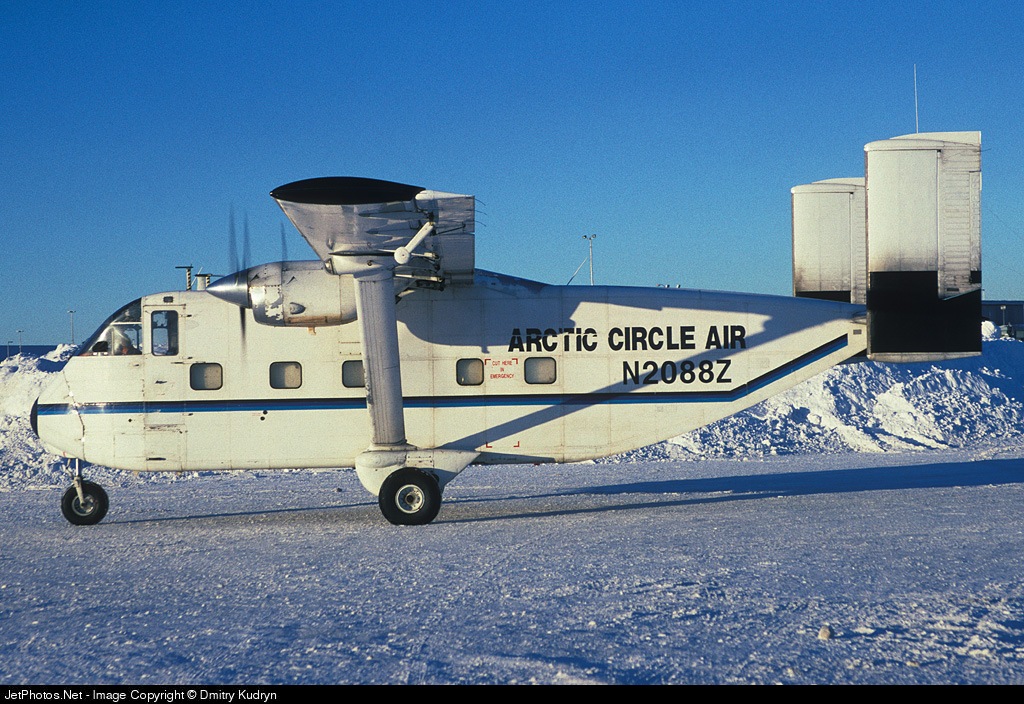
Crash of a Short SC.7 Skyvan 3 Variant 100 in Mystic Lake Lodge: 1 killed

Date & Time: Sep 20, 2007 at 1430 LT
Type of aircraft:
Operator:
Registration:
N2088Z
Flight Phase:
Flight Type:
Survivors:
No
Schedule:
Mystic Lake Lodge - Anchorage
MSN:
SH1963
YOM:
1978
Crew on board:
1
Crew fatalities:
Pax on board:
0
Pax fatalities:
Other fatalities:
Total fatalities:
1
Captain / Total flying hours:
15000
Captain / Total hours on type:
2600.00
Aircraft flight hours:
10730
Circumstances:
The airline transport pilot was departing in a twin engine turboprop airplane on a ferry flight from a remote lodge airstrip that was about 1,000 feet long and 40 feet wide. The airplane had previously received substantial damage to the nose wheel assembly on a previous flight to the airstrip. Repairs were made to the airframe, and the pilot was departing for a maintenance facility. The pilot had flown in and out of the airstrip on numerous occasions, but not in the accident type airplane. The lodge owner reported that the pilot started both engines and taxied the length of the airstrip, stopping momentarily several times. The pilot ran the engines for about 20 minutes, and then began a takeoff to the south. The airplane appeared to accelerate and remain on the centerline of the airstrip, but did not liftoff until the very end of the airstrip. The owner did not notice any unusual sounds or appearance of the engines. After liftoff, the wheels of the airplane struck and broke off the tops of trees and shrubs, that were about 6 to 7 feet above the ground. The airplane immediately veered to the right, and went out of the lodge owner's sight, but he continued to hear the airplane hitting trees until final impact. The airplane crashed in a shallow lake, coming to rest about 300 feet from shore, in about 5 feet of water. The entire cockpit area, forward of the wings, was torn off the airframe. The validity of any postaccident cockpit and instrument findings was unreliable due to the extensive damage to the cockpit. Likewise, structural damage to the airframe precluded determining wing flap settings during takeoff. Performance calculations indicated that the airplane's takeoff distance would have been about 950 feet, although the lodge owner said that in his experience, the accident airplane was capable of lifting off about half way down the airstrip without difficulty. The circumstances of the takeoff indicated that the left engine had been producing sufficient power to chop through several trees during the crash. Testing and inspection of the right engine was inconclusive, and although it was run on a test stand at reduced power, full power could not be attained due to ingestion of foreign material during the test run.
Probable cause:
A collision with trees during takeoff-initial climb for an undetermined reason.
Final Report: