Crash of a De Havilland DHC-3 Turbo Otter on Sucia Island

Date & Time: Jul 23, 2026 at 1722 LT
Type of aircraft:
Operator:
Registration:
N709KA
Flight Phase:
Survivors:
Yes
Schedule:
Seattle – Roche Harbor
MSN:
410
YOM:
1960
Flight number:
KEN140
Crew on board:
1
Crew fatalities:
Pax on board:
10
Pax fatalities:
Other fatalities:
Total fatalities:
0
Circumstances:
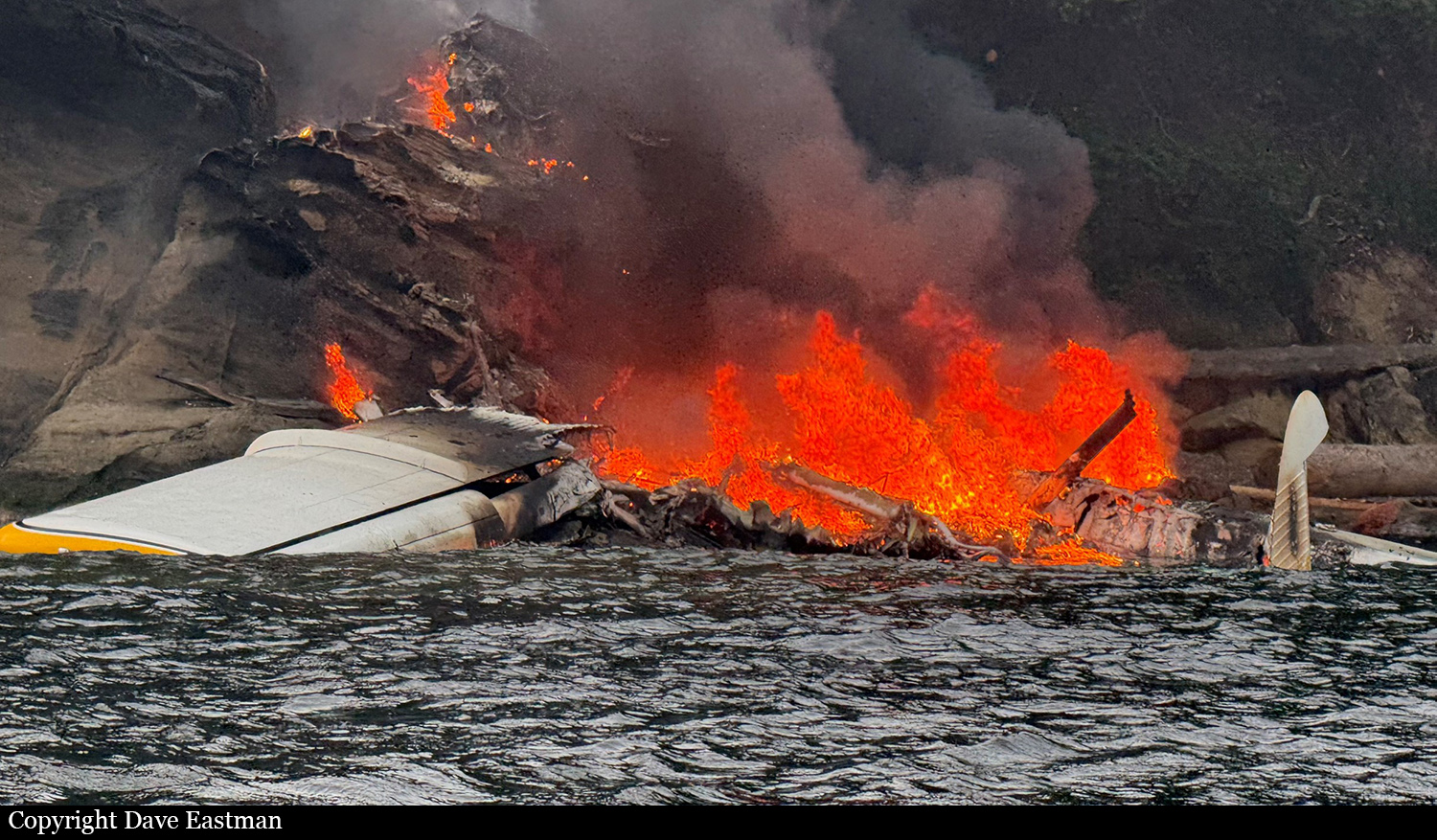
En route from Seattle to Roche Harbor, the pilot encountered technical problems and attempted an emergency landing off Sucia Island. The airplane landed on water and eventually crashed into some rocks. All 11 occupants were able to evacuate the cabin, among them one was seriously injured. Few minutes after the accident, the airplane caught fire and was totally destroyed.

Crash of a De Havilland DHC-2 Beaver in Port Blakely

Date & Time: Oct 1, 1999 at 1445 LT
Type of aircraft:
Operator:
Registration:
N9766Z
Flight Phase:
Flight Type:
Survivors:
Yes
Schedule:
Seattle - Seattle
MSN:
504
YOM:
1953
Crew on board:
1
Crew fatalities:
Pax on board:
4
Pax fatalities:
Other fatalities:
Total fatalities:
0
Captain / Total flying hours:
1829
Captain / Total hours on type:
240.00
Aircraft flight hours:
30792
Circumstances:
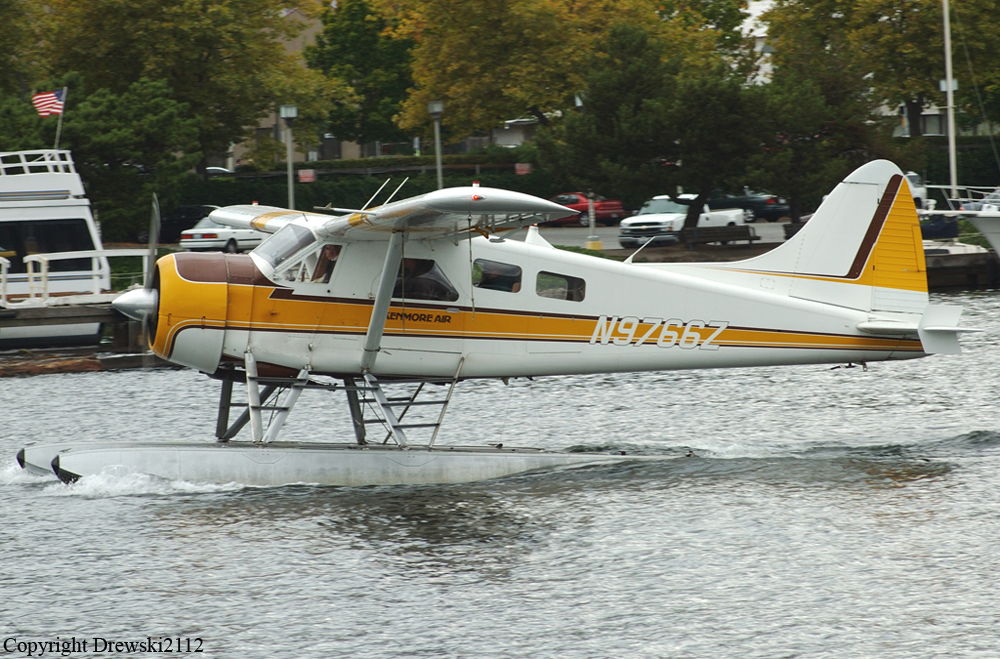
The pilot-in-command (PIC) departed Lake Union seaplane base with four British Broadcasting Company passengers aboard the De Havilland DHC-2 'Beaver.' The passengers were engaged in aerial videography of an east/west geological fault line crossing from south Seattle through Blakely Harbor near the south end of Bainbridge Island. An onboard video recorder captured a voice instructing 'Keep as low as you can and slow as you can while we're doing this please... .' The PIC's first pass over the south end of Bainbridge Island was uneventful and the aircraft was maneuvered for a second pass. The PIC reported that approaching the upsloping, tree covered terrain he applied climb flaps and power but shortly thereafter realized the climb rate was less than he expected. He attempted a shallow left turn towards down sloping terrain and then leveled the wings as the aircraft descended into the treetops. The scenario was corroborated by two onboard video recordings. The pilot reported no powerplant or control system malfunction during the accident flight. He also reported encountering a downdraft condition over the tree covered terrain. Winds remained below 12 knots throughout the day at reporting stations near the accident site, and the video recordings showed no wind streaking and only sporadic whitecaps on the surface of Puget Sound during the transit from Seattle to the south end of Bainbridge Island.
Probable cause:
The pilot-in-command's failure to maintain adequate clearance from trees/terrain. Contributing factors were rising terrain and trees.
Final Report:

Crash of a De Havilland DHC-3T Otter in Seattle

Date & Time: Dec 19, 1984 at 1108 LT
Type of aircraft:
Registration:
N4247A
Flight Phase:
Flight Type:
Survivors:
Yes
Schedule:
Seattle - Seattle
MSN:
421
YOM:
1964
Crew on board:
1
Crew fatalities:
Pax on board:
2
Pax fatalities:
Other fatalities:
Total fatalities:
0
Captain / Total flying hours:
8500
Captain / Total hours on type:
15.00
Aircraft flight hours:
7445
Circumstances:
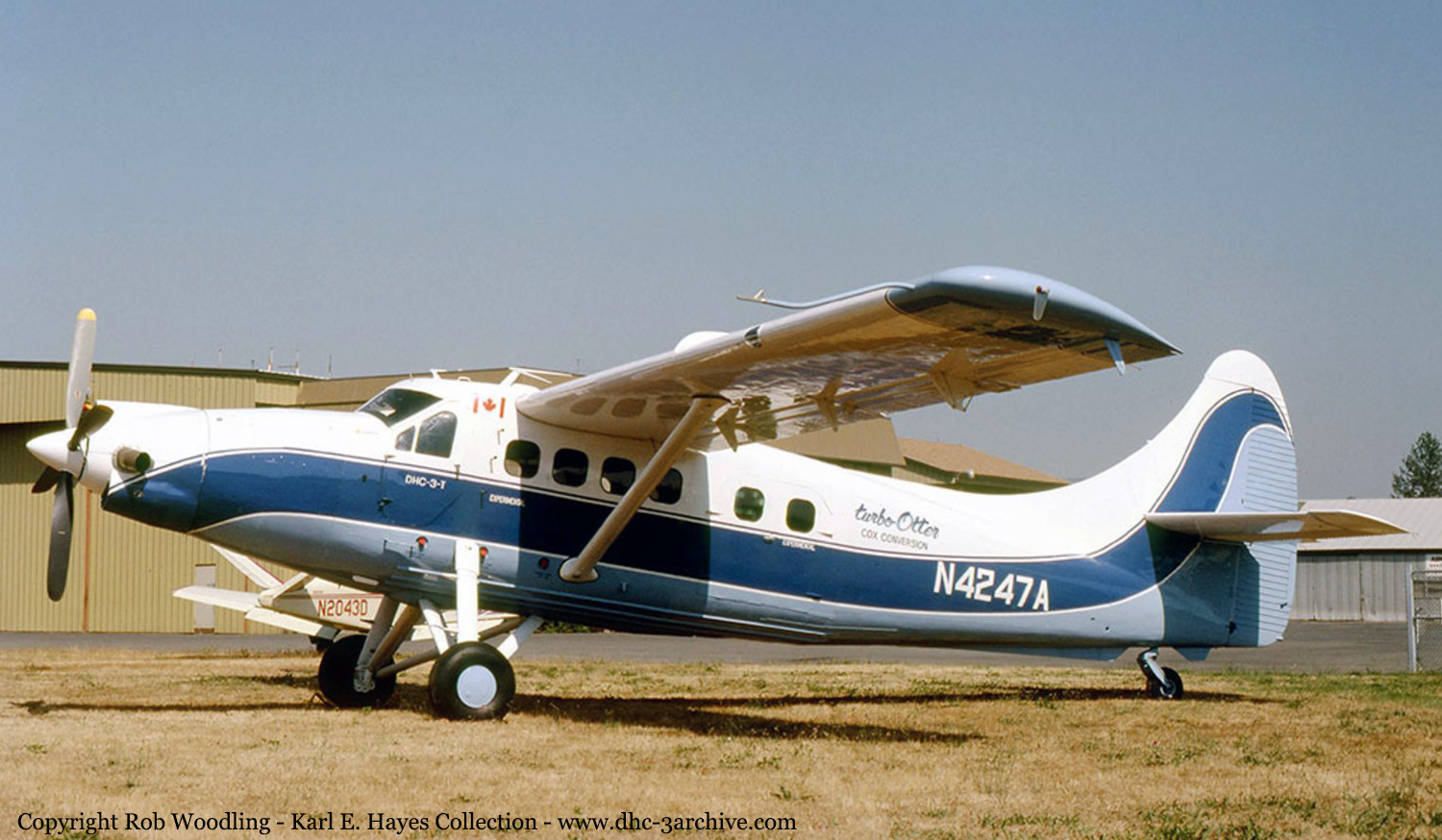
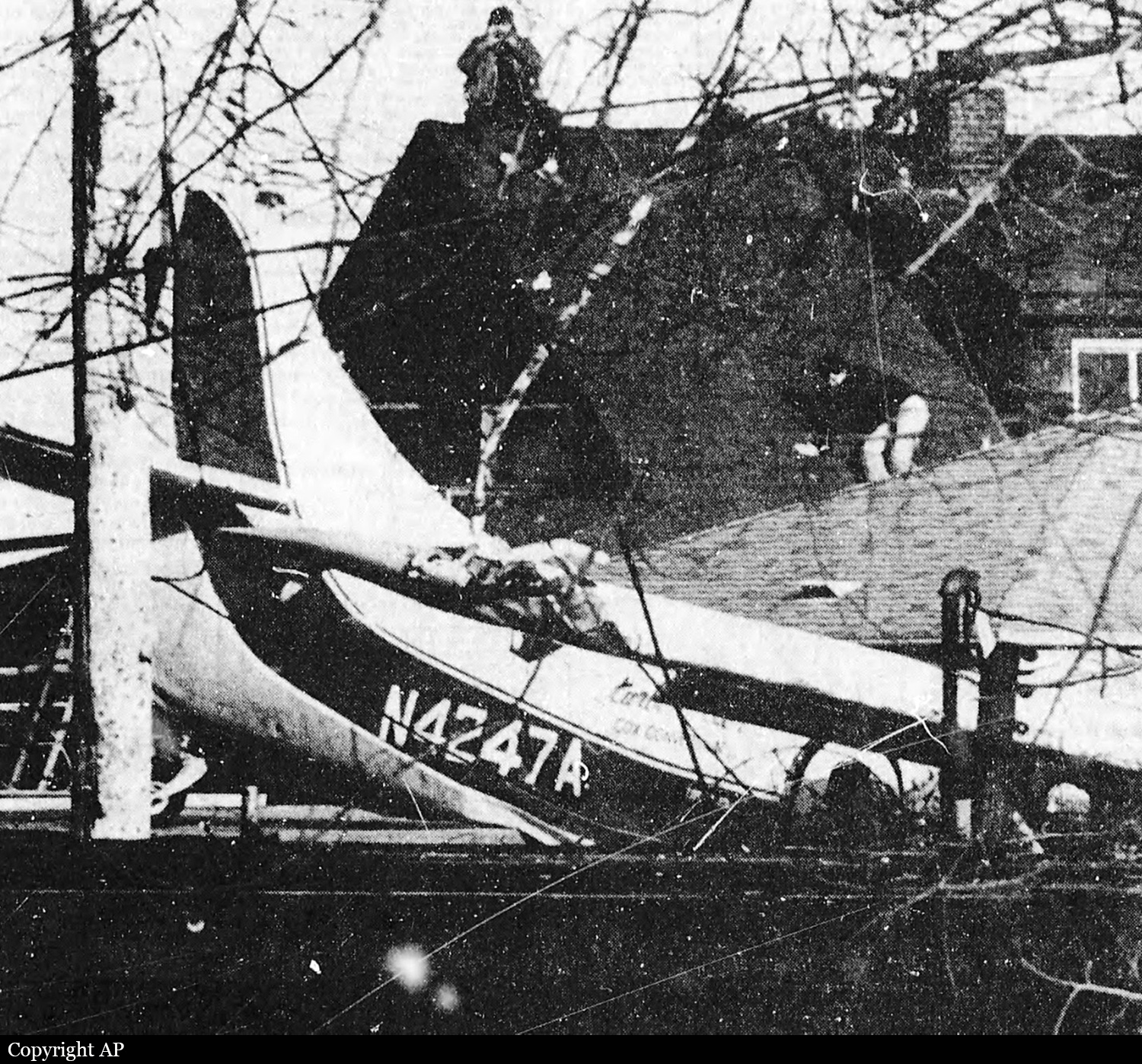
Aircraft was performing test flight maneuvers when problems with the modified fuel system occurred. Ice blocking a fuel vent line caused a partial collapse of the main (engine feed) fuel cell which produced an erroneous fuel quantity reading. In addition, the main tank overflow shut off valve was leaking, so tank overflow occurred. The fuel overflow caution light illuminated and auxiliary tank fuel pump feed to main automatically shut down. Due to miscalibration, this system overrode pilot attempts to restart aux fuel pumps. Pilot remained in test area troubleshooting rather than immediate return to base, finally noted main tank gage continuing to read 'full.' En route to Boeing Field, fuel starvation occurred. Pilot opted to attempt forced landing in small athletic field in residential area rather than ditch in puget sound. The aircraft touched down in intended landing area, then bounced across an adjacent street. The arresting action of telephone wires on the vertical fin brought the aircraft to rest in a residential backyard. All three occupants were injured, one seriously.
Probable cause:
Occurrence #1: airframe/component/system failure/malfunction
Phase of operation: maneuvering
Findings
1. (c) fuel system, vent - blocked (total)
2. (f) fuel system, tank - distorted
3. (f) engine instruments, fuel quantity gage - false indication
4. (f) fuel system, fuel shutoff - leak
----------
Occurrence #2: airframe/component/system failure/malfunction
Phase of operation: maneuvering
Findings
5. Fuel system, pump - switched off
6. Remedial action - not possible
----------
Occurrence #3: loss of engine power (total) - nonmechanical
Phase of operation: cruise
Findings
7. (f) precautionary landing - delayed - pilot in command
8. (f) fuel supply - misjudged - pilot in command
9. (c) fluid, fuel - starvation
----------
Occurrence #4: forced landing
Phase of operation: descent - emergency
----------
Occurrence #5: in flight collision with terrain/water
Phase of operation: landing
Findings
10. (f) terrain condition - none suitable
Final Report:

Crash of a Cessna 340 in Ephrata

Date & Time: Nov 26, 1983 at 1411 LT
Type of aircraft:
Registration:
N98567
Survivors:
Yes
Site:
Schedule:
Seattle – Ephrata
MSN:
340-0036
YOM:
1972
Crew on board:
1
Crew fatalities:
Pax on board:
0
Pax fatalities:
Other fatalities:
Total fatalities:
0
Captain / Total flying hours:
4948
Captain / Total hours on type:
1590.00
Aircraft flight hours:
1951
Circumstances:
The aircraft collided with a hilltop during a missed approach in IMC weather. The aircraft was on an IFR flight plan. The pilot stated visual contact was established at about 2,000 feet msl but ground features were masked in snow. When the pilot did not see the airport at the proper time he commenced a missed approach and the aircraft struck the ground. Investigation revealed that the obs (vor course indicator) was set on 222° instead of 202° for the published inbound heading. The resultant course passed directly over the accident site. The aircraft was not observed on radar because of its low alt. The pilot, sole on board, was seriously injured.
Probable cause:
Occurrence #1: in flight collision with terrain/water
Phase of operation: missed approach (IFR)
Findings
1. (c) procedures/directives - inaccurate - pilot in command
2. (c) ifr procedure - inaccurate - pilot in command
3. (c) equipment,other - not corrected - pilot in command
Final Report:

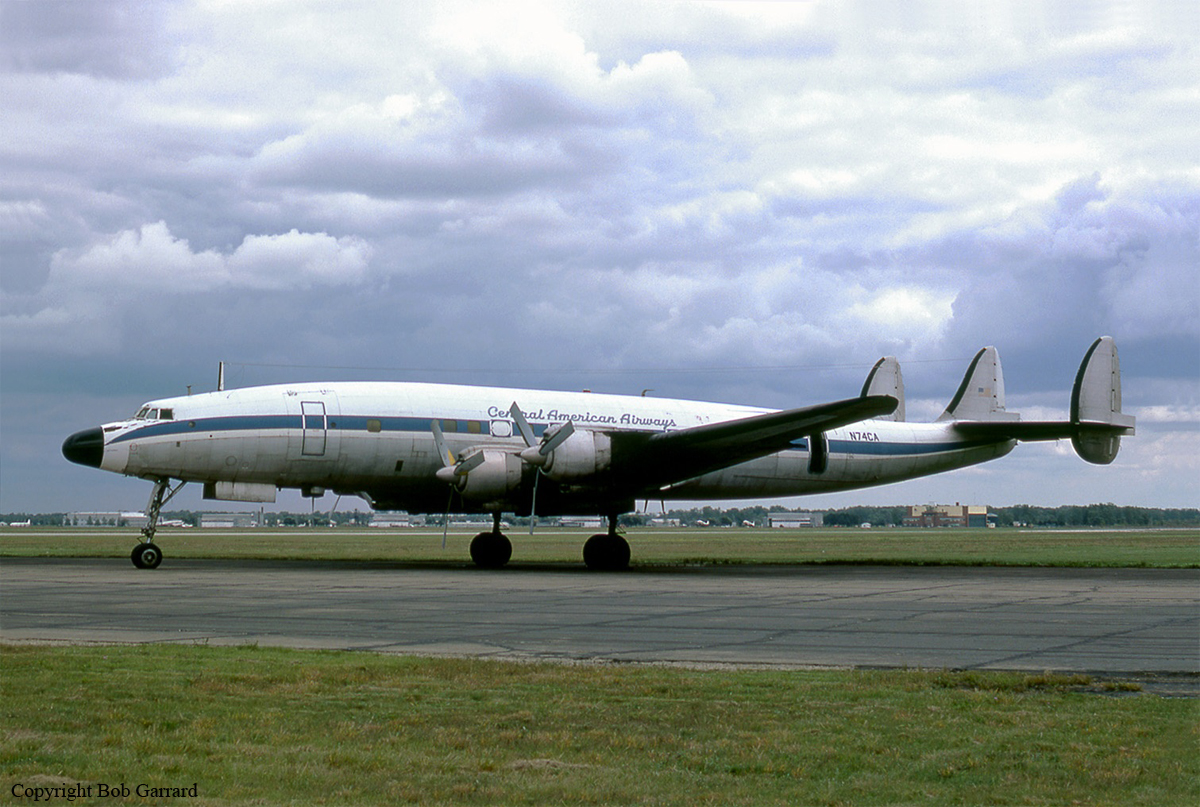
Crash of a Lockheed L-1049H Super Constellation in Columbus: 3 killed

Date & Time: Jun 22, 1980 at 1359 LT
Registration:
N74CA
Flight Phase:
Flight Type:
Survivors:
Yes
Schedule:
Columbus - Seattle
MSN:
4850
YOM:
1959
Crew on board:
3
Crew fatalities:
Pax on board:
5
Pax fatalities:
Other fatalities:
Total fatalities:
3
Captain / Total flying hours:
17250
Captain / Total hours on type:
2000.00
Copilot / Total flying hours:
8000
Copilot / Total hours on type:
100
Aircraft flight hours:
20000
Circumstances:
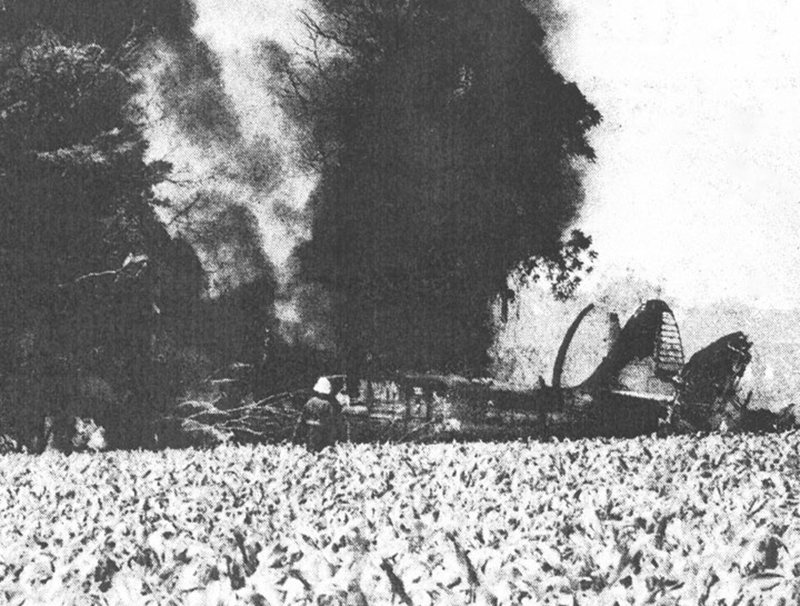
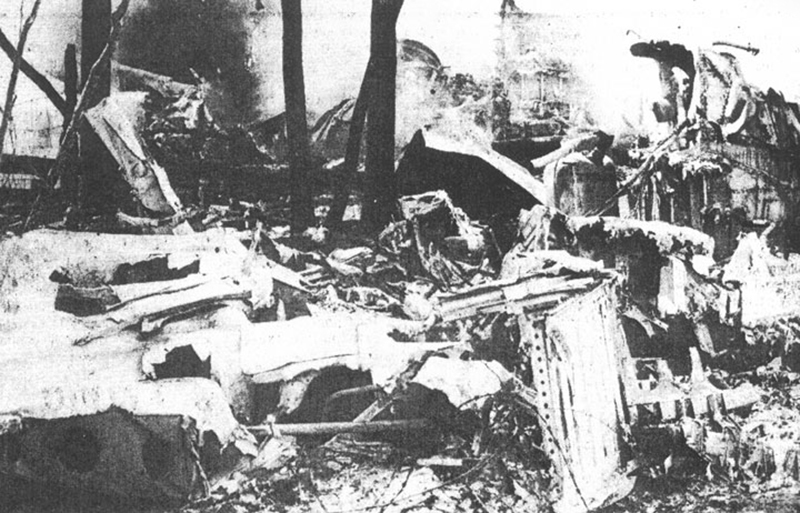
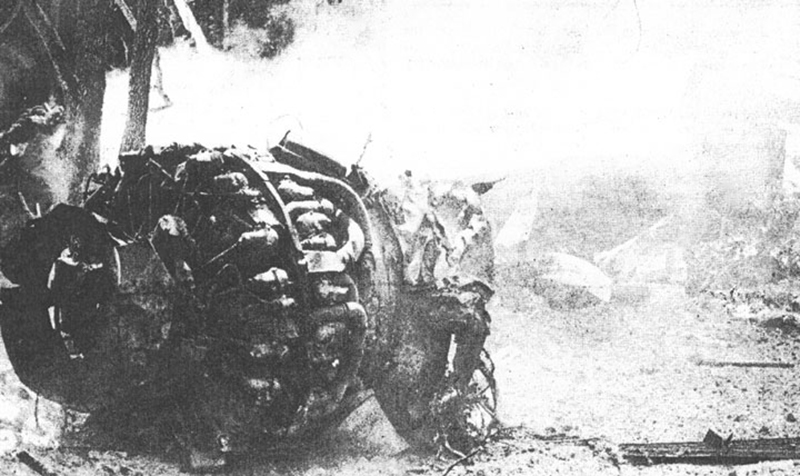
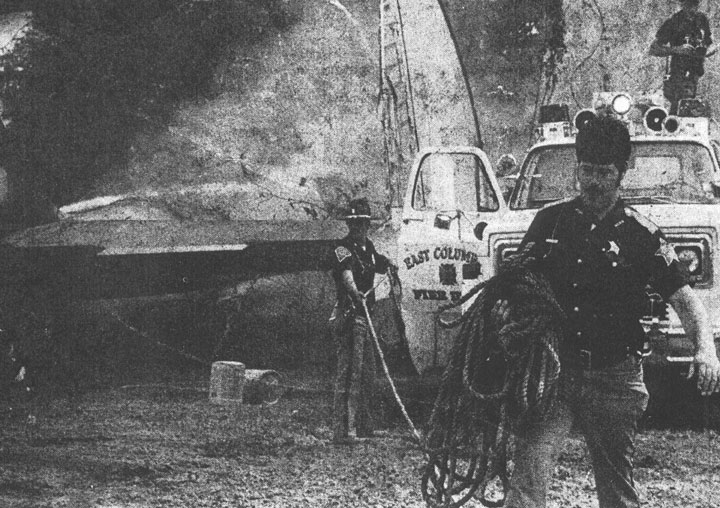
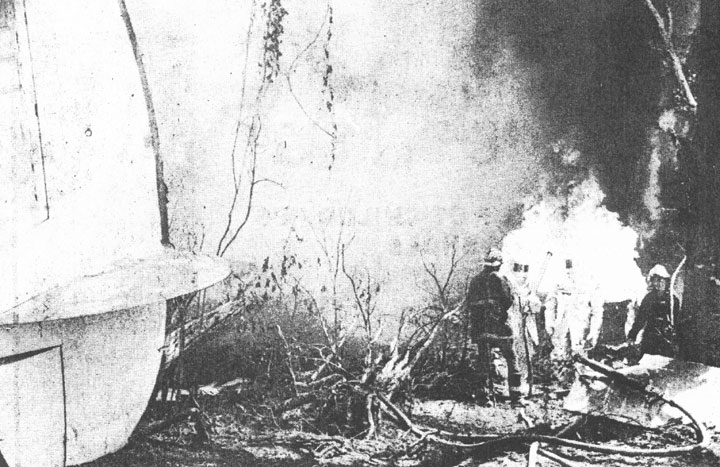
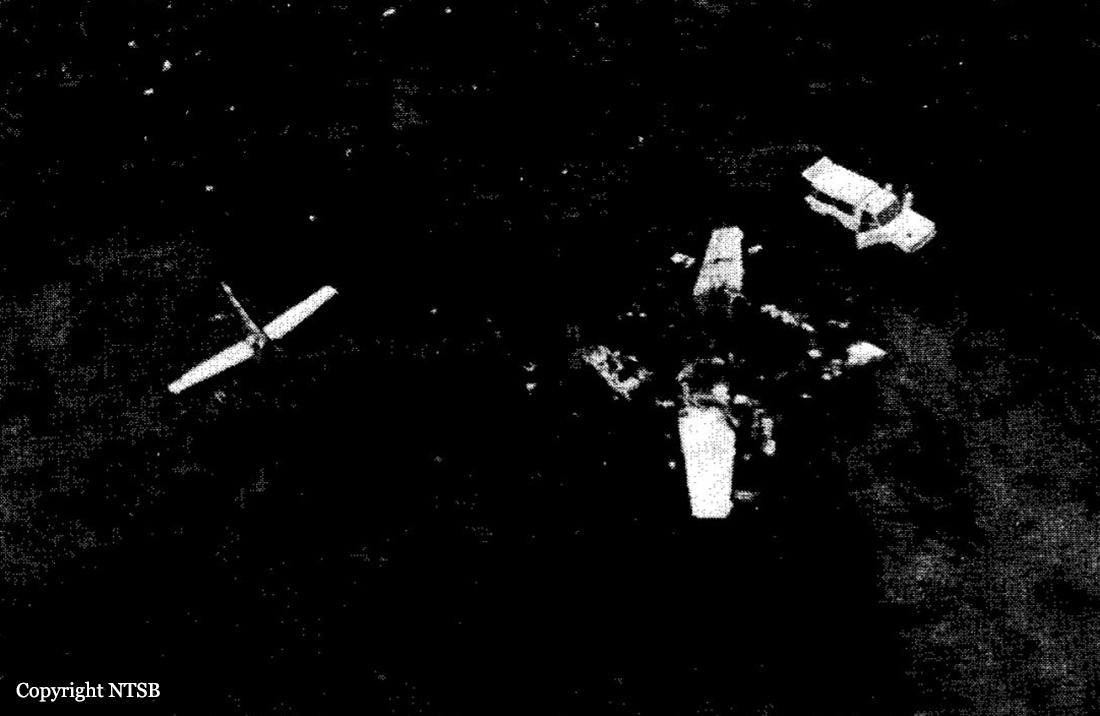
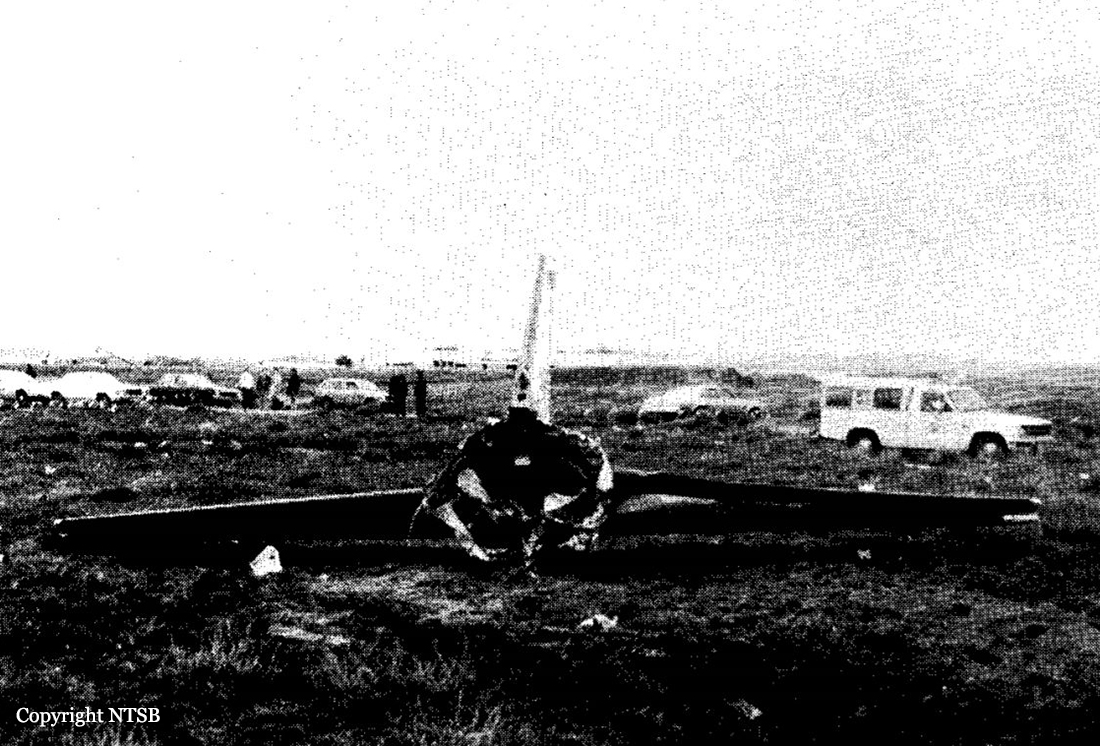
The four engine airplane departed Columbus-Municipal (Bakalar) Airport on a cargo flight to Seattle, carrying a load of aircraft spare parts. After takeoff, during initial climb, the airplane encountered difficulties to gain height, struck power cables, stalled and crashed in flames in a soybean field. Both pilots and a passenger were killed while five other occupants were injured. The aircraft was totally destroyed by impact forces and a post crash fire.
Probable cause:
The flight crew's inadequate and uncoordinated response to the No 2 engine fire warning. The flight engineer failed to correct a gradual power decay on the other engines which occurred while he was retarding the No 2 engine throttle, and the power decay went uncorrected by the pilot and co-pilot. The lack of co-ordination and the lack of corrective action may have been caused by the lack of recent flight crew experience in the L-1049 aircraft. Contributing to the accident was the aircraft's over maximum take-off weight, the crew's use of less than full power for take-off, and the use of less than take-off cowl flaps which precluded adequate engine cooling.
Final Report:

Crash of a Beechcraft 99 Airliner in Richland: 17 killed

Date & Time: Feb 10, 1978 at 1650 LT
Type of aircraft:
Operator:
Registration:
N199EA
Flight Phase:
Survivors:
No
Schedule:
Richland - Seattle
MSN:
U-037
YOM:
1968
Flight number:
EV023
Crew on board:
2
Crew fatalities:
Pax on board:
15
Pax fatalities:
Other fatalities:
Total fatalities:
17
Captain / Total flying hours:
3250
Captain / Total hours on type:
300.00
Copilot / Total flying hours:
1061
Copilot / Total hours on type:
199
Aircraft flight hours:
13701
Circumstances:
Columbia Pacific Airlines Flight 23, a Beech 99 (N199EA), was operated under the provisions of 14 CFR 135 as a regularly scheduled passenger flight from Richland to Seattle, Washington. The crew arrived at Richland at 1525 P.s.t. on Flight 18 from Seattle. When they arrived, N199EA was being inspected to fulfill the requirements of an Airworthiness Directive. The aircraft was not available to the crew for preflight inspection until 1630; Flight 23 was scheduled to depart at 1640. At 1628, the captain was briefed on weather by the Walla Walla, Washington, Flight Service Station (FSS), and he filed a dispatch release which contained aircraft weight and balance, route of flight, and weather information. About 1630, the aircraft was fueled and 600 lbs of baggage was loaded. About 1635, the first officer left the terminal building and connected the auxiliary power unit to the aircraft. He then inspected the aircraft and boarded; the captain boarded shortly thereafter. When the passenger boarding call was made, the captain left the aircraft to obtain magazines for the passengers. He was seen getting into his seat when the first passenger boarded. At 1646, the first officer contacted the Pasco Airport Traffic Control Tower, using Flight No. 29, and advised that they were taxiing and would request an instrument flight rules clearance to Seattle via Yakima, Washington, when airborne. The Pasco Control Tower received no further calls from Flight 23. The first officer informed operations on company frequency that they would be departing shortly and would relay their estimated time of arrival in Seattle when airborne. There were no further radio communications with the crew. The aircraft daily flight log for February 10 showed that the aircraft left the ramp at 1645 and took off at 1648. In general, witnesses described the aircraft's attitude at liftoff as normal and estimated the point of liftoff between 1,173 and 1,486 ft; however, immediately thereafter the aircraft began a steep climb at an angle of 20' to 45" to an altitude of 300 to 400 ft above the runway and then appeared to decelerate. The wings rocked or wobbled at the top of the climb, and the aircraft turned or yawed to the left.
The nose dropped and the aircraft descended to the ground at a flightpath angle estimated to have been 45°. Fuel from ruptured fuel tanks caught fire after the aircraft hit the ground. Fire consumed the aircraft within 7 minutes. All 17 occupants were killed.
Probable cause:
The National Transportation Safety Board determines that the probable cause of the accident was the failure or inability of the flightcrew to prevent a rapid pitchup and stall by exerting sufficient push force on the control wheel. The pitchup was induced by the combination of a mistrimmed horizontal stabilizer and a center of gravity near the aircraft's aft limit. The mistrimed condition resulted from discrepancies in the aircraft's trim system and the flightcrew's probable preoccupation with making a timely departure. Additionally, a malfunctioning stabilizer trim actuator detracted from the flightcrew's efforts to prevent the stall. Contributing to the accident were inadequate flightcrew training, inadequate trim warning system check procedures, inadequate maintenance procedures, and ineffective FAA surveillance.
Final Report:

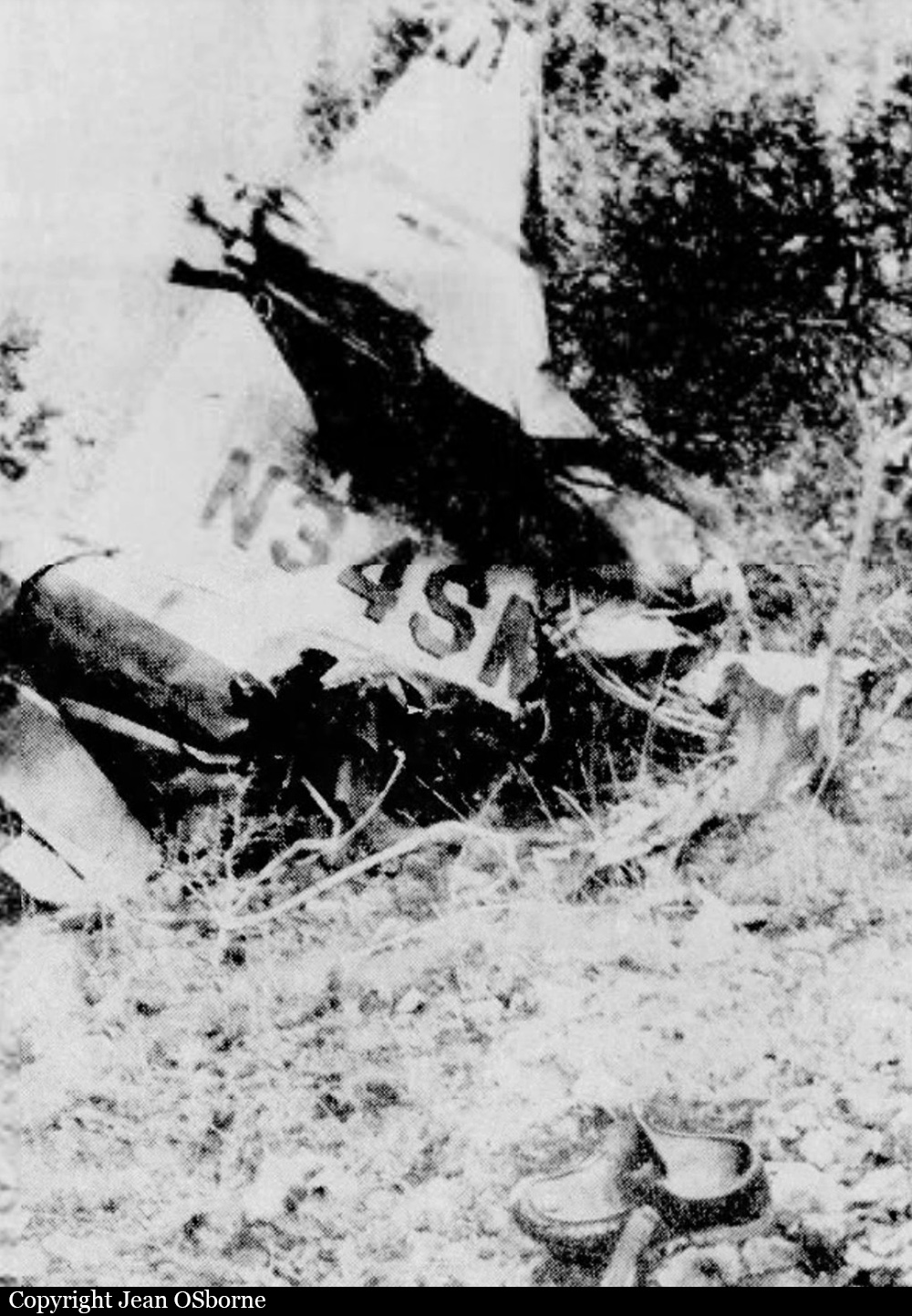
Crash of a Swearingen SA226T Merlin IIIA in San Antonio: 2 killed

Date & Time: Feb 3, 1977 at 0054 LT
Registration:
N34SM
Survivors:
No
Schedule:
Seattle – San Antonio
MSN:
T-263
YOM:
1976
Crew on board:
2
Crew fatalities:
Pax on board:
0
Pax fatalities:
Other fatalities:
Total fatalities:
2
Captain / Total flying hours:
18812
Captain / Total hours on type:
283.00
Circumstances:
While approaching San Antonio Airport by night, the crew encountered poor weather conditions with low ceiling, rain and fog. Too low, the airplane struck trees and crashed in flames few miles short of runway 12R. It was destroyed by a post crash fire and both pilots were killed.
Probable cause:
Collision with trees on initial approach due to improper IFR operation. The following contributing factors were reported:
- Low ceiling (200 feet),
- Rain,
- Fog,
- Cleared for ILS approach runway 12R, navigation receiver turned to frequency for ILS approach to runway 03R.
Final Report:

Crash of a Rockwell Grand Commander 680F in Battle Ground: 3 killed

Date & Time: Feb 17, 1973 at 0859 LT
Registration:
N69HE
Flight Phase:
Survivors:
No
Schedule:
Salem - Seattle
MSN:
680F-932-5
YOM:
1960
Crew on board:
1
Crew fatalities:
Pax on board:
2
Pax fatalities:
Other fatalities:
Total fatalities:
3
Captain / Total flying hours:
2000
Captain / Total hours on type:
9.00
Circumstances:
While in cruising altitude on a flight from Salem to Seattle, the pilot encountered icing conditions and was cleared to divert to Portland. Shortly later, control was lost and the airplane entered a dive. Both wings and elevators separated prior to final impact. All three occupants were killed.
Probable cause:
While cruising in poor weather conditions, the pilot suffered a spatial disorientation. The following factors were reported:
- Exceeded designed stress limits of aircraft,
- Overload failure,
- Lack of familiarity with aircraft and lack of recent experience on instruments,
- Low ceiling, rain, icing conditions,
- Visibility down to zero,
- Both outbound wings and horizontal stabs separated prior to impact.
Final Report:

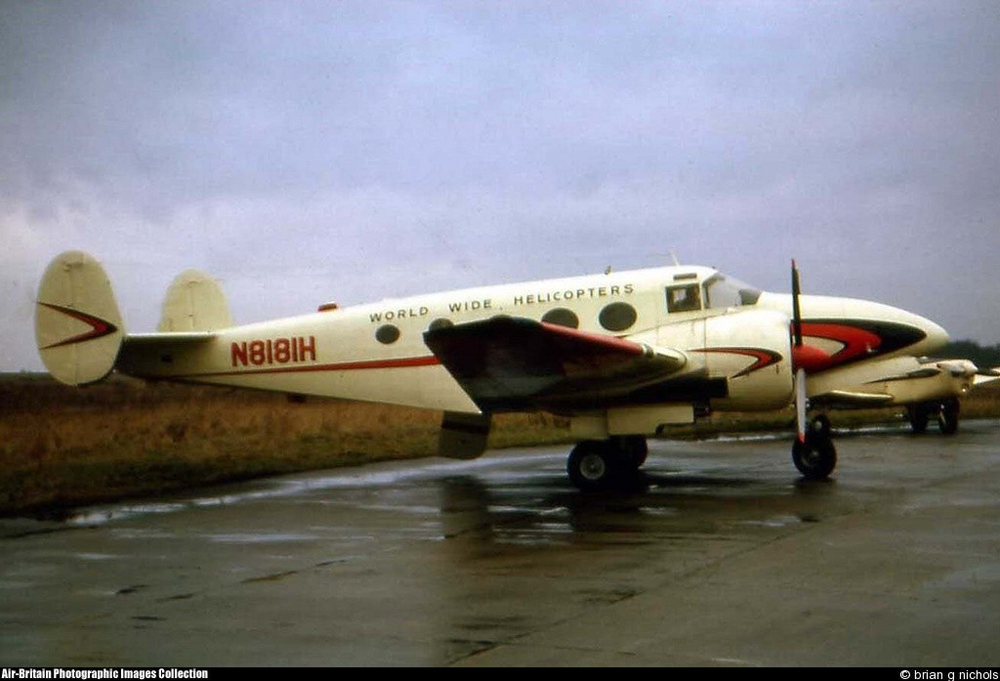
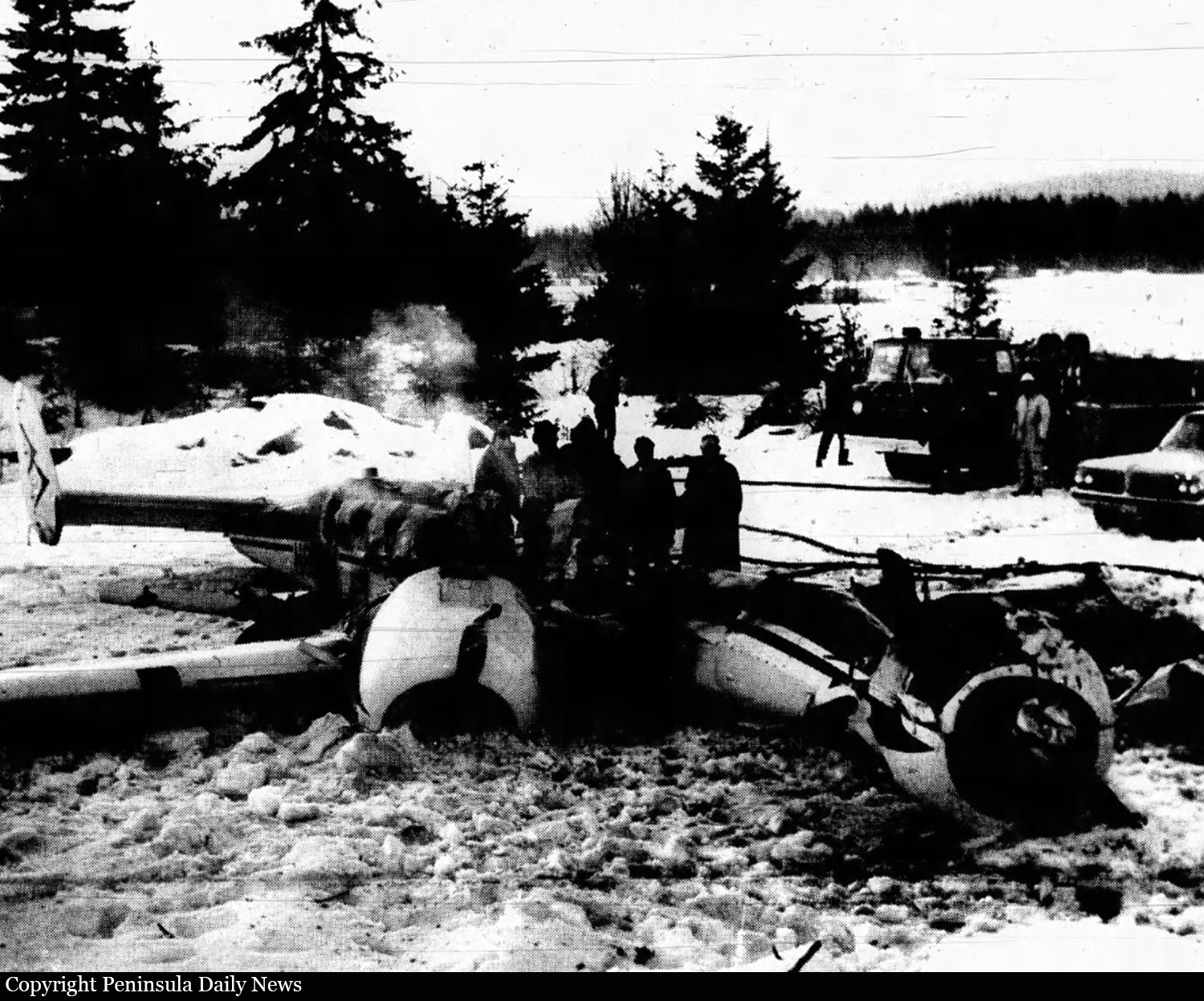
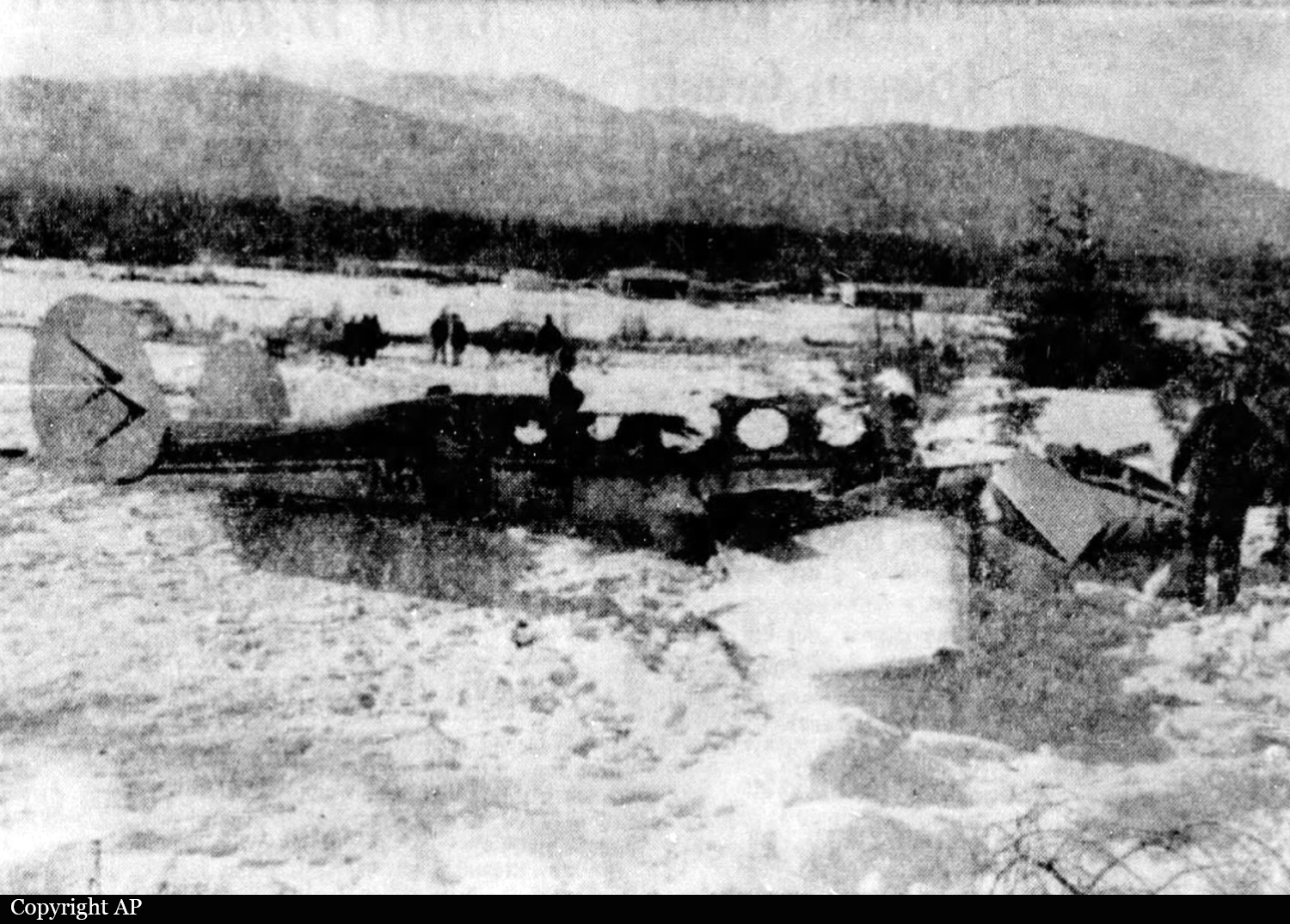
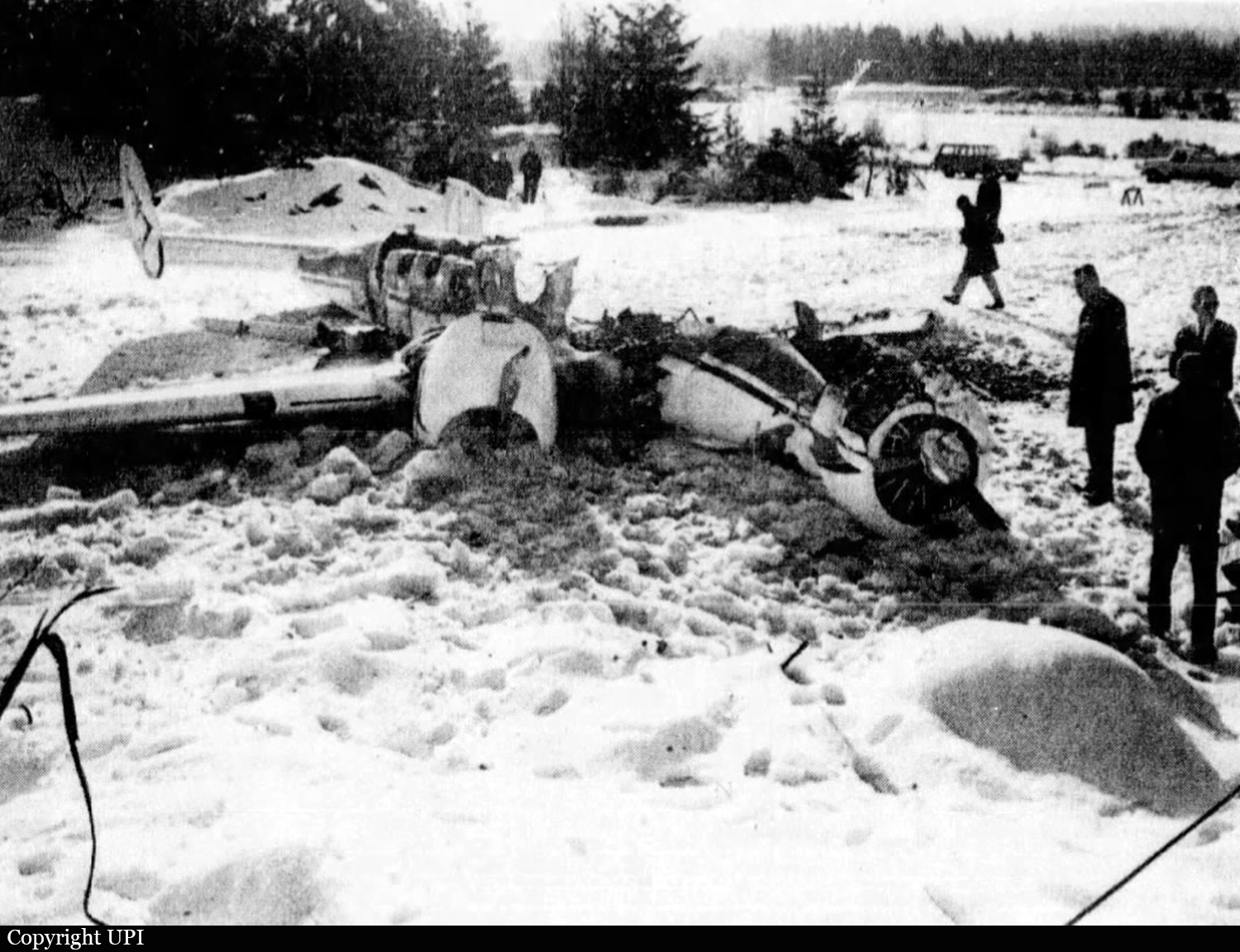
Crash of a Beechcraft C-45H Expeditor in Port Angeles: 10 killed

Date & Time: Feb 5, 1969 at 0653 LT
Type of aircraft:
Operator:
Registration:
N8181H
Flight Phase:
Survivors:
No
Schedule:
Port Angeles – Seattle
MSN:
52-10637
YOM:
1952
Flight number:
PGT601
Crew on board:
2
Crew fatalities:
Pax on board:
8
Pax fatalities:
Other fatalities:
Total fatalities:
10
Captain / Total flying hours:
8358
Captain / Total hours on type:
577.00
Circumstances:
Just after liftoff from Port Angeles-Callam County Airport, the twin engine aircraft encountered difficulties to gain height then stalled and crashed in flames. The airplane was destroyed by impact forces and a post crash fire and all 10 occupants were killed.
Probable cause:
The exact cause of the accident could not be determined with certainty. However, the following findings were reported:
- Premature liftoff for unknown reason,
- Elevator trim full nose down for unknown reason,
- Weight and balance within the prescribed limits,
- It was not possible to know which pilot was at controls at the time of the accident.
Final Report:

Crash of a Douglas R5D-2 on Mt Tobin: 19 killed

Date & Time: Jan 10, 1968 at 1400 LT
Type of aircraft:
Operator:
Registration:
50850
Flight Phase:
Flight Type:
Survivors:
No
Site:
Schedule:
Quantico - Buckley - Seattle
MSN:
10427
YOM:
1944
Location:
Crew on board:
7
Crew fatalities:
Pax on board:
12
Pax fatalities:
Other fatalities:
Total fatalities:
19
Circumstances:
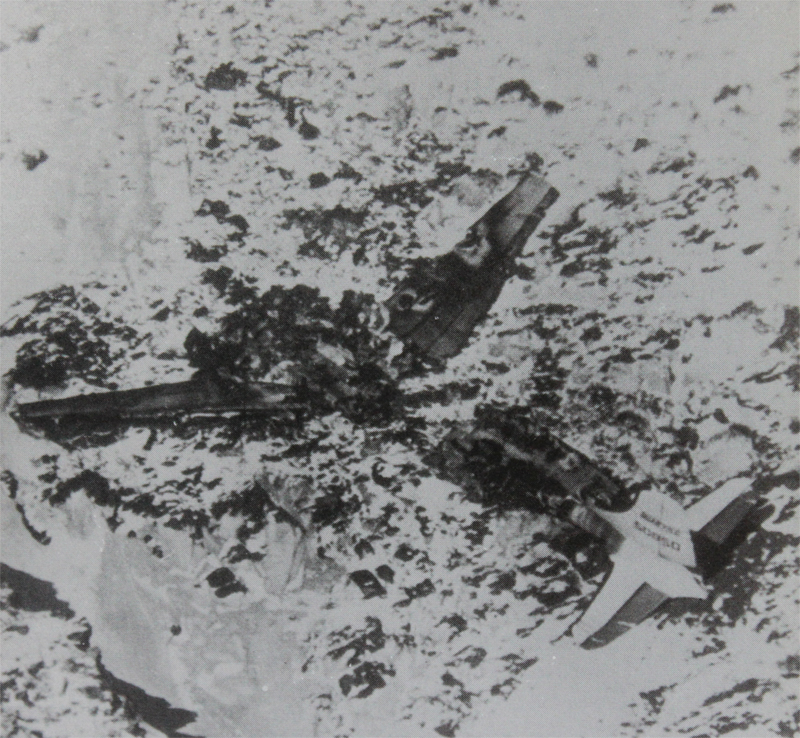
While cruising at an altitude of 12,000 feet on a flight from Buckley AFB, Denver, and Seattle, the navigator informed ATC about difficulties to maintain the assigned altitude and was cleared to descend to 10,500 feet. Few minutes later, the copilot reported icing conditions to ATC and requested the permission to gain altitude. About 20 minutes later, while cruising at the altitude of 10,000 feet in marginal weather conditions, the four engine airplane struck the slope of Mt Tobin (2,980 meters high). The wreckage was found few hours later about 300 meters below the summit and all 19 occupants have been killed.
Probable cause:
It is believed the accident was not the consequence of icing conditions but a loss of control caused by atmospheric downdrafts.