
Crash of a Polikarpov P-5 near Optukha: 1 killed

Date & Time: Jun 6, 1934 at 0115 LT
Type of aircraft:
Operator:
Registration:
CCCP-L787
Flight Phase:
Flight Type:
Survivors:
No
Schedule:
Moscow - Kharkiv
MSN:
5684
YOM:
1932
Country:
Region:
Crew on board:
1
Crew fatalities:
Pax on board:
0
Pax fatalities:
Other fatalities:
Total fatalities:
1
Aircraft flight hours:
313
Aircraft flight cycles:
185
Circumstances:
The aircraft departed Moscow at 2255LT on June 5 on a night mail flight to Kharkiv, carrying one pilot and a load of 728 kilos of mail. While cruising at a height of 50 metres over the valley of Oka, weather conditions deteriorated with heavy clouds, drizzle and low ceiling. After completing two turns, the pilot did not realize he lost too much altitude when the airplane impacted ground and crashed in a field located 5 km south of Optukha. The aircraft was destroyed and the pilot, sole on board, was killed.
Probable cause:
Controlled flight into terrain following an error of judgement on part of the pilot regarding the aircraft's altitude during a flight through difficult weather conditions. A poor flight planning was considered as a contributing factor.

Crash of a Polikarpov P-5 in Povarovo: 2 killed

Date & Time: Mar 12, 1934 at 0446 LT
Type of aircraft:
Operator:
Registration:
CCCP-L1502
Flight Phase:
Flight Type:
Survivors:
No
Schedule:
Moscou – Leningrad
MSN:
7322
YOM:
1934
Country:
Region:
Crew on board:
2
Crew fatalities:
Pax on board:
0
Pax fatalities:
Other fatalities:
Total fatalities:
2
Aircraft flight hours:
65
Aircraft flight cycles:
20
Circumstances:
The crew departed Moscow Airport at 0420LT on a night mail flight to Leningrad. Few minutes after takeoff, weather conditions deteriorated with low ceiling and intermittent snow falls. While cruising at a height of 100 metres, the airplane entered a right turn, descended to the ground and crashed 2 km from the Poverovo Station. The aircraft was totally destroyed and both crew members were killed.
Probable cause:
The accident resulted from a loss of control in flight followed by a ground impact with an engine running normally at impact.
The following contributing factors were identified:
- Poor preparation for a night flight in difficult flying conditions due to low ceiling and snow falls;
- The pilot was unfamiliar with the Moscow - Leningrad route;
- Poor flight planning;
- The airspeed indicator only worked intermittently;
- Weather conditions deteriorated significantly during the flight.

Crash of a Kalinin K-5 in Moscow: 2 killed

Date & Time: Sep 17, 1933 at 1055 LT
Type of aircraft:
Operator:
Registration:
CCCP-L538
Flight Type:
Survivors:
No
MSN:
25
YOM:
1931
Country:
Region:
Crew on board:
2
Crew fatalities:
Pax on board:
0
Pax fatalities:
Other fatalities:
Total fatalities:
2
Aircraft flight hours:
203
Circumstances:
The airplane departed Moscow Airport at 0900LT on a cargo flight, carrying two crew members and a load of 212 kilos of various goods. Few minutes after takeoff, while cruising at an altitude of about 200-300 metres, the crew encountered vibrations and stability problems. The pilot decided to return to Moscow and initiated a descent. On approach, at a height of 150 metres, the airplane entered an uncontrolled descent and crashed. The mechanic was seriously injured and the pilot was killed. Less than an hour later, the mechanic died from his injuries.
Probable cause:
It was determined that the tail detached in flight following vibrations of unknown origin. Investigations were unable to determine the exact cause of the accident.

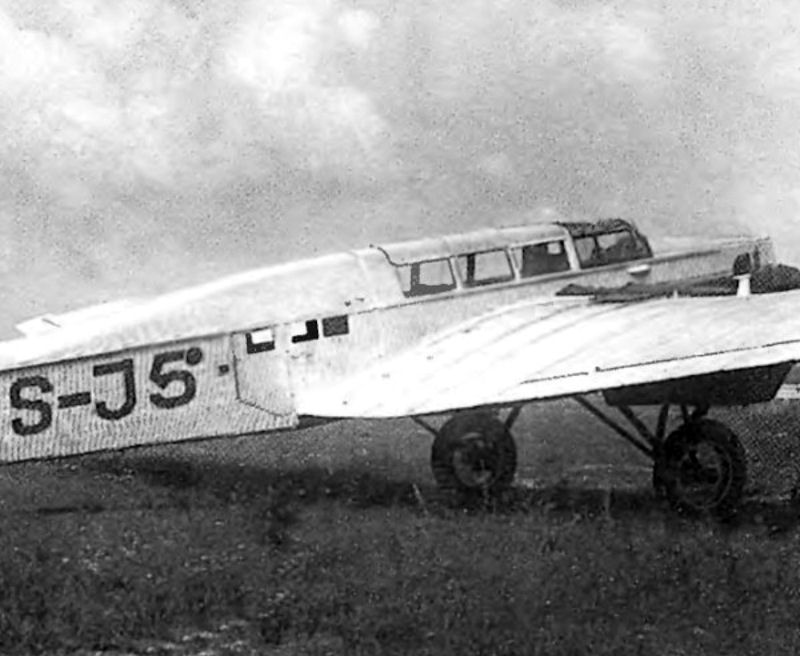
Crash of a Tupolev R-6 Limuzin in Poldasnia: 8 killed

Date & Time: Sep 5, 1933 at 0920 LT
Type of aircraft:
Operator:
Registration:
CCCP-J5
Flight Phase:
Survivors:
No
Schedule:
Moscow - Feodosia
Country:
Region:
Crew on board:
2
Crew fatalities:
Pax on board:
6
Pax fatalities:
Other fatalities:
Total fatalities:
8
Circumstances:
En route from Moscow to Feodosia, Crimea, the crew encountered marginal weather conditions. As the visibility was too low, the pilot reduced his altitude to establish a visual contact with the ground when the airplane impacted a tree and crashed. All eight occupants were killed.

Crash of a Kalinin K-5 in Moscow: 2 killed

Date & Time: Feb 13, 1933 at 0855 LT
Type of aircraft:
Operator:
Registration:
CCCP-L455
Flight Type:
Survivors:
No
Schedule:
Moscow - Kharkiv
MSN:
210
YOM:
1932
Country:
Region:
Crew on board:
2
Crew fatalities:
Pax on board:
0
Pax fatalities:
Other fatalities:
Total fatalities:
2
Aircraft flight hours:
339
Circumstances:
The crew departed Moscow at 0815LT on a mail flight to Kharkiv. Approaching Podolsk, weather conditions deteriorated and the captain decided to return to Moscow. But on approach, weather conditions were also poor in Moscow and the visibility was very limited due to fog. On approach, at a height of about 110-120 metres, the airplane collided with an antenna, causing the right wing to be partially torn off. Out of control, the aircraft descended and crashed 65 metres further. Both crew members were killed.
Probable cause:
The immediate cause of the accident was the strong deterioration of the weather conditions in Moscow. The aircraft was flying low with stabilizers in a neutral position, confirming it was apparently in a flat attitude. There were no radio in the aircraft and the antenna was not equipped with lights, which was considered as a contributing factor.
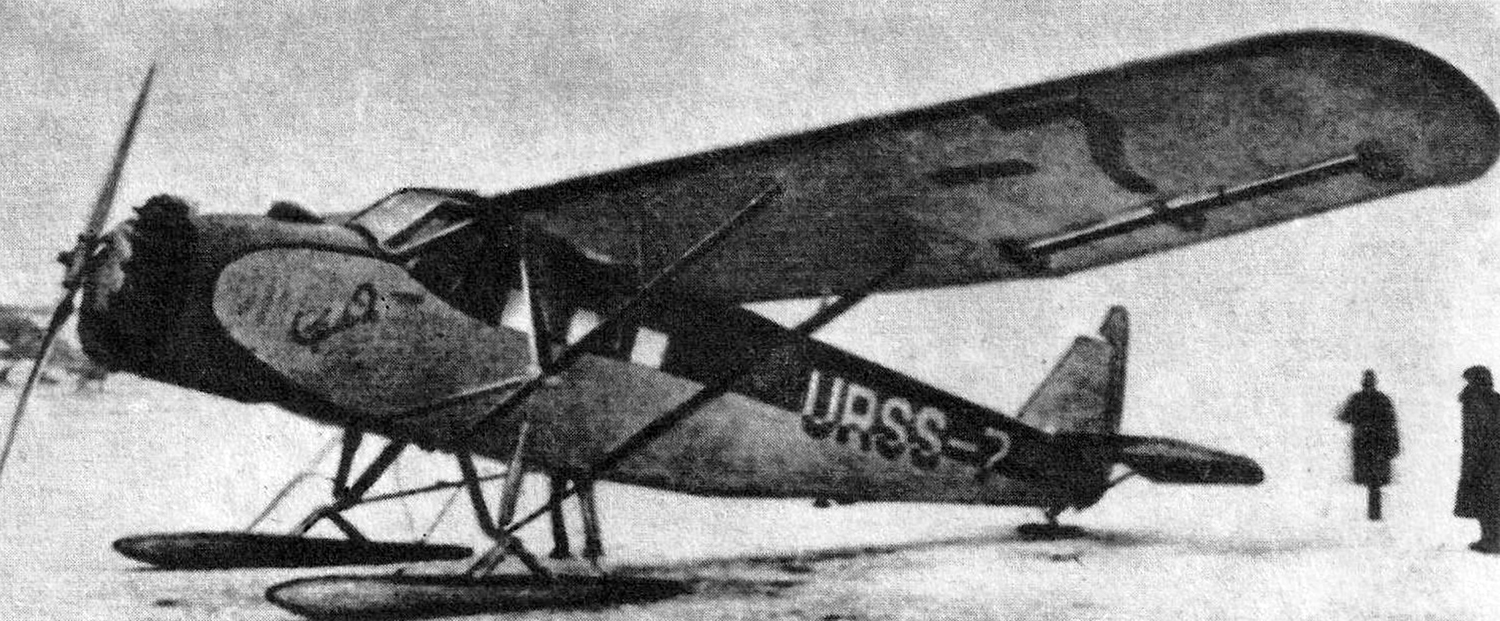
Crash of a Putilov Stal-2 into the Lake Baikal: 1 killed

Date & Time: Jan 12, 1933
Type of aircraft:
Operator:
Registration:
URSS-7
Flight Phase:
Flight Type:
Survivors:
Yes
Schedule:
Moscow – Petropavlovsk-Kamchatsky
Country:
Region:
Crew on board:
2
Crew fatalities:
Pax on board:
0
Pax fatalities:
Other fatalities:
Total fatalities:
1
Circumstances:
The crew departed Moscow on a test flight to Petropavlovsk-Kamchatsky. En route, weather conditions worsened with heavy snow falls and icing conditions. The aircraft lost altitude and crashed into the Lake Baikal. One occupant survived and the second was killed.

Crash of a Tupolev ANT-9 in Moscow: 4 killed

Date & Time: May 10, 1932 at 0950 LT
Type of aircraft:
Operator:
Registration:
CCCP-L128
Flight Type:
Survivors:
Yes
Schedule:
Moscow - Moscow
MSN:
129
YOM:
1932
Country:
Region:
Crew on board:
2
Crew fatalities:
Pax on board:
9
Pax fatalities:
Other fatalities:
Total fatalities:
4
Aircraft flight hours:
8
Circumstances:
The three engine airplane departed Moscow-Frunze Central Aerodrome in the morning on a local test flight, carrying nine passengers including one child and two crew members, one mechanic and one pilot. While cruising at an altitude of 900 metres, the mechanic informed the pilot about an oil leak below the right engine cowling. The pilot reduced his altitude and decided to divert to the Moscow-Oktyabrskoye Airfield. On final approach, at a height of 125 metres and at a speed of 120 km/h with both central and left engine at full power, the aircraft rolled to the right, stalled and crashed in a wooded area. The pilot and three passengers were killed while seven other occupants were injured.
Probable cause:
It was determined that the oil leak on the right engine was the consequence of the failure of an hydraulic pump. The following contributing factors were identified:
- The aircrafts' speed on approach was insufficient, despite both central and left engine were at full power,
- The pilot was panicking,
- Relative strong wind component at the time of the accident,
- The presence of passengers on board during a test flight, when they could be replaced by lest.

Crash of a Polikarpov U-1 in Tushino: 2 killed

Date & Time: Jun 25, 1931
Type of aircraft:
Operator:
Registration:
CCCP-313
Flight Phase:
Flight Type:
Survivors:
No
Schedule:
Moscow - Moscow
MSN:
2161
Country:
Region:
Crew on board:
2
Crew fatalities:
Pax on board:
0
Pax fatalities:
Other fatalities:
Total fatalities:
2
Circumstances:
The airplane departed Moscow on a local training flight with two pilots on board. En route, the crew encountered engine problems and was able to make an emergency landing near Tushino. Mechanics were called to make a check of the engine but nothing particular was noted and the crew was cleared for takeoff. Nevertheless, the captain took off with a mechanic on board to proceed with in-flight tests. Shortly after takeoff, at a height of about 100-150 metres, the airplane entered an uncontrolled descent and crashed, killing both occupants.
Probable cause:
The exact cause of the accident could not be determined with certainty. However, it is believed that the loss of control was the consequence of an engine failure for unknown reasons.

Crash of a De Havilland DH.60G Moth in Sabzevar

Date & Time: May 2, 1931
Type of aircraft:
Registration:
G-ABFW
Flight Phase:
Flight Type:
Survivors:
Yes
Schedule:
Tehran - Moscow
MSN:
1820
YOM:
1930
Country:
Region:
Crew on board:
1
Crew fatalities:
Pax on board:
1
Pax fatalities:
Other fatalities:
Total fatalities:
0
Circumstances:
En route from Tehran to Moscow, the crew encountered an unexpected situation and attempted an emergency landing when the aircraft crashed near Sabzevar, bursting into flames. Both occupants escaped uninjured and the aircraft was destroyed by a post crash fire.


