Crash of a Pacific Aerospace PAC 750XL in Taupo Lake

Date & Time: Jan 7, 2015 at 1216 LT
Operator:

Registration:
ZK-SDT
Flight Phase:
Survivors:
Yes
Schedule:
Taupo - Taupo
MSN:
122
YOM:
2005
Country:
Region:
Crew on board:
1
Crew fatalities:
Pax on board:
12
Pax fatalities:
Other fatalities:
Total fatalities:
0
Captain / Total flying hours:
588
Captain / Total hours on type:
14.00
Circumstances:
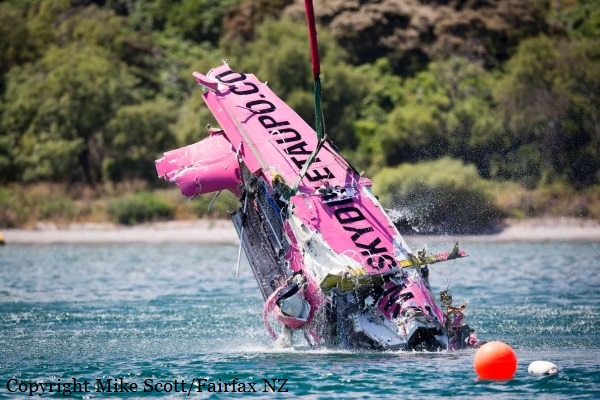
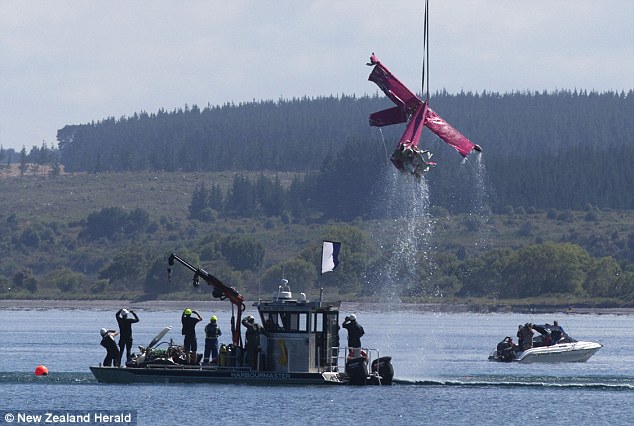
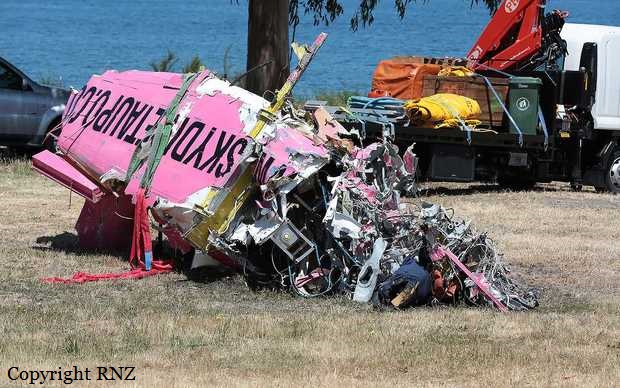
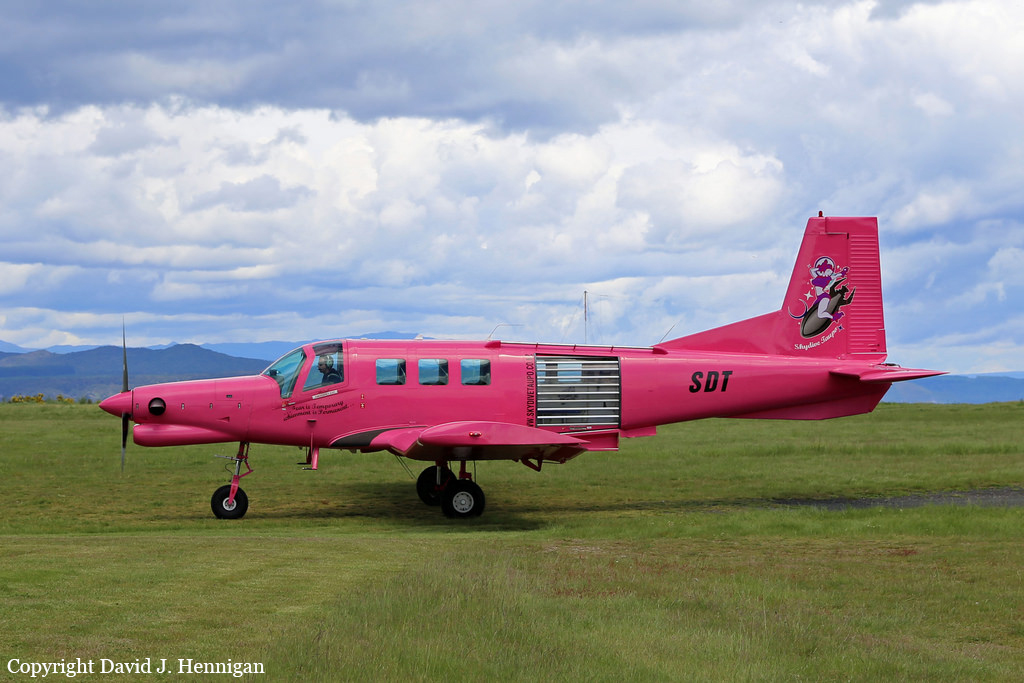
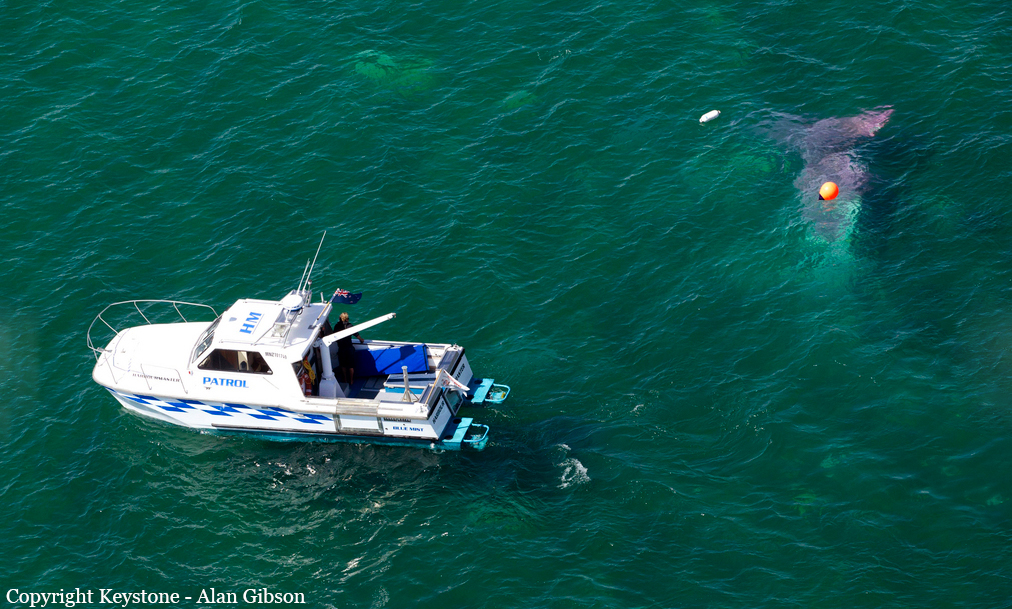
On 7 January 2015 a Pacific Aerospace Limited 750XL aeroplane was being used for tandem parachuting (or ‘skydiving’) operations at Taupō aerodrome. During the climb on the fourth flight of the day, the Pratt & Whitney Canada PT6A-34 engine failed suddenly. The 12 parachutists and the pilot baled out of the aeroplane and landed without serious injury. The aeroplane crashed into Lake Taupō and was destroyed.
Probable cause:
The following findings were identified:
- The first compressor turbine blade failed after a fatigue crack, which had begun at the trailing edge, propagated towards the leading edge. The blade finally fractured in tensile overload. The separated blade fragment caused other blades to fracture and the engine to stop.
- The fatigue crack in the trailing edge of the blade was likely initiated by the trailing edge radius having been below the specification for a new blade.
- The P&WC Repair Requirement Document 725009-SRR-001, at the time the blades were overhauled, had generic requirements for trailing edge thickness inspections but did not specify a minimum measurement for the trailing edge radius.
- The higher engine power settings used by the operator since August 2014 were within the flight manual limits. Therefore it was unlikely that the operator’s engine handling policy contributed to the engine failure.
- The operator had maintained the engine in accordance with an approved, alternative maintenance programme, but the registration of the engine into that programme had not been completed. The administrative oversight did not affect the reliability of the engine or contribute to the blade failure.
- It was likely that the maintenance provider had not followed fully the engine manufacturer’s recommended procedure for inspecting the compressor turbine blades. It could not be determined whether the crack might have been present, and potentially detectable, at the most recent borescope inspection.
- The operator had not equipped its pilots with flotation devices to cover the possibility of a ditching or an emergency bale-out over or near water.
- The pilot had demonstrated that he was competent and he had the required ratings. However, it was likely that the operator’s training of the pilot in emergency procedures was inadequate. This contributed to the pilot making a hasty exit from the aeroplane that jeopardized others.
Final Report:
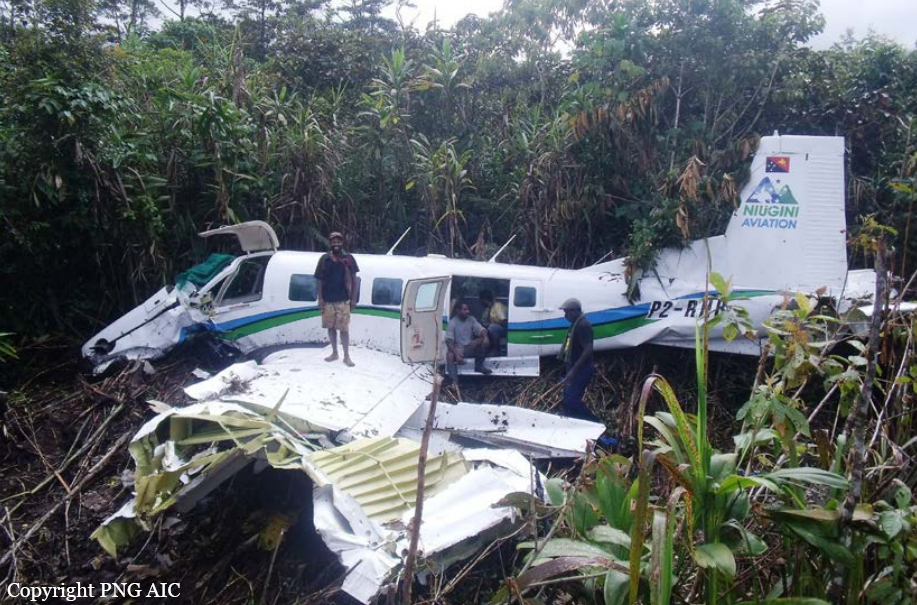
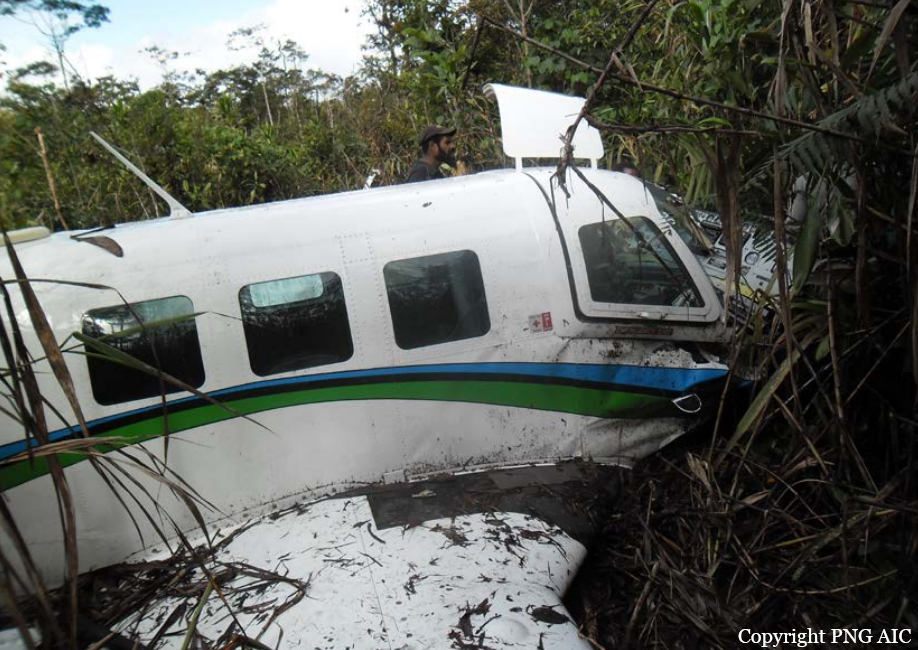
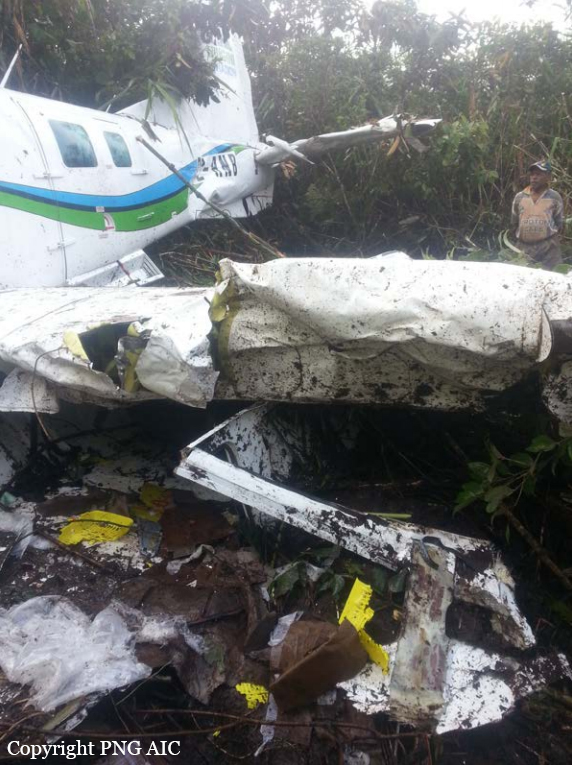
Crash of a PAC-750XTOL in Golgubip

Date & Time: Jul 19, 2014 at 1143 LT
Operator:
Registration:
P2-RNB
Survivors:
Yes
Schedule:
Kiunga – Golgubip
MSN:
190
YOM:
2013
Region:
Crew on board:
1
Crew fatalities:
Pax on board:
6
Pax fatalities:
Other fatalities:
Total fatalities:
0
Captain / Total flying hours:
2930
Captain / Total hours on type:
1900.00
Aircraft flight hours:
143
Circumstances:
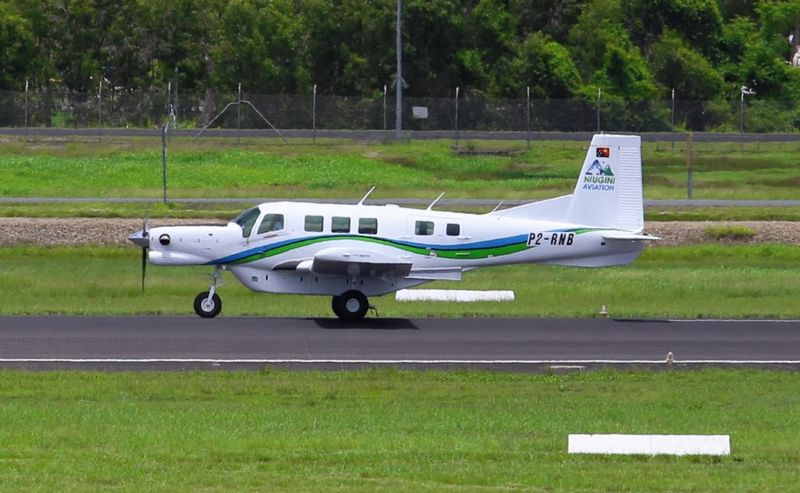
A Pacific Aerospace PAC P-750 XTOL single engine aircraft was chartered to transport store goods and six passengers from Kiunga to Golgubip. Although Golgubip is in mountainous terrain and the weather in the area is often poor, the pilot was tasked to fly there without ever having been to Golgubip before. The terrain to the north north east of Golgubip rises gradually behind the airstrip. Visual illusions which may affect the pilot’s perception of height and distance can be associated with airstrips situated in terrain of this kind. On arrival at Golgubip, the pilot orbited and positioned the aircraft for landing. During the final approach he decided to discontinue the approach and to initiate a go-around procedure. The aircraft impacted terrain approximately 500 metres northwest of the airstrip and was substantially damaged. The six passengers were unhurt while the pilot sustained serious injuries. The pilot was treated in Golgubip following the accident, and was airlifted the next day to Tabubil, where he was admitted to hospital. It was later reported that the GPWS alarm sounded on approach until the final impact.
Probable cause:
Loss of control on final approach, maybe following visual illusions.
Final Report:
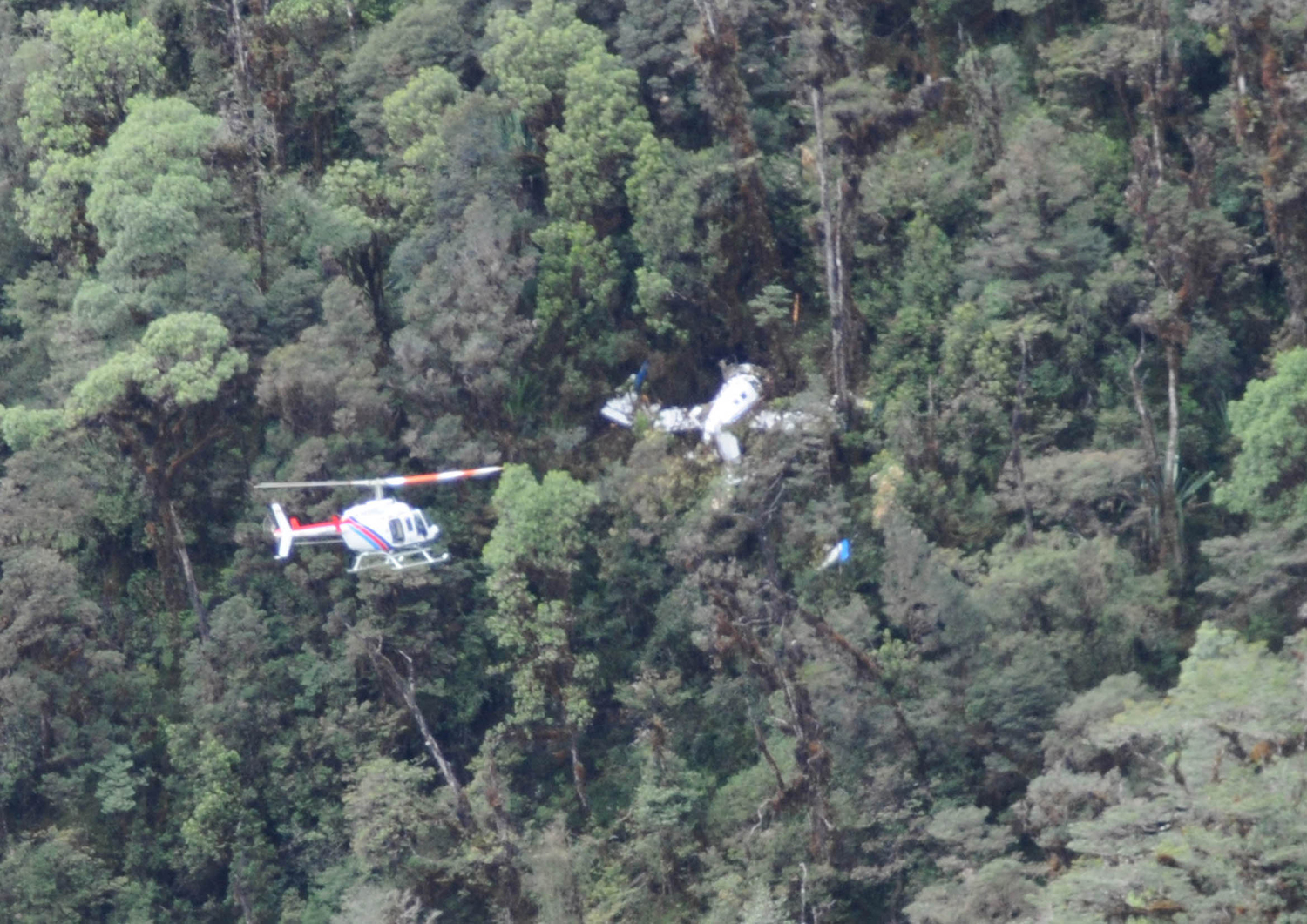
Crash of a PAC 750XL near Yahukimo: 2 killed

Date & Time: Oct 3, 2012 at 1120 LT
Operator:
Registration:
PK-RWT
Flight Phase:
Flight Type:
Survivors:
No
Site:
Schedule:
Jayapura - Korupun - Dekai
MSN:
157
YOM:
2009
Country:
Region:
Crew on board:
1
Crew fatalities:
Pax on board:
1
Pax fatalities:
Other fatalities:
Total fatalities:
2
Captain / Total flying hours:
1546
Captain / Total hours on type:
1315.00
Circumstances:
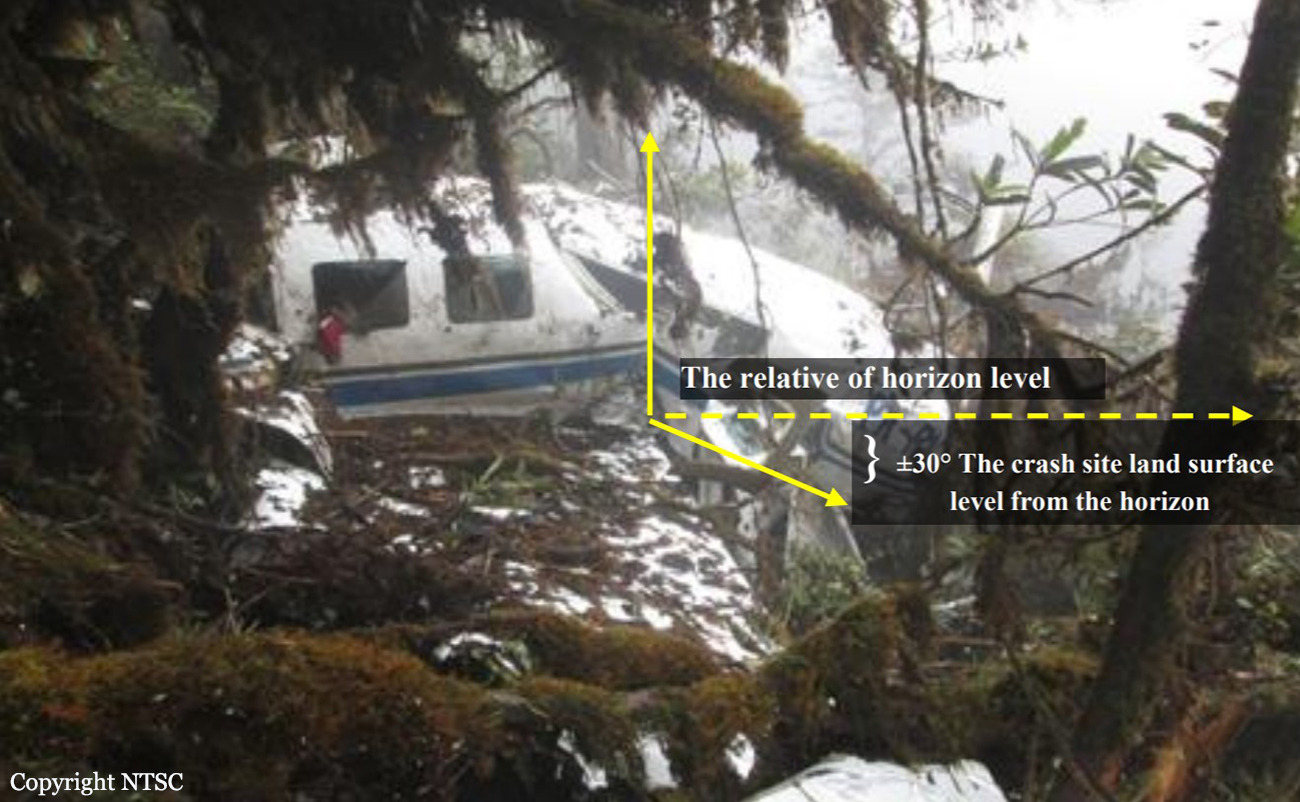
On 03 October 2012, a Pacific Aerospace LTD, PAC 750 XL aircraft registration PK-RWT was being operated by Yayasan Pelayan Penerbangan Tariku on a cargo supply flight from Koropun to Dekai in Papua area. This flight was the 9 th flight of that day. All flights were performed in accordance to the Visual Flight Rules (VFR). The first flight was from Sentani to Langda which was arrived at 2220 UTC (0720 LT). The aircraft arrived Koropun at 0120 UTC (1020 LT) as reported by the pilot through the company flight following system . The aircraft then departed Koropun to Dekai and lost contact during this flight. On board in this flight were one pilot, one passenger and 975 kg of cargo when departure from Sentani. The distance between Koropun to Dekai is about 24.6 Nm and normally takes about 11 minutes. The weather information issued by Badan Meteorologi Klimatologi and Geofisika/BMKG (Indonesia Meteorology Climatology and Geophysics Agency) between 0200 UTC to 0300 UTC, showed the development of cumulus cloud classified as Middle Cloud formation along the route from Koropun to Dekai. According to the company flight following procedure, the pilot should report after the aircraft lands by mentions “aircraft on the ground” which this means that the aircraft had arrived at destination. After aircraft airborne, the pilot should report aircraft airborne time and give the estimate of time arrival at destination. The last contact of the pilot was “the aircraft on the ground Koropun” at 0120 UTC. Normally, the next report would be within 15 up to 20 minutes after arrival. There was no report from the pilot after 20 minutes of the last report. The flight following officer tried to contact the pilot and was unsuccessful. At 0145 UTC, the Operation Manager of the aircraft operator received information from the New Zealand Search and Rescue Agency that informed that Local User Terminal (LUT) has received ELT distress signal from PK-RWT. This information was followed by information through email, which was received at 0150 UTC. Based on this information, the Indonesia Search and Rescue operation was initiated. The aircraft was found on 5 October 2013, in mountainous area with approximate elevation of 7,000 feet, at coordinate 04°28.62’S 139°39’E. The crew and passenger on board were fatally injured and the aircraft substantially damaged.
Probable cause:
The accident was classified as Controlled Flight into Terrain (CFIT), which most likely the aircraft was flown into the weather environment below the VFR margins.
Final Report:

Crash of a PAC 750XL in Abmisibil: 2 killed

Date & Time: Dec 17, 2011 at 0740 LT
Operator:
Registration:
PK-RCD
Survivors:
Yes
Schedule:
Jayapura - Abmisibil
MSN:
149
YOM:
2009
Country:
Region:
Crew on board:
1
Crew fatalities:
Pax on board:
4
Pax fatalities:
Other fatalities:
Total fatalities:
2
Circumstances:
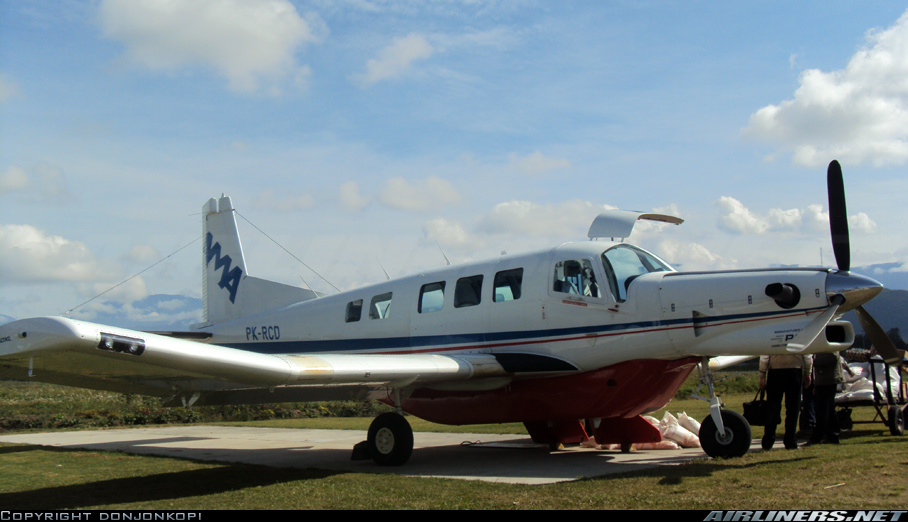
After landing on a wet runway at Abmisibil Airport, the single engine aircraft went out of control, veered off runway and came to rest in a ravine, bursting into flames. The pilot was killed and a passenger died few hours later. All three other occupants were seriously injured and the aircraft was destroyed by impact forces and a post crash fire.

Crash of a PAC 750XL in Cascais: 1 killed

Date & Time: Feb 12, 2010 at 1700 LT
Operator:
Registration:
D-FGOJ
Survivors:
Yes
Schedule:
Évora - Cascais
MSN:
139
YOM:
2008
Country:
Region:
Crew on board:
1
Crew fatalities:
Pax on board:
3
Pax fatalities:
Other fatalities:
Total fatalities:
1
Circumstances:
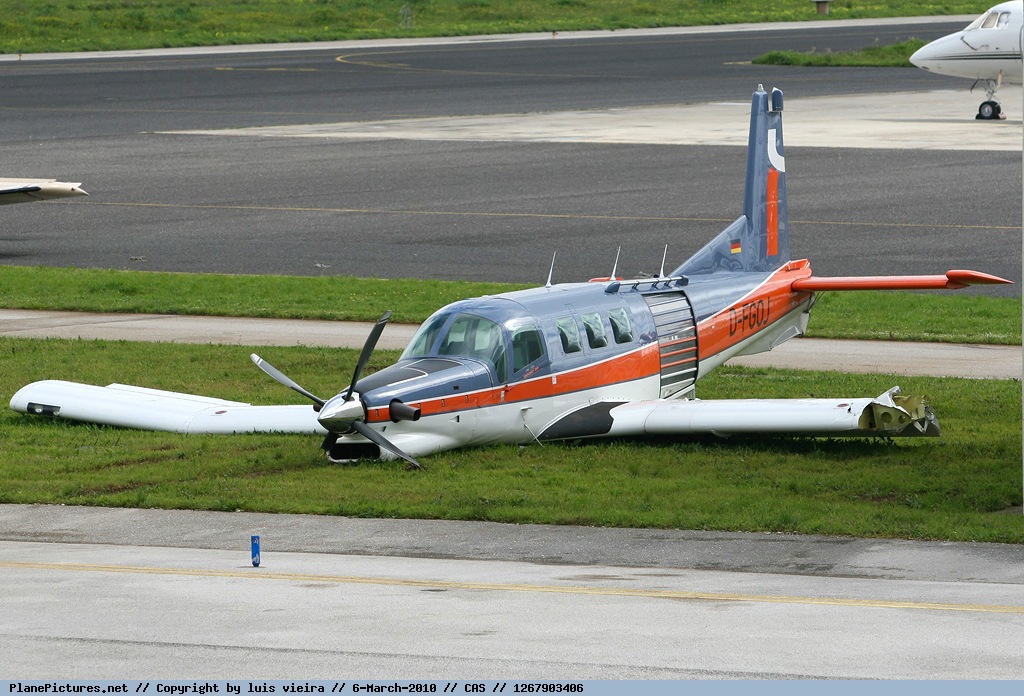
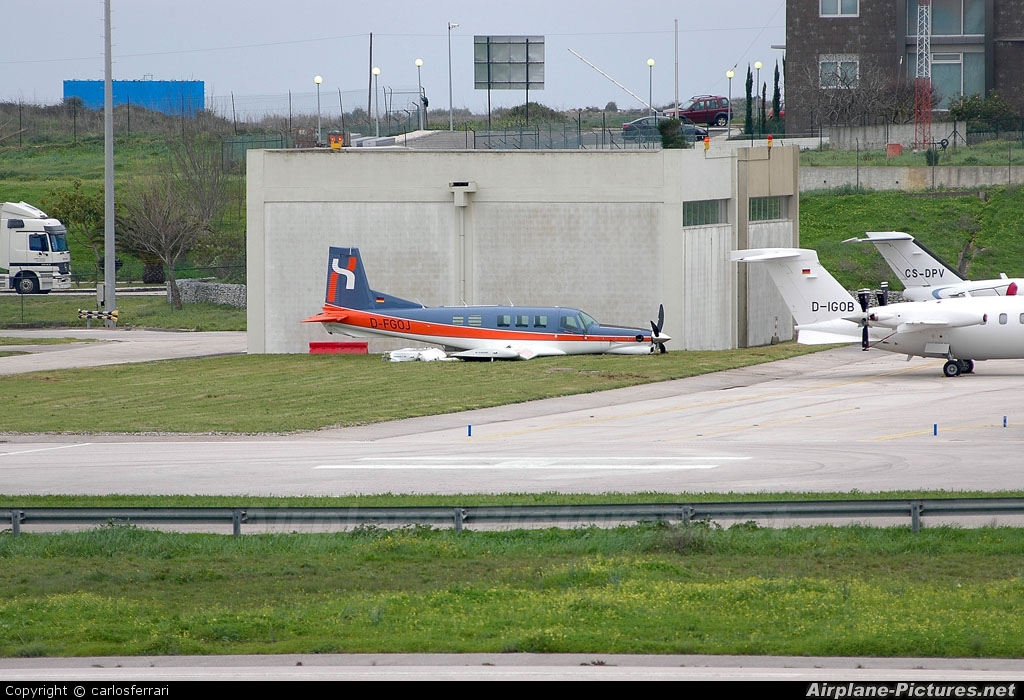
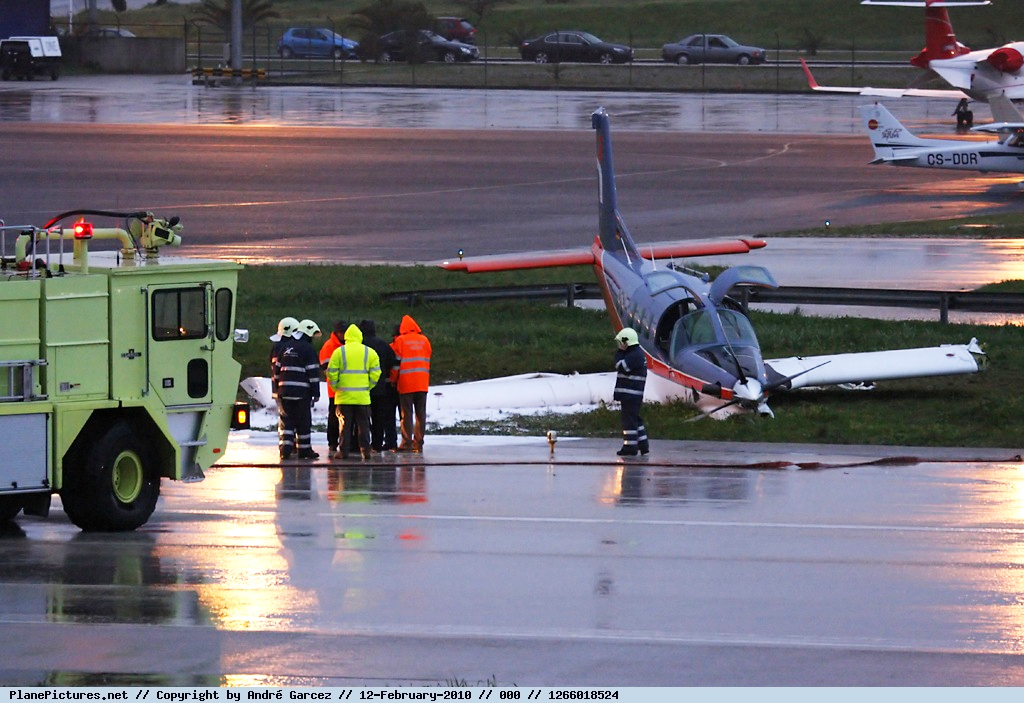
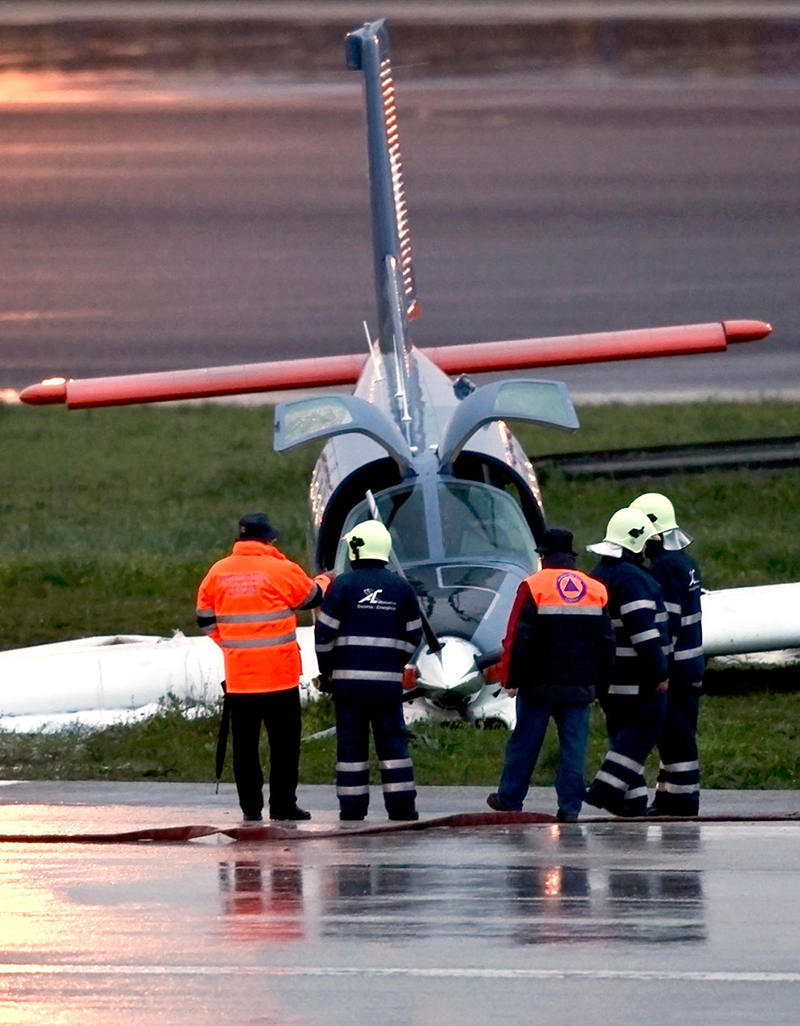
The aircraft departed Evora Airport in the afternoon for a local flight with two skydivers, one photographer and a pilot on board. Few minutes after take off, the photographer output a weapon and ordered both skydivers to jump. After they left the cabin, the photographer then threatened the pilot and ordered him to divert to Cascais-Tires Airport. After landing, the aircraft veered off runway, lost its undercarriage and came to rest in a grassy area near the apron. The pilot was able to escape while the photographer shot himself and died. Aircraft was damaged beyond repair, both wings being partially sheared off.
Probable cause:
Aircraft and crew hijacked in flight by a 'photographer'.
Final Report:

Crash of a Pacific Aerospace PAC 750XL in Pont-en-Ogoz: 2 killed

Date & Time: Sep 21, 2008 at 1328 LT
Operator:
Registration:
ZK-JPP
Flight Phase:
Survivors:
No
Schedule:
Colombier – Ecuvillens
MSN:
106
YOM:
2003
Country:
Region:
Crew on board:
1
Crew fatalities:
Pax on board:
1
Pax fatalities:
Other fatalities:
Total fatalities:
2
Captain / Total flying hours:
645
Captain / Total hours on type:
213.00
Aircraft flight hours:
1471
Aircraft flight cycles:
4214
Circumstances:
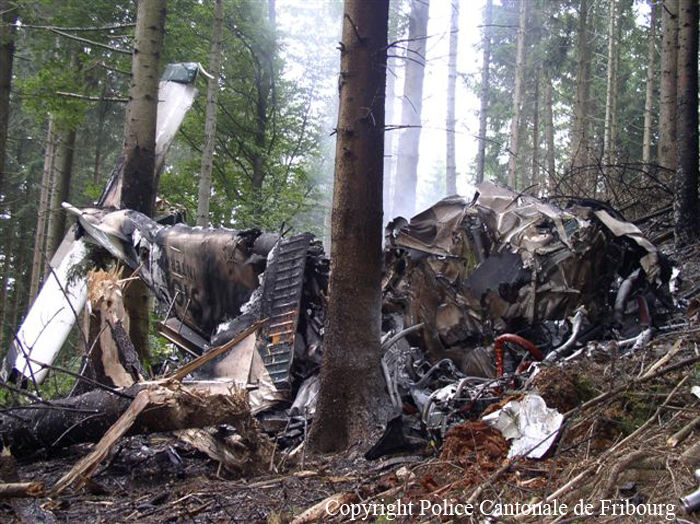
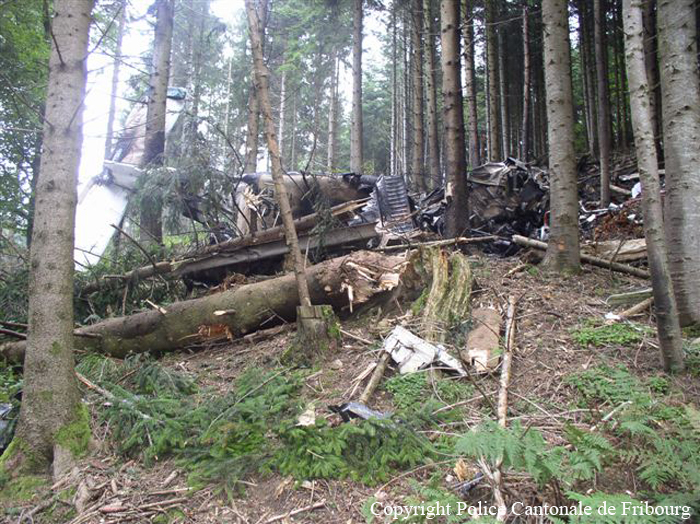
Following an uneventful flight from Beromünster, the single engine aircraft landed at Colombier Airport where 17 skydivers boarded the plane on a flight to Ecuvillens. While overflying the region of Gruyere, all 17 skydivers jumped. Few minutes later, while descending to Ecuvillens, the pilot encountered marginale weather conditions with limited visibility due to stratus up to the altitude of 1,060 metres. While flying under VFR mode in IMC conditions, the aircraft collided with trees and crashed the forest of Gibloux, near Pont-en-Ogoz. The aircraft was totally destroyed by impact forces and a post crash fire and both occupants, one pilot and one female passenger, were killed.
Probable cause:
Controlled flight into terrain after the pilot continued under VFR mode in IMC conditions.
Final Report:
Crash of a PAC 750XL in the Pacific Ocean: 1 killed

Date & Time: Dec 26, 2003 at 0601 LT
Operator:
Registration:
ZK-UAC
Flight Phase:
Flight Type:
Survivors:
No
Schedule:
Hamilton – Pago Pago – Christmas Island – Kiribati – Hilo – Oakland
MSN:
103
YOM:
2003
Country:
Region:
Crew on board:
1
Crew fatalities:
Pax on board:
0
Pax fatalities:
Other fatalities:
Total fatalities:
1
Captain / Total flying hours:
16564
Captain / Total hours on type:
180.00
Aircraft flight hours:
65
Circumstances:
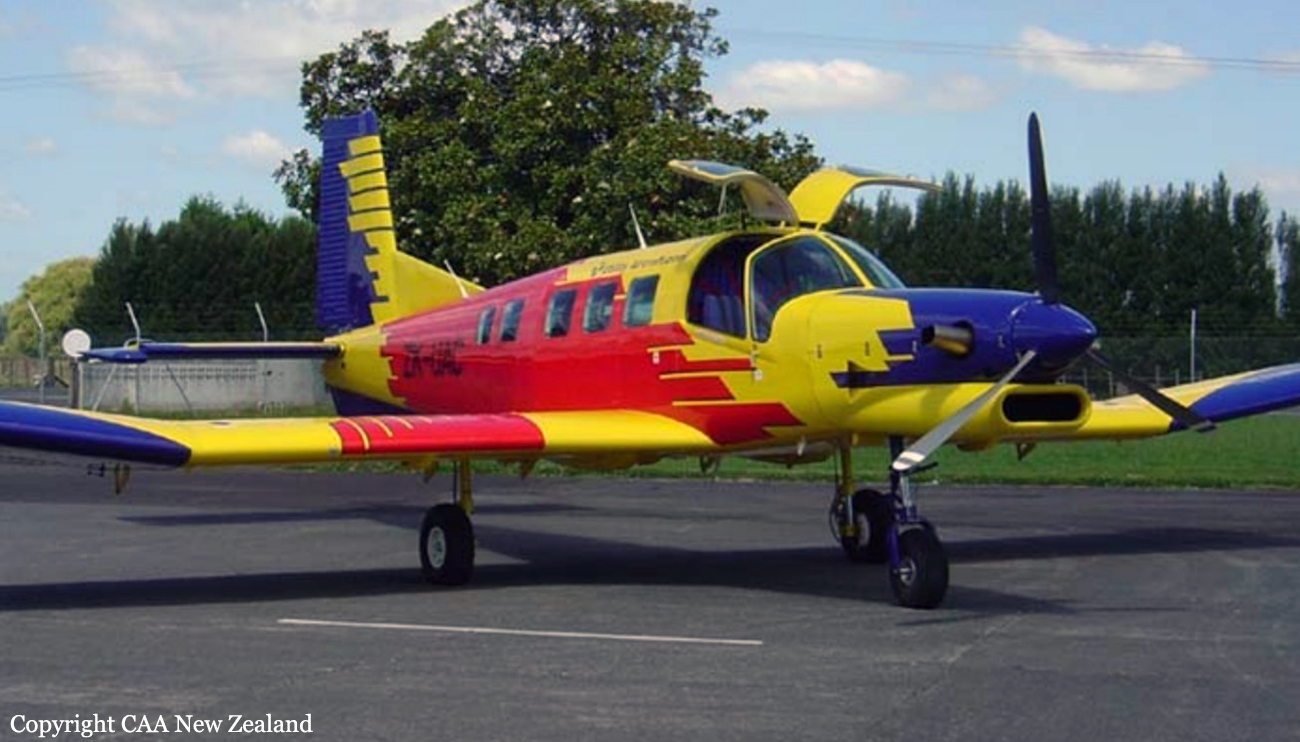
The pilot was ferrying the aircraft from Hamilton, New Zealand to Davis, California, via Pago Pago, American Samoa; Christmas Island, Kiribati; and Hilo, Hawaii. On the final leg, following a position report 858 nm from San Francisco, he reported a problem with his fuel system, indicating a probable ditching. Under the observation of a US Coast Guard HC-130 crew, the pilot ditched the aircraft at 1701 UTC, 341 nm from San Francisco, the aircraft nosing over on to its back as it touched down. The pilot did not emerge as expected and was later found by rescue swimmers, deceased, still in the cockpit. His body could not be recovered and was lost with the aircraft.
Probable cause:
The following findings were reported:
- The pilot was appropriately licensed, rated and experienced for the series of flights undertaken.
- The aeroplane had a valid airworthiness certificate and had been released to service.
- There was nothing (other than the item in 3.5) to suggest that the aeroplane was operating abnormally on the final flight.
- The aeroplane was being operated at 14 000 feet pressure altitude without supplementary oxygen as required by CAR 91.209 and 91.533.
- The left front fuel filler orifice was observed to be leaking fuel before departure.
- There was no attempt made to further investigate or correct this fuel leak and the pilot stated that it would stop once he departed.
- On most other aircraft this would be true, once the fuel level dropped away from the filler orifice and was no longer affected by aerodynamic suction.
- On the 750XL, the fuel system design was such that the front tanks were continuously topped up.
- The fuel loss would continue until all fuel in the rear tanks and the ferry system was consumed.
- The front fuel caps are thus critical items to be checked before flight.
- The fuel quantity uplifted at Hilo indicated that the problem had existed on the previous leg with a loss rate of up to 125 litres (33.2 US gallons) per hour.
- A comparison of the uplift figure with the expected consumption on the previous leg should have provided sufficient warning to the pilot that a problem existed.
- The existence of the problem could have been detected on the final flight by the shortened top-up intervals and by comparing fuel used by the engine with fuel remaining.
- Cumulative delays, especially including the longer than normal final refuelling time, probably influenced the pilot’s decision to depart without further checking the reason for the fuel leak or the apparent discrepancy between fuel figures.
- Cumulative fatigue, circadian rhythm and hypoxia were probably significant factors in the pilot’s failure to detect the fuel problem in flight, in time to make a safe return.
- By the time the pilot announced that he had a fuel problem, the only course of action open to him was ditching the aeroplane.
- The search and rescue facilities were activated appropriately, and had the potential to effect a successful rescue.
- The water entry impact on ditching was reasonably severe and probably incapacitated the pilot before he could vacate the cockpit.
Final Report: