Crash of a Mitsubishi MU-2B-60 Marquise in Columbia

Date & Time: Jan 19, 1996 at 0923 LT
Type of aircraft:
Operator:
Registration:
N50KW
Flight Type:
Survivors:
Yes
Schedule:
Columbia - Columbia
MSN:
784
YOM:
1980
Crew on board:
2
Crew fatalities:
Pax on board:
0
Pax fatalities:
Other fatalities:
Total fatalities:
0
Captain / Total flying hours:
16878
Captain / Total hours on type:
4348.00
Aircraft flight hours:
6073
Circumstances:
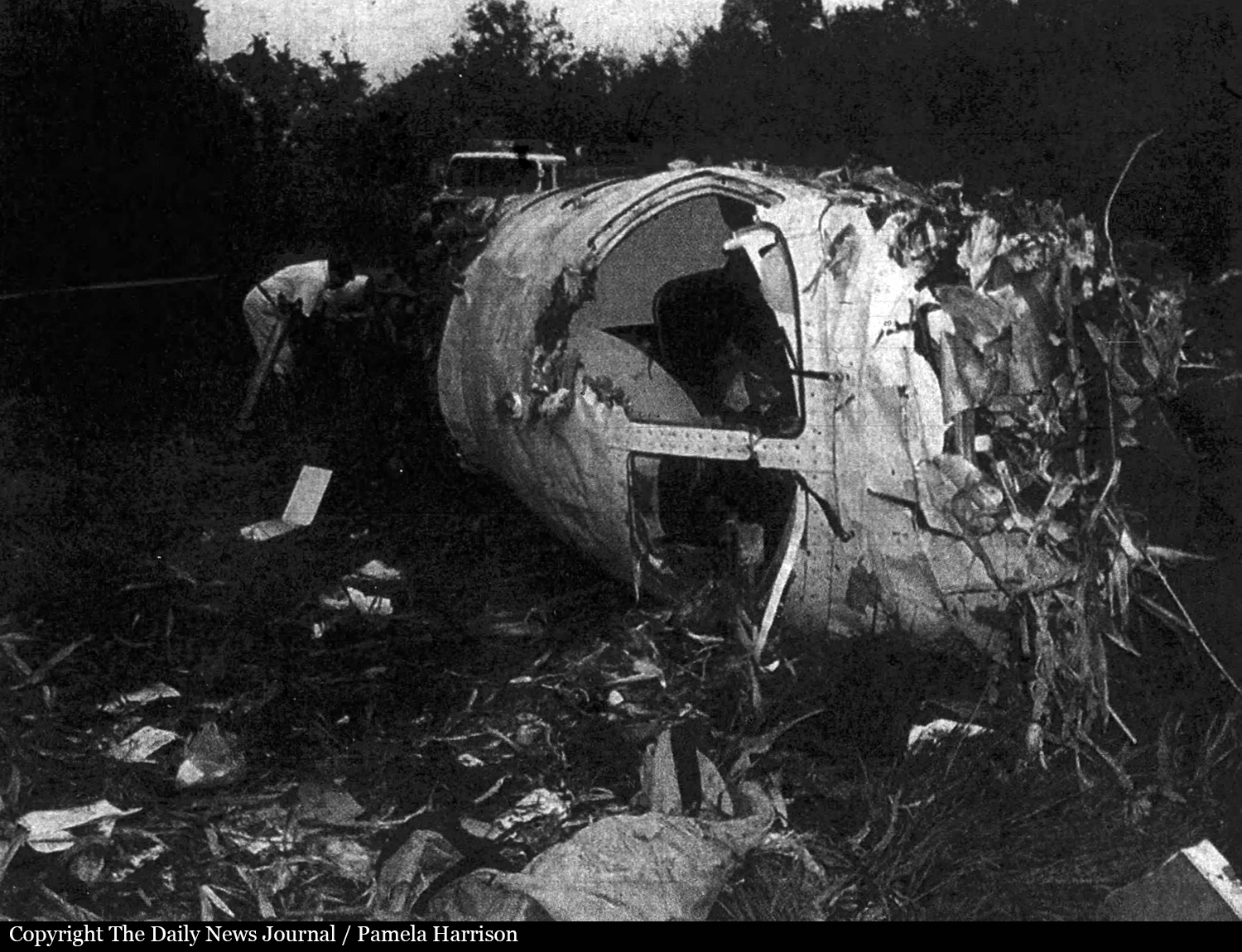
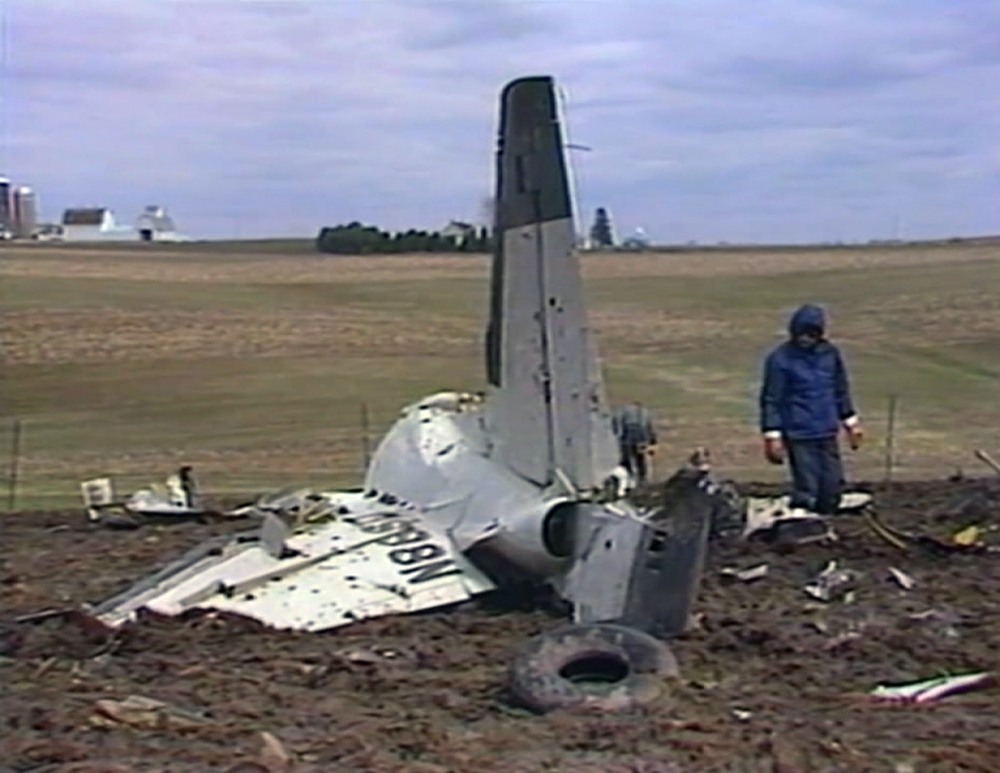
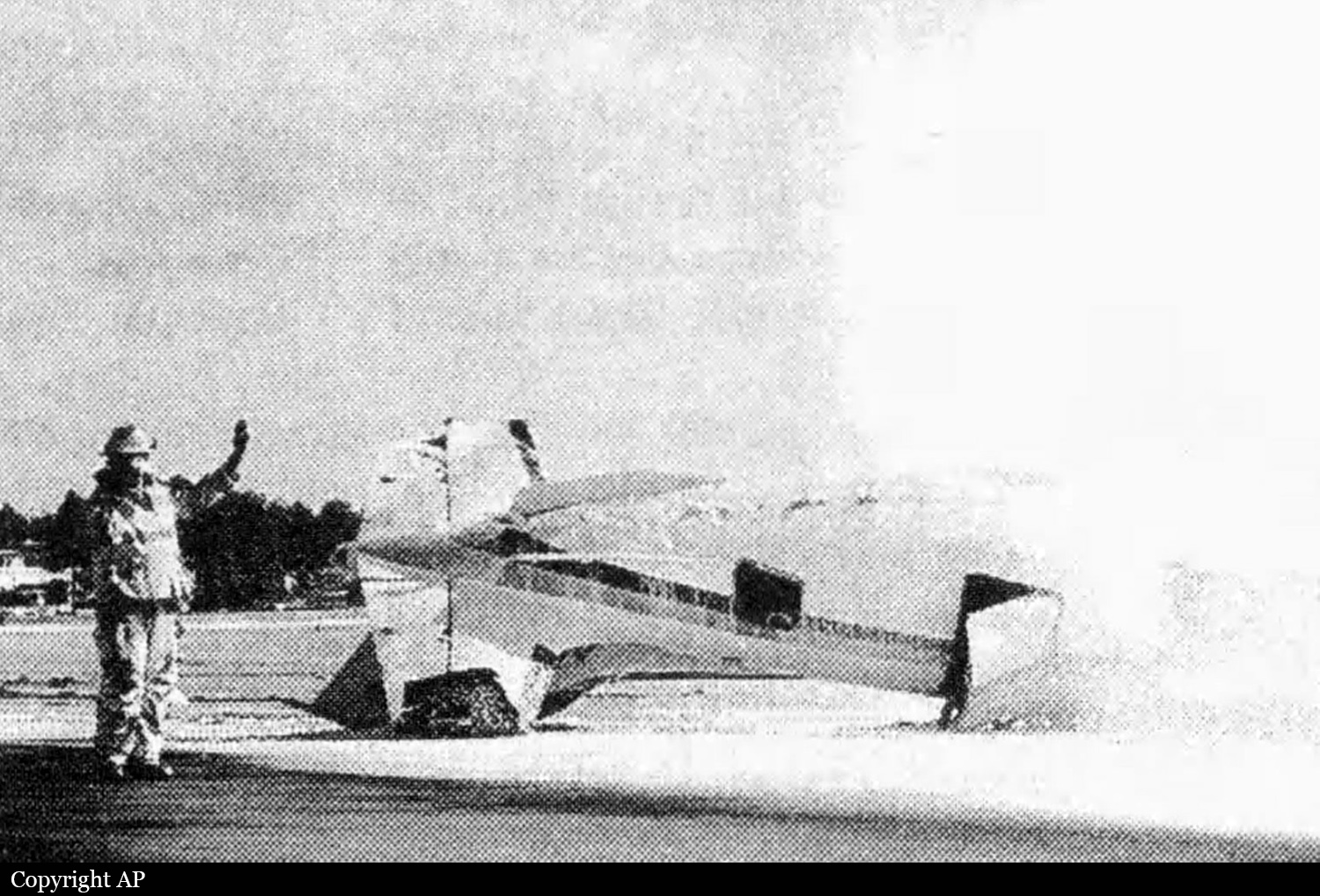
The flight departed on a maintenance test flight with known wind gusts to 27 knots. Before takeoff the pilot performed an NTS check to each engine with no discrepancies noted. During flight the pilot performed an NTS check to the left engine. Two attempts to restart the left engine were unsuccessful. Each time the propeller came out of the feathered position and started to rotate but there was no fuel flow or ignition. The flight returned to land and while on short final to runway 29 with the wind from 250 degrees at 20 knots, a witness observed the airplane pitch nose up then down then heard the sound of power applied to the right engine. The airplane than rolled to the left, pitched nose down, impacted the ground coming to rest nearly inverted with the wing section separated. Postaccident examination of the left engine and accessories revealed no evidence of preimpact failure or malfunction. The left engine fuel shutoff valve was found in the 'closed' position and no fuel was found aft of the fuel shutoff valve. The pilot stated that he has no recollection of the accident. The left and right engines had just been installed following 'hot section' work to both, and both were then started the day after installation with no discrepancies noted by company maintenance personnel.
Probable cause:
A total loss of power on one engine for undetermined reasons, and the pilot-in-command's failure to maintain airspeed (VMC) resulting in an in-flight loss of control. Contributing to the accident was the wind gusts encountered while on final approach to land.
Final Report:
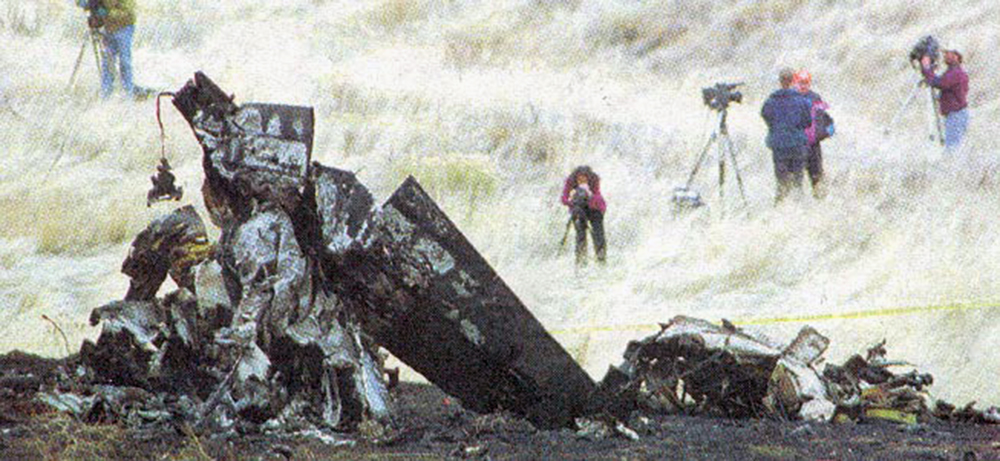
Crash of a Mitsubishi MU-2B-36 Marquise in Malad City: 8 killed

Date & Time: Jan 15, 1996 at 0618 LT
Type of aircraft:
Registration:
N693PA
Flight Phase:
Survivors:
No
Schedule:
Salt Lake City - Pocatello
MSN:
693
YOM:
1977
Crew on board:
2
Crew fatalities:
Pax on board:
6
Pax fatalities:
Other fatalities:
Total fatalities:
8
Captain / Total flying hours:
8925
Captain / Total hours on type:
1200.00
Circumstances:
A Mitsubishi MU-2 departed Salt Lake City, Utah, and climbed to 16,000 feet MS on an IFR flight to Pocatello, Idaho. While in cruise flight, the MU-2 encountered structural icing conditions. According to radar data, the MU-2 began slowing from a cruise speed of about 190 knots with slight deviations from heading and altitude. The airspeed decreased to about 100 knots, and the flight crew declared an unspecified emergency, then radio contact was lost. The MU-2 began a right turn, then it entered a steep descent and crashed. The pilot of a Beech 1900 (about 12 minutes in trail of the MU-2), stated that he encountered moderate rime icing at 16,000 feet. The Beech pilot activated his deice boots (3 times) and descended to 12,000 feet to exit the icing conditions. The MU-2 flight manual warned that during flight in icing conditions, stall warning devices may not be accurate and should not be relied upon; and to minimize ice accumulation, maintain a minimum cruise speed of 180 knots or exit the icing conditions. An investigation determined that the captain of the MU-2 was aware of deficiencies in the timer for the deice boots, as well as other maintenance deficiencies. The captain's medical certificate was dated 11/17/94; he was providing executive transportation for compensation under an agreement for "contractual flights," under 14 CFR 91. Although icing conditions were forecast in the destination area, no icing was forecast for the en route portion of the flight.
Probable cause:
Continued flight by the flightcrew into icing conditions with known faulty deice equipment; structural (airframe) ice; and failure of the flight crew to maintain adequate airspeed, which resulted in the loss of aircraft control and collision with terrain. A factor relating to the accident was: the en route weather (icing) condition, which was not forecast (inaccurate forecast).
Final Report:

Crash of a Mitsubishi MU-2B-35 Marquise in Smyrna

Date & Time: Sep 21, 1995 at 0425 LT
Type of aircraft:
Registration:
N309MA
Flight Phase:
Flight Type:
Survivors:
Yes
Schedule:
Smyrna - Louisville
MSN:
602
YOM:
1973
Crew on board:
1
Crew fatalities:
Pax on board:
1
Pax fatalities:
Other fatalities:
Total fatalities:
0
Captain / Total flying hours:
2140
Captain / Total hours on type:
112.00
Aircraft flight hours:
4304
Circumstances:
A witness stated he observed the airplane on climbout from runway 32. The airplane started a right turn estimated at about 30 to 45° angle of bank. The airplane stopped climbing and began descending. Subsequently, it collided with a tree line, while in a right bank, and then it impacted the ground. Weather conditions at the time of accident were described by the witness as very dark, with no ambient light or visible horizon. Examination of the airframe, flight control system, engine assembly, and propeller assembly revealed no evidence of a precrash failure or malfunction. The autopilot was found in the off position, and the autopilot circuit breakers were not tripped. The pilot and passenger were seriously injured and had no memory of the flight. A radio transcript revealed that after taking off, the flight had made one radio transmission to request an ifr clearance.
Probable cause:
Failure of the pilot to maintain a proper climb rate after takeoff, and his inadvertent entry in a descending spiral, which he failed to correct. Factors relating to the accident were: darkness, and the pilot becoming spatially disoriented during the initial climb while attempting to obtain an ifr clearance.
Final Report:

Crash of a Mitsubishi MU-2B-60 Marquise in Neuquén: 2 killed

Date & Time: May 3, 1995 at 2050 LT
Type of aircraft:
Operator:
Registration:
LV-MOP
Flight Phase:
Flight Type:
Survivors:
No
Schedule:
Neuquén – Bahía Blanca – Buenos Aires
MSN:
742
YOM:
1979
Country:
Crew on board:
2
Crew fatalities:
Pax on board:
0
Pax fatalities:
Other fatalities:
Total fatalities:
2
Circumstances:
The twin engine aircraft was completing a cargo flight from Neuquén to Buenos Aires-Ezeiza Airport with an intermediate stop in Bahía Blanca, carrying two pilots on behalf of Encotesa. Shortly after departure from Neuquén-Juan Domingo Perón Airport, while climbing by night, the crew informed ATC about his ETA in Bahía Blanca when control was lost. The aircraft crashed in Chimpay, in the suburb of Neuquén, about 4 km northeast of the airport, bursting into flames. Both pilots were killed.
Crew:
Horacio Ovidio Filippini, pilot,
Valerio Augusto Diehl, pilot.
Probable cause:
The exact cause of the accident remains unclear. The crew did not send any distress call prior to the loss of control. It is believed that the accident was the consequence of a possible in-flight fire or toxic fumes emanating in the cabin due the presence of polyethylene stored in several boxes that were not properly packed according to dangerous goods transportation procedures.

Crash of a Mitsubishi MU-2B-30 Marquise in Melbourne: 1 killed

Date & Time: Dec 21, 1994 at 0324 LT
Type of aircraft:
Registration:
VH-IAM
Flight Type:
Survivors:
No
Schedule:
Sydney – Melbourne
MSN:
517
YOM:
1970
Country:
Region:
Crew on board:
1
Crew fatalities:
Pax on board:
0
Pax fatalities:
Other fatalities:
Total fatalities:
1
Captain / Total flying hours:
5000
Captain / Total hours on type:
150.00
Circumstances:
The aircraft departed Sydney for Melbourne International airport at 0130 on 21 December 1994. En-route cruise was conducted at flight level 140. Melbourne Automatic Terminal Information Service (ATIS) indicated a cloud base of 200 feet for the aircraft's arrival and runway 27 with ILS approaches, was in use. Air Traffic Control advised the pilot of VH-UZB, another company MU2 that was also en-route from Sydney to Melbourne, and the pilot of VH-IAM while approaching the Melbourne area, that the cloud base was at the ILS minimum and that the previous two aircraft landed off their approaches. VH-UZB was slightly ahead of VH-IAM and made a 27 ILS approach and landed. In response to an inquiry from the Tower controller the pilot of VH-UZB then advised that the visibility below the cloud base was 'not too bad'. This information was relayed by the Tower controller to the pilot of VH-IAM, who was also making a 27 ILS approach about five minutes after VH-UZB. The pilot acknowledged receipt of the information and was given a landing clearance at 0322. At 0324 the Approach controller contacted the Tower controller, who had been communicating with the aircraft on a different frequency, and advised that the aircraft had faded from his radar screen. Transmissions to VH-IAM remained unanswered and search-and-rescue procedures commenced. Nothing could be seen of the aircraft from the tower. A ground search was commenced but was hampered by the darkness and reduced visibility. The terrain to the east of runway 27 threshold, in Gellibrand Hill Park, was rough, undulating and timbered. At 0407 the wreckage was found by a police officer. Due to the darkness and poor visibility the policeman could not accurately establish his position. It took approximately another 15-20 minutes before a fire vehicle could reach the scene of the burning aircraft. The fire was then extinguished.
Probable cause:
The following factors were reported:
1. The company's training system did not detect deficiencies in the pilot's instrument flying skills.
2. The cloud base was low at the time of the accident and dark night conditions prevailed.
3. The pilot persisted with an unstabilised approach.
4. The pilot descended, probably inadvertently, below the approach minimum altitude.
5. The pilot may have been suffering from fatigue.
Final Report:

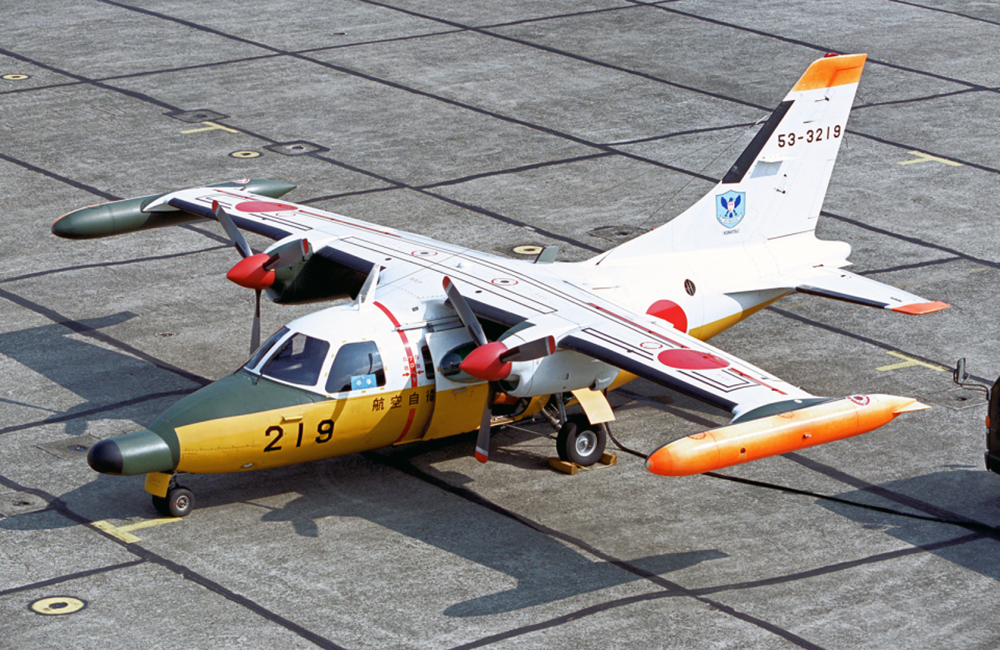
Crash of a Mitsubishi MU-2S Marquise off Hamamatsu: 4 killed

Date & Time: Oct 19, 1994
Type of aircraft:
Operator:
Registration:
53-3219
Flight Phase:
Flight Type:
Survivors:
No
MSN:
919
YOM:
1974
Country:
Region:
Crew on board:
4
Crew fatalities:
Pax on board:
0
Pax fatalities:
Other fatalities:
Total fatalities:
4
Circumstances:
The crew was engaged in a post maintenance test flight. En route, the copilot informed ATC about technical problems when control was lost. The aircraft entered a dive and crashed in the sea off Hamamatsu. All four crew members were killed.

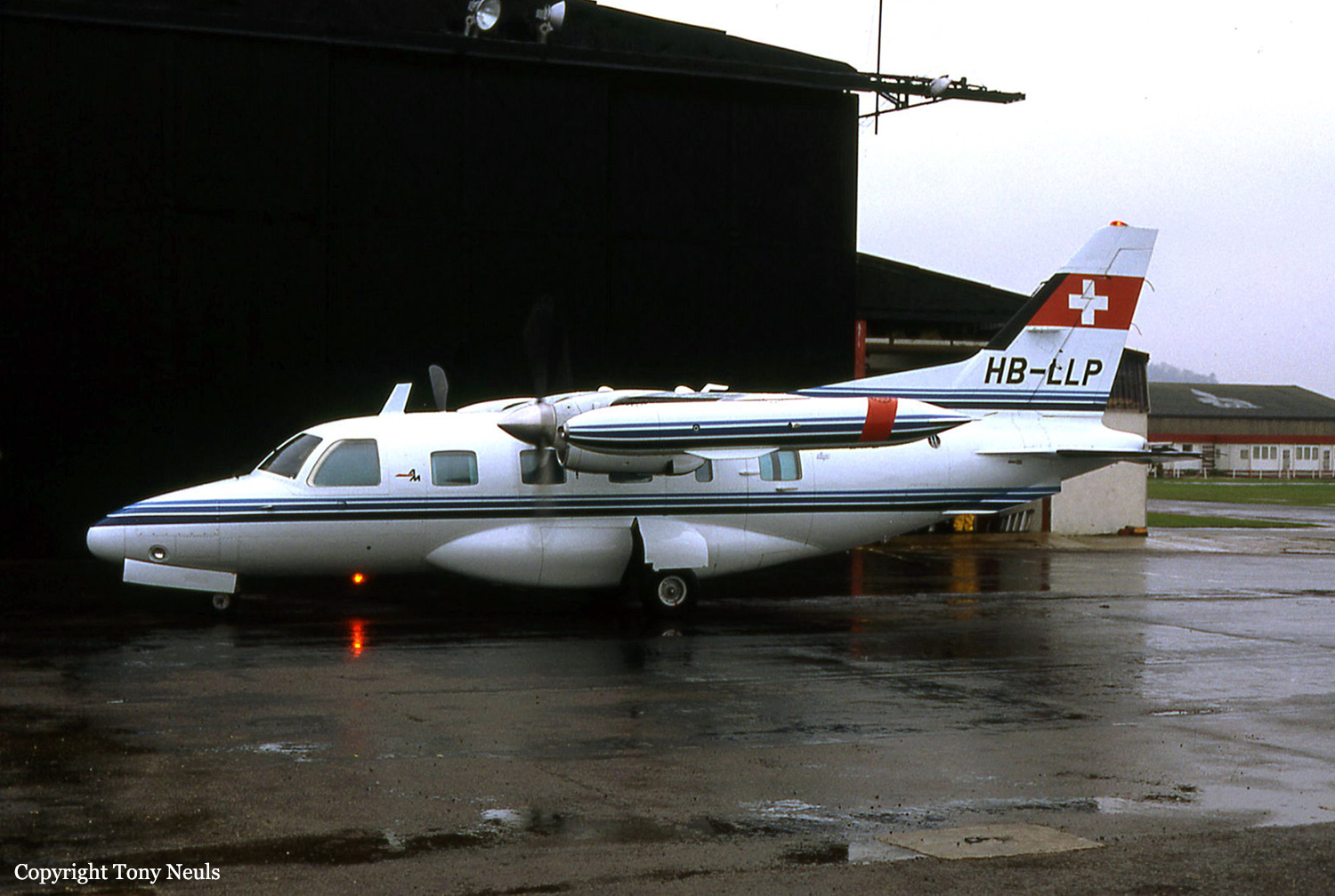
Crash of a Mitsubishi MU-2B-60 Marquise in Urnäsch: 1 killed

Date & Time: Sep 3, 1994 at 1531 LT
Type of aircraft:
Operator:
Registration:
HB-LLP
Flight Phase:
Flight Type:
Survivors:
No
Schedule:
Zurich - Zurich
MSN:
767
YOM:
1979
Country:
Region:
Crew on board:
1
Crew fatalities:
Pax on board:
0
Pax fatalities:
Other fatalities:
Total fatalities:
1
Captain / Total flying hours:
5488
Captain / Total hours on type:
666.00
Aircraft flight hours:
5845
Circumstances:
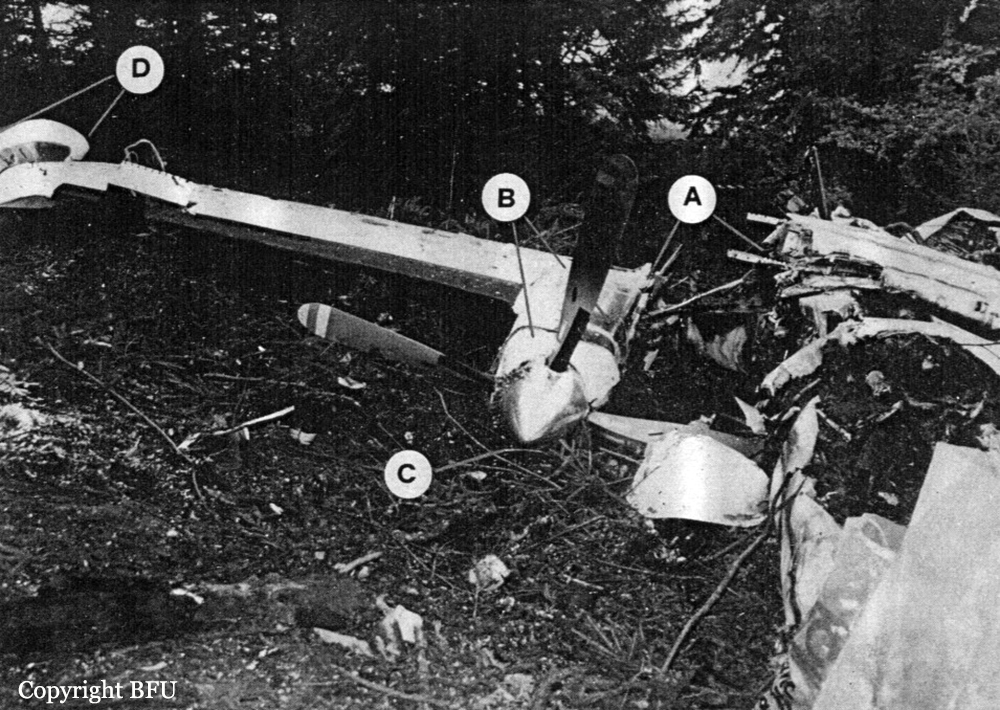
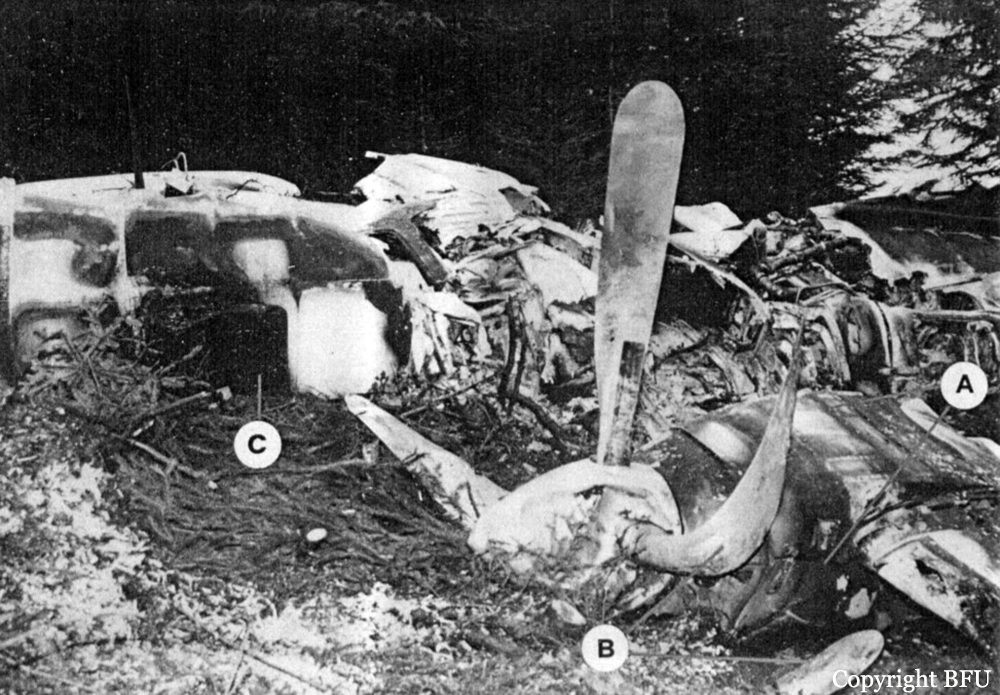
The day prior to the accident, both propellers have been changed at Basel Airport and the pilot returned to his base in Zurich. Due to poor weather conditions en route, he was unable to conduct a test of both propellers, reason why a test flight was scheduled on September 3. After his departure from Zurich-Kloten Airport runway 28, the pilot flew to the east and was cleared to climb to FL130, the assigned altitude where the test should be performed. Ten minutes after takeoff, he informed ATC that he would shut the right engine down. The aircraft lost speed and height then deviated from the prescribed flight path. The pilot was able to restart the right engine and to regain control when, three minutes later, he informed ATC he would shut the right engine down for the second time. The aircraft entered a right turn then a rapid descent and crashed in a wooded area, bursting into flames. The aircraft was destroyed and the pilot, sole on board, was killed.
Probable cause:
Detailed examination of the right engine and its peripherals as well as a simulator reconstitution were able to identify the probable causes of the accident:
- Malfunction of the Negative Torque System (NTS) on the right engine,
- Blocking of the condition lever in the 'fuel off' position prior to the 'emergency stop' position,
- Continuation of a technical control flight despite the malfunction of the Negative Torque System (NTS),
- Loss of control during an extreme asymmetrical thrust caused by the fact that the right propeller was in windmilling position with a high number of rounds.
Final Report:

Crash of a Mitsubishi MU-2B-60 Marquise off Papeete: 5 killed

Date & Time: May 27, 1994 at 2354 LT
Type of aircraft:
Registration:
F-GDHV
Flight Type:
Survivors:
No
Schedule:
Rarotonga - Papeete
MSN:
779
YOM:
1980
Location:
Region:
Crew on board:
1
Crew fatalities:
Pax on board:
4
Pax fatalities:
Other fatalities:
Total fatalities:
5
Circumstances:
The aircraft was completing an ambulance flight from Rarotonga (Cook Islands) to Tahiti, carrying to Australian patients, two doctors and one pilot. On final approach to Papeete-Faaa Airport runway 04 by night, the twin engine aircraft descended too low and crashed in the sea about 6,4 km short of runway. The pilot did not send any distress call prior to impact and the aircraft struck the water surface in a flat attitude. All five occupants were killed. For unknown reasons, the pilot failed to realize his altitude was insufficient on short final. The lack of visibility and visual references were considered as contributing factors.

Crash of a Mitsubishi MU-2B-40 Marquise in South Charleston

Date & Time: Aug 29, 1993 at 1550 LT
Type of aircraft:
Operator:
Registration:
N965MA
Survivors:
Yes
Schedule:
Rochester - Roanoke
MSN:
404
YOM:
1979
Crew on board:
1
Crew fatalities:
Pax on board:
2
Pax fatalities:
Other fatalities:
Total fatalities:
0
Captain / Total flying hours:
6370
Captain / Total hours on type:
2500.00
Aircraft flight hours:
2739
Circumstances:
The pilot reported the right engine failed, followed by the left engine approximately one minute later while he was in cruise at 25,000 feet. He said he initiated a steep descent to get below 18,000 feet, and attempts at restarting the left engine were unsuccessful. The pilot landed 500 feet down a 1,900 feet long runway and ran off the departure end, 300 feet, into a wooded area. Post accident investigation found 130 gallons of fuel onboard in the main tanks. The fuel was tested and found to be free of water. The fuel lines were free of obstructions and the fuel pumps worked. A failed torque sensor was found on the left engine which would disconnect the left engine driven fuel pump. The right engine was test run satisfactorily.
Probable cause:
Improper emergency procedures by the pilot which resulted in the shutdown of an operative engine, following a power loss due to a failed torque sensor in the other engine, which resulted in a total power loss approach, landing, and overrun.

Crash of a Mitsubishi MU-2B-60 Marquise in Zwingle: 8 killed

Date & Time: Apr 19, 1993 at 1552 LT
Type of aircraft:
Registration:
N86SD
Flight Type:
Survivors:
No
Schedule:
Cincinnati - Pierre
MSN:
765
YOM:
1970
Location:
Crew on board:
2
Crew fatalities:
Pax on board:
6
Pax fatalities:
Other fatalities:
Total fatalities:
8
Captain / Total flying hours:
10607
Captain / Total hours on type:
1922.00
Aircraft flight hours:
4580
Circumstances:
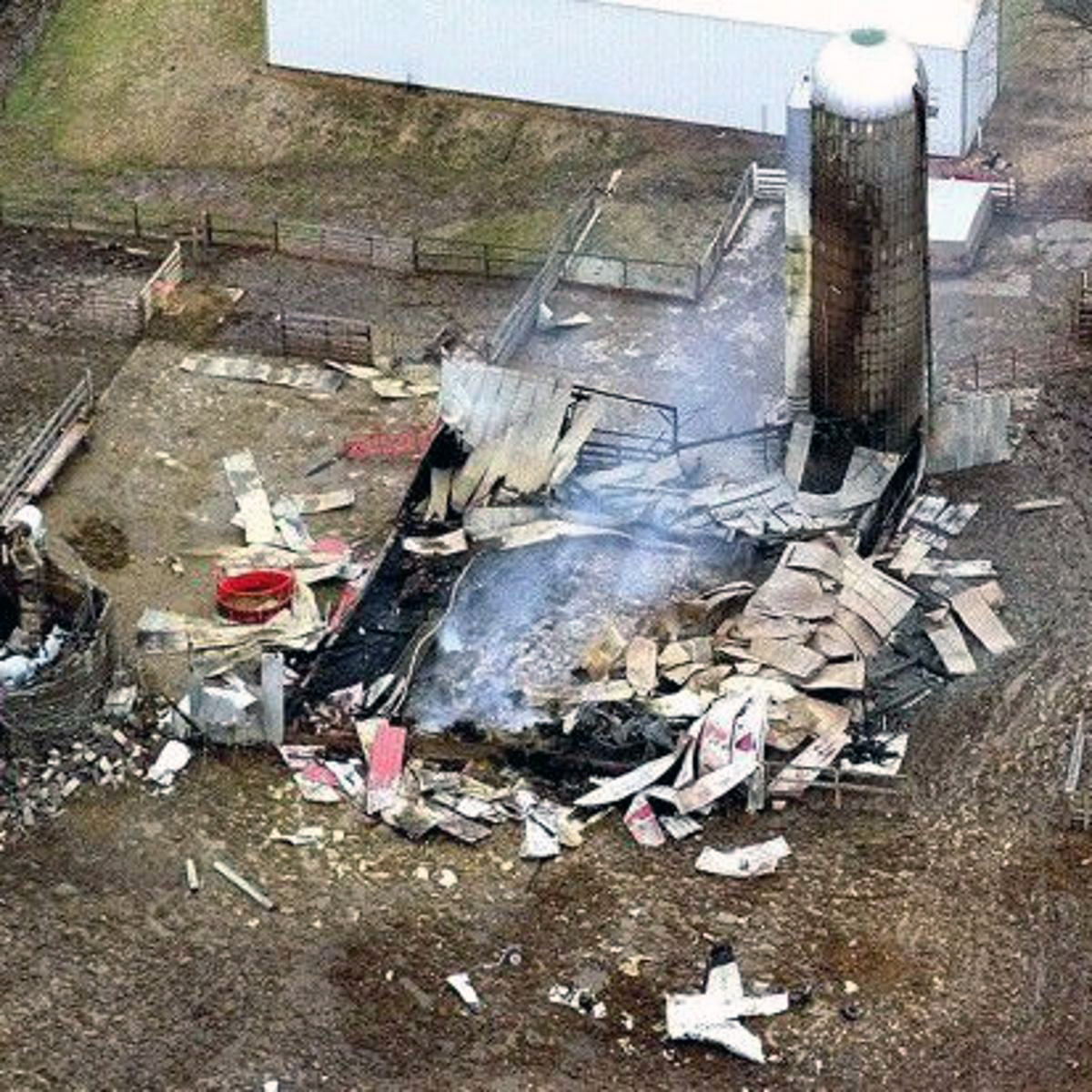
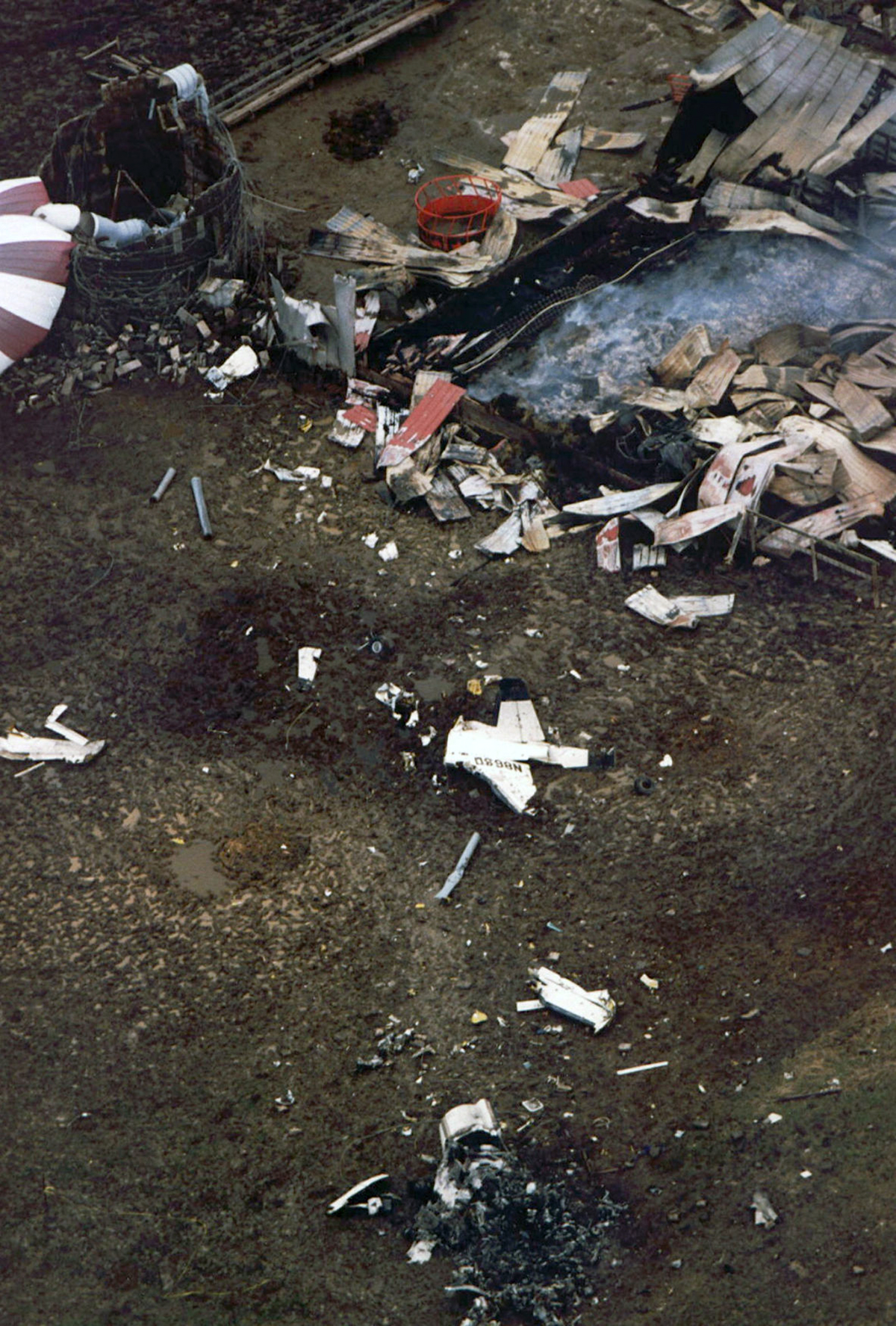
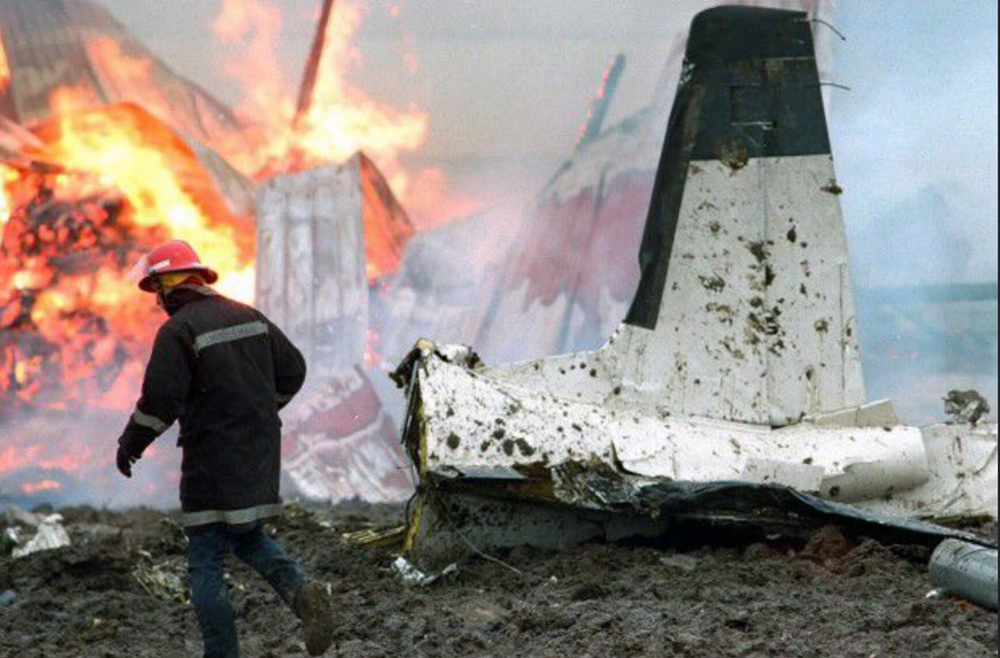
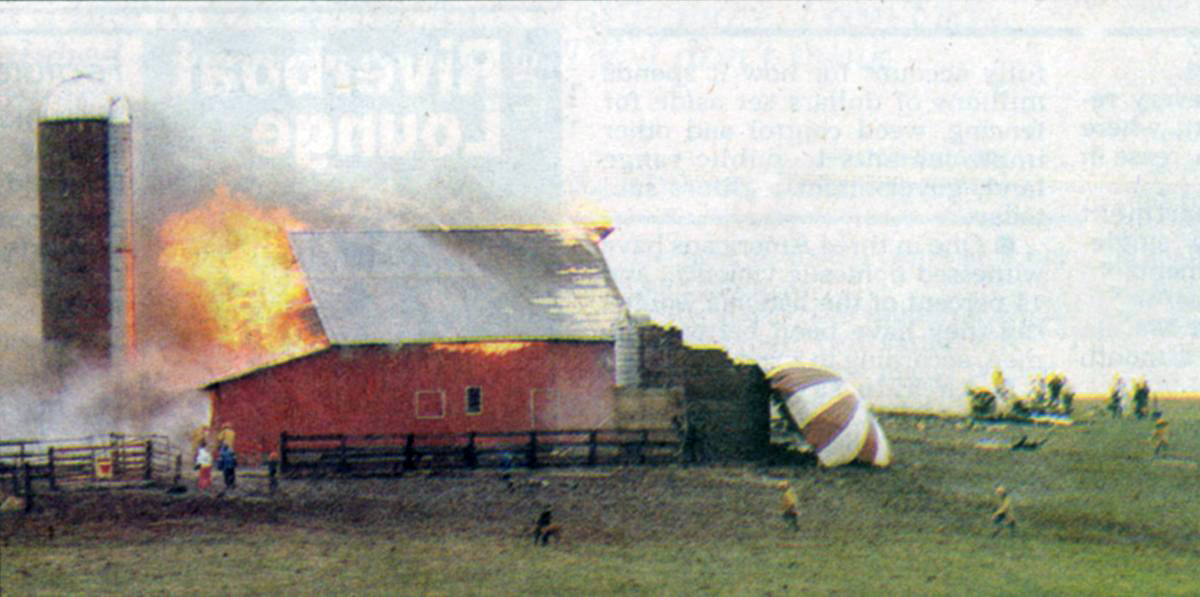
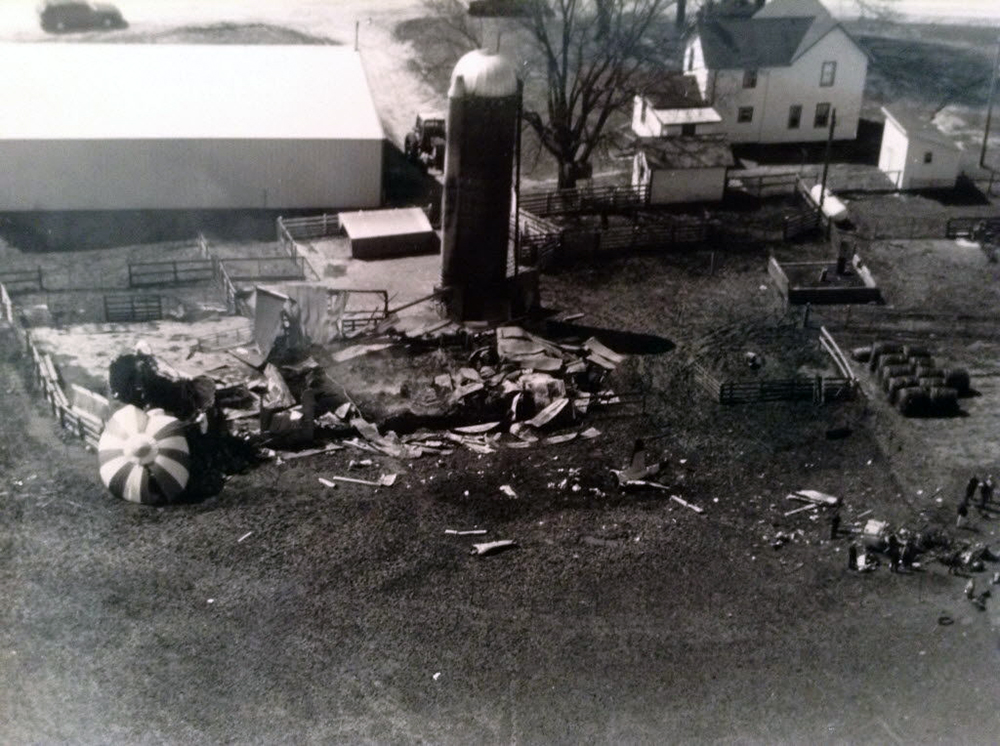
While cruising at FL240, a propeller (prop) hub arm on the left prop failed, releasing the prop blade, which struck a 2nd blade, breaking off its tip. This resulted in a severe engine vibration and shutdown of the left engine. The left engine was forced downward and inboard on its mounts. The cabin depressurized, possibly from blade contact. The flight crew made an emergency descent and received a vector to divert for an ILS approach to Dubuque. The airplane was incapable of maintaining altitude and descended in instrument conditions. Subsequently, it collided with a silo and crashed about 8 miles south of Dubuque. An investigation revealed the left prop hub failed from fatigue that initiated from multiple initiation sites on the inside diameter surface of the hole for the pilot tube. There was evidence that the fatigue properties of the hub were reduced by a combination of factors, including machining marks or scratches, mixed microstructure, corrosion, decarburization, and residual stresses. All eight occupants were killed, among them George Mickelson, 52, Governor of South Dakota.
Probable cause:
The fatigue cracking and fracture of the propeller hub arm. The resultant separation of the hub arm and the propeller blade damaged the engine, nacelle, wing, and fuselage, thereby causing significant degradation to aircraft performance and control that made a successful landing problematic. The cause of the propeller hub arm fracture was a reduction in the fatigue strength of the material because of manufacturing and time-related factors (decarburization, residual stress, corrosion, mixed microstructure, and machining/scoring marks) that reduced the fatigue resistance of the material, probably combined with exposure to higher-than-normal cyclic loads during operation of the propeller at a critical vibration frequency (reactionless mode), which was not appropriately considered during the airplane/propeller certification process.
Final Report: