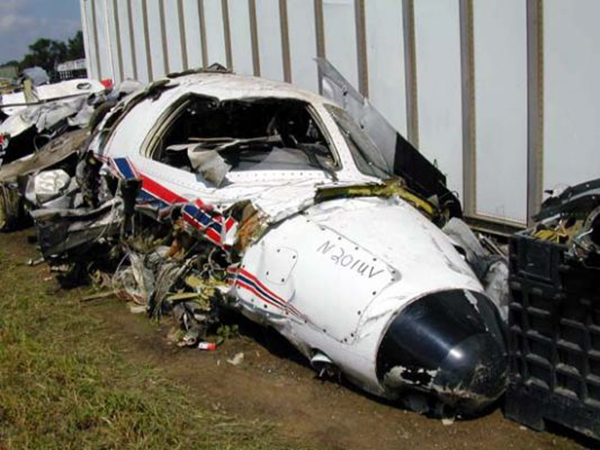
Crash of a Mitsubishi MU-2B-36 Marquise in West Memphis: 1 killed

Date & Time: Sep 22, 2005 at 1958 LT
Type of aircraft:
Operator:
Registration:
N103RC
Flight Type:
Survivors:
No
Schedule:
West Memphis - Gainesville
MSN:
673
YOM:
1975
Crew on board:
1
Crew fatalities:
Pax on board:
0
Pax fatalities:
Other fatalities:
Total fatalities:
1
Captain / Total flying hours:
12600
Captain / Total hours on type:
1900.00
Aircraft flight hours:
10892
Circumstances:
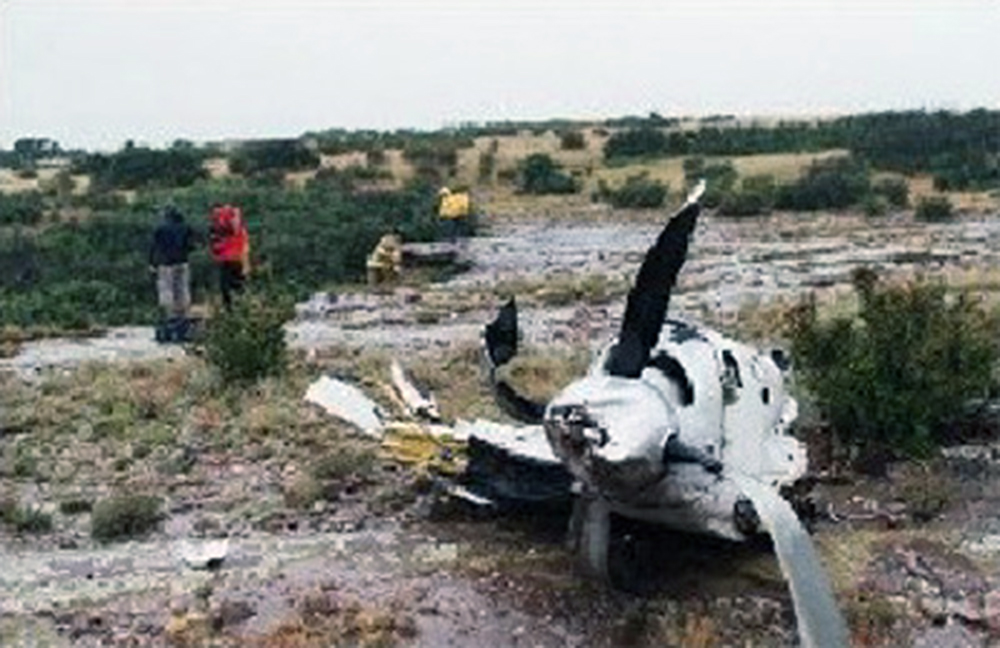
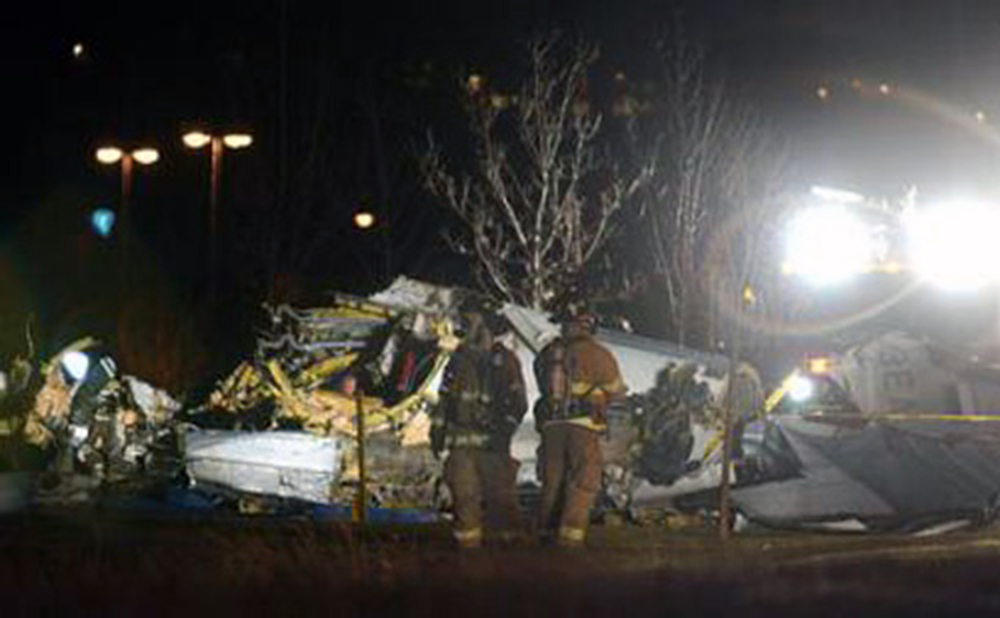
The twin-engine airplane was destroyed when it impacted an earthmoving scraper and terrain in a field about 2.5 miles north of the departure airport in night visual meteorological conditions. Witnesses reported that the pilot had aborted an earlier flight when he returned to the airport and told the mechanic that he had a right engine fire warning light. The discrepancy could not be duplicated during maintenance, and the airplane departed. About 23 minutes after departure, the pilot reported to air traffic control that he needed to return to the airport to have something checked out. The pilot did not report to anyone why he decided to return to the departure airport, and he flew over four airports when he returned to the departure airport. Radar track data indicated that the airplane flew over the departure end of runway 35 at an altitude of about 1,600 feet agl, and made a descending left turn. The airplane's altitude was about 800 feet agl when it crossed the final approach course for runway 35. The airplane continued the descending left turn, but instead of landing on runway 35, the airplane flew a course that paralleled the runway, about 0.8 nm to the right of runway 35. The airplane continued to fly a northerly heading and continued to descend. The radar track data indicated that the airplane's airspeed was decreasing from about 130 kts to about 110 kts during the last one minute and fifty seconds of flight. The last reinforced beacon return indicated that the airplane's altitude was about 200 feet agl, and the airspeed was about 107 kts. The airplane impacted terrain about 0.75 nm from the last radar contact on a 338-degree magnetic heading. A witness reported that the airplane was going slow and was "extremely low." He reported that the airplane disappeared, and then there was an explosion and a fireball that went up about 1,000 feet. Inspection of the airplane revealed that it impacted the earthmover in about a wings level attitude. The landing gear handle was found to be in the landing gear UP position. The inspection of the left engine and propeller revealed damage indicative of engine operation at the time of impact. Inspection of the right engine revealed damage indicative of the engine not operating at the time of impact, consistent with an engine shutdown and a feathered propeller. No pre-existing conditions were found in either engine that would have interfered with normal operation. The inspection of the right engine fire detection loop revealed that the connector had surface contamination. When tested, an intermittent signal was produced which could give a fire alarm indication to the pilot. After the surface contamination was removed, the fire warning detection loop operated normally.
Probable cause:
The pilot's improper in-flight decision not to land at the departure runway or other available airports during the emergency descent, and his failure to maintain clearance from a vehicle and terrain. Contributing factors were a false engine fire warning light, inadequate maintenance by company personnel, a contaminated fire warning detection loop, and night conditions.
Final Report:

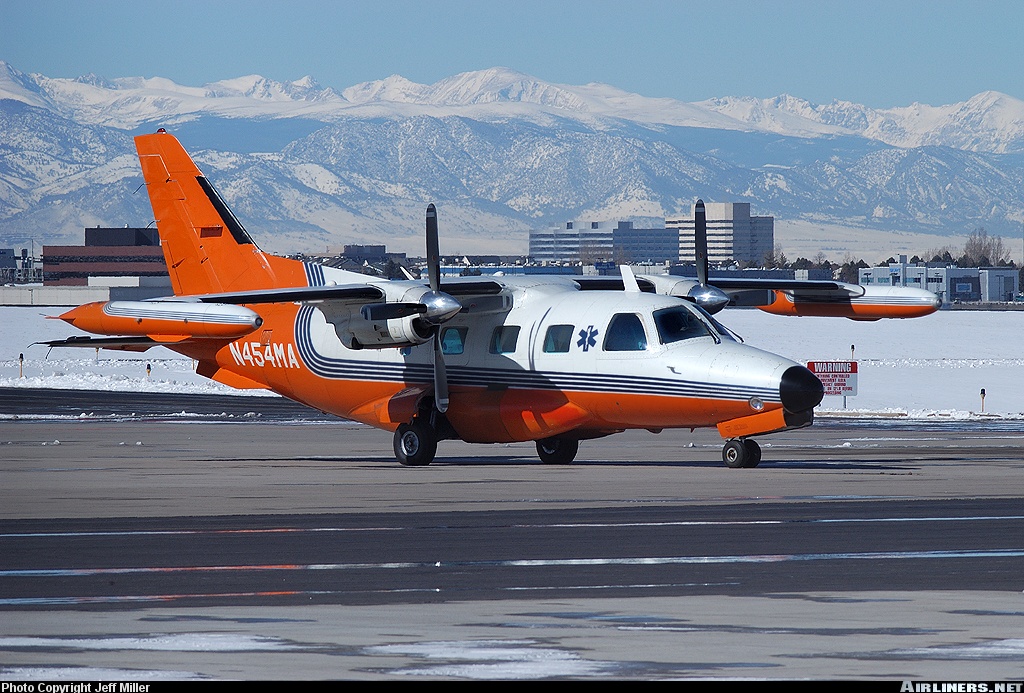
Crash of a Mitsubishi MU-2B-60 Marquise in Parker: 1 killed

Date & Time: Aug 4, 2005 at 0206 LT
Type of aircraft:
Operator:
Registration:
N454MA
Flight Type:
Survivors:
No
Schedule:
Salt Lake City - Denver
MSN:
1535
YOM:
1981
Location:
Crew on board:
1
Crew fatalities:
Pax on board:
0
Pax fatalities:
Other fatalities:
Total fatalities:
1
Captain / Total flying hours:
4800
Captain / Total hours on type:
1200.00
Aircraft flight hours:
12575
Circumstances:
The commercial pilot was executing a precision instrument approach at night in instrument meteorological conditions when the airplane collided with terrain about four miles short of the runway. A review of air traffic control communications and radar data revealed the pilot was vectored onto the final approach course but never got established on the glide slope. Instead, he made a controlled descent below the glide slope as he proceeded toward the airport. When the airplane was five miles from the airport, a tower controller received an aural low altitude alert generated by the Minimum Safe Altitude Warning (MSAW) system. The tower controller immediately notified the pilot of his low altitude, but the airplane collided with terrain within seconds. Examination of the instrument approach system and onboard flight navigation equipment revealed no pre-mishap anomalies. A review of the MSAW adaptation parameters revealed that the tower controller would only have received an aural alarm for aircraft operating within 5 nm of the airport. However, the frequency change from the approach controller to the tower controller occurred when the airplane was about 10.7 miles from the airport, leaving a 5.7 mile segment where both controllers could receive visual alerts, but only the approach controller received an aural alarm. A tower controller does not utilize a radar display as a primary resource for managing air traffic. In 2004, the FAA changed a policy, which eliminated an approach controller's responsibility to inform a tower controller of a low altitude alert if the tower had MSAW capability. The approach controller thought the MSAW alarm parameter was set 10 miles from the airport, and not the 5 miles that existed at the time of the accident. Subsequent investigation revealed, that The FAA had improperly informed controllers to ensure they understood the alarm parameters for control towers in their area of responsibility. This led the approach controller to conclude that the airplane was no longer her responsibility once she handed it over to the tower controller. Plus, the tone of the approach controller's aural MSAW alarm was not sufficient in properly alerting her of the low altitude alert.
Probable cause:
The pilot’s failure to fly a stabilized instrument approach at night which resulted in controlled flight into terrain. Contributing factors were; the dark night, low clouds, the inadequate design and function of the airport facility’s Minimum Safe Altitude Warning System (MSAW), and the FAA’s inadequate procedure for updating information to ATC controllers.
Final Report:

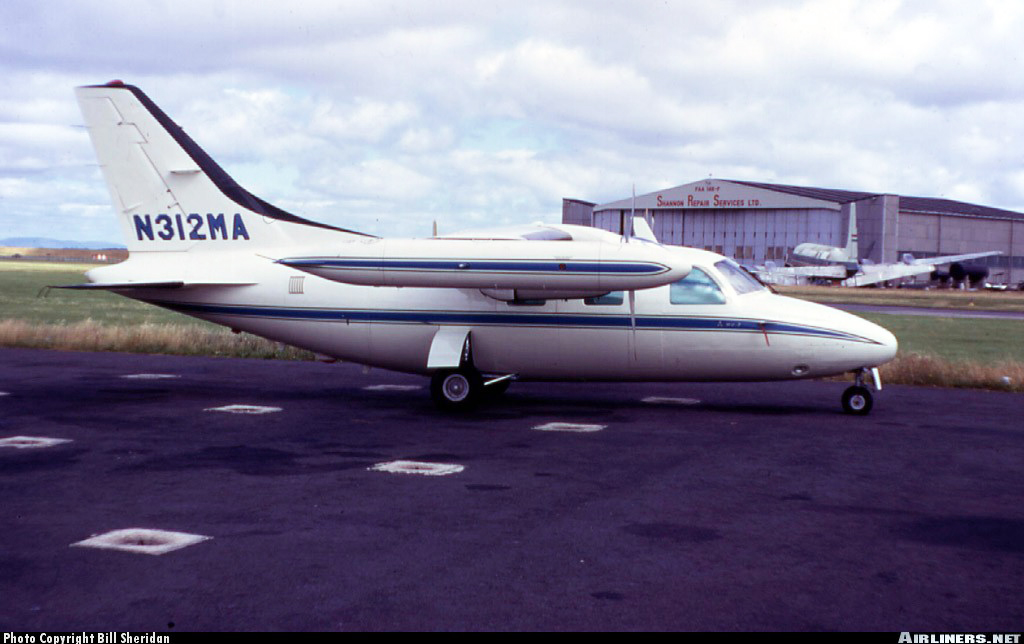
Crash of a Mitsubishi MU-2B-25 Marquise in Hillsboro: 4 killed

Date & Time: May 24, 2005 at 1752 LT
Type of aircraft:
Registration:
N312MA
Flight Phase:
Survivors:
No
Schedule:
Hillsboro – Salem
MSN:
266
YOM:
1973
Crew on board:
1
Crew fatalities:
Pax on board:
3
Pax fatalities:
Other fatalities:
Total fatalities:
4
Captain / Total flying hours:
2170
Captain / Total hours on type:
551.00
Aircraft flight hours:
3970
Circumstances:
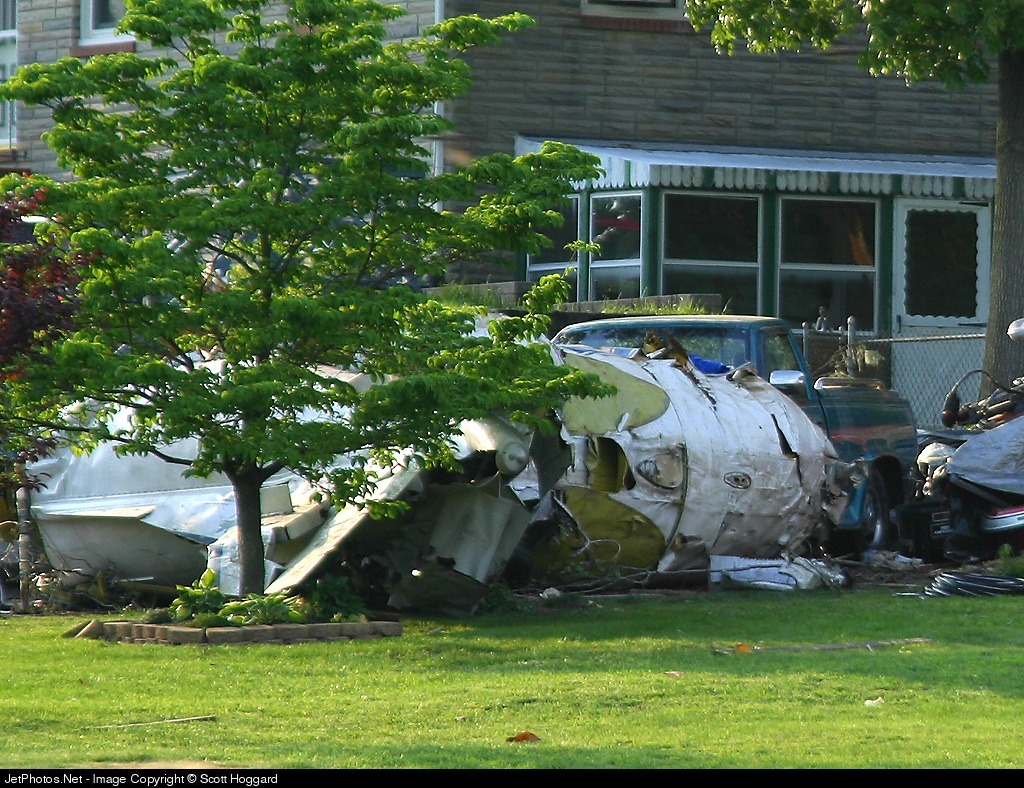
Witnesses observed the aircraft perform a rolling takeoff and it was airborne by the crossing runway (1,300 feet down the 6,600 foot runway). The aircraft entered an approximate 40 degree nose high climb rate to about 1,000 feet. The aircraft then entered a steep left hand banking turn. The nose dropped and the aircraft rotated up to about 4 times before colliding with the flat terrain adjacent to the departure end of the runway threshold. On site documentation of the airframe found no evidence of a flight control malfunction. An engine examination and teardown found that the gearbox section of the left engine experienced a high cycle fatigue failure of the high speed pinion journal bearing oil supply tube and subsequent degradation of the high speed pinion journal bearings. This failure resulted in a partial power loss to the left engine. The pilot had recently purchased this aircraft and he had accumulated approximately 11 hours since the purchase. The pilot had stated to personnel at the place where he purchased the aircraft that he had not received, nor did he need recurrent training in this aircraft as he had several thousand hours in the aircraft. Flight logs provided by the family indicated that the pilot had accumulated about 551 hours in a Mitsubishi, however, the last time that the pilot had flown this make and model was 14 years prior to the accident. Logbook entries indicated that only a few hours of flight time had been accumulated in all aircraft during the approximately 2 years prior to the accident. Personnel that flew with the pilot in the make and model aircraft involved in the accident described the pilot as "proficiency lacking." Normal takeoff calculations for the aircraft with the flaps configured to 5 degrees, indicated a ground run of 2,900 feet, with a rotation speed of 106 KCAS, and 125 KCAS for the climb out. A maximum pitch attitude of 13 degrees maximum is indicated. Performance calculations indicated that the aircraft was capable of lifting off where the witnesses observed and climbing to 1,000 feet agl by the end of the runway. To achieve this performance the aircraft would have rotated at approximately 84 KCAS and climbed at an airspeed below Vmc (100 KCAS) and close to power-off stall speed (86 KCAS) with 5 degrees of flaps. The airplane's flight manual indicated that if an engine failure occurs in the takeoff climb and the landing gear is fully retracted, the emergency procedures is to maintain 140 KCAS, flaps to 5 degrees, the failed engine condition lever to EMERGENCY STOP, and failed engine power lever to TAKEOFF. On site documentation found the left side condition lever in the takeoff/land position and the power lever was found half-way between takeoff and flight idle.
Probable cause:
The pilot's failure to obtain minimum controllable airspeed during the takeoff climb, which resulted in a loss of aircraft control when the left engine lost partial power. A fatigue failure to an oil tube, which resulted in the partial power loss to the left engine, procedures/directives not followed by the pilot, and the pilot's lack of recent experience and no recurrent training in the type of aircraft were factors.
Final Report:

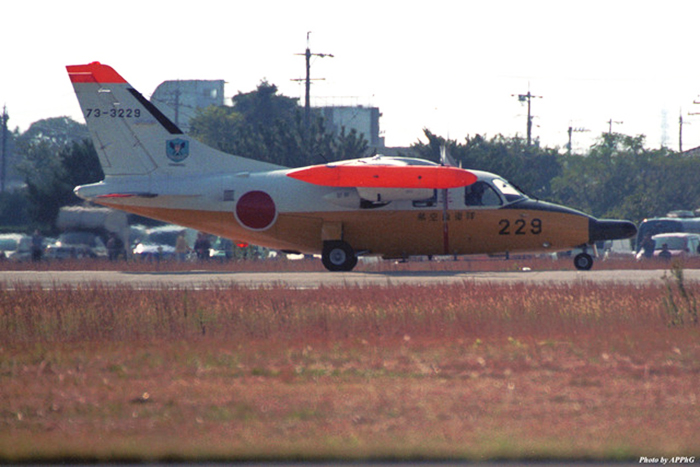
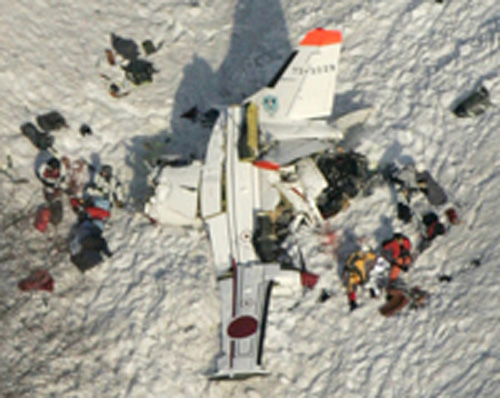
Crash of a Mitsubishi MU-2S Marquise on Mt Mikagura: 4 killed

Date & Time: Apr 14, 2005 at 1350 LT
Type of aircraft:
Operator:
Registration:
73-3229
Flight Phase:
Flight Type:
Survivors:
No
Site:
Schedule:
Niigata - Niigata
MSN:
929
YOM:
1974
Country:
Region:
Crew on board:
4
Crew fatalities:
Pax on board:
0
Pax fatalities:
Other fatalities:
Total fatalities:
4
Circumstances:
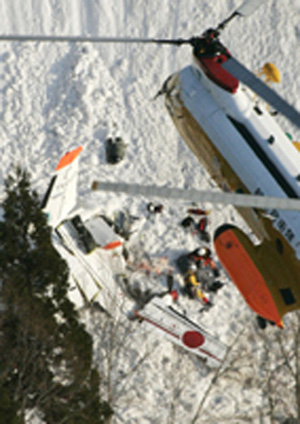
Few minutes after takeoff from Niigata Airport, while flying in good weather conditions, the twin engine aircraft crashed on Mt Mikagura located about 55 km southeast of Niigata. All four crew members were killed. They were engaged in a local training mission.

Crash of a Mitsubishi MU-2B-26A Marquise in Blythe

Date & Time: Mar 11, 2005 at 1720 LT
Type of aircraft:
Registration:
N333WF
Survivors:
Yes
Schedule:
Banning – Blythe
MSN:
387
YOM:
1978
Crew on board:
1
Crew fatalities:
Pax on board:
3
Pax fatalities:
Other fatalities:
Total fatalities:
0
Captain / Total flying hours:
3900
Captain / Total hours on type:
942.00
Circumstances:
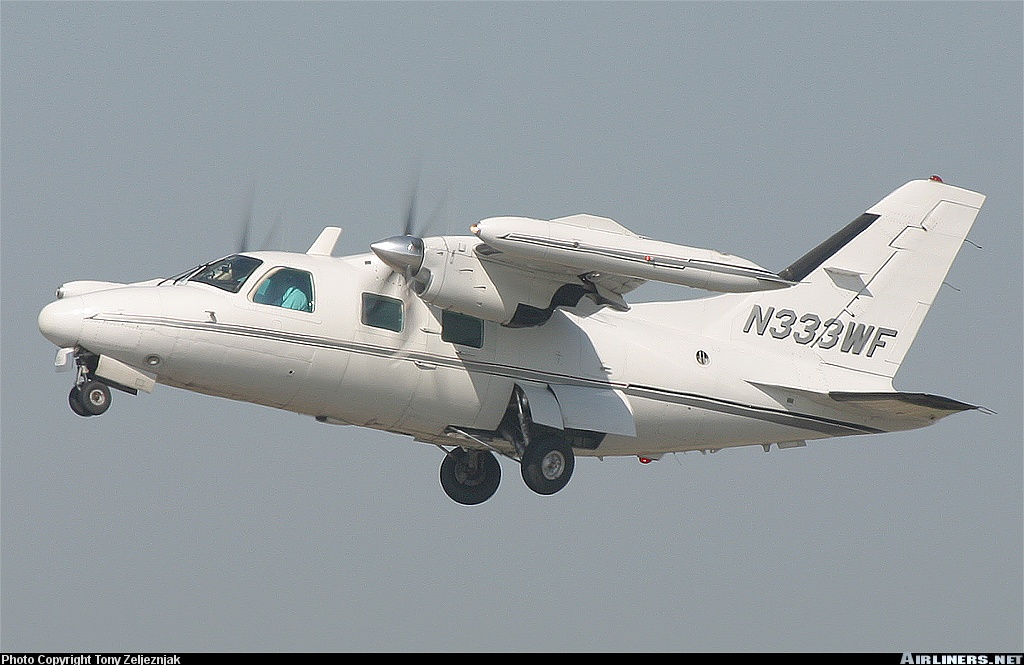
The pilot failed to lower the landing gear prior to touching down on the runway. The pilot said that during the approach into the airport, the flaps would not lock into the 20-degree extended position. The pilot decided to execute a no-flap landing and referred to the emergency checklist. The checklist advised the pilot to extend the landing gear; however, the pilot skimmed over the information thinking that the gear was already down and locked, and focused on the stabilized approach into the airport. The airplane touched down with the gear in the retracted position. No mechanical malfunctions were noted with the landing gear system on the airplane and a ground test run of the flaps did not reproduce the failure encountered during flight.
Probable cause:
The pilot's failure to lower the landing gear prior to landing. A factor to the accident was the pilot's diverted attention due to the flap system anomaly.
Final Report:

Crash of a Mitsubishi MU-2 Marquise in Denver: 2 killed

Date & Time: Dec 10, 2004 at 1940 LT
Type of aircraft:
Operator:
Registration:
N538EA
Flight Type:
Survivors:
No
Schedule:
Denver – Salt Lake City
MSN:
1538
YOM:
1981
Flight number:
ACT900
Crew on board:
2
Crew fatalities:
Pax on board:
0
Pax fatalities:
Other fatalities:
Total fatalities:
2
Captain / Total flying hours:
2496
Captain / Total hours on type:
364.00
Copilot / Total flying hours:
857
Copilot / Total hours on type:
0
Aircraft flight hours:
12665
Circumstances:
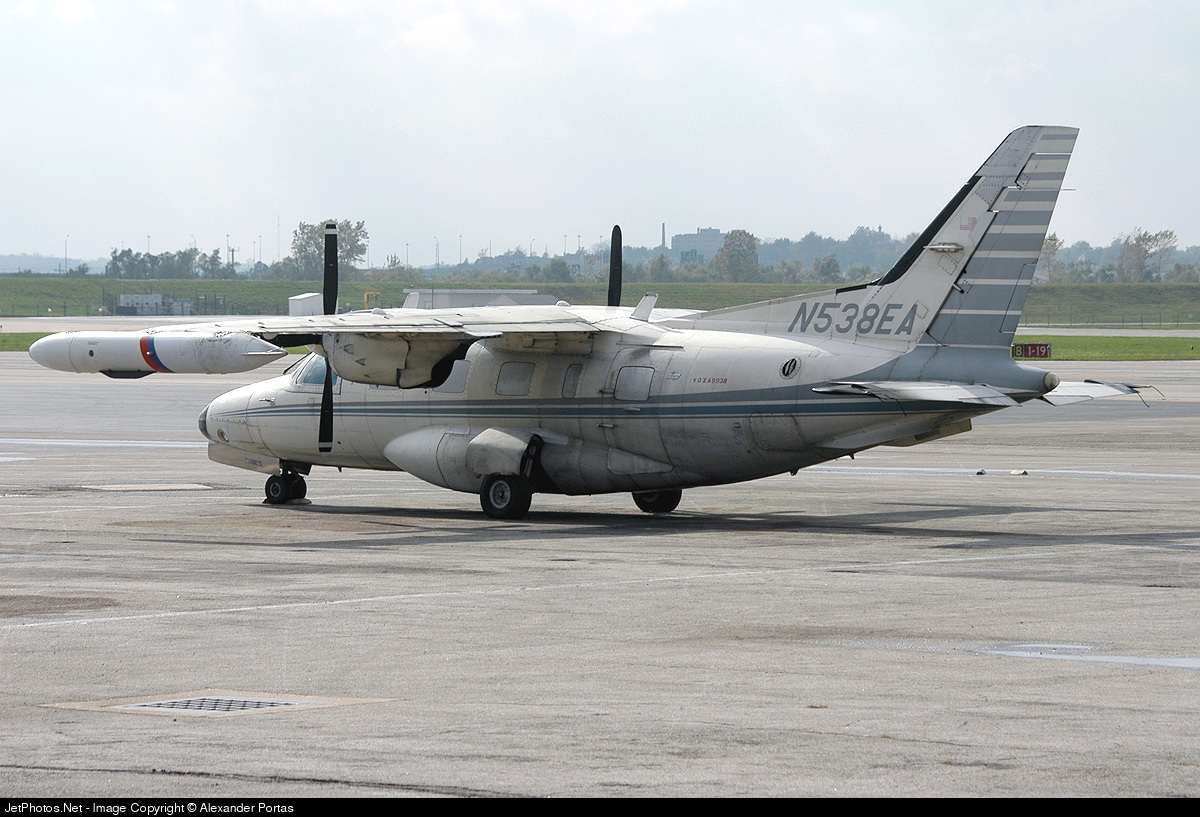
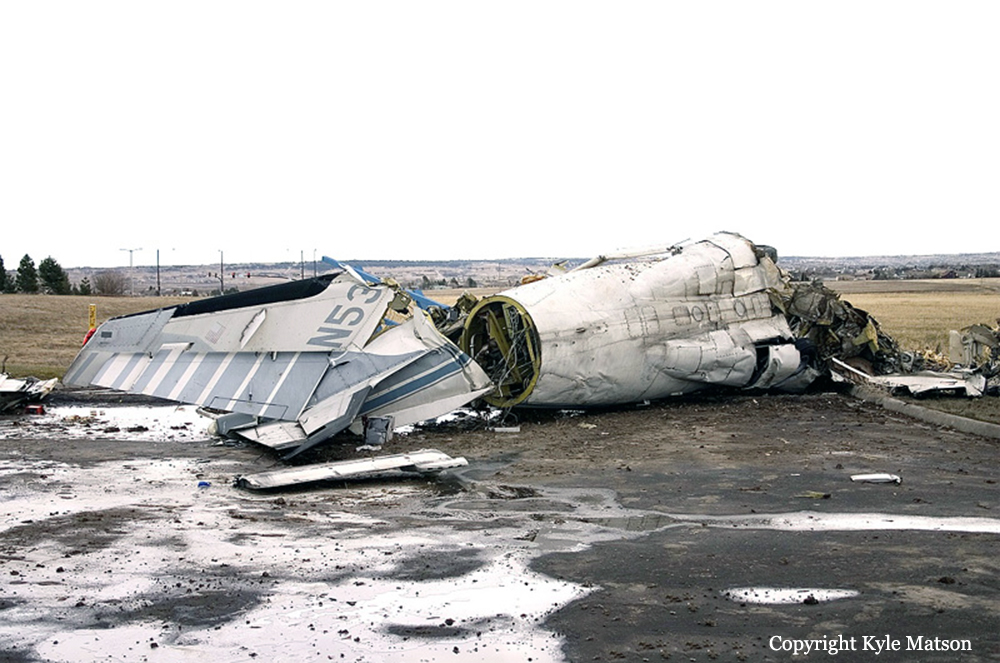
Shortly after takeoff, the pilot reported to air traffic control he needed to return to the airport to land. The controller asked the pilot if he required any assistance, and the pilot responded, "negative for right now uh just need to get in as soon as possible." The controller then asked the pilot what the problem was, in which the pilot responded, "stand by one minute." Approximately 30 seconds later and while the airplane was on a left downwind to runway 35R, the pilot stated he was declaring an emergency and "...we've got an air an engine ta shut down uh please roll the equipment." The controller and other witnesses observed the airplane on the base leg and then overshoot the final approach to runway 35R. After observing the airplane overshoot the final approach, the controller then cleared the pilot to the next runway, runway 28, and there was no response from the pilot. The controller observed the airplane's landing lights turn down toward the terrain, and "the MU2 was gone." A witness observed the airplane make an "immediate sharp bank to the left and descend to the ground. The impact appeared to be just less than a 45 degree angle, nose first." A performance study revealed that while the airplane was on downwind, the airplane started to bank to the left. The bank angle indicated a constant left bank angle of about 24 degrees as the airplane turned to base leg. Twenty-three seconds later, the bank angle began to increase further as the airplane turned to final approach, overshooting the runway, while the angle of attack reached stall angle of about 17 degrees. The flight path angle then showed a decrease by 22 to 25 degrees, the calibrated airspeed showed a decrease by 40 to 70 knots, and the vertical speed indicated a 3,000 feet per minute descent rate just before impact. Examination of the airframe revealed the flaps were in the 20 degree position, and the landing gear was retracted. According to the airplane flight manual, during the base leg, the flaps should remain in the 5 degree position and the landing gear extended; and when landing is assured, the flaps then extended to 20 degrees and maintain 125 knots calibrated airspeed (KCAS) during final and 110 KCAS when over the runway. Minimum controllable airspeed (Vmc) for the airplane is 99 KCAS. Examination of the propellers revealed that at the time of impact, the left propeller was in the feathered position and the right propeller was in the normal operating range. Examination of the left engine revealed static witness marks on several internal engine components, and no anomalies were noted that would have precluded normal operation. The reason for the precautionary shutdown of the left engine was not determined. Examination of the right engine revealed rotational scorring and metal spray deposits on several internal engine components. Four vanes of the oil pump transfer tube were separated and missing. The gearbox oil-scavenge pump was not free to rotate and was disassembled. Disassembly of the oil-scavenge pump revealed one separated oil pump transfer tube vane was located in the pump. Pitting and wear damage was noted on all of the roller bearing elements and the outer bearing race of the propeller shaft roller bearing. No additional anomalies were noted.
Probable cause:
the pilot's failure to maintain minimum controllable airspeed during the night visual approach resulting in a loss of control and uncontrolled descent into terrain. A contributing factor was the precautionary shutdown of the left engine for undetermined reasons.
Final Report:

Crash of a Mitsubishi MU-2B-60 Marquise in Baltimore: 1 killed

Date & Time: May 14, 2004 at 0724 LT
Type of aircraft:
Operator:
Registration:
N755AF
Flight Type:
Survivors:
No
Site:
Schedule:
Philadelphia - Baltimore
MSN:
755
YOM:
1980
Flight number:
EPS101
Crew on board:
1
Crew fatalities:
Pax on board:
0
Pax fatalities:
Other fatalities:
Total fatalities:
1
Captain / Total flying hours:
6800
Aircraft flight hours:
6951
Circumstances:
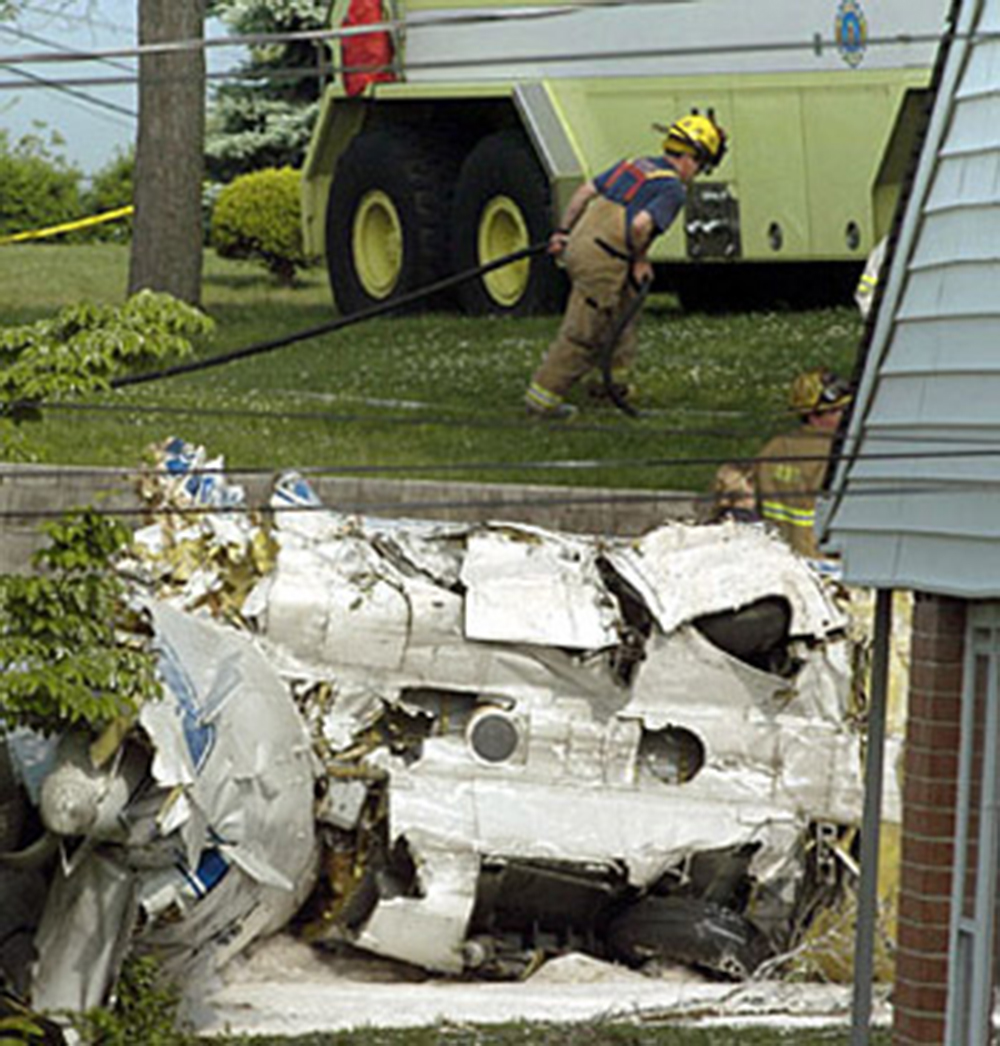
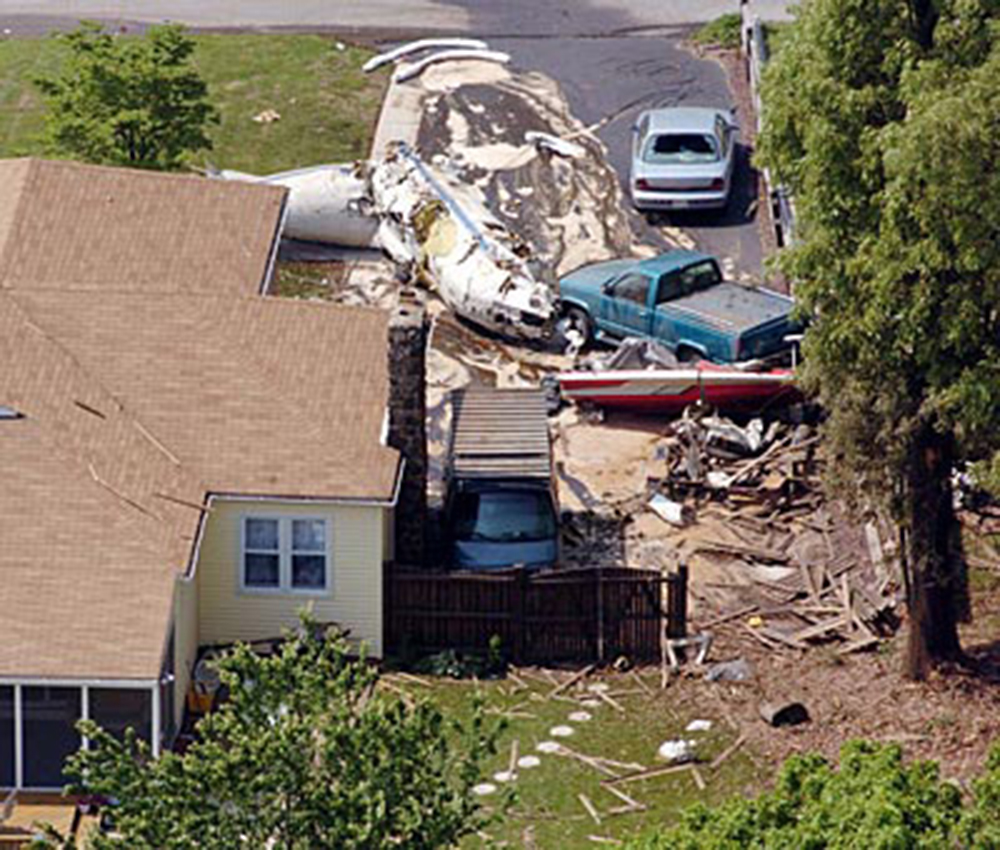
The pilot was finishing his third round-trip, Part 135 cargo flight. The first round trip began the previous evening, about 2150, and the approach back to the origination airport resulted in a landing on runway 15R at 2305. The second approach back to the origination airport resulted in a landing on runway 28 at 0230. Prior to the third approach back to the airport, the pilot was cleared for, and acknowledged a visual approach to runway 33R twice, at 0720, and at 0721. However, instead of proceeding to the runway, the airplane flew north of it, on a westerly track consistent with a modified downwind to runway 15L. During the westerly track, the airplane descended to 700 feet. Just prior to an abeam position for runway 15L, the airplane made a "sharp" left turn back toward the southeast, and descended into the ground. Witnesses reported the airplane's movements as "swaying motions as if it were going to bank left, then right, and back left again," and "the nose...pointing up more than anything...but doing a corkscrew motion." Other witnesses reported the "wings straight up and down," and "wings vertical." Tower controllers also noted the airplane to be "low and tight," and "in an unusually nose high attitude close to the ground. It then "banked left and appeared to stall and then crashed." A post-flight examination of the wreckage revealed no evidence of mechanical malfunction. The pilot, who reported 6,800 hours of flight time, had also flown multiple round trips the previous two evenings. He had checked into a hotel at 0745, the morning prior to the accident flight, checked out at 1956, the same day, and reported for work about 1 hour before the first flight began.
Probable cause:
The pilot's failure to maintain airspeed during a sharp turn, which resulted in an inadvertent stall and subsequent impact with terrain. Factors included the pilot's failure to fly to the intended point of landing, and his abrupt course reversal back towards it.
Final Report:

Crash of a Mitsubishi MU-2B-36 Marquise in Pittsfield: 1 killed

Date & Time: Mar 25, 2004 at 0533 LT
Type of aircraft:
Operator:
Registration:
N201UV
Flight Phase:
Flight Type:
Survivors:
No
Schedule:
Pontiac – Rockford – Hagerstown – Bangor
MSN:
680
YOM:
1975
Crew on board:
1
Crew fatalities:
Pax fatalities:
Other fatalities:
Total fatalities:
1
Captain / Total flying hours:
6500
Captain / Total hours on type:
2000.00
Aircraft flight hours:
13420
Circumstances:
Approximately 3 minutes prior to the accident, the airplane was flying in a northeast direction, at 17,100 feet, and was instructed by air traffic controllers to contact Boston Center. He acknowledged the instruction, and no further transmissions were received from the pilot. Radar data indicated the airplane continued level at 17,100 feet on a northeasterly heading, and maintained a groundspeed of 255 knots, for approximately 2 minutes after the last transmission. The airplane then climbed 300 feet, and descended abruptly, losing 10,700 feet during the next 46 seconds, while maintaining an approximate ground speed of 255 knots. The airplane then initiated a climb from 6,700 feet to 7,600 feet, maintained an altitude of 7,600 feet for 4 seconds, and then entered a continuous descent until the last radar contact 17 seconds later, at an altitude of 2,400 feet. Several witnesses observed the airplane prior to it impacting the ground. All of the witness described the airplane in a "flat spin" with the engines running prior to impact. Examination of recorded weather data revealed several areas of light-to-moderate precipitation echoes in the vicinity of the accident site. The maximum echo tops were depicted ranging from 14,000 to 25,000 feet, with tops near 17,000 feet in the immediate vicinity of the accident site. Recorded radar images depicted the airplane traveling through an area of lower echoes for approximately 5-minutes immediately prior to the accident. AIRMET Zulu was current for icing conditions from the freezing level to 22,000 feet over the route of flight and the accident site. Four PIREPs were also issued indicating light-to-moderate rime to mixed icing in the clouds from the freezing level to 16,000 feet. Cloud tops were reported from 16,000 to 17,000 feet by two aircraft. Examination of the airplane and engines revealed no pre-impact mechanical anomalies. Additionally, examination of the cockpit overhead switch panel indicated propeller de-ice, engine intake heat, windshield anti-ice, and wing de-ice were all in the 'off' position. According to the pilot's toxicology test results, pseudoephedrine and diphenhydramine was detected in the pilot's urine. Diphenhydramine was not detected in the blood.
Probable cause:
The pilot's loss of aircraft control for undetermined reasons, which resulted in an inadvertent stall/spin and subsequent impact with the ground.
Final Report:

Crash of a Mitsubishi MU-2B-40 Solitaire in Napa: 2 killed

Date & Time: Mar 11, 2004 at 2035 LT
Type of aircraft:
Registration:
N966MA
Flight Type:
Survivors:
No
Schedule:
Imperial – Napa
MSN:
405
YOM:
1979
Location:
Crew on board:
1
Crew fatalities:
Pax on board:
1
Pax fatalities:
Other fatalities:
Total fatalities:
2
Captain / Total flying hours:
4546
Captain / Total hours on type:
1651.00
Aircraft flight hours:
4119
Circumstances:
The airplane entered a descending turn while on a night visual approach and impacted a river. At 2030, the pilot reported leaving 6,000 feet, and stated that he had the airport in sight. The controller cleared him for the approach. He advised the controller that he would like to cancel his IFR clearance, and switch to the traffic advisory frequency. The controller cleared him to switch to advisory frequency. No further transmissions were recorded from the flight. According to radar data, the airplane was southeast of the airport, and maintaining a westerly heading south of the airport. At 2035, it crossed a river, and began a sharp left turn away from the airport. It completed about 90 degrees of turn before abruptly disappearing from radar contact, with the last radar target on the west side of the river near the impact location. The highly fragmented wreckage was recovered from the river after several weeks underwater. The teardown and examination of the engines disclosed that the left engine was not rotating or operating at the time of impact, and the left propeller was in feather. The type and degree of damage to the right engine was indicative of engine rotation and operation at the time of impact. Investigators found no pre-existing condition on either engine, or with the airframe systems, that would have interfered with normal operation, or explained the apparent shutdown of the left engine.
Probable cause:
The pilot's failure to maintain control of the airplane following a shutdown of the left engine during a night visual approach. A factor contributing to the accident was the dark night.
Final Report: