Country
Crash of a Beechcraft C90 King Air in Lancaster
Date & Time:
Apr 28, 2025 at 1537 LT
Registration:
N501MS
Survivors:
Yes
Schedule:
Mexico City - Dallas
MSN:
LJ-626
YOM:
1974
Crew on board:
2
Crew fatalities:
Pax on board:
1
Pax fatalities:
Other fatalities:
Total fatalities:
0
Captain / Total hours on type:
194.00
Copilot / Total hours on type:
20
Aircraft flight hours:
14250
Circumstances:
The twin engine airplane departed Mexico City-Felipe Ángeles Airport at 1018LT on a flight to Dallas-Love Field Airport with three people on board. The duration of flight was 4 hours and 23 minutes. While descending to the destination airport, the right engine failed, followed shortly later by the left engine. The crew reduced his altitude and attempted an emergency landing in a corn field located in Lancaster, 31 km southeast of Dallas-Love Field Airport. The airplane landed with its undercarriage down, rolled for few dozen metres then contacted a concrete road, causing the landing gear to be sheared off. The airplane then slid for another 150 metres before coming to rest. All three occupants were rescued, among them two were injured, one seriously.
Probable cause:
The pilot’s improper fuel planning, which resulted in fuel exhaustion and a total loss of power to both engines.
Final Report:


Crash of a Beechcraft F90 King Air in São Paulo: 2 killed
Date & Time:
Feb 7, 2025 at 0720 LT
Operator:

Registration:
PS-FEM
Survivors:
No
Schedule:
Campo de Marte – Porto Alegre
MSN:
LA-105
YOM:
1981
Crew on board:
1
Crew fatalities:
Pax on board:
1
Pax fatalities:
Other fatalities:
Total fatalities:
2
Circumstances:
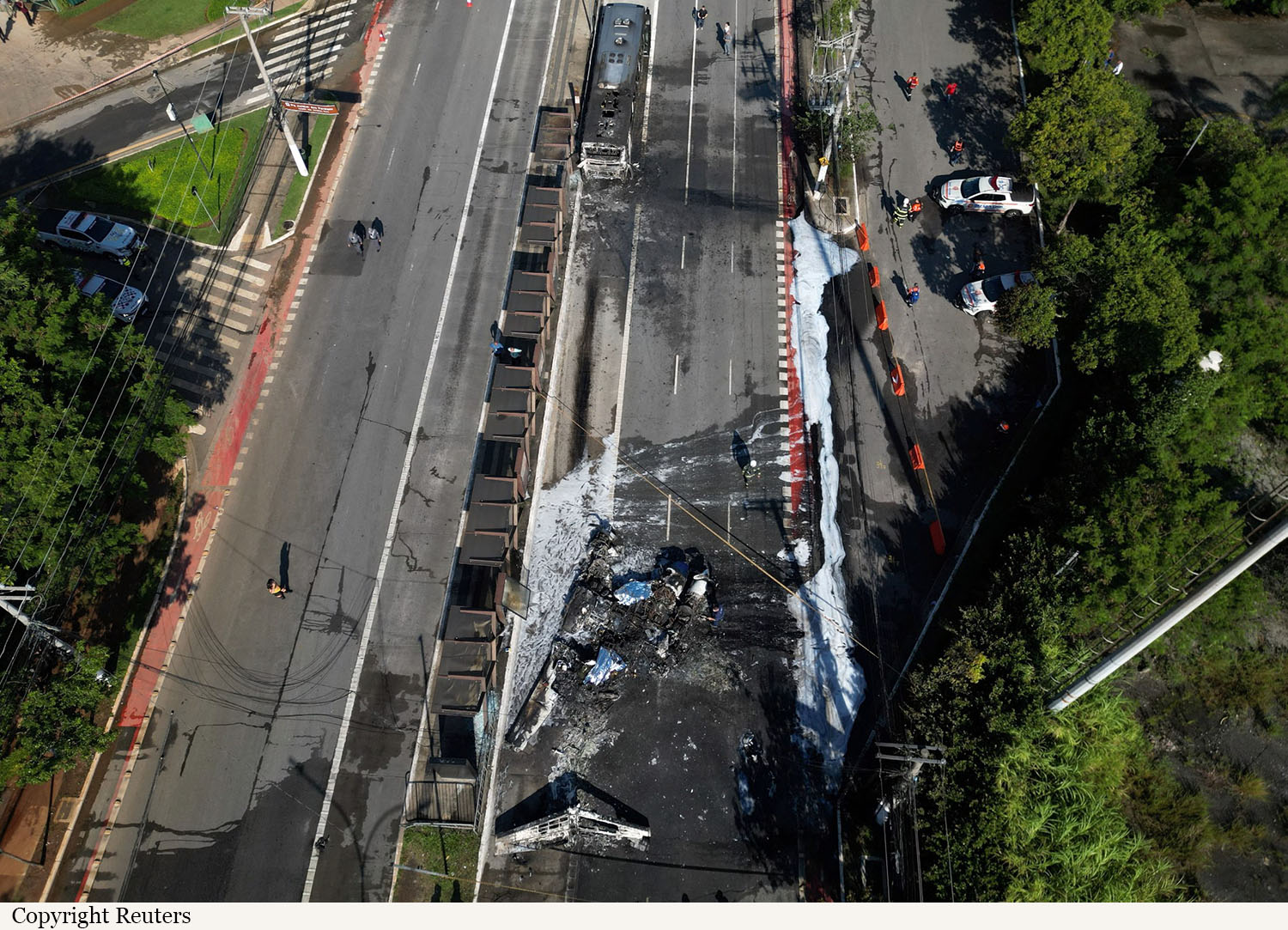
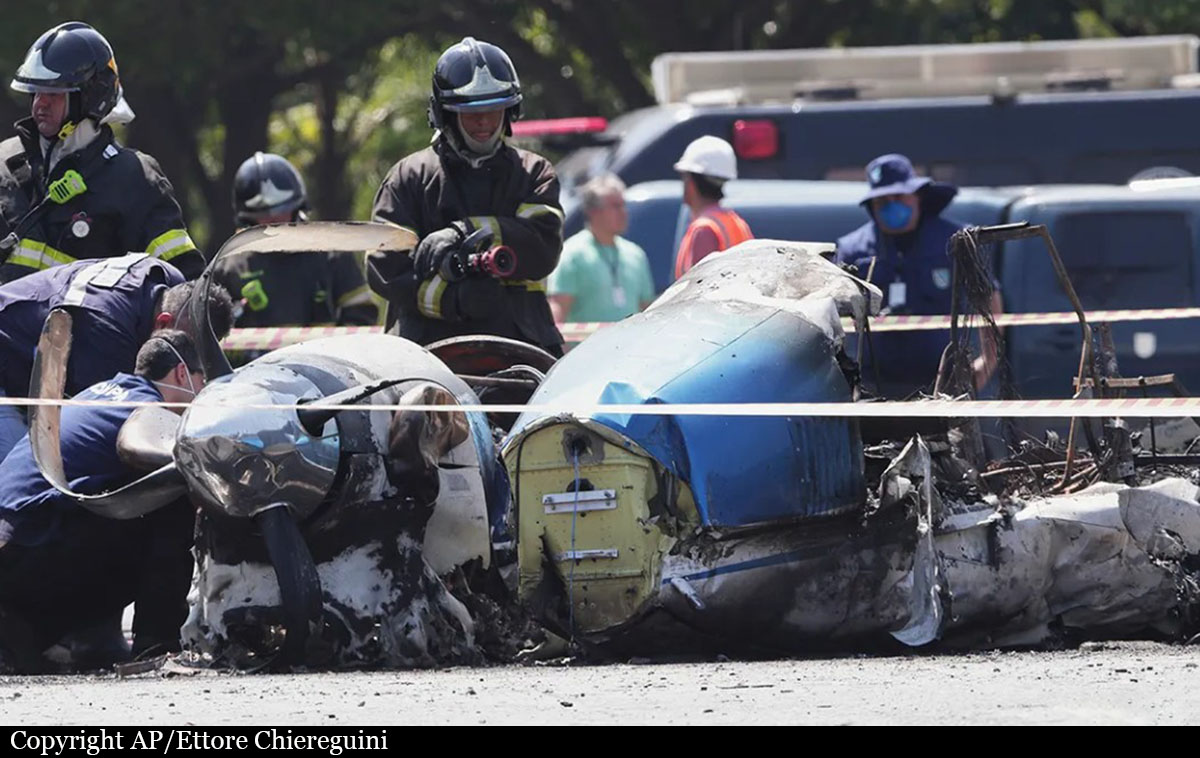
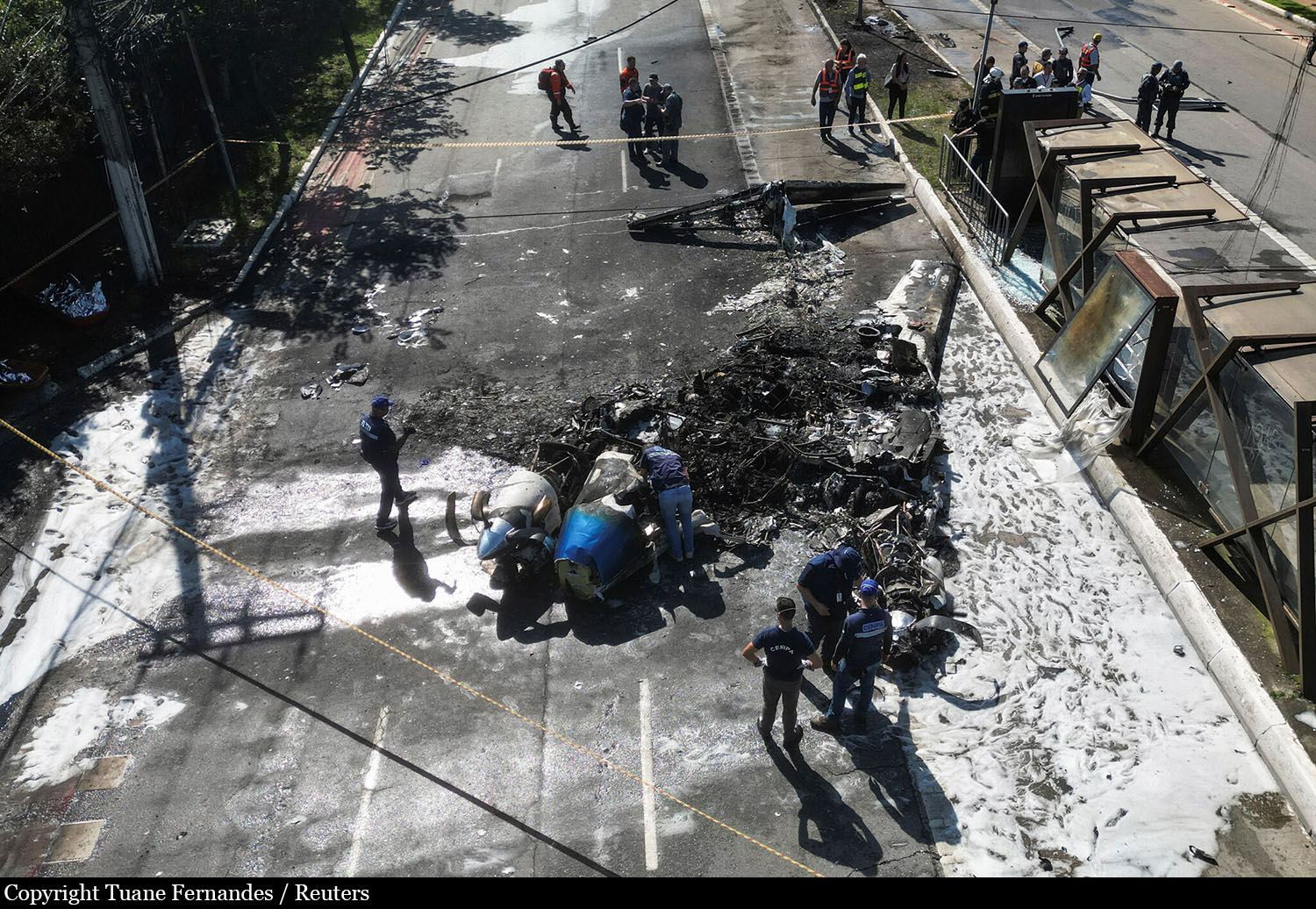
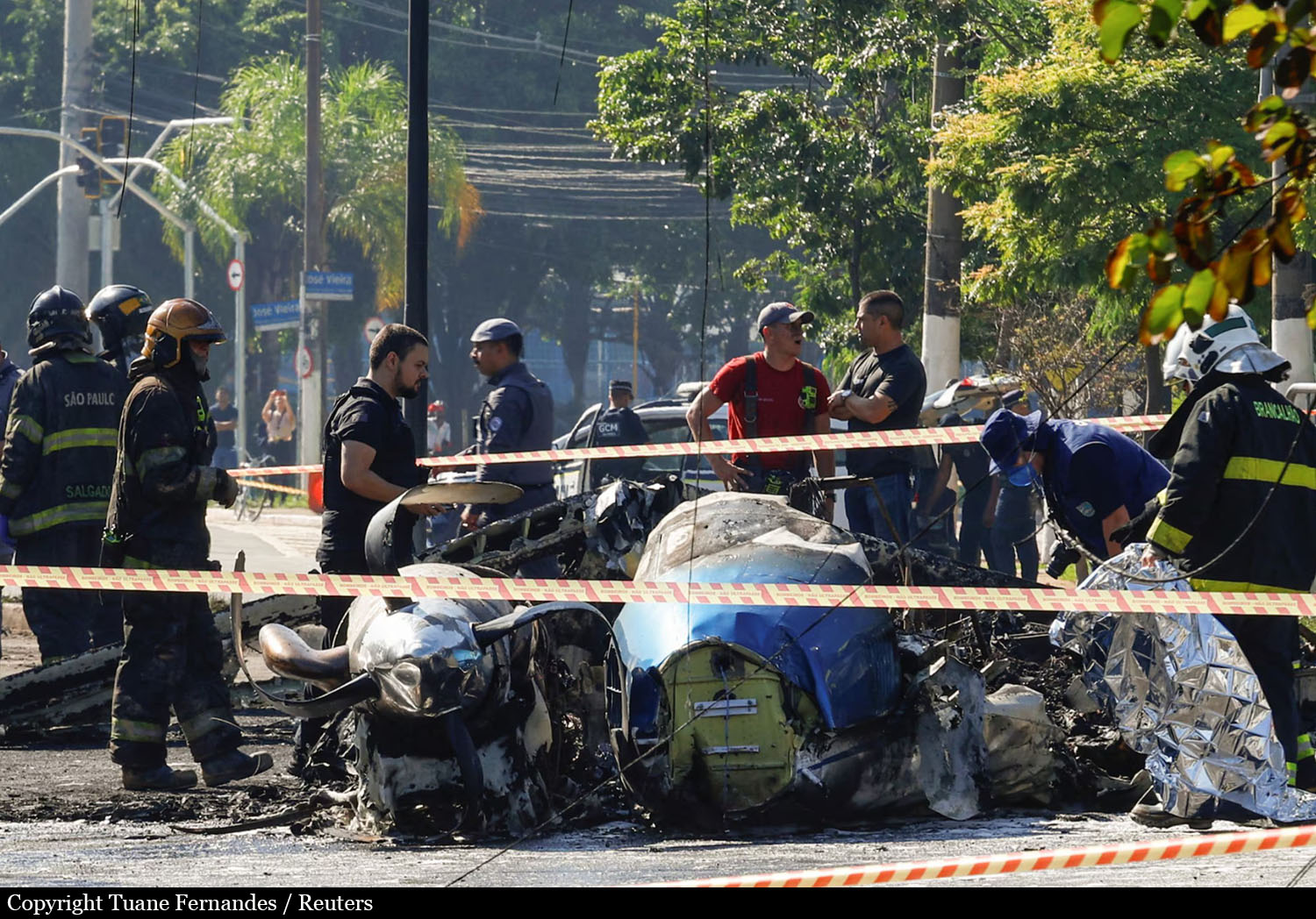
Shortly after takeoff from Campo de Marte Airport, en route to Porto Alegre, the pilot encountered an unexpected situation. The airplane entered an uncontrolled descent and crashed on Marquês de São Vicente Avenue, bursting into flames. The airplane was totally destroyed and both occupants, the pilot and the aircraft's owner, were killed. There were no casualties on the ground despite a public transport bus was also destroyed.
Crew:
Gustavo Medeiros, pilot.
Passenger:
Márcio Louzada Carpena.
Crew:
Gustavo Medeiros, pilot.
Passenger:
Márcio Louzada Carpena.
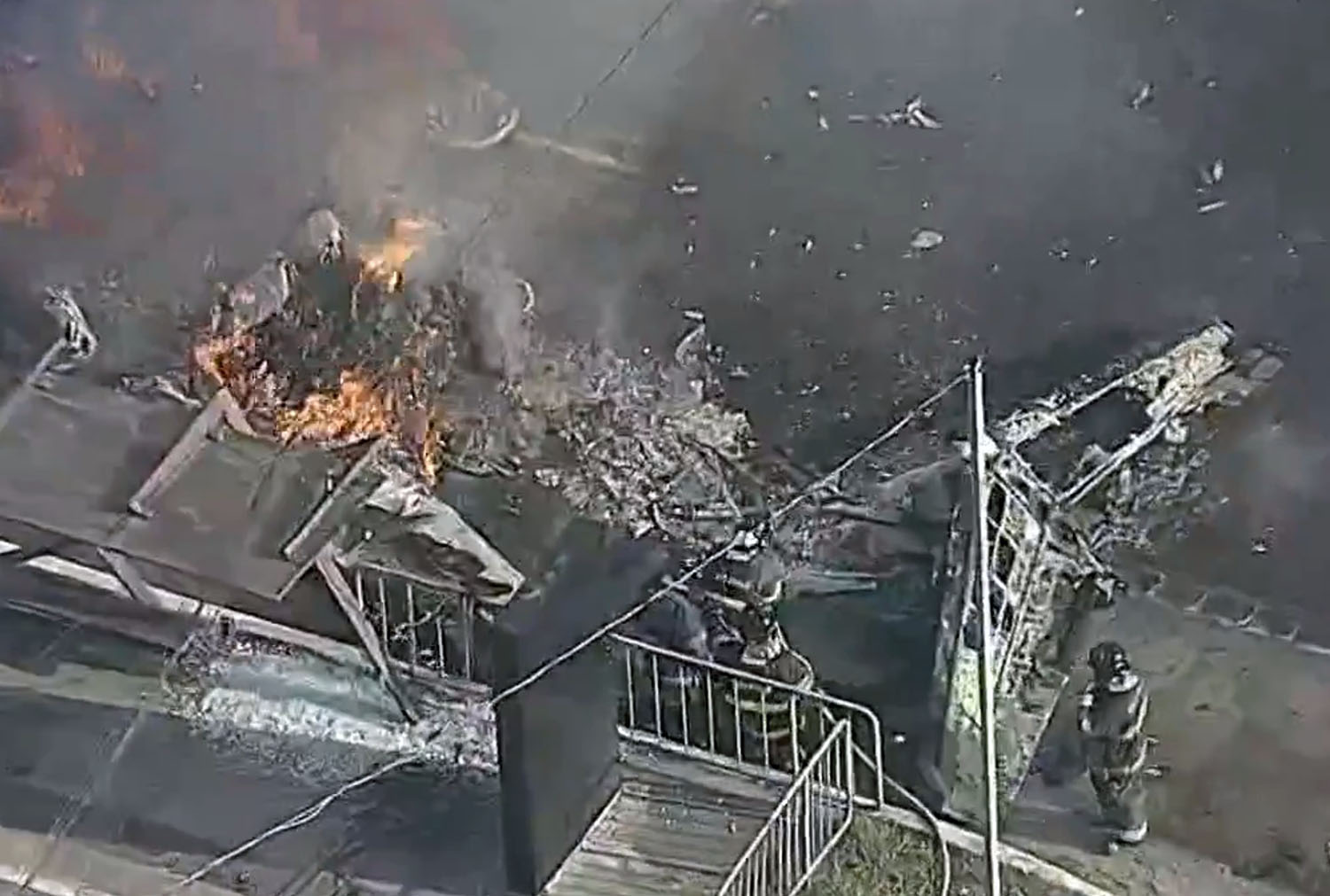
Crash of a Beechcraft C90GTi King Air near Pousada Amazônia Fisching Lodge: 5 killed
Date & Time:
Aug 15, 2024
Registration:
PS-AAS
Survivors:
No
MSN:
LJ-1987
YOM:
2010
Crew on board:
1
Crew fatalities:
Pax on board:
4
Pax fatalities:
Other fatalities:
Total fatalities:
5
Circumstances:
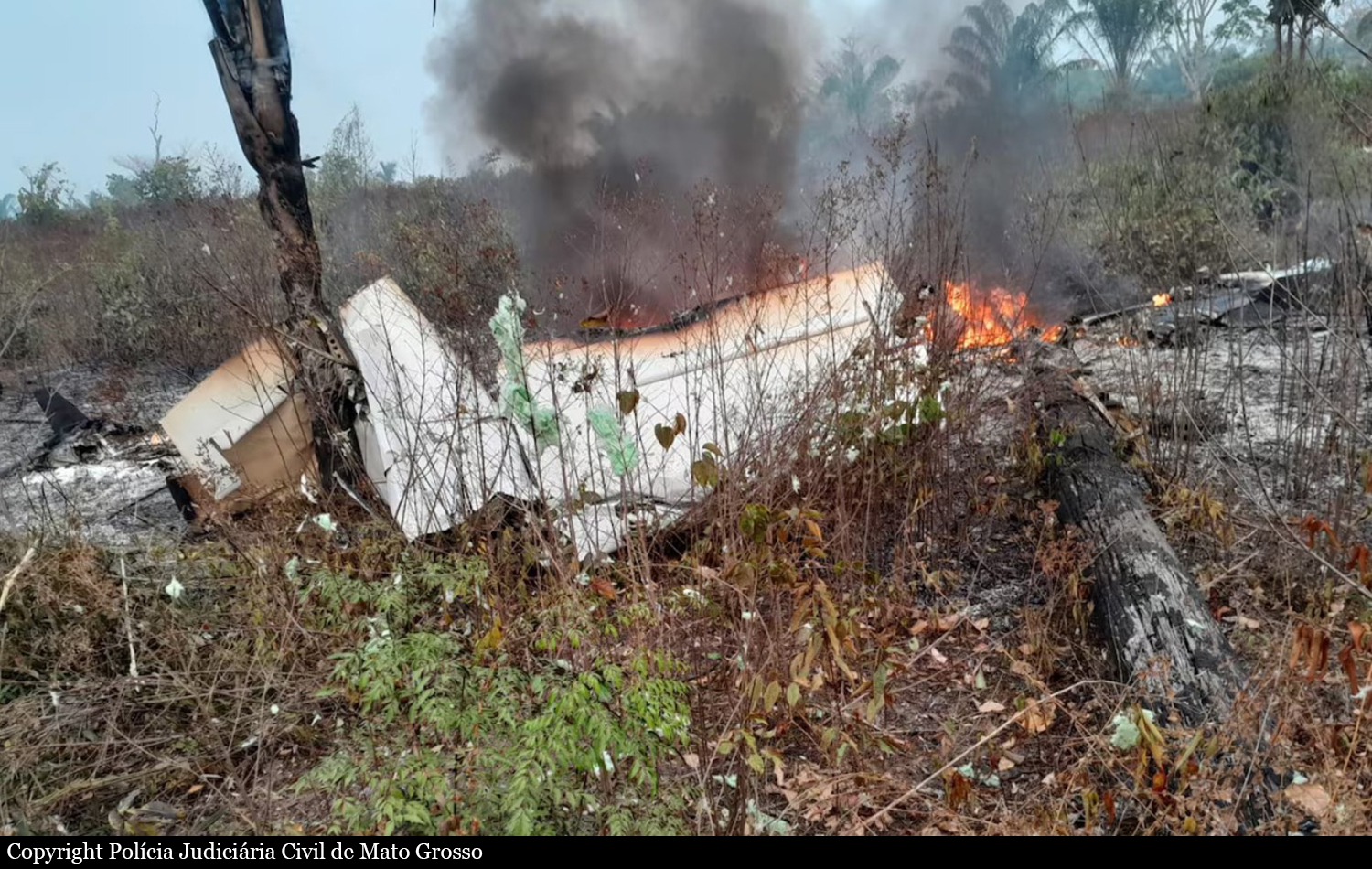
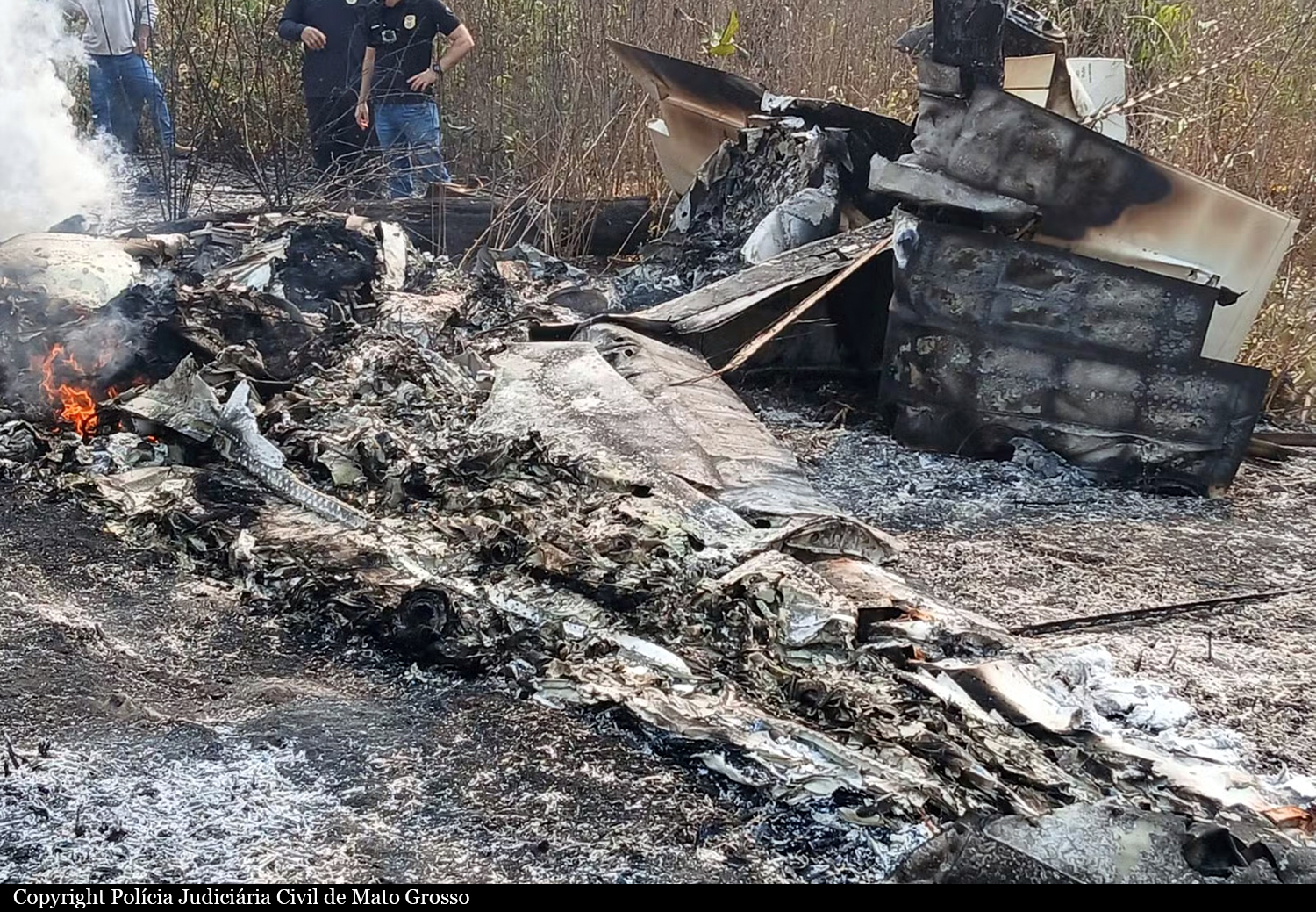
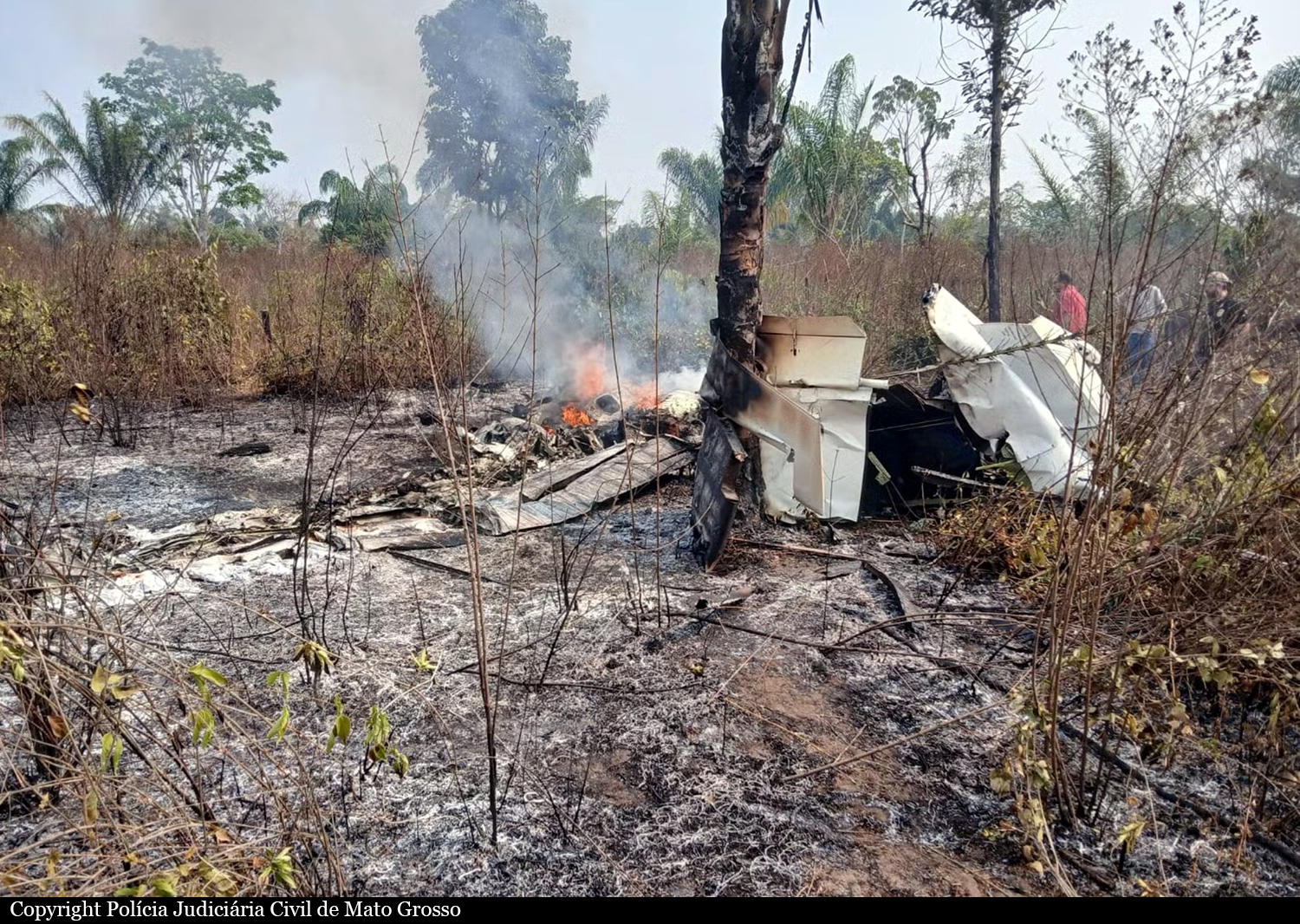
Few minutes after takeoff from the Pousada Amazônia Fisching Lodge Airstrip located at the border between Pará and Mato Grosso, while climbing, the twin engine airplane entered an uncontrolled descent and crashed in a wooded area, bursting into flames. The airplane was destroyed by impact forces and a post crash fire and all five occupants were killed.
Crew:
Hélder de Souza, pilot.
Passengers:
Arni Alberto Spiering,
Ademar de Oliveira,
Arni Alberto Spiering Benez,
João Marcos Trojan Spiering.
Crew:
Hélder de Souza, pilot.
Passengers:
Arni Alberto Spiering,
Ademar de Oliveira,
Arni Alberto Spiering Benez,
João Marcos Trojan Spiering.

Crash of a Beechcraft E90 King Air near Palenque: 9 killed
Date & Time:
Mar 28, 2024 at 1322 LT
Registration:
XB-SKA
Survivors:
No
Schedule:
Tuxtla Gutiérrez - Palenque
MSN:
LW-43
YOM:
1973
Crew on board:
2
Crew fatalities:
Pax on board:
7
Pax fatalities:
Other fatalities:
Total fatalities:
9
Circumstances:
Following an uneventful flight from Tuxtla Gutiérrez-Francisco Sarabia Airport, the crew initiated the descent to Palenque Airport in limited visibility. On approach, the twin engine airplane impacted the slope of a wooded terrain located in the Cerro Norte about 12 km southwest of the destination airport. The airplane disintegrated on impact and all occupants were killed, among them Juan Pablo Montes de Oca, Federal Deputy who was flying to Palenque with his family.
Crew:
Roberto Villanueva Valdez, pilot,
Carlos Alberto Culebro Esquinca, copilot.
Passengers:
Juan Pablo Montes de Oca,
Sofía Montes de Oca, Juan Pablo's daughter,
Pablo Montes de Oca, Juan Pablo's son,
Guillermina Rincón Cruz, Juan Pablo's wife,
Rosalía, Juan Pablo's sister,
Daniela, Juan Pablo's nephew,
Eduardo, juan Pablo's nephew.
Crew:
Roberto Villanueva Valdez, pilot,
Carlos Alberto Culebro Esquinca, copilot.
Passengers:
Juan Pablo Montes de Oca,
Sofía Montes de Oca, Juan Pablo's daughter,
Pablo Montes de Oca, Juan Pablo's son,
Guillermina Rincón Cruz, Juan Pablo's wife,
Rosalía, Juan Pablo's sister,
Daniela, Juan Pablo's nephew,
Eduardo, juan Pablo's nephew.

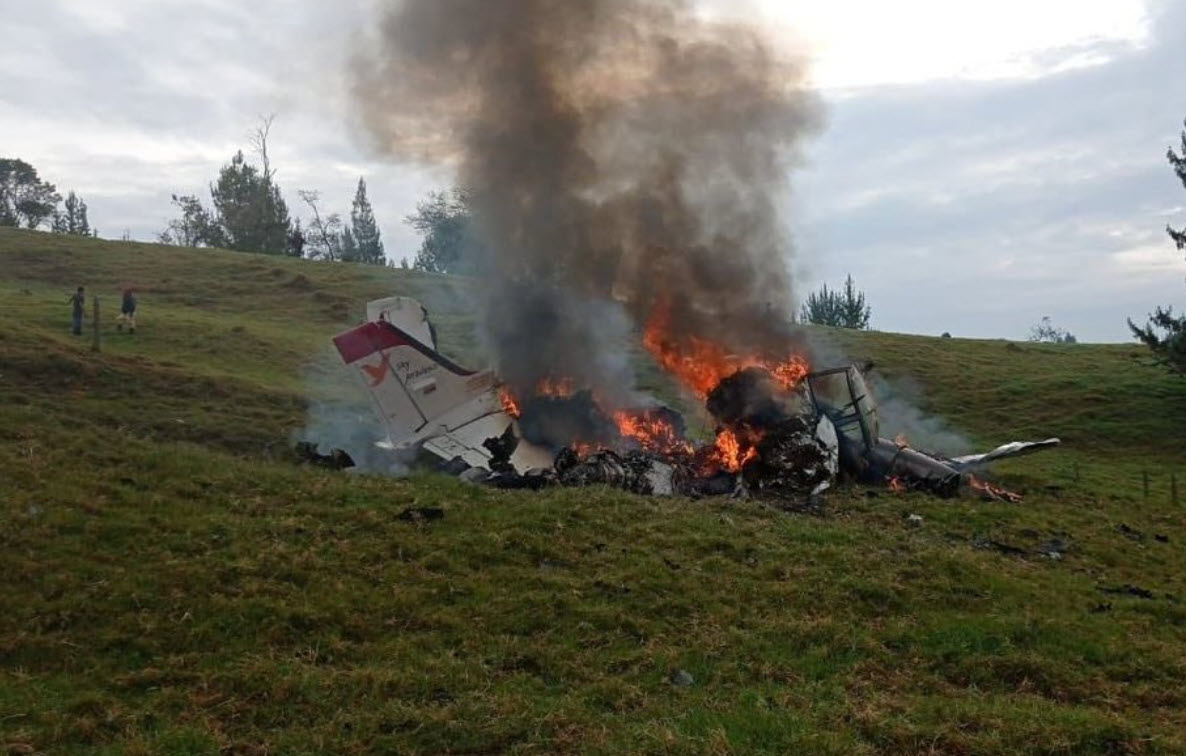
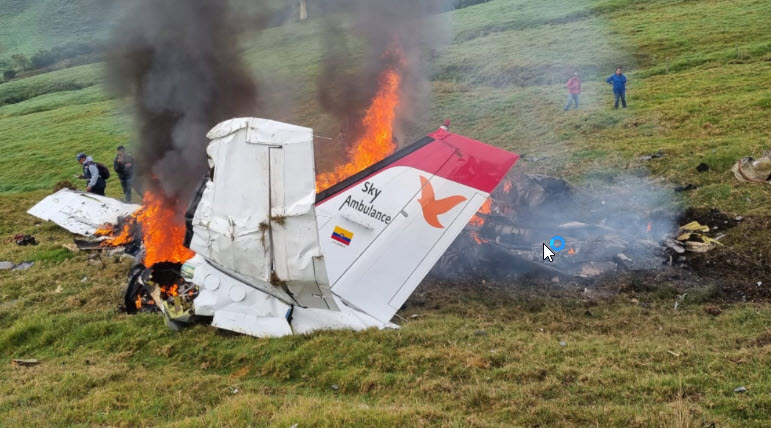
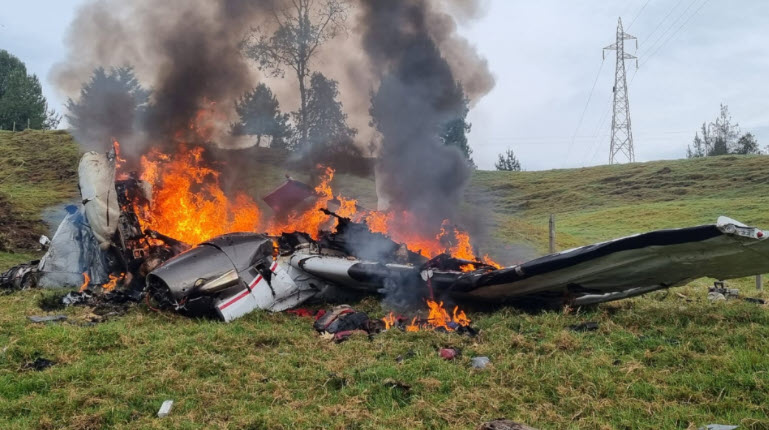
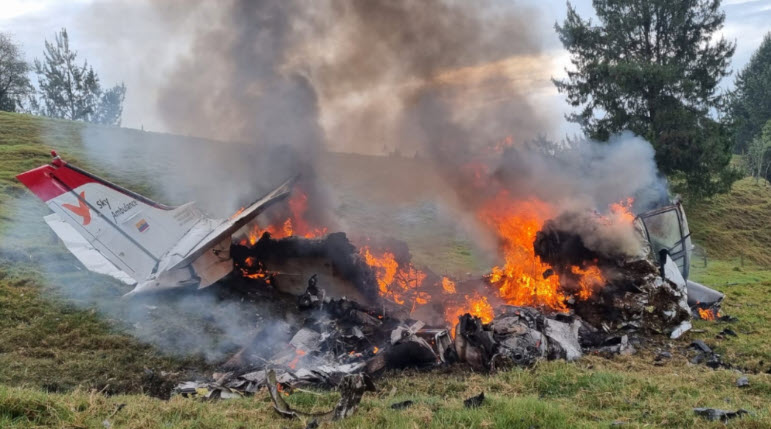
Crash of a Beechcraft C90 King Air near Yarumal: 4 killed
Date & Time:
Mar 21, 2024 at 0720 LT
Operator:

Registration:
HK-4684
Survivors:
No
Schedule:
Montería - Medellín
MSN:
LJ-934
YOM:
1981
Crew on board:
2
Crew fatalities:
Pax on board:
2
Pax fatalities:
Other fatalities:
Total fatalities:
4
Captain / Total hours on type:
432.00
Copilot / Total hours on type:
51
Aircraft flight hours:
11704
Circumstances:
The twin engine airplane departed Montería-Los Garzones Airport on an ambulance flight to Medellín, carrying two pilots, a doctor and a nurse. About 30 minutes into the flight, while cruising at an altitude of 19,000 feet, the airplane initiated a descent and the speed started to decrease until it stalled and crashed in a prairie, bursting into flames. All four occupants were killed.

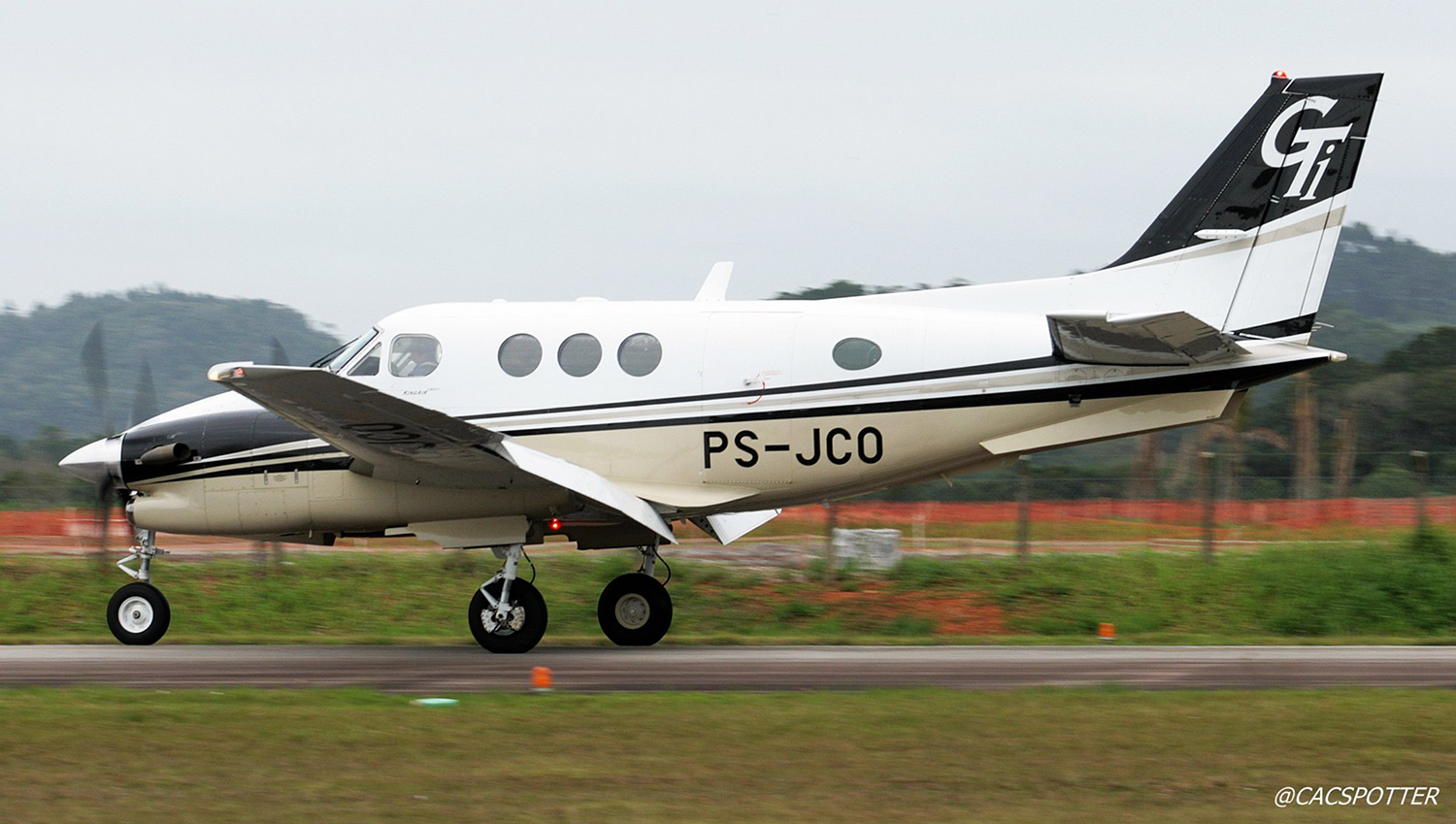
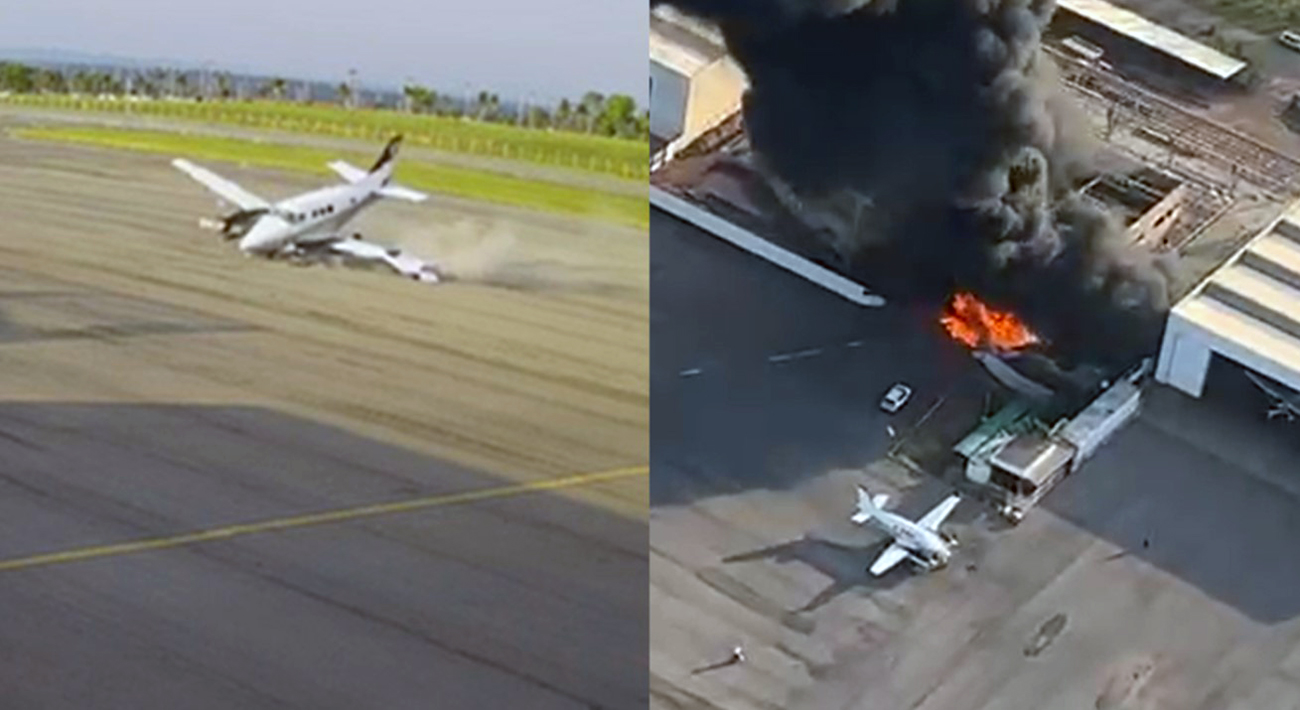
Crash of a Beechcraft C90GTi King Air in Bom Futuro: 2 killed
Date & Time:
Oct 4, 2023 at 1307 LT
Registration:
PS-JCO
Survivors:
Yes
MSN:
LJ-1875
YOM:
2008
Crew on board:
1
Crew fatalities:
Pax on board:
2
Pax fatalities:
Other fatalities:
Total fatalities:
2
Circumstances:
Just after liftoff from runway 35 at Bom Futuro Airport, while in initial climb, the twin engine airplane rolled to the left, descended and impacted the surface of the apron with its left wing. Upon impact, the undercarriage were torn off then the airplane slid for few dozen metres before it crashed against a hangar under construction, bursting into flames. Both passengers were injured while the pilot and one person on the ground were killed.

Crash of a Beechcraft E90 King Air near Fayetteville: 1 killed
Date & Time:
May 17, 2023 at 1237 LT
Registration:
N522MJ
Survivors:
No
Schedule:
University-Oxford – Fayetteville
MSN:
LW-80
YOM:
1973
Crew on board:
1
Crew fatalities:
Pax on board:
0
Pax fatalities:
Other fatalities:
Total fatalities:
1
Aircraft flight hours:
4925
Circumstances:
The airplane was being flown to another airport for maintenance work on the autopilot system. Before the flight, the pilot and an avionics technician discussed a roll issue with the airplane’s autopilot and the pilot was advised not to use the autopilot until the issue was resolved. The avionics technician further advised the pilot to wait for good weather to make the flight, but the pilot reportedly had a function back home that he wanted to attend later, on the day of the accident. Recorded flight track data indicated that most of the flight was uneventful until the airplane began its descent toward the intended destination. During the descent, the airplane encountered overcast clouds that continued to the end of the flight. The pilot was subsequently cleared for an instrument approach to the destination airport. While maneuvering on the approach, the airplane descended below its assigned altitude and the controller issued a low-altitude alert to the pilot. The airplane briefly climbed before it entered a descending right turn that continued to the end of the recorded data. Calculations based on recorded flight data revealed the airplane was descending over 15,000 feet per minute shortly before impact. The airplane impacted the ground near the final recorded flight track data point, in a near vertical attitude, and was fragmented. Examination of the airplane, engines, and systems did not reveal any preimpact anomalies that would have precluded normal flight. Based on the available information, the pilot likely was not using the autopilot due to the known issue with the system and, as a result, was hand flying the airplane during the instrument approach. The pilot likely was accustomed to flying the airplane with the automation that the autopilot provided rather than by hand in single-pilot instrument meteorological conditions (IMC). Based on the recorded flight path, it is likely that the pilot became spatially disoriented and lost control of the airplane while intercepting the final approach course for the instrument approach. In addition, the pilot allowed his self-imposed pressure to influence his decision to complete the flight in less-than-ideal weather conditions without a functional autopilot. Although ethanol was detected in liver and muscle tissue, it is likely that some, or all, of the detected ethanol was from postmortem production. Thus, it is unlikely that ethanol contributed to the accident. Tadalafil, salicylic acid, famotidine, atenolol, and irbesartan were detected in liver and muscle tissue, but it is unlikely that these substances contributed to the accident.
Probable cause:
The pilot’s poor preflight decision to depart into known instrument meteorological conditions (IMC) without a functional autopilot system, which resulted in spatial disorientation and his failure to maintain aircraft control while flying in IMC during the instrument approach. Contributing to the accident was the pilot’s self-imposed pressure to conduct the flight.
Final Report: