Zone

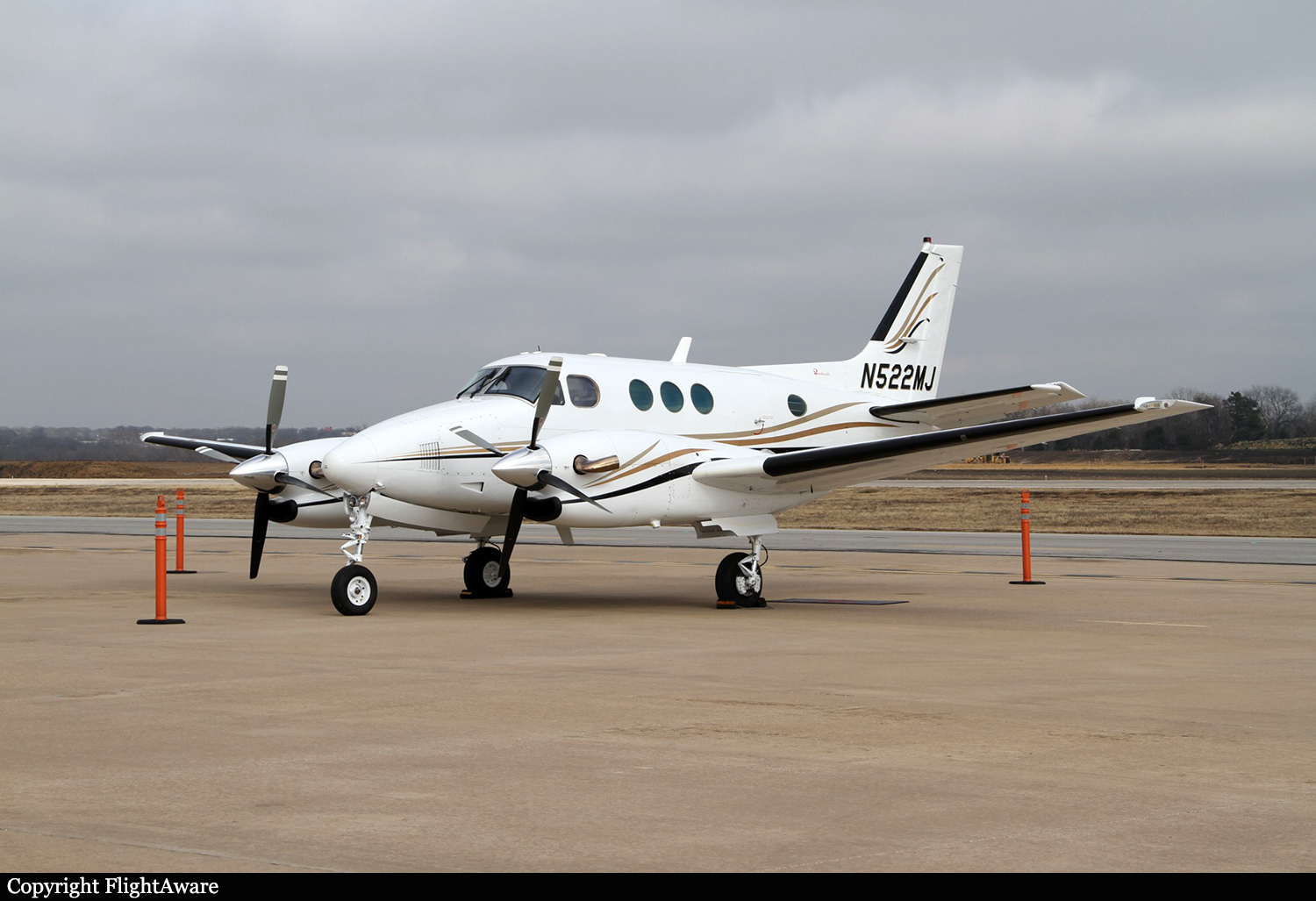
Crash of a Beechcraft E90 King Air near Fayetteville: 1 killed

Date & Time: May 17, 2023 at 1237 LT
Type of aircraft:
Operator:
Registration:
N522MJ
Flight Type:
Survivors:
No
Schedule:
University-Oxford – Fayetteville
MSN:
LW-80
YOM:
1973
Crew on board:
1
Crew fatalities:
Pax on board:
0
Pax fatalities:
Other fatalities:
Total fatalities:
1
Captain / Total flying hours:
4836
Aircraft flight hours:
4925
Circumstances:
The airplane was being flown to another airport for maintenance work on the autopilot system. Before the flight, the pilot and an avionics technician discussed a roll issue with the airplane’s autopilot and the pilot was advised not to use the autopilot until the issue was resolved. The avionics technician further advised the pilot to wait for good weather to make the flight, but the pilot reportedly had a function back home that he wanted to attend later, on the day of the accident. Recorded flight track data indicated that most of the flight was uneventful until the airplane began its descent toward the intended destination. During the descent, the airplane encountered overcast clouds that continued to the end of the flight. The pilot was subsequently cleared for an instrument approach to the destination airport. While maneuvering on the approach, the airplane descended below its assigned altitude and the controller issued a low-altitude alert to the pilot. The airplane briefly climbed before it entered a descending right turn that continued to the end of the recorded data. Calculations based on recorded flight data revealed the airplane was descending over 15,000 feet per minute shortly before impact. The airplane impacted the ground near the final recorded flight track data point, in a near vertical attitude, and was fragmented. Examination of the airplane, engines, and systems did not reveal any preimpact anomalies that would have precluded normal flight. Based on the available information, the pilot likely was not using the autopilot due to the known issue with the system and, as a result, was hand flying the airplane during the instrument approach. The pilot likely was accustomed to flying the airplane with the automation that the autopilot provided rather than by hand in single-pilot instrument meteorological conditions (IMC). Based on the recorded flight path, it is likely that the pilot became spatially disoriented and lost control of the airplane while intercepting the final approach course for the instrument approach. In addition, the pilot allowed his self-imposed pressure to influence his decision to complete the flight in less-than-ideal weather conditions without a functional autopilot. Although ethanol was detected in liver and muscle tissue, it is likely that some, or all, of the detected ethanol was from postmortem production. Thus, it is unlikely that ethanol contributed to the accident. Tadalafil, salicylic acid, famotidine, atenolol, and irbesartan were detected in liver and muscle tissue, but it is unlikely that these substances contributed to the accident.
Probable cause:
The pilot’s poor preflight decision to depart into known instrument meteorological conditions (IMC) without a functional autopilot system, which resulted in spatial disorientation and his failure to maintain aircraft control while flying in IMC during the instrument approach. Contributing to the accident was the pilot’s self-imposed pressure to conduct the flight.
Final Report:
Crash of a Cessna 340A in Council Bluffs: 4 killed

Date & Time: Feb 16, 2007 at 2104 LT
Type of aircraft:
Operator:
Registration:
N111SC
Survivors:
No
Schedule:
Fayetteville – Council Bluffs
MSN:
340A-0335
YOM:
1977
Crew on board:
1
Crew fatalities:
Pax on board:
3
Pax fatalities:
Other fatalities:
Total fatalities:
4
Captain / Total flying hours:
3275
Aircraft flight hours:
6417
Circumstances:
The flight was on a VHF Omni Range (VOR) instrument approach to the destination airport at the time of the accident. Radar track data indicated that the airplane passed the VOR at 2,800 feet. After passing the VOR, it turned right, becoming established on an approximate 017- degree magnetic course. The published final approach course was 341 degrees. The airplane subsequently entered a left turn, followed immediately by a right turn, until the final radar data point. Altitude returns indicated that the pilot initiated a descent from 2,800 feet upon passing the VOR. The airplane descended through 2,000 feet during the initial right turn, and reached a minimum altitude of 1,400 feet. The altitude associated with the final data point was 1,600 feet. The initial impact point was about 0.18 nautical miles from the final radar data point, at an approximate elevation of 1,235 feet. The minimum descent altitude for the approach procedure was 1,720 feet. Review of weather data indicated the potential for moderate turbulence and low-level wind shear in the vicinity of the accident site. In addition, icing potential data indicated that the pilot likely encountered severe icing conditions during descent and approach. The pilot obtained a preflight weather briefing, during which the briefer advised the pilot of current Airman's Meteorological Information advisories for moderate icing and moderate turbulence along the route of flight. The briefer also provided several pilot reports for icing and turbulence. A postaccident inspection of the airframe and engines did not reveal any anomalies associated with a preimpact failure or malfunction.
Probable cause:
The pilot's continued flight into adverse weather, and his failure to maintain altitude during the instrument approach. Contributing factors were the presence of severe icing, moderate turbulence, and low-level wind shear.
Final Report:

Crash of a Piper PA-31P Pressurized Navajo in Wilmington: 1 killed

Date & Time: Jul 11, 1981 at 1513 LT
Type of aircraft:
Registration:
N7318L
Flight Type:
Survivors:
No
Schedule:
Fayetteville - Wilmington
MSN:
31P-71
YOM:
1968
Crew on board:
1
Crew fatalities:
Pax on board:
0
Pax fatalities:
Other fatalities:
Total fatalities:
1
Captain / Total flying hours:
2453
Circumstances:
The pilot, sole on board, departed Fayetteville, NC, on a flight to Wilmington to demonstrate the airplane to potential customers. After being cleared for a VOR approach to runway 34, the pilot started the descent in bad weather conditions with thunderstorm activity. In severe turbulences, control was lost and the airplane stalled and crashed in a field. The aircraft was destroyed and the pilot was killed.
Probable cause:
Stall on approach after the pilot continued flight into known areas of severe turbulences. The following contributing factors were reported:
- The pilot failed to maintain flying speed,
- Low ceiling,
- Rain,
- Fog,
- Unfavorable wind conditions,
- Turbulence associated with clouds and thunderstorms,
- Thunderstorm activity,
- Visibility 3/4 of a mile or less,
- Lightning in vicinity of accident,
- Wind gusting 27 knots.
Final Report:

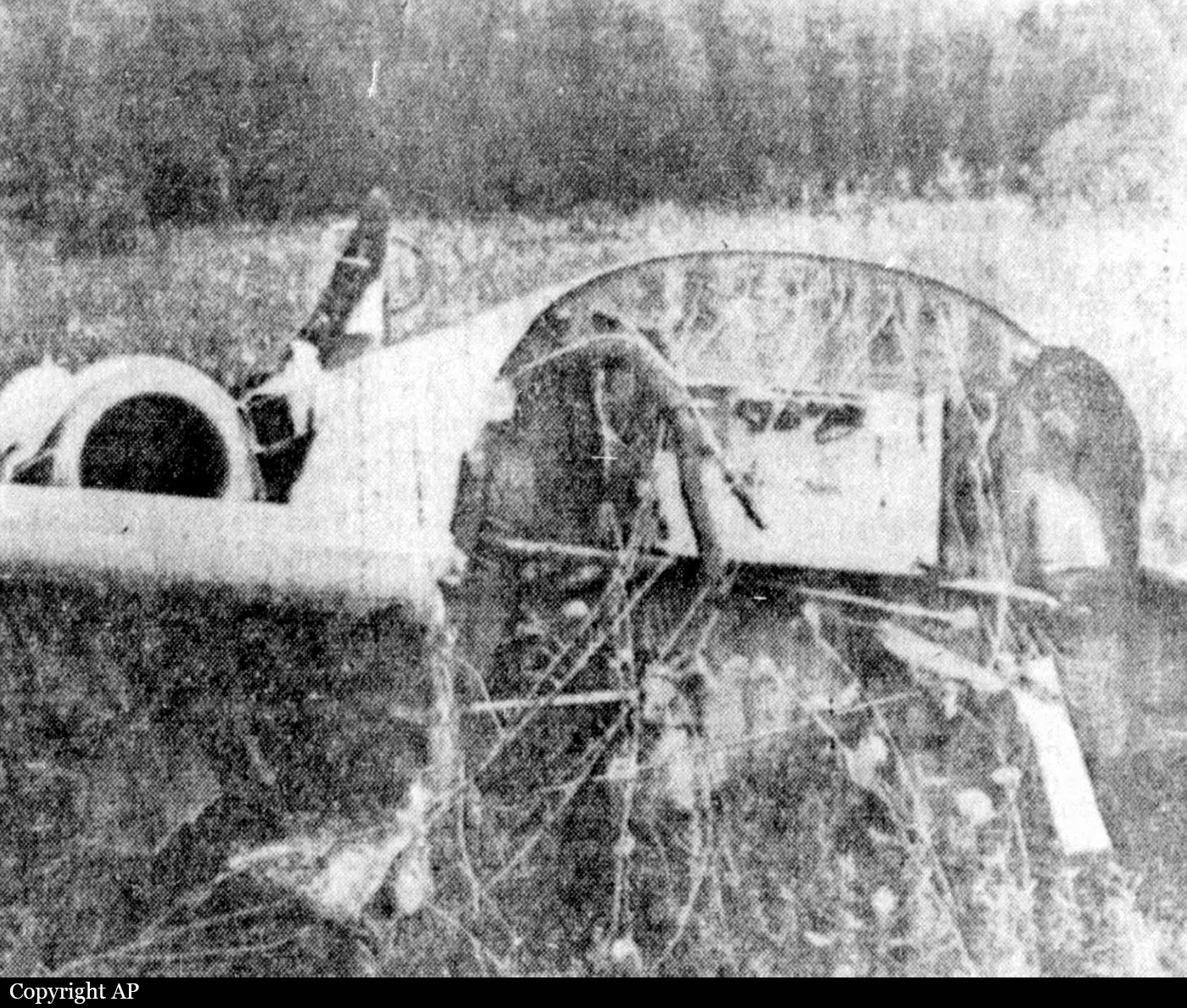
Crash of a Rockwell 1121 Jet Commander in Fayetteville: 1 killed

Date & Time: Jul 1, 1968 at 1712 LT
Operator:
Registration:
N196KC
Survivors:
Yes
Schedule:
Dallas - Kansas City
MSN:
1121-068
YOM:
1966
Crew on board:
2
Crew fatalities:
Pax on board:
6
Pax fatalities:
Other fatalities:
Total fatalities:
1
Captain / Total flying hours:
5700
Captain / Total hours on type:
178.00
Circumstances:
While cruising at an altitude of 41,000 feet on an executive flight from Dallas to Kansas City, the crew encountered icing conditions when both engines failed almost simultaneously. The crew declared an emergency, started a rapid descent and was cleared to divert to Fayetteville-Drake Airport. On final, the airplane stalled and crashed in a field short of runway. A passenger was killed while seven other occupants were injured, some of them seriously.
Probable cause:
The accident was the consequence of the following factors:
- Improper operation of powerplant,
- Double engine failure caused by icing conditions,
- Improper emergency procedures on part of the flying crew,
- Icing conditions, including sleet and freezing rain,
- Lack of familiarity with the aircraft,
- Improper techniques used while attempting air starts,
- The undercarriage were lowered too soon on approach.
Final Report: