Crash of a Beechcraft C90A King Air off Hana: 3 killed

Date & Time: Dec 15, 2022 at 2114 LT
Type of aircraft:
Operator:
Registration:
N13GZ
Flight Phase:
Flight Type:
Survivors:
No
Schedule:
Kahului – Waimea
MSN:
LJ-1590
YOM:
2000
Location:
Crew on board:
1
Crew fatalities:
Pax on board:
2
Pax fatalities:
Other fatalities:
Total fatalities:
3
Captain / Total flying hours:
7668
Captain / Total hours on type:
615.00
Aircraft flight hours:
10130
Circumstances:
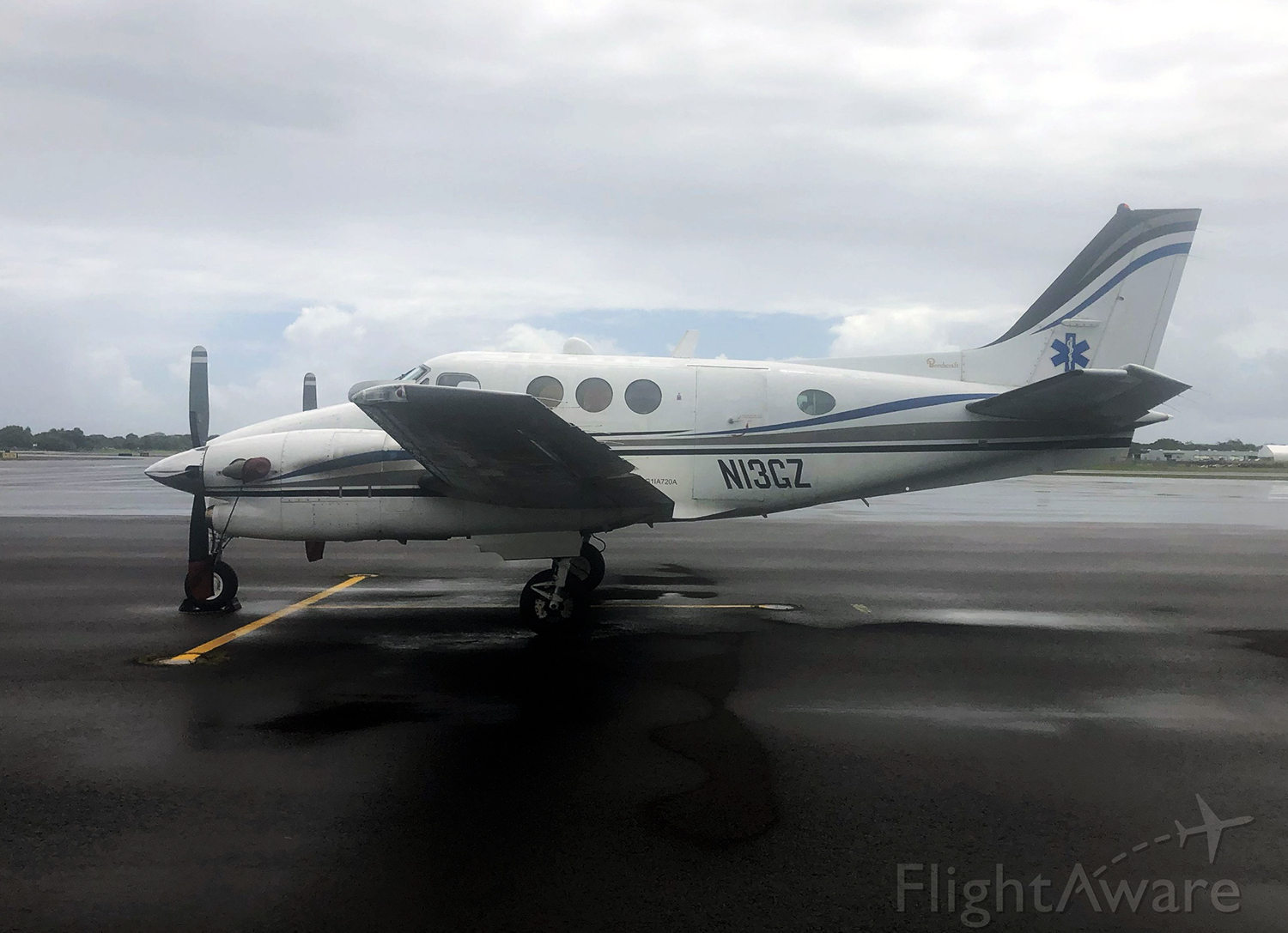
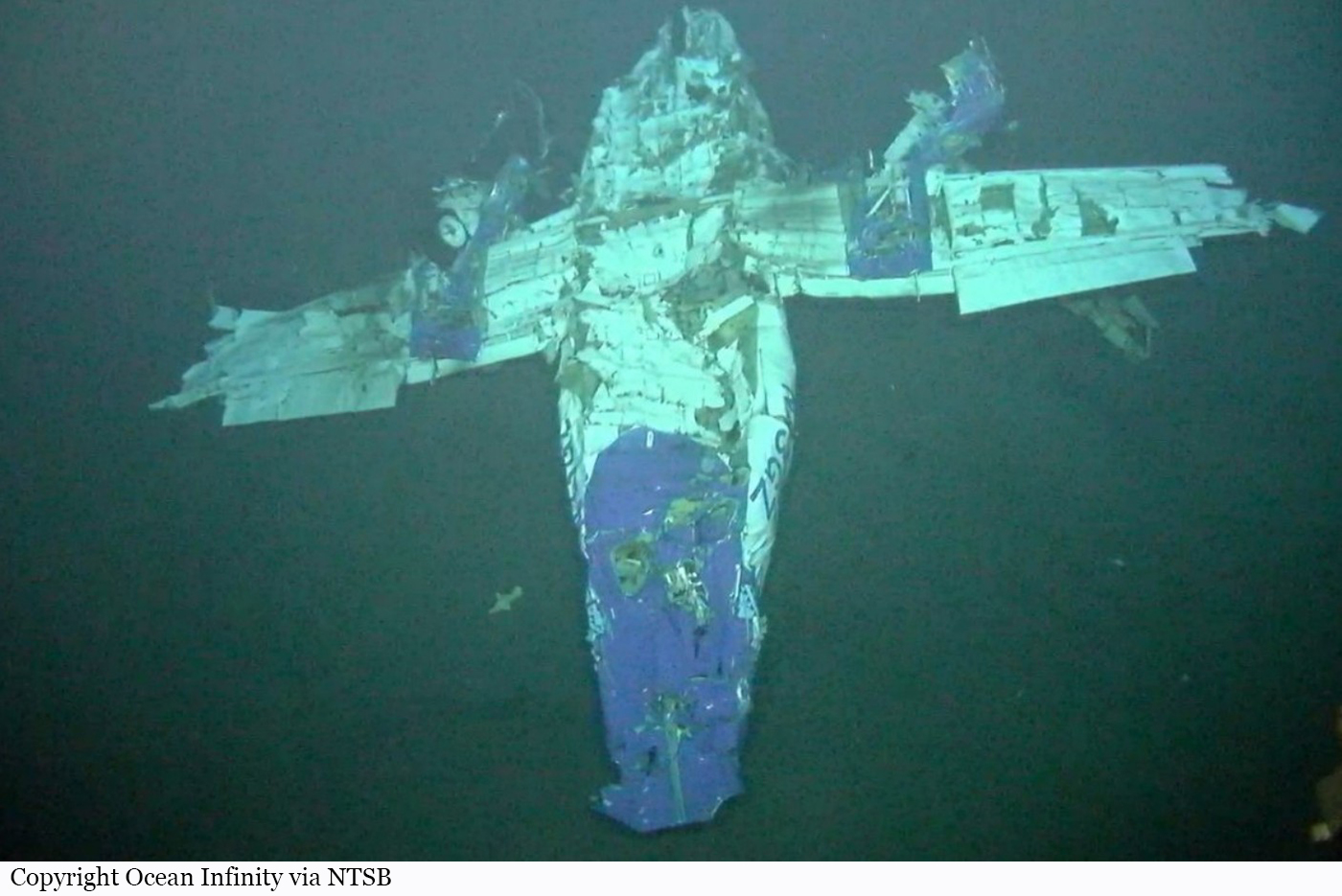
The medical transport flight was en route to pick up a patient on a neighboring island on an instrument flight rules (IFR) flight plan in dark night conditions over the ocean. About 13 minutes after departure, at 13,000 ft mean sea level (msl), the airplane’s vertical gyro failed, which subsequently failed the pilot’s Electric Attitude Director Indicator (EADI), which also caused the autopilot to disconnect. The failure of the EADI and autopilot disconnect required the pilot to manually fly the airplane using the copilot’s attitude gyro for his horizon information (bank angle and pitch attitude) for the duration of the flight. The pilot did not declare an emergency, nor did he inform air traffic control (ATC) that his electric attitude indicator had failed and that his autopilot had disengaged. After the instrumentation failure and autopilot disconnect, the airplane entered a series of right banks before being brought back to level, followed by a left turn, and then subsequent right banks. ATC asked the pilot to change course and the pilot agreed. The copilot attitude indicator indicated that the airplane entered a descending, steep right bank turn. Over the next 5 minutes, ATC issued varying instructions to the pilot. During this time, the airplane entered several right- and left-hand banks and rolls and descended 1,000 ft per minute (fpm), which increased to -3,500 fpm as the airplane’s airspeed increased. About 7 minutes after the instrumentation failure, the airplane was in a 65° bank angle when ATC asked the pilot to verify his heading. As the pilot responded, the airplane bank angle increased to 90° and the airspeed exceeded 260 knots. The bank angle and airspeed continued to increase; a loud metallic bang was recorded that was consistent with an in-flight separation of the empennage from the fuselage before impacting with the water. After an extensive underwater search, the main wreckage was located on the seabed at a depth of about 6,420 ft. The wreckage was recovered and transported to a facility for examination.
Probable cause:
Guardian Flight’s inadequate pilot training and performance tracking, which failed to identify and correct the pilot’s consistent lack of skill, and which resulted in the pilot’s inability to maintain his position inflight using secondary instruments to navigate when the airplane’s electronic attitude direction indicator failed, leading to his spatial disorientation and subsequent loss of control. Contributing to the accident was the lack of a visible horizon during dark night overwater conditions and the pilot’s failure to declare an emergency with air traffic control.
Final Report:
Crash of a Beechcraft E90 King Air in Slidell

Date & Time: Nov 6, 2022 at 2145 LT
Type of aircraft:
Operator:
Registration:
N809DM
Flight Type:
Survivors:
Yes
Schedule:
Nashville – Slidell
MSN:
LW-334
YOM:
1980
Crew on board:
1
Crew fatalities:
Pax on board:
0
Pax fatalities:
Other fatalities:
Total fatalities:
0
Captain / Total flying hours:
4800
Captain / Total hours on type:
325.00
Aircraft flight hours:
7111
Circumstances:
The pilot flew a visual approach to his home airport but did a go-around due to ground fog. After receiving an instrument flight rules clearance, he flew an RNAV/GPS approach that he also discontinued due to ground fog. After executing a missed approach, the pilot flew another RNAV/GPS approach. The pilot reported that during this last approach he lost visual references and initiated a go-around, during which the airplane impacted trees about 800 ft to the right of the runway. The main wreckage came to rest upright and was consumed by a post-impact fire. The postaccident examination revealed no preimpact anomalies that would have precluded normal operation. The pilot reported that he observed the right engine was slower to accelerate than the left engine during the attempted go-around, and that he was distracted looking at the engine indications. He reported that he did not notice if the airplane yaw to the right and, before he could correct for the altitude loss, the airplane descended into and struck the trees.
Probable cause:
The pilot’s failure to maintain airplane control during an attempted go-around in low visibility conditions.
Final Report:

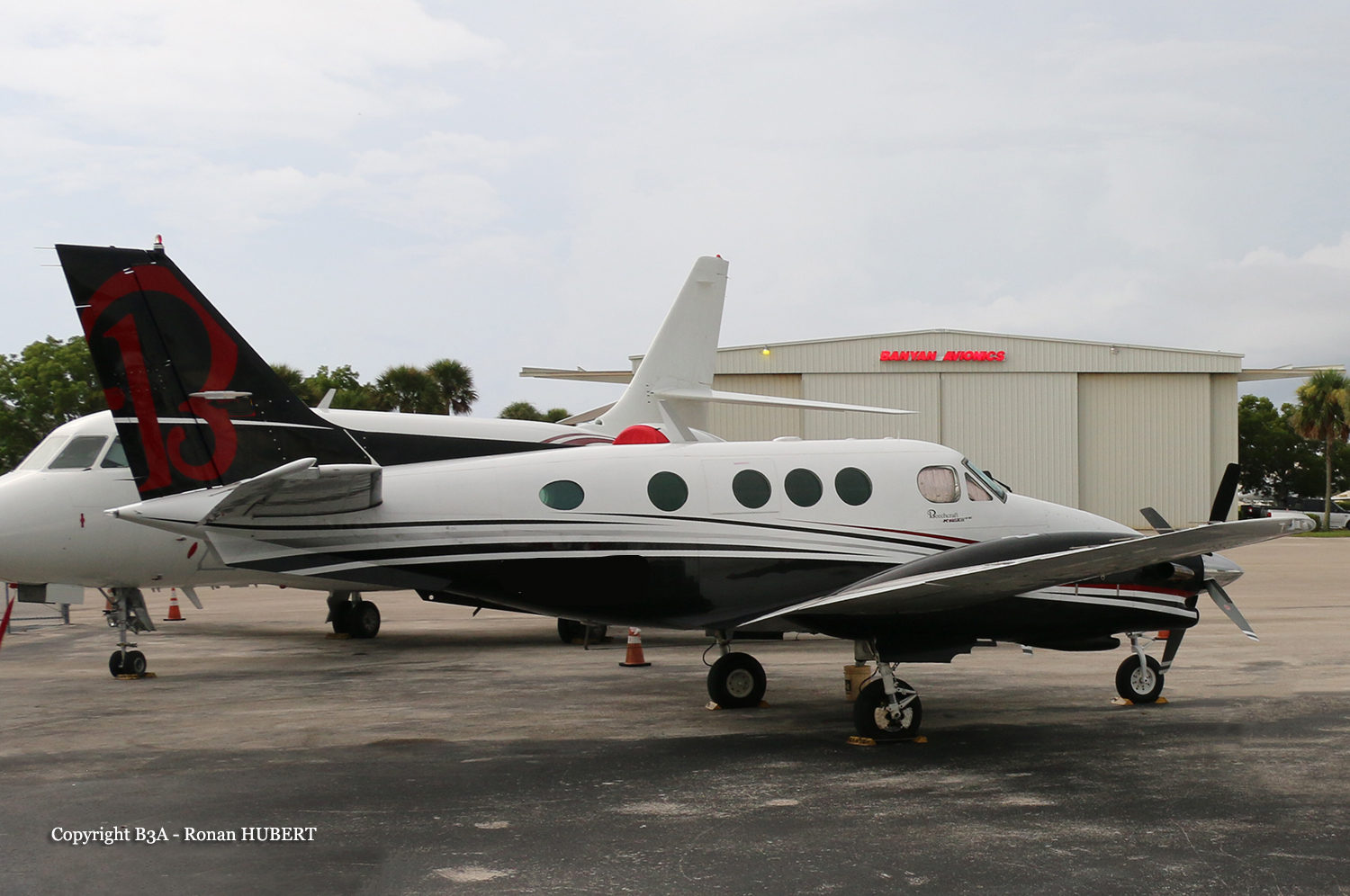
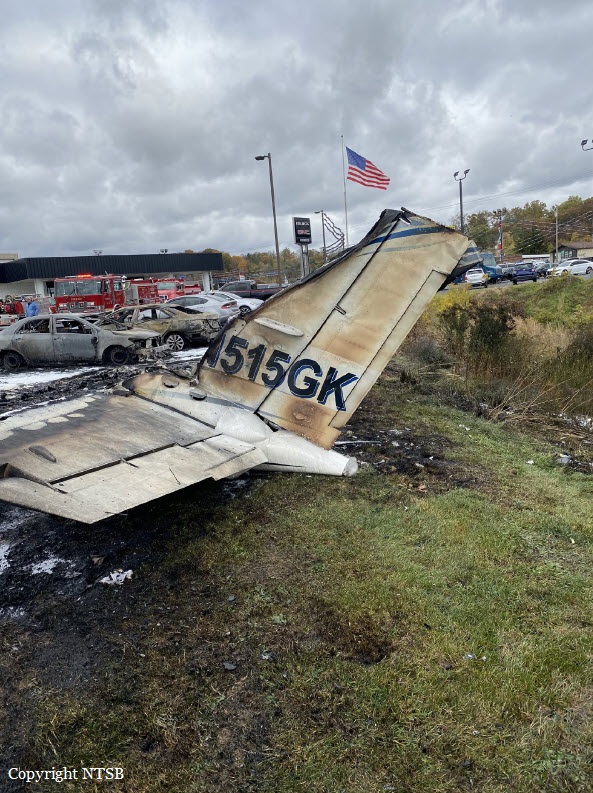
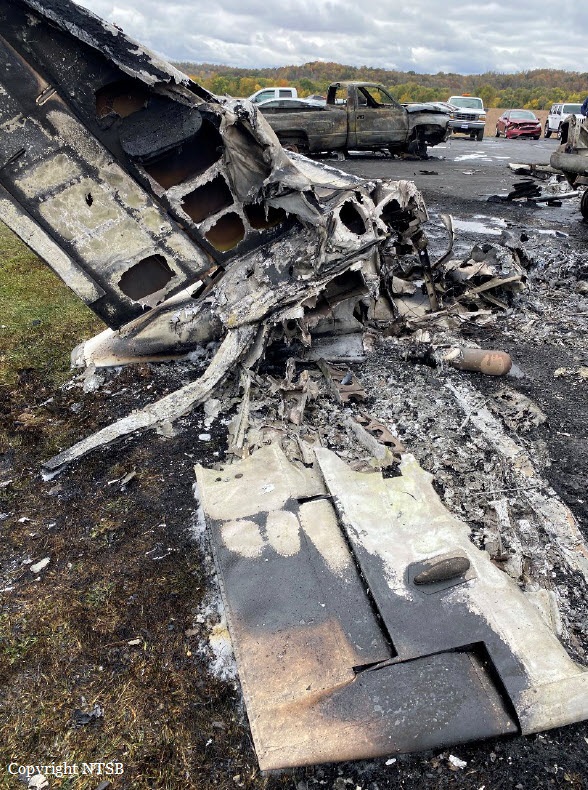
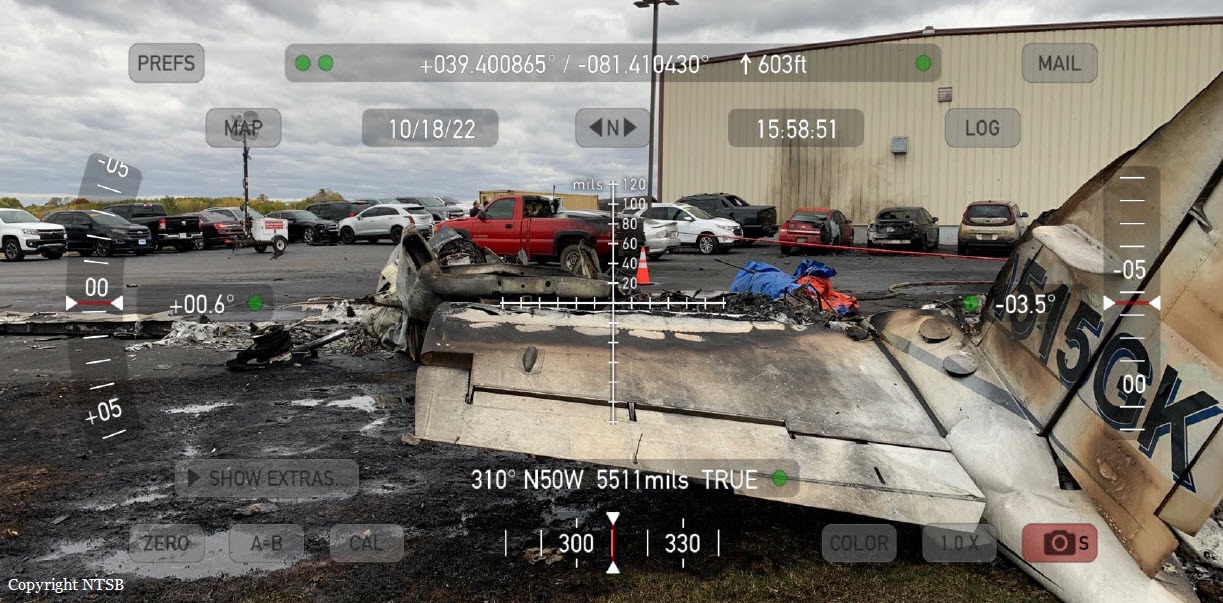
Crash of a Beechcraft E90 King Air in Marietta: 2 killed

Date & Time: Oct 18, 2022 at 0709 LT
Type of aircraft:
Registration:
N515GK
Flight Type:
Survivors:
No
Schedule:
Columbus – Parkersburg
MSN:
LW-108
YOM:
1974
Location:
Crew on board:
2
Crew fatalities:
Pax on board:
0
Pax fatalities:
Other fatalities:
Total fatalities:
2
Captain / Total flying hours:
1940
Captain / Total hours on type:
15.00
Copilot / Total flying hours:
2500
Copilot / Total hours on type:
250
Aircraft flight hours:
9521
Circumstances:
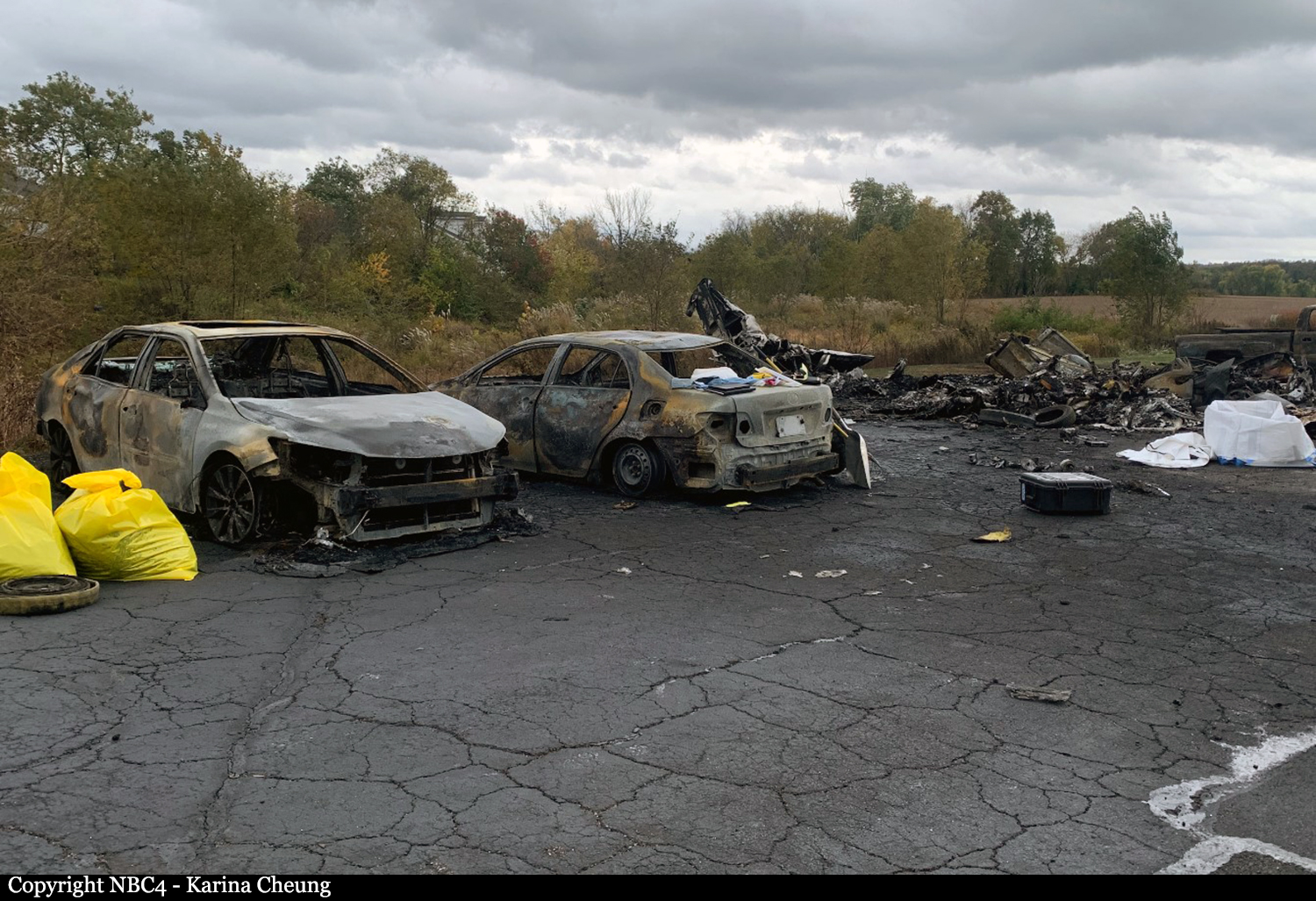
Shortly after departure to pick up a passenger at their destination airport about 75 nm away, the pilots climbed and turned onto a track of about 115° before leveling off about 11,000 ft mean sea level (msl), where the airplane remained for a majority of the flight. Pilot and controller communications during the flight were routine and there were no irregularities reported. As the airplane descended into the destination airport area, the airplane passed through areas of light to heavy icing where there was a 20 to 80% probability of encountering supercooled large droplets (SLD) during their initial descent and approach. While level at 4,000 ft msl, the flight remained in icing conditions, and then was cleared for the instrument approach to the runway. The flight emerged from the overcast layer as it crossed the final approach fix at 2,800 ft msl; the flight continued its descent and was cleared to land. The controller informed the flight that there was a vehicle on the runway but it would be cleared shortly, which was acknowledged; this was the final communication from the flight crew. Multiple eyewitnesses and security camera footage revealed that the airplane, while flying straight and level, suddenly began a steep, spinning, nearly vertical descent until it impacted a commercial business parking lot; the airplane subsequently collided with several unoccupied vehicles and caught fire. The airplane was certified for flight in known icing conditions and was equipped with pneumatic deice boots on each of the wings and tail surfaces. The pneumatic anti-icing system was consumed by the postimpact fire; the control switches were impact and thermally damaged and a reliable determination of their preimpact operation could not be made. Further examination of the airframe and engines revealed no indications of any preimpact mechanical anomalies that would have precluded normal engine operation or performance. During the approach it is likely that the airframe had been exposed to and had built-up ice on the control surfaces. It could not be determined if the pilots used the pneumatic anti-icing system, or if the system was inoperative, based on available evidence. Review of the weather conditions and the airplane’s calculated performance based on ADS-B data, given the speeds at which the airplane was flying, and the lack of any discernable deviations that might have been expected due to an extreme amount of ice accumulating on the airframe, it is also likely that the deice system, if operating at the time of the icing encounter, should have been able to sufficiently remove the ice from the surfaces. Although it is also uncertain when the pilots extended the landing gear and flaps, it is likely that the before-landing checklist would be conducted between the final approach fix and when the flight was on its 3-mile final approach to land. Given this information, the available evidence suggests that the sudden loss of control from a stable and established final approach was likely due to the accumulation of ice on the tailplane. It is likely that once the pilots changed the airplane’s configuration by extending the landing gear and flaps, the sudden aerodynamic shift resulted in the tailplane immediately entering an aerodynamic stall that maneuvered the airplane into an attitude from which there was no possibility to recover given the height above the ground. Postaccident toxicological testing detected the presence of delta-8 THC. Delta-8 THC has a potential to alter perception and cause impairment, but only the non-psychoactive metabolite carboxy-delta-8-THC was present in the pilot’s liver and lung tissue. Thus, it is unlikely that the pilot’s delta-8-THC use contributed to the accident.
Probable cause:
Structural icing on the tailplane that resulted in a tailplane stall and subsequent loss of control.
Final Report:
Crash of a Beechcraft C90A King Air in Gravestown

Date & Time: Sep 3, 2022 at 1021 LT
Type of aircraft:
Registration:
N342ER
Flight Phase:
Flight Type:
Survivors:
Yes
Schedule:
Tupelo - Tupelo
MSN:
LJ-1156
YOM:
1987
Crew on board:
1
Crew fatalities:
Pax on board:
0
Pax fatalities:
Other fatalities:
Total fatalities:
0
Captain / Total flying hours:
31
Circumstances:
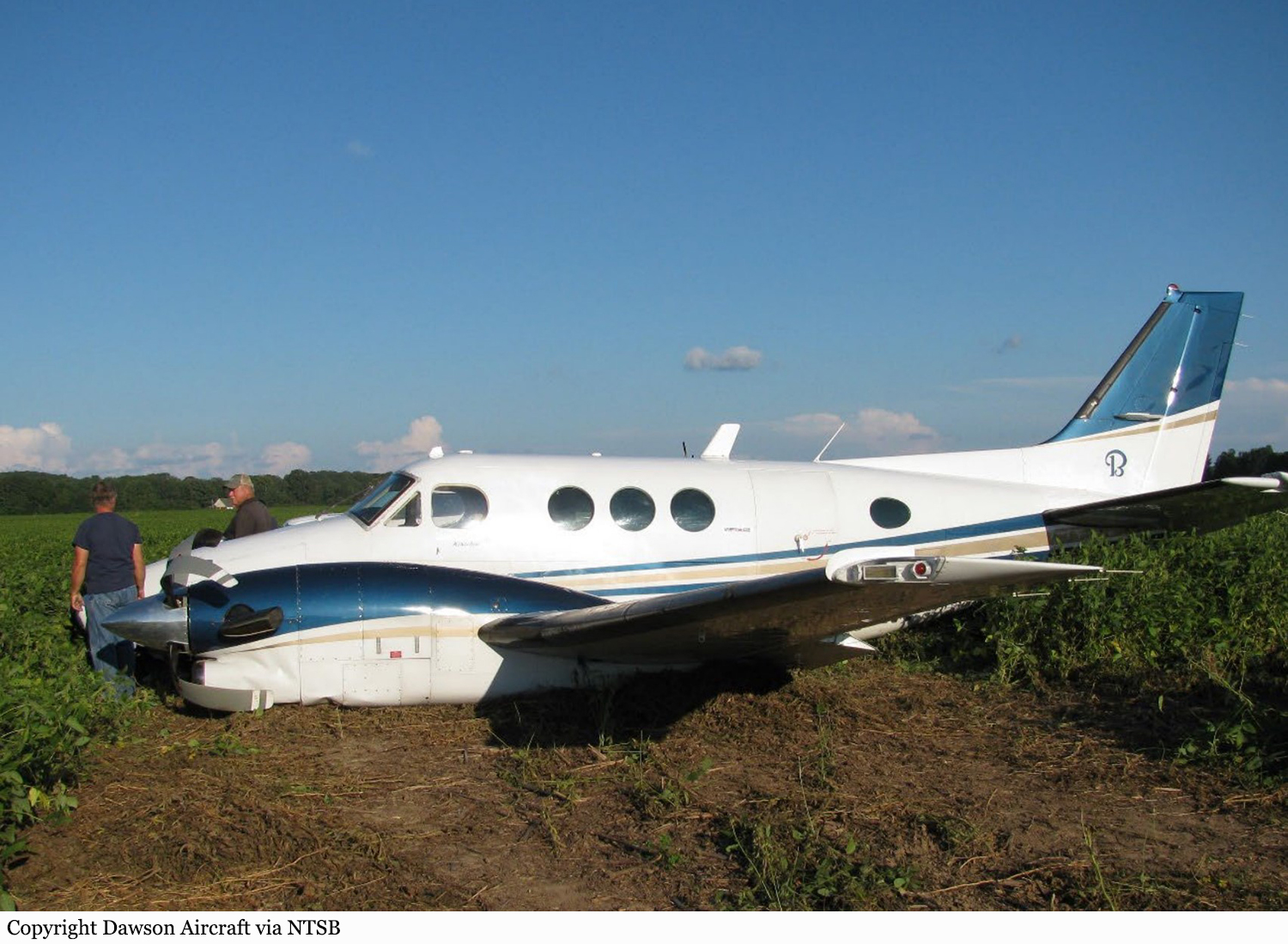
The uncertificated pilot stole the accident airplane at Tupelo Airport with the intent of crashing it into a department store located 2 miles southeast of the airport. However, he continued to fly the airplane in the area for several hours until he performed an off-airport landing in a field 32 miles northwest of the departure airport that resulted in substantial damage to the airplane’s fuselage.
Probable cause:
The uncertificated pilot’s criminal act of stealing the airplane and later performing an off-airport landing that resulted in an impact with terrain.
Final Report:

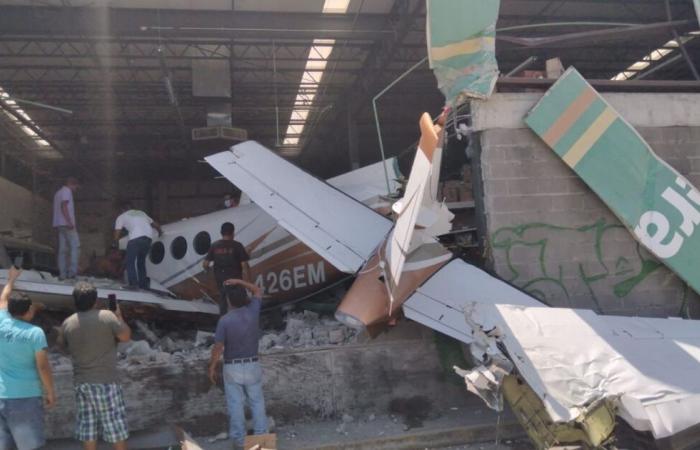
Crash of a Beechcraft C90A King Air in Cuernavaca: 3 killed

Date & Time: Mar 28, 2022
Type of aircraft:
Operator:
Registration:
N426EM
Flight Type:
Survivors:
Yes
Site:
Schedule:
Acapulco – Cuernavaca
MSN:
LJ-1352
YOM:
1993
Country:
Crew on board:
1
Crew fatalities:
Pax on board:
6
Pax fatalities:
Other fatalities:
Total fatalities:
3
Circumstances:
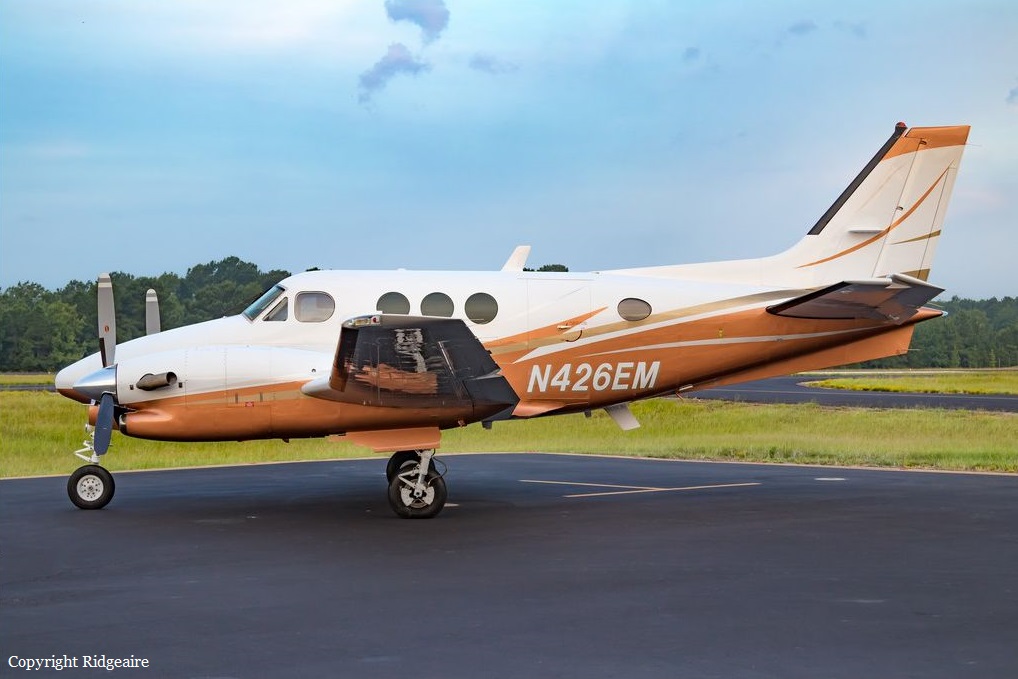
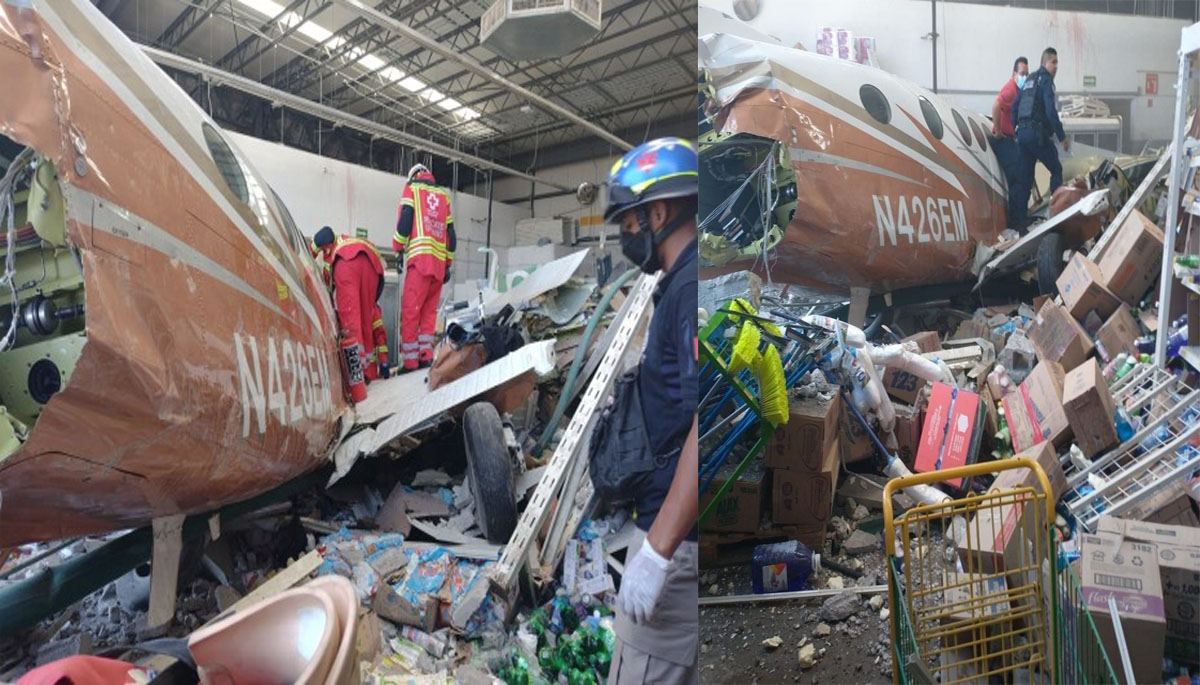
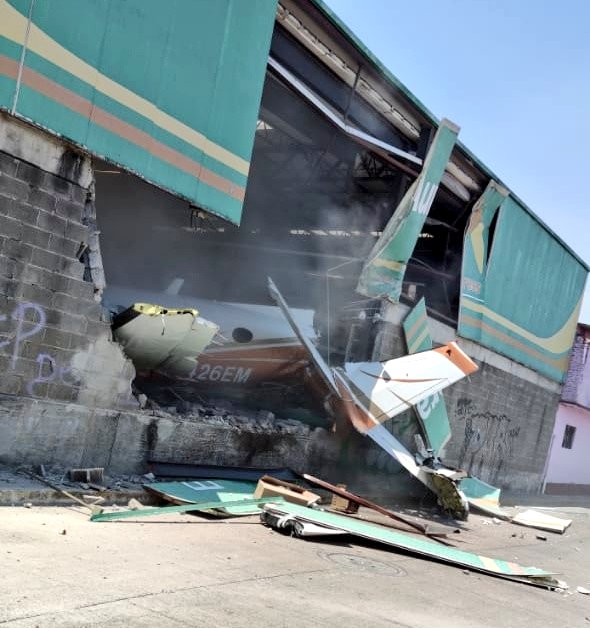
The twin engine airplane departed Acapulco-General Juan N. Álvarez Airport on a private flight to Cuernavaca, carrying six passengers and one pilot. On final approach to Cuernavaca Airport runway 20, the airplane crashed on a supermarket located in Temixco, some 2 km short of runway. The pilot and two passengers were killed while four other occupants were injured.

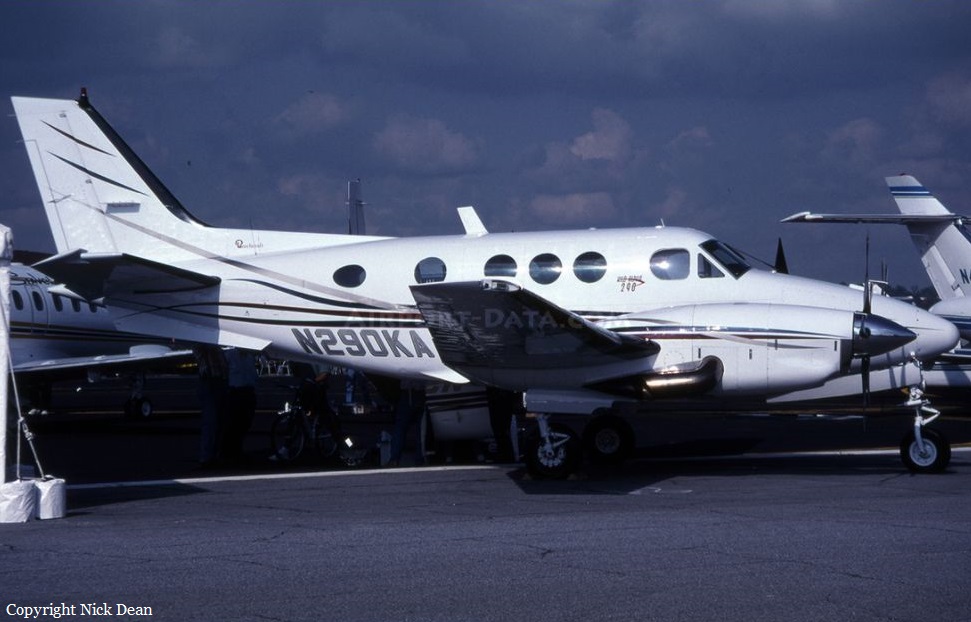
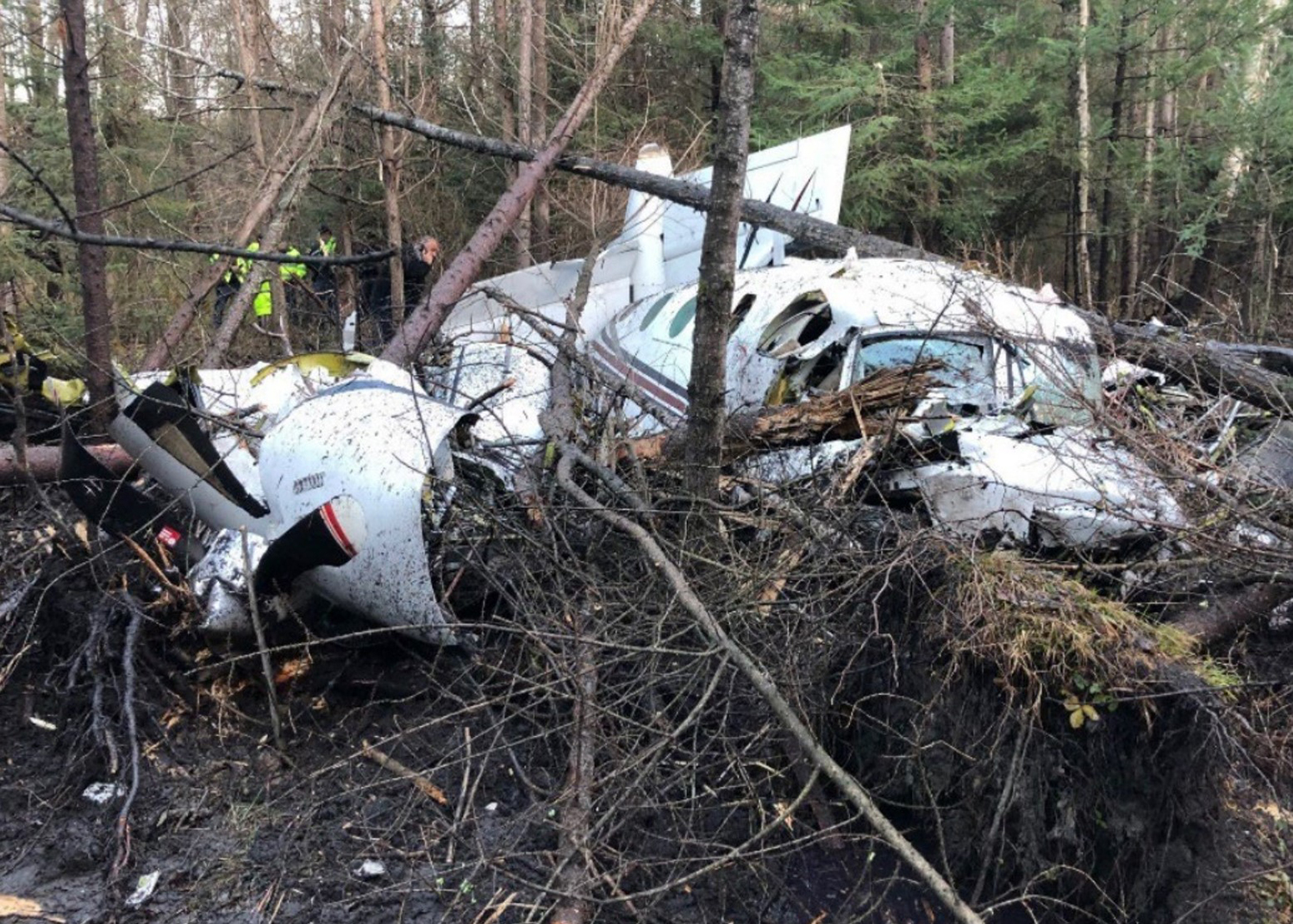
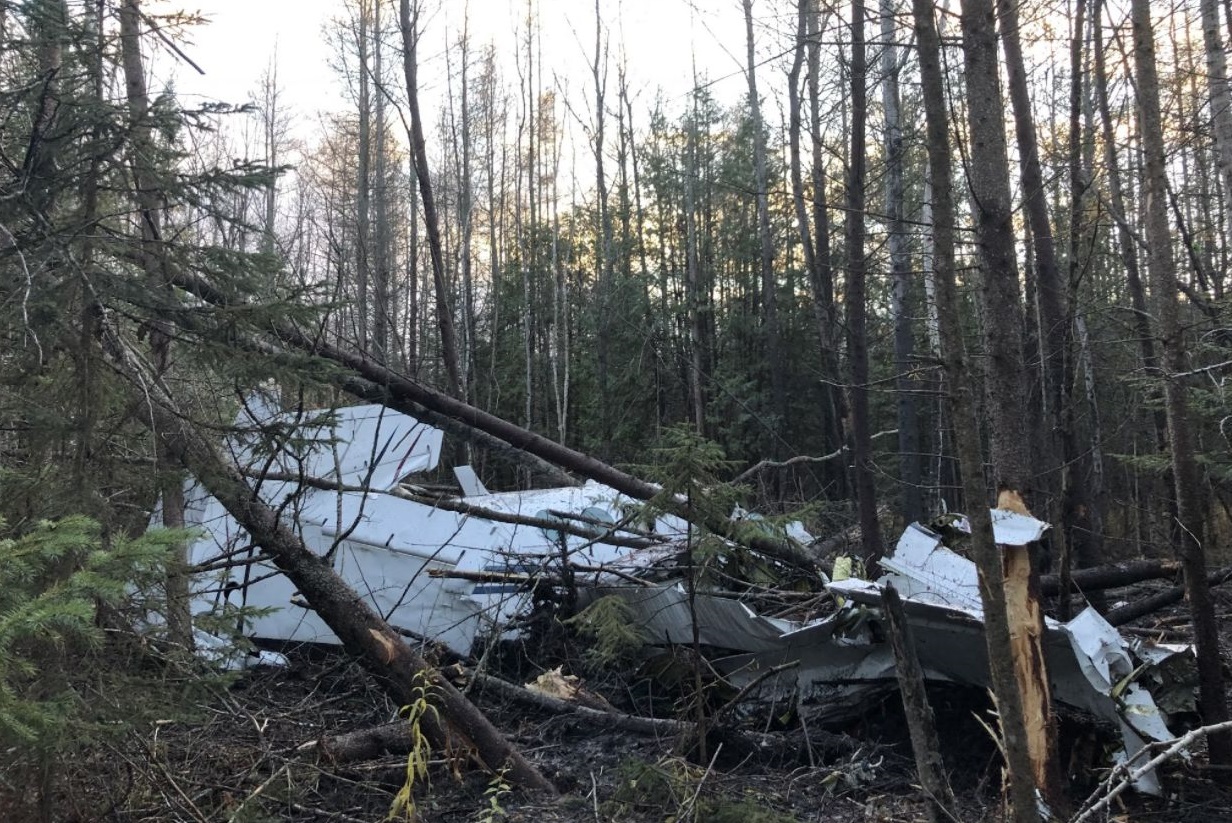
Crash of a Beechcraft E90 King Air in Boyne City: 2 killed

Date & Time: Nov 15, 2021 at 1245 LT
Type of aircraft:
Operator:
Registration:
N290KA
Flight Type:
Survivors:
No
Schedule:
Pontiac - Boyne City
MSN:
LW-59
YOM:
1973
Crew on board:
1
Crew fatalities:
Pax on board:
1
Pax fatalities:
Other fatalities:
Total fatalities:
2
Captain / Total flying hours:
13000
Captain / Total hours on type:
700.00
Aircraft flight hours:
10491
Circumstances:
While on final approach, the airplane gradually slowed to near its stall speed. About 600 ft beyond the last recorded data, the airplane impacted the ground in a nose-down attitude that was consistent with a stall. Postaccident examination revealed no preaccident mechanical failures or malfunctions that would have contributed to the accident. Witnesses near the accident site reported very heavy sleet with low visibility conditions, whereas a witness located near the final approach flightpath, about 2 miles before the accident site observed the airplane fly by below an overcast cloud layer with no precipitation present. Based on the witness accounts and weather data, the airplane likely entered a lake effect band of heavy sleet during the final portion of the flight. The airplane was modified with 5-bladed propellers, and other pilots reported it would decelerate rapidly, especially when the speed/propeller levers were moved to the high rpm (forward) position. The pilot usually flew a larger corporate jet and had not flown the accident airplane for 8 months. The passenger was a student pilot with an interest in becoming a professional pilot. The pilot’s poor airspeed control on final approach was likely influenced by a lack of recency in the turboprop airplane. The workload of inflight deicing tasks may have also contributed to the poor airspeed control. The aerodynamic effects of the heavy sleet that was encountered near the accident site likely contributed to the stall to some degree.
Probable cause:
The pilot’s failure to maintain sufficient airspeed and his exceedance of the airplane’s critical angle of attack while in icing conditions, which resulted in an aerodynamic stall and subsequent ground impact.
Final Report: