Crash of a Douglas C-47A-80-DL near Ankara: 9 killed

Date & Time: Nov 6, 1965 at 2020 LT
Operator:
Registration:
H-60
Flight Type:
Survivors:
No
Site:
Schedule:
Konya – Ankara
MSN:
19724
YOM:
1944
Country:
Region:
Crew on board:
2
Crew fatalities:
Pax on board:
7
Pax fatalities:
Other fatalities:
Total fatalities:
9
Circumstances:
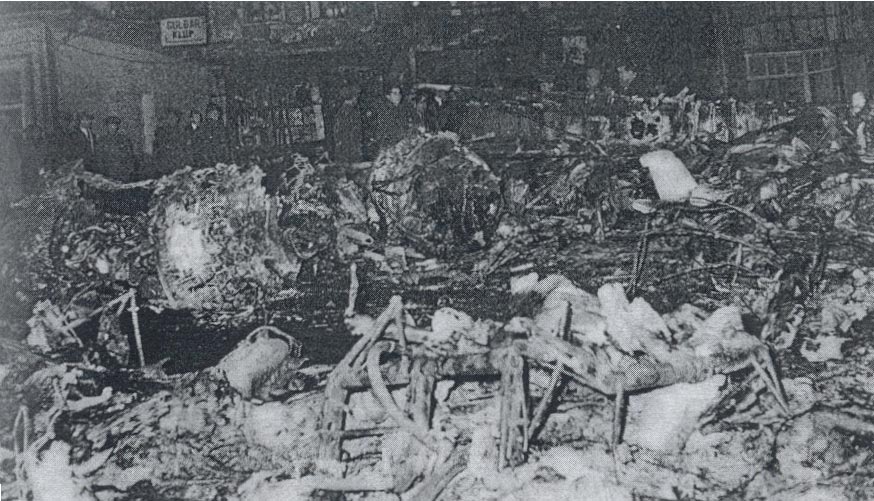
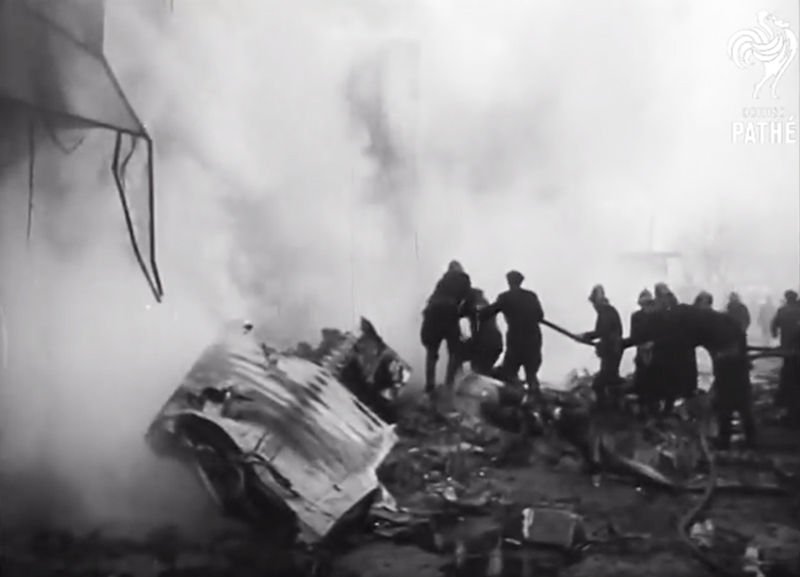
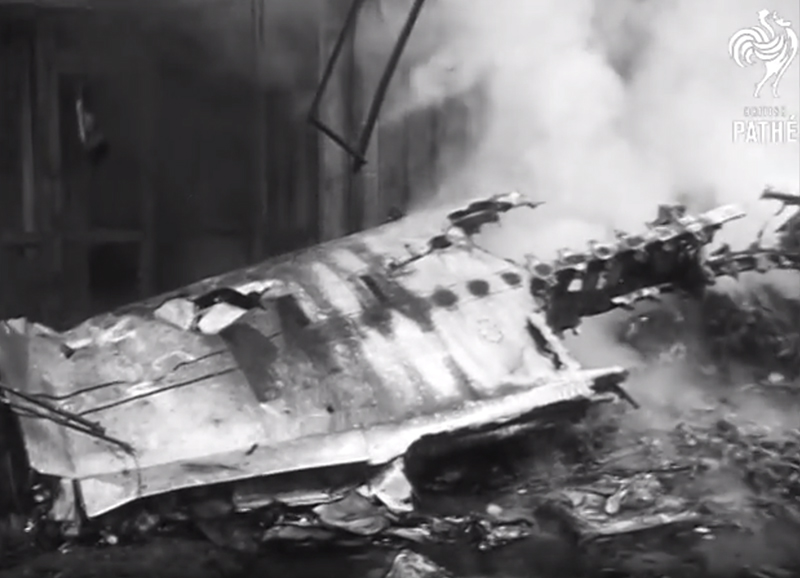
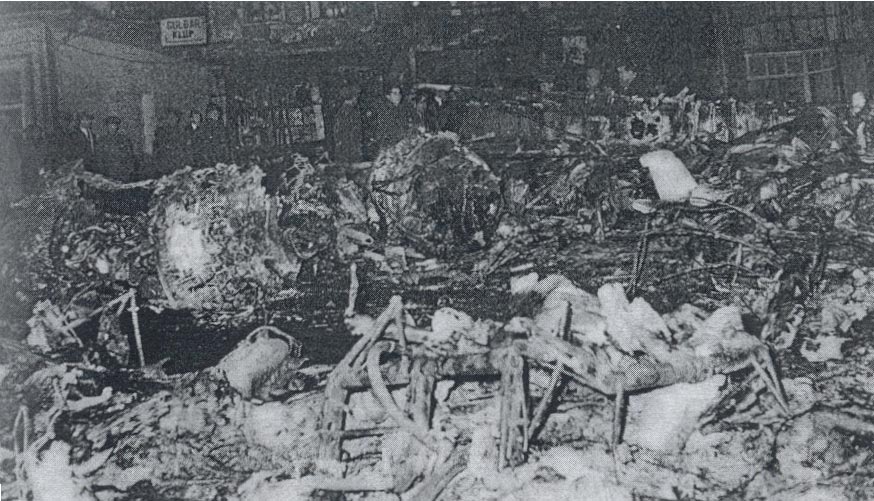
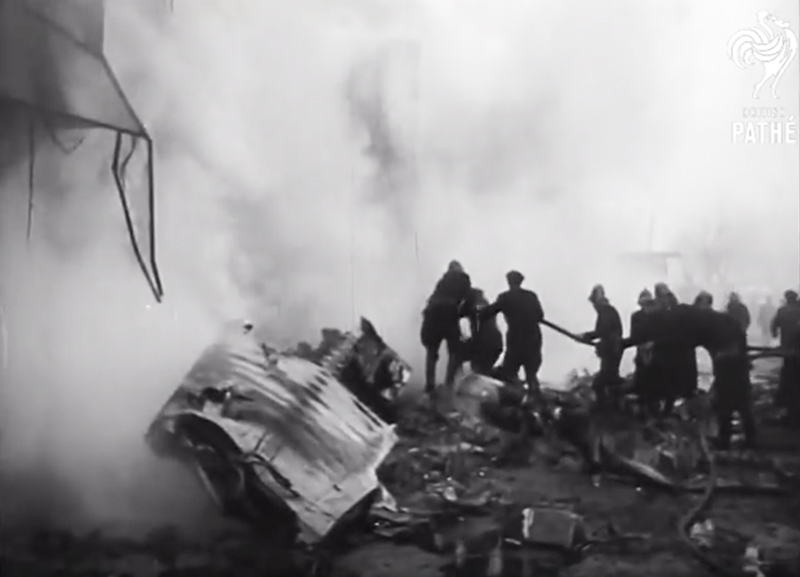
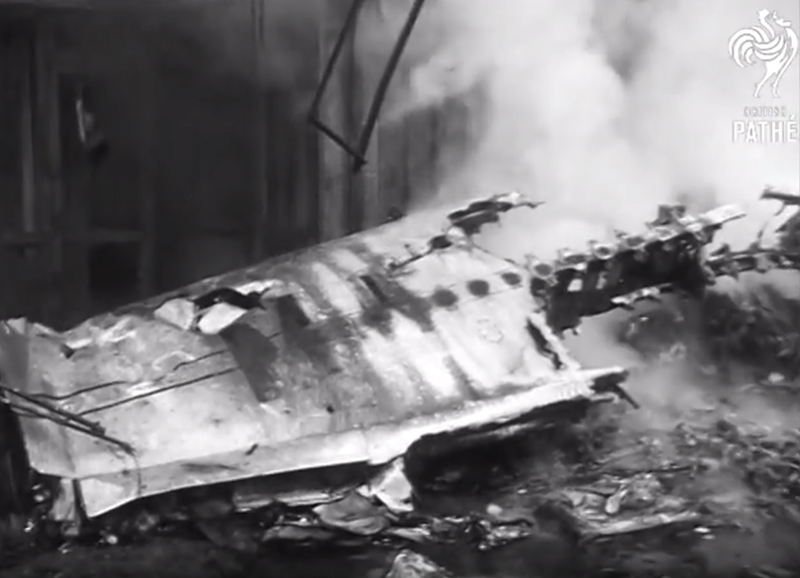
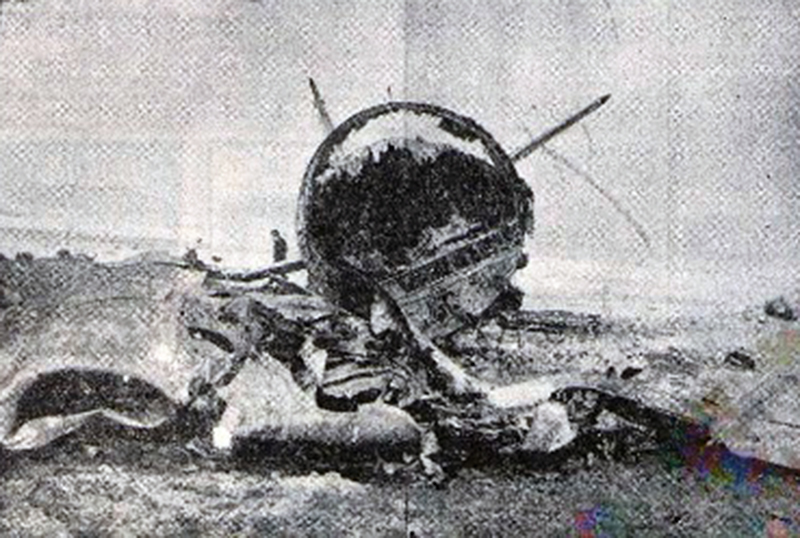
While approaching Ankara-Etimesgut Airport by night and in marginal weather conditions, the airplane struck the slope of a mountain located near the village of Yuva, some 12 km west of the airport. All nine occupants were killed.

Crash of a Douglas C-47B-5-DK in Istanbul: 1 killed

Date & Time: Jan 14, 1965 at 1906 LT
Operator:
Registration:
CBK-04
Flight Phase:
Flight Type:
Survivors:
Yes
MSN:
14700/26145
YOM:
1944
Country:
Region:
Crew on board:
0
Crew fatalities:
Pax on board:
0
Pax fatalities:
Other fatalities:
Total fatalities:
1
Circumstances:
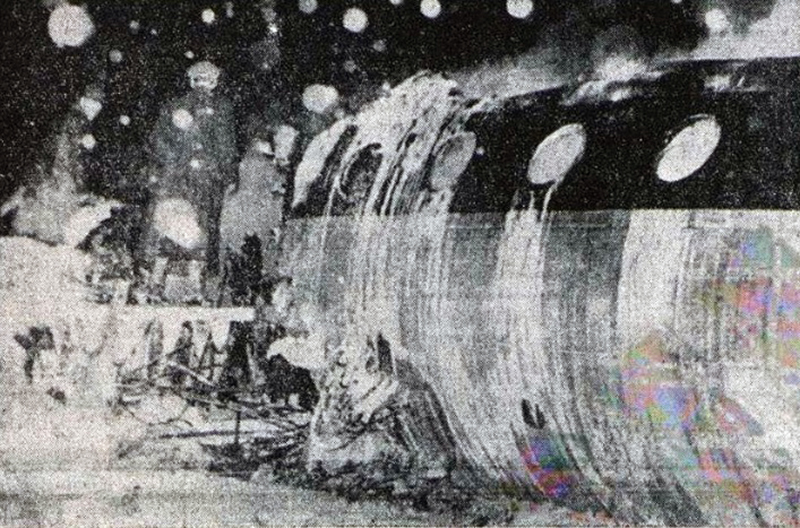
At liftoff, the airplane went out of control and crashed in flames. A crew member, the flight mechanic, was killed.

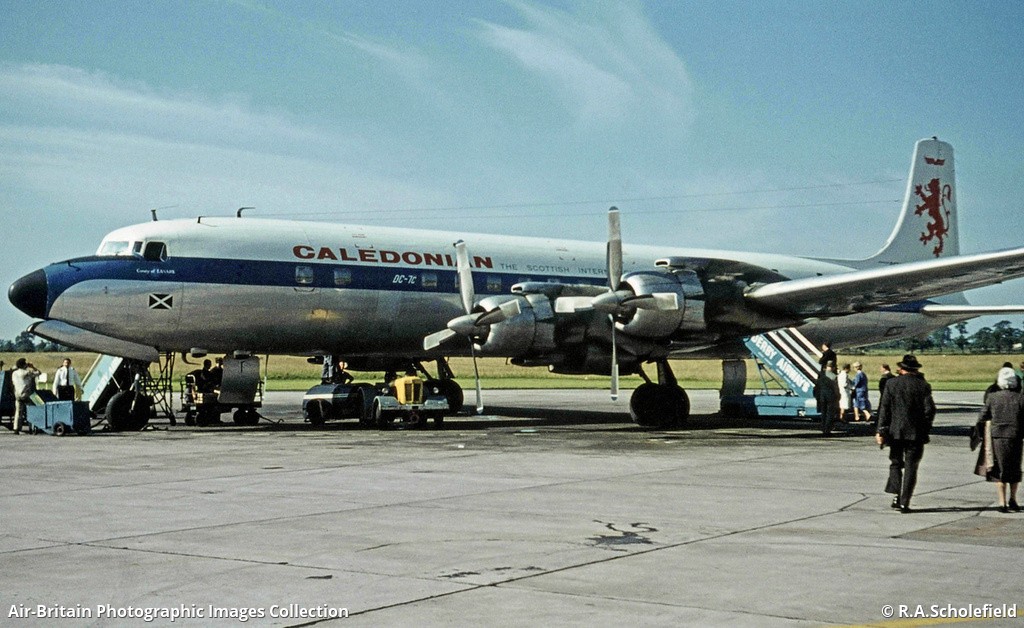
Crash of a Douglas DC-7C in Istanbul

Date & Time: Sep 28, 1964 at 0450 LT
Type of aircraft:
Operator:
Registration:
G-ASID
Survivors:
Yes
Schedule:
London – Istanbul – Singapore
MSN:
45161/757
YOM:
1957
Flight number:
CA355
Country:
Region:
Crew on board:
8
Crew fatalities:
Pax on board:
89
Pax fatalities:
Other fatalities:
Total fatalities:
0
Captain / Total flying hours:
9530
Copilot / Total flying hours:
1811
Aircraft flight hours:
20668
Circumstances:
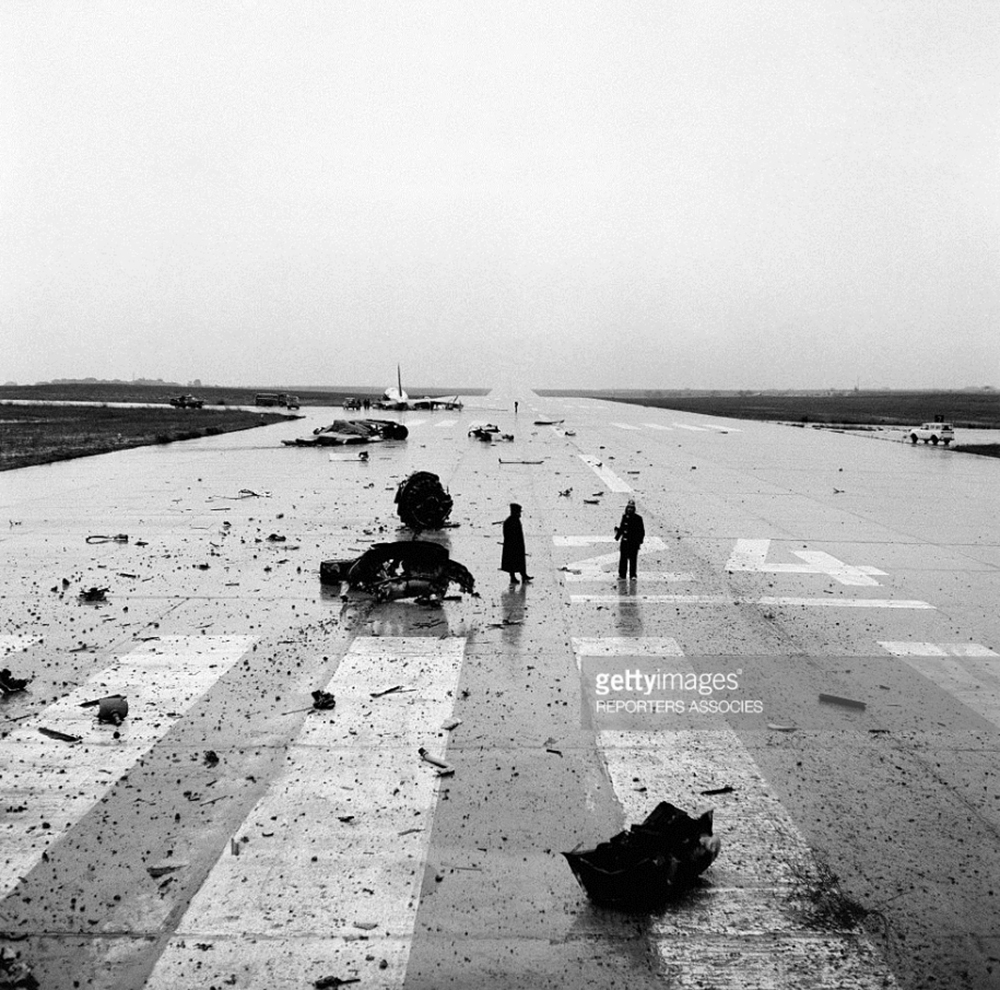
Flight 355 took off from London for a flight to Singapore via Istanbul. The first approach to Istanbul runway 24 was abandoned because the pilot-in-command couldn't see the runway lights. Heavy rain continued as the pilot approached for the second time. VHF communications were lost during a short period of time because of a power failure in the tower transmitter and was restored when the plane was in the procedure turn. Lightning and heavy turbulence were reported during the descent and the runway was sighted when descending to 500 feet. The pilot made a slight correction to the right and ordered full flaps and power reduction to 20" boost. The plane sank quickly just short of the runway and more power was ordered, but the left main gear had struck the ground in line with the runway, 72 m short of the threshold. The plane bounced and touched down again 14 m further on. The left main gear as well as nose gear collapsed, causing the no. 1 and 2 engines to break off, followed by the entire left wing. The fuselage skidded 260 m down the runway and a fire developed.
Probable cause:
During the last approach, the pilot was too early in selecting full flap and reducing the power. Due to heavy rain and poor visibility, the height could not be controlled precisely. The order for full power was given too late; this created the undershoot condition.
Final Report:

Crash of a Douglas C-47A-DL in Çanakkale: 5 killed

Date & Time: Jun 9, 1964
Operator:
Registration:
ETI-51
Flight Phase:
Flight Type:
Survivors:
No
MSN:
13867
YOM:
1943
Country:
Region:
Crew on board:
5
Crew fatalities:
Pax on board:
0
Pax fatalities:
Other fatalities:
Total fatalities:
5
Circumstances:
Shortly after takeoff from Çanakkale Airport, while climbing, the airplane stalled and crashed, killing all five crew members.
Probable cause:
Loss of control caused by an engine failure.

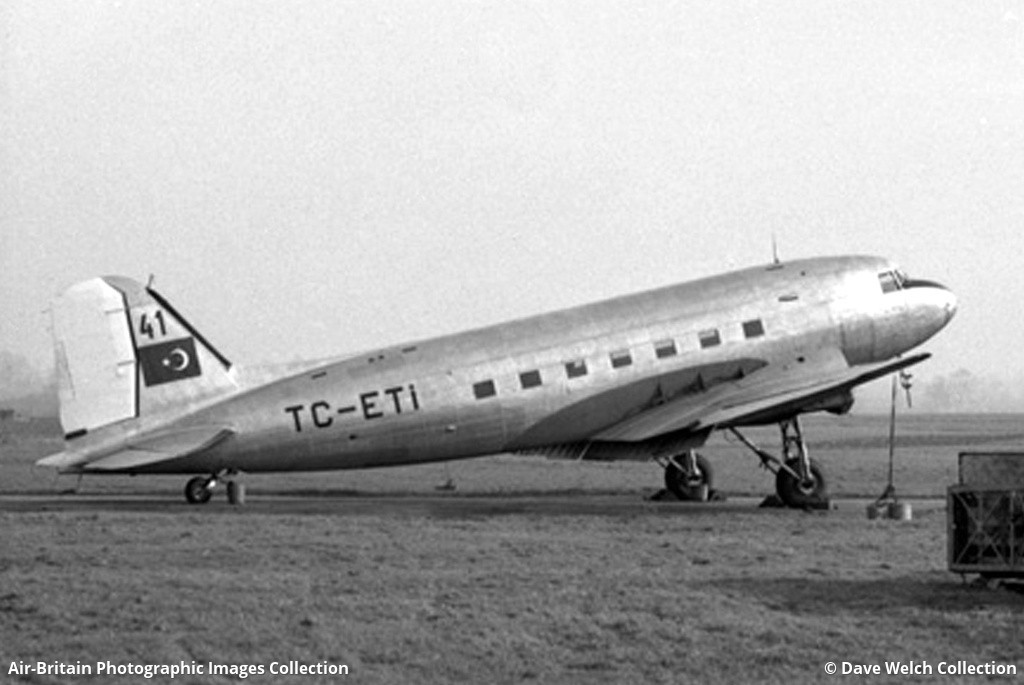
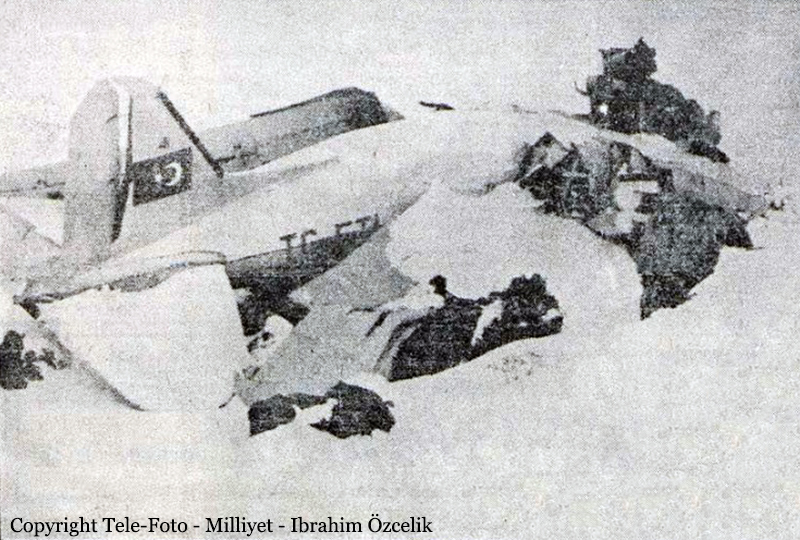
Crash of a Douglas C-47A-5-DK in Ankara: 3 killed

Date & Time: Feb 3, 1964 at 2030 LT
Operator:
Registration:
TC-ETI
Flight Type:
Survivors:
No
Site:
Schedule:
Istanbul – Ankara
MSN:
12319
YOM:
1944
Country:
Region:
Crew on board:
3
Crew fatalities:
Pax on board:
0
Pax fatalities:
Other fatalities:
Total fatalities:
3
Circumstances:
The crew started the approach to Ankara-Esenboğa Airport by night and was cleared to descent from 9,000 to 8,000 feet to the runway 03. In low visibility, the airplane struck a snow covered mountain located 12 km from the runway threshold. The aircraft was destroyed and all three crew members were killed.
Probable cause:
The probable cause was the fact that the aircraft got below the prescribed altitude limits as a consequence of having deviated from the instrument flight rules.

Crash of a Douglas C-47A-80-DL in Ankara: 52 killed

Date & Time: Feb 1, 1963 at 1513 LT
Operator:

Registration:
CBK-28
Flight Type:
Survivors:
No
Site:
Schedule:
Ankara - Ankara
MSN:
19668
YOM:
1944
Country:
Region:
Crew on board:
3
Crew fatalities:
Pax on board:
0
Pax fatalities:
Other fatalities:
Total fatalities:
52
Captain / Total hours on type:
1452.00
Copilot / Total hours on type:
36
Aircraft flight hours:
2340
Circumstances:
Middle East Airlines flight 265, a Vickers Viscount registered OD-ADE, was descending for Ankara-Esenboğa Airport, Turkey and had been cleared for an approach to runway 03. Last radio contact was at 13:09 hours GMT when the flight reported being over the Ankara NDB at 8000 feet, descending for 6500 feet. The crew would contact Ankara again over the NDB when inbound. Earlier in the day, at 11:22 GMT, a Douglas C-47 transport plane of the Turkish Air Force (CBK-28) had taken off from Ankara's Etimesgut Air Base for an instrument training flight in the southeast region of the Gölbasi beacon. The duration of the flight was planned for 1 hour 30 minutes . In this type of flight the student pilot is normally seated in the left-hand seat, an orange plexiglass panel is placed in front of him on the left half of the windshield, and he wears dark blue glasses. The instructor is in the right-hand seat and is able to maintain a lookout. The training manoeuvres had been completed, and the aircraft was returning to Etimesgut flying under visual flight rules by the time MEA flight 265 was descending for Esenboğa Airport. The Viscount, cruising on a heading of 283°, collided with the C-47 which was flying on a heading of 243° towards Etimesgut. The lower right-hand-side of the Viscount's nose and the starboard wing struck the C-47 from behind at a 40° angle in the door area on its port side. Propeller no. 3 also struck the C-47's left horizontal stabilizer, cutting it off. The blade ends broke off and remained with the tail unit of the C-47 near the base of the left horizontal stabilizer. The blade of propeller no. 4 cut the underside of the tip of the right horizontal stabilizer. Both aircraft flew together for a very short time then separated. The tail unit of the C-47 having been cut off, the C-47 fell vertically immediately thereafter. Prior to being cut off, the left horizontal stabilizer of the C-47 damaged the starboard side skin covering of the Viscount in the vicinity of the passenger cabin windows. This piece of skin covering broke off, and some of the passengers fell out through this hole. The Viscount flew a very short while following the separation of the two aircraft, then nosed down and fell. Both aircraft crashed into a residential area of Ankara, killing 87 people on the ground. 50 others were seriously injured.
Probable cause:
The Viscount aircraft had an IFR flight plan but was cruising under VFR conditions when it hit, with the lower side of the nose and with its starboard wing, the C-47 aircraft of the Turkish Air Force between the door on the port side of the fuselage and the tail group at an angle of forty degrees from the left rear and at an angle of approximately five to ten degrees upward. It cut off, with its starboard inner (No.3) propeller, the port side horizontal stabilizer of the C-47 aircraft. The pilots of the Viscount aircraft did not see the C-47 aircraft cruising below 7000 feet on their right-hand side forward, and the Viscount, having a higher speed, caught up with the C-47 from the left rear. At the last moment the Viscount pilots saw the C-47 and tried to avoid the collision by pulling up, but they did not succeed. The following findings were reported:
- The Viscount pilot made an estimation error of two minutes on the distance between Gölbasi and the Ankara NDB,
- His radiocommunications did not conform to the standard international conversation procedures,
- The C-47 was returning to Etimesgut Airport under visual flight rules (VFR) following an instrument training flight,
- These training flights are scheduled to be carried out below 7 000 ft with the trainee-pilot behind blind flight panels and the instructor-pilot sitting so as to be able to see outside thoroughly, The flights normally last for 1 hour- and 30 minutes, however, the instructor is authorized to extend this period if he deems it necessary,
- The C-47 was subjected to an impact from the port side rear at an angle of 40° and from the bottom to the top upwards at an angle of approximately 5 to 10°. The Viscount's flaps were set at 32° down, and the gear was down and locked. The aircraft collided over the City of Ankara at an altitude less than 7 000 feet.
Final Report:


Crash of a Vickers 754 Viscount in Ankara: 52 killed

Date & Time: Feb 1, 1963 at 1513 LT
Type of aircraft:
Operator:
Registration:
OD-ADE
Survivors:
No
Site:
Schedule:
Beirut – Nicosia – Ankara
MSN:
244
YOM:
1957
Flight number:
ME265
Country:
Region:
Crew on board:
3
Crew fatalities:
Pax on board:
11
Pax fatalities:
Other fatalities:
Total fatalities:
52
Captain / Total hours on type:
2925.00
Copilot / Total hours on type:
4200
Circumstances:
Middle East Airlines flight 265, a Vickers Viscount registered OD-ADE, was descending for Ankara-Esenboğa Airport, Turkey and had been cleared for an approach to runway 03. Last radio contact was at 13:09 hours GMT when the flight reported being over the Ankara NDB at 8000 feet, descending for 6500 feet. The crew would contact Ankara again over the NDB when inbound. Earlier in the day, at 11:22 GMT, a Douglas C-47 transport plane of the Turkish Air Force (CBK-28) had taken off from Ankara's Etimesgut Air Base for an instrument training flight in the southeast region of the Gölbasi beacon. The duration of the flight was planned for 1 hour 30 minutes . In this type of flight the student pilot is normally seated in the left-hand seat, an orange plexiglass panel is placed in front of him on the left half of the windshield, and he wears dark blue glasses. The instructor is in the right-hand seat and is able to maintain a lookout. The training manoeuvres had been completed, and the aircraft was returning to Etimesgut flying under visual flight rules by the time MEA flight 265 was descending for Esenboğa Airport. The Viscount, cruising on a heading of 283°, collided with the C-47 which was flying on a heading of 243° towards Etimesgut. The lower right-hand-side of the Viscount's nose and the starboard wing struck the C-47 from behind at a 40° angle in the door area on its port side. Propeller no. 3 also struck the C-47's left horizontal stabilizer, cutting it off. The blade ends broke off and remained with the tail unit of the C-47 near the base of the left horizontal stabilizer. The blade of propeller no. 4 cut the underside of the tip of the right horizontal stabilizer. Both aircraft flew together for a very short time then separated. The tail unit of the C-47 having been cut off, the C-47 fell vertically immediately thereafter. Prior to being cut off, the left horizontal stabilizer of the C-47 damaged the starboard side skin covering of the Viscount in the vicinity of the passenger cabin windows. This piece of skin covering broke off, and some of the passengers fell out through this hole. The Viscount flew a very short while following the separation of the two aircraft, then nosed down and fell. Both aircraft crashed into a residential area of Ankara, killing 87 people on the ground. 50 others were seriously injured.
Probable cause:
The Viscount aircraft had an IFR flight plan but was cruising under VFR conditions when it hit, with the lower side of the nose and with its starboard wing, the C-47 aircraft of the Turkish Air Force between the door on the port side of the fuselage and the tail group at an angle of forty degrees from the left rear and at an angle of approximately five to ten degrees upward. It cut off, with its starboard inner (No.3) propeller, the port side horizontal stabilizer of the C-47 aircraft. The pilots of the Viscount aircraft did not see the C-47 aircraft cruising below 7000 feet on their right-hand side forward, and the Viscount, having a higher speed, caught up with the C-47 from the left rear. At the last moment the Viscount pilots saw the C-47 and tried to avoid the collision by pulling up, but they did not succeed. The following findings were reported:
- The Viscount pilot made an estimation error of two minutes on the distance between Gölbasi and the Ankara NDB,
- His radiocommunications did not conform to the standard international conversation procedures,
- The C-47 was returning to Etimesgut Airport under visual flight rules (VFR) following an instrument training flight,
- These training flights are scheduled to be carried out below 7 000 ft with the trainee-pilot behind blind flight panels and the instructor-pilot sitting so as to be able to see outside thoroughly, The flights normally last for 1 hour- and 30 minutes, however, the instructor is authorized to extend this period if he deems it necessary,
- The C-47 was subjected to an impact from the port side rear at an angle of 40° and from the bottom to the top upwards at an angle of approximately 5 to 10°. The Viscount's flaps were set at 32° down, and the gear was down and locked. The aircraft collided over the City of Ankara at an altitude less than 7 000 feet.
Final Report:

Crash of a Douglas C-47A-20-DL in Bandirma

Date & Time: Jun 28, 1962
Operator:
Registration:
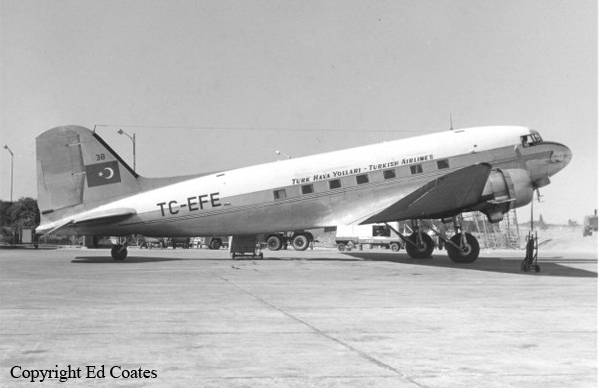
TC-EFE
Flight Type:
Survivors:
Yes
Schedule:
Çanakkale – Bandirma
MSN:
9307
YOM:
1943
Country:
Region:
Crew on board:
3
Crew fatalities:
Pax on board:
0
Pax fatalities:
Other fatalities:
Total fatalities:
0
Circumstances:
Crashed on landing at Bandirma Airport for unknown reason. All three crew members were rescued while the aircraft was damaged beyond repair.

Crash of a Fairchild F27 on Mt Medetsiz: 11 killed

Date & Time: Mar 8, 1962 at 1743 LT
Type of aircraft:
Operator:
Registration:
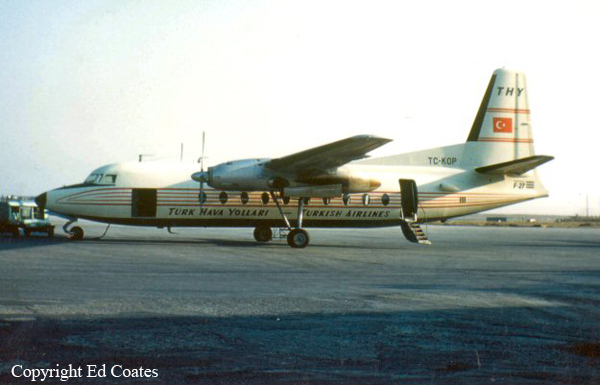
TC-KOP
Flight Phase:
Survivors:
No
Site:
Schedule:
Istanbul – Ankara – Adana
MSN:
83
YOM:
1960
Country:
Region:
Crew on board:
3
Crew fatalities:
Pax on board:
8
Pax fatalities:
Other fatalities:
Total fatalities:
11
Circumstances:
En route, the pilot reported passing Aksaray and estimated to arrive at Adana at 1740LT. At 1728 the pilot reported at FL175 and requested a clearance to approach. At 1740 the flight was cleared to 5,000 feet and was asked to report crossing 8,000 feet and 7,000 feet. Shortly later, at an altitude of 6,800 feet, the airplane struck the slope of Mt Medetsiz located 87 km north of Adana Airport. All 11 occupants were killed.
Probable cause:
According to reports received by the Incirlik tower, the aircraft should have been on the Adana radio range at 1540 hours and at flight level 175. In avoiding cumulus cloud, and associated turbulent conditions, the pilot was not able to keep track of his exact position or to maintain exact altitude.
Final Report:

Crash of a De Havilland DH.106 Comet 4B in Ankara: 27 killed

Date & Time: Dec 21, 1961 at 2343 LT
Type of aircraft:
Operator:
Registration:
G-ARJM
Flight Phase:
Survivors:
Yes
Schedule:
London – Rome – Athens – Istanbul – Ankara – Nicosia – Tel Aviv
MSN:
6456
YOM:
1961
Flight number:
BE226
Country:
Region:
Crew on board:
7
Crew fatalities:
Pax on board:
27
Pax fatalities:
Other fatalities:
Total fatalities:
27
Captain / Total flying hours:
13240
Captain / Total hours on type:
785.00
Circumstances:
The aircraft was on a scheduled flight from London to Rome, Athens, Istanbul, Ankara, Nicosia and Tel Aviv. From Istanbul the flight was operated by British European Airways on behalf of Cyprus Airways. The operating crew, employed by BEA, consisted of a captain and two first officers. Also aboard were four cabin staff employed by Cyprus Airways and 27 passengers. The trip to Ankara was normal. The time between landing and starting engines at Ankara was 46 minutes during which light snow was falling. (At take-off the aircraft had a light covering of snow on the upper surface of its wings, however, this deposit had no bearing on the accident). The radio-telephony tape recording showed that the aircraft taxied out along the short taxiway, then back-tracked up the runway to its take-off position on runway 21 at the intersection with the longer taxiway. The runway length available from this position was 9,027 feet. Take-off weight was 53 465 kg, i.e. 18 185 kg below maximum permissible weight or 1 085 kg below the regulated take-off weight. The takeoff run as to distance and time was quite normal, as also were rotation and unstick. The first abnormality occurred a second or two after unstick when the aircraft rapidly assumed an excessively steep climbing angle. One witness put the angle achieved as about twice the normal, another as 45° to 50°. There was also evidence from witnesses of a wing drop and of variations in the engine noise during this climb. The aircraft stalled with the left wing down at a height of about 450 ft then sank to the ground in a relatively flat attitude. The accident site was 1 600 m and on a bearing of 214° from Esenboğa Tower. The accident occurred at 2343LT. The aircraft was almost completely destroyed by impact and fire. All 7 crew and 20 passengers were killed. Six passengers were seriously injured.
Probable cause:
The probable cause of the accident was the obstruction of the pitch pointer In the captain's director horizon which led him to make an excessively steep climb immediately following unstick.
Final Report: