Zone
Crash of an Extra EA-400 in Rørvik
Date & Time:
Sep 2, 2001 at 1050 LT
Operator:

Registration:
D-ETAW
Survivors:
Yes
Schedule:
Rørvik - Nuremberg
MSN:
08
YOM:
2000
Crew on board:
1
Crew fatalities:
Pax on board:
2
Pax fatalities:
Other fatalities:
Total fatalities:
0
Captain / Total hours on type:
50.00
Aircraft flight hours:
248
Aircraft flight cycles:
215
Circumstances:
The pilot went through the checklist “BEFORE STARTING ENGINE CHECKLIST” and then started the engine. Everything was normal and, after going through the subsequent points on the checklist, he taxied out to the end of runway 04 where he performed the “BEFORE TAKEOFF CHECK”. In the position at the end of the runway, an engine check was carried out. All was set at 10:50 hrs. As the accident happened outside opening hours, the Airport was unmanned and no AFIS or recovery services were available. The pilot held the aircraft back on brakes and gave “full power”. All indications were normal, according to the pilot. All the instruments indicated “high power”. He released the brakes and checked the acceleration. At 50% of the runway’s length, the passenger in the right front seat called an airspeed of 60 kts IAS, and at 75% of the runway, the pilot rotated the aircraft. At that point the speed was 78 kts. The pilot estimates that the aircraft had gained a height of approx. 25 m when he experienced a loss of power (“leistungsverlust”), which he thought was related to a loss of turbo power, shortly after the stall warning light came on. The pilot realized that it was impossible to continue the flight, so he attempted to land on the remaining runway. 150 m of the runway still remained, and the aircraft landed hard at a steep angle on the runway. The aircraft hit the runway hard on the main wheels and the tail. When the pilot realized that it would be difficult to stop on the remaining portion of the runway, he retracted the landing gear. The aircraft continued past the end of the runway, where it hit several large rocks along the breakwater, where the approach lights for runway 04 are positioned. Following hitting the rocks, the pilot registered fire in the engine, which was quickly extinguished when the aircraft entered the water along the breakwater. The left wing hit so hard into the breakwater that the aircraft rotated 180° and stopped in the opposite direction of the take-off. The aircraft half filled with water immediately. The passengers and pilot unfastened their seat belts and evacuated through the emergency hatch on the right-hand side of the aircraft. The passenger seated in the cabin received only minor injuries during the evacuation, mainly caused by the jagged rocks.
Probable cause:
The AAIB/N’s investigations, in cooperation with an expert from the engine manufacturer, conclude that the experienced loss of engine power was caused by the grounding of one of the magnetos as a result of fire. The fire started when fuel began to leak from the fuel manifold valve and from there sprayed out over the engine’s crank casing, wires, pipes etc. Thereafter it is most probable that alternator no. 2 ignited the fuel. The fire spread rapidly and the insulation around the first magneto and subsequently the second were destroyed with the result that they became permanently connected to ground. This first led to the engine losing power and then failing altogether. The blue staining of the crankcase’s top and the presence of yellow putty indicate that this loose connection dates from the time after the engine’s shock loading inspection, following the gear up landing approx. 175 hrs previous to the accident. During this inspection the fuel manifold valve and fuel pipes were dismantled and reinstalled. Presumably the leakage started gradually. Initially the extent of the leakage might have been so minor that the fuel had vaporized without being set alight. The blue staining of the cylinders conveys that there have been pools of fuel in the area, and that significant leakage undoubtedly occurred during the flight from Germany to Norway. On start-up from Rørvik Airport Ryum, the leakage continued and it is most probable that the fire started just before take-off. The pilot did not observe the fire before he hit the large stones at the end of the runway, i.e. shortly before the aircraft continued out into the sea. This is explained by the engine cowling being unusually tight fitted on this liquid-cooled engine aircraft. The flames could not be seen before the engine cowling was struck sideways in the crash. The sea extinguished the fire immediately.
Final Report:
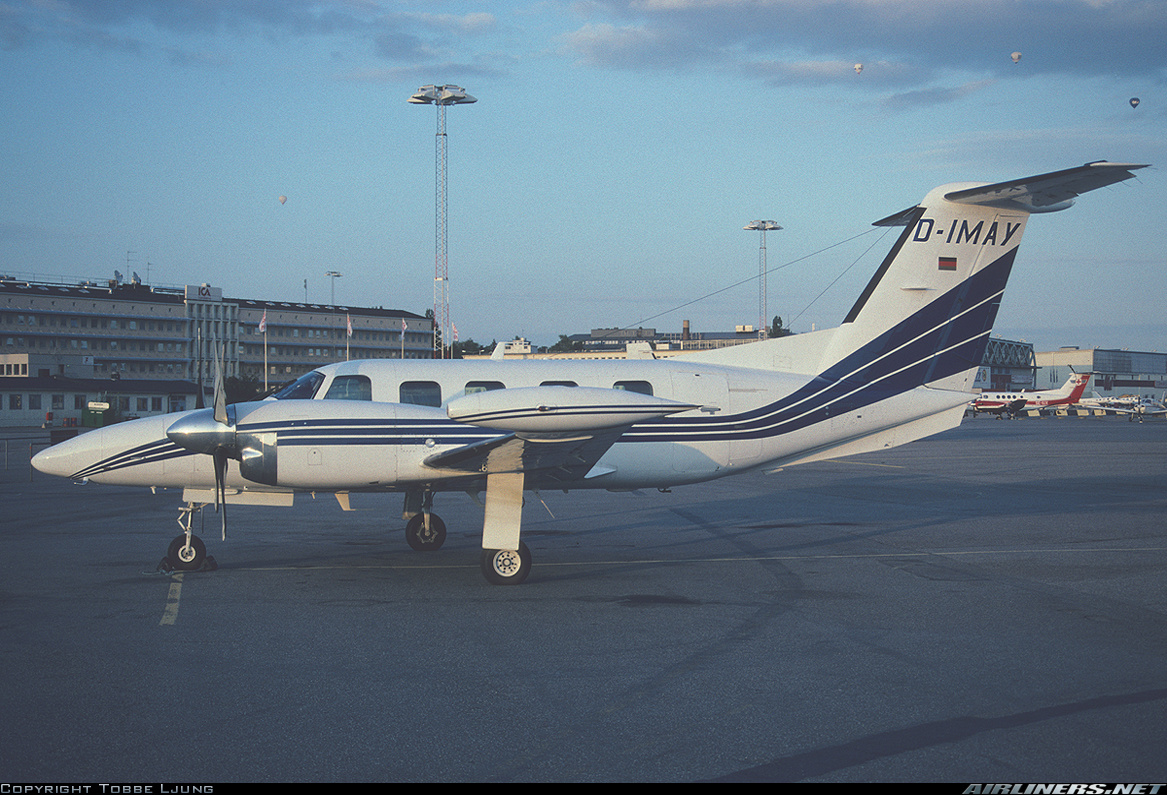
Crash of a Piper PA-42-1000 Cheyenne 400LS in Nuremberg: 1 killed
Date & Time:
May 5, 2001 at 1631 LT
Registration:
D-IMAY
Survivors:
No
Schedule:
Nuremberg – Zurich
MSN:
42-5527024
YOM:
1985
Crew on board:
1
Crew fatalities:
Pax on board:
0
Pax fatalities:
Other fatalities:
Total fatalities:
1
Circumstances:
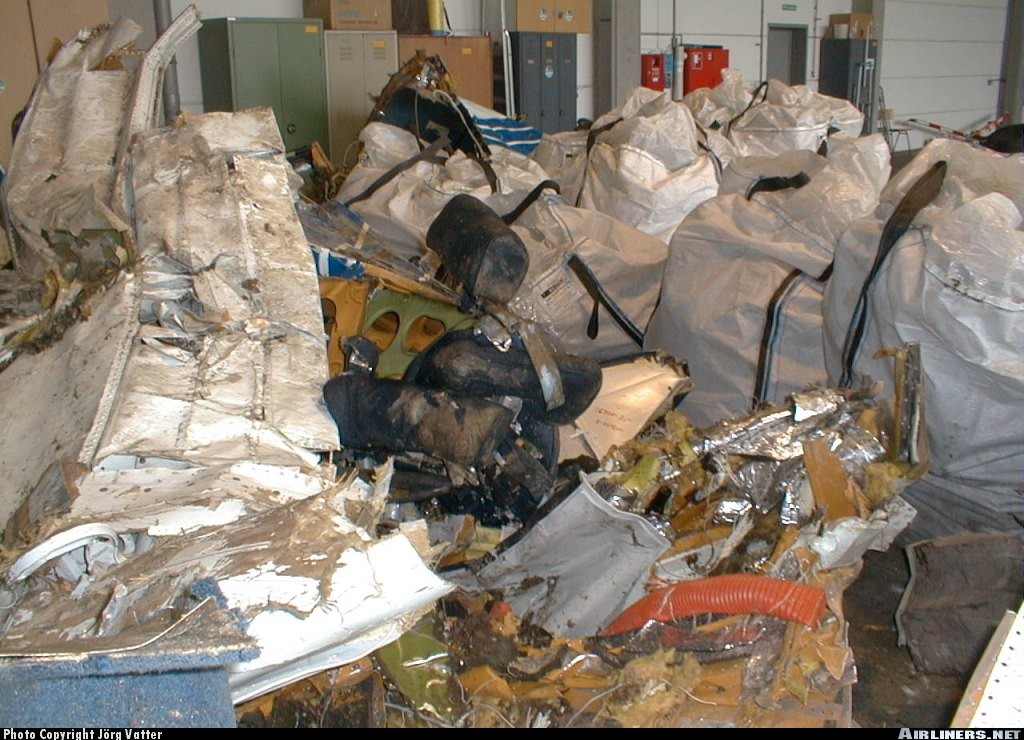
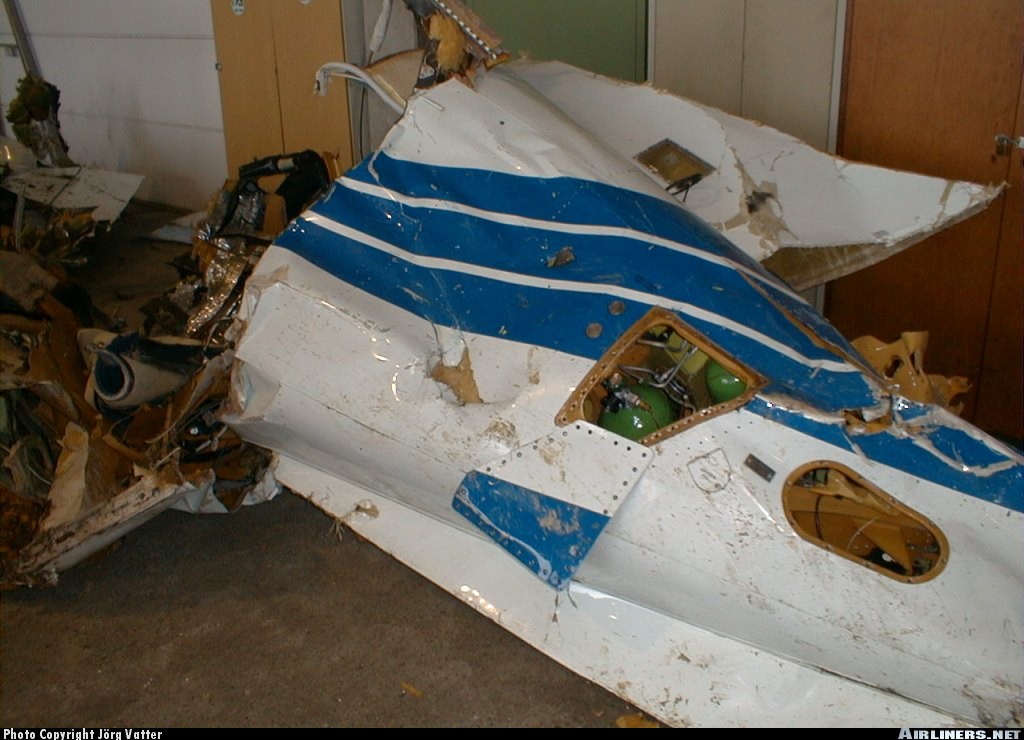
The twin engine aircraft departed Nuremberg Airport runway 10 at 1628LT on a private flight to Zurich. During initial climb, at a height of 2,000 feet, the pilot was cleared to climb to 13,000 feet at his discretion. While climbing to a height of 4,500 feet, the aircraft stalled but quickly climbed again to 4,700 feet. Suddenly, control was lost and the aircraft entered a dive before crashing in a wooded area located along the motorway A3. The accident occurred three minutes after takeoff and the wreckage was found about 3,5 km east of the airport. The aircraft was destroyed and the pilot, sole on board, was killed. At the time of the accident, weather conditions were good with a 10 km visibility and a wind from 010 at 10 knots.
Probable cause:
No technical anomalies were found on the aircraft, the instruments and the engines. The aircraft' speed increased to 280 knots during the dive. The assumption that the pilot suffered a heart attack was not ruled out.

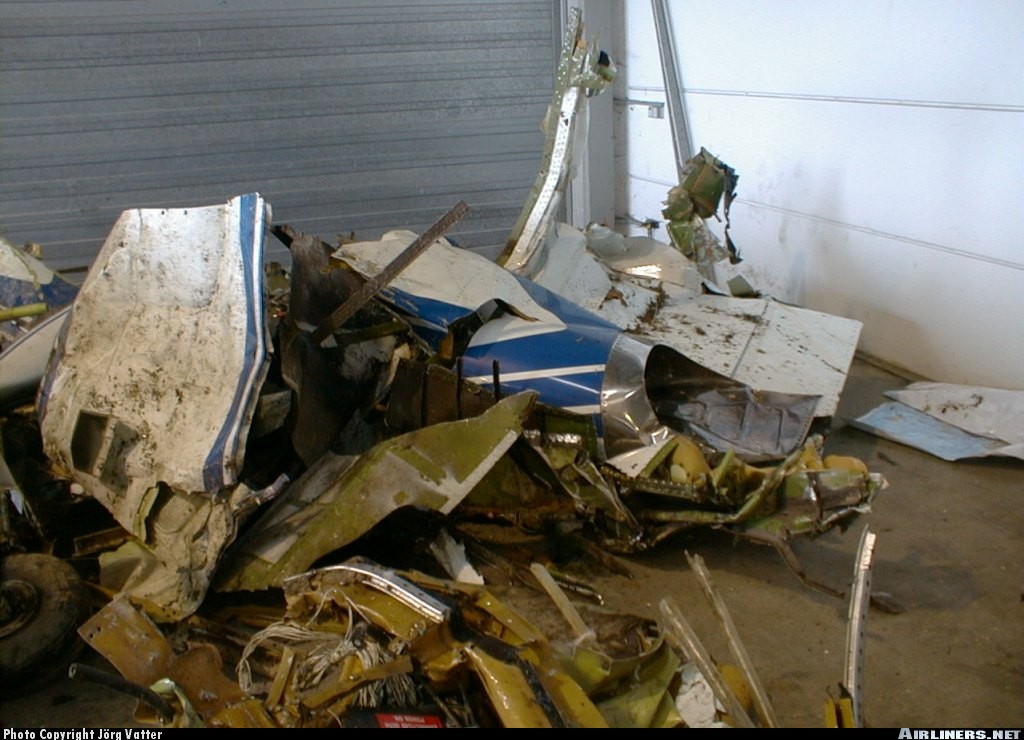
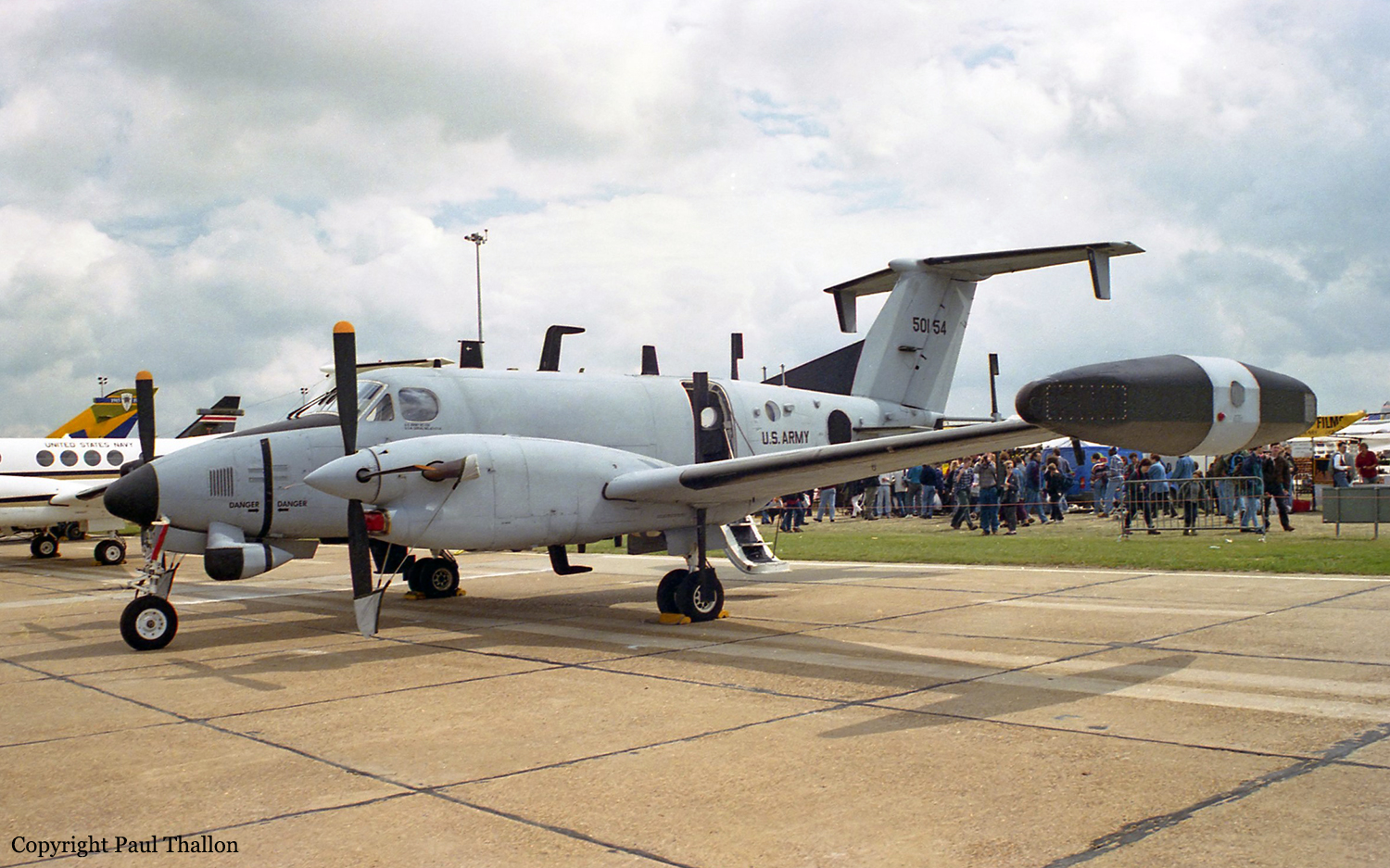
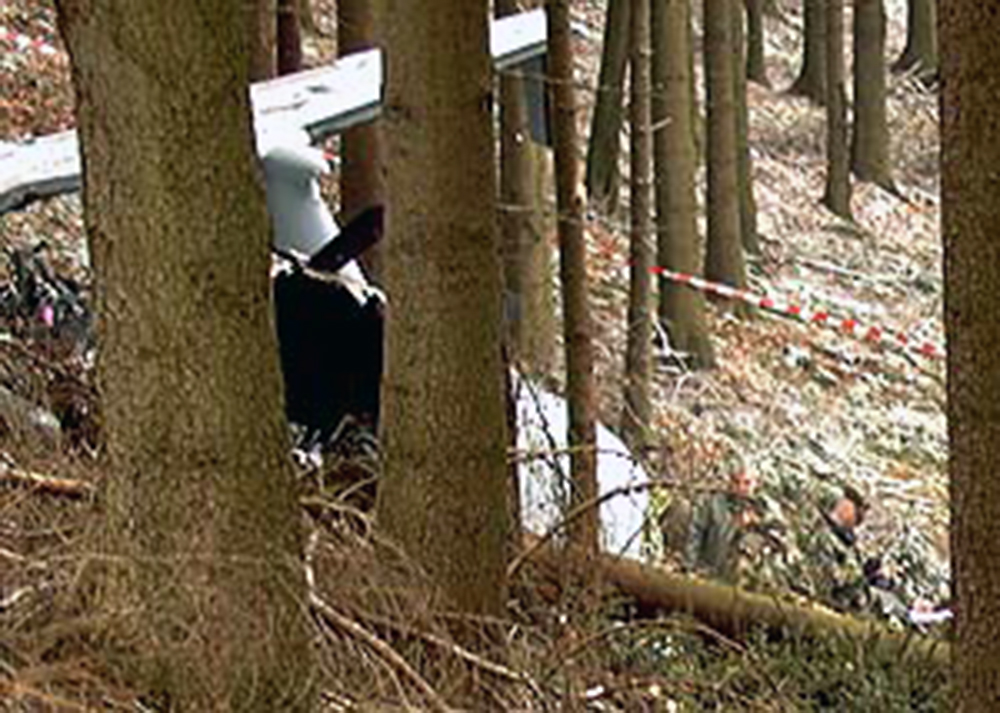
Crash of a Beechcraft RC-12K Huron near Nuremberg: 2 killed
Date & Time:
Mar 26, 2001 at 1555 LT
Operator:

Registration:
85-0154
Survivors:
No
Schedule:
Wiesbaden - Nuremberg
MSN:
FE-8
YOM:
1987
Crew on board:
2
Crew fatalities:
Pax on board:
0
Pax fatalities:
Other fatalities:
Total fatalities:
2
Circumstances:
While approaching Nuremberg Airport following a reconnaissance mission from Wiesbaden, the twin engine aircraft crashed in unknown circumstances in the forest of Moritzberg, about 16 km short of runway 28. The aircraft was destroyed and both pilots were killed. They were belonging to the 205th MIB (Military Intelligence Brigade).
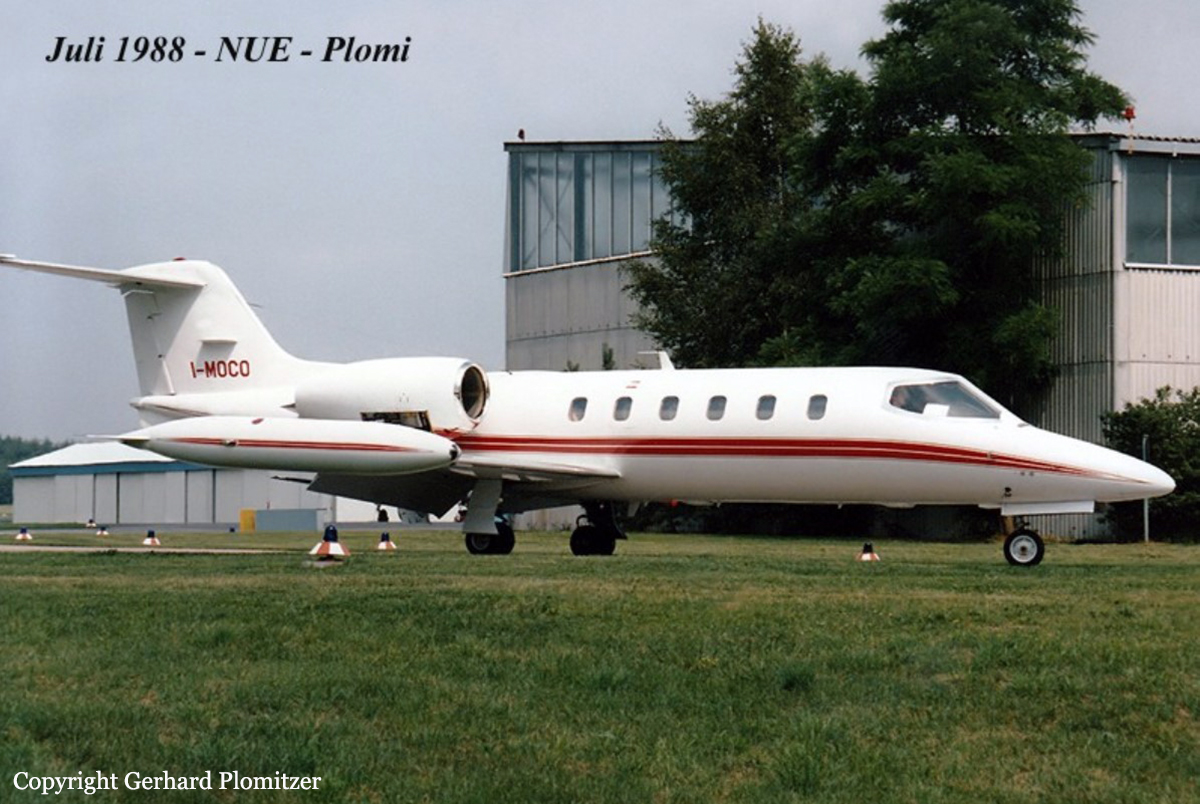
Crash of a Learjet 35A in Nuremberg: 3 killed
Date & Time:
Feb 8, 2001 at 1540 LT
Registration:
I-MOCO
Survivors:
No
Schedule:
Nuremberg - Rome
MSN:
35-445
YOM:
1981
Crew on board:
2
Crew fatalities:
Pax on board:
1
Pax fatalities:
Other fatalities:
Total fatalities:
3
Captain / Total hours on type:
54.00
Copilot / Total hours on type:
192
Circumstances:
During an inspection of the right engine a technician found chips in the oil filter. The damage should have been repaired within the next 20 flight hours. Since the maintenance organization in Switzerland, who usually carry out necessary repairs, did not have the spare parts available on time, the task was assigned to an organization in Nuernberg. On 07.02.2001, the airplane was ferried to Nuernberg and repaired in the presence of the chief technician of the operator. The repairs and the replacement of the parts exclusively on the right engine were certified properly. The return flight to Rome was planned for the 8th of February 2001 at about 1530 o’clock. A charter flight from Rome was to be carried out on the following day. Two pilots and the chief technician of the operator were aboard the aircraft. The flight preparation was carried out by phone from the repair facility. A weather briefing and the NOTAM´s for the flight were obtained properly. The check lists for the take-off were read. During the preparation the unbalanced fuel distribution between the right and left-hand tanks, and the fact that the total amount yet was equal on both sides was discussed. Immediately afterwards the second pilot noticed the failure of his gyro instruments. The airplane was taxied via the taxiways "Juliet" and "Foxtrot" to runway 10. Pilot at the controls was the pilot in command while the second pilot carried out the radio communications with the air traffic control. The pilots received the clearance for a departure via the departure route Noerdlingen (NDG 1 M) to Rome. The take-off was at 1531 o'clock. After 5 nautical miles the airplane turned to the south, following the departure route. At 15:33:49 o'clock the left-hand engine failed without a previous warning. The noise of a down running engine was also heard by several witnesses on the ground. Smoke or a fire was not seen by them. The second pilot reported an emergency with the left-hand engine shortly after the occurrence to the control tower and informed them that they wanted to return for a landing on the runway 10. At that time there were visual meteorological conditions, and the runway was continuously to be seen. Since the departure control Nuernber APP wished to coordinate the flight, the frequency was changed for a short time upon request. After the second pilot had declared the emergency once again they switched back to the tower again and continued the approach to runway 10. Up to the final approach the flight was without particular occurrences. The flaps were first set to 8° and later on to 20°, afterwards the landing gear was extended. At this time the airplane was somewhat north of the extended centerline slightly above the glide path for an instrument approach. Approximately one kilometer in front of the runway, when flying over the main road no. 4 near the small town of Buch, the airplane was observed by different witnesses as it made unusual flight maneuvers. The airplane deviated then from the landing direction to the north, and made some reeling movements. Afterwards it seemed for a short
period that the pilot intended to turn right to reach the runway. Immediately afterwards and near the ground the airplane abruptly stalled to the left approximately maintaining its height, then assuming a bank angle of more than 90°, and crashed nearly upside down at 1540 o’clock into a forest north of the runway. The airport fire service, who were in a standby position due to the announced safety landing of the Learjet reached the accident site approximately 4 minutes later and started to extinguish the fire. All three occupants had lost their lives during the impact. The airplane was destroyed.
period that the pilot intended to turn right to reach the runway. Immediately afterwards and near the ground the airplane abruptly stalled to the left approximately maintaining its height, then assuming a bank angle of more than 90°, and crashed nearly upside down at 1540 o’clock into a forest north of the runway. The airport fire service, who were in a standby position due to the announced safety landing of the Learjet reached the accident site approximately 4 minutes later and started to extinguish the fire. All three occupants had lost their lives during the impact. The airplane was destroyed.
Probable cause:
The accident was caused by an in-flight failure of the left power plant approximately 3 minutes after take-off and an inadequate conduct of the subsequent single-engine landing procedure so that in short final the airplane stalled and crashed from low height. The failure of the left engine was caused by intergranular fractures of retention posts on the high pressure turbine disk. As a result of incorrect service life recordings the maximum number of cycles had considerably been exceeded.
Final Report:
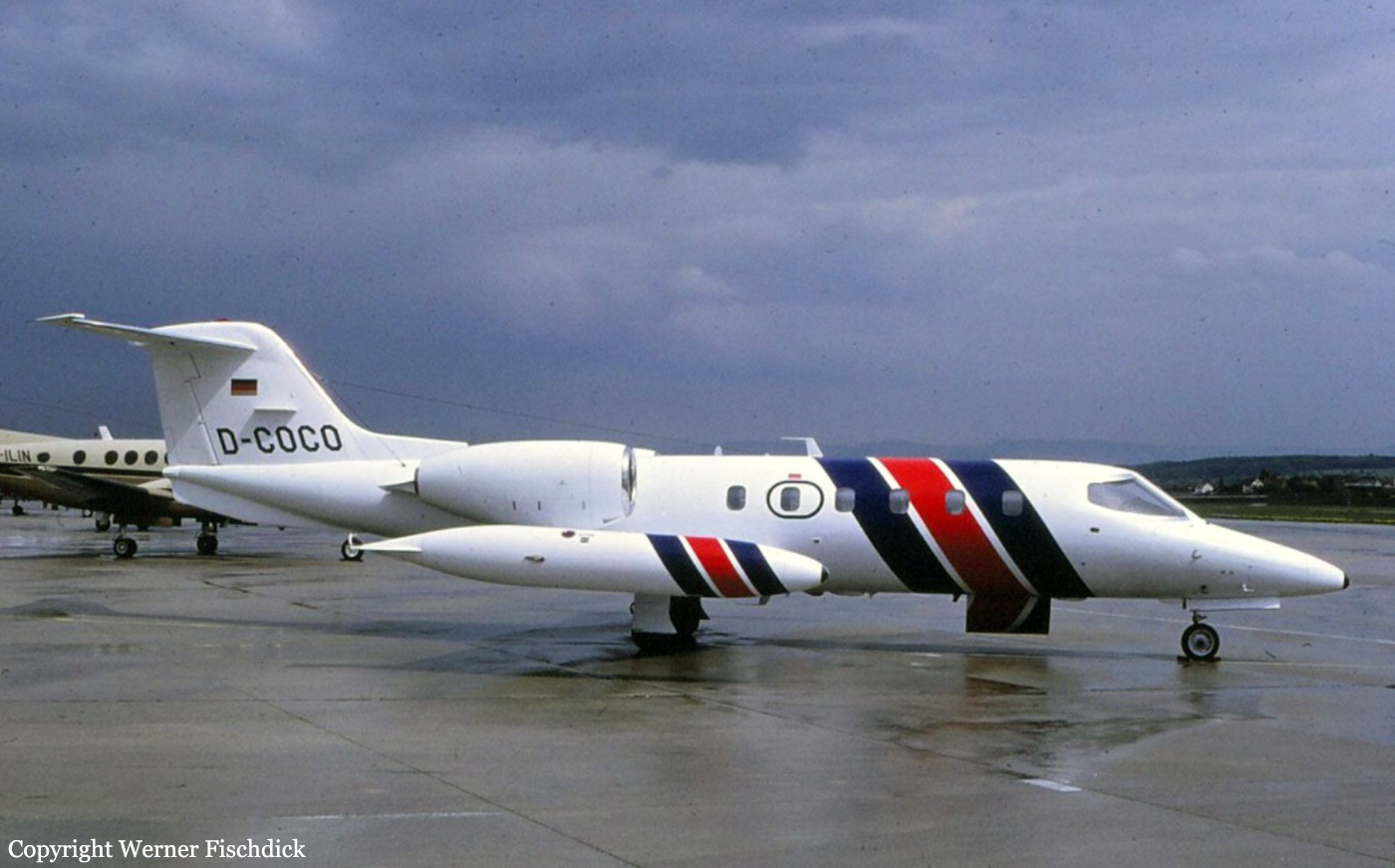
Crash of a Learjet 35A in Cologne: 4 killed
Date & Time:
Jun 7, 1993 at 1310 LT
Operator:

Registration:
D-COCO
Survivors:
No
Schedule:
Cologne - Nuremberg
MSN:
35-466
YOM:
1982
Crew on board:
2
Crew fatalities:
Pax on board:
2
Pax fatalities:
Other fatalities:
Total fatalities:
4
Circumstances:
The crew departed Cologne-Bonn Airport on a training flight (check flight) to Nuremberg. During the takeoff roll, at or near V2 speed, the aircraft deviated to the left and veered off runway. It rolled beside the runway for about 600 metres then returned on the runway. It took off but overturned and crashed upside down, bursting into flames. All four occupants were killed.
Probable cause:
The exact cause of the accident could not be determined. Technical analysis did not reveal any mechanical failure on both engines. It is believed that the crew probably attempted to simulate the failure of the left engine at V1 speed and the copilot started the rotation shortly later at Vr speed. The aircraft went out of control.
Crash of a Cessna 340 in Nuremberg: 3 killed
Date & Time:
May 11, 1979
Operator:
Registration:
D-IKAL
Survivors:
No
Schedule:
Udine - Nuremberg - Koblenz
MSN:
340-0031
YOM:
1972
Crew on board:
1
Crew fatalities:
Pax on board:
2
Pax fatalities:
Other fatalities:
Total fatalities:
3
Circumstances:
The twin engine airplane was completing a flight from Udine to Koblenz with an intermediate stop in Nuremberg on behalf of a German company based in the north part of Germany. On approach to Nuremberg Airport, the airplane suffered an engine failure and crashed in Langwasser, about 10 km southeast of the airport. All three occupants were killed.
Probable cause:
Engine failure for undetermined reasons.
Crash of a Cessna 414 Chancellor in Raitersach: 6 killed
Date & Time:
Apr 14, 1977
Operator:

Registration:
D-INFD
Survivors:
No
Schedule:
Karlsruhe - Nuremberg
MSN:
414-0607
YOM:
1975
Crew on board:
2
Crew fatalities:
Pax on board:
4
Pax fatalities:
Other fatalities:
Total fatalities:
6
Circumstances:
The crew was approaching Nuremberg Airport when he encountered poor visibility due to heavy snow showers. The crew failed to realize his altitude was too low when the twin engine airplane struck power cables and crashed in flames in a field located in Raitersach, about 21 km southwest of Nuremberg Airport. The aircraft was destroyed and all six occupants were killed.
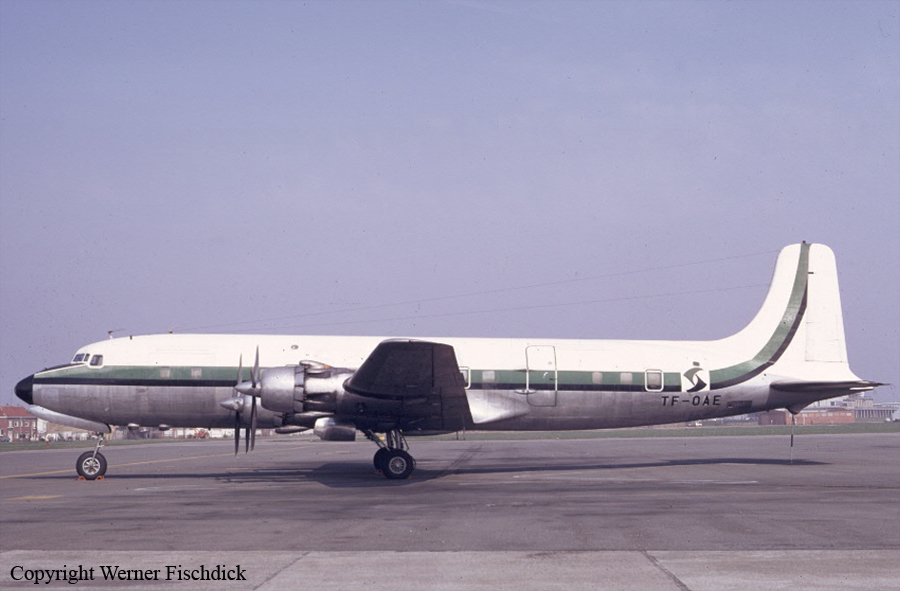
Crash of a Douglas DC-6A in Nuremberg: 3 killed
Date & Time:
May 6, 1974 at 2221 LT
Registration:
TF-OAE
Survivors:
No
Schedule:
Nice - Nuremberg
MSN:
44069/396
YOM:
1953
Crew on board:
3
Crew fatalities:
Pax on board:
0
Pax fatalities:
Other fatalities:
Total fatalities:
3
Captain / Total hours on type:
3058.00
Copilot / Total hours on type:
704
Aircraft flight hours:
33271
Circumstances:
On final approach to Nuremberg Airport runway 28 by night, the airplane struck tree tops and crashed in flames in a wooded area located 4 km short of runway. The aircraft was destroyed and all three occupants were killed.
Probable cause:
It is believed that the accident was caused by an excessive accumulation of ice/frost on fuselage during a night approach. However, it was also reported that the captain had a blood alcohol level between 1.21 and 2.5‰ which was considered as a contributing factor.