


Zone
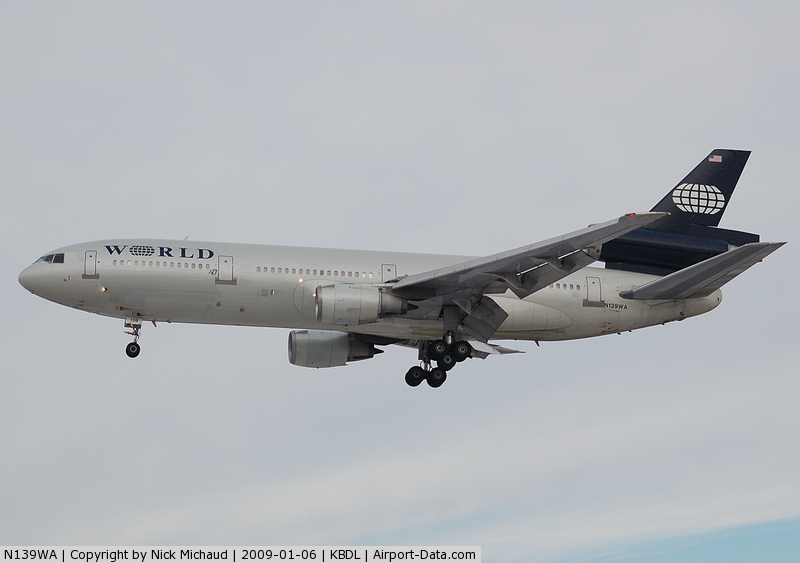
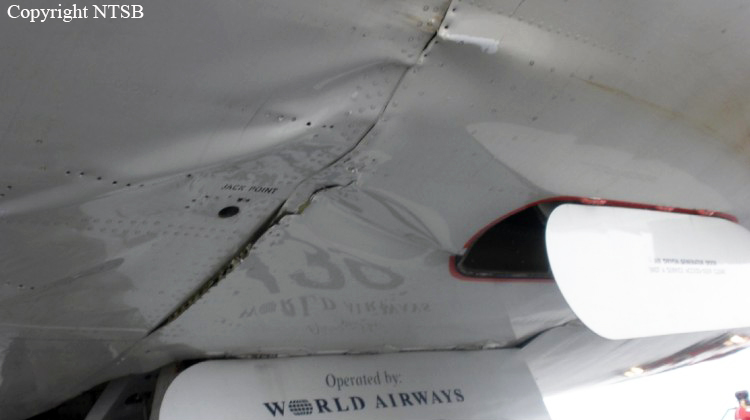
Crash of a Douglas DC-10-30ER in Baltimore
Date & Time:
May 6, 2009 at 1302 LT
Operator:

Registration:
N139WA
Survivors:
Yes
Schedule:
Leipzig – Baltimore
MSN:
46583/292
YOM:
1979
Flight number:
WOA8535
Crew on board:
12
Crew fatalities:
Pax on board:
168
Pax fatalities:
Other fatalities:
Total fatalities:
0
Captain / Total hours on type:
193.00
Copilot / Total hours on type:
373
Aircraft flight hours:
107814
Circumstances:
The flight was conducting a straight-in approach during visual meteorological conditions. The approach was backed up by an ILS and was stable at 500 feet above touchdown. The initial touchdown was firm and main landing gear rebounded, possibly bouncing slightly off the runway. Control column input and possibly momentum from the touchdown resulted in a rapid pitch down and hard nose gear impact with the runway. Wing spoilers likely did not deploy due to the main gear bounce and/or throttle position. Following the nose gear impact, the airplane pitched up as expected and the column was held in a slightly forward position. Airspeed rapidly decayed, and engine power began to increase as the airplane pitch reversed to a downward motion for a second time. One of the crew, likely the FO, called “flare flare” and the column recorded a rapid nose up input, followed by a rapid nose down input, and the nose gear again struck the runway very hard, likely causing the majority of the damage at that point. Following the second nose gear impact, column inputs stabilized at a slightly nose up command, power was set on all three engines, and the go-around was successfully executed. A slight lag in the power increase on engine number 3 may have contributed to the nose down motion leading to the second nose gear impact, although the large forward (airplane nose down) column movement appears to be a much more significant contributor. It is unclear why the engine was slower to increase. Throttle lever angle was not recorded, but the engine operated as expected for all other phases of the flight, including after the impact, therefore it is possible the pilot did not advance the number 3 throttle concurrently with the others. The captain’s flight and duty schedule complied with Federal Aviation regulations, but he experienced a demanding 10-day trip schedule prior to the incident involving multiple time zone crossings and several long duty periods, and reported difficulties sleeping prior to the accident leg. The captain was likely further affected by a digestive system upset during the accident flight. It is likely that the captain’s performance was degraded by fatigue and some degree of physical discomfort brought on by a short-term illness. The captain had recently completed upgrade training to DC-10, having previously been flying as an MD-11 first officer. The training program was fragmented over approximately ten months, and while in accordance with FAA regulations, may have adversely affected his consolidation of skills and experience.
Probable cause:
The captain’s inappropriate control inputs following a firm landing, resulting in two hard nose-gear impacts before executing a go-around. Contributing to the inappropriate control inputs was the captain’s fatigue and physical discomfort; and a possible lack of practical consolidation of skills and experience due to a protracted and fragmented training period.
Final Report:
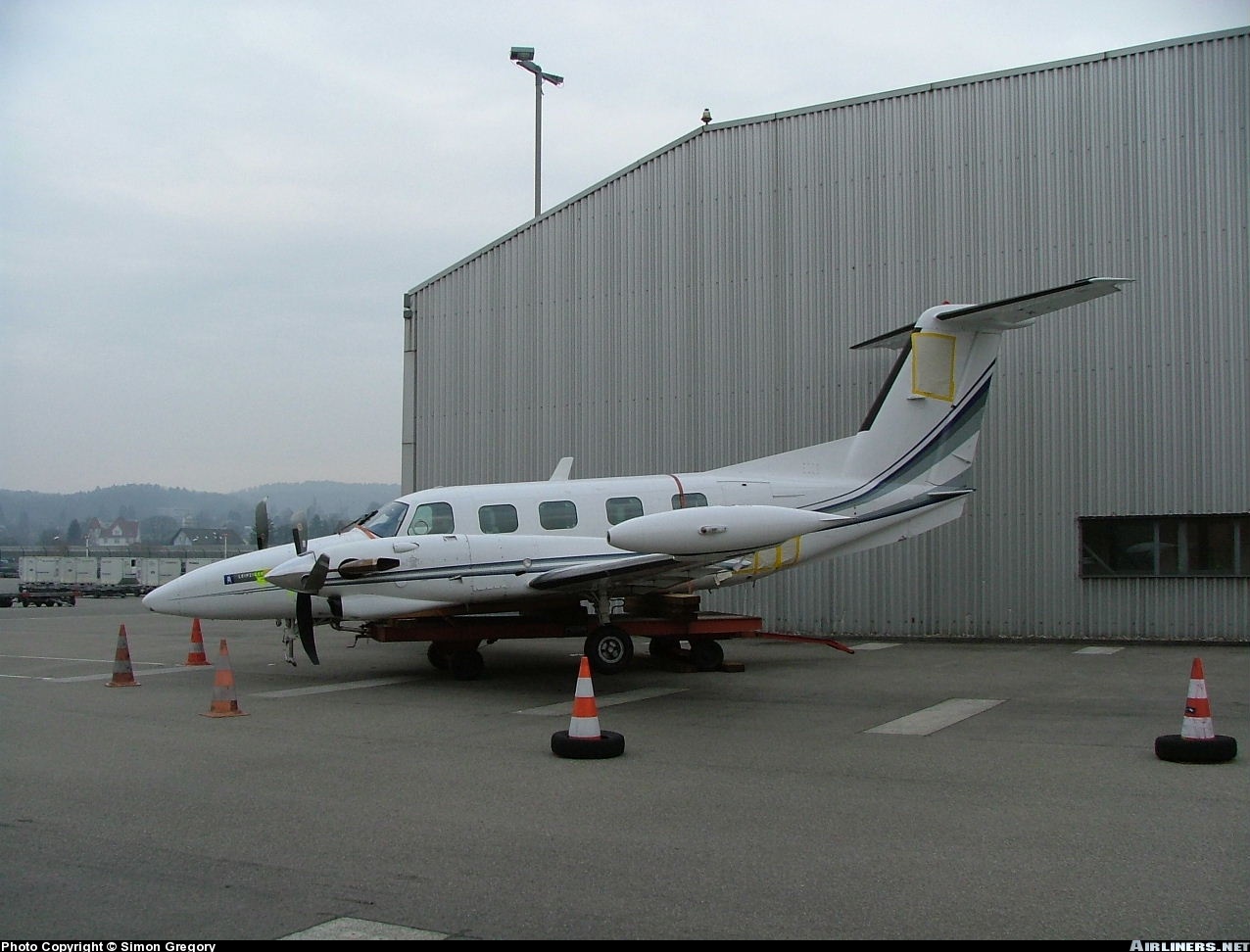
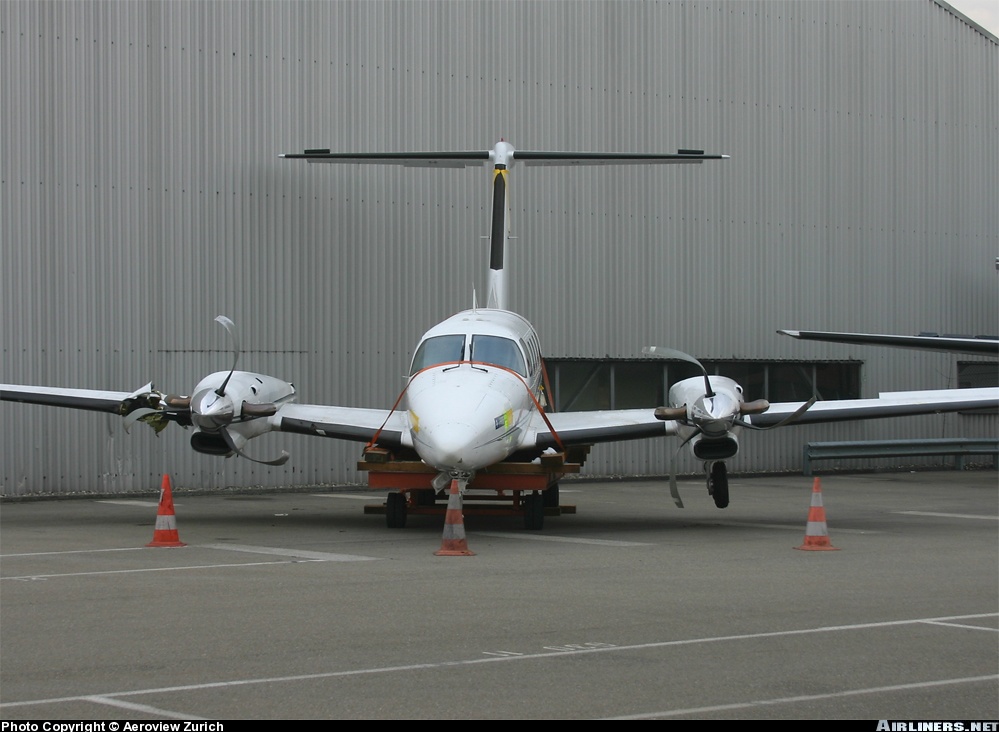
Crash of a Piper PA-42-720 Cheyenne IIIA in Zurich
Date & Time:
Oct 28, 2003 at 0742 LT
Operator:

Registration:
D-IFSH
Survivors:
Yes
Schedule:
Leipzig – Zurich
MSN:
42-8001101
YOM:
1982
Flight number:
RUS1050
Crew on board:
2
Crew fatalities:
Pax on board:
0
Pax fatalities:
Other fatalities:
Total fatalities:
0
Captain / Total hours on type:
900.00
Copilot / Total hours on type:
34
Aircraft flight hours:
5276
Aircraft flight cycles:
4370
Circumstances:
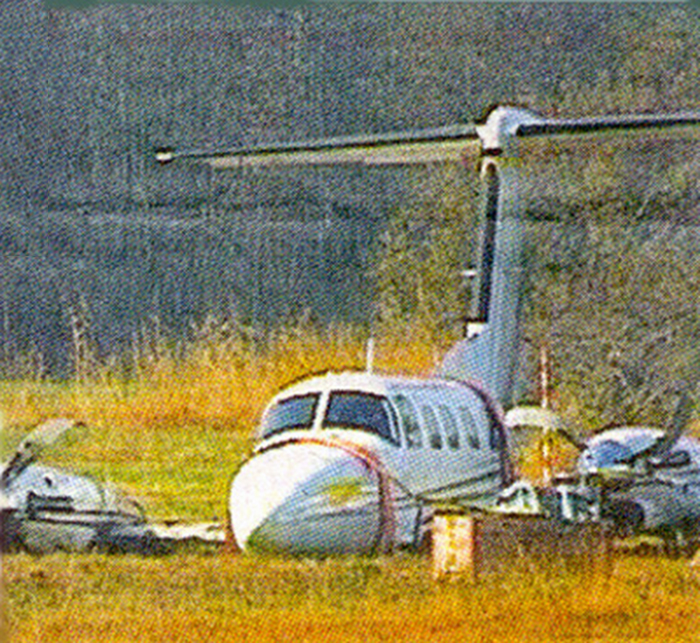
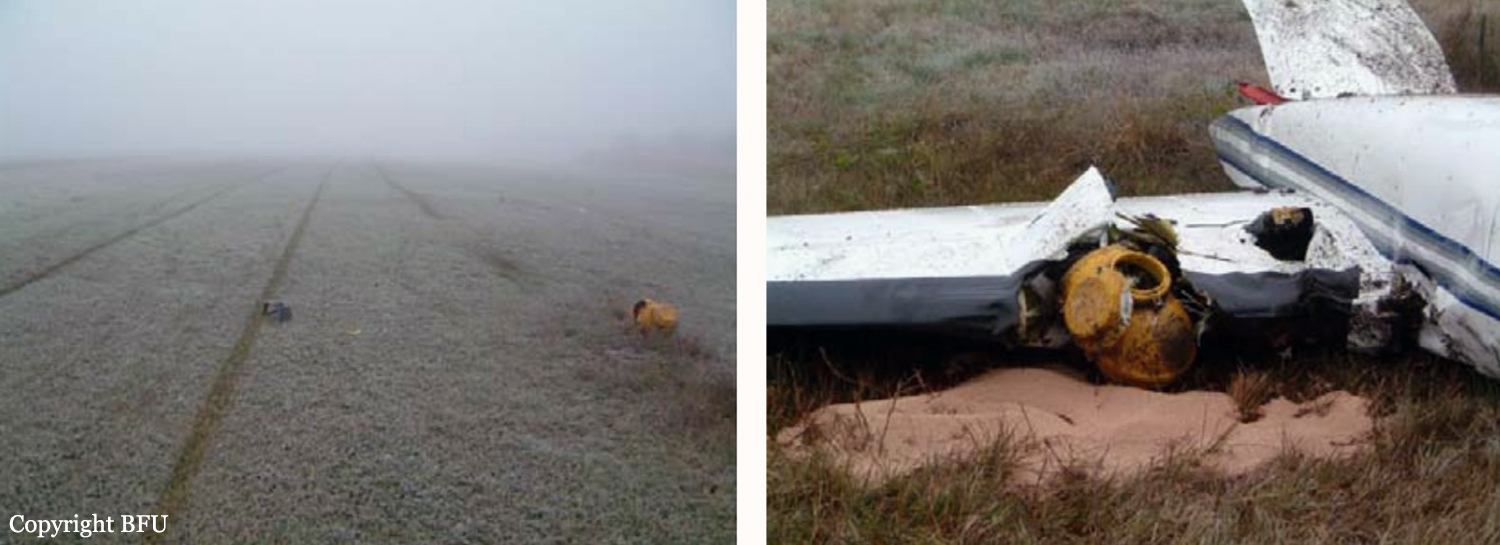
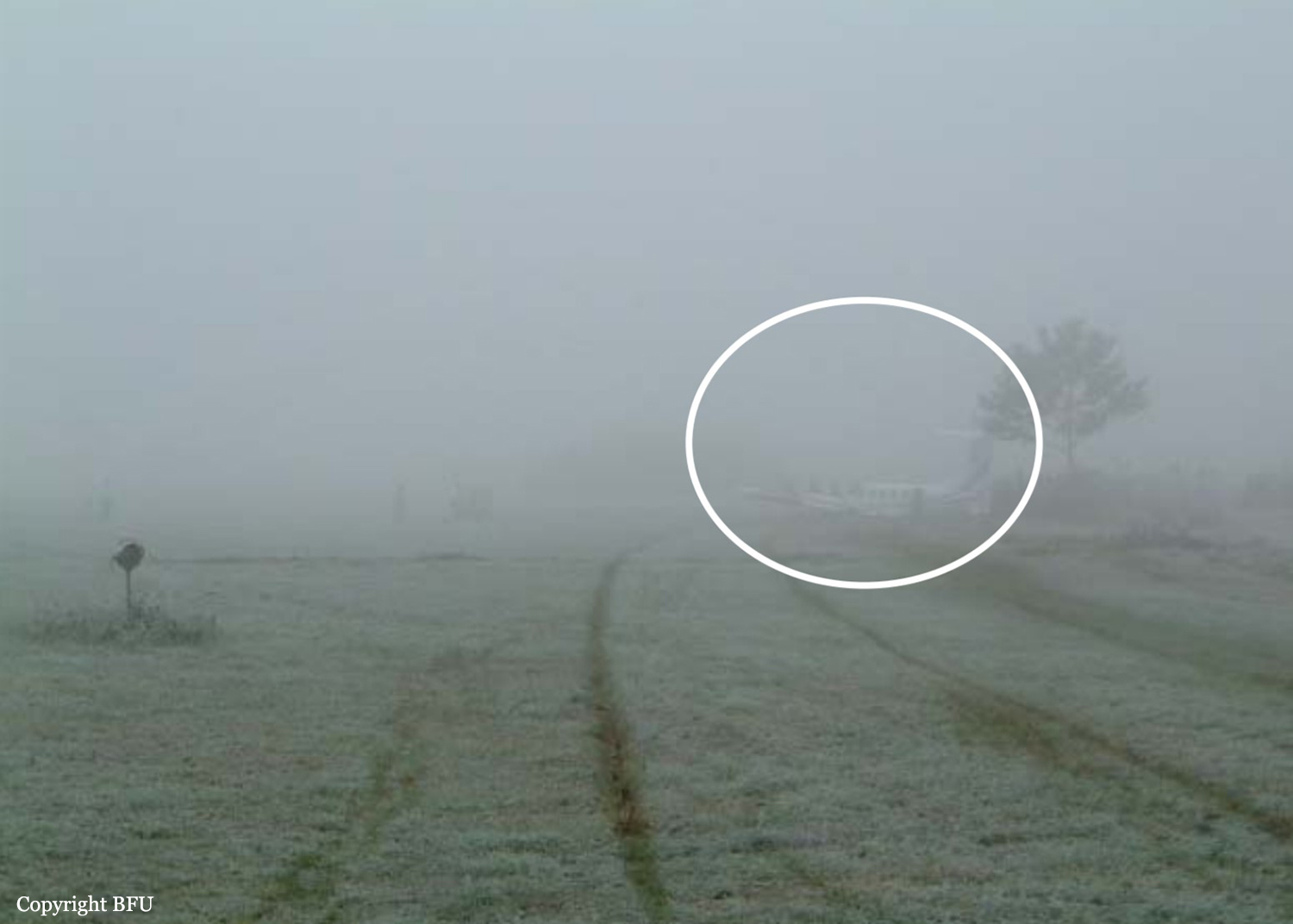
The crew was completing a positioning flight (RUS1050) from Leipzig to Zurich on behalf of FSH Luftfahrtunternehmen but under contract of Cirrus Aviation. On final approach to Zurich-Kloten Airport, the crew encountered poor visibility due to foggy conditions. Despite the RVR for runway 14 was estimated to be 275 metres (below minimums of 400 metres for a CAT II approach if aircraft and crew are qualified), the crew decided to continue the approach, descended below the MDA until the aircraft struck the ground between both runways 14 and 16. The aircraft rolled for few dozen metres then lost its undercarriage and came to rest in a frosty field. Both pilots escaped with minor injuries and the aircraft was damaged beyond repair. At the time of the accident, the vertical visibility was 300 feet, the horizontal visibility was 200 metres with freezing fog, an OAT of -3° C and a dew point of -4° C.
Probable cause:
The accident is due to the fact that the crew continued the approach below the decision height during an ILS approach to runway 14 without sufficient visual references. As a result, the plane struck the ground and crashed. The following factors contributed to the development of the accident:
- The aircraft was neither equipped nor approved for approaches under the prevailing weather conditions.
- The crew was not trained for approaches in such weather conditions.
- The crew failed to comply with SOP's and did not assigned tasks.
- The crew was not familiar with the procedural requirements.
- The crew knowledge was insufficiently checked by the operator.
- The aircraft was neither equipped nor approved for approaches under the prevailing weather conditions.
- The crew was not trained for approaches in such weather conditions.
- The crew failed to comply with SOP's and did not assigned tasks.
- The crew was not familiar with the procedural requirements.
- The crew knowledge was insufficiently checked by the operator.
Final Report:

Crash of a Tupolev TU-134A in Leipzig: 27 killed
Date & Time:
Sep 1, 1975 at 0800 LT
Operator:

Registration:
DM-SCD
Survivors:
Yes
Schedule:
Stuttgart - Leipzig
MSN:
9 35 07 02
YOM:
1969
Crew on board:
6
Crew fatalities:
Pax on board:
28
Pax fatalities:
Other fatalities:
Total fatalities:
27
Circumstances:
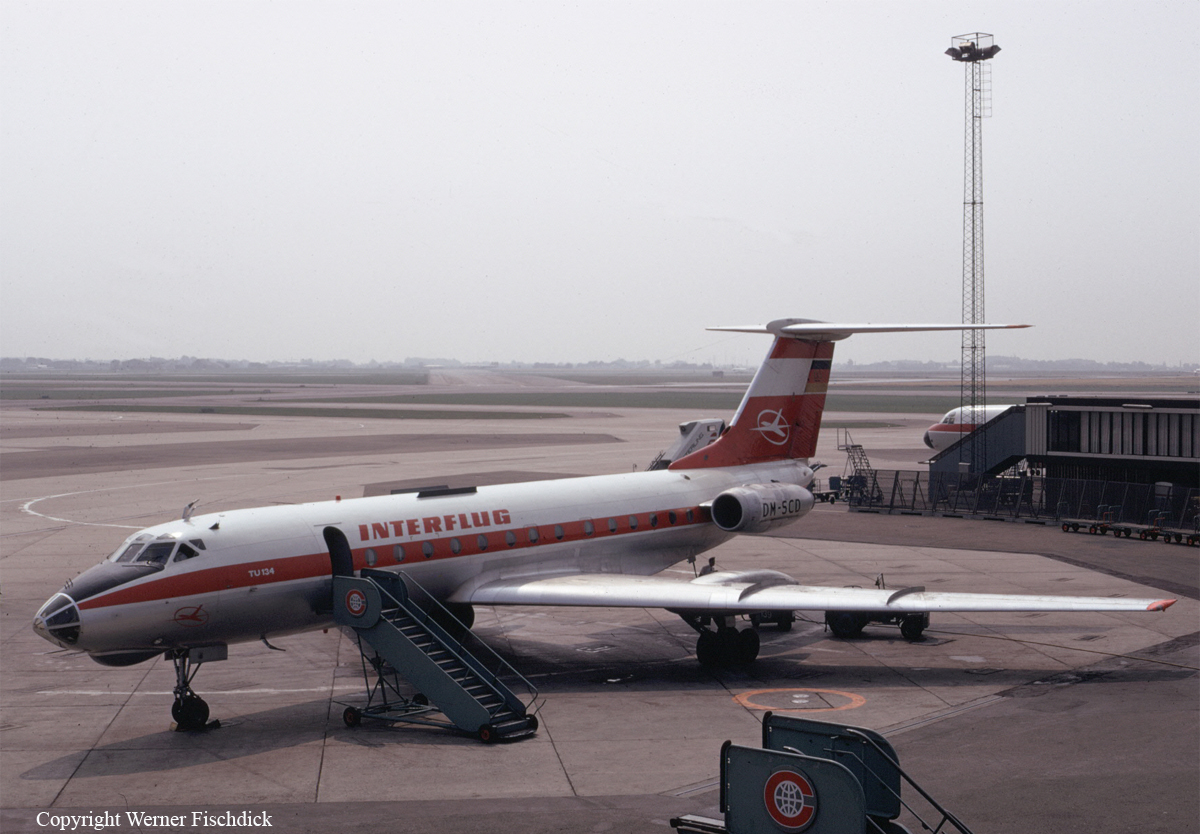
The approach to Leipzig-Halle Airport was completed in marginal weather conditions. On short final, the crew failed to realize his altitude was too low when, at a height of 3 meters, the airplane struck the localizer antenna. The left engine and a part of the left wing were torn off. Out of control, the airplane crashed in flames 300 meters short of runway threshold. Three crew members and four passengers were injured while 27 other occupants were killed.
Probable cause:
Failure of the flight crew to follow the approved procedures while descending into marginal weather conditions below the MDA. The crew failed to follow the approach checklist and did not check the decision height, causing the aircraft to descend below the minimum descent altitude. A lack of ATC assistance was considered as a contributing factor.


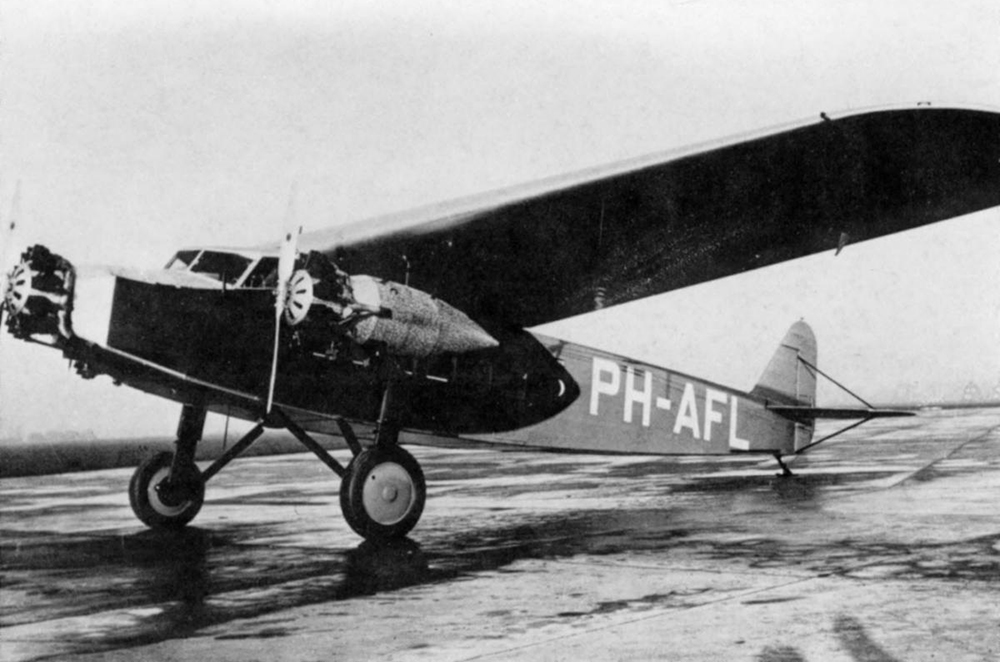
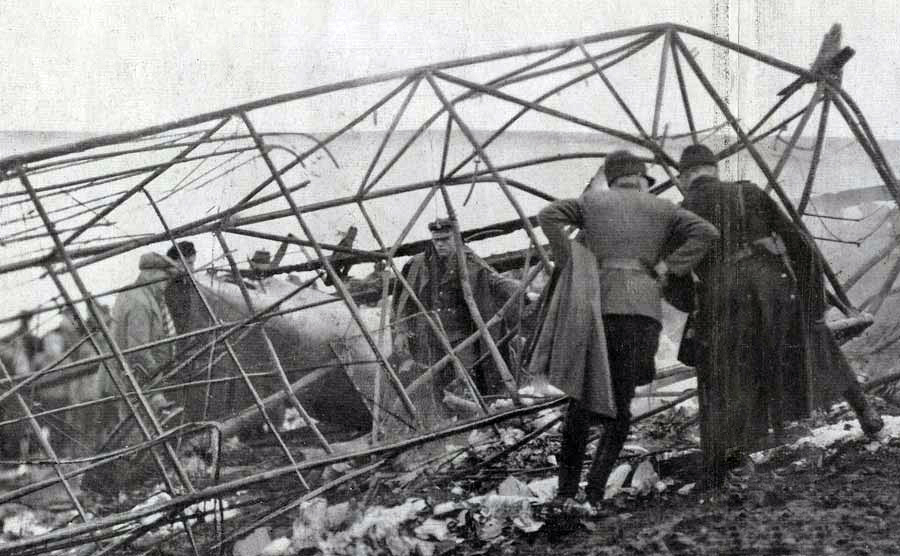
Crash of a Fokker F12 near Brilon: 7 killed
Date & Time:
Apr 6, 1935 at 1518 LT
Operator:

Registration:
PH-AFL
Survivors:
No
Schedule:
Prague – Leipzig – Essen – Amsterdam – Rotterdam
MSN:
5242
YOM:
1930
Flight number:
KL676
Crew on board:
5
Crew fatalities:
Pax on board:
2
Pax fatalities:
Other fatalities:
Total fatalities:
7
Circumstances:
The three engine aircraft named 'Leeuwerik' departed Leipzig-Halle Airport at 1314LT, carrying two passengers and five crew members. At 1435LT, the radio navigator informed ground about his position some 10 km north of Kassel. Five minutes later, while cruising at a height of 1,000 metres, he reported poor weather conditions and low visibility due to heavy snow falls. He also requested a weather bulletin for Essen, the next stop before Amsterdam. The captain reduced his altitude to 450 metres and completed two successive turns when the aircraft impacted the side of a hilly terrain located some 15 km east of Brilon. The aircraft was destroyed by impact forces and a post crash fire. All seven occupants were killed.
Crew:
P. Soer, pilot,
E. A. J. Prillwitz, copilot,
P. Welman,
H. Wingelaar.
Th. J. van den Klein, engineer.
Passengers:
H. L. A. Briel,
W. de Vlugt.
Crew:
P. Soer, pilot,
E. A. J. Prillwitz, copilot,
P. Welman,
H. Wingelaar.
Th. J. van den Klein, engineer.
Passengers:
H. L. A. Briel,
W. de Vlugt.
Probable cause:
It is the opinion of the Accident Investigation Board that at the time of the accident, the horizontal visibility was reduced to 80 meters due to snow falls. In such conditions, crew was unable to distinguish the ground and to establish his real position to continue then flight in a safely manner.
Crash of a Junkers F.13bi in Kulmbach
Date & Time:
Jul 24, 1925
Operator:

Registration:
D-371
Survivors:
Yes
Schedule:
Munich - Leipzig
MSN:
729
YOM:
1924
Crew on board:
1
Crew fatalities:
Pax on board:
3
Pax fatalities:
Other fatalities:
Total fatalities:
0
Circumstances:
The single engine airplane departed Munich-Oberschleissheim Airport on a regular service to Leipzig with three passengers and one pilot on board. While flying over Bavaria, the pilot encountered poor weather conditions with thunderstorm activity. He attempted an emergency landing when the aircraft crashed in an open field located in Kulmbach. All four occupants evacuated safely and the aircraft was damaged beyond repair.

