Zone
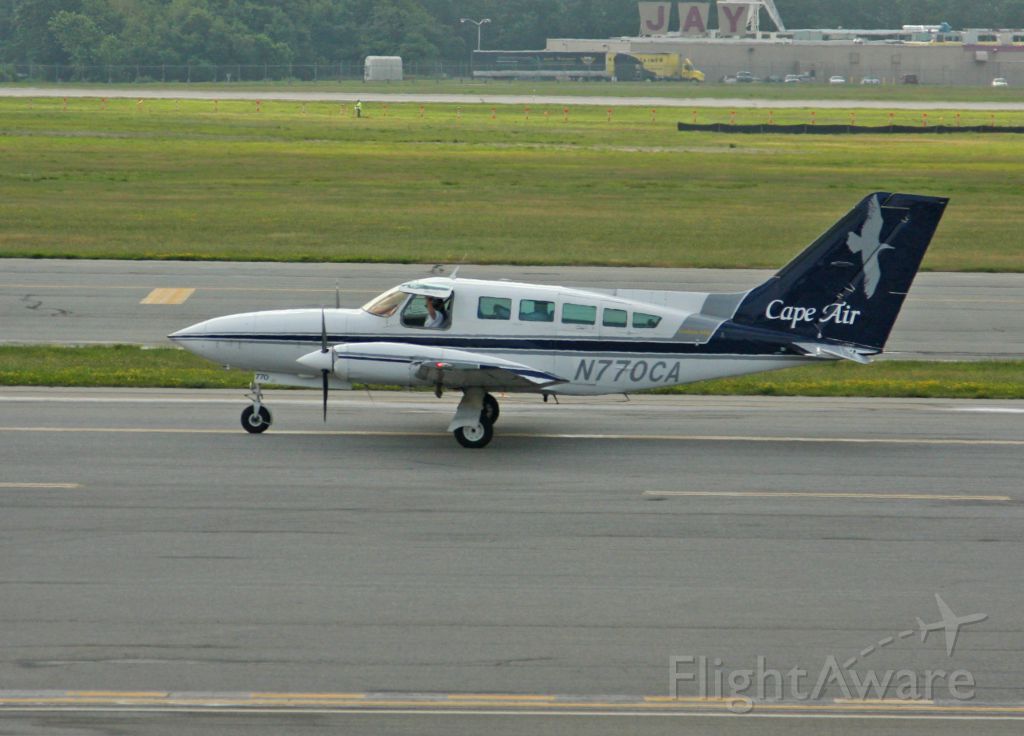
Crash of a Cessna 402C in Vineyard Haven: 1 killed
Date & Time:
Sep 26, 2008 at 2003 LT
Operator:

Registration:
N770CA
Survivors:
No
Schedule:
Vineyard Haven - Boston
MSN:
402C-0432
YOM:
1981
Flight number:
9K1055
Crew on board:
1
Crew fatalities:
Pax on board:
0
Pax fatalities:
Other fatalities:
Total fatalities:
1
Captain / Total hours on type:
2330.00
Aircraft flight hours:
26809
Circumstances:
The pilot of the multi engine airplane, operated by a regional airline, was conducting a positioning flight in night instrument meteorological conditions. After takeoff, the airplane made a slight left turn before making a right turn that continued until radar contact was lost. The airplane reached a maximum altitude of 700 feet before impacting terrain about 3 miles northwest of the departure airport. Post accident examination of the wreckage did not reveal any preimpact failures. The weather reported at the airport, about the time of the accident, included a visibility of 5 statute miles in light rain and mist and an overcast ceiling at 400 feet. Analysis of the radar and weather data indicated that, with the flight accelerating and turning just after having entered clouds, the pilot likely experienced spatial disorientation.
Probable cause:
A loss of aircraft control due to spatial disorientation.
Final Report:

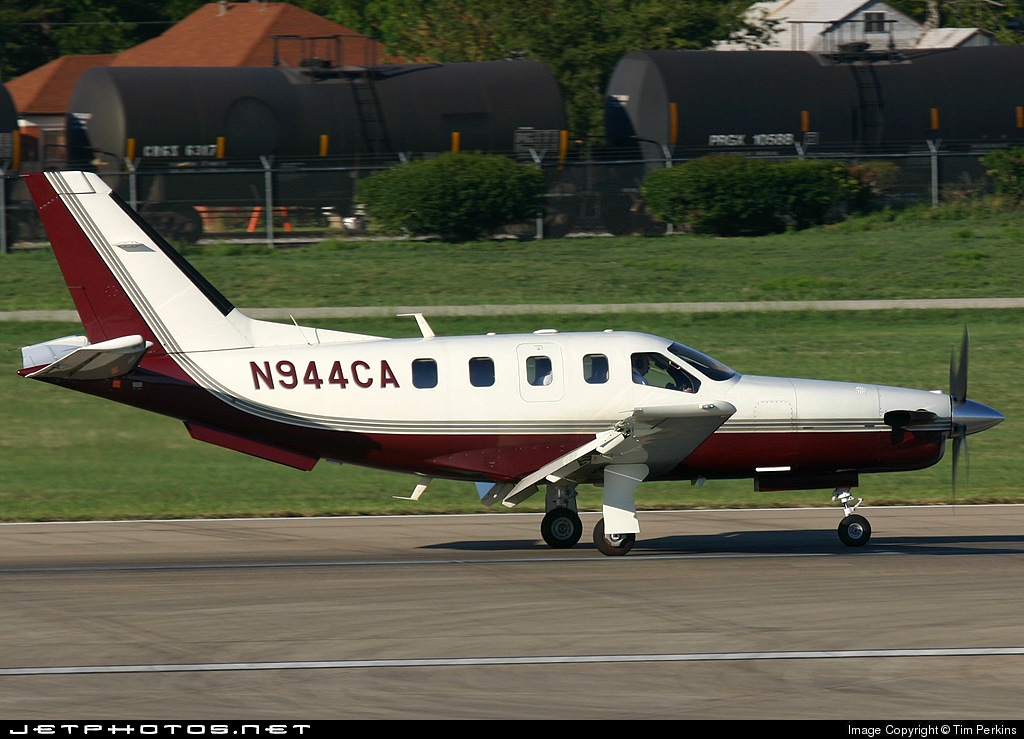
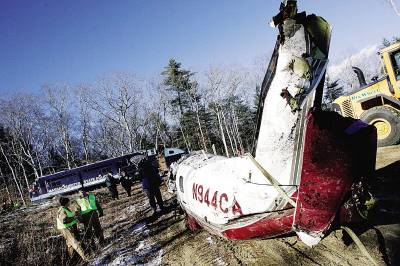
Crash of a Socata TBM-700 in New Bedford: 3 killed
Date & Time:
Feb 2, 2007 at 1940 LT
Registration:
N944CA
Survivors:
No
Schedule:
Boston - New Bedford
MSN:
206
YOM:
2001
Crew on board:
2
Crew fatalities:
Pax on board:
1
Pax fatalities:
Other fatalities:
Total fatalities:
3
Captain / Total hours on type:
65.00
Copilot / Total hours on type:
80
Aircraft flight hours:
479
Circumstances:
During the flight, the private pilot/operator was most likely seated in the left seat. He obtained his instrument rating about 7 months prior to the accident, and had accumulated approximately 300 hours of flight experience; of which, about 80 hours were in the accident airplane. The commercial pilot/company pilot was most likely seated in the right seat. He had accumulated approximately 1,000 hours of flight experience; of which, about 125 hours were actual instrument experience, and 80 hours were in the accident airplane. The commercial pilot had filed a flight plan to the wrong airport, received a weather briefing for the wrong airport, and therefore was not aware of the NOTAM in effect for an out of service approach lighting system at the destination airport. When the commercial pilot realized his error, he changed the flight plan, but did not request another weather briefing. According to radar information, the airplane flew the instrument landing system runway 5 approach fast, performed a steep missed approach to 1,000 feet, and then disappeared from radar, consistent with a loss of control during the missed approach. No preimpact mechanical malfunctions were identified with the airplane during the investigation. The reported weather at the accident airport included an overcast ceiling at 200 feet, visibility 1 mile in light rain and mist, and wind from 160 degrees at 4 knots. The investigation could not determine which pilot was flying the airplane at the time of the accident.
Probable cause:
Both pilots' failure to maintain aircraft control during a missed approach.
Final Report:
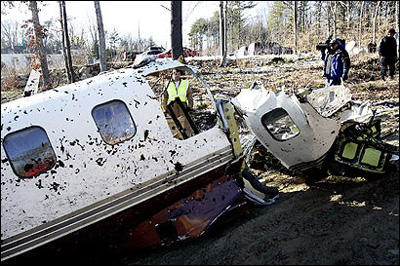
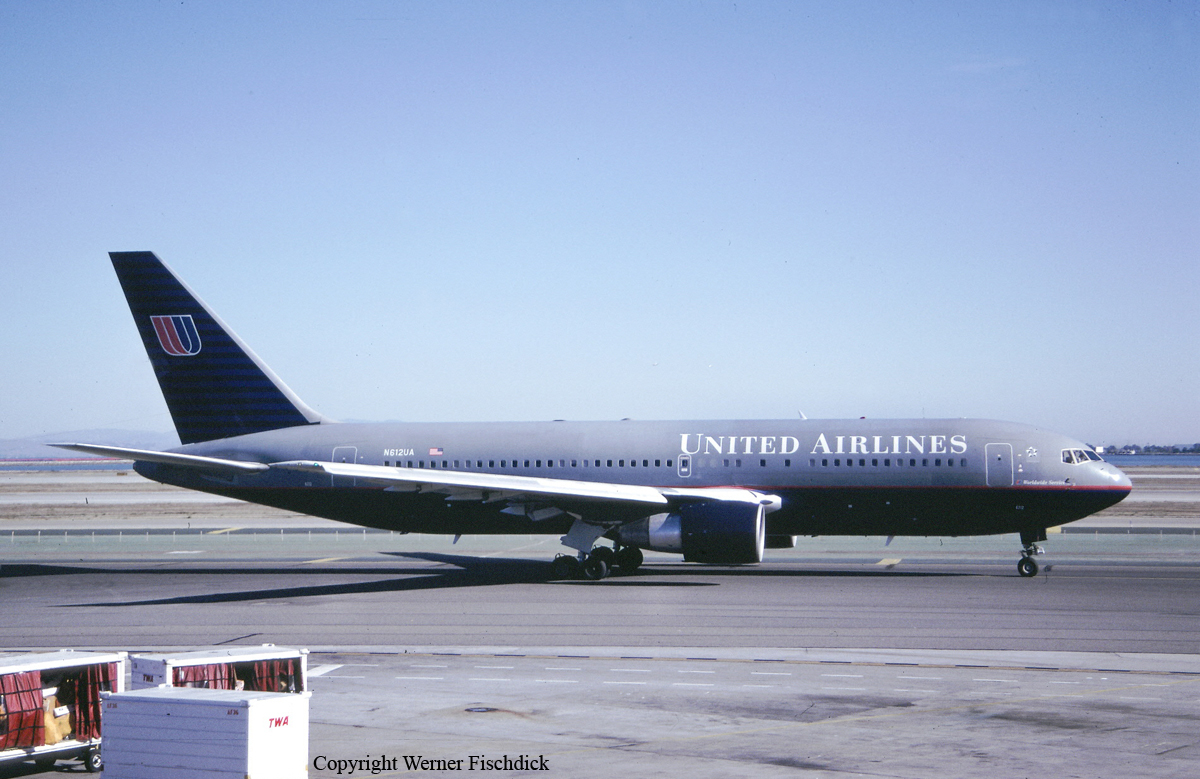
Crash of a Boeing 767-222 in New York: 65 killed
Date & Time:
Sep 11, 2001 at 0903 LT
Operator:

Registration:
N612UA
Survivors:
No
Schedule:
Boston - Los Angeles
MSN:
21873
YOM:
1983
Flight number:
UA175
Crew on board:
9
Crew fatalities:
Pax on board:
56
Pax fatalities:
Other fatalities:
Total fatalities:
65
Aircraft flight hours:
66647
Aircraft flight cycles:
17569
Circumstances:
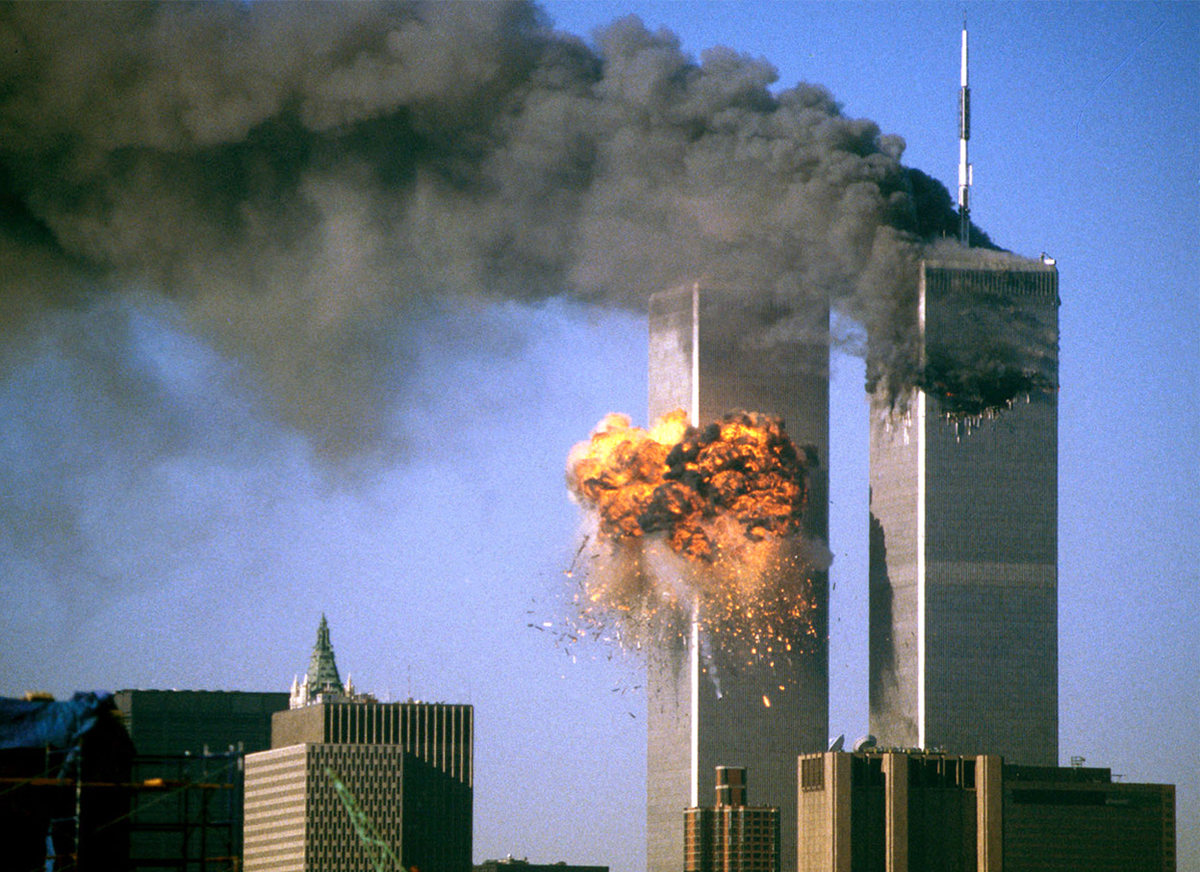
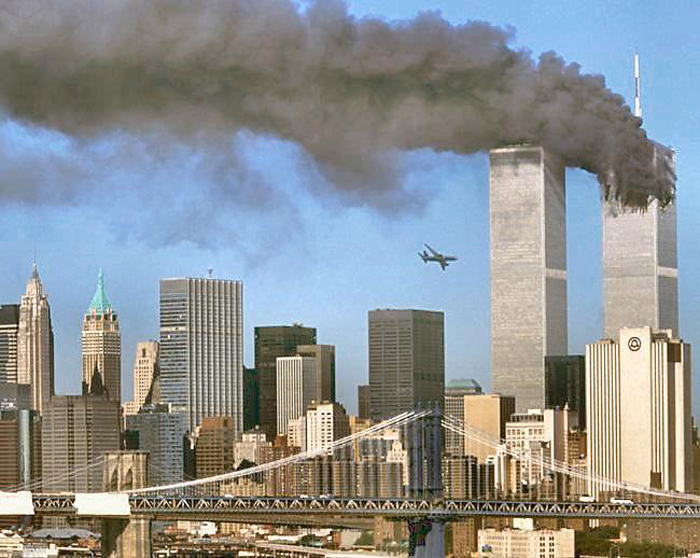
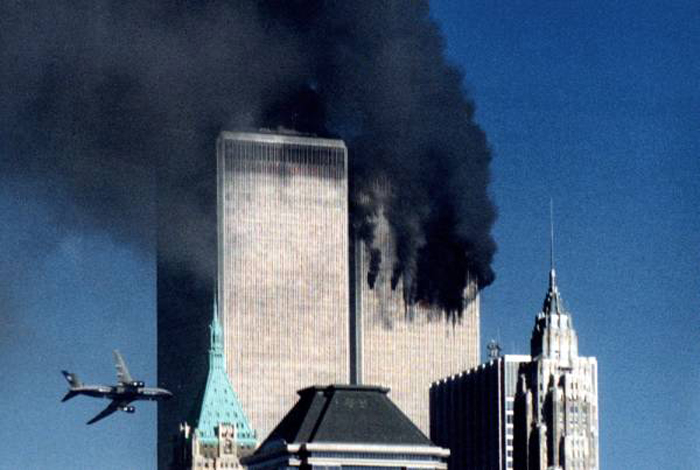
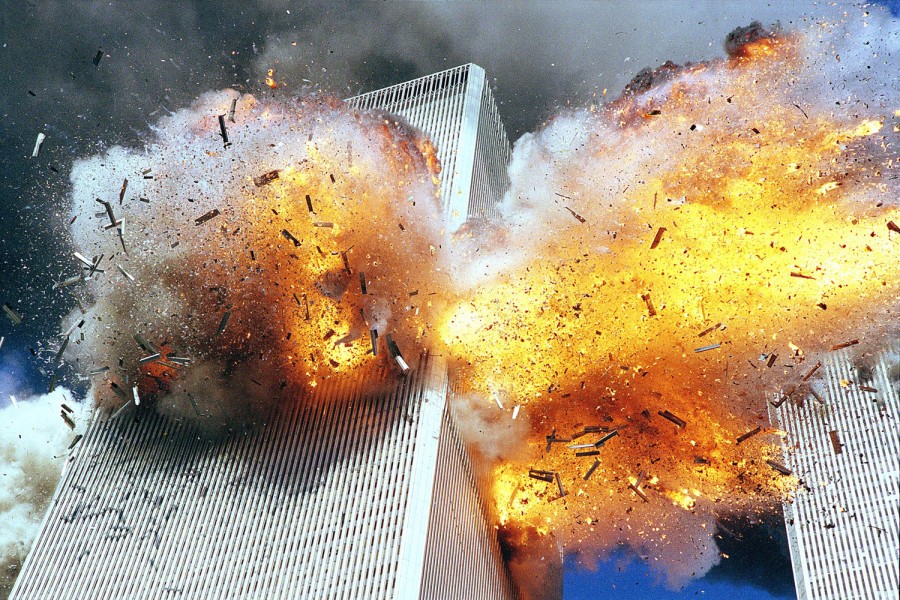
The Boeing 767 departed Boston-Logan Airport at 0814LT on a regular schedule service to Los Angeles, carrying 56 passengers and a crew of nine. Few minutes later, the aircraft was hijacked by terrorists who modified the flight path and flew direct over New York. At 0903LT, the aircraft struck the South Tower of the World Trade Center, between 78th and 84th floor. The aircraft disintegrated on impact and all 65 occupants were killed. The tower later collapsed. The terrorist attacks of September 11, 2001 are under the jurisdiction of the Federal Bureau of Investigation. The Safety Board provided requested technical assistance to the FBI, and this material generated by the NTSB is under the control of the FBI. The Safety Board does not plan to issue a report or open a public docket.
Probable cause:
The Safety Board did not determine the probable cause and does not plan to issue a report or open a public docket. The terrorist attacks of September 11, 2001 are under the jurisdiction of the Federal Bureau of Investigation. The Safety Board provided requested technical assistance to the FBI, and any material generated by the NTSB is under the control of the FBI.
Final Report: