Country
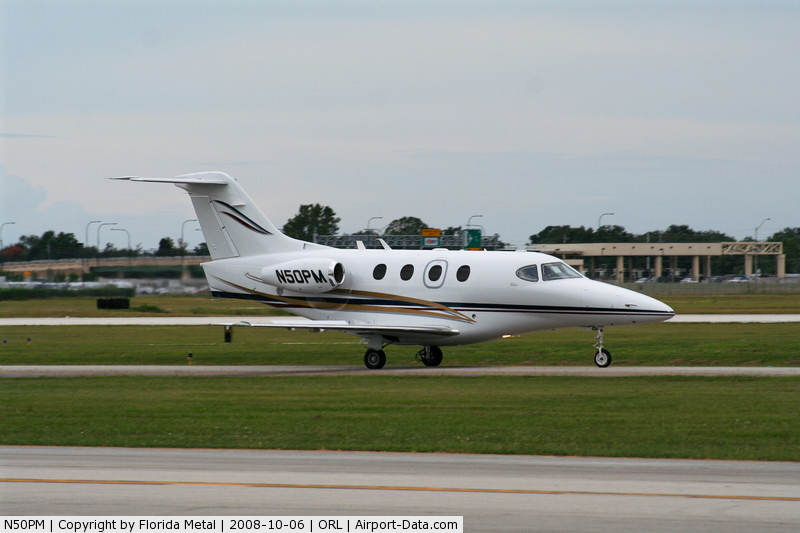
Crash of a Raytheon 390 Premier I in Atlanta: 2 killed
Date & Time:
Dec 17, 2013 at 1924 LT
Operator:

Registration:
N50PM
Survivors:
No
Schedule:
Atlanta - New Orleans
MSN:
RB-80
YOM:
2003
Crew on board:
1
Crew fatalities:
Pax on board:
1
Pax fatalities:
Other fatalities:
Total fatalities:
2
Captain / Total hours on type:
1030.00
Aircraft flight hours:
713
Circumstances:
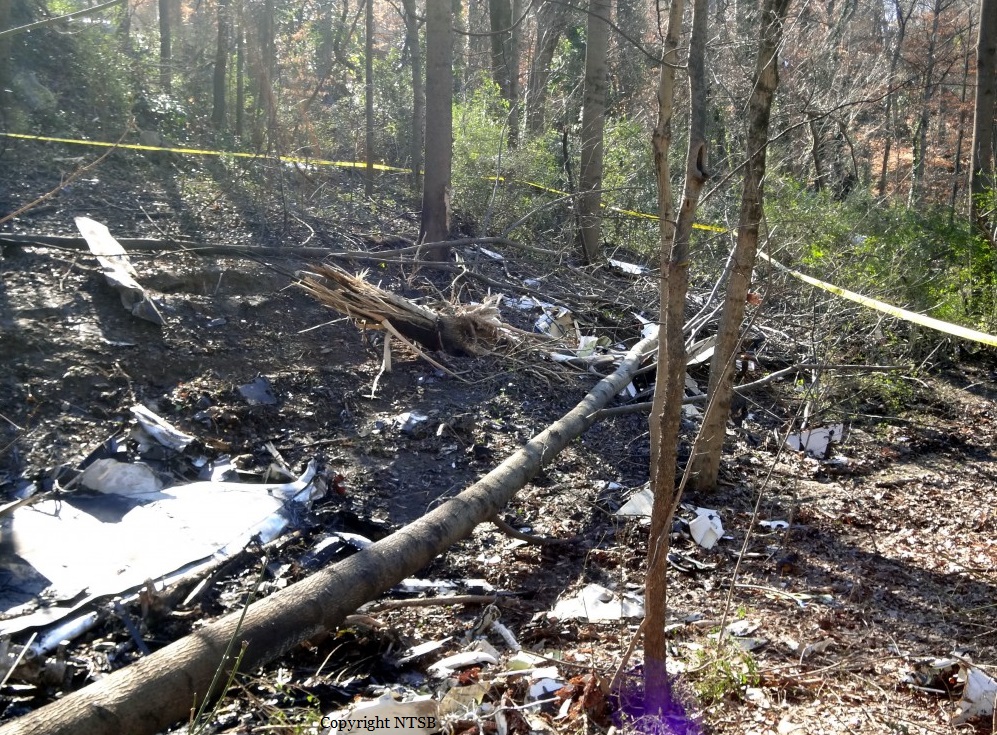
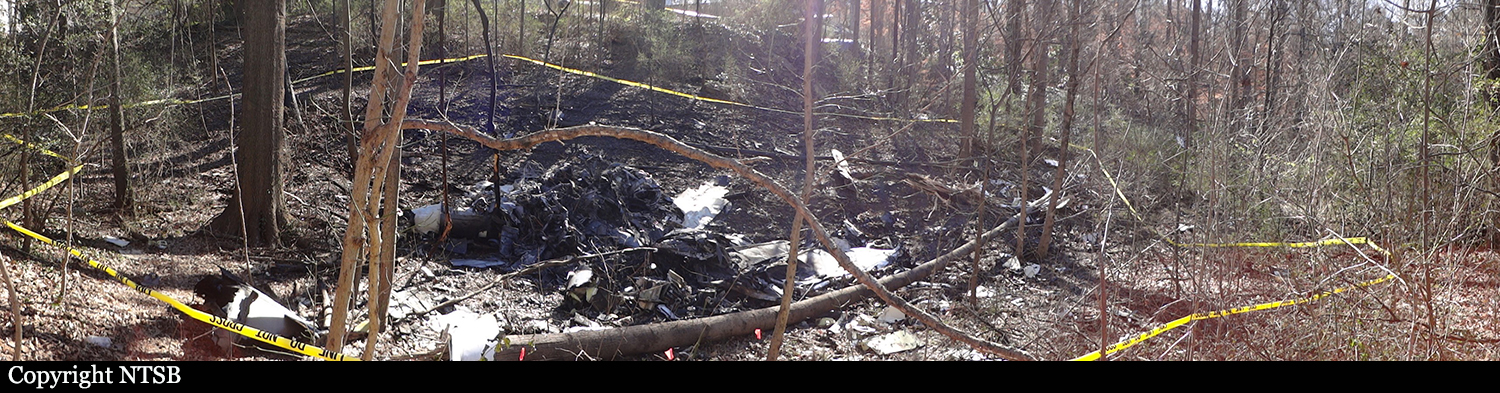
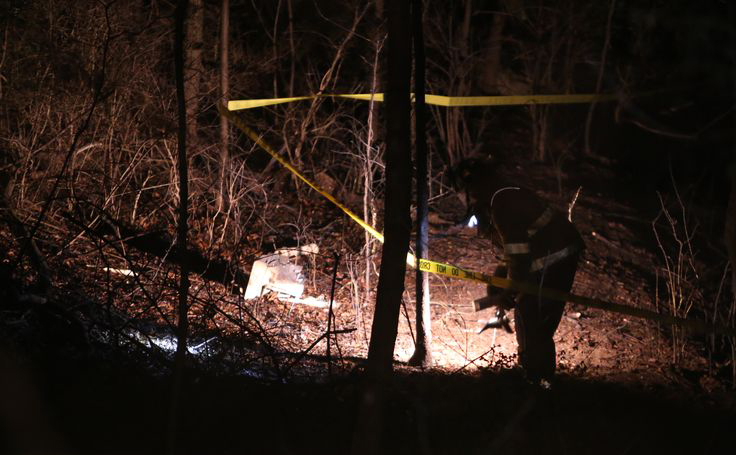
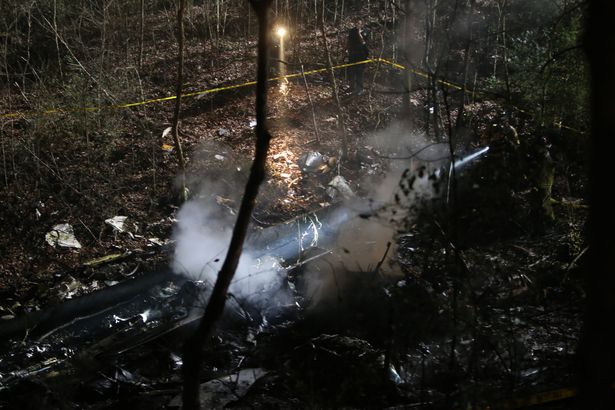
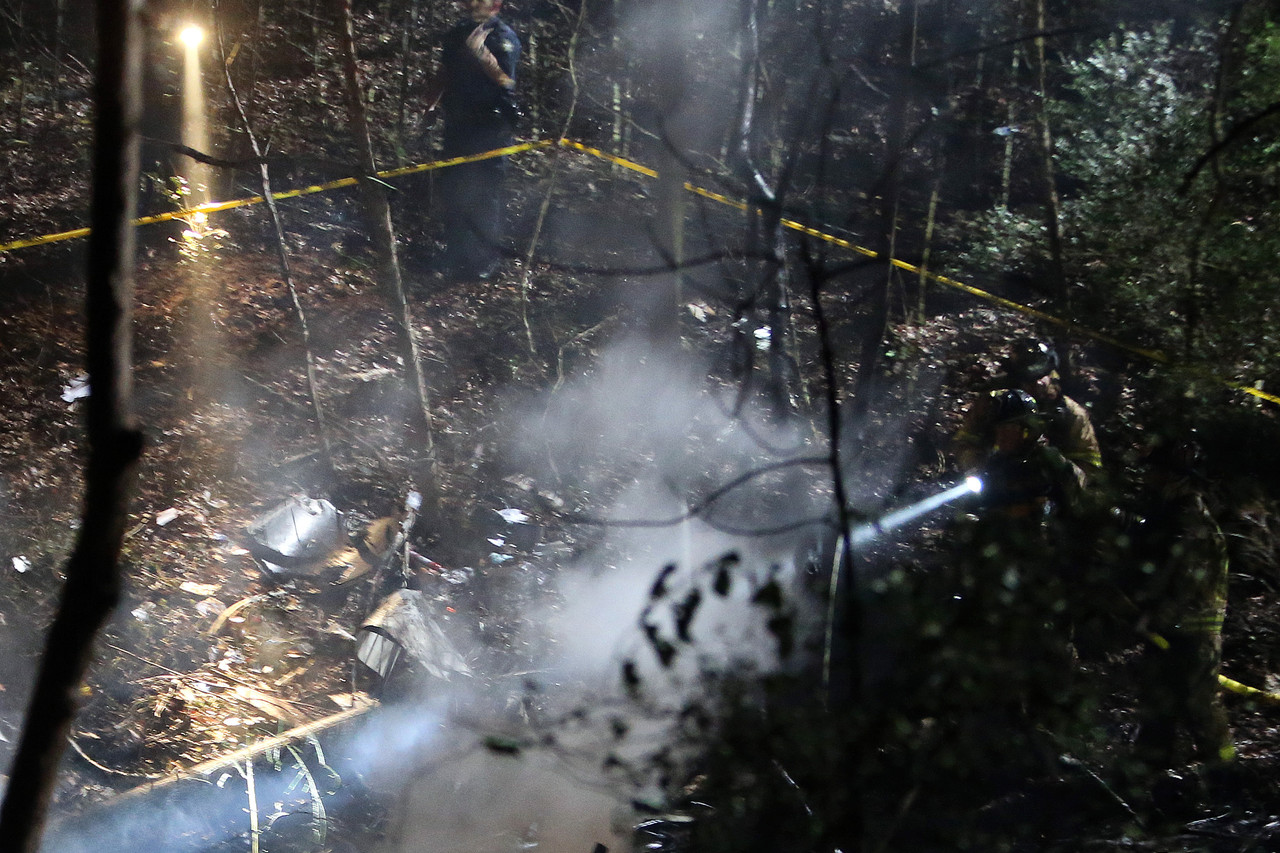
The pilot and passenger departed on a night personal flight. A review of the cockpit voice recorder (CVR) transcript revealed that, immediately after departure, the passenger asked the pilot if he had turned on the heat. The pilot subsequently informed the tower air traffic controller that he needed to return to the airport. The controller then cleared the airplane to land and asked the pilot if he needed assistance. The pilot replied "negative" and did not declare an emergency. The pilot acknowledged to the passenger that it was hot in the cabin. The CVR recorded the enhanced ground proximity warning system (EGPWS) issue 11 warnings, including obstacle, terrain, and stall warnings; these warnings occurred while the airplane was on the downwind leg for the airport. The airplane subsequently impacted trees and terrain and was consumed by postimpact fire. Postaccident examination of the airplane revealed no malfunctions or anomalies that would have precluded normal operation. During the attempted return to the airport, possibly to resolve a cabin heat problem, the pilot was operating in a high workload environment due to, in part, his maneuvering visually at low altitude in the traffic pattern at night, acquiring inbound traffic, and being distracted by the reported high cabin temperature and multiple EGPWS alerts. The passenger was seated in the right front seat and in the immediate vicinity of the flight controls, but no evidence was found indicating that she was operating the flight controls during the flight. Although the pilot had a history of coronary artery disease, the autopsy found no evidence of a recent cardiac event, and an analysis of the CVR data revealed that the pilot was awake, speaking, and not complaining of chest pain or shortness of breath; therefore, it is unlikely that the pilot's cardiac condition contributed to the accident. Toxicological testing detected several prescription medications in the pilot's blood, lung, and liver, including one to treat his heart disease; however, it is unlikely that any of these medications resulted in impairment. Although the testing revealed that the pilot had used marijuana at some time before the accident, insufficient evidence existed to determine whether the pilot was impaired by its use at the time of the accident. Toxicology testing also detected methylone in the pilot's blood. Methylone is a stimulant similar to cocaine and Ecstasy, and its effects can include relaxation, euphoria, and excited calm, and it can cause acute changes in cognitive performance and impair information processing. Given the level of methylone (0.34 ug/ml) detected in the pilot's blood, it is likely that the pilot was impaired at the time of the accident. The pilot's drug impairment likely contributed to his failure to maintain control of the airplane.
Probable cause:
The pilot's failure to maintain airplane control while maneuvering the airplane in the traffic pattern at night. Contributing to the accident was the pilot's impairment from the use of illicit drugs.
Final Report:
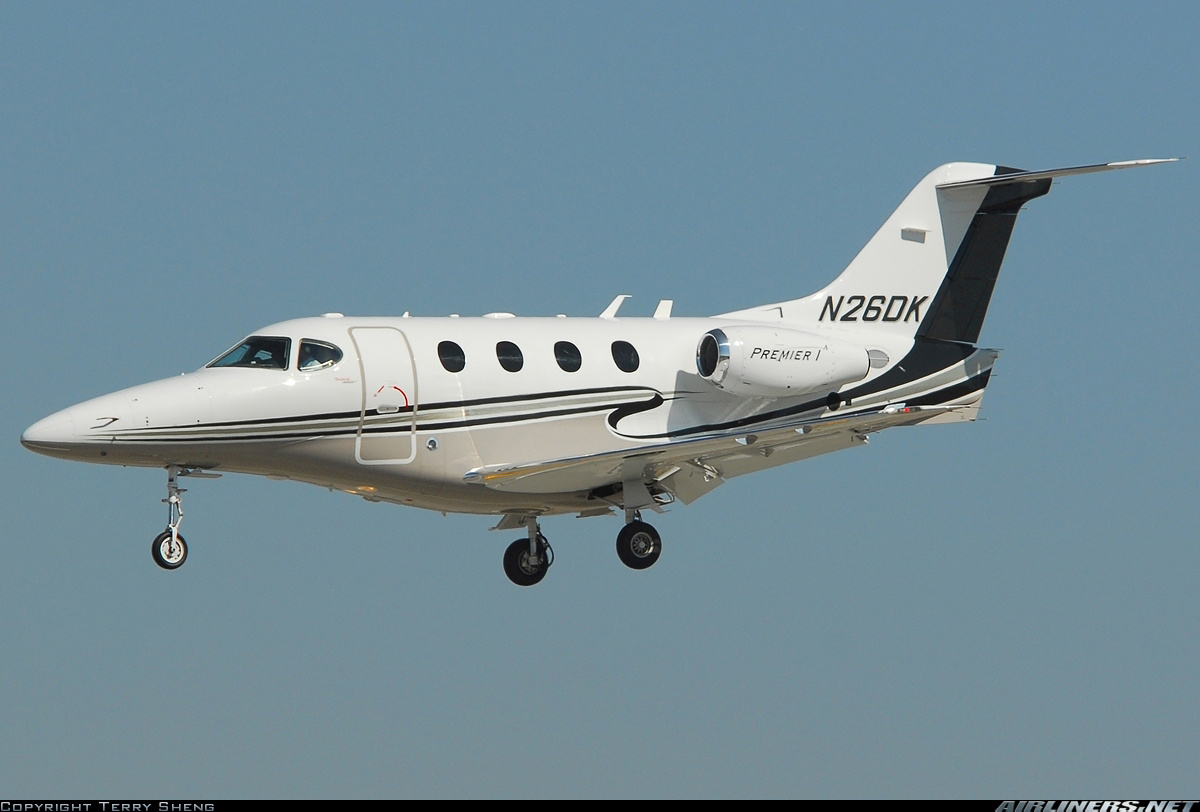
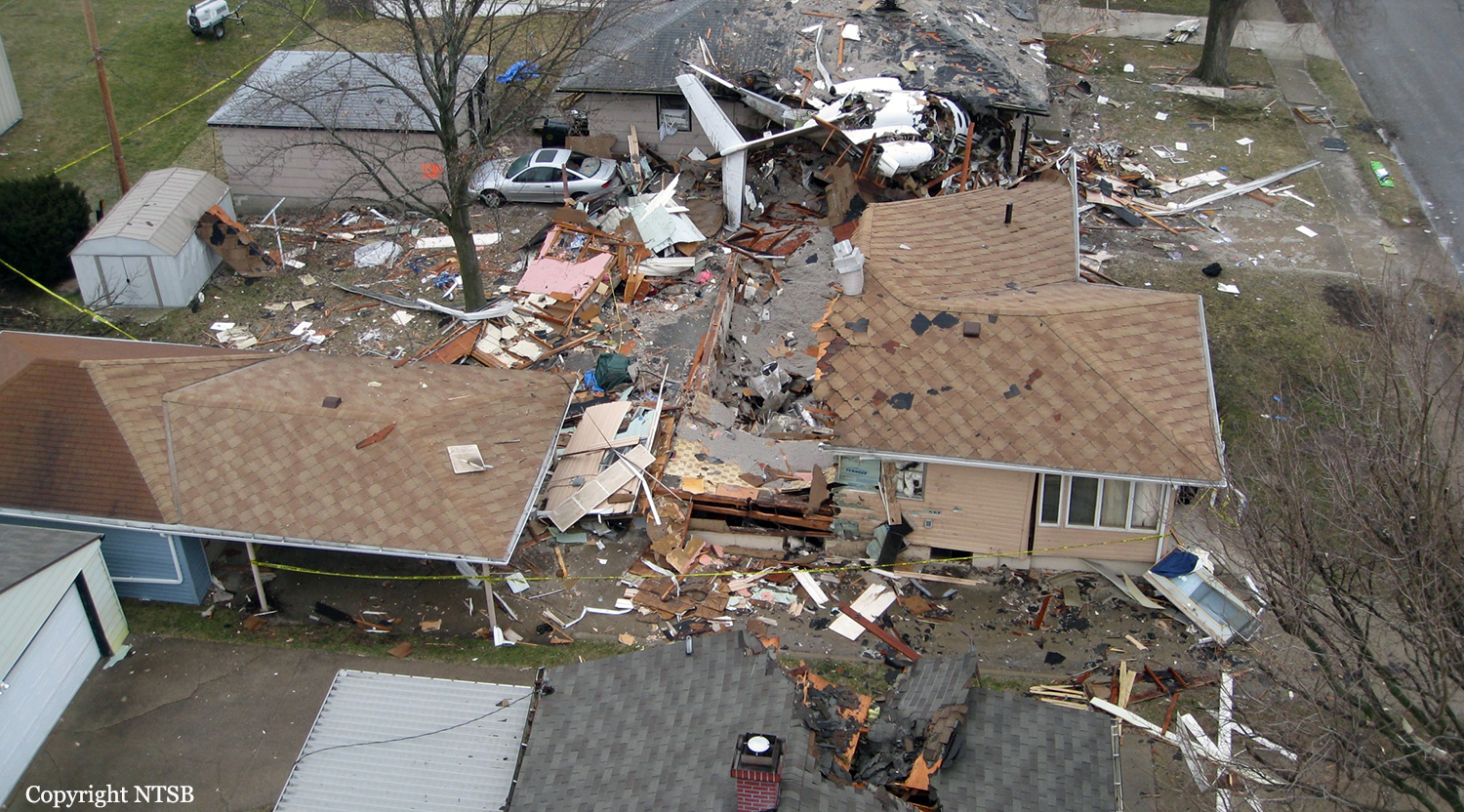
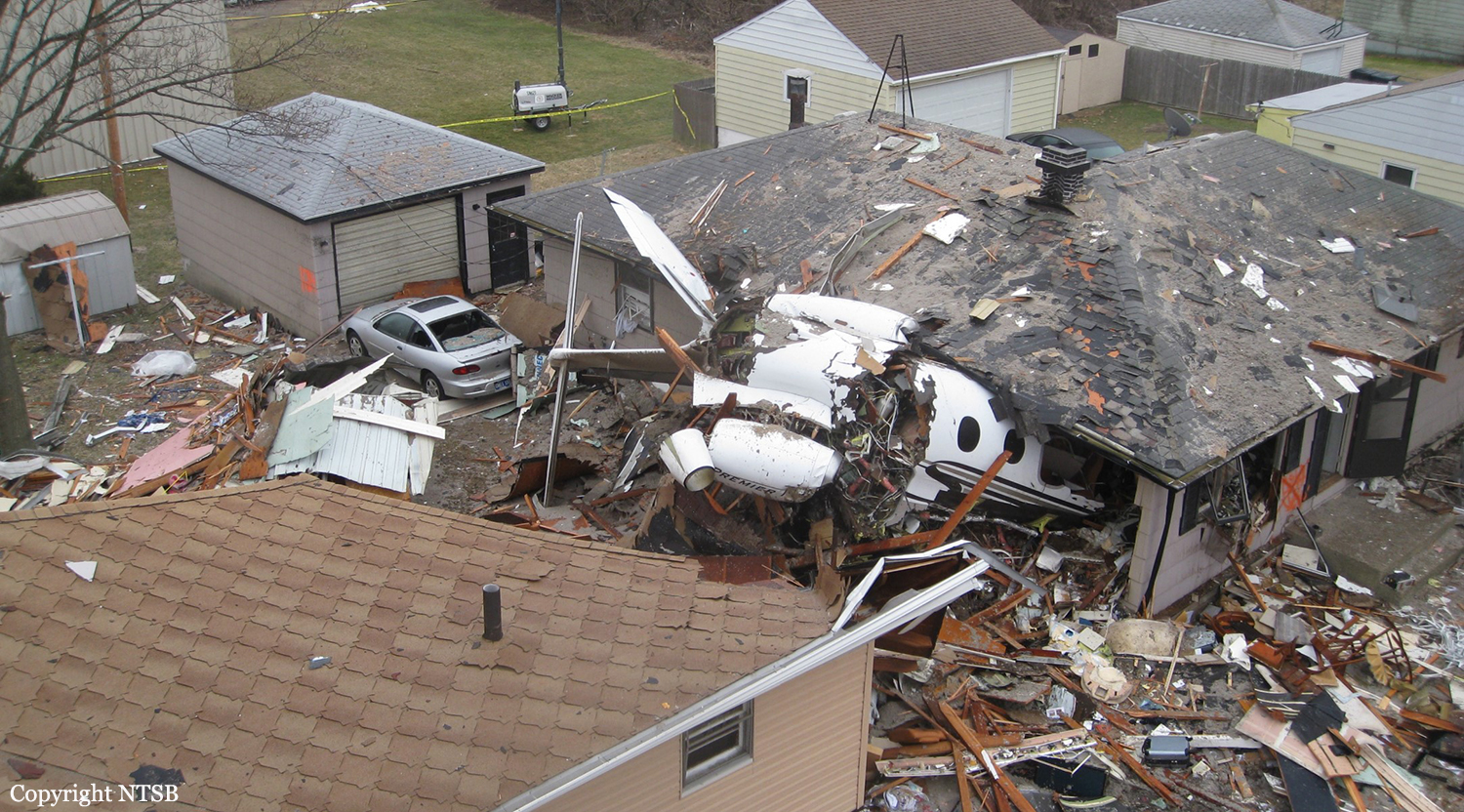
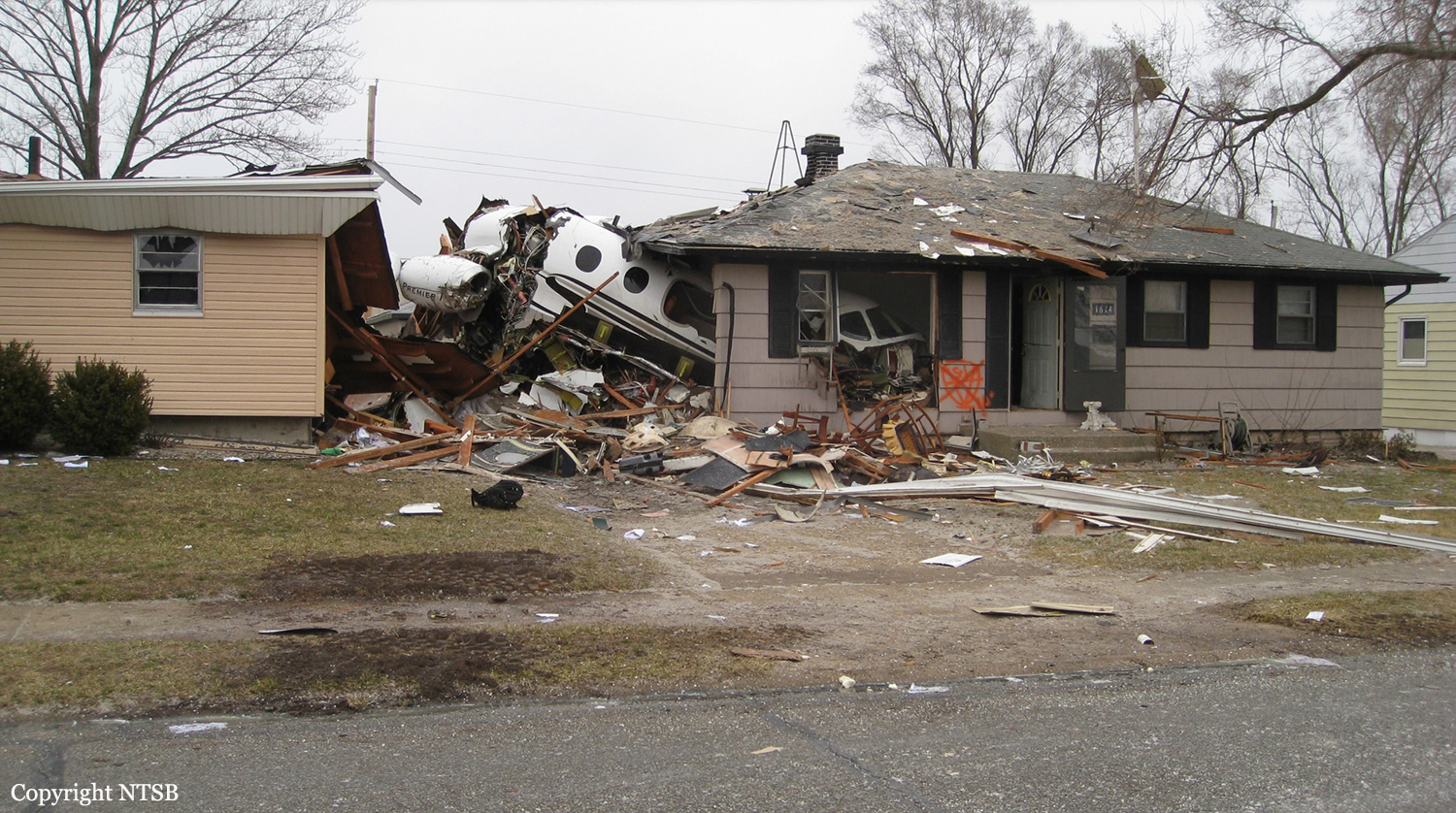
Crash of a Raytheon 390 Premier I in South Bend: 2 killed
Date & Time:
Mar 17, 2013 at 1623 LT
Operator:

Registration:
N26DK
Survivors:
Yes
Schedule:
Tulsa - South Bend
MSN:
RB-226
YOM:
2008
Crew on board:
1
Crew fatalities:
Pax on board:
3
Pax fatalities:
Other fatalities:
Total fatalities:
2
Captain / Total hours on type:
171.00
Copilot / Total hours on type:
0
Aircraft flight hours:
457
Circumstances:
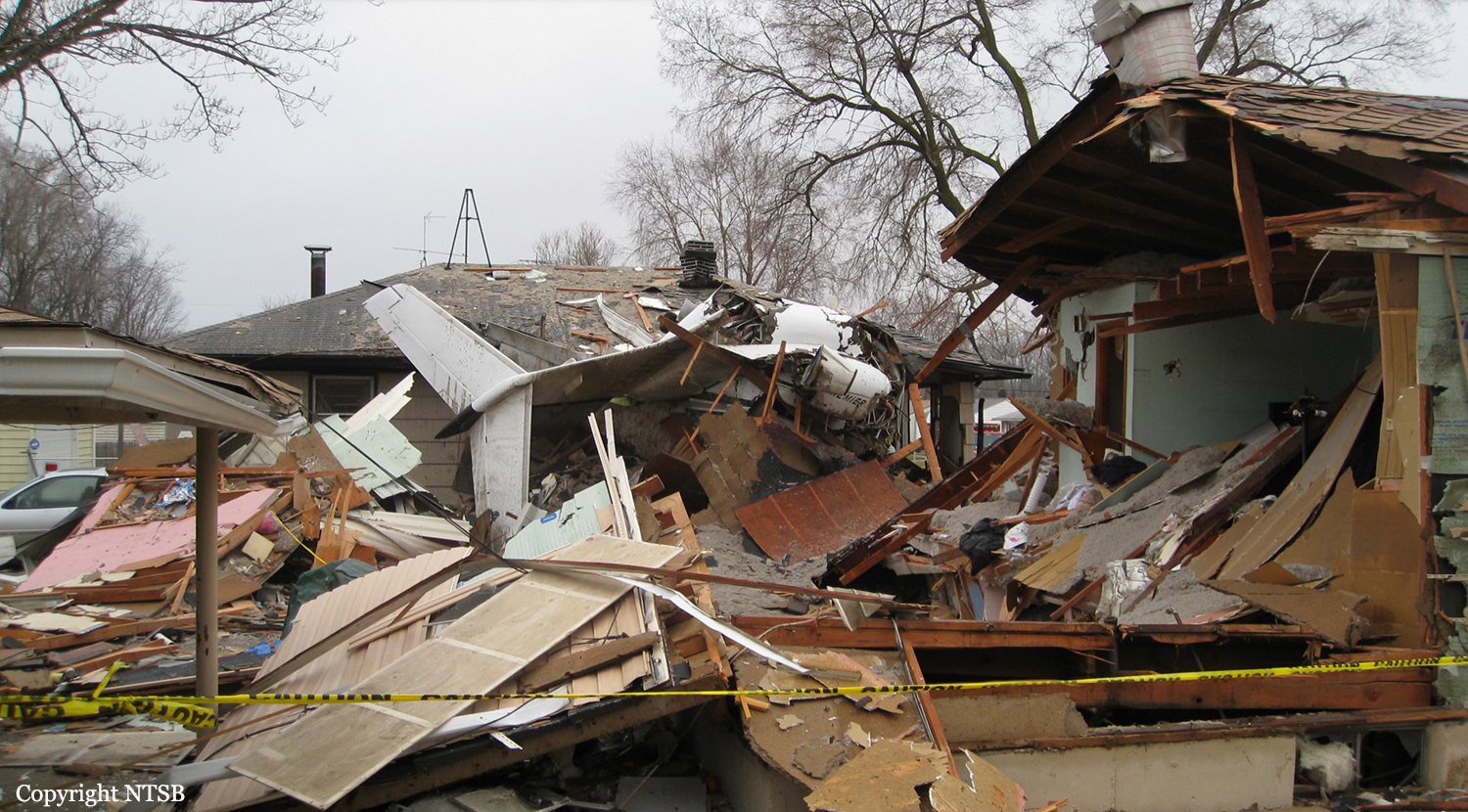
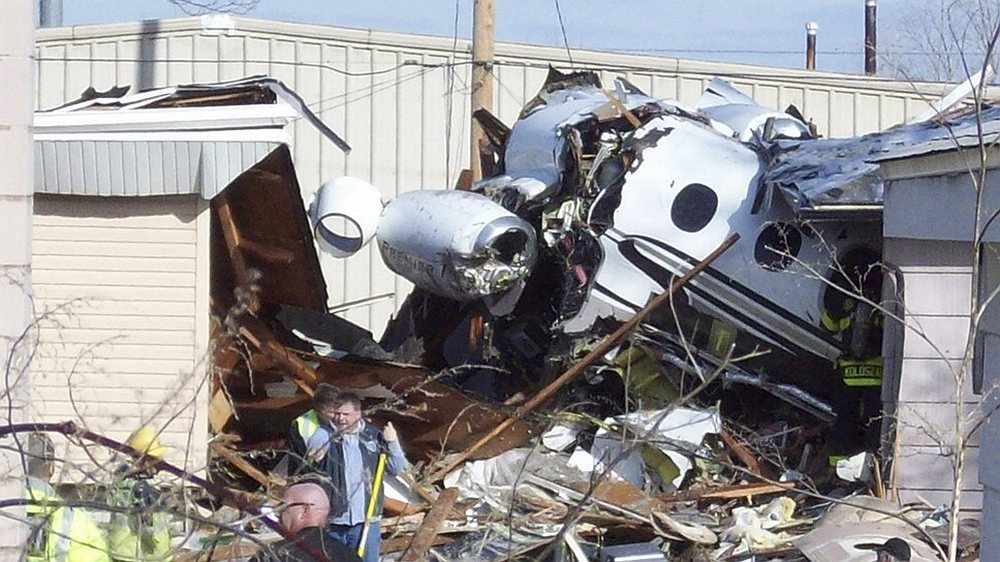
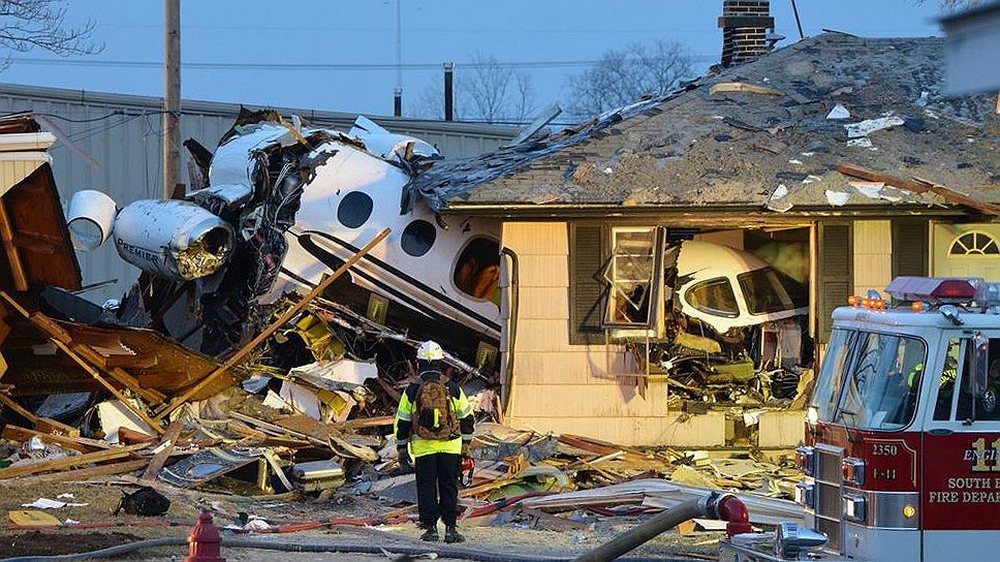
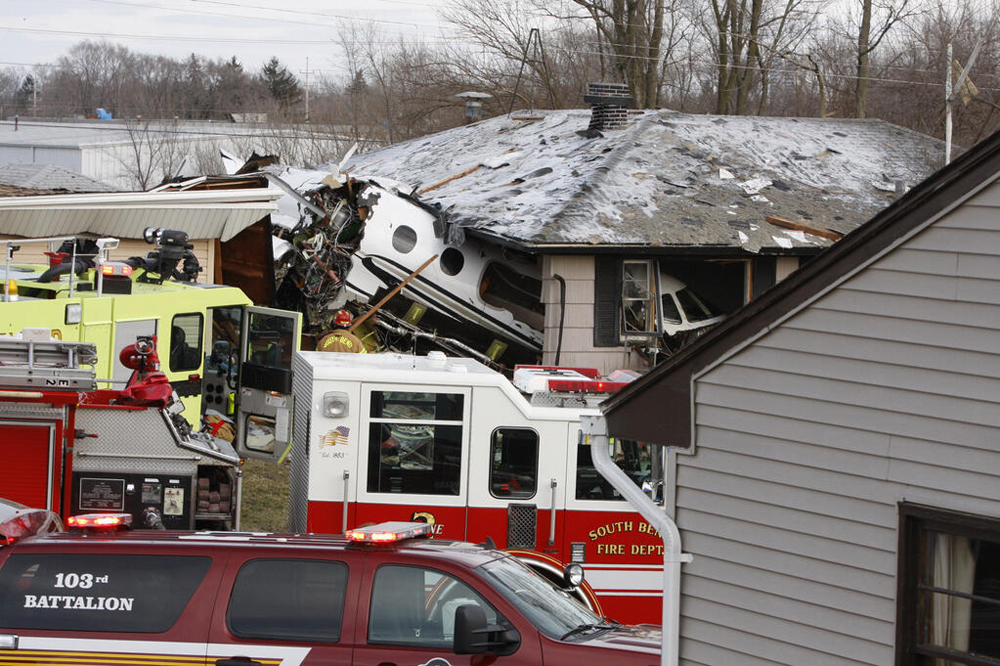
According to the cockpit voice recorder (CVR), during cruise flight, the unqualified pilot-rated passenger was manipulating the aircraft controls, including the engine controls, under the supervision and direction of the private pilot. After receiving a descent clearance to 3,000 feet mean sea level (msl), the pilot told the pilot-rated passenger to reduce engine power to maintain a target airspeed. The cockpit area microphone subsequently recorded the sound of both engines spooling down. The pilot recognized that the pilot-rated passenger had shutdown both engines after he retarded the engine throttles past the flight idle stops into the fuel cutoff position. Specifically, the pilot stated "you went back behind the stops and we lost power." According to air traffic control (ATC) radar track data, at the time of the dual engine shutdown, the airplane was located about 18 miles southwest of the destination airport and was descending through 6,700 feet msl. The pilot reported to the controller that the airplane had experienced a dual loss of engine power, declared an emergency, and requested radar vectors to the destination airport. As the flight approached the destination airport, the cockpit area microphone recorded a sound similar to an engine starter spooling up; however, engine power was not restored during the attempted restart. A review of the remaining CVR audio did not reveal any evidence of another attempt to restart an engine. The CVR stopped recording while the airplane was still airborne, with both engines still inoperative, while on an extended base leg to the runway. Subsequently, the controller told the pilot to go-around because the main landing gear was not extended. The accident airplane was then observed to climb and enter a right traffic pattern to make another landing approach. Witness accounts indicated that only the nose landing gear was extended during the second landing approach. The witnesses observed the airplane bounce several times on the runway before it ultimately entered a climbing right turn. The airplane was then observed to enter a nose low, rolling descent into a nearby residential community. The postaccident examinations and testing did not reveal any anomalies or failures that would have precluded normal operation of the airplane. Although the CVR did not record a successful engine restart, the pilot was able to initiate a go-around during the initial landing attempt, which implies that he was able to restart at least one engine during the initial approach. The investigation subsequently determined that only the left engine was operating at impact. Following an engine start, procedures require that the respective generator be reset to reestablish electrical power to the Essential Bus. If the Essential Bus had been restored, all aircraft systems would have operated normally. However, the battery toggle switch was observed in the Standby position at the accident site, which would have prevented the Essential Bus from receiving power regardless of whether the generator had been reset. As such, the airplane was likely operating on the Standby Bus, which would preclude the normal extension of the landing gear. However, the investigation determined that the landing gear alternate extension handle was partially extended. The observed position of the handle would have precluded the main landing gear from extending (only the nose landing gear would extend). The investigation determined that it is likely the pilot did not fully extend the handle to obtain a full landing gear deployment. Had he fully extended the landing gear, a successful single-engine landing could have been accomplished. In conclusion, the private pilot's decision to allow the unqualified pilot-rated passenger to manipulate the airplane controls directly resulted in the inadvertent dual engine shutdown during cruise descent. Additionally, the pilot's inadequate response to the emergency, including his failure to adhere to procedures, resulted in his inability to fully restore airplane systems and ultimately resulted in a loss of airplane control.
Probable cause:
The private pilot's inadequate response to the dual engine shutdown during cruise descent, including his failure to adhere to procedures, which ultimately resulted in his failure to
maintain airplane control during a single-engine go-around. An additional cause was the pilot's decision to allow the unqualified pilot-rated passenger to manipulate the airplane controls, which directly resulted in the inadvertent dual engine shutdown.
maintain airplane control during a single-engine go-around. An additional cause was the pilot's decision to allow the unqualified pilot-rated passenger to manipulate the airplane controls, which directly resulted in the inadvertent dual engine shutdown.
Final Report:
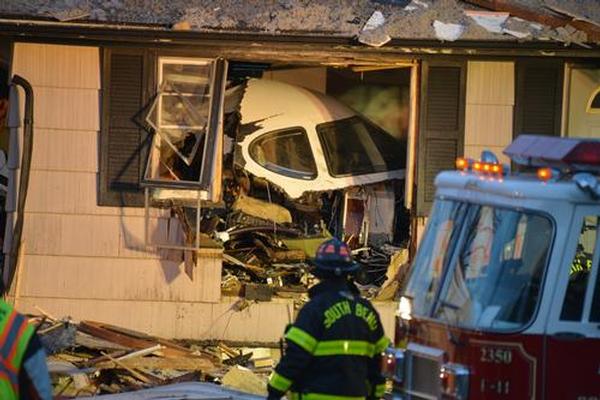
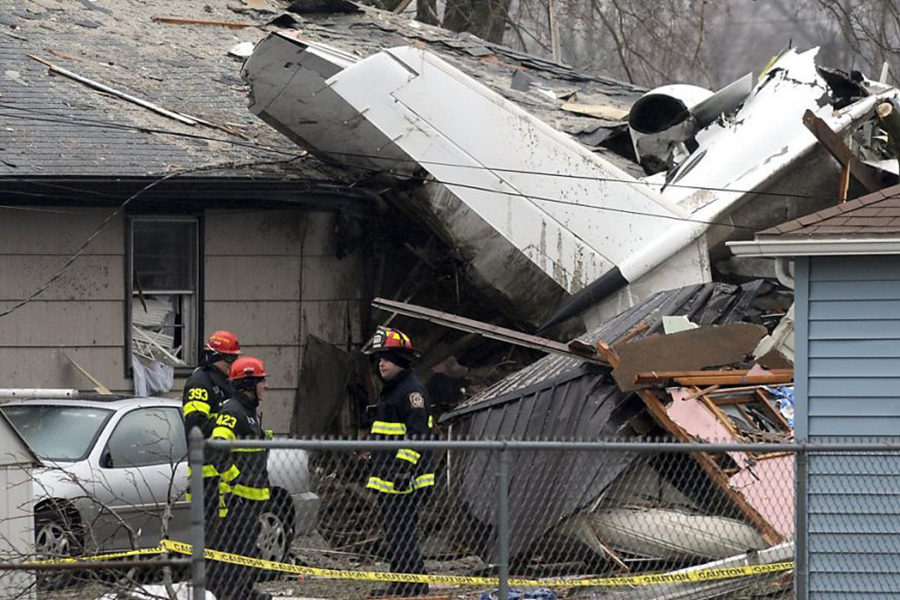
Crash of a Raytheon 390 Premier I in Annemasse: 2 killed
Date & Time:
Mar 4, 2013 at 0839 LT
Operator:

Registration:
VP-CAZ
Survivors:
Yes
Schedule:
Annemasse - Geneva
MSN:
RB-202
YOM:
2007
Crew on board:
1
Crew fatalities:
Pax on board:
2
Pax fatalities:
Other fatalities:
Total fatalities:
2
Captain / Total hours on type:
1386.00
Aircraft flight hours:
1388
Aircraft flight cycles:
1404
Circumstances:
On Monday 4 March 2013, the pilot and two passengers arrived at Annemasse aerodrome (France) at about 7 h 00. They planned to make a private flight of about five minutes to Geneva airport on board the Beechcraft Premier 1A, registered VP-CAZ. The temperature was -2°C and the humidity was 98% with low clouds. The aeroplane had been parked on the parking area of the aerodrome since the previous evening. At 7 h 28, the Geneva ATC service gave the departure clearance for an initial climb towards 6,000 ft with QNH 1018 hPa towards the Chambéry VOR (CBY). At about 7 h 30, when the CVR recording of the accident flight started, the engines had already been started up. At about 7 h 34, the pilot called out the following speeds that would be used during the takeoff roll:
- V1 : 101 kt
- VR : 107 kt
- V2 : 120 kt.
At about 7 h 35, the pilot performed the pre-taxiing check-list. During these checks, he called out “anti-ice ON”, correct operation of the flight controls, and the position of the flaps on 10°.
Taxiing towards runway 12 began at 7 h 36. At 7 h 37 min 43, the pilot called out the end of the takeoff briefing, then activation of the engine anti-icing system. At 7 h 38 min 03, the pilot called out the start of the takeoff roll. Fifteen seconds later, the engines reached takeoff thrust. The aeroplane lifted off at 7 h 38 min 37. Several witnesses stated that it adopted a high pitch-up attitude, with a low rate of climb. At 7 h 38 min 40, the first GPWS “Bank angle - Bank angle” warning was recorded on the CVR. It indicated excessive bank. A second and a half later, the pilot showed his surprise by an interjection. It was followed by the aural stall warning that lasted more than a second and a further GPWS “Bank angle - Bank angle” warning. At about 7 h 38 min 44, the aeroplane was detected by the Dole and Geneva radars at a height of about 80 ft above the ground. Other “Bank Angle” warnings and stall warnings were recorded on the CVR on several occasions. Several witnesses saw the aeroplane bank sharply to the right, then to the left. At 7 h 38 min 49 the aeroplane was detected by the radars at a height of about 150 ft above the ground. At 07 h 38 min 52, the main landing gear struck the roof of a first house. The aeroplane then collided with the ground. During the impact sequence, the three landing gears and the left wing separated from the rest of the aeroplane. The aeroplane slid along the ground for a distance of about 100 m before colliding with a garden shed, a wall and some trees in the garden of a second house. The aeroplane caught fire and came to a stop. The pilot and the passenger seated to his right were killed. The female passenger seated at the rear was seriously injured. According to the NTSB and BEA, the airplane was owned by Chakibel Associates Limited n Tortola and operated by Global Jet Luxembourg.
- V1 : 101 kt
- VR : 107 kt
- V2 : 120 kt.
At about 7 h 35, the pilot performed the pre-taxiing check-list. During these checks, he called out “anti-ice ON”, correct operation of the flight controls, and the position of the flaps on 10°.
Taxiing towards runway 12 began at 7 h 36. At 7 h 37 min 43, the pilot called out the end of the takeoff briefing, then activation of the engine anti-icing system. At 7 h 38 min 03, the pilot called out the start of the takeoff roll. Fifteen seconds later, the engines reached takeoff thrust. The aeroplane lifted off at 7 h 38 min 37. Several witnesses stated that it adopted a high pitch-up attitude, with a low rate of climb. At 7 h 38 min 40, the first GPWS “Bank angle - Bank angle” warning was recorded on the CVR. It indicated excessive bank. A second and a half later, the pilot showed his surprise by an interjection. It was followed by the aural stall warning that lasted more than a second and a further GPWS “Bank angle - Bank angle” warning. At about 7 h 38 min 44, the aeroplane was detected by the Dole and Geneva radars at a height of about 80 ft above the ground. Other “Bank Angle” warnings and stall warnings were recorded on the CVR on several occasions. Several witnesses saw the aeroplane bank sharply to the right, then to the left. At 7 h 38 min 49 the aeroplane was detected by the radars at a height of about 150 ft above the ground. At 07 h 38 min 52, the main landing gear struck the roof of a first house. The aeroplane then collided with the ground. During the impact sequence, the three landing gears and the left wing separated from the rest of the aeroplane. The aeroplane slid along the ground for a distance of about 100 m before colliding with a garden shed, a wall and some trees in the garden of a second house. The aeroplane caught fire and came to a stop. The pilot and the passenger seated to his right were killed. The female passenger seated at the rear was seriously injured. According to the NTSB and BEA, the airplane was owned by Chakibel Associates Limited n Tortola and operated by Global Jet Luxembourg.
Probable cause:
The pilot’s insufficient appreciation of the risks associated with ground-ice led him to take off with contamination of the critical airframe surfaces. This contaminant deposit then caused the aerodynamic stall of the aeroplane and the loss of control shortly after lift-off.
Final Report:

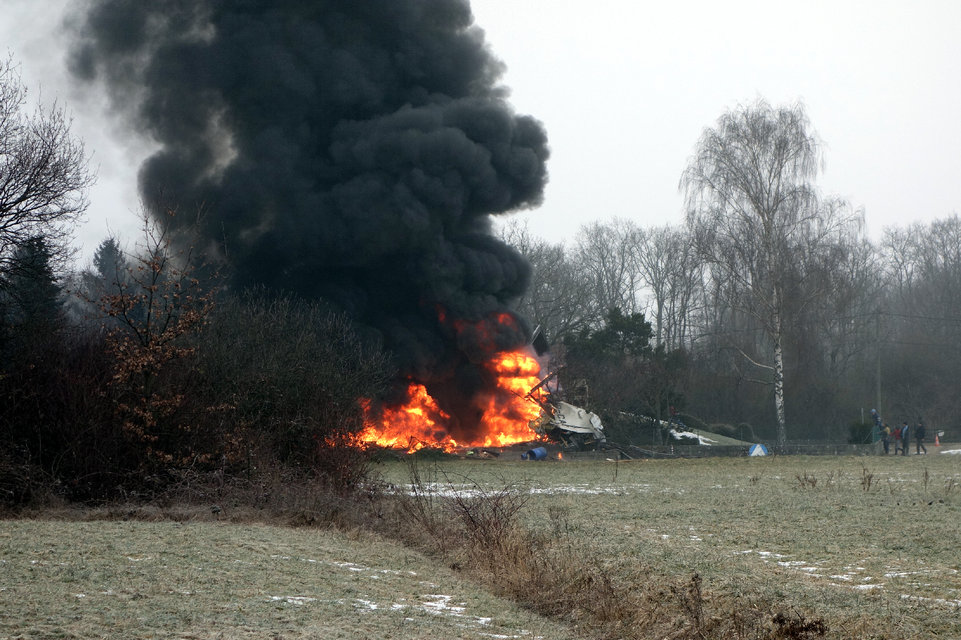
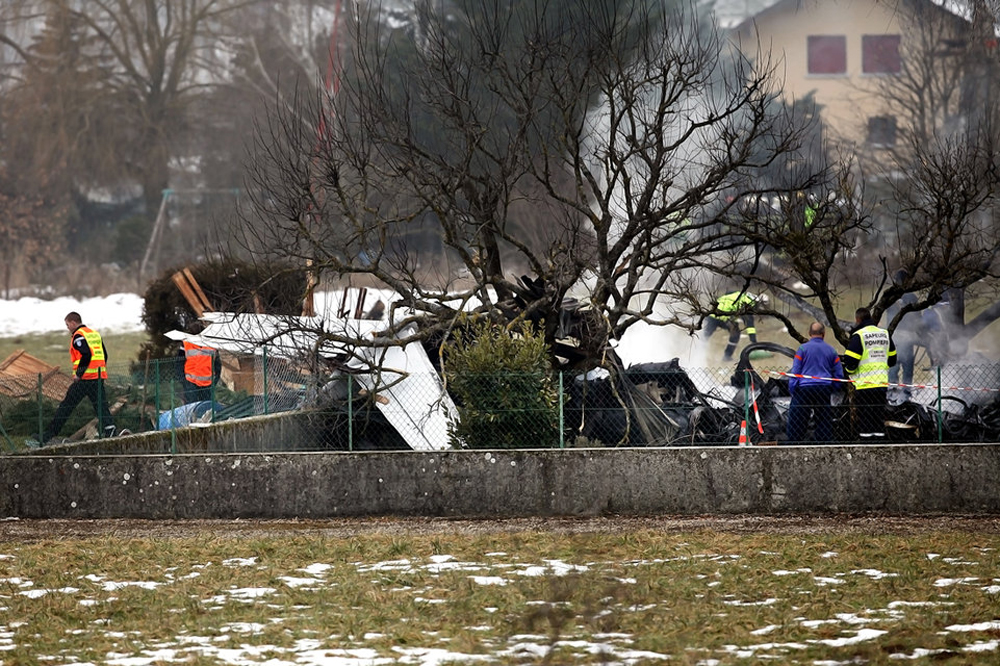
Crash of a Raytheon 390 Premier I in Thomson: 5 killed
Date & Time:
Feb 20, 2013 at 2006 LT
Operator:

Registration:
N777VG
Survivors:
Yes
Schedule:
Nashville - Thomson
MSN:
RB-208
YOM:
2007
Crew on board:
2
Crew fatalities:
Pax on board:
5
Pax fatalities:
Other fatalities:
Total fatalities:
5
Captain / Total hours on type:
198.00
Copilot / Total hours on type:
45
Aircraft flight hours:
635
Circumstances:
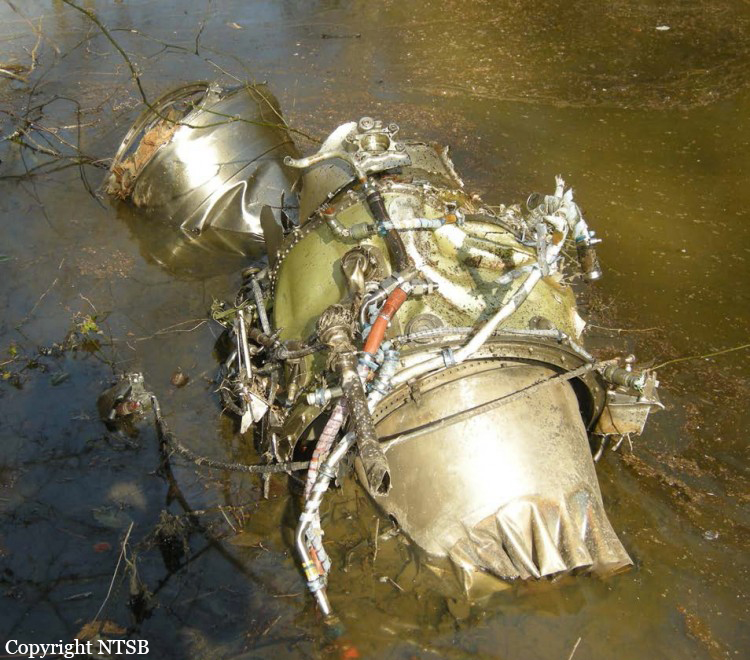
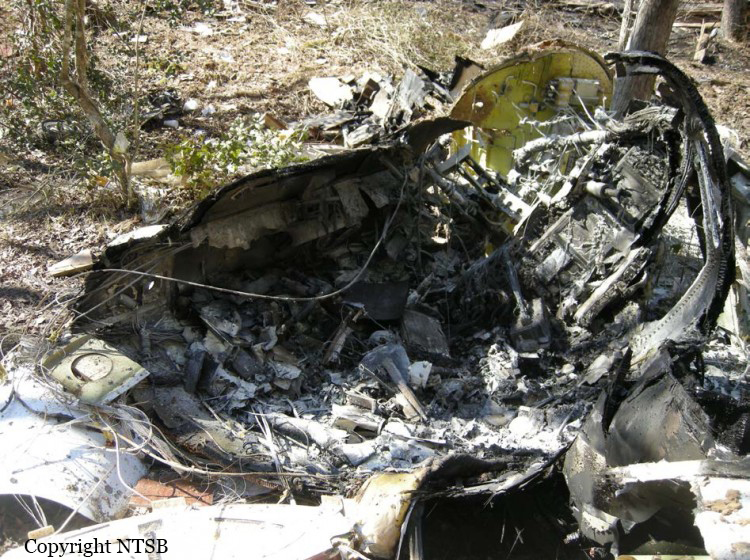
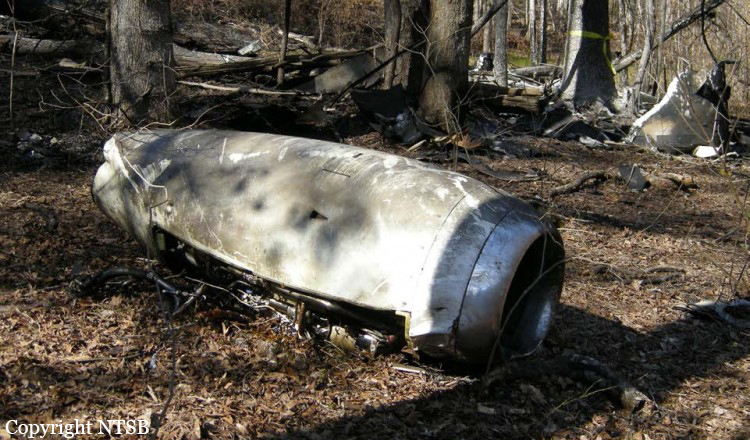
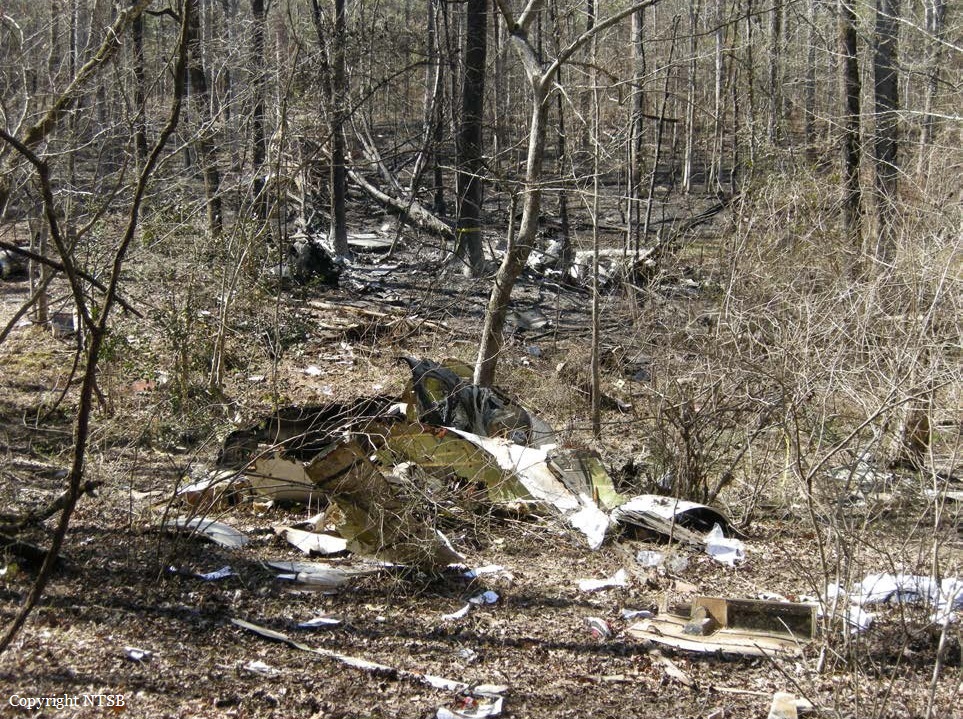
Aircraft was destroyed following a collision with a utility pole, trees, and terrain following a go-around at Thomson-McDuffie Regional Airport (HQU), Thomson, Georgia. The airline transport-rated pilot and copilot were seriously injured, and five passengers were fatally injured. The airplane was registered to the Pavilion Group LLC and was operated by the pilot under the provisions of 14 Code of Federal Regulations Part 91 as a business flight. Night visual meteorological conditions prevailed, and an instrument flight rules flight plan was filed. The flight originated at John C. Tune Airport (JWN), Nashville, Tennessee, about 1828 central standard time (1928 eastern standard time). The purpose of the flight was to transport staff members of a vascular surgery practice from Nashville to Thomson, where the airplane was based. According to initial air traffic control information, the pilot checked in with Augusta approach control and reported HQU in sight. About 2003, the pilot cancelled visual flight rules flight-following services and continued toward HQU. The last recorded radar return was observed about 2005, when the airplane was at an indicated altitude of 700 feet above mean sea level and 1/2 mile from the airport. There were no distress calls received from the crew prior to the accident. Witnesses reported that the airplane appeared to be in position to land when the pilot discontinued the approach and commenced a go-around. The witnesses observed the airplane continue down the runway at a low altitude. The airplane struck a poured-concrete utility pole and braided wires about 59 feet above ground level. The pole was located about 1/4 mile east the departure end of runway 10. The utility pole was not lighted. During the initial impact with the utility pole, the outboard section of the left wing was severed. The airplane continued another 1/4 mile east before colliding with trees and terrain. A postcrash fire ensued and consumed a majority of the airframe. The engines separated from the fuselage during the impact sequence. On-scene examination of the wreckage revealed that all primary airframe structural components were accounted for at the accident site. The landing gear were found in the down (extended) position, and the flap handle was found in the 10-degree (go-around) position. An initial inspection of the airport revealed that the pilot-controlled runway lights were operational. An examination of conditions recorded on an airport security camera showed that the runway lights were on the low intensity setting at the time of the accident. The airport did not have a control tower. An inspection of the runway surface did not reveal any unusual tire marks or debris. Weather conditions at HQU near the time of the accident included calm wind and clear skies.
Probable cause:
The pilot's failure to follow airplane flight manual procedures for an antiskid failure in flight and his failure to immediately retract the lift dump after he elected to attempt a go-around on the runway. Contributing to the accident were the pilot's lack of systems knowledge and his fatigue due to acute sleep loss and his ineffective use of time between flights to obtain sleep.
Final Report:
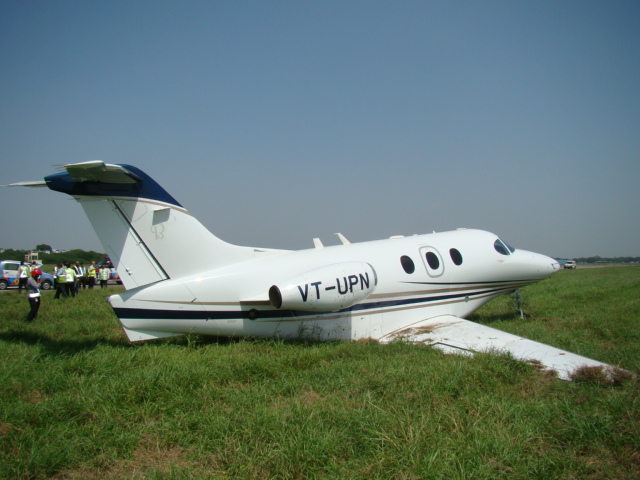
Crash of a Raytheon 390 Premier IA in New Delhi
Date & Time:
Sep 22, 2012 at 1129 LT
Operator:

Registration:
VT-UPN
Survivors:
Yes
Schedule:
Lucknow - New Delhi
MSN:
RB-236
YOM:
2008
Crew on board:
3
Crew fatalities:
Pax on board:
3
Pax fatalities:
Other fatalities:
Total fatalities:
0
Circumstances:
The aircraft departed Lucknow Airport in the morning on a flight to New Delhi-Indira Gandhi Airport with a crew of three (two pilot and a cabin crew) and three passengers, among them Shivpal Yadav, Minister by the Uttar Pradesh Government. Following an uneventful flight, the crew completed the approach to runway 27. After touch down, the left main gear collapsed and the aircraft slid on runway for about one km when the right main gear collapsed as well. Out of control, the aircraft veered off runway to the right and came to rest in a grassy area. All six occupants escaped uninjured while the aircraft was damaged beyond repair.
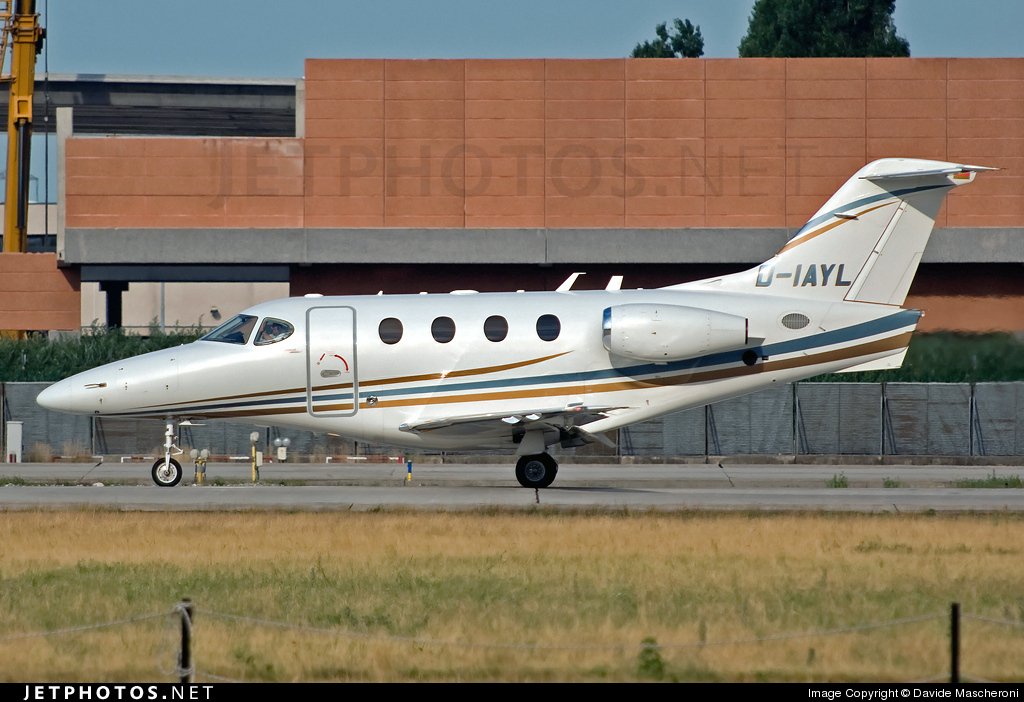
Crash of a Raytheon 390 Premier IA in Samedan: 2 killed
Date & Time:
Dec 19, 2010 at 1502 LT
Operator:

Registration:
D-IAYL
Survivors:
No
Schedule:
Zagreb - Samedan
MSN:
RB-249
YOM:
2008
Flight number:
GQA631V
Crew on board:
2
Crew fatalities:
Pax on board:
0
Pax fatalities:
Other fatalities:
Total fatalities:
2
Captain / Total hours on type:
244.00
Copilot / Total hours on type:
567
Aircraft flight hours:
1047
Aircraft flight cycles:
820
Circumstances:
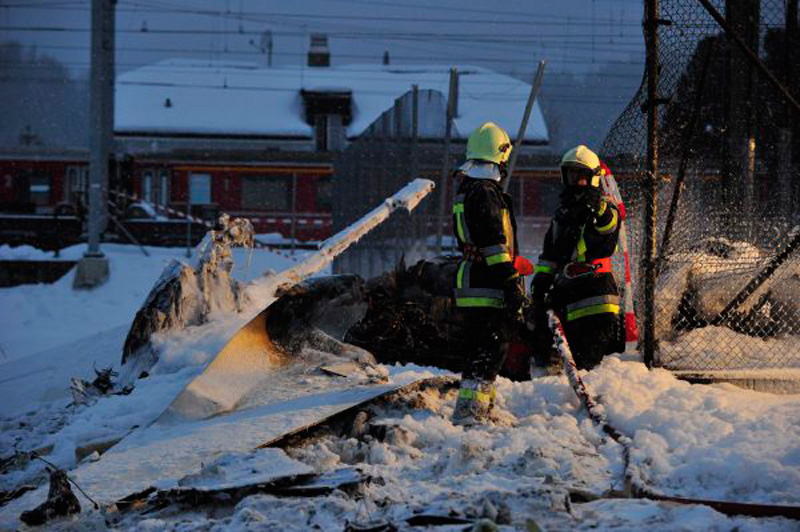
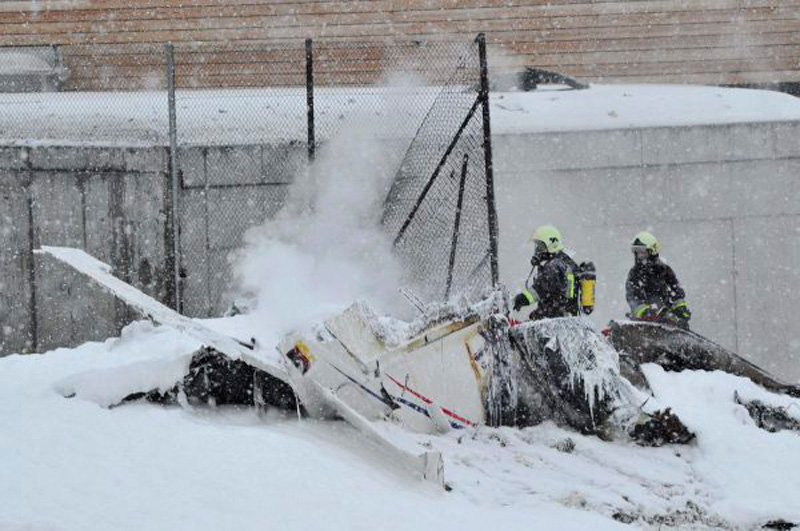
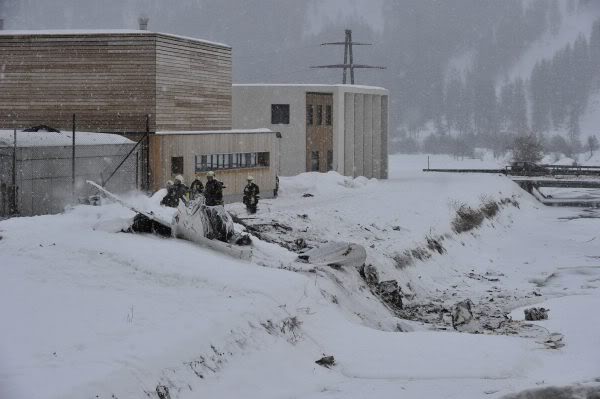
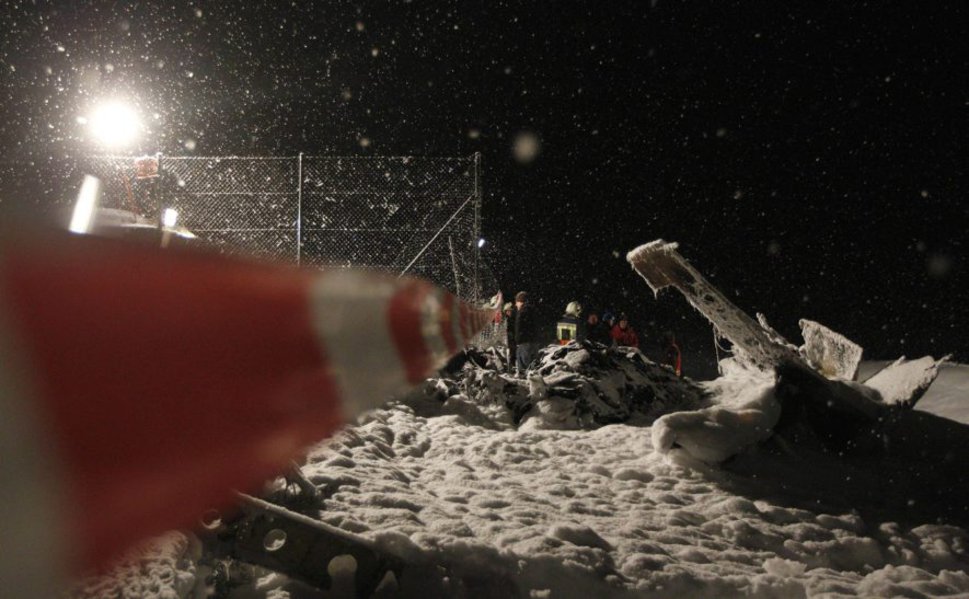
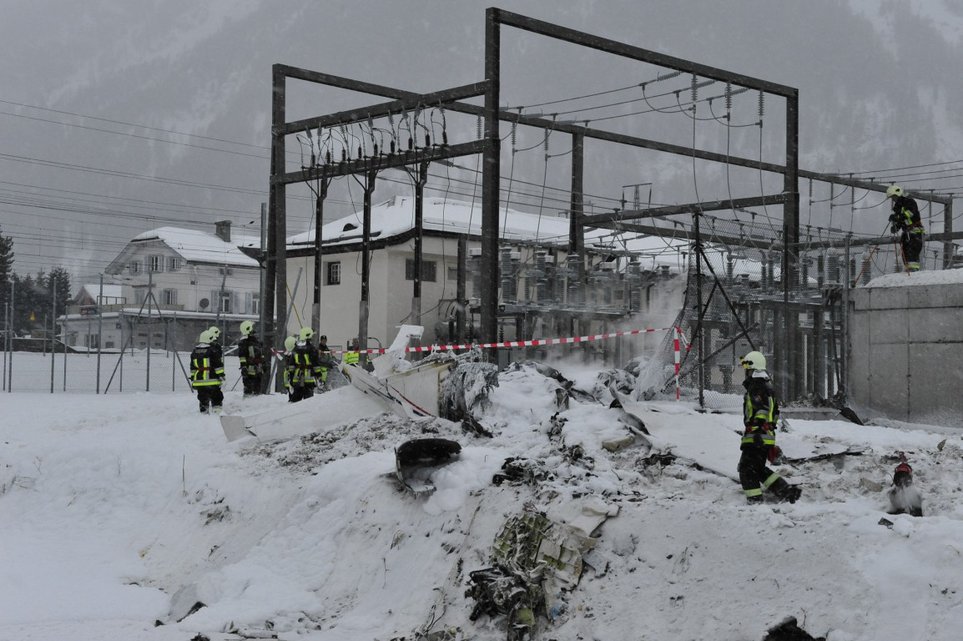
After an uneventful flight, the IFR flight plan was cancelled at 13:53:09 UTC and the flight continued under visual flight rules. When the crew were requested at 13:54:01 UTC by the Zurich sector south air traffic controller (ATCO) to switch to the Samedan Information frequency, they wanted to remain on the frequency for a further two minutes. The aircraft was on a south-westerly heading, approx. 5 km south of Zernez, when the crew informed the ATCO at 13:57:12 UTC that they would now change frequency. After first contact with Samedan Information, when the crew reported that they were ten miles before the threshold of runway 21, the aircraft was in fact approximately eight miles north-east of the threshold of runway 21. When at 13:58:40 UTC the crew of a Piaggio 180 asked the flight information service officer (FISO) of Samedan Information about the weather as follows: "(…) and the condition for inbound still ok?", the crew of D-IAYL responded at 13:58:46 UTC, before the FISO was able to answer: "Yes, for the moment good condition (…)". D-IAYL was slightly north-east of Zuoz when the crew asked the FISO about the weather over the aerodrome. D-IAYL was over Madulein when at 13:59:46 UTC the FISO informed the crew that they could land at their own discretion. Immediately afterwards, the crew increased their rate of descent to over 2200 ft/min and maintained this until a final recorded radio altitude (RA) of just under 250 ft, which they reached over the threshold of runway 21. The crew then initiated a climb to an RA of approximately 600 ft, turned a little to the left and then flew parallel to the runway centre line. The landing gear was extended and the flaps were set to 20 degrees with a high probability. At the end of runway 21 the crew initiated a right turn onto the downwind leg, during which they reached a bank angle of 55 degrees; in the process their speed increased from 110 to 130 knots. Abeam the threshold of runway 21, the crew turned onto the final approach on runway 21. The bank angle in this turn reached up to 62 degrees, without the speed being noticeably increased. The aircraft then turned upside down and crashed almost vertically. Both pilots suffered fatal injuries on impact. A power line was severed, causing a power failure in the Upper Engadine valley. An explosion-type fire broke out. The aircraft was destroyed.
Probable cause:
The accident is attributable to the fact that the aircraft collided with the ground, because control of the aircraft was lost due to a stall.
- The following causal factors have been identified for the accident:
- The crew continued the approach under weather conditions that no longer permitted safe control of the aircraft
- The crew performed a risky manoeuvre close to ground instead of a consistent missed approach procedure
- The fact that the flight information service did not consistently communicate to the crew relevant weather information from another aircraft was a contributing factor to the genesis of the accident
As a systemic factor that contributed to the genesis of the accident, the following point was identified:
- The visibility and cloud bases determined on Samedan airport were not representative for an approach from Zernez, because they did not correspond to the actual conditions in the approach sector.
- The following causal factors have been identified for the accident:
- The crew continued the approach under weather conditions that no longer permitted safe control of the aircraft
- The crew performed a risky manoeuvre close to ground instead of a consistent missed approach procedure
- The fact that the flight information service did not consistently communicate to the crew relevant weather information from another aircraft was a contributing factor to the genesis of the accident
As a systemic factor that contributed to the genesis of the accident, the following point was identified:
- The visibility and cloud bases determined on Samedan airport were not representative for an approach from Zernez, because they did not correspond to the actual conditions in the approach sector.
Final Report: